Most interior latex paint dries to the touch in 1–2 hours, while oil-based paint takes 6–8 hours, but that surface dryness is not the number that ruins weekend projects.
Full curing, when paint actually resists scuffs and cleaning, stretches to 30 days for latex and 7 to 30 days for oil.
The gap between those two numbers is where a "dry" door bumped against its frame leaves a mark that lasts for years.
How Long Paint Takes to Dry
Most interior latex paint dries to the touch in 1–2 hours, while oil-based paint takes 6–8 hours. Full curing is a different story: latex can need up to 30 days, and oil-based anywhere from 7 to 30 days, before the film reaches maximum hardness.
"Dry time" only means the surface feels dry and won’t smudge.
Cure time is when the paint actually performs at its best: resists scuffs, holds up to cleaning, doesn’t stick to whatever touches it. Sherwin-Williams puts the distinction plainly:
Cure time refers to how long paint needs to exhibit optimum performance results. Typically, acrylic and latex paints take two or three weeks to cure while oil-based paints take as little as five days to cure.
That gap between dry and cured is where weekend projects go wrong. I’ve bumped a "dry" door against its frame and left a mark I lived with for years.
Temperature, humidity, and how thick you rolled it on all shift these numbers, which is why the next sections break down each paint type and what actually changes the wait.
1. Latex Paint
Latex paint is water-based, which makes it the default choice for most interior walls and the type you probably already have in your garage.
The surface feels dry to the touch in 1–2 hours, and you can safely apply a second coat within 2–4 hours. I learned that second number the hard way during a Saturday bedroom refresh a couple of years ago.
I cut the recoat window short, figuring two hours was close enough, and ended up pulling half the new layer off with the tape the next morning.
Full cure is a different timeline entirely. Most latex paints need 14–30 days to reach maximum hardness, and during that stretch the finish remains softer than it looks.
I now treat fresh walls like they are fragile for the first week: no scrubbing, no leaning furniture against them, no resting picture frames on the ledge while I decide on placement.
The paint keeps hardening long after the room looks done.
That fast initial drying is why latex works for occupied spaces.
Low odor and soap-and-water cleanup matter less to me than being able to sleep in the room the same night, which I have done more than once after an afternoon of cutting in and rolling.
2. Oil-Based Paint
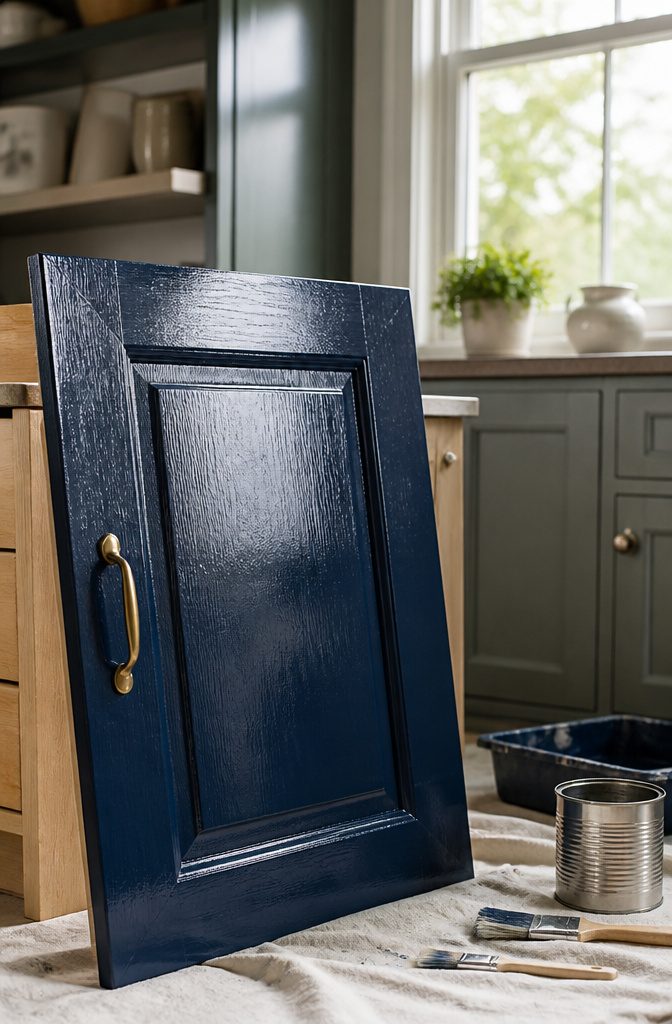
Oil-based paint still earns its place on trim, cabinets, and bathroom doors where the finish takes a beating.
The trade is patience. Dry to the touch lands at 6–8 hours, and a second coat needs 16–24 hours before it goes on without dragging the layer underneath.
Full cure stretches anywhere from 7 to 30 days depending on thickness and airflow, so that cabinet door you painted on Saturday should not take keys or coffee mugs until the following month.
I have watched friends rush the recoat window and end up with a gummy surface that never hardened right. The solvent smell is real, and the ventilation needs to match it.
What you get for the wait is a harder film than latex will ever build, which is why old-school painters still reach for it on baseboards that vacuum cords whack twice a week.
If your project timeline is a single weekend, oil-based probably puts you behind. If you want a bathroom door to survive five years of slammed doors and steamy showers, the math shifts.
3. Chalk Paint
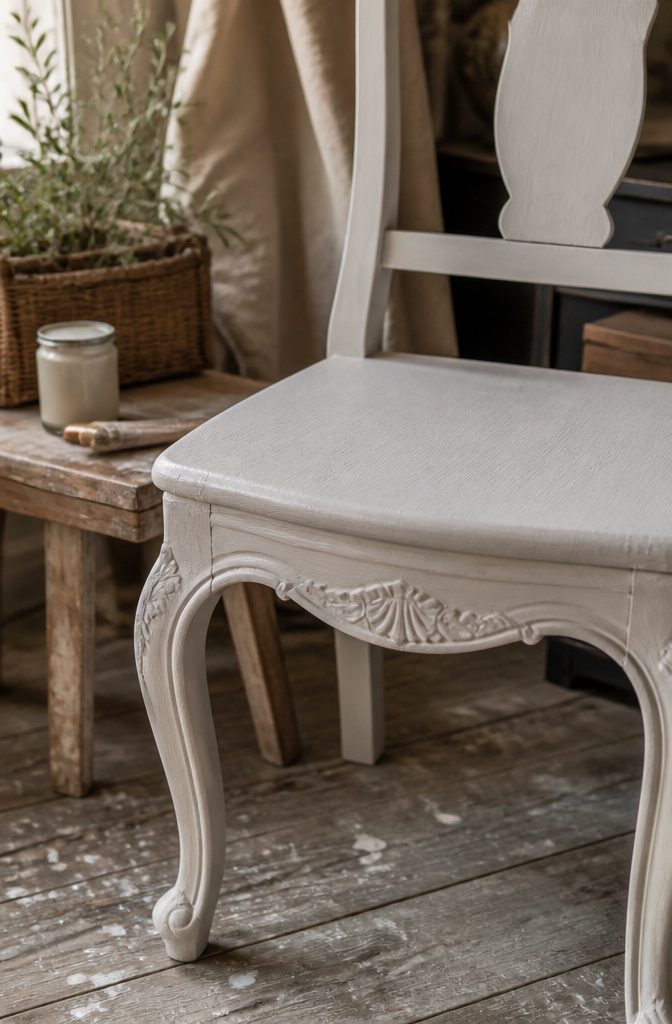
Chalk paint dries to the touch in 30–60 minutes, which feels almost instant after waiting hours for latex or oil. That speed is why it shows up in so many weekend furniture flips.
The catch is the cure time: a full 30 days before the finish reaches its actual hardness, same as milk paint and longer than oil-based options that cure in 3–7 days.
I learned that gap the hard way on a side table I painted on a Saturday morning. By Sunday evening the surface felt dry and smooth, so I set a lamp on it.
By Wednesday the base had left a ring pressed into the finish, not a stain, an actual indentation. The paint underneath was still soft enough to take an impression even though the top layer had felt ready for days.
Manufacturers list both numbers on the can, but the 30–60 minute figure is the one that sticks in your head when you want badly to move a piece back into place.
For anything that will hold weight, sit against the paint, or see regular use, the 30-day cure is the number that actually matters.
If the piece needs to be functional sooner, chalk paint is probably the wrong choice no matter how fast the surface dries.
4. Milk Paint
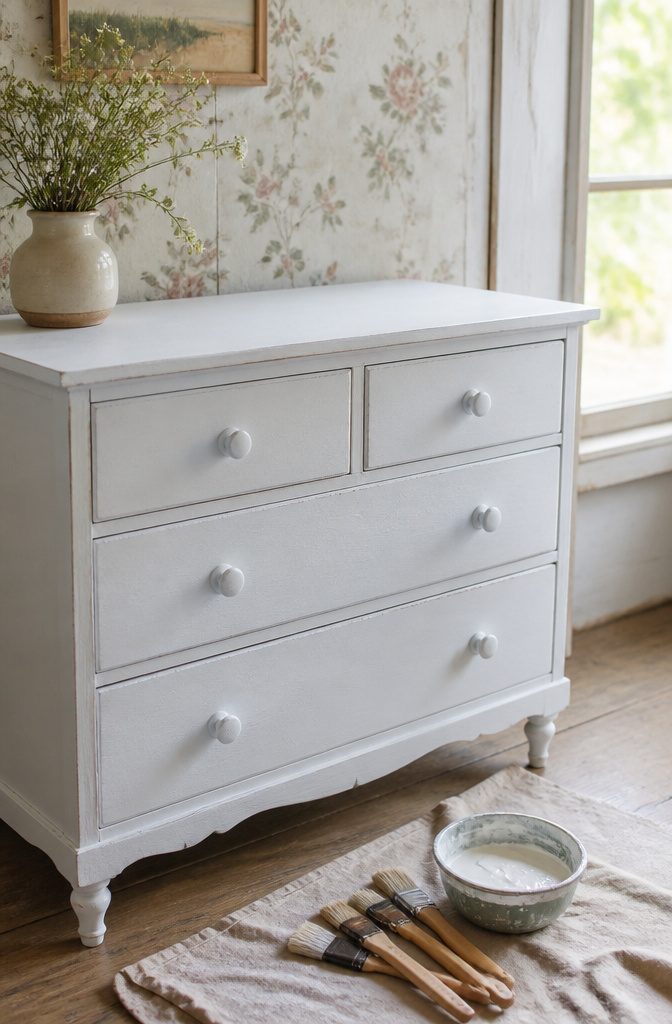
Milk paint is the fastest finish in this list to dry to the touch in about 30 minutes, though it still needs the full 30 days to cure to full hardness.
That speed makes it practical for weekend projects where you want to stack coats or move a piece the same day.
The paint itself is an old formula, pigment bound with milk protein and lime. It goes on thin, almost like a wash, and chips or wears in a way that reads as authentic rather than failed.
I have watched it turn a basic pine dresser into something that looked salvaged from a barn, which is exactly the point.
Because it cures porous, it needs a topcoat for anything that will see water or heavy use. Wax works for decorative pieces; something harder, like an oil or water-based polyurethane, is smarter for kitchen tables or bathroom vanities.
The 30-day cure window matters more on those high-wear surfaces, since premature use leaves permanent dents and marks you cannot sand out later.
5. Primer
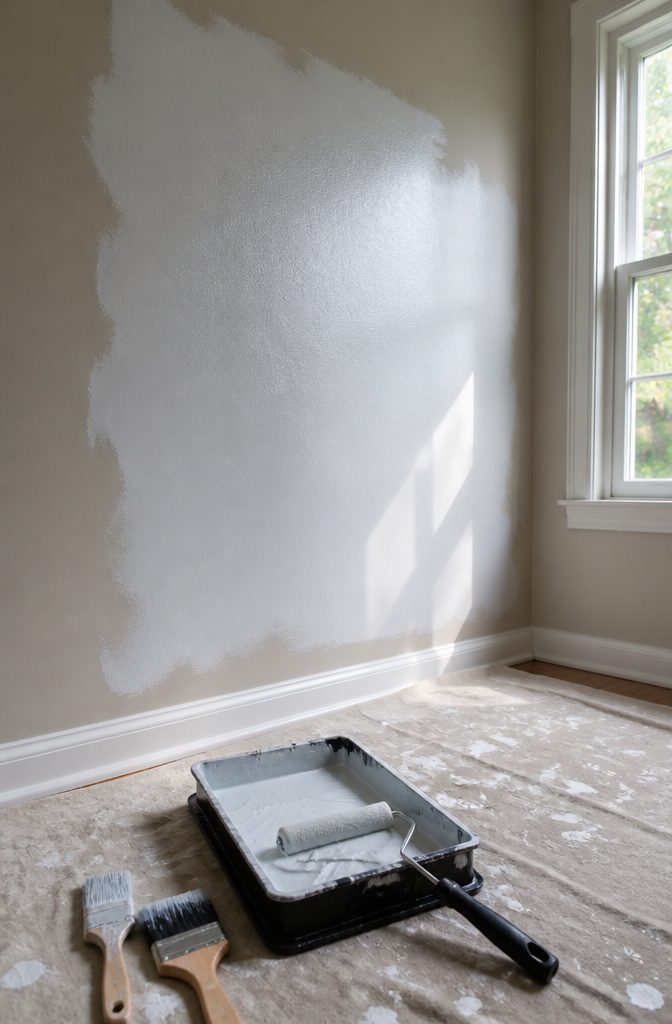
Primer usually feels dry to the touch within 30 minutes to an hour, which makes it tempting to keep moving.
Wait the full 1–4 hours before topcoating, though, because the surface can feel set while the film underneath is still too soft to lock down paint properly.
I learned that the hard way on a Saturday kitchen refresh a few years back: rushed the second coat, watched the color drag and pill by Sunday morning, and spent the next weekend sanding back to bare drywall.
Most latex primers sit at the faster end of that range, often ready in 1–3 hours, but the can matters more than the chemistry family.
Oil-based primers stretch toward the far end and sometimes beyond. The manufacturer printed the recoat window right there for a reason; indoor humidity above sixty percent or a coat laid on thick can push you past even the generous numbers.
Skipping primer altogether to save those hours costs more time than it saves.
Bare drywall, patched joints, or a color jump dark-to-light will need an extra coat of finish paint, and at thirty-plus dollars a gallon that math goes south fast.
Primer is the bottleneck in most weekend projects, but it is also the one step that buys the schedule back on the back end.
Drying vs. Curing
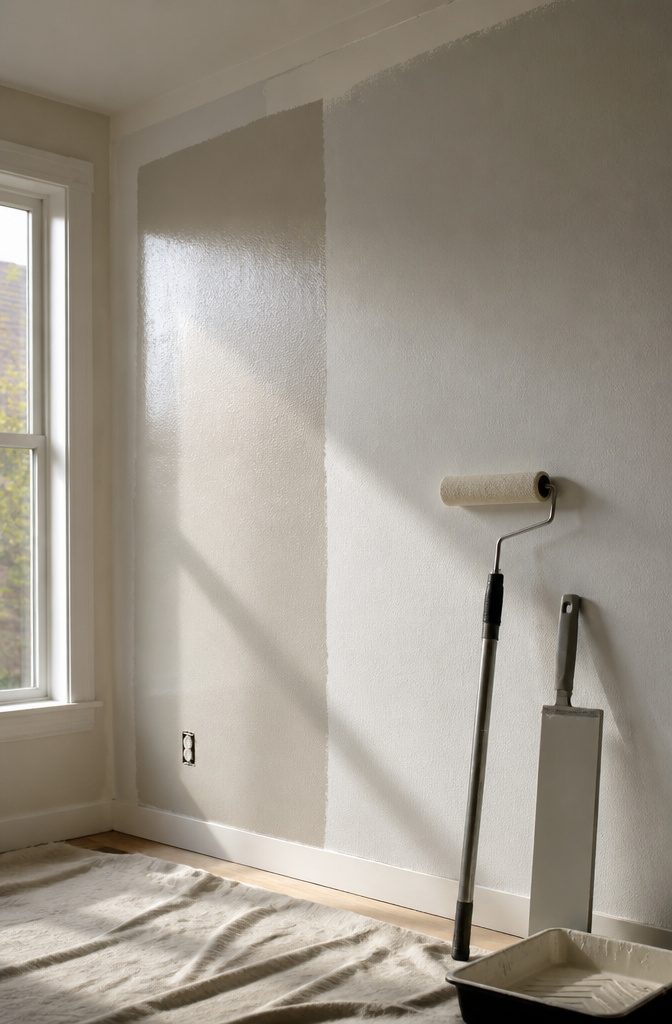
Paint that feels dry to the touch is not done becoming paint. Drying is when the solvents evaporate and the surface no longer feels wet; curing is the slower chemical hardening that gives the film its full strength.
A latex wall can seem ready for life within a couple of hours, yet still dent if you press a bookshelf against it or leave a lamp base stuck to the trim after a weekend.
The fingernail test catches this gap. Press a nail gently into an inconspicuous spot: if it leaves a mark, the paint has not cured.
Most interior latex needs up to 30 days to reach maximum hardness, while oil-based paint can cure in as little as five days. Acrylic and latex paints typically take two to three weeks.
Waiting out that full cure time before scrubbing, hanging heavy frames, or stacking a bookcase against the wall is the difference between a finish that lasts and one that records every impatient decision.
What Changes Dry Time
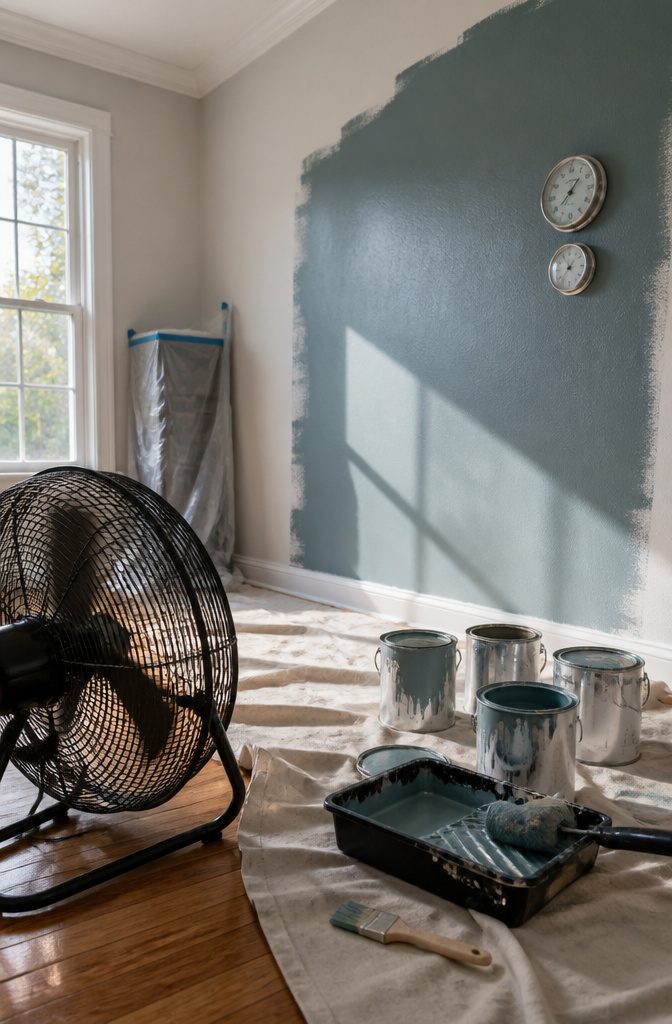
Paint type sets the baseline, but the room around it moves the number up or down.
The best temperature range for drying sits between 65°F and 85°F; below that, the chemical reaction slows, and above it the surface can skin over while the layer underneath stays wet.
Humidity works the same direction: high moisture in the air keeps water-based paint from evaporating, and oil-based formulas cure more slowly too.
I learned this the hard way in a bathroom with no exhaust fan, where semigloss trim stayed tacky for two full days and picked up dust that needed sanding out later.
Airflow matters almost as much as temperature. A ceiling fan or a portable fan pointed across the wall, not directly at it, keeps air moving without pushing debris into the finish.
Thick coats backfire every time. Two thin layers beat one heavy coat for speed and evenness; heavy application dries gloppy, streaky, and takes longer to cure through.
Porous surfaces like bare drywall or raw wood will pull moisture out of the paint faster at first, though they may need primer to stop the coat from sinking in and looking flat.
Speeding Up Dry Time
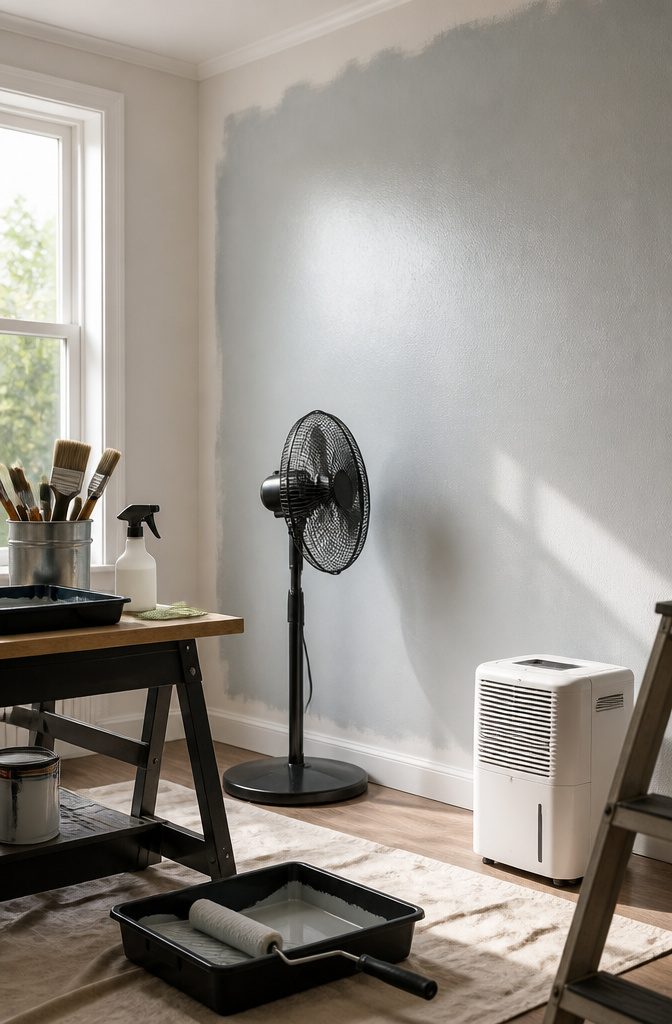
Thin coats dry faster and more evenly than one heavy layer, and that difference becomes the whole project when you’re working against a weekend.
I learned this after trying to shortcut a bookshelf with a single thick coat of latex; the surface dried gloppy and uneven, and the streaks showed through even after a second day.
Two thin coats, each given proper time, would have finished sooner and looked better.
Airflow matters almost as much as thickness.
A fan running across the surface speeds evaporation without the risks that come from forcing heat. Heaters and infrared lamps can shift temperature enough to alter color, so keep the room at 65–75°F and let steady air do the work.
In damp conditions, a dehumidifier or air conditioner helps pull moisture out; the best humidity sits at 40–50%, and climbing past that slows everything down.
The real cost of rushing is adhesion. Thick coats or recoating too early traps solvent underneath, and the finish may look fine for weeks before it starts failing.
I’ve watched edges peel where patience would have saved the work. The tools that actually speed drying, fans and climate control, cost little compared to redoing a room.
Frequently Asked Questions
What is the difference between drying time and curing time?
Drying is when the solvents evaporate and the surface no longer feels wet. Curing is the slower chemical hardening that gives the paint film its full strength and durability.
A wall can feel dry to the touch within hours but still dent if you press furniture against it, because the paint needs up to 30 days to reach maximum hardness.
How long should I wait before using the room after painting?
Light use is usually fine after 24 hours, but full curing can take 2 to 4 weeks.
Avoid scrubbing walls for at least two weeks and be careful moving furniture for several days. For high-touch surfaces like cabinets and trim, the full cure time matters even more.
How can I make paint dry faster?
Apply thin coats instead of one heavy layer, increase airflow with a fan pointed across the surface, and keep the room at 65–75°F with humidity at 40–50%.
A dehumidifier or air conditioner helps in damp conditions. Forcing heat with heaters or infrared lamps can alter color, so steady air and climate control work better.
Can I sleep in a room while paint is drying?
Yes, you can usually sleep in a room the same night after painting with latex paint, since it dries to the touch in 1–2 hours and has low odor.
Oil-based paint is a different story; the stronger solvent smell and longer dry time mean you should wait longer and keep ventilation running.
Can paint dry in 20 minutes?
Milk paint and chalk paint can feel dry to the touch in about 30 minutes, but no standard wall paint dries that fast. Latex takes 1–2 hours, and oil-based paint needs 6–8 hours just to reach the same stage.
Can I recoat paint in 1 hour?
Only primer sometimes allows this, with some latex primers ready in 1–3 hours.
For finish paint, latex needs 2–4 hours between coats and oil-based needs 16–24 hours. Recoating too early traps solvent underneath and can cause peeling or a gummy surface that never hardens properly.