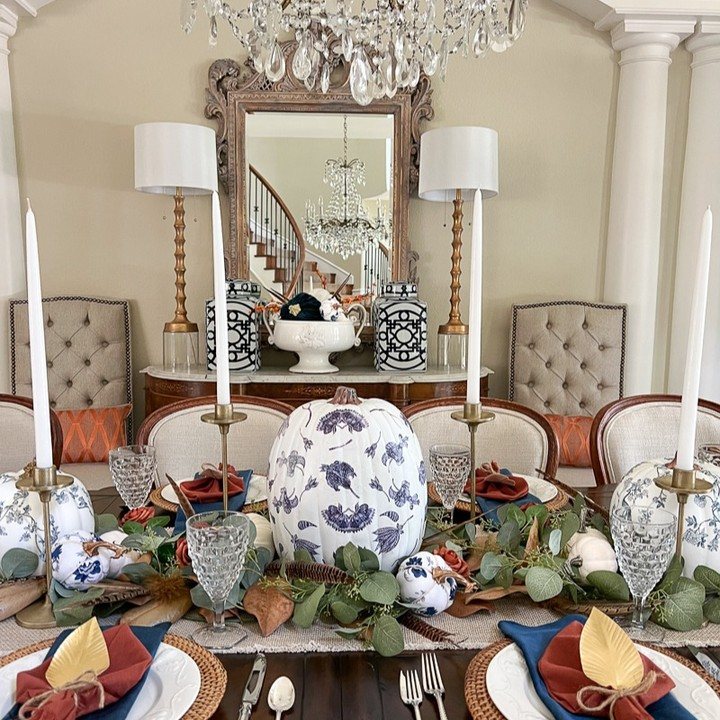
These ideas run from a bag of rock salt to a full linen tablecloth, and the right one depends on whether your table serves dinner nightly or only on Sundays.
A heat-proof tray under tapers keeps wax off the wood; that single choice separates the everyday table from the holiday one.
1. Floral Arrangements
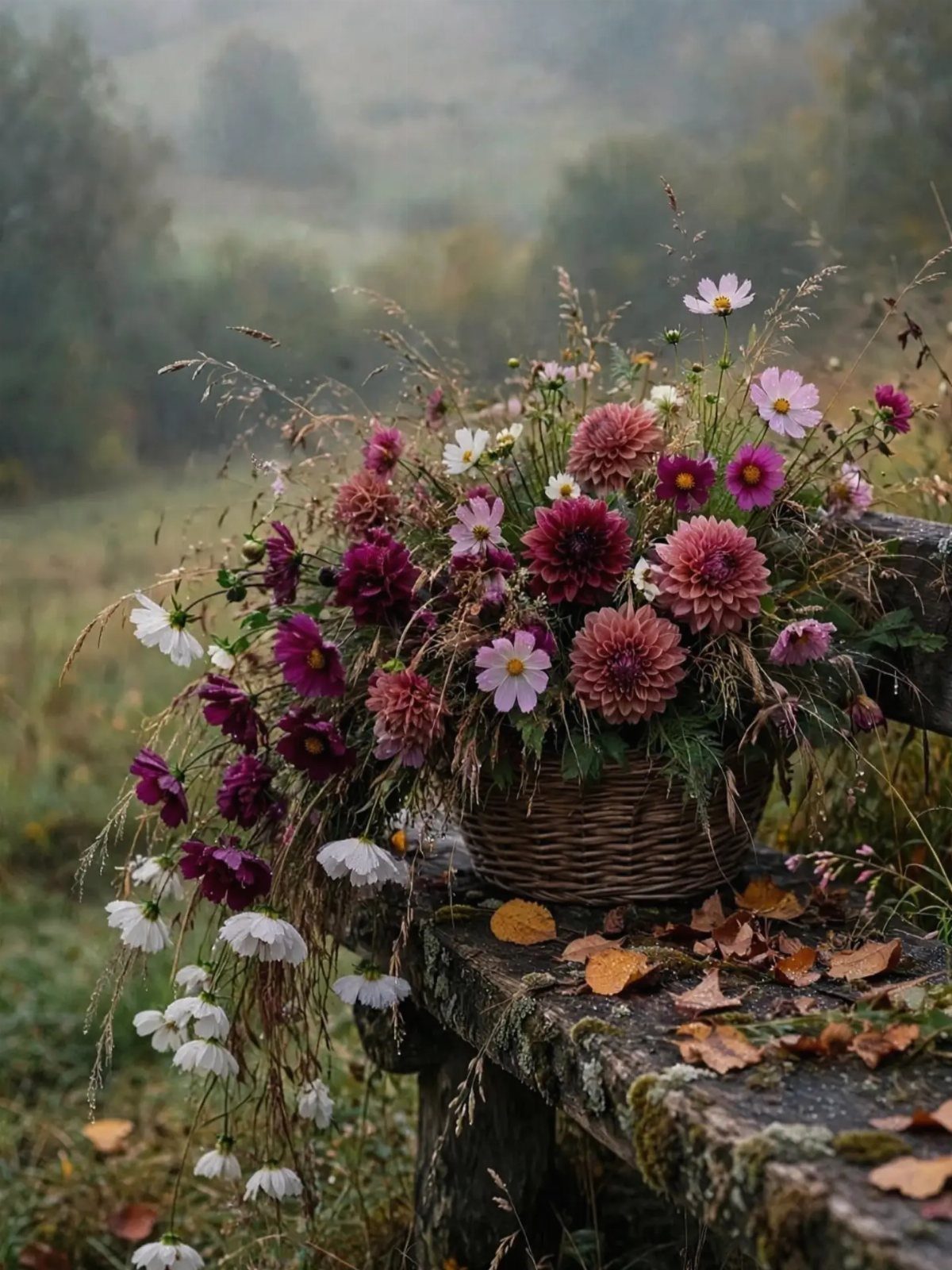
Fresh stems fade fast; good faux ones carry the whole season for less than a dinner out. A low vase keeps faces visible across the table.
Textured ceramic or weathered glass hides the mechanics better than crystal here.
For a single centerpiece, 12–15 stems fill a 6-inch opening without looking crowded. Hydrangeas work the same way if the color matches what is already in the room.
Split the bunch into two smaller jars for a longer table; the cost doubles but the look stays loose.
2. Color Scheme
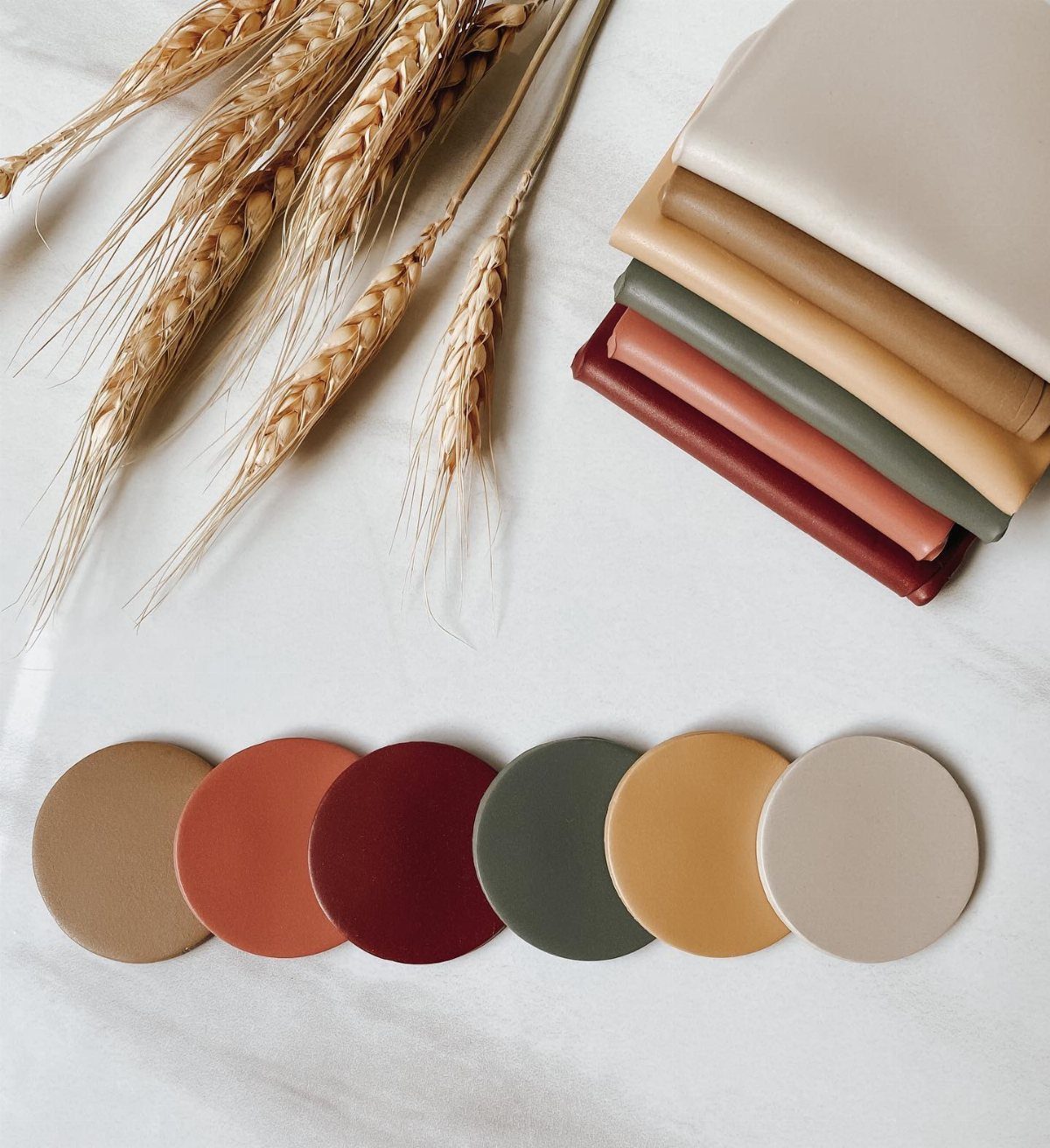
I start with what I own: the walls, the chairs, the rug. Then I add two fall colors and a neutral, never four competing ones.
Cream and terracotta against dark wood needs no new dishes.
Blue, gray, plum, and burgundy suit rooms that already run cool; in a warm kitchen they fight the cabinets. Test the swatches at 6 p.m. under the chandelier, not at noon by the window.
That hour tells you what dinner actually looks like.
3. Pumpkin Decor
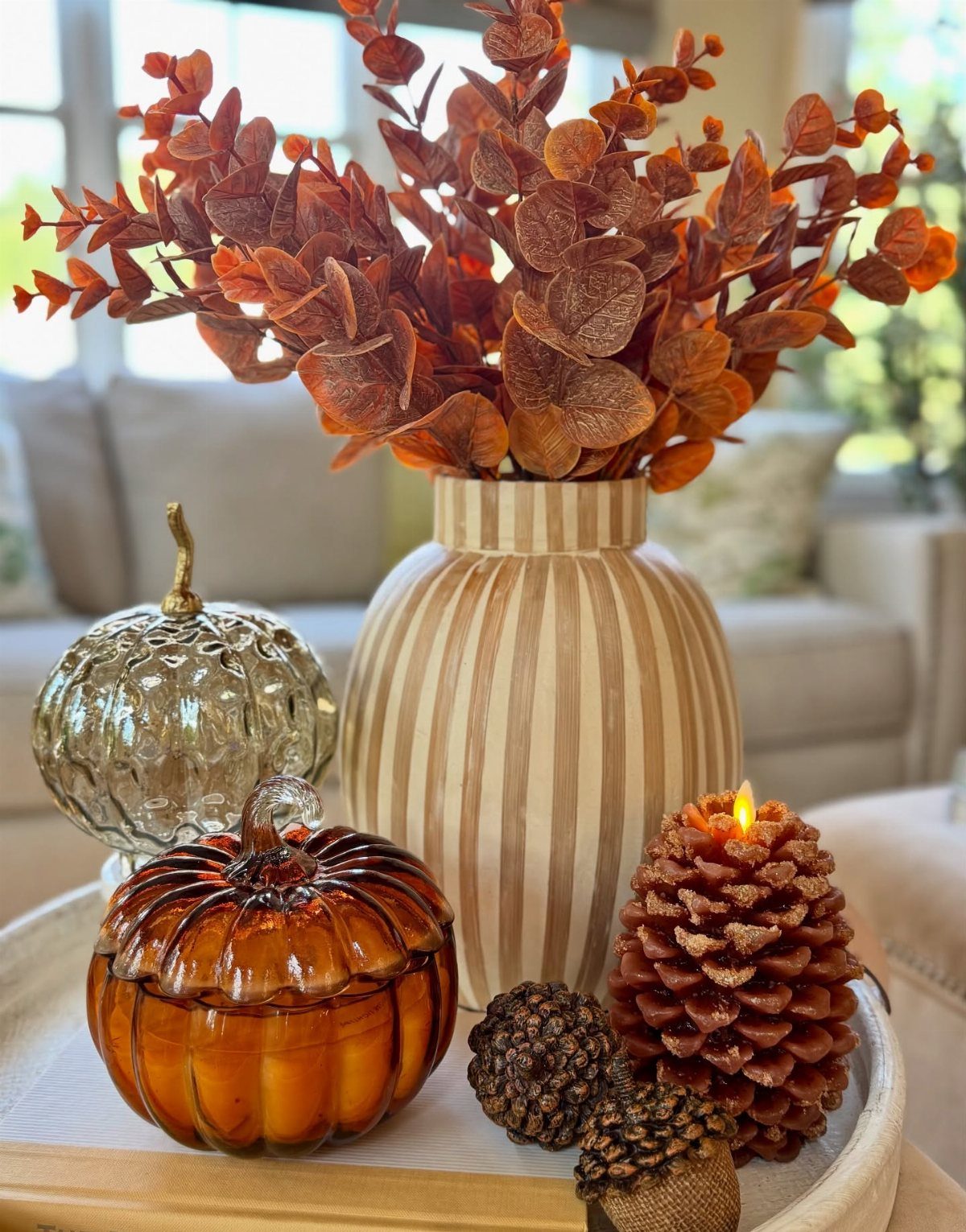
Glass and ceramic pumpkins on a tray keep the symbol of the season without the mess of real gourds. Velvet pumpkins in claret and moss store in a shoebox and come back unchanged year after year.
A cluster in different sizes, none too tall, fills the center of a small table without blocking the salt.
Real pumpkins stain tablecloths and attract fruit flies by week two. If the table sees daily use, the ceramic or fabric versions stay practical.
Mix one metallic or iridescent piece among matte ones; all shimmer reads as party, one shimmer reads as intention.
4. Candle Arrangements
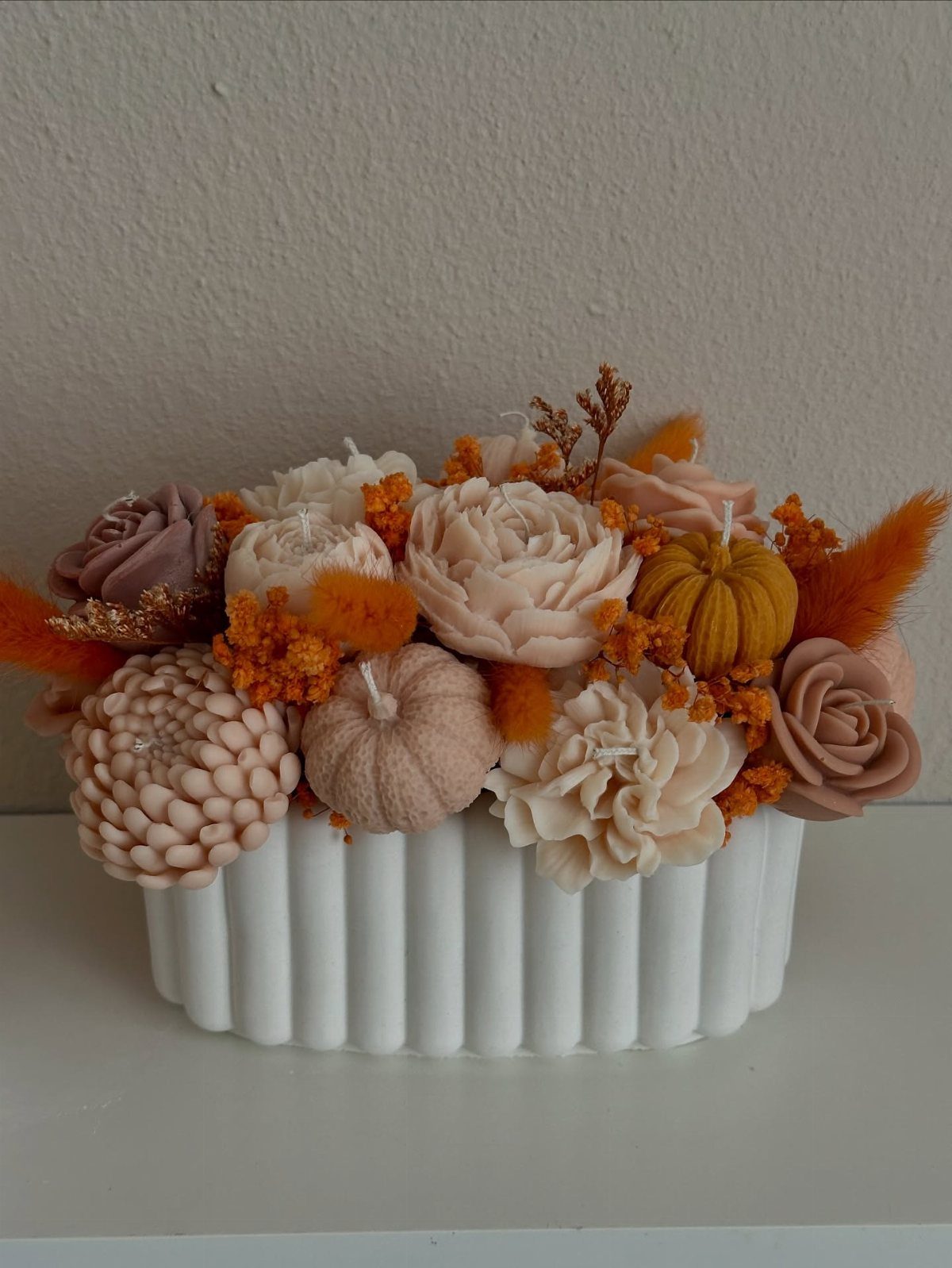
I set mine on a heat-proof tray or directly in a ceramic dish; the wax stays contained and the table stays safe. Unscented tapers at dinner, always.
A scented candle on a nearby sideboard is enough fragrance for the room.
Rock salt in a cylinder vase, with a votive nested inside, reflects light upward for next to nothing. The salt hides the holder, so a plain glass jar reads as deliberate.
For a long table, several of these spaced along the center beats one large centerpiece; the glow reaches every plate.
5. Tablecloths and Linens
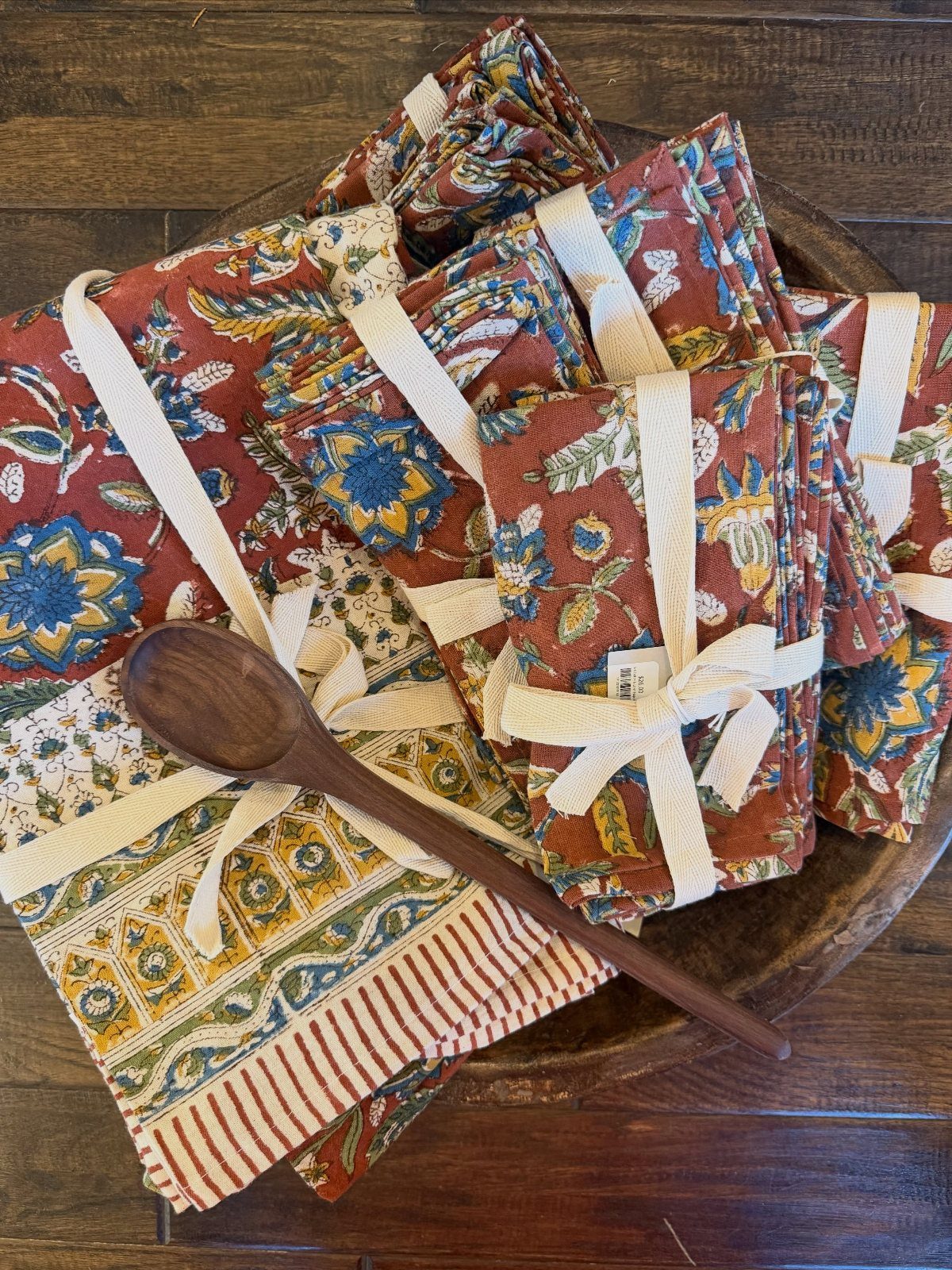
A full ruffled linen tablecloth softens a rectangular table and hides legs I do not love; it is the single change that reads as effort. I iron mine the night before, never the hour of.
Four tied with twine or narrow ribbon, set directly on the bare table, cost less than one centerpiece. A single found object on top of the stack beats a printed place card for warmth.
Creating a Cohesive Look
A dining table reads as finished when the chairs, runner, and centerpiece share one color story. A tight palette of rust, cream, and dark wood keeps a fall table feeling settled instead of crowded.
Texture matters as much as hue. A woven placemat under smooth ceramic plates gives the eye something to rest on.
I avoid mixing more than two textures at once; three starts to look like a display rather than a table set for dinner.
The walls and window treatments should nod to the same palette, but they do not need to match. In my space, the curtains are a quieter shade of the runner color.
That connection, faint as it is, pulls the whole room together without demanding attention.
Seasonal Decor Tips
A bowl of pears or apples costs little and lasts the full season. I set mine in a low wooden bowl, stems still on, and replace pieces as they soften.
Small pumpkins work anywhere the large ones would block sightlines across the table. I group three or five on a sideboard or between candlesticks; odd numbers settle better than even.
Fresh florals need not mean a formal arrangement. A handful of dried grasses in a stoneware pitcher, changed when they shed, carries the same color as late-season blooms for a third of the price.
I pull these pieces out the week the temperature first drops and leave them until Thanksgiving. The consistency, more than any single item, marks the room as autumn.
Frequently Asked Questions
How can I decorate my dining room table for fall?
Start with what you already own, then add two fall colors and a neutral. Short ceramic or weathered-glass vases hide stems better than crystal, and the low profile leaves sight lines open for whoever’s across from you.
Three or five velvet or ceramic pumpkins grouped in the middle add color without hogging the space where the salt shaker needs to live.
What should I put in the middle of my dining table?
A low centerpiece keeps faces visible across the table. A single 6-inch opening needs about a dozen stems to look full; stretch that same bunch across two jars if you’re covering a longer surface.
For everyday use, glass pumpkins on a tray or rock salt layered in a cylinder with a votive tucked inside give the fall feeling without the rot that real gourds bring.