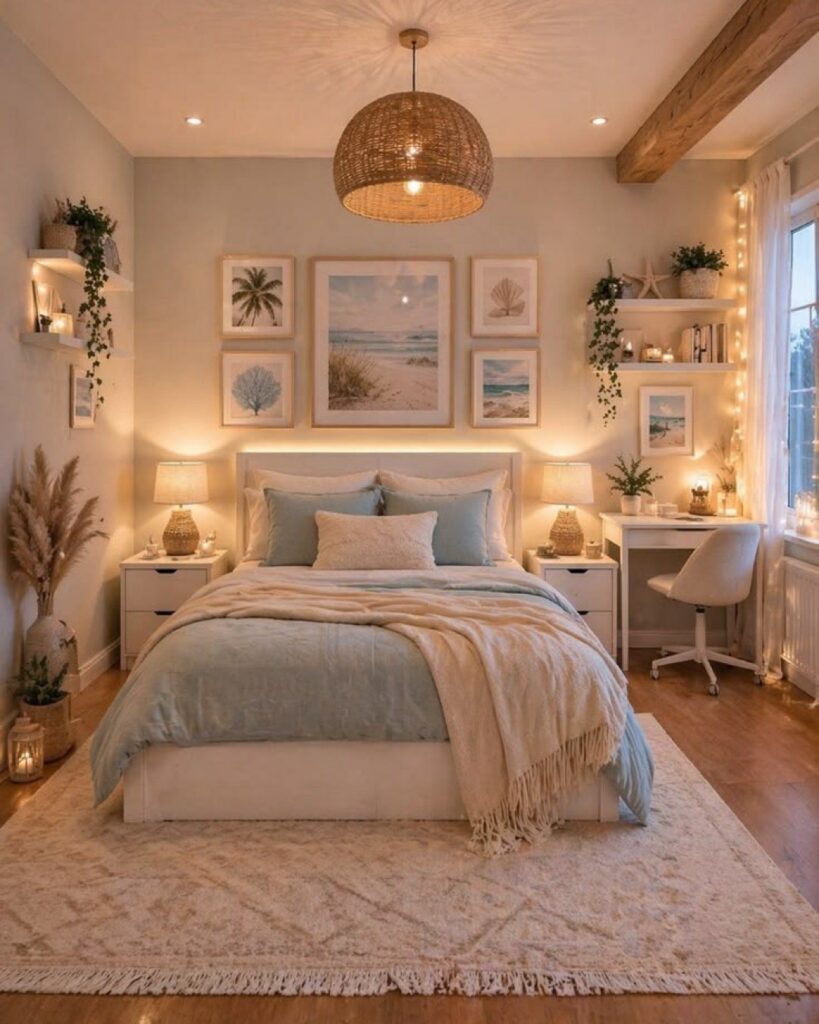
These ideas run from a single navy pillow to a full canopy bed or a tiled floor, and the right pick depends on whether you are dressing a rental for a year or settling into a first home you can alter.
A 20-inch beaded chandelier at 15 to 25 pounds needs a junction box rated for the weight, which is the kind of practical check that separates the weekend projects from the ones that need a professional.
1. Soft Neutrals
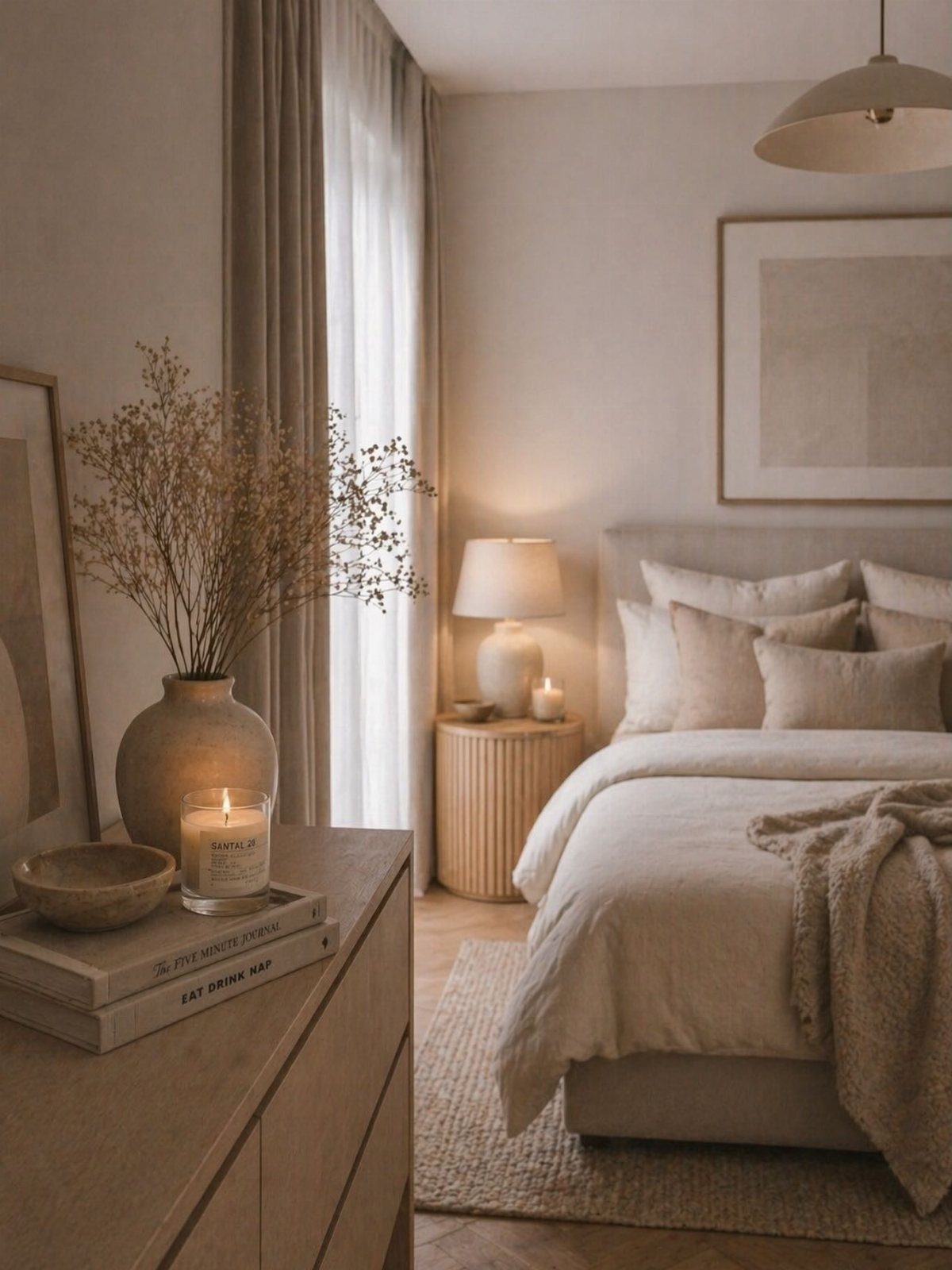
A coastal bedroom starts with the walls and the biggest pieces in pale, sun-faded tones. White, ivory, pale beige, or soft gray on the walls and bedding bounces light around and keeps the room from feeling closed in.
I like this approach for renters because off-white paint and a set of cream sheets do not cost much and take a Saturday to switch out.
The neutral base also leaves room to layer in texture later without fighting the color. Skip the beige if your room gets little natural light; gray reads cleaner in darker spaces.
2. Ocean Blues
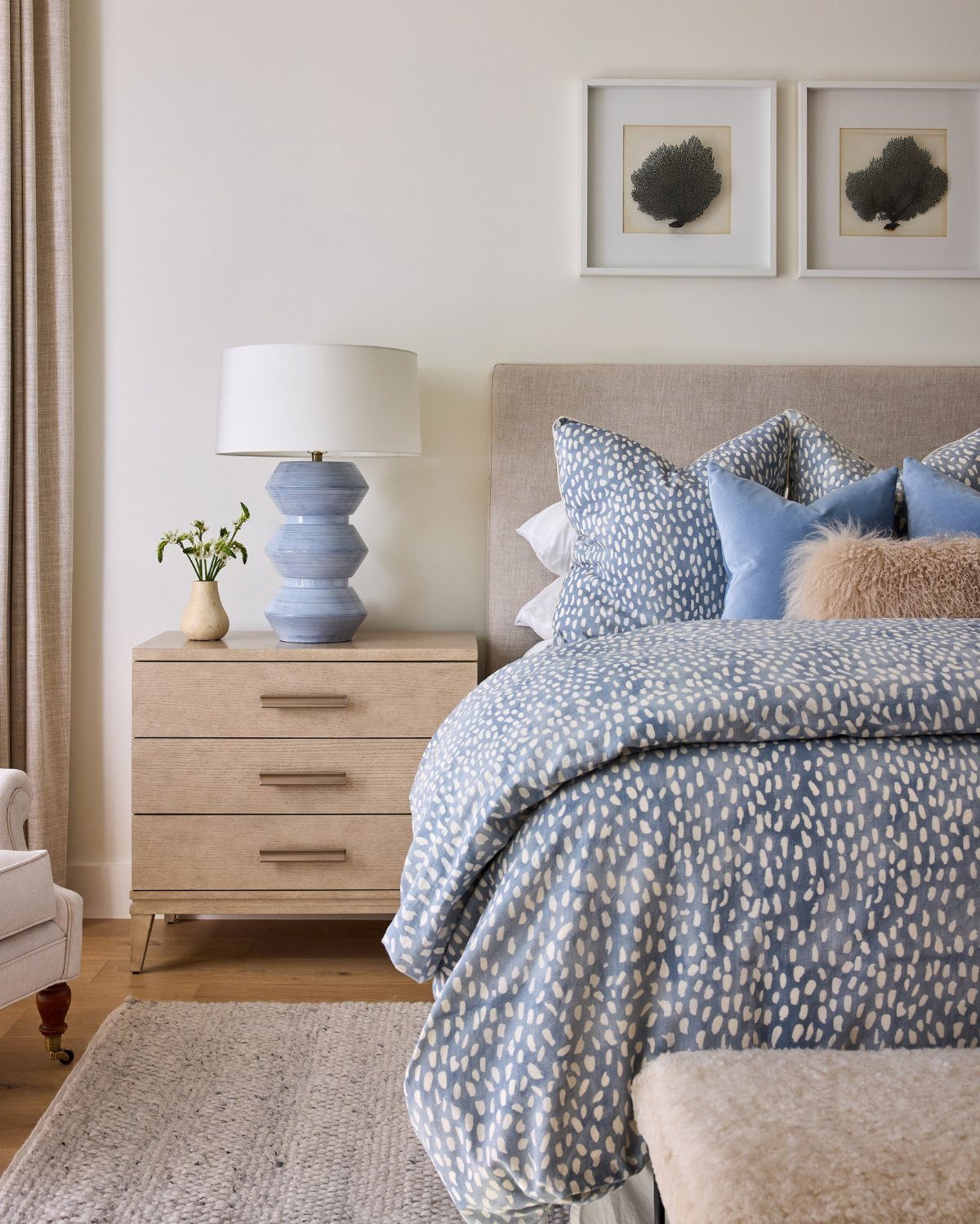
Blue and green accents do the actual work of saying "coastal." Seafoam, aqua, navy, or sky blue in pillows, throws, or a piece of art above the bed pulls the ocean in without repainting.
A single navy lumbar pillow and a thin striped throw can change the whole feel of a beige room without costing much. Keep these accents to two or three tones so the room stays restful rather than busy.
This suits someone who wants change without commitment; swap the blues out in fall and the room becomes something else entirely.
3. Natural Textures
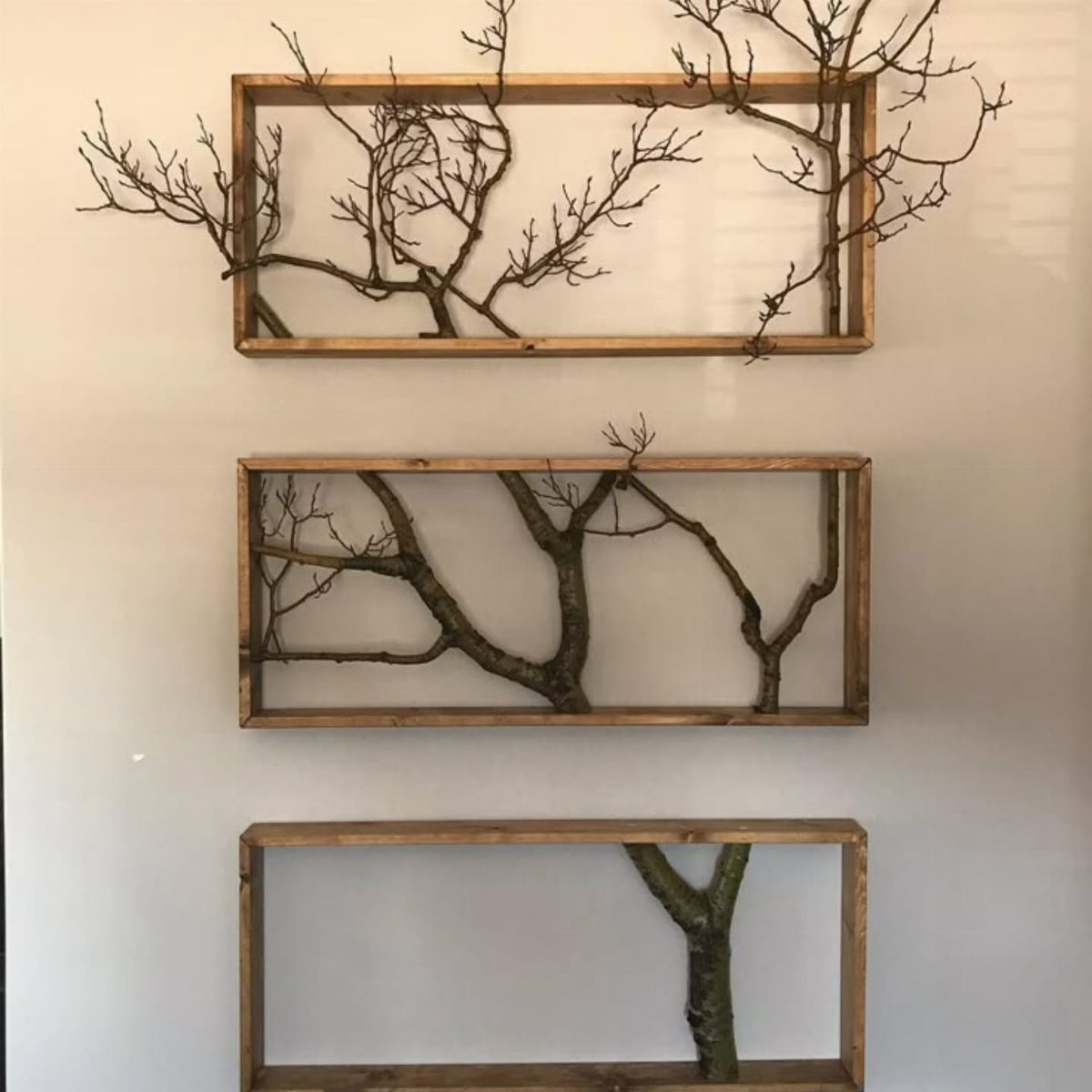
Natural textures bring the beach indoors without literal shells everywhere. Rattan, wicker, seagrass, and linen add the rough, weathered quality of driftwood and dunes.
A jute rug underfoot or a woven pendant overhead does not cost much and installs in an afternoon.
I would put the texture budget toward whatever the room lacks: a flat-woven rug if the floor is bare, a wicker mirror if the walls are empty.
Renters can get the same effect with a seagrass basket for storage or a linen throw at the foot of the bed, both portable when the lease ends.
4. Layer Textiles
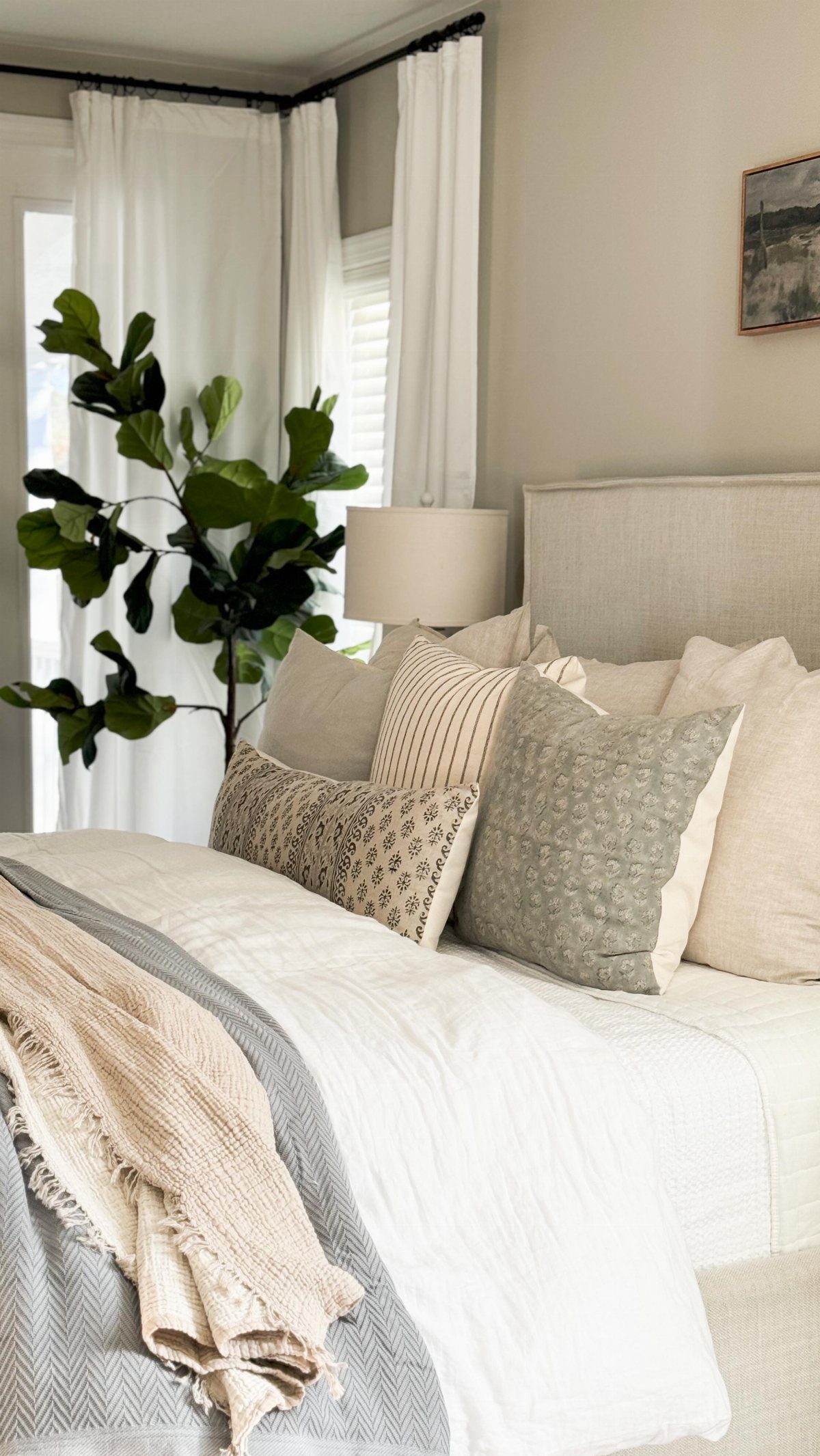
Layered textiles turn a basic bed into something that looks finished.
Start with white or light neutral sheets, add a quilt in lieu of a heavy comforter, then pile on two or three pillows in different textures and a thin throw at the foot.
The coastal version keeps patterns minimal, so the layers read as depth rather than clutter. The beds that look luxurious use more layers than you would think, but each one is light.
Shop sales for the full stack; the result is a bed that looks styled even when unmade.
5. Play with Patterns

Patterns in a coastal room work best when they nod to the theme without shouting.
Stripes in blue and white are the safest bet; a coral, shell, or wave motif in a curtain or a single pillow adds interest if kept small.
I would avoid matching sets and instead mix one stripe with one organic print in similar tones. The limit is two competing patterns in a single sightline; more than that and the room starts to feel like a gift shop.
This idea suits someone who finds all-neutrals too quiet but full nautical too kitsch.
6. Coastal Beds
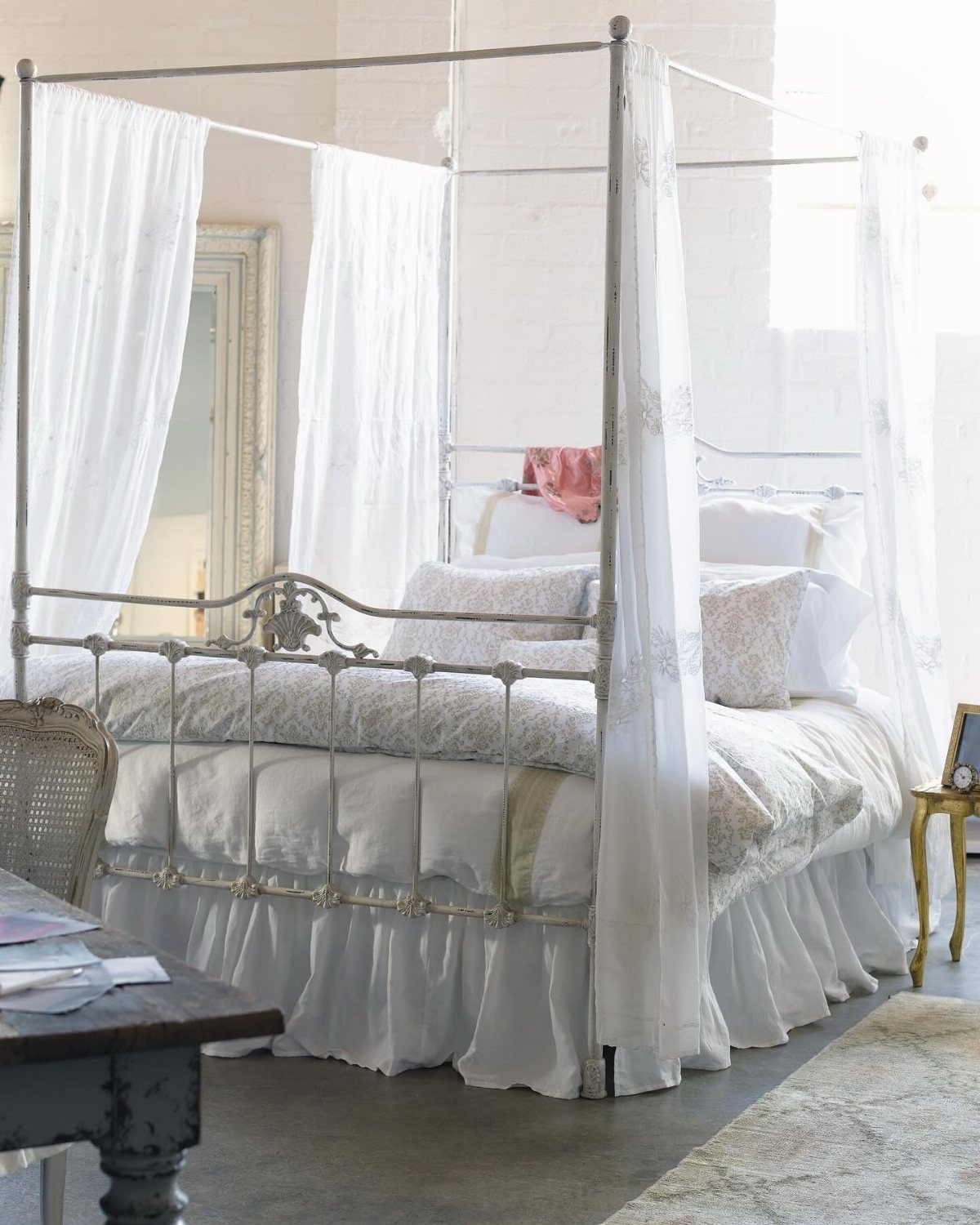
A canopy bed frames sleep as an event and suits coastal style in white metal or light wood. The sheer fabric overhead softens morning light and adds movement without blocking windows.
Ironwork with a timeworn white finish takes layered linens and fluttering fabric well. A full canopy costs more, but the look works with a simple four-poster and a curtain rod mounted to the ceiling.
Cleaning takes more work; dust settles on the fabric and the frame needs regular wiping. Skip it if your ceiling is low, or the draped fabric will swallow the room.
7. Incorporate Nautical Accents

A few well-chosen nautical pieces do more than a room full of them.
Ship wheels, anchor motifs, or a framed old map can read as collected over time rather than bought as a set; stopping before the room feels like a gift shop takes more restraint than you’d think.
Blue-and-white stripes carry the same sailor reference without needing an object at all. A striped rug or pillow does the work quietly, and a small pop of red keeps it from going too serene.
I would mount one or two weathered hardware pieces on painted boards if the wall needs color, or skip the objects entirely and let the pattern handle the theme. Either way, one strong piece beats a shelf of small anchors.
8. Choose a Patterned Tile
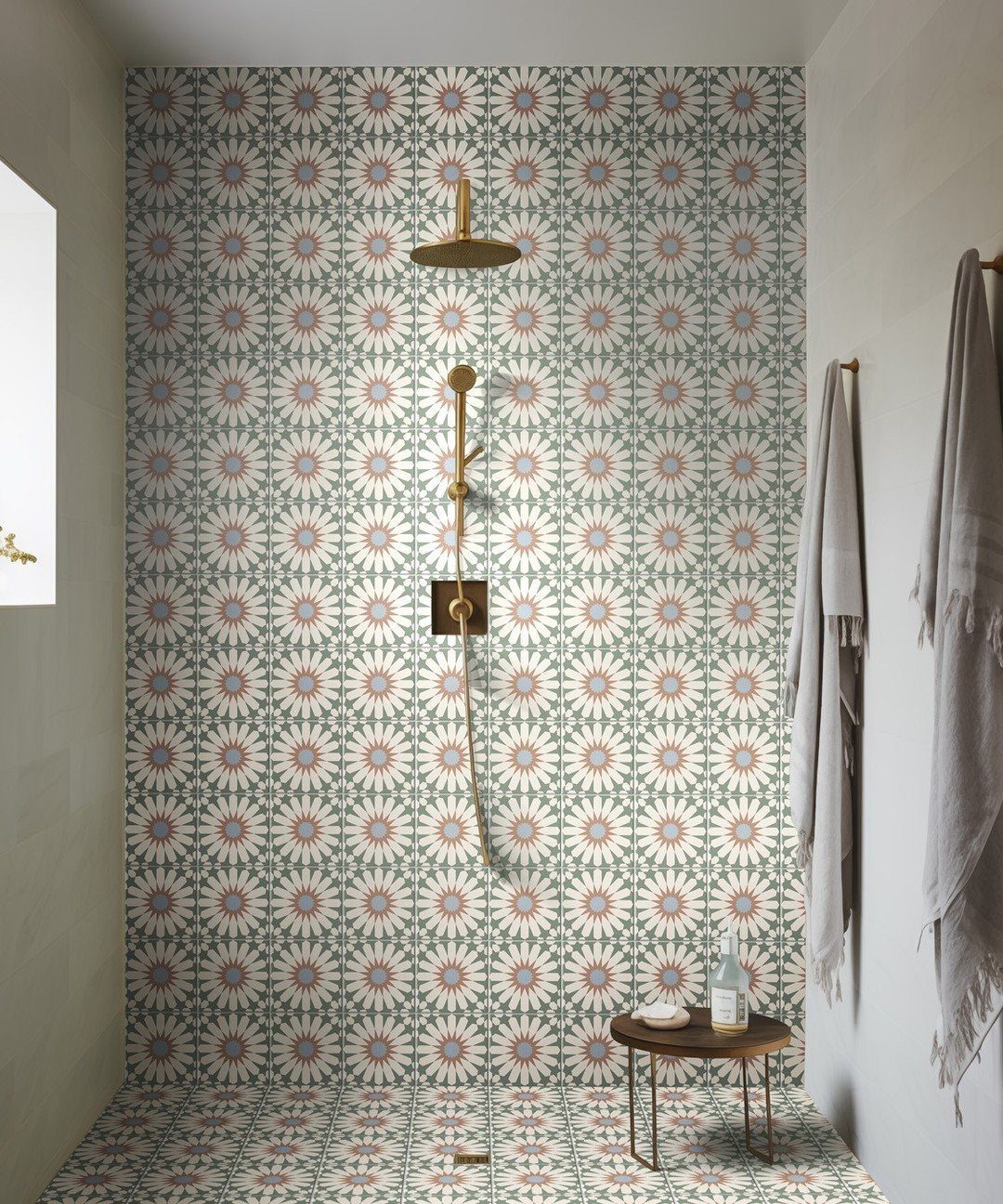
Tile on a bedroom floor is an unexpected move, and that is exactly why it works for coastal style. A repeating pattern in teal, white, and terracotta reads as beach energy underfoot without any literal seashells required.
Cece Bowman paired similar tile with green and blue walls and white bed frames, letting the floor set the tone and the paint echo it. The pattern does the heavy lifting; the rest of the room stays simple.
For a weekend project, peel-and-stick tile in a coastal palette covers in an afternoon and asks only patience and a straight edge.
Real tile needs more time and a grout line, but either way you end up with a floor that does not look like every other bedroom.
9. Create a Tropical Feel
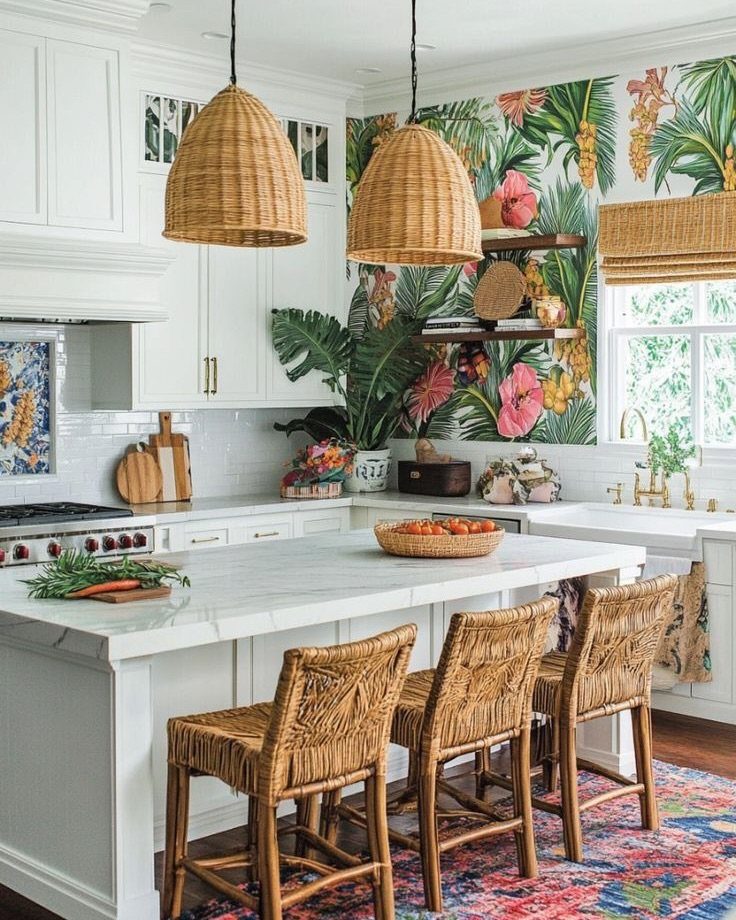
Tropical coastal is a different branch of the same tree. Leafy prints and botanical wallpaper push the room toward jungle-adjacent rather than Cape Cod, and that shift works best where the light is bright and the winters are short.
Caroline Rafferty mixed pink and gray stripes with graphic botanicals in a Palm Beach bedroom, and the 1960s surf-motel energy came through without looking dated. A vintage bed frame grounded all that print.
For a rental or a tight budget, one bold move is enough. A single wall of tropical paper, or a set of leafy prints above the bed, gives the vibe without the commitment.
Green textiles with blue accents do the same job more quietly if the room already has enough pattern.
10. Bring in Greenery
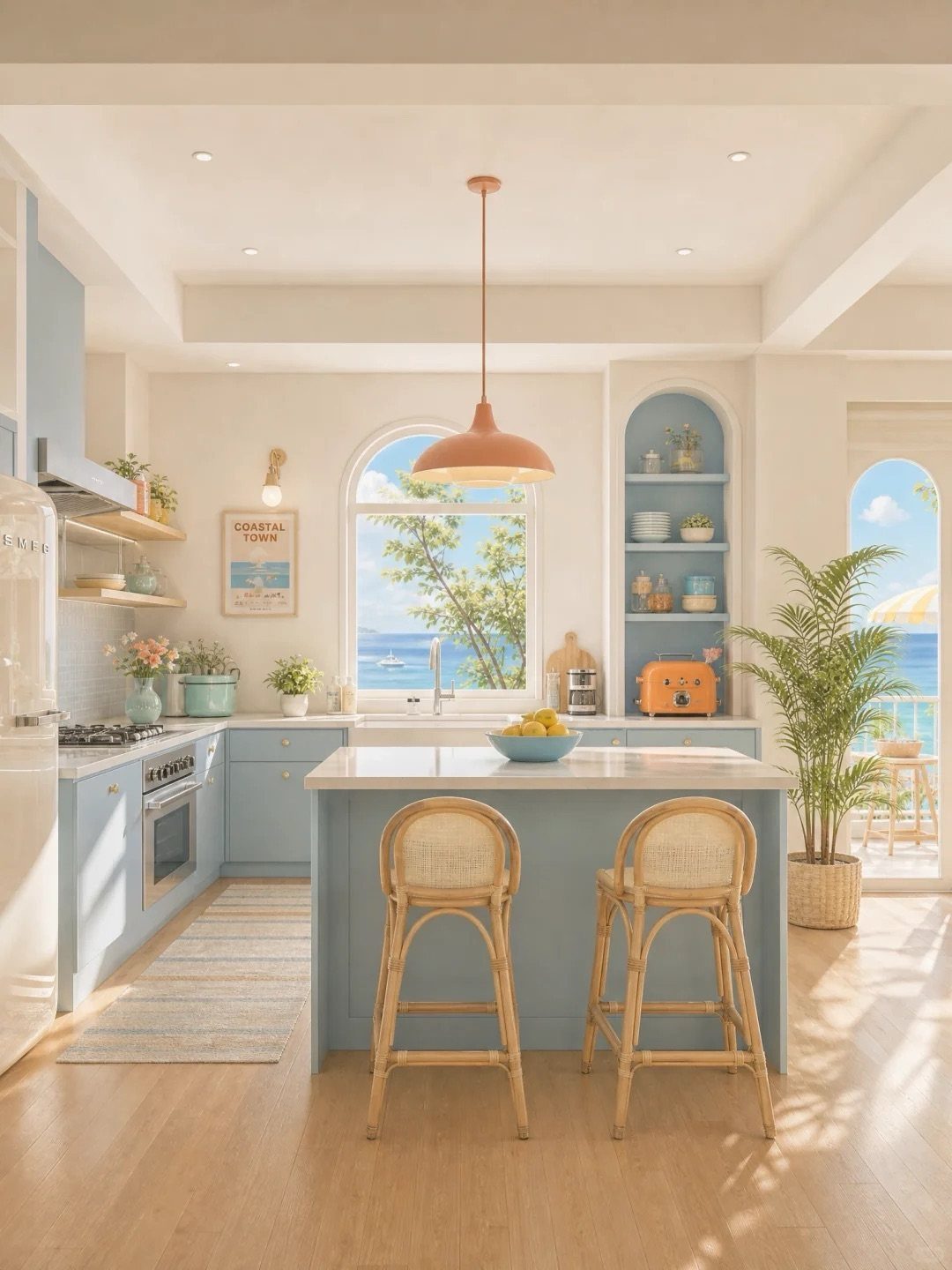
A potted palm or a clipped fern brings the outside in, and coastal style leans on that connection to growing things. Real plants need light and water; faux ones need a microfiber cloth now and then.
Both work, and both beat an empty corner.
Mixing sizes in the same room, tall beside short, keeps the eye moving so nothing sits like a prop.
A palm in a woven basket reads more coastal than the same plant in a ceramic pot, and a few stems in a vase fill space without the care schedule.
A good faux palm lasts years and travels to the next apartment; the cheap ones shed in a season, so I check the stem and the weight before buying. Fresh cuttings from the yard cost nothing if the climate cooperates.
11. Incorporate Seashells
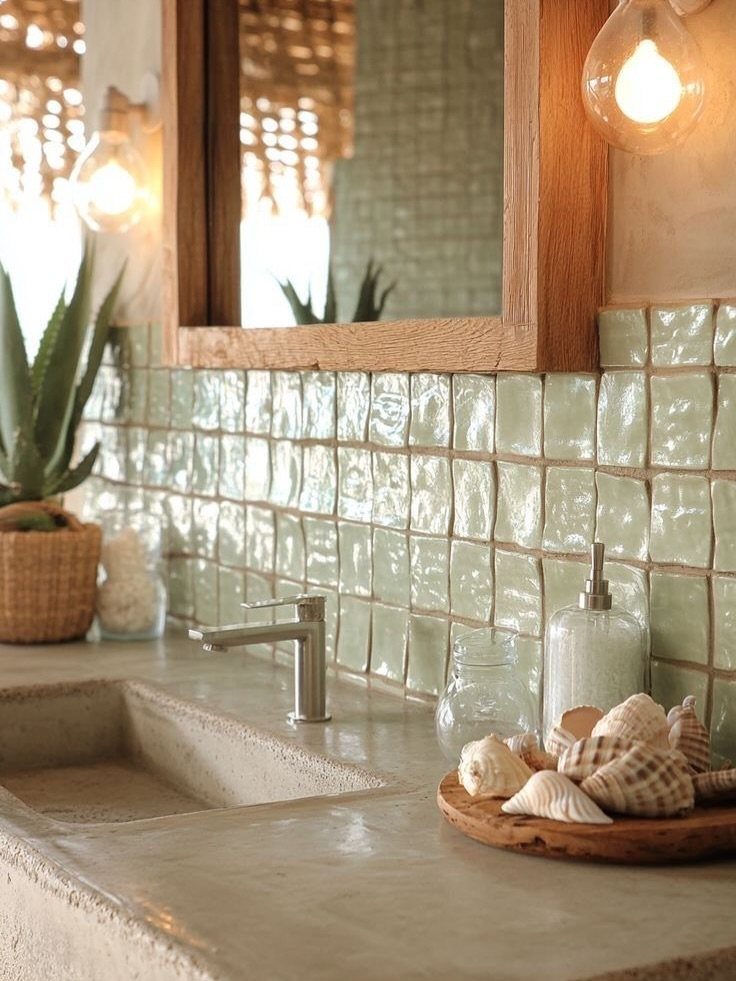
Seashells are the most coastal thing there is, and the fastest way to make them cheap is to treat them as collected objects rather than scattered decoration.
A glass jar of small shells on a windowsill, or a single large shell on a bedside table, keeps the reference clear without the craft-project feel.
For something more permanent, shell motifs in artwork or on fabric do the same work without the dusting.
Shells can go as far as hand-painted canopy beds, though that is not a weekend project; the same idea works at any scale you have time for.
The shells are the point; everything else is just context.
12. Coastal Rugs

A rug is the easiest place to add pattern and color to a bedroom that still feels bare. For coastal style, natural fibers carry the texture of the idea even when the color stays neutral.
Jute, cotton, or wool in sand and sea tones does the work without shouting.
Woven options like sisal or seagrass add the beachy texture that synthetic pile cannot match.
They are harder underfoot than a plush rug, and they do not forgive spills, so a flatweave cotton layer on top is the compromise I would make for a rental.
Natural fiber rugs anchor the room without eating the budget, and a striped cotton layer on top adds the pattern without the commitment. The combination gives the room depth for less than a single designer piece.
13. Upholstered Headboards
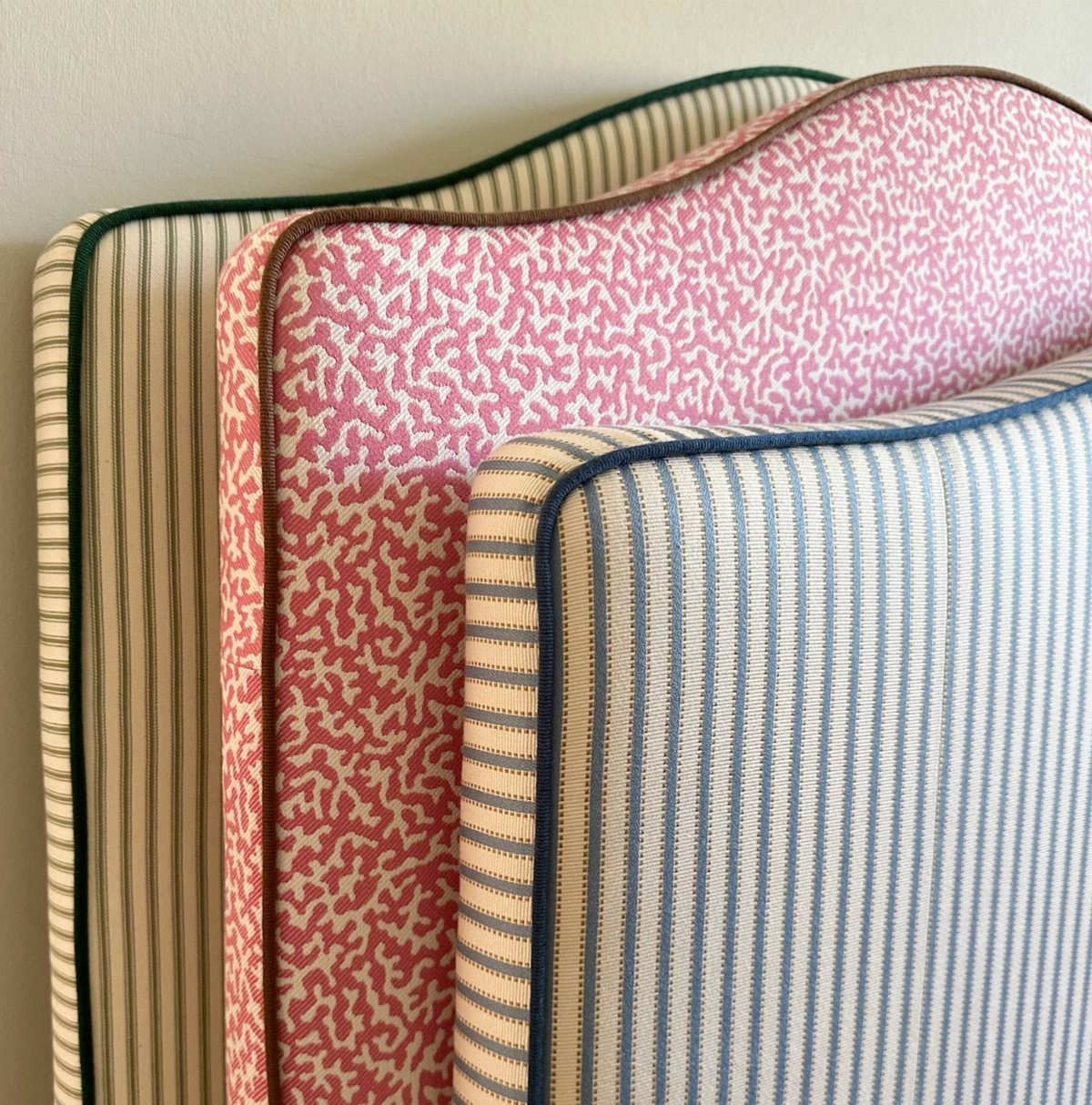
An upholstered headboard in linen or cotton brings that same softness you feel at a beach hotel, but it costs far less than a full room redo.
I like ones with a gentle curve at the top; they read coastal without needing stripes or anchors printed on them.
If you are handy with a saw, driftwood or a pair of old oars bolted to a plywood backing make a version no store sells.
A guest room is the right place for that kind of conversation piece; you see it once a day, not every time you walk in to sleep.
14. Boho Beach Bedroom

A boho beach bedroom lives in the overlap between collected and relaxed, not matched and stiff.
Stone walls and arched doorways do half the work of coastal style; if your rental lacks that, pile on the other half with ferns, a palm, or a succulent that tolerates bright light.
Wicker seating, a low bench, or even a hammock chair in a corner extends the room toward the garden or balcony feeling. Layer a cowhide or patchwork rug over bare floor to keep it from reading too sparse.
The blue-on-blue bedding in one Santa Barbara example works because the stripes fight the texture rather than matching it; that tension keeps a bohemian room awake.
15. Be Cohesive with Light Fixtures
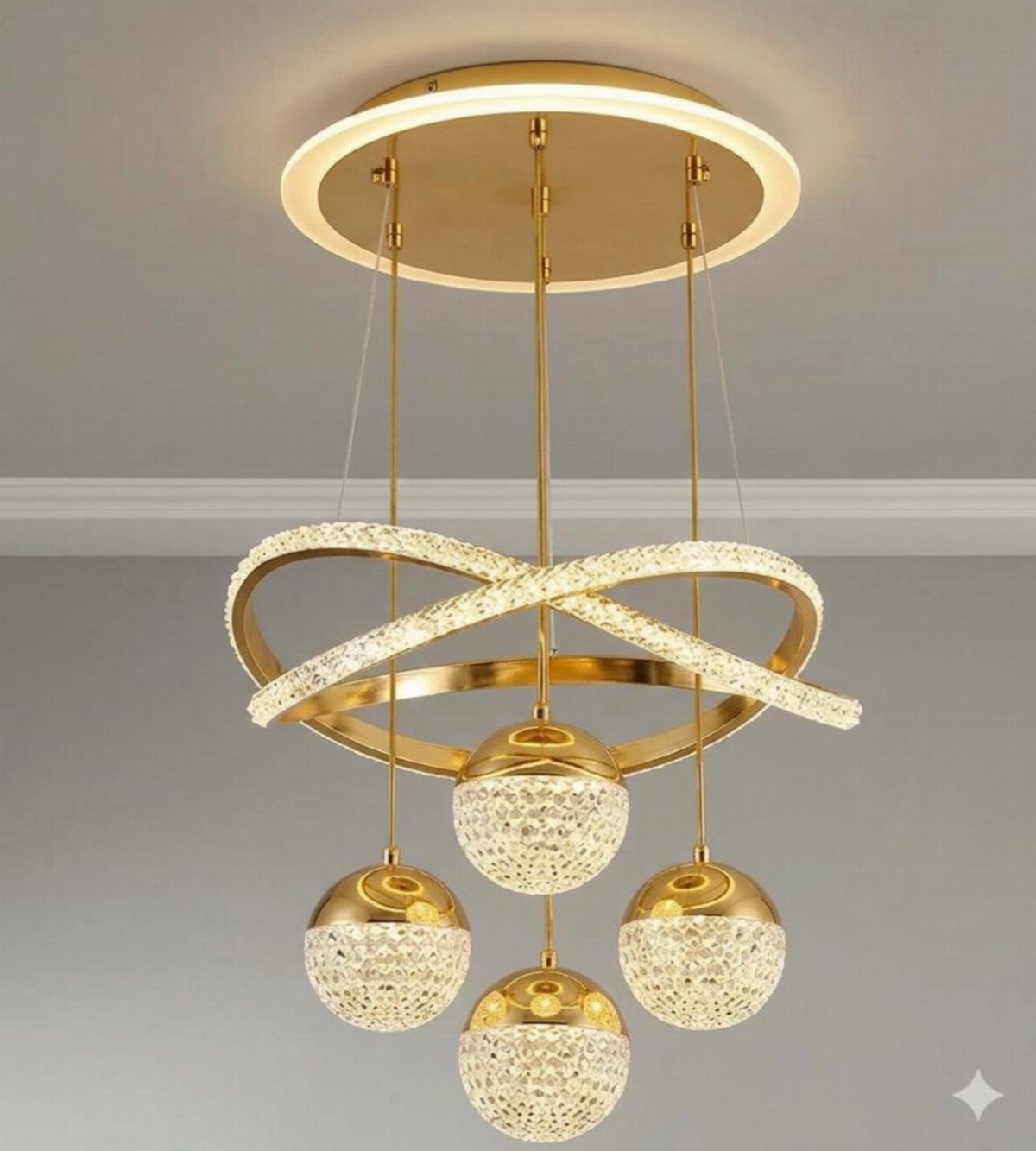
A chandelier that mixes gold and crystal reads modern more than seaside, so I would swap it for wicker, rattan, or a wood bead version if coastal is the goal.
The material story matters more than the price tag; choosing one and carrying it through every fixture in the room is what pulls the look together.
Sconces flanking the bed matter as much as the overhead light.
I want a soft glow for reading without the full ceiling glare, and a woven shade or glass base on a bedside lamp gets there at the usual discount spots.
Change the bulbs to warm white; the cheap fixture looks intentional in that light.
16. Keep the Bedding Light and Breezy
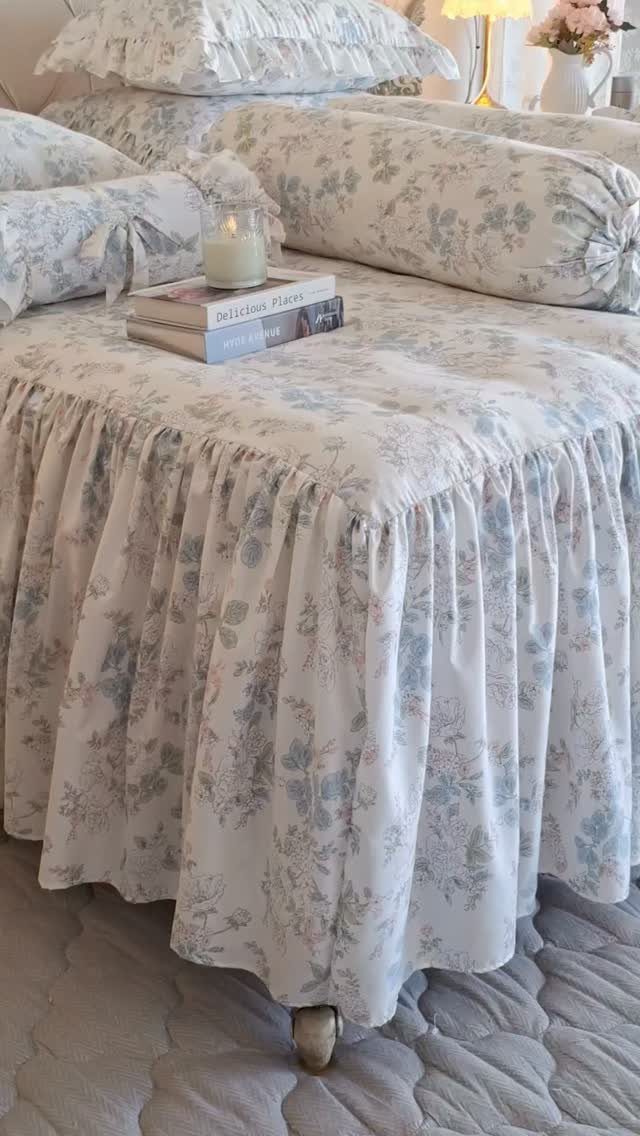
Crisp white sheets and a linen duvet cover give the closest thing to sleeping in open air without leaving the house. Floral bedding adds pattern, but the weight is what matters most; a quilted cover in July defeats the purpose.
Layer breathable fabrics instead of one heavy comforter. If you run warm, skip the flat sheet and use just the duvet; linen softens with each wash and lasts years.
17. Add Coastal Artwork

Thick paint on a beach scene gives it presence without shouting; that is the line to walk with coastal art.
A watercolor ocean print or a framed vintage map of a town you have actually visited carries more weight than a generic "Beach This Way" sign.
I lean pieces against the wall on a dresser or nightstand before committing to a nail hole. Impasto texture catches morning light differently than a flat print, so placement near a window makes the most of it.
One large piece beats a grid of small ones in a bedroom; you want to look at it while falling asleep, not study a arrangement.
18. Let the Light in
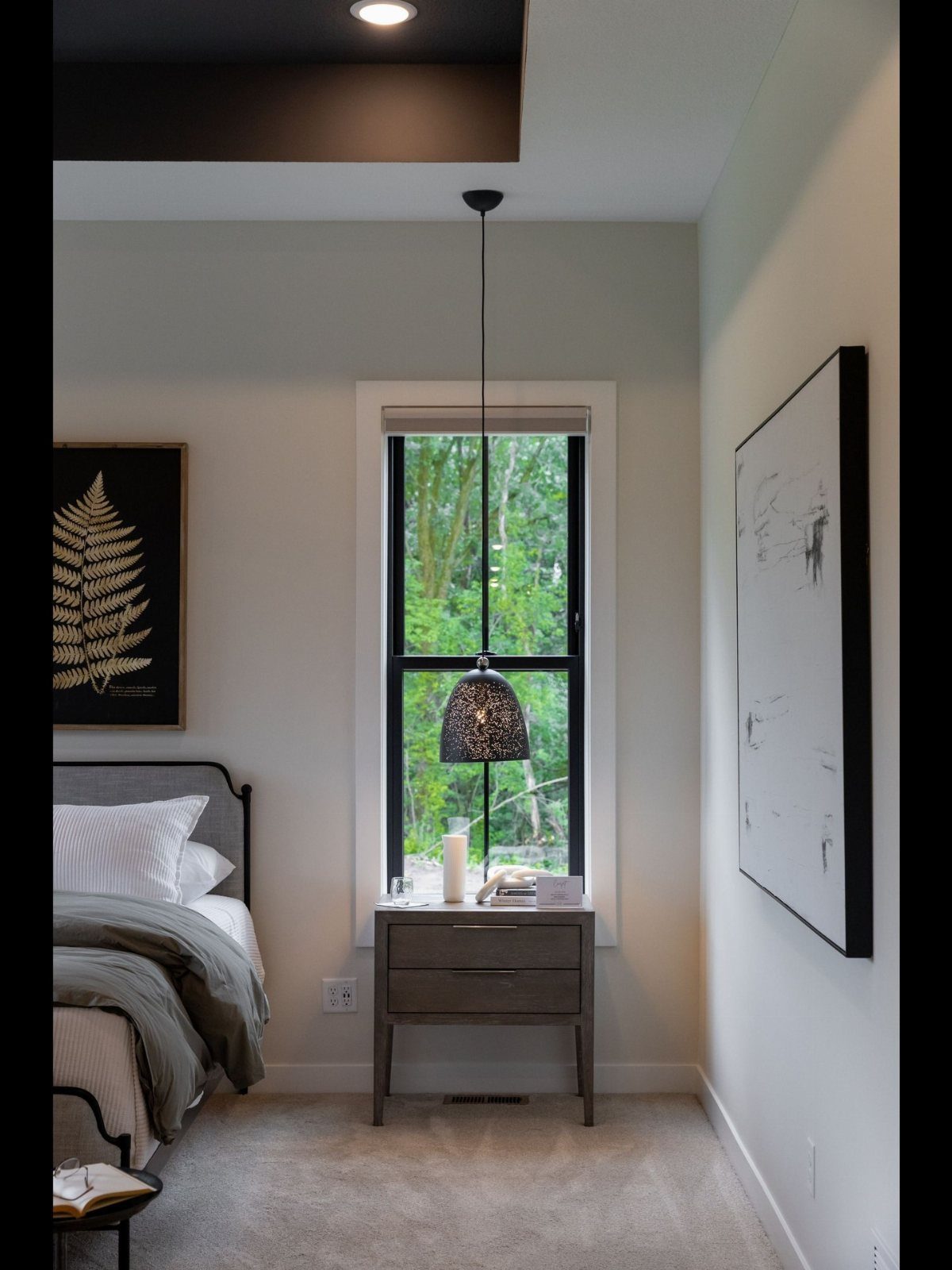
Sheer curtains or bare windows let the room borrow whatever green sits outside, which does more for a coastal feel than any indoor purchase.
A bamboo shade diffuses light without the heavy folded look of drapes; I would add a blackout liner only if streetlights wake you, and keep it white so it disappears by day.
Linen drapes that puddle slightly on the floor read relaxed, but hem them if you have a pet or a vacuum that grabs fabric.
Clean-lined windows suit this style; if you are replacing, single-hung in white vinyl keeps the look simple and the cost down.
19. Use Driftwood for Decor

A circular driftwood wall piece brings in the real thing: wood that water and time have already softened. The pale, twisted pieces catch morning light differently than any factory finish could.
For a headboard, larger driftwood branches mounted behind the bed cost nothing if you collect them yourself, though drying them flat prevents later warping. A smaller table-top arrangement in a ceramic bowl works for renters who can’t hang anything.
The downside is weight. A big wall sculpture needs solid anchors, and driftwood is heavier than it looks.
For a lighter touch, a single bleached piece on a nightstand does the same job without the hardware.
20. Opt for a Beaded Chandelier
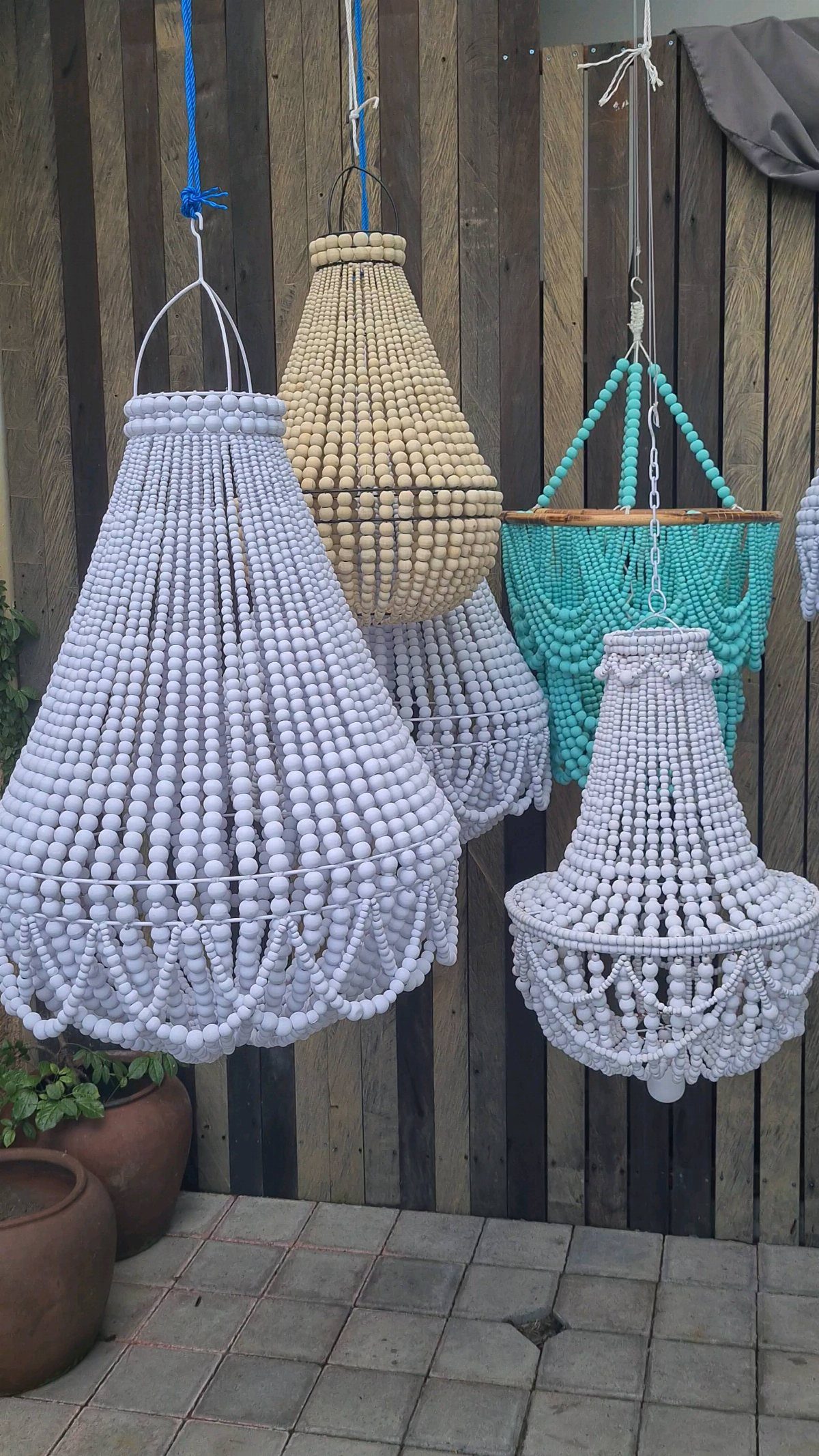
Small round beads strung in conical shapes cast a softer shadow than metal or glass, and that softness is what makes the coastal difference. White or cream reads as shell and salt; turquoise brings in the water directly.
Installation is the same as any ceiling fixture, but the weight matters more here. A 20-inch beaded chandelier runs 15 to 25 pounds, so the junction box must be rated for it; many standard boxes are not.
Check before you buy, or budget for an electrician to swap the mount.
This suits rooms with high ceilings where the beads have space to hang full length. In a low-ceilinged bedroom, a flush drum shade in woven material gives a similar texture without the head clearance problem.
21. Use Weathered Wood Furniture

Weathered wood carries its history on the surface: the grayed patina, the soft edges, the cracks that do not weaken the piece but show it has lasted.
A bench or nightstand in this finish grounds a coastal room without darkening it the way new stain would.
Real reclaimed timber costs more than distressed paint on new wood, but the look is not identical. Paint sits on top; weathering goes through.
For a budget version, a DIY vinegar-and-steel-wool wash on pine gives a similar gray tone in one afternoon, though the grain stays more uniform than true aged wood.
This works best when only one or two pieces carry the finish. A whole room of grayed wood goes flat; pair a weathered bench with painted white frames or light oak floors for contrast that keeps both textures alive.
Maximize Natural Light
Sheer curtains let the light through without blocking it, and in a coastal bedroom that softness matters more than blackout performance. They brighten the room without shutting it off from the outside.
Linen drapes work well when privacy matters less. Bamboo shades are another option; they spread sunlight around without letting it pool too darkly in corners.
For fixtures, I’d pick natural materials over polished metal in this setting. Wicker, rattan, or even seashell-based pendants and chandeliers carry the coastal feeling without needing a literal anchor on the wall.
A glass lamp base adds enough shine to keep the room from feeling too casual. The neutral palette of most coastal bedrooms leaves room for the light fixture to be the interesting piece.
Layering Textiles
Pillows and throws in mixed textures and colors add depth to a coastal bed faster than any single large piece can manage.
A woven canopy over the bed frame catches the same feeling as a fishing net, only quieter; it hints at the beach without putting a shell in every room.
Blue does not have to lead. A room built from bright whites, with layered textiles carrying the variation, can feel just as coastal.
Repeating the same weave or finish across the bed frame, valance, and lampshade builds the look without leaning on color alone; textured wallpaper inside picture-frame molding does the same work at the wall.
Pompoms on a bedspread sound whimsical until you see them against ocean-toned wallpaper. The combination works because the texture carries the idea, not the novelty of the trim itself.
Frequently Asked Questions
How to decorate a coastal bedroom?
Start with pale, sun-faded walls and bedding in white, ivory, or soft gray, then layer in ocean blues and greens through pillows, throws, or art.
Add natural textures like rattan, jute, or linen rather than literal seashells everywhere, and keep patterns minimal so the room reads as relaxed rather than busy.
Two or three tones of blue keep the space restful; swap them out seasonally if you want change without commitment.
What is the best color for a coastal bedroom?
Soft neutrals on the largest surfaces, with blue and green accents doing the thematic work.
White, ivory, pale beige, or soft gray on walls and bedding bounces light around; seafoam, aqua, navy, or sky blue in smaller pieces pulls the ocean in without repainting. Skip beige in low-light rooms, where gray reads cleaner.
What is the difference between coastal and beachy decor?
Coastal decor is the five-star resort: muted tones, natural fibers, and visual interest that stays calm. Beachy decor is the surf cottage with brighter colors, surfboard accents, and scattered seashells.
Coastal keeps the reference quiet through texture and tone rather than literal objects.
What are the coastal interior design trends for 2026?
Natural textures, muted colors, and minimalistic decor continue to move the style forward. Wicker, rattan, and seagrass carry the beach feeling without kitsch, while bold pattern-on-pattern in blue and white appears in more dramatic interiors.
Classic furniture shapes with clean lines and neutral finishes keep the look from feeling dated.