The ideas ahead run from a roll of peel-and-stick wallpaper and an hour of patience to a panel-ready refrigerator fitted by a cabinetmaker.
What separates them is how much you can alter the space: some of these ideas need nothing more than a free afternoon and a roll of wallpaper, while others ask you to own the cabinets and the fridge niche they sit in.
A mid-width bamboo rack mounted with adhesive strips suits a rental galley kitchen; a taupe shaker door with brass hardware needs you to own the cabinets and the fridge niche they sit in.
1. Panel a Refrigerator with Appliance Panels
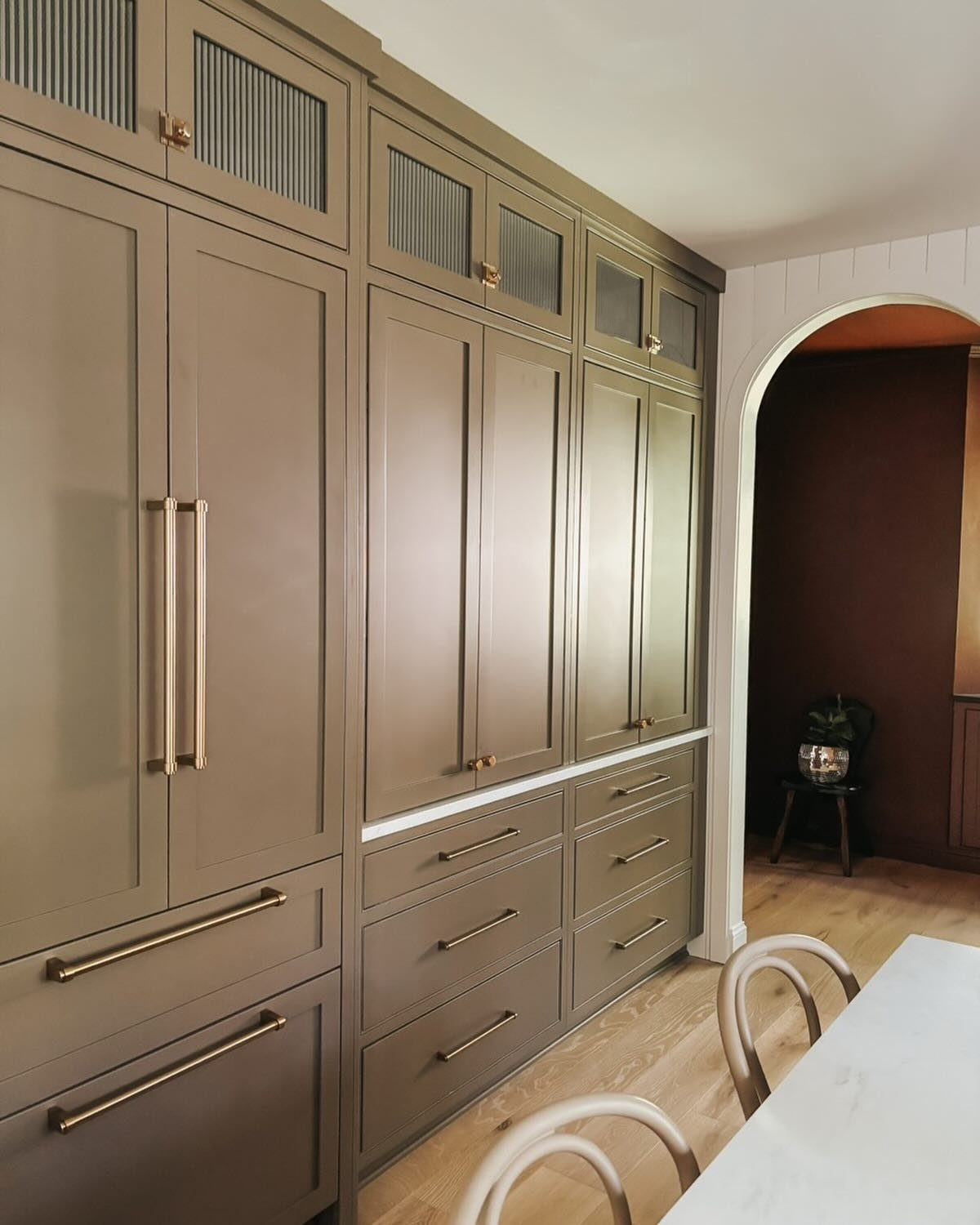
A panel-ready refrigerator accepts cabinet fronts that match your kitchen, so the appliance disappears into the wall of storage. Taupe shaker doors with brass hardware let the fridge disappear into the cabinetry beside it.
This takes planning: you need a refrigerator built for panels, not a standard unit, and a cabinetmaker or skilled installer to measure precisely. The result reads as built-in furniture rather than a metal box.
I’d only chase this during a full kitchen remodel, since replacing a working fridge for aesthetics alone rarely fits a weekend budget.
A panel-ready unit in a standard width slips into most existing openings; anything outside the usual sizes gets custom fast.
2. Use Peel-and-Stick Wallpaper
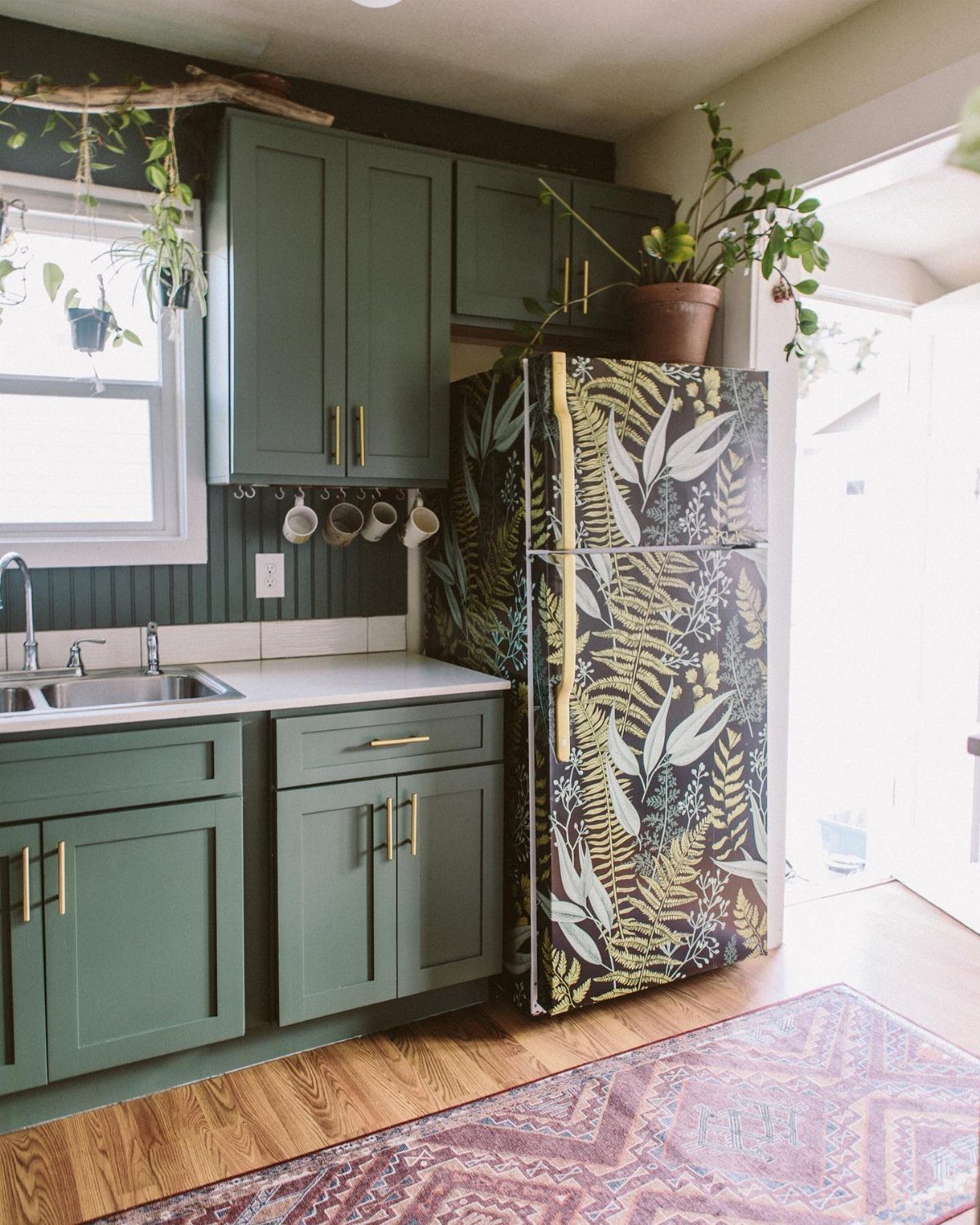
Peel-and-stick wallpaper turns the refrigerator side into something that looks intentional instead of like an afterthought. A dark botanical print against sage cabinets lets the fridge read as furniture rather than appliance.
A linen-textured paper hides fingerprints and minor scratches better than glossy finishes, which is worth considering in a busy household.
Clean the surface with rubbing alcohol first, measure carefully around the handles, and set aside a quality roll plus an hour of patience.
This one suits renters perfectly; the paper lifts off when you move, leaving no evidence. I’d skip busy patterns in a small kitchen and go for something quieter that ties into existing colors.
3. Install Shallow Spice Shelves
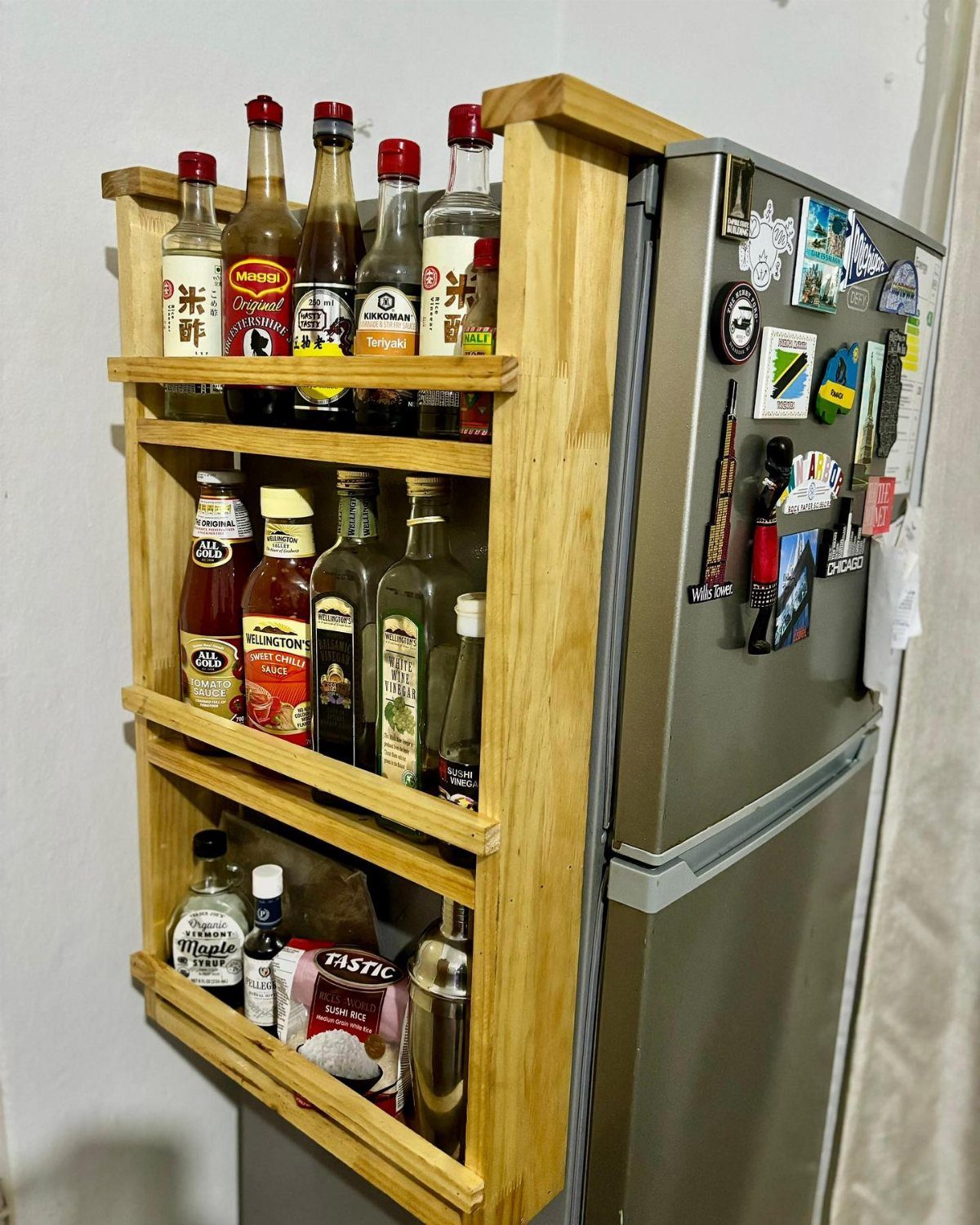
Shallow shelves on the refrigerator side hold the bottles and jars that clutter counters and disappear into deep cabinets.
Depth matters more than width here: a slim profile keeps you from bumping it passing by, yet most spice jars and sauce bottles fit fine.
Mount with heavy-duty adhesive or short screws into the side panel, depending on your fridge material and whether you own or rent.
A mid-width rack in bamboo or powder-coated steel sits at a reasonable price point for the function it adds.
In a galley kitchen with scarce drawer space, this keeps cooking supplies within reach instead of buried in cabinets. The bottles live in plain sight now, which adds visual busyness if you prefer minimal counters.
4. Hang a Towel Bar and Hooks
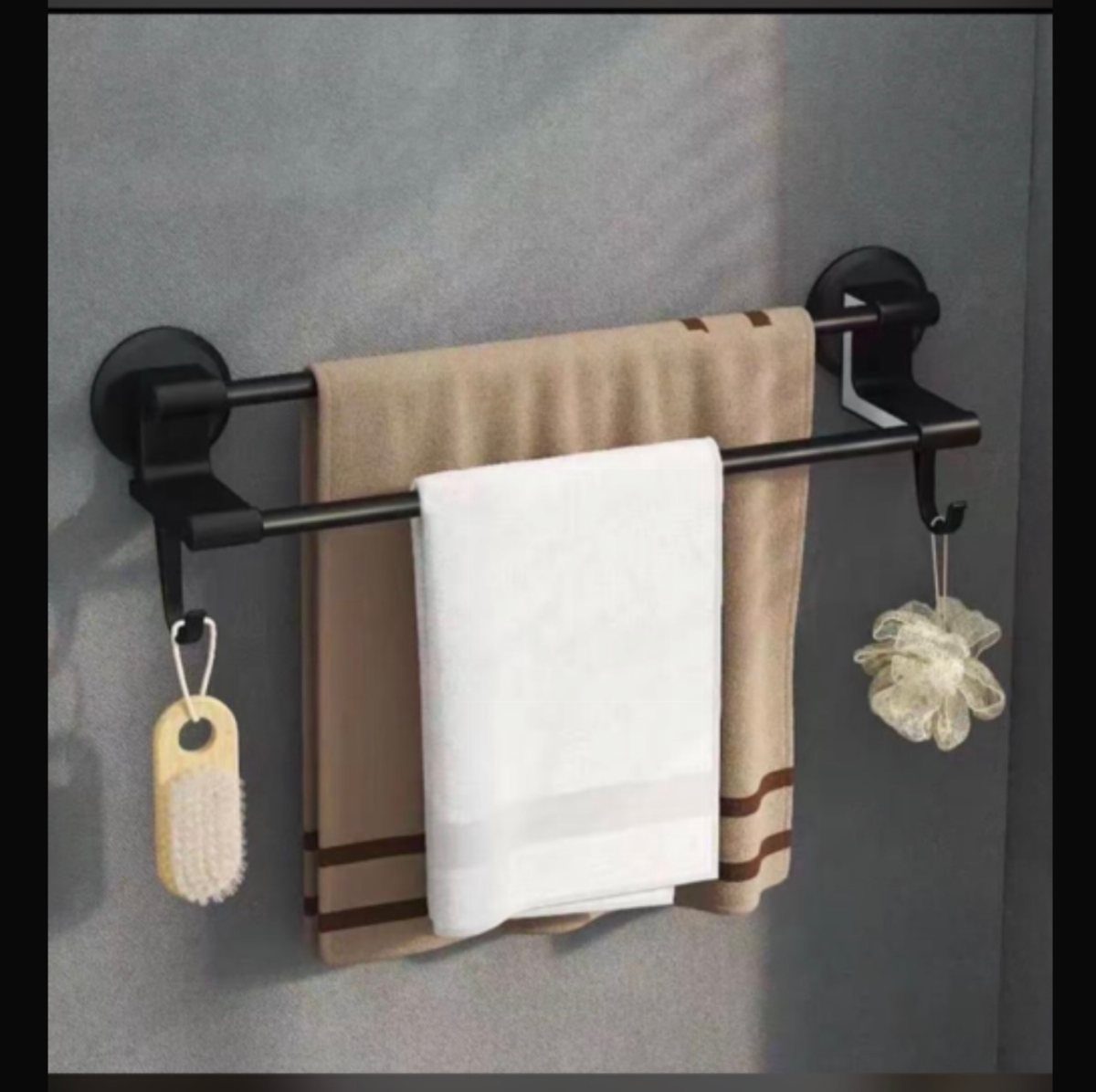
A towel bar on the refrigerator side puts the thing you reach for constantly exactly where your hand already is.
A black bar holding two towels plus hooks for a brush and sponge frees drawer space for items you use less.
Choose a compact bar so the door opens fully without interference, and check that your fridge side is magnetic or drill-friendly before buying. Adhesive-mounted bars exist for renters, though I’d trust screws for anything bearing wet towels.
Simple metal bars sit at the low end of the price range; versions with integrated hooks cost more but eliminate a separate installation.
This works best when the refrigerator sits near the sink and stove triangle. In my last apartment, the fridge was on the wrong wall and a bar there would have meant carrying wet dishes across the kitchen.
5. Use a Magnetic Hook Zone
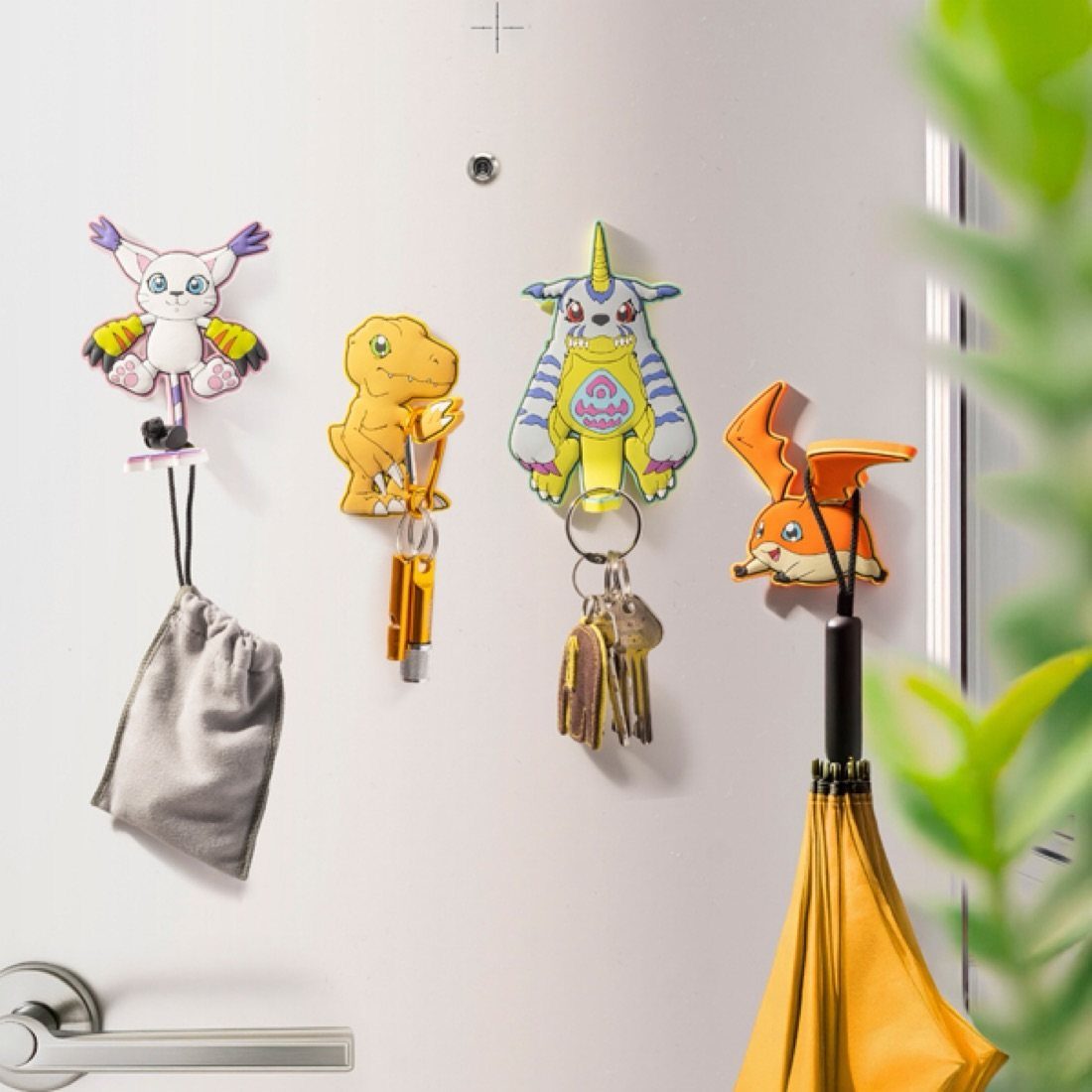
Strong magnetic hooks turn the refrigerator side into storage that rearranges without tools or commitment. Cartoon-shaped hooks holding keys, a pouch, and an umbrella work for a family space, though plain ones suit a kitchen that adults use daily.
Neodymium hooks rated for a solid load handle reusable bags, lightweight aprons, or a small folding step stool.
Space them well apart so items do not tangle when the door opens, and test your fridge first: some stainless steel has too little iron content for magnets to grip firmly.
A set of four solid hooks sits at a modest price point.
I like this for households whose routines shift seasonally; barbecue tools hang there in July, soup thermos bags in January. The surface stays clean underneath, unlike adhesive solutions that leave residue when removed.
6. Use a Mirror Panel
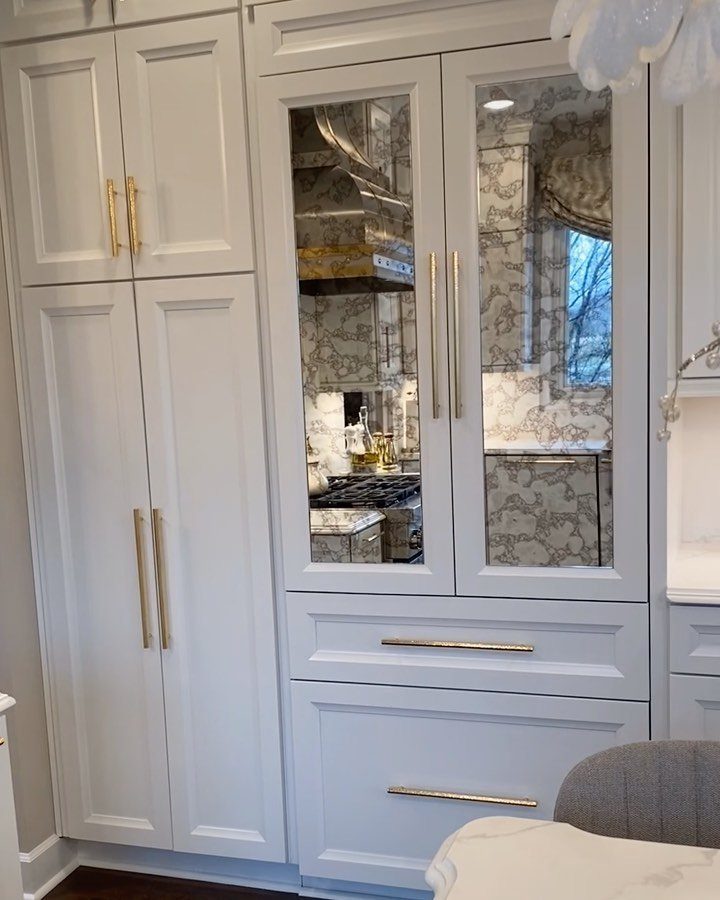
Mirror panels on the refrigerator doors reflect the room back at you, so the kitchen appears to continue past where it actually ends. Two tall mirrors with slim gold handles read as glass-front cabinetry rather than appliance.
You can achieve this with custom panels on a paneled refrigerator, or by affixing a thin acrylic mirror sheet to a standard fridge side with heavy-duty mounting tape. The acrylic route costs a fraction of what integrated mirrored doors run.
Either way, the effect depends on what the mirror reflects; position matters more than the mirror itself.
In a north-facing kitchen where light is precious, this makes an immediate difference. Every fingerprint shows, and cooking splatter requires frequent wiping.
Skip this one if your household includes small children with sticky hands or if you cannot stand seeing yourself while you chop onions.
Benefits of Paneling Refrigerators
A paneled refrigerator disappears into the cabinetry line, which matters most in open-plan kitchens where the living space sits in full view. The eye reads one continuous surface instead of a bulky metal box breaking the wall.
That continuity also cuts visual clutter. When the fridge matches surrounding doors in color and hardware, the kitchen calms down.
Nothing competes for attention.
Choosing the Right Materials
Wood panels or durable paint both hold up to the temperature swings and finger traffic a refrigerator side sees daily. Cheap materials warp, chip, or yellow within a year or two, which defeats the purpose of paneling entirely.
A panel-ready refrigerator comes with the hardware already flat and finished, so the cabinet panel mounts directly to the door without extra brackets or build-outs.
Custom trim and careful hinge settings finish it, especially when the fridge sits in a niche or near columns where standard panels gap or bind.
Handle placement matters too; an integrated pull set at the right height saves fumbling when your hands are full.
Renter-friendly Solutions
Removable panels and peel-and-stick wallpaper both come off clean, which is the whole criteria for a rental.
A linen-look peel-and-stick wallpaper on the refrigerator side hides scuffs and softens the surface without the shine of bare paint.
Prints with texture mask fingerprints better than solids, and the install takes an afternoon with a squeegee and a utility knife.
Magnetic hooks, shallow spice shelves, and towel bars all mount with removable hardware or strong adhesive strips rated for kitchen humidity. Nothing needs a drill or leaves more than a nail hole to patch later.
Customizing Appliance Panels
Panel-ready refrigerators ship without finished doors, which opens the finish to whatever the cabinetry demands. Standard metal appliances lock you into one factory color; a panel-ready unit lets the kitchen read as custom millwork.
Wood panels stained to match inset cabinetry, painted doors in a bold accent color, or a subtle tone-on-tone blend with surrounding cabinets all sit within reach once the appliance itself is ordered right.
The refrigerator side becomes part of the design rather than an interruption of it.
Frequently Asked Questions
How can I disguise the side of my refrigerator?
A panel-ready refrigerator accepts cabinet fronts that match your kitchen, so the appliance disappears into the wall of storage. What shows afterward reads as millwork, not appliance.
How can I decorate the side of my refrigerator?
Peel-and-stick wallpaper turns that blank side into something that looks chosen, not ignored. Linen texture forgives fingerprints and small scratches better than anything glossy.
Renters get the most from this; the paper peels away at move-out without a trace.
What can I cover the side of my fridge with?
Removable panels, peel-and-stick wallpaper, paint, or a thin acrylic mirror sheet all work, depending on your budget and whether you own or rent. Actual cabinet doors mount onto a panel-ready unit for the built-in look.
On a standard fridge, heavy-duty mounting tape grips an acrylic mirror sheet for far less than integrated mirrored doors run. Magnetic hooks, shallow spice shelves, and towel bars also mount to the side without permanent changes.
How to attach refrigerator side panels?
For removable solutions, strong adhesive strips rated for kitchen humidity work for renters, or heavy-duty mounting tape for mirror sheets. Magnetic hooks grip directly if your stainless steel has enough iron content; test first, since some alloys won’t hold.
Permanent panel-ready work goes to a cabinetmaker or skilled installer, who measures precisely and mounts cabinet panels directly to the door hardware, then sets custom trim and hinge clearances to finish.