
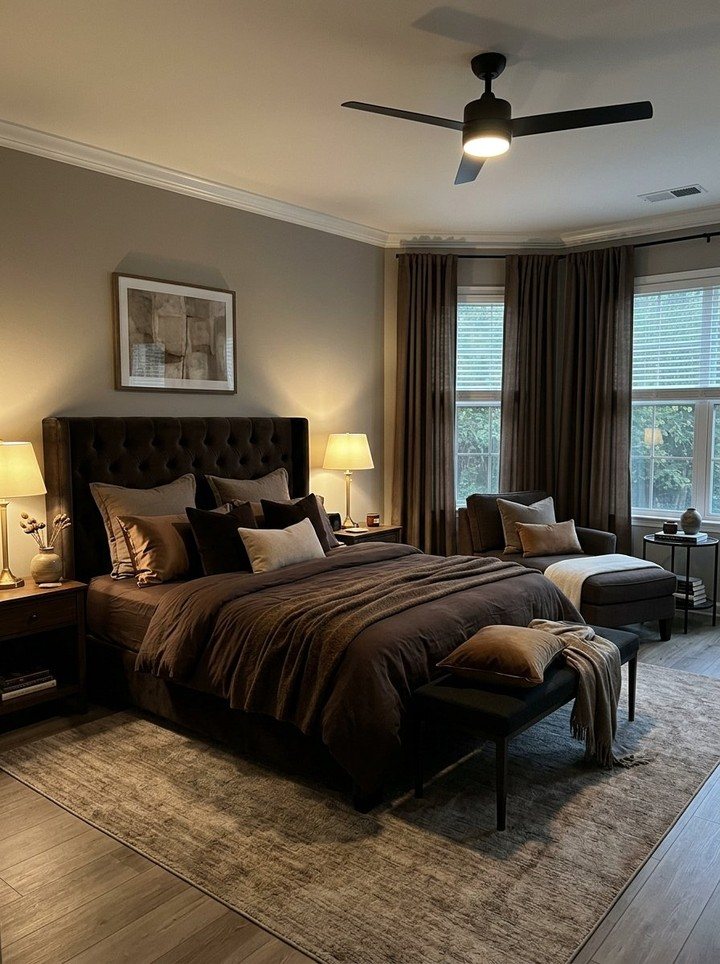
These ideas run from swapping in matte black hardware for an afternoon to wrapping whole walls in color, with the deciding factor being how much darkness you can sleep in without waking grumpy.
A matte black pendant with a brass interior, hung on a dimmer, does the work of sculpture after sunset and task light before.
1. Black and Brown with Layered Rustic Notes

Aged wood and vintage finishes keep a black-brown bedroom from feeling staged.
The grain in walnut or reclaimed oak catches morning light differently than paint ever could, and a single woven basket on a shelf does more to warm the room than another throw pillow would.
For a weekend project, sand and wax one flea-market find rather than buying new. A dark wall behind the bed grounds the space, but let the wood do the softening so the palette stays livable.
2. Sculptural Lighting Statement

Black metal lighting reads as sculpture once the sun goes down. A matte black pendant or a pair of geometric sconces against a dark wall becomes shape instead of just fixture, something the eye rests on.
For a stricter black-brown palette, I’d pick matte black with a single brass interior that throws a warm cone upward. Install a dimmer switch so the same piece reads as task light for reading and mood light after.
This suits renters who can swap a ceiling plate back before move-out day.
3. Warm Wood & Light Layers
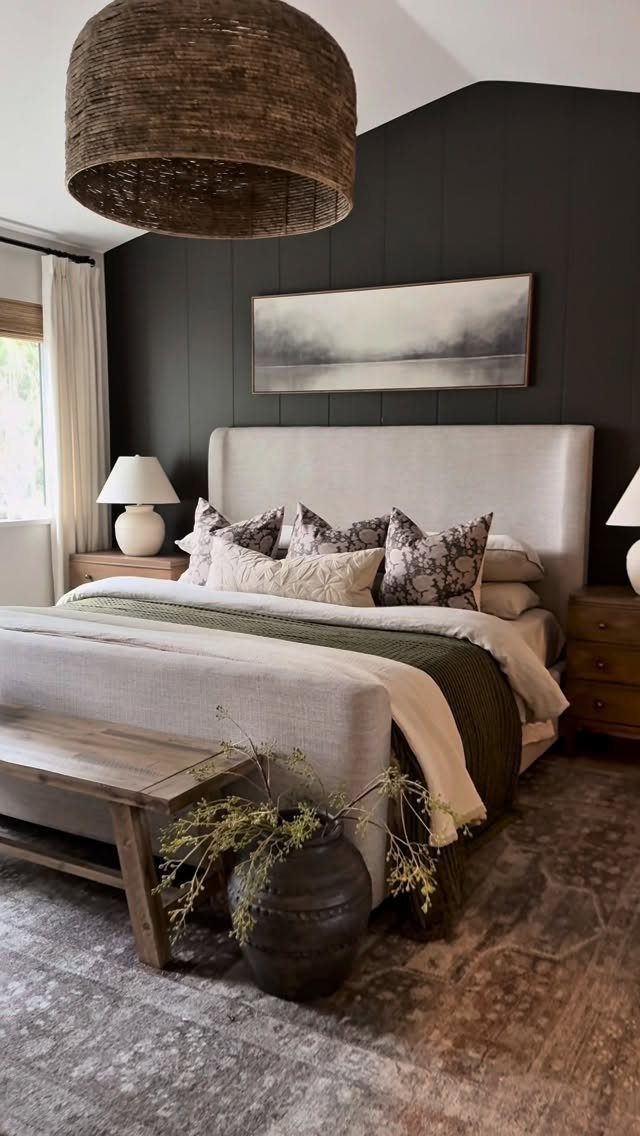
A light-colored bed with a green throw pulls the same trick at eye level: one warm material where the brain expects paint.
For a version that ships flat and hangs quickly, look for rattan or bamboo pendants 20–24 inches across. The slatted wall behind the bed in some builds takes longer, but the pendant alone changes the room’s temperature.
I’d start there if I were renting.
4. Natural Wood Elements with Matte Black Hardware
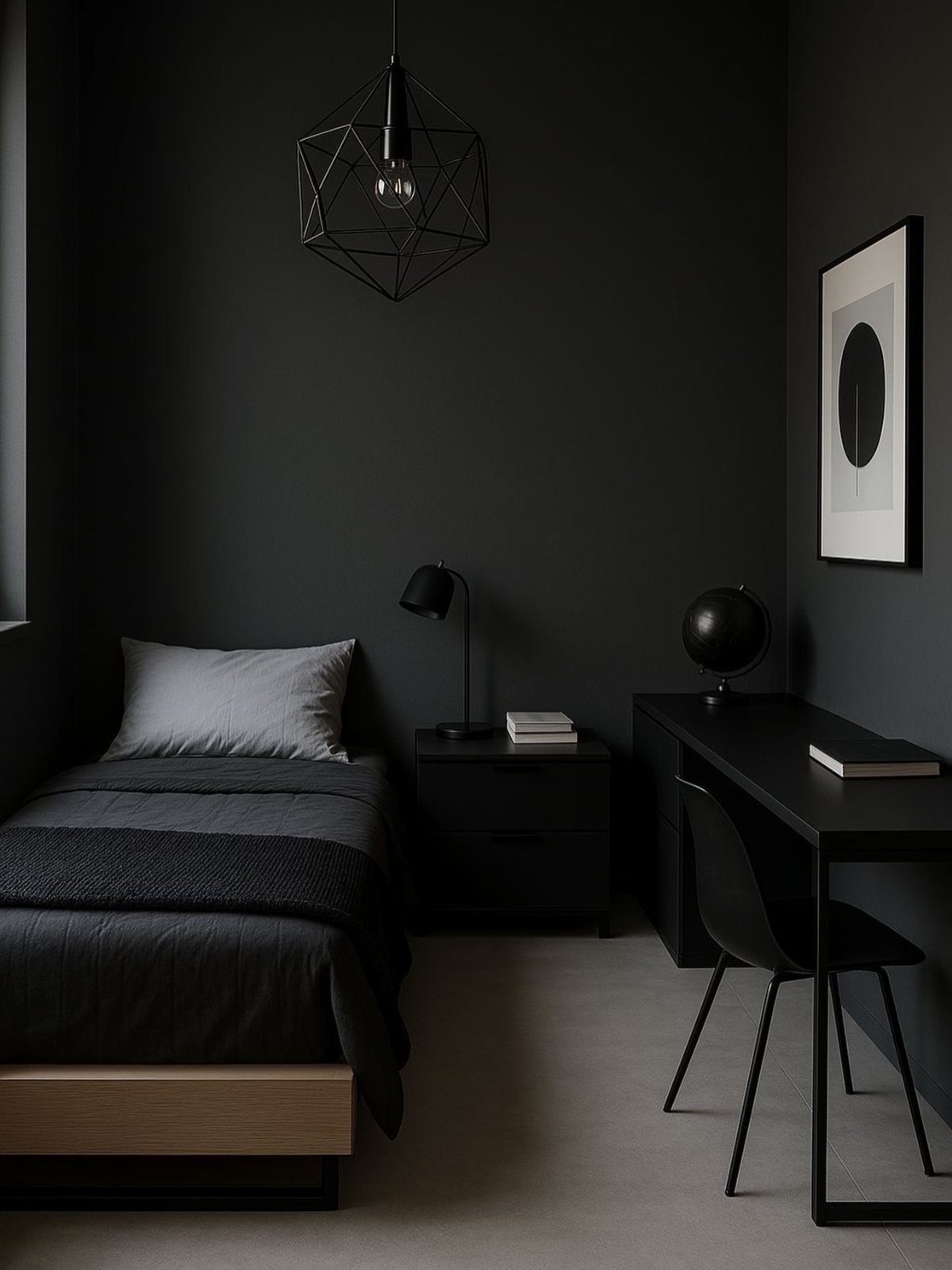
Natural wood with matte black hardware is the combination that lets inherited pieces shift from country to current in a darker bedroom. New pulls in matte black turned cherry wood from country to current.
Walnut or cherry tones against black read more adult, but the same hardware swap works. If the piece is painted already, sand a corner to check what wood hides underneath before you commit.
5. Layered Brown Textiles
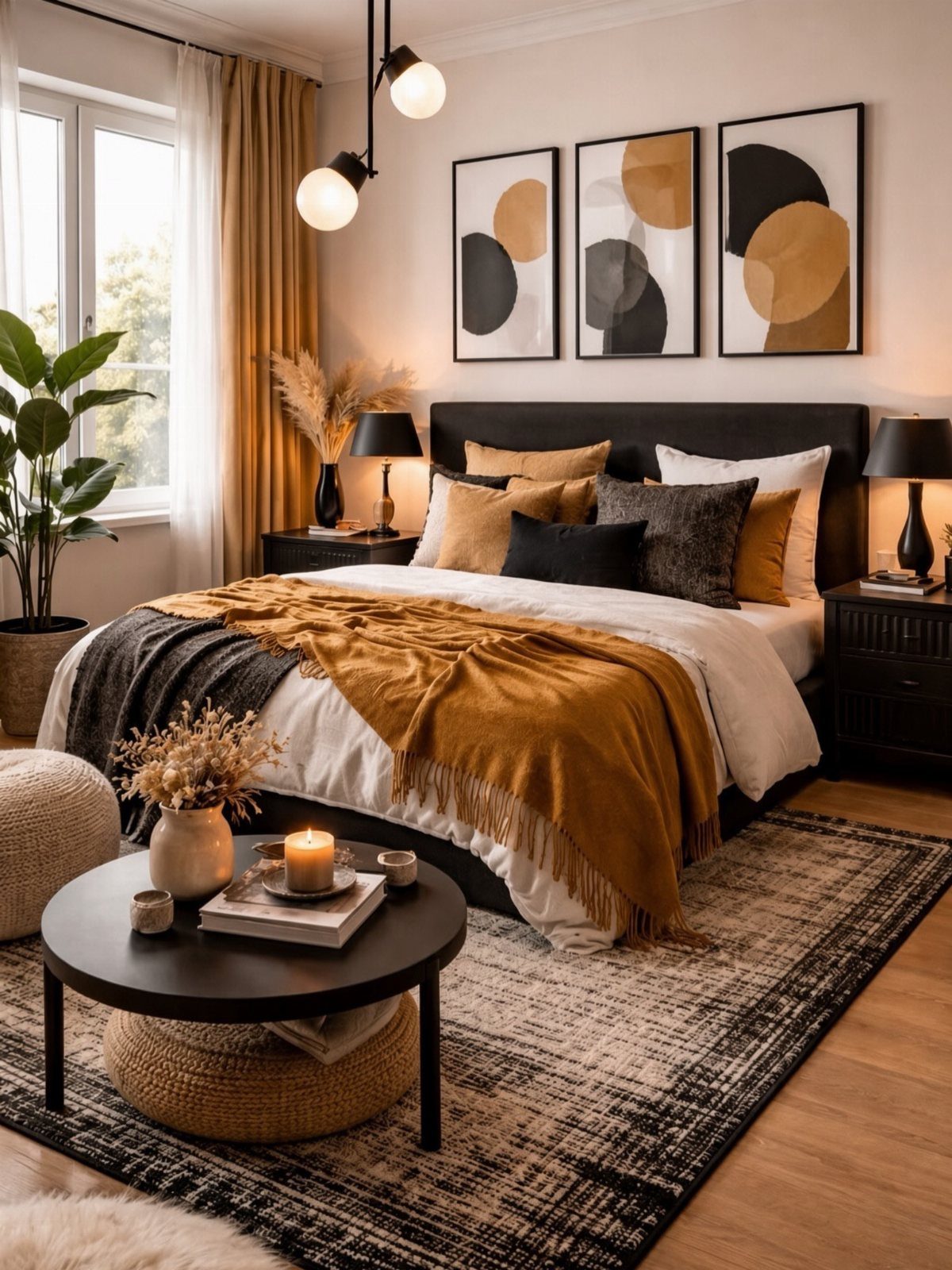
Layering brown textiles is where a black bedroom stops feeling like a cave and starts feeling like a nest.
The ochre throw and dark brown pillows above sit on white bedding, but against black walls the same stack reads even richer.
Start with one wool blanket in caramel, one cotton throw in rust, one faux-fur pillow in cognac.
Vary the textures more than the values; three browns close enough to clash will look like a mistake, but three that are clearly different depths feel intentional. Against charcoal or black, each layer pops without trying.
6. Black and Brown with Cream Bedding Relief

Cream bedding is the relief valve that lets you keep black walls without living in a cave.
A white nightstand and chandelier push the same direction, but the bed itself does the heavy lifting: it’s where the eye goes first and where the body actually rests.
A cream linen duvet grounds the whole scheme without the upkeep of pure white. I’d add brown accent pillows in two tones, one near the bedding and one near the wall color, so the transition feels stepped rather than abrupt.
This is the move for anyone who wants moody but wakes up grumpy in actual darkness.
7. Black and Brown with Brass Accent Light

A brass light fixture hung from a rough wood ceiling turns the whole room into something intentional.
The metal catches whatever daylight or lamplight the room gets and pushes it back outward, so the brown tones read warmer than they would in shadow.
I would look for aged or lightly tarnished brass rather than a factory-bright finish. The softer glow fits the palette better and hides dust between cleanings.
A single large piece does more than several small ones scattered around. One chandelier or one pendant over a reading chair anchors the room without turning it into a display case.
8. Moody Hotel-Inspired Look
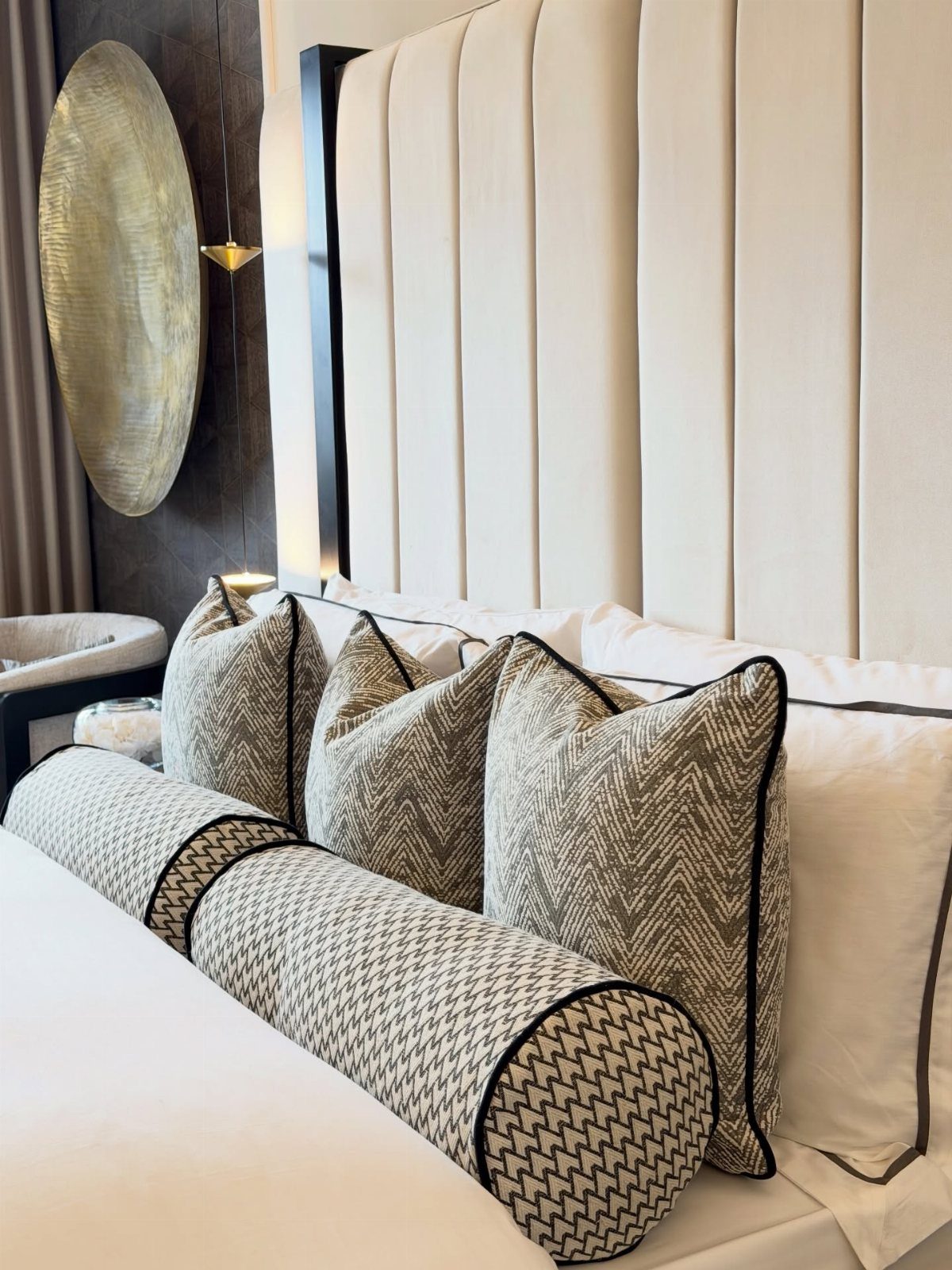
The hotel look depends on restraint more than budget. Deep charcoal walls, dark wood furniture, and bedding kept strictly in the white-to-cream range give the eye somewhere to rest.
Layer the lighting so no single fixture does all the work: bedside pendants or sconces, a dimmable overhead, and a small lamp for reading.
Plush pillows and a soft throw at the foot of the bed complete the sense that someone else fluffed the room before you arrived. A room that feels looked-after beats one that looks styled.
This suits anyone who wants the room to feel finished without adding more objects.
9. Dramatic Black Accent Wall
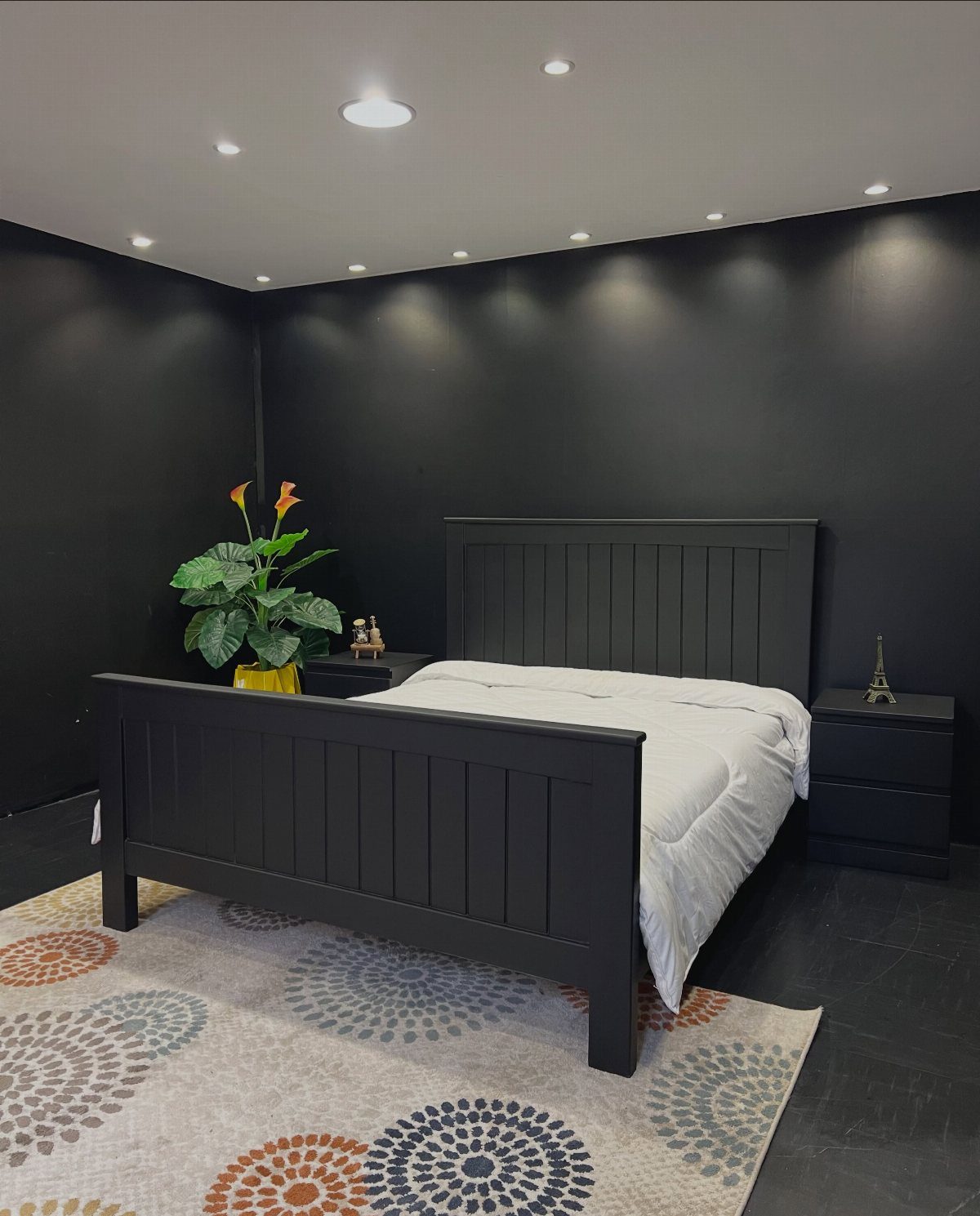
One black wall behind the headboard gives you the drama without the cave. Paint is the cheapest route and the easiest to reverse if you tire of it.
Wood panels or textured wallpaper cost more and take longer, but they add actual depth the eye reads even in low light.
Warm brown furniture or bedding in a caramel tone keeps the black wall from turning harsh. A patterned rug underfoot breaks up the floor and keeps the room from feeling like a stage set.
I would leave the other walls in a warm off-white or very pale gray. The black needs something to push against.
10. Zen Minimalist Retreat

A low platform bed, neutral bedding, and one black surface somewhere in the room, usually a wall or a headboard, keep the space grounded without clutter. Natural textures matter here: woven pendants, raw wood, linen that shows its slub.
The minimalism only works if storage lives elsewhere. Nothing ruins the calm faster than visible clutter with no drawer to swallow it.
This is a slower morning kind of room. It suits people who want the bedroom to feel like a departure from the rest of the house, not a continuation of it.
11. Earthy Moody Comfort
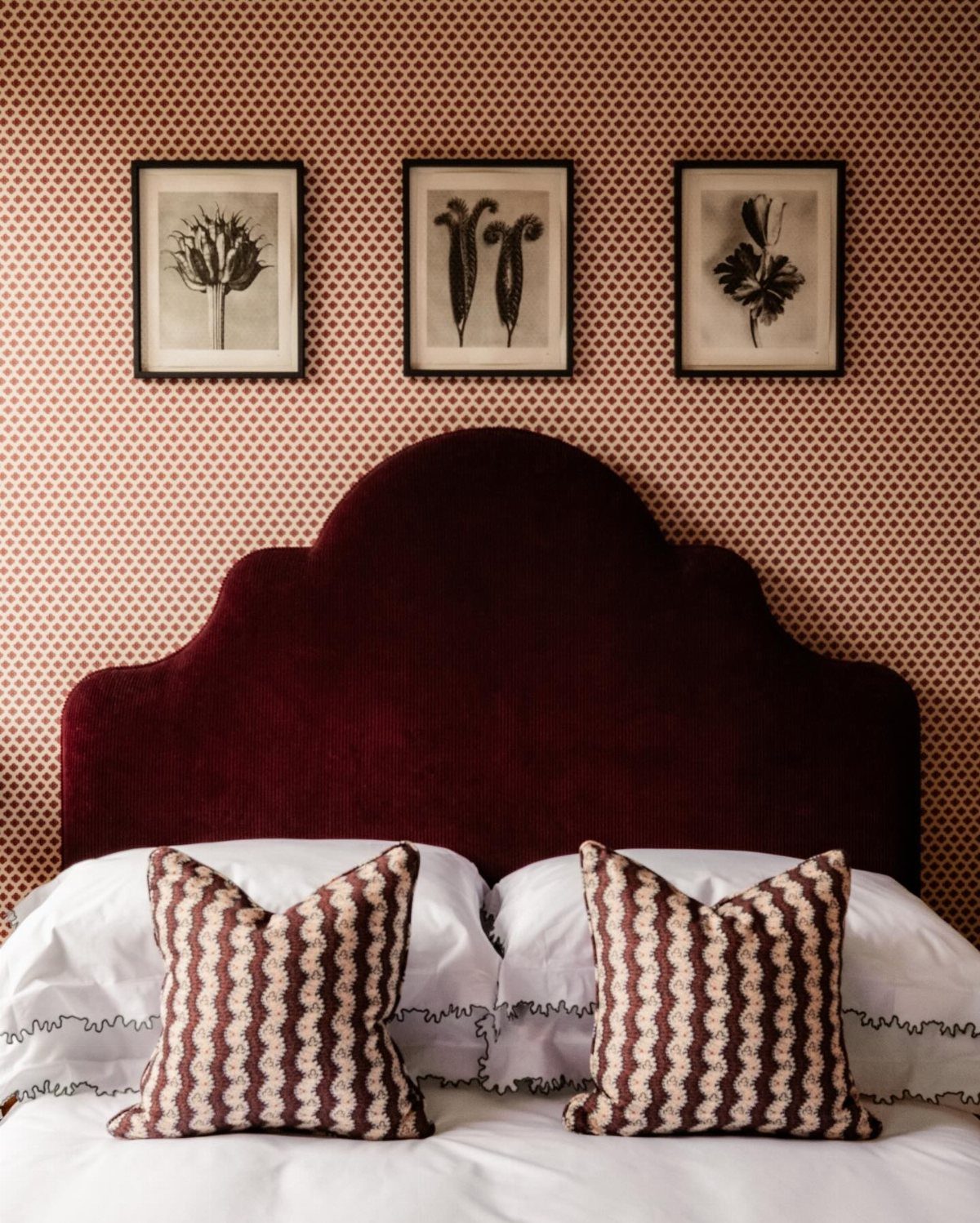
Velvet in a dark bedroom absorbs light and gives it back as depth rather than shine. A headboard is the obvious place, but curtains or even a bench at the foot of the bed carry the same weight.
The fabric reads differently from every angle, so the room keeps changing as you move through it.
Chocolate brown velvet against black walls is the richest combination, though camel or deep burgundy work if you want slightly less drama. Texture carries the room; a little goes a long way.
One velvet piece per room is usually enough. Two if they are far apart.
More than that and the space starts to feel like a set.
12. Deep Espresso Minimalism
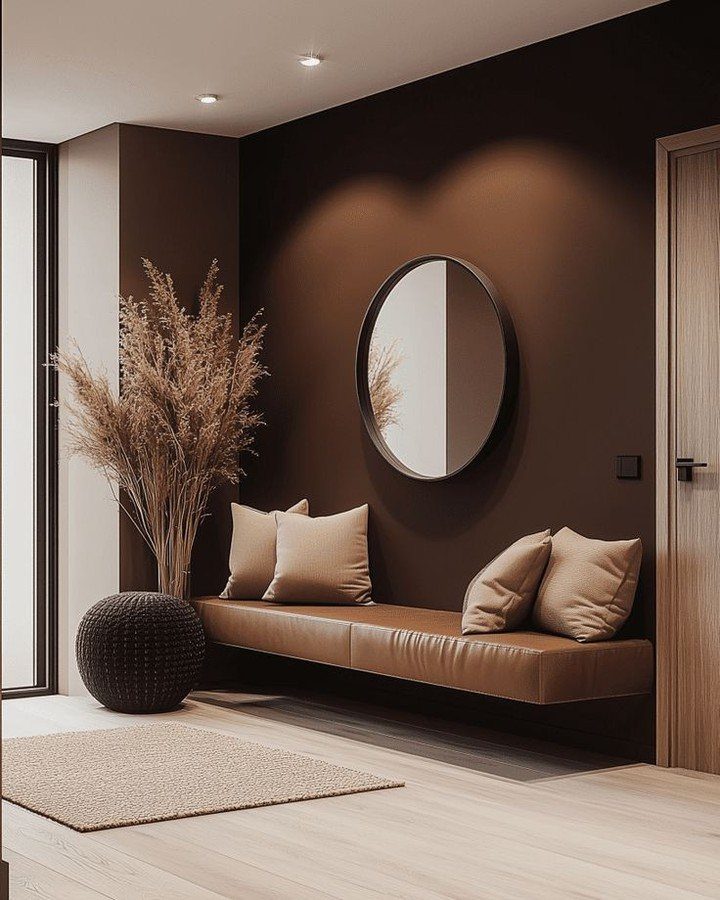
An espresso wall with black accents and warm wood or leather nearby creates a palette that stays interesting without relying on contrast.
The gap between espresso and black is narrow, but it stops the room from flattening into a single shade.
Crisp bedding is non-negotiable here. Without it, the space goes dark and stays there.
I would choose cream over pure white; the warmth matters against such deep tones.
This suits someone who wants mood without messiness. The clean lines do the discipline for you.
13. Introduce Brown Linen Bedding
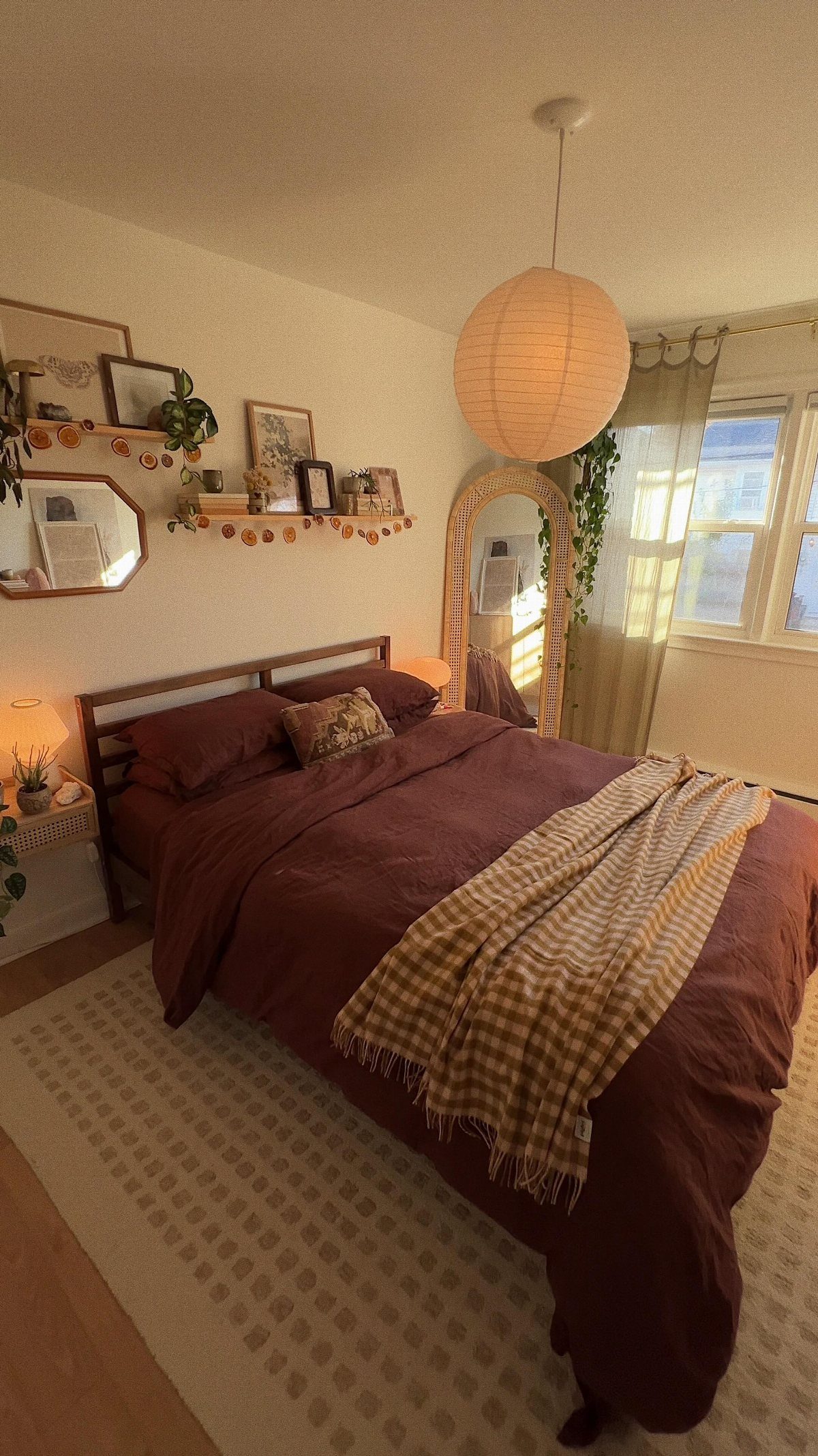
Brown linen bedding softens a black bedroom without lightening the mood too far. Mocha, camel, and chocolate shades keep the palette grounded while the fabric’s natural wrinkles add relaxed texture.
Linen wrinkles where cotton would lie flat, and that uneven surface makes a bed look like someone actually sleeps there.
Sheer flax-toned curtains at the window pair well with this look, filtering daylight instead of blocking it. The combination works especially well if you want a cozy but modern feel and prefer breathable layers to heavy blackout treatments.
14. Rich Chocolate Accent Walls with Black Statement Furniture
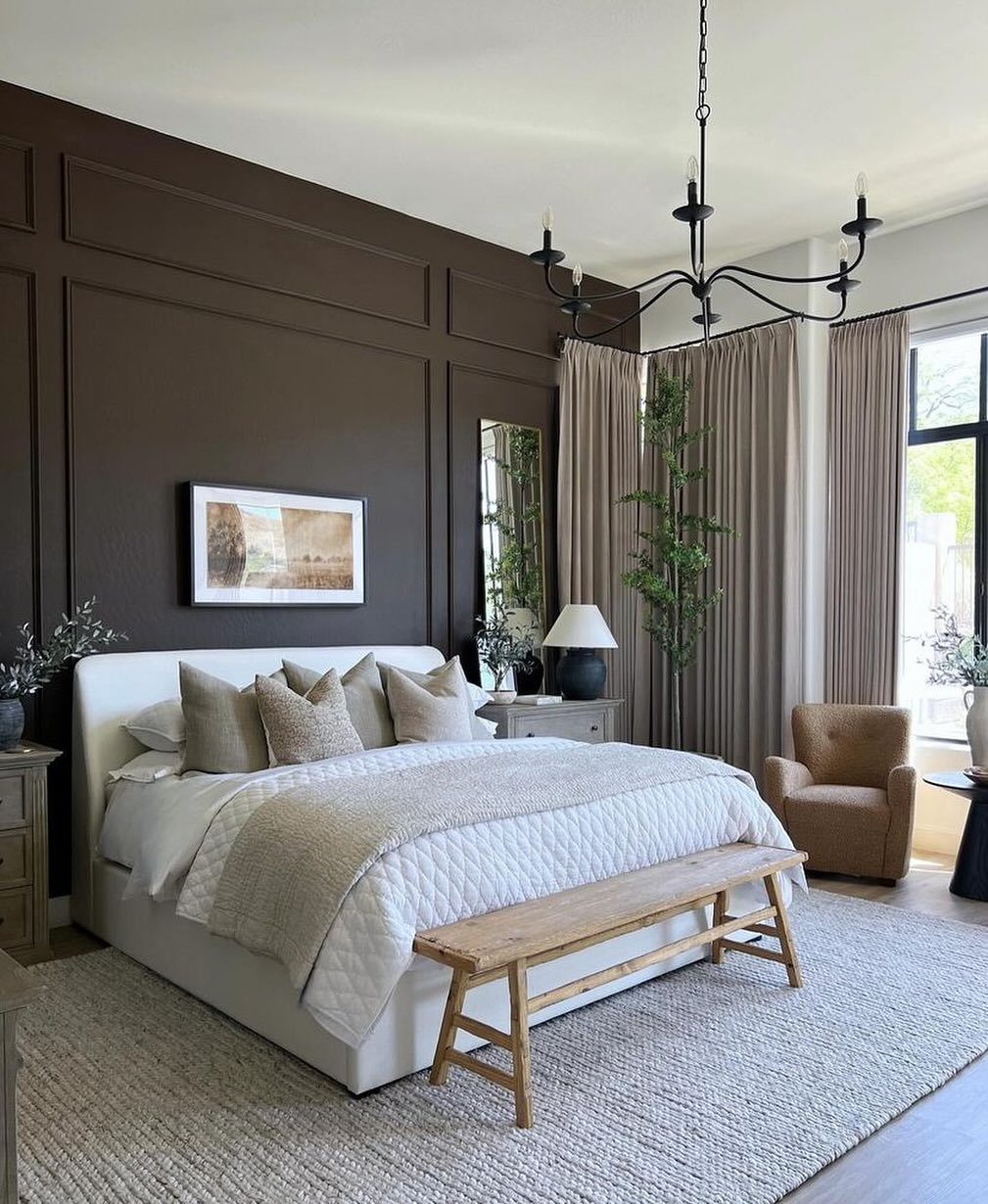
A headboard wall in chocolate brown needs something black in front of it to keep the color from going flat; a dresser or armoire does the job.
The warm backdrop makes the dark furniture stand out while the room still feels intimate rather than cavernous.
This pairing needs some natural light to keep the balance from tipping too dark. If your bedroom lacks windows, charcoal walls with walnut furniture give a similar effect with slightly less weight.
15. Incorporate a Large Brown Area Rug
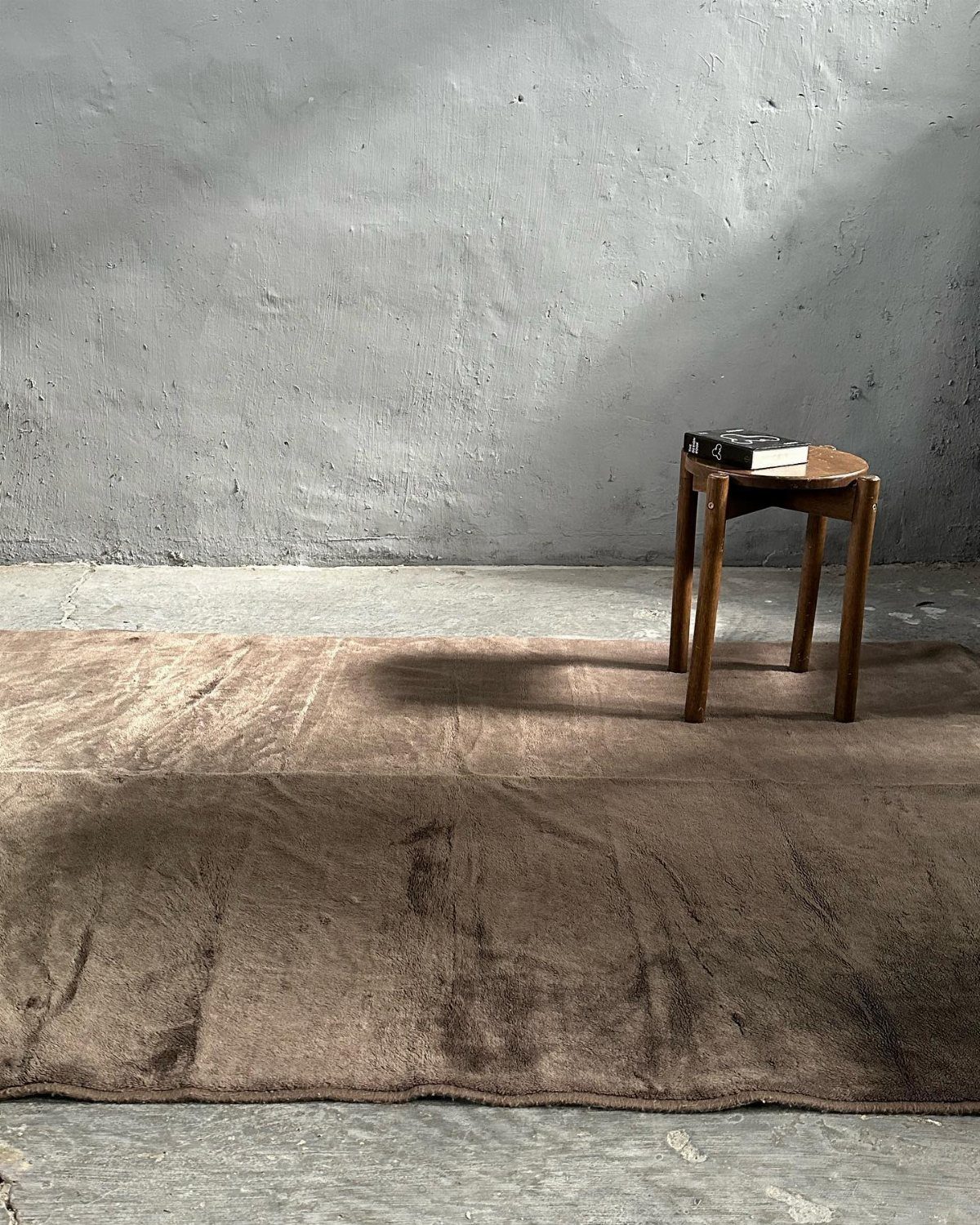
A large brown rug laid over concrete or hardwood connects black and brown tones while adding softness exactly where you step each morning.
Textured wool, jute, or plush options each give a different feel, wool being the most traditional and jute the most casual.
The rug anchors the room visually and makes the space feel more approachable. For a bedroom with dark furnishings, that underfoot warmth matters more than you might expect.
16. Incorporate Black and Brown Wallpaper

Black and brown wallpaper carries pattern without bringing in a third color that would split the room.
Botanical prints with brown-toned leaves against a dark ground work behind a bed, or run the pattern around the whole room for more drama.
Geometric designs or subtle textured papers serve the same purpose if florals are not your preference. Both colors need to show up in the print itself so the wall ties back to everything else instead of floating on its own.
17. Use Black Trim for Architectural Interest
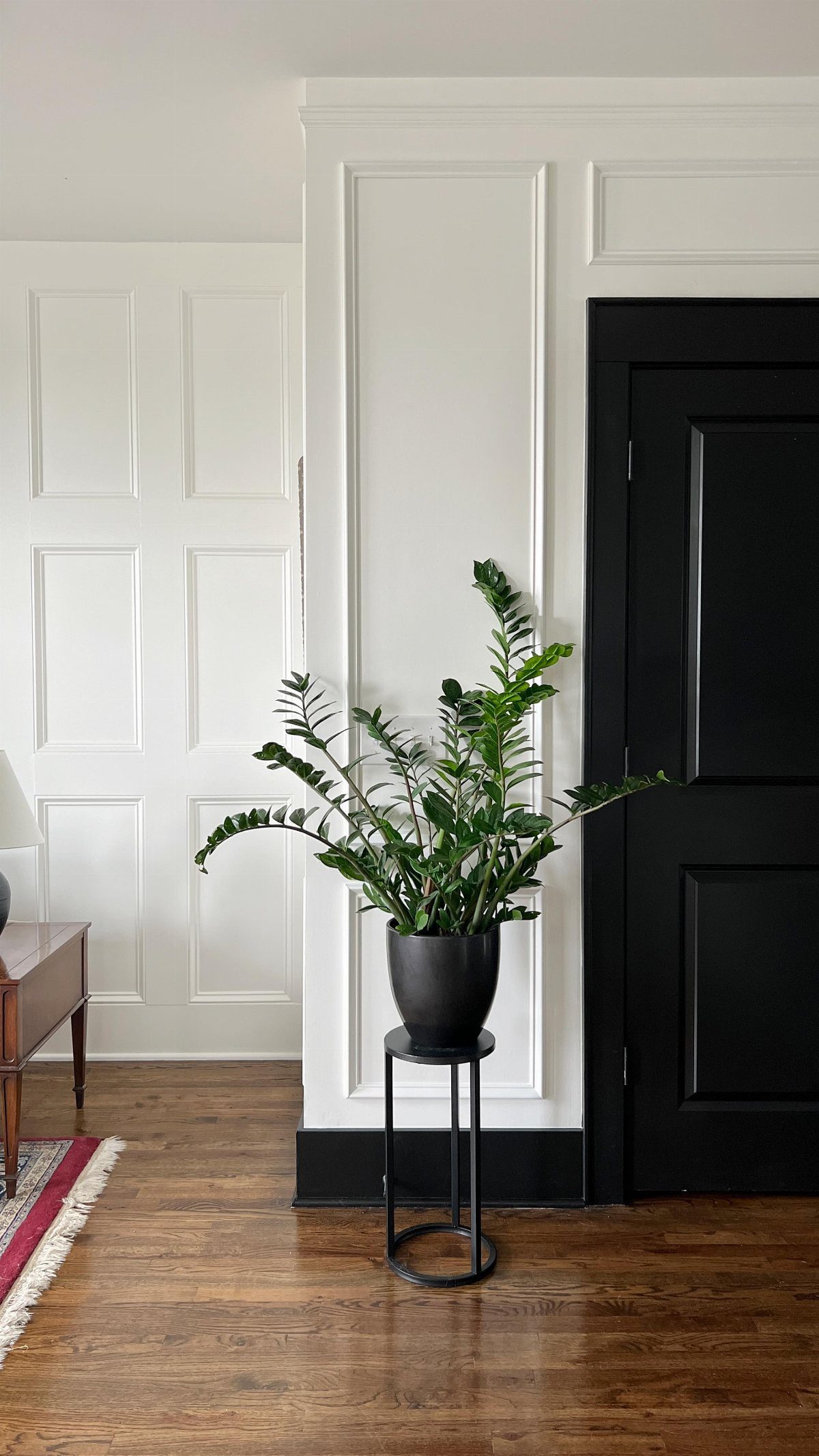
Black trim, baseboards, and door frames outline the room’s architecture in crisp definition.
Against white or pale walls, the dark lines draw attention to features that usually disappear, and the contrast with brown wood floors or furniture feels deliberate rather than accidental.
This update takes patience with cutting in, but the paint itself is ordinary. The effect reads as designer-level because the eye notices structure it normally skips over.
18. Add Texture Through Chunky Knit Throws

Chunky knit throws in cream or camel add tactile warmth that dark colors alone cannot provide. The visible weave catches light differently than smooth fabrics, which keeps a black-and-brown room from feeling too cold or finished.
Drape one across the foot of the bed or fold it over a chair arm where you will actually use it. On a rainy morning, that texture is what makes the room hard to leave.
Importance of Lighting
Layered lighting keeps a black and brown bedroom from flattening into a dark box. I start with ambient light, add task lighting where I actually read or dress, then finish with something that acts as its own focal point.
A matte black sconce or pendant ties back to the furniture without reading as industrial, especially when the bulbs run warm.
A circular fixture hung like a piece of art above the bed reads warmer against wood panels; the pairing stays quiet enough for sleeping without slipping into hotel-cold territory.
The sculptural shape did the decorative work so nothing else had to compete. Black metal finishes repeat the palette without shouting; they just finish the room.
Mixing Textures
Dark colors swallow light, so texture has to carry the interest you lost. A chunky knit throw across brown bedding breaks up flat planes and gives the eye something to rest on.
Woven cushions, nubby linens, even a ribbed ceramic lamp base add the same service. I think of it as building in the coziness that the color scheme promises but doesn’t deliver on its own.
One note: too many sleek surfaces and the room turns showroom. The mix matters more than any single piece.
A rough textile against smooth walnut, a matte wall against something with pile, that contrast is what keeps the space from feeling staged.
Using Natural Elements
Wood and black hardware together soften the room while keeping it sharp. Walnut or cherry furniture with matte black pulls feels grounded without going rustic, urban without going cold.
The same pairing works across contemporary, transitional, even slightly industrial rooms; the wood does the warming, the black does the defining.
Floating shelves in a warm tone, a beam across the ceiling, even just swapping existing hardware for matte black knobs updates what you already own. Plants do similar work, living texture that moves and catches light differently than anything manufactured.
One fiddle leaf or a small cluster of pothos on a walnut shelf ties the palette back to something growing.
Balancing Dark Colors
Black and brown will go heavy fast without relief. Dark wood flooring, especially walnut or espresso, needs lighter textiles somewhere above it: cream bedding, a pale rug, linen curtains that filter rather than block morning light.
The contrast does not have to be dramatic; even a soft neutral layer interrupts the descent. I think of it as weight distribution.
The darkest elements anchor the room at the floor and in the furniture, then each layer above gets incrementally lighter until the ceiling reads open.
Brass or a warm metallic can step in too, a lamp or a mirror frame that catches light and throws it back. A room this dark should feel sheltered, not buried.
Frequently Asked Questions
Do black and brown go together in a room?
Black and brown pair well when the wood supplies the warmth and the black supplies the structure. Varying the brown tones keeps the room feeling rich instead of busy.
What colors complement black and brown well?
Cream, warm metallics like aged brass, and earthy tones such as rust or deep green complement black and brown without splitting the room.
Cream bedding acts as a relief valve against dark walls, while brass catches and throws back light so brown tones read warmer.
How do I keep a black and brown bedroom from feeling too dark?
Layered lighting is essential: start with ambient light, add task lighting where you read or dress, then finish with a sculptural fixture that acts as its own focal point.
Warm bulbs and dimmer switches let the same piece shift from task to mood light. Cream bedding, pale rugs, or sheer linen curtains that filter morning light also interrupt the descent into heaviness without requiring stark white.
Which color is most attractive for a bedroom?
The best bedroom color depends on your light, your walls, and what calms you when you walk in.
For a moody, sheltered feeling, black and brown with cream relief and warm wood tones create a room that feels finished without extra objects. The attractiveness comes from balance, not the colors alone.