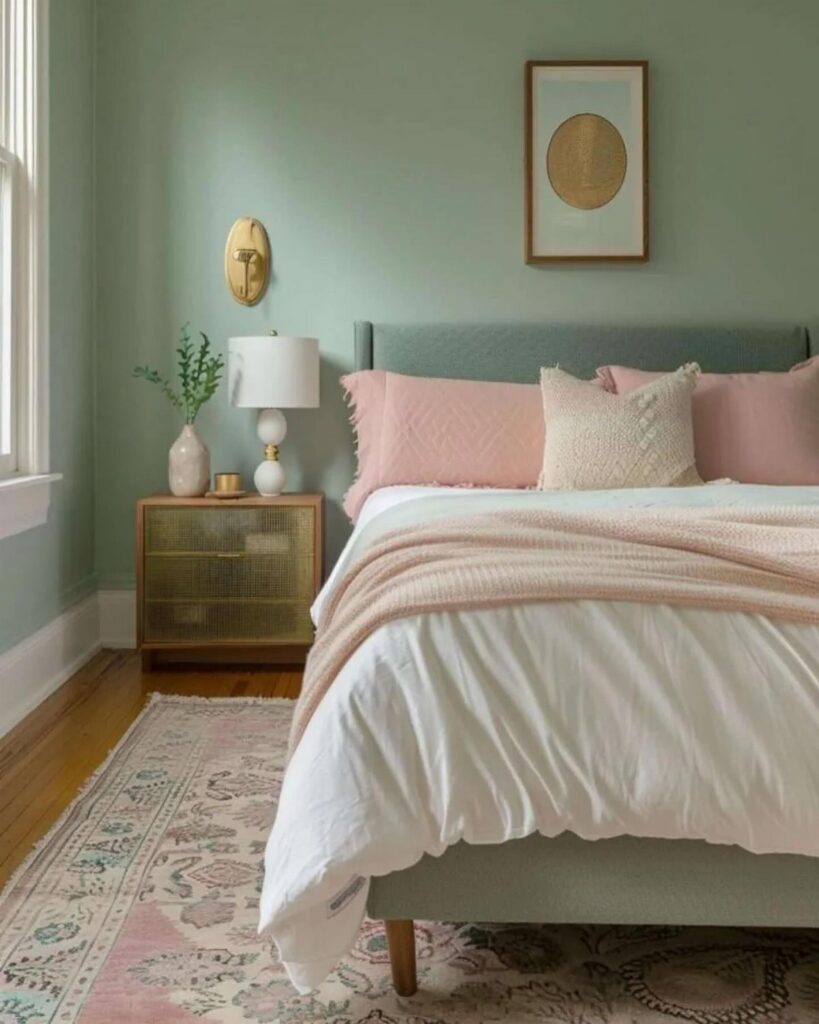
These 20 ideas run from a single afternoon with new bedding to a full weekend installing board and batten, with most landing somewhere between a rug swap and a painted accent wall.
The right choice depends on whether you want the color on the walls or on things you can take with you when the lease ends.
Farrow & Ball Mizzle shows up on nearly every sage paint roundup for a reason, and it anchors three of the looks below.
1. Sage Green Accent Wall
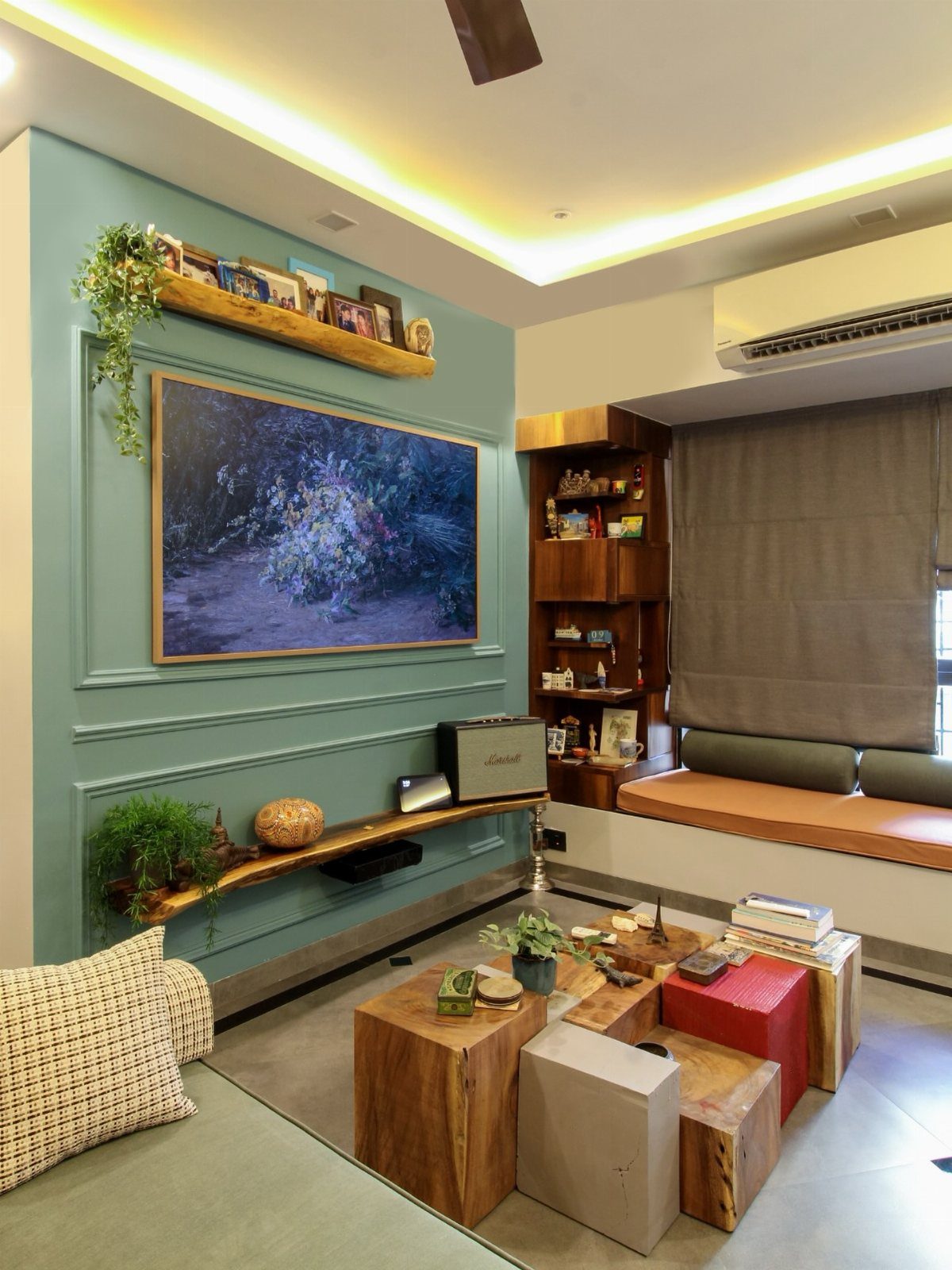
One wall in sage green anchors the bedroom without letting the color take over. I like this one for renters or anyone who wants the color without the commitment of four walls.
Board and batten adds architecture to the flat paint, and the wall behind the bed is the natural spot for it. Keep the other walls warm white or a quiet beige so the green stays the star.
One maker thinned down their sage paint to create lighter tints for a landscape mural; if you try that, mix a full batch at once so the finish stays even.
2. Sage Green Bedding
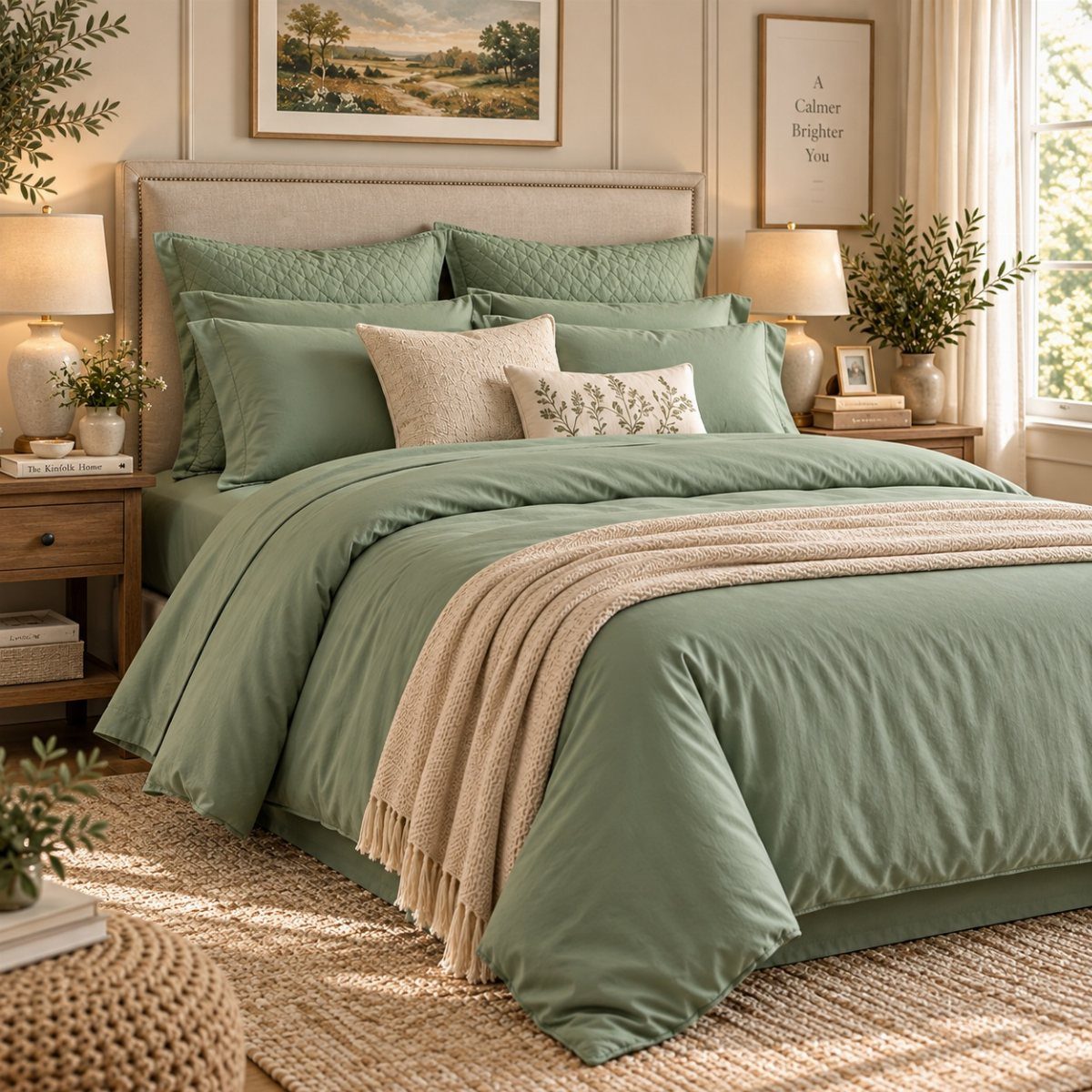
Bedding is the easiest way to test sage green without a single drop of paint. A duvet cover and matching pillowcases carry the color, and you can swap them out if the shade starts to feel wrong.
Layer in a cream throw and a couple of neutral pillows to keep the bed from looking too matchy. The maker of one set used cream linen underneath the green, which softens the whole stack.
New bedding and an afternoon of unboxing can pull the whole room together.
3. Ceiling
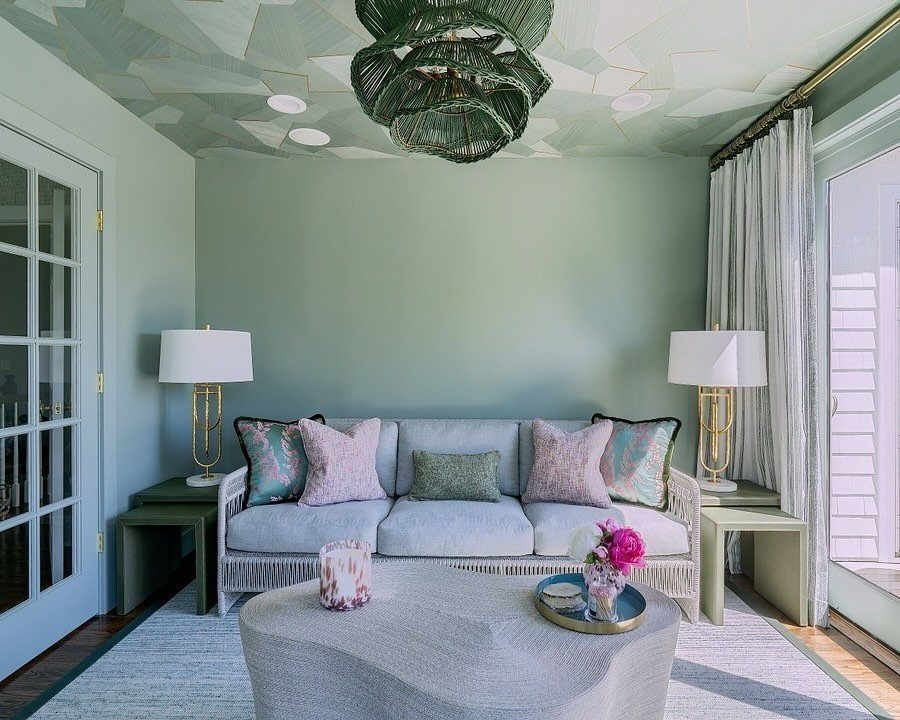
Painting the ceiling sage green wraps the room like a tent, especially when the walls match. The effect works best in rooms with angled ceilings; the color softens the slope instead of highlighting it.
A maker who paneled their ceiling in sage-toned wood paired it with a green wicker pendant and grey-green walls below. I would keep the rug lighter and the bedding neutral, or the cocoon turns cave.
4. Sage Green Curtains
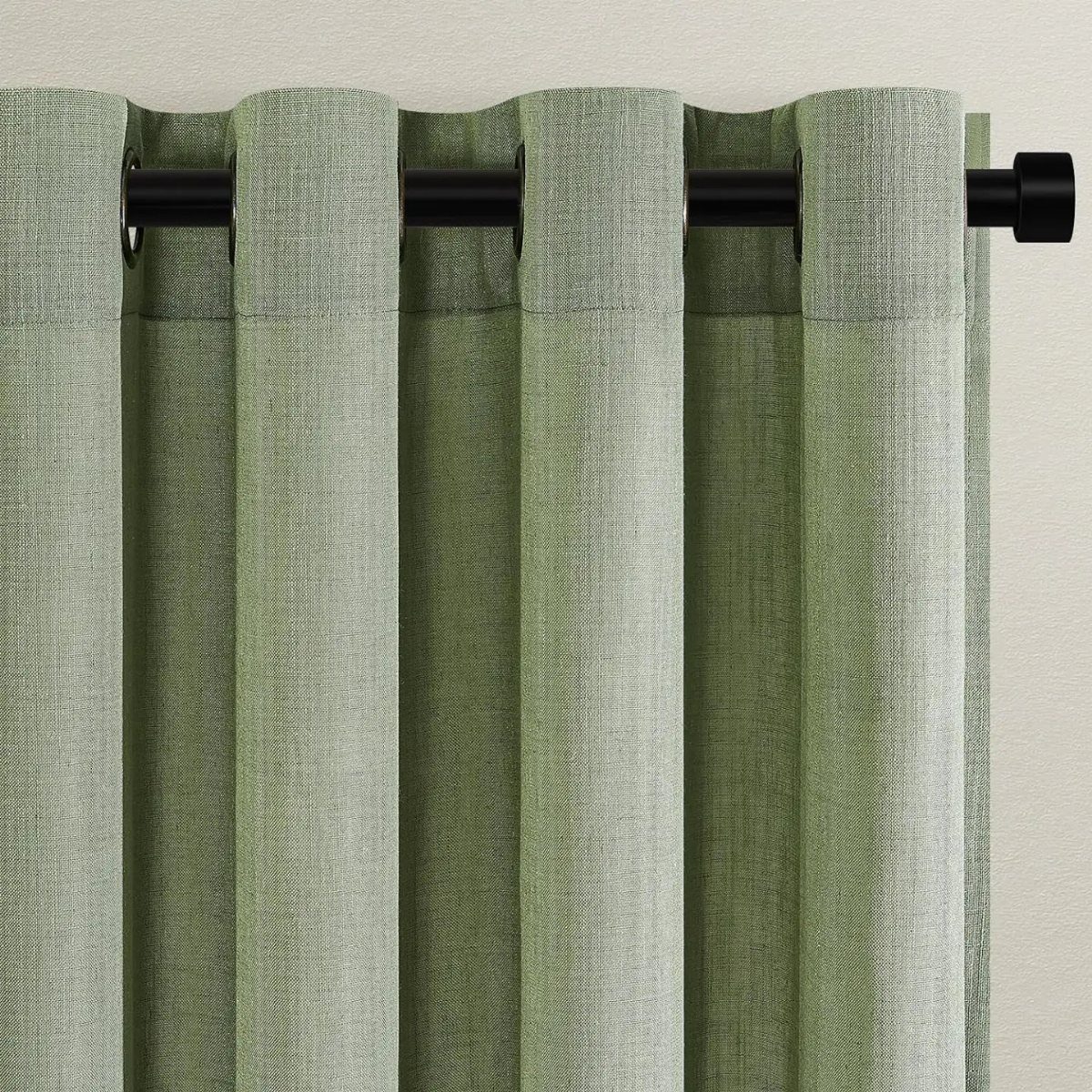
Sage green curtains frame the window without demanding attention the way a painted wall would. Sheer linen lets morning light through; a heavier weave blocks streetlights and winter drafts.
Hang them ceiling-height even if the window stops short; the eye travels up and the room feels taller. Grommet tops on a black rod read modern, while a pocket heading on natural wood leans quieter.
Match the curtain tone to a throw or a pillow elsewhere so the green reads intentional, not accidental.
5. Layering with Textiles
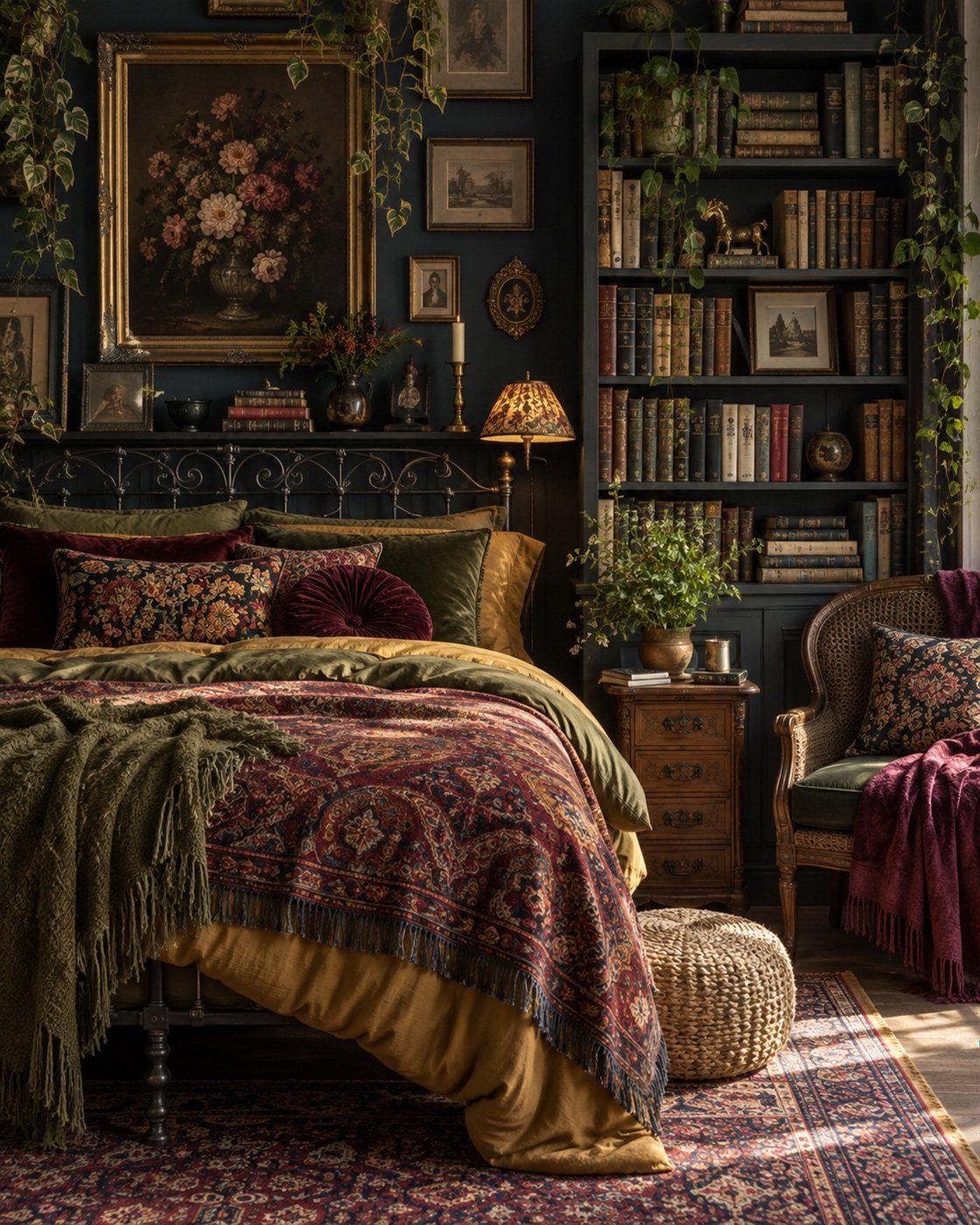
Linen, velvet, and chunky knits in sage green build a bed you want to climb into. Staying in the same color family lets the textures do the work.
One maker layered burgundy and mustard against their sage textiles, which sounds loud but settles down in person. I would start with curtains or a duvet in the green, then add a velvet pillow or a knitted throw.
The repetition of green through different materials makes the room feel alive without chaos.
6. Sage Green Headboard
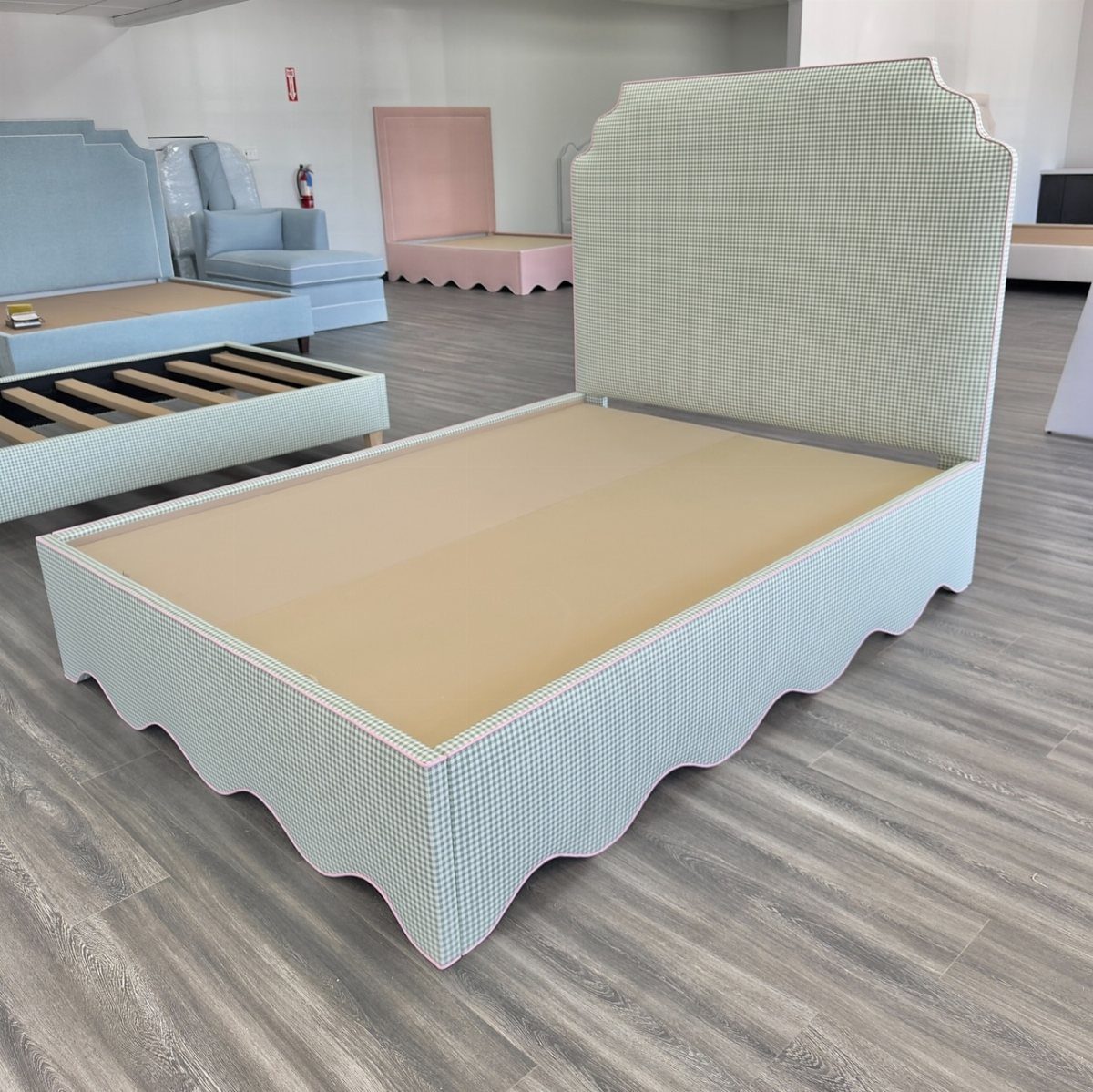
An upholstered headboard in sage green anchors the bed and saves you from painting anything. Tufting reads traditional; a clean scalloped edge feels newer.
The wall behind becomes your backdrop, so keep it quiet. One designer noted this is the easiest sage bedroom look to pull off, and I agree: order the headboard, dress the bed in neutrals, and the room is two-thirds done.
For a weekend project with no drywall dust, this is the one.
Designers often incorporate sage green into the bedroom. It’s a soothing color, which is ideal for homeowners who truly want their bedroom or guest room to be a restful space.
7. Sage Green with Black Accents
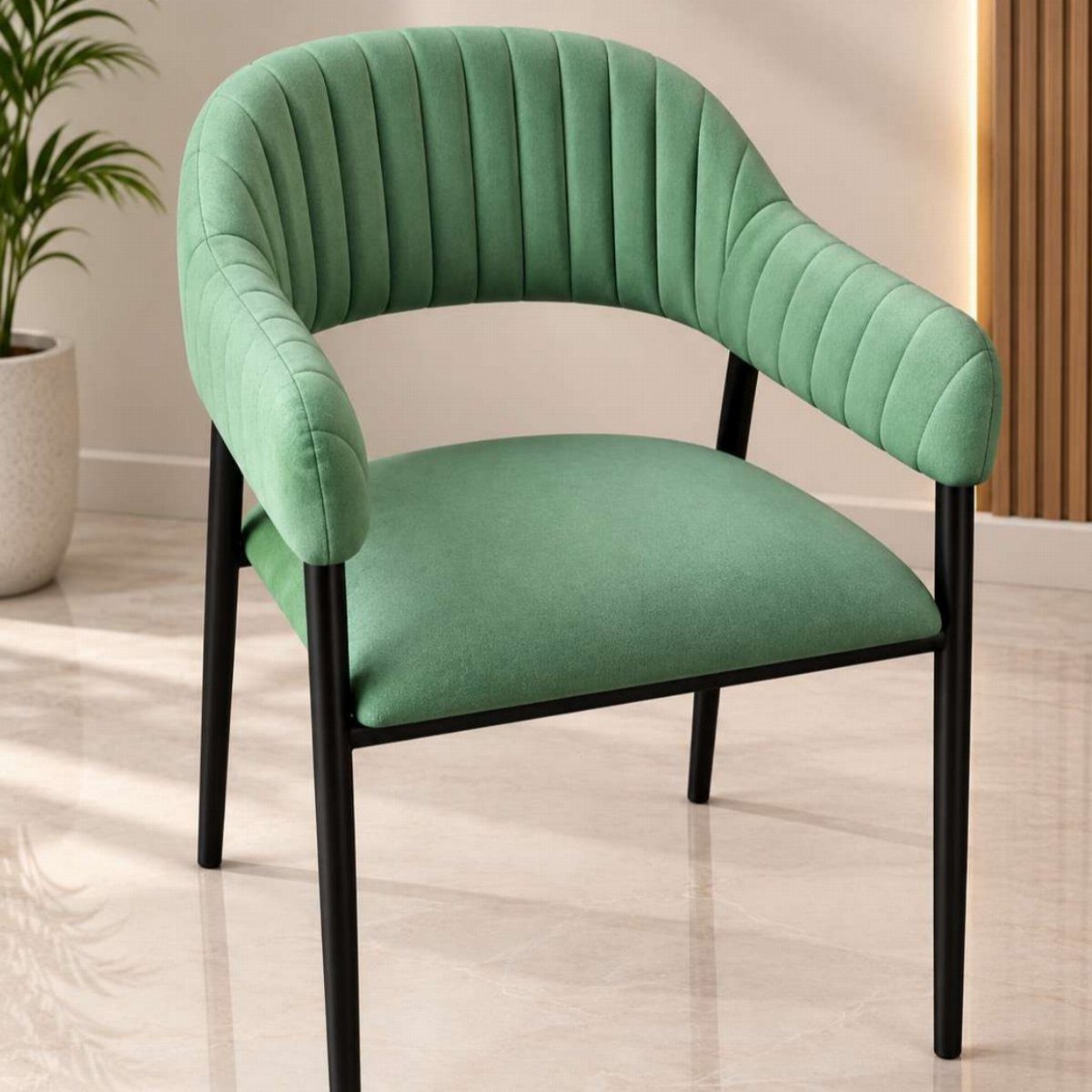
A black metal frame against sage velvet turns the color moody instead of pastoral.
I like this pairing for renters who want edge without losing the calm; black reads as punctuation, not dominance, when you keep it to legs, frames, and small objects.
A thin black candle holder or a stack of black-spined books on the nightstand does enough. Floor-skimming furniture swallows light, so I pick pieces with visible legs to keep the room from going heavy.
This one suits someone who wants their bedroom to feel designed rather than decorated. A warm bulb or a wood tone somewhere keeps the space from going cold.
8. Sage Green with Floral Patterns
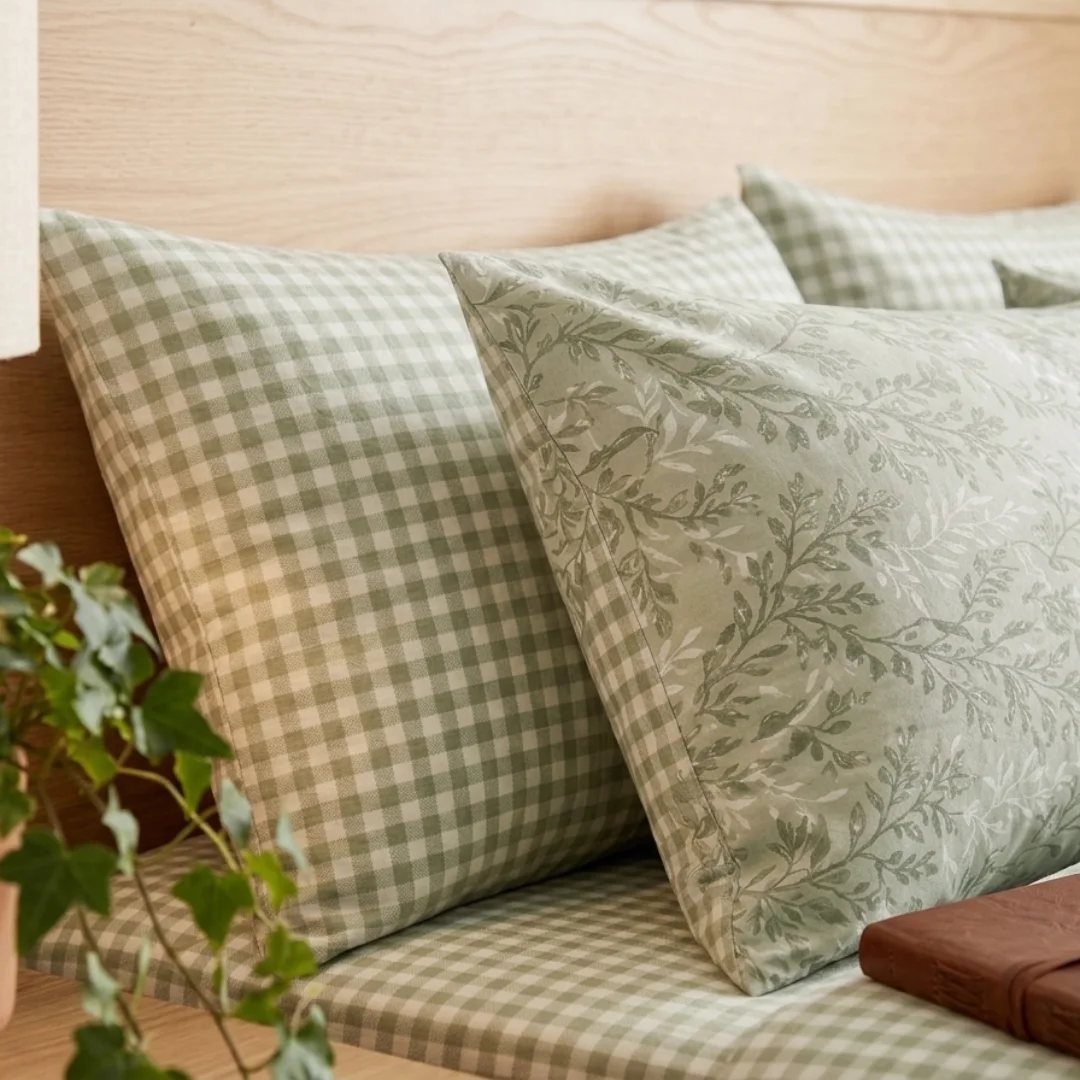
Floral bedding settles in against sage walls instead of shouting for attention. The green stays quiet enough that ruffles, leaf prints, and vintage botanicals can pile on without the bed looking like a garden center exploded.
I would start with the walls painted and the bedding chosen second; the pattern needs to pick up the green, not match it exactly. A white or light wood frame keeps the bed from getting busy underneath.
This pairing works best when the florals stay in one zone, the bed, and the rest of the room holds still. Spread the same print to curtains and rug and the calm collapses.
9. Boho Sage Green Bedroom
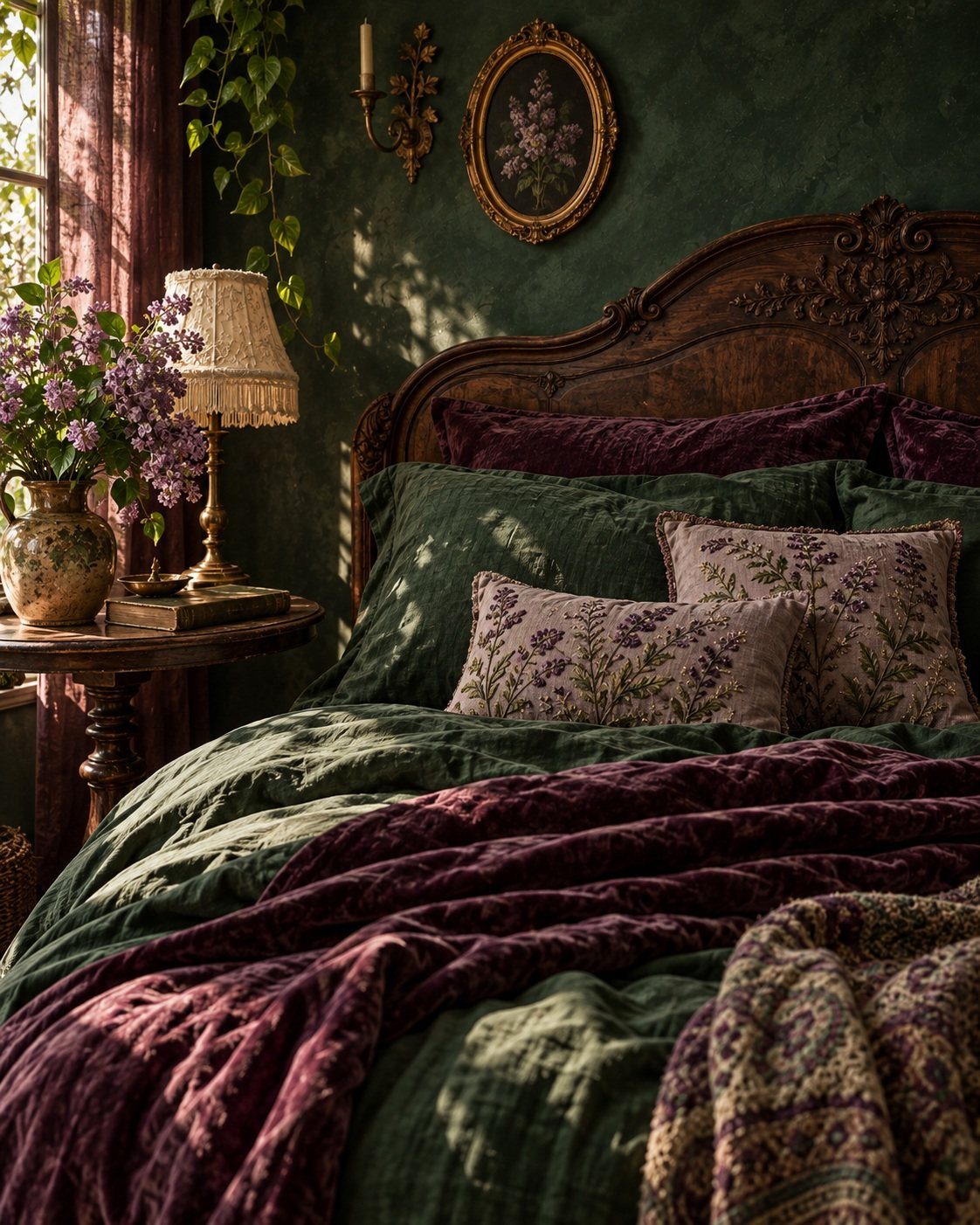
Dark sage on the walls turns bohemian from twee to grounded. Layering works best when every piece picks up the green: a woven wall hanging, a nubby throw, a faux fur rug underfoot.
I add plants near the window where morning light hits, and string lights around an open wardrobe or a reading corner for shadow play at night.
Rattan pendants on either side of the bed cast a warmer glow than metal would.
The deeper the green, the more natural light you need. A north-facing room might feel cave-like; in that case I would go lighter on the walls and keep the texture in the textiles.
10. Sage Green with Textured Lighting
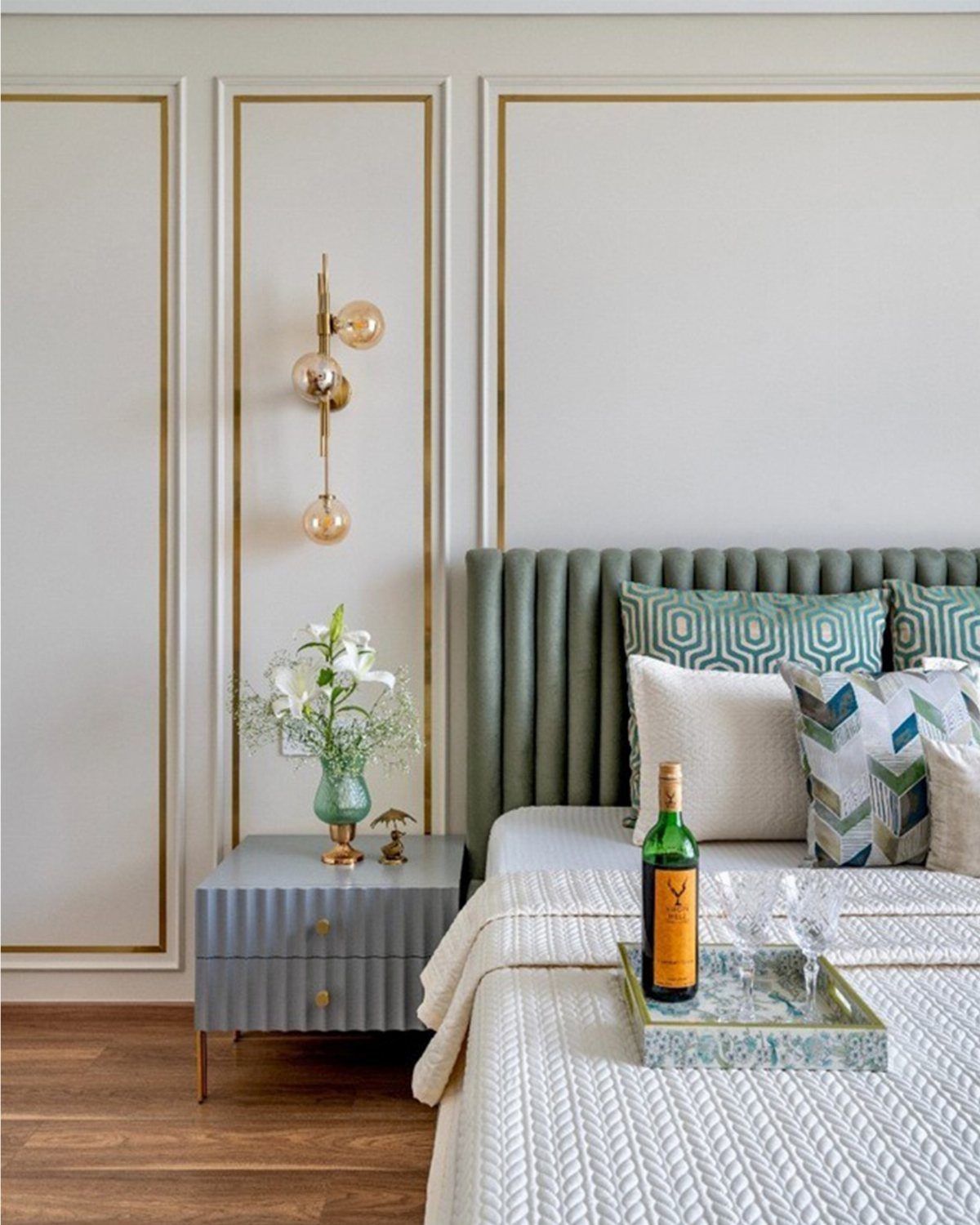
A wall sconce with a warm bulb does more for sage green than daylight ever could. The color shifts from gray-tinged to golden, and the room feels wrapped instead of lit.
I look for fixtures with texture in the shade: ribbed glass, perforated metal, woven rattan. The light catches the surface and spreads softer than a bare bulb would.
Place one on each side of the bed at shoulder height when you are sitting up; too high and the glow misses the green.
This is an easy move for someone mid-project who already has the paint up. The cost lands where a pair of decent sconces usually does, and wiring can often tap an existing outlet.
11. Sage Green Furniture
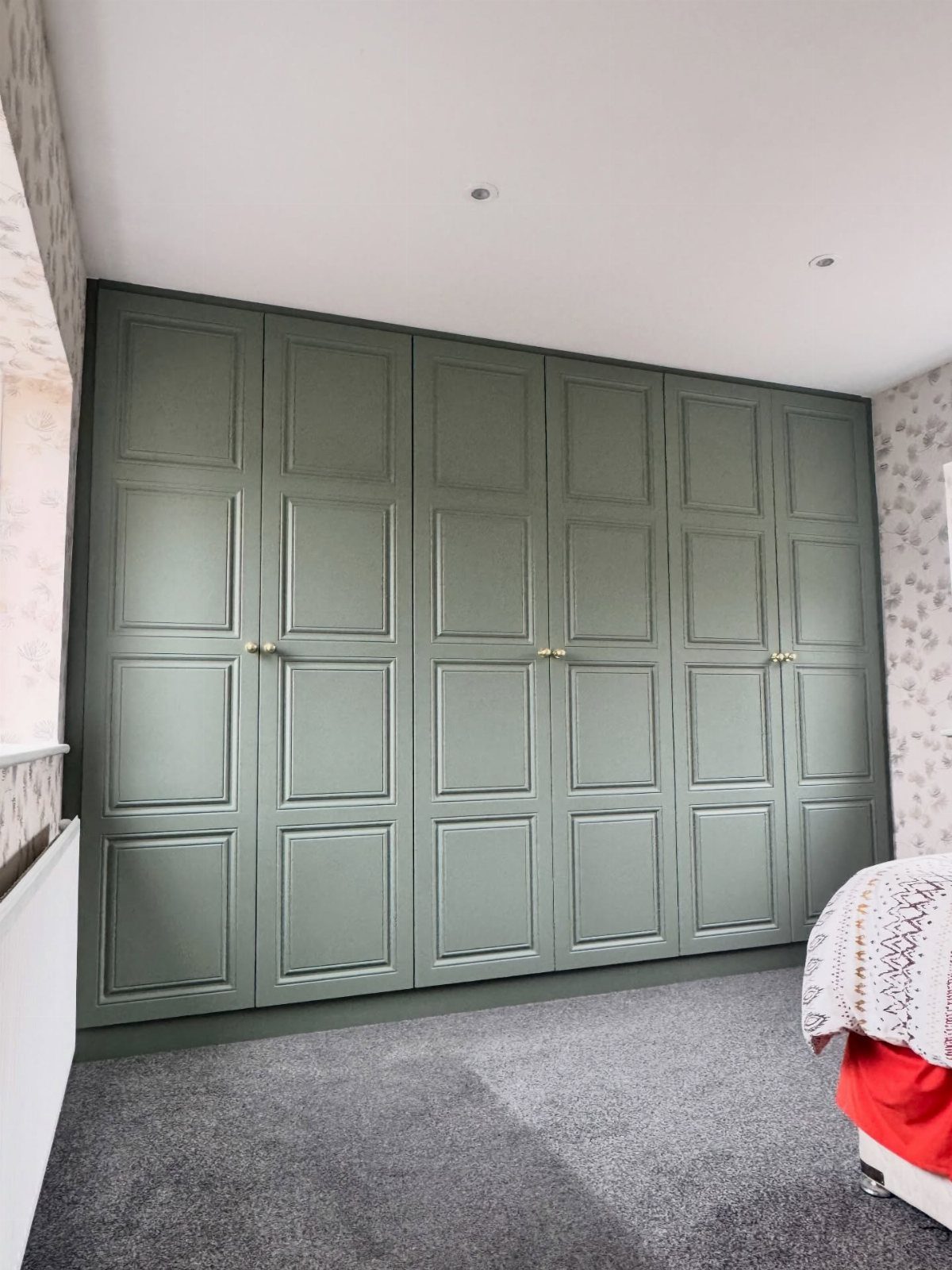
A built-in wardrobe in sage green turns storage into architecture.
The gold knobs catch light and keep the panels from reading as flat paint; I would match that warmth in at least one other element, a mirror frame or a bedside lamp.
For freestanding pieces, I look for dressers or nightstands with legs rather than plinth bases. Seeing floor beneath keeps the color from going blocky and heavy.
One bold piece is usually enough; I would not paint the bed, the dresser, and the chair the same green.
This suits someone ready to commit to the color without wrapping the whole room in it. The green still has to talk to whatever else is in the space.
12. Two-Toned Walls
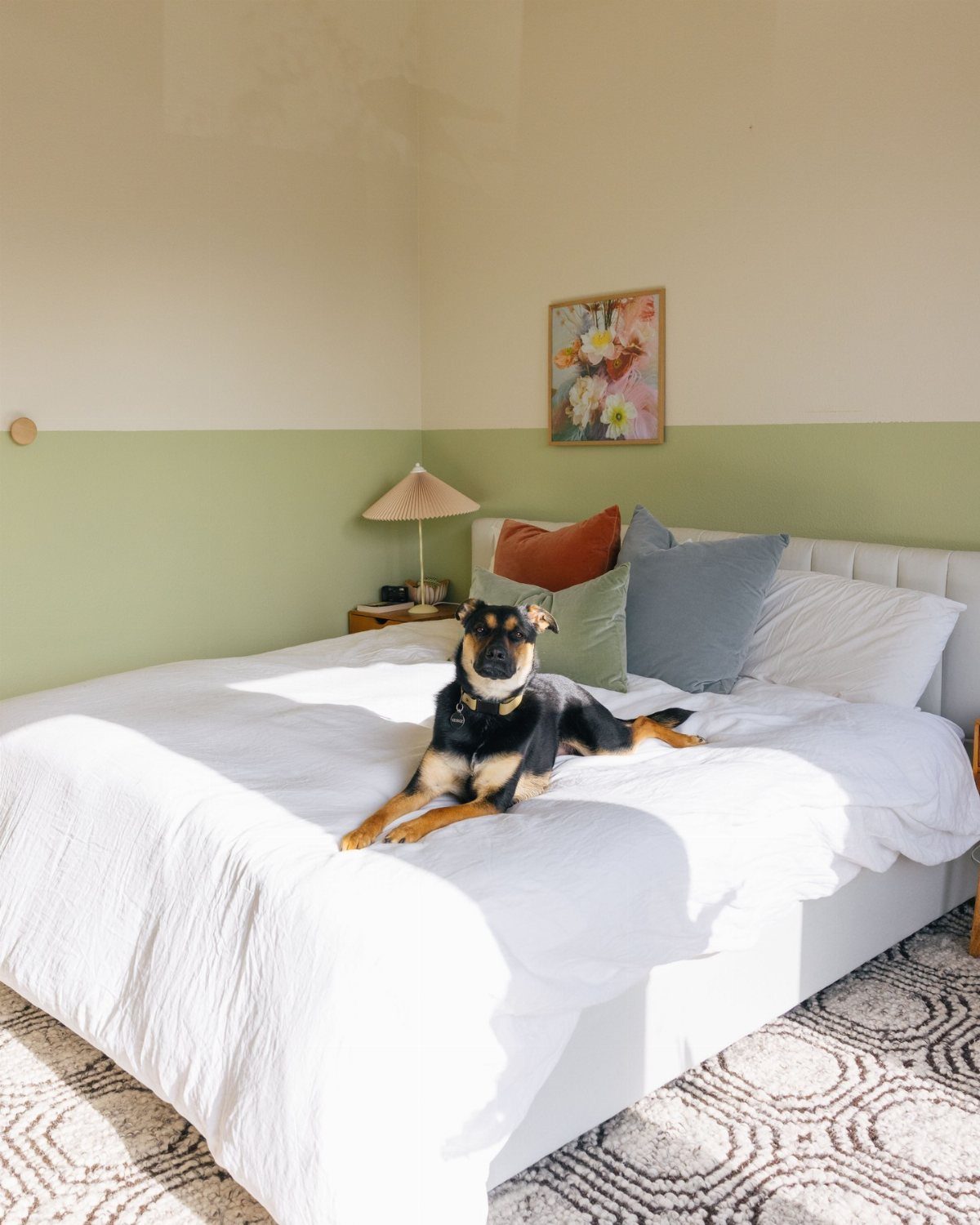
Splitting the wall lets you use two greens without choosing. A darker sage below chair rail height and a paler wash above, separated by simple trim, reads as wainscoting without the carpentry bill.
The darker ground anchors the furniture, the lighter ceiling keeps the room from feeling capped.
This works in rooms with existing trim to follow, or where you add a strip of wood and paint it white or match it to the upper color.
The line has to be level; a wandering divide looks like a mistake, not a choice.
13. Sage Green Rug
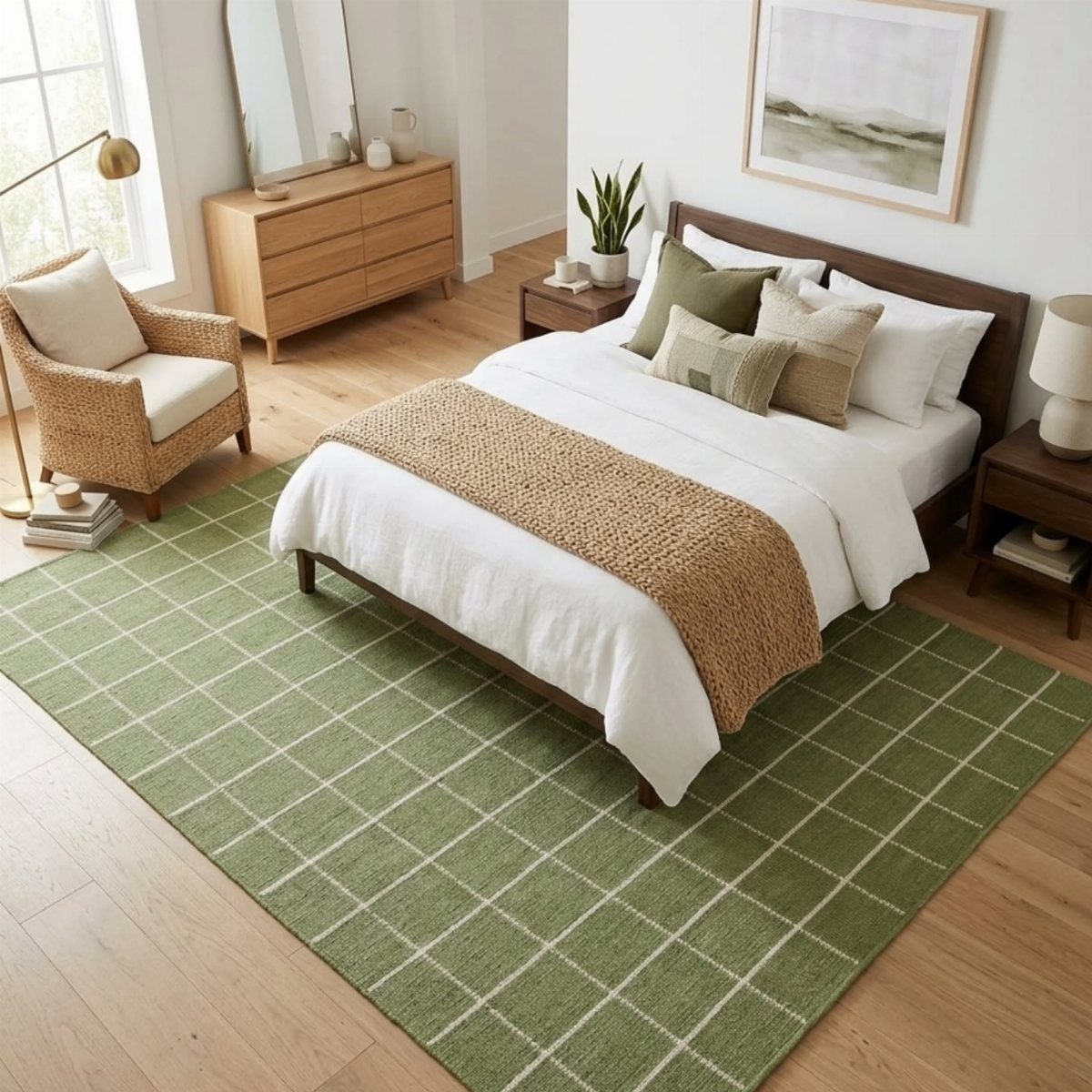
A sage green rug does the heavy lifting of pulling a bedroom together without demanding a single brushstroke. A grid pattern sits calm against light wood, and that combination works in rentals as easily as in a first owned place.
Size matters more than pattern. For a queen bed, pick a rug large enough to extend past each side, so your feet land on softness every morning.
A 5 by 8 works for a twin or a reading corner.
Plush pile adds warmth in winter; flatweave stays easier to clean and slides under door clearances. Cushion and practicality pull in opposite directions, and the choice depends on how hard you are on floors.
14. Sage Green and Brass Accents
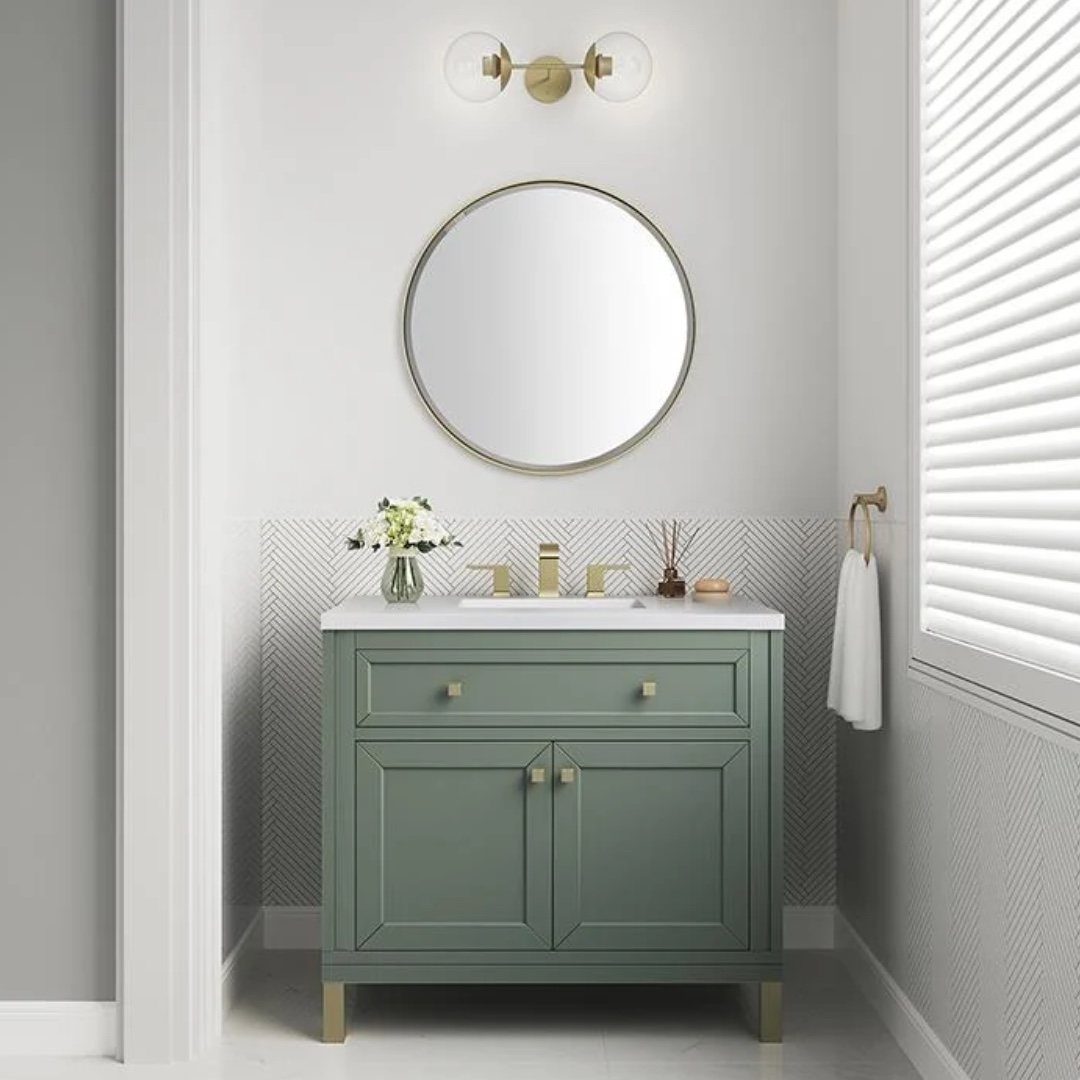
Brass against sage reads as warmth against coolness, and the effect lands quieter than gold would.
The pairing works in hardware, but bedroom scale calls for bigger moves: a swing-arm sconce beside the bed, a floor lamp with a slim stem, or a round mirror framed thin.
The finish matters more than the object. Satin or aged brass keeps the look livable; high polish drifts toward hotel lobby.
One or two pieces do the work. A brass bedside table plus a brass curtain rod in the same room starts to compete rather than complement.
Renters can swap hardware on existing furniture or add plug-in sconces without touching wiring.
15. Sage Green with Natural Textures
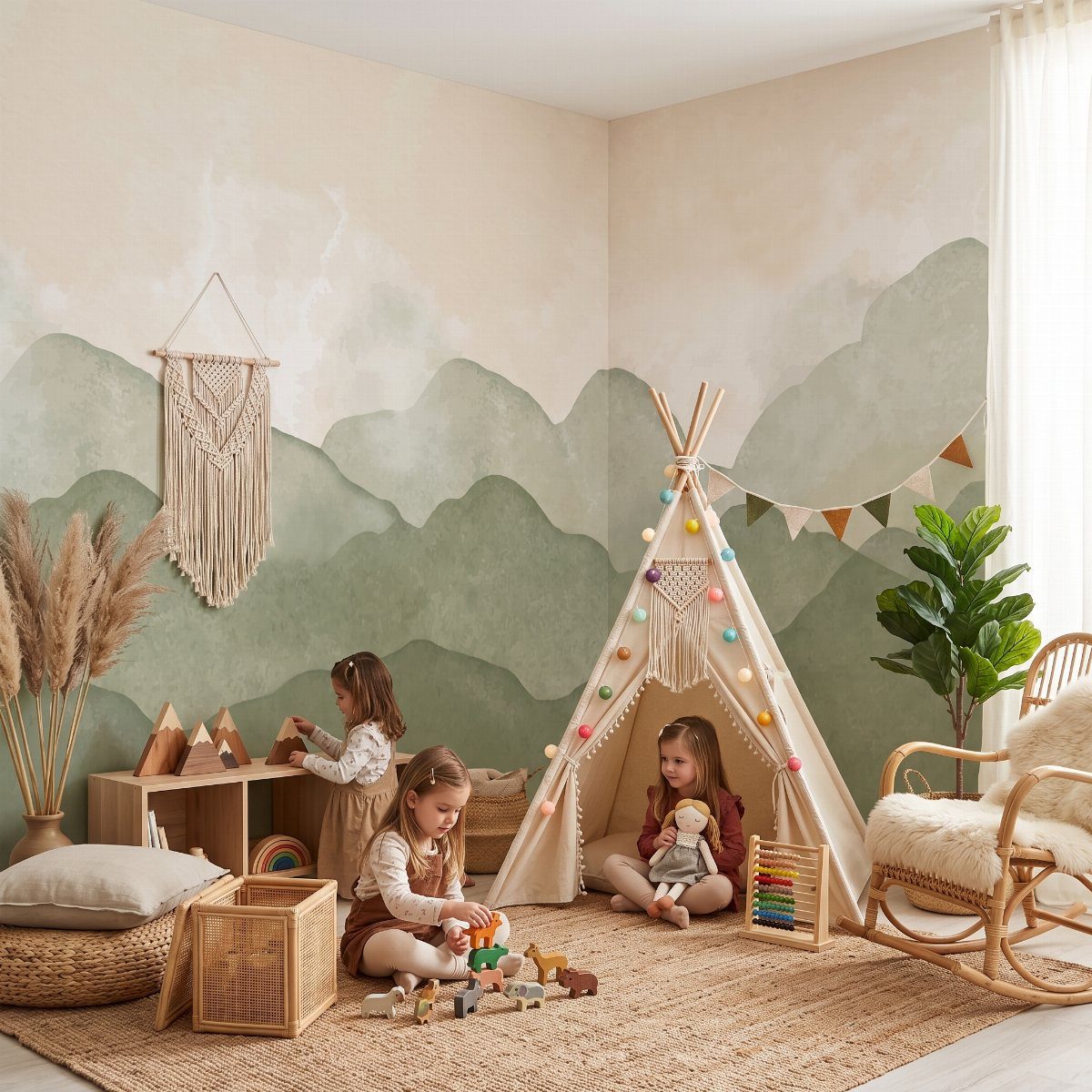
Sage green already borrows from outdoors, so natural textures complete the thought rather than decorate around it. Layer them freely: jute underfoot, wicker storing toys, wood in furniture and playthings, rattan for rocking.
The mix succeeds because nothing tries to be the star. Each material carries its own slight color variation, and sage green accepts all of them without forcing a match.
Jute rugs land at the affordable end of natural flooring, and sizing up costs less than swapping out a cheaper one that wears thin. Wicker baskets from a home goods store corral clutter without the markup of specialty storage.
A wooden stool beside the bed costs less than most nightstands and holds a lamp just as well.
Plants are the cheapest addition and the most forgiving if you choose pothos or snake plant.
16. A Dose of Pink
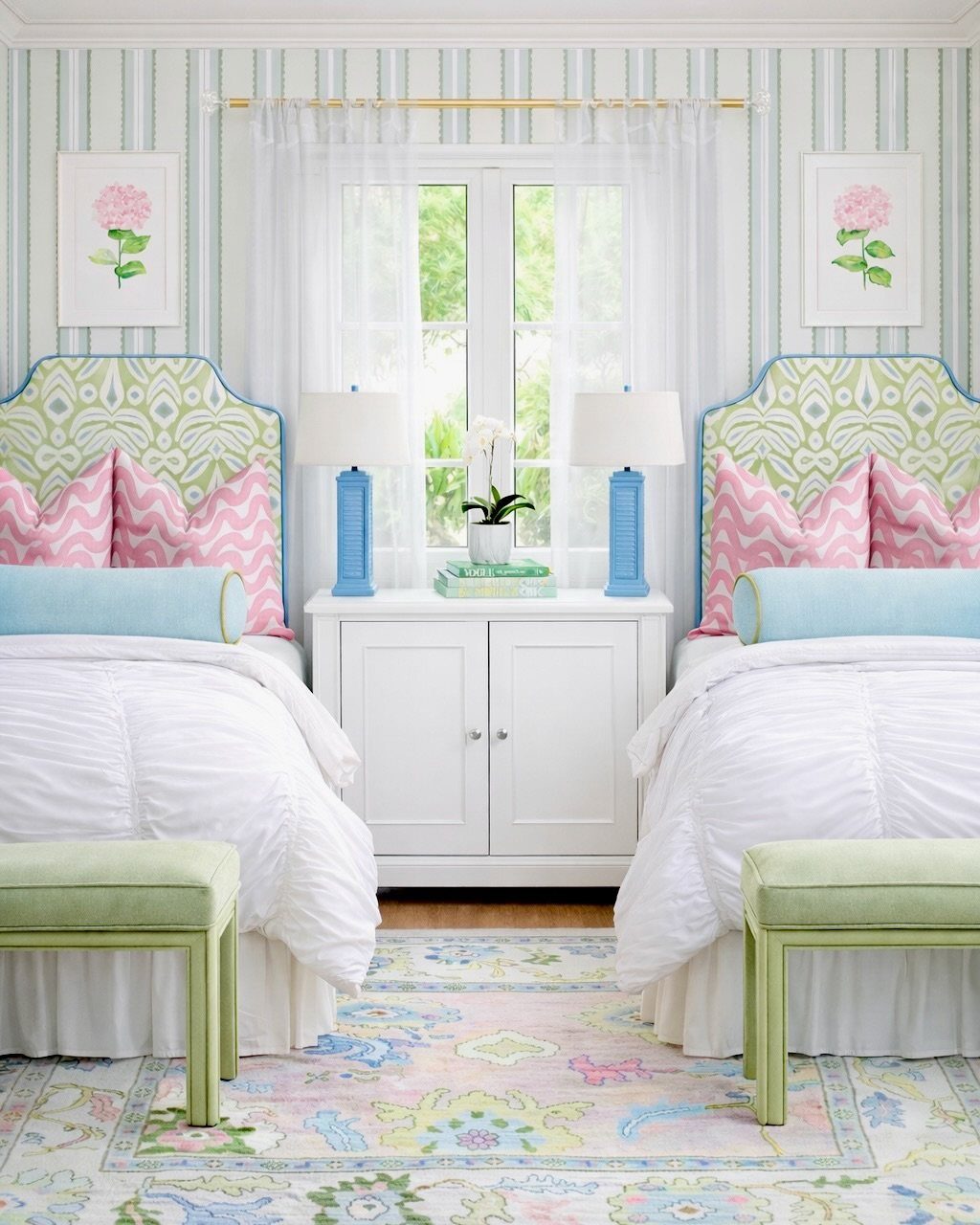
Blush pink and sage green share a chalky quality that keeps them from shouting even when they sit right next to each other.
The balance needs white or gray to breathe. Bedding in crisp white, walls in warm off-white, or a pale rug between the colors keeps the pairing from turning saccharine.
Gold lighting helps too, a thin strip of warmth that separates one color block from another.
Start with textiles if you are tentative. Pink pillows on sage bedding, or a sage throw across a pink chair, tests the combination before you commit to paint or wallpaper.
17. Traditional Details
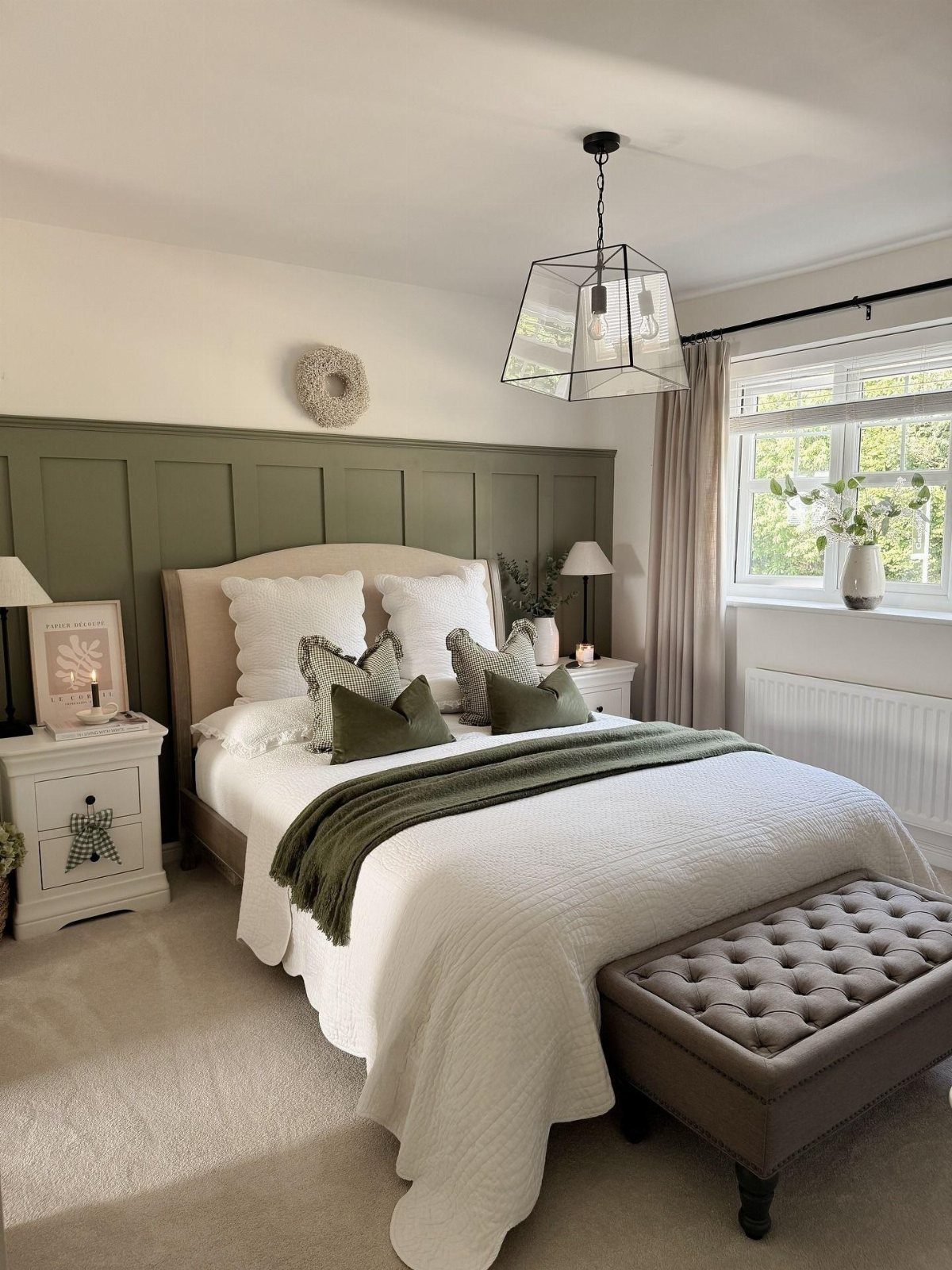
Paneled walls in sage green carry a formality that plain paint cannot touch, and they cost less than most people assume.
MDF battens spaced evenly across the wall, painted in one coat of sage over a white base, give the effect for the price of lumber and a weekend.
Keep the furnishings simple: white bedding, a gray tufted bench, botanical prints in matching frames. The symmetry is the point.
Matching sconces, twin prints, a centered bed, all of it calms the eye so the paneling can read as architecture rather than trend.
A lantern pendant adds period character without vintage wiring prices. The look suits someone who wants their bedroom to feel finished, collected over time rather than assembled from a single store.
18. Sage Green Wall Art
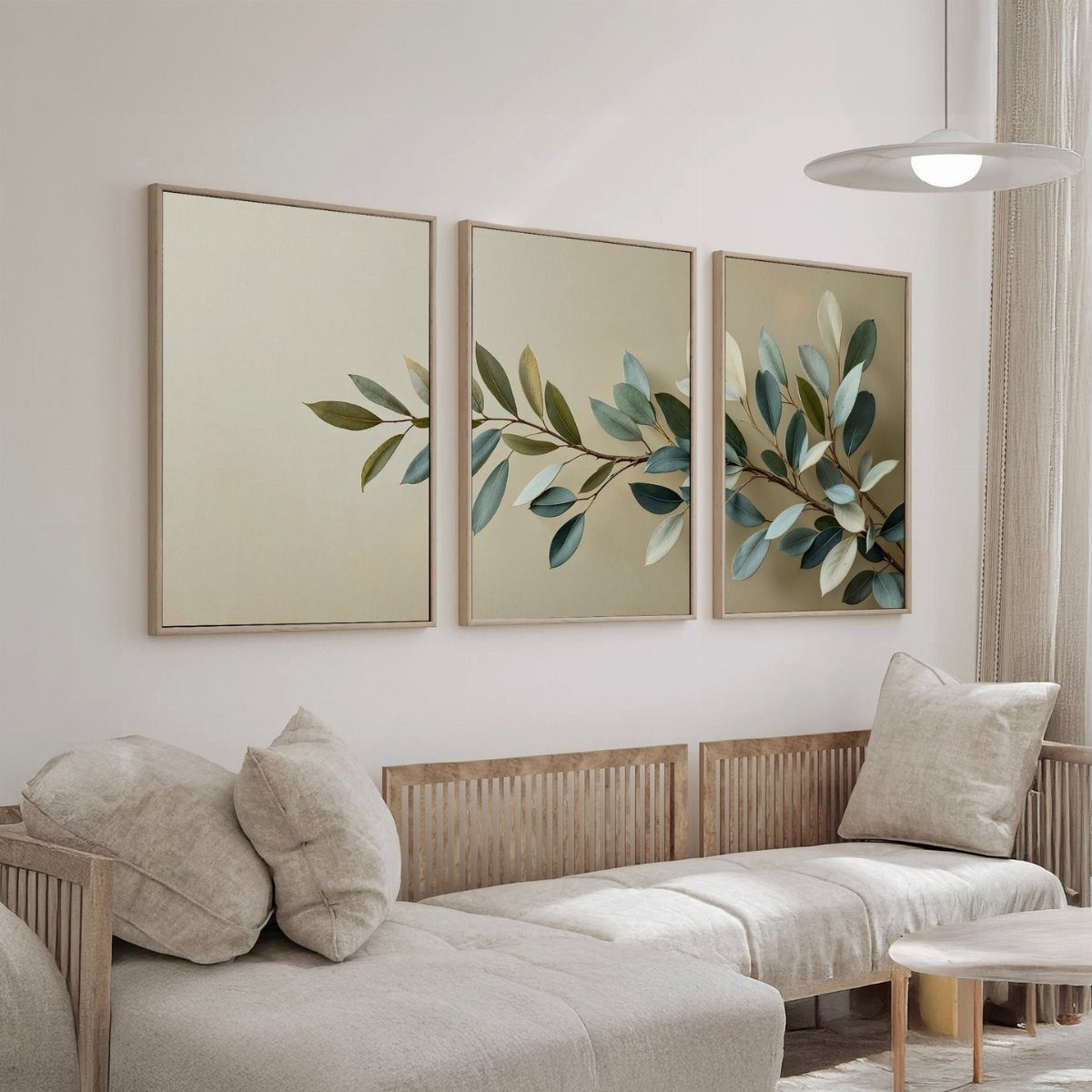
Botanical prints in sage tones let you test the color without a single can of paint. Leafy branches in muted greens and blues, framed simply and spaced evenly, turn a blank stretch into a quiet focal point.
For a bedroom, the same principle scales to the bed wall. Keep the palette soft, repeat the sage in bedding or a throw, and the art reads as extension rather than accent.
A gallery of different frame sizes works if the color thread holds steady; identical frames in a row read more quietly.
Cost runs low. Downloadable prints, standard frames from a craft store, and an hour with a level keep the whole project under a night out.
Above a low headboard, leave some breathing room between frame and ceiling; above a tall one, the art can sit closer or even rest on the frame.
19. Sage Green Paneled Walls
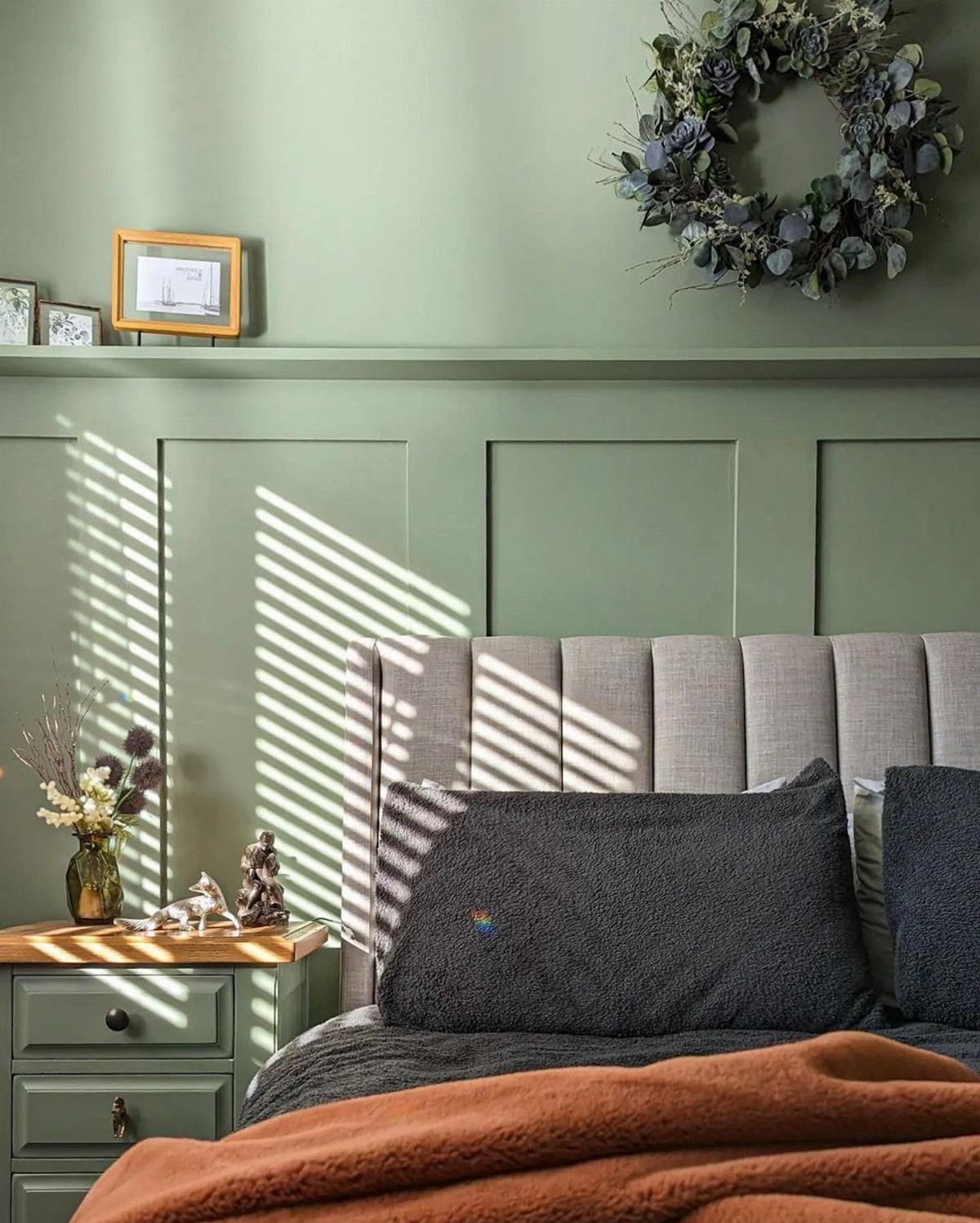
Vertical boards painted sage green give a bedroom the structure of old architecture without the fuss of ornate molding. The panels catch morning light differently than flat drywall, so the color shifts from mint to gray depending on the hour.
I like narrow boards spaced for a grid that reads as texture, not stripes. Paint the boards and the wall behind them the same sage so the seams shadow instead of shout.
A narrow shelf at the top holds a small frame or a trailing plant without becoming clutter.
This one suits renters in older homes with lumpy plaster walls the boards can hide. It trades the speed of a single accent wall for a weekend of measuring and caulk.
20. All-Over Sage Green Paint
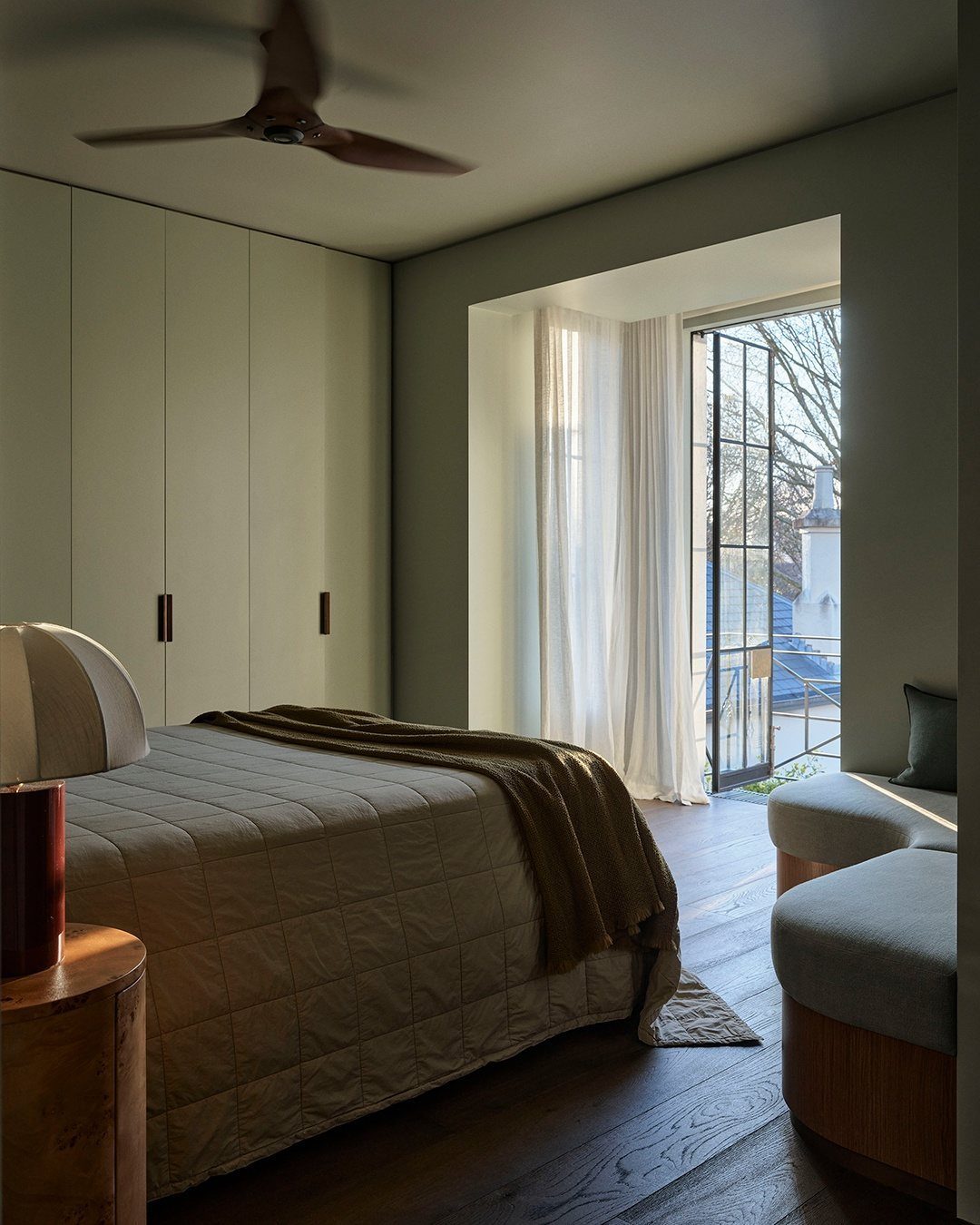
Sage green on every wall, the ceiling, even the built-ins erases the lines that usually box a room in. The effect is less like color and more like weather, something the room sits inside of.
Natural light matters here. A north-facing bedroom can sink into murk with full coverage, so I would only do this in a room with at least one decent window or strong overhead fixture.
Color drenching, as the technique is called, saves the decision of what to paint the ceiling. It also means buying more paint than walls alone would need.
Best for someone who wants a true retreat and can live without contrast.
Best Sage Green Paint Shades
Not all sage greens read the same. Sage shifts between cool grey-green and warm yellow-green, and the tone you choose changes how the room feels more than most people realize.
For bedrooms with plenty of natural daylight, Farrow & Ball Pigeon leans grey and carries enough depth to feel sophisticated.
Farrow & Ball Mizzle comes in warmer and softer, with just enough grey underneath to keep it steady through morning light, afternoon shade, and everything between; it sits near the top of nearly every list of sage bedroom paints for a reason.
Edward Bulmer Tea Green goes deeper and richer without turning heavy, for anyone wanting more color commitment. Benjamin Moore Silken Pine carries green undertones that give north-facing rooms needed warmth.
Sherwin-Williams Sage Green Light stays lighter and softer, suited to smaller bedrooms or those with limited natural light. Little Greene Boxington sits slightly more saturated than typical sage, with depth and warmth that reads characterful.
Color Pairings with Sage Green
Sage green acts like a muted neutral once it is on the wall. That quality makes it a base for pastels that would fight each other elsewhere: pink, yellow, blue, even lilac layered together without clashing.
Layered bedclothes expand the palette fastest. One bright piece of wall art above the headboard does the same job, if you’d rather concentrate the color in one spot instead of spreading it around.
For quieter pairings, white and cream keep the room restful. Terracotta and natural wood ground the green without competing.
The combination with black, noted in the list, relies on this same principle: sage steps back so the stronger color can step forward.
Creating a Calming Atmosphere
Warm lighting does more for a sage bedroom than the color itself.
LED fixtures with adjustable settings let you pull a soft green hue into the light, which ties back to the painted walls without adding more pigment to the room.
Lamps with sage bases or shades work the same way, just through objects rather than bulb color.
Texture finishes what light starts. A thick knitted throw, woven light fixtures, jute rugs, and curtains with some grain to them keep the room from feeling flat.
Wooden shelves holding plants or botanical prints add living depth. The green reads as calm because it carries nature indoors; the more you reinforce that with actual organic material, the less the color has to do alone.
Frequently Asked Questions
What color goes with sage green in a bedroom?
White, cream, terracotta, and natural wood all sit well with sage green. On the wall, sage reads almost like a neutral, so pastels that would argue anywhere else, pink, yellow, blue, even lilac, can live together without fighting.
Terracotta and wood settle the green without shouting back, and black keeps its edge in small hits: a frame, a chair leg, a lamp base.
What colors do not go with sage green?
Bright primary colors and pure brilliant white tend to clash with sage green’s muted, chalky quality.
The color needs something slightly softened or warmed against it; a crisp white with no undertone can read too stark, and saturated reds or oranges fight the calm rather than build it.
What is the most beautiful color for a bedroom?
Sage green lands near the top of most lists for its calming, timeless quality that carries nature indoors without going dark or cold.
It shifts between grey-green and yellow-green depending on the light, so the exact shade matters as much as the color family. Bedrooms with good natural light suit the greyer tones; north-facing rooms need the warmer ones.
What kind of bedding would look good in a sage green room?
Natural linen and warm white bedding soften sage green walls without competing. One maker layered cream linen underneath green bedding, which gave the whole stack a quieter, lived-in feel.