The ideas below run from a roll of sticky labels to a glass-walled wine cellar, and the one that fits depends on whether your basement is unfinished storage or finished living space.
A bare 2×4 frame with plywood shelves holds actual weight without asking for your trust, while shaker-style cabinets in light blue with recessed panels hide the same cans behind doors that read as furniture.
1. Sturdy Shelving
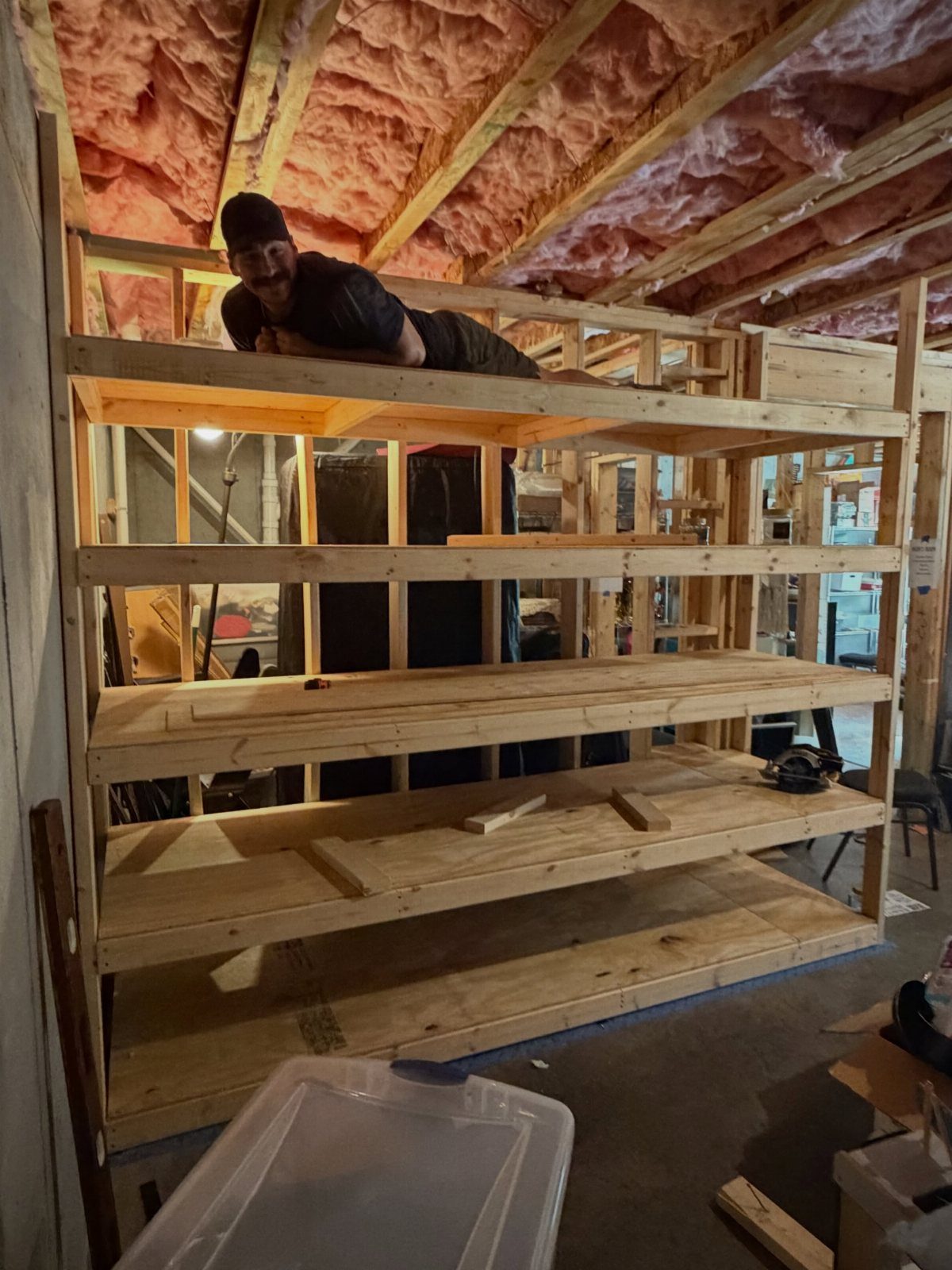
Bare 2×4 framing with plywood shelves takes actual weight without asking for your trust.
DIY 2×4 and plywood shelves loaded with canned goods hold up without complaint. A tall basement ceiling gives you vertical room to stack Sterilite tubs high and still leave space above.
Commercial-grade metal shelving costs more, but it assembles fast and adjusts when your container sizes change. Either way, shallow top shelves keep jars and cans visible; a deeper bottom shelf handles 5-gallon buckets.
This one suits anyone who would rather spend Saturday building once than replacing sagging wire racks every two years.
2. Use Under-stair Storage
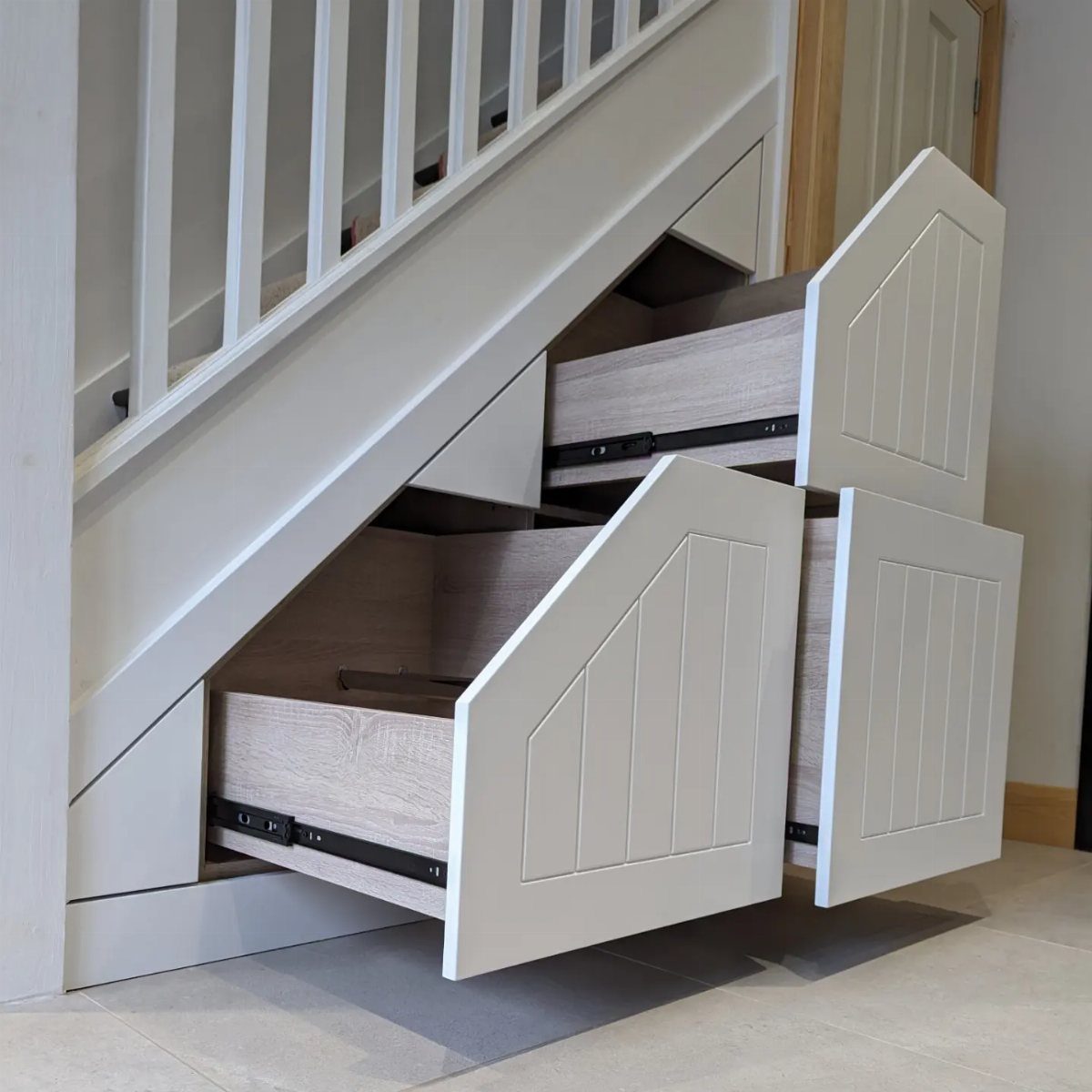
White paneled drawers slide out from the triangular void beneath the stairs, turning the most awkward footprint in a basement into something that actually earns its keep.
Basements often have irregular layouts, and the space under the stairs is usually the worst offender: too short for standing, too deep for ignoring. Built-in drawers or shelves follow the slope and give back square footage you already own.
Simple bins work if you are not ready to build; the goal is stopping that corner from becoming a graveyard for half-inflated exercise equipment.
This space can hold everything from root vegetables to cleaning supplies, and the common thread is that it finally has a job.
Best for smaller basements where every inch competes. Access is the catch: you are crawling in or pulling drawers, so store what you need monthly, not daily.
3. Create a Food Storage Room
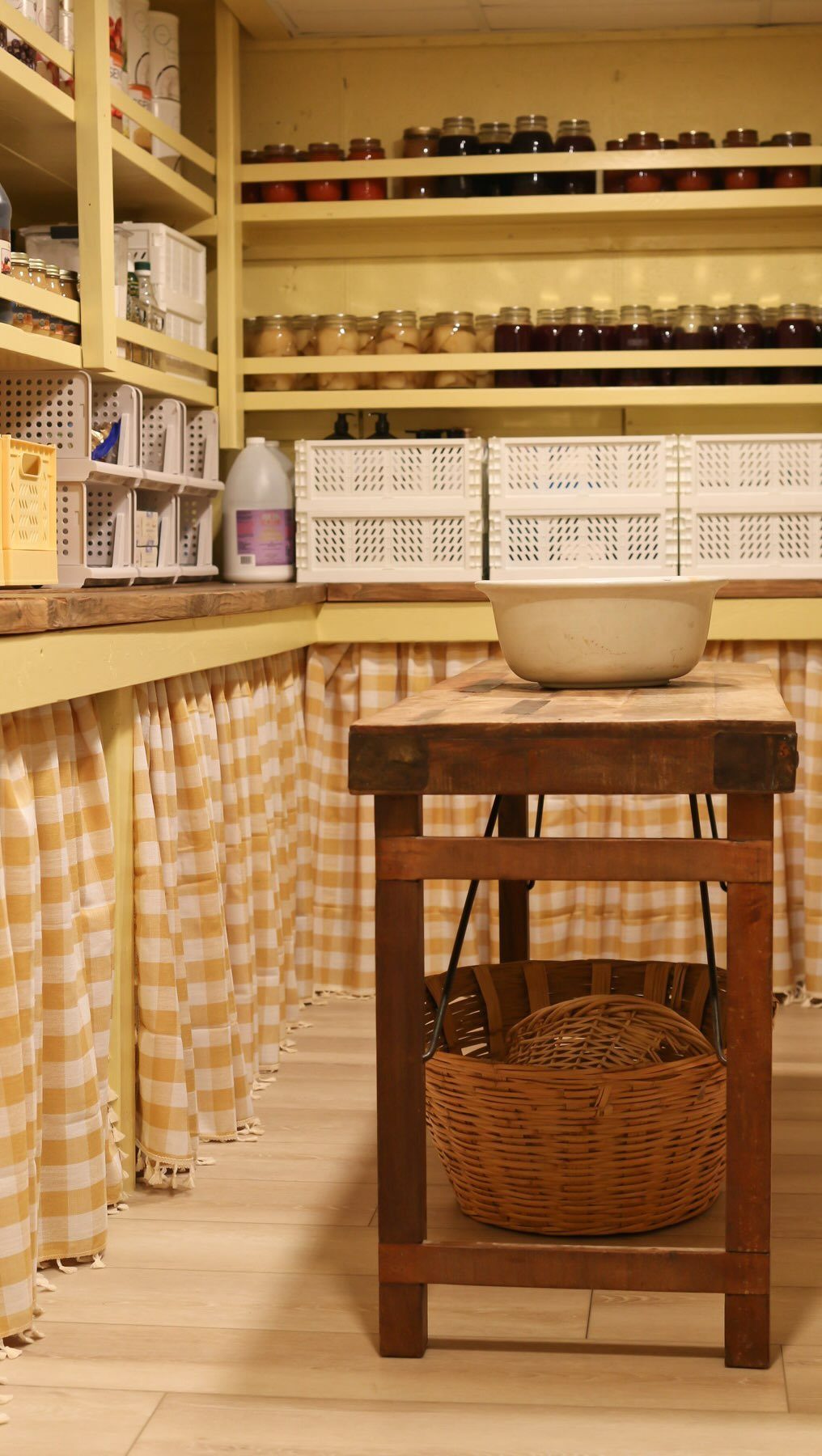
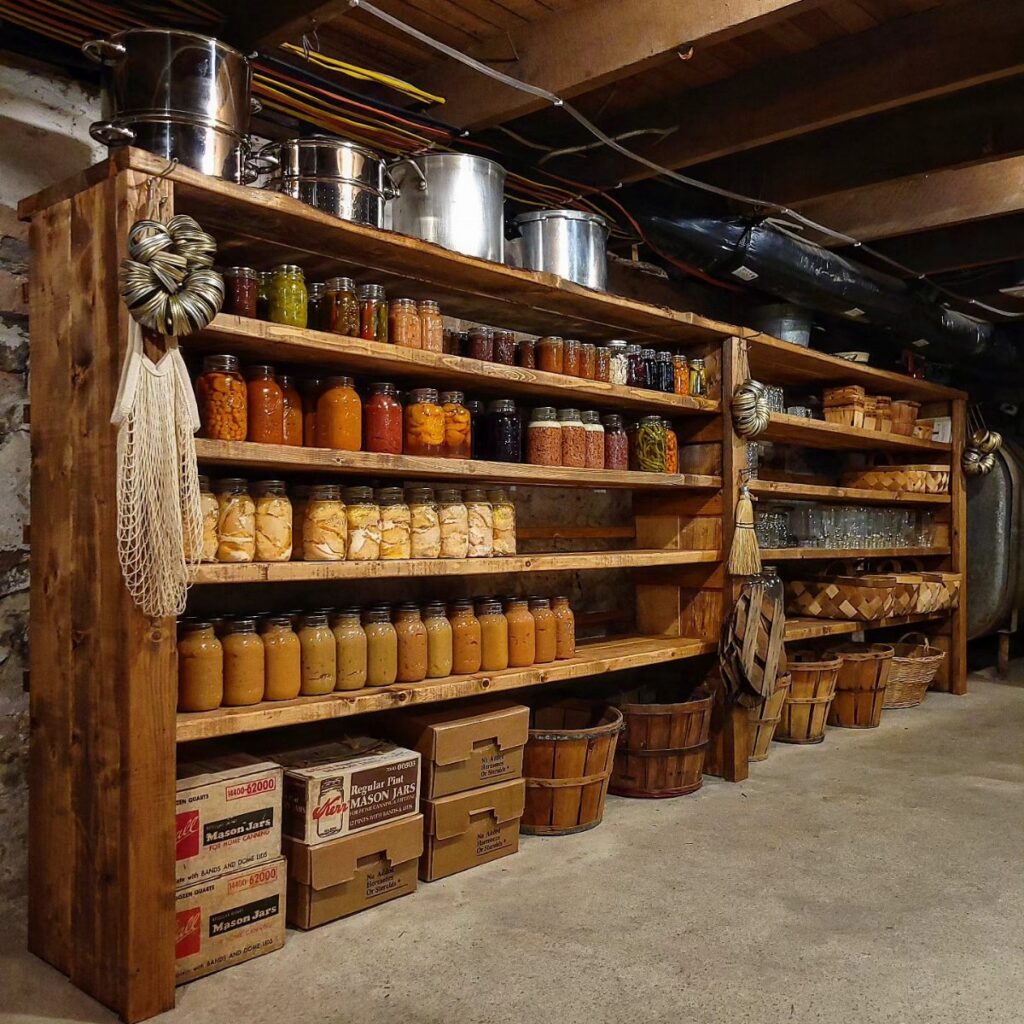
Yellow walls and wooden counters frame rows of glass jars, and that orderliness is what happens when a basement corner stops being miscellaneous and starts being a room with one purpose.
A dedicated food storage room does not require finishing the entire basement. One corner with a door, some wraparound shelving, and attention to sealing cracks will do.
The maker of this space rebuilt after moisture and mice had taken over, swapping damaged materials for shallow top shelves holding jars and cans, with a deeper lower shelf sized for 5-gallon buckets.
The door matters: it keeps the storage cooler, darker, and less interesting to pests than an open corner.
This suits the homeowner who wants to walk downstairs and know exactly where the extra flour lives. It trades some flexibility; that corner is no longer a workshop or guest overflow.
4. Organize by Categories
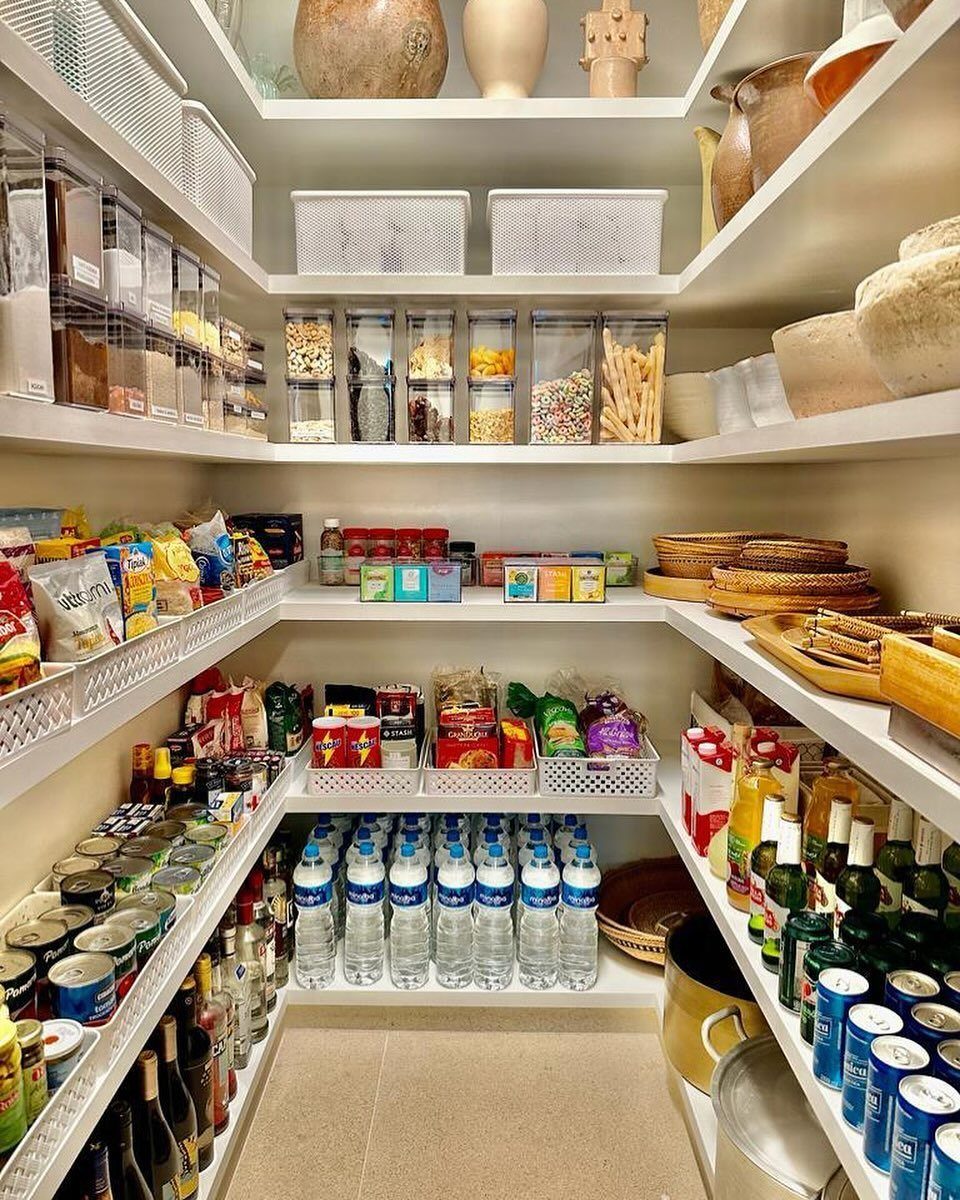
Clear containers of grains, canned goods, bottled water, and boxes each claim their own shelf level, and that grouping is what keeps a stockpile from becoming an archaeological dig.
I sort by how I actually cook: breakfast items together, baking essentials in one zone, canned vegetables in another.
Some people prefer by cuisine or by container type, and the right system is the one that answers your own question of where you would look first.
Bins help the categories hold their shape when shelves are deep, and labels keep the system from dying the day someone else puts groceries away.
This is the idea that costs nothing and saves the most time. It suits anyone who has stood in a basement pantry wondering whether the tomato paste is behind the peanut butter.
5. Label Everything
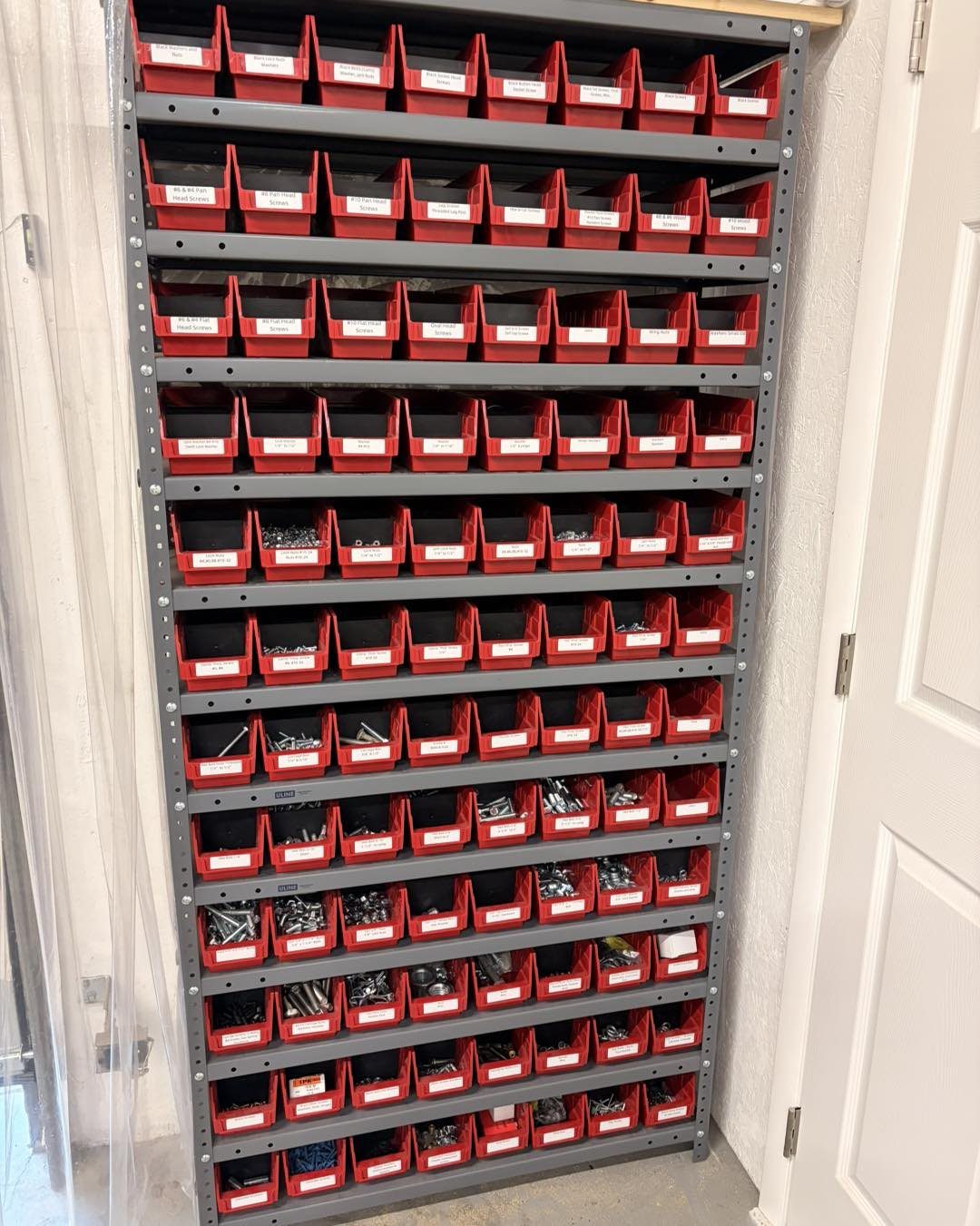
Small white labels on red bins turn a grey metal shelf into something readable from across the room, and that readability is the whole point.
I start with sticky notes when I am unsure a category will stick; once the system holds, I switch to something permanent.
The label says "Canned Veggies" or "Pasta," not "Food," because specificity is what lets someone else put groceries away correctly or spot a low bin without opening three. Dating labels with expiration turns inventory from a project into a glance.
This suits households where more than one person stocks shelves, or where six months pass between buying and using. Sorting and labeling hardware takes serious time; food deserves at least the clarity, if not the hours.
6. Use Moisture Absorbers
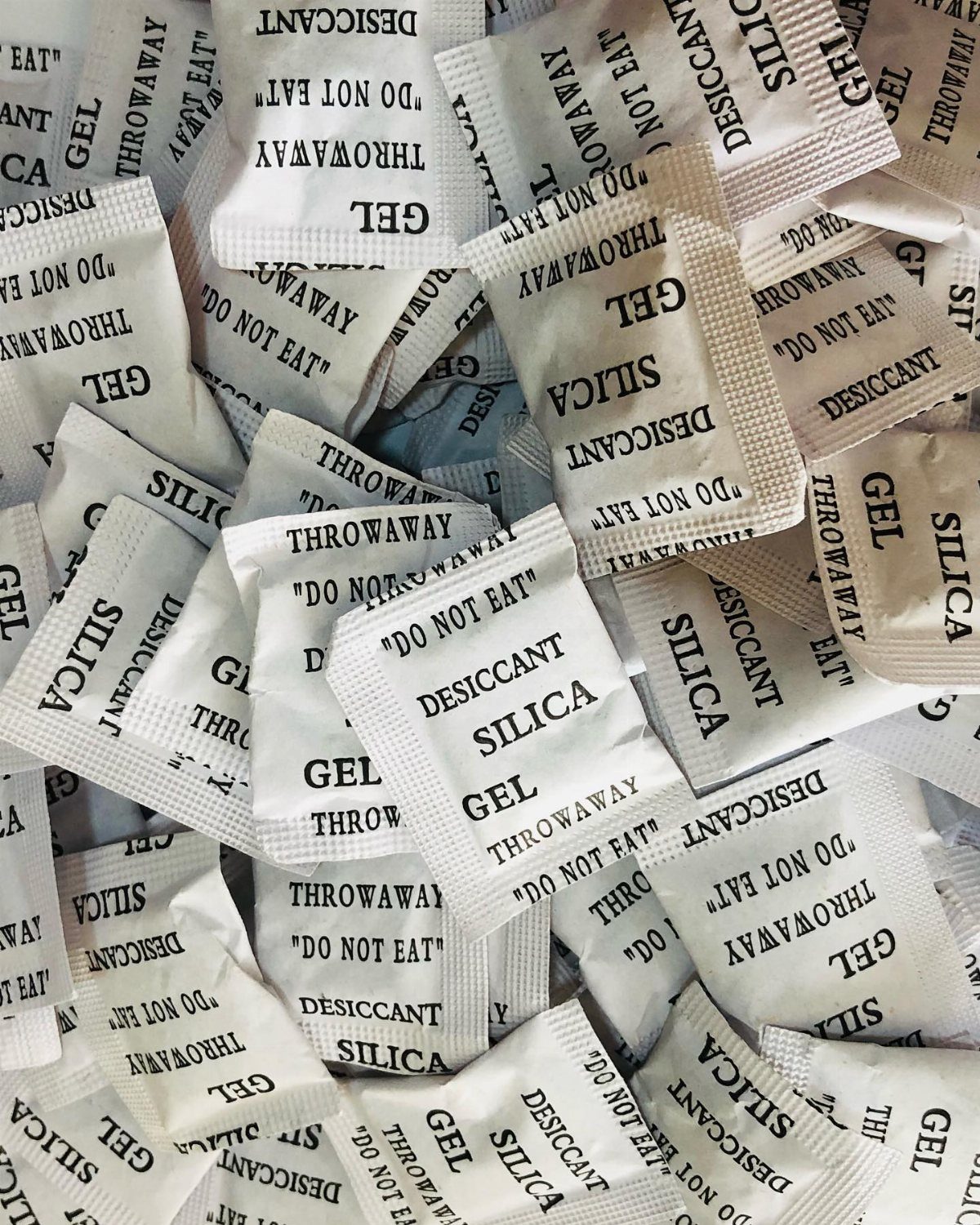
A pile of silica gel packets looks like shipping waste, but in a basement they are cheap insurance against the humidity that ruins food before its date.
Basements run damp, and damp cardboard, damp labels, and damp grain are each their own kind of loss. I tuck desiccant packets into bins of flour, rice, and dried beans, and I replace them when they saturate.
For larger spaces, a rechargeable dehumidifier or bucket-style absorber handles the air itself.
The floor can store heavy bulk items in airtight containers, but only if the floor is dry; if your basement trends moist, raise them on pallets and add absorbers inside every lid.
This is non-negotiable for anyone storing more than a few weeks of food below grade. The cost is minimal; the alternative is discovering a solid block of sugar in June.
7. Basement Storage Cabinets with Doors
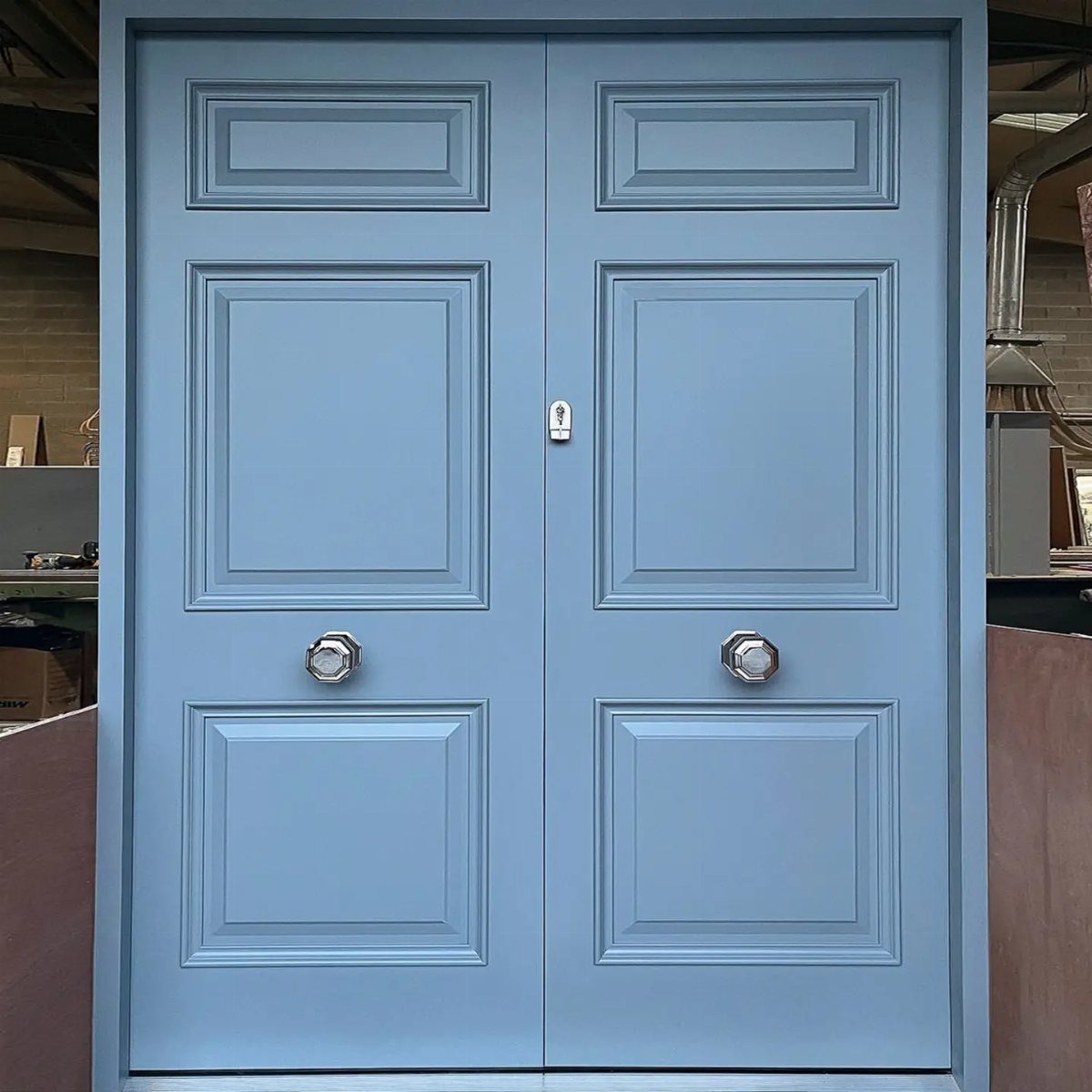
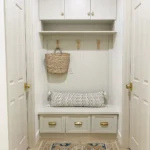
A set of shaker-style cabinets in light blue with recessed panels and hexagonal silver knobs hides dry goods, craft supplies, or pantry overflow behind closed doors.
A three-panel Ashbury design reads as furniture rather than storage, which helps when the basement doubles as living space.
I would order these to fit a corner that would otherwise stay empty; flat-front or paneled doors both work, and a narrow ledge on top holds a framed print or a small lamp.
Inside, waterproof bins with snap lids keep the shelves organized without requiring you to open every door to find the rice.
Best for renters or owners who use the basement as finished space and want the food supply to disappear.
8. Basement Wine Storage
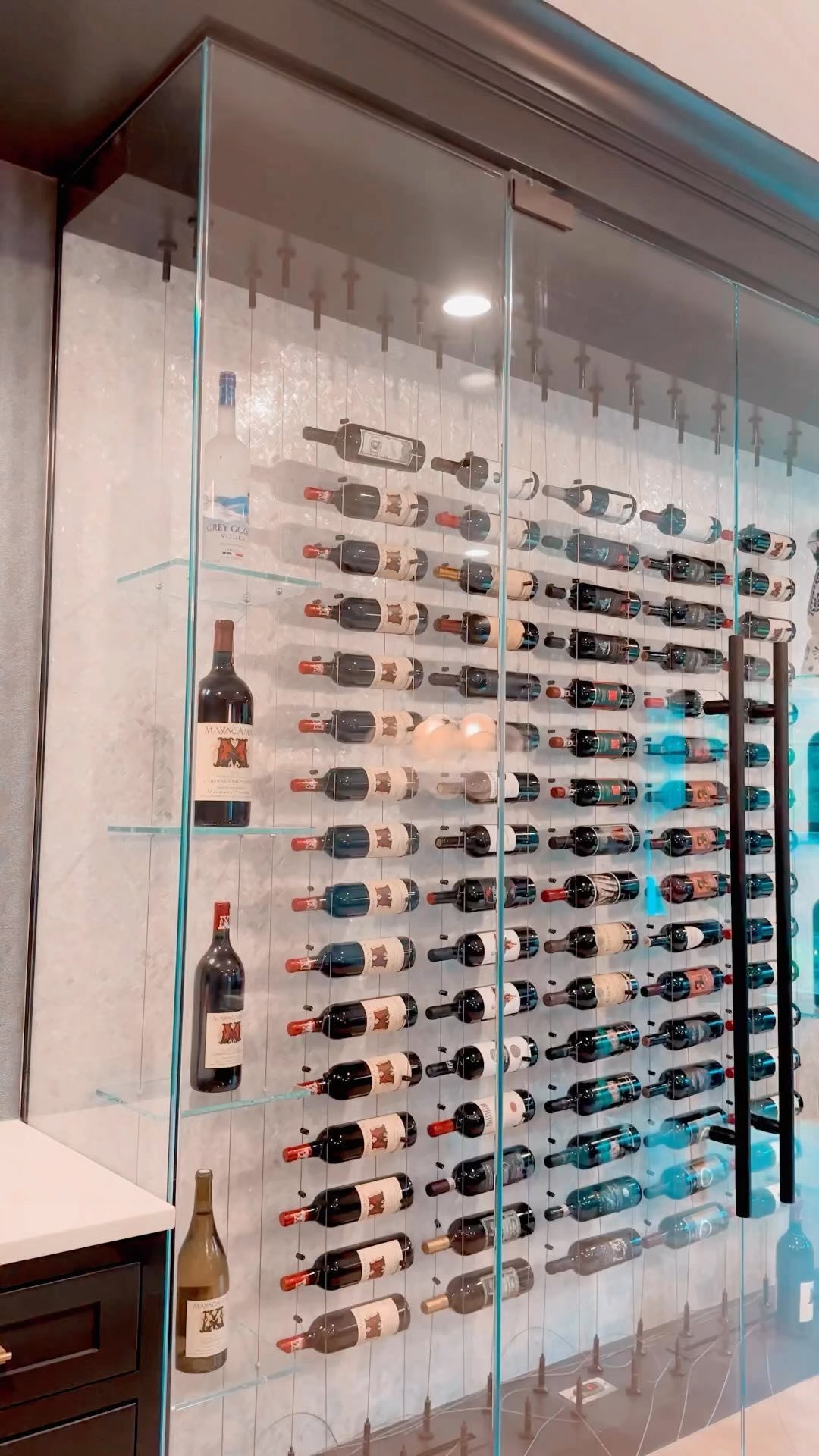
A glass-walled cellar with metal racking and blue accent lighting turns a dark corner into wine storage that feels intentional rather than improvised.
Basements already run cool and steady, usually 50-66°F, which is close to the 50-64°F range where wine ages without cooking or freezing.
The bottles lie horizontal on the racks, keeping corks wet; the room stays dark when the lights are off, and a small humidifier or passive moisture control keeps corks from drying and cracking.
I would skip the glass enclosure unless the basement is finished; in an unfinished space, simple wall-mounted metal racks and a thermometer do the same job for a fraction of the cost.
This one suits someone with more than a case to store and a basement that stays dry year-round.
9. Use Airtight Containers
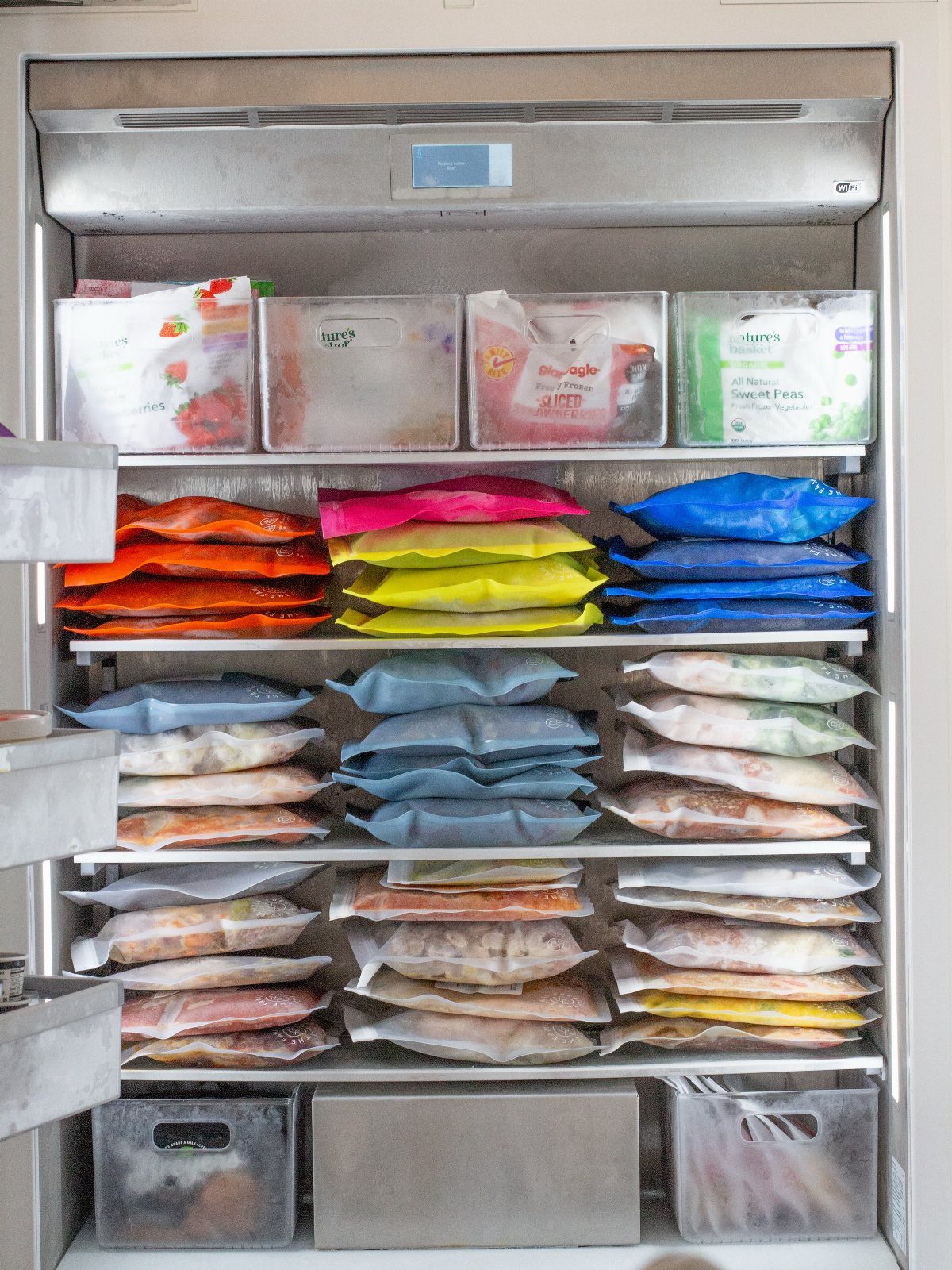
Clear plastic containers with snap lids, stacked inside a freezer or on a shelf, keep flour, rice, and frozen meat separate from air and pests.
A mix of sizes works best: larger rectangles for bags of vegetables, smaller squares for single cuts of meat, all labeled in marker on tape.
For bulk dry goods, I would use the same clear bins on a basement shelf rather than the freezer; gamma-seal lids on buckets work for large bags of rice or flour if you buy that much.
The snap lid is the part that matters more than the brand, and checking the seal every few months costs nothing.
This is the entry-level fix for humidity and the occasional mouse, and it pairs with any shelf or cabinet you already own.
10. Cold Storage Options
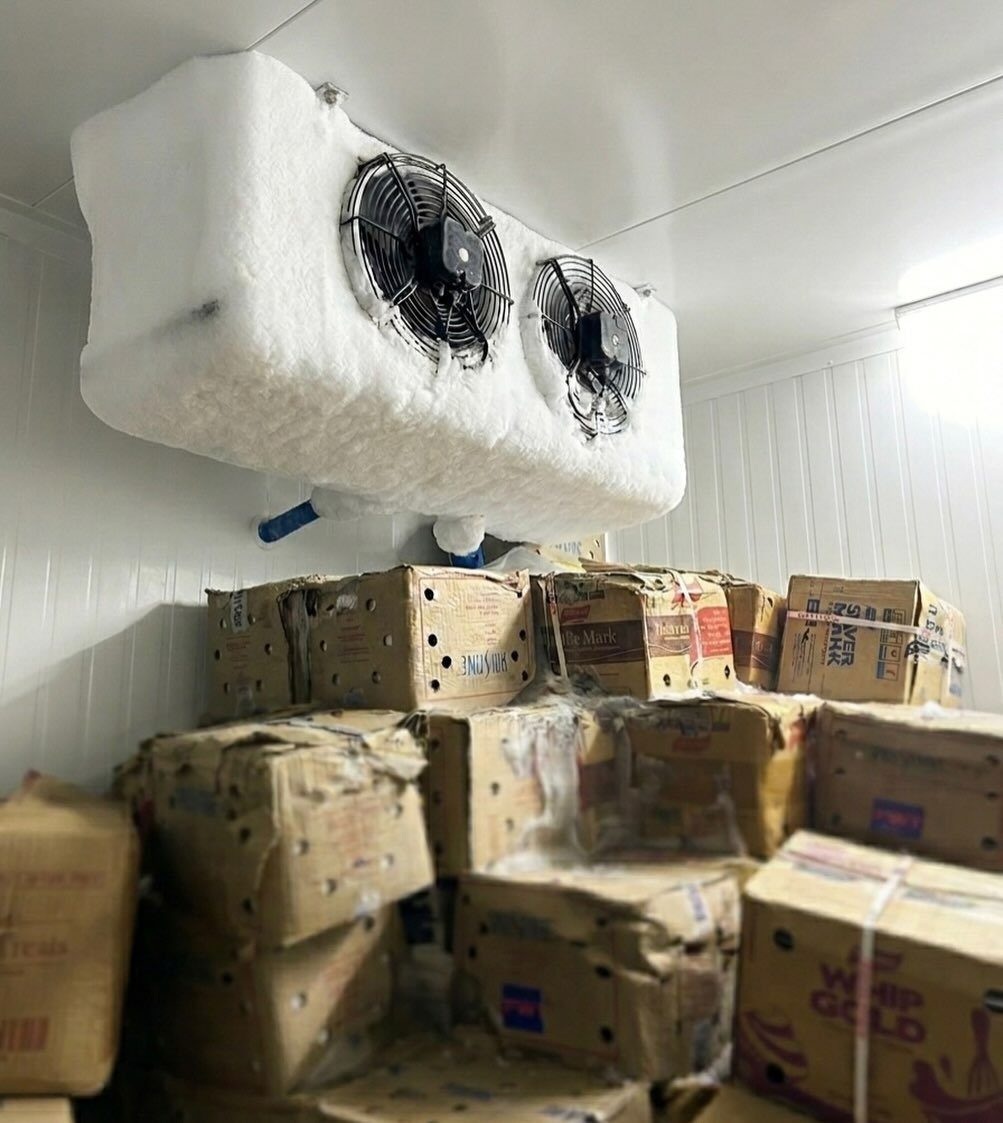
A ceiling-mounted refrigeration unit with twin black fans, white walls, and stacks of cardboard produce boxes describes a root cellar built to commercial scale, but the same idea scales down to a corner of an unfinished basement with a thermometer and some care.
Cool, dark, and humid enough conditions let apples and root vegetables slow down their respiration without freezing.
A true root cellar needs ventilation and insulation; for a weekend project, I would start with a heavy door, an exterior vent, and bins of damp sand for carrots and beets.
The temperature holds between 32-40°F ideally, and a small fan on a thermostat moves air when it stalls.
This suits gardeners with fall harvests to stretch into spring, or anyone who buys large bags of onions and potatoes when the price drops.
11. Rolling Storage Carts
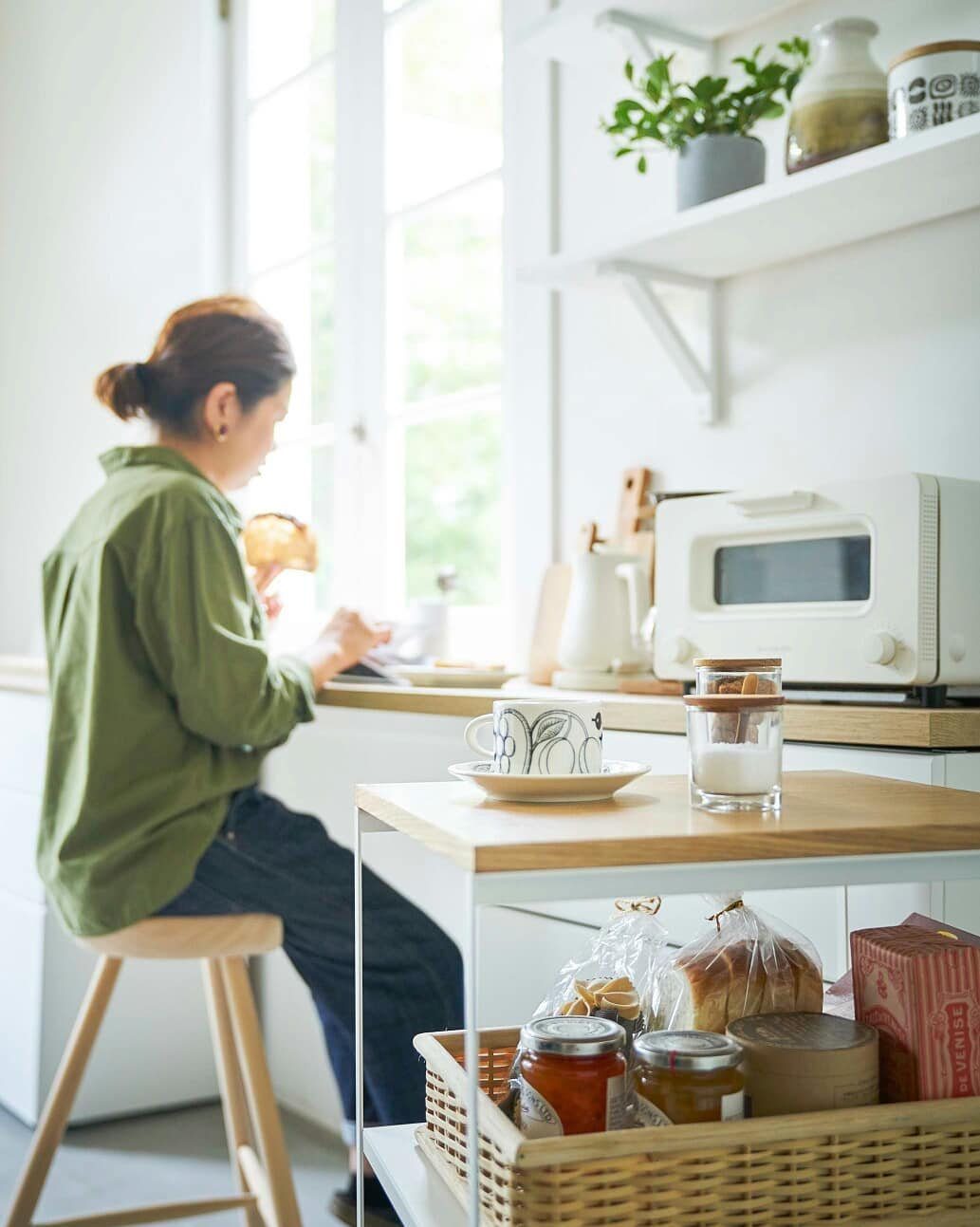
A three-tier rolling cart with a wooden top turns into extra prep space where it is needed and rolls away when it is not.
Three levels give you flexibility; wire baskets, solid shelves, or a mix each have their uses, and a wood top turns it into extra prep space in a kitchen that lacks counters.
In a basement, this works for canned goods, cleaning supplies, or a coffee station if the basement is a finished hangout space.
The casters need to be the locking kind on concrete floors, or the cart drifts every time you lean on it.
Best for storage that follows you: from pantry to kitchen, or from workbench to laundry corner, without committing to one permanent home.
Moisture Control
A quick test tells you whether your walls are dry enough for food storage. Peel it off and check: dry foil means you are good to go, damp means you have moisture to fix first.
Sweeping out the dust and cobwebs comes after the dehumidifier has done its job, not before.
Moisture absorbers belong in any food storage plan, but they are a backup, not a fix. Running a dehumidifier beats hiding the problem with buckets of crystals.
I would run one continuously in summer and check the reservoir weekly.
One wall of pegboard keeps the tape measure, stud finder, and zip ties in sight for Saturday projects instead of buried in a drawer.
Hooks hold tools, baskets hold small supplies, and everything stays off the floor where dampness collects first.
Inventory Management
Track what you have and when it expires, or you will end up with three open boxes of elbow pasta and no sauce.
I write the purchase date and expiration date on every item with a Sharpie before it goes on the shelf. Rotation then becomes simple: new items go to the back, older items come forward.
A marker on the bin itself beats any separate list that gets lost by Tuesday.
A 12-month supply sounds like security until you realize how much space it consumes. Basements stay cooler and more stable than garages unless the garage has its own climate control.
Temperature swings ruin oil-based goods and invite condensation inside packaging.
Count your usable square feet before you count your cans. A basement that holds six months of food cleanly beats a garage packed to the ceiling with boxes you cannot reach.
Space Utilization
Vertical storage buys you the most room per dollar. Floor-to-ceiling shelving along a single wall often holds more than spreading shorter units across the floor, and you keep the center clear for moving around.
The space under stairs rarely earns its keep. A custom-fit shelf or shallow cabinet there handles canned goods, paper products, or anything boxed and flat.
Triangular pull-out drawers in the tallest corner of a knee wall use space that otherwise takes crawling to reach.
A fold-down workspace gives you a flat surface when you need it and wall space when you do not. If your basement doubles as a laundry room, a fold-down ironing board mounted nearby keeps the floor clear.
A padded cover that fits the board and comes off for washing beats a full-size ironing board propped in the corner.
Address dampness before you install anything permanent. Moisture spoils food and draws pests, and rebuilding after mold costs more than waiting a week to start.
DIY Solutions
Built-in bench seating by an exterior door hides storage underneath for boots, pet supplies, or bulk goods in bins. Mount hooks above for coats and umbrellas, and the whole entry earns its footprint.
A pegboard in a bright color hangs daily-use items where you can see them. I would paint mine to match the wall or go loud enough to spot across the room; either way, it beats digging through drawers.
Utility shelving with airtight, waterproof bins stacked to height stays organized and looks cleaner than open cans on metal racks. Transparent sides let you find contents without unstacking, and labels handle the rest.
Wicker and rattan baskets soften the look for toys, decorations, blankets, and extra pillows. They are not for food, but they keep dry goods separate from the soft stuff that otherwise drifts across every flat surface.
A dry bar runs on a small refrigerator and an outlet, no plumber needed. Add a sink only if you are ready to run lines; otherwise, keep it simple and move on.
Frequently Asked Questions
What not to store in the basement?
Keep anything that moisture can ruin off basement floors and out of damp corners. Cardboard boxes, paper labels, and bulk grains all suffer in humid air, and temperature swings wreck oil-based goods.
If your basement runs warm in summer or cold in winter, skip storing wine, delicate electronics, or anything you cannot replace. Check the walls first: foil taped to concrete and left overnight should come off dry.
If it is damp, fix the moisture before you store food.
What are some DIY ideas for basement storage?
Plywood screwed to exposed 2×4 studs takes a Saturday to assemble and handles real weight without sagging.
Paint a sheet of pegboard a color you actually like and hang it where small tools stop disappearing; a bench by the basement door with a hinged lid swallows bins for boots, dog food, or the toilet paper stockpile.
For awkward spaces, custom-fit shelves or shallow cabinets under stairs turn triangular voids into usable square footage. Locking casters on a rolling cart let storage follow you from pantry to workbench without committing to one spot.
What is the best way to store items in my basement?
Floor-to-ceiling shelving along one wall beats spreading short units across the floor, and shallow top shelves keep jars visible while deeper lower shelves handle heavy buckets.
Group items by how you actually cook or use them, not by container type, and label every bin with specifics like "Canned Veggies" rather than "Food."
Run a dehumidifier in summer and check it weekly; moisture absorbers inside bins are backup, not a fix.
How to organize an unfinished basement?
I sort by what gets used together, then write the contents on masking tape stuck to the front of each bin so I don’t open three lids to find the rice.
Good lighting matters more than people think; organizing is easier when you can actually see the back corners.