A basement refrigerator can mean anything from a used unit off Facebook Marketplace to a panel-ready full-size model built for a finished wet bar.
The right choice depends on whether you need a full-size refrigerator for overflow groceries, a mini fridge for drinks within arm’s reach of a sofa, a wine cooler, a chest freezer, or a used unit that fits a tight budget.
Either way, I would check the compressor rating for garage-ready units before buying anything, since basements that hit 110°F in summer will kill a standard refrigerator in a season.
1. Full-size Refrigerator
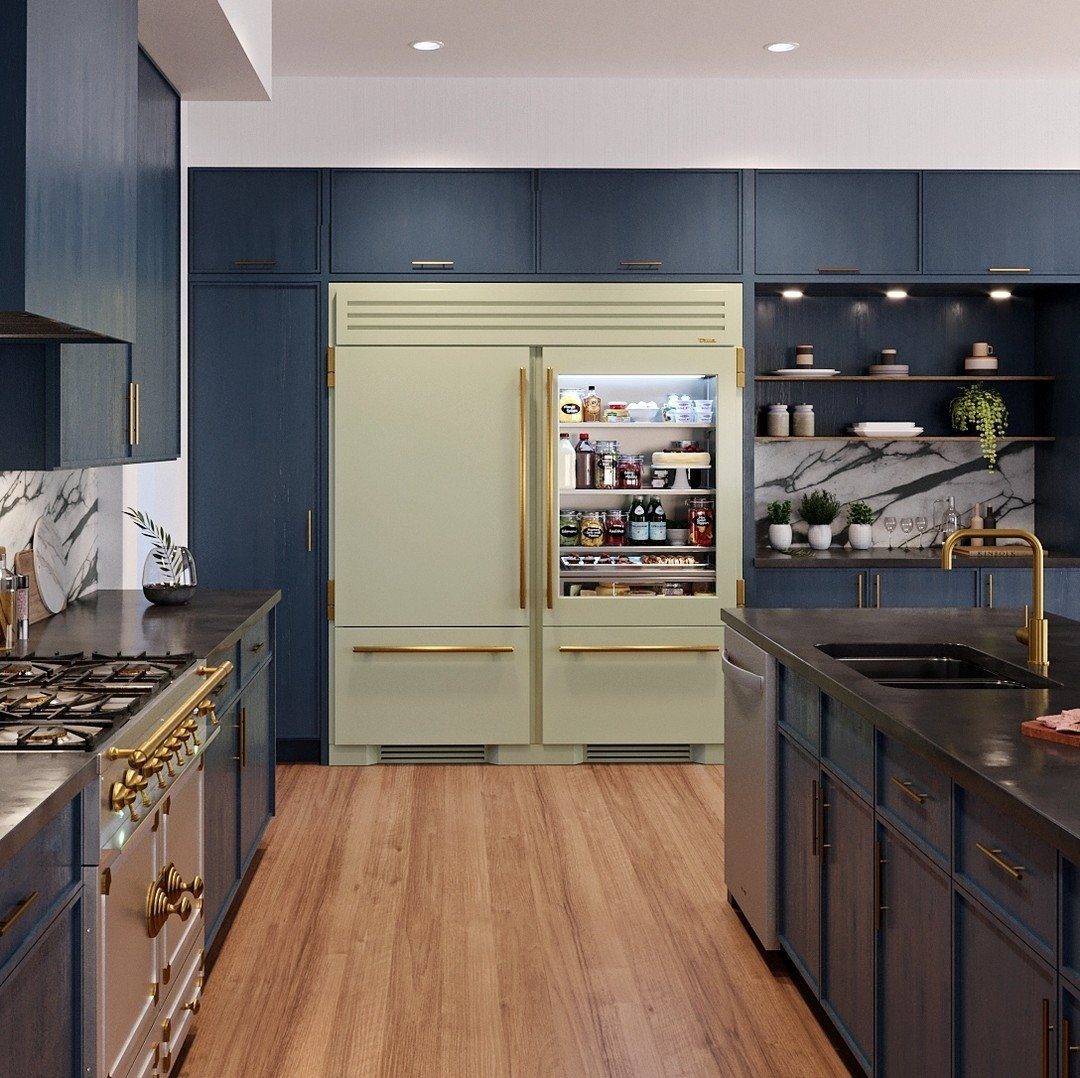
A full-size refrigerator in the basement means you can stock a whole holiday meal without playing Tetris with the upstairs fridge.
A full-size refrigerator can sit flush inside cabinetry painted deep blue, with pale green doors and brass pulls that read more furniture than appliance.
That built-in look is what saves it from feeling like a dorm basement. If your space includes a wet bar or seating area, panel-ready models let the refrigerator disappear into matching cabinet fronts.
One maker runs a promotion with purchase of their 42-inch or 48-inch full-size units, or their 36-inch bottom-freezer model.
Families who host holidays get the most from this option. You lose floor space and pay more up front.
For a basement that doubles as entertainment space, it is the one that keeps guests out of your kitchen.
2. Mini Fridge
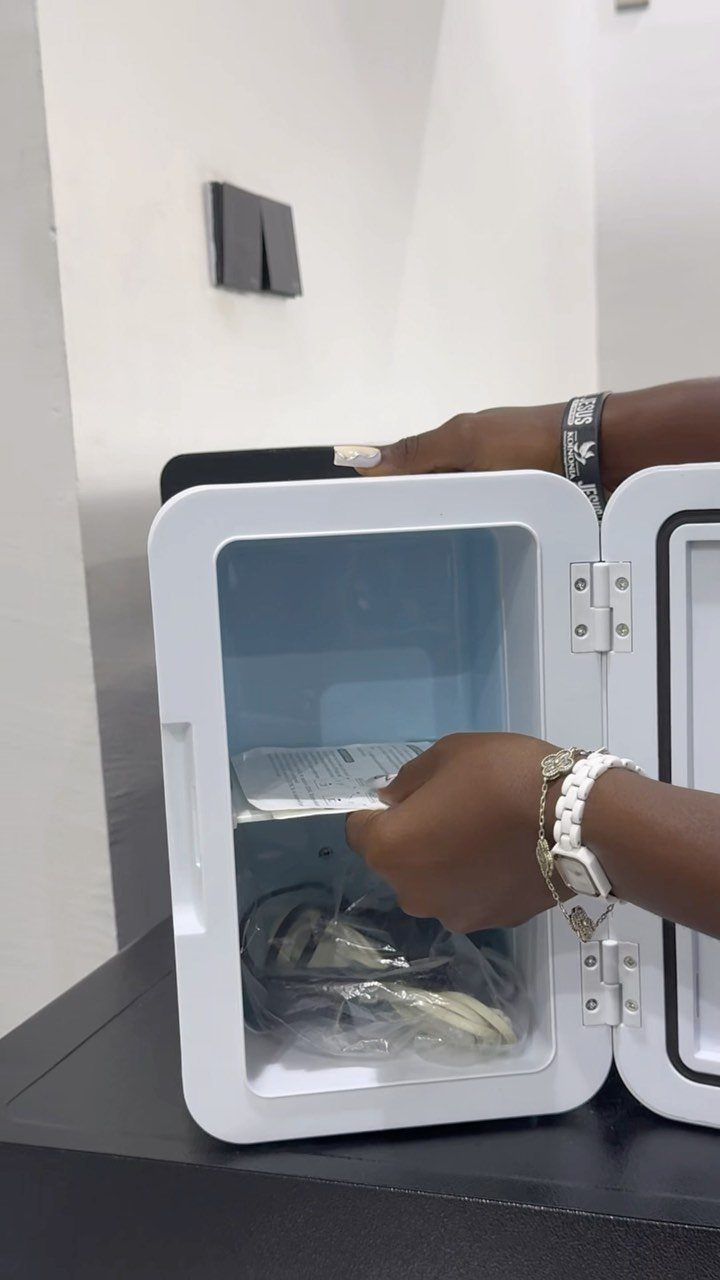
A mini fridge fits on a counter with room to spare, door open and blue interior glowing against plain walls. That scale is the point: under-bar clearance, tucked into a corner, or slid beneath a workbench.
Basement bars and entertainment nooks are where these earn their keep. Most units sized for tight spaces now ship with ice makers and WiFi built in, features that drive price without adding function for a secondary space.
One person moved their existing kitchen refrigerator to the garage instead of buying new, keeping the connected features where they mattered.
If you are buying specifically for the basement, a basic model without the add-ons runs cheaper and breaks less. Regular refrigerators can handle high temperatures, though only a few manufacturers officially rate theirs for garage or basement use.
3. Wine Cooler
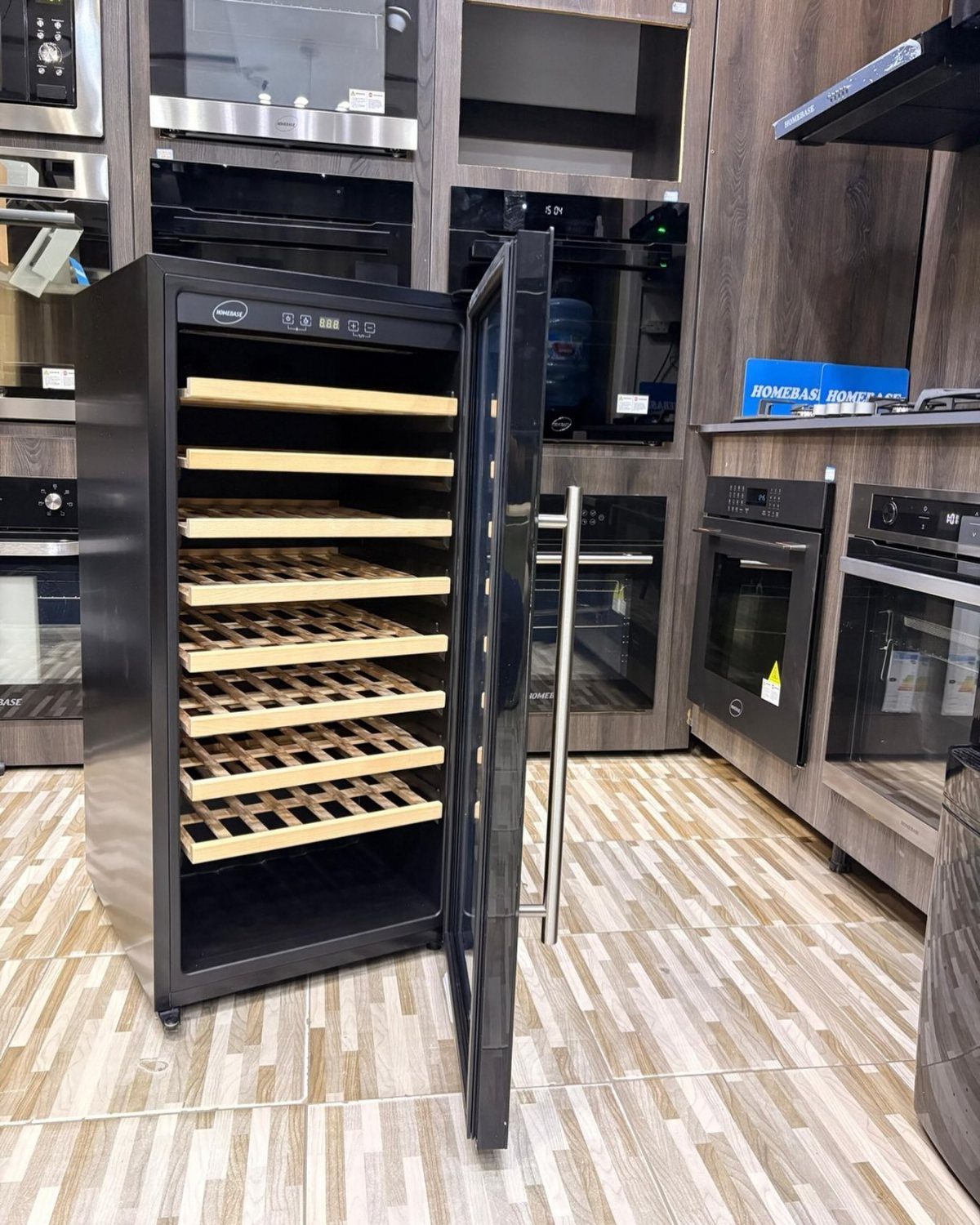
Black housing, wooden racks, and a glass door turn a wine cooler into something that reads as bar furniture rather than utility.
Temperature zones keep reds and whites where they should be, and the racks angle bottles so labels stay readable.
Basement wet bars are the natural home for this. The compressor runs quieter than a standard refrigerator, which matters in a room where people sit and talk.
Built-in or freestanding options let you work with existing cabinets or stand it alone against a wall.
What you give up is versatility. A wine cooler holds bottles, not platters or leftover pizza.
For someone who entertains with drinks rather than full meals, that limitation is the feature. The person who stocks beer and soda should look elsewhere.
4. Used Refrigerator
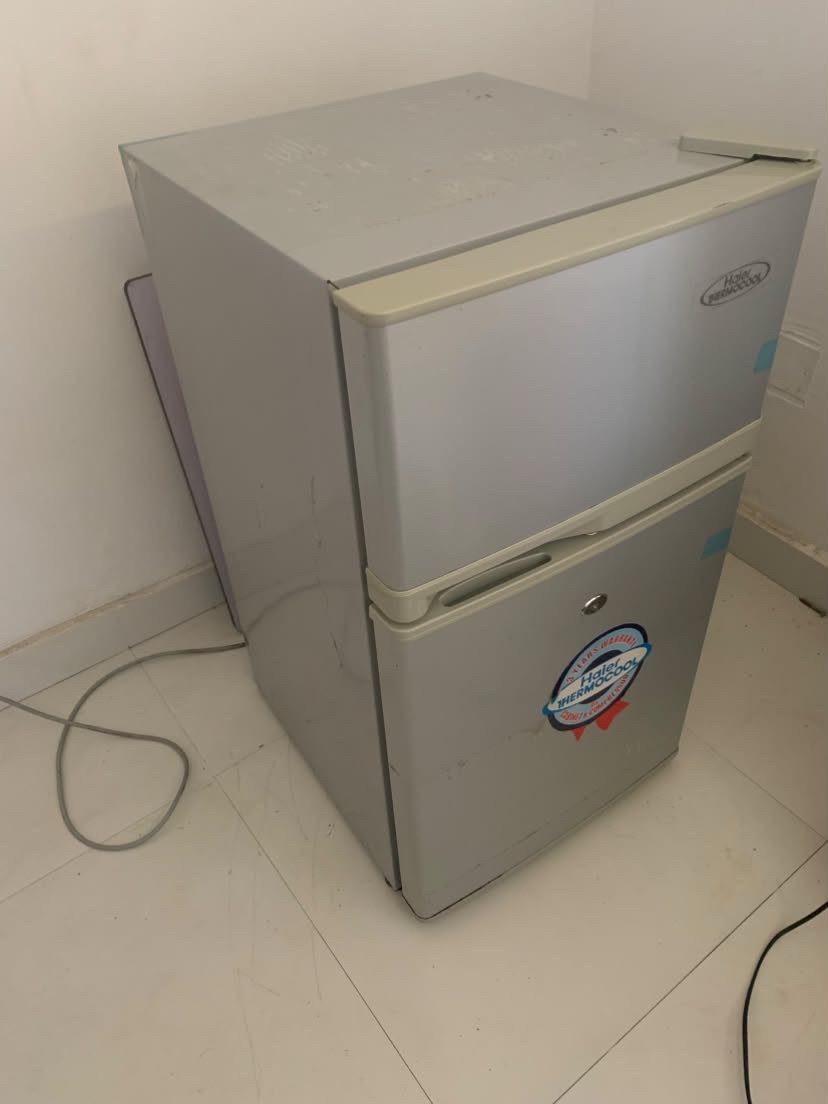
Used units run a fraction of retail, and for basement duty that is often enough.
The risk is harder to spot than with other appliances. Compressor wear shows up as uneven cooling or a motor that runs too long.
Plug it in before you pay, feel the coils warm up, and listen for clicking that suggests the starter relay is failing. A compact two-door gives you freezer space without the footprint of a full-size unit.
Best for the budget that prioritizes function over finish. Someone who needs reliable temperature control for meat storage should probably buy new.
For drinks, overflow groceries, and the occasional pizza box, a clean used unit does the job.
5. Chest Freezer
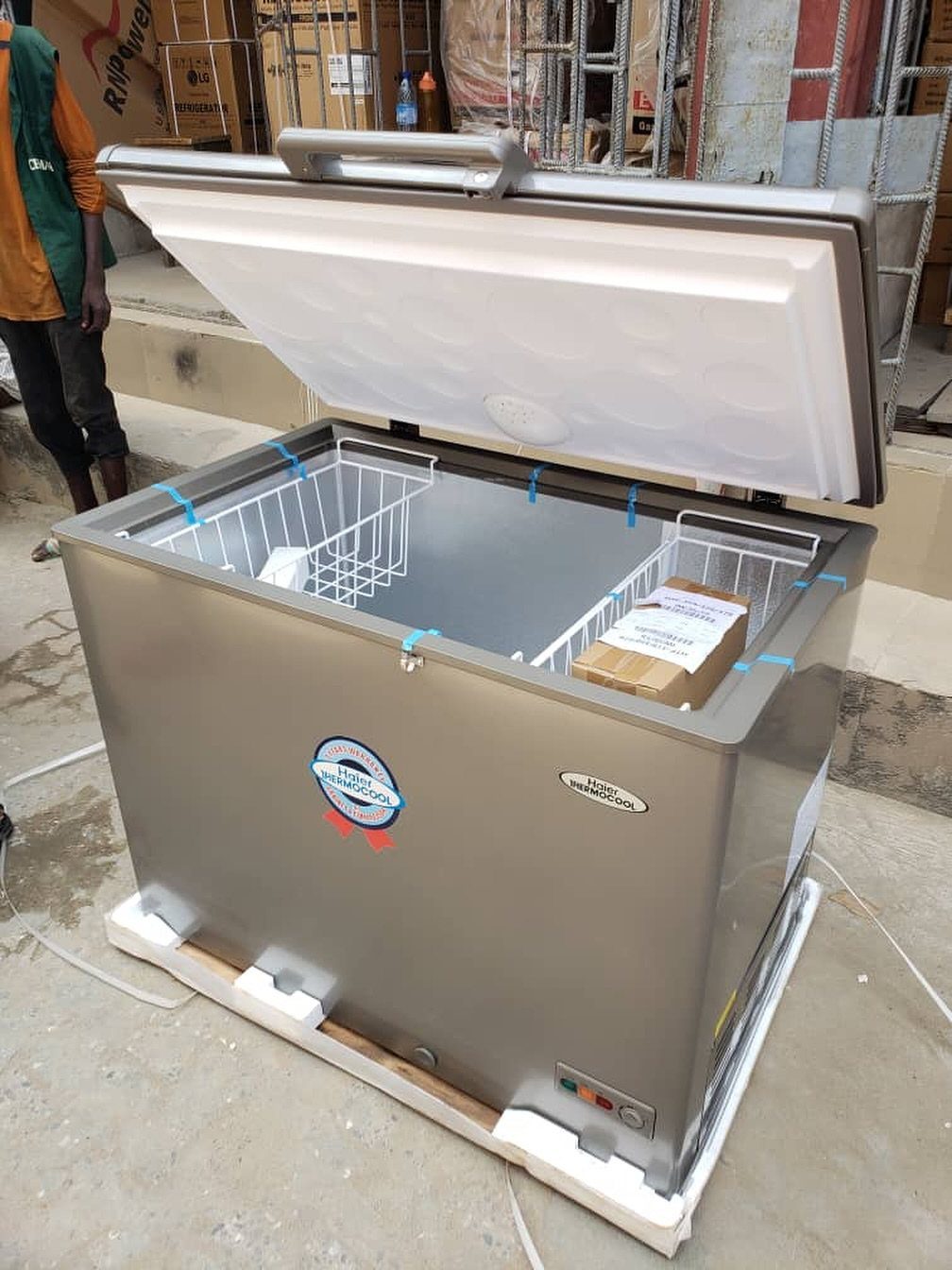
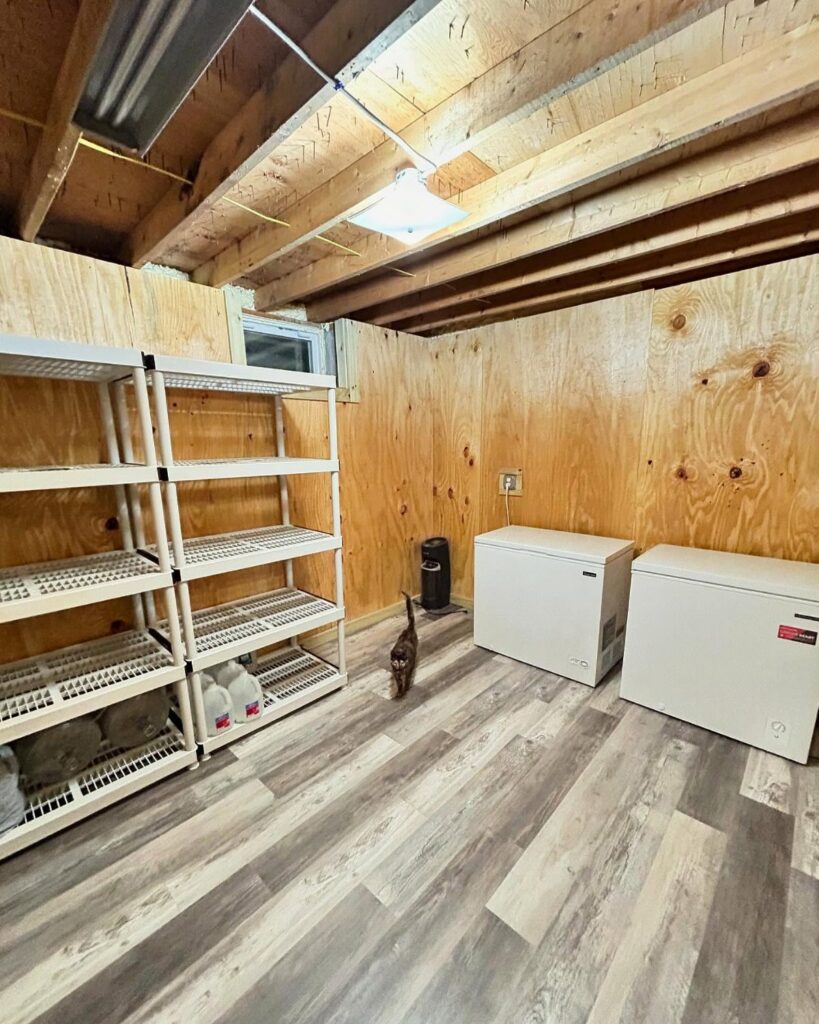
A chest freezer opens to wire baskets and white lining, a single cavern that swallows quartered meat or a season of garden tomatoes.
Chest freezers hold more per square foot than uprights, and cold air stays put when you lift the lid.
What they take is organization. A basket system helps, but the bottom still becomes a layer you dig through or forget.
One person keeps theirs in the basement and runs it only four months a year, unplugged the rest of the time with the lid propped open against mildew.
Bulk buyers, hunters, and anyone who freezes summer produce in quantity get the value. You need vertical space and a strong back for retrieval.
An upright freezer costs more and holds less, but lets you see what you have without unpacking.
Considerations for Placement
A basement fridge tucked behind a wet bar looks like an afterthought if you can see the sides from the seating area.
I would slide it into a recess or build a surround that matches the cabinetry so the appliance face reads as intentional.
The door swing matters more down here than upstairs. A left-hinged door blocking the only path to the sofa gets old fast.
I check the landing space for the door arc before I commit to a spot, and I leave enough room to stand in front of it with the door open.
Temperature Control
Basements that run hot in summer and cold in winter punish a standard refrigerator. Compressors in non-climate-controlled spaces work harder, draw more power, and fail sooner.
I only look at garage-ready models for these conditions; they are built with components rated for wider temperature swings.
Garage-ready does not mean identical performance across the range. Garage-ready models are built differently than standard fridges; they can keep steady in a room that hits 110°F, while a regular unit will struggle and drift.
The ones that drift warm your milk and freeze your lettuce in the same week. I check the temperature uniformity score before I buy, not just the sticker that says garage-ready.
“When you’re shopping, look out for the garage-ready spec and the Energy Star rating,” says Breann Chai, CR’s test engineer for refrigerators. “These can indicate which refrigerators will perform better in a garage environment.”
Storage Needs
A single person who batch-cooks on Sundays needs freezer space more than fridge volume. A family of four storing platters for game day needs wide shelves and door bins that fit 2-liter bottles.
I match the box to the habit, not the head count.
If the basement unit is overflow for the kitchen, I treat it differently than if it is the primary drink station. Overflow means I want the same shelf heights I already use.
Primary means I design around what gets grabbed most often, usually cans and bottles, and I do not waste cubic feet on crisper drawers that will stay empty.
Organization Tips
Dividers in a chest freezer keep bags from burying each other. I use vertical ones for proteins and a shallow bin on top for items I reach for weekly.
Labels face out, and anything buried gets a date written in marker so you know when it went in.
In an upright freezer or the freezer half of a basement fridge, I group by meal type, not by food type. A "soup" shelf holds stock, vegetables, and cooked chicken together.
It cuts the hunt time and it reminds me what I already have before I buy more.
Frequently Asked Questions
Is it okay to put a refrigerator in the basement?
A standard refrigerator will struggle in basements that swing hot in summer and cold in winter. The compressor works harder, draws more power, and fails sooner in those conditions.
What is the best refrigerator for a basement?
Garage-ready models are the best choice for basements, especially ones without climate control. They handle temperature swings that ruin standard units, keeping food safe instead of letting milk warm and lettuce freeze in the same week.
Even with the garage-ready badge, I hunt down the temperature uniformity score, since some rated units still let the corners warm more than others.