
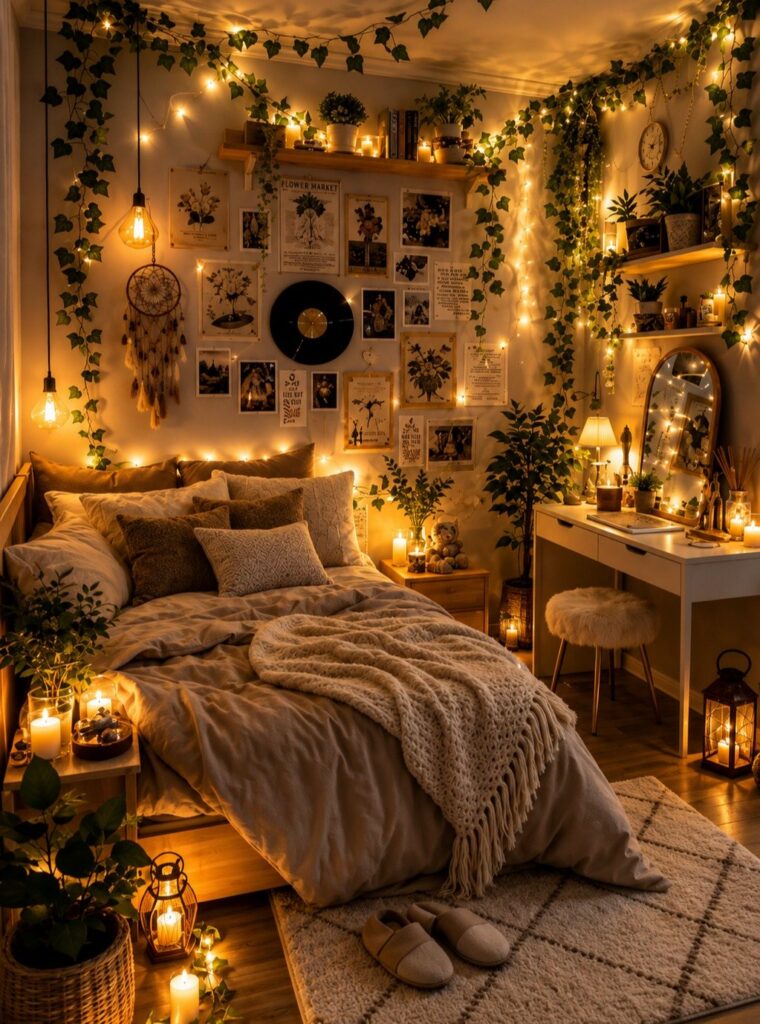
These ideas run from a yard of voile and a few ceiling hooks to a full canopy frame and layered rug sets, so the deciding factor is how much of your weekend you want to spend and whether your bed sits against a wall or stands free.
Rattan pendants show up in three forms here: a single 30-inch basket casting patterned shadows, a cluster of smaller ones, and a pair flanking the bed. Plain glass cannot touch that warmth.
1. Layered Bedding
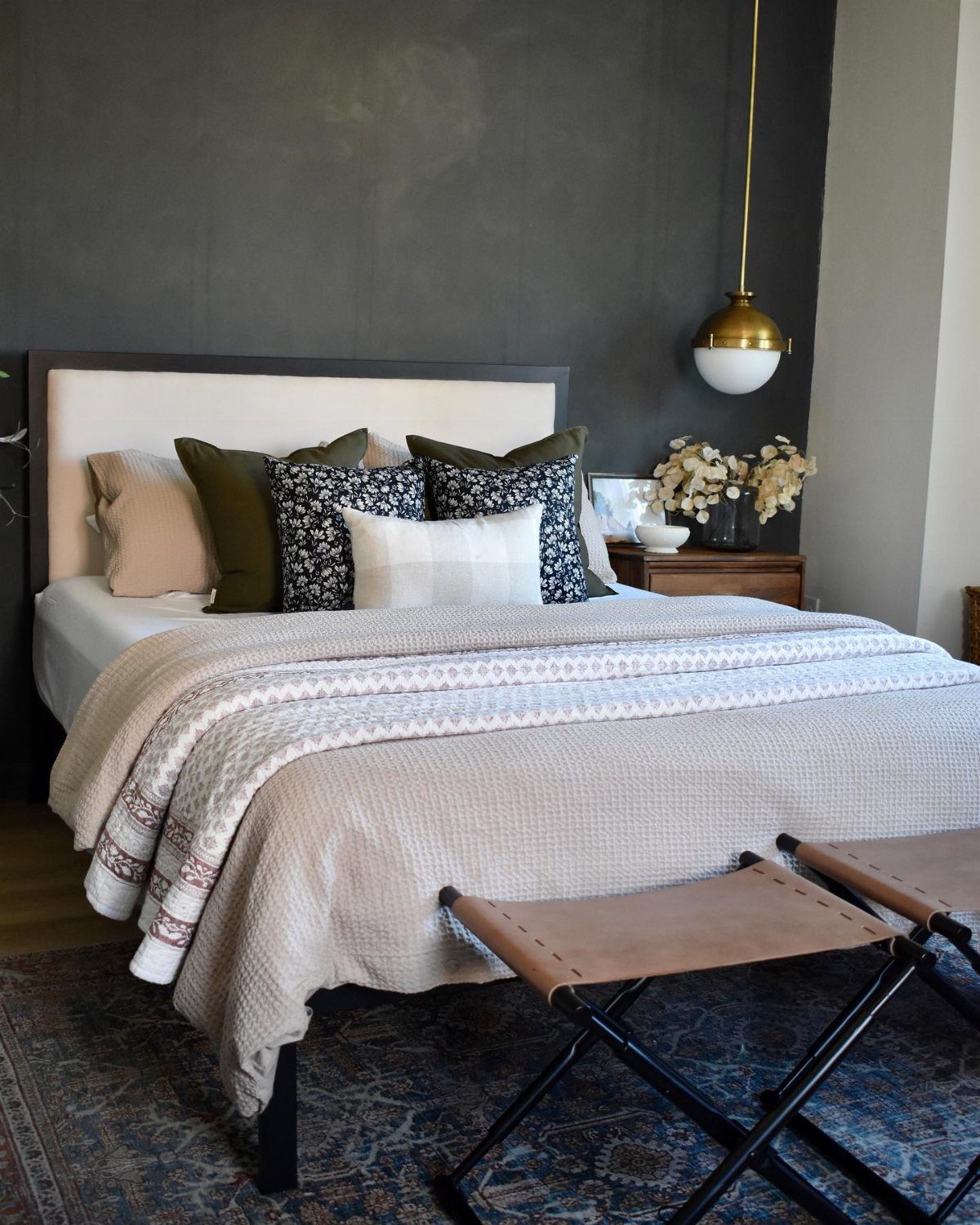
Layered bedding starts with a base of neutral tones and builds outward. Crisp cotton sheets, a textured duvet in cream or oatmeal, and a velvet or faux fur throw folded at the foot give the bed that collected-over-time look.
The mix of materials matters more than matching colors.
For a weekend project, pull from what you already own. A patterned coverlet over a solid duvet, two standard pillows plus a lumbar in a contrasting fabric.
Enough variation in texture and material keeps the bed from looking like it came off a showroom floor as a single set.
This works best if your wall color is already decided; layered bedding can carry the pattern load so the room doesn’t need much else.
2. Tapestry Wall Art
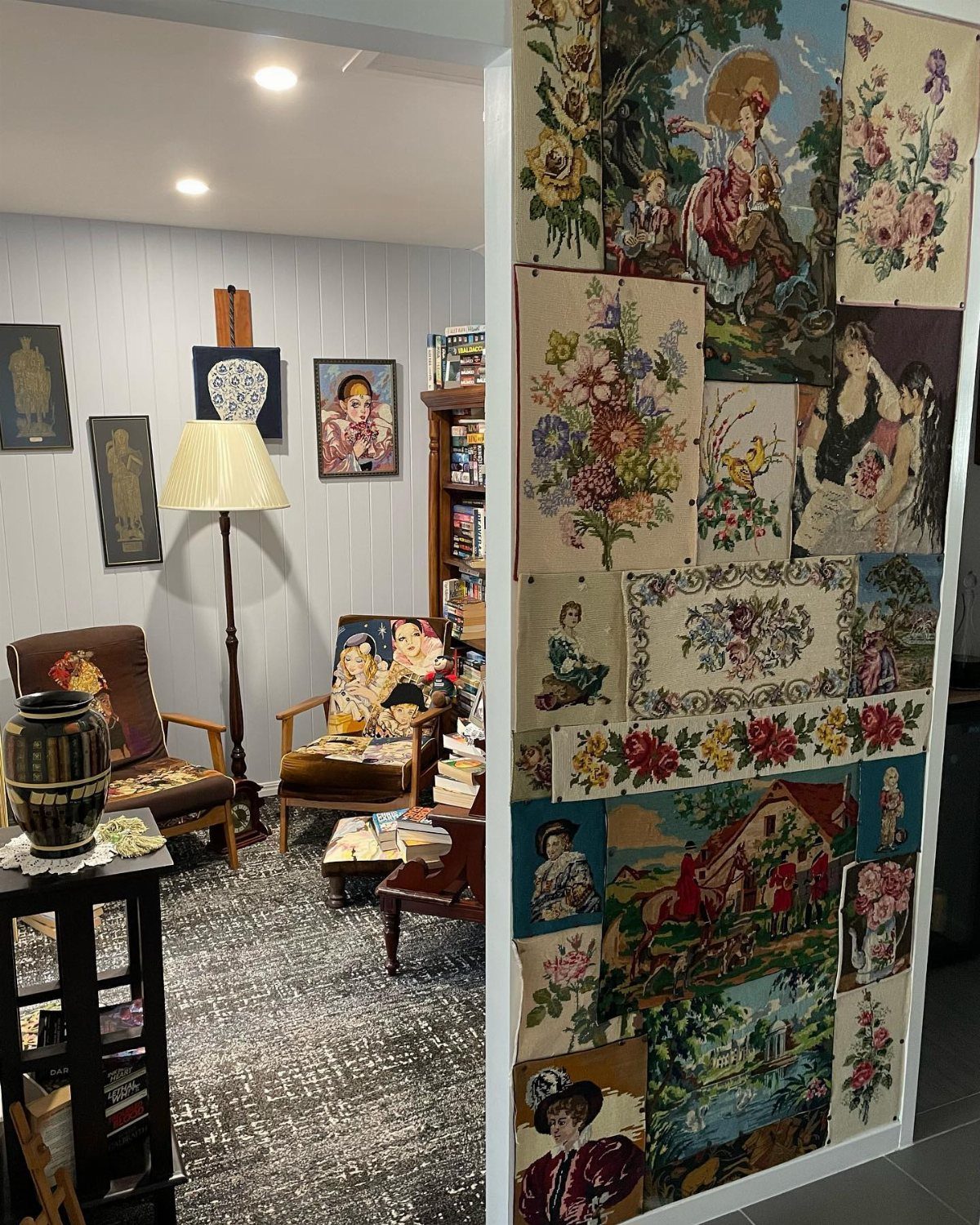
A textile hung on the wall reads as art and headboard at once.
Suzanis from Central Asia, kanthas from India, or hand-blocked prints all bring the global palette that boho style pulls from.
For above a queen bed, a piece that fills most of the wall space without touching ceiling or headboard works best; too small gets lost, too large overwhelms the room.
Fabric on the wall collects dust and fades in direct sun, so placement away from windows helps it last.
A textile behind the bed stays cleaner than one across from a window, and a pole mount beats tacks or tape if you plan to move it.
3. Cozy Seating Area
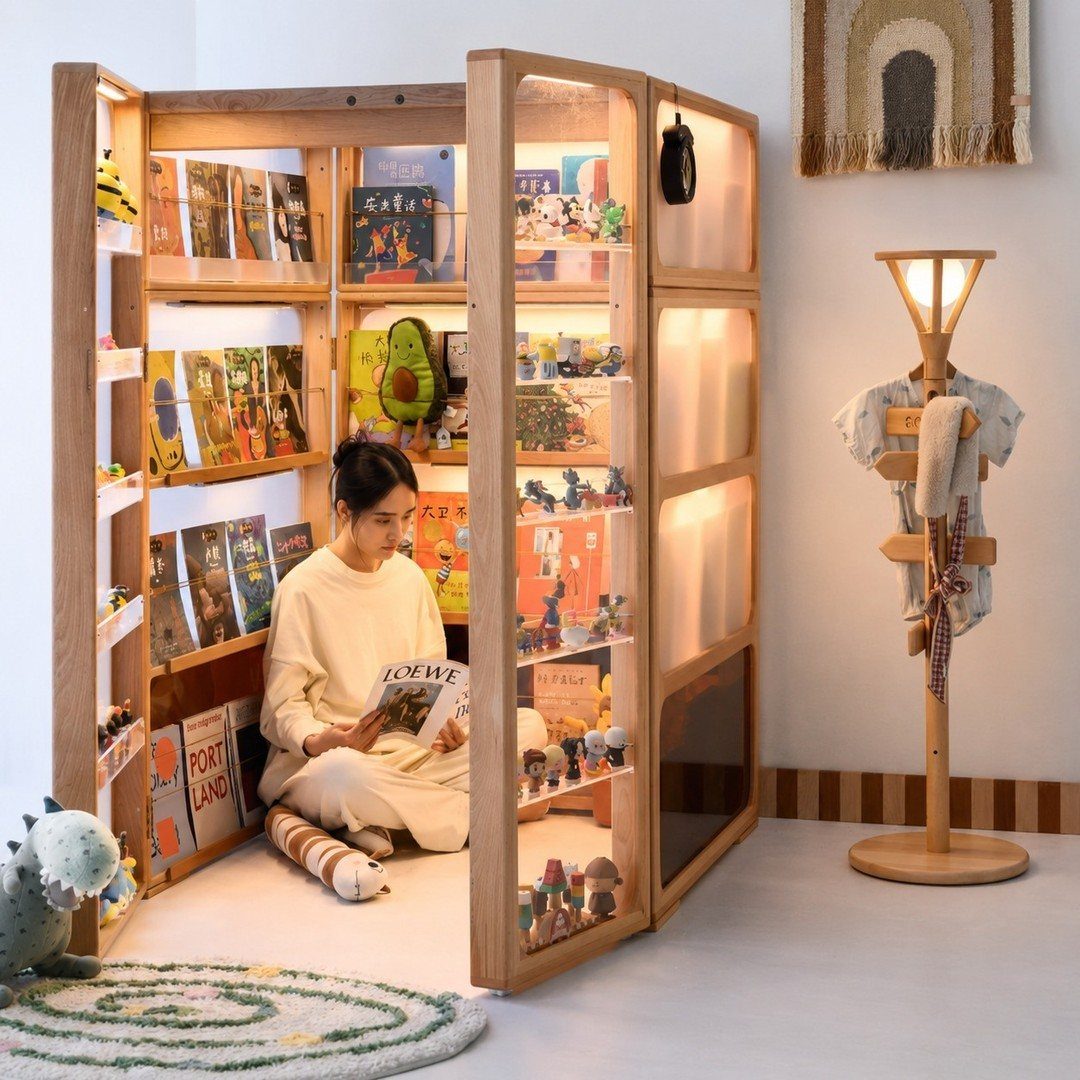
A reading corner needs one good seat and light that falls on a page, not your eyes. A built-in nook looks great in photos, but a rattan armchair and a floor lamp achieve the same retreat without carpentry.
I place the chair at an angle to the nearest window, close enough to read by day, with a lamp for evening. A small table or stool beside it holds the stack you’re actually working through.
Floor cushions are the cheaper route and store flat when you need the floor back. A spot that isn’t the bed matters, since beds tend to swallow the hours you meant to spend upright.
4. Woven Baskets
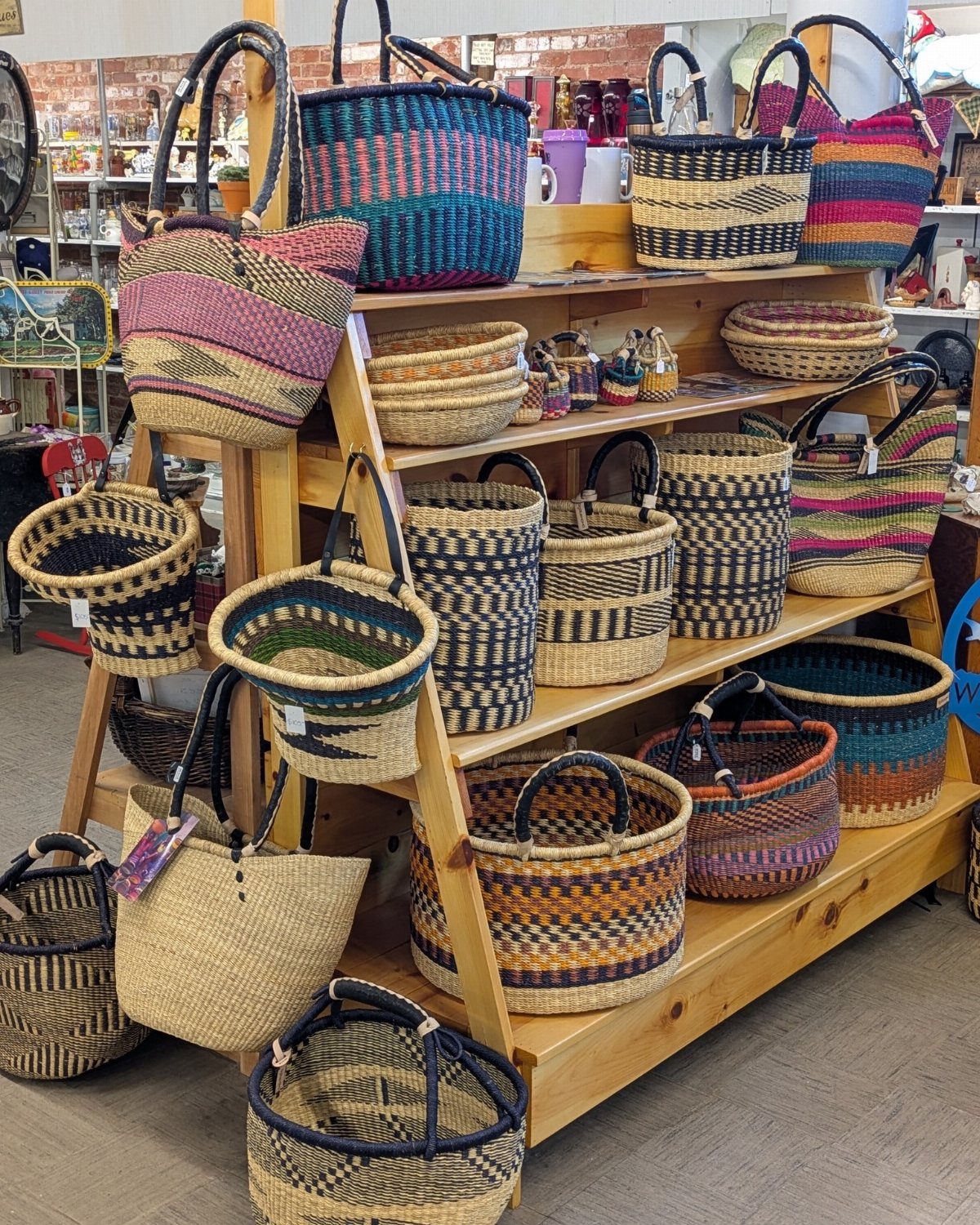
Woven baskets on open shelving hide what you don’t want to look at and add the irregular texture that makes a room feel collected. Varying the size and weave of baskets keeps the display from going too matchy.
I use larger baskets, 14 to 18 inches, for extra bedding or out-of-season clothes. Smaller ones, 8 to 12 inches, corral charging cables, hand cream, the bedside debris that otherwise spreads.
Handles matter if you’ll move them often; solid sides if the contents are messy enough to peek through.
Natural fibers age better than painted or plastic versions, and a single broken strand on a rattan basket still looks like character.
5. Artful Displays

An artful display is whatever you gather and suspend where you’ll actually see it. Dried flowers, branches, and small objects hung from above need no shelf to dust and no frame to buy.
I start with a branch or dowel as the spine, then attach elements with clear fishing line at varying heights. Density makes the difference; three items look like you gave up, fifteen look intentional.
Work over a bed or in a corner where a person might stand still for a moment.
This suits renters who can’t put holes in walls, since the anchor point is the ceiling fixture or a single hook.
Anything hanging free will sway in a draft from a window, so plan the placement with air currents in mind.
6. Mix and Match Patterns
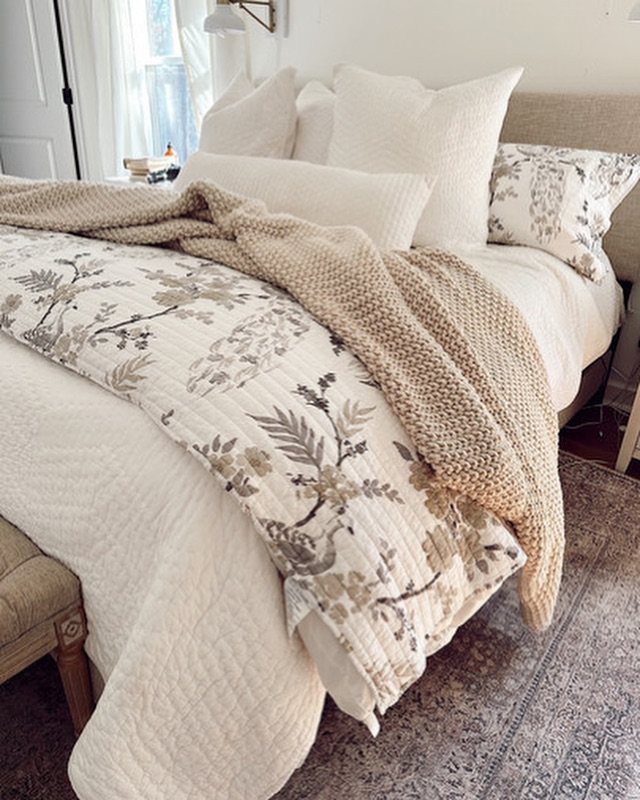
Mixing patterns works when the scale varies and the color palette holds steady.
I follow a simple rule: one large-scale pattern, one small, one texture that reads as pattern without competing. Florals with stripes, geometrics with botanicals, all within two or three colors.
The eye needs somewhere to rest, so a solid pillow or plain sheet set keeps it from becoming visual noise.
This is the opposite of the matched bedding set, and it costs less since you’re buying pieces as you find them rather than as a package.
The risk is busy; if nothing in the mix is solid, the bed starts to hum.
7. Layered Rugs
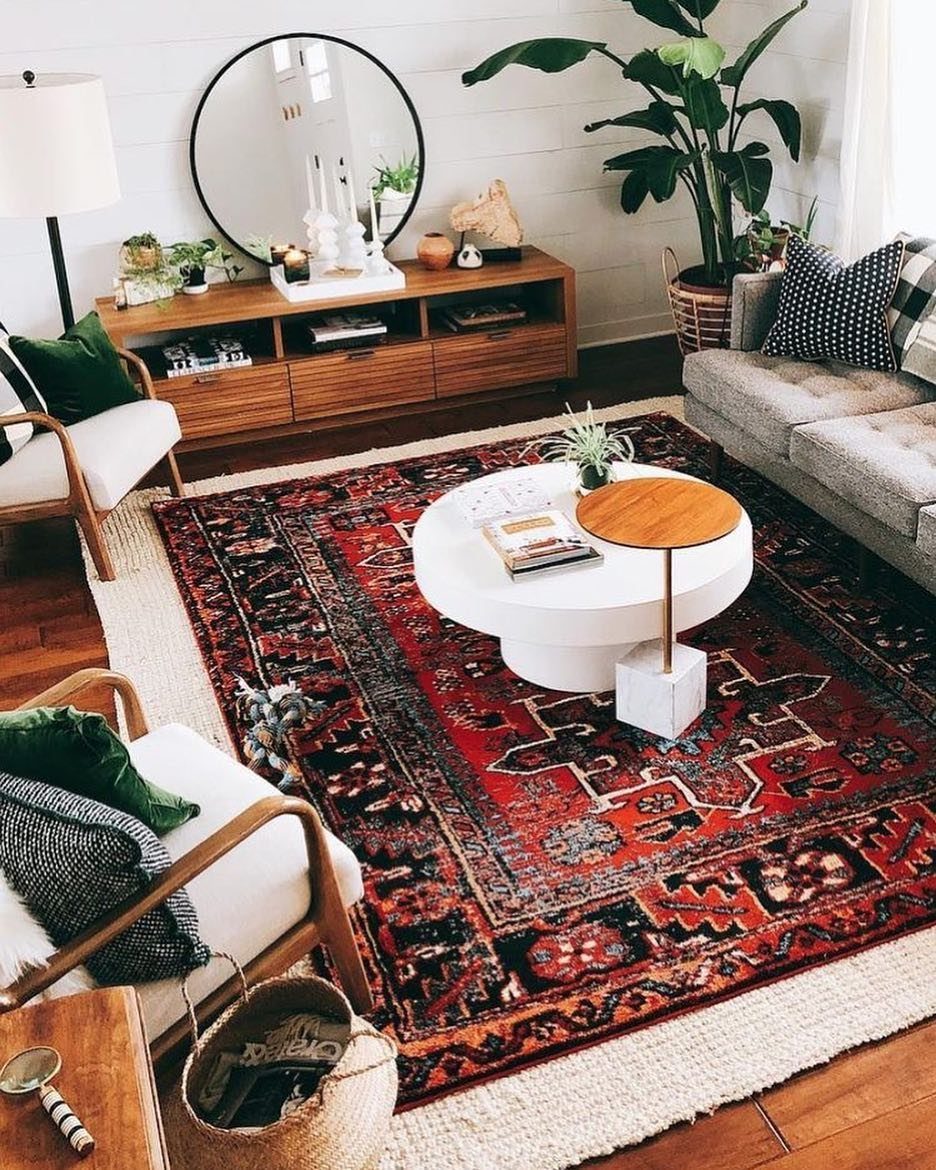
Layering rugs builds warmth underfoot that a single rug rarely manages on its own. A flat jute base with a smaller patterned Persian on top gives the bedroom that collected-over-time feeling without requiring actual decades of collecting.
The bottom rug should run larger by at least 18 inches on every side so the top piece reads as intentional, not temporary.
Natural fibers handle this best: wool over jute, cotton over seagrass. Both pieces need non-slip pads between them and the floor, or the top rug will skate every time you step out of bed.
For a queen setup, a 9 x 12 foot base with a 5 x 8 foot top layer leaves enough frame to look deliberate.
8. Statement Lighting
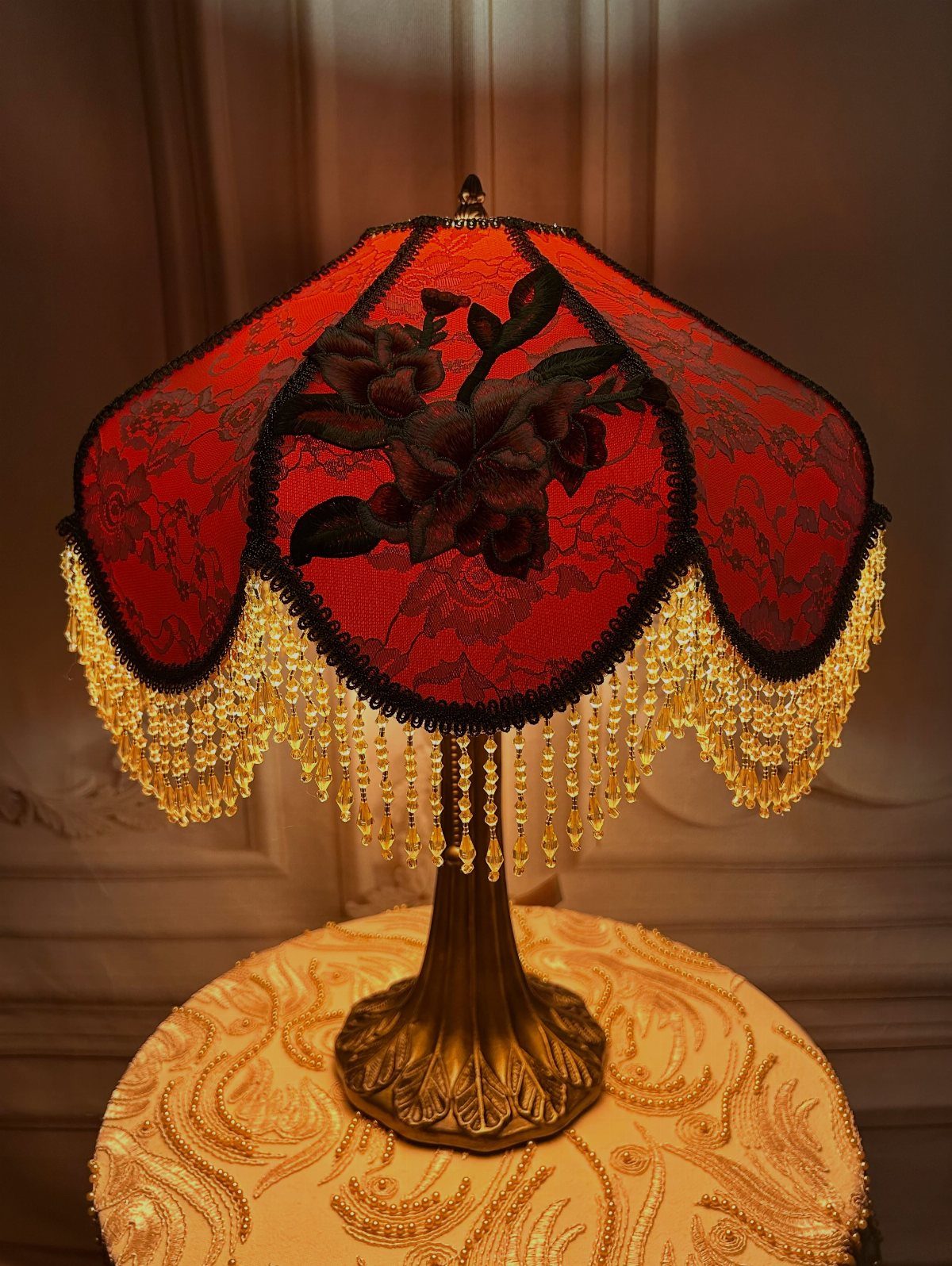
A single striking fixture does more for boho atmosphere than three forgettable ones. A woven rattan pendant at ceiling height, maybe 30 inches across, throws patterned shadows that plain glass cannot touch.
I would build the room around two sources minimum. The overhead piece handles ambient light; a smaller lamp with a textured shade, like the beaded and embroidered one shown, gives you something dimmable for reading.
Fairy lights strung behind a headboard or across a mirror frame add a third layer at almost no cost, running on battery packs if outlets are scarce.
A rattan shade runs about 12 inches in diameter for table use, 28 inches for ceiling; either size diffuses light rather than directing it, which is the point.
9. Vintage Finds
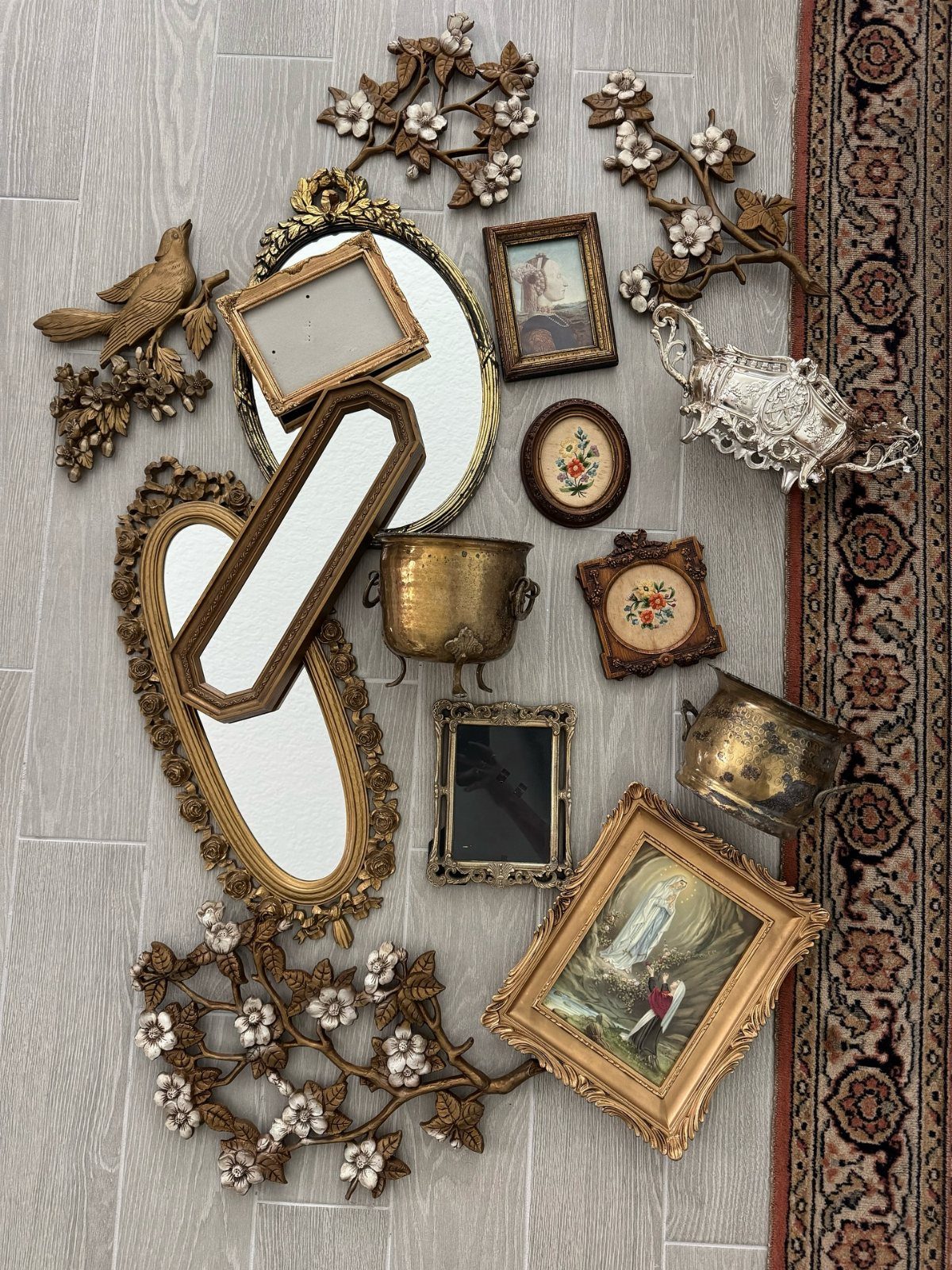
Vintage pieces carry the wear and odd proportions that new goods spend money faking.
An old mirror with spotted glass, a brass pitcher with dented base, a trunk at the foot of the bed: these items arrive with history attached, and the history is free.
The hunt matters as much as the find.
Flea markets and estate sales turn up pieces with the patina that mass reproductions miss, though online marketplaces work if you filter by age and read seller photos for actual damage rather than staged distress.
I look for items with one good flaw: a cracked frame, a faded textile, a hinge that complains.
A vintage rug with worn center and intact border reads as authentic because it is; a new one with artificial wear reads as theater.
10. Textured Wall Decor
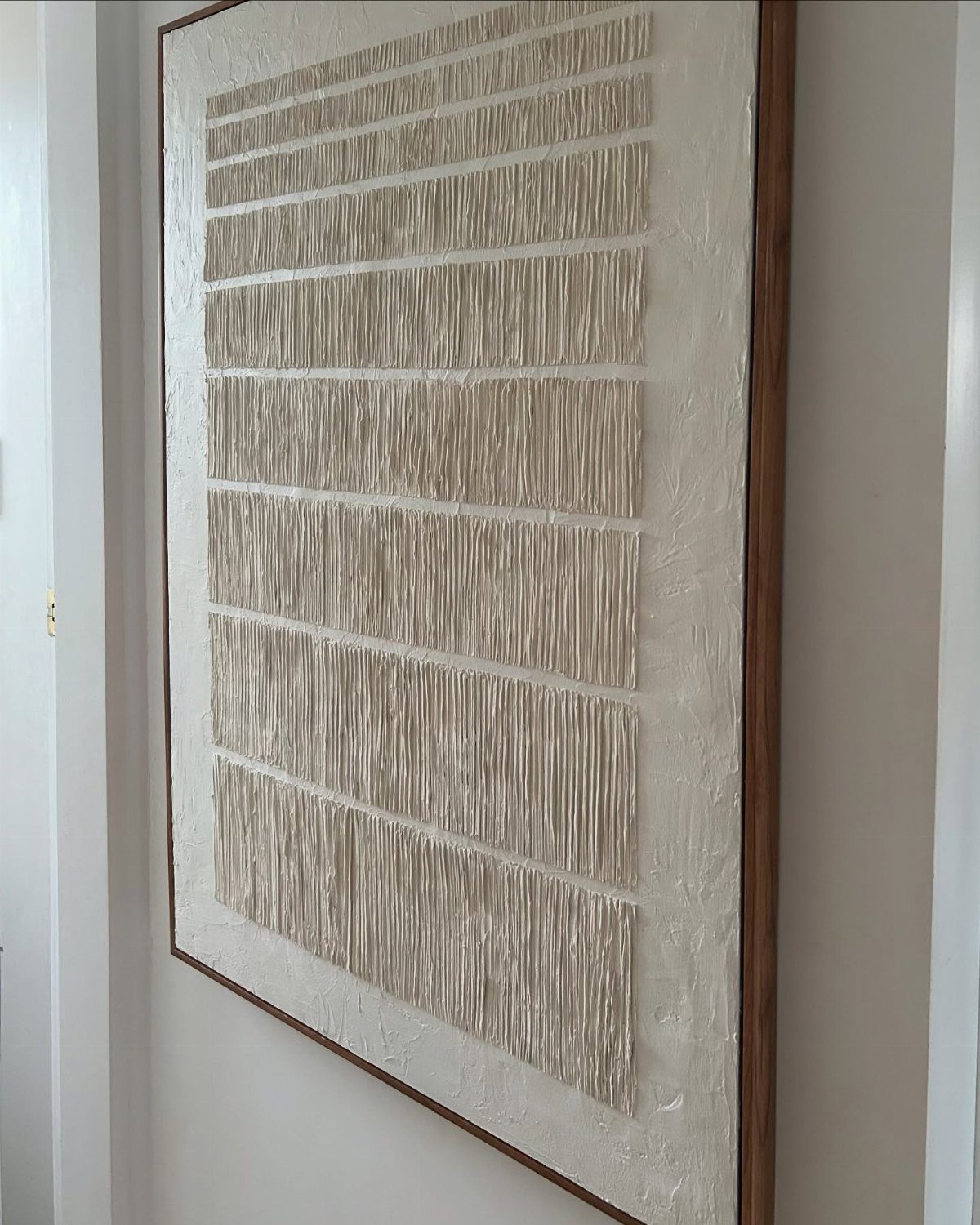
Walls in a boho room need more than flat paint to hold their own against layered textiles and mixed furniture. Raised texture, whether from plaster, fabric, or woven material, catches light differently through the day and keeps the eye moving.
Vertical striations in bands, almost a topographic reading, sit within a simple wood frame. You could achieve similar depth with a textile remnant stretched over canvas, or with clay tiles pressed and mounted irregularly.
Chair fabric turned inside out makes a pompom effect; the same willingness to misuse materials applies here.
A local clay cafe or crafts market turns up organic bowls and vases that mount on shallow shelves, creating shadow and variation without demanding a single large piece.
Asymmetry helps: cluster smaller textured items off-center rather than framing them like a television.
11. Gallery Wall
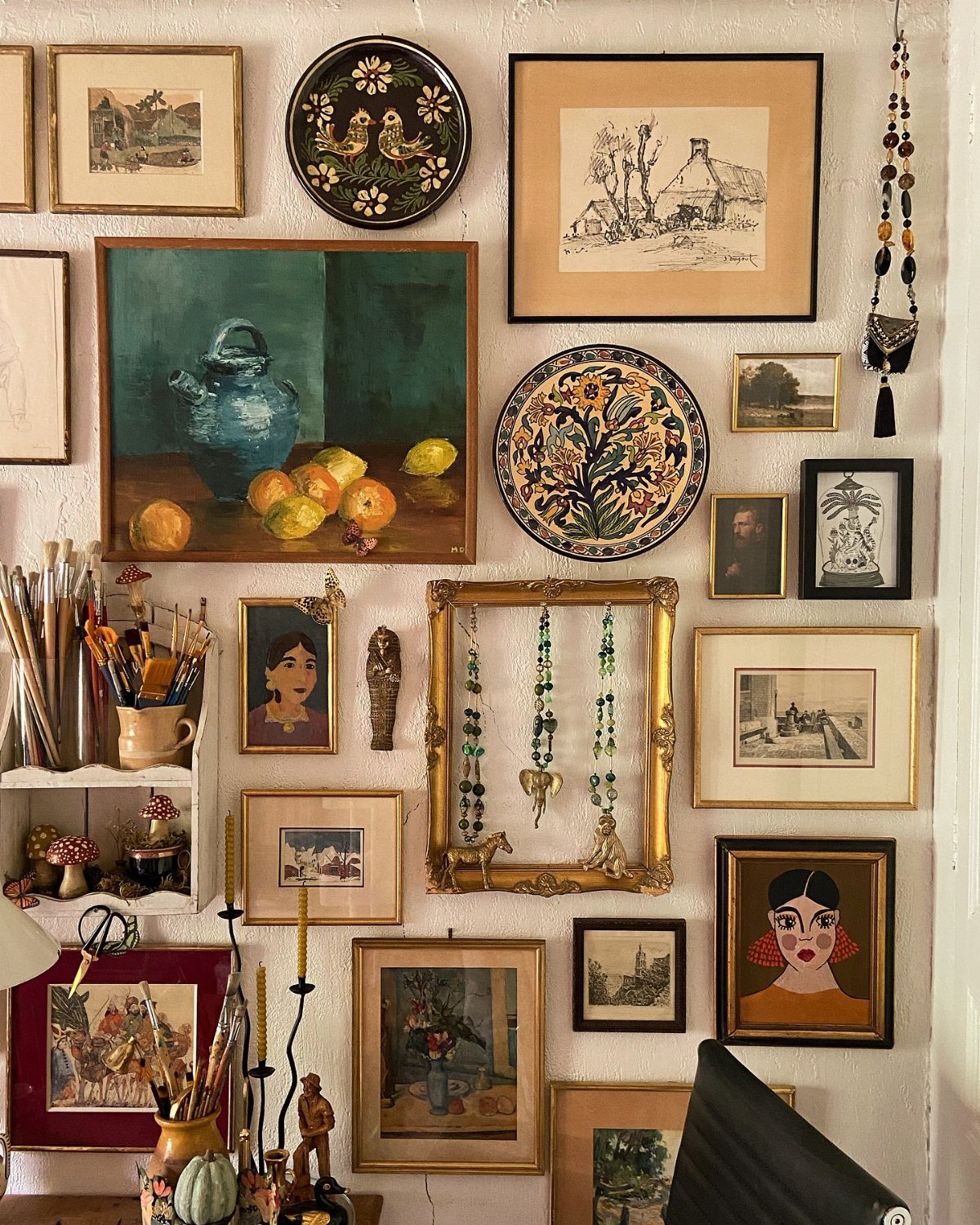
A gallery wall in boho style lives or dies by its refusal to match.
Start with one piece you love, hang it where your eye naturally rests, then add outward without measuring. Different frame widths, different mat sizes, even different hanging hardware keep the arrangement from looking planned in a single afternoon.
Folk art beside watercolor beside modern work: the common thread is your taste, not a color scheme. One oversized piece can anchor a bed wall if the gallery feels like too much commitment.
Some items carry enough weight to need no companions.
12. Accent Ceiling
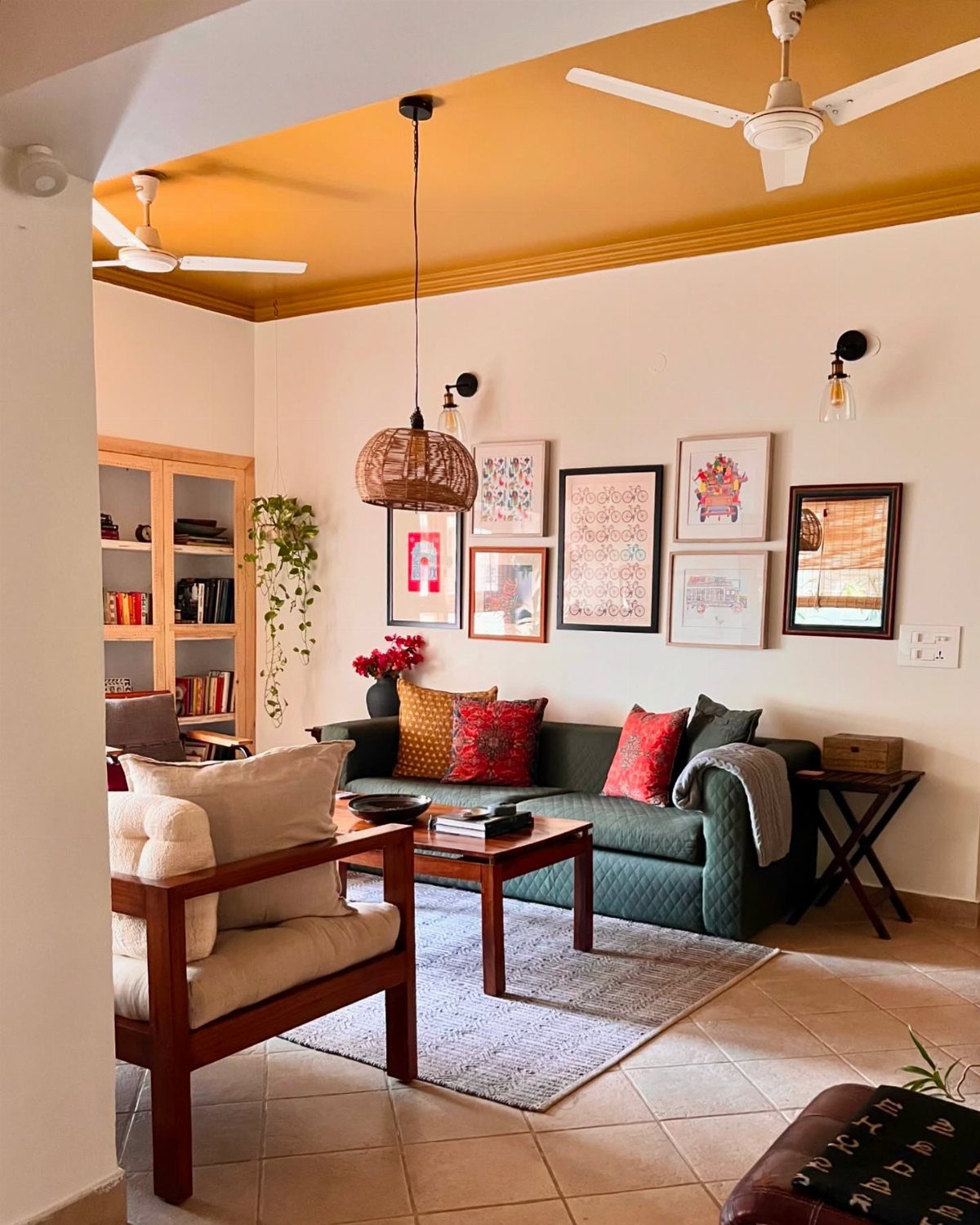
Ceilings waste their surface area in most bedrooms, painted white and forgotten. Mustard overhead in a living space translates directly to a bedroom: a warm, unexpected color on the ceiling wraps the room differently than any wall could.
Paint is the cheapest entry point. A quart of ceiling paint in ochre or rust covers about 350 square feet, enough for most bedrooms in one coat if the existing white is sound.
The maker whose room is shown had done accent walls before but never tried overhead; the result, they noted, changed how the whole space felt to enter.
For more commitment, stencil-based techniques or thin wooden beams add texture that paint alone cannot. Treat the ceiling as a fifth wall rather than a default.
In smaller rooms, a darker ceiling color can feel lower and cozier; in spaces with good natural light, it simply adds warmth that white reflects away.
13. Layered Lighting
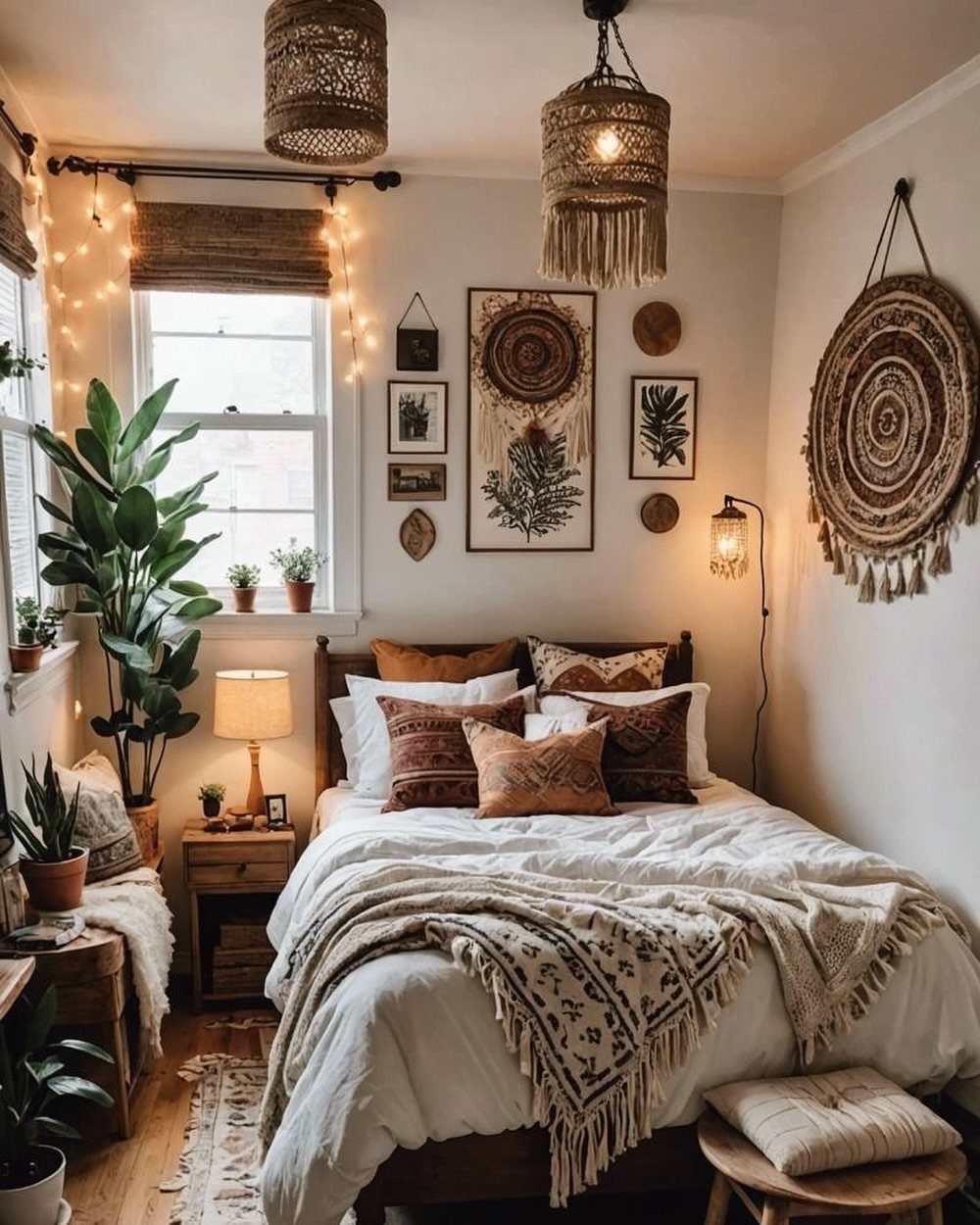
A bedroom feels flat when every light comes from one overhead fixture. Daylight flatters almost any room; after sunset is when layered lighting earns its keep.
Ceiling pendants with rattan or wicker shades cast a softer glow than bare bulbs. The Inlight Rhea Natural Rattan Round Lamp Shade at 30 cm across scores 4.9 stars for a reason: the weave diffuses light without dimming it to nothing.
Beside the bed, a table lamp gives enough focus for reading. Then string lights draped near a window or across a headboard do the rest; they are not task lighting, just warmth.
Plot the scheme before you buy. Three sources at different heights beat two matching lamps every time.
14. Accent Furniture
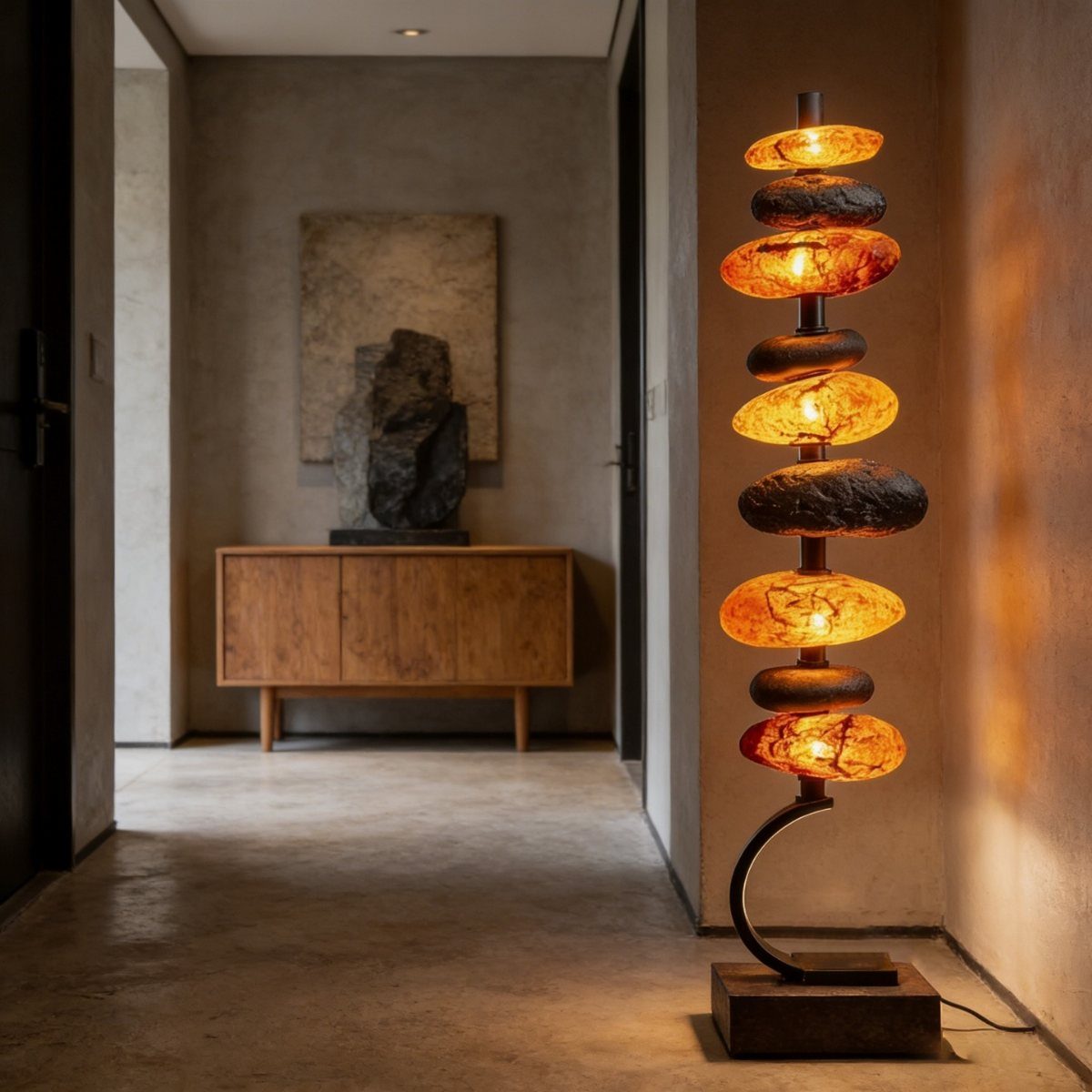
One strange piece changes how a whole room reads. A carved wooden stool from a yard sale outperforms most new buys for giving a bedroom character.
Headboards are an easy place to start. Natural wood latticework stays visually light, and the texture holds up even against white walls.
If you find an old rug or woven panel, hanging it above the bed does the same job with more history. Benches with woven hemp seats repeat that texture lower in the room.
Mix geometry without forcing it to match. A grooved nightstand drawer, paneled walls, diamond patterns on a rug: let them talk to each other without saying the same thing.
One find from a flea market, one hand-me-down, one thing you make. That ratio keeps the room from looking staged.
15. Pops of Green
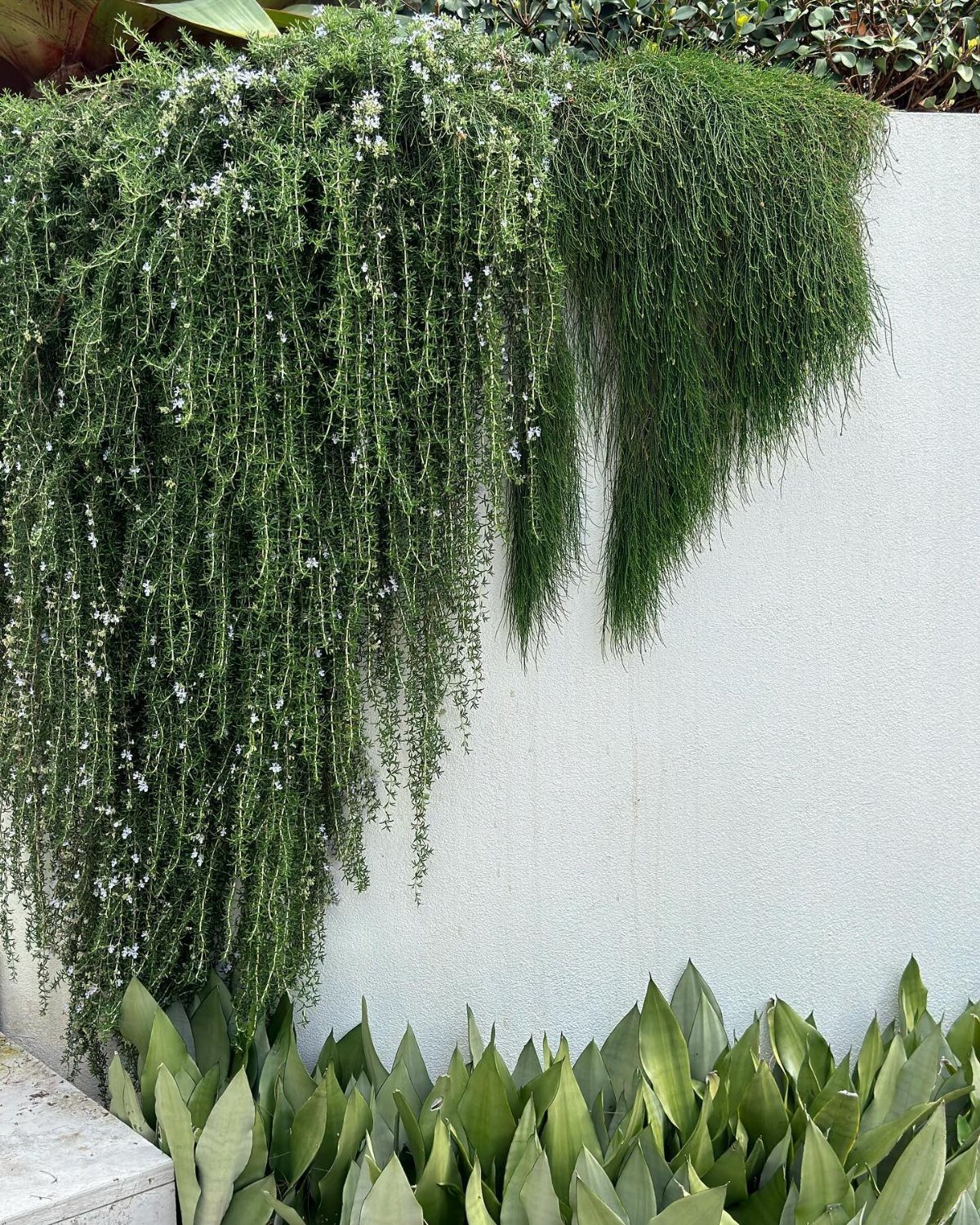
Green reads as neutral in a boho room until you take it out and the space goes dead. One pothos in the kitchen left the bedroom looking flat; green belongs in every room, not just the sunny ones.
Trailing plants in macramé hangers draw the eye up and soften ceiling corners. Peace lilies and calatheas sit well beside a bed; they handle medium light and do some air-cleaning work while they are there.
For shelves or bedside tables, small succulents or cacti ask for almost nothing and still add that living shape.
Real plants calm a room in a way faux ones almost manage but do not quite. If your light is poor, devil’s ivy and string of nickels grow in low conditions and trail long enough to look abundant fast.
Start with one hanging and one surface plant. Add more only when those two are thriving.
16. Plants
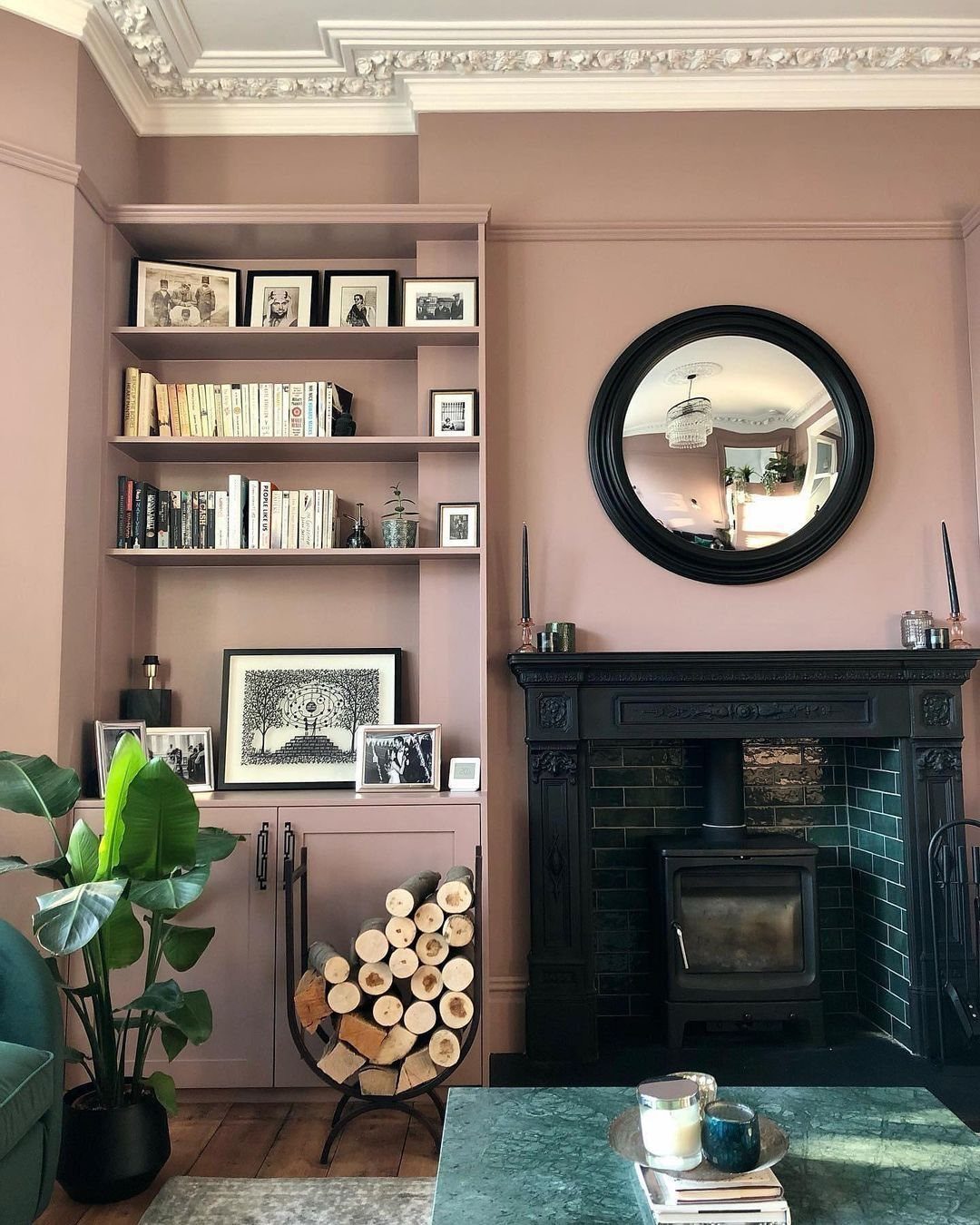
Plants in a bedroom work best at every height, not just on the floor in the corner. Clustering plants on a single windowsill freezes the eye; spreading them out keeps the room moving.
Macramé hangers are the obvious move for ceiling space, and the hangers you already have need something to hold. Devil’s ivy and string of nickels trail down well in low light; for brighter rooms, the options open wider.
Small wooden benches or stools lift medium-sized plants to mid-height without blocking light. Floating shelves and hanging baskets handle the cascade effect.
A north-facing room limits the list, but it does not close it. Living shape against hard edges matters more than collecting specimens.
Two or three plants at different levels read as abundance; six on one surface read as clutter.
17. Macramé Accents
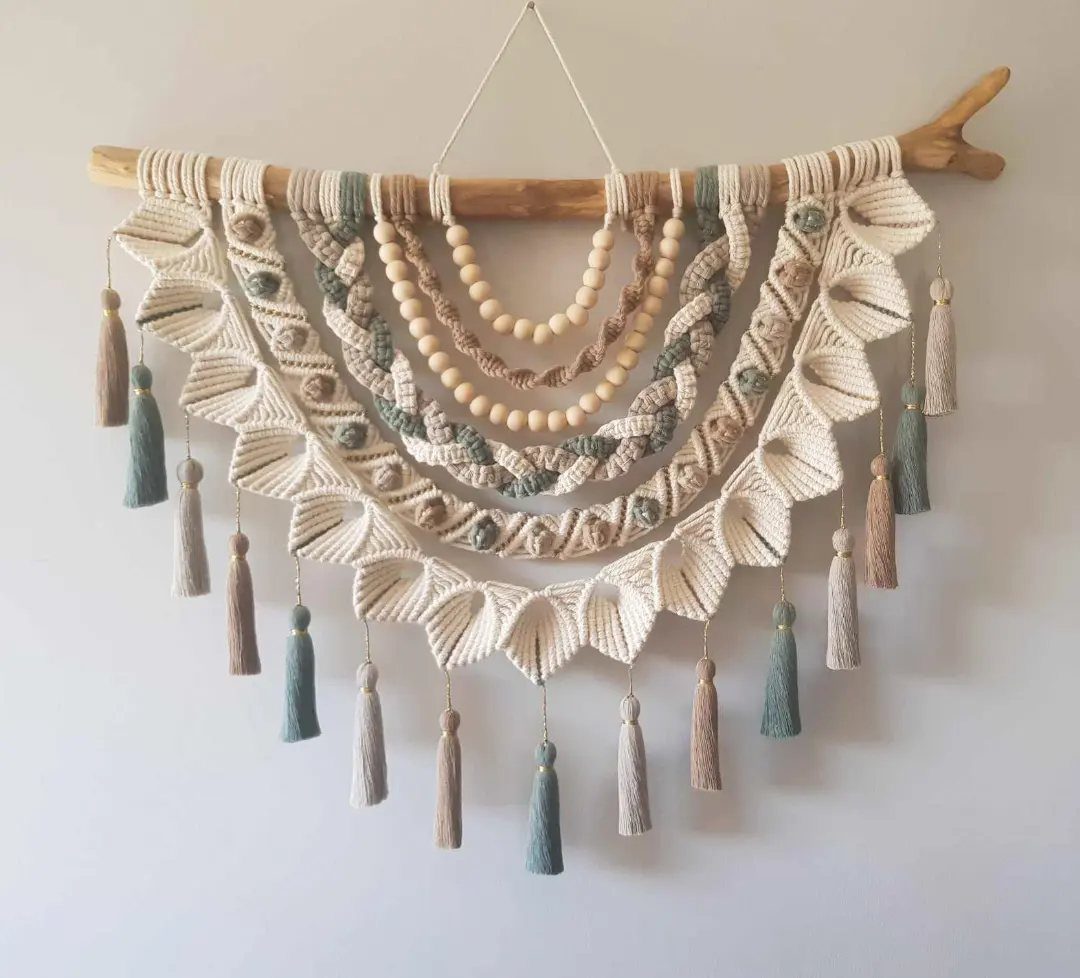
Macramé is the clearest signal of boho style because it is slow work made visible. The knots, the fringe, the slight irregularity: all of that reads as human in a way factory weave does not.
Wall hangings on a natural branch give the most impact for the space they take. Macramé in cream and sage green brings texture without locking you into a new color scheme.
Plant hangers are the practical entry point; one hanger with a trailing plant changes a corner more than a framed print would.
You can learn the knots yourself if the budget is tight. The materials are cheap; the time is the cost.
A first project takes an evening and looks it, which is part of the point. Handmade reads as story, not flaw.
18. Canopy Bed
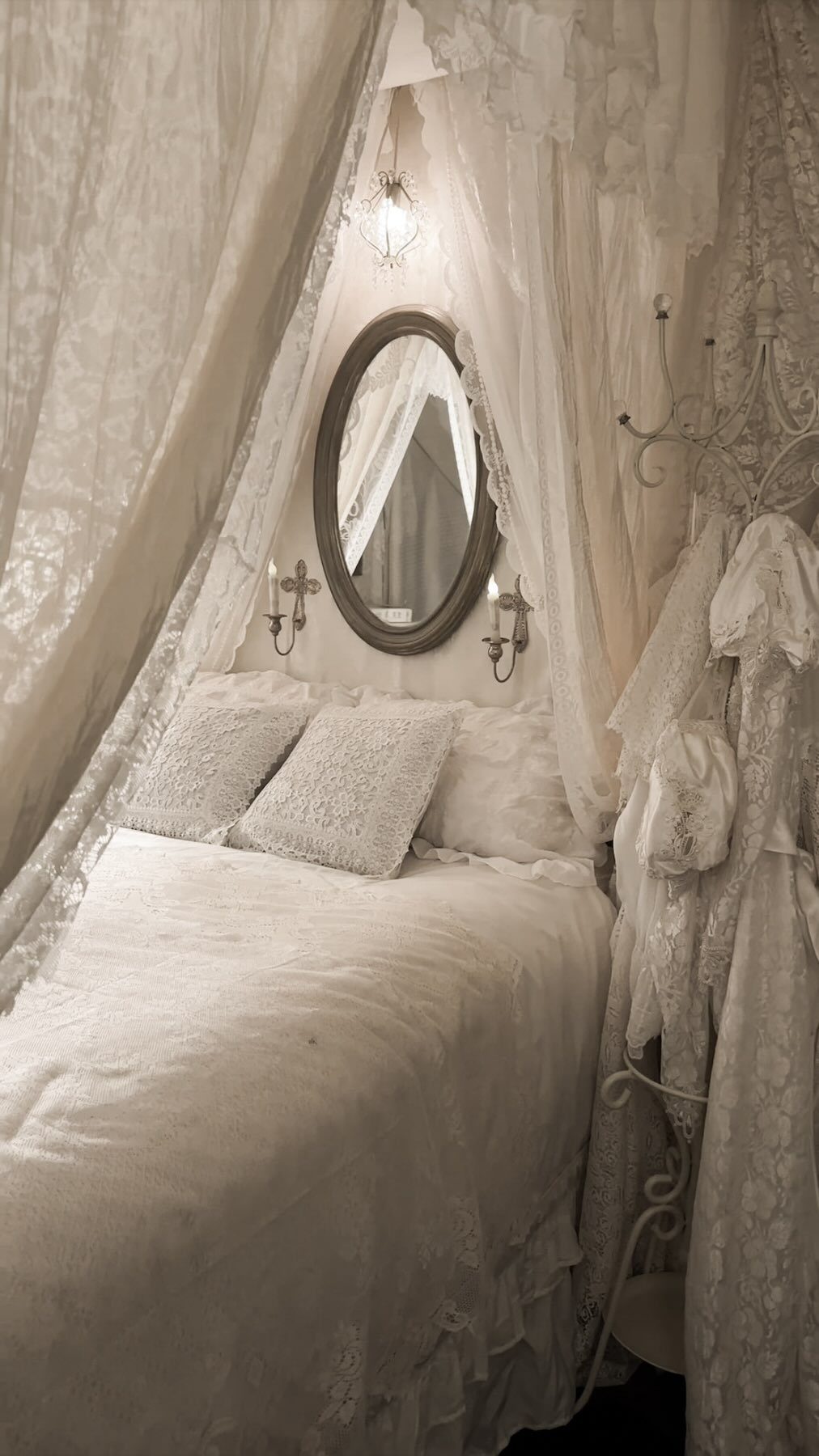
Sheer fabric over a bed frame turns sleep into an event. I slept under a canopy for one summer in a rented room and still remember the difference it made to closing the day.
Light fabric is the only requirement: heavy drapes read formal, and the goal here is air, not weight. Ruffled or plain, white or cream, the drape should move when you do.
The frame itself can be simple; the fabric does the work.
This suits beds placed against a wall less well than beds with space to walk around. In a small room, the fabric eats visual space you may not have to spare.
Where it works, though, the effect is immediate and costs less than a headboard. A yard of voile and a few ceiling hooks are enough to test the idea before committing to a full frame.
19. Cascading Plants
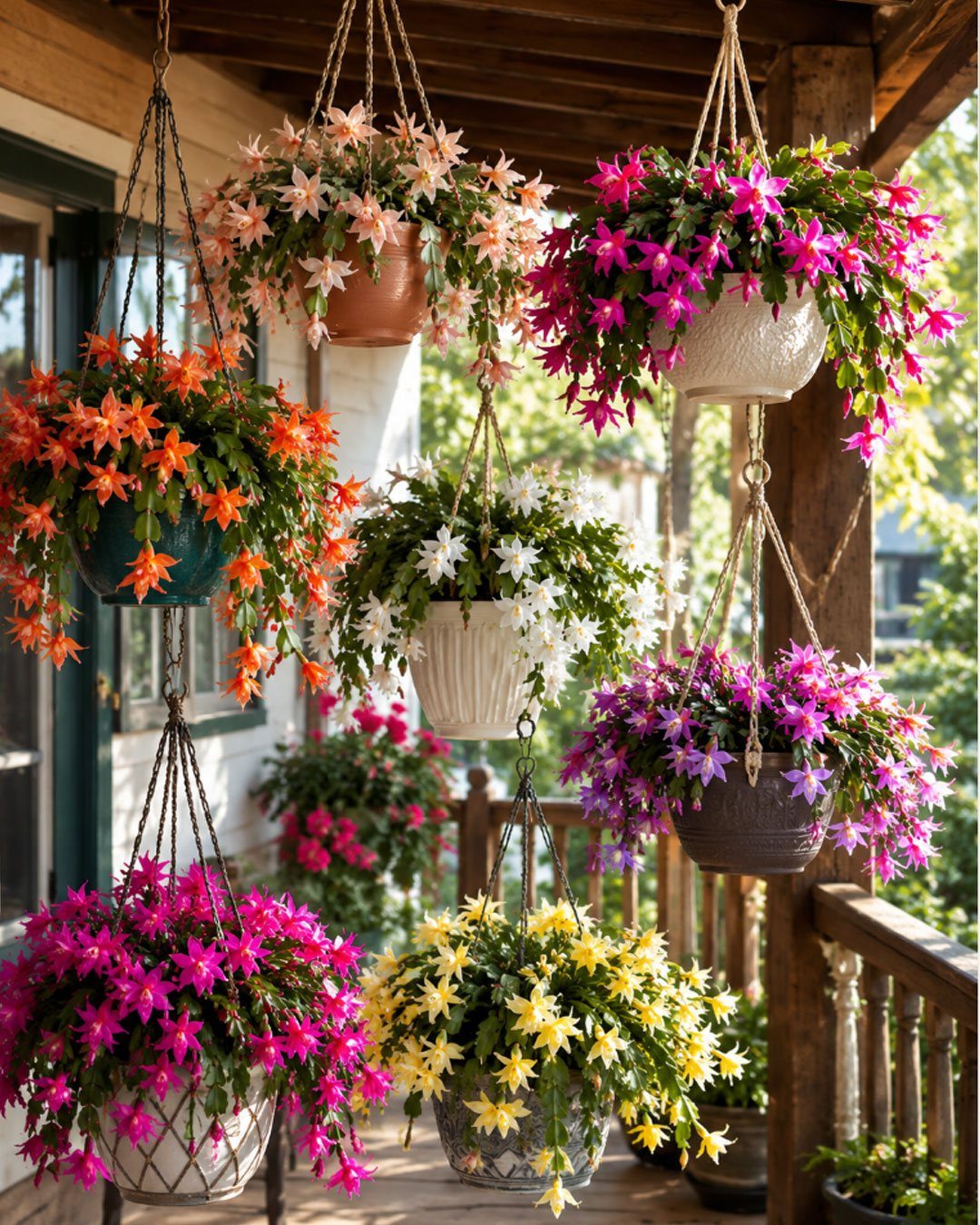
A single trailing plant can fill the vertical space above a dresser or bedside table without eating into floor area.
Devil’s ivy and string of nickels both handle low light and send stems downward in a steady green spill, so a north-facing bedroom still works.
Macramé hangers or a simple shelf at ceiling height keep the pot out of the way. Stagger baskets at different heights to build depth; even a narrow wall gains a full garden feel that way.
If you already own the hangers, the plant itself is cheap and the hardware installs fast.
20. Personalized Decor
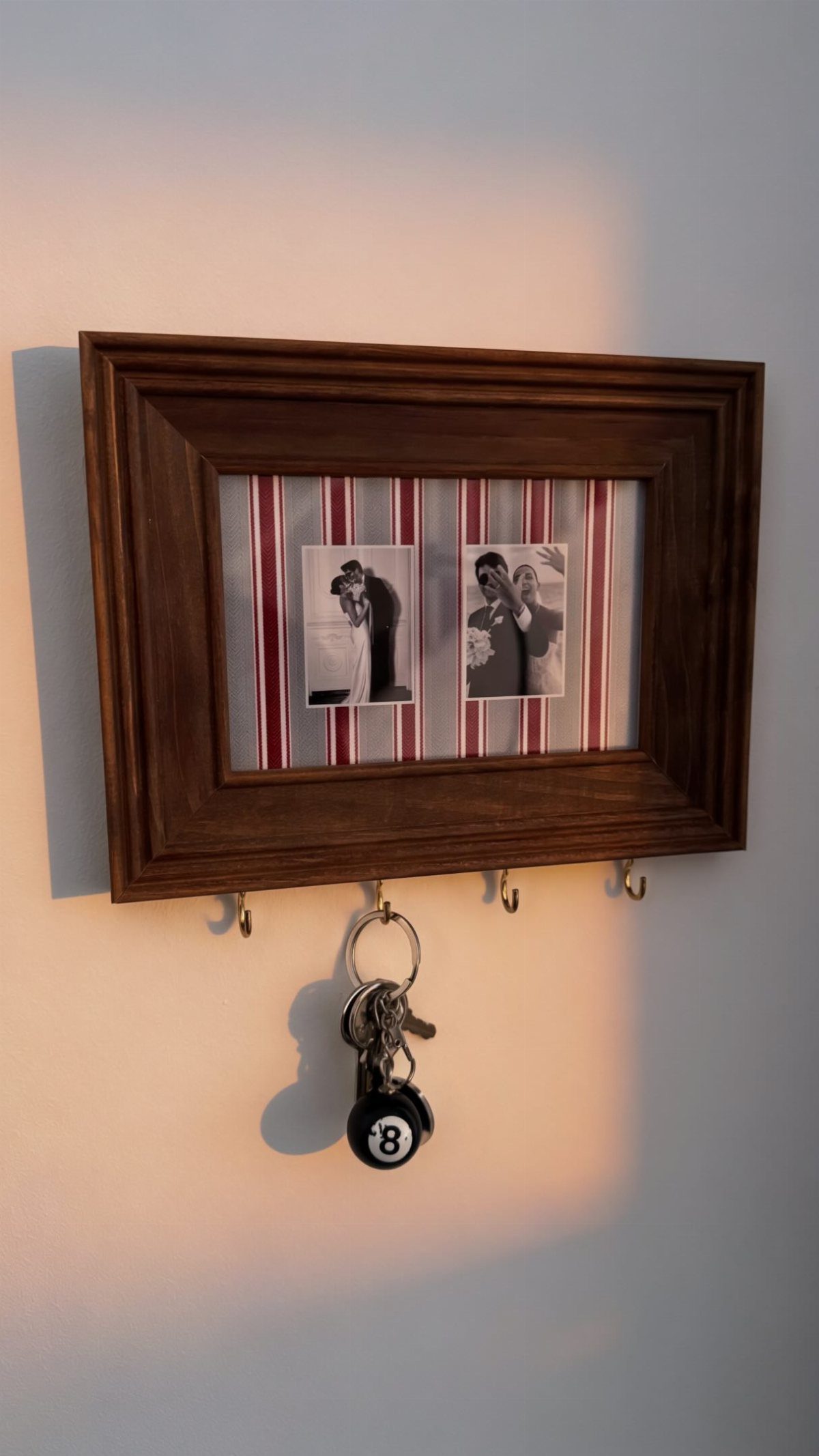
A shadow box frame turns flat keepsakes into something you actually walk past and notice.
The backing color and the items inside are where the personalization happens. The custom part is the arrangement, not the construction skill; a handmade frame just needs your own objects inside it.
For renters, this is safer than a full gallery wall: one hook, one frame, and nothing that leaves dozens of nail holes behind.
Cost stays low if you source the box frame secondhand and fill it with what you already own.
Embrace Individuality
Boho style works best when it looks like no one else could have assembled it. Start with what you already own: a postcard from a trip, a ceramic dish from a flea market, a color you keep coming back to.
Those pieces become the anchors.
A hand-painted mural wallpaper can set the whole mood. Jewel tones against a velvet bed frame, vintage rug layered underneath: the room starts to feel less decorated and more discovered.
The actor’s bedroom in Los Angeles went this route, and the result read as a collected escape rather than a designed set.
Your own version might be smaller. One wall, one corner, one shelf of things that only make sense together because they are yours.
That is the point.
Mixing Styles
Eclecticism in a boho bedroom does not mean everything at once. It means earth tones that share a temperature: warm neutrals, muted taupes, terra-cottas, rusts, clay tones.
Layer them like they were found on different days.
Jewel tones work too, but they need the same restraint. A sapphire throw against a rust wall holds up because both colors carry weight.
Two pastels in the same space can float away.
Heather Weisz, a designer in Wellington, Florida, puts it plainly: the mix should feel collected and soulful. Not matched.
Not balanced on a spreadsheet. Collected.
If you are unsure where your own taste lands, a style quiz can narrow the field before you start buying. Then build from one piece outward, letting the room accrue rather than arrive finished.
Frequently Asked Questions
Is boho decor out of style in 2026?
Boho style still centers on natural materials like wood, wicker, and jute, mixed colors and prints, and textiles that layer for warmth.
The specific pieces change, but the core idea of collected, lived-in spaces with global influences stays current because it is personal rather than trend-driven.
What are common mistakes in boho decor?
The biggest mistake is buying everything as a matched set.
A matching bedroom set straight from the showroom, half a dozen plants crowded onto the same shelf, or a gallery wall hung in one afternoon with matching frames all look like you bought the look in one trip rather than gathered it over time.
Another is forgetting solid space for the eye to rest; if every pillow, rug, and wall carries pattern, the room starts to hum with visual noise.
What colors are good for a boho bedroom?
I reach for warm neutrals first, then layer in muted taupes, terra-cottas, rust, and clay. A few jewel-toned accents keep the palette from going flat.
Earth-tone-filled palettes layer well because they read as collected rather than coordinated. A white or cream base lets bolder pieces, like a patterned Persian rug or bright throw pillows, stand out without fighting each other.
How to do boho style in a bedroom?
Start with texture: layered bedding in mixed materials, a woven basket or two, a single macramé piece, and natural fiber rugs.
Add one vintage item with actual wear, one plant at a height that draws the eye up, and light from at least two sources at different heights.
The room should feel assembled over time, even if you did it in a weekend.





