
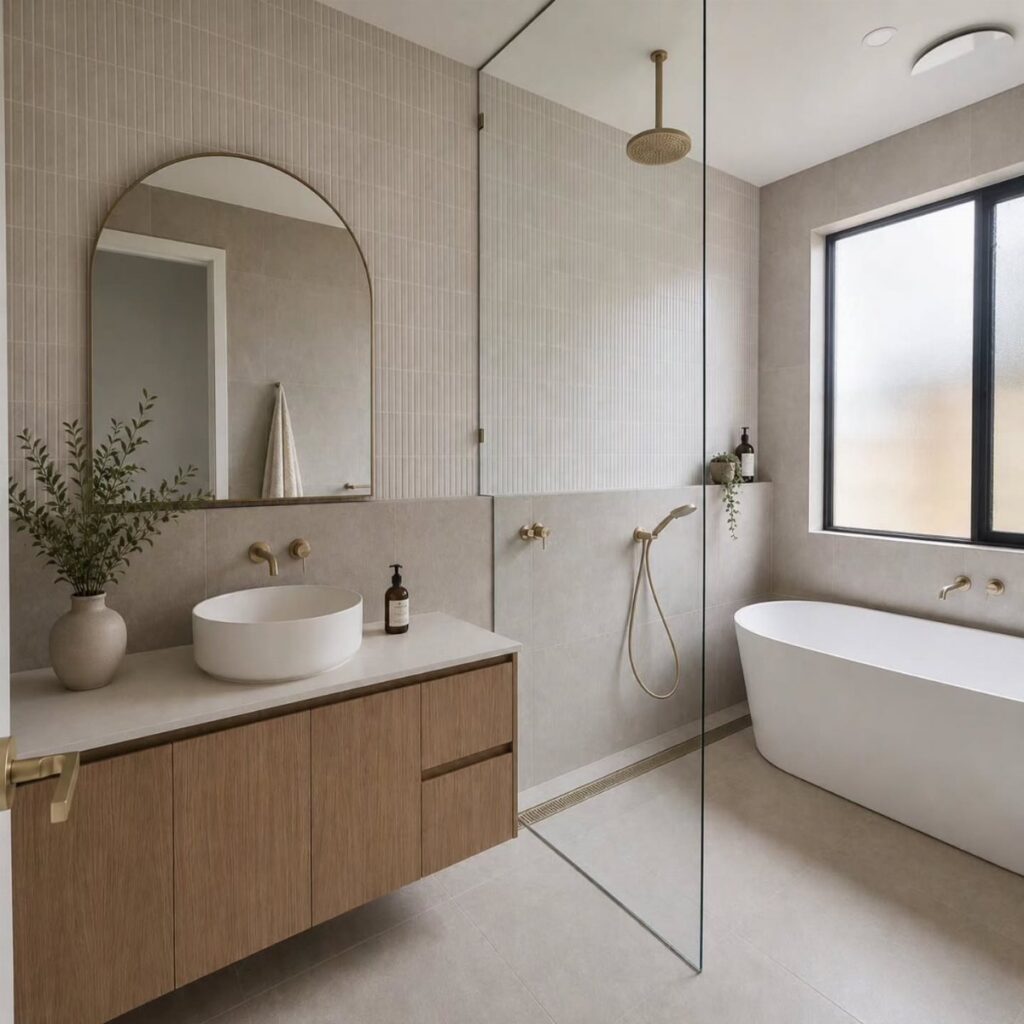
These Japandi bathroom ideas range from a quick bulb swap to a full freestanding tub install, and the right pick depends on whether you rent or own and how much of the work lands on your own hands this weekend.
Paint and textiles shift a rental toward calm without a landlord call; owners with a helper can chase recessed shelving, live-edge wood, or that deep oval soak.
The 1800 to 2700 Kelvin range for warm LED strips appears more than once because lighting this cheap fixes more mood than people expect.
1. Natural Materials
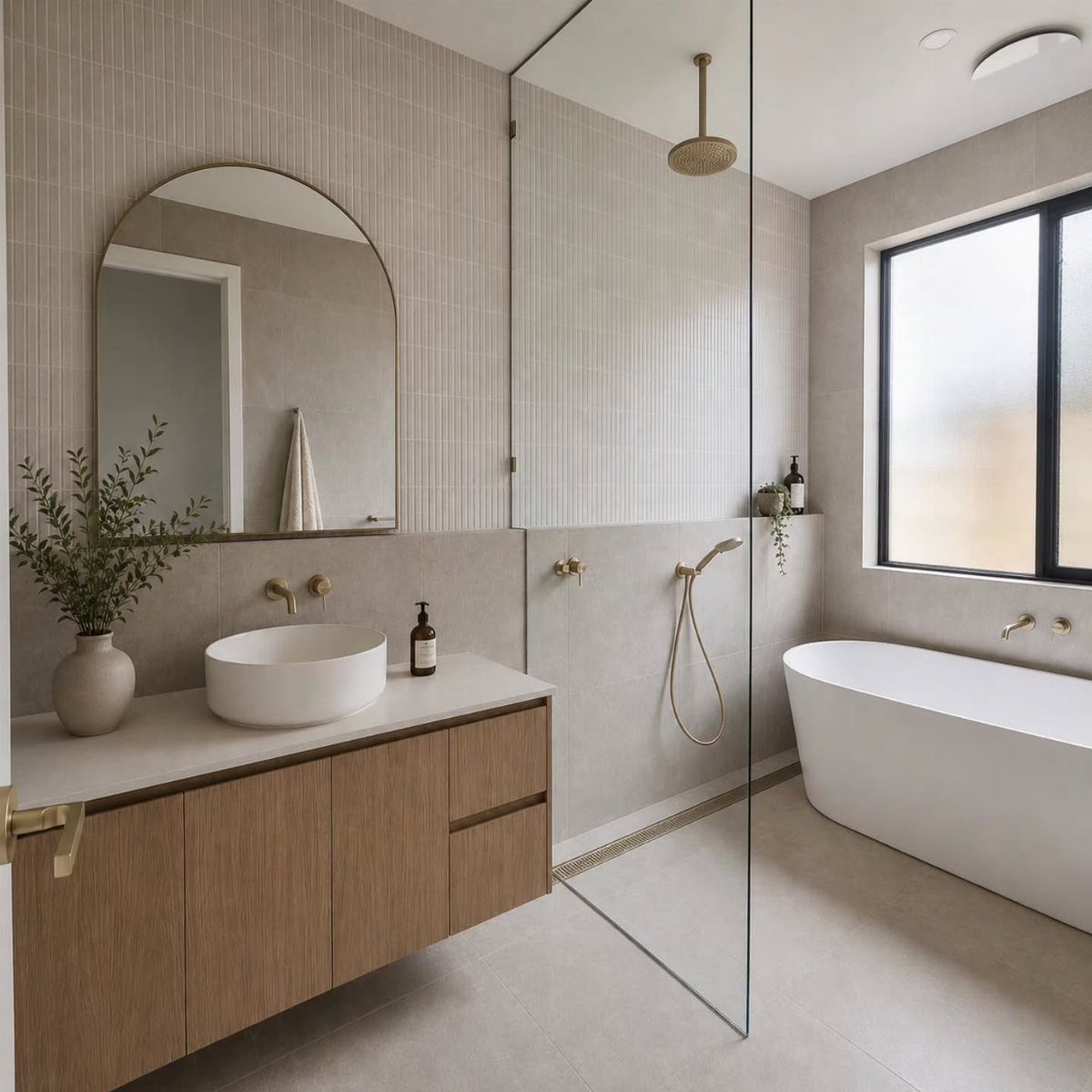
A Japandi bathroom starts with what you bring in, not what you strip away. Oak, walnut, travertine, bamboo, rattan: each material carries its own grain or weave, and mixing them keeps a bathroom from feeling like a showroom set.
I would skip the ornate patterns and let simple geometric tiles or a subtle handmade texture do the work.
Kit Kat tiles run up a half-height wall with a built-in shelf, and brushed gold fixtures stay quiet enough to live with. Cedar or hinoki leans Japanese; ash or beech leans Scandinavian.
Either path works, and mixing them is fair game if the tone stays warm.
2. Maximize Natural Light
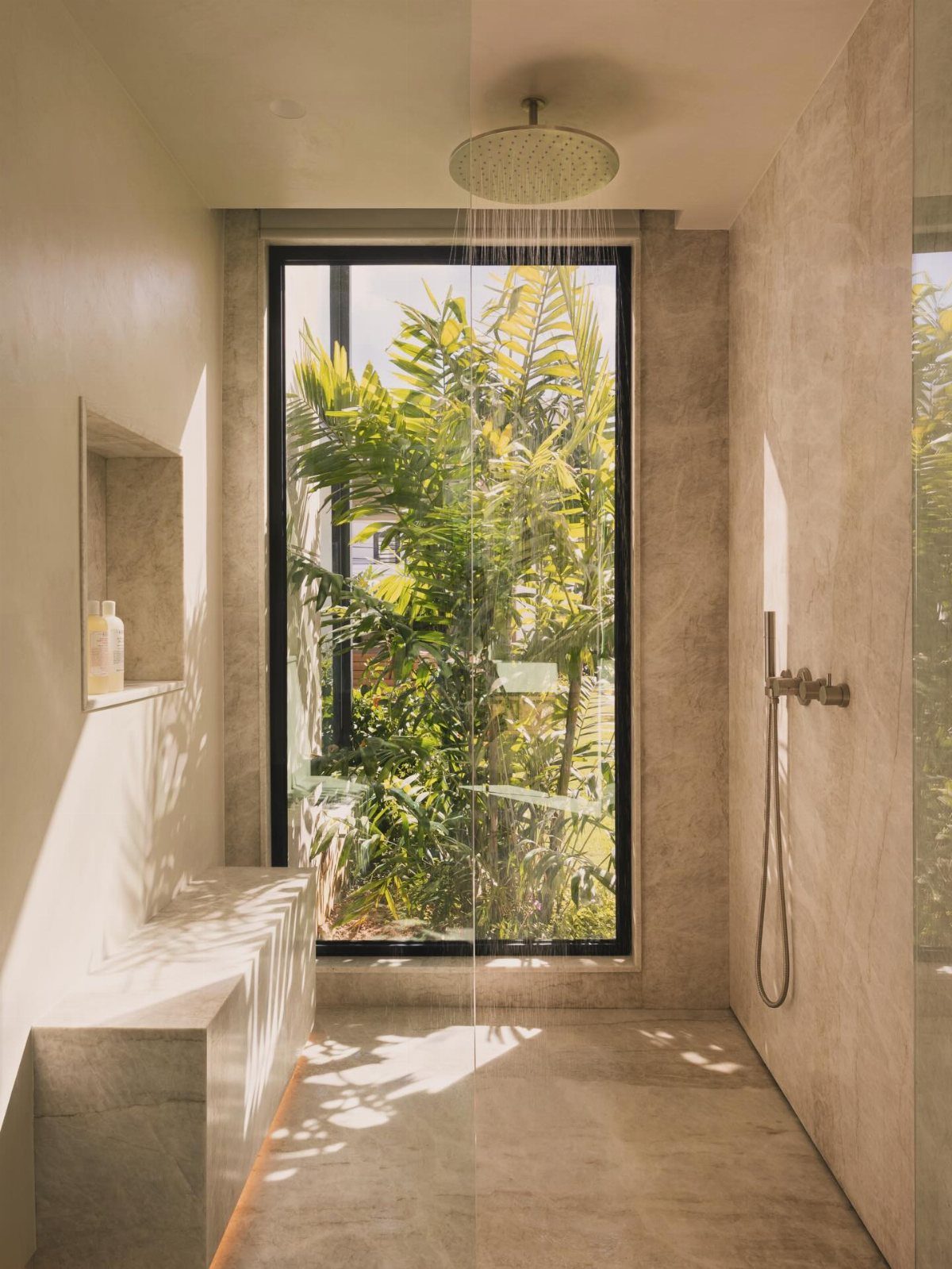
Natural light in a Japandi bathroom is not a bonus; it is the point.
Large windows or skylights flood the space with what no fixture can replicate, and semi-opaque glass or renewable partitions keep the flow open without sacrificing privacy where you need it.
Morning light matters more than the exact piece catching it; a tub or a simple stool placed where the sun lands first carries the Japandi feeling of being outdoors while still inside.
If your layout forces artificial light, keep it warm and indirect, but fight for that window first.
3. Minimalist Design
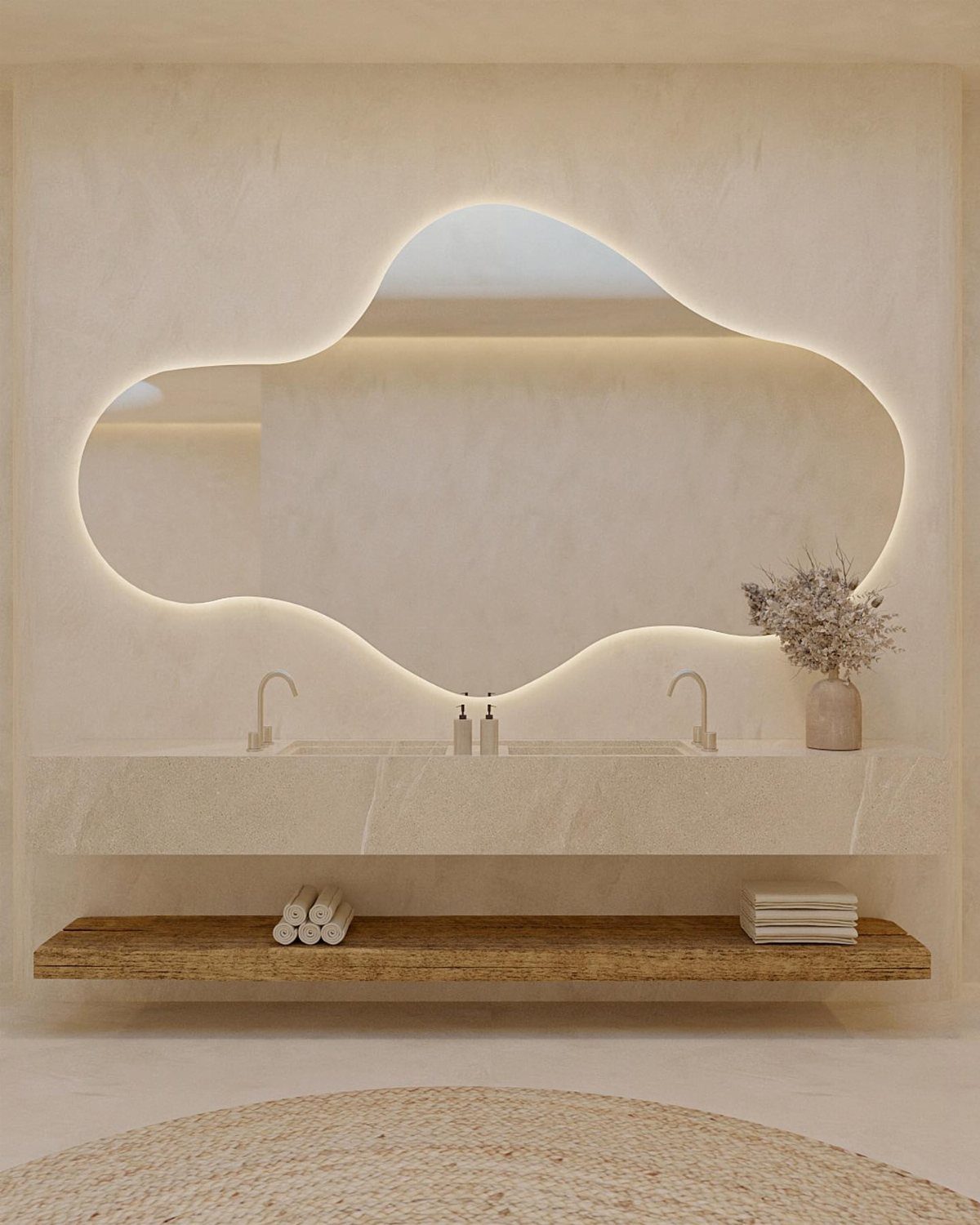
Clean lines in a Japandi bathroom are not emptiness; they are deliberate breathing room. One sculptural mirror or a floating stone vanity can carry a whole wall if everything else steps back.
I would choose one backlit piece or one live-edge counter rather than layering both, since restraint is what separates this look from a catalog spread.
A composed bathroom still looks right when you are rushing; it should not need staging before every guest arrives.
4. Clutter-Free Space
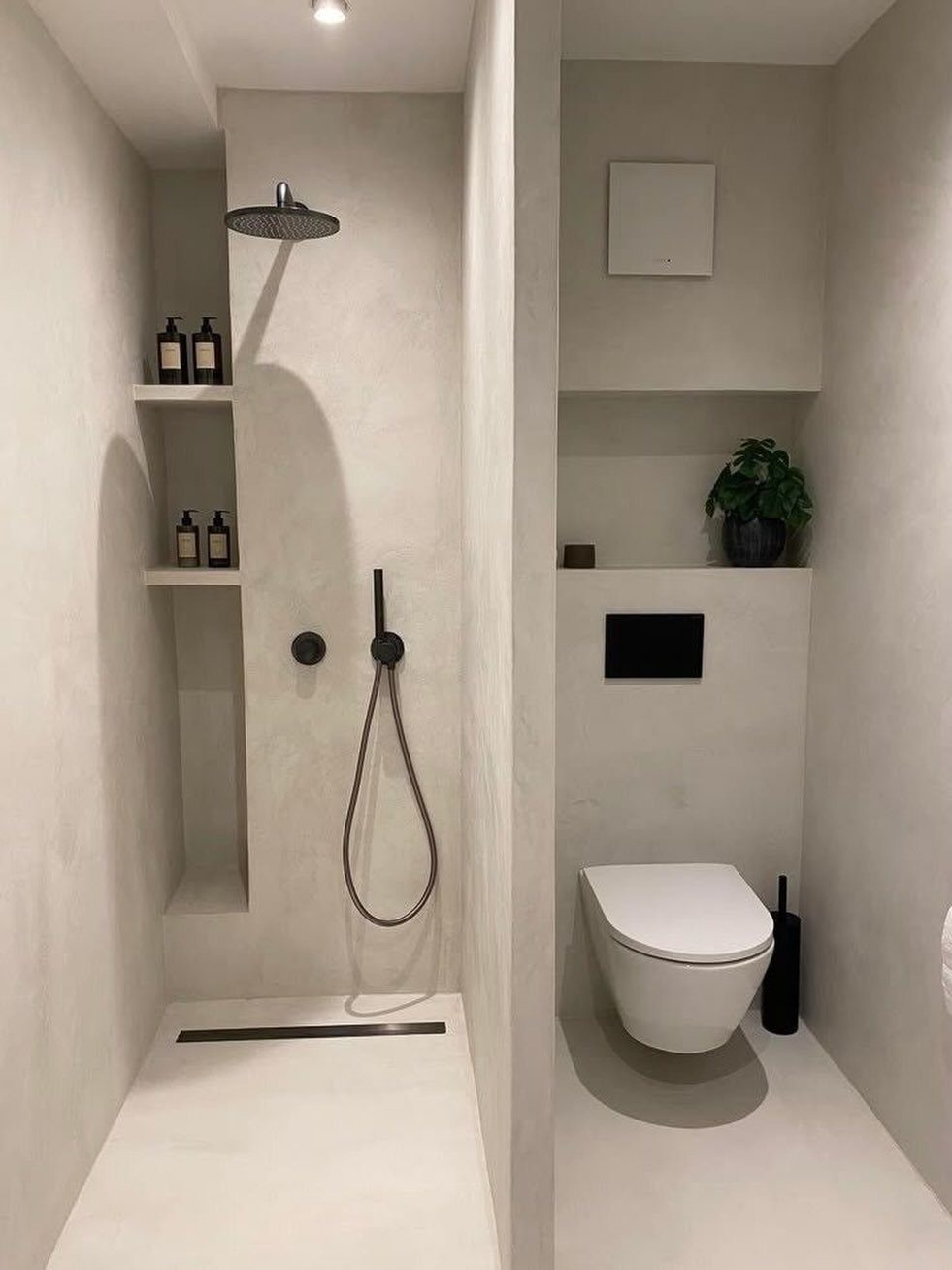
Clutter-free in a Japandi bathroom means everything you need lives exactly where your hand expects it. Built-in recessed shelving, floating vanity drawers, or a hidden wall cabinet keep the visual field open while storing the daily mess.
Shower niches and wall-mounted fixtures disappear into plaster, and one small green plant is enough decor. I would add a robe hook or rail if it sits flush and reads as minimal, but skip the countertop tray of products.
The maker of this piece offers more than fifty colors and textures for their Antico line, so the built-in can match your tone rather than fight it.
5. Freestanding Bathtub
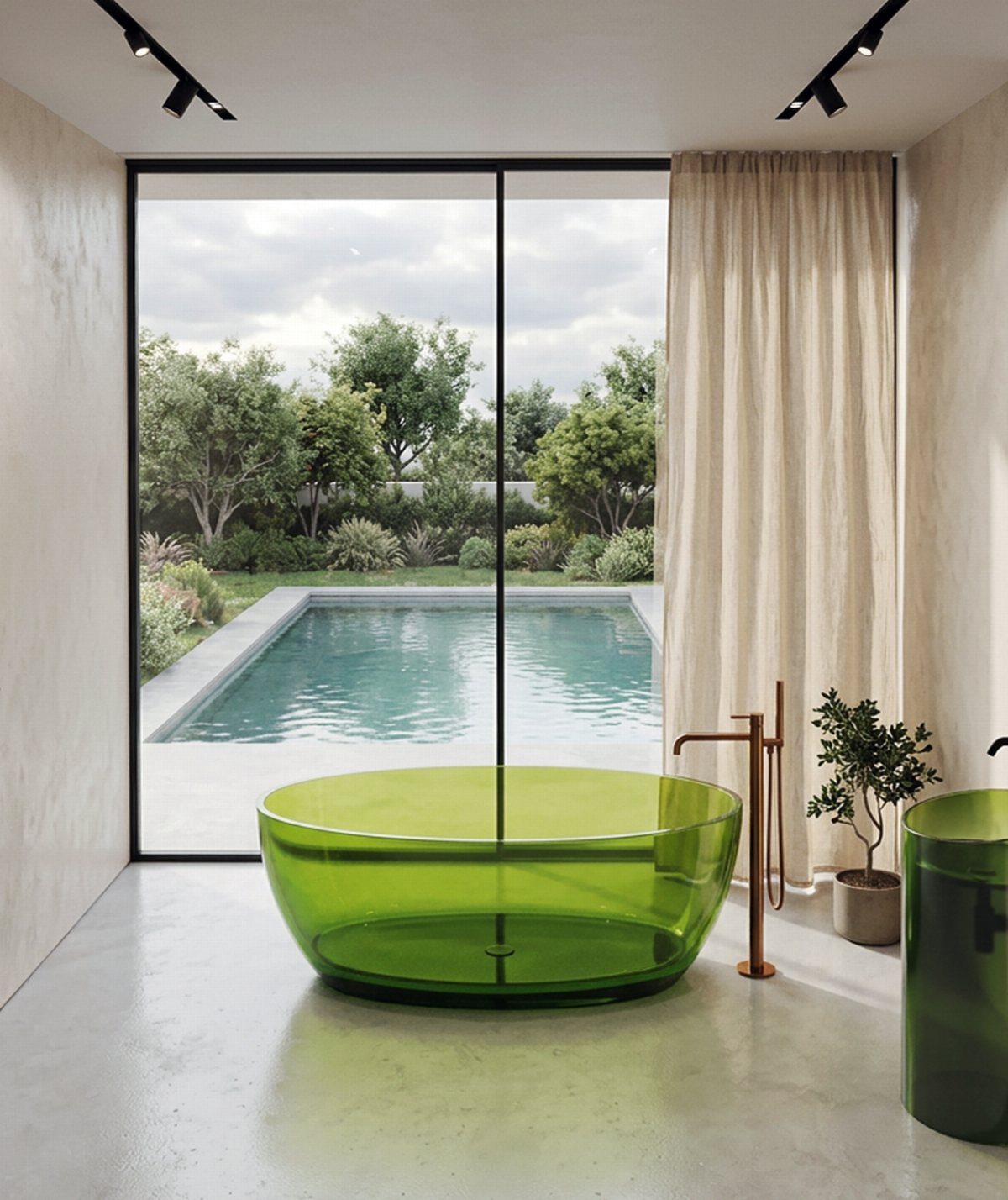
A freestanding tub in a Japandi bathroom is where the ritual happens. I would go deep and oval, closer to a Japanese soaking tub than a standard American profile, and place it for natural light or a skylight overhead.
A wooden caddy across the rim holds a book and a cup; a stone mat underfoot finishes the moment. Brushed gold fixtures and a tall copper faucet feel considered without shouting for attention.
In a mid-tier home, this upgrade pays back in daily use and buyer appeal; in an entry-level space, a built-in tub keeps the budget honest.
6. Stone
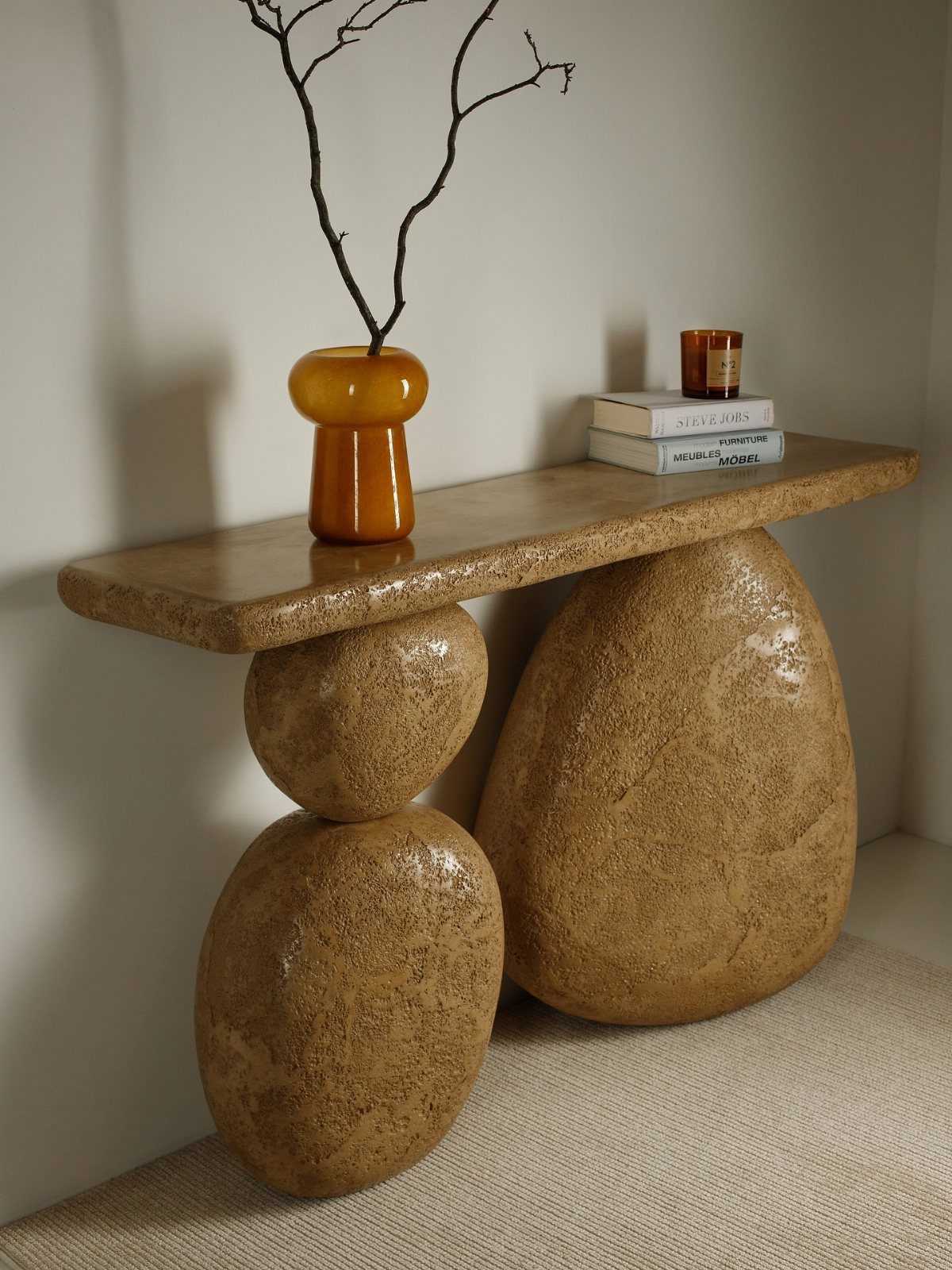
Stone in a Japandi bathroom is texture you can touch without adding noise. I would use stacked stone as a backdrop for a tub or a stone basin on a vanity to get that same grounded weight.
Granite, marble, slate, or a beyondstone basin each bring raw surface without pattern that competes. Black fixtures against light stone add just enough weight to keep the room from floating away.
The symmetry around the tub in the inspiration piece feels intentional, not rigid, like a spa you stay in longer than planned.
7. Wood
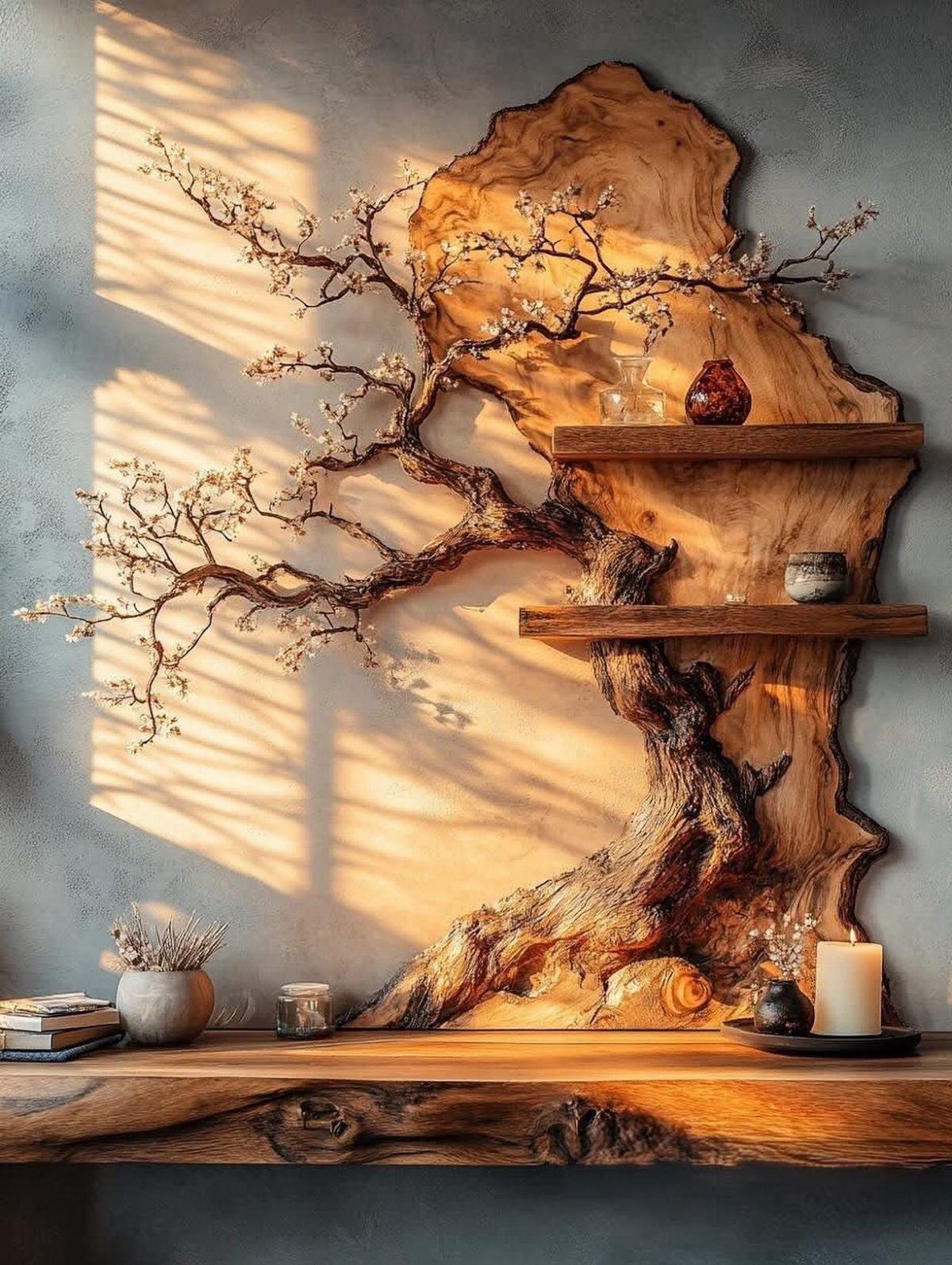
Wood is Japandi’s warmth dial turned up. A live-edge slab with built-in shelving turns a grey wall into something you want to run your hand across, and that texture does the heavy lifting so your colors stay quiet.
Oak, maple, or walnut all work; I’d pick oak for a smaller bath where you want the grain to read without going dark. A wooden bath mat or a simple ledge shelf costs little and takes an afternoon to install.
Skip this if your bathroom stays humid with poor ventilation. Wood swells, and Japandi restraint includes knowing when to stop.
8. Soft Beige Escape
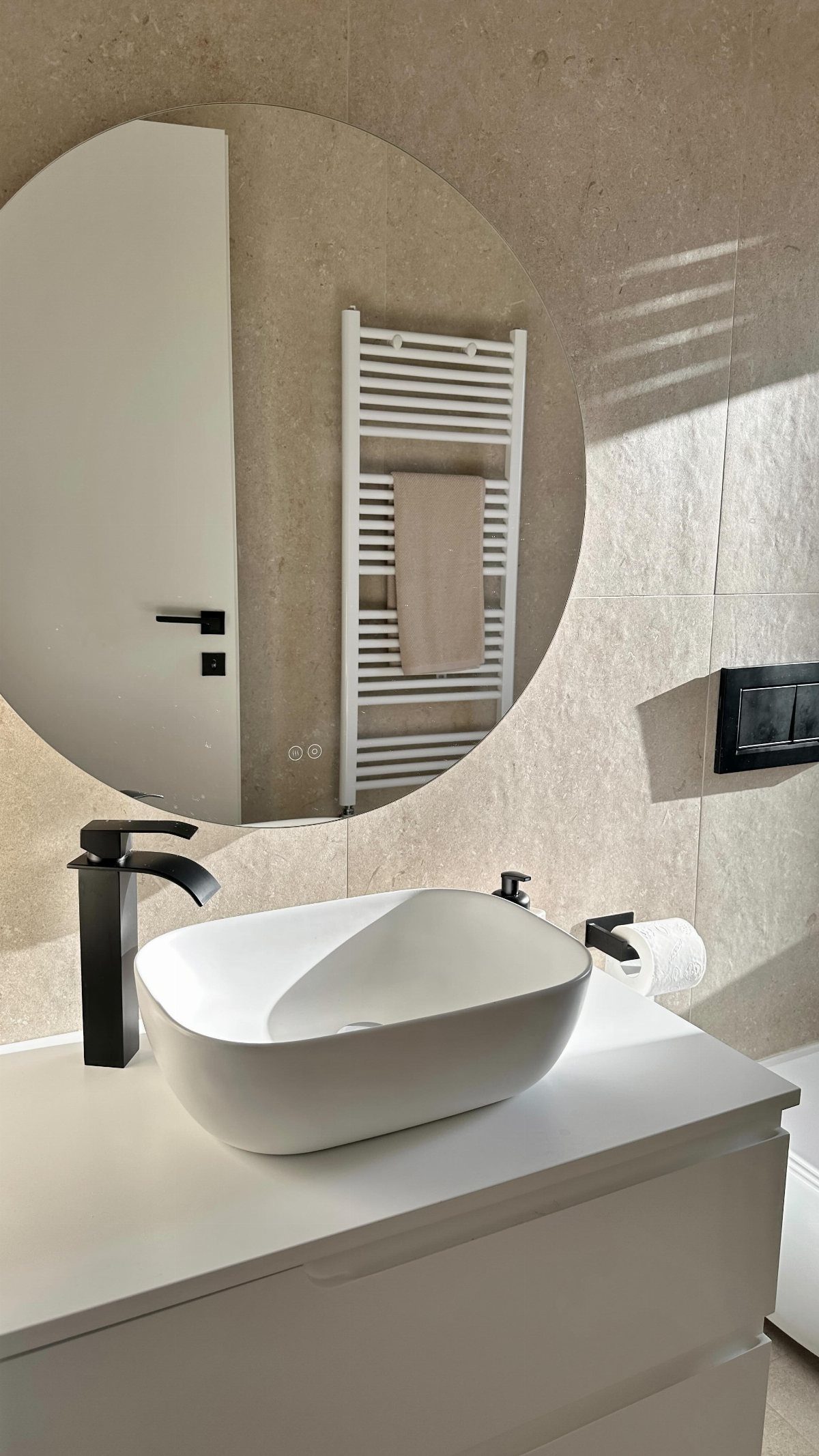
A sun-warmed bathroom in soft beige asks very little of you and gives back calm every morning. Quiet colors work best when everything stays in the same family: creamy walls, warm stone, towels that match rather than contrast.
A woven rug and a small wooden stool are enough to keep it from feeling like a showroom. I like a vessel sink here because the shape adds interest without adding color.
This suits renters who can’t retile; paint and textiles do the shift. This kind of restraint takes discipline.
One bright plastic bottle undoes the whole mood.
9. Soft Textiles
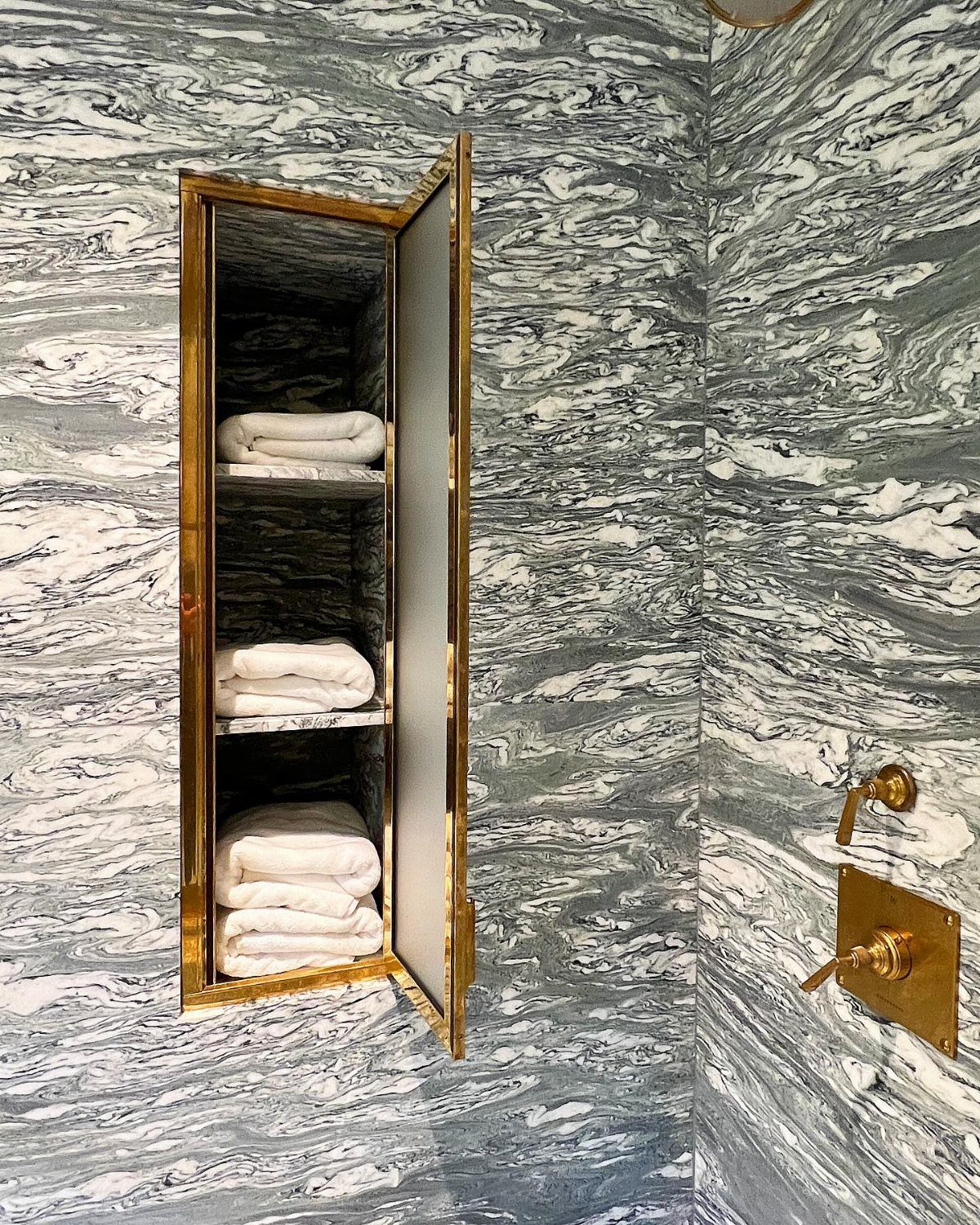
Folded white towels in a recessed cabinet are the opposite of hotel staging when you choose the right weight. Thick cotton or linen in natural undyed tones softens all those hard surfaces without cluttering them.
A textured bath mat underfoot matters more than the shower curtain most days. Two textures is the limit for textiles; three starts looking like you tried.
Cost stays low for the set, and swaps out fast if you rent. The limit is storage.
Japandi minimalism falls apart fast when towels pile on the floor because the cabinet is full.
10. Good Lighting
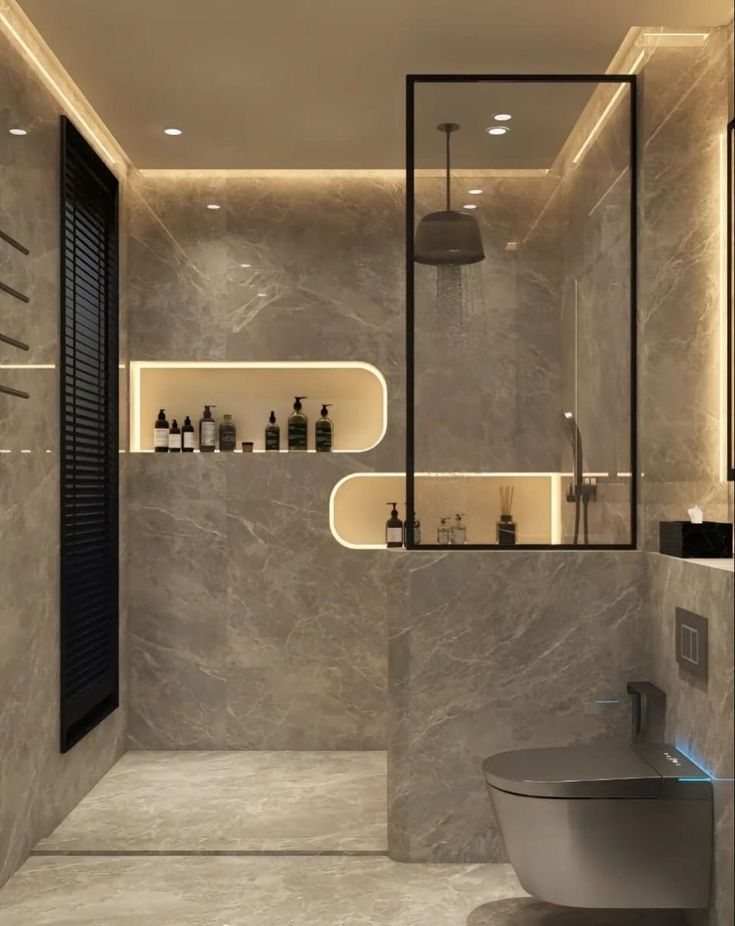
Warm LED strip lighting tucked into shelving or along a mirror edge turns a functional bathroom into somewhere you actually want to be at 6 AM. Look for bulbs between 1800 and 2700 Kelvin; anything cooler reads office, not refuge.
Layering helps: ceiling light for cleaning, sconces or strips for soaking. A single LED channel above the medicine cabinet makes an immediate difference.
Most rental fixtures run too bright and too cool. A dimmable bulb swap fixes half of it.
Full rewiring is for owners with a weekend and a helper.
11. Zen Garden Nook
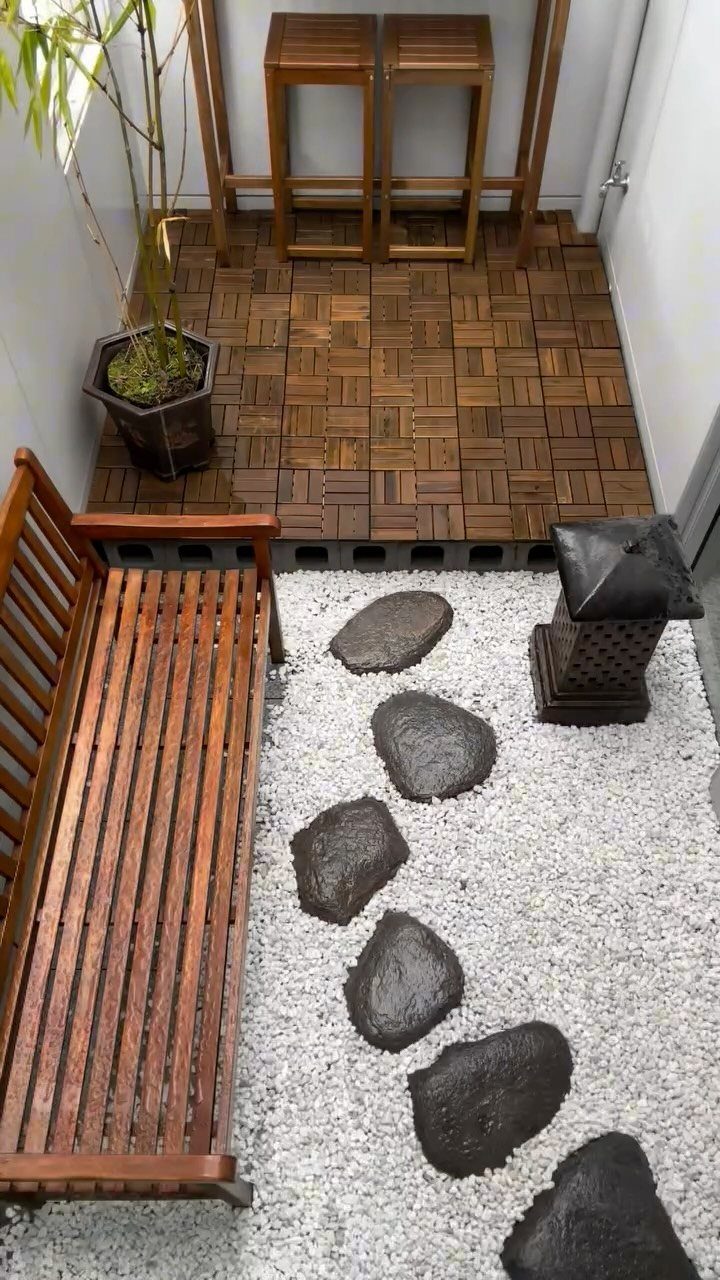
A mini Zen garden in a bathroom corner sounds precious until you set one up and find yourself raking the sand after a bad day.
A shallow wooden tray, fine gravel, a few stones, and a small succulent or air plant are the whole list.
The same principle works indoors, even when the tray lives on a counter or shelf. A low wood stool or bench beside it gives you somewhere to sit; the grounded feel matters more than the plants.
This suits you if you have floor space going empty and the patience to tend something small. Skip it if you’re already fighting clutter; a neglected Zen garden is just one more thing to dust.
Simplicity and Functionality
Japandi works when every element earns its place. Pale stone, a few well-placed lights, and not much else keeps a bathroom feeling open without turning it sterile.
The restraint is deliberate, not empty.
Built-in storage keeps everyday items out of sight. A floating vanity, one wall shelf, or even just a row of simple hooks keeps the surfaces clear while still holding the daily stuff.
Calm and order matter more than a space so staged it looks like nobody showers there.
Emphasis on Nature
Soft textures and small organic details pull the outside in without turning the room into a greenhouse. The effect is styled but soulful, a space that slows your morning routine rather than rushing it through.
This connection to nature is not decorative. The materials you choose, the way light moves across surfaces, and the absence of visual noise all promote wellbeing.
A Japandi bathroom should feel like the outdoors wandered in gently, not like a forest imposed on drywall.
Calming Atmosphere
The Japandi palette stays warm and grounded. Soft whites, beige, and earthy tones create the serene atmosphere this style is known for.
Cool grays fight against the calm, so skip them.
Muted greens, warm clay, or soft ochre work if you want something beyond beige and gray; keep the saturation low. Green tiles or small accents can reflect the outside world without breaking the quiet mood.
The tone matters more than the specific shade.
Sustainable Choices
Timeless materials protect both the environment and your renovation budget. Hard-wearing finishes look better as they age and save you from replacing them before you move.
That is the practical side of choosing well.
Conscious consumption means buying once. Eco-friendly materials cost more upfront, but they keep renovation dollars working longer.
Prioritize what lasts over what trends; your bathroom should outlive the year you built it.
Frequently Asked Questions
Is the Japandi style good for small bathrooms?
Yes. The style’s emphasis on simplicity and functionality means every element earns its place, which keeps a small bathroom from feeling cramped.
Clean lines, built-in storage, and a floating vanity keep surfaces clear while still holding daily essentials. I’d pick lighter oak tones and a single sculptural mirror to open the space rather than close it in.
What are Japandi bathroom colors?
Soft whites, beige, warm earthy tones, and muted greens or ochre with low saturation. Cool grays read too cold against the warmth this style needs, so I’d leave them out.
The palette stays warm and grounded; even accent colors keep quiet so the room does not jolt you awake.
What are common Japandi decor mistakes?
Over-cluttering and ornate patterns are the main ones. One neon lotion bottle on the counter, or towels heaped on the tile because the cabinet won’t close, and the quiet mood collapses.
I’d also avoid cool grays and competing textures; three textiles start looking like you tried, and two is the limit.





