These ideas run from a grocery-store stem to a weekend of limewash and a drill, and the right pick depends on whether you rent and spackle later or own and build in.
A storage bed with stained oak grain and platform drawers keeps spare linens out of sight without asking for another piece of furniture; that single detail covers both the budget floor and the permanence ceiling.
1. Bed with Storage
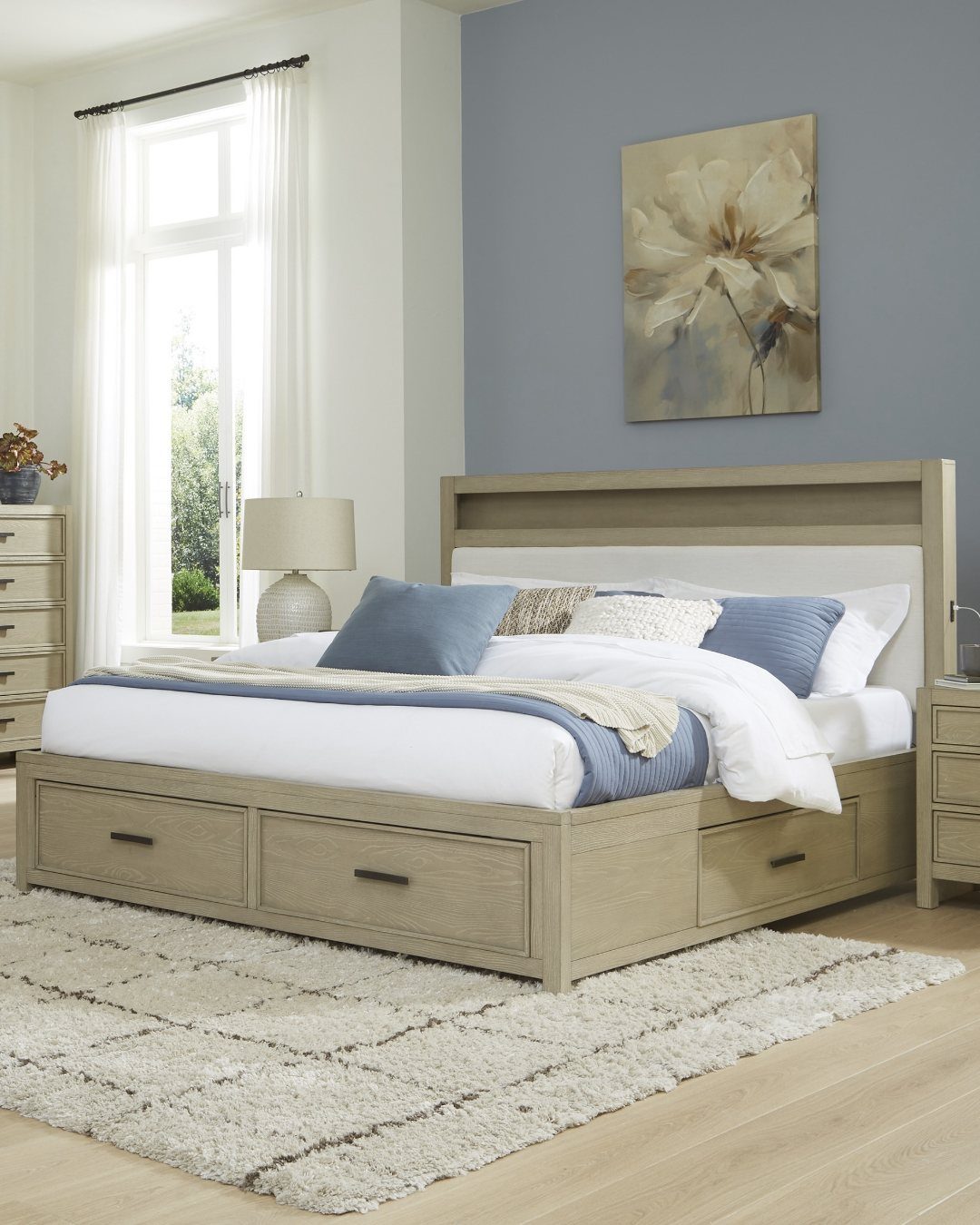
A storage bed hides what you need without asking for another piece of furniture. Stained oak grain gives a storage bed warmth while the drawers keep spare linens or off-season clothes out of sight.
Platform styles sit lower, so the room keeps its ceiling height; four-poster frames work better where the ceiling is already tall and you want to fill the vertical space.
2. Add Subtle Texture

Texture keeps a white room from reading as empty. Linen bedding or a woven cotton throw adds subtle texture without the craft hours of plaster work.
I have had better luck with grasscloth wallpaper on one wall than on all four; it catches light differently through the day and stops the room from feeling like a box.
Whitewashed pine boards work too if you are renting and can install something you will take with you.
Budget two to three yards of a heavy linen for a duvet cover and expect it to soften more after the first few washes.
3. Add Accent Colors
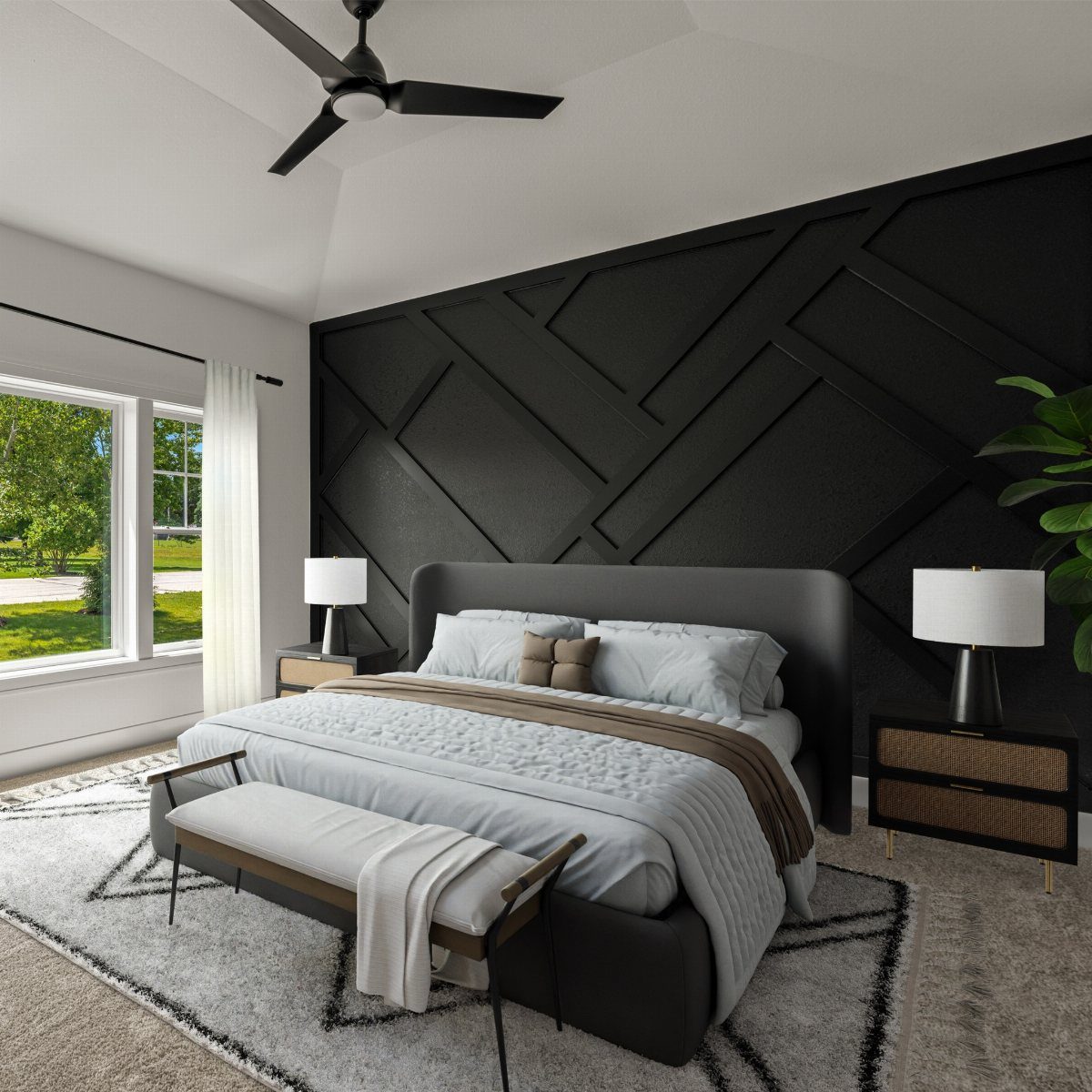
One accent wall carries the whole room if the rest stays quiet. Charcoal paneling reads as architecture, not decoration, when the grain runs the same direction and the geometry stays simple.
I would match the wood tone to the nightstands or the floor, not both, or the room starts to feel like a showroom.
A single muted throw or a sage chair in an otherwise grey-and-white space does the same work with less commitment.
Paint is cheaper and easier to change when you move; wood paneling is better for a room you plan to live in for a while.
4. Keep It Bright and Breathable
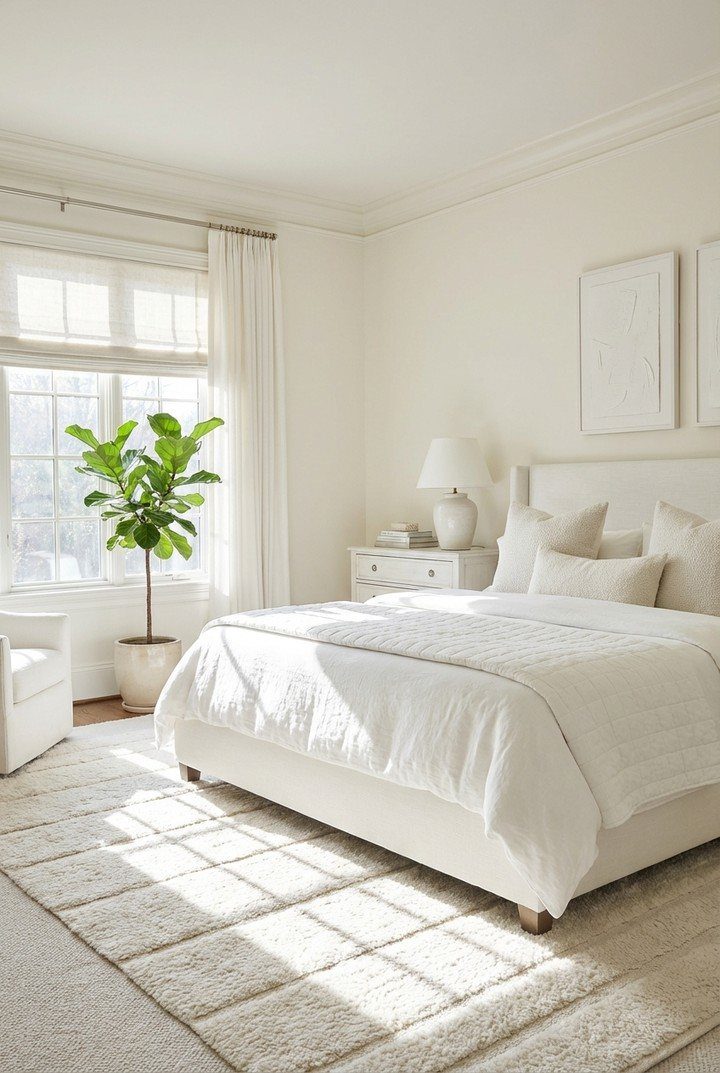
Sheer curtains over a large window give you the daylight without the glare.
White panels that pool slightly on the floor add height to a standard ceiling; hang the rod well above the frame and let the fabric fall straight rather than tying it back.
I layer a thin cotton sheer with a heavier blackout panel on a double rod so the room still darkens at night. A textured white rug underfoot catches the sun and keeps the space from feeling too clinical.
This works best on the side of the house that gets morning light; west-facing bedrooms may need the blackout layer to cut afternoon heat.
5. Limit Decor to Essentials
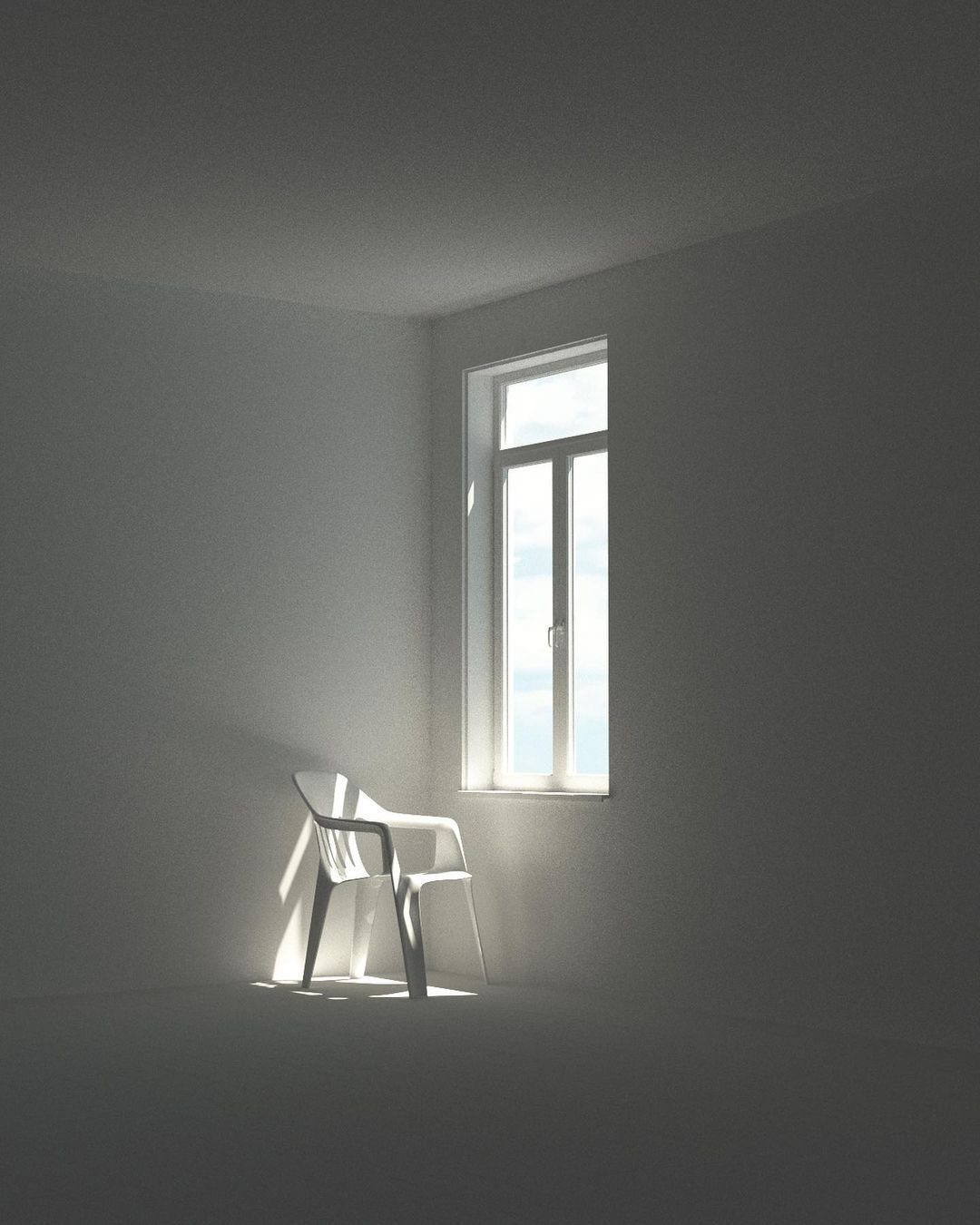
One chair in a corner is enough if it is the right chair. The photo strips the room down to a single vertical window, a shaft of light, and a seat you might actually sit in to pull on shoes.
Surfaces stay clear when books and glasses live in the nightstand drawer, not on top, and when one plant or one ceramic piece replaces a cluster.
6. Nightstand Drawers
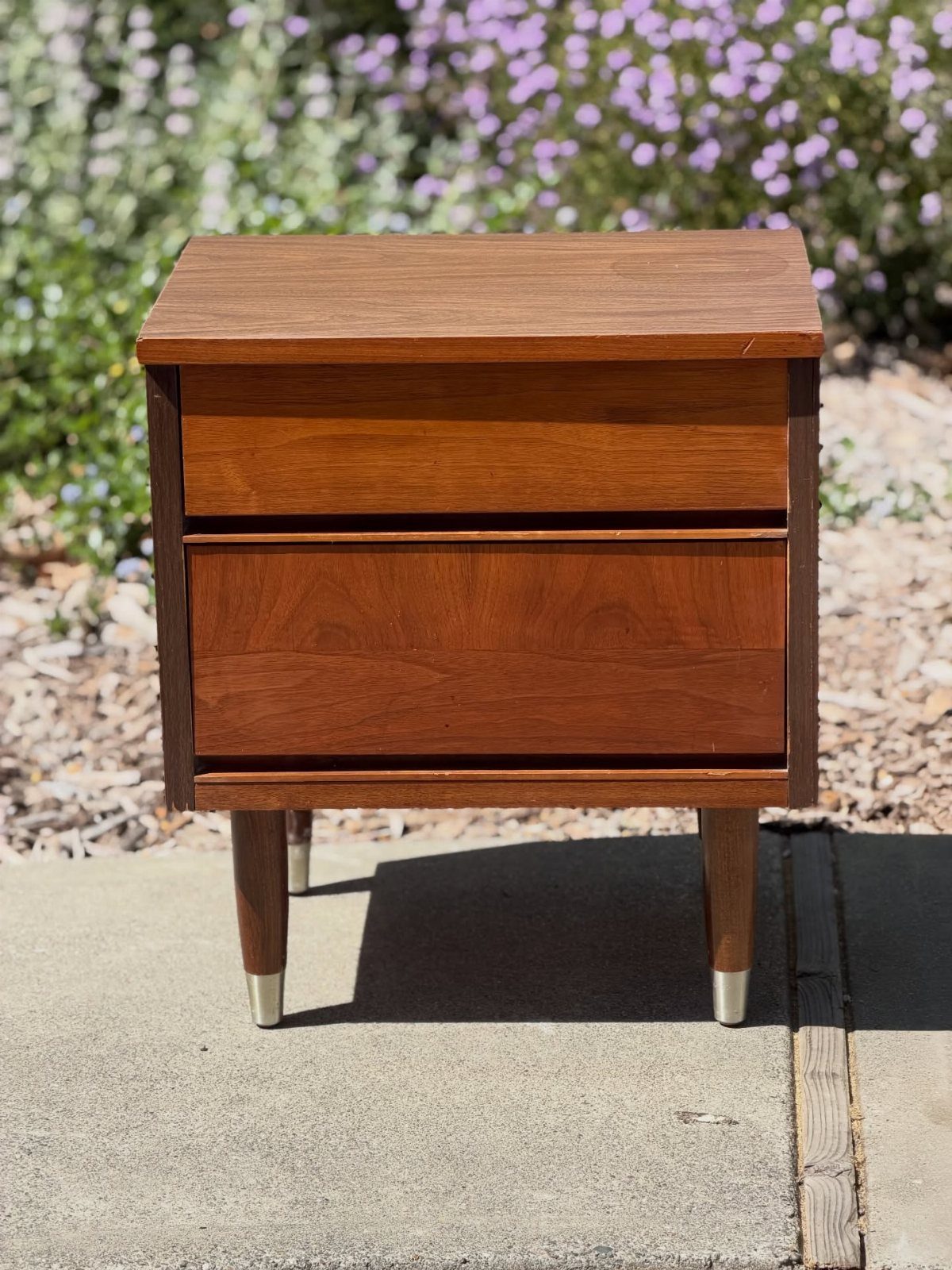
Matching the nightstand finish to the floor makes both pieces disappear into the room. Mid-century legs lift a nightstand off the ground so the floor reads as continuous space, and two drawers hide what a single open shelf would display.
I look for at least one drawer deep enough for a book and a water bottle, plus a second shallow one for chargers and lip balm.
7. Embrace a Neutral Color Palette
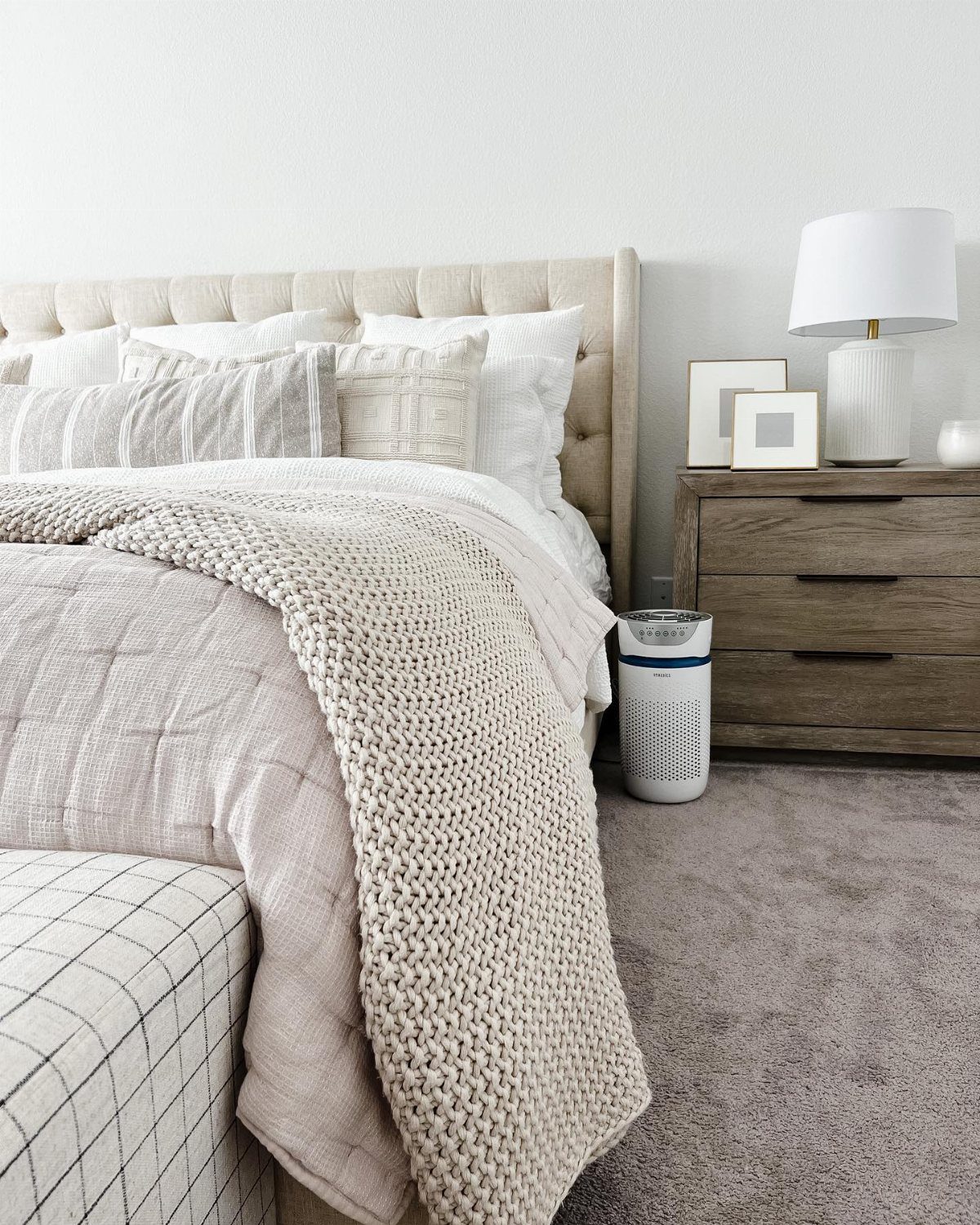
A neutral palette quiets the room without making it sterile. I lean toward white, gray, and beige on walls and linens, then let texture do the visual work.
A chunky knit throw or a rougher weave on the bedding keeps the eye busy where color stays flat.
Cooler neutrals, in particular, settle the nervous system. If you need a break from all that restraint, one small pillow or a single art print in a muted tone is enough.
Anything more and the calm starts to fracture.
This suits renters who cannot repaint and first-home owners who can, since both groups can start with linens and work outward.
8. Opt for Low-profile Furniture
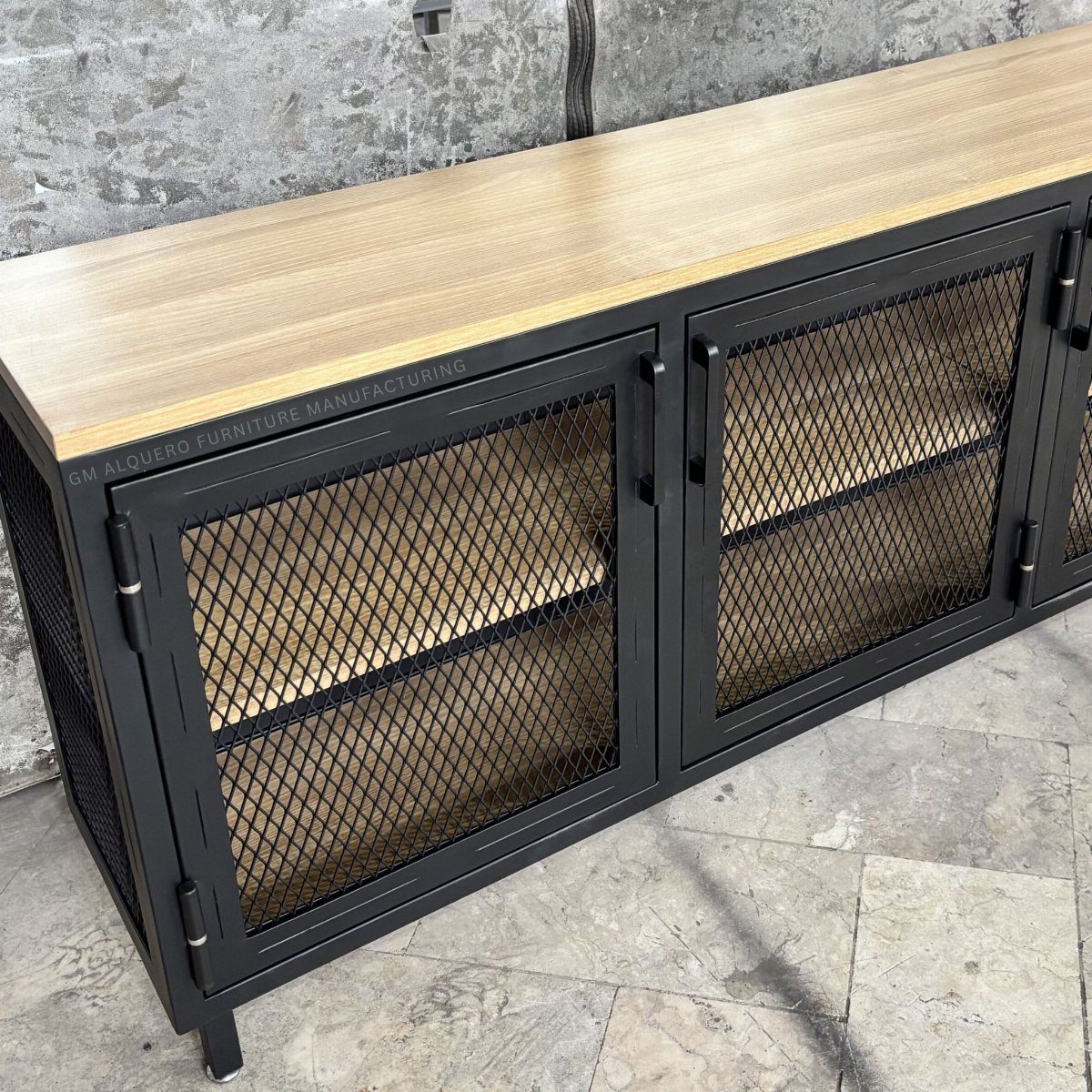
Low-profile furniture lets the floor and walls breathe. A platform bed or a sideboard that hugs the ground keeps sightlines open and the room feeling larger than its footprint.
I look for clean horizontal lines and similar heights across pieces. When everything shares that low silhouette, nothing competes for attention.
The eye moves across the room instead of bouncing between tall and short objects.
This works best in smaller bedrooms where a standard-height headboard or a bulky dresser would eat the space whole. The tradeoff: storage volume drops, so under-bed bins or that platform’s built-in drawers matter more.
9. Incorporate Natural Elements
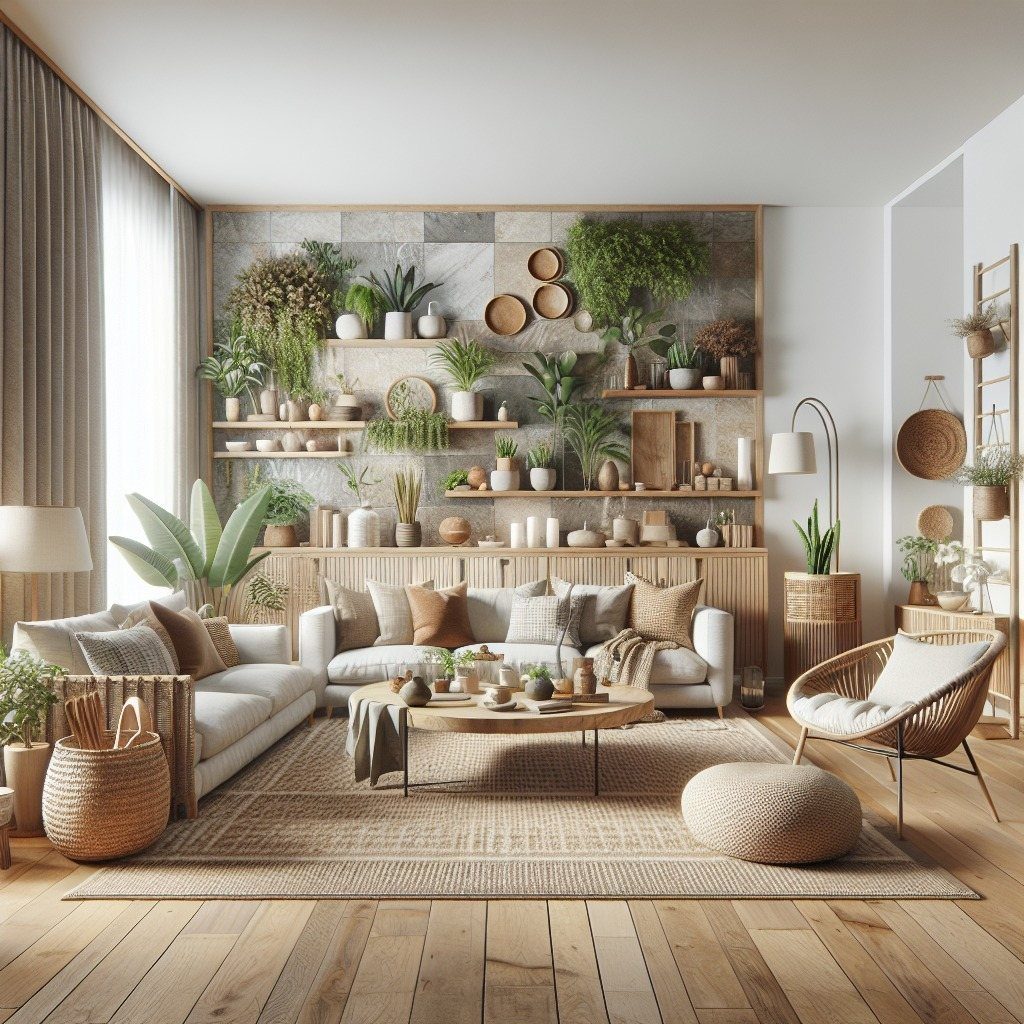
Natural materials bring warmth that color would otherwise have to carry. Wood, stone, and living plants connect the room to something outside its four walls.
Stone texture and scattered greenery turn a white box into a space that feels inhabited.
I start with one raw element: a rough-sawn wood floor, a single wood light fixture with a dimmable bulb, or natural-fiber bedding. The sawn texture catches light differently than sanded smooth, and that variation reads as depth without clutter.
This approach suits anyone whose bedroom faces trees or a garden, since the indoor materials echo what the window already shows. If your view is brick or asphalt, the plants matter more.
10. Open Space
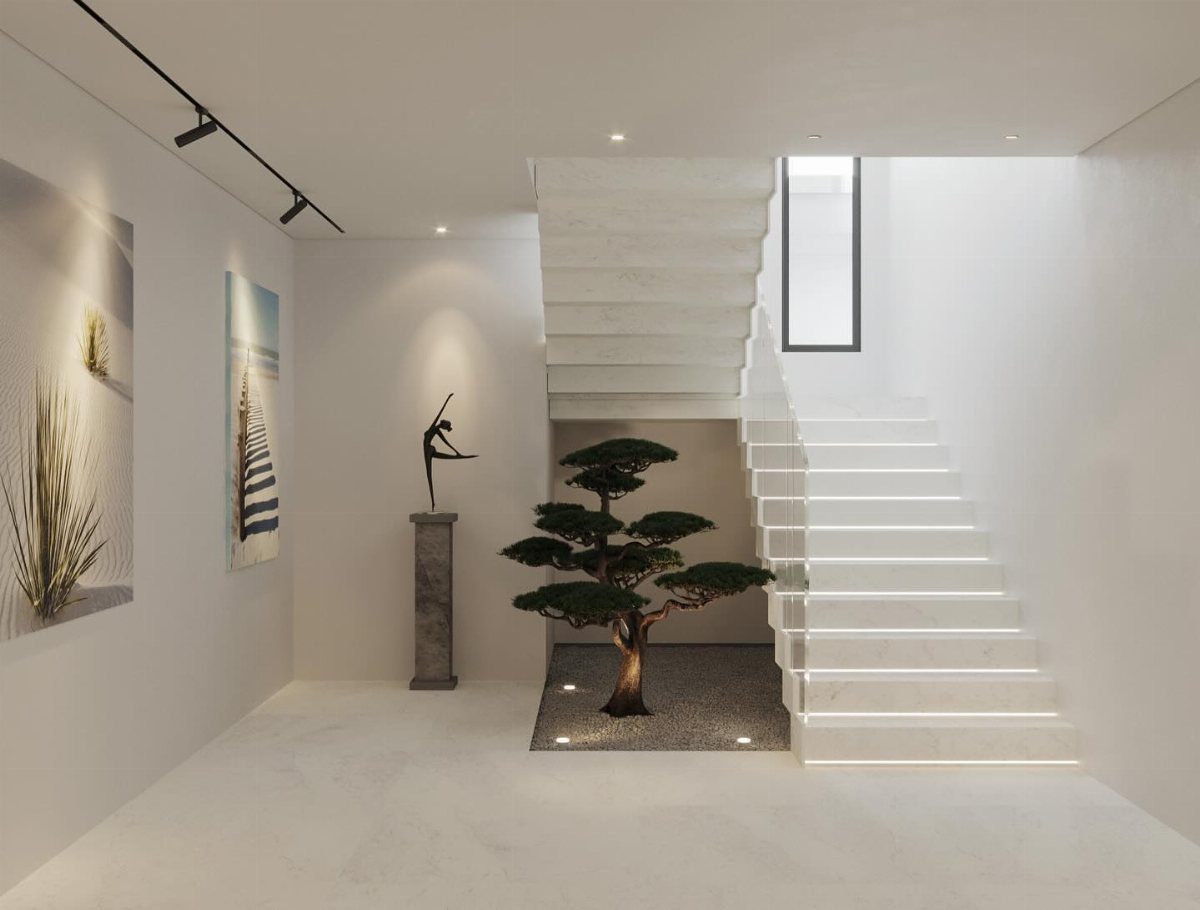
Negative space is a material you can plan for, not just what is left over. A single plant or sculpture works best when nothing crowds it.
Each object gets its own zone of white wall or open floor.
I measure clearance in practice: open space around a bed, breathing room between a nightstand and a dresser, nothing leaning against walls that could stay bare.
The furniture you keep must earn its footprint through daily use, not through someday possibility.
This is hardest for people who store clutter in the bedroom. Open space demands somewhere else for the overflow, whether that is a closet system or a storage bed.
11. Wall-mounted Shelves
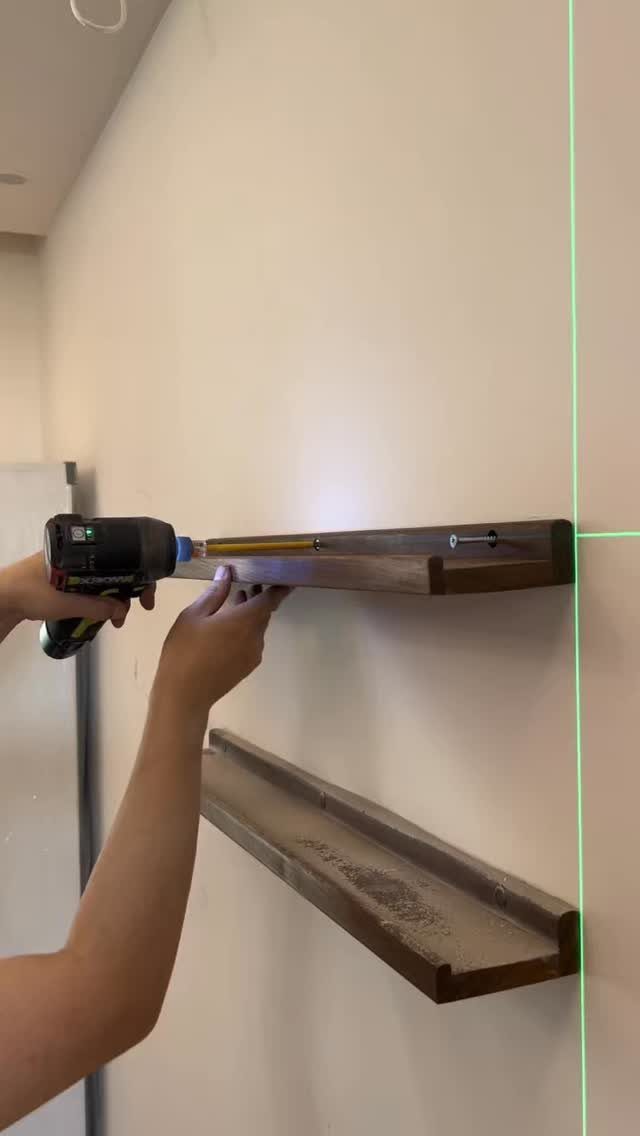
Floating shelves keep surfaces clear while still giving you somewhere to set a book or a glass.
I mount mine with a stud finder and a level, never eyeballing. One solidly anchored shelf beats two that sag or pull plaster.
Keep the display narrow: three objects, not thirteen, since the shelf itself is already the visual event.
Renters should check lease terms or plan to spackle on move-out. The hole count is small, but it is not zero.
12. Minimal Patterns
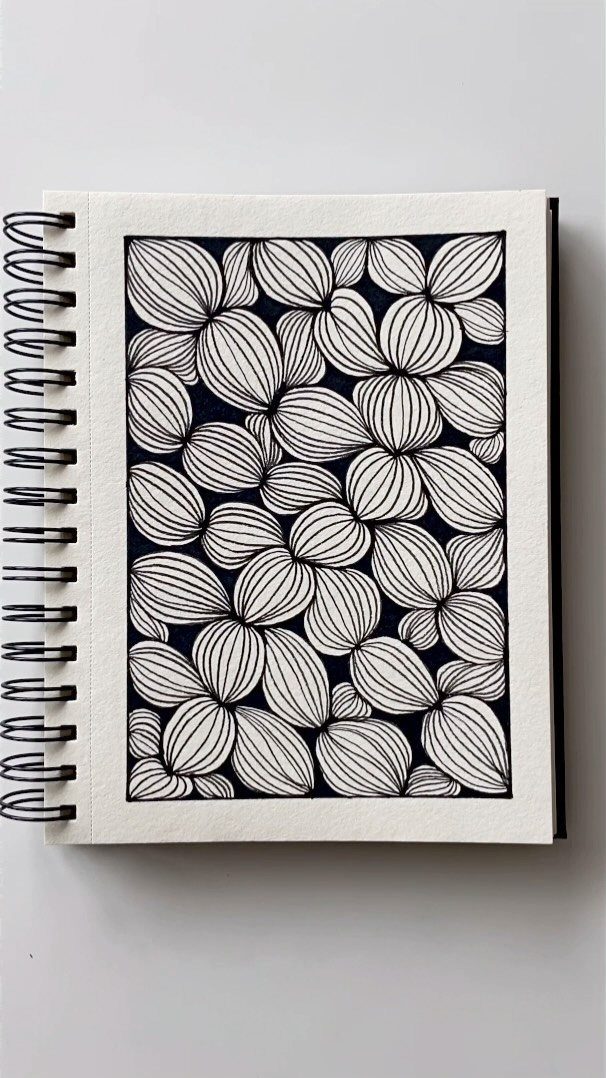
A minimal pattern adds texture without the noise of full color. Thin stripes, small grids, or geometric shapes in textiles read as subtle variation, especially when the pattern stays tonal to its background.
Hand-drawn organic shapes stay restrained through their limited palette. I apply the same discipline to a throw pillow or a rug: one muted pattern per room, never competing with another.
A barely-there grid on bedding works; a grid on bedding plus a striped rug plus patterned curtains undoes the quiet.
This suits someone who finds solid color too flat but knows that busy prints fight the minimalist aim. The test is whether you notice the pattern second, after the calm of the whole room.
13. Use Statement Art

One bold piece on an otherwise empty wall does the work of five smaller frames. A single large canvas above the bed is enough; no need to keep adding once the wall has its anchor.
Abstract or monochrome prints read as calm rather than busy; a quiet accent color catches light without shouting. A thin black frame or no frame at all keeps the look spare.
A wall that still feels slightly bare after hanging one piece is usually doing its job right.
14. Hang Floor-to-ceiling Drapery
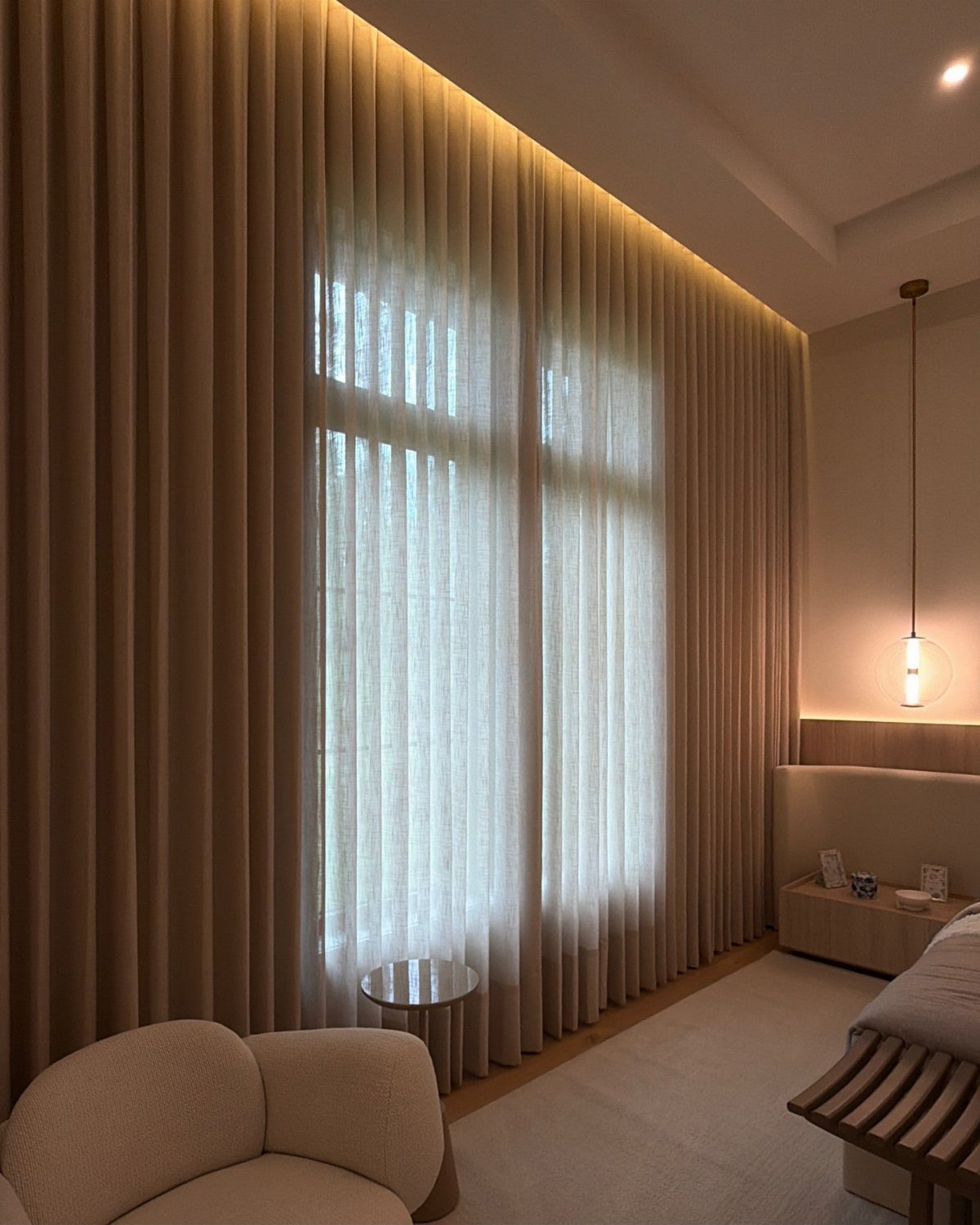
Mount the rod as close to the ceiling as the wall allows and let the fabric pool slightly on the floor.
The extra height tricks the eye into reading the wall as taller than it is, which matters in older rentals with low ceilings. Sheer linen or a warm cream cotton filters morning light without the visual weight of blackout lining.
Ceiling-mounted brackets work well when plaster near the window frame is too crumbly to trust; the drapery still slides open and closed without issue.
15. Add Simple Florals
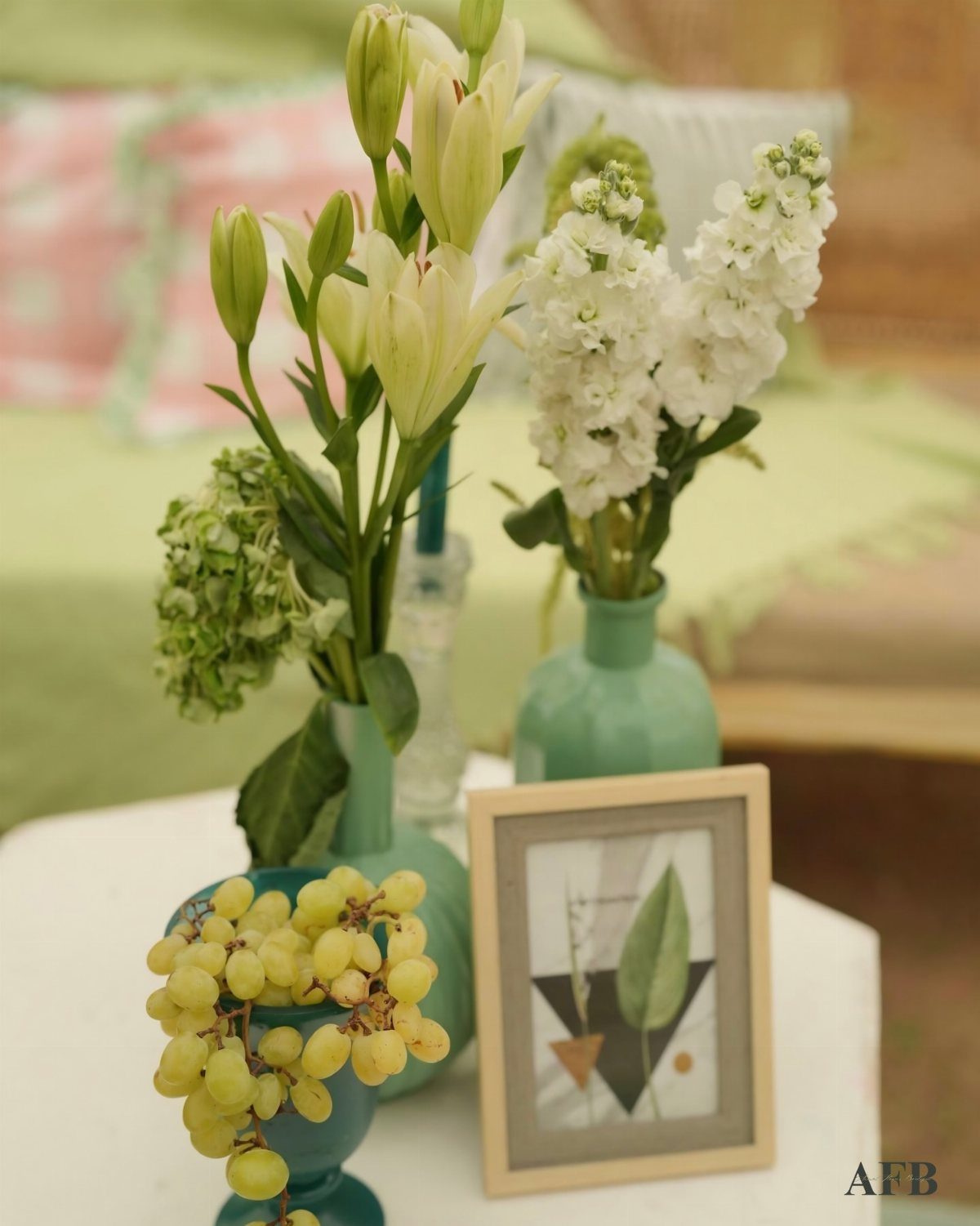
A single stem in a narrow vase beats a crowded bouquet. A small ceramic cylinder on the nightstand works well with whatever is cheap at the grocery store: stock flowers last a decent stretch, a lone hydrangea even longer.
Grouped vessels read as collected rather than cluttered when each holds only a couple of stems. No greenery on every surface; one arrangement per room is enough to soften the edges.
16. Use Soft Lighting
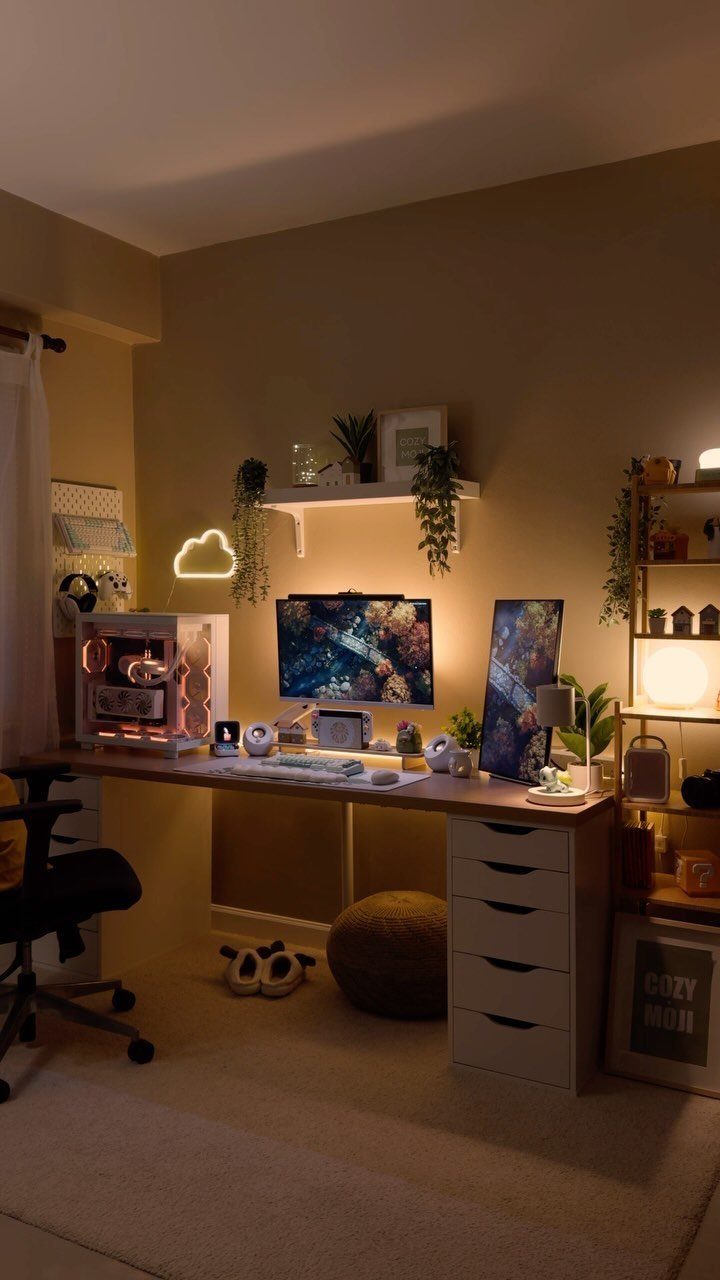
Bedside lamps with frosted glass or fabric shades cast a wider, gentler pool of light than bare bulbs.
A dimmable pendant overhead plus a small linen-shaded lamp on a timer lets the bedroom drop to a warm glow automatically each evening. A playful accent shape still serves the same principle: multiple low sources beat one bright source.
Keep all metal finishes the same if you mix lamp types; blackened brass with blackened brass, or nickel with nickel.
17. Use a Statement Piece
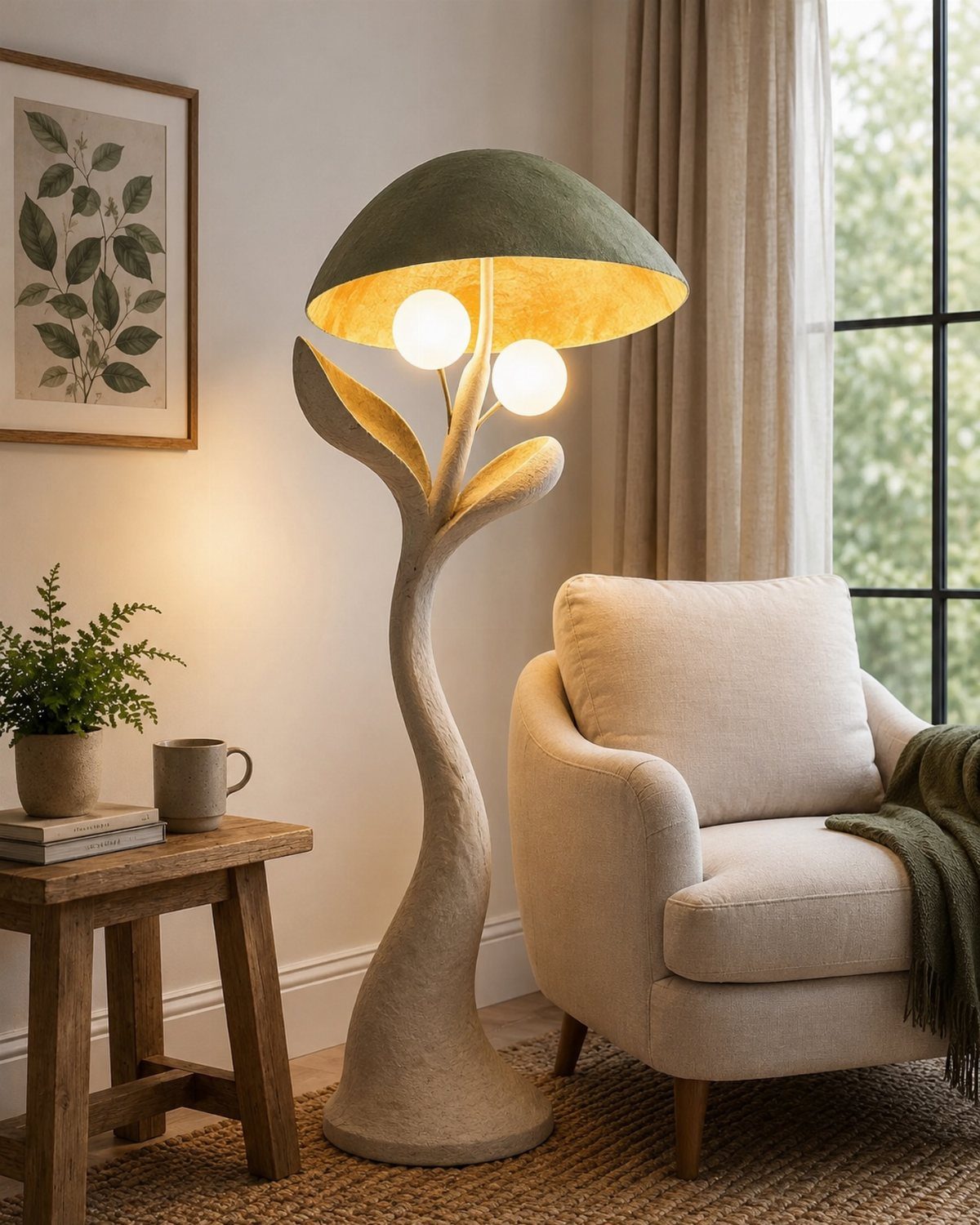
One sculptural lamp or an unusually shaped chair earns its floor space by doing aesthetic work that three smaller items cannot.
A single sculptural lamp can anchor a corner with no other furniture needed nearby; a strong shade color does the accent work so nothing else has to compete.
A bent-plywood rocker from a flea market can pull the same weight; the hunt is part of the cost. One strong piece often removes the need for smaller items that only clutter the room.
If the budget is tight, a full-length mirror with a thin metal frame does similar work for far less.
18. Try Limewash Paint

Limewash paint goes on with a block brush in loose, overlapping strokes that dry to a soft, chalky variation. The technique hides imperfect drywall and adds depth without introducing objects to dust.
The same limewash product builds either a loose, hand-applied look or a more deliberate pattern; testing behind the headboard first saves regret later. One coat often suffices, which keeps the weekend timeline real.
The finish is matte and slightly porous, so avoid it on walls that take frequent scuffs; a flat behind furniture or a ceiling reads best.
19. Add a Reading Nook
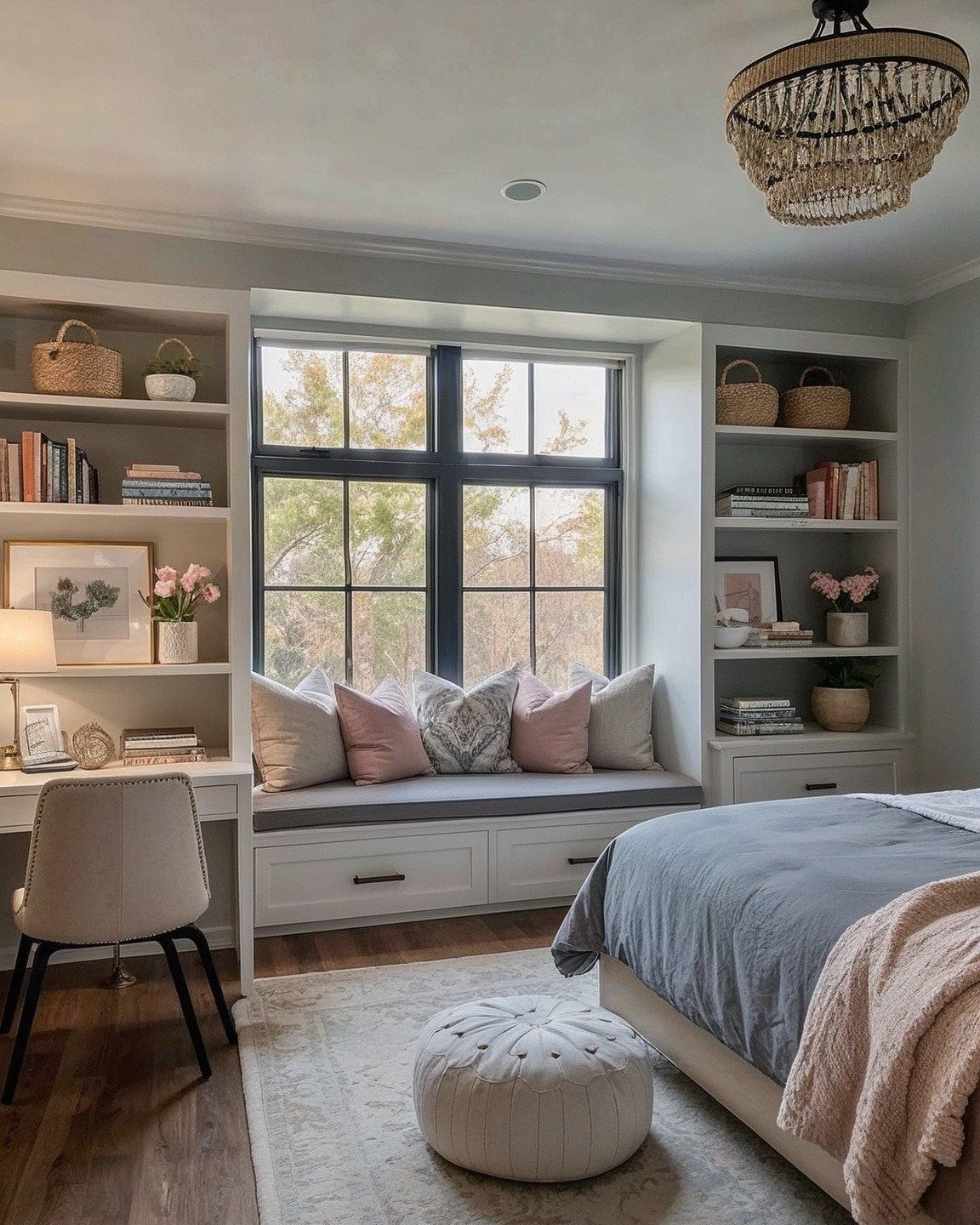
A reading nook gives a minimalist bedroom a single quiet corner that earns its keep.
I like a built-in bench under a window, about 18 inches deep, with a cushion in a tone that already lives in the room.
The shelves flanking it hold only what fits in baskets: books you are actually reading, one plant, nothing else. That restraint keeps the nook from becoming storage overflow.
A pouf or small ottoman in front stretches it into a place to sit with coffee instead of just a display.
If the bedroom is under 150 square feet, skip the shelves entirely and use a simple armchair in the corner; the chair becomes the statement without the carpentry.
20. Use a Full-length Mirror
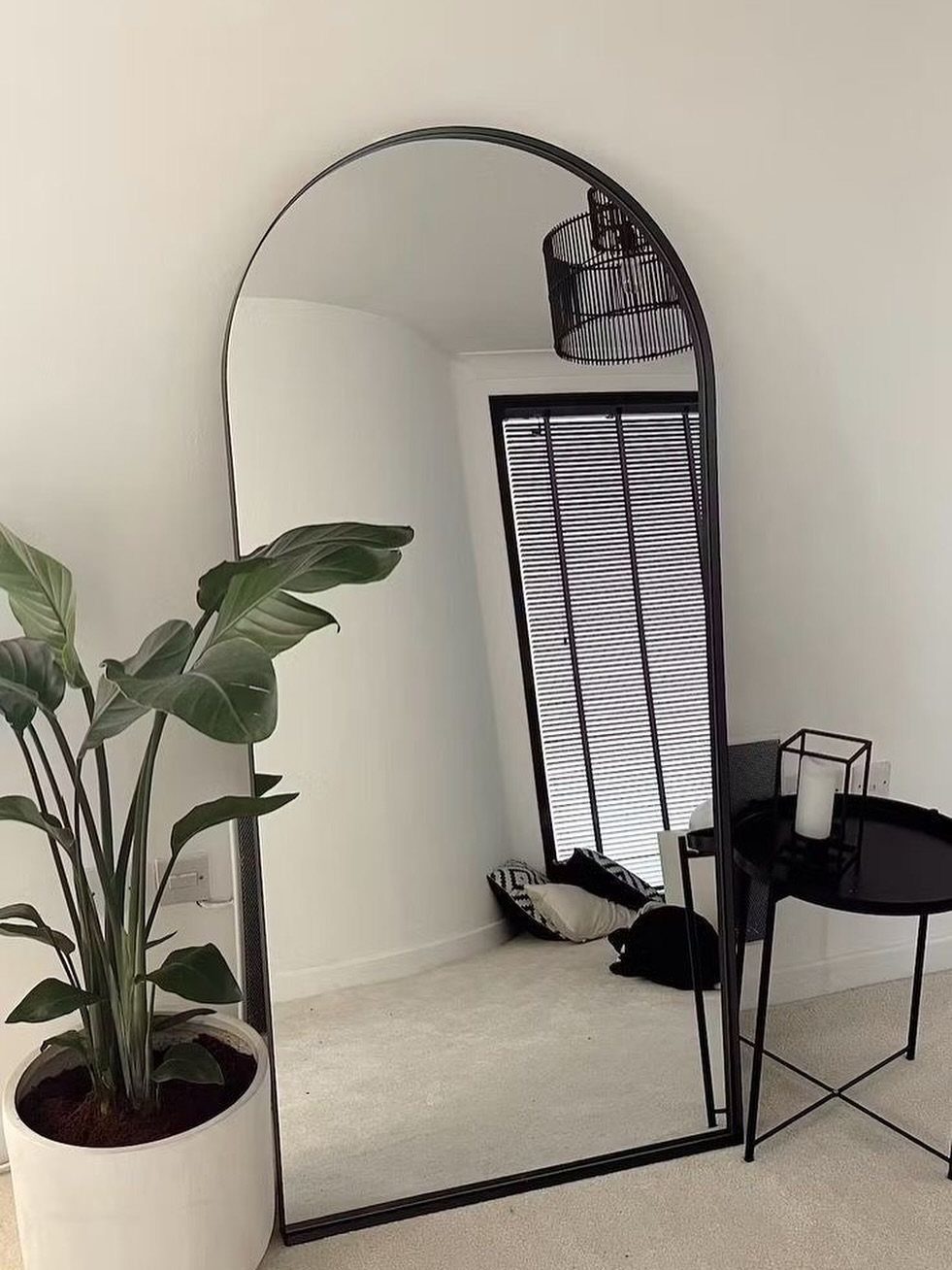
A full-length mirror leans against the wall and the room doubles in depth, or seems to.
A black arched frame reads modern without trying hard; a frameless version goes quieter if the bedroom already has one strong piece.
I would keep the frame thin either way, and place it where morning light hits so it throws that light back into corners that otherwise go dim.
The Plainville sets the floor for a decent freestanding model. A leaning mirror needs no installation, no wall damage, no stud-finding Saturday.
That matters in a rental.
Skip this if the closet door is already mirrored; two large reflections fight instead of help.
Creating a Calming Atmosphere
A minimalist bedroom only stays calm when the surfaces stay clear. Books, chargers, and yesterday’s clothes need a drawer or a basket, not the nightstand top.
A small lidded bin under the bed costs less than a second nightstand and keeps the floor visible for things you reach for after dark.
Storage furniture works harder in a small room. The top stays empty except for one thing, maybe a candle or a single book.
Two items start to look like a pile.
Quality matters more than count. One good lamp, one solid dresser, one set of linen sheets that wash well.
I replace less often and I notice what I own. The room feels finished with half the objects.
Importance of Natural Light
Natural light does the decorating for you. A large mirror placed across from a window bounces daylight deeper into the room without adding a single piece of furniture to the floor plan.
A round mirror hung opposite an east-facing window pulls morning light onto the bed earlier than the window alone manages.
The materials you choose either help or fight that light. Linen bedding, cotton curtains, and a woven rug soften the room without blocking windows.
Wood furniture warms the tone without adding visual weight. Heavy drapes and a dark headboard swallow the brightness that costs nothing to let in; lighter choices keep what the window gives.
A low-profile bed frame sits below the window line. The light travels over it instead of stopping.
The room reads as larger, and the wall stays open for that mirror or for nothing at all.
Frequently Asked Questions
What are common mistakes in a minimalist bedroom?
Stripping too much leaves a bedroom feeling like a showroom, while too much stuff kills the quiet; the mistake is landing on either side.
Another is overlooking texture: a white room without linen, wood grain, or woven material reads as sterile rather than serene.
Using too many colors fractures the quiet, and assuming the look has to be ultra-modern blocks the warmth that natural materials bring.
What to put in an empty bedroom?
Start with what you actually use: a low-profile bed, one nightstand with drawers, and a single chair if you sit to pull on shoes or read.
Add one natural element, such as a wood light fixture or a single plant, and let negative space do its work.
What are the 7 golden rules for bedroom design?
Every piece should earn its footprint; surfaces stay clear when storage does the holding, and texture replaces where color stays flat.