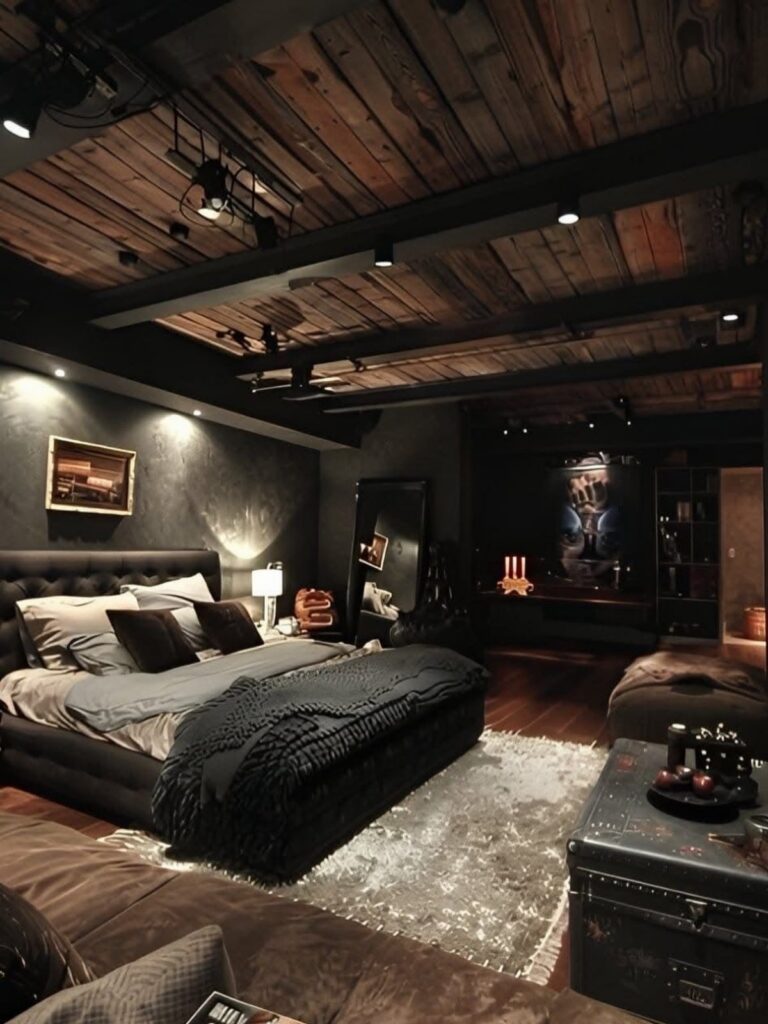
These 16 dark academia bedroom ideas run from a fifty-dollar estate sale desk to a full four-poster frame, and the right pick depends on whether you rent or own, since that single fact decides whether you can paint walls or need removable wallpaper instead.
The burgundy wall that turned muddy by lamplight taught me that shadow only works when something lifts it; brass, glass, and linen throw light back where velvet and dark paint absorb it.
1. Color Palette
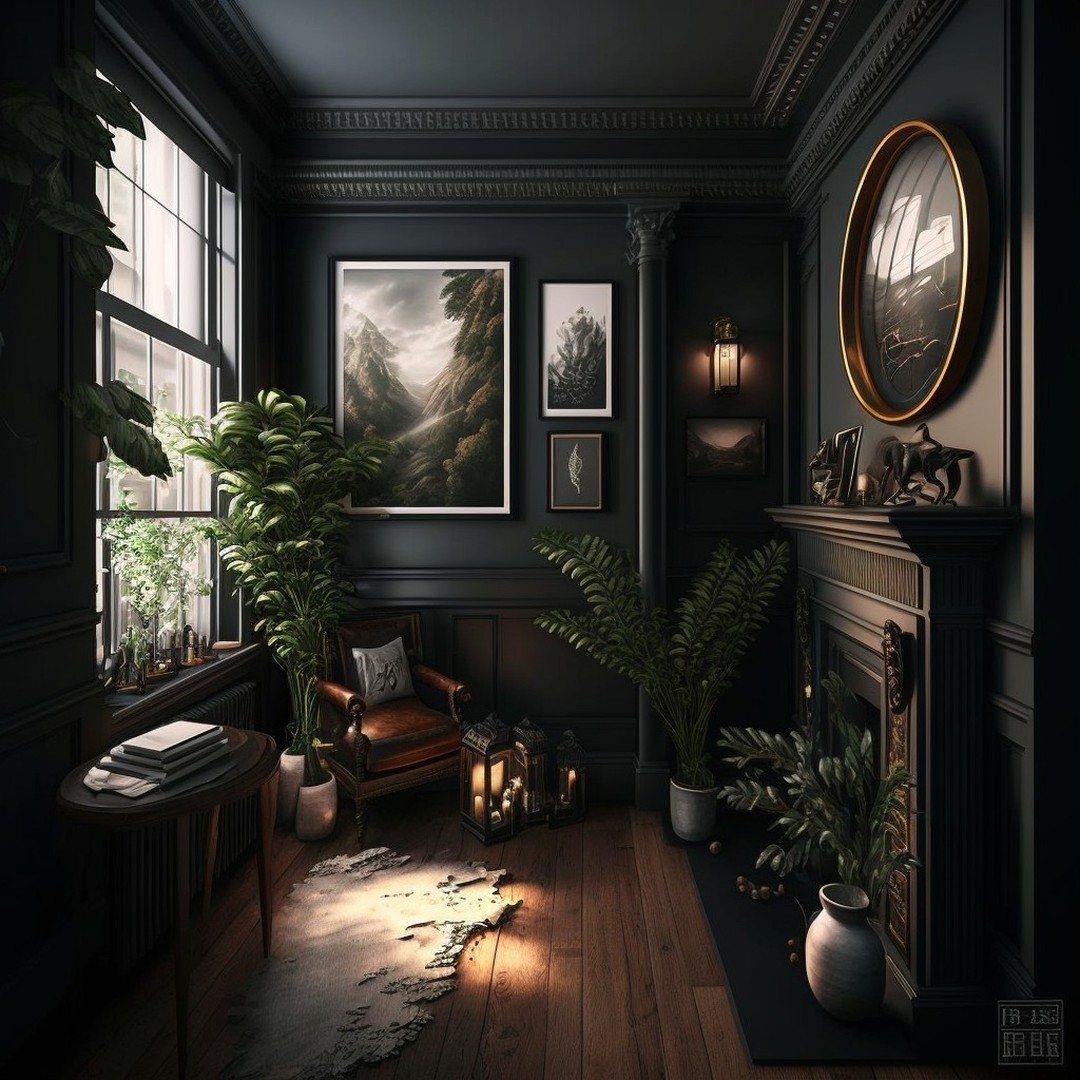
Charcoal, forest green, oxblood, and brown-black woods form the backbone of a dark academia bedroom, but the shadow only works if something lifts it.
I learned this the hard way with a burgundy wall that read rich at noon and turned muddy by lamplight. For renters, removable wallpaper or mural panels get the look without the commitment.
2. Warm Lighting
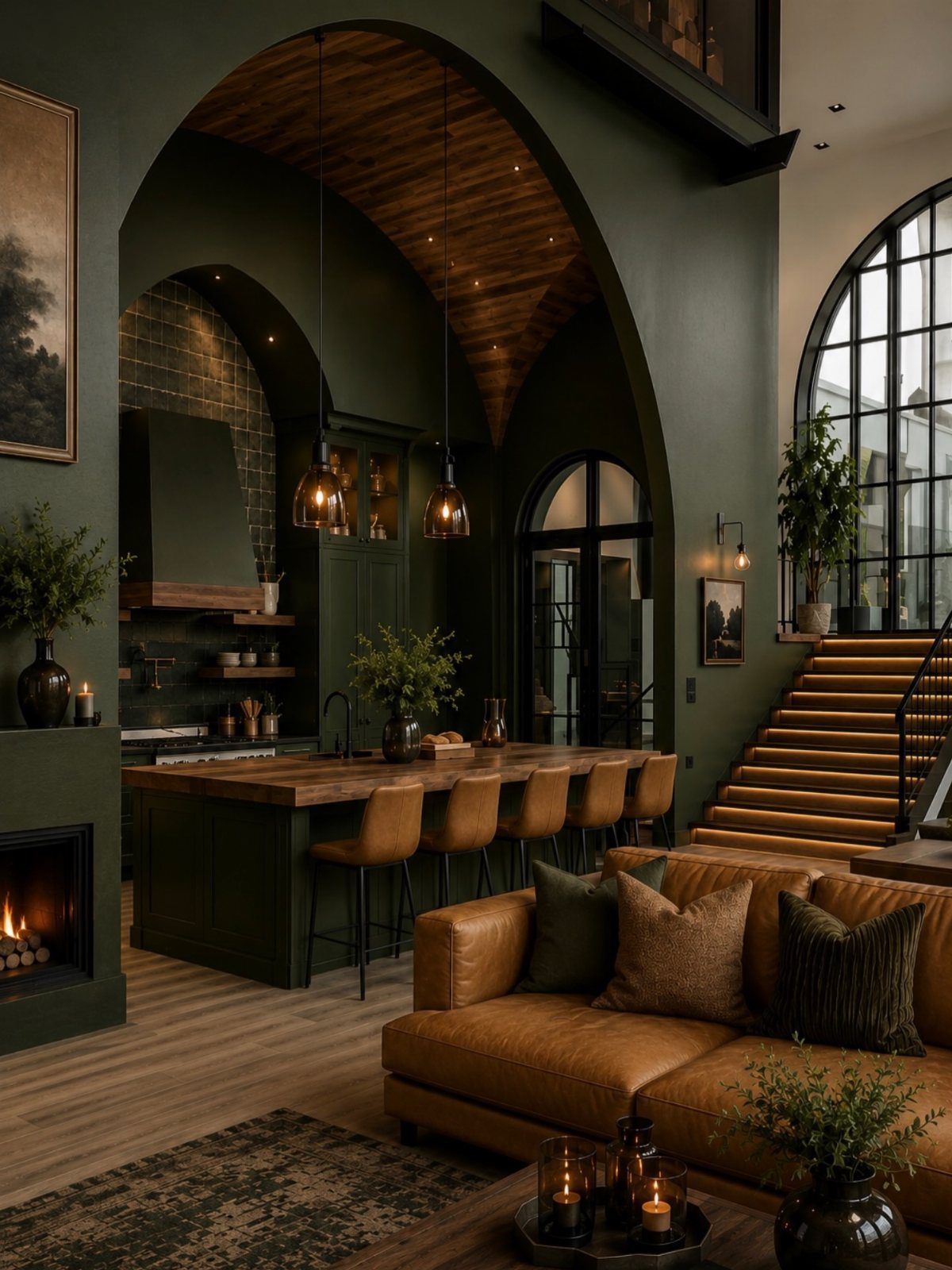
One bright ceiling fixture kills the mood entirely. Velvet, dark paint, and stained wood absorb light; brass, glass, and linen throw a little back.
You need both. A single parchment shade or reflective finish keeps the palette from turning murky.
3. Vintage Furniture
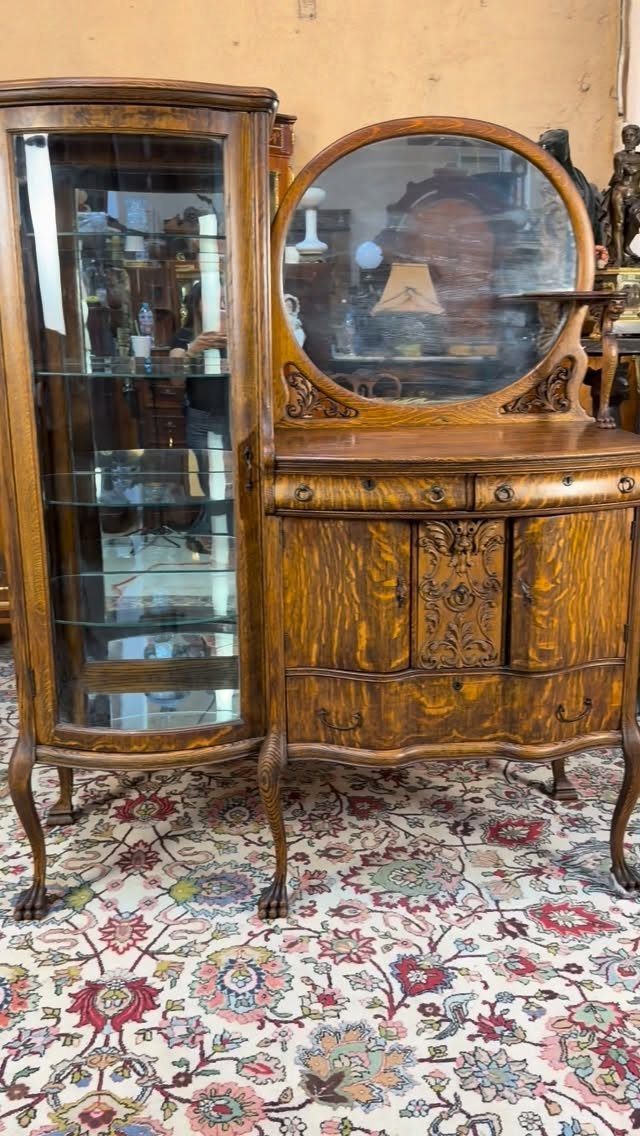
A substantial piece gives the room its weight: the bed, a storage piece, maybe a desk. Dark-stained wood, blackened metal, velvet, or worn leather all work, but material variation matters more than matching.
Estate sales and thrift stores reward patience, though the best finds move fast. Facebook Marketplace helps if you check often.
One real antique or consignment piece anchors the room better than several mass-market copies ever could.
4. Incorporate Gothic Elements
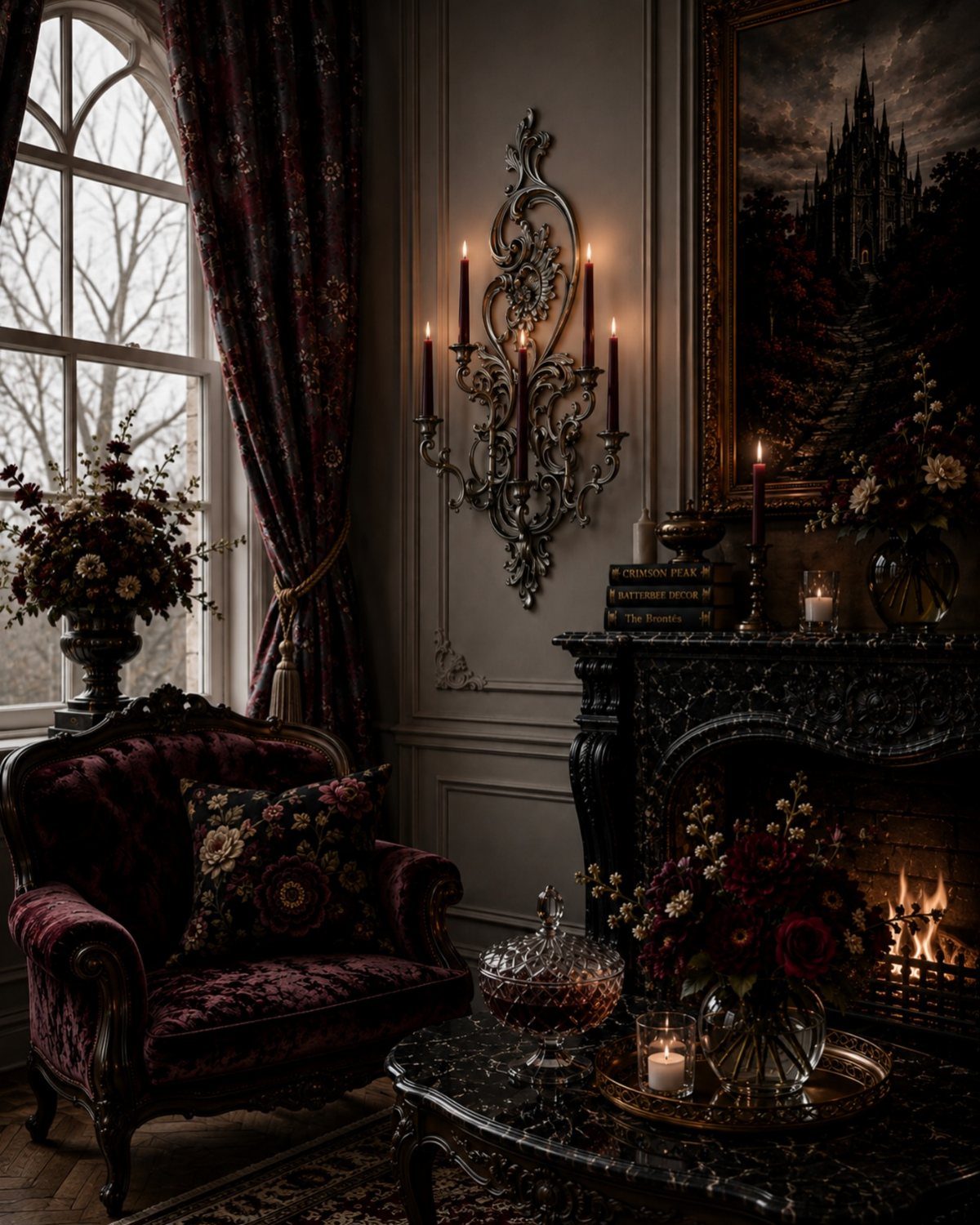
Gothic touches in a dark academia bedroom work best as punctuation, not the whole sentence. An ornate mirror, a pointed arch detail, or a candelabra silhouette adds drama without turning the room into a set.
One or two strong pieces carry the effect without turning the room into a set. Keep the surrounding palette restrained so the Gothic element reads intentional.
Too much wrought iron or velvet trim, and the room starts feeling like a Halloween store in July.
5. Incorporate Historical Artifacts
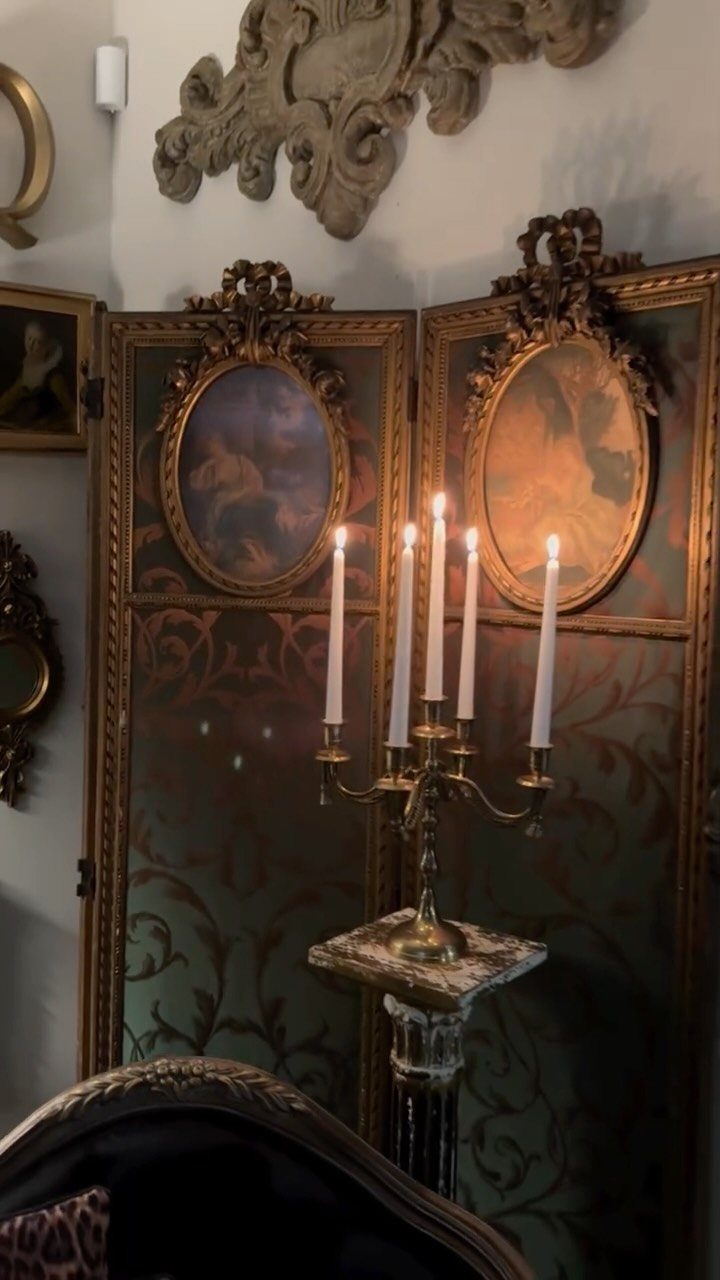
Old maps, globes, or scientific instruments give a bedroom the feeling of a private study rather than a decorated set. One genuine artifact beats several reproductions that try too hard.
Flea markets and estate sales are better sources than catalog pages for this kind of piece. Let the object show its age; a little wear reads as authenticity, not damage.
6. The Bed
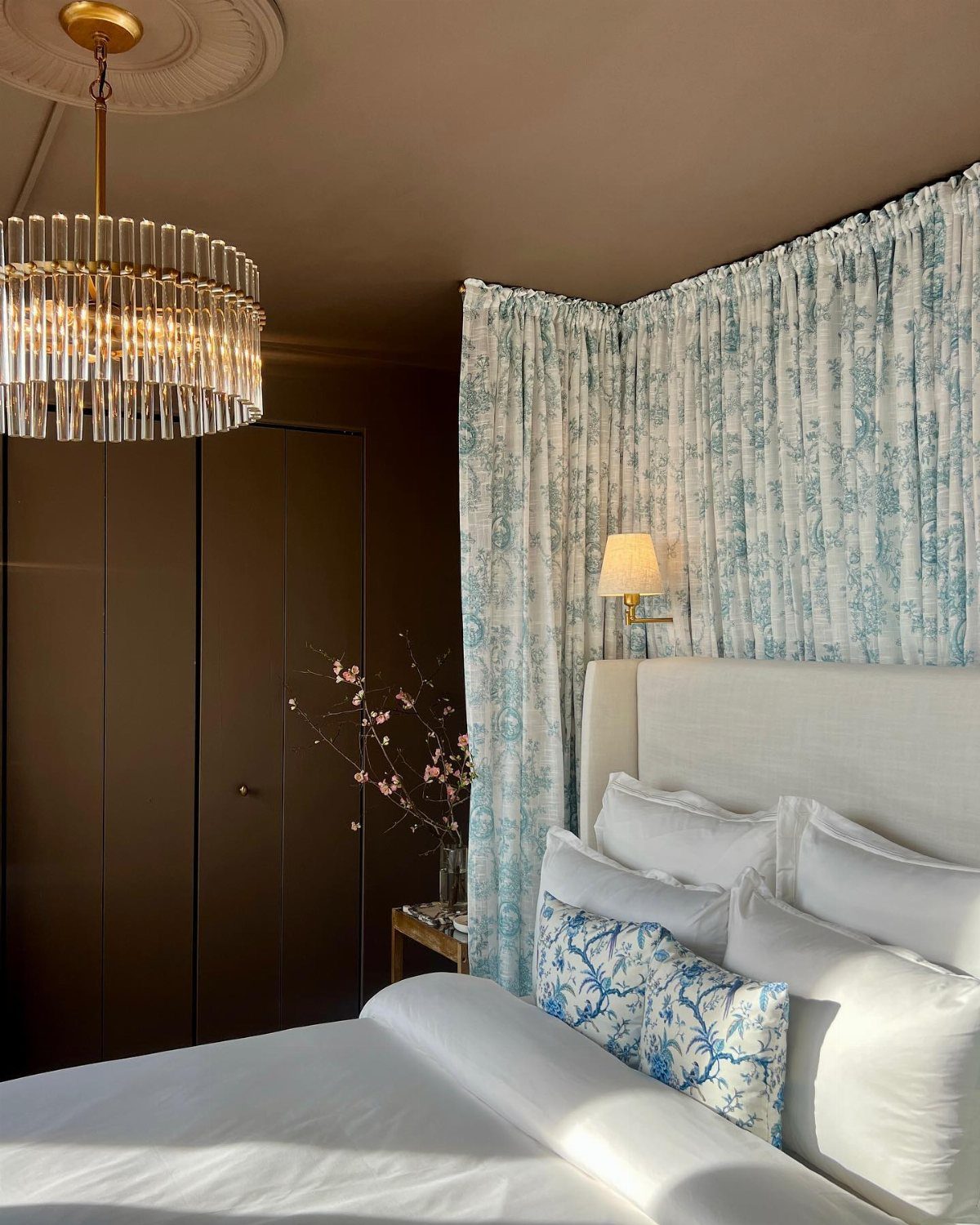
The bed is where the eye lands first, so layering matters. A four-poster frame in dark wood with carved details is ideal, but a simple dark frame with an interesting headboard works too.
Thrift stores often yield better frames than expected, and a scratch or two only adds to the character.
7. Layered Textiles
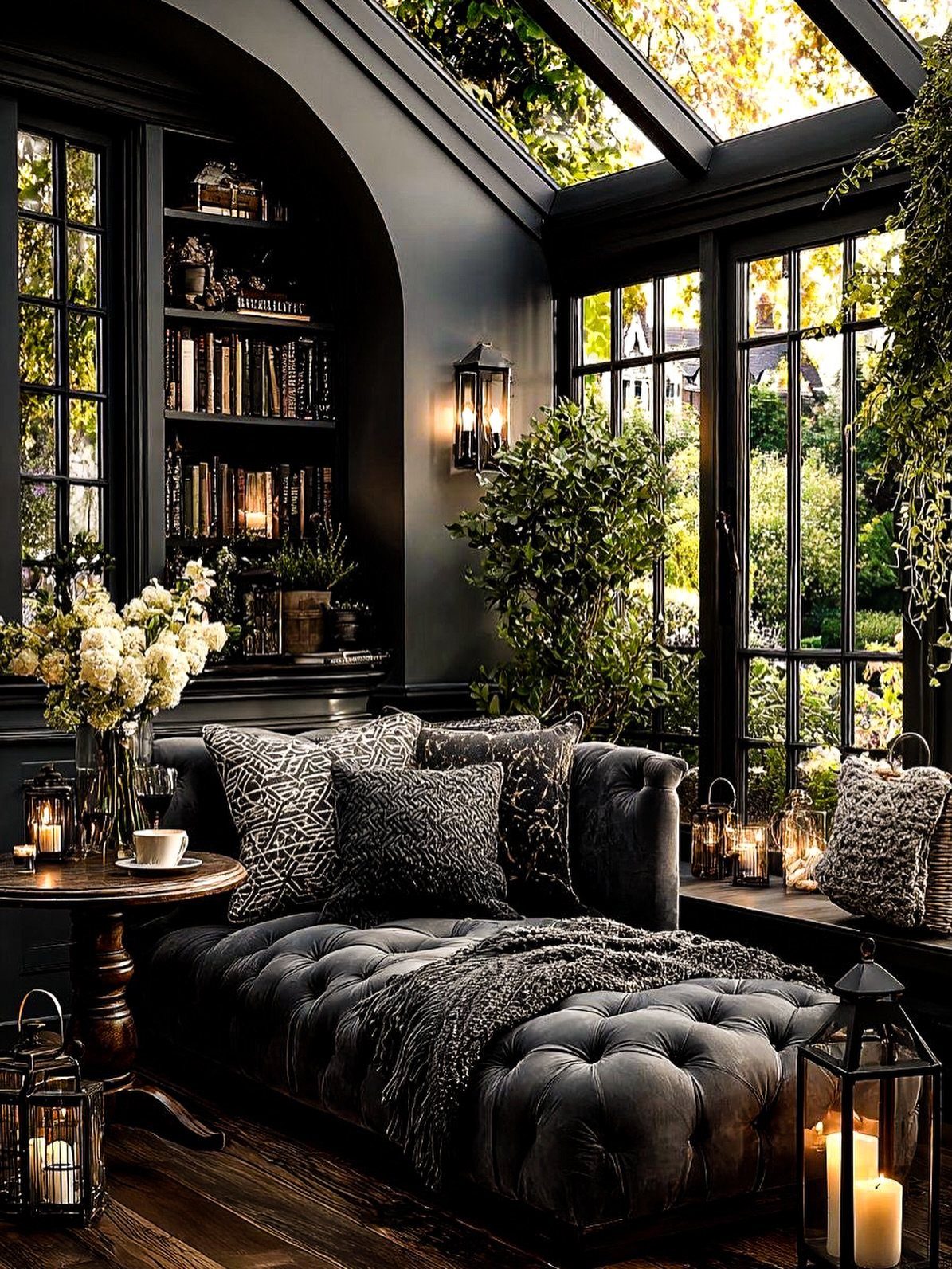
A velvet throw across the foot of the bed changes how the whole room feels. I layer tweed pillows against the headboard for contrast, then add a wool blanket I can actually reach for on cold mornings.
Start with one dark base fabric like charcoal velvet, then pile on textures that read differently in low light: fuzzy weaves, thick knits, anything that catches the eye without needing color.
Deep green or aubergine work beneath the inky tones without brightening the mood too much. Velvet curtains help if your windows face streetlights.
8. Decorative Accents
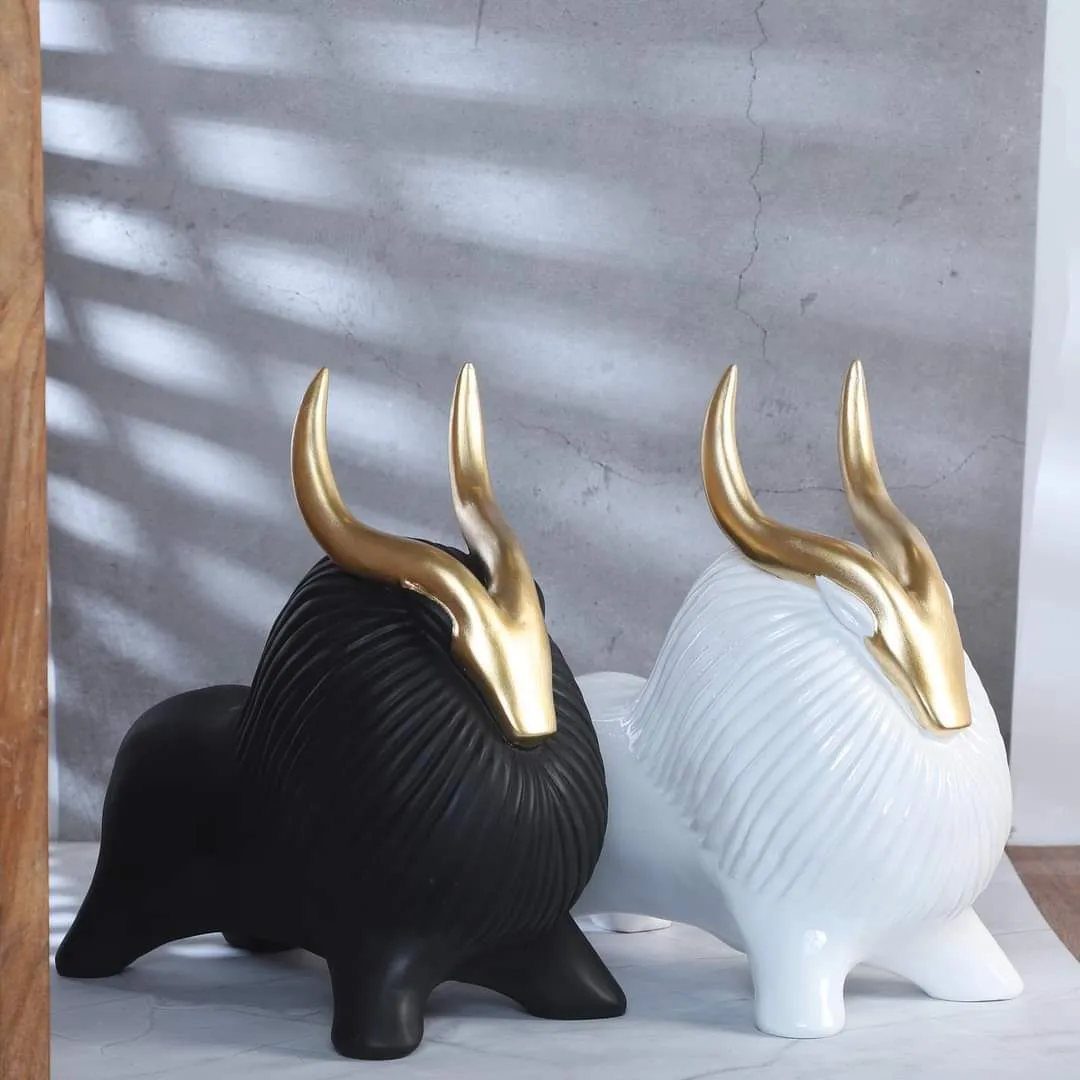
Small objects multiply until the room feels noisy, so I choose a few accents and give them space.
Matte black or white horned figures work best as a pair; one more animal and the shelf starts to feel like a collection instead of a choice.
Candles, a small vase, one sculpture that means something to you: that is the limit for a surface. If you want the scholarly mood without the creepier taxidermy route, an antique magnifying glass or old globe does the same work.
Cluster accessories in groups of two or three, not spread apart like a display case.
A Medusa bust reads differently than the usual David head, if you want something with more edge.
9. Natural Elements
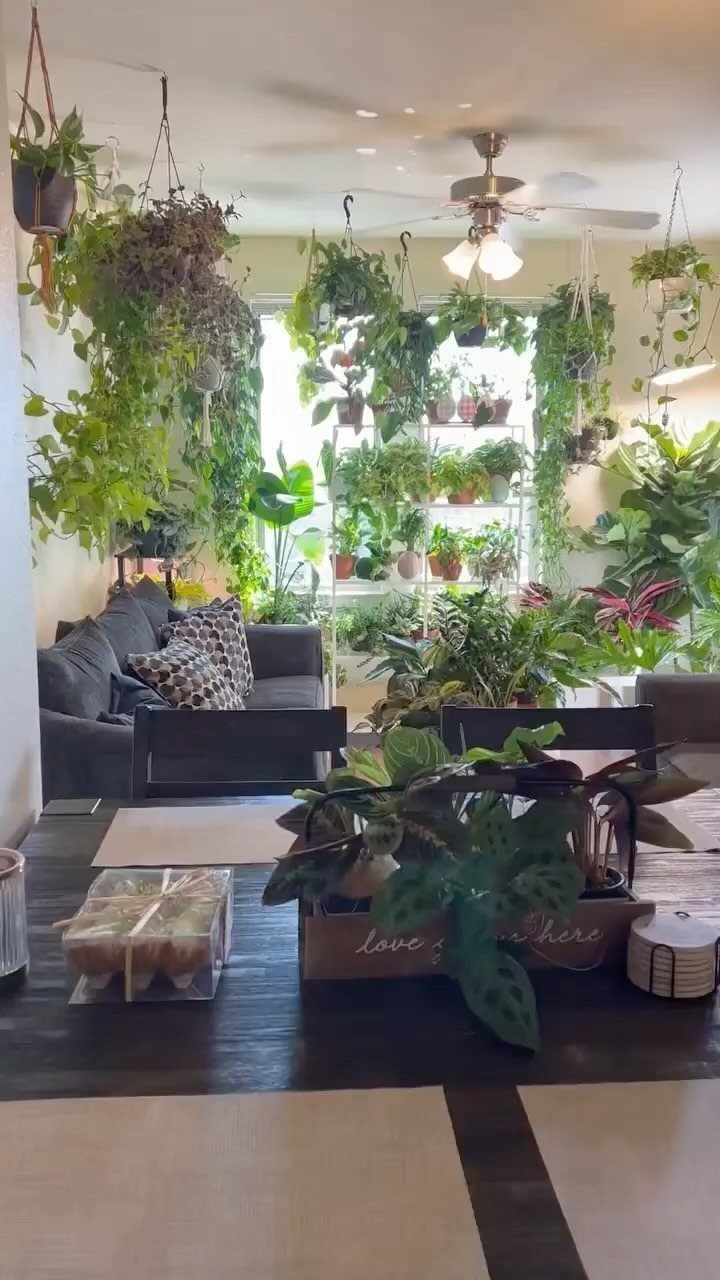
Deep green plants soften all that dark paint without fighting it. Trailing vines and large leaves against dark wood furniture give the same overstuffed study feel without relying only on books and leather.
You need at least one window for this to work; the natural light keeps the green alive and the darkness from flattening into gloom.
I start with one large floor plant and a hanging planter with something that trails. Pothos and philodendron survive the lower light that dark walls create.
The maker of this space used organic elements to balance the mood, which is the point: the plants are the living part, everything else is backdrop.
Wooden floors help. They ground the green instead of competing.
10. Thrift Store Treasures
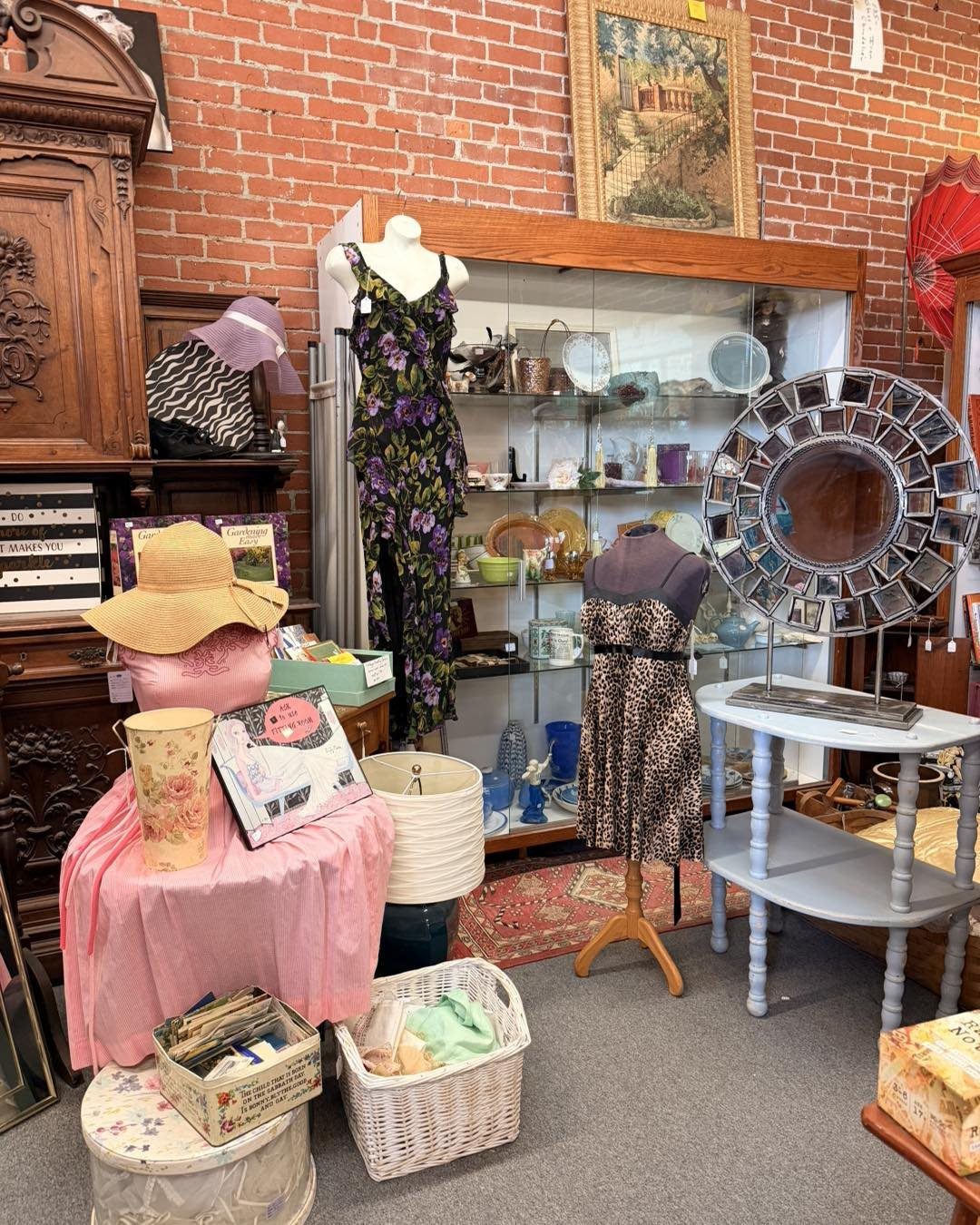
Go in with a list or you will buy random filler.
Estate sales beat thrift stores for real old wood and tarnished metal. A fifty-dollar writing desk with water rings and all beats something new; the damage is already done, so you stop worrying about it.
Online marketplaces work too, but you cannot feel the weight of a thing through a screen. The stories you attach to each piece are free; the imaginary curses are optional.
Target candle holders and one-of-a-kind finds mix fine. The budget just means you choose slower.
11. Books as Decor
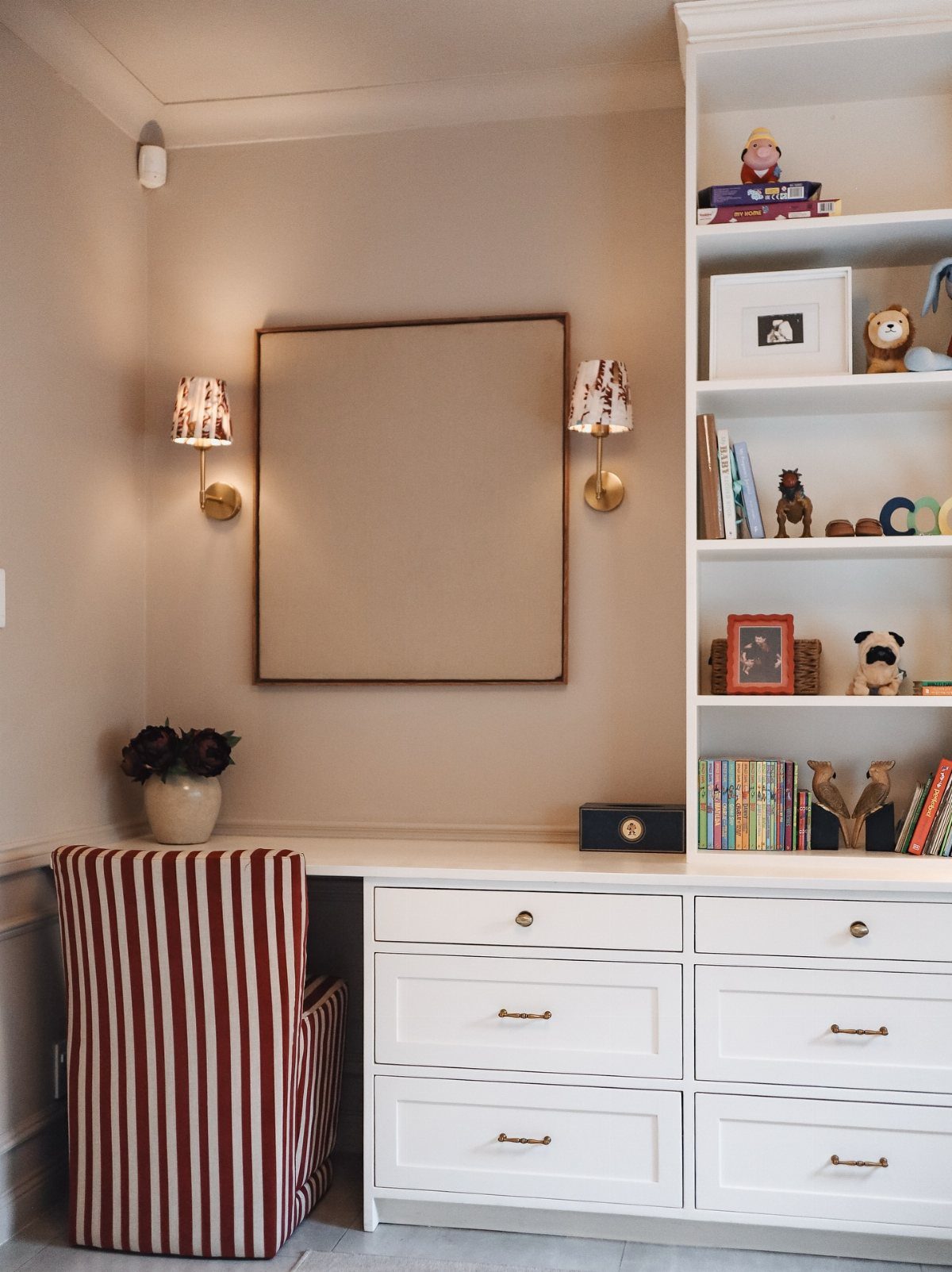
Stacked books add warmth the way wood does, and they give a room the sense that someone actually lives there and reads.
I stack two or three on my nightstand to lift a lamp, mix horizontal piles with upright spines on the shelf, and use different sizes without arranging them too neatly. They should look like I read them, which I do.
Old and new together works; leather-bound first editions are not required. The books do the academic work no matter what sits in front of them; a red chair or striped upholstery just gives the eye somewhere to rest.
A small vase of dark flowers on the desk adds the one living thing that keeps a room from feeling like a set.
The maker calls this a study nook for a three-year-old, which proves the look does not need a graduate degree to read right.
12. Mood-Setting Curtains
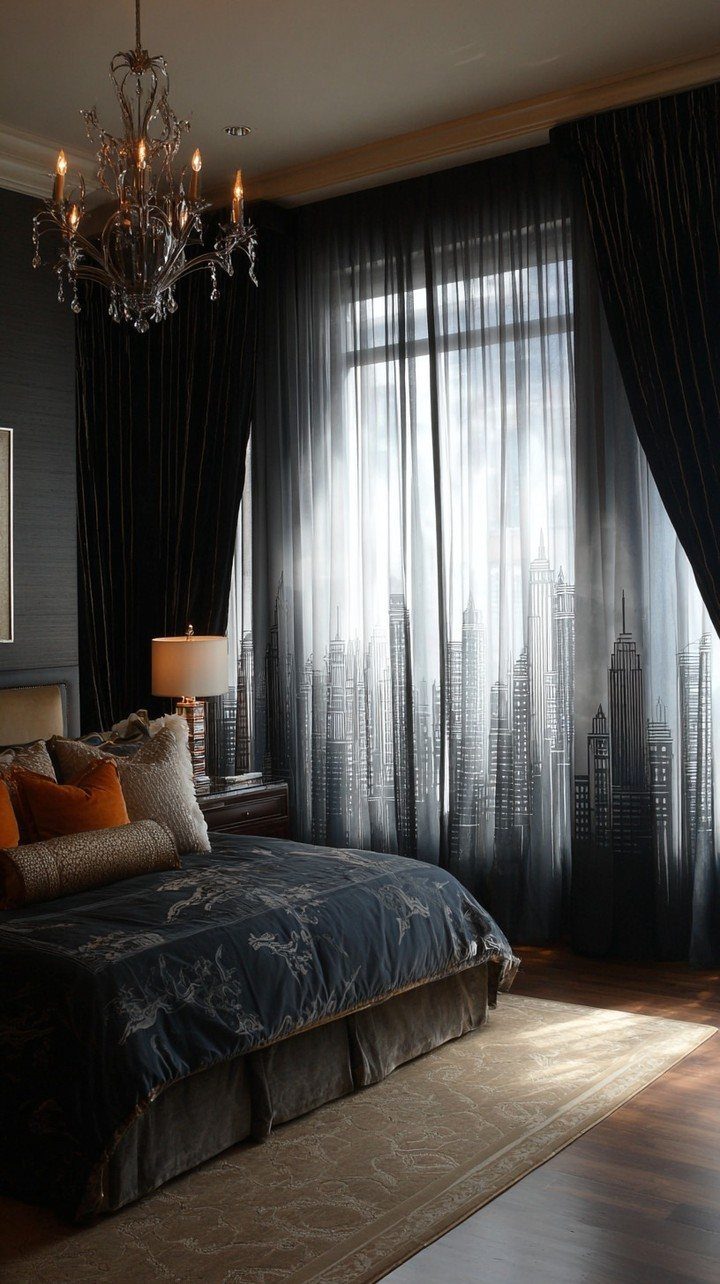
Heavy curtains control light and add the cozy that dark academia needs. Black velvet over sheer patterned panels dims a room gradually instead of flattening it to one dark note.
Hanging curtains higher than the window frame buys the ceiling a few extra inches it didn’t actually earn. Velvet or blackout fabric in forest green, burgundy, or charcoal does the sleep and the mood at once.
Lace underneath softens the look if the velvet starts to feel like a stage set.
The curtains are the shadow; the bed and the light fixture are the points of focus, and the room needs both to hold together. One without the other tips too far.
13. Functional Decor
A vintage trunk at the foot of the bed stores extra blankets and looks like it came from a professor’s attic.
I like ones with leather straps or brass hardware, the kind that turn up at estate sales with some age already on them.
Stack two or three books on top as a landing spot for your morning coffee, and the whole thing earns its floor space twice over.
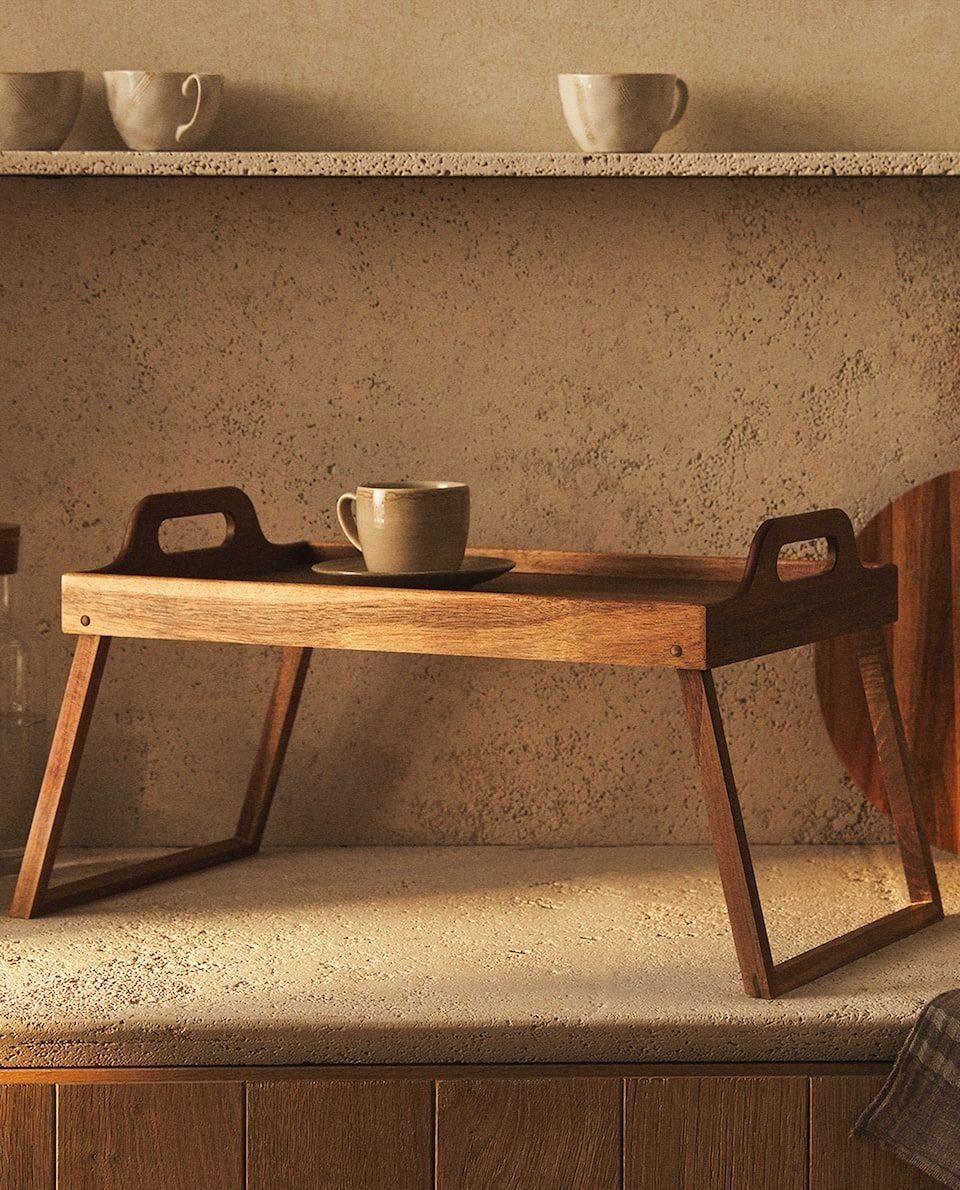
If a trunk feels too bulky, a wooden serving tray on a dresser does the same job smaller. Corral your mug, a candle, and the novel you are actually reading.
The tray moves when you need the surface bare.
14. Mix Modern and Vintage
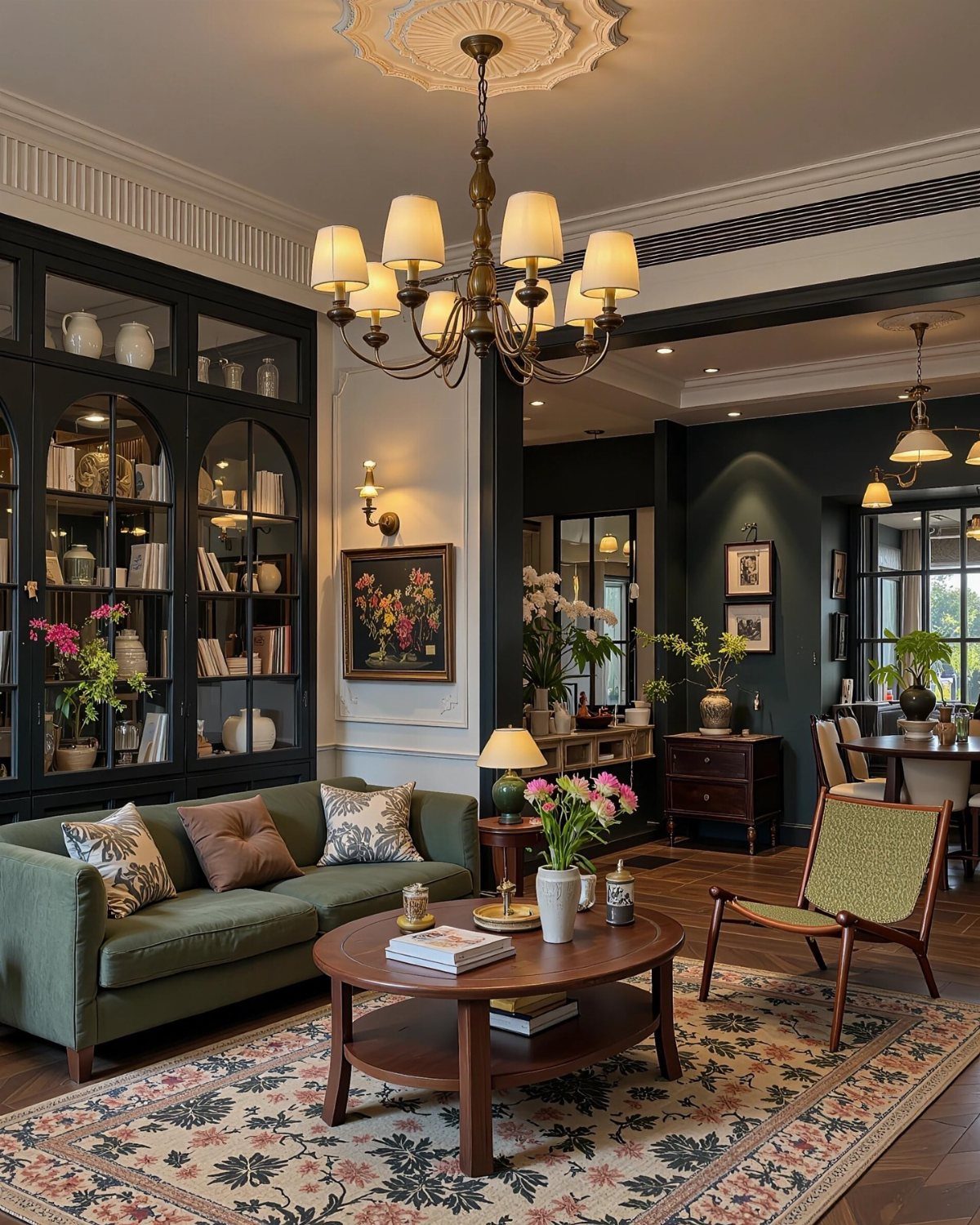
I would pair a clean-lined modern bed with one ornate piece: a baroque mirror, a carved desk, a gilded frame.
Start with whatever you already own. A basic frame from IKEA or Amazon works fine as the anchor; the vintage finds layer on top.
Let one thing be fancy so the rest can stay simple.
This approach suits renters especially. You take the mirror or the desk with you when you leave.
15. Use Mirrors Strategically
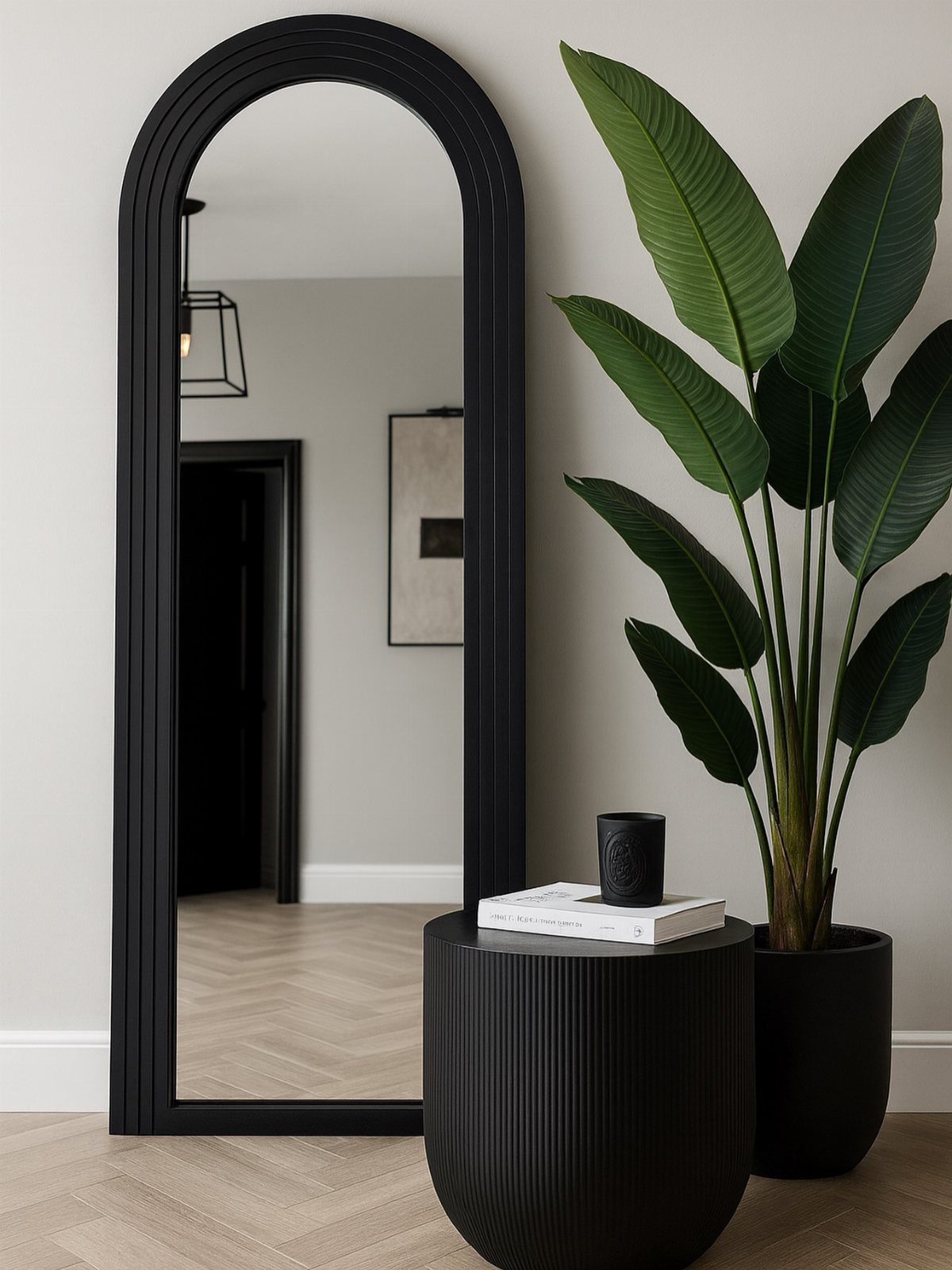
A black arched mirror leans against the wall and doubles the light from the window across the room. I place large mirrors opposite or adjacent to natural light, never where they reflect only a blank wall or a closet door.
For a small bedroom, a floor mirror that leans rather than hangs saves you the wall damage and moves when you rearrange. A ribbed, cylindrical base adds heft; the weight alone keeps it from tipping.
If you rent, that matters.
One mirror is usually enough. Two competing reflections break the mood you are building.
16. Functional Nightstands
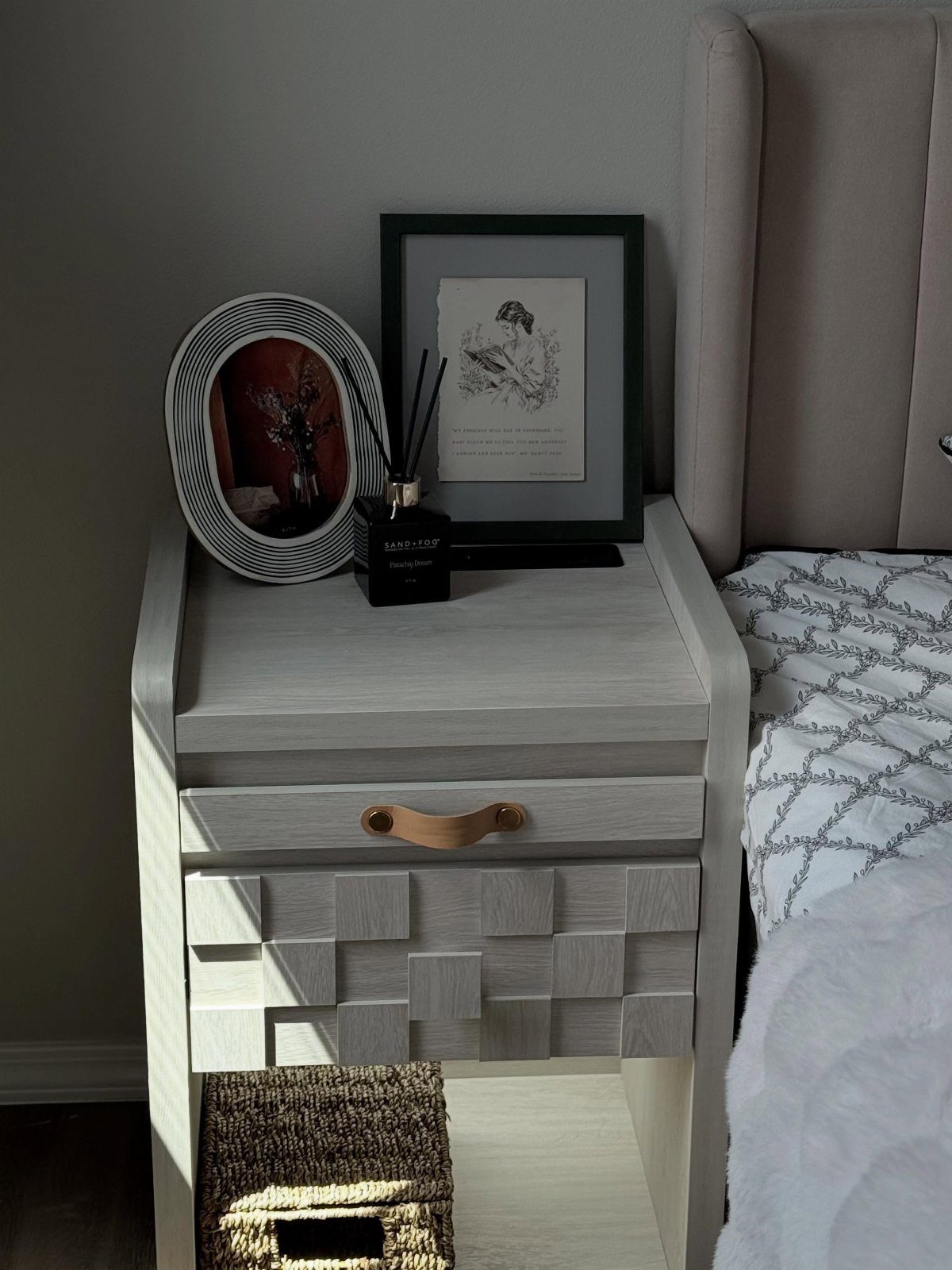
I look for slim profiles that squeeze beside a bed, with at least one drawer or a lower shelf to hide the clutter. In a tight space, a nightstand with storage matters more than matching the bed.
What sits on top is yours to change; the drawer is what earns the nightstand its place.
For dark academia specifically, I lean toward pieces that feel a little gentlemanly, a little scholarly, with one feminine detail to balance them. Leather and woven texture together hit that note.
Avoiding Clutter
A dark academia bedroom needs breathing room to feel scholarly rather than chaotic.
Pick three to five objects you genuinely love and let each one stand alone. A single brass magnifying glass on a stack of books says more than a shelf crowded with trinkets.
Wall space works harder when you group fewer pieces with intention.
Leave surfaces partly empty. A desk with one lamp, one framed portrait, and a notebook reads as studied; the same desk buried under candlesticks, dried flowers, and figurines reads as noise.
Store seasonal or rotating items in a trunk or basket where they do not compete for attention.
Creating Depth
Clean dark walls give you a foundation, but depth comes from what sits against them. Soft lighting against that darkness creates the first layer of contrast, and one strong artwork anchors the eye without shouting.
I would pick matte paint over flat for walls; it catches light differently at morning and evening, so the room shifts with the hours.
Layering textures matters more than mixing patterns here: worn leather beside starched linen, unpolished brass against velvet, all in a narrow range of tones. The variation happens in surface, not in color.
A single dramatic piece, a portrait or a landscape in a heavy frame, does more than a gallery wall for this mood. It gives the room a focal point that feels collected over time rather than assembled from a template.
Budget-Friendly Tips
Thrift stores carry the bones of this look for a fraction of retail cost. Solid wood furniture with chipped veneer can be sanded and stained; brass lamps with tarnished bases clean up with polish from the hardware aisle.
DIY projects stretch a tight budget into a room’s worth of character. Frame pages from old books or print public domain portraits for wall art that costs the price of a mat and frame.
Drape a dark sheet or drop cloth over a basic headboard to change its tone without replacing it.
Not every piece needs to read dark academia. Mix in what you already own and let the overall palette tie it together.
Maximizing Small Spaces
Tall shelves and wall-mounted racks keep the floor open and pull the eye up toward the ceiling. Tall bookcases, wall-mounted sconces instead of table lamps, and hooks for bags or robes all preserve precious square footage.
Multi-functional furniture earns its place. A storage ottoman at the foot of the bed swallows extra bedding, and a desk that works as a vanity means one less piece of furniture to squeeze in.
Choose items with legs rather than skirts; the visible floor underneath keeps the room from feeling boxed in.
Strategic decor means choosing darkness deliberately rather than letting it swallow the room. One lighter element, a cream throw or a pale wood frame, punctuates the depth and keeps the space from closing in on itself.
Frequently Asked Questions
What are some good ideas for decorating a dark academia bedroom?
Start with charcoal, forest green, oxblood, or brown-black woods as your base, then layer in warm lighting through brass and glass fixtures rather than one bright overhead.
Add one substantial vintage piece, like a dark wood bed or a worn leather trunk, and soften the darkness with trailing plants and textured textiles like tweed pillows and wool blankets.
A few well-chosen artifacts, old maps or a tarnished magnifying glass, do more than a shelf full of reproductions.
How to create a dark academia room on a budget?
Thrift stores and estate sales carry solid wood furniture with chipped veneer you can sand and stain yourself; a fifty-dollar writing desk with water rings beats something new because the damage is already done.
Old book pages in a cheap frame, or public domain portraits printed at home, fill wall space for the cost of a mat alone. A dark sheet thrown over a basic headboard shifts the whole mood without a replacement purchase.
Can dark academia work in a small bedroom?
Yes, with deliberate choices about light and height. Tall shelves and wall-mounted sconces pull the eye upward and keep the floor open; furniture with visible legs rather than skirts preserves the sense of space.
A leaning floor mirror opposite a window doubles what natural light you have without wall damage.