
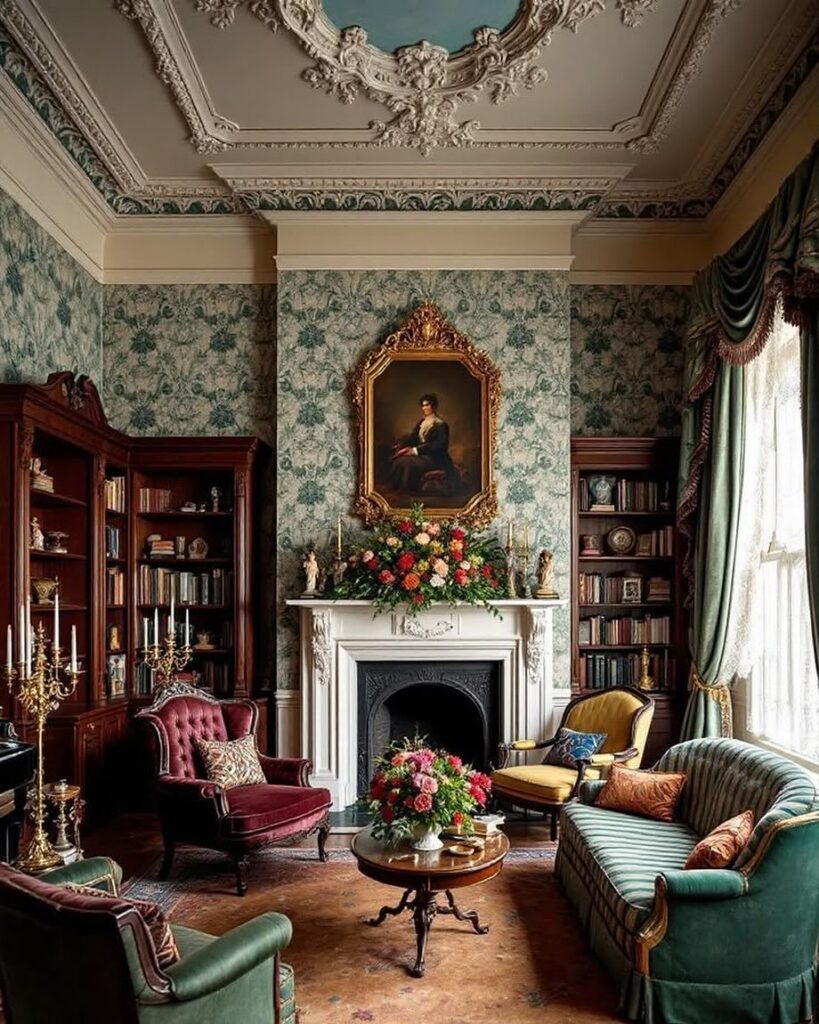
These ideas range from swapping in a set of pillow covers to spending a full weekend installing crown molding, so the deciding factor is how much of your space you can change and still get your deposit back.
Renters will lean toward peel-and-stick floral wallpaper and velvet upholstery that moves with them; first-home owners can commit to ornate mirrors and the dark wood coffee tables that anchor a room.
1. Rich but Balanced Colors
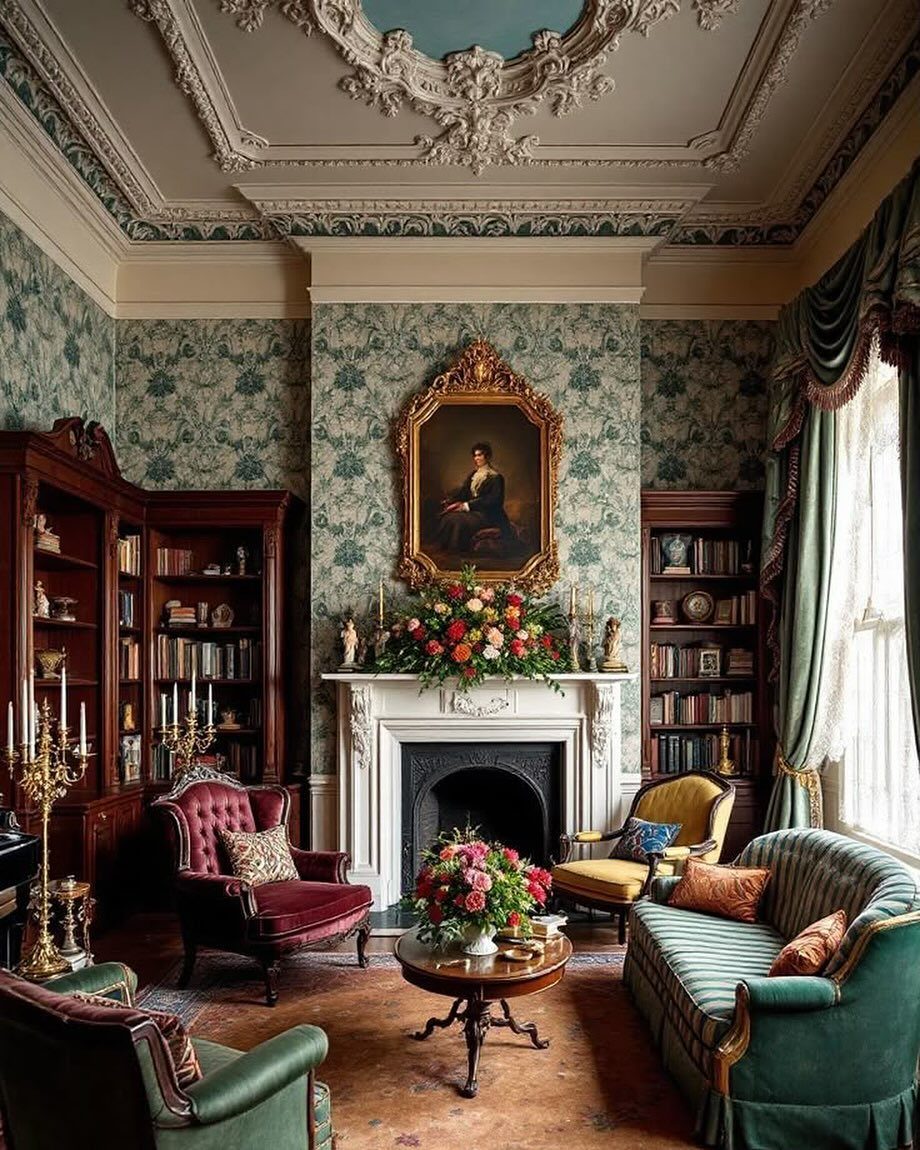
A navy velvet sofa against pale walls gives you the Victorian mood without closing the room in. One deep tone anchors the room while natural wood and quiet neutrals do the rest of the work.
Emerald and burgundy work the same way, with the lighter half of the room carrying the load. Start with the piece you already need, a sofa or a reading chair, and build around it.
This suits renters especially; paint the walls back later, but the furniture travels with you.
2. Layer Textures and Materials
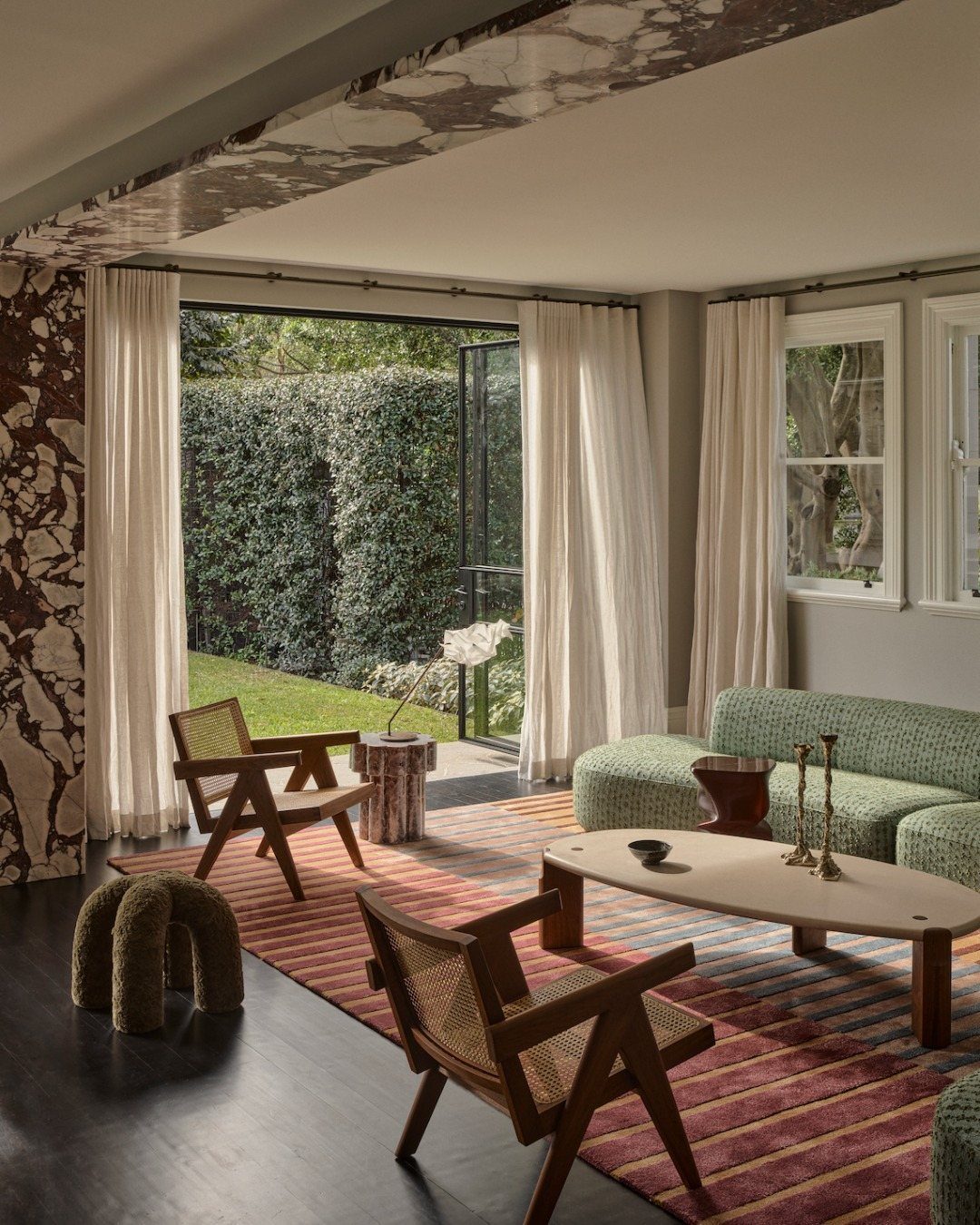
Velvet, leather, wood, marble, and metal can share one room without competing if you let one texture lead and the others support. A green velvet sofa needs simpler wood and cleaner metal nearby; the eye needs a place to rest.
I think of it as editing: Victorian rooms could pile everything on because they had the space and the staff. Most of us have a weekend and a tight budget, so choose your statement and let the rest stay plain.
A woven seat does this work quietly, warm against bolder pieces without competing.
3. Bold Colors
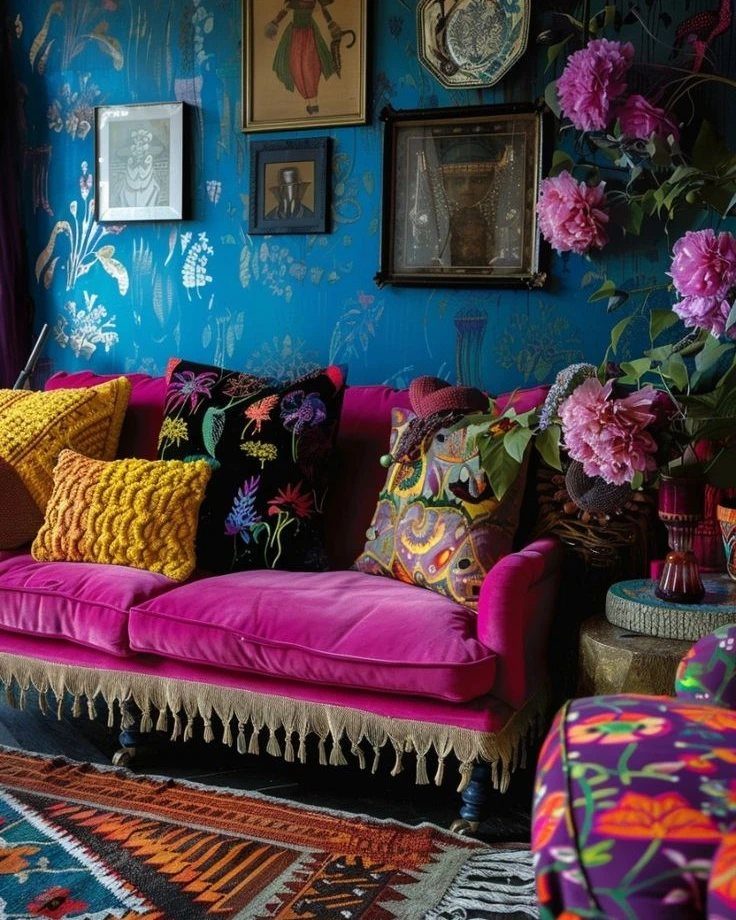
Jewel tones read as Victorian because they were; the original owners painted their libraries and draped their windows in exactly these saturated colors. A pink sofa works when the wallpaper holds a cooler, deeper tone; neither color shouts alone.
I would put the boldest hue where you sit, not where you walk, since upholstery wears its richness better than a wall you might tire of by Tuesday. Deep teal, emerald, and regal purple all play by the same rule.
One strong piece, calmer surroundings, and the room feels intentional rather than loud.
4. Layered Fabrics
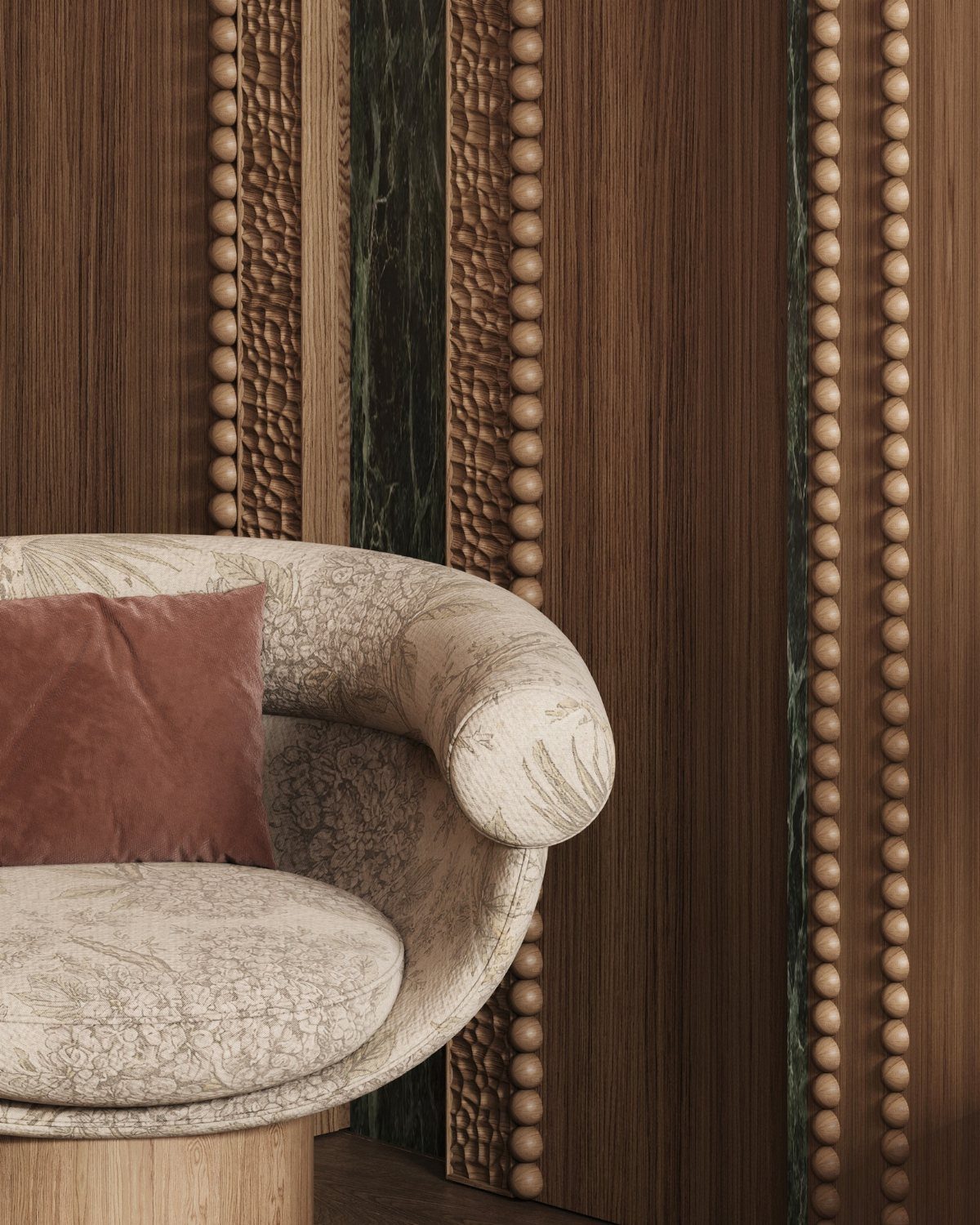
Quilts, throws, and pillows built upward from a base layer is how Victorians did it, and the method still works.
Start with something plush, a cream velvet or a chambray waffle, then add the dusty rose pillow, the patterned throw, the extra textile that turns a chair into an invitation.
A velvet pillow against a patterned ground is the trick in miniature: texture on texture, but different enough to read as layers rather than clutter.
A good quilt set and two new pillow covers make this the cheapest entry on the list.
5. Ornate Mirrors
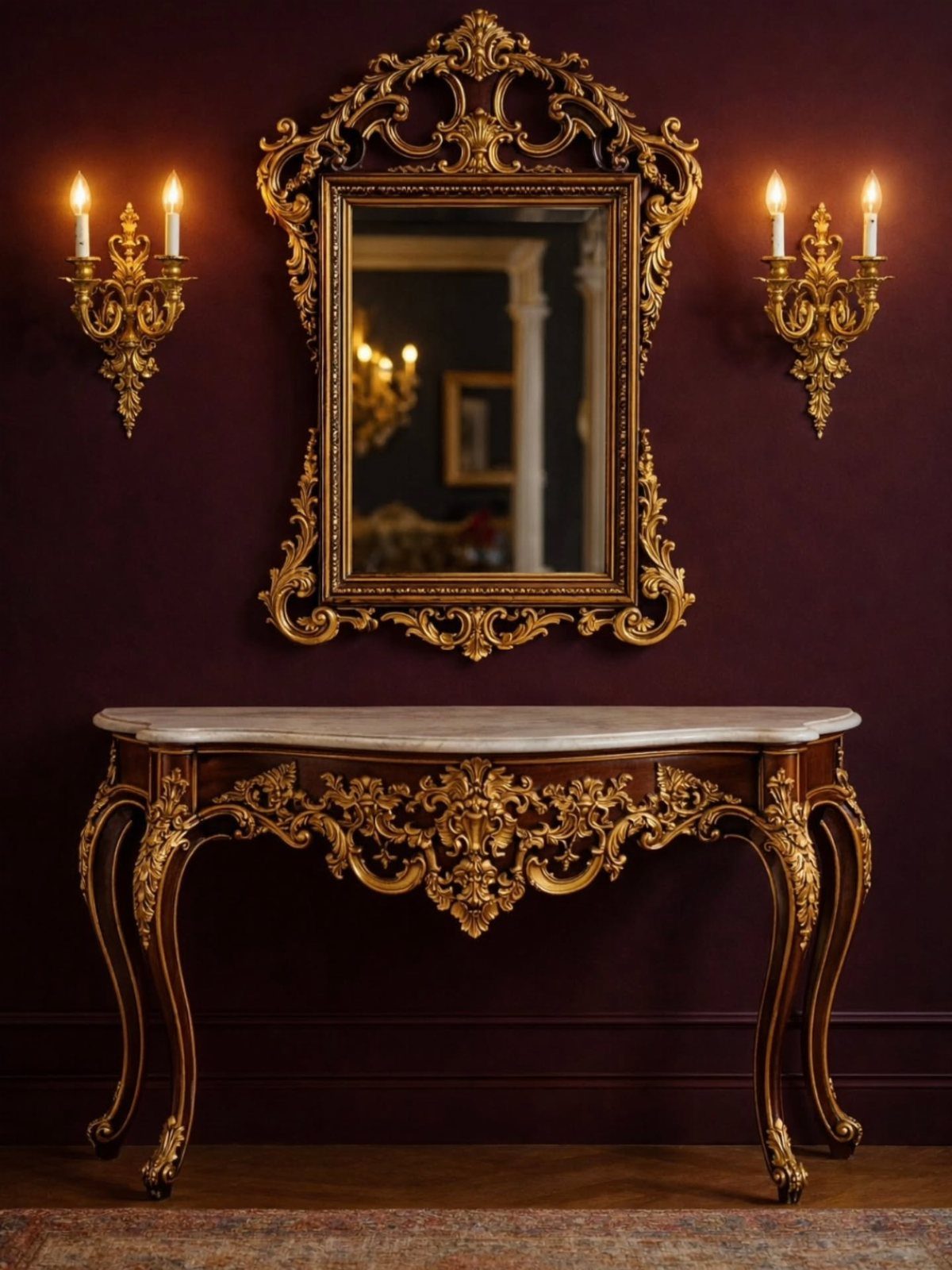
A mirror with a gold frame and carved detail catches light and throws it back into the room, which matters more in a modern space with fewer windows than the originals had.
I would hang it where it meets actual daylight, opposite or beside a window rather than between two sconces that compete for attention.
Smaller ornate mirrors work on vanities or above consoles; the large ones belong where they can double the room.
6. Floral Wallpaper
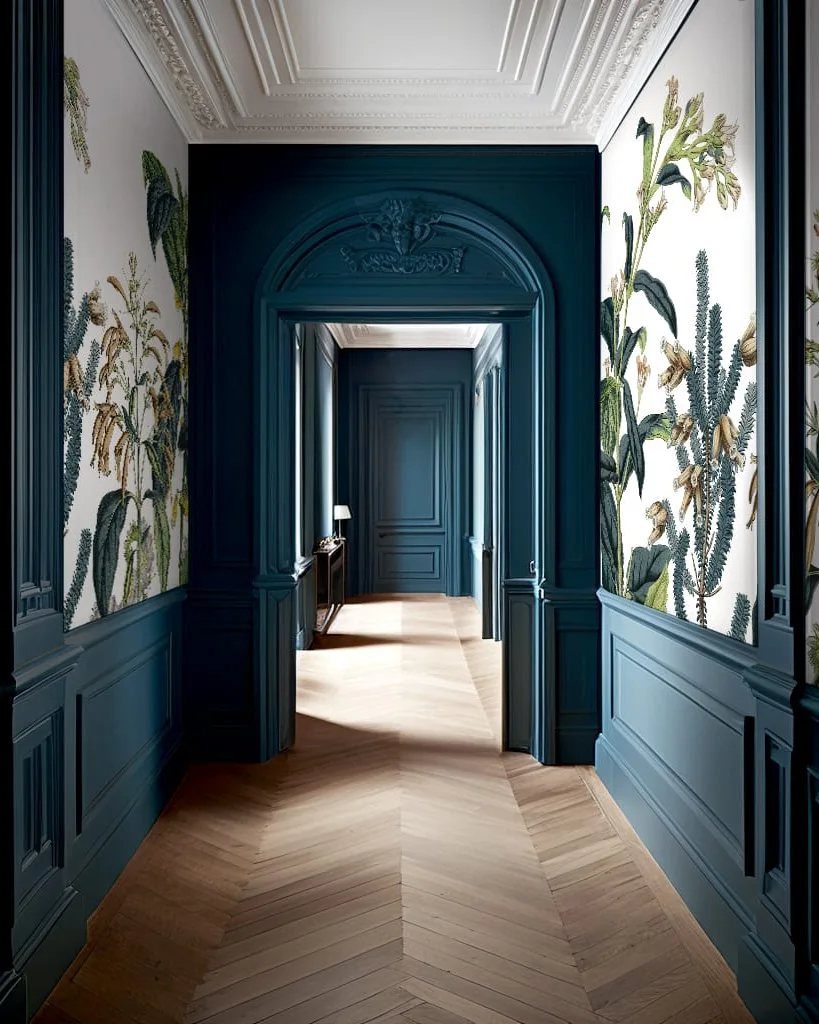
Botanical wallpaper above wainscoting splits the wall so the pattern does not overwhelm; that division is what makes this readable in a modern house.
The scale matters too, oversized blooms or cactus illustrations read fresher than the small repeats our grandmothers lived with.
Peel-and-stick versions go up in an afternoon and come down when the lease ends, which removes the old fear of committing to something permanent.
One feature wall is enough; the Victorians papered every surface because they could, but a single papered plane gives you the romance without the museum quality.
7. Modern Light Fixtures
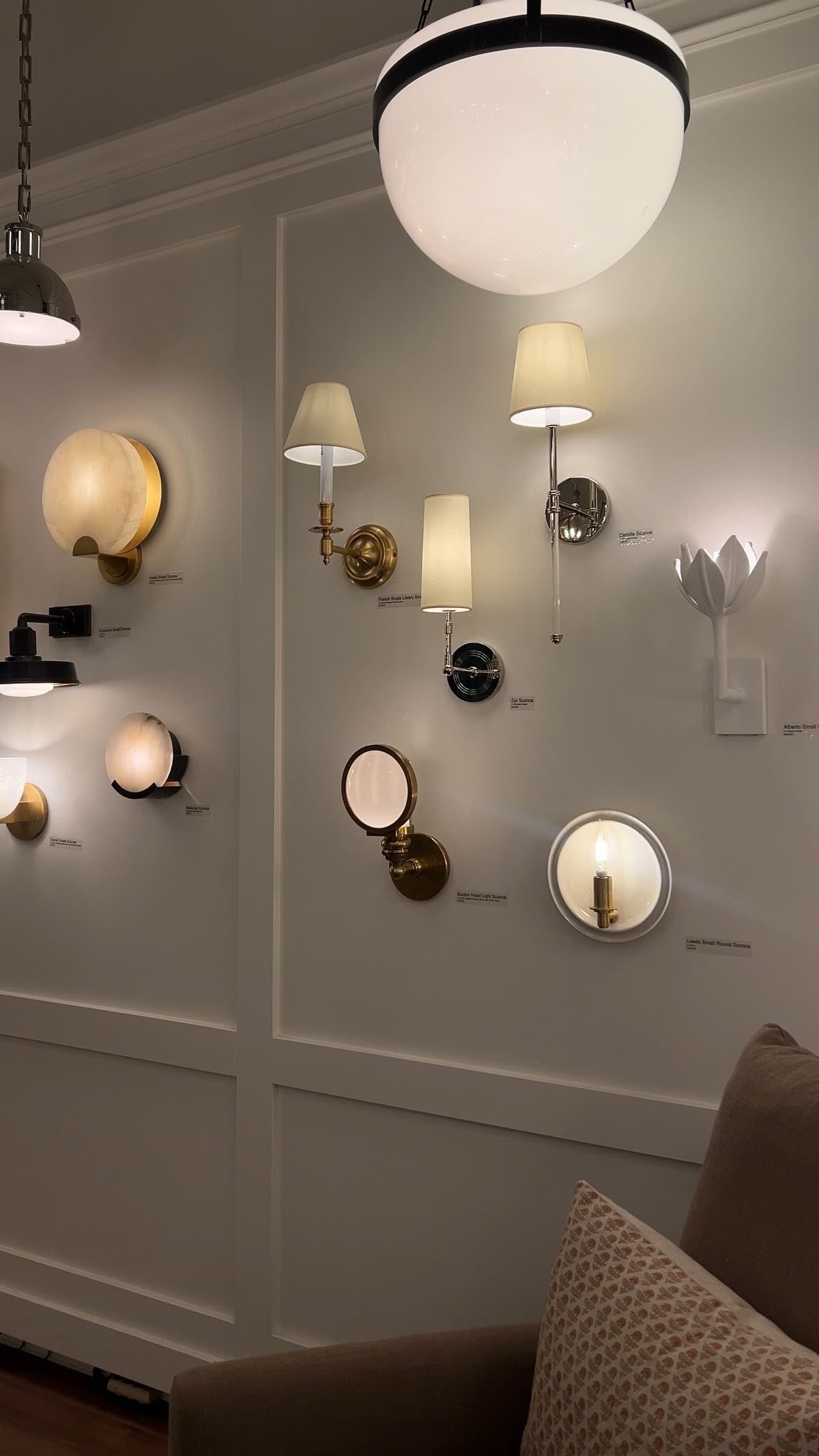
Sconces mixed with a single globe pendant can hold their own against heavy paneling without letting the woodwork run the room. Victorian spaces lean dark and layered, so lighting becomes the counterweight.
I would hang one dramatic central piece where the ceiling height allows it, then flank a fireplace or mirror with sconces in a finish that repeats something already in the room: brass with gilt frames, black iron with a metal bed frame.
The shapes should disagree deliberately. A smooth globe against carved crown, a straight arm beside curved velvet.
Let the wiring show or keep it hidden, but do not pretend the fixture is older than it is. The contrast is the point.
Sheer panels layered under heavier drapes soften the light before it even reaches the bulb.
8. Accent Pieces
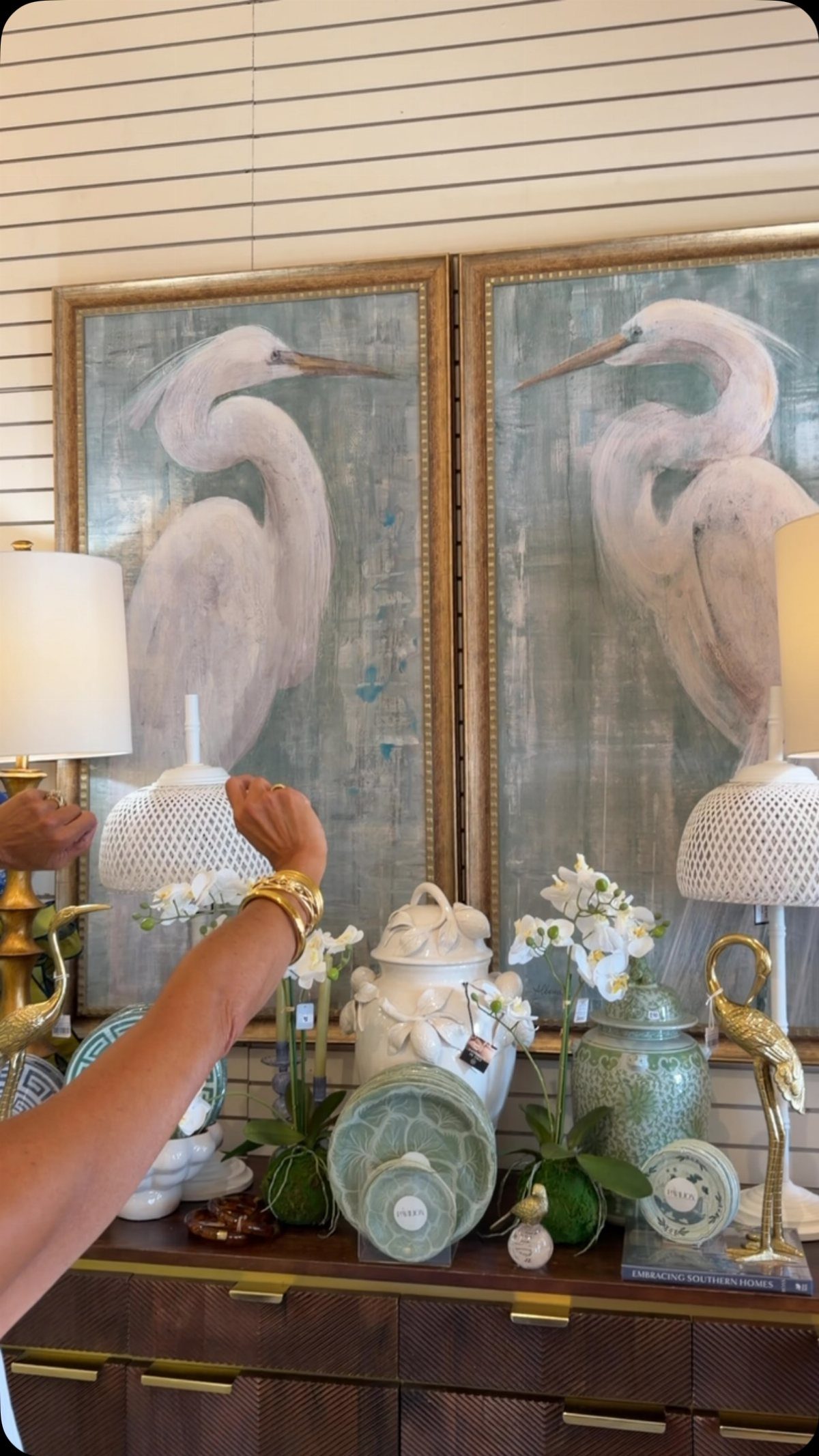
Start with one piece that stops you: a portrait, a brass animal, a piece of coral. Build outward in odd numbers, and let one color or material thread through so the eye has a path.
The frame style can vary; the wall behind it should not compete.
A single gilded mirror can do the work of three smaller objects if the wall is already busy with wallpaper. The opposite is also true.
In a room with patterned drapes and a patterned rug, a quiet shelf of white pottery gives the eye somewhere to rest. The Victorian originals filled every surface, but this version works better when the collector shows some restraint.
9. Coffee Tables
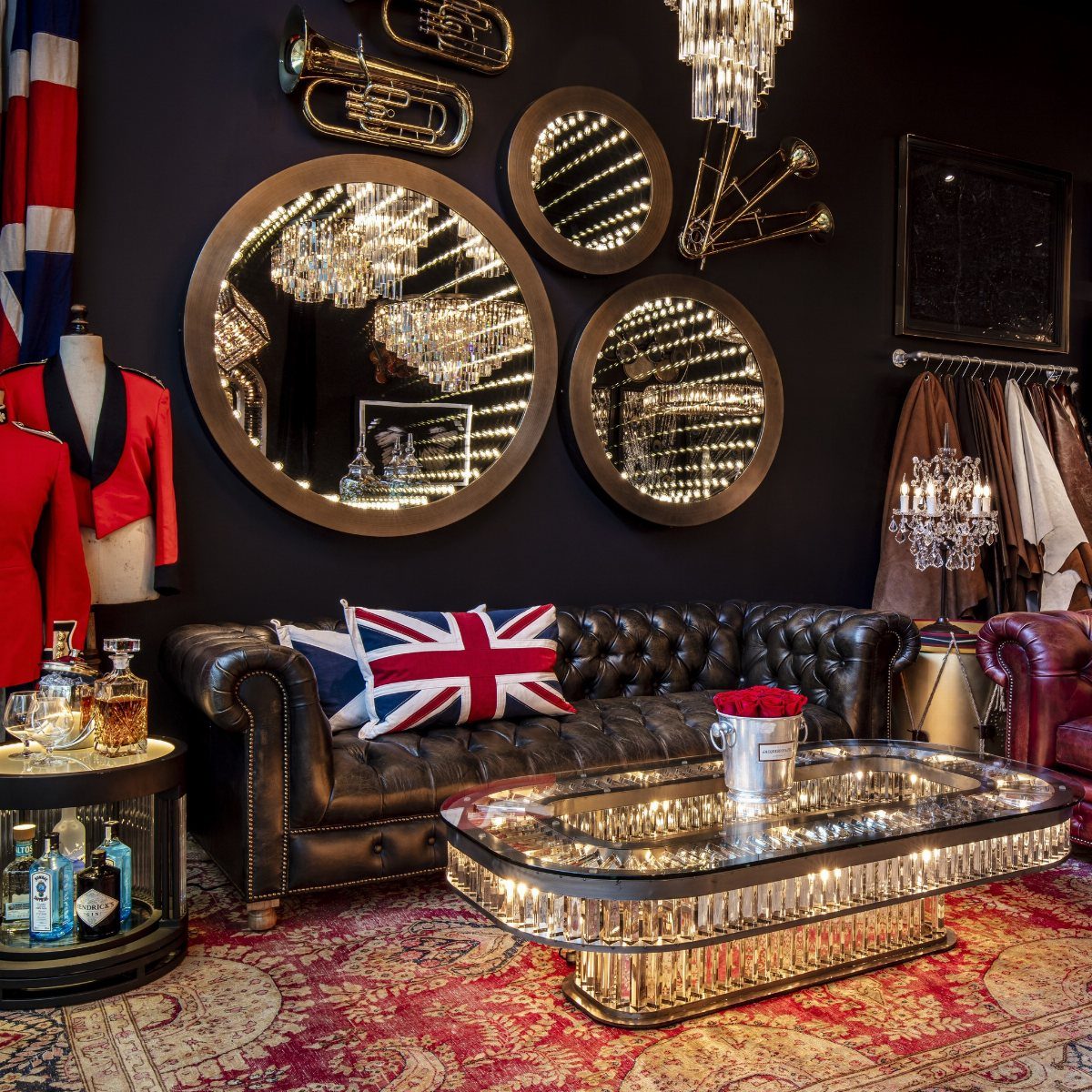
Glass and crystal carry a room without the visual weight of carved mahogany. Marble or stone surfaces do the same work: they nod to Victorian material richness while keeping sightlines open.
A rounded edge helps in smaller rooms where corners catch hips and circulation matters. The scale should relate to the sofa; a table that extends past the arms breaks the seating group into islands.
A sintered stone top with walnut legs, as one maker pairs them, hits the same note at a lower maintenance cost than true marble.
The base can be more sculptural than the top, or the reverse, but both should not shout.
If the table is where you actually set drinks, a slightly recessed top or a tray-sized flat zone saves the polished surface from rings.
The maker of the visible pieces drew from 19th century Chesterfield lines, Art Deco lighting geometry, and 1970s mirror tricks; the mix is the method.
10. Mix Classic Details with Modern Furniture
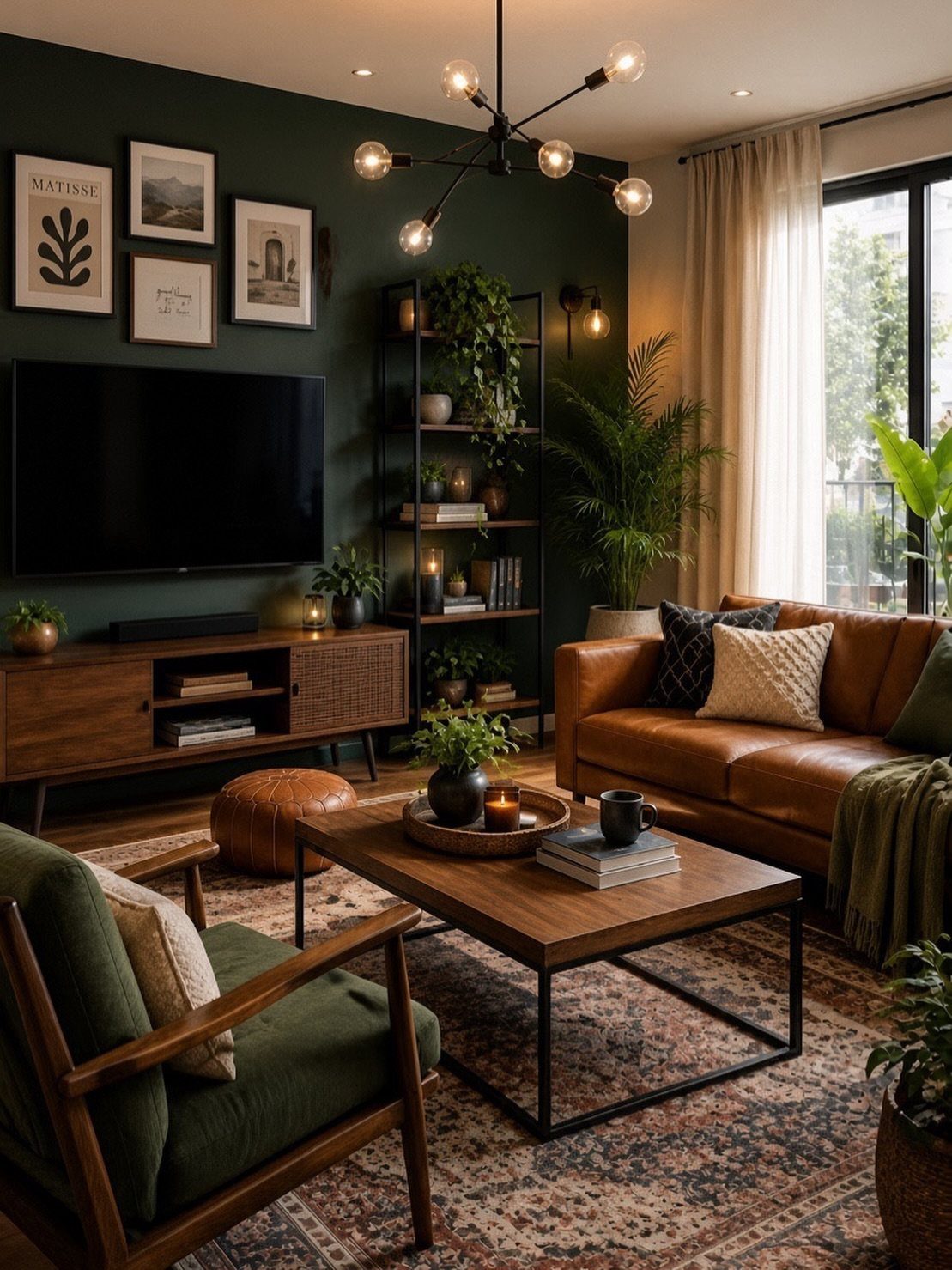
A curved sofa brings Victorian grace lines into a room with flat-panel cabinetry. A dark wood media console softens the coolness of modern recessed lighting.
The proportions matter more than the era. Soft upholstery on a contemporary frame reads differently than the same fabric on a reproduction piece, and usually reads better.
I would avoid buying the matching set. One Victorian-inspired piece, chosen for its line, surrounded by what you already own.
The alcove cabinets in one bedroom example used shaker panels and brass knobs to feel built-in and timeless; the same approach works in living room storage. You are not building a museum piece.
It is a room that knows its history.
11. Functional Storage
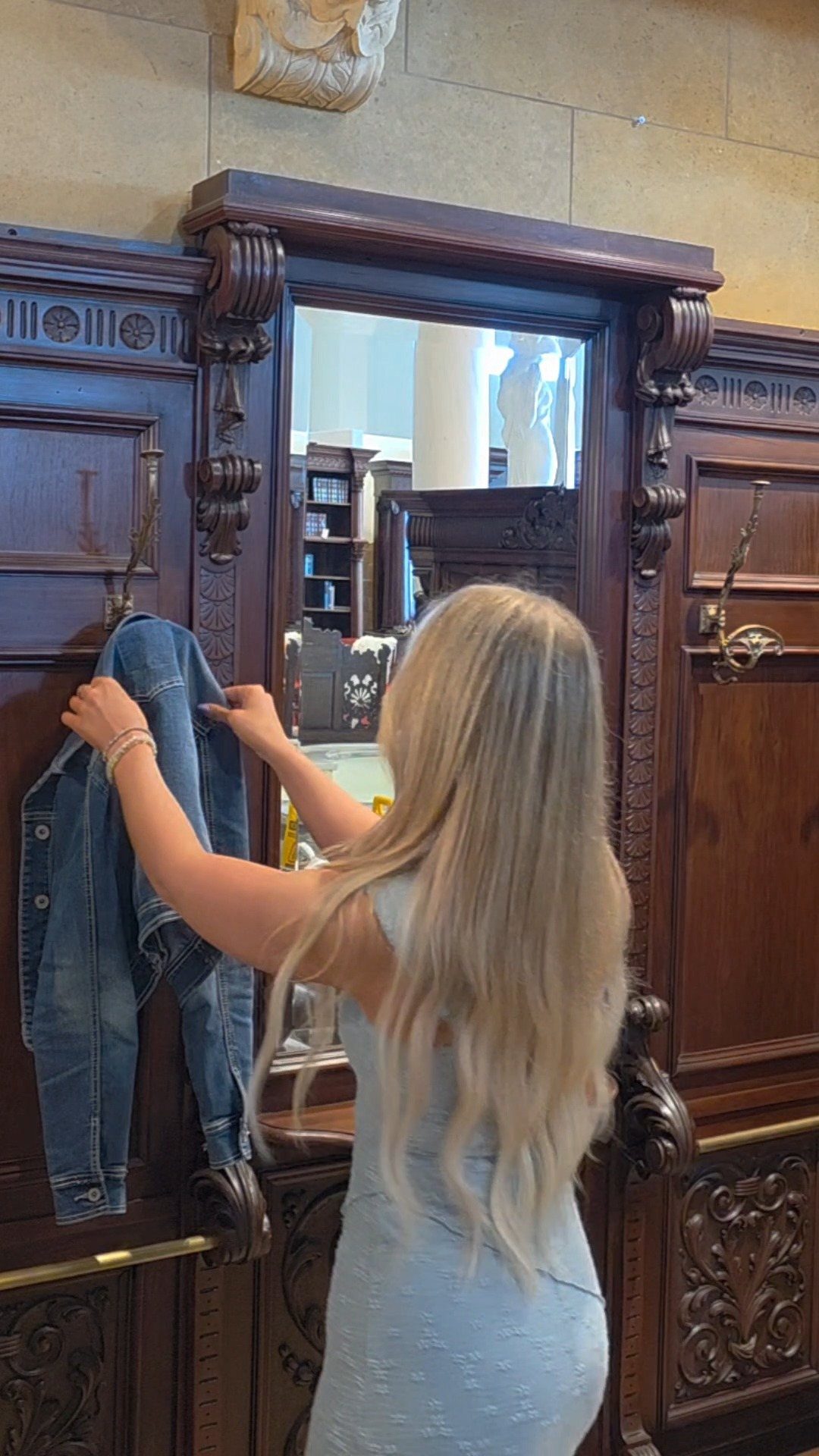
A carved wardrobe against stone walls hides what clutter would otherwise undo. In a style that invites layering, closed storage is not the enemy of character; it is what allows the layering to look chosen.
A sideboard with doors hides cables and remotes. A coffee table with a drawer swallows magazines.
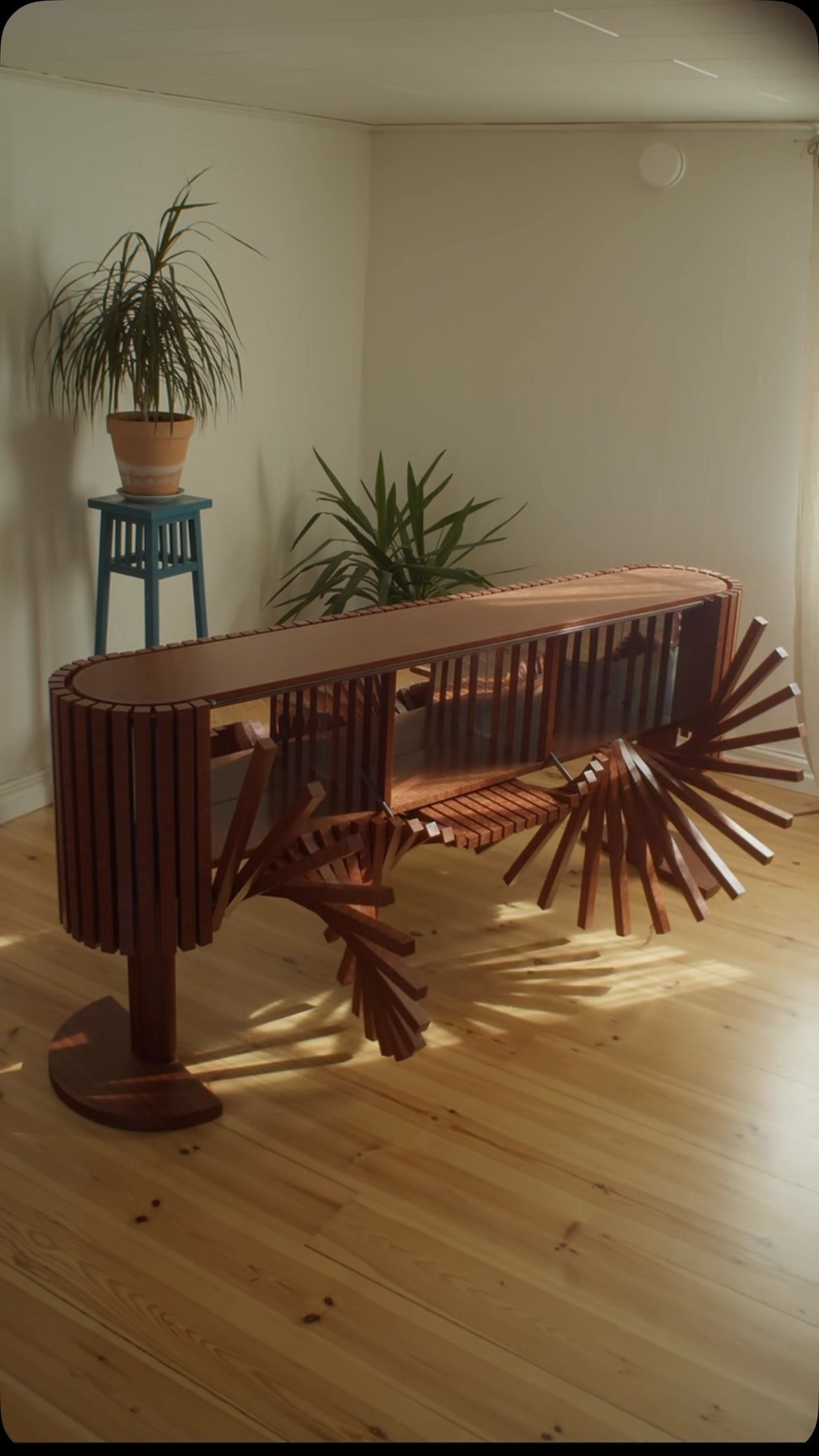
The exterior should participate in the room’s conversation: walnut-look slats, traditional hardware, a finish that matches or deliberately contrasts the trim.
Five cabinets and two drawers can handle the practical load for a multi-purpose living room. The decorative pieces stayed visible because the daily-use objects had somewhere to go.
I would place the storage opposite the statement piece, not adjacent to it. Let the sofa or the art have the focal wall.
Let the cabinet do its job quietly.
12. Crown Molding
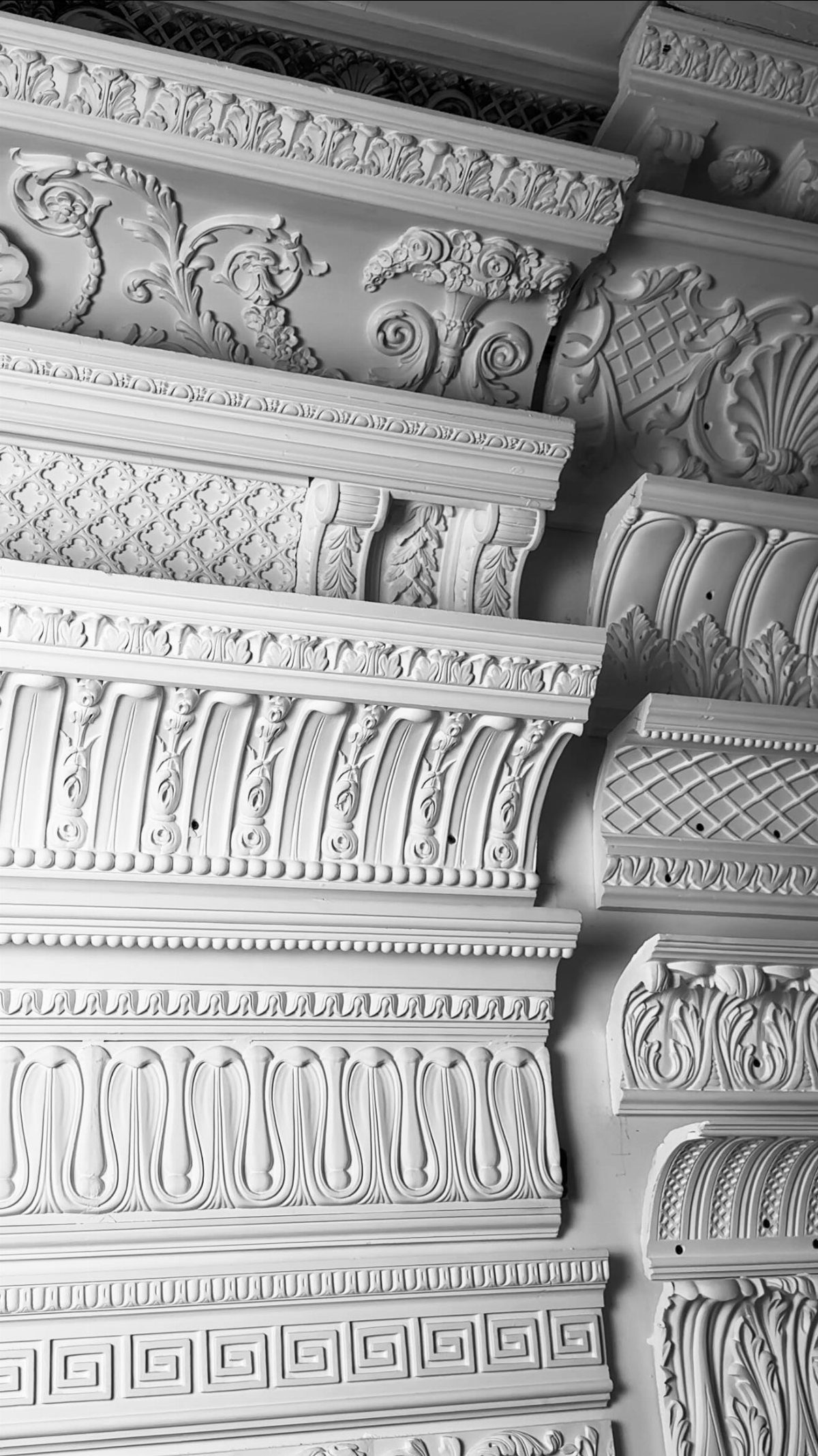
Acanthus leaf and egg-and-dart profiles read as texture from across the room, architecture only when you step close. Crown molding works because it occupies the zone where wall meets ceiling, a place the eye travels but rarely rests.
Intricate patterns reward the glance upward. In rooms with high ceilings, a deeper profile holds its own; in standard-height spaces, a simpler band avoids crowding the vertical.
Installation is weekend work with a miter saw and coping joint patience. The maker of the visible samples keeps a showroom open weekdays for choosing among profiles.
Paint it the wall color for subtlety, or the ceiling color for definition, or a gloss white to catch whatever light the room receives. The vintage look arrives with the detail, not with age.
13. Dark Wood Furniture
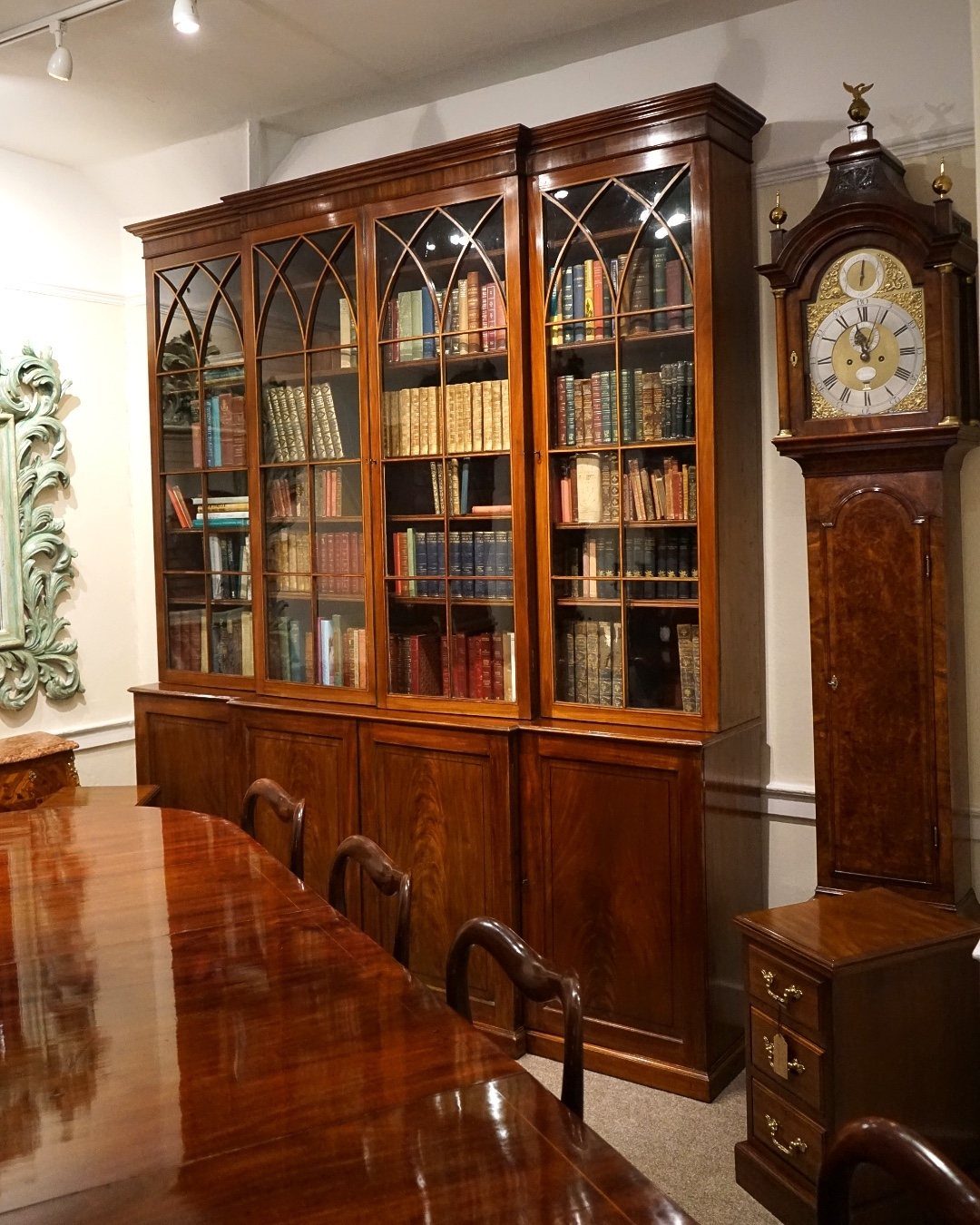
Dark wood furniture carries the weight and warmth that Victorian rooms need without demanding carved excess. Walnut or deep brown finishes in cleaner shapes, like a media console or sideboard, let you borrow that craftsmanship without collecting antiques.
Closed storage helps most here. Glass-front cabinets or solid doors hide remotes and cables while the wood tone grounds brighter pieces nearby.
A simpler cabinet can also step back when your sofa already brings strong color or pattern, giving the eye a place to rest.
Walnut sideboards or credenzas with fluted fronts sit at the higher end, while smaller accent pieces cost noticeably less and still carry the same weight in a room. One substantial piece usually reads better than a matched set.
14. Elegant Shapes
A curved sofa carries Victorian grace into an open floor plan without the feel of a museum reproduction. Velvet in navy, green, or burgundy reads more formal; leather softens into everyday family use and develops character as it ages.
The cushion fill matters as much as the outline; down inside a solid frame keeps the shape from sagging within a year. A sofa that photographs well but seats poorly becomes the thing everyone avoids.
Velvet sofas in similar shapes often cost less. Either way, sit on it first if you can, and measure the depth against how you actually lounge.
A graceful back means little if the seat cuts off your knees.
Creating a Balanced Space
A modern Victorian room works best when you edit before you add. One rich element at a time, balanced against something simpler, keeps the space from closing in on itself.
In smaller rooms, scale matters more than grandeur. Bulky furniture will choke the space; a neck roll pillow or a small burlap pillow carries the same romantic mood without the weight.
Let textiles and lighter pieces carry the Victorian feeling, and keep the floor plan open enough to move through.
Choosing the Right Materials
Texture adds depth to a modern Victorian room without loading every surface with ornament. Velvet upholstery brings the softness the style is known for.
Leather adds character that ages well. Wood gives warmth, marble adds refinement, and metal accents create quiet contrast against busier pieces.
One statement texture is enough. A velvet sofa does the traditional work; a clean-lined coffee table beside it keeps the room in the present.
When I compare upholstery options, I weigh how the material will feel after a year of daily use, not just how it photographs. A brown leather Chesterfield with that classic tufted build hits the balance hard.
Maximizing Natural Light
Victorian style often reads as dark and heavy, but it does not have to stay there. Sheer panels behind heavier velvet drapes give you softness and texture while the daylight still comes through.
If the walls run deep or the wallpaper reads bold, lighter bedding pulls the room back toward balance.
A light-drenched room with a ceiling medallion and stained glass can still feel relaxed. Pale greens and grounded textures make the room feel open, like someone left the door open to the garden.
Mid-century lighting paired with those classic details keeps the soul without the gloom.
Incorporating Personal Touches
Personal items keep a modern Victorian room from feeling like a staged set. Sand-colored walls and soft blue-grey upholstery create a calm base; open shelving holds the life: books, framed photographs, small art pieces.
Gold frames draw the eye and add warmth against architectural detail. They work on artwork, mirrors, or photographs, and the radiant hue deepens the richness of everything around it.
Emily Made Home built a DIY gold frame for her television that functions as decor; the tutorial is worth finding if you want the same look without the bespoke price.
Frequently Asked Questions
How to style a Victorian living room?
Start with one rich element at a time and balance it against something simpler.
A single ornate piece reads clearer in a tight footprint than a crowd of smaller decorative items; give it breathing room and let simpler shapes fill in around it.
What color would look best in a Victorian-inspired living room?
Deep jewel tones like navy, emerald, burgundy, and regal purple carry the Victorian mood best. Choose one color to carry the weight and let warm neutrals handle the rest, so the room stays grounded instead of busy.
What are some examples of modern Victorian style decor?
Velvet sofas, ornate gold-framed mirrors, floral wallpaper above wainscoting, and modern light fixtures like globe pendants mixed with sconces. Glass or marble coffee tables keep sightlines open while nodding to Victorian material richness.
Is modern Victorian decor expensive to create?
Not necessarily. Put your first real money toward the one item everyone uses, whether that is the sofa you sink into, the coffee table that centers the room, or the console that holds the TV.





