A single iron-framed mirror can carry the whole mood in a rental, or you can open the wall and build in a lime-plaster niche for what a mid-range sofa costs.
What you change depends on whether you are working with the bones you have or ready to move them.
1. Rustic Furniture
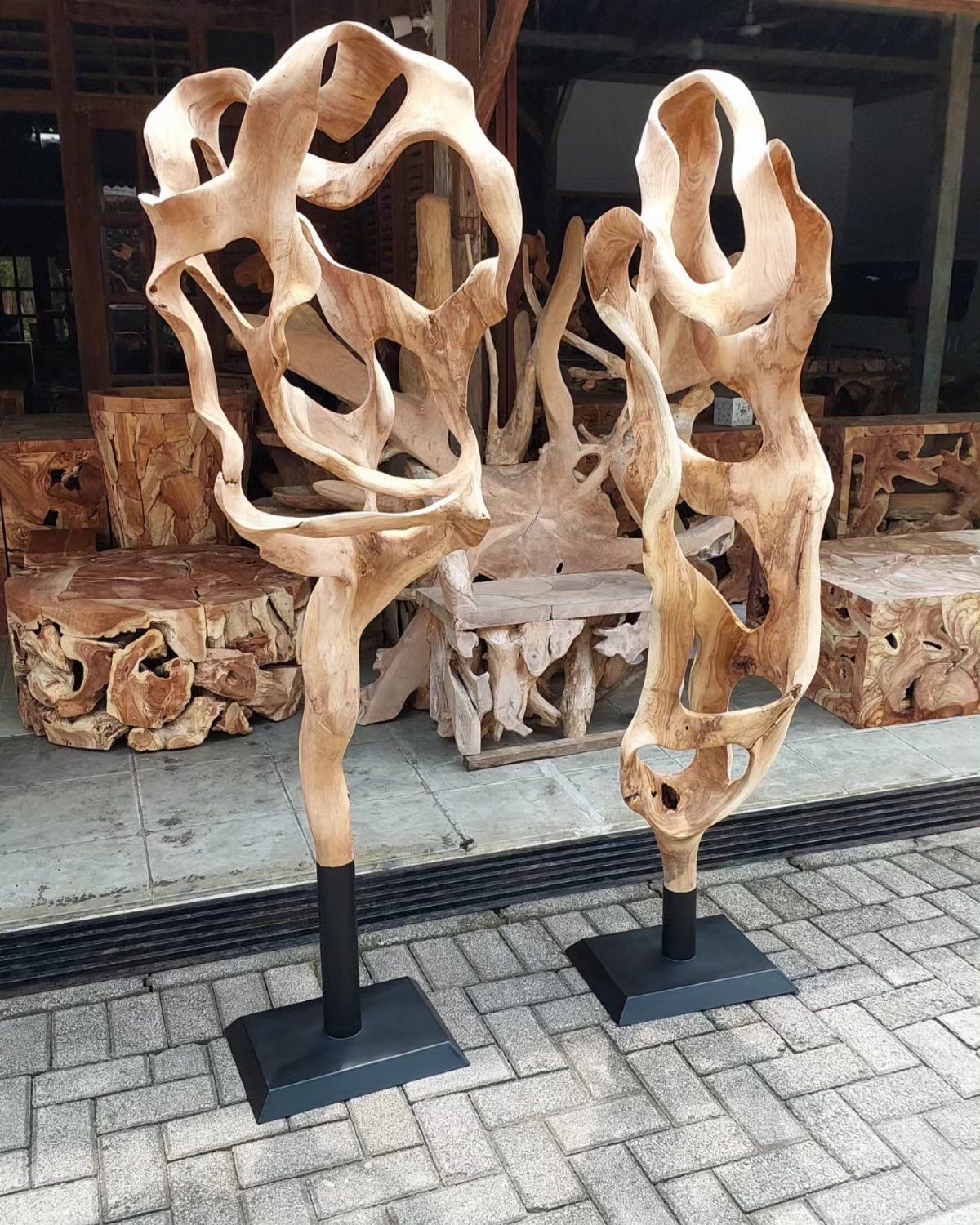
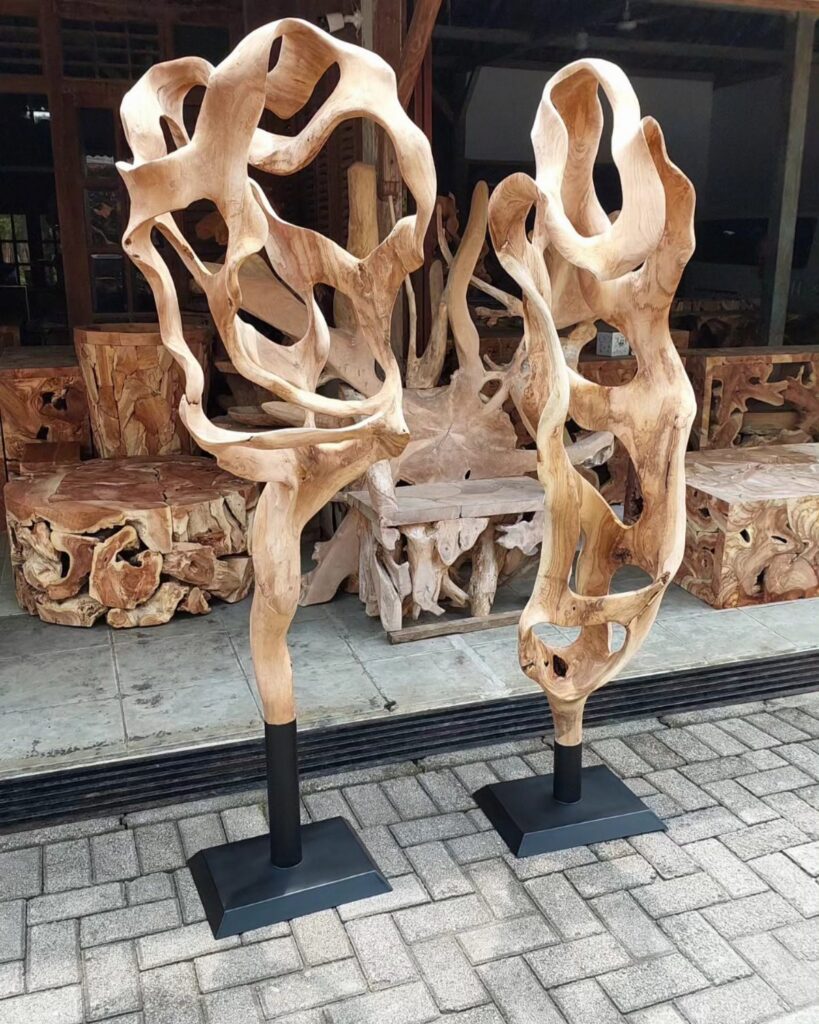
Aged wood and wrought iron carry the weight of a room better than anything fresh from a factory. Pieces with distressed finishes, hand-carved details, and visible grain give a Mediterranean living room its grounded, lived-in warmth.
I look for furniture that shows its age: a walnut coffee table with tool marks still visible, leather club chairs that have softened into their shape, a console with edges worn from actual use.
These pieces cost more than flat-pack alternatives, but they also outlast three replacements. For renters, a single statement piece, a heavy olive-wood table or an iron-framed mirror, anchors the room without requiring a full set.
2. Ceramics and Handmade Decor
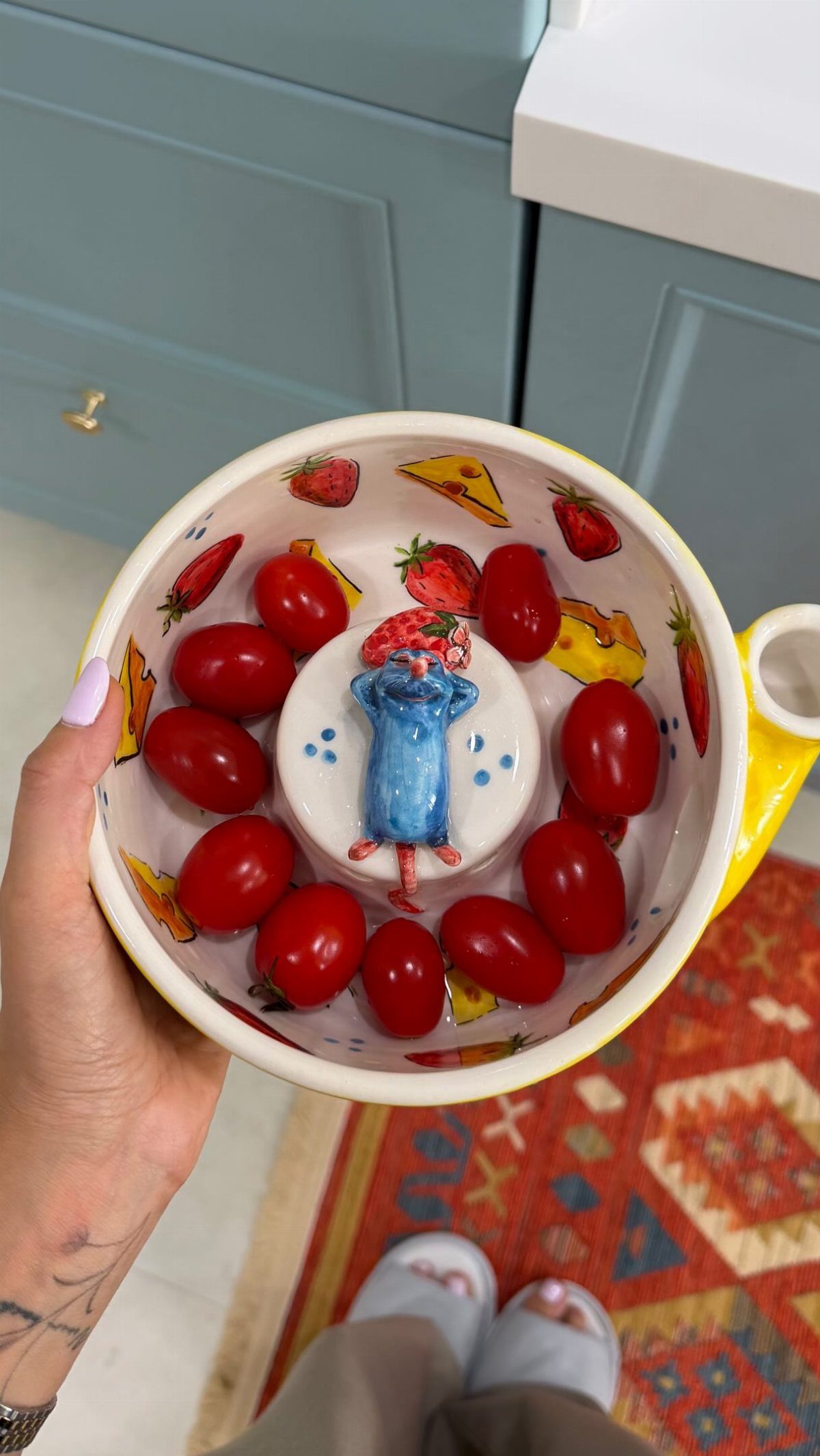
Handmade ceramics turn a shelf or table into something that holds attention without demanding it. The slight irregularity of a hand-thrown bowl, a glaze that pooled differently on one side, keeps the eye moving.
In a Mediterranean space, I group pieces at varying heights: candle holders beside a low fruit bowl, a small figurine tucked between them.
A tiny storybook character painted in the center of a ceramic piece invites a second look without shouting for it.
Mix glazes and textures within a narrow palette, warm whites, terracotta, a quiet blue, so the grouping reads as intentional rather than collected at random.
3. Comfortable Seating
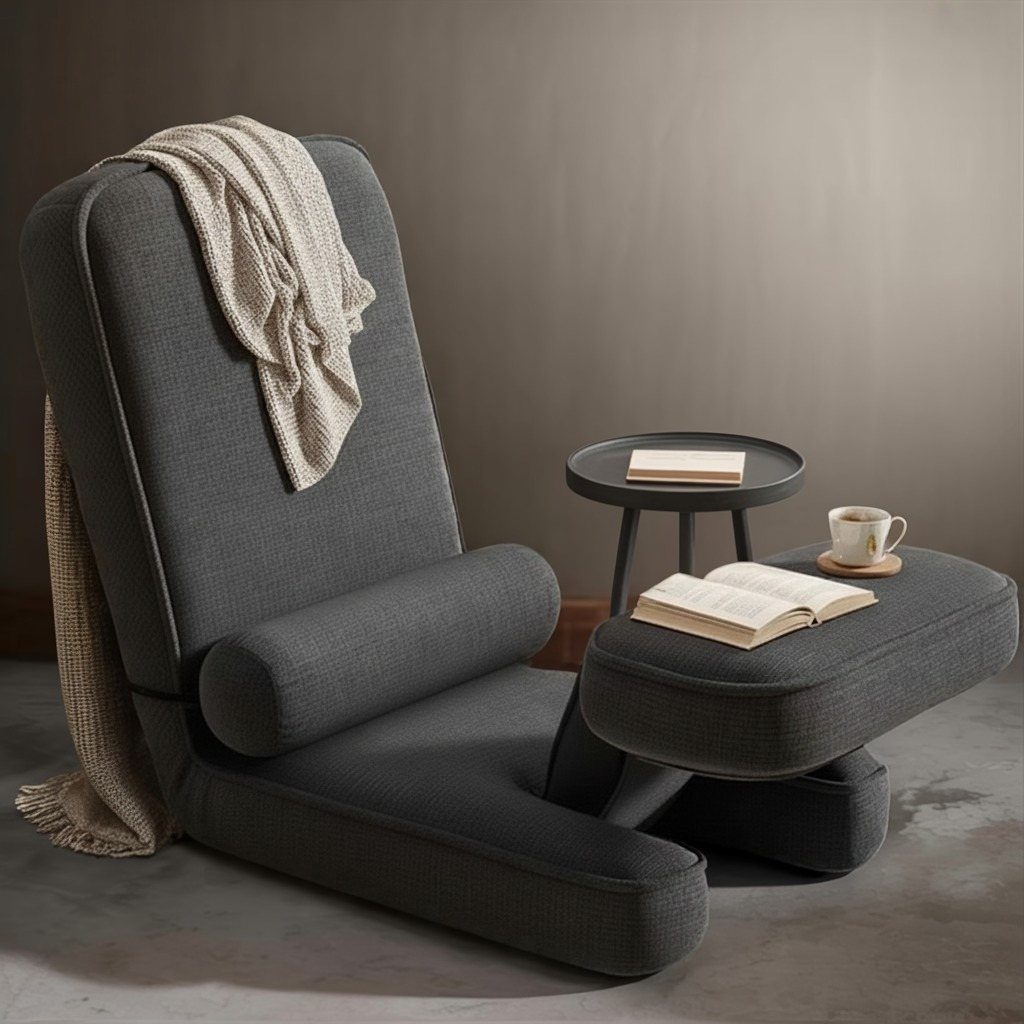
Plush seating in natural fabrics invites the kind of lingering that defines a Mediterranean room.
A linen-slipcovered sofa with rolled arms softens with washing rather than wearing out, and a deep chair with an ottoman turns a corner into a reading spot worth defending.
I drape a cotton throw where I actually reach for it, not folded for display.
Reupholstering a found chair in heavy linen remnant fabric and an afternoon of stapling gives you a piece with real age for the cost of a flat-pack seat.
A finished chair looks like it came from a Portuguese estate sale rather than a warehouse.
4. Curved Furniture
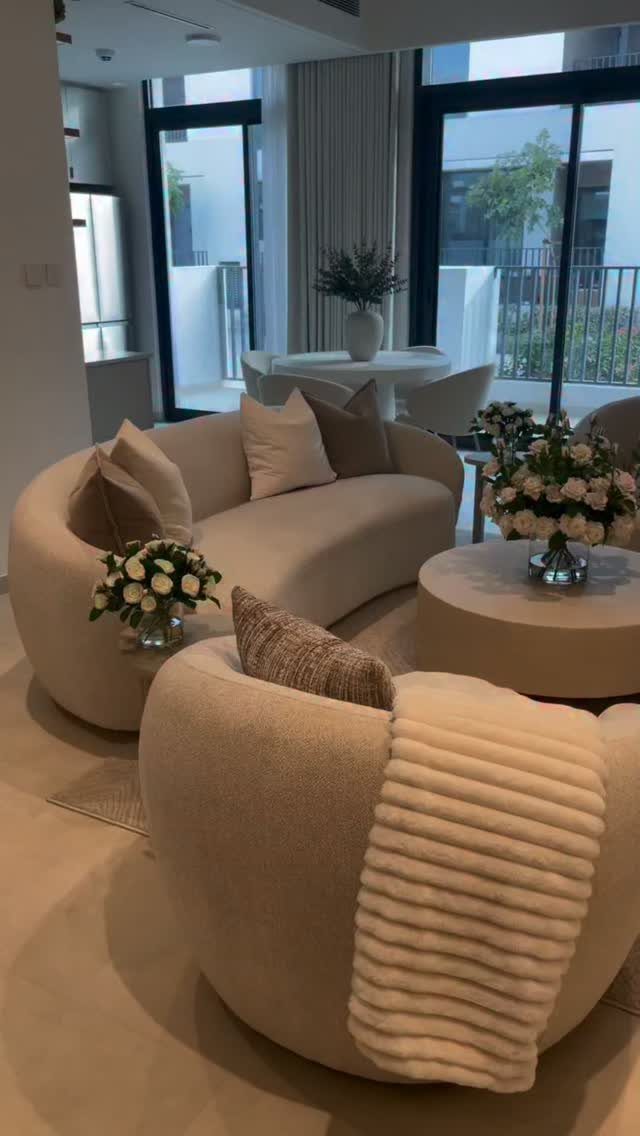
Rounded edges do what sharp corners cannot: they let a room exhale. A curved sofa or circular coffee table softens the geometry of plaster walls and rectangular windows, creating pockets of space that feel protected rather than exposed.
A cream-colored curved sectional can turn a narrow living room into a conversation pit without moving a wall. The shape also routes traffic more gracefully than any right angle.
A round ottoman or an arched floor mirror introduces the idea of curved shapes without committing to a full layout. Pair it with straight lines elsewhere so the room does not drift into softness without structure.
5. Oversized Natural Lighting
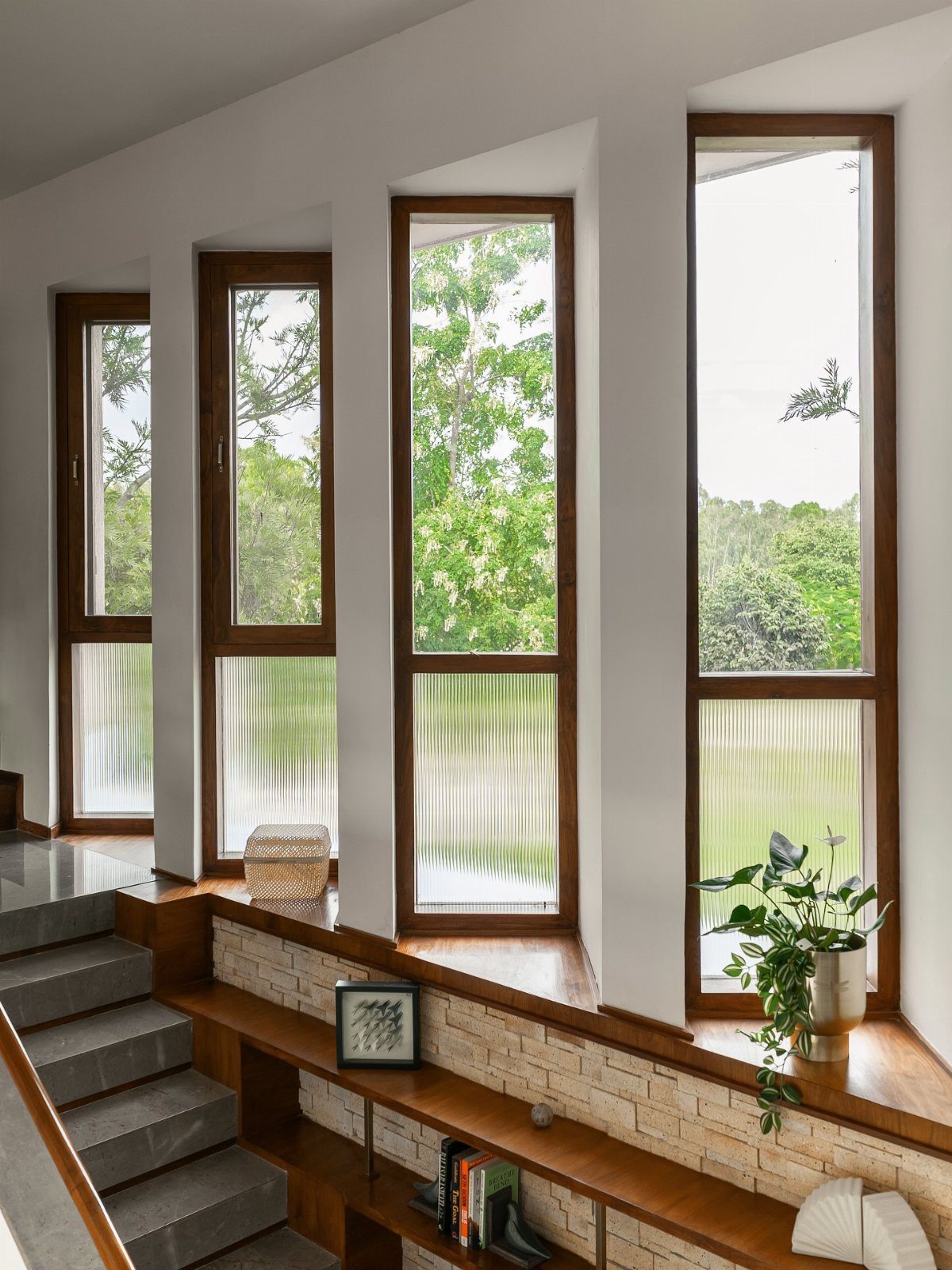
Oversized woven pendants in raffia or rattan do the work of a chandelier while reading as sculpture. A pendant with some presence above a standard seating area casts the right pool of warm light without hovering like a UFO.
Natural fibers soften hard finishes, plaster, stone, wood, and the shadows they throw during daylight hours add texture before the bulb is lit.
I run mine on 2700 K bulbs, warm enough to flatter skin tones and dim enough to encourage evening settling in.
Installation takes an hour if you are comfortable with a ceiling box; otherwise, an electrician charges a reasonable rate for a simple swap.
6. Textured Textiles
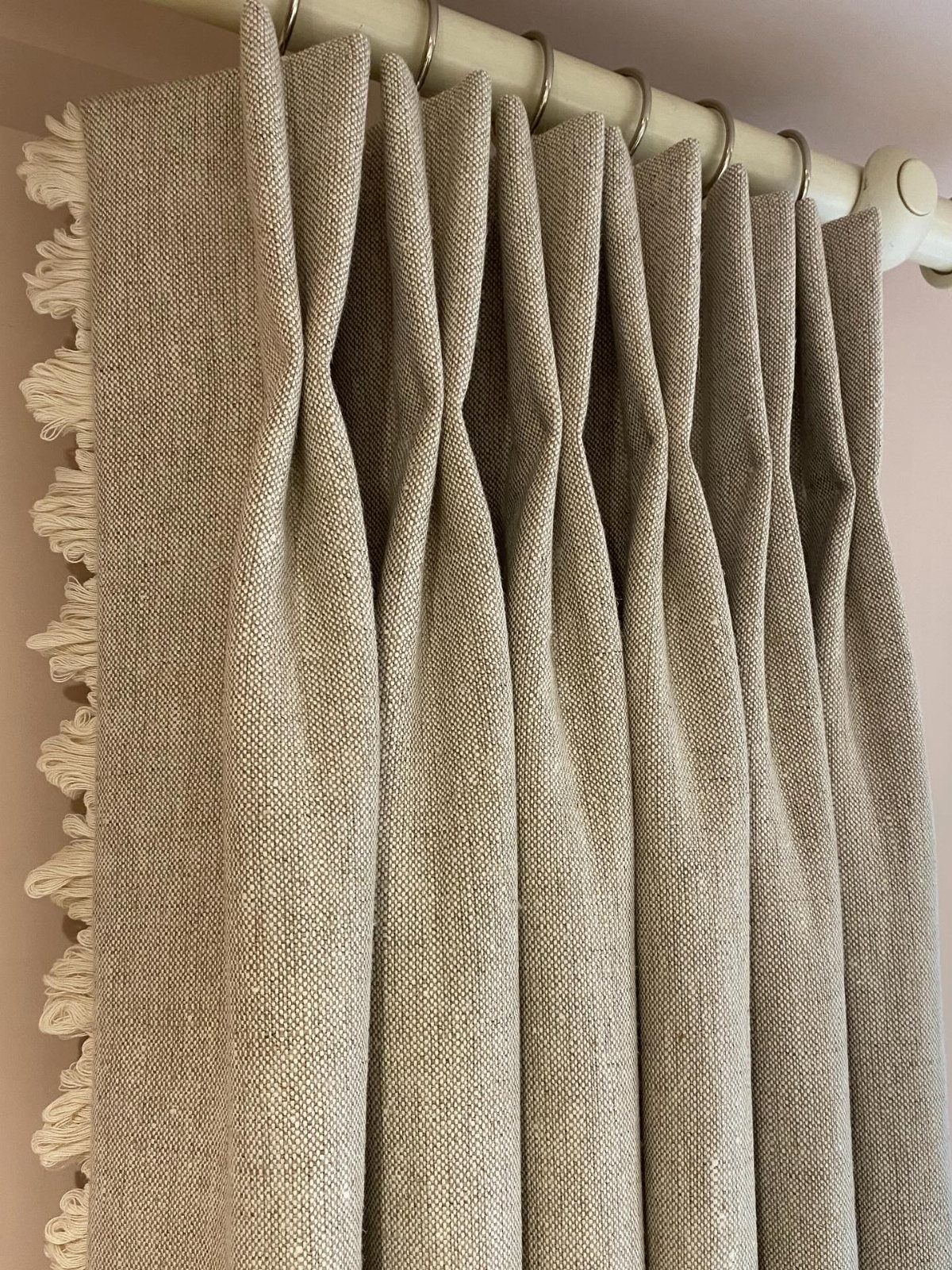
Heavy linen curtains with a finished edge, a fan trim in ivory, a tassel fringe, frame a window like clothing rather than architecture.
The weight matters: a loose weave in oatmeal or cream filters light instead of blocking it, and the slight irregularity of natural fiber catches breeze and shadow differently across the day.
I hang mine from white rods with metal rings so the fabric moves easily for adjustment. A single panel pair for a standard window costs noticeably less in decent linen if you sew from yardage.
For renters, tension rods inside the frame hold lighter cotton versions without drilling, a trade in weight for portability.
7. Layered Lighting
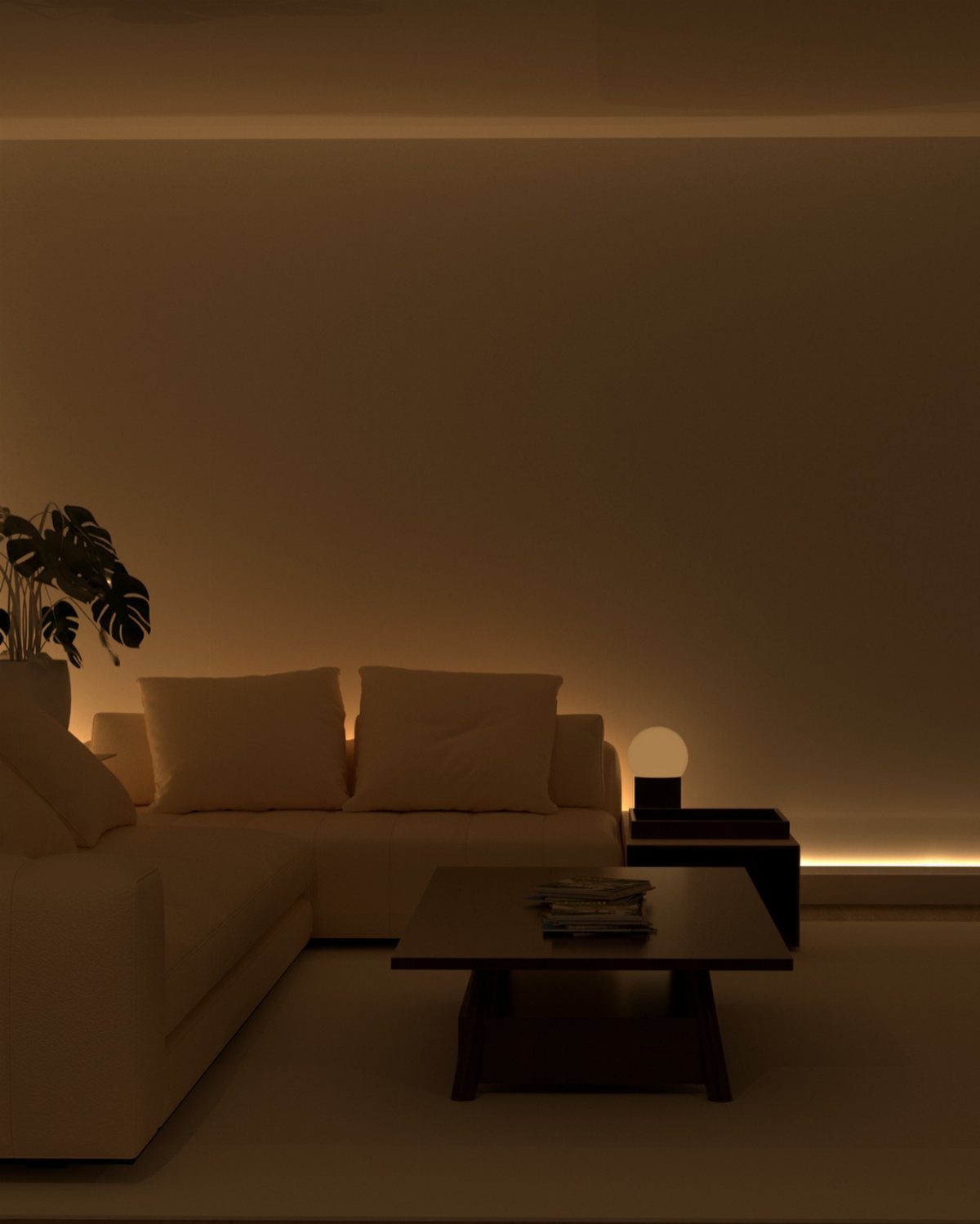
A single overhead fixture flattens a Mediterranean room into something too tidy. A raffia pendant the size of a bushel basket, hung just low enough to catch window breeze, does what a ceiling fan cannot for Mediterranean mood.
The woven fibres throw lattice shadows against plaster all afternoon, then settle into a glow that starts at about 2700 K and feels like late sunset.
Wall sconces in forged iron beside a mirror or artwork add a second layer without competing. For the third, a stoneware table lamp with a linen shade on a side table gives you somewhere to read after dark.
Three sources minimum, each dimmable on its own circuit if your wiring allows it.
8. Candlelight Ambiance
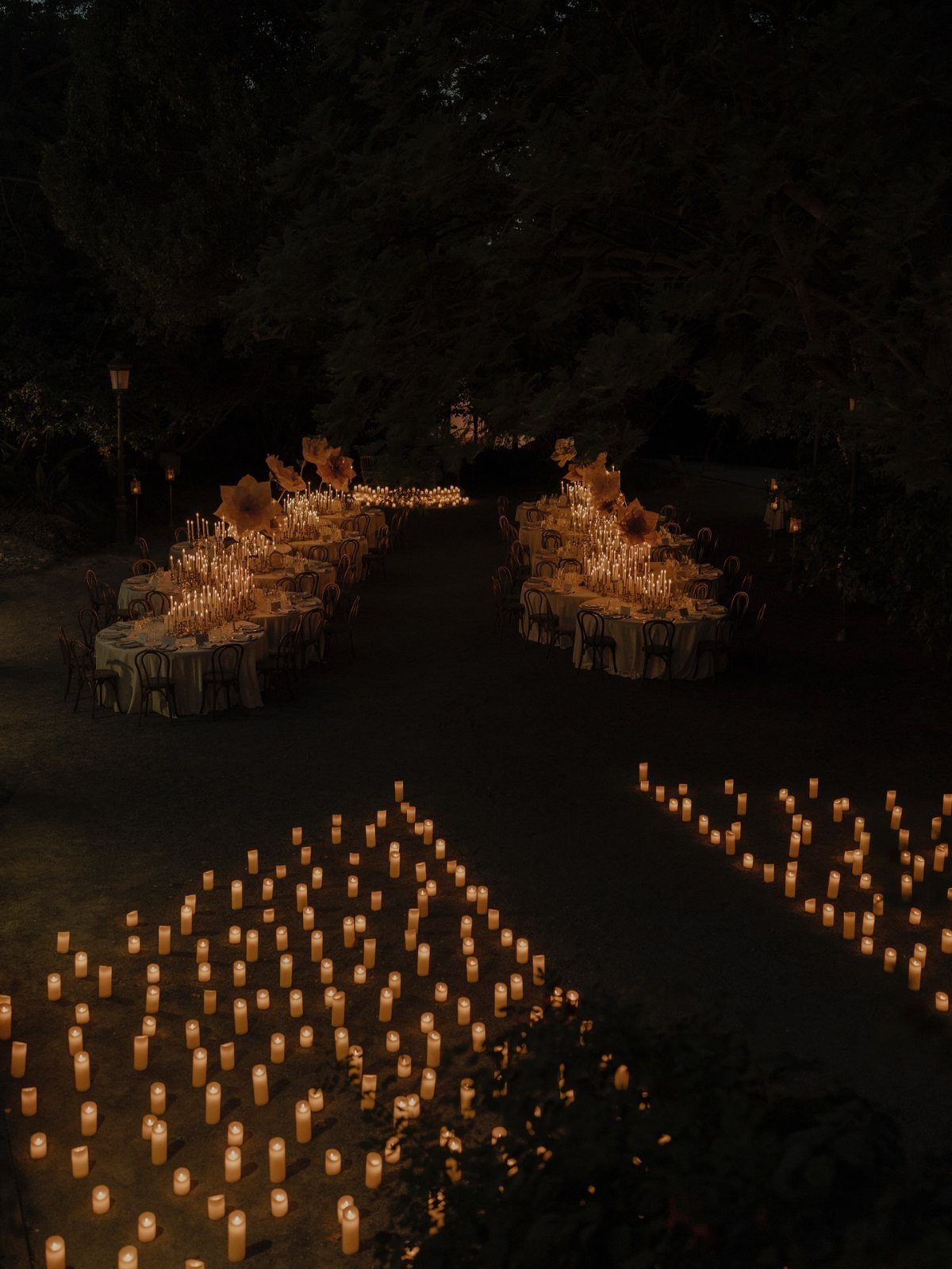
Tea lights by the dozen carry the spirit of a Mediterranean courtyard even into a small living room.
A few iron lanterns with beeswax pillars on a coffee table or mantel do the same work of breaking up darkness at human height.
Groups of odd numbers, three or five, at slightly different heights, keep candle arrangements from looking too arranged. One sits on the table, one on a stack of books, one on the hearth if there is one.
The iron develops a soft rust if you let it, which suits the look.
LED candles have improved enough to use where children or cats rule out flame, though I still prefer real beeswax for the faint honey scent it leaves.
9. Soft Furnishings
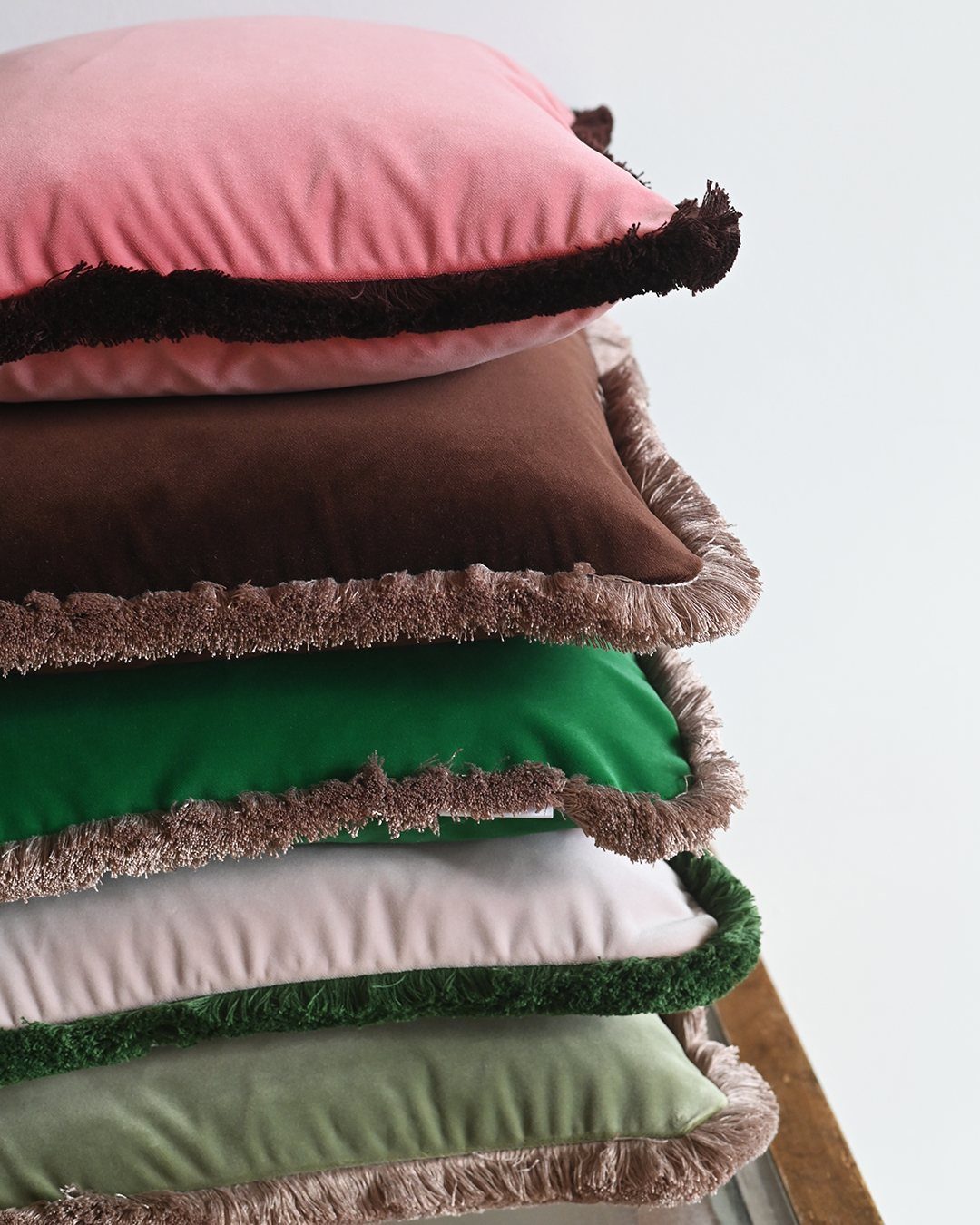
Velvet cushions with fringed edges give a sofa the looseness Mediterranean rooms need. I buy mine without inserts and stuff them with down alternative, which sags better than foam and costs little enough to replace when the fabric fades.
A throw works the same way. Wool in olive or rust, left where someone actually dropped it, reads as hospitality where a folded triangle reads as staging.
The same with curtains: linen in cream or oat, hung high and wide, softens plaster or stucco without asking for attention. Natural fibres age visibly, which is the point.
They ask to be used.
10. Artistic Wall Decor
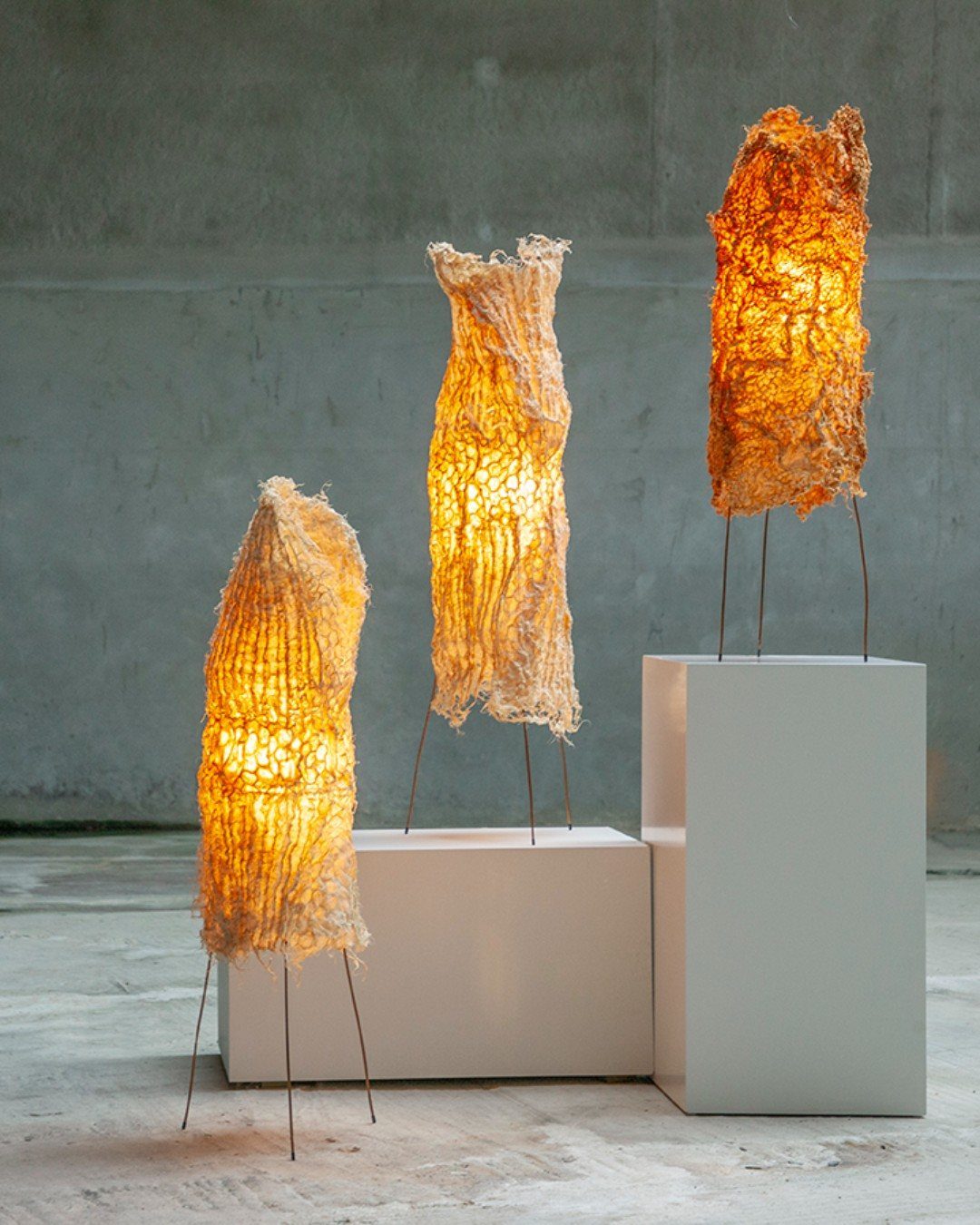
One hand-trowelled plaster wall with a built-in arched niche does more to signal Mediterranean than any single piece of furniture could. The niche becomes the frame; what sits inside it changes with the season.
An arched cut into existing drywall, then skim-coated with lime plaster by a tradesman, achieves this for roughly the cost of a mid-range sofa.
The plaster takes weeks to cure to its final tone, lighter at the edges where fingers have rubbed it. A ceramic jug, a stack of worn books, or nothing at all: the architecture carries the room.
If your walls are already textured, a shallow shelf in the same finish gives a similar effect for less.
11. Built-in Shelving
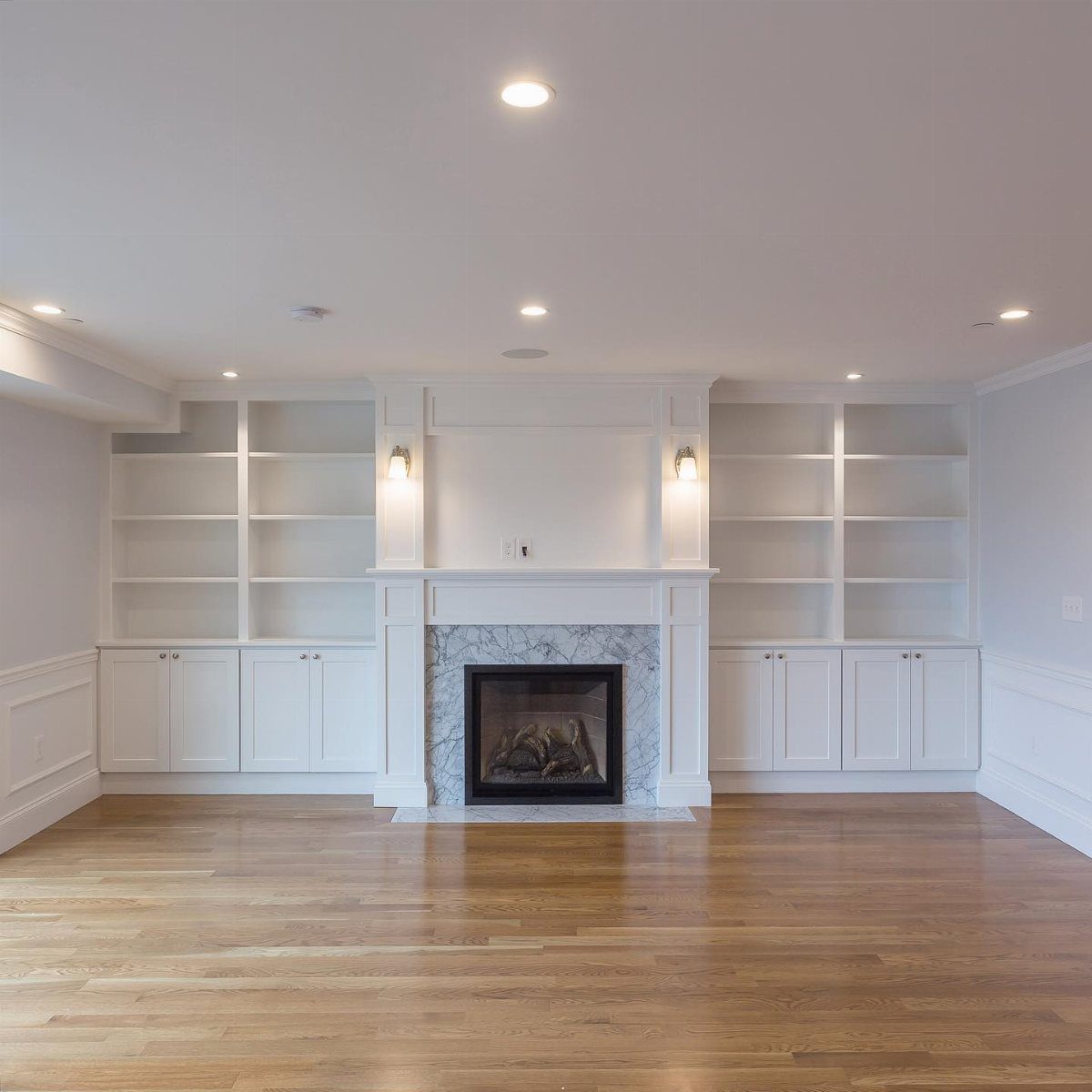
White built-ins flanking a fireplace give a Mediterranean room its storage and its rhythm at once. The arch at the top of each bay is the detail that shifts them from suburban to coastal Italian.
I would paint the interior back panel in a shade deeper than the walls, terra cotta or dusty olive, so whatever sits inside reads as placed rather than piled.
Keep the objects low and heavy: a ceramic bowl, a stack of linen, a single framed sketch. Sconces with enough projection to cast light downward onto the mantel need height enough to clear the molding without crowding the art.
Recessed spots in the ceiling of each bay are worth the extra wiring if you are already opening walls.
12. Functional Decor
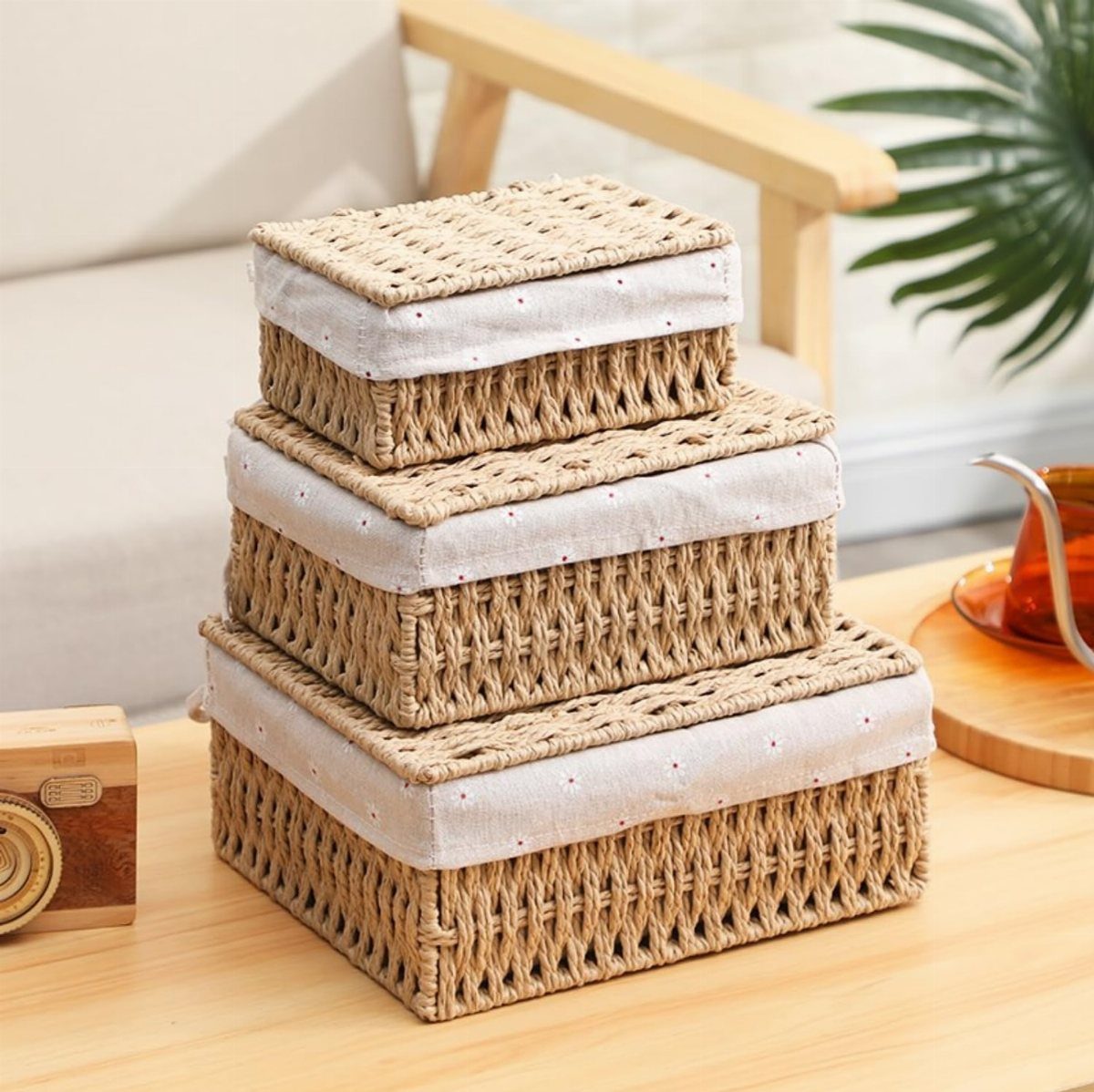
I use them for remotes, for dog toys, for the mail that otherwise covers every flat surface.
The lid is the functional detail that matters. An open basket becomes a catch-all; a lidded one becomes furniture.
Rattan or seagrass softens harder materials nearby, wood or stone or iron, and the slight irregularity of hand weaving catches light across an afternoon.
Two matching baskets and one slightly different in scale reads as collected rather than bought as a set.
13. Layered Patterns
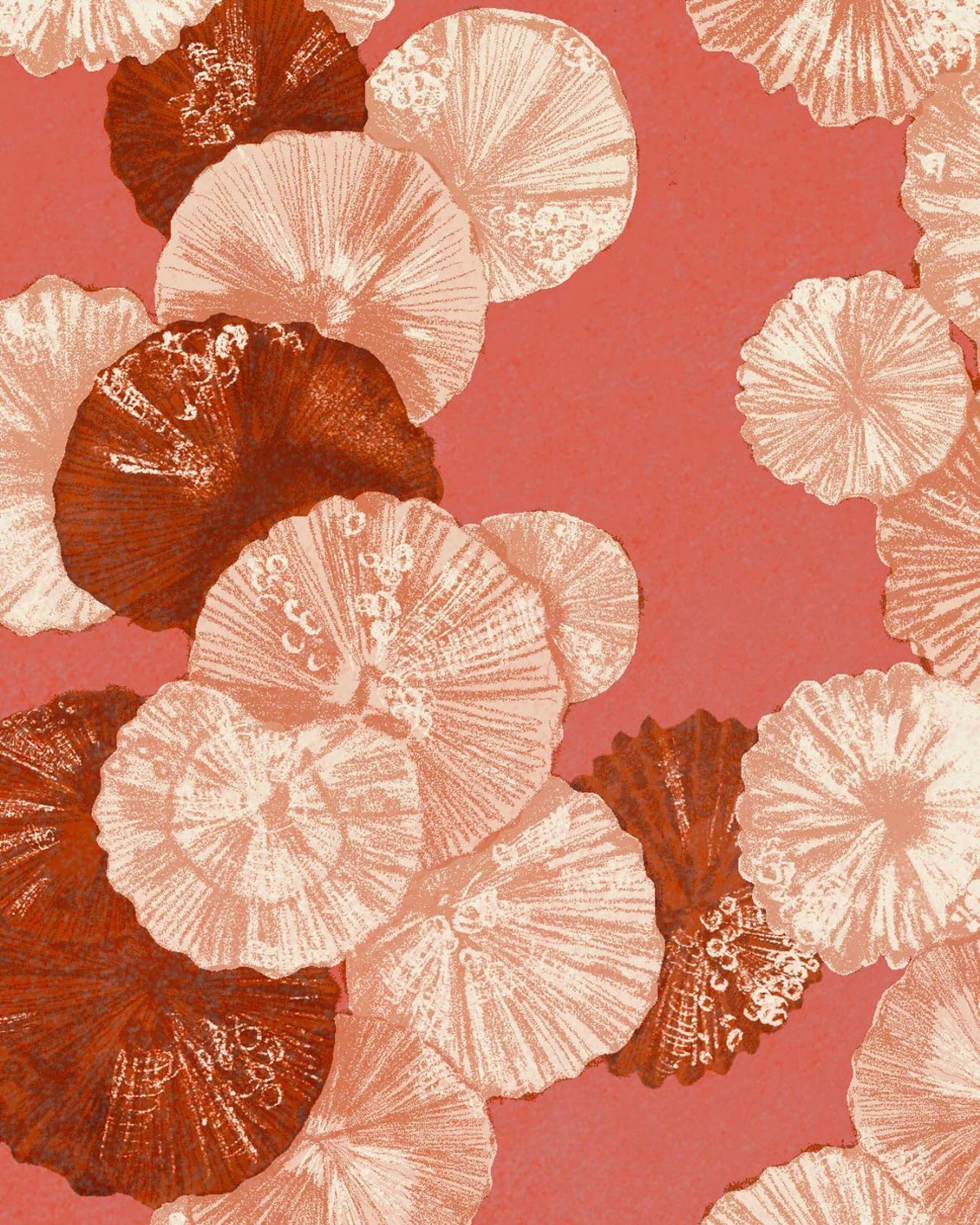
A terracotta shell print against coral reads Mediterranean because the colors do the unifying, not the shapes. The trick for a room is keeping every pattern in the same earthy family so nothing competes.
I start with one large repeat, usually on a rug or curtains, then add smaller prints on cushions.
A faded stripe or worn floral on a pillow next to a geometric weave works if both share cream, rust, or olive ground tones. Natural fibers help: cotton, linen, and wool blend together even when the patterns differ.
A light cotton throw folded loose over a sofa arm softens the mix without adding another competing print. The overall effect should look gathered over time, not arranged in one shopping trip.
14. Natural Materials
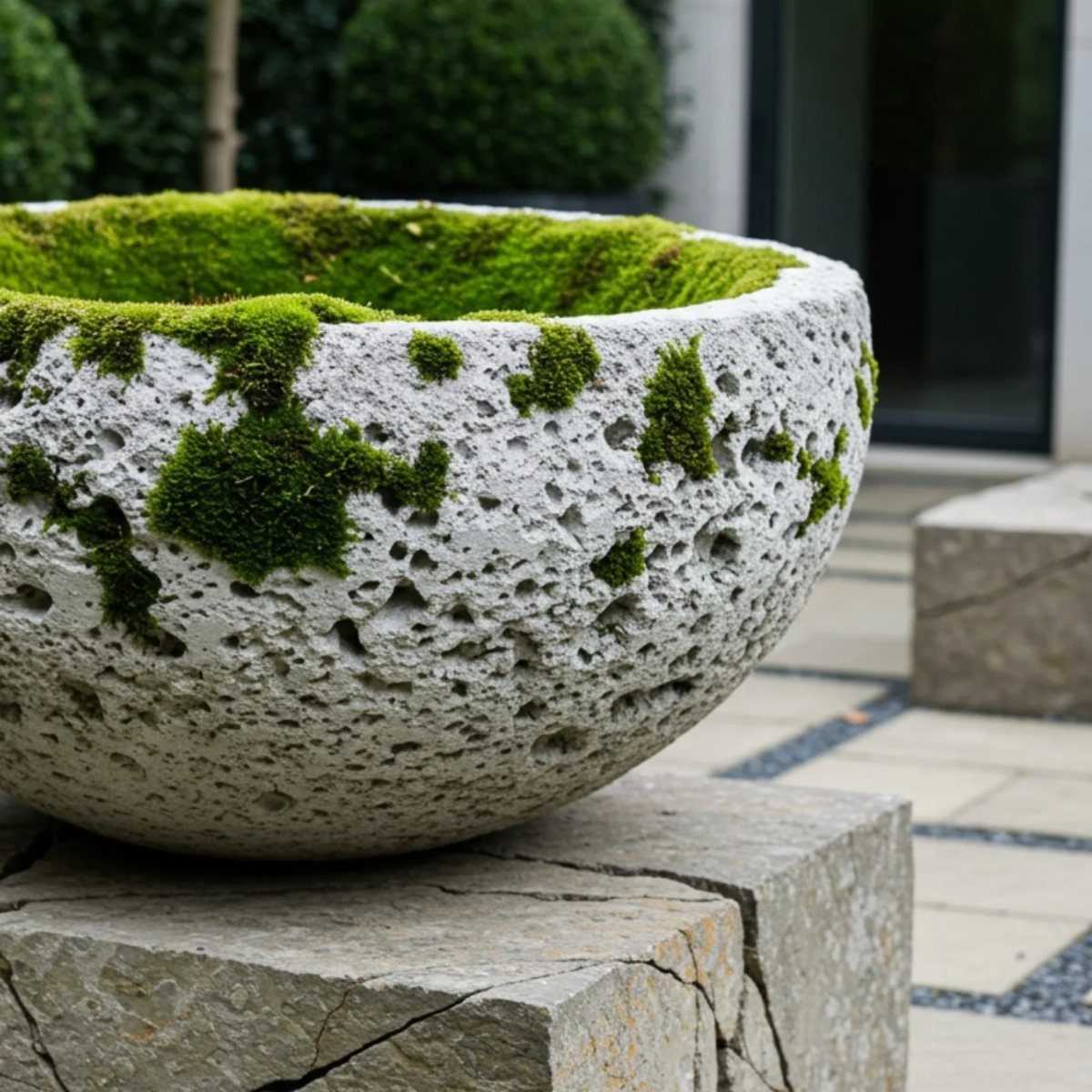
Stone, wood, and clay give a living room the grounded warmth that painted surfaces cannot match on their own. Limestone or volcanic tufa has that rough surface against smooth green moss, which shows why texture matters more than polish.
Hand-troweled lime plaster on a wall catches light unevenly and ages better than flat paint. For furniture, olive wood and walnut carry weight without looking formal, and aged leather on a seat softens with use rather than wearing out.
Forged iron on a lamp base or hardware adds the dark note that keeps pale walls from going flat.
The risk is too much roughness in one place. I balance a heavy stone piece with washed linen upholstery nearby so the room feels collected, not quarried.
15. Indoor Plants
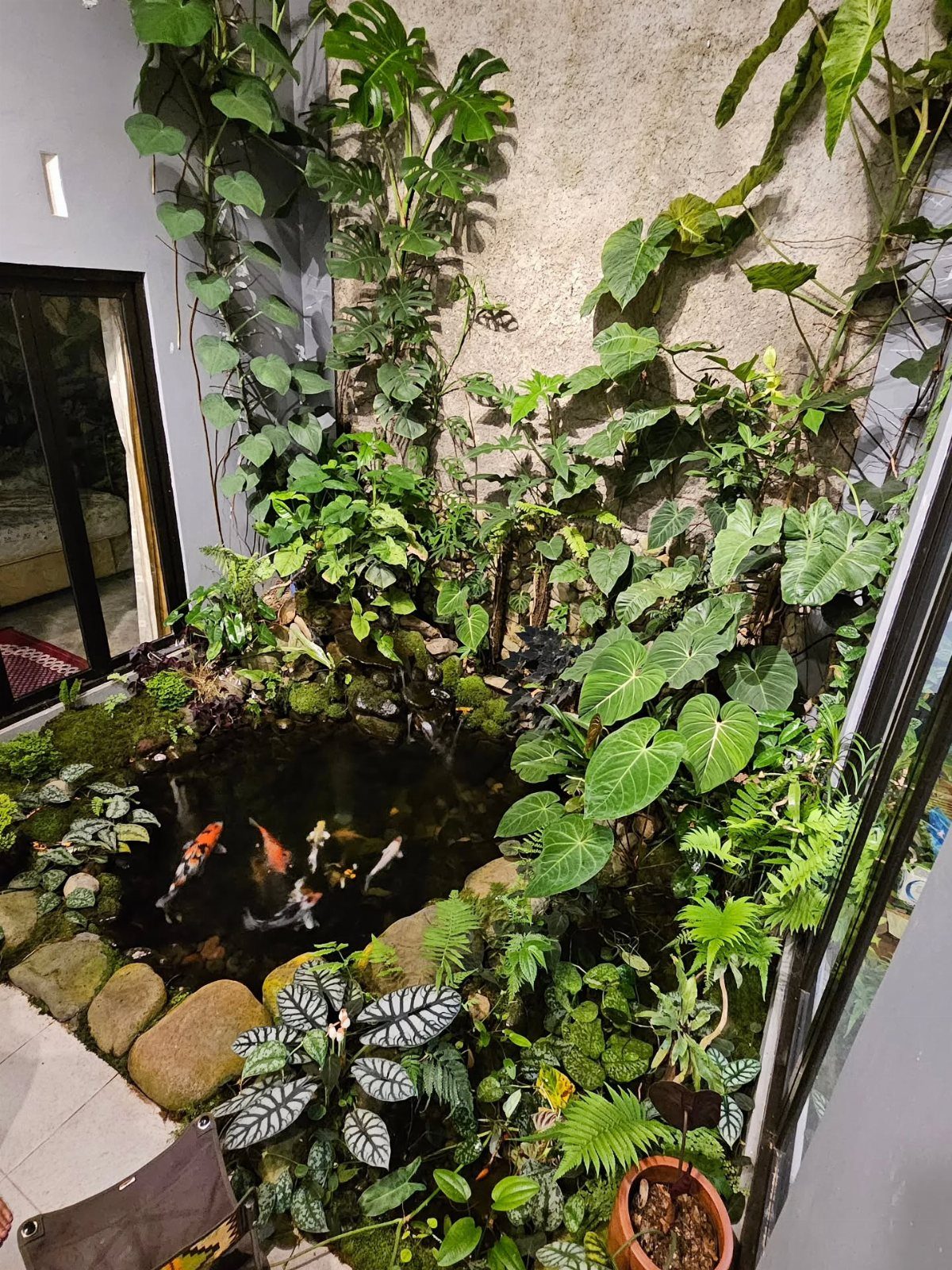
An olive tree in a terracotta pot does what no other houseplant does: it instantly signals Mediterranean without needing flowers or fuss. A single large-leafed plant against a textured wall borrows some of that same indoor-outdoor breathing room.
Floor-to-ceiling windows help if you have them, but smaller spaces gain the connection through placement.
A potted herb on a side table, a fern in a stone bowl on the floor, or a tall plant near a window so its shadow crosses the wall at sunset.
Living green should be visible from most seats in the room.
Choose plants that tolerate the dry air most heating systems create. Olive trees, rosemary, and citrus handle it; tropical humidity-lovers struggle without attention most renters won’t give.
16. Terracotta Tiles
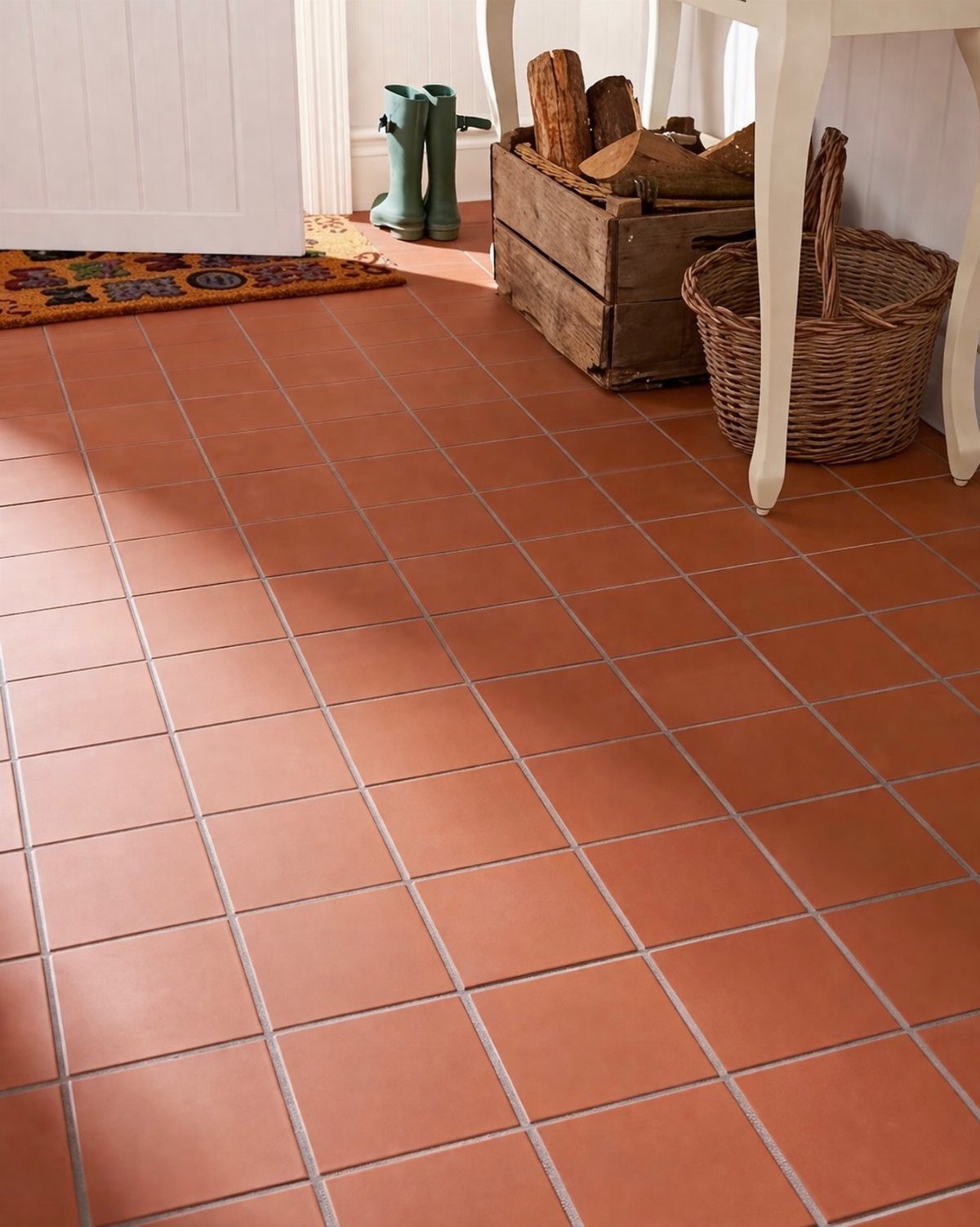
Terracotta tiles in the 300 by 300 mm size carry the warm, rustic base that rugs and furniture build on, and the modern porcelain versions stay practical for rentals or busy floors.
A large wool rug over the tile anchors the seating area and softens both sound and feel underfoot. Natural wool in cream, sand, or warm beige works with the tile rather than hiding it.
The rug should extend far enough that sofa and chair front legs rest on it, typically 8 by 10 feet or larger for a standard arrangement.
The tile itself stays cool, which suits warm climates and summer months. In cooler regions, the rug becomes essential for the months you actually use the room.
17. Outdoor Connection
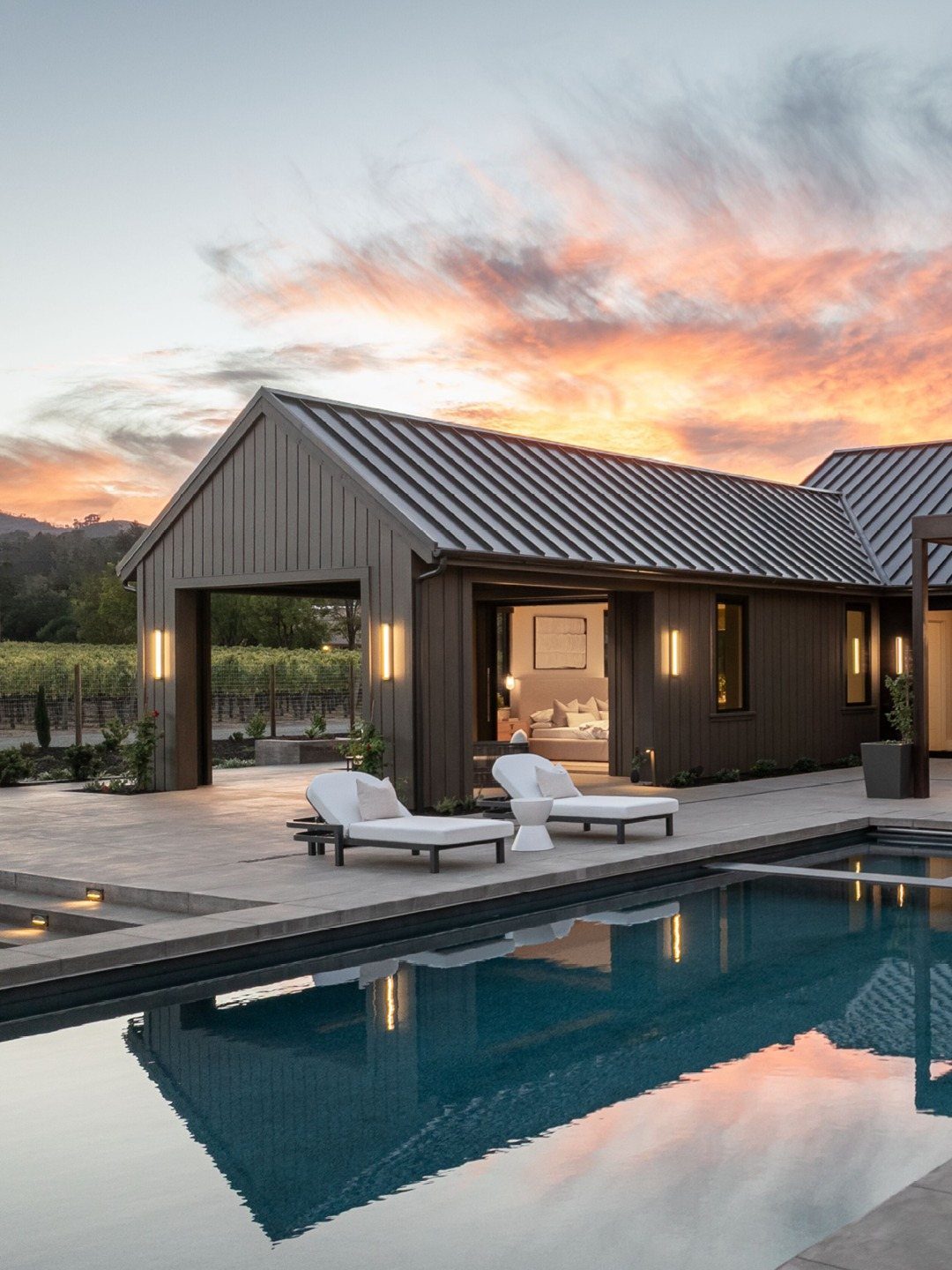
Dark wood frames and open doorways that dissolve the wall between inside and out are the modern version of a very old idea. A ground-floor patio or even a generous balcony can carry the same indoor-outdoor principle.
Large windows or sliding doors you can actually open are what matter. A low sofa placed facing the glass keeps the sightline clear.
The color palette inside should borrow from what sits outside: soft gray, beige, and muted blue if you face water; olive, rust, and cream if your view is garden.
Privacy and temperature control take more effort when walls of glass face outside. Sheer linen curtains give you both, filtering light and sight without the heavy finished feel of drapes.
The room should feel like it borrowed the outdoors, not like it escaped them.
Creating a Relaxed Atmosphere
A Mediterranean living room should feel like someone actually lives there. That means comfort comes before polish, and warmth matters more than matching every finish.
I start with materials that age well: a wool rug underfoot, a raffia pendant overhead, handmade ceramics on the coffee table. These pieces don’t need to be new or perfect.
A slightly worn ceramic bowl or a rug with a little patina adds more character than showroom condition ever could.
Soft neutrals set the tone, but the real work happens in texture. Rough plaster against smooth linen, warm wood against cool stone: these contrasts make the room feel collected over time rather than assembled in a day.
A restrained palette lets the textures do the talking.
Guests should kick off their shoes without asking. A room where everything feels too precious to touch has missed the mark.
Imperfect ceramics, woven baskets, vintage wooden pieces. The room should feel collected over time, not styled in a day.
Importance of Natural Light
Light is the material Mediterranean rooms are built around. Large windows and open layouts do the heavy lifting, but the fixtures you choose shape how that light behaves.
I go oversized on pendants, especially in woven natural fibers. Raffia and rattan soften the hard surfaces typical of this style: plaster walls, stone floors, exposed ceiling beams.
A pendant slightly larger than instinct suggests feels right in these spaces. During the day, the weave throws patterned shadows across the room.
At night, the same material diffuses the bulb into something warm and low.
Warm bulbs are non-negotiable for me. Cool daylight LEDs kill the mood this style depends on.
I center the fixture over the seating area, low enough to create intimacy but high enough to avoid head bumps.
If the architecture gives you big windows, don’t fight them with heavy treatments. Sheer linen or nothing at all keeps the connection to daylight alive.
Connection to Nature
Plants do more than decorate in a Mediterranean room. They tie the interior to the landscape outside, especially when French doors or large openings make that boundary thin.
An olive tree is my first choice for scale and authenticity. It reads immediately as Mediterranean without trying hard.
For smaller spaces or less light, trailing vines on a shelf or a potted rosemary in the kitchen sightline work the same way.
Natural materials extend the connection beyond greenery. Travertine, light wood, woven fibers: these echo what grows and weathers outdoors.
I like built-in niches for displaying ceramics or coastal pieces because they feel discovered, not staged, like shells collected on a walk.
The color palette reinforces this too. Beige and soft wood tones read as sun-washed; blue accents in pillows or curtains pull in the sea without being literal about it.
The room should feel like it could open onto a garden or terrace, even when it doesn’t.
Avoiding Clutter
Restraint keeps a Mediterranean room from feeling like a prop closet. Every surface doesn’t need an object; every wall doesn’t need a piece.
I edit by asking what a piece actually adds. If it’s only filling space, it goes.
The handmade items and natural textures already carry so much visual weight that extra layers compete rather than complement. One good ceramic vase on a table beats three small objects clustering for attention.
Negative space lets materials breathe. A plaster wall with nothing on it, a stone floor with a single rug, a shelf with one sculptural piece: these pauses make the occupied moments land harder.
I also watch for duplication. When two items serve the same visual purpose, keep the better one and store or donate the other.
Calm matters more than minimalism for its own sake. A lived-in room needs some evidence of life.
Just not all of it at once.
Frequently Asked Questions
What type of flooring would look best in a Mediterranean-style house?
Terracotta tiles in the 300 by 300 mm size carry the warm, rustic base this style builds on, with modern porcelain versions staying practical for rentals.
Wide-plank walnut or oak in a dark stain works where tile is not feasible, and large-format honed travertine or limestone in 60 by 60 cm tiles gives a slightly more contemporary option.
What makes a house Mediterranean-style?
Natural materials aged by actual use, a connection between inside and out, and a palette borrowed from dry landscapes and coastlines.
Hand-troweled lime plaster, olive wood, wrought iron, and ceramics that show the hand of their maker signal the style more than any single decorative object.
What furniture suits Mediterranean interiors?
Simple, natural furniture in wood, linen, and relaxed shapes: a large linen-slipcovered sofa with rolled arms, aged-leather club chairs softened into their shape, a heavy olive-wood or walnut coffee table with visible grain.
Curved edges let a room exhale where sharp corners would fight it. Choose pieces that carry their age openly, not ones that arrived fully polished.
How do you make a living room feel Mediterranean?
Start with materials that age well and comfort that comes before polish: a wool rug underfoot, a raffia pendant overhead, handmade ceramics on the coffee table, linen curtains that filter light instead of blocking it.
Rough plaster against smooth linen and warm wood against cool stone make the room feel gathered over time.
What is the difference between rustic Tuscan and modern Mediterranean?
Rustic Tuscan weighs more heavily: deeper ochre and rust, more beams overhead, more leather, surfaces that hold more hand-thrown pottery than empty space.
If your room has heavy beams and a large iron candelabra, you are rustic Tuscan; if it has clean plaster walls and three styled objects on a shelf, you have crossed into modern Mediterranean.