The ideas below range from an hour with a roll of contact paper to a full weekend sanding and spraying appliance epoxy.
Which one fits depends on whether you need to peel it off in a year or live with it for ten. The vinyl chalkboard sticker and the marble-pattern contact paper both lift away clean; paint and panel mounting do not.
1. Paint Your Old Fridge

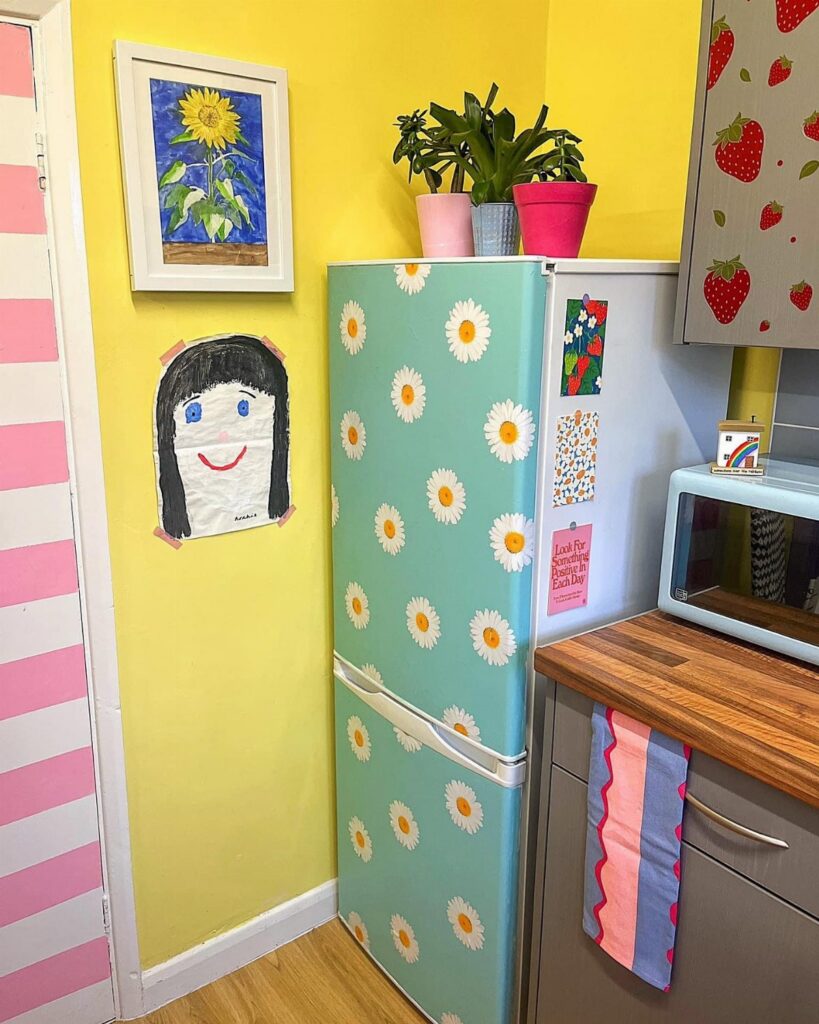
A coat of appliance epoxy or latex paint turns a tired white box into the loudest thing in the room.
Primer first, then two coats of color that match the wallpaper’s energy, and a pink fridge looks intentional instead of leftover.
Paint and supplies for this run cheap; the real cost is a Saturday between coats drying.
Sanding with 220-grit first matters more than the brand; the paint needs something to grip or it will chip at the corners inside a month.
This one is for renters who can paint it back before move-out, or for anyone who found their dream color in a hardware store aisle and cannot stop thinking about it.
2. Change Up Refrigerator Handles
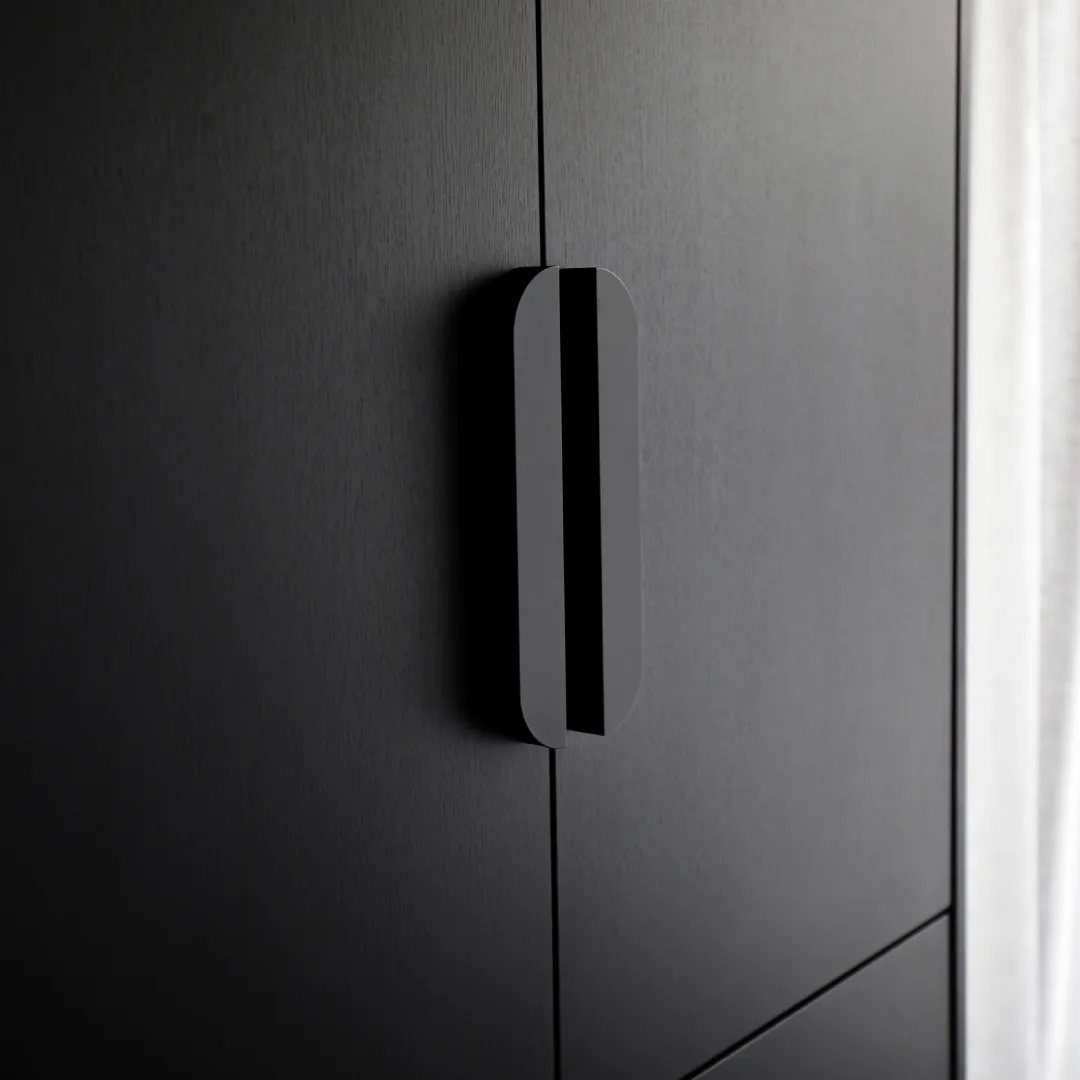
Swapping handles is a small job that changes how the whole kitchen reads. Matte black bars against dark paneling borrow the same finish as the cabinet hardware so the eye moves across without catching.
Measure the existing bolt spacing before ordering; most fridges run 5–8 inches between mounts, and guessing means extra holes. Towel bars from a bathroom aisle work if the span matches, and they often cost less than appliance-branded replacements.
Skip this if your fridge has recessed pocket handles, since filling and redrilling eats the simplicity. For surface-mounted originals, though, this is the fastest way to make an old appliance feel current.
3. Turn Your Fridge Into a Blackboard

A blackboard vinyl sticker covers the front in one sheet and gives you a surface that changes daily. Regular chalk works fine for strawberries and leaves, then washes off when the season changes.
The vinyl peels away clean, so this suits renters or anyone who fills notebooks with grocery lists that never make it to the store. Appliance-sized chalkboard vinyl installs dry; no water, no bubbles, no waiting.
Chalk dust drifts, which means wiping the floor more often. If that trade sounds fair, this is the most forgiving way to let kids mark up a major appliance without consequence.
4. Hide Your Fridge Behind Panels
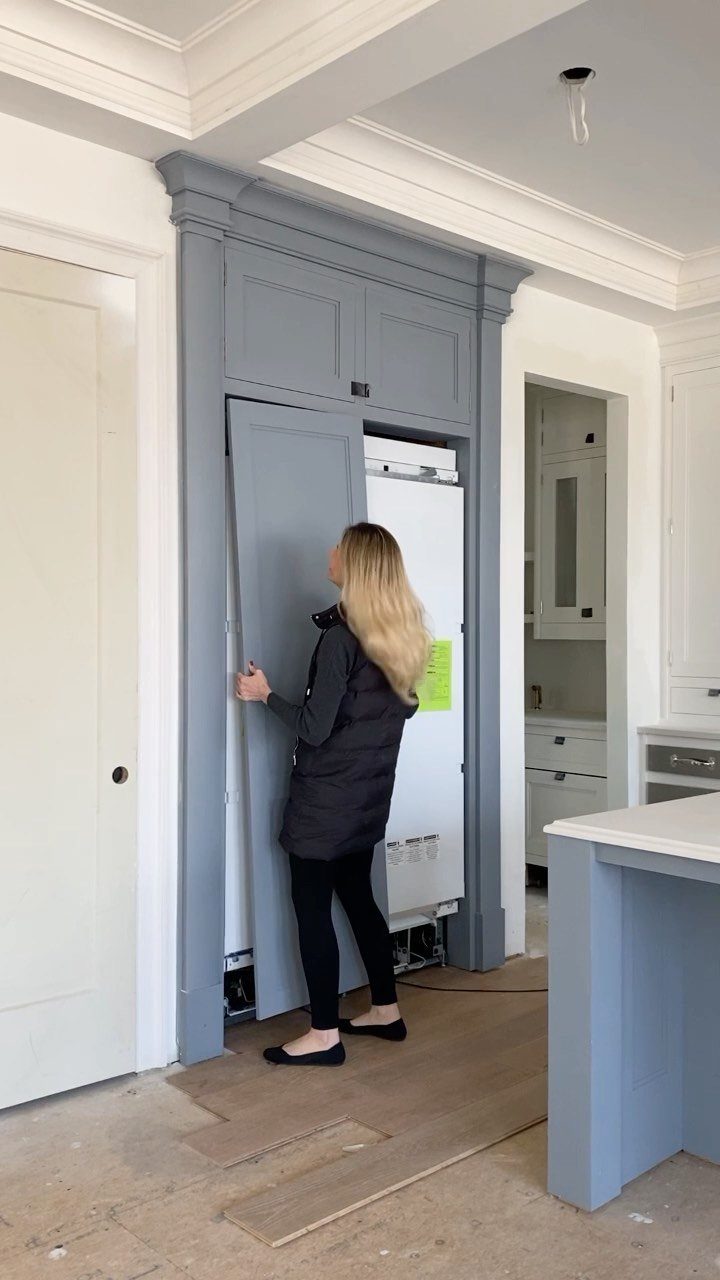
Cabinet panels that swing open with the fridge door hide the appliance completely. Grey panels that match the surrounding kitchen let the refrigerator read as another bank of storage.
Prefabricated overlay kits exist for common sizes and cost more than paint but less than a new unit. Custom cabinets built to the exact opening run higher but handle odd dimensions or older models the kits miss.
Either way, the fridge needs to accept panel mounting brackets; check the manual for "integrated" or "panel-ready" in the specs.
This is the only option here that asks for a second pair of hands and a level. A kitchen where the eye finds no break in the cabinetry line feels larger and calmer.
5. Use Contact Paper
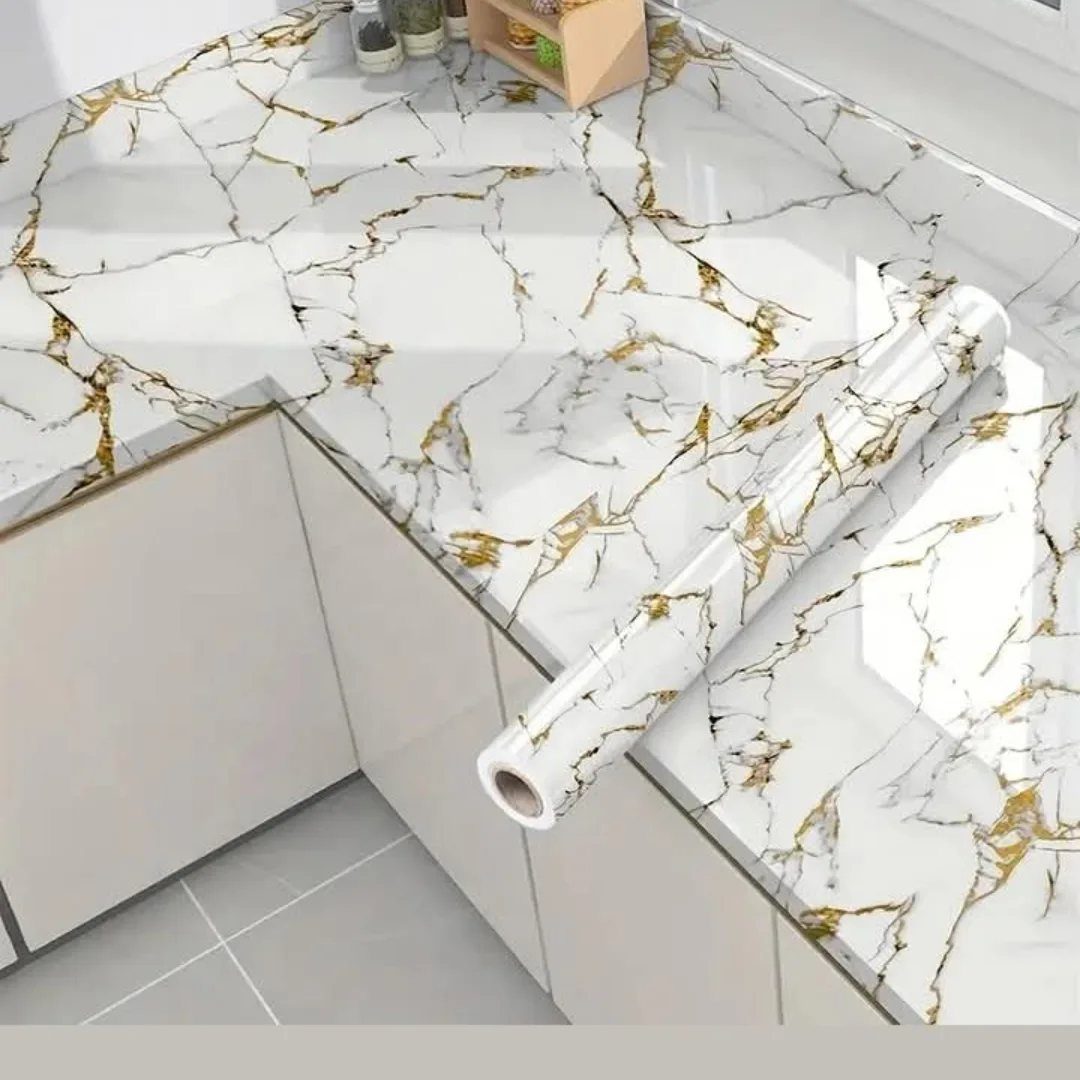
Marble-pattern contact paper sticks to a fridge front in an hour and peels off when the mood shifts. The gold veining reads as stone from across the room and wipes clean with a damp cloth.
One roll covers most standard doors cheap; grab two if the sides show. Pull slowly to avoid stretching the pattern, and use a card to press air out from the center.
No primer, no curing time, no commitment.
This is the option for anyone who wants to try a look without living with it past lease end. Paint bonds forever; contact paper waits for you to change your mind.
Painting Tips
Clean the fridge with a degreaser, then hit every surface you plan to paint with fine-grit sandpaper until the gloss is gone. Skip this and the paint will chip inside a month.
A water-based primer cleans up with soap and water, while oil-based or shellac primer bites harder into slick surfaces. For most fridges, water-based is enough.
Roll on one coat of Sherwin-Williams Extreme Bond primer with a 4-inch roller; it dries flat in an hour and leaves the surface ready for color. The door edges need sanding and priming too, not just the front face.
Durability of Paint
Standard wall paint will not survive a fridge. The doors take hits from grocery bags, magnets, and the occasional kicked soccer ball, so buy paint rated for cabinets or metal, not interior latex.
A clear coat over the color buys extra time, especially on handles. That is where the oils from your hands wear through fastest.
Two thin coats of polyurethane or acrylic sealer beat one thick one; thick coats crack when the door slams.
Cost-effective Solutions
Painting or covering what you own costs a fraction of a new unit and keeps the old one out of a landfill.
The environmental math is straightforward. Manufacturing a fridge burns energy and ships raw materials across multiple continents.
Refinishing burns none of that.
Creative Designs
A painted fridge can carry a pastel retro look, a matte black slab, or a color-blocked pattern that matches your cabinets. The only rule is that the finish has to read as intentional, not as a cover-up.
Contact paper opens even more doors. It comes in vinyl rolls you cut to fit, with finishes that mimic marble, brushed metal, or hand-painted tile.
It sticks to the fridge shell, peels off clean when you are done, and costs less than a single gallon of premium paint. I would pick this route for renters or anyone who changes their mind twice a year.
Frequently Asked Questions
What kind of paint do you use on a fridge?
Appliance epoxy or latex paint works, but only after a primer coat. The primer matters more than the brand name; without it, the paint chips at corners within weeks.
Is it better to paint or wrap a fridge?
Contact paper lets you change your mind or move out without leaving a trace, and a roll costs less than premium paint by the gallon.
Painting lasts longer and looks more deliberate, but it is permanent and eats a full Saturday between drying times.
Is it worth painting a fridge?
Yes, if the appliance runs fine but looks tired.
Painting or wrapping runs a fraction of a new fridge’s price and keeps the old compressor running instead of adding to scrap metal piles and the fuel it takes to ship a replacement.
Can a refrigerator be painted?
Yes, with sanding, primer, and paint meant for metal or cabinets, not interior latex. Scuff every surface with 220-grit paper until the gloss disappears, prime with a bonding formula, then apply two thin color coats.
Skip degreasing and sanding, and the new coat starts flaking before the month is out.