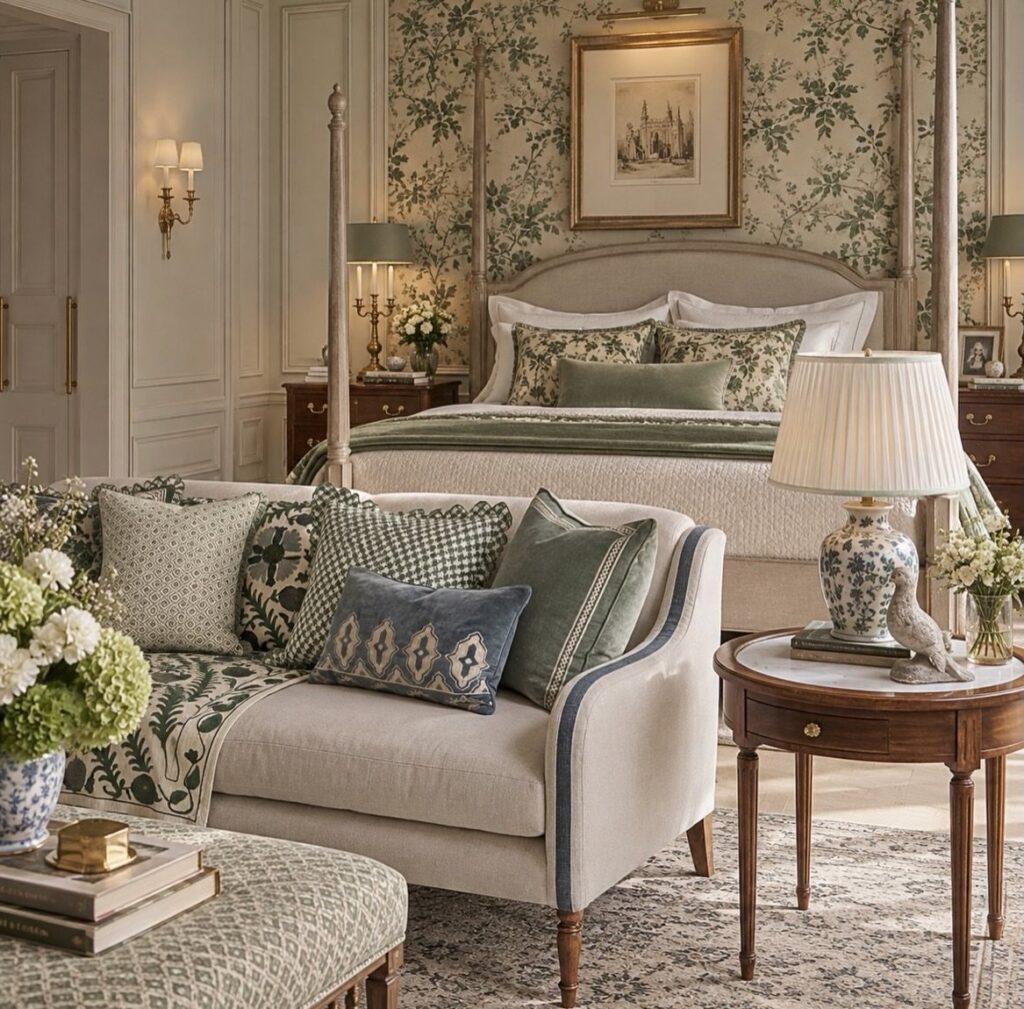
These ideas run from a single taper candle to a canopy frame that needs ceiling anchors, and the right one depends on whether you rent, own, or fall somewhere between.
1. Create Ambience with Lighting
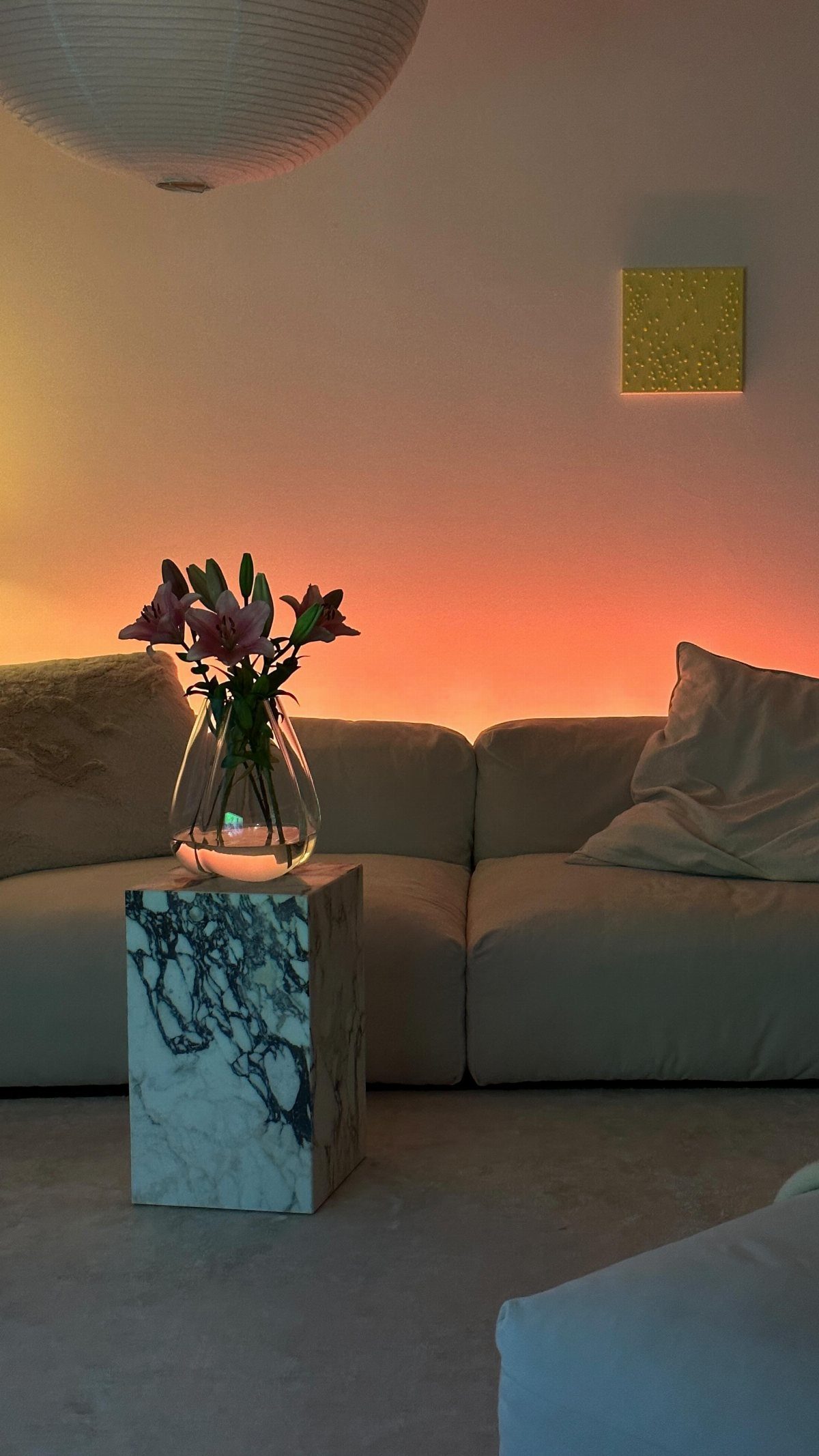
A paper lantern and a few dimmable bulbs turn a bedroom from functional to something softer.
A warm LED on a dimmer pulls the walls inward in the right way, turning the room into a corner you actually want to stay in.
Place matching lamps on each nightstand at equal heights, and the bed reads as its own enclosed space. Candles grouped on a dresser or windowsill finish the shift when you turn the lamps off entirely.
Skip the brighter bulbs; anything too strong breaks the mood before it starts.
2. Incorporate Refreshing Scents

Scent works faster than sight to change how a room feels. A small diffuser tucked in a corner, running lavender or vanilla, fills the space evenly without the open flame of a candle.
Linen spray on the pillows each morning costs little and lasts until night. Cedarwood oil reads warmer than floral and lingers without feeling perfumed, which makes it the right choice for a bedroom.
A candle still works if you want the flicker too, just keep the scent single and light. One fragrance at a time; mixing two turns the room into a department store aisle.
3. Soft Textures
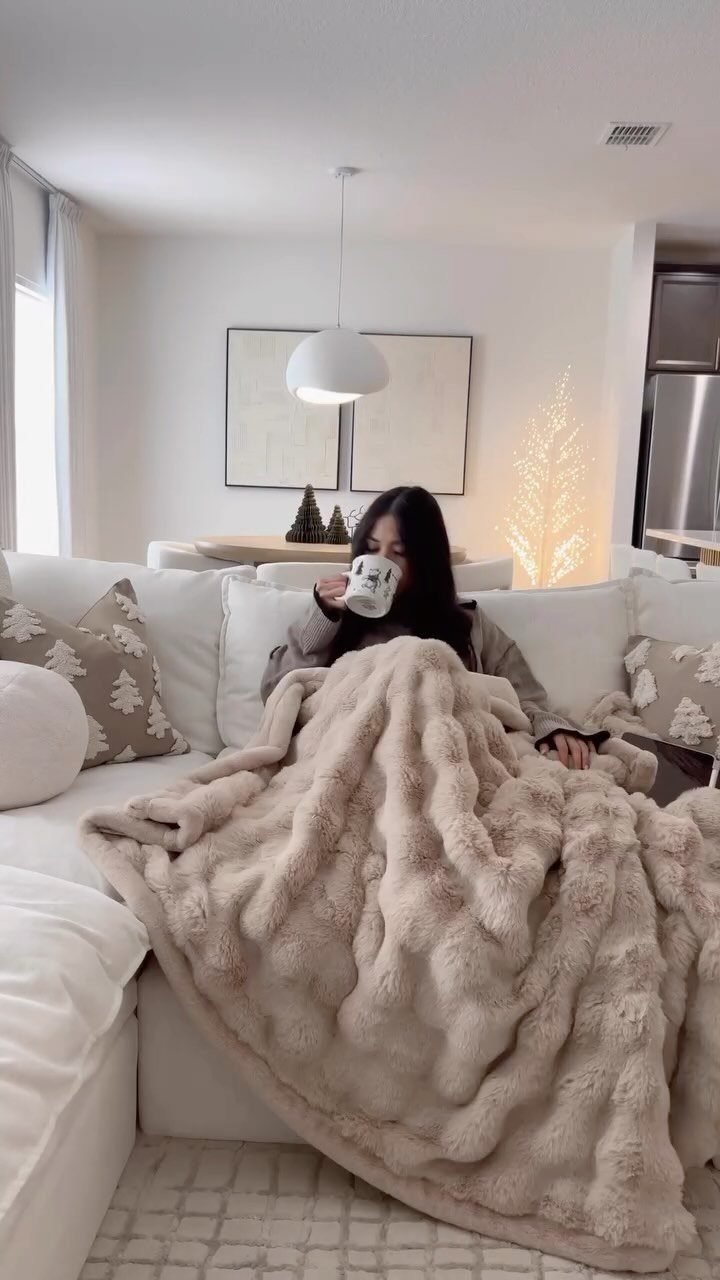
A bed that invites touch starts with contrast: a chunky knit throw over smooth cotton sheets, a faux fur pillow against linen. The eye reads the difference even in neutrals, and the body notices when you climb in.
A low-pile rug beside the bed turns the first step out of it into something you no longer brace for. Silk or velvet curtains against matte walls do the same job vertically.
Two or three textures is enough; more than that, and the room starts to feel like a display rather than a place to sleep.
4. Incorporate Wall Art
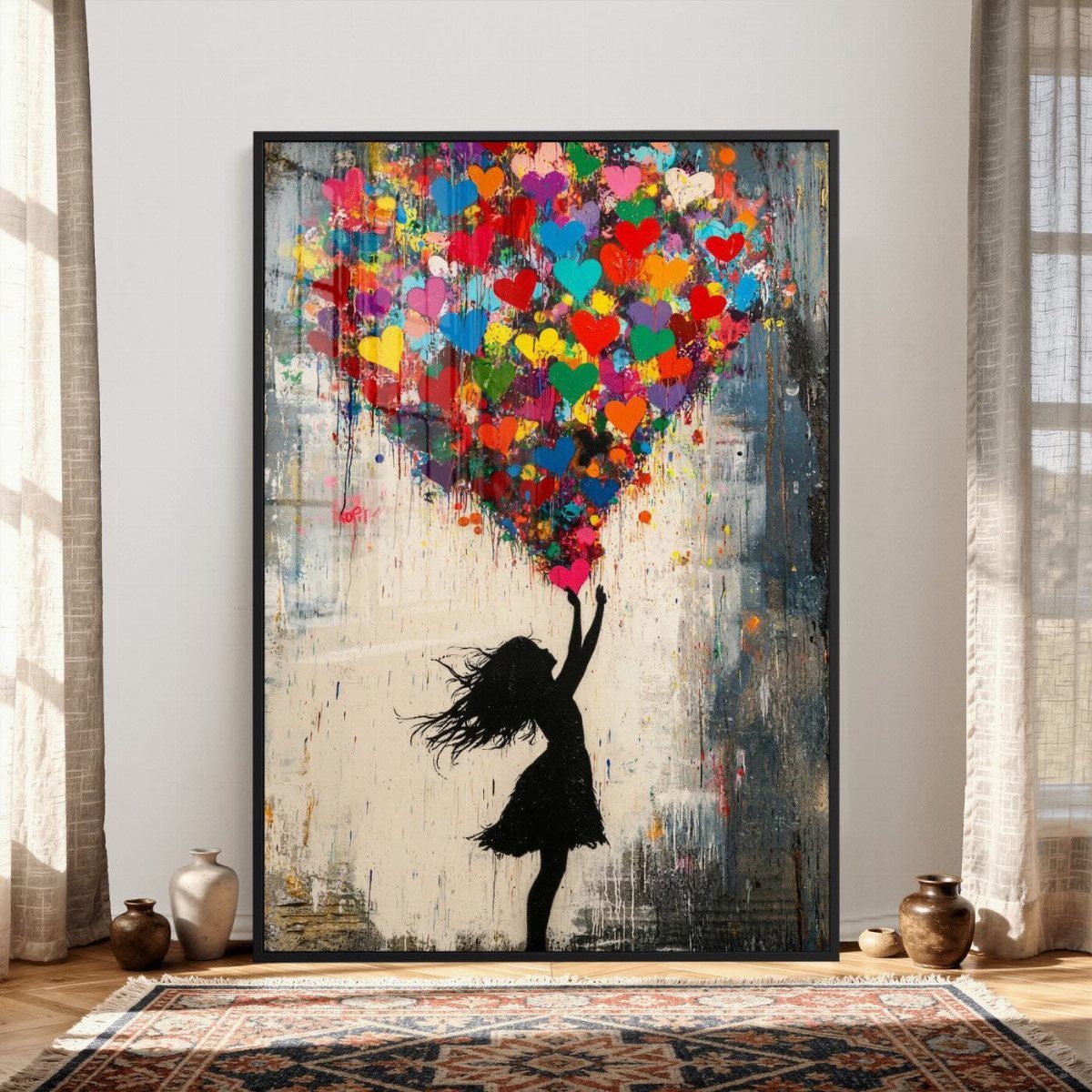
The right piece above the bed gives the room a center of gravity. A single large frame, hung at sitting-eye level, reads as intentional; a cluster of small frames reads as clutter.
The size of a piece over the bed matters more than the subject; something around 24 by 36 inches holds the wall without shouting. Oil paintings or abstracts with warm tones work if you lack personal images.
Keep the frame simple; ornate molding competes with the image and with whatever bedding sits below.
5. Use Soft Fabrics

Velvet and silk read as luxury because they catch light differently than cotton or linen. A velvet pillow or a silk curtain panel turns ordinary light into something moving.
I found a sage green silk throw on clearance and draped it at the foot of the bed; the color shifts from gray to green as the day changes.
Cotton still has its place, especially for sheets you actually sleep on. Mix two fabrics, maybe three, keeping them in the same tonal family.
The variation in sheen does the work so the palette can stay quiet.
6. Turn Curtains Into a Focal Point
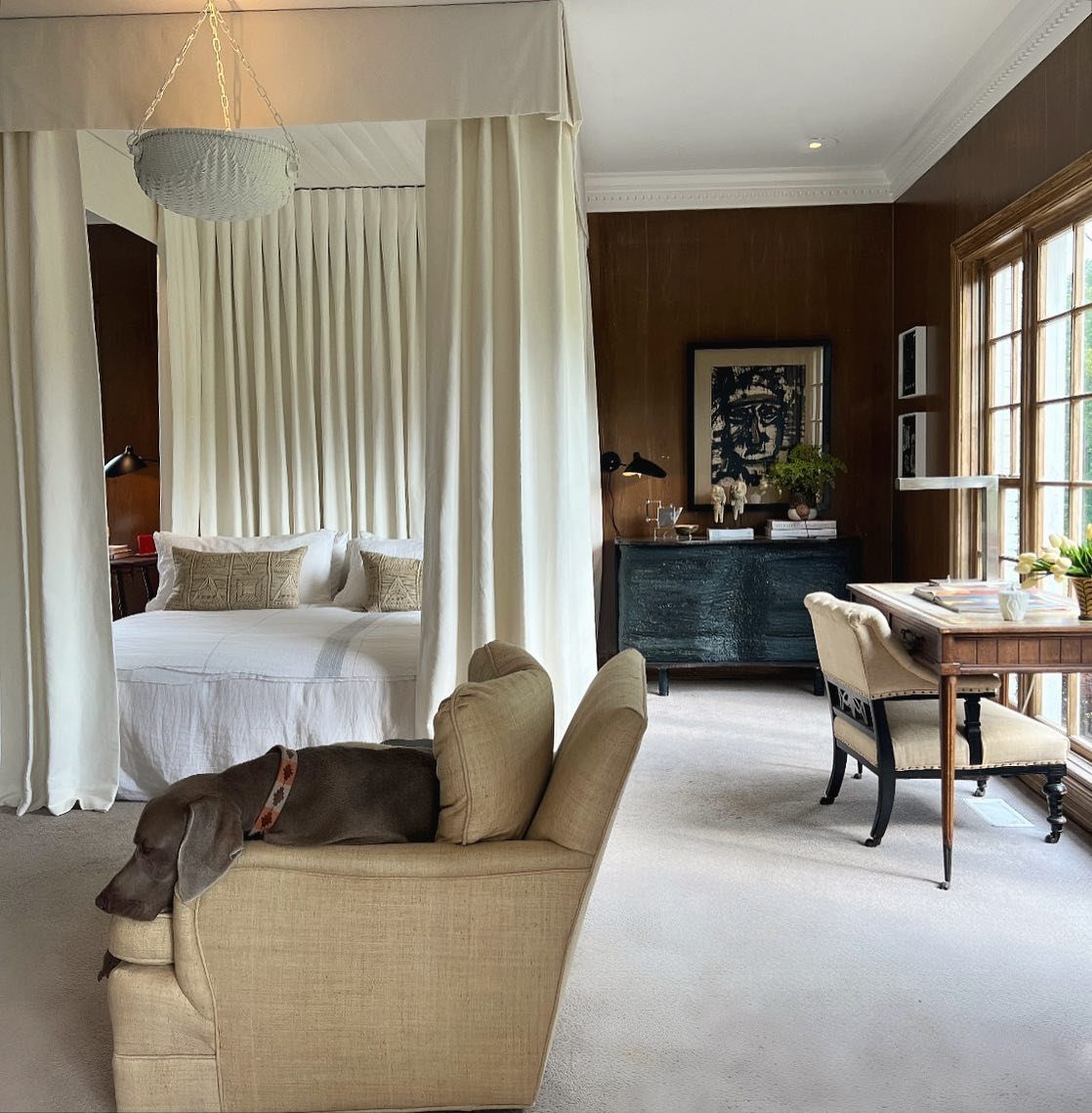
A canopy frame with curtains draws the eye straight to the bed, which is where you want it in a room built for rest.
Lower ceilings call for shorter posts and lighter fabric, or the room starts to shrink around you.
Hang the curtains on rings so you can draw them back in daylight; a closed canopy at noon feels like a stage set, not a bedroom.
7. Create a Cozy Seating Area
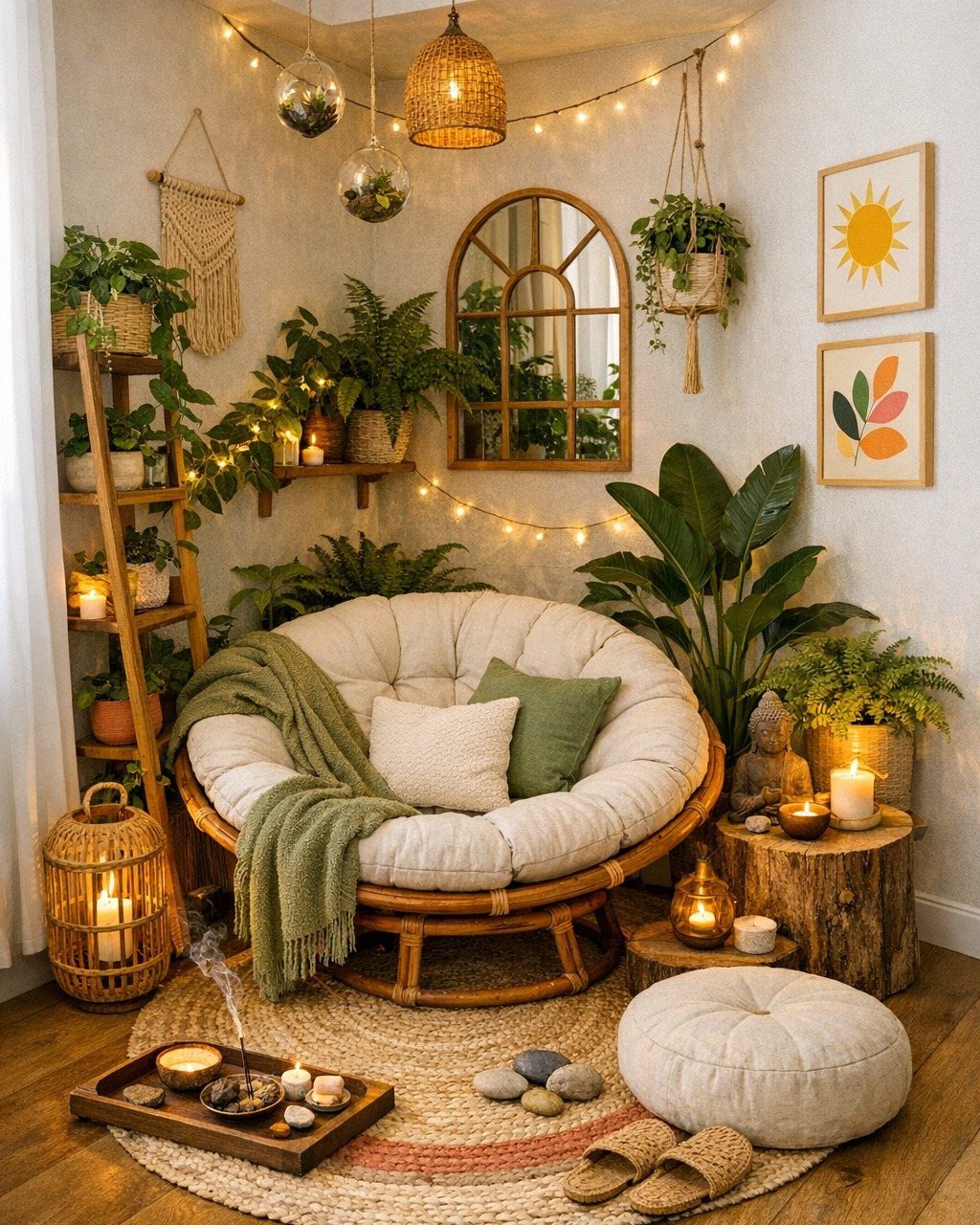
A papasan chair or small loveseat tucked into a bedroom corner gives you and a guest a place to land that isn’t the bed itself.
String lights and a stump table with candles turn the spot into somewhere you’d actually want to linger with coffee or a glass of wine. A rattan frame and jute rug keep the whole setup affordable if you shop secondhand.
This works best when the chair is wide enough for two to sit together comfortably. Skip it if your bedroom barely clears the mattress; a window seat with thick cushions solves the same problem in tighter spaces.
8. Add Candles

Taper candles in simple glass holders give the warmest light; battery-operated ones with timers are worth keeping on hand for evenings when fresh tapers run out.
Sandalwood, vanilla, or jasmine scents read as romantic without trying too hard; unscented works fine if headaches are an issue. Heart details on tapers are easy to swap for plain cream or a color that matches your bedding.
Metal or glass holders matter more than the candle price. A starter set of tapers and holders doesn’t need to be large; two holders and a few candles are enough to begin.
9. Install a Canopy
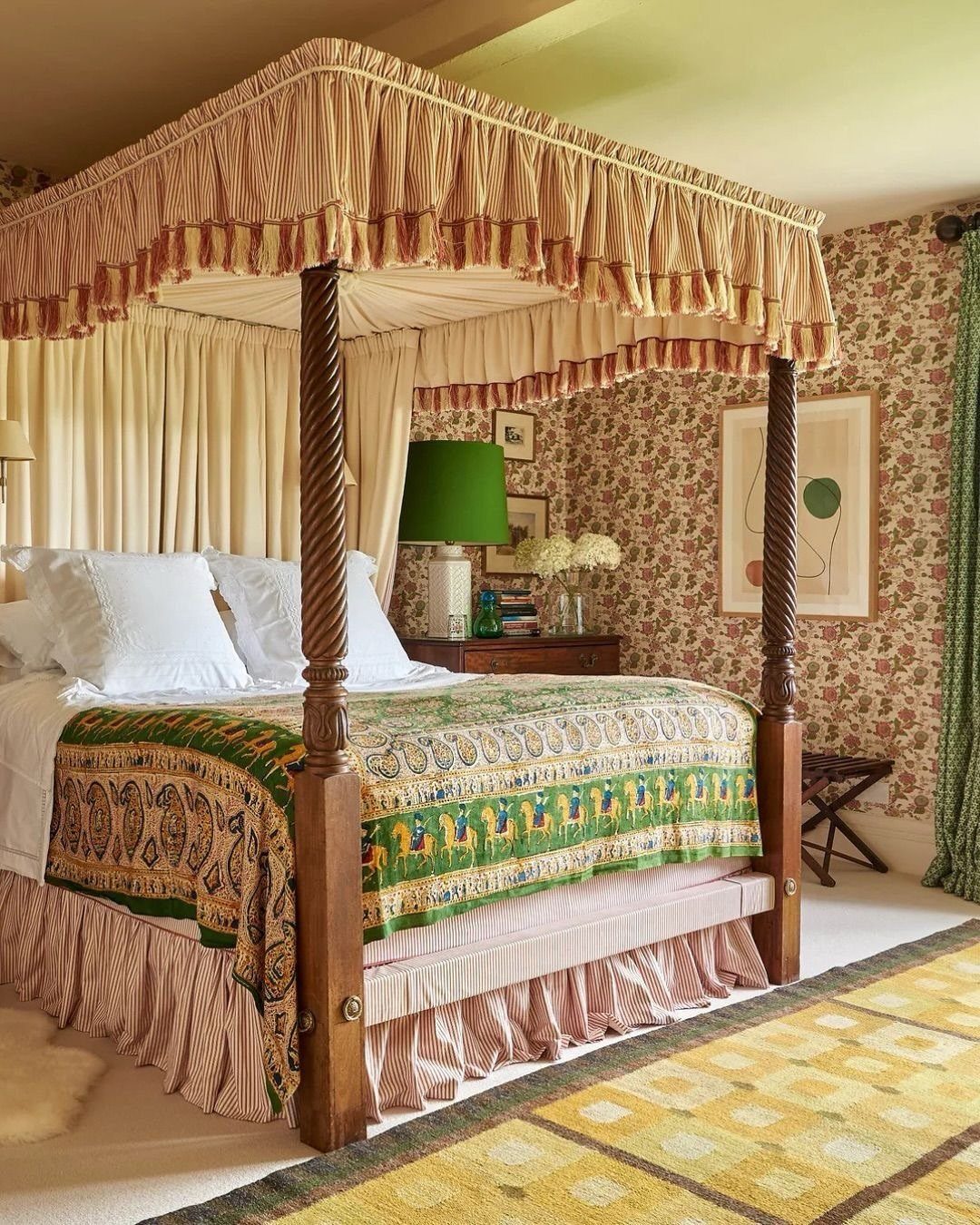
Sheer fabric draped over a four-poster frame turns an ordinary bed into something that feels private, even in a studio where the bed is the whole room.
A ruffled stripe canopy reads vintage; a plain white voile or a soft pink sheer costs less and installs with ceiling hooks if you don’t have posts. Secure mounting matters, especially if you rent and can’t patch holes later.
Tension wire or a lightweight curtain rod screwed into the ceiling works without drilling into the bed frame itself.
This trades away morning light unless you tie the panels back, so I’d skip it in a basement bedroom that already fights for sun.
10. Choose a Statement Headboard
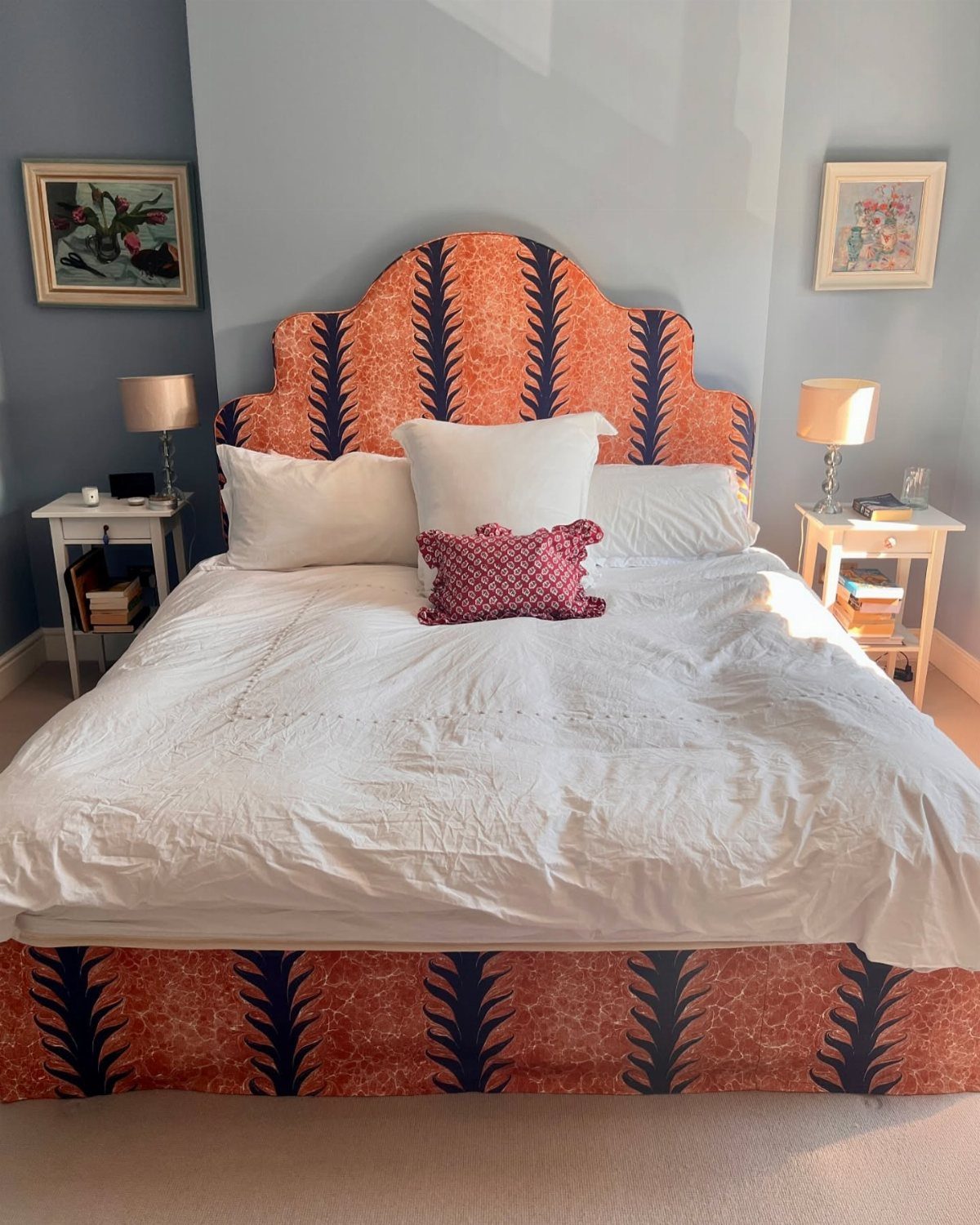
A headboard in a bold pattern or an unusual shape does the work of art without needing a blank wall behind it.
Upholstered frames like this one climb in price with fabric choice and size. If that stretches the budget, a plywood cutout wrapped in batting and a remnant from the fabric store takes a single afternoon and costs far less.
Intricate designs suit large bedrooms where the bed has room to breathe; in a tight space, a solid color with texture keeps the room from feeling crowded.
11. Incorporate a Fireplace

A real fireplace in a bedroom is rare enough that I’d count it as architecture worth building around, not decor to add.
If your bedroom has one, paint the surround to match your palette and stack the interior with pillar candles or cut wood for structure you won’t light.
An electric faux version gives the same glow without the chimney; bedroom-sized units plug into a standard outlet. The Netflix fireplace video is free and surprisingly effective on a wall-mounted TV, though it won’t warm the room.
This idea trades floor space for atmosphere. In a smaller room, a narrow console with a row of candles on a mirrored tray gives a similar effect for very little.
12. Use Vintage Decor
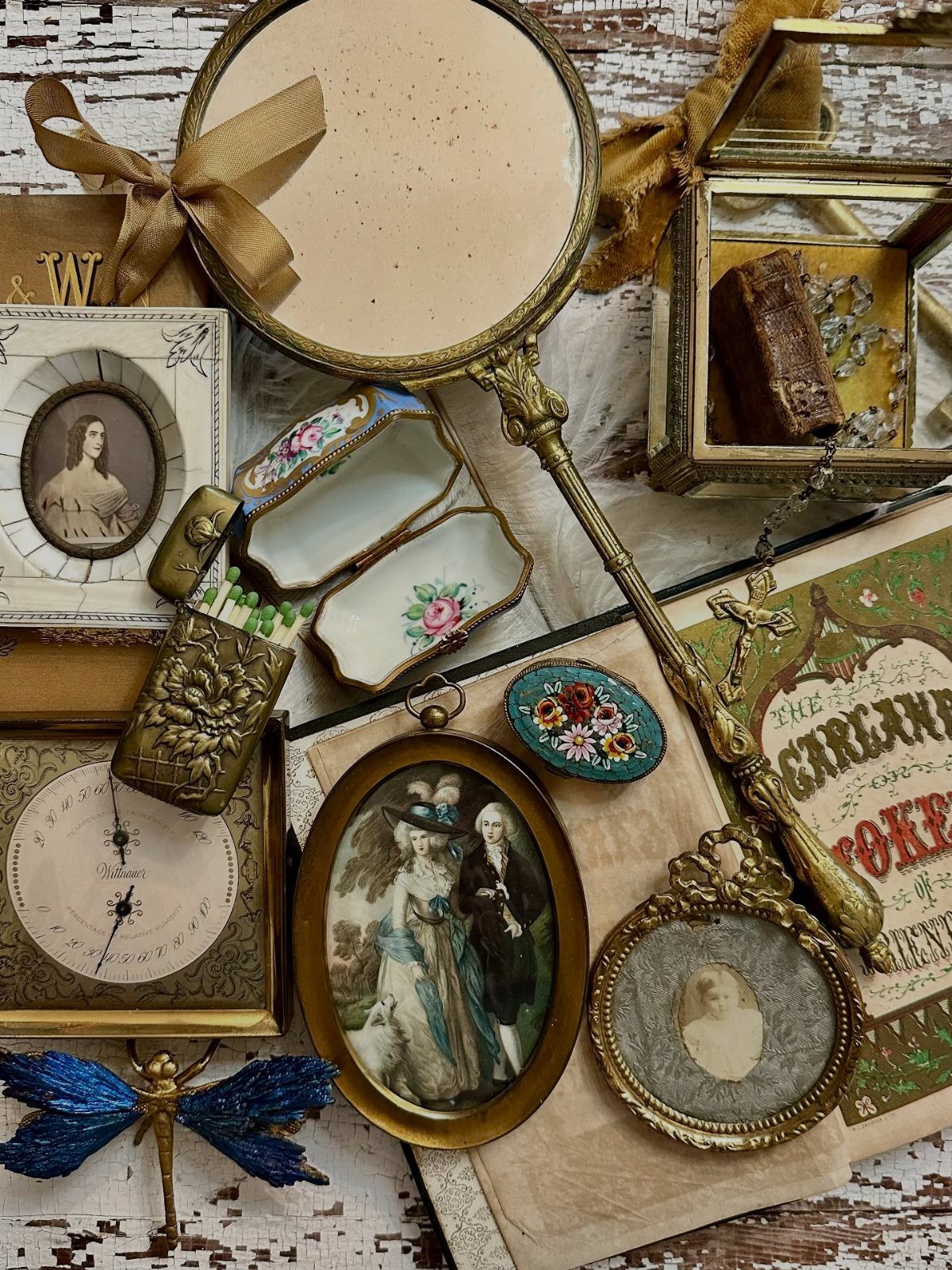
A few small vintage pieces mixed in with what you already own keep the room from feeling like a set.
A painted surface holds the look together without requiring a formal vanity.
Flea markets and estate sales are my usual sources; a gold hand mirror is often affordable, old books with worn spines cost next to nothing, and the portraits are frequently cheaper than blank frames.
Mixing pieces that share nothing but a mood, like a dragonfly and a glass box, adds sparkle without the flatness of a matched set.
A vintage theme works when you stop before everything in the room qualifies as antique. One corner with a story beats a museum case.
13. Incorporate a Statement Light Fixture
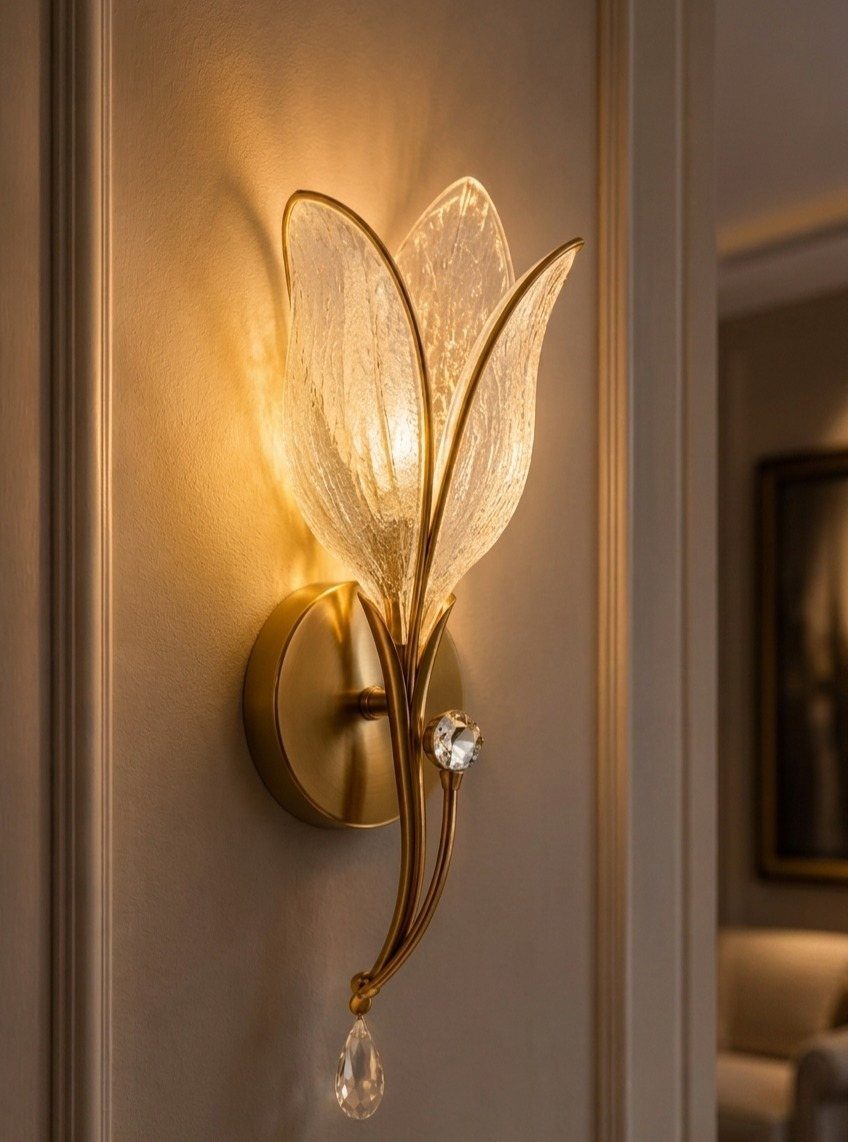
A single wall sconce can do what overhead lighting never will. A flower-shaped fixture with textured glass petals throws a warm pool of light against the wall instead of washing the whole room flat.
I put dimmers on every overhead switch years ago, but I still reach for the sconce at night. Corners lit softly feel different than a ceiling blast turned down low.
The crystal accent catches just enough glow to read by without killing the mood.
For renters, a plug-in sconce with a cord cover skips the electrician entirely. Hardwired is cleaner if you own and can manage the install.
Either way, aim for bulbs under 2700K and skip anything labeled "daylight."
14. Play with Pattern

Matthew Williamson wraps whole rooms in pattern, not just one wall. Black and cream geometry reads loud when it moves across every surface without a quiet border to rest your eye.
One accent wall of pattern tends to look apologetic; carrying the same motif across two or three surfaces makes it read as intentional.
The trick, if you want calm with your maximalism, is holding to six colors or fewer across every pattern you bring in. Williamson’s own rooms stay tight that way even when nothing else does.
Start small if you’re renting: removable wallpaper in a closet or behind the bed. The 2026 move is bigger, plumper, odd-numbered pillows in clashing prints that share a palette.
Mix the shapes: a large square, a lumbar, a smaller accent. Same rule of six colors, no exceptions.
15. Flowers

Fresh roses on the nightstand go fast; the stems go slimy before the weekend’s out. Dried lavender or peonies stretch to months, though the color mutes and the scent fades to something you have to lean in for.
A small bud vase by the bed with grocery-store stems swapped often gives the same hit of color without the commitment. Freshness matters more than the particular flower.
For zero maintenance, floral wallpaper or a resin night light with a rose trapped inside gives the shape without the rot.
Hirosart’s Midnight Blue Rose light costs about what you’d spend on a few rounds of florist stems and stays lit for years.
16. Decor with Custom Pillows
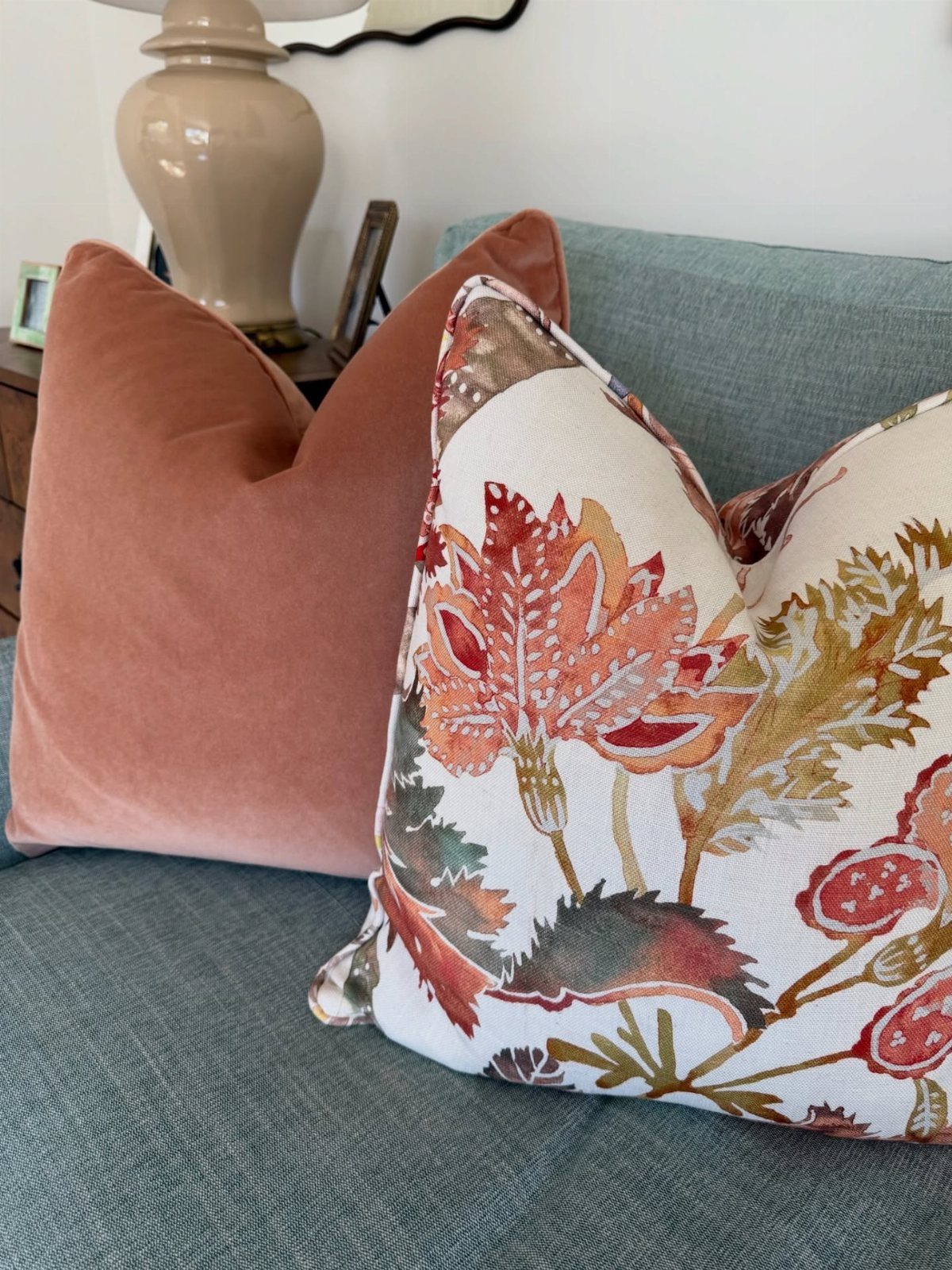
One dusty rose velvet pillow against a white floral print, both on teal: the clash works because the scale differs and the warmth matches.
Block print covers in linen or cotton from small studios cost less than whole pillows, and swapping covers beats finding storage for off-season bolsters.
I buy 26-inch squares for the statement size, then layer one lumbar in front. Odd numbers, always.
The 2026 trick is mixing velvet against linen, smooth against slubby, so the eye reads texture before it reads color.
Custom printing names or anniversary dates is available through Etsy or Bags of Love if you want that. I’d pick the block print for a small group, the custom embroidery for a gift to someone else.
Your bed, your call.
17. Use Heavy Curtains
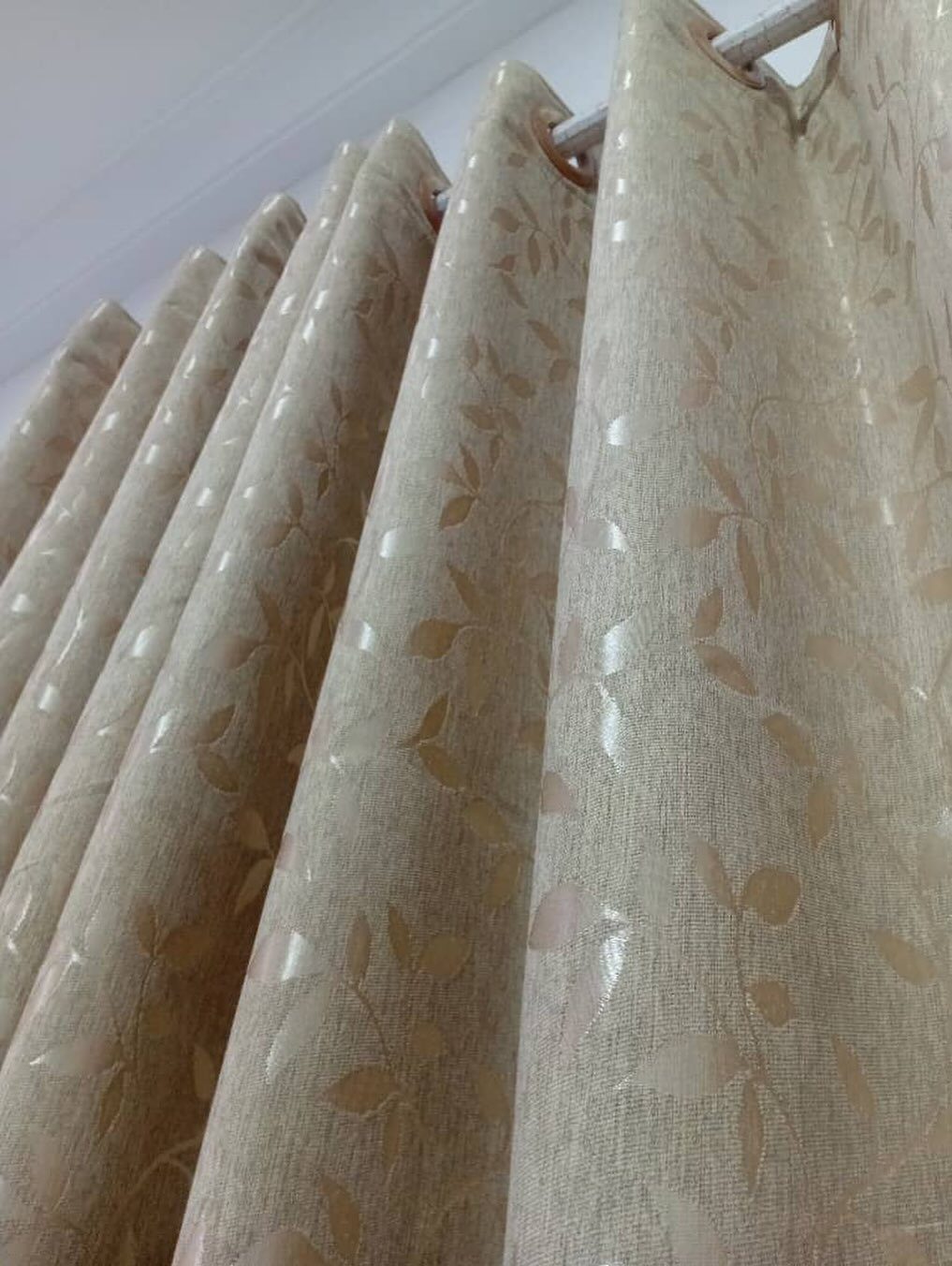
Thick curtains do three jobs at once: block the light that wakes you, deaden the sound that finds you, and hold the heat that leaves you.
Leaf-patterned beige gathers deep enough that the folds themselves become the texture, not the print.
Floor-to-ceiling and wall-to-wall is the move if you own and can mount the rod. For renters, a tension rod inside the window frame with heavy panels still adds weight and privacy, just less drama.
Christopher Farr Cloth runs high; IKEA’s thicker velvet-adjacent options get you most of the way at a fraction of the price per panel.
I draw ours after dinner. The room shrinks to the bed and the lamp, and everything outside stops existing.
18. Incorporate Personal Touches
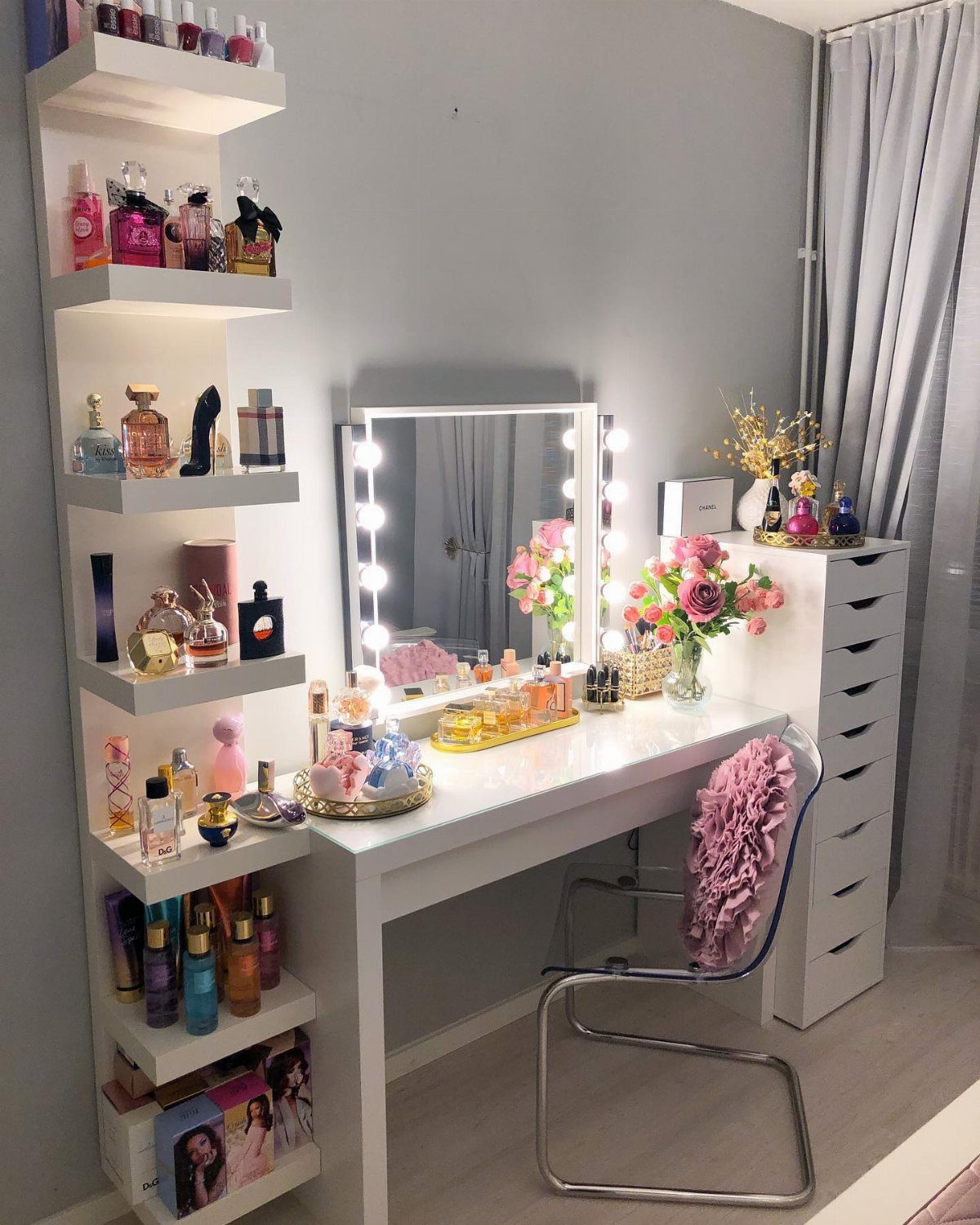
A vanity becomes personal when it holds only what you use daily: perfumes, makeup, a mirror lit for evening. Nothing here is staged for a photo; everything is reached for, worn, finished.
That is the personal touch, not a frame bought to say "love."
Polaroids from a first trip stacked on a shelf, not hung, keep the memory close without turning it into decoration. Letters go in the drawer, not the wall.
The display is for you two, not for anyone who walks in.
If you’re starting from blank, pick one surface and limit it to five objects. Rotate when something new matters more.
The boho version layers woven textures and earth tones looser; the neat version folds the bed hospital-corner tight. Both work if they’re your habit, not your performance.
19. Layer Rugs
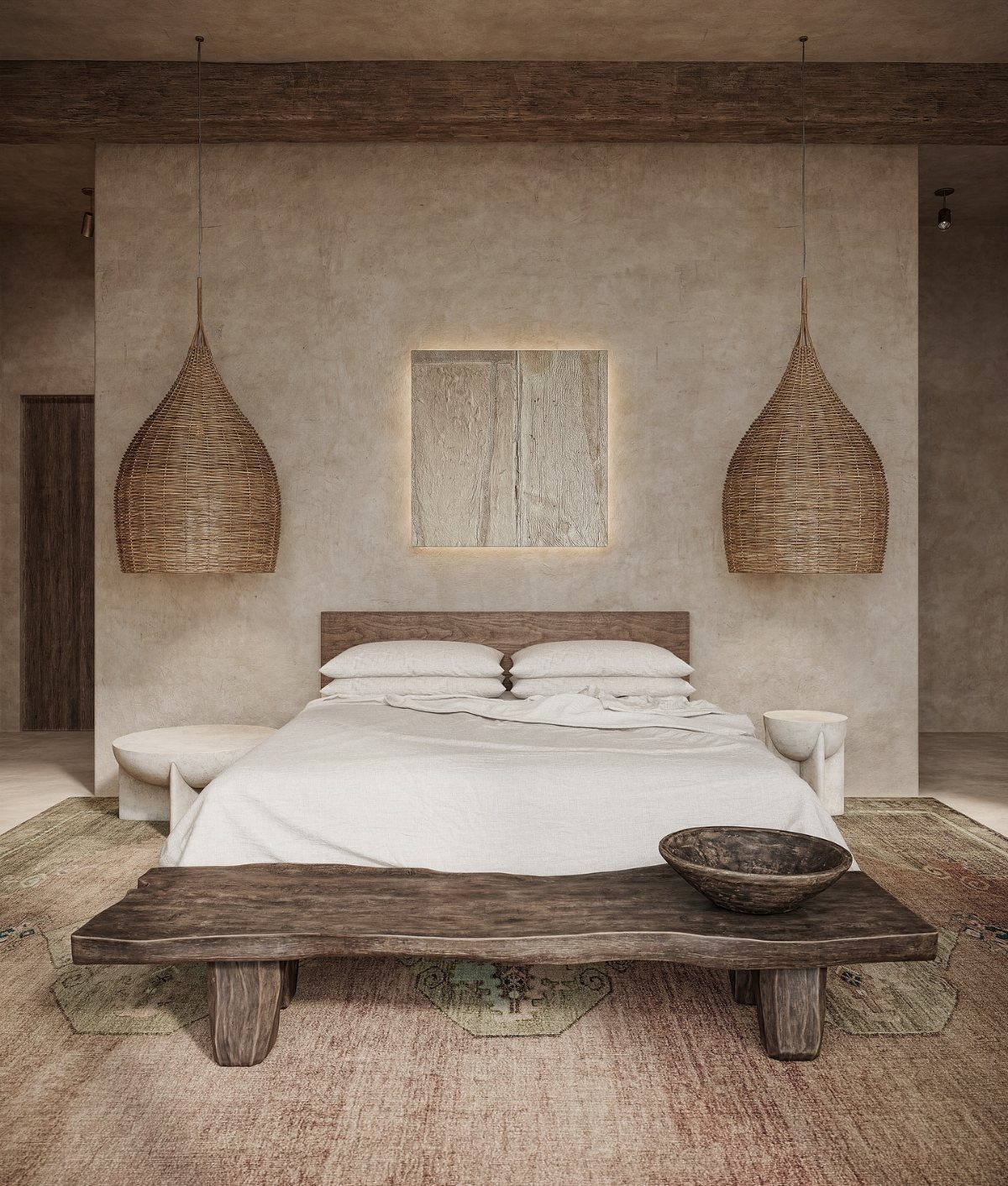
Layering rugs turns a cold floor into something you actually want to step onto barefoot.
A large jute or flatweave on the bottom gives you coverage without eating the budget, and a smaller, softer rug on top, maybe angled a few degrees off, adds the texture your feet notice first.
I like this most in rooms where one big rug would either cost too much or still leave bare spots around the bed. Two smaller pieces solve both.
Height matters more than style here: a thick top layer can catch door swings or turn into a trip hazard, so keep the total stack under about three quarters of an inch unless your doors clear.
20. Incorporate Plants
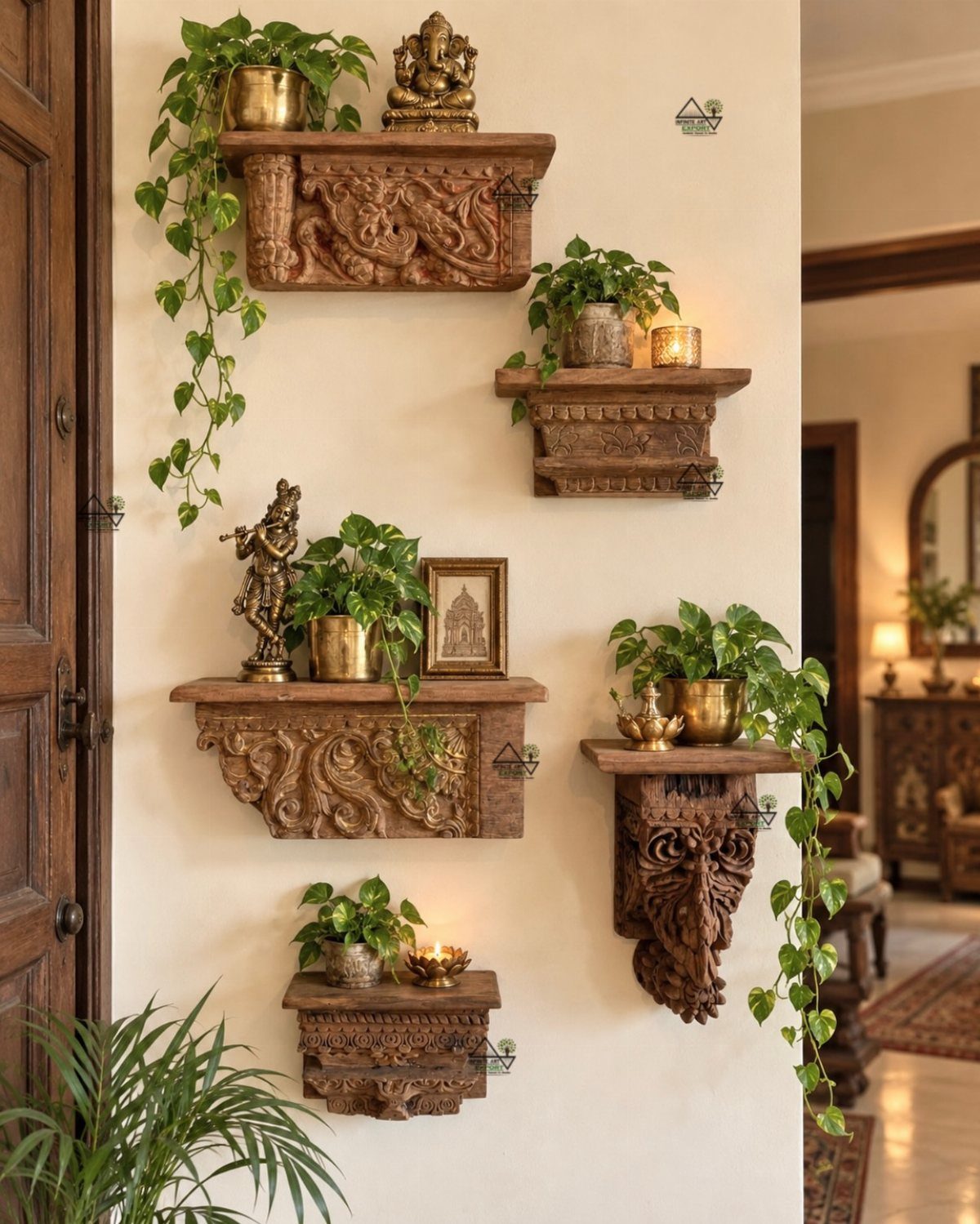
Plants do what no pillow or candle can: they change a little from week to week, and they ask for something back.
A single Ficus or Monstera in a corner you actually pass by gives the room a living presence that stays fresh without your rearranging anything.
Watering is the part people forget, so I place mine where I’ll see the leaves droop before they brown.
A small potted fern on a wall shelf works if you lack floor space and still want that green softness at eye level; brass mounting brackets add a little warmth without demanding attention.
Low light means a pothos or snake plant instead; no plant survives a dark corner just because you paid for it.
21. Use Mirrors for Light
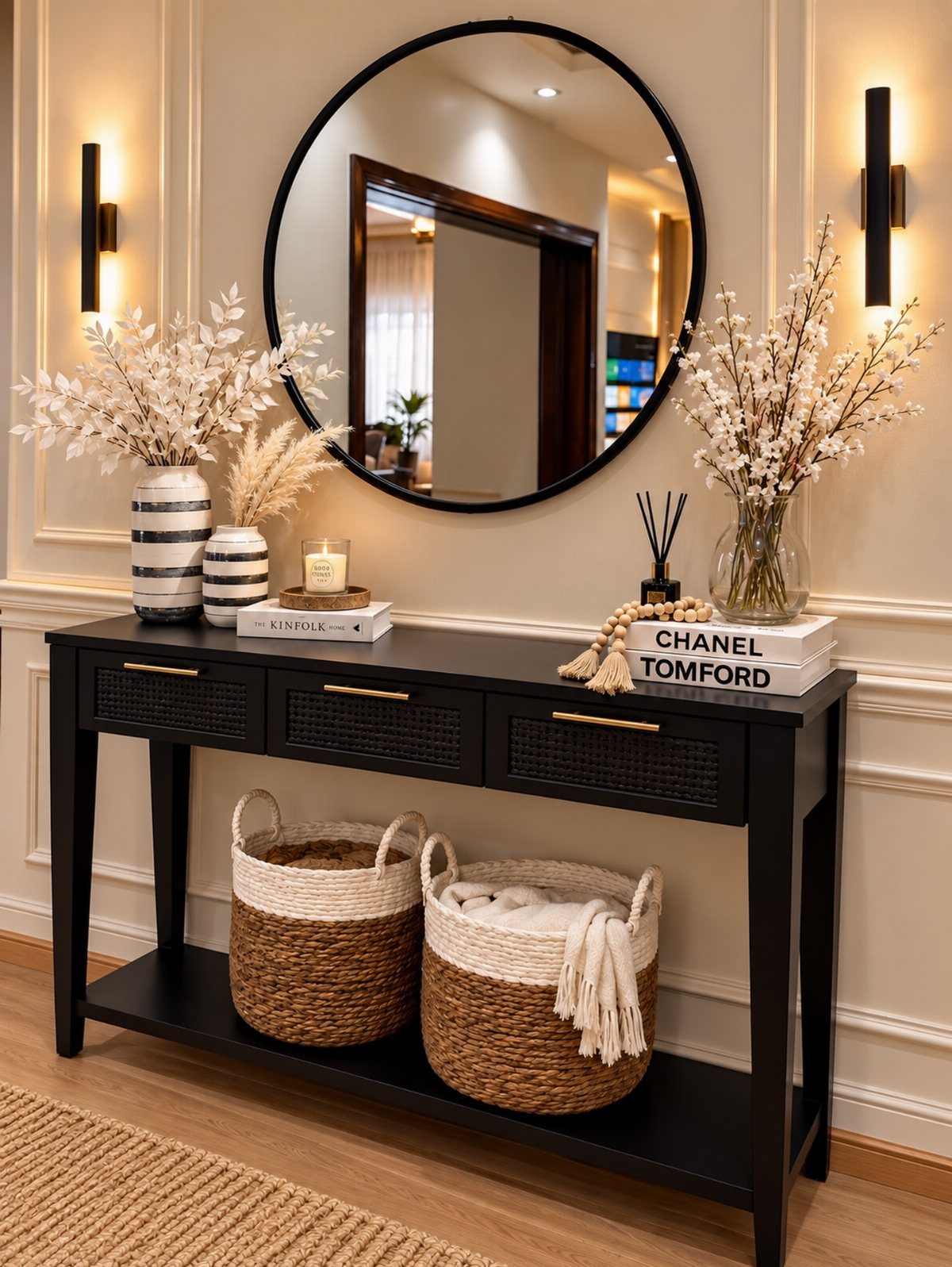
A mirror opposite or beside your light source, not facing the bed dead-on, bounces what you already have into corners that fixtures miss.
A round mirror hung between two sconces catches their warm glow and spreads it without adding another bulb to the electric bill.
For a rental with one window and a landlord’s paint job you cannot change, this is the cheapest daylight hack I know.
A 24-inch mirror, thrifted or boxed from a big-box store, does enough if you angle it to catch morning light.
Cleaning is the real cost: smudges show fast near candles or coffee cups, so keep glass cleaner in the nightstand if you go this route.
22. Add Personal Mementos
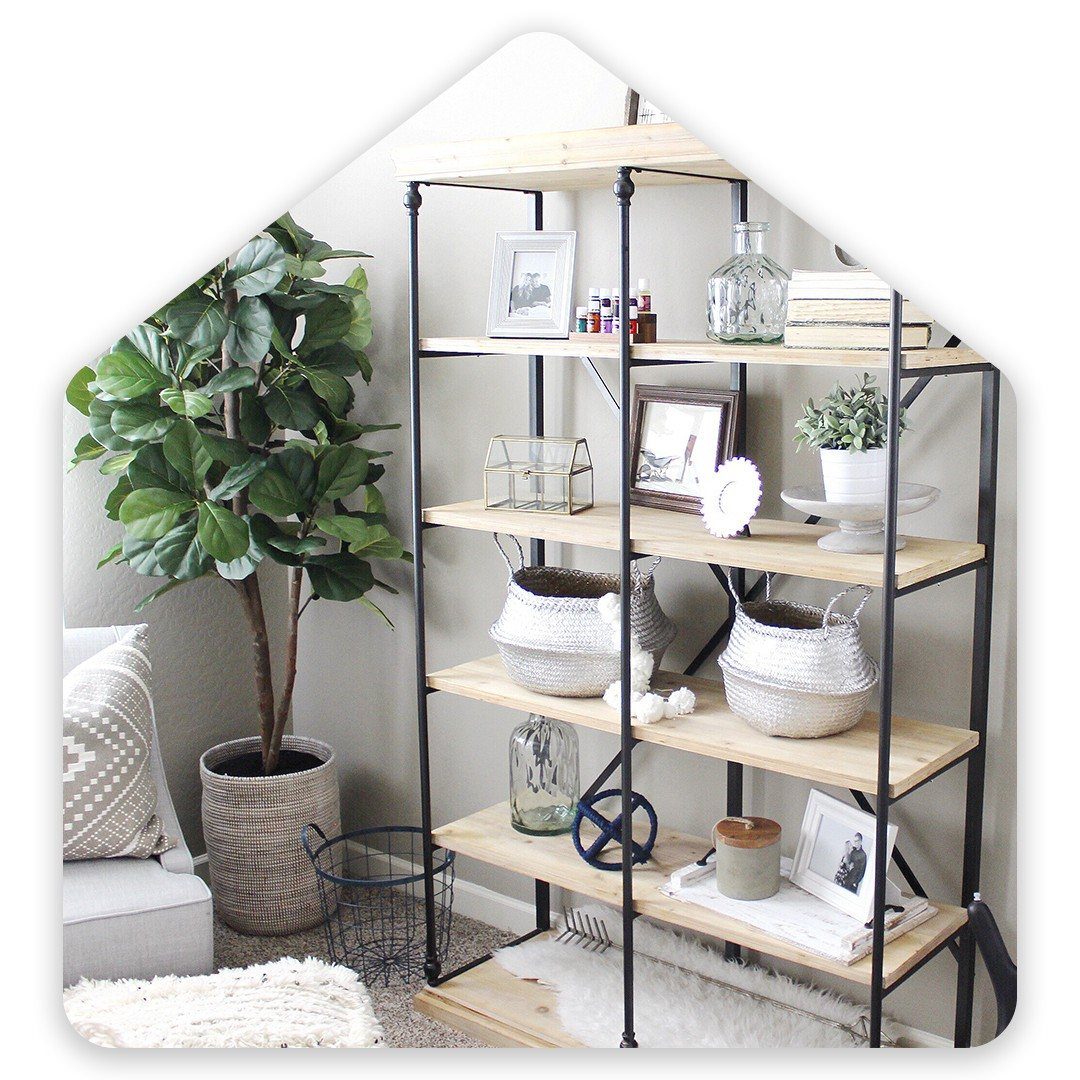
What makes it romantic is not the objects but the pairing, two lives layered together until you cannot tell whose junk started it.
I would not build a shrine to the relationship; one shelf, one corner, one wall is enough.
A ticket stub, a Polaroid where you both look terrible, a stone from a hike you barely finished: these carry more weight than anything bought for display. The limit is dusting.
If you will not wipe it monthly, keep the collection small or behind glass.
23. Incorporate a Cozy Throw

A throw is the fastest way to make a bed look finished without making it. Drape it at the foot, let it pool a little, and the room reads as styled even if the sheets are a week old.
White fur looks dramatic in pictures and demands constant attention; a cotton waffle or lightweight chenille in a color that hides coffee drips suits my actual life better.
For a weekend project with no tools, this is it: buy one, wash it once to soften, and keep it where you can reach it from the reading chair.
Choosing the Right Colors
Blush, deep red, and soft gray each carry a warmth that reads as romantic without trying too hard.
I would start with one as the main color and let the others appear in smaller doses, maybe a deep red in a throw pillow against a blush wall.
Color temperature matters as much as paint color. Bulbs rated 2,000K to 3,000K give off that warm, natural glow that flatters skin and quiets the room down.
Below 2,000K gets you into dim, low-light territory that works for evenings but can feel heavy during the day.
Heavy curtains in a solid, moody color add another layer of control. Thick fabric blocks the flat, blue-tinged light from outside and gives the room a sense of enclosure that paint alone cannot manage.
Pair them with wooden Venetian blinds or a Roman blind if you need the room darker for sleep.
The Role of Lighting
Dimmable fixtures let you move from reading light to something softer without switching lamps. I would put the dimmer on the main overhead or on the bedside sconces, whichever you reach for first at night.
Fairy light strips along a headboard or window frame add a second, lower layer of light that feels incidental rather than functional. They work best where you notice the glow more than the source.
Candles still do something electric light cannot. The small movement of the flame catches attention without demanding it, and the color sits warmer than any bulb.
Group three or four of varying heights on a safe surface, or set one where its reflection doubles in a mirror.
Layer these three, controlled separately, and the room shifts from practical to intimate without a single change to the furniture.
Frequently Asked Questions
What are some romantic items to decorate my bedroom?
Scented candles, plush throws, and personal mementos do the most work for the least money. One small corner with a ticket stub or a Polaroid where you both look terrible carries more weight than anything bought to say romance.
How to make a bedroom look romantic?
Start with the light: dimmable warm bulbs under 2700K, matching lamps at equal heights on each nightstand, and candles for when the lamps go off. Keep the palette quiet and let the variation in sheen and texture do the work.
What is a good color for a romantic bedroom?
Blush pink, soft gray, and deep burgundy read as romantic without trying too hard; sage green shifts from gray to green as the day changes and stays quiet enough to sleep in.
The warmth matters more than the hue, so hold to the same tonal family and let velvet or silk catch the light differently than matte cotton.
A neutral wall with warm-toned bedding often works better than a bold color you tire of.