A vintage rodeo poster and a full stone fireplace sit at opposite ends of the budget and commitment scale, and the one that belongs in your room depends on whether you rent or own, how long you plan to stay, and what the ceiling can support.
A resin antler chandelier and a cowhide rug both fit a weekend and a security deposit; the masonry fireplace does not.
1. Cowhide Rugs
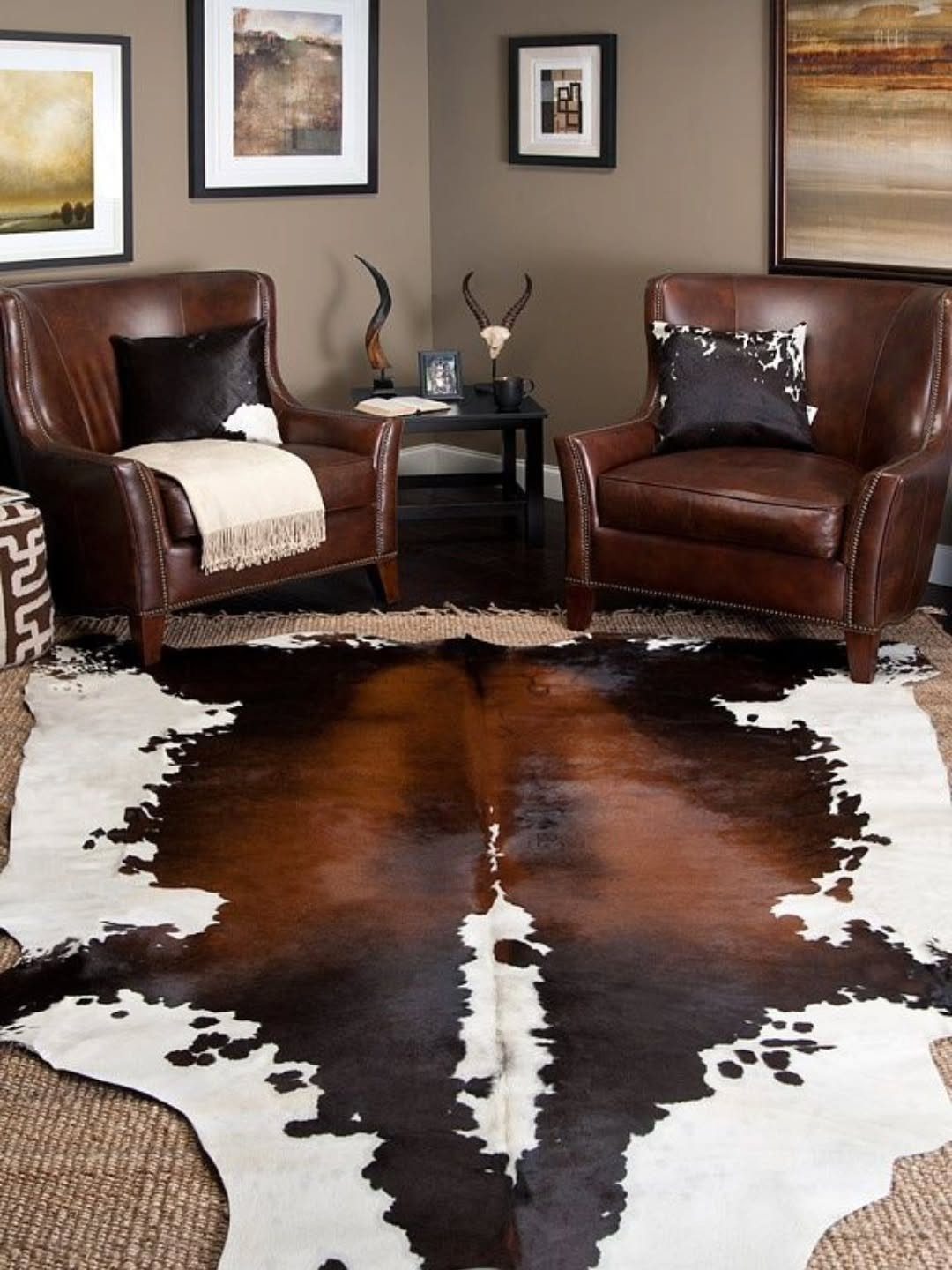
A patchwork cowhide rug under your seating area gives the room its grounding piece without shouting "theme." The natural brown and white coloring sits quietly against dark floors, and the geometric seams add structure that full hides sometimes lack.
I like placing one so the front legs of a sofa and both front legs of nearby chairs rest on it. That usually means a 5 ft by 7 ft minimum for a standard arrangement.
The material wears well with actual foot traffic, which matters more than you’d think for something this visible.
2. Western Artwork
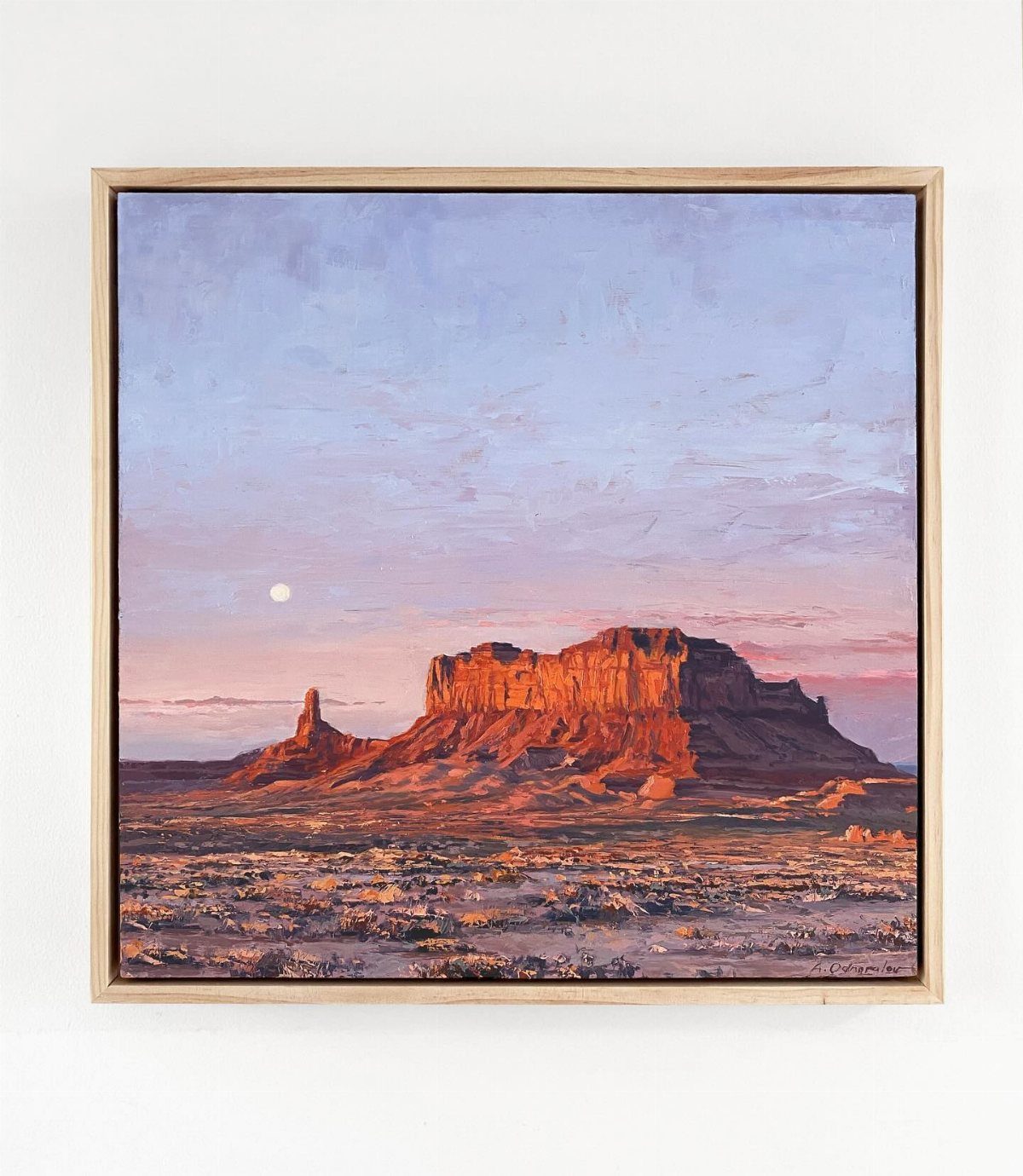
A single framed desert landscape does more for a western living room than a gallery wall of mixed subjects ever could.
I look for frames in light or raw wood rather than black or gilt; the warmth carries.
One large piece over a sofa costs less than framing three smaller ones, and the visual rest is welcome in a room that already has leather and texture elsewhere.
3. Layered Rugs
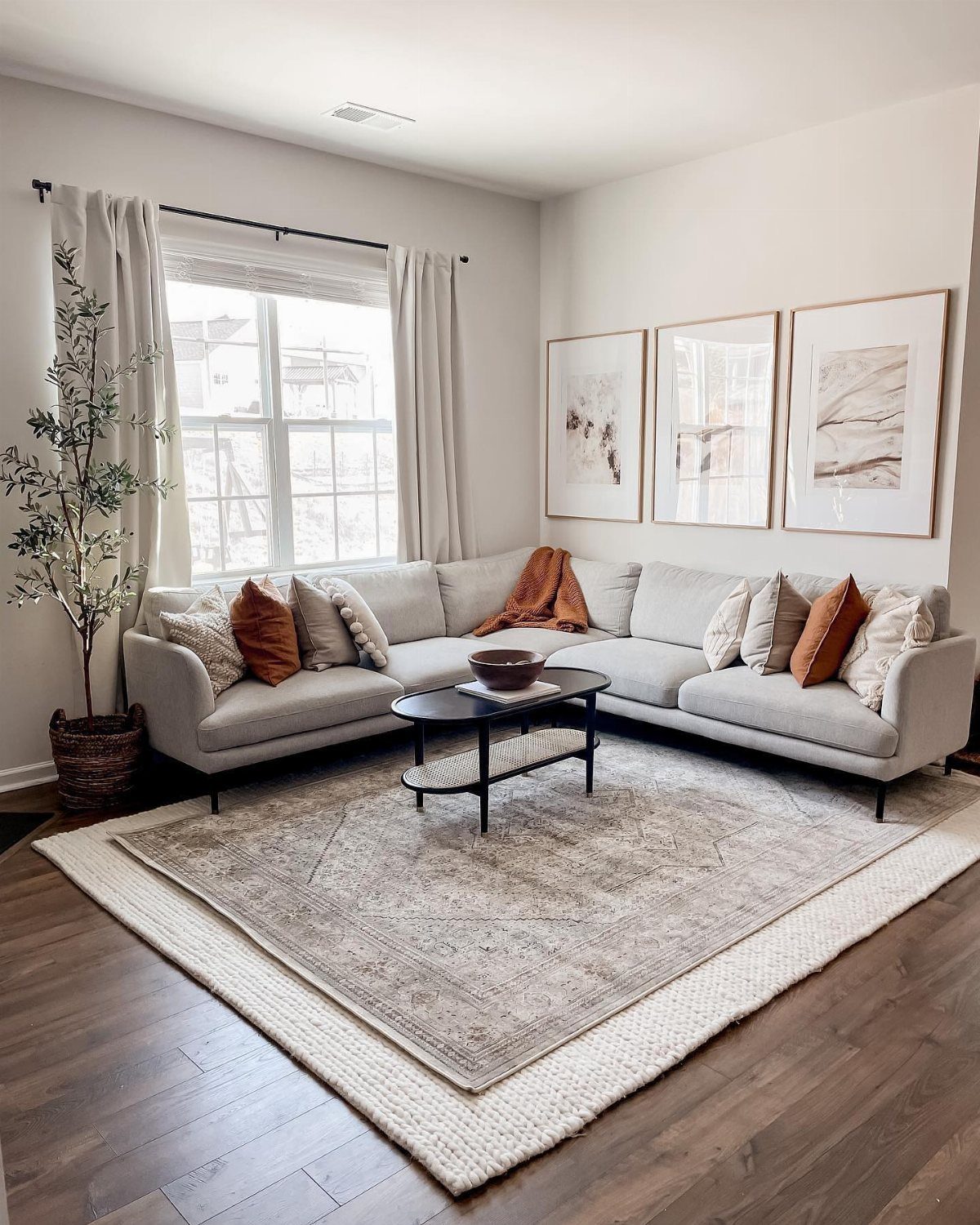
Two rugs stacked on the same floor sounds like clutter until you see it done: a larger neutral base with a smaller patterned piece offset on top, creating a zone that feels intentional rather than accidental.
The maker credits the pairing possibilities as nearly endless, which tracks once you start moving them around.
Start with a low-pile base rug in a solid tone that covers most of the floor. Add a smaller cowhide or woven piece at an angle under the coffee table.
The slight height difference between layers adds warmth underfoot, and the top rug can move when the mood changes.
4. Statement Mirrors
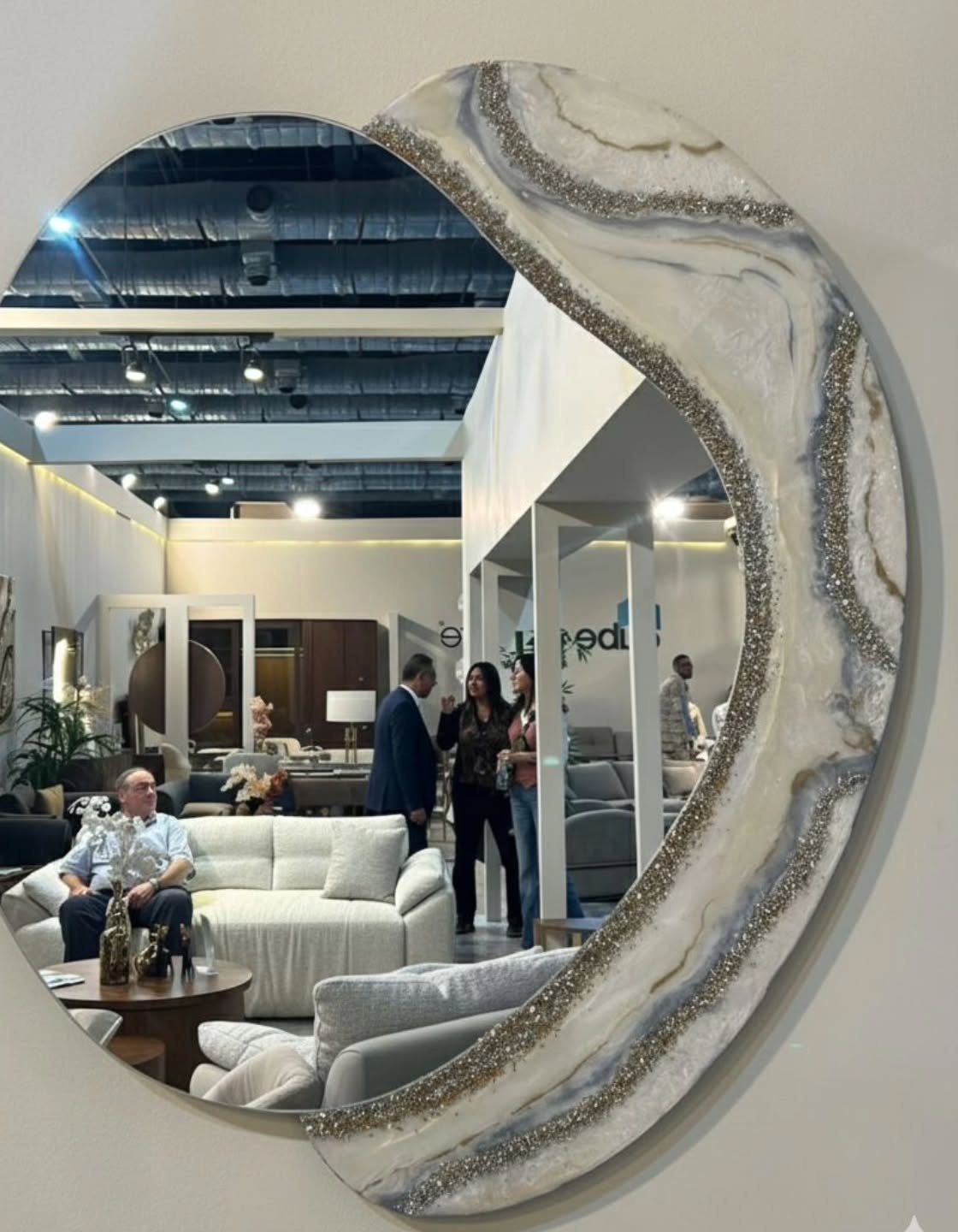
A mirror with weight to its frame, something in stained wood or trimmed with hide, becomes its own piece of western sculpture. Agate styling with crystalline texture works because the frame feels built, not merely manufactured.
Size matters more than ornament. Over a console table or fireplace, a mirror with real heft holds a room together.
Rivets, timber grain, or metalwork give the eye something to rest on without competing with whatever the glass reflects back at you.
5. Warm Color Palette
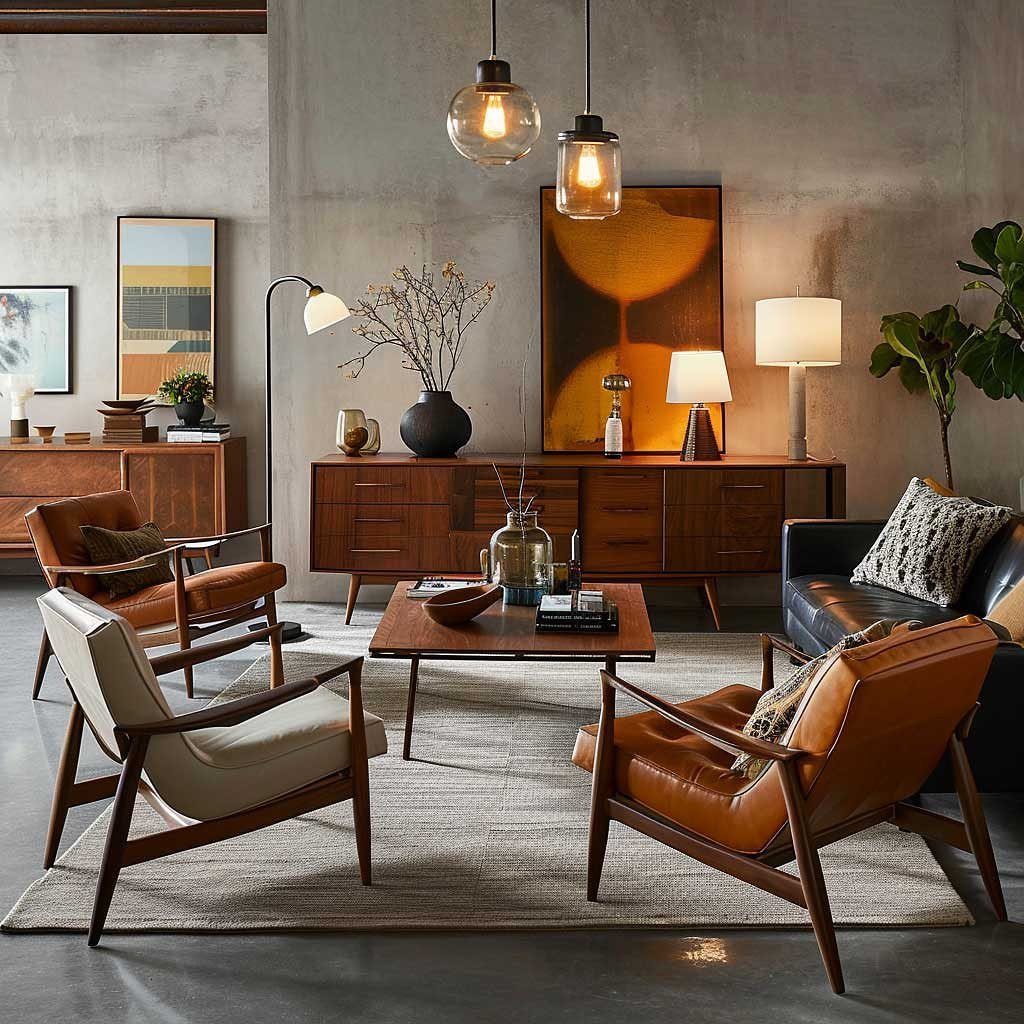
Sand, camel, warm gray stone, and deep brown build a room that looks lived-in from day one. These same tones serve western spaces just as well, maybe better, because they don’t fight the materials that already carry color.
The trap is adding turquoise or bold Southwestern red everywhere. One accent piece in a stronger hue is plenty.
Tonal layering, keeping shades close to each other, lets leather furniture do what it does best: anchor the room without screaming for attention.
6. Mix Old and New
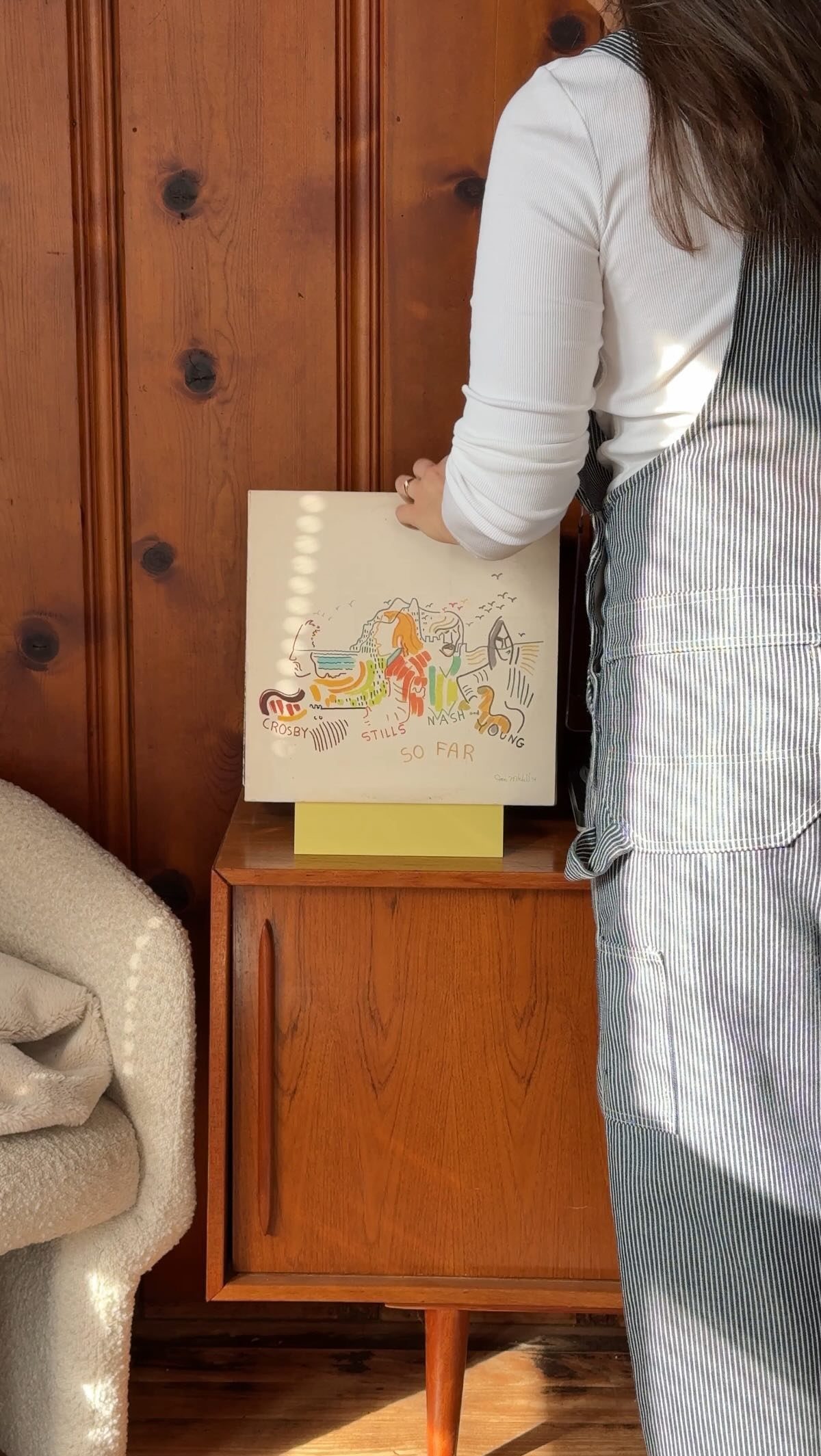
Western style’s best trick is permission. A hand-stitched leather sofa beside a concrete side table beside a vintage textile actually works here, where stricter styles would call it chaos.
Modern line art against dark wood paneling lives on the tension between periods.
Start with one old piece that has actual wear, one new piece with clean lines, and let them argue a little.
Reclaimed wood, natural stone, and wool all age visibly and well; concrete, glass, and steel give the eye a rest from all that character. The room improves after five years because the materials do, not despite them.
7. Cactus Plants

A potted cactus brings living structure to a western room without the watering schedule that ferns demand. I keep mine in terracotta, which wicks moisture and looks right against leather and wood.
Columnar types stay narrow enough for a corner or beside a sofa, and when they flower the whole room shifts.
Pick a pot with drainage, use cactus soil, and give it the sunniest window. A single large specimen beats a cluster of small ones for impact.
8. Textured Throws
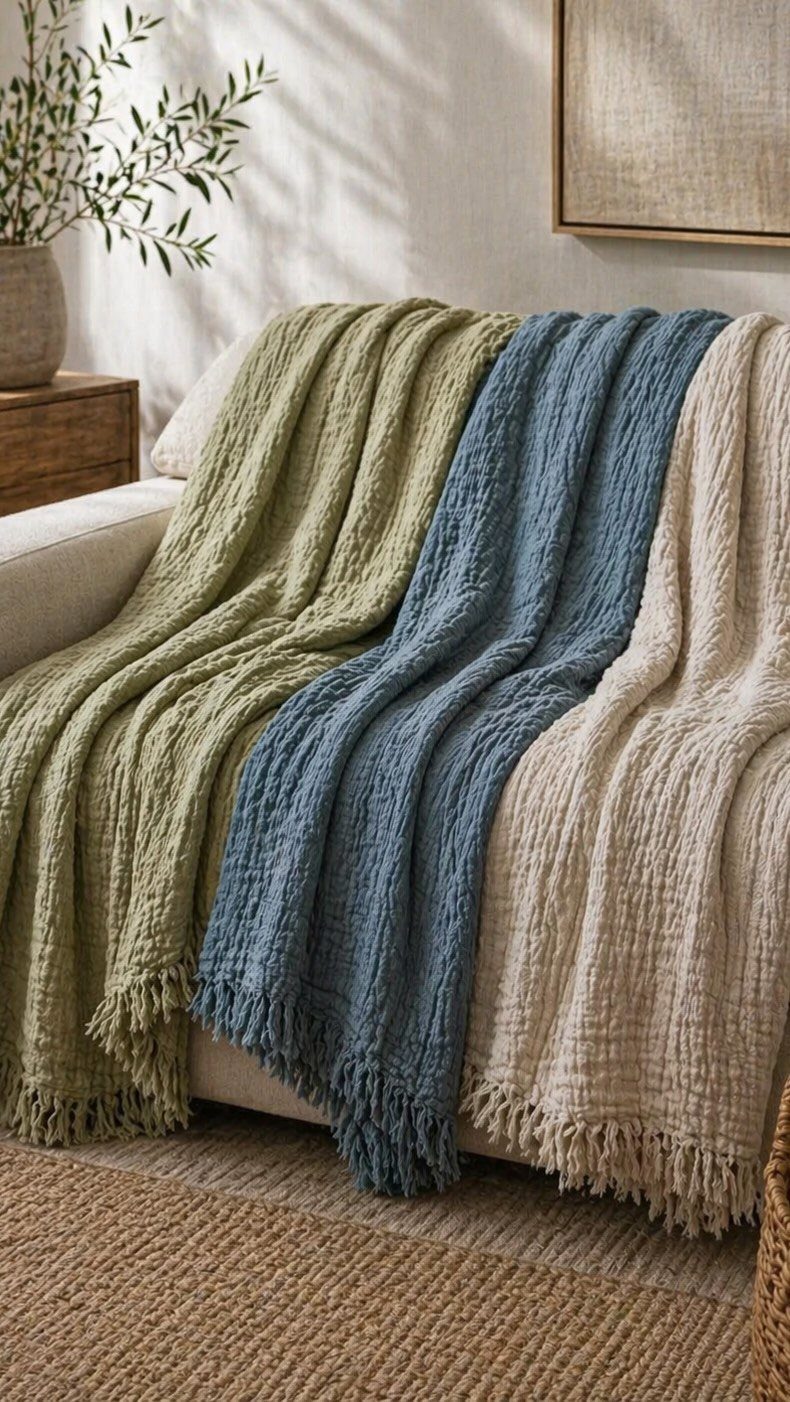
Waffle-knit throws in sage or cream soften the hard edges that leather sofas and timber tables build up. A nubby or fringed throw catches light differently than the upholstery beneath and adds movement without pattern.
I drape rather than fold, letting the throw fall where someone might actually reach for it. Chunky wool works too, though it sheds; woven cotton holds up to washing and still reads western if the color is warm.
9. Open Storage for Firewood
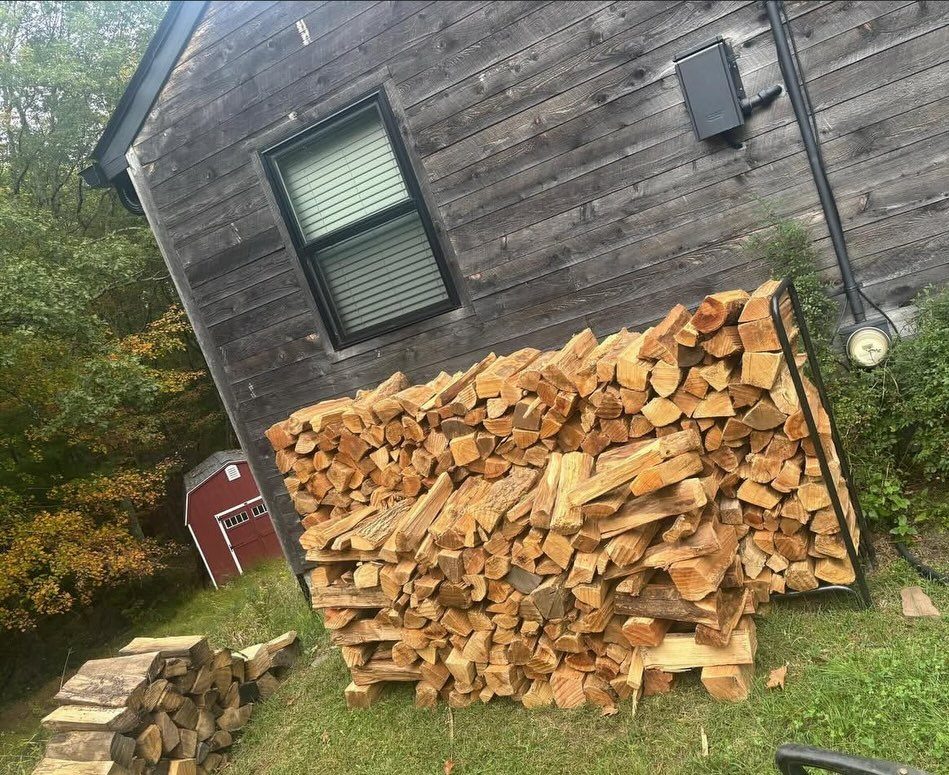
Stacked firewood against an interior wall reads as sculpture and storage at once. Keep it dry and insect-free: a metal or wood rack raised off the floor, with a gap between the stack and any painted surface.
I use split hardwood for the look even though I burn softwood; birch bark adds pale stripes against the darker oak and maple. A covered porch load brought in fresh each season smells better than a permanent indoor pile.
10. Reclaimed Wood Furniture
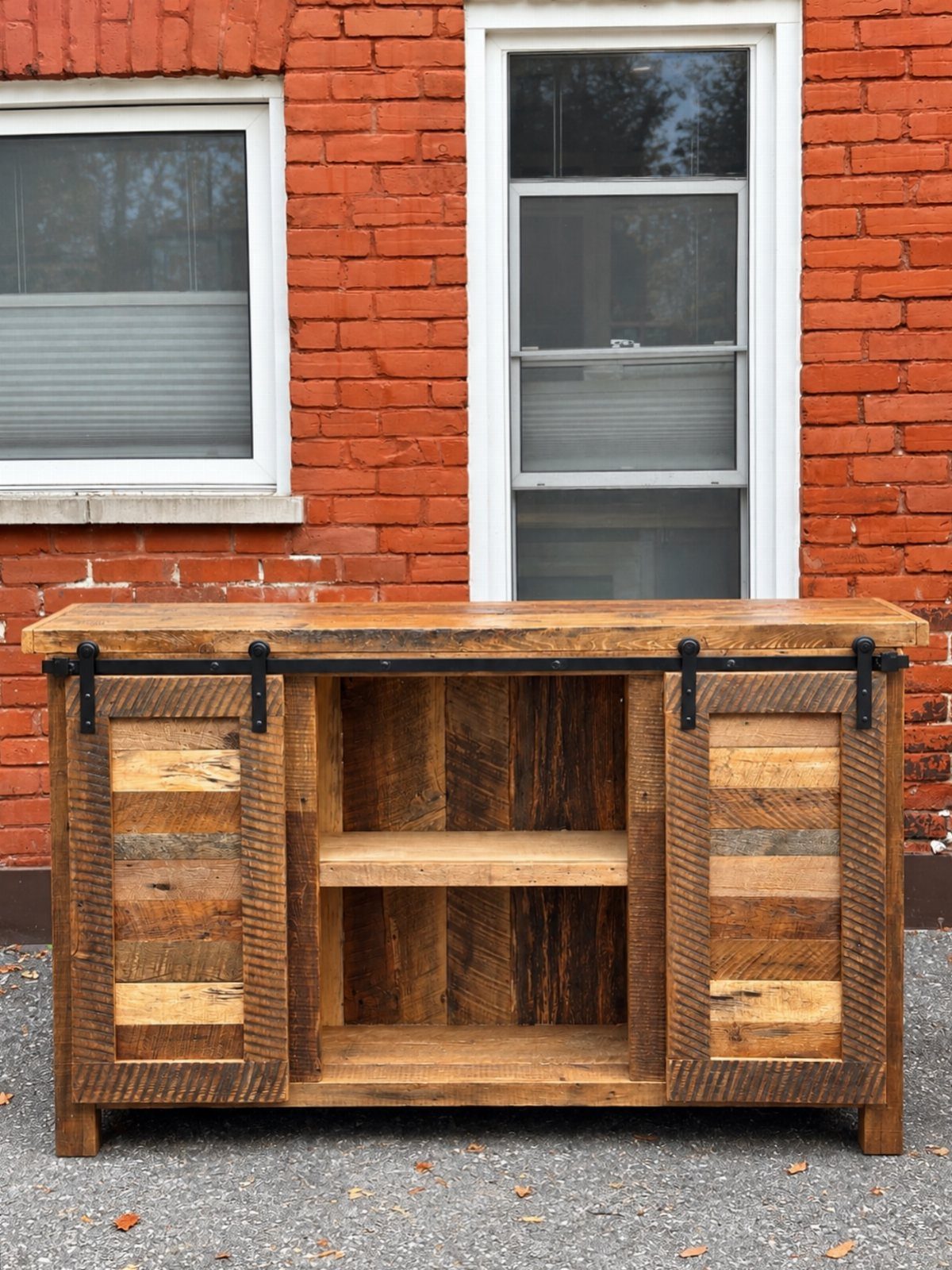
Reclaimed wood carries marks that new pine never earns. A sideboard with barn doors on black hardware works as a media console or dining storage and becomes the room’s quiet story.
Saw marks and nail holes are the texture; I ask dealers which building the timber came from, though I never get a straight answer.
Prices run higher than big-box equivalents, but the grain variation means no two pieces match, which matters when everything else in the room came from the same store.
11. Distressed Leather Sofa
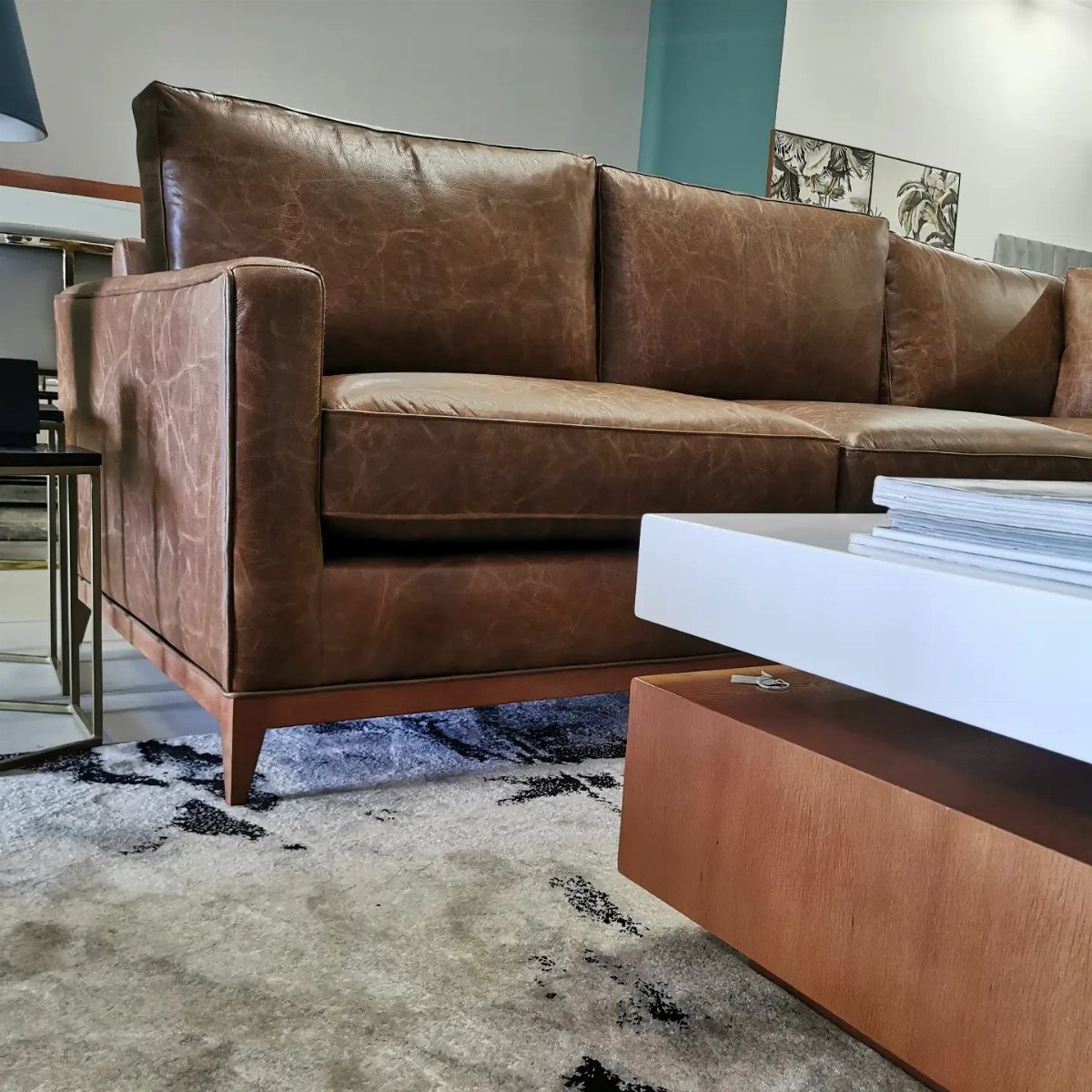
A distressed leather sofa in saddle tan or tobacco brown starts stiff and ends up shaped to you. The patina develops where arms rest and where the afternoon light hits; five years in, the seat looks lived-in rather than worn-out.
Full-grain costs more than bonded but recovers from scratches with conditioning. I chose mine slightly oversized for the room, which felt wrong at first and now feels like the only thing that could hold the space together.
12. Layered Textiles
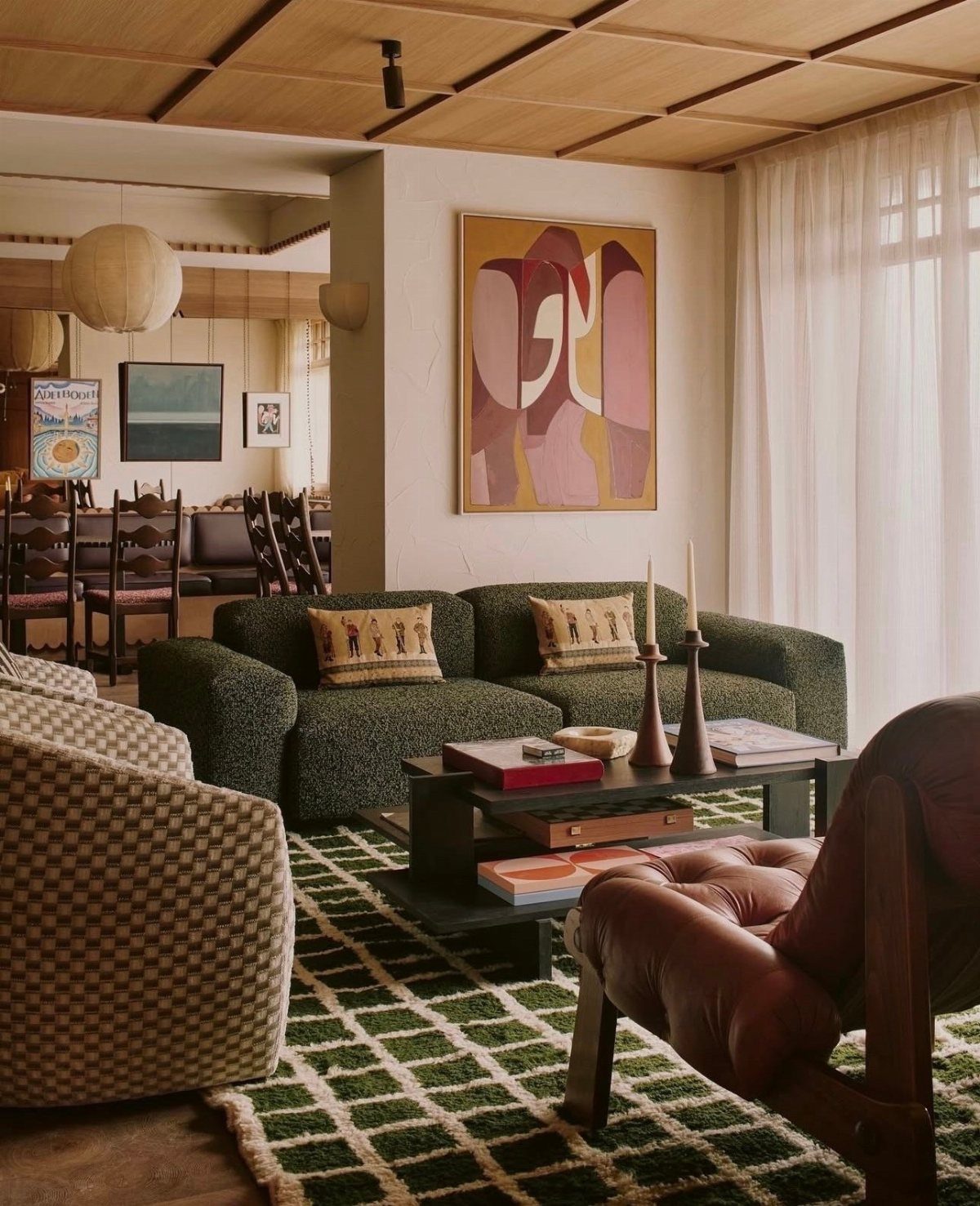
Layered textiles build warmth the way a single rug or throw cannot. Mix a patterned rug with a textured sofa, checked armchair, and leather lounger; nothing matches, but the scale of each pattern stays different enough to coexist.
I start with the largest textile, usually the rug, and add smaller patterns in cushions. Solid textures in between, like a nubby throw or a woven basket, keep the eye from tiring.
Enough contrast that you want to touch everything, not so much that you need to rest your eyes elsewhere.
13. Fireplace Focal Point
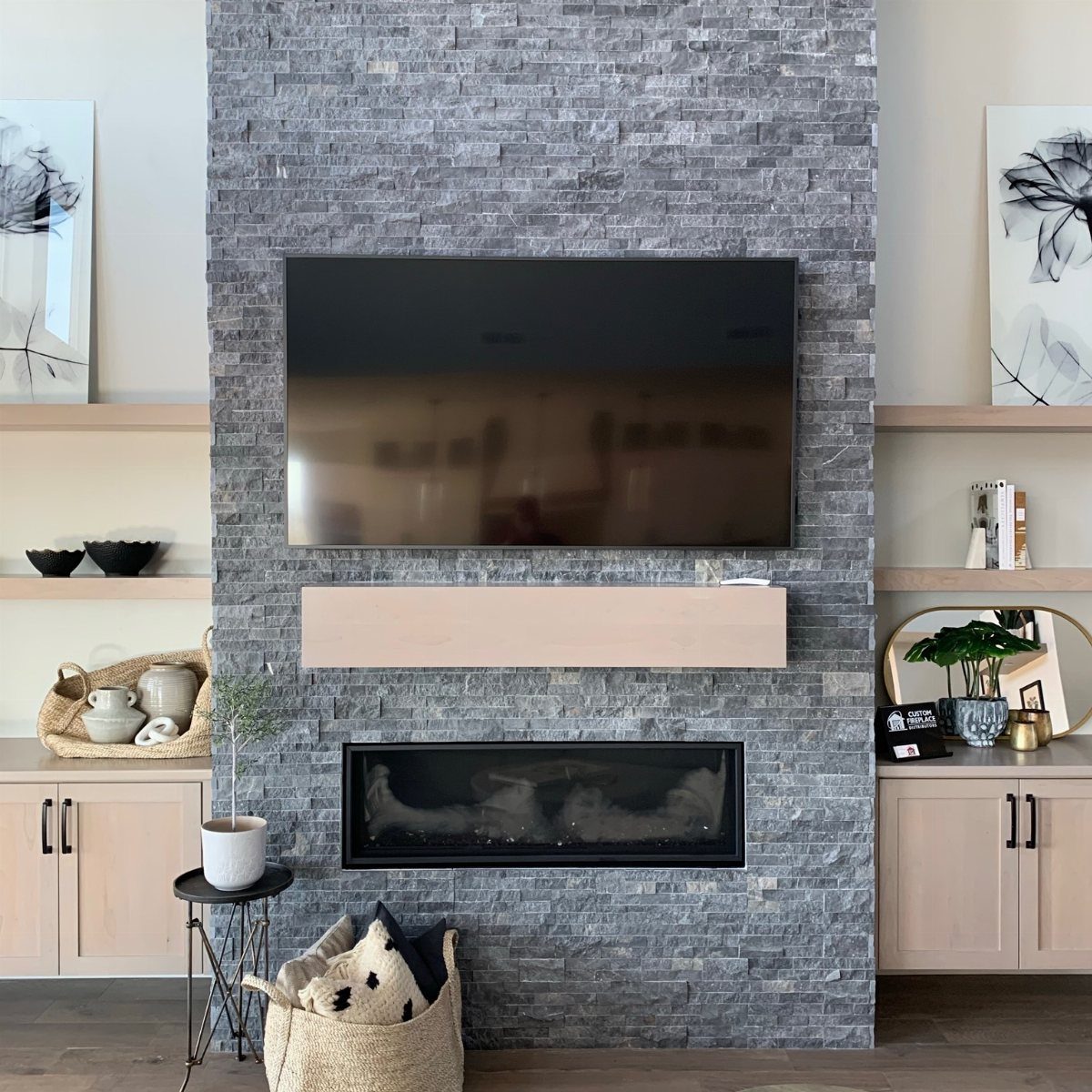
A floor-to-ceiling stone fireplace turns the whole wall into the reason the room exists.
Stacked grey stone with a light wood mantel set at a height that keeps the TV from floating awkwardly; the black glass media inside the firebox gives it a clean, finished look.
Natural stone in warm grey, cream, or tan does what manufactured materials cannot; it carries the weight of real geology and becomes the anchor everything else orbits.
A wide reclaimed timber mantel above the opening adds a horizontal line to break the vertical stone and gives you a place for actual western pieces: a pair of old spurs, a small bronze, a stack of books on ranch architecture.
River rock with rounded shapes suits rooms in wooded or mountain settings. Stacked flat stone reads slightly more architectural and fits drier southwestern landscapes.
A gas insert installs without a full masonry rebuild and still gives you that black glass media finish.
The surround is the harder part; you will need to build out the stone or brick facade to make it read as permanent architecture rather than appliance.
This idea rewards anyone who entertains or simply lives in the room through winter evenings. The cost runs from a few thousand for a gas insert with basic surround to ten times that for true masonry with reclaimed timber.
For renters or those without the wall, a large-format stone veneer panel behind a portable gel fireplace fakes the effect at about a tenth of the price, though the heat output is theatrical rather than real.
14. Vintage Rodeo Posters
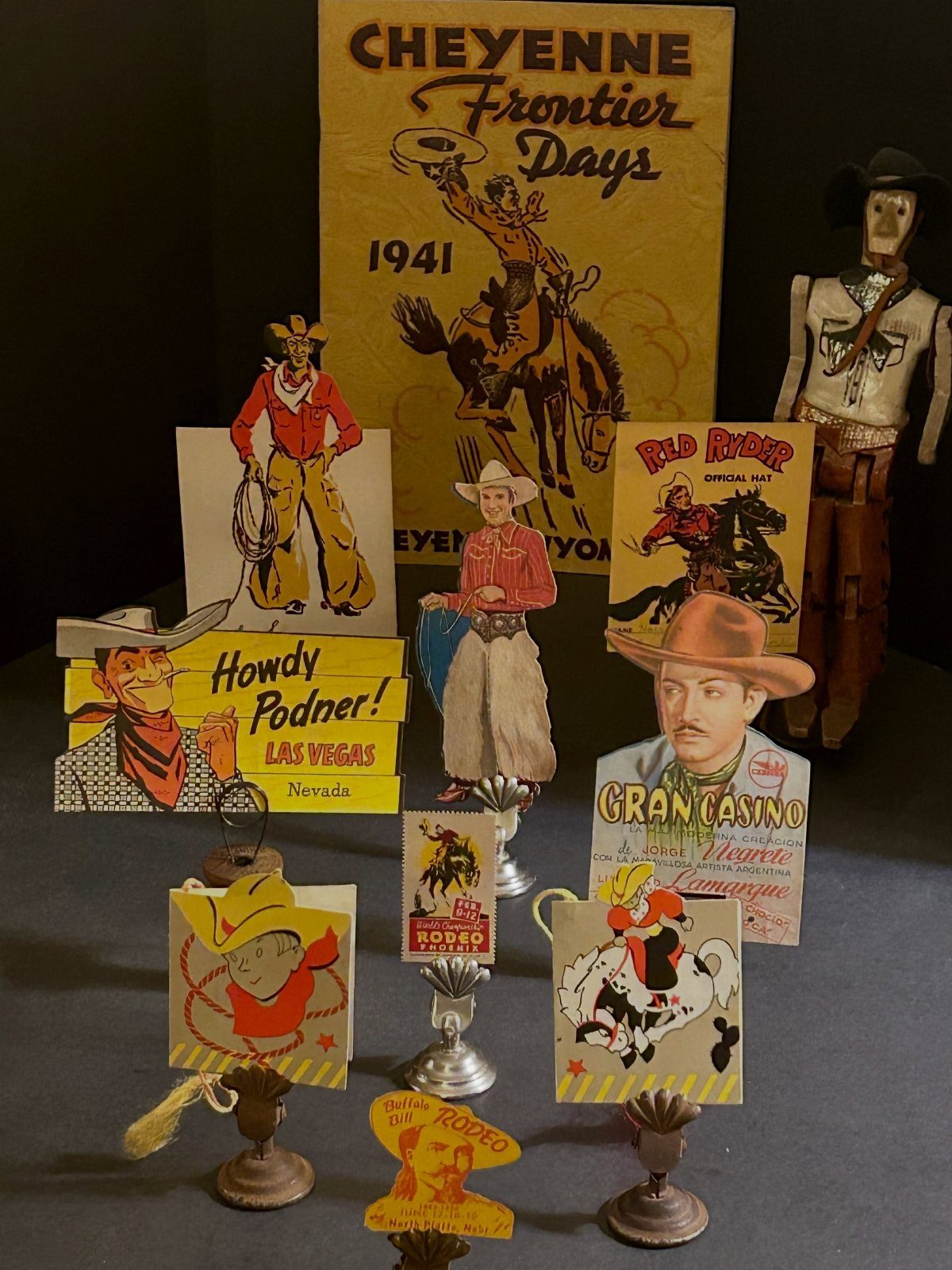
Vintage rodeo posters are the cheapest way to import decades of western graphic history into a room that currently has none.
A yellow Cheyenne Frontier Days piece printed decades ago carries faded registration and paper foxing that no artificial distressing matches, and it cost its owner less than a new reproduction blanket.
Small printed cards and ticket stubs from the same era cluster well around a larger poster; the scale contrast keeps the arrangement from reading as a grid.
Estate sales in Wyoming and Montana are where these printed pieces surface cheapest, and eBay lots where a seller clears out a relative’s barn can turn up the same kind of find.
The risk with online buying is color accuracy; the yellow in a Cheyenne poster can read anywhere from butter to mustard depending on storage, and sellers photographing in warm light rarely note the difference.
Frame them simply. A thin black metal frame or a bare wood strip frame keeps the focus on the printing, not the presentation.
Glass with UV coating matters if the piece hangs where afternoon sun hits; without it, the yellow fades to cream in about three years based on what I have watched happen to a friend’s pair.
This suits the reader who already has the bones of a western room and needs personality without bulk.
It trades away the impact of three-dimensional objects for wall coverage that costs less per square foot than almost any other western element.
If you find only one poster, pair it with a black-and-white cattle photograph in a matching frame; the monochrome steadies the vivid color and keeps the wall from feeling like a carnival.
15. Rustic Antlers
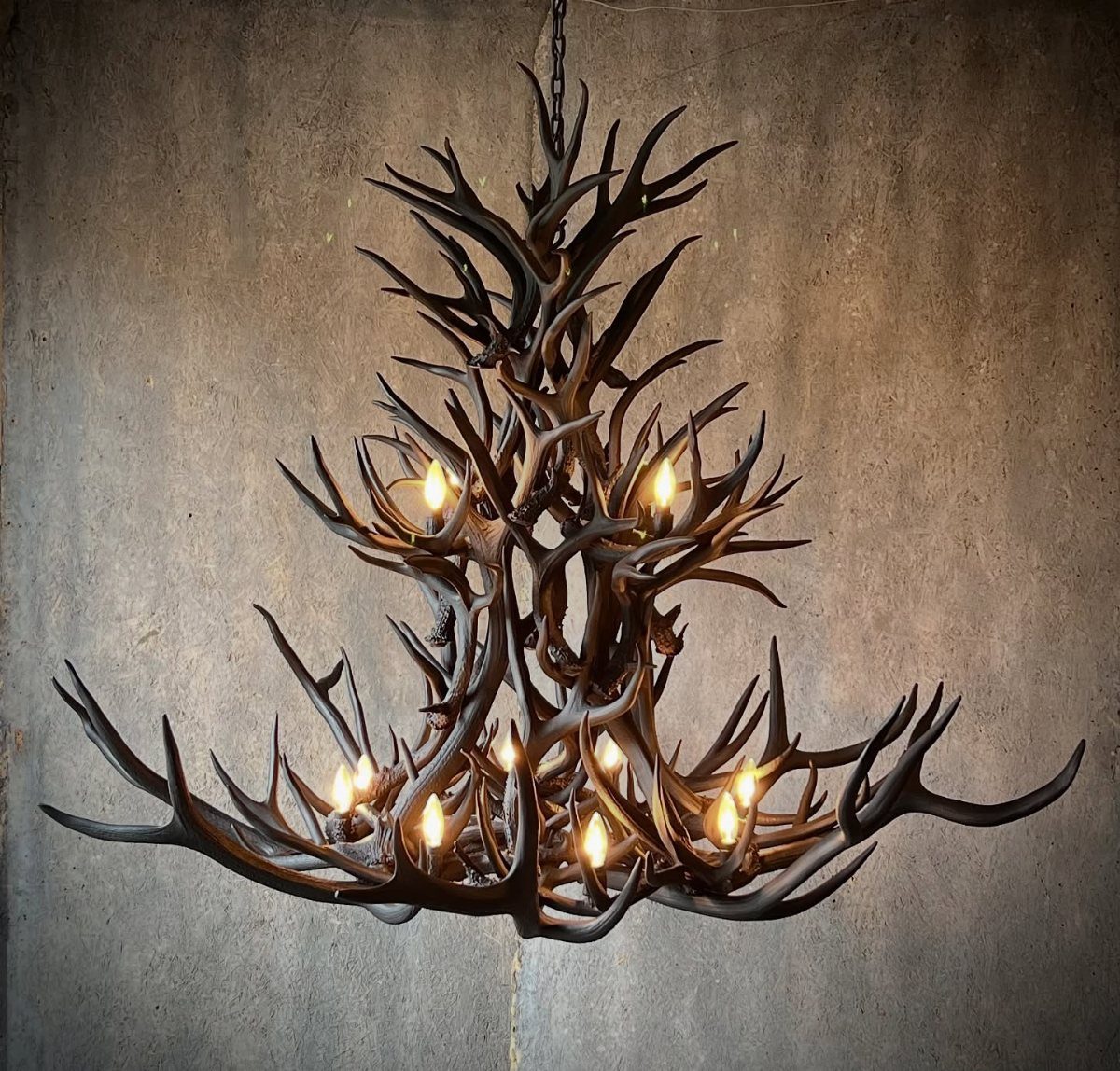
Antler chandeliers distribute light through branches that cast shadows no metal fixture can replicate.
Dark, weathered antlers with small bulbs set among the tines; the chain mount keeps it centered over a table or seating group without the visual weight of a canopy.
Real antlers vary enormously in tone from bleached white to deep brown depending on species, age, and whether they were shed or harvested.
The dark ones here read as furniture rather than hunting trophy, which is the distinction that makes this work in a living room rather than a lodge.
For smaller spaces or lower ceilings, a single antler mounted as a sconce or a pair of antlers joined into a two-arm wall light gives the same material presence without the vertical demand.
Two antler sconces flanking a sofa can achieve the effect without the ceiling fixture a landlord might not allow.
Dust settles on the bulbs and in the crevices between tines, so plan on taking it down twice a year for cleaning.
Dust collects in the tine intersections and requires a vacuum with a brush attachment or compressed air; the bulbs, typically candelabra base, are fiddly to replace.
The chandelier itself runs from three hundred for small reproductions in resin to several thousand for large arrangements in real antler. Resin versions are indistinguishable from a few feet away and weigh less, which matters for older ceiling boxes.
This idea suits the reader who wants one strong western gesture rather than a room full of themed pieces.
It works best when the antlers are the only or primary organic sculptural element; paired with too much cowhide and too many horseshoes, it tips toward costume.
Avoiding Themed Overload
The fastest way to make a western living room feel like a costume is to crowd it with every symbol at once.
A room crowded with antlers, cowhide, horseshoe hooks, and a wagon-wheel table fights itself for attention; two or three pieces with real character carry the point better than a dozen. None of it registered because all of it did.
Now I stop at three western pieces per room, tops. A cowhide rug, one piece of weathered wood furniture, maybe the leather sofa.
Everything else stays neutral and textural: linen, clay, iron. The antlers or the vintage rodeo poster can wait for the next room, or the next year.
Natural materials do the work for you. Wood, leather, and hide carry enough character that the theme does not need spelling out.
Let the architecture breathe. A plain plaster wall with a single longhorn skull reads quieter and more interesting than a wall covered in western trinkets.
The eye needs somewhere to rest.
Creating a Cohesive Look
A western living room holds together when every element shares a material language, not a matching set. I look for the through-line: warm caramel leather on the sofa, warm wood in the furniture, warm clay in a pot or vase.
The tones do not need to match, but they need to speak to each other.
Rough textures read as western when the shapes underneath are clean and modern. A sleek concrete side table beside a hand-stitched leather sofa sounds wrong on paper, but in a western space the contrast works.
The raw material and the clean line create tension that feels intentional rather than confused.
I avoid anything that looks too finished. Wood paneling with genuine age, a cowhide rug with natural color variation, iron that shows its forging marks: these carry the room’s confidence.
A cowboy sculpture or themed pillow can add personality, but the foundation should be materials that would look right in a lodge or a quiet frontier cabin. When those base elements connect, the accessories become choices rather than crutches.
Importance of Texture
Pattern shouts in a western room; texture lingers. I reach for rough linen, nubby wool, hair-on hide, and weathered wood before I add anything with a printed motif.
The depth comes from touching and seeing the difference between a smooth leather arm and a chunky knit throw draped over it.
A cowhide rug layers beautifully over jute because the two textures read as conversation, not competition. The organic shape of the hide against the regular weave of the natural fiber underneath gives the floor dimension without a single pattern.
Each cowhide is genuinely unique, which carries the same weight as original artwork.
The formula I use is simple: rustic texture, modern silhouette, neutral color base. A raw-edge walnut coffee table with clean lines satisfies two of those at once.
The contrast between rough material and refined form creates the tension that keeps a western room from feeling like a stage set. Leather improves with age, wood develops patina, wool softens.
These materials reward time rather than suffering from it.
Mixing Old and New
Western style grants permission to mix eras in ways stricter styles refuse. A vintage Navajo rug, a contemporary floor lamp, and hand-stitched leather can share the same room without feeling scattered.
The common thread is warmth and use, not period.
I look for pieces that have earned their character. Reclaimed wood with nail holes, leather with creases, iron with a faint rust bloom where the seal wore thin.
These age honestly and look better five years in than they did new.
New pieces should earn their place through form rather than finish. A concrete side table or a steel lamp with clean lines gives the eye a rest from all that weathered softness.
The rough and the refined need each other. Without the sleek modern note, the vintage reads as hoarding; without the aged pieces, the contemporary reads as cold.
The balance is what makes the room feel inhabited rather than decorated.
Frequently Asked Questions
How to make your room look more western?
Start with natural materials like wood, leather, and hide in warm caramel and brown tones, then add texture through rough linen, nubby wool, and weathered surfaces.
Clean, modern shapes keep the look grounded; a sleek concrete side table next to a distressed leather sofa feels like intentional contrast, not costume.
Stop at two or three western pieces per room and let everything else stay neutral so the eye has somewhere to rest.
What are some modern western decor ideas for a living room?
Mid-century frames in western materials carry the look: a camel-brown leather sectional, floating wood shelves with handmade ceramics, a cowhide ottoman that pulls together leather, hide, and patterned rug in one piece.
A raw-edge walnut coffee table with clean lines hits two of those at once, and the tension between rough material and refined form keeps the room from feeling like a stage set.
What western decor is trending now?
Western decor right now borrows less from the past and more from mood, fitting into minimalist and contemporary spaces instead of building a ranch museum in your living room.
The trend is toward refined elements: warm neutral palettes, texture over pattern, and natural materials that age well rather than themed accessories that date quickly.
A single large desert landscape in raw wood framing carries more weight now than walls crowded with western symbols.
What are some good western theme decorations for my home?
A patchwork cowhide rug under the seating area gives grounding without shouting theme, and a reclaimed wood sideboard with barn doors on black hardware works as media console or dining storage while carrying genuine saw marks and nail holes.
Add one potted cactus in terracotta for living structure without demanding care.