
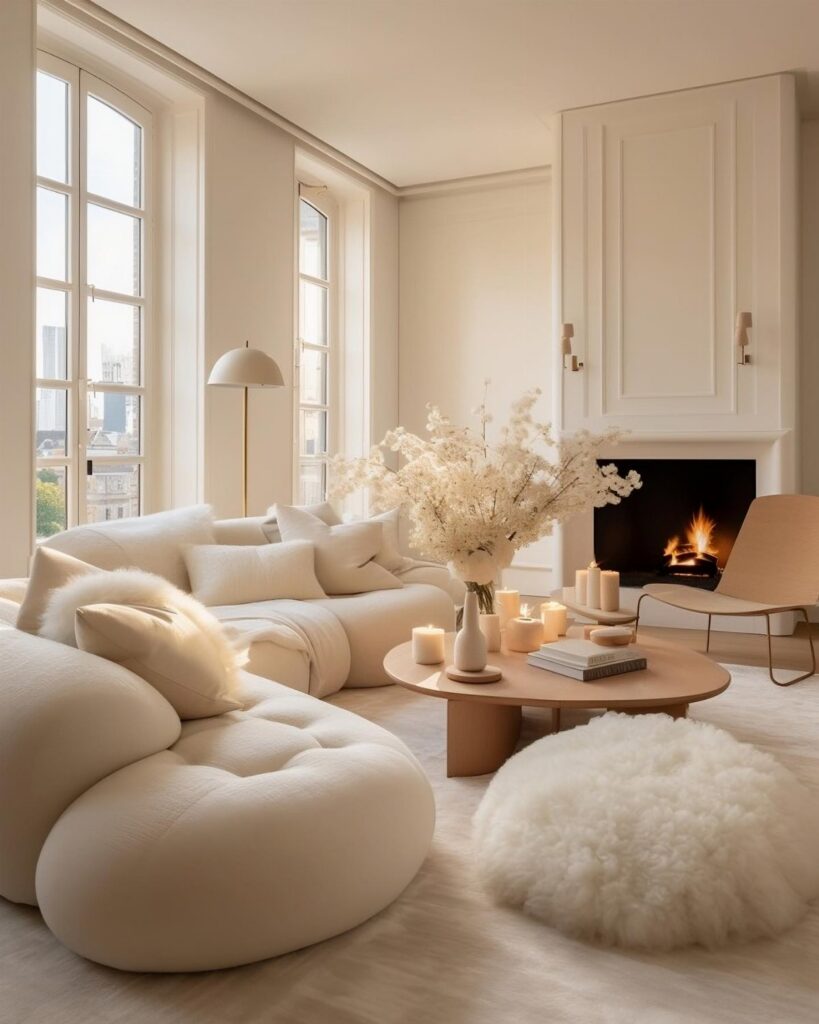
These ideas run from swapping out pillows you already own to spending a few hundred on a statement fixture, and the one that fits you depends on whether you rent or own, since that decides what you can change and take with you.
1. Soft Grey Sofa
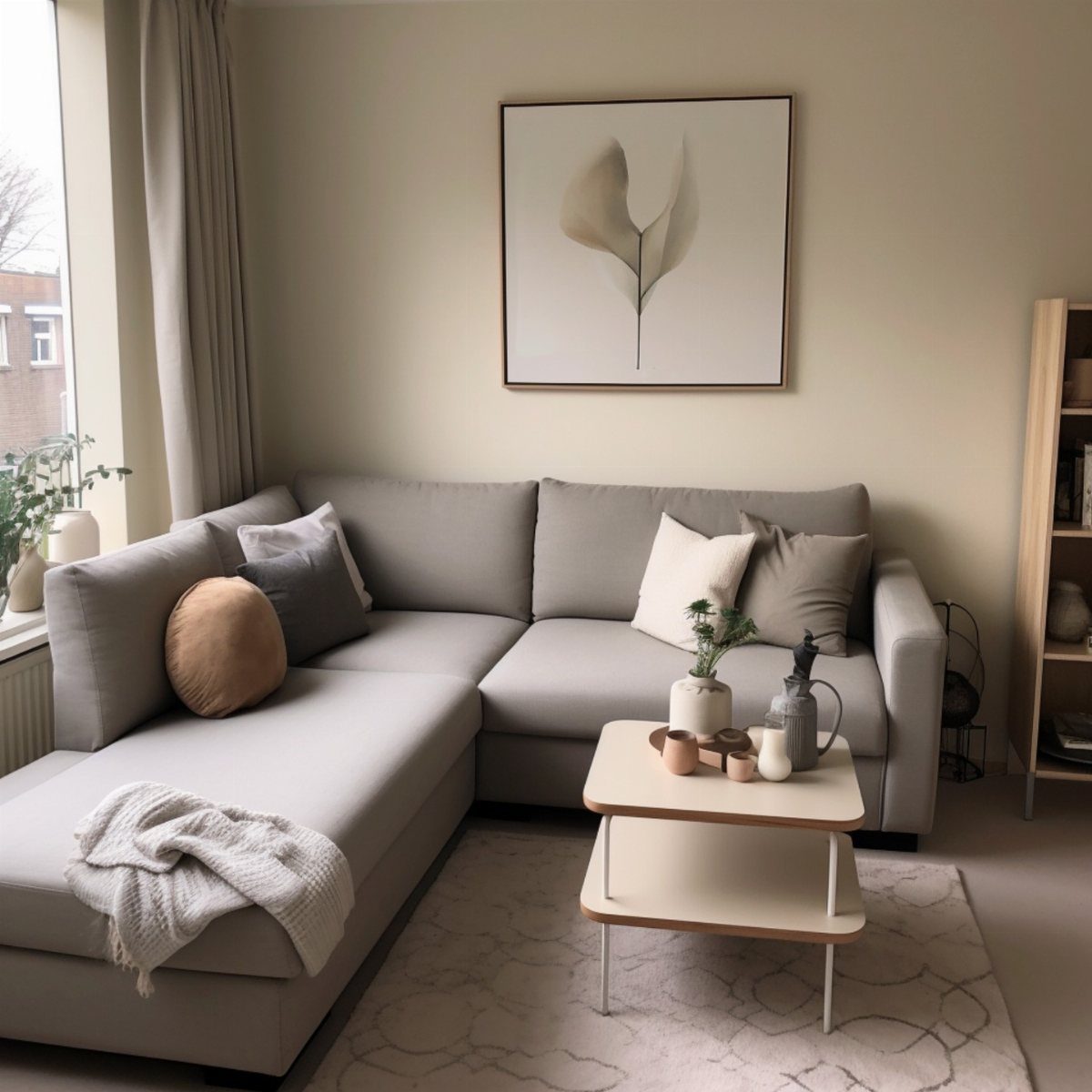
A soft grey sofa gives you a neutral anchor that still reads as intentional, not like you gave up on color. A soft grey sofa keeps a beige room from feeling flat, especially when the walls already read warm.
The grey lets blue and tan accents stand out without fighting for attention, and the whole space stays airy.
Look for a light to mid-tone; charcoal will swallow the room. A grey slipcover over an old sofa does the same job without the cost of new upholstery.
2. Blue Throw Pillows
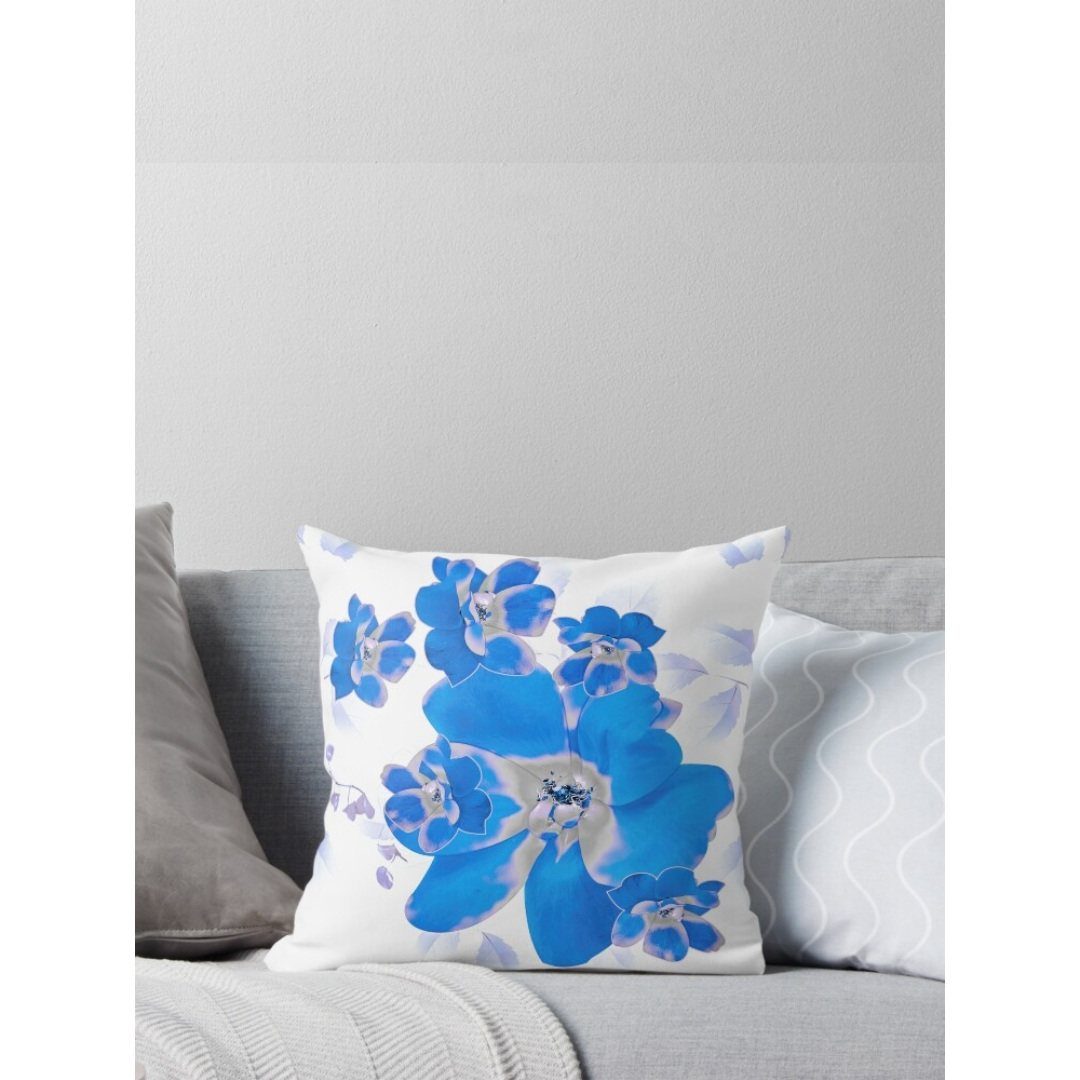
Blue throw pillows are where you bring in the water without hanging a "Life’s a Beach" sign.
The maker of that floral pillow used a crisp white background, which works here because the sofa is grey, not beige. On a beige sofa I’d pick cream instead; bright white against tan fights the calm you’re after.
Mix solids, subtle stripes, and one small-scale pattern. Keep the count to three or four pillows, tops, or the sofa starts looking like a pillow warehouse.
3. Natural Wood Accents
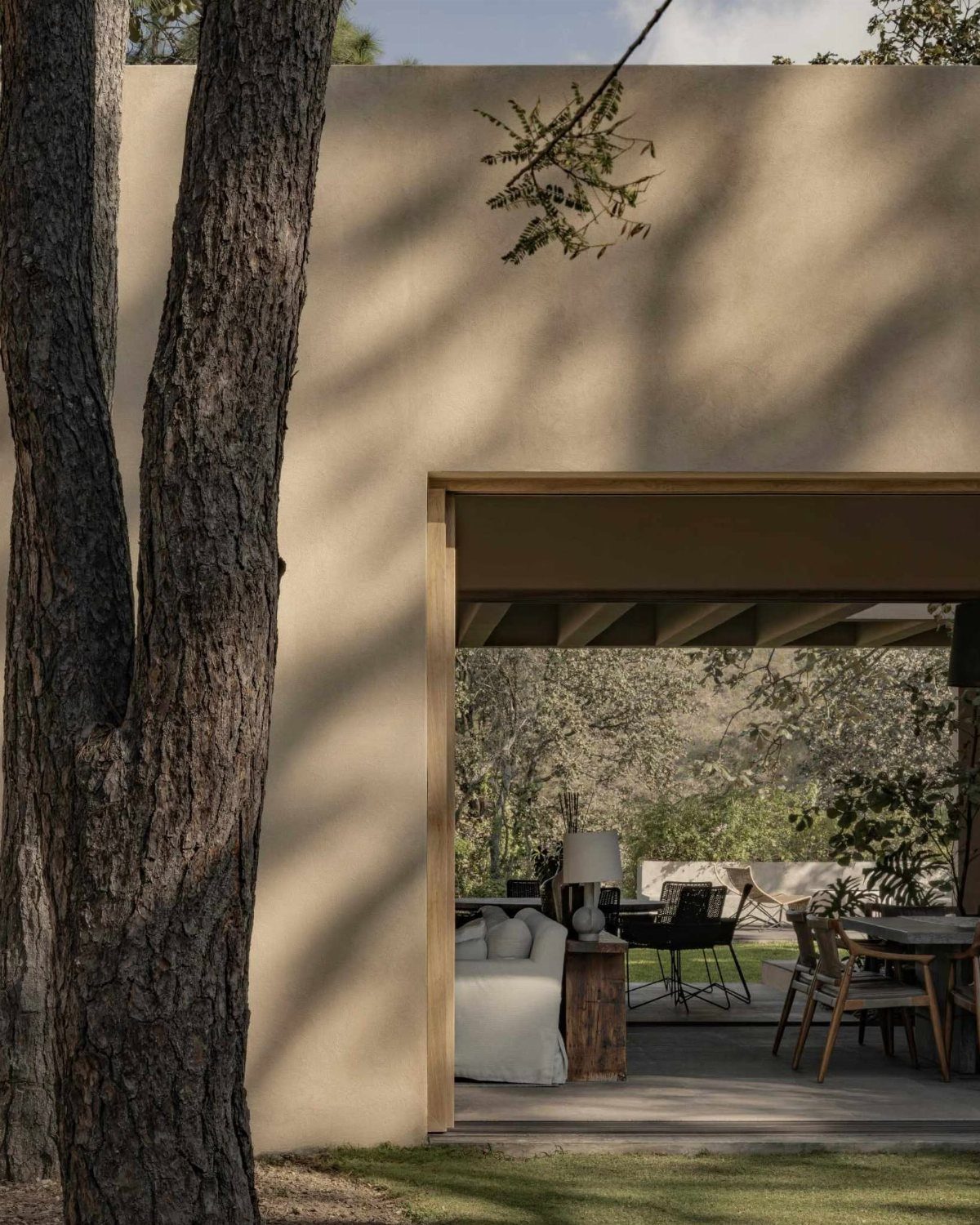
Natural wood accents keep a beige-and-blue room from feeling like a catalog spread.
Light oak, ash, or a driftwood finish adds warmth that beige walls alone can’t manage, and the grain gives your eye something to rest on besides flat color.
A wood side table or media unit is enough to start; hold off on replacing every black or metal piece you own. One oak-look console from a thrift store did more for the room than a new rug.
The coastal vibe comes through in the tone, not in rope handles or anchor motifs.
4. Coastal Art
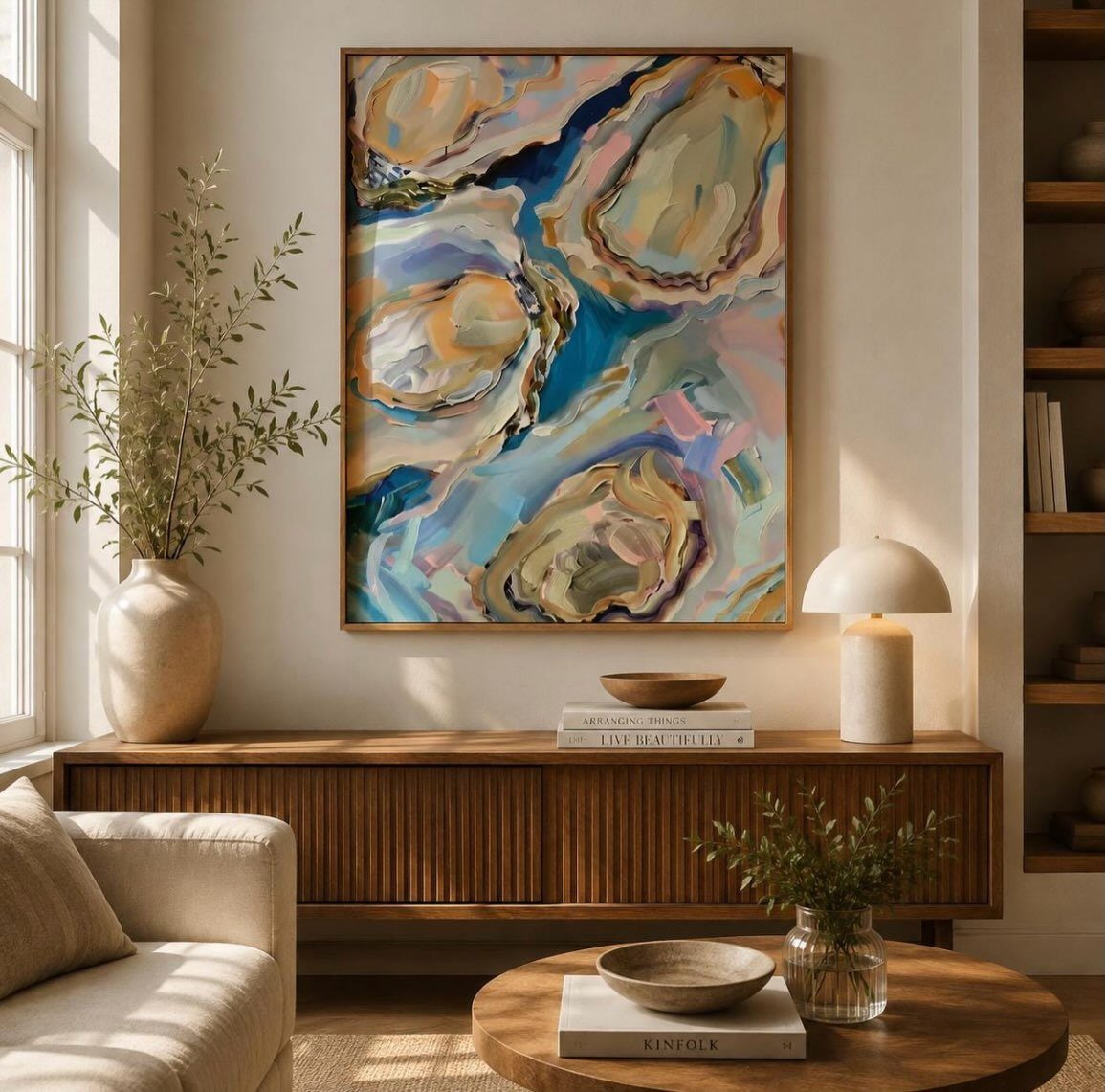
Coastal art works when it suggests the ocean without naming it. The piece above the sideboard swirls blue, gold, and cream together; you read it as water and shore without seeing a single seashell or lighthouse.
Abstract ocean-inspired pieces or soft shoreline photography keep the room grown-up. Literal anchors and shell collages turn the space into a gift shop.
A watercolor print in the same blue family as your throw pillows ties the room together; that echo is what makes it feel planned. For a larger wall, one statement piece beats a grid of small frames.
5. Soft Beige Curtains
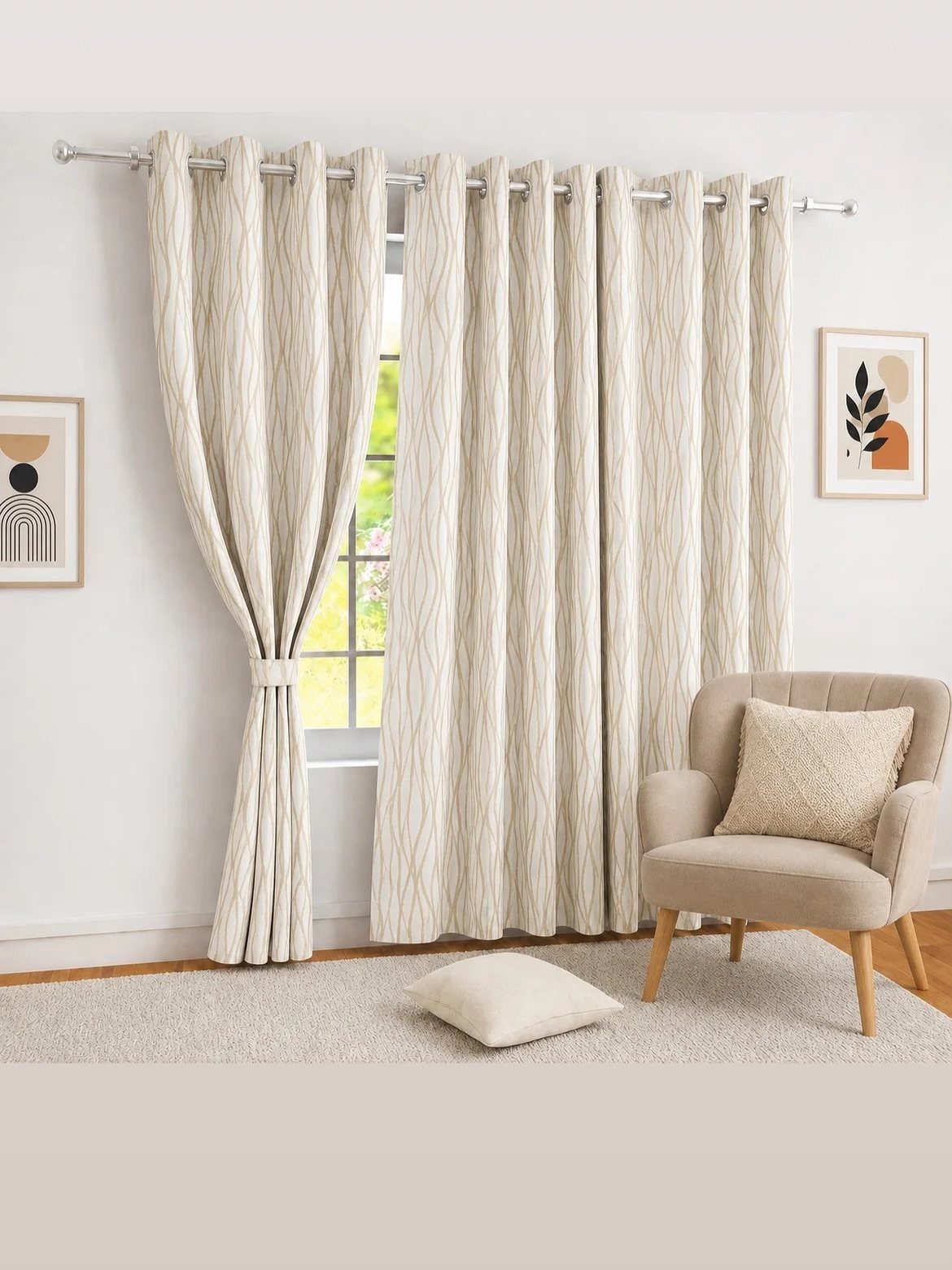
Soft beige curtains frame the room and filter light the way you want a coastal space to feel.
Subtle pattern reads as texture from across the room, and a lining that blocks some light is enough to cut glare without turning afternoon into evening.
Mount the rod 6 to 12 inches above the window frame and let the panels skim the floor. Curtains hung too short make a room look off-balance; floor-length is the safer bet.
6. Accent Chairs
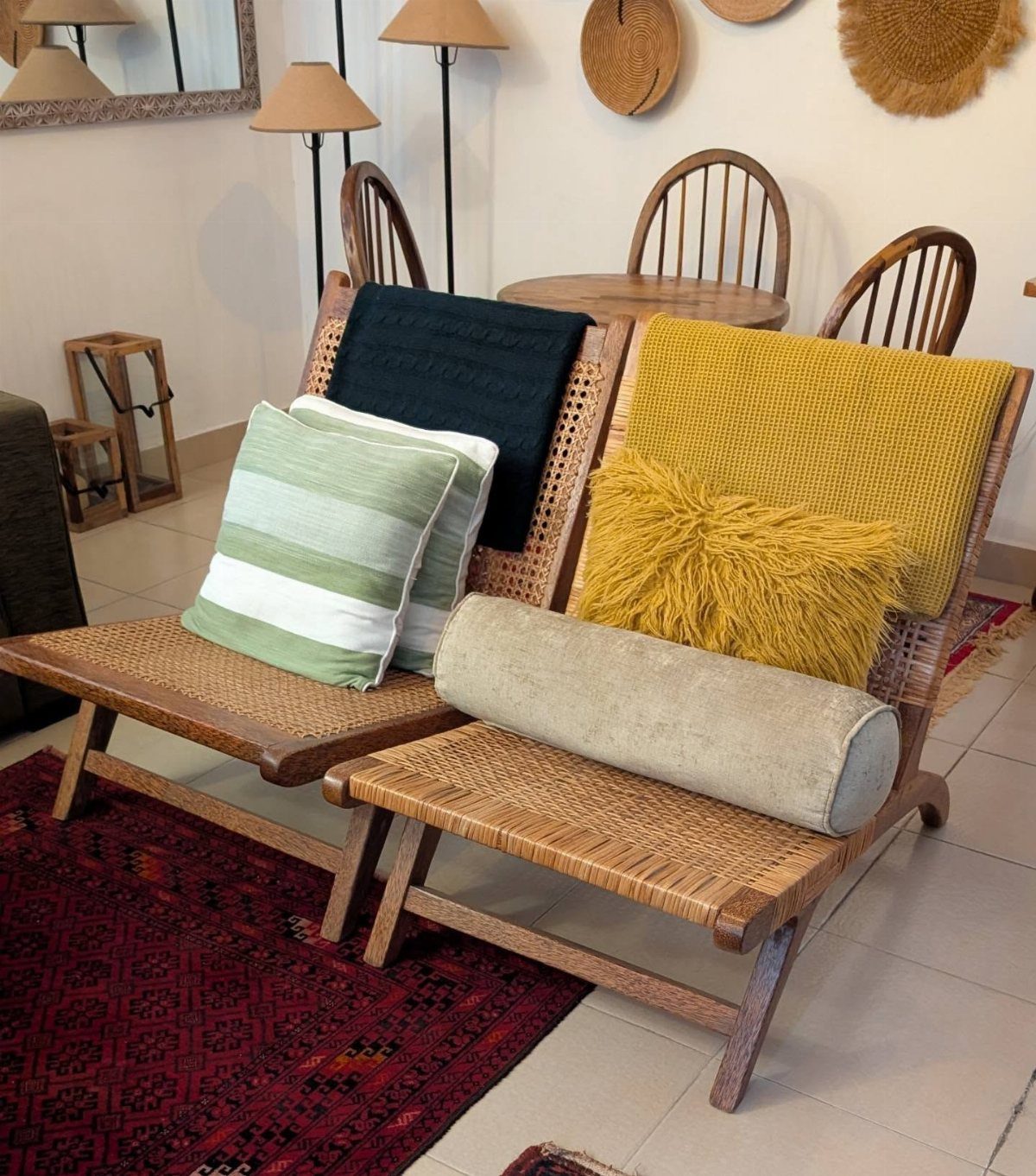
Accent chairs in a contrasting color break up the beige expanse without requiring you to repaint. Woven cane in a natural finish is neutral enough to move between rooms, even when the rest of the mix runs bold.
For a beige living room, I’d pull from that approach but keep the palette tighter: one chair in dusty blue, or a natural wood frame with a cream cushion.
Two chairs flanking a sofa create a conversation area; one angled chair by a window gives you a reading spot.
Mid-range accent chairs hold up to daily use better than the bottom price tier; save there and you feel it by year two.
7. Statement Lighting
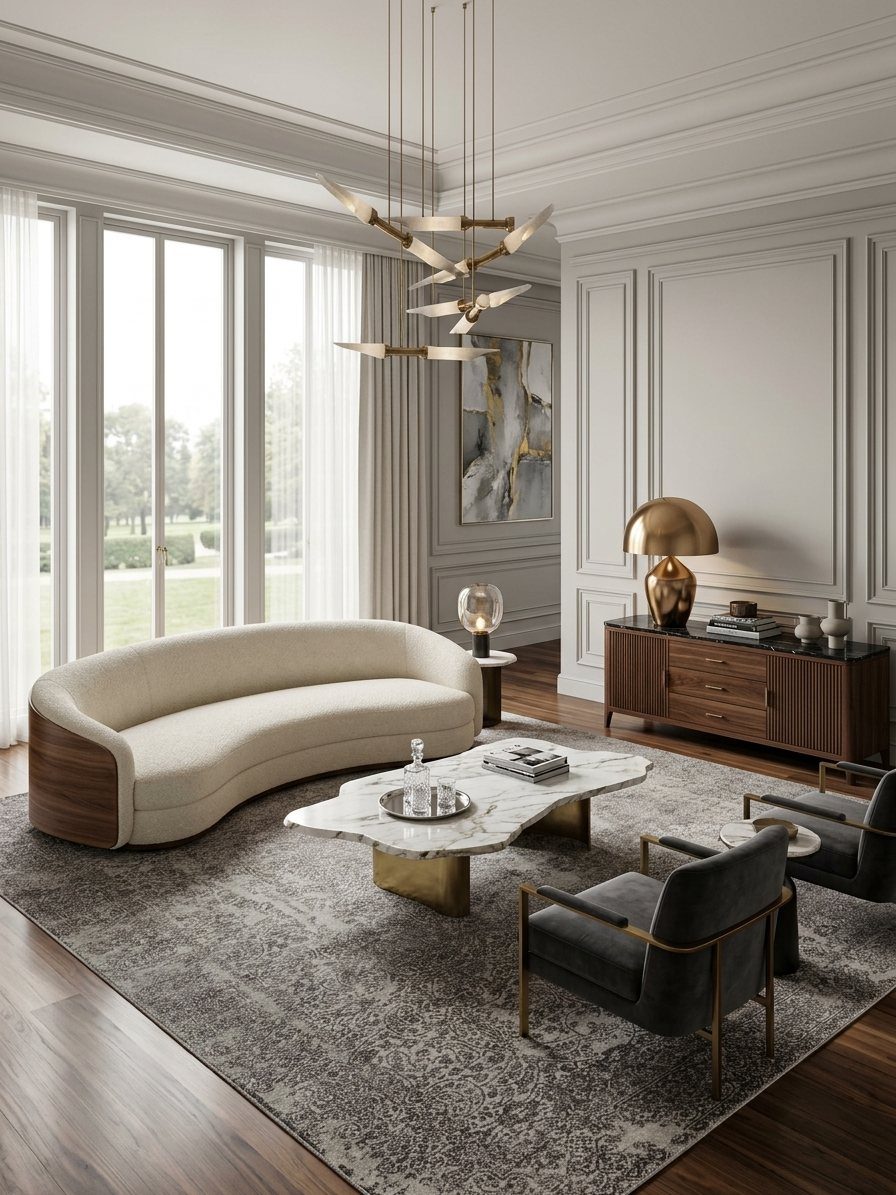
A brass chandelier with curved arms and a grey glass drum shade hangs where a basic flush mount used to be, and the whole room reads differently for it.
In a beige room you already own a lot of warm tone, so a fixture with some metal finish picks that up instead of fighting it.
I look for one strong piece per room, placed where your eye lands on entry, usually dead center or over the main seating.
Beige plus weak lighting turns flat fast, so treat the fixture as part of the light plan, not the whole thing.
Add a floor lamp with a warm bulb near the reading corner, or picture lights if you hang art on those walls.
This suits renters who can swap a ceiling fixture and take it when they leave, and owners who want one change with visible weight. A real statement piece runs a few hundred up, and cheap metal reads cheap.
8. Texture Variety
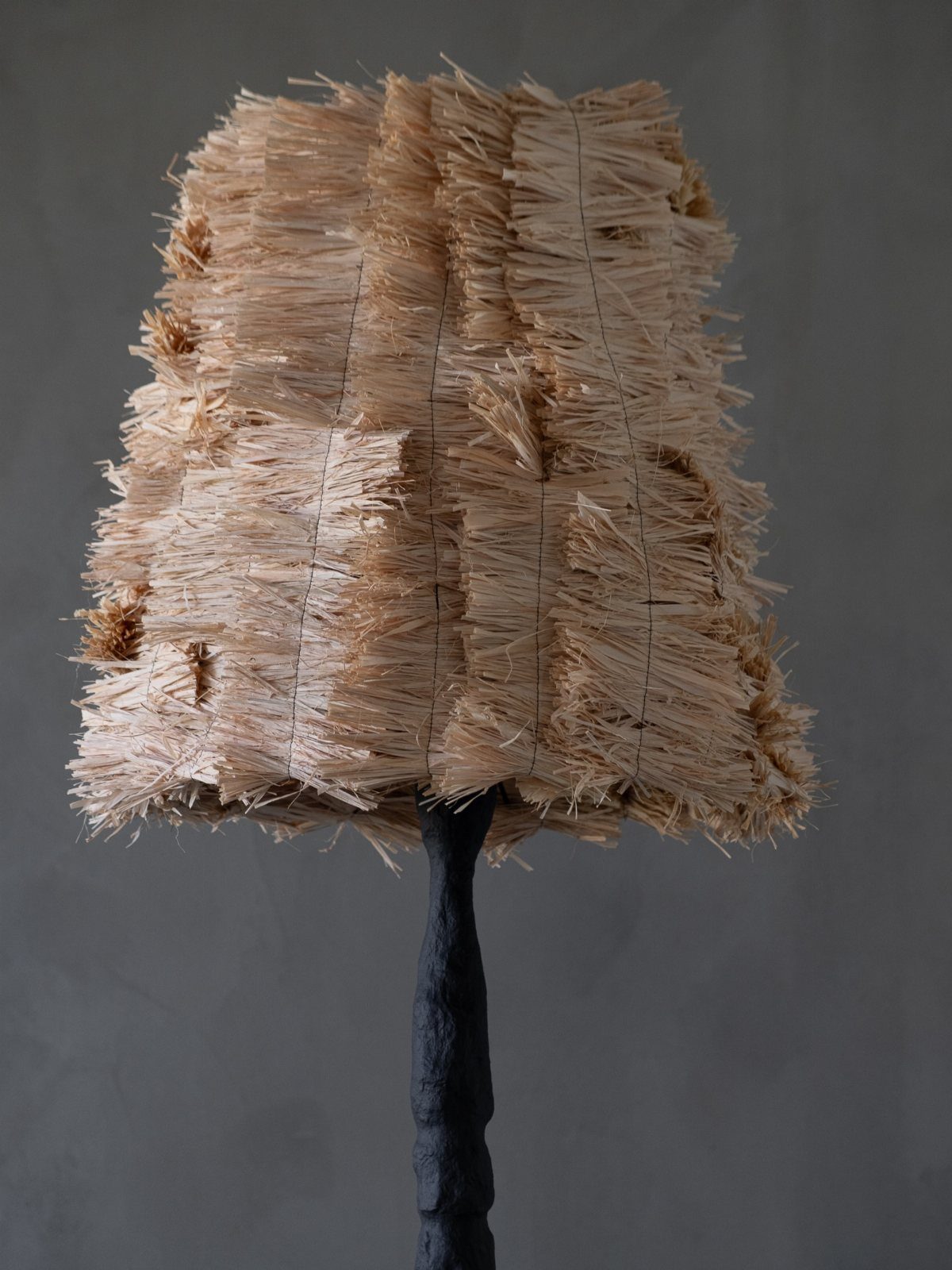
A shade built from dried fiber bundled in tufts, almost like a small haystack held in shape, sits on a base with the same rough hand-worked surface. That one object carries two textures before you even plug it in.
Beige walls and a beige sofa will sink together without this layer.
I mix three families: something woven or nubby (the fiber shade, a linen pillow, a jute rug), something smooth and hard (marble, metal, lacquered wood), and something soft with pile (wool, velvet, a thick cotton knit).
Ignoring this costs about five thousand dollars in stuff you add to compensate. Rooms with twenty small objects and nothing to touch feel scattered and thin.
Start with one piece per category, placed where you actually use them, not clustered on a shelf. A woven throw on the sofa, a metal lamp, a wool rug underfoot.
9. Colorful Accessories

That is the whole method. Beige is a base that accepts any accent because it carries no strong color statement of its own.
Two sets of covers, one warm for fall and winter, one cool for spring and summer, let the room follow the daylight without buying all new pillows. The inserts last years; buying covers at end-of-season clearance keeps the cost low.
This works best if you commit to the swap rather than layering every season together, which becomes clutter. Storage space and the small discipline of actually doing it are the price.
If you hate that, pick one neutral cover and add a single throw in the current color.
10. Use Off-white Instead of Bright White
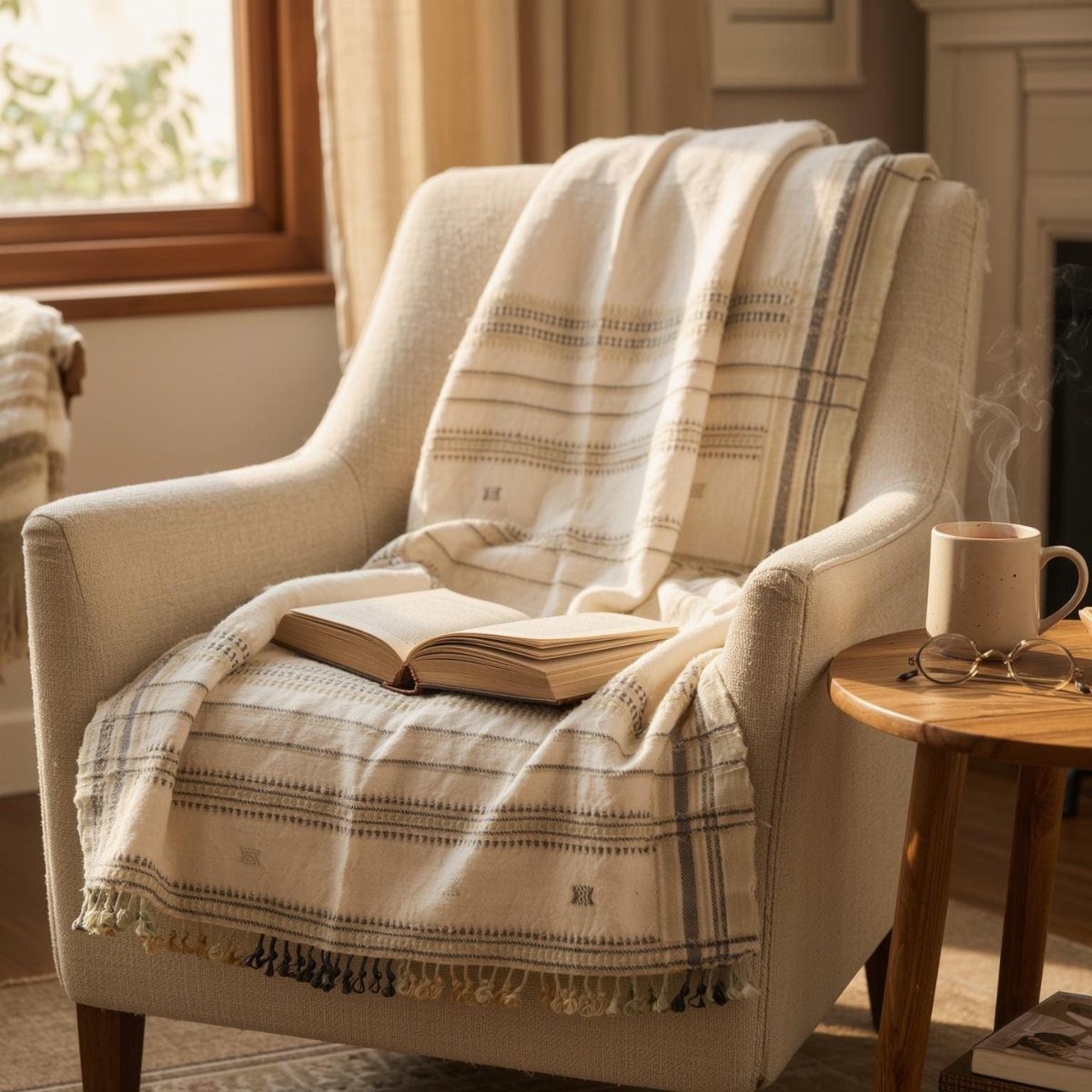
Warm off-white upholstery avoids the blue-tinted bright white that reads clean against grey but harsh against beige.
Painting trim in a rental "Decorator’s White" and watching it fight the walls every hour of daylight taught me the difference. Beige contains yellow and red undertones, and bright white contains blue; placed together they argue.
Cream, parchment, or "warm white" in paint terms sits in the same family as the wall and lets both colors settle. White bedding against sand walls reads dirty; the same thing happened to me with a throw blanket.
Test before you buy: hold the fabric or paint chip against your largest beige surface in daylight, not in the store under LED. If the white seems to glow or float, it is too bright.
Color Combinations
Beige sits right where you need it: warm enough to feel lived-in, neutral enough to let other colors do the work. Blues, greys, and natural wood tones all read as intentional against it, not accidental.
A little green keeps the whole palette from going flat. Green plays especially well with blue and beige together; the three end up feeling like a planned trio rather than a happy accident.
Lighting Considerations
Natural light matters more with beige than people expect. Dark colors absorb light instead of bouncing it back, and in a beige room that already reads warm, the wrong accent can turn shadowy fast.
Small or north-facing windows make this worse.
If your daylight is limited, plan the lighting before you pick fabrics. Picture lights, floor lamps, and recessed LEDs all help, but they need to be part of the initial plan, not an afterthought.
A dark accent wall can steal so much light that you end up running lamps at two in the afternoon just to see the sofa. Over-engineer the lighting now; you will not regret it later.
Texture Importance
A flat beige wall against a flat beige sofa lands the same way food does without salt. The reason finished rooms look expensive is hidden texture: bouclé, reclaimed wood, blackened steel, linen, wool.
Your brain registers the variety even when you are not naming it.
When texture goes missing, clutter moves in: small frames, knick-knacks, extra objects that undo the calm you were after. One piece with real texture beats five smooth ones.
Accessorizing Tips
Accessories are where you spend the least to change the most. A new set of throw pillows, a swapped-out vase, or a different coffee-table book shifts the room’s mood without touching paint or furniture.
This is also how you move with the seasons. Warmer terracottas and deep greens read cozy from October through February; lighter blues and fresh whites feel right from March into September.
The beige base does not fight either direction.
Keep the changes simple enough to store in a single bin. If an accessory needs its own closet, it has stopped being flexible.
Frequently Asked Questions
What colors go well with a beige living room?
Blues, greys, and natural wood tones all read as intentional against beige, not accidental. Warm off-white or cream trim sits in the same family as the wall, while bright white fights the warmth.
Which color sofa is best for a beige wall?
A soft grey sofa is the safer anchor; it keeps the room airy and lets blue and tan accents stand out without fighting for attention.
A blue sofa also works if you want the color to do more of the talking.
What are some good decor ideas for a beige couch?
Blue throw pillows bring in color without turning the sofa into a pillow warehouse; keep the count to three or four, mixing solids, subtle stripes, and one small-scale pattern.
A woven throw adds texture that keeps beige from going flat, and swapping covers seasonally shifts the mood without buying all new inserts.
What is the 2/3 rule for sofas?
The sofa should occupy about two-thirds of the wall space it sits against. This leaves enough breathing room for end tables or floor lamps without crowding the wall, and the proportion reads as balanced rather than cramped or floating.
In a beige room where the sofa is already a neutral mass, getting this scale right matters more than in a space where color does the visual work.





