These ideas run from a $359 pendant light down to branches cut from your own yard, and the right one depends on whether you are starting from a blank rental or building around furniture you already own.
A 48-inch round table fits four in a small apartment, or six if you mostly host drinks and snacks, and that single figure tells you the scale this list has in mind.
1. Use Natural Materials
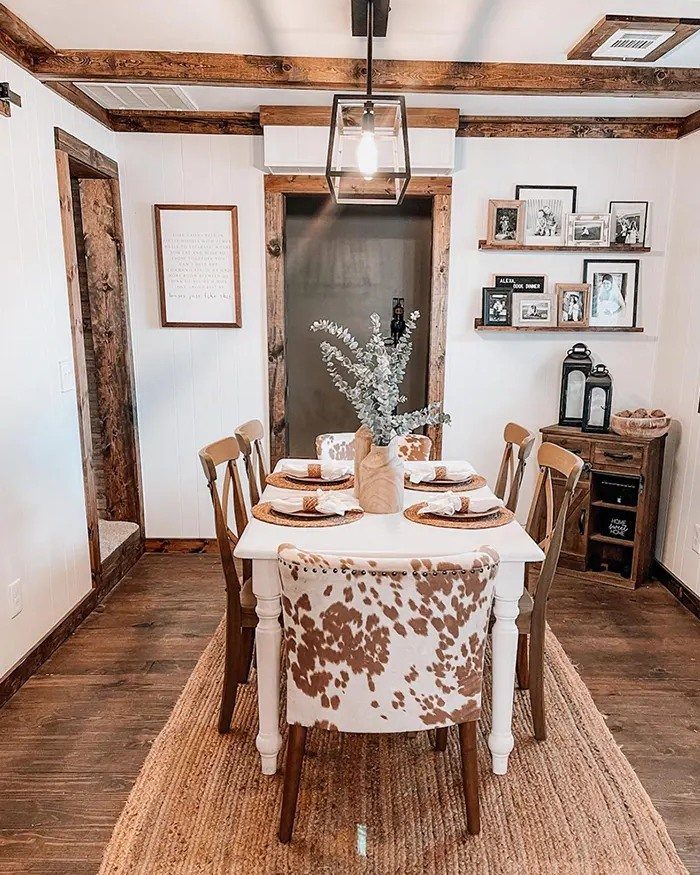
A boho dining room starts with what it is made of. Wood, rattan, jute, and bamboo give the space its warmth and keep the look grounded in something real.
I like a reclaimed wood table paired with woven seats, or a jute rug underfoot that can take actual life. A bamboo pendant light overhead adds texture without clutter.
These materials wear in, not out, and they tend to cost less than finished designer pieces.
If you are buying new, look for recycled or sustainably sourced options. The style should stay simple; too much carving and the room gets busy fast.
2. Create an Accent Wall
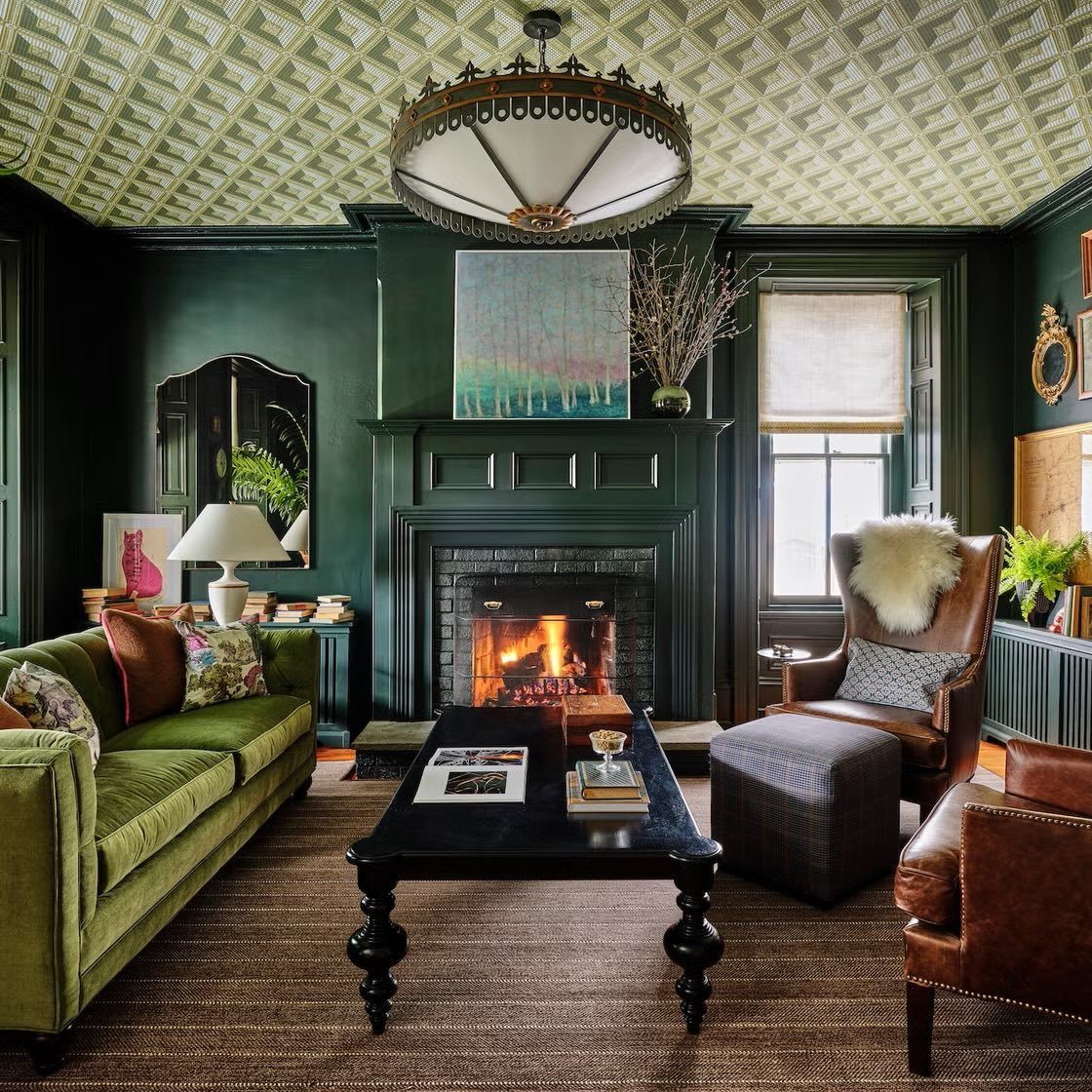
One wall with texture changes how the whole room feels. Lime or plaster finish gives that soft, chalky, slightly uneven surface that reads as organic rather than perfect.
I would apply it to the wall you face when you walk in, or the one behind the table. It takes paint if you want color later, and it hides the small dings that happen in a dining space.
For a faster route, woven wall decor or a cluster of framed prints and macrame hangings does similar work.
Mix sizes and frame styles, keep the palette tight, and let the wall feel collected over time rather than bought in one afternoon.
3. Incorporate Plants
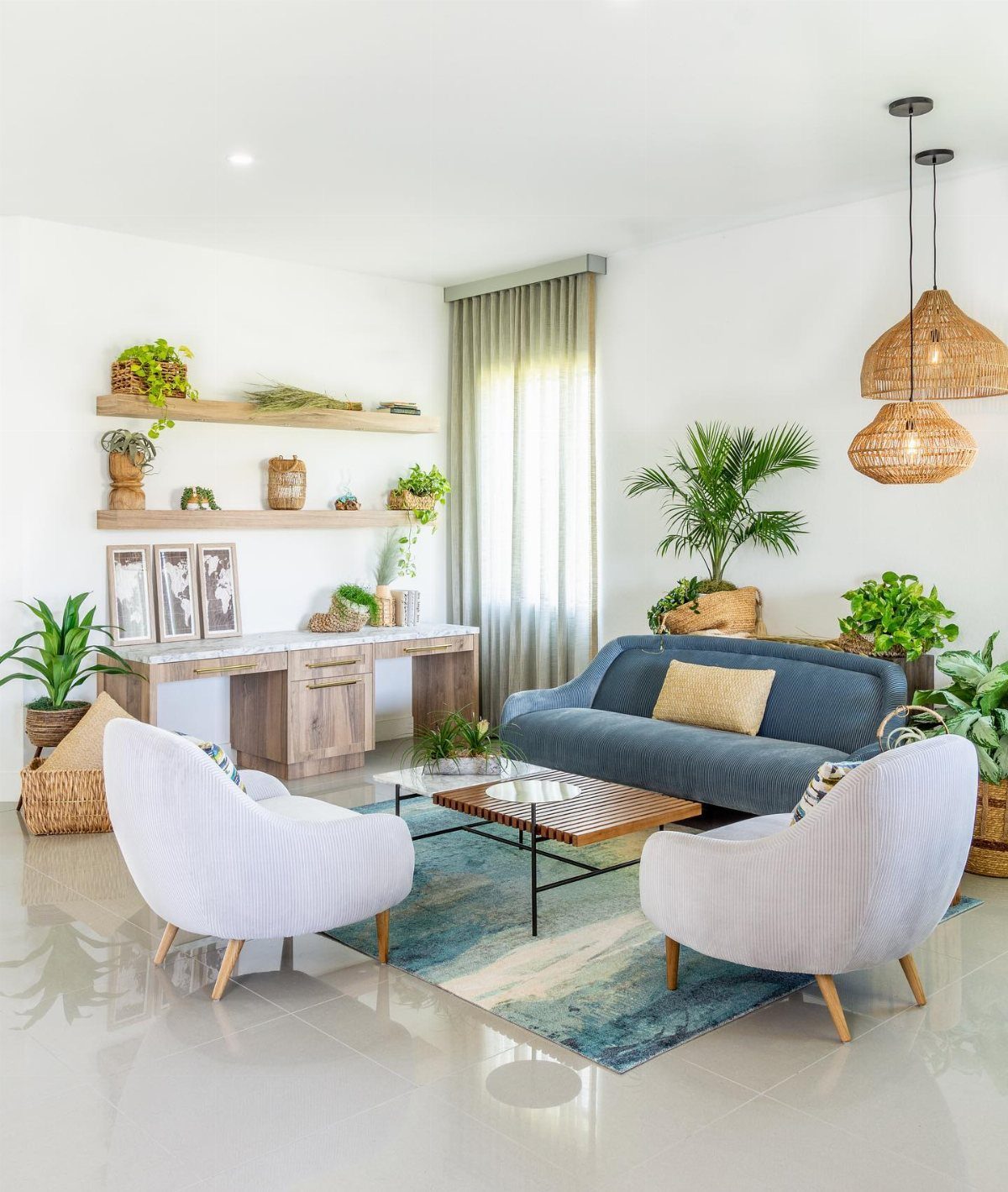
Living plants turn a dining room from staged to settled. One large floor plant in a corner, a smaller one on a sideboard, and a trailing variety on a shelf give you three heights without trying too hard.
Pothos and snake plants handle the lower light most dining rooms get. If you forget to water, a dried arrangement or preserved leaves keep the shape without the maintenance.
I group mine in baskets or simple ceramic pots in earthy tones. The containers matter as much as the plants; bright plastic throws off the whole room.
4. Mix and Match Furniture
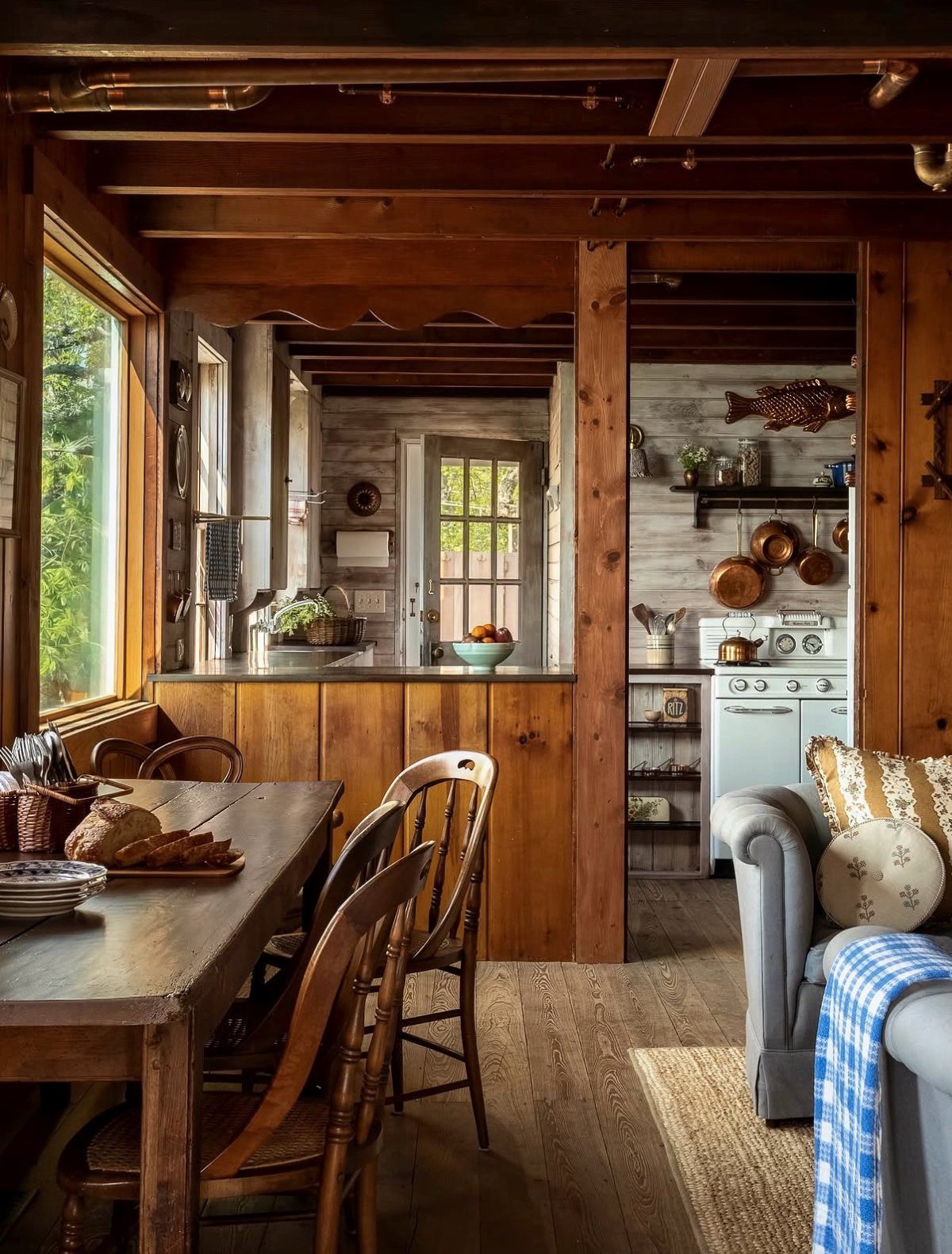
Matching dining sets read as showroom. Boho works better when chairs disagree with each other politely.
Pick one thread to hold them together: all natural wood tones, all white paint, or all woven seats. Then let the shapes vary.
A vintage spindle-back next to a cleaner modern line, with one rattan piece for texture, gives you the collected look without chaos.
Four different chairs around a simple wood table can work if the scale and seat heights stay close. Finding the right pieces one by one takes longer than buying a set, but the cost often evens out.
Start with what you own and add one chair at a time.
5. Layer Rugs
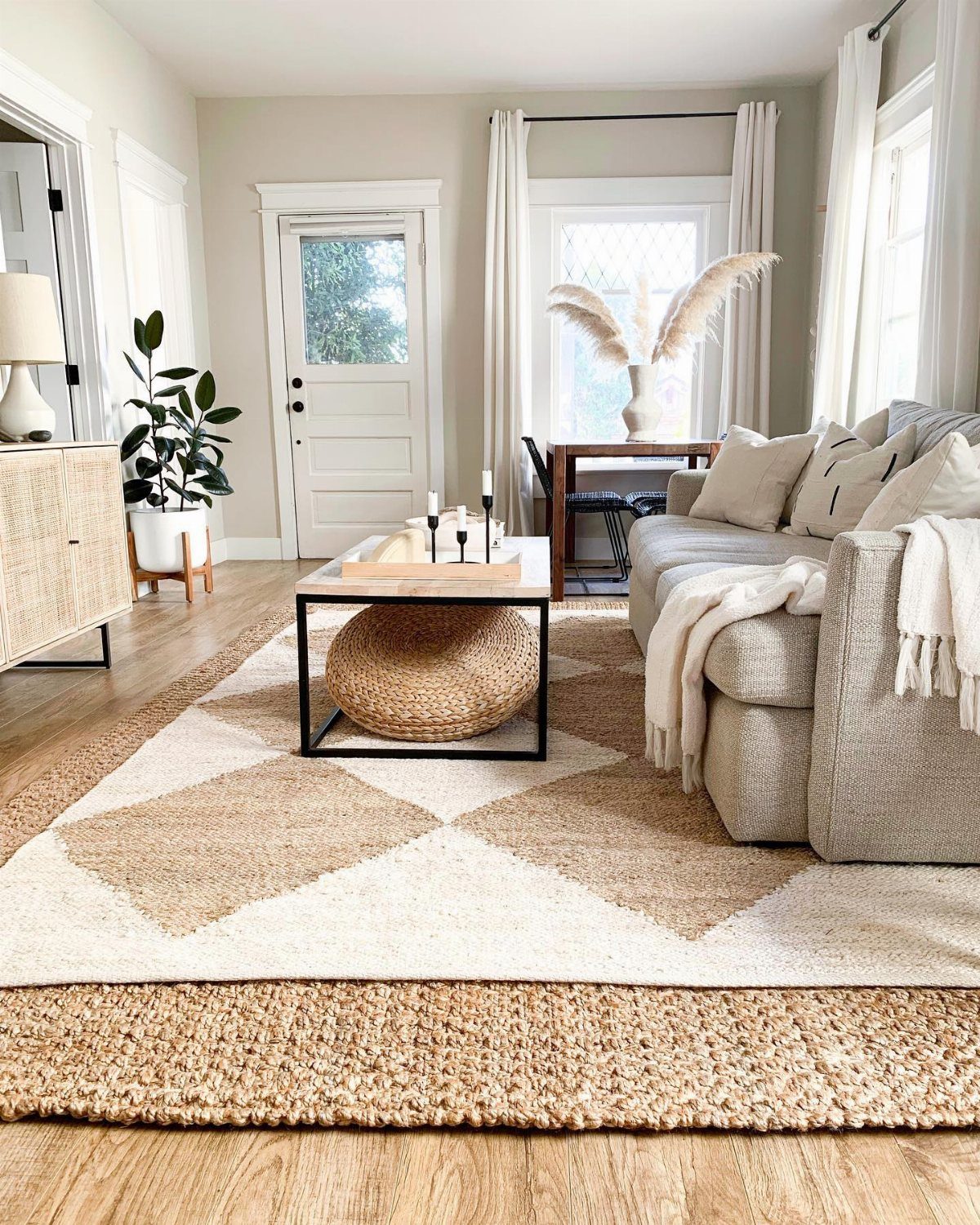
One rug defines the space. Two rugs give it depth.
A large jute or rush rug on the bottom handles the traffic and gives the softer top layer something to grip. Layer a smaller patterned or vintage-style rug on top, centered under the table.
Size the top rug so the back legs of pulled-out chairs still land on it.
This works best when the bottom rug is quiet and the top one carries the interest. If your room already has patterned curtains or a busy gallery wall, reverse that: solid or low-contrast on top, texture only below.
The layering also helps with cost; a full-size vintage rug gets expensive, but a smaller accent piece is manageable.
6. Use Vintage Finds
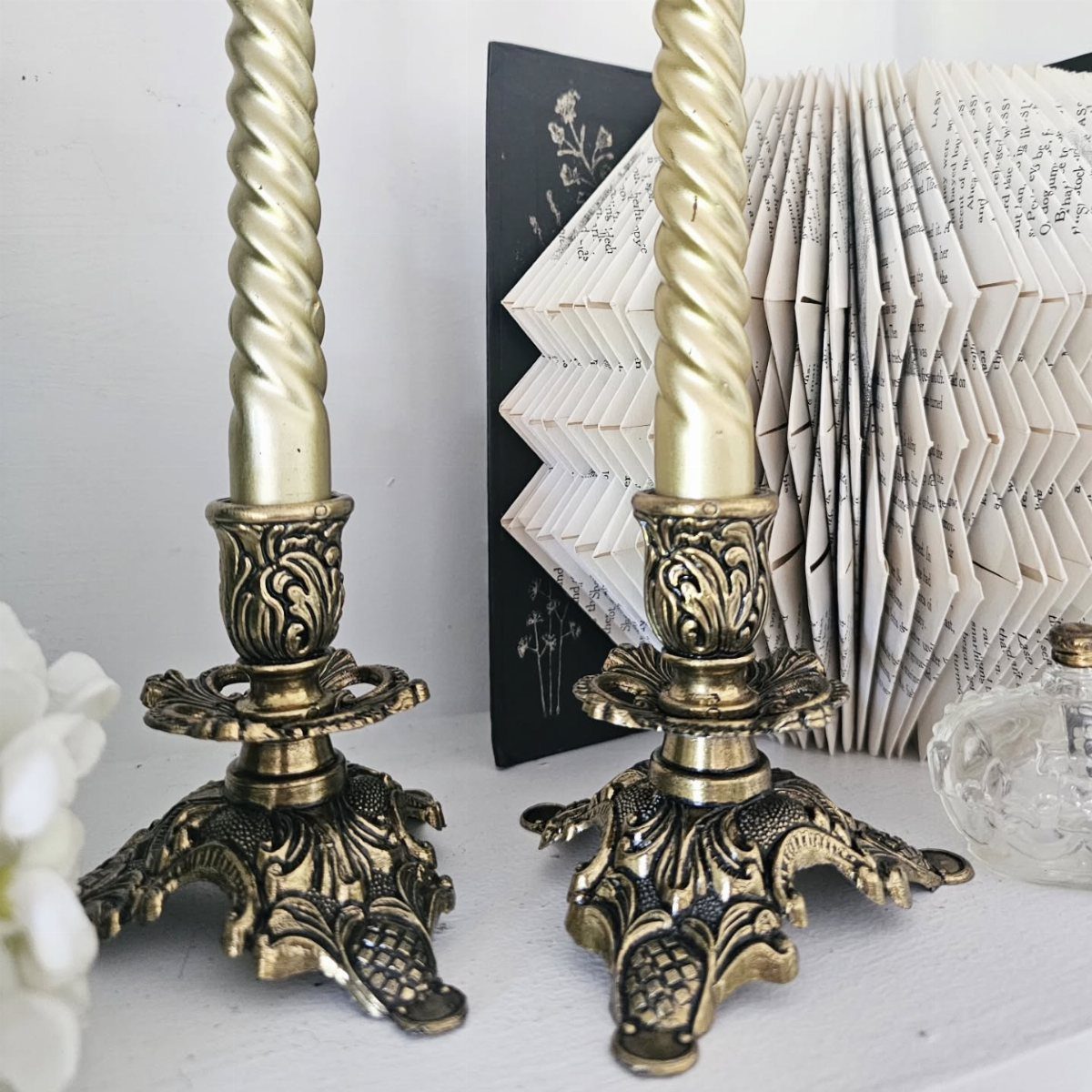
A room full of new things feels like a catalog. One or two vintage pieces give it a history it has not earned yet.
Brass candlesticks, a mirror with a worn decorative frame, or a set of painted plates from a flea market add character without a big spend. I look for items with some wear, not damage: the patina is the point.
The risk is clutter. One statement mirror or a pair of candlesticks does more than a shelf of small objects competing for attention.
Mix your find with cleaner modern pieces so the room still breathes.
7. Add Statement Lighting
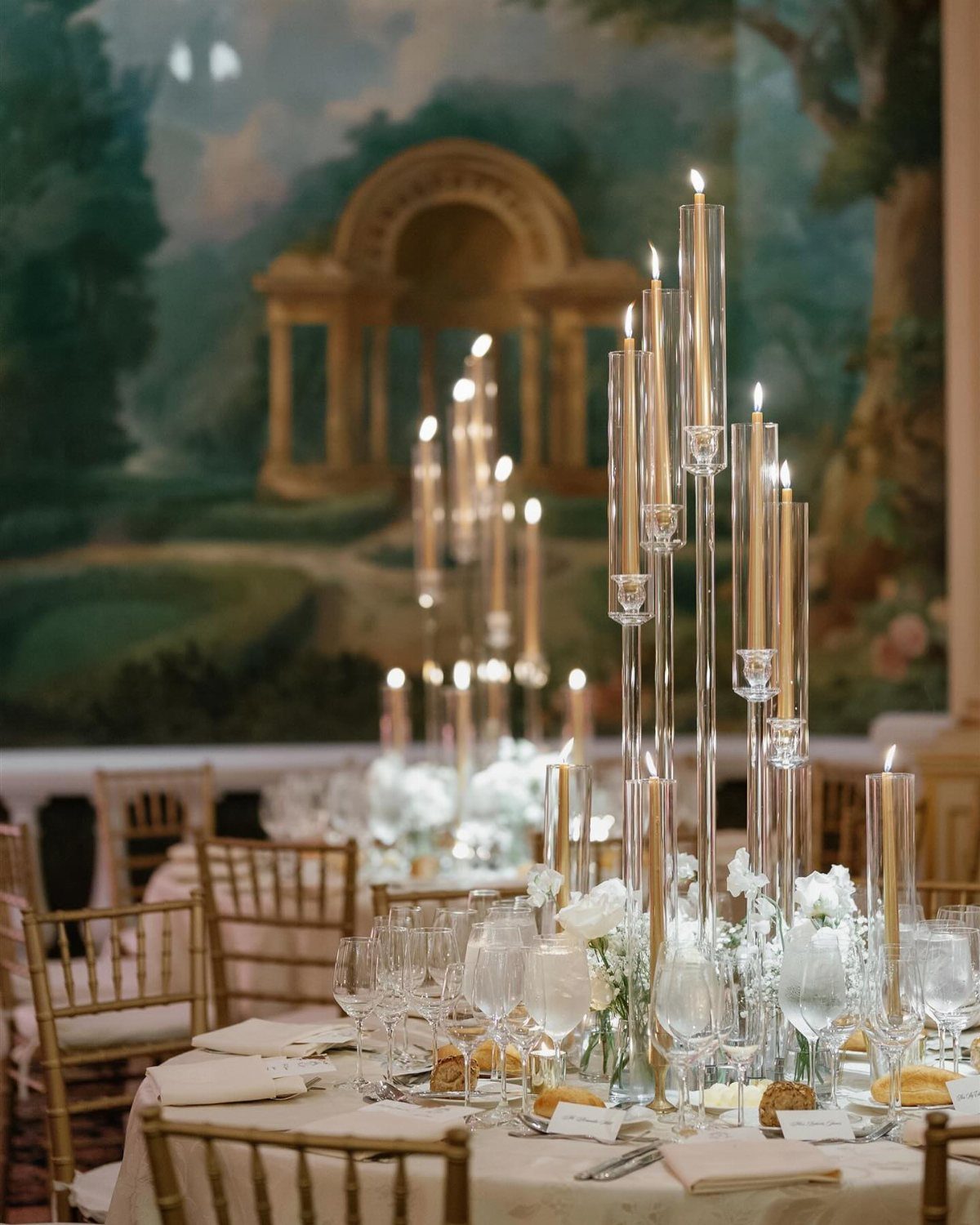
A woven bamboo chandelier or cluster of rattan-style pendants turns the ceiling into the room’s main event. The open weave throws patterned light against walls and makes a narrow dining room feel larger than it is.
A single fixture about the width of a card table, like the Mistana Frese Chandelier, hangs right over most four- to six-seat tables. For a longer table, three smaller pendants spaced evenly do more than one big shade.
Layer in table lamps or a lidded candle from Target’s Hearth and Hand line for dinners where overhead light feels too much. Light works better built up in stages than poured from one source.
Best for renters who can swap a fixture back before move-out, or homeowners ready to hire an electrician for a morning’s work.
8. Layer Different Textures
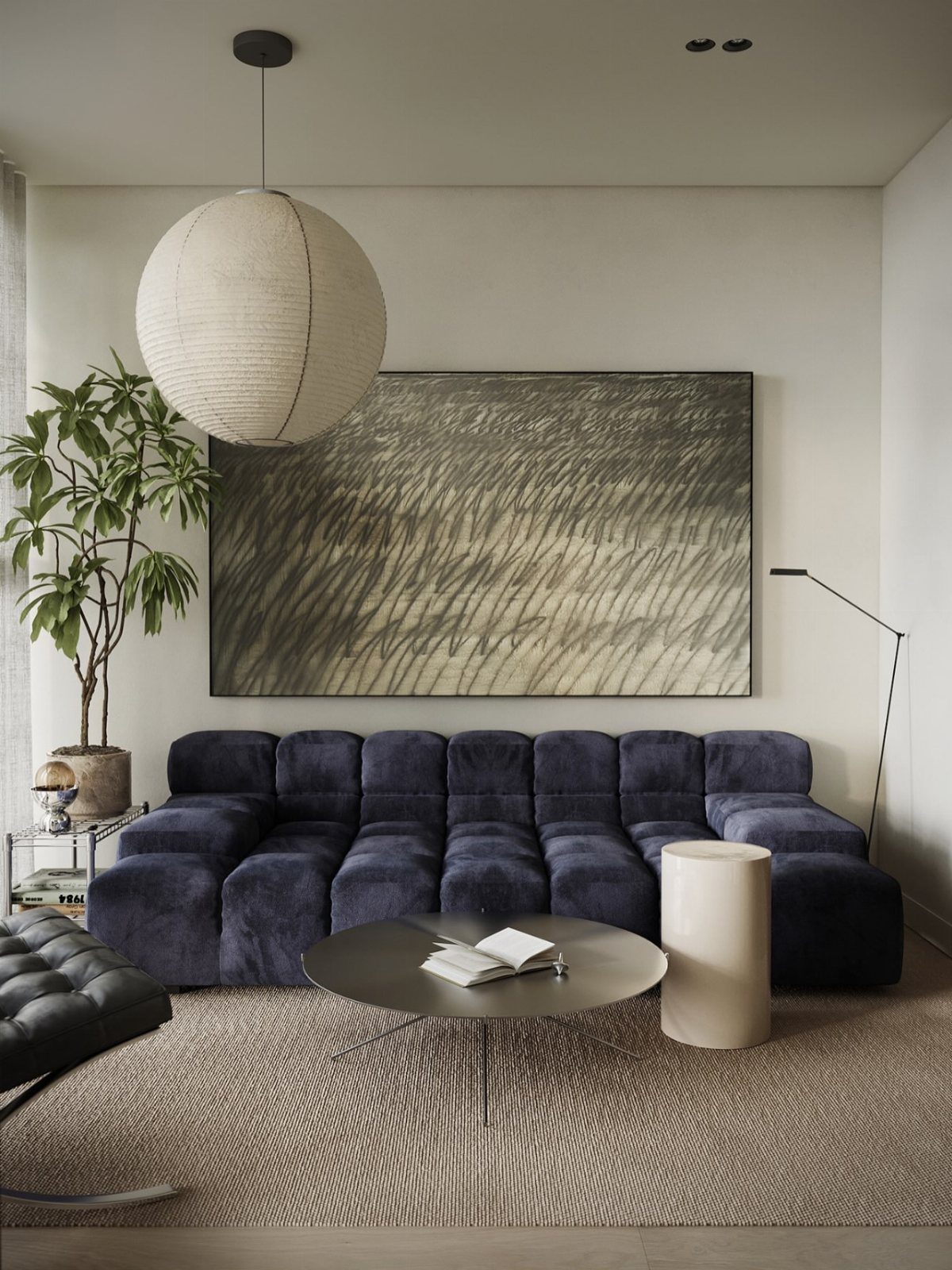
A boho dining room lives or dies on texture, not color count. Start with what you already touch: the table, the chairs, the curtains, the rug.
Each should read as a different material under your hand.
Wood plus rattan plus linen plus ceramic plus a living plant hits five textures without a single paint decision. Wood under your plates carries the warmth.
Rattan seats or a pendant add weave and shadow. Linen napkins or curtains soften the hard edges.
A ceramic bowl or two brings in the slight irregularity of hand-formed work. Greenery is the free one; a grocery-store fern in a terracotta pot counts.
Stop before it turns into a craft fair. If everything is textured, nothing is.
One smooth surface, a glass water jug or a plain white plate, gives the eye a place to rest.
Layering materials is one of the key hallmarks of boho design, adding interest and character to your dining area.
9. Use Bold Colors
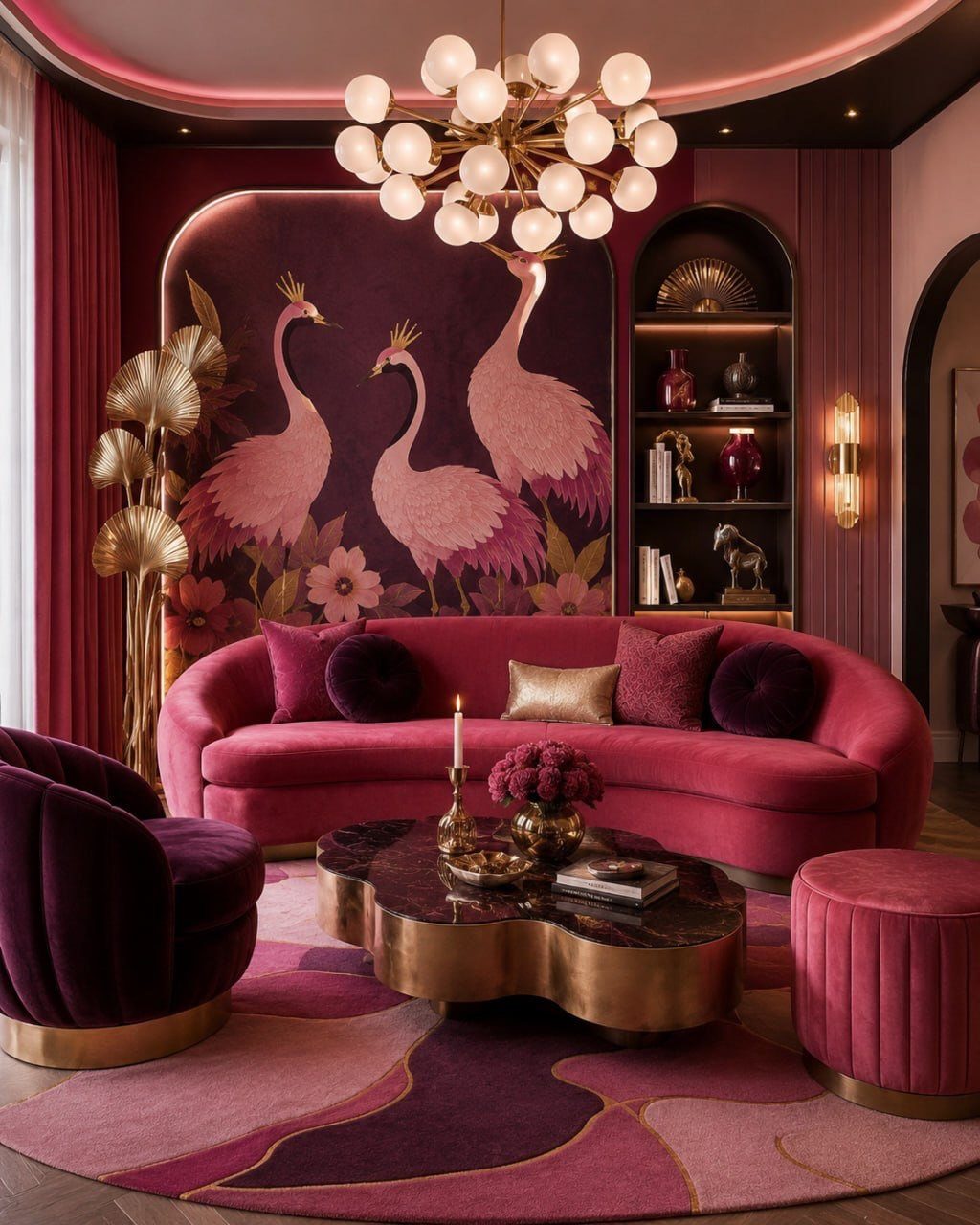
Start with walls in beige, white, or soft grey, then drop the color where it moves: table settings, a single large artwork, or a runner you can swap fast.
Mustard yellow reads warmer and more forgiving than orange under evening light. Deep blue or emerald green through glassware or napkins feels rich without painting a single wall.
Terracotta, the real clay kind, works best in ceramic bowls or a single vase where the uneven glaze catches light.
A round table helps here; the shape softens bold color so it doesn’t feel like a stage set. Pair it with natural wood legs to ground the brightness.
If the first try feels too loud, halve the color and double the neutral. Boho color is meant to feel found, not forced.
10. Add a Gallery Wall
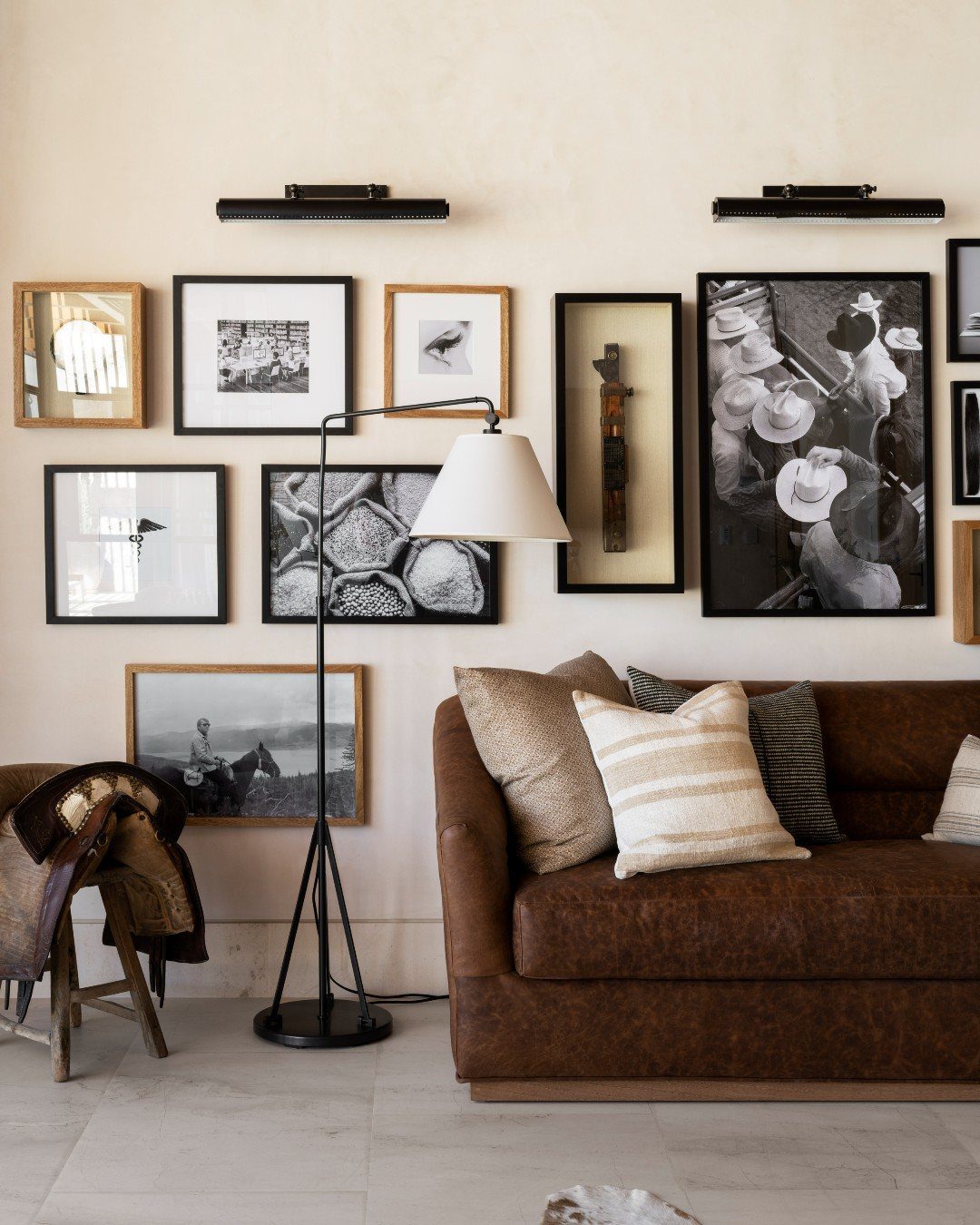
A gallery wall in a dining room works best when it climbs above eye level, drawing attention up and making the ceiling feel higher.
Mix frame finishes, black, natural wood, brass, and sizes from postcard to poster, but keep the art itself in one family: all vintage landscapes, all family photographs, all textile fragments.
The hanging is the hard part. Paper templates cut to each frame’s size let you test the layout on the floor, then on the wall with painter’s tape, before a single nail goes in.
Start with the largest piece slightly off-center, not dead middle, and build around it.
Black frames against a light wall create the strongest anchor. Vintage prints inside them add the collected-over-time feeling that boho rooms aim for.
11. Incorporate a Statement Centerpiece
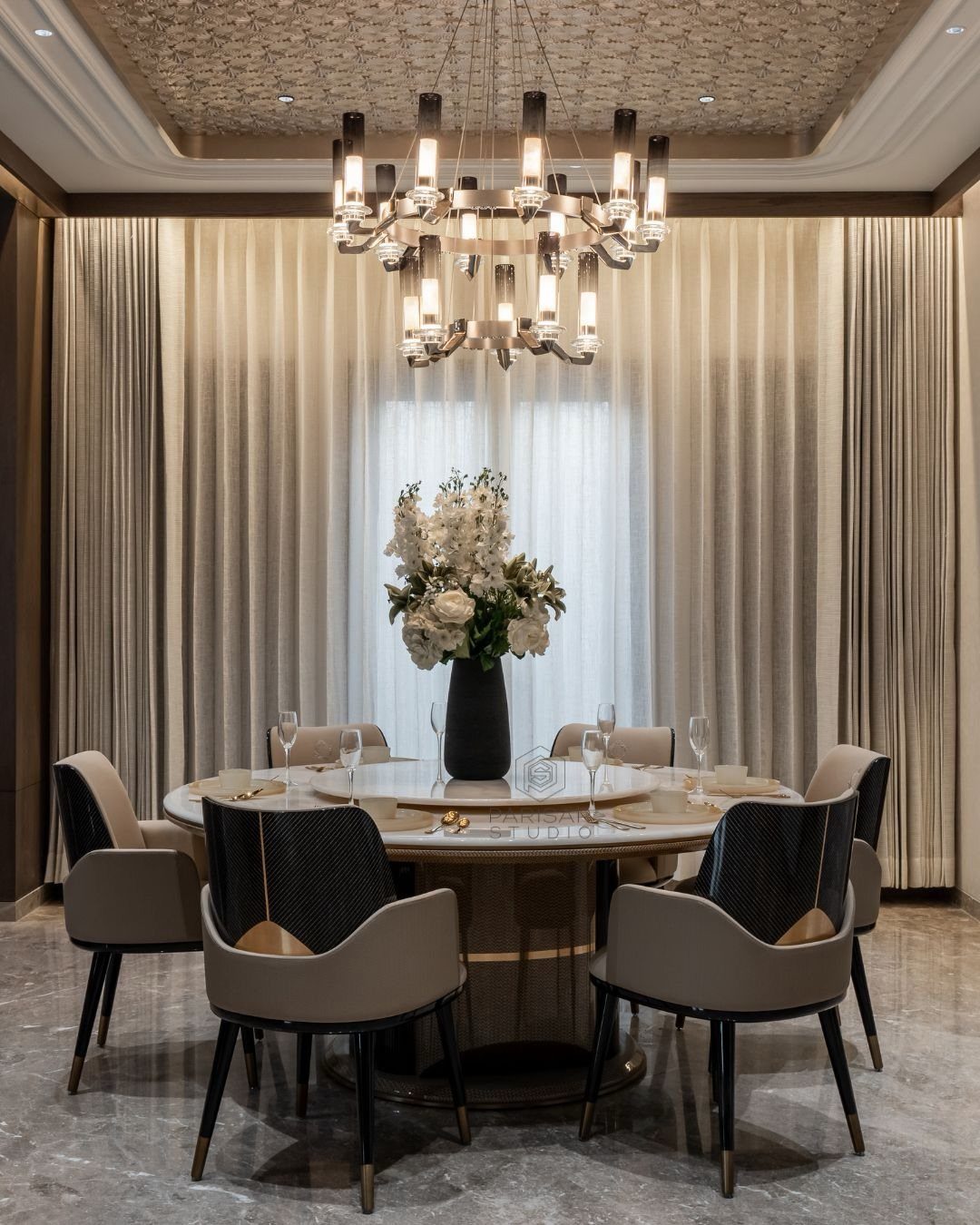
A single large arrangement on a round table becomes the reason people gather around it. The shape of the container matters more than the flowers; a textured ceramic vase or a low woven tray does half the work.
Dried pampas grass is the low-maintenance choice. A bunch runs tall enough to clear seated sight lines but soft enough not to block faces across the table.
For a living option, seasonal branches from the yard in a black or terracotta vase last a week and cost nothing.
The maker of one woven piece notes each one is handmade and can be customised in different shapes and sizes. A single statement vessel or a clustered grouping both work; height without obstruction, interest without fuss.
12. Add a Woven Pendant Light
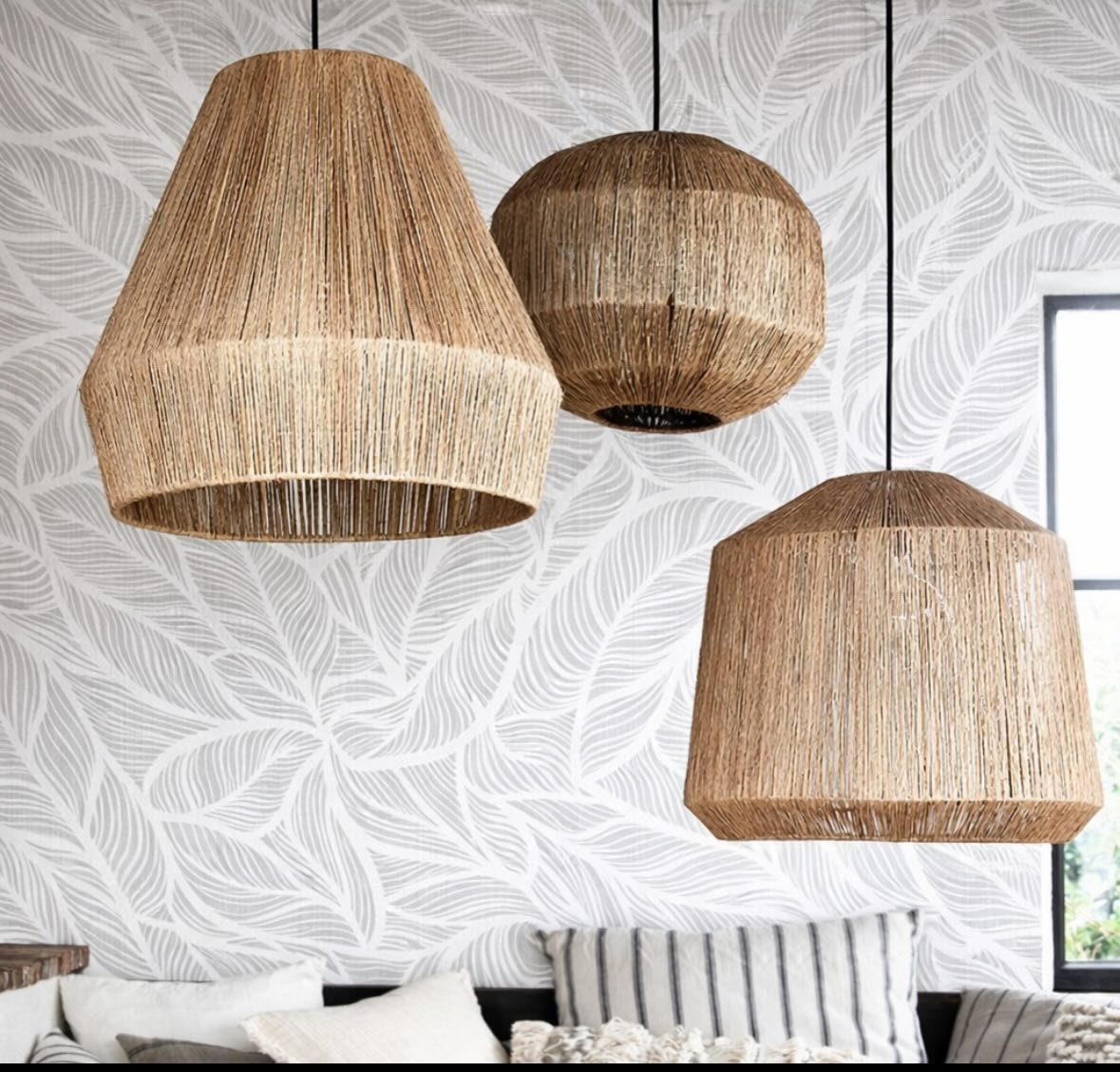
Three woven pendants in graduated shapes, jute or rattan, turn a plain ceiling into architecture. The open weave filters light downward in patterns that change through the evening, and the natural material reads warm against white walls or patterned paper.
For a large table, one oversized fixture anchors the space the way a chandelier would. A lighter, more compact weave keeps sight lines open and the room from feeling top-heavy where space is tight.
The Rylan Bamboo Pendant Light comes in three sizes starting around $359; clustering two sizes together, rather than matching, is the move that reads boho rather than catalog.
A handwoven piece, centered above the table and hung low enough to cast patterned light on the surface below, does more than illuminate. It sets the temperature for the whole meal.
13. Eclectic Dining Space
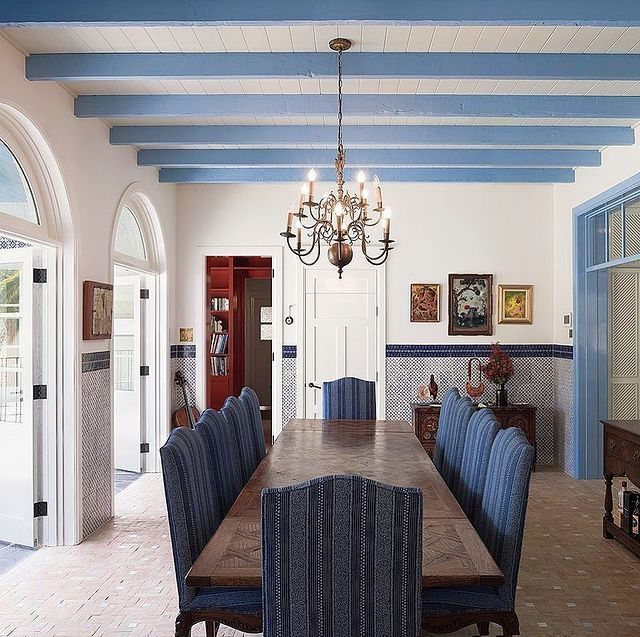
A boho dining room earns its character from deliberate mismatch rather than careful coordination.
A collected dining space pulls together chairs, beams, and flooring from different eras; the clash of periods and materials keeps the room from feeling purchased all at once.
A free weekend spent hunting for mismatched chairs at estate sales or online listings gets the look started without a major outlay.
Timber frames mixed with painted ones, or a simple bench at one end, give that idiosyncratic look without requiring a full set. What holds them together is shared scale or a mid-century line, not identical finish.
This suits the person who already owns two decent chairs and refuses to buy four more. Time spent hunting is the cost; the room that looks like it grew over years is the return.
14. Intimate Benches
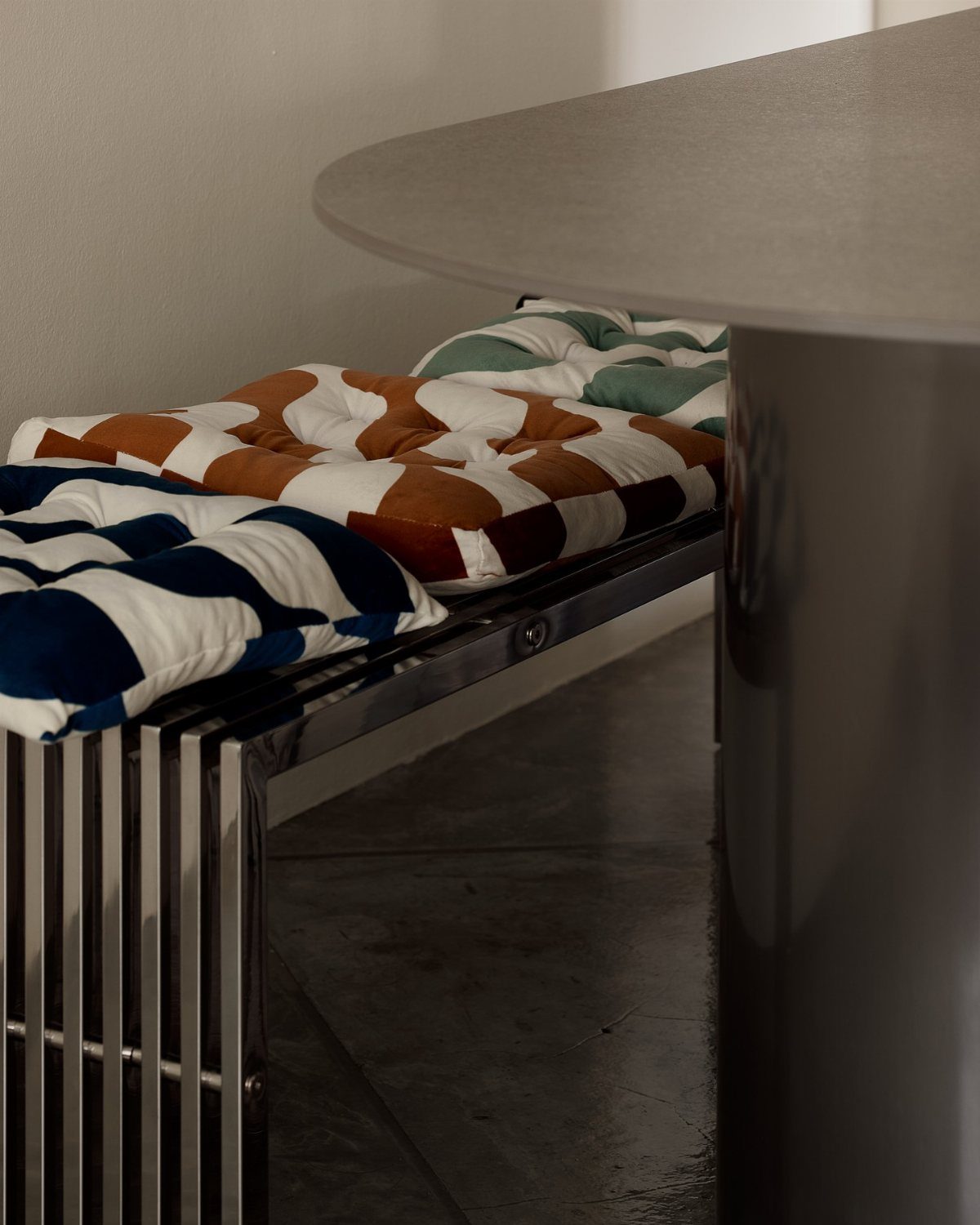
A bench changes how people use a dining table. A metallic slatted bench with tufted cushions in mismatched patterns seats more people and keeps the posture relaxed, closer to a café than a formal room.
For a long table, a simple wooden bench or a cushioned version opens up the same side for extra guests when needed. A knitted throw or fringed pillows on top adds the softness that signals boho without permanent commitment.
This works best in narrow rooms where chairs would crowd the walkway. Back support is the weakness here; anyone with spinal issues should keep chairs at the ends.
15. Mix Patterns
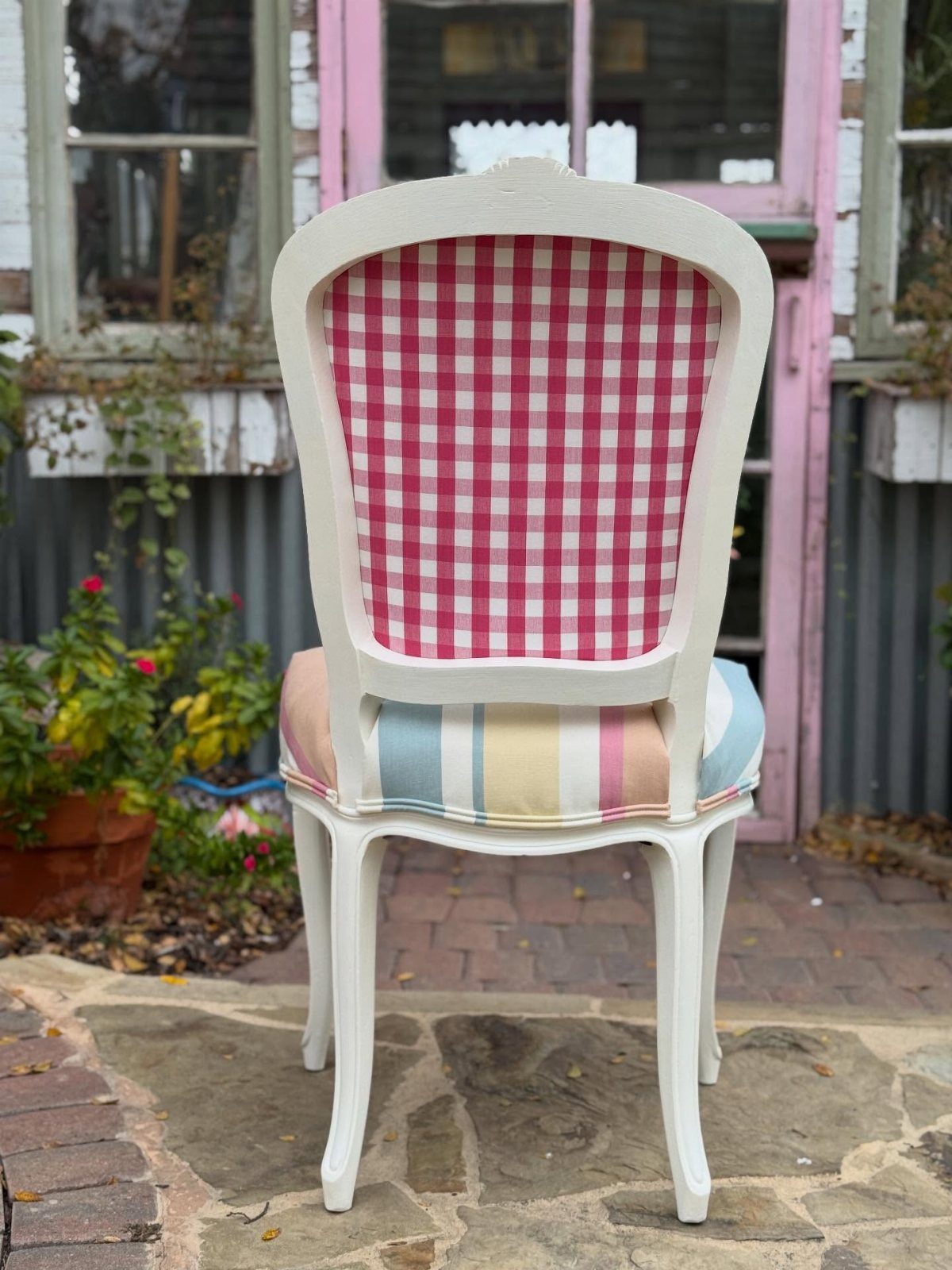
Pattern mixing is the boho move that terrifies people until they try it. Gingham paired with stripes, pink with blue and yellow: nothing matches, yet a common white ground keeps it from chaos.
The reader already layering a rug can extend the same logic to textiles on the table. A runner with one motif, cushions with another, and the rule is simply a shared color or scale rather than identical design.
The rug is the anchor; everything else plays against it.
This suits someone with a fabric stash or a tolerance for thrift store hunting. The risk is visual noise; if the room starts to spin, pull one pattern out and live with the rest.
16. Use Soft Linen Curtains
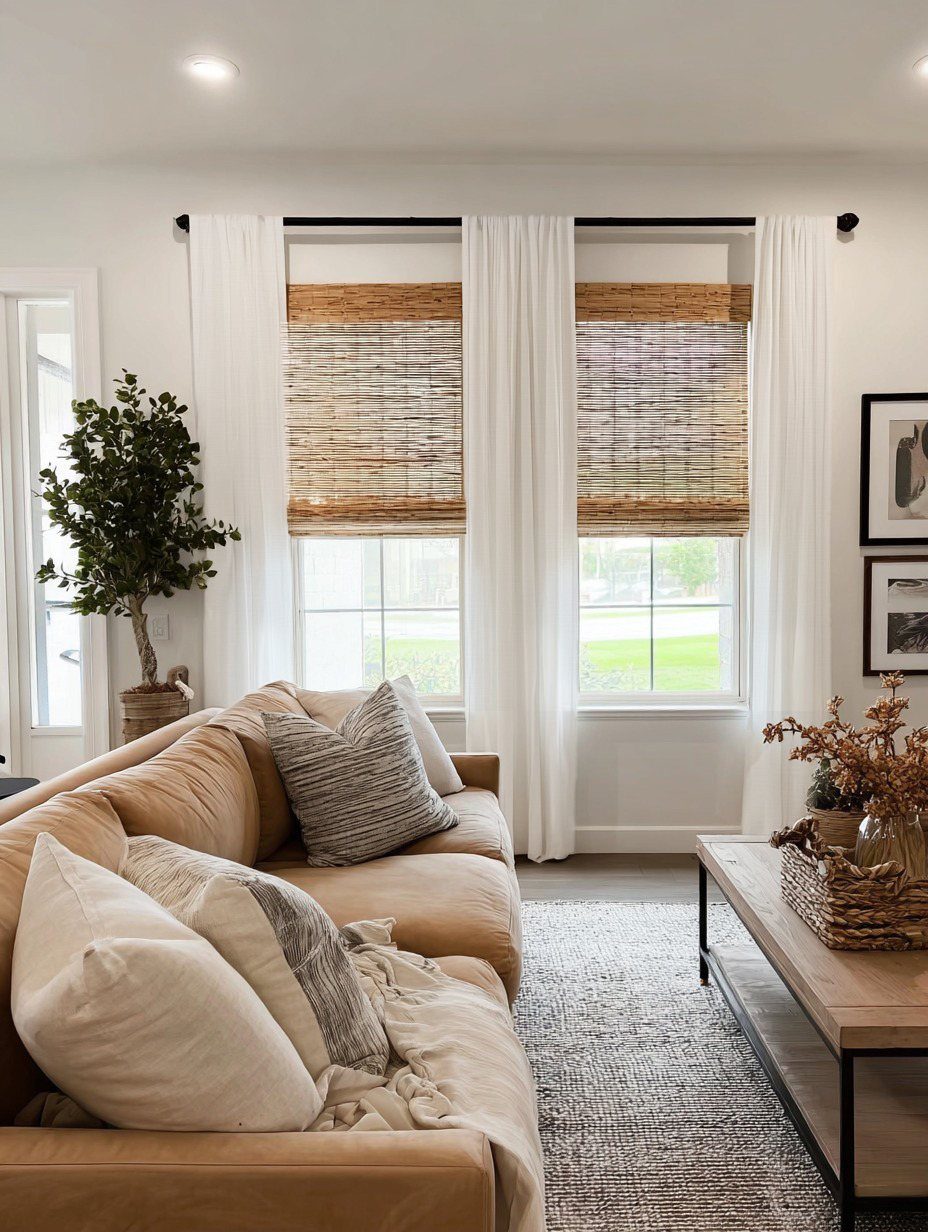
Linen curtains do the quiet work of softening a room full of harder surfaces. White linen hung over bamboo blinds filters light without blocking it and adds the slight irregularity that machine-perfect shades erase.
For the dining room, the same neutral linen at the windows frames the space without competing with whatever patterns or plants live inside.
Ready-made linen panels run at moderate cost; straight seams are simple enough to sew if you want to spend less.
This suits south-facing rooms that glare at midday. Wrinkling is the cost of linen; it never stays pressed, which is either the point or a dealbreaker.
17. Incorporate Wicker Decor
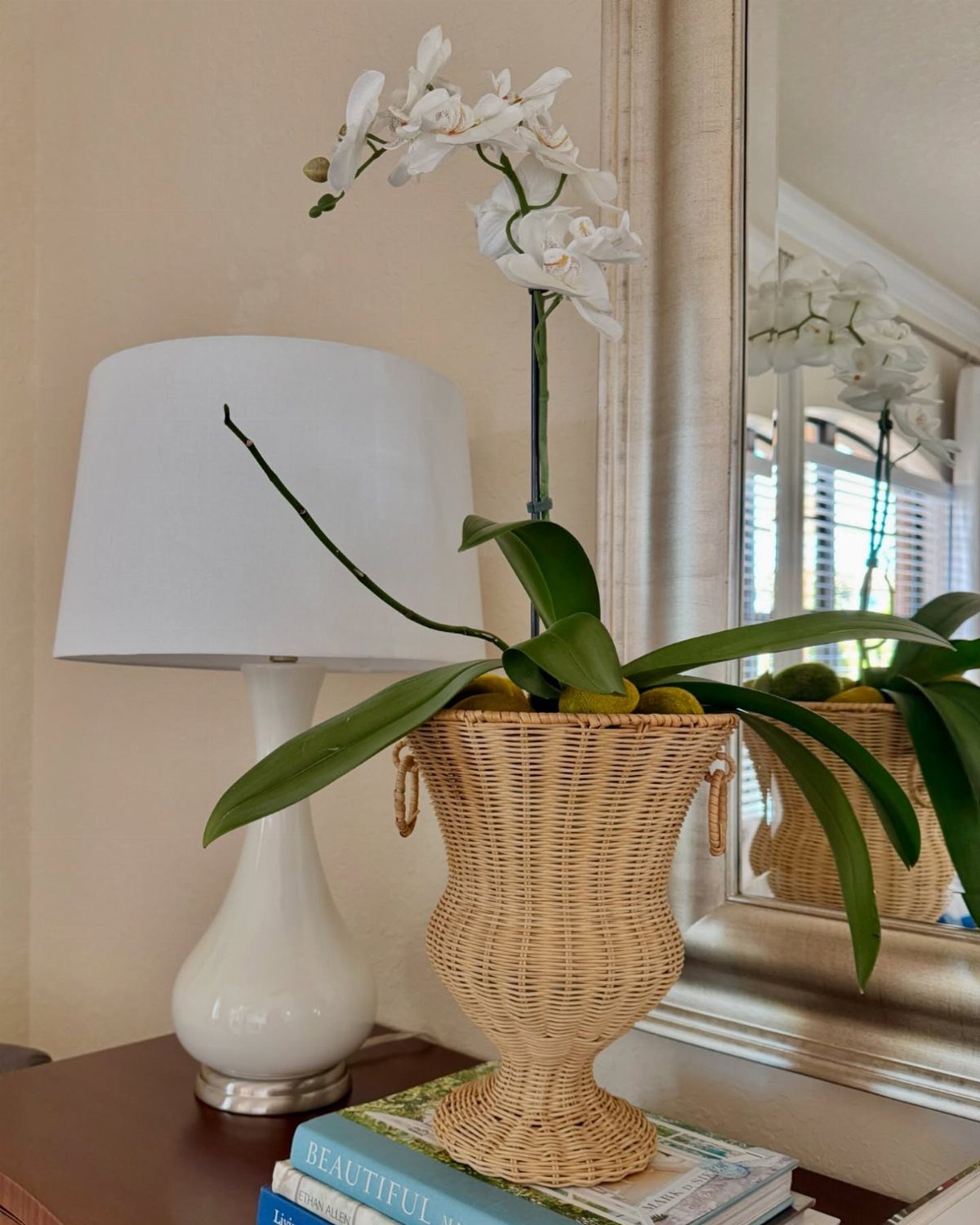
Wicker brings in the hand of the maker without requiring a maker’s budget. An urn-shaped woven vase, holding orchids or left empty, carries the irregular surface that factory ceramics lack.
Baskets on the wall or a woven piece as the single focal point behind the table carry the same effect at scale. The natural tone complements wood furniture and adds dimension without color competition.
This suits the reader with plain walls and no desire for another gallery arrangement. The limit is moisture; keep woven pieces away from steam or direct kitchen grease.
18. Use Colorful Tableware
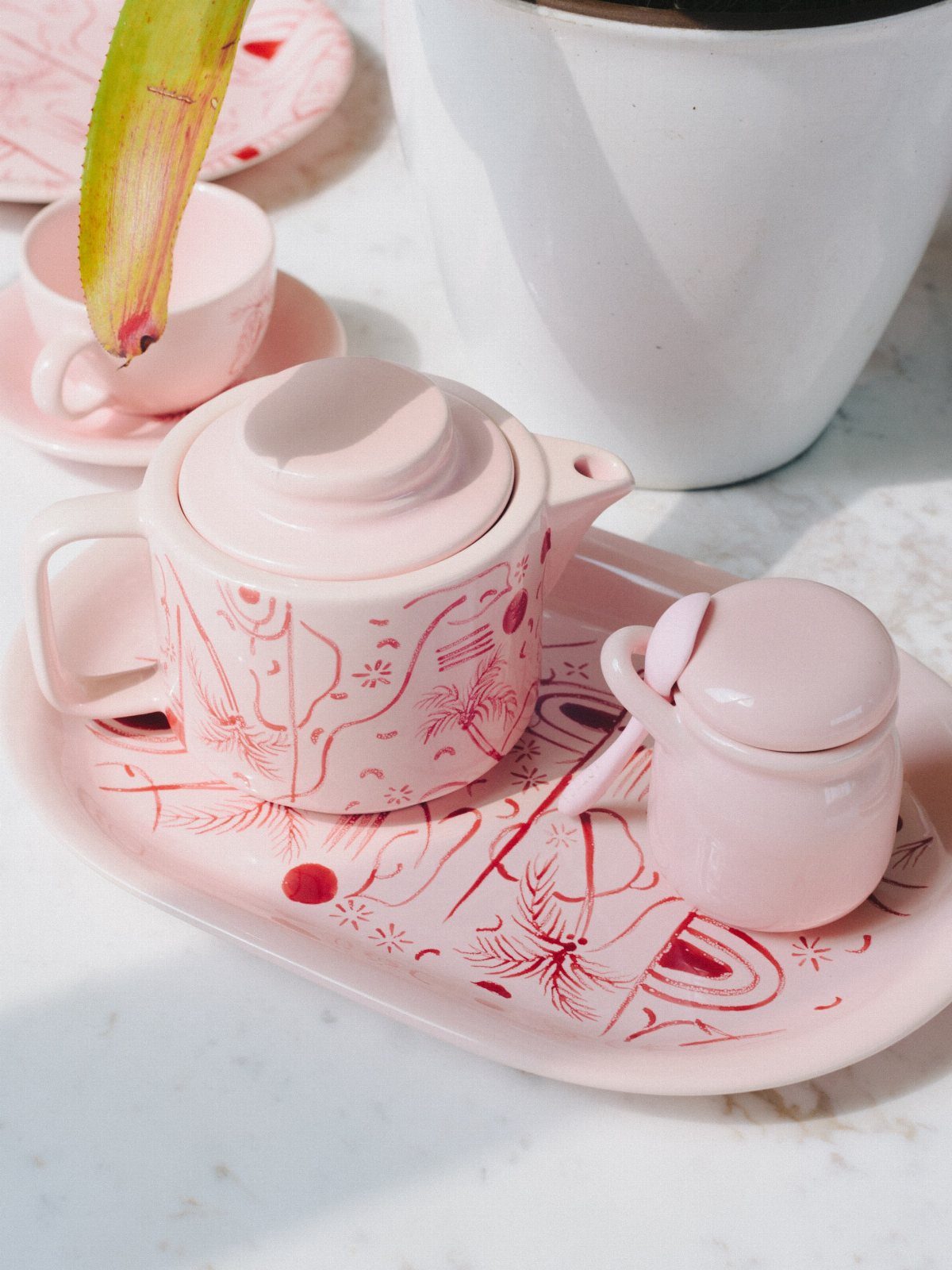
Handmade tableware turns an ordinary meal into something noticed.
Woven placemats or coasters in seagrass or rattan underneath add the natural layer that balances such brightness.
This suits someone who enjoys setting a table. Handmade glazes and natural fibers need gentler washing than restaurant-grade porcelain; that is the cost of using them.
19. Use a Neutral Color Palette
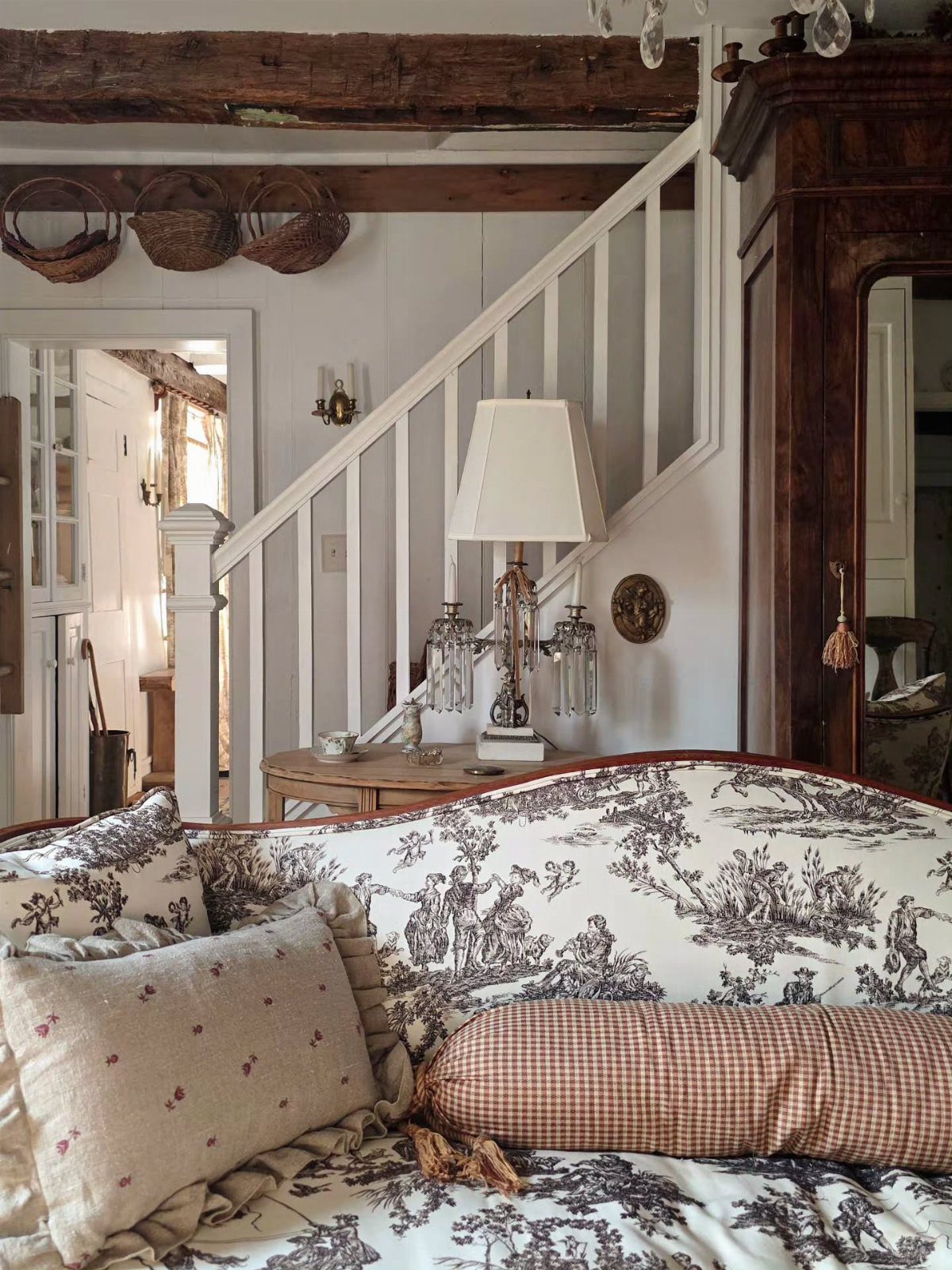
A neutral base in warm white, cream, or soft gray keeps a boho dining room calm enough to layer onto without it turning busy.
The wall color matters most here; paint it once and live with it through seasons of different throws, ceramics, and whatever you find at the flea market.
Terracotta or soft sage work too if you want slightly more warmth than a flat white. One maker kept walls and large furniture quiet, then let dried grasses and a sculptural dark vase carry the interest.
That approach costs almost nothing to shift when you tire of it.
20. Light Wood Base
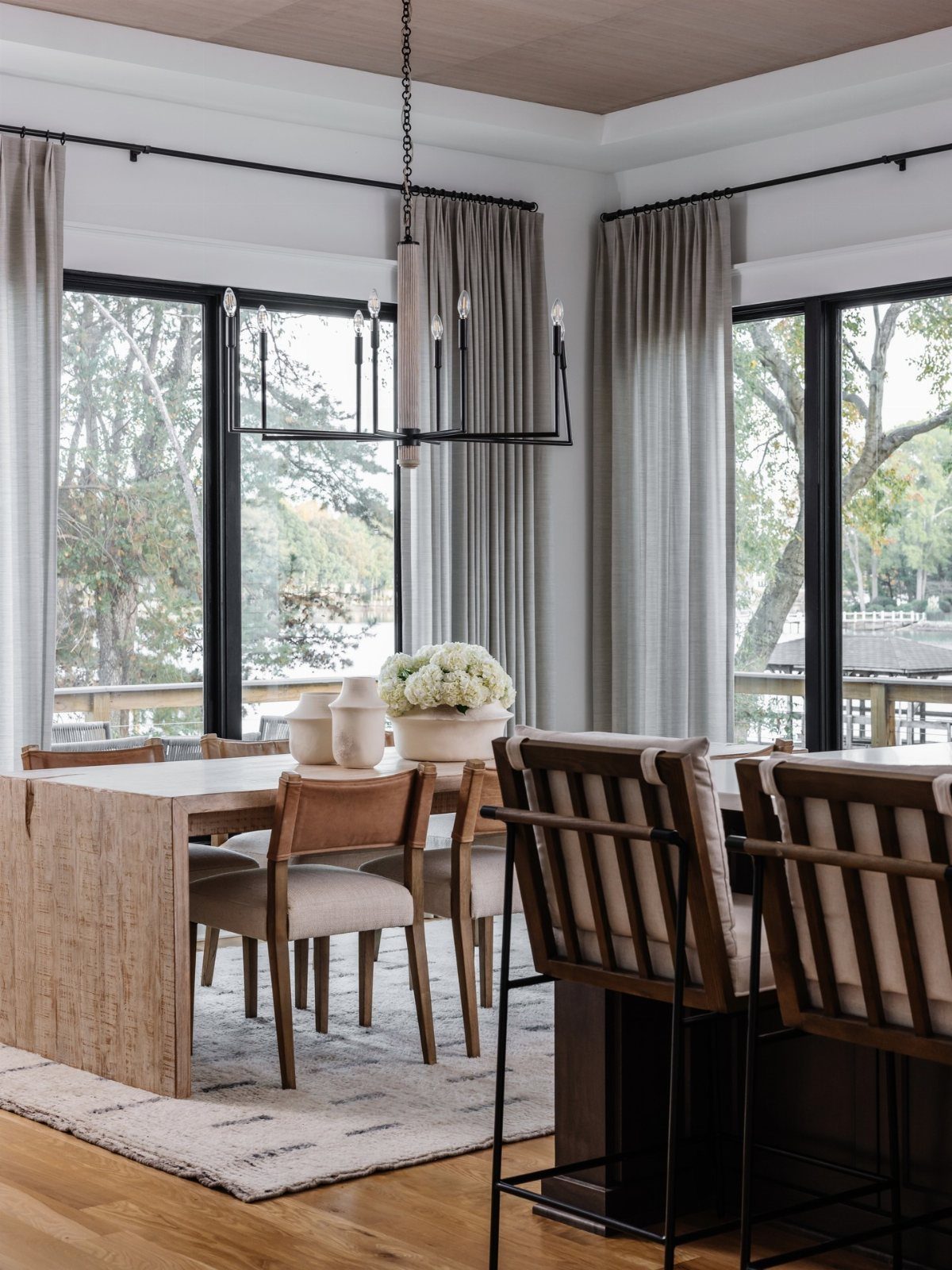
Light wood grain on a dining table does the heavy lifting in a boho space without demanding attention. The tone sets warmth; the simple lines keep it from feeling rustic in a themed way.
A light wood table reads as natural rather than finished, so it pairs with upholstered wishbone chairs or bare wood seating and still lands firmly in boho territory.
A black linear chandelier overhead, like the one in the visible setup, sharpens the look without fighting it. If your room has grey curtains or cool walls, the wood warmth balances that out directly.
21. Use a Round Dining Table
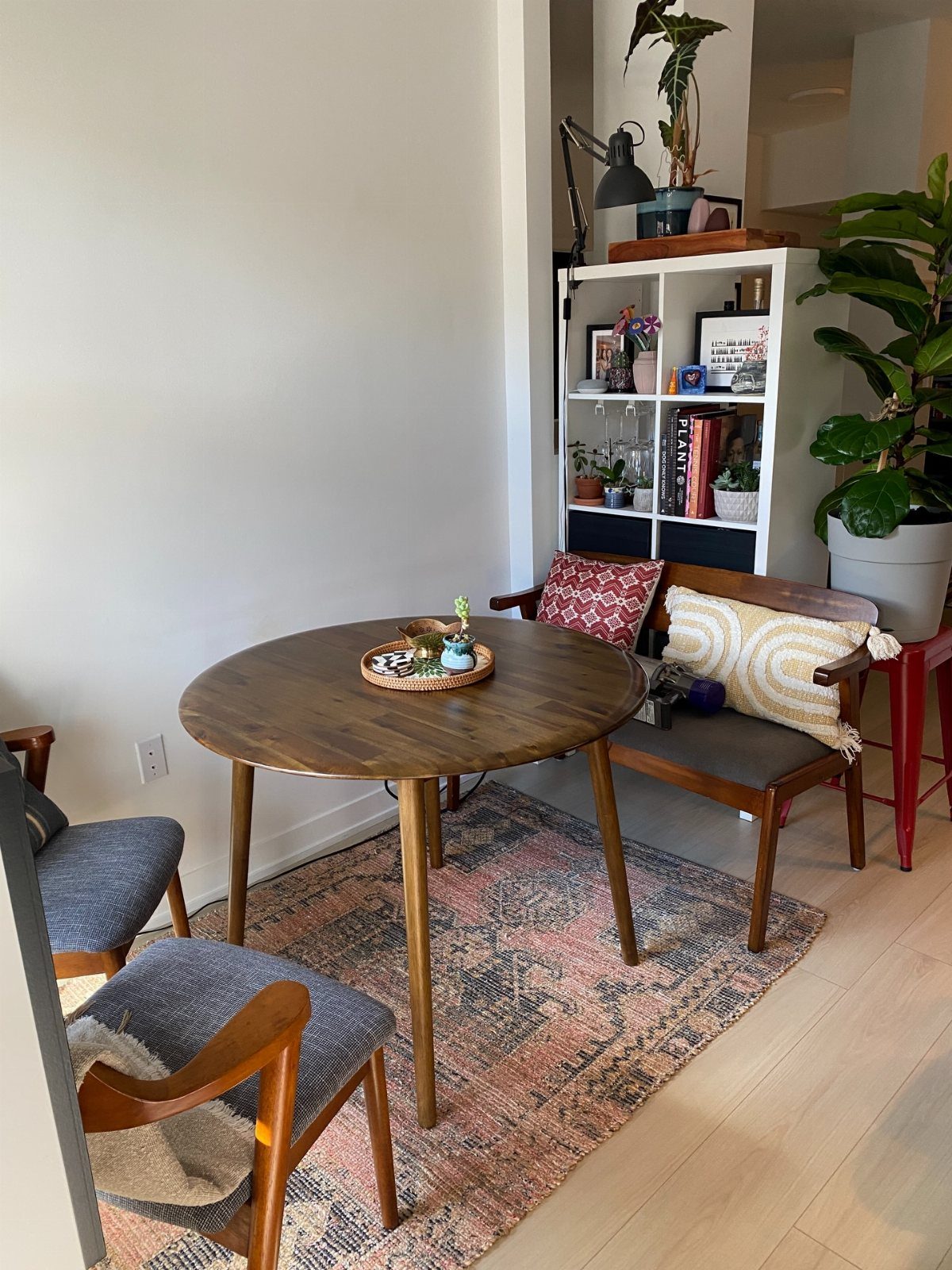
Round tables pull people in closer and keep everyone facing center, which matters more in boho style than in formal dining where the room itself is the point.
A 48-inch round fits four comfortably in a small apartment; squeeze six only if you rarely host more than a night of drinks and snacks.
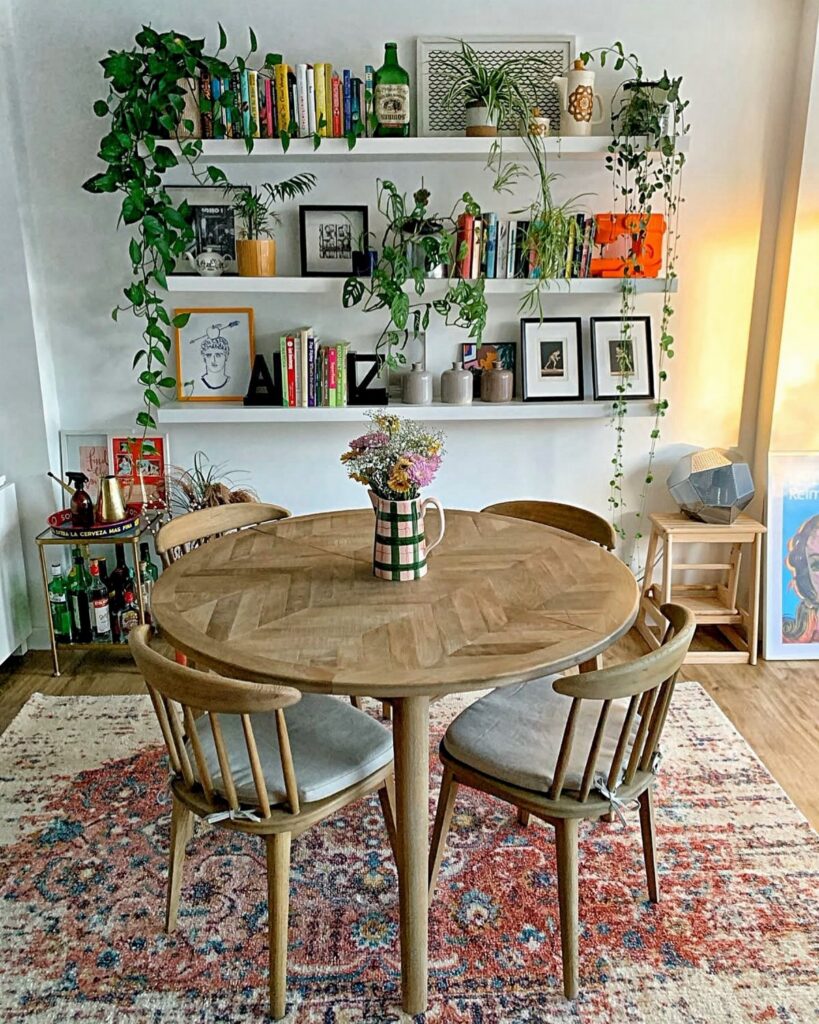
The visible table sits on a patterned rug with a bench on one side and two upholstered chairs, a mix that works because the round shape softens the asymmetry.
One creator layered a floral tablecloth, lamps, and greenery for a vignette that invites lingering. That cloth is optional; the shape does half the work.
22. Create a Cozy Atmosphere
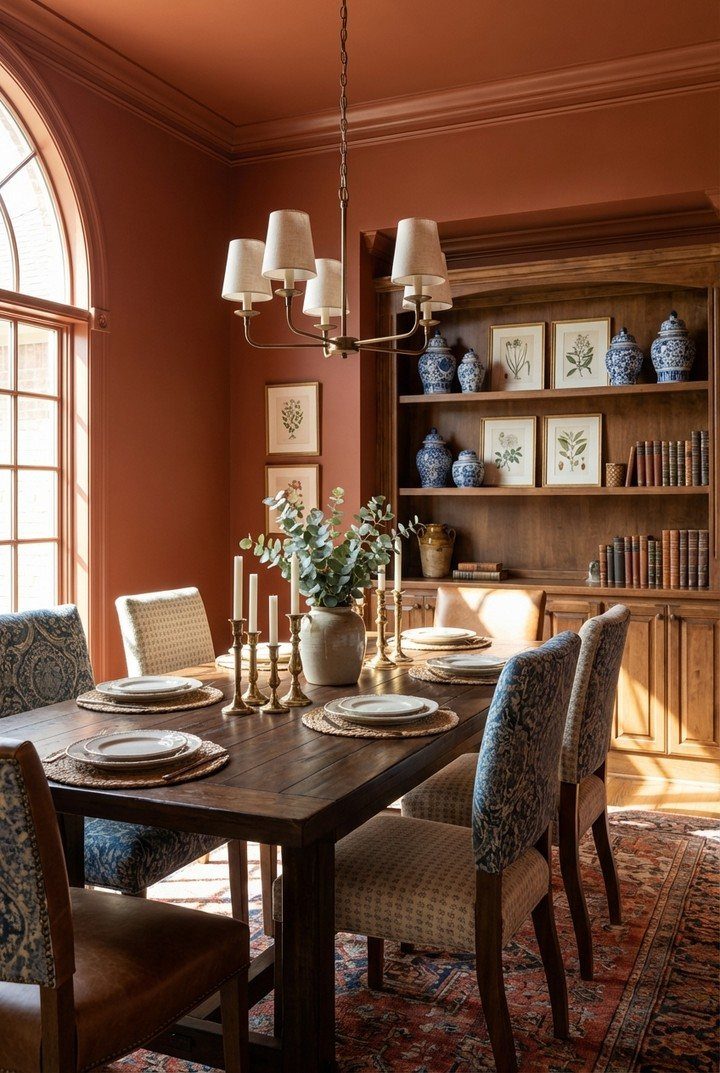
Cozy in a dining room comes from lowering the light and raising the softness, not from adding clutter. Terracotta walls, like the warm rust in the visible room, wrap the space in color that reads as warmth rather than weight.
A wooden table with upholstered seating, as one maker used, encourages long meals because the chairs invite staying. Woven placemats and a brass chandelier at dimmed evening light complete it without a single new purchase.
If your walls are already neutral, start with the seating and the bulb warmth; paint is a weekend project for later.
Embrace Eclecticism
Boho style lives in the tension between pieces that have no business sharing a room. A carved teak sideboard next to a metal café chair, a kilim runner under a Saarinen-style table: the clash is the point.
The restraint comes from keeping the palette connected, not the provenance. I stick to two or three base tones and let the materials argue.
Too many competing woods read as mistake rather than intention, so I repeat one timber at least twice, usually the dining table and a mirror frame or stool.
Color works the same way: a saffron cushion picked up again in a glazed bowl keeps the eye from scattering. The atmosphere you want is collected over years, not bought in a weekend, even when it was.
Personalize Your Space
The objects that make a dining room yours rarely come from a store in the year you moved in.
A postcard pressed under glass, a ceramic bowl from a market in Oaxaca, a photograph of your grandmother’s kitchen: these carry weight that new goods do not.
I group them in odd numbers, three or five, and vary the heights so no arrangement reads as a shelf set. If the piece has a story, the story stays yours; the object does the talking.
Travel souvenirs work best when they have a daily use: the tagine becomes a serving dish, the textile a runner. Function keeps sentiment from tipping into clutter.
Focus on Comfort
A dining chair that leaves you shifting and sore before the meal ends is a chair that fails its one job.
A bench on one side of the table invites lounging and squeezes in an extra body when the need arises; a folded throw nearby answers the person who feels the draft.
Live-edge tables anchor a boho room with grain that no factory replicates, but the comfort comes from what surrounds them: white chairs that read light against the mass of wood, greenery that breaks the vertical plane, a pendant low enough to pool light on the faces across from you.
A room that holds conversation without shouting for attention is a room you actually use.
Layer Lighting Sources
One fixture overhead, however dramatic, leaves a dining room flat by nine in the evening. I layer light the way I layer rugs: a base of ambient glow, then smaller pools for specific work.
A woven pendant, rattan or its PET dupe made from recycled bottles, gives the room its center and its shadow pattern.
Wall sconces or a dimmed floor lamp behind a plant push light back into corners where the main fixture cannot reach.
Candles on the table are not decoration; they are the task light for dessert and the last glass of wine.
The wattage matters less than the spread: three sources minimum, each at a different height, none of them competing to be brightest. The result is a room that adjusts to the hour without a switch ever being thrown.
Frequently Asked Questions
What are some ideas for a modern boho dining room?
Modern boho keeps the laid-back mood of classic bohemian style, just with straighter lines and fewer colors fighting for attention.
Start with natural materials like light wood, rattan, and jute, then pair them with simpler furniture silhouettes rather than heavy vintage pieces.
A neutral base of warm white or soft gray lets you layer in texture through woven pendants, linen curtains, and a single patterned rug without the room turning busy.
What are common mistakes in boho decor?
The biggest mistake is letting everything compete for attention. If every surface is textured and every textile is patterned, the eye has nowhere to rest and the room starts to spin.
Pick one smooth surface, like a glass water jug or plain white plates, and one quiet anchor, like a solid jute rug, to balance the woven seats, macrame, and mixed frames.
What are the dining room trends for 2026?
Sustainability and natural materials are driving choices more than before. Reclaimed wood tables, recycled or sustainably sourced pieces, and handwoven elements like rattan pendants and jute rugs are showing up as the base layer rather than accents.
The move is toward materials that wear in instead of out, and toward buying fewer, better pieces over time rather than full matching sets.