Most of what follows lands in a weekend with supplies from the hardware store or a quick nursery run, though a few ask for more patience than others.
A renter who cannot drill into the wall and an owner who wants to keep the walls intact both have options here, just different ones.
1. House Plants
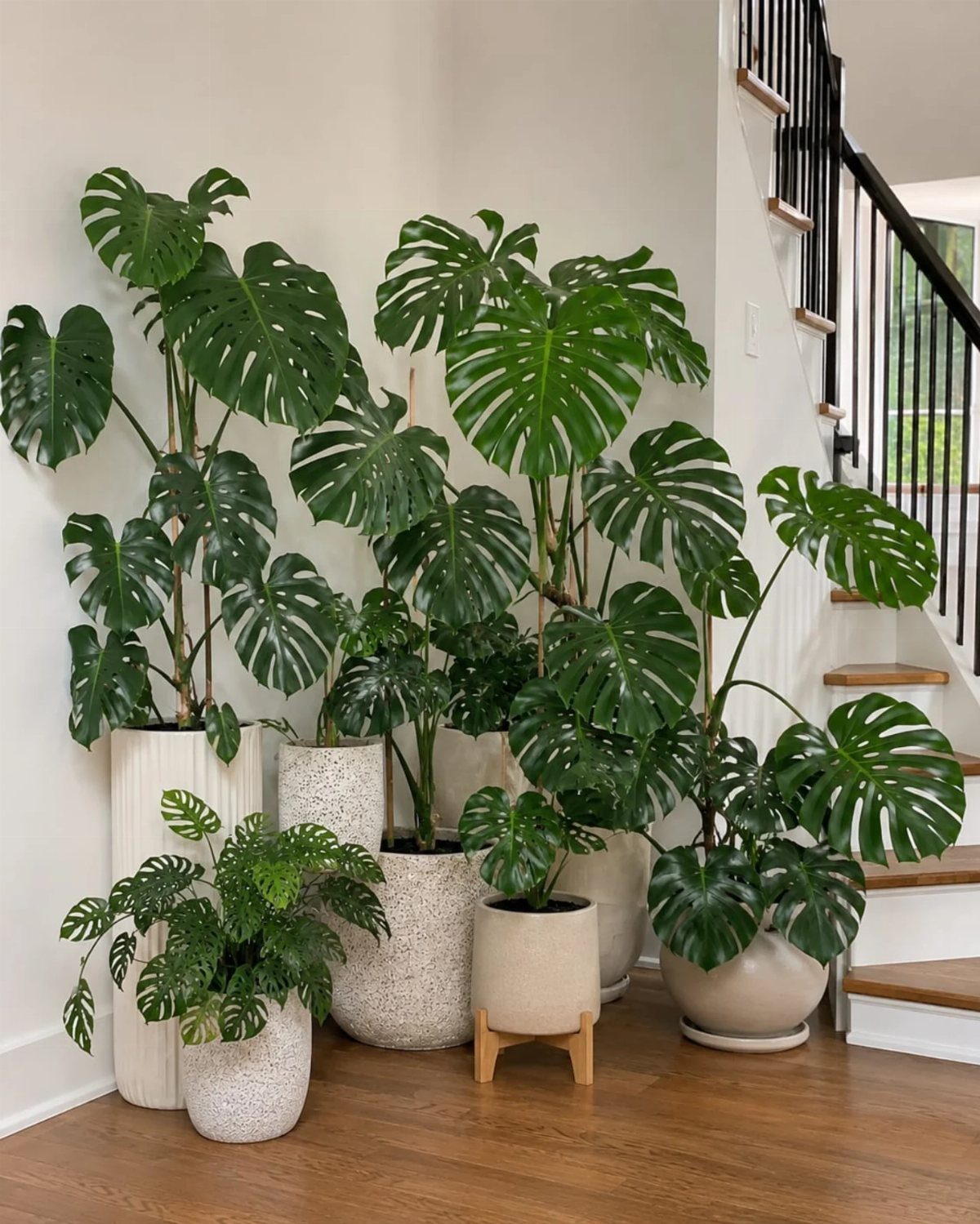
A single large Monstera in a matte ceramic pot does more for a living room than a dozen small ones scattered around.
The corner behind a sofa or next to a bookshelf is where it belongs: floor space you were not using anyway, suddenly occupied by something that grows.
A wheeled saucer under a big planter lets you roll the plant to the window for light and back when guests come through.
A wide saucer lets me roll the plant to the window for light and back when guests come through. Watering once a week, less in winter.
Faux versions are easy to find now, and the only giveaway is dust collecting the same on every leaf.
2. Vertical Green Walls
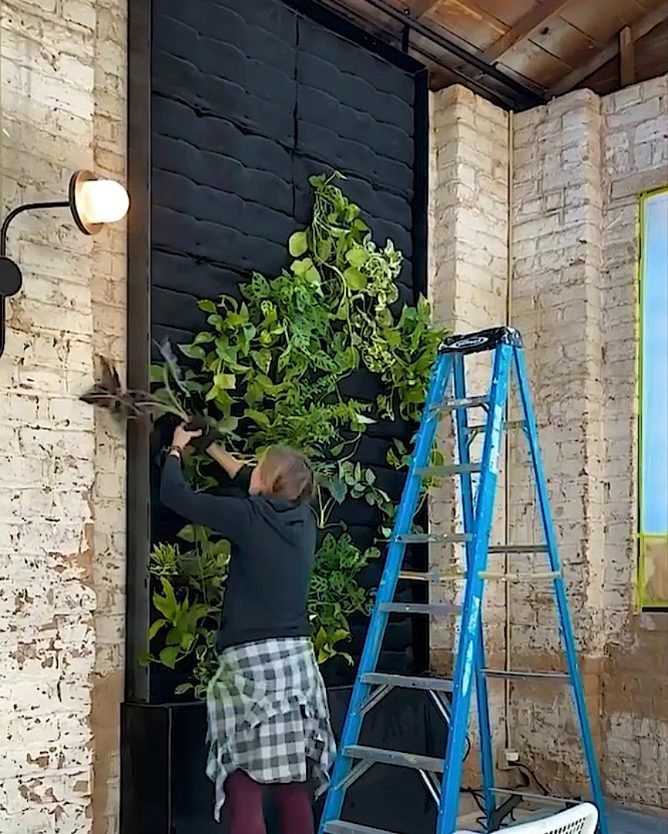
Florafelt pocket panels turn a blank wall into something alive without surrendering floor space. A system that recirculates its own water means no drip tray, no stained baseboard, no explaining to the landlord.
A pump at the base keeps water moving through the panel without any external plumbing.
Mix live and preserved plants if you want the look without the replacement cycle; preserved moss keeps its color with no water, no light, no attention at all.
A vertical garden costs more than pots, but for a renter who cannot drill shelving everywhere, it uses the one surface you already own.
3. Earthy Textures
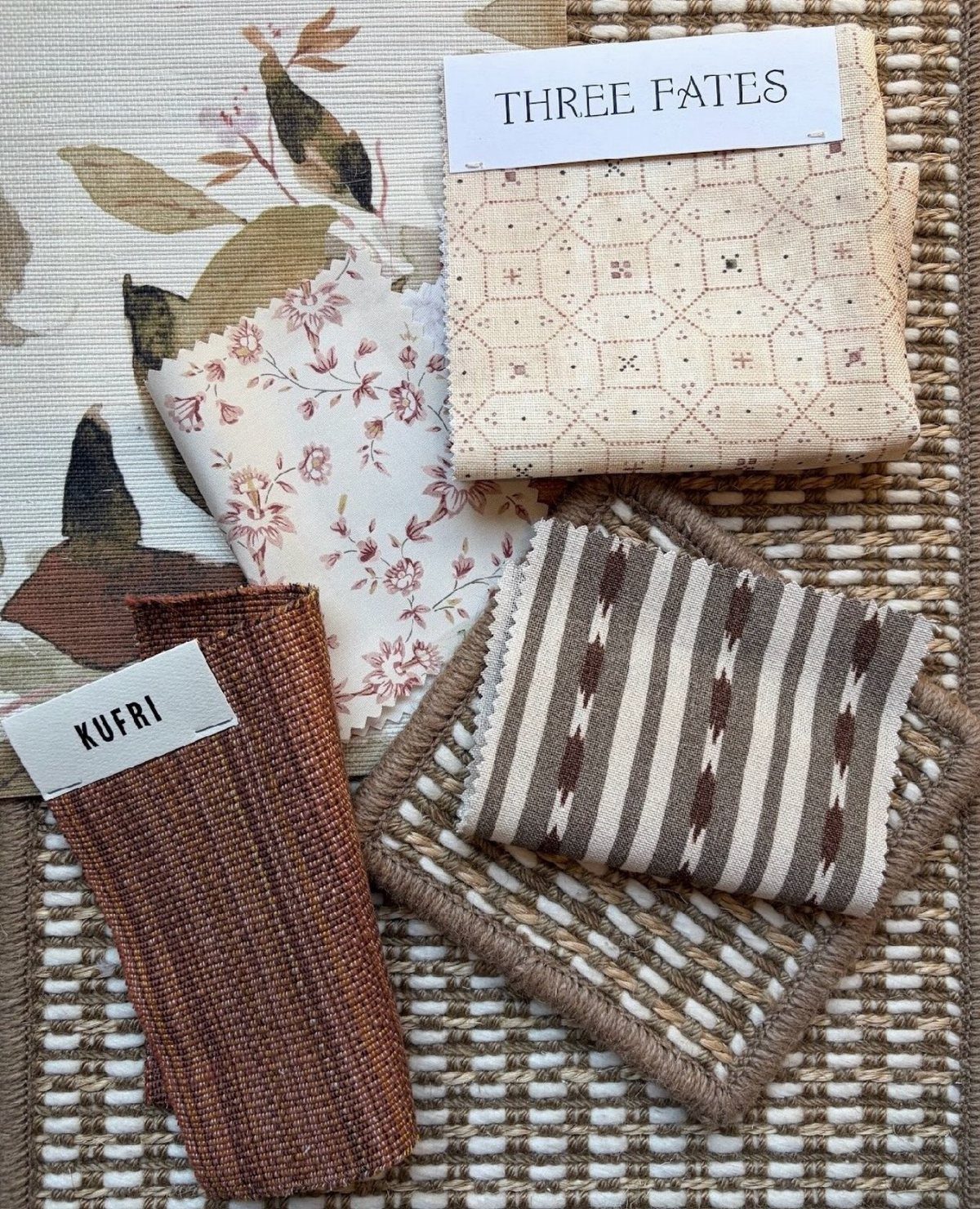
A room reads as nature-inspired when the surfaces disagree pleasantly: rough linen against smooth wood, a flat-weave rug under a nubby throw.
Layer fabrics that each handle light differently: a tight print, a loose slubbed weave, something matte and something with a little sheen. The variation does more than any single texture could.
Start with what touches skin. A sofa in warm oatmeal linen, curtains in unbleached cotton, then one stone or raw wood piece for weight.
Grey will fight you here; it reads clean and urban, which is a different project entirely. Accessible Beige or Elephant’s Breath sit where they should, warm enough to let green plants belong beside them.
4. Rattan or Wicker Accents
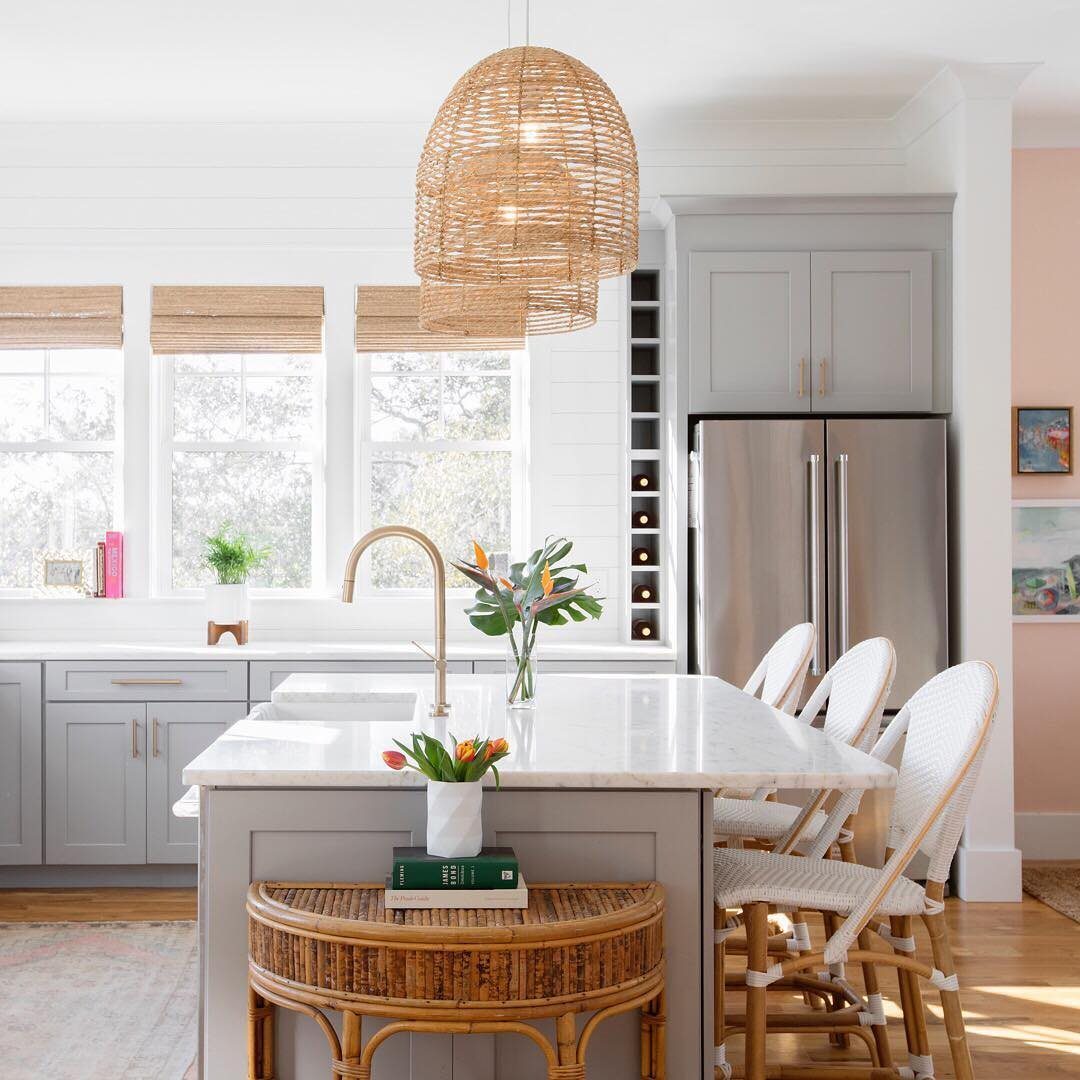
Two woven pendants above an island prove rattan belongs in rooms far from the porch. The weave catches light on its ridges and casts shadow patterns that change through the day, which painted metal never manages.
A seat cushion repeats a color already in the room: moss green, terracotta, cream. The rattan itself is the accent; the cushion ties it to everything else.
Lightweight, unpretentious, and it travels to the next apartment intact.
5. Nature-Inspired Artwork

A single large landscape does the work of a wall full of smaller frames.
Wildlife or landscape art works best when there is somewhere for the eye to travel: a field, a figure small against the sky, mountains implied more than detailed. That depth makes a living room feel larger.
Wildlife or landscape art shifts from decoration to presence at a certain size; aim for something that fills the wall rather than floating on it. Smaller pieces fight each other; one substantial work holds the wall alone.
Choose calm over dramatic: a view you could step into, not one that shouts for attention. Visitors pause, they look closer, they remember it later.
6. Natural Light
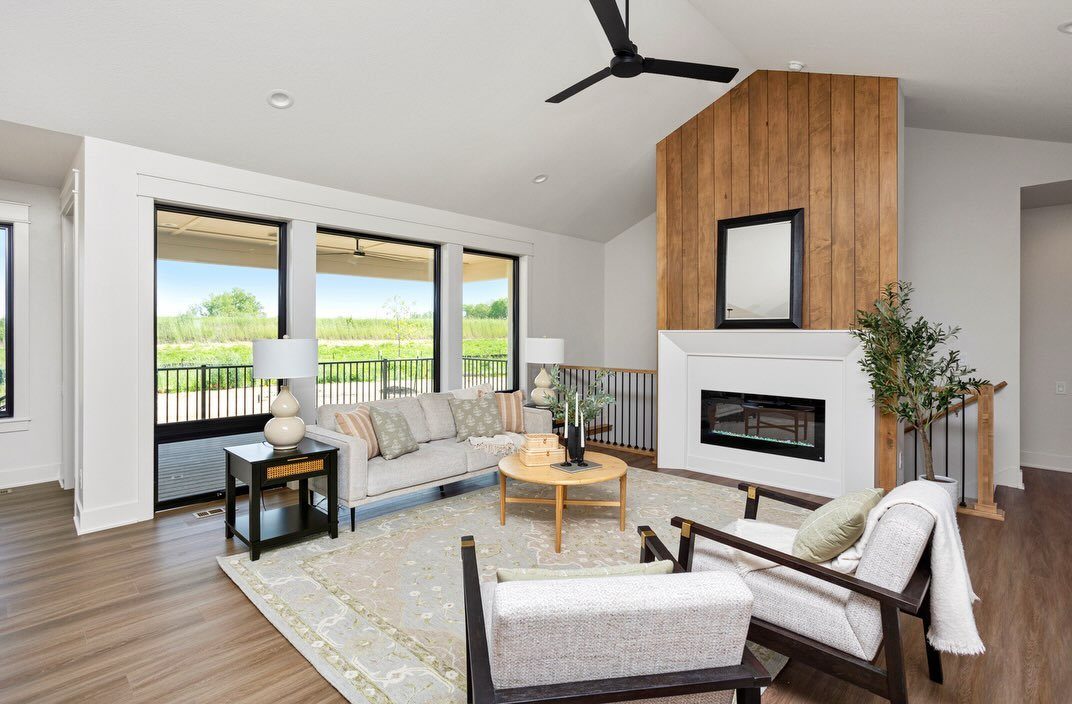
Sheer fabric across a wide glass door keeps the view and loses the glare. White walls, pale wood, and a single darker accent behind the fireplace: every surface bounces what light arrives rather than drinking it.
Mirrors opposite windows double what you have, but placement matters more than size. A mirror reflecting a blank wall is wasted; one catching a window at an angle sends light around a corner into the hallway.
Heavy curtains in a rental can stay on the rod if you add a tension rod behind them for sheers. No drill holes, and the landlord never knows.
7. Cozy Wooden Elements
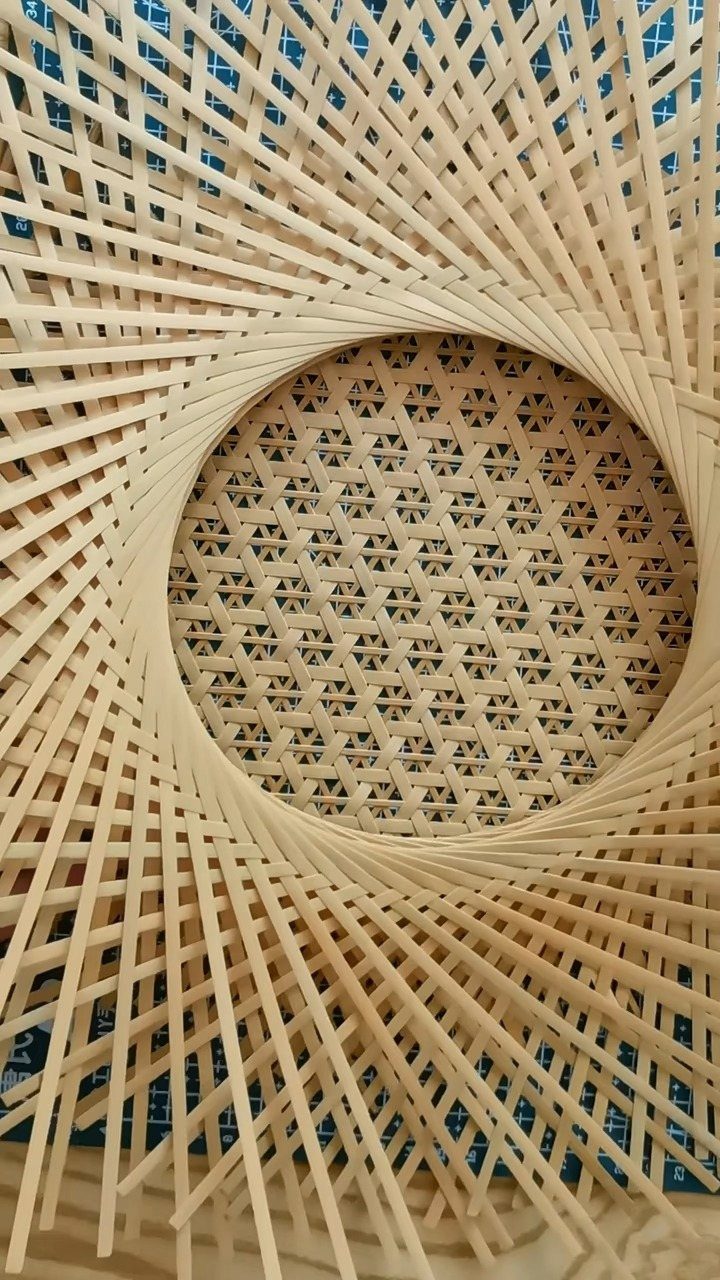
A woven bamboo panel turns a flat wall into something that catches light differently all day. Thin strips radiate from a center point, building that cross-hatched texture without adding real depth or weight.
Wood does not have to mean furniture. A single wall piece in natural bamboo costs less than a coffee table and needs no floor space, which matters in apartments where every square foot counts.
The maker notes this panel brings warmth through craftsmanship rather than bulk.
If you already have wood floors or trim, match the tone close enough that they talk to each other. Too many competing stains and the room feels like a furniture store.
Reclaimed wood works here too, and runs cheaper than new bamboo in most markets.
8. Nature Motifs
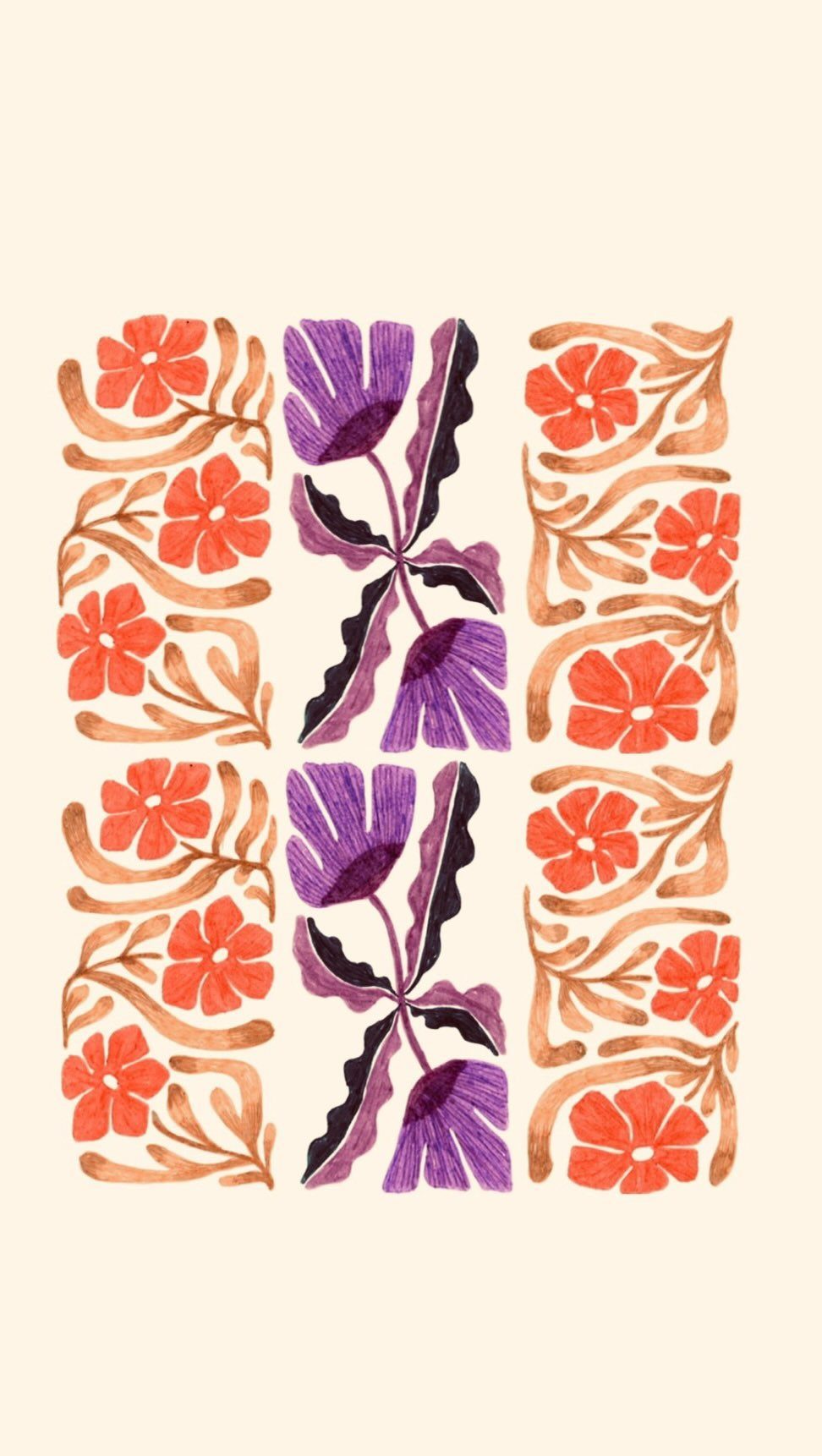
Wallpaper with repeating flowers and vines covers a lot of visual ground fast. One accent wall in a motif like this does more than framed prints scattered around.
Textiles are the lower-commitment route. A throw pillow or curtain panel in a leaf or floral print can move with you, which matters if you rent.
Palm prints work well, and vine-shaped sconces push the theme into lighting if you want to go further.
Too much pattern and the room becomes a greenhouse. I would stop at two surfaces: one wall, or one textile plus one small object.
Rocks, pine cones, or crystals on a shelf finish the thought without adding more color.
Biophilic Design
Biophilic design is the practice of bringing natural elements indoors in ways that actually affect how you feel. Studies show it lowers stress and creates calmer spaces, which is why it works in a living room you actually live in.
The connection happens through real materials, not symbols of them. A living wall, house plants, or even careful attention to how daylight moves through the room all count.
The mistake is treating it as decoration: one fern on a shelf won’t do what consistent natural presence does.
Start with what’s already in your space. Where does light fall?
What views do windows frame? Build around those, adding plants or natural textures where they’ll be encountered daily, not tucked in corners.
Mixing Modern and Rustic
Modern and rustic balance best when neither tries to speak for the whole room. A streamlined sectional against raw wood beams, or a contemporary media stand beside a hand-me-down bench, creates tension that feels lived-in rather than staged.
The wall color matters more than most people think. Soft whites, warm creams, and pale gray-beige tones let both modern and rustic pieces share space without either dominating.
They also make it easier to swap art or accent pieces as you find them.
A jewel-toned swivel chair or a unique coffee table can bridge both sensibilities if the shape is clean and the material is honest. A room that feels collected over time, not assembled in one purchase, is what actually works.
Layering Decor
Layering works when there is a quiet center. A low wood coffee table with visible grain can anchor the room, especially with a simple shape that lets other materials gather without competing.
The textures should read as different, not busy. One large branch arrangement beats several small decorative objects for the same reason.
Beige, taupe, and soft greens give you the most flexibility, but they flatten without texture variety. In a compact space, combining those tones with wooden accents creates warmth that doesn’t depend on color alone.
Forget decor inspired by nature—go for decor that is literally nature. Forage for natural accents like pine cones, twigs, and seashells, then put them in a decorative vase or mason jar.
— Angi
Creating a Focal Point
Wildlife art can become the emotional center of a nature-inspired living room because people notice it first. Think of it as storytelling, not decoration.
Size matters. A small piece above a sofa gets lost; something with presence anchors sight lines when you enter the room.
The subject should feel specific to you, not generic, since you’ll live with its gaze.
If the art is your focal point, keep surrounding furniture simple. A streamlined sectional or contemporary media stand supports without competing.
One jewel-toned swivel chair can add personality, but let the artwork hold the attention it asks for.
Frequently Asked Questions
What is the 3-5-7 rule in decorating?
The 3-5-7 rule means grouping items in odd numbers: three of one thing, five of another, seven of a third. Odd-numbered arrangements catch the eye more naturally than even pairs, which read as static.
In a nature-inspired living room, that might mean three woven baskets, five plants at varying heights, or seven stones collected from a trip.
How to make your room look like nature?
Start with living plants, natural materials like linen or raw wood, and colors warm enough to let green belong beside them. Layer textures that handle light differently: rough against smooth, matte against slight sheen.
Sheer curtains soften the glare without blocking the view, and one large landscape or wildlife piece on the wall beats a cluster of small frames.
What is the 2/3 rule for living rooms?
Two-thirds of the floor should hold furniture and one-third stays open. In compact apartments, that open third matters; wall-mounted pieces like woven bamboo panels add warmth without surrendering any of it.
What makes a house look cheap?
Too many competing finishes, like mismatched wood stains fighting each other, reads like a furniture showroom floor. Grey walls against natural elements flatten the warmth that makes a room feel lived-in.
Small art pieces scattered everywhere compete instead of holding the wall; one substantial work holds attention and memory.