These ideas run from a grocery store bouquet to a full wall of removable wallpaper, and the right one depends on whether you are renting or own, how much light the room gets, and how much laundry you are willing to do.
1. Soft, Layered Lighting
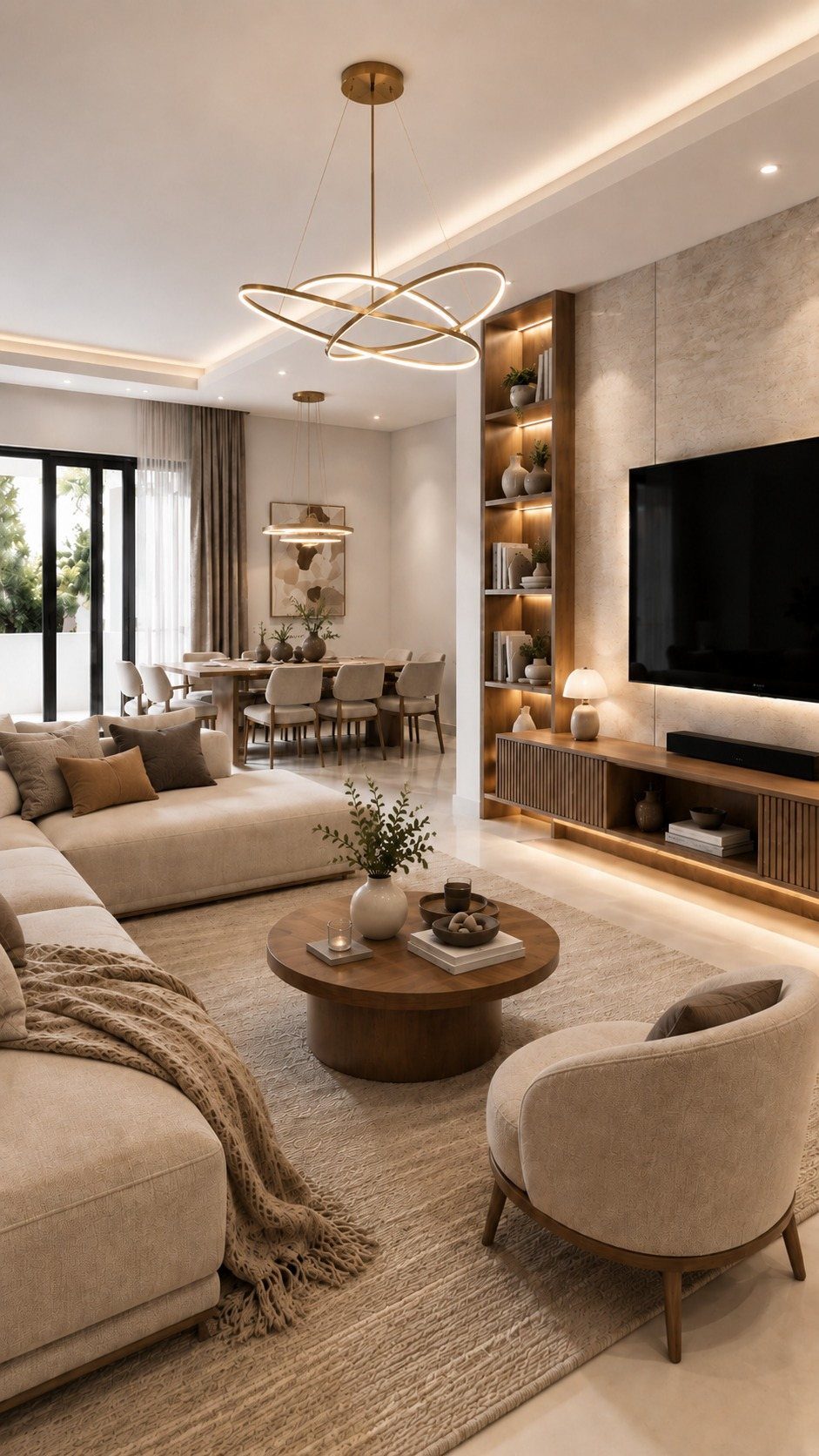
Harsh overhead lighting kills the mood in a bedroom faster than anything.
A mix of sources works better than any ceiling fixture alone: a brass table lamp on each nightstand, a floor lamp in the corner, and a string of warm LED strips tucked behind the headboard.
The bulbs are 2700K, which is the warm white that flatters skin and fabric instead of making everything look clinical. Dimmers on the lamps let me drop from reading brightness to something softer without getting up.
The install takes an afternoon with a screwdriver and some adhesive clips.
2. Mix Vintage Finds with Modern Pieces
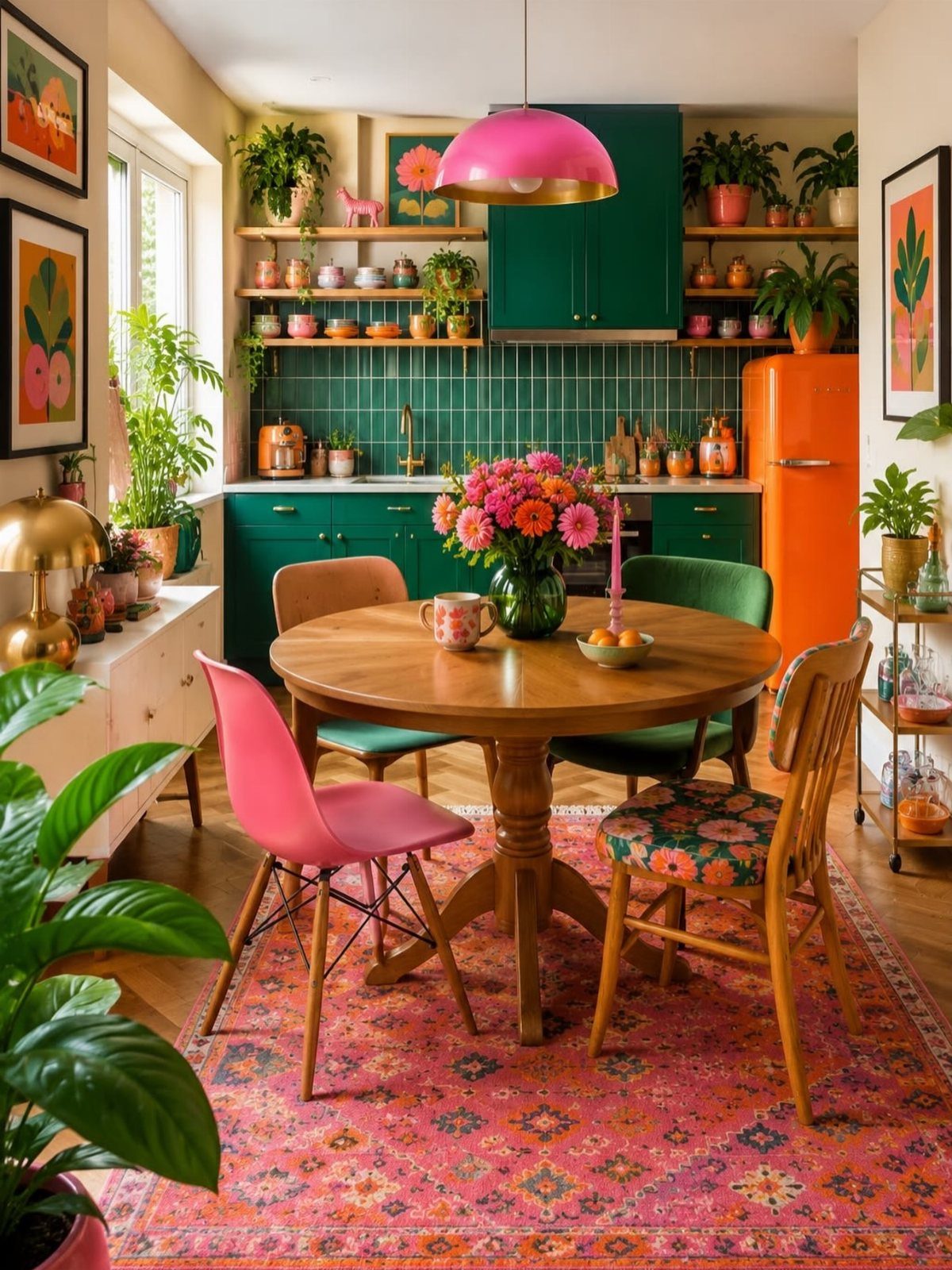
A room that reads as all-new from one catalog feels staged, not lived in.
I like the tension of a clean-lined modern bed frame against something with history: a carved wood mirror from a thrift store, a ceramic lamp with a chipped base, a quilt folded at the foot that came from my grandmother’s house.
Let one piece be the odd one out rather than crowding in several. A single vintage chair in an otherwise current room becomes a conversation; three start to look like a theme park.
Start with the thing you actually found and loved, then buy new around it.
3. Style with Fresh Flowers and Greenery
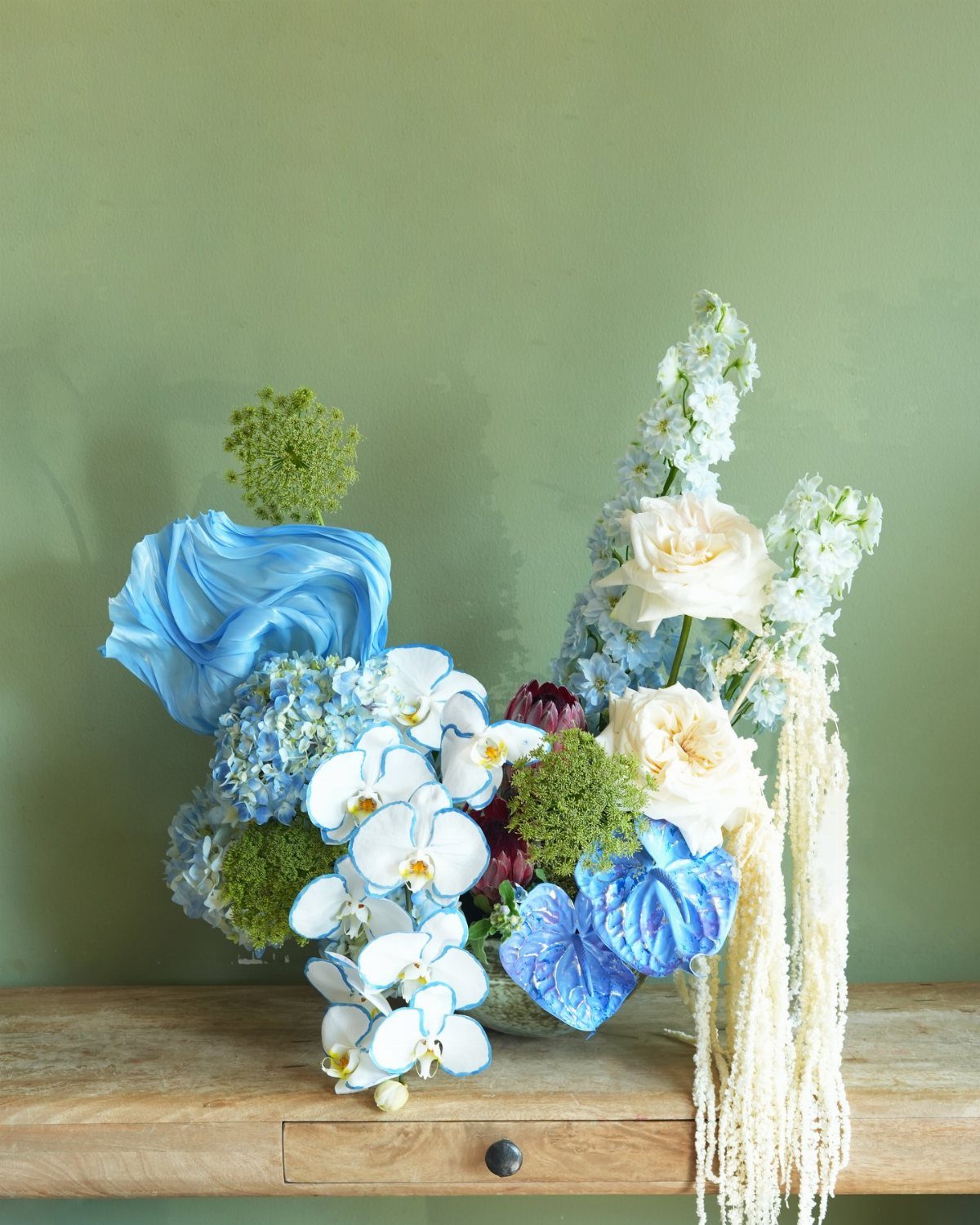
A grocery store bouquet on the dresser changes how the whole room feels while it lasts. I trim the stems at an angle, use lukewarm water, and keep them away from the radiator.
For the weeks between grocery runs, a single dried branch in a ceramic vase does something similar without any maintenance.
Real plants work too if you have the light; a pothos on a shelf trails down nicely and forgives missed waterings better than most. Living material against all the static surfaces is what makes it work.
Faux stems are fine, but dust them weekly or they become a tell.
4. Floral Patterns
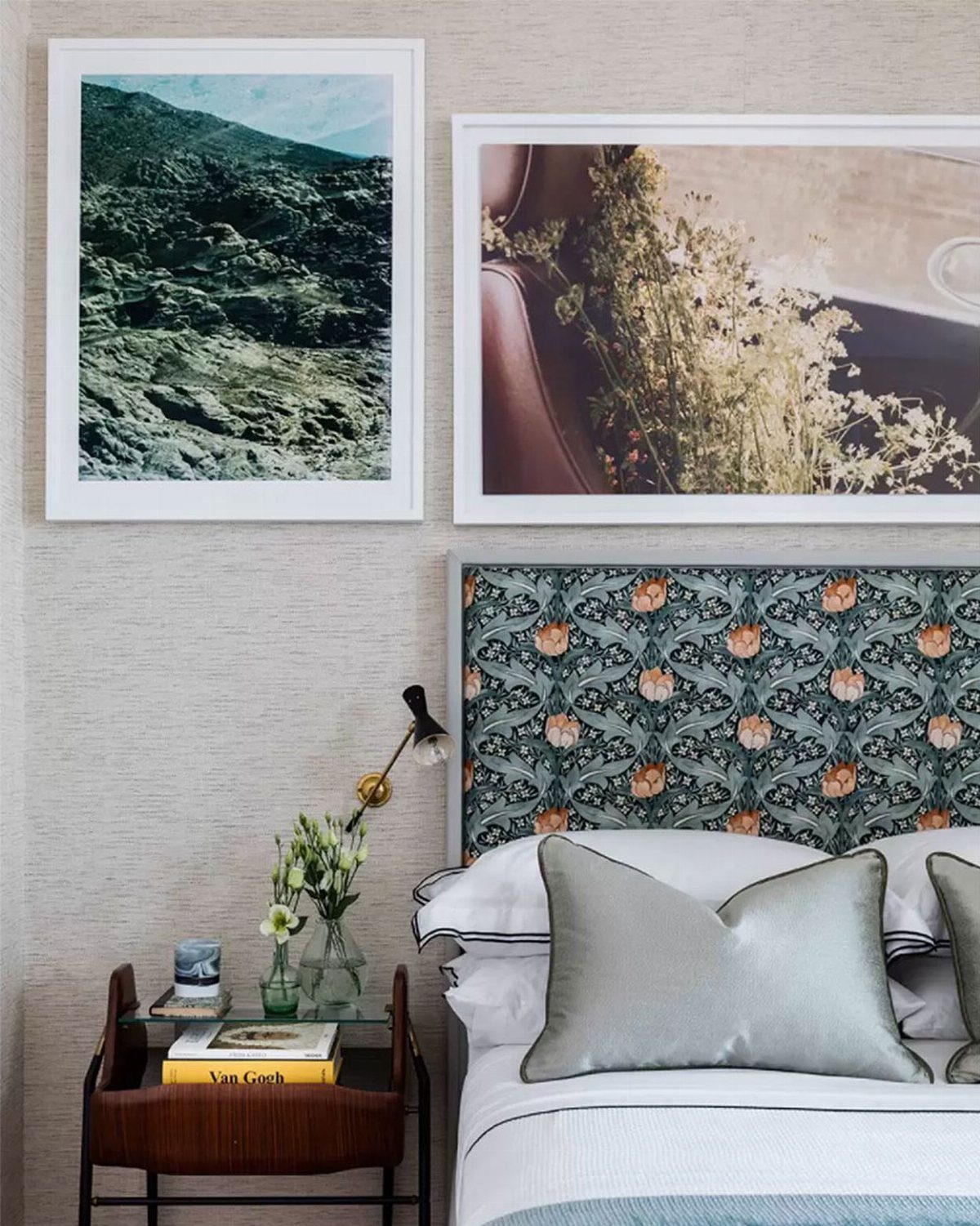
Floral wallpaper reads very different on a single headboard wall than wrapping the whole room. That approach keeps the pattern from overwhelming the space and lets the rest stay calm.
Bedding is lower commitment: a duvet cover with a loose watercolor print reads softer than photorealistic blooms, and it’s easier to swap when you tire of it. A floral sheet tacked up works as a test before committing to paper.
The scale matters more than the specific flower; oversized motifs feel modern, small repeats feel traditional. Either way, ground them with solid pillows or the eye has nowhere to rest.
5. Dark Feminine Color Palette
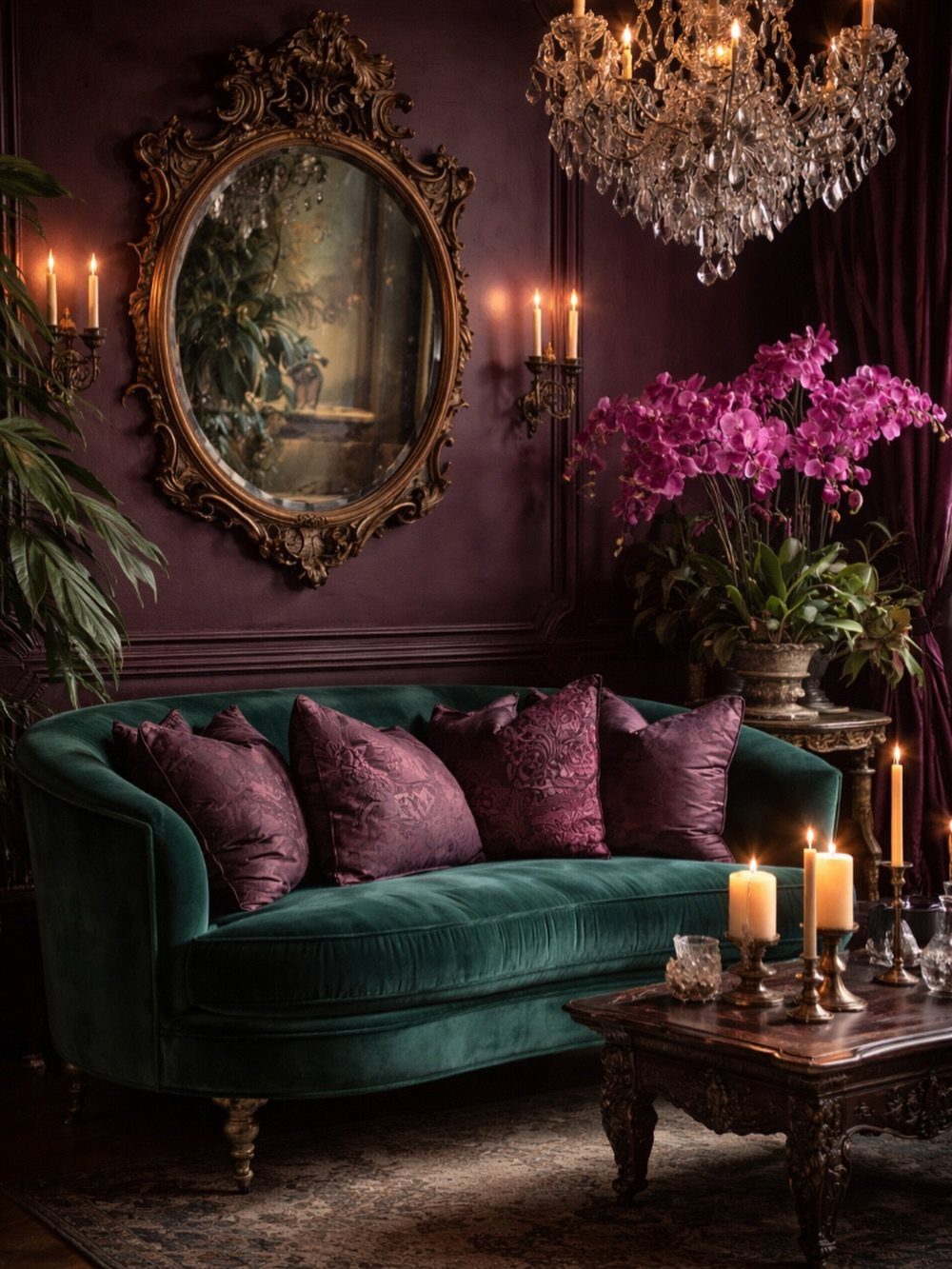
Dark walls in a bedroom wrap around you like a cocoon, but the wrong dark reads as a cave. One wall behind the bed in deep plum, matte finish, with the others a warm white, is a way in.
Plan on two coats over primer for a color that saturated. Charcoal bedding and a few wine-colored pillows extended the mood without more painting.
A dark wall hanging or an oversized headboard in espresso fabric gives similar depth without landlord negotiations. Dark rooms need more intentional lighting; what felt cozy at 7 PM can feel oppressive without a second lamp.
6. Sculptural Furniture
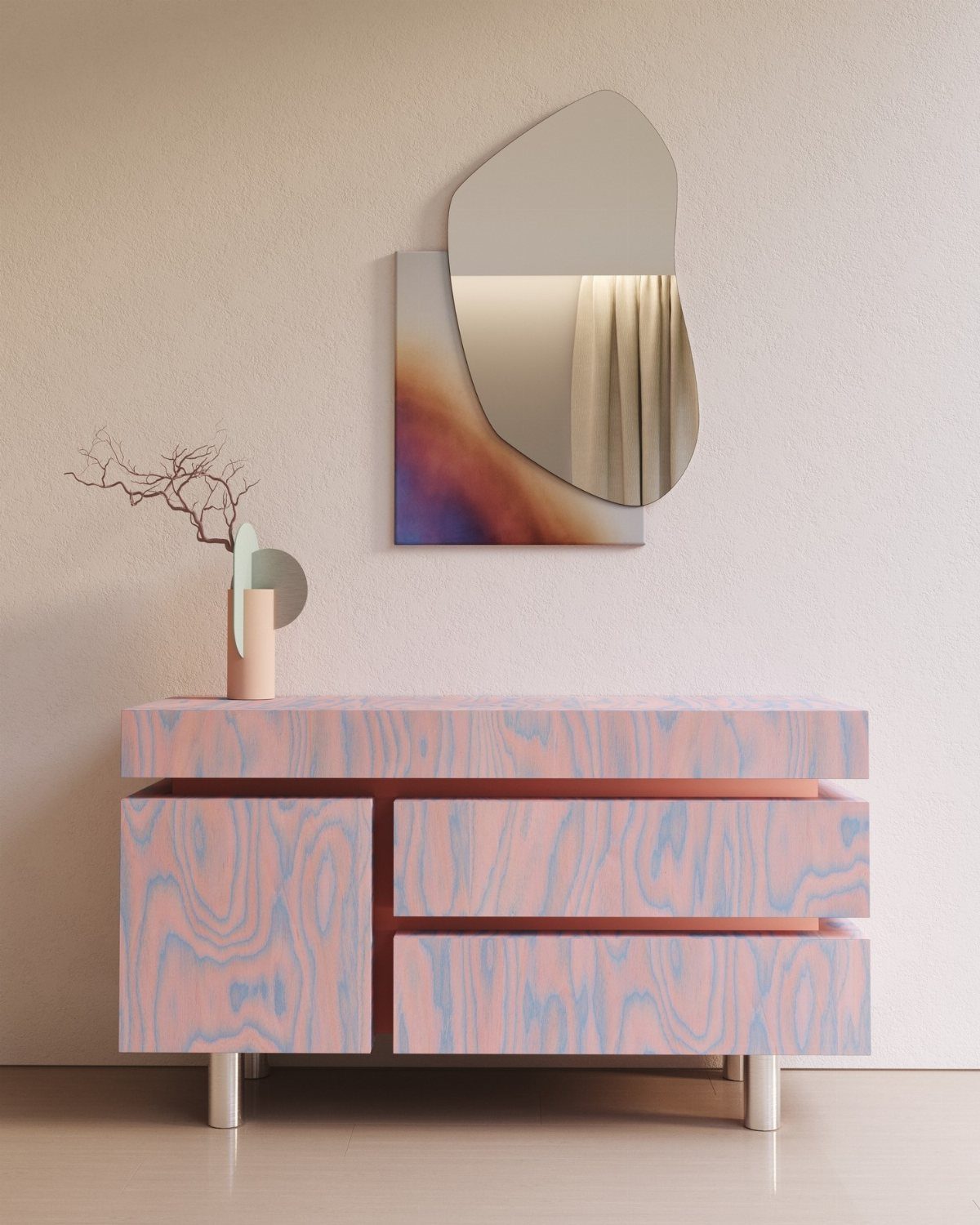
A piece with actual curves changes how a room breathes. My nightstand has rounded corners and legs that swell slightly toward the floor; it cost more than a boxy equivalent but I notice it every day.
Rattan, turned wood, or anything with an arched back on a chair does similar work. Everything curved is too much; one or two organic shapes against straight lines create the rhythm.
A mirror with an irregular, almost melted edge, picked up at a flea market, is the thing people touch when they visit. Weight matters too: lightweight sculptural pieces read as props, substantial ones as furniture.
7. Layer Soft Neutrals for a Balanced Base
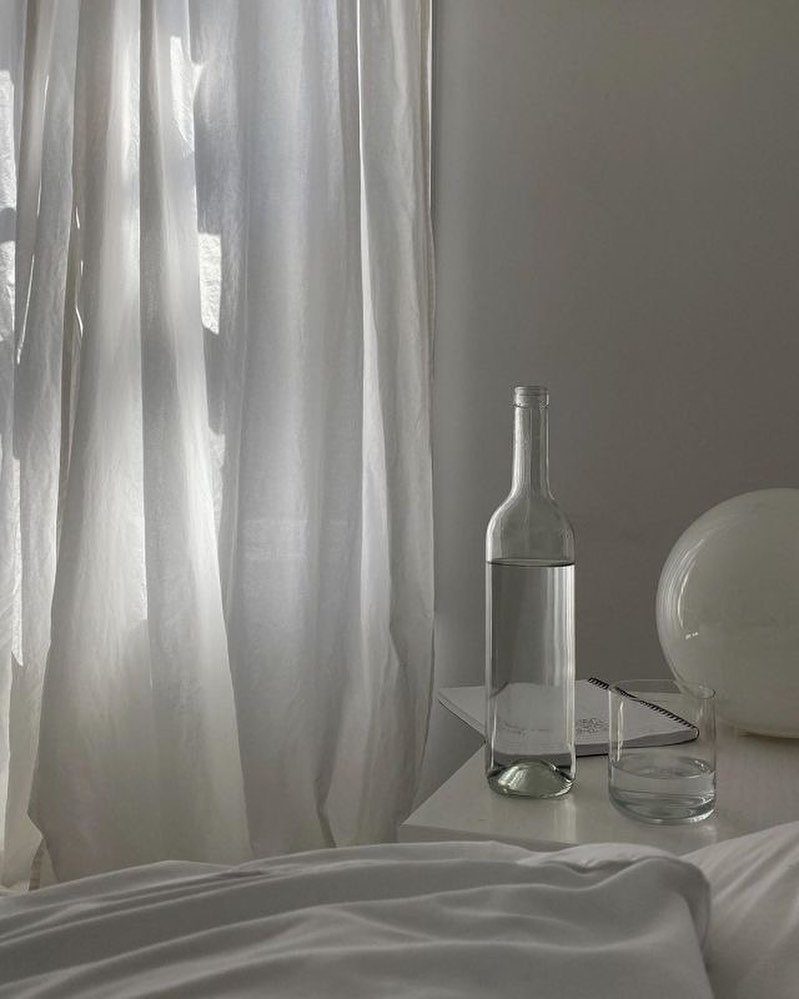
A calm base starts with layered neutrals that flow rather than match. Ivory walls, a pale blush rug, and a taupe throw create that airy exhale without reading as bland.
White or cream furniture keeps the palette light. Choose shades with enough difference between them so the room has depth, not a washed-out sameness.
This suits anyone who wants a feminine feel without committing to pink or florals. It trades some drama for flexibility: art, pillows, or a single patterned piece can shift the mood in an afternoon.
8. Coastal Calm

Coastal calm is restraint dressed up as a vacation. Creamy walls, natural light, and soft textures do the work without extra décor competing for attention.
Green bedding against a neutral wall grounds the room without heaviness. Wooden floors and relaxed curtains keep that lived-in feeling real, not staged.
The look asks for quality basics over quantity: good linen, a solid rug, maybe one found object from a beach trip. It suits renters who can’t change architecture but can control mood through fabric and light.
9. Be Playful with Wallpaper Panels and Texture
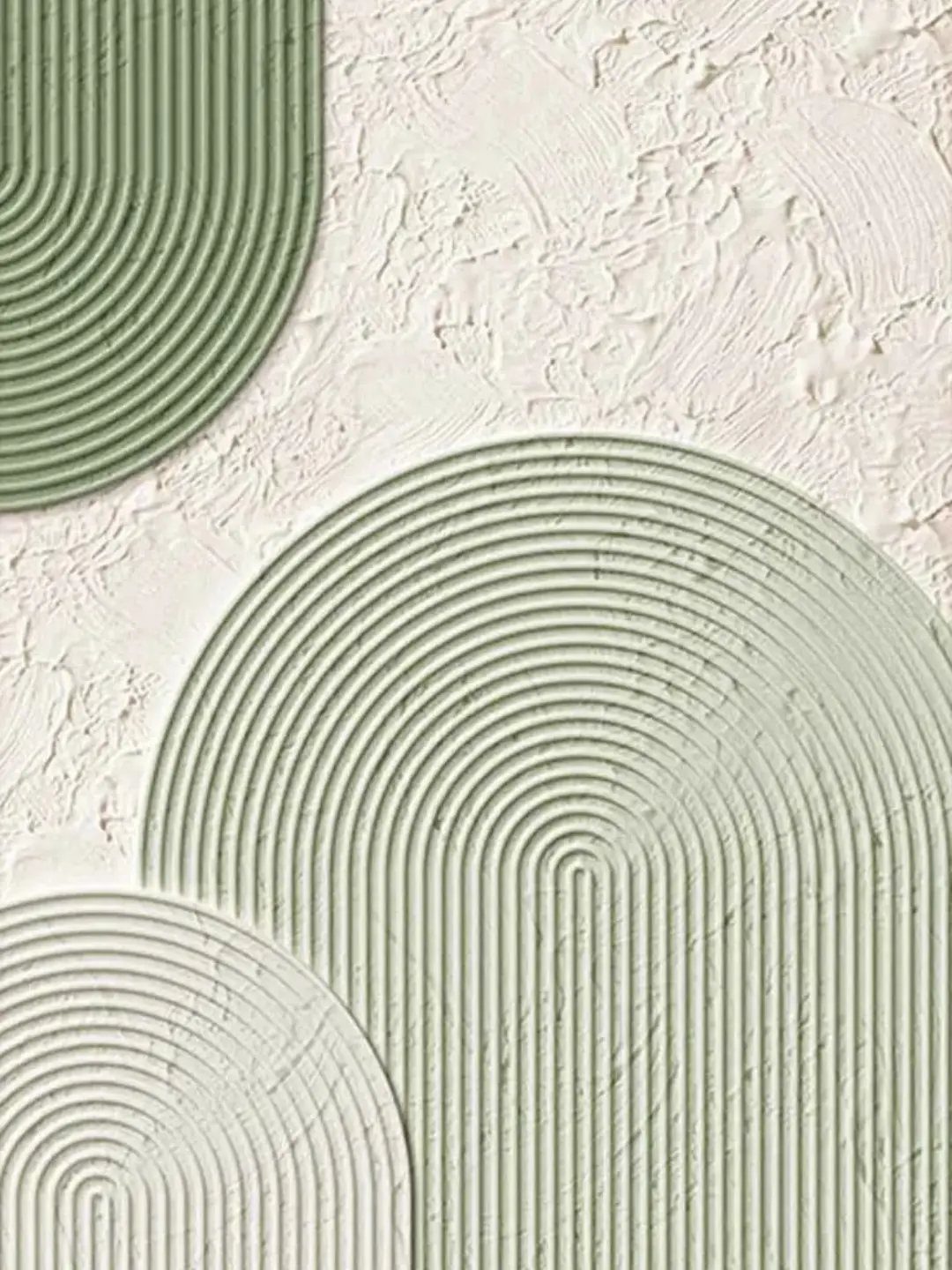
Wallpaper panels let you test bold texture without surrendering a whole room. One wallpapered wall behind the bed changes the feel entirely; keep the rest calm so the room doesn’t compete with itself.
Removable wallpaper works for rentals. For permanent spaces, painted paneling in charcoal or deep green builds the same depth.
Concentric curves and heavy texture catch light differently than flat print, which is worth paying for if the wall faces a window.
If even one wall feels like too much, large framed art in moody tones achieves a similar effect. This idea trades safety for personality, and it costs less than most people assume.
10. Blue Serenity
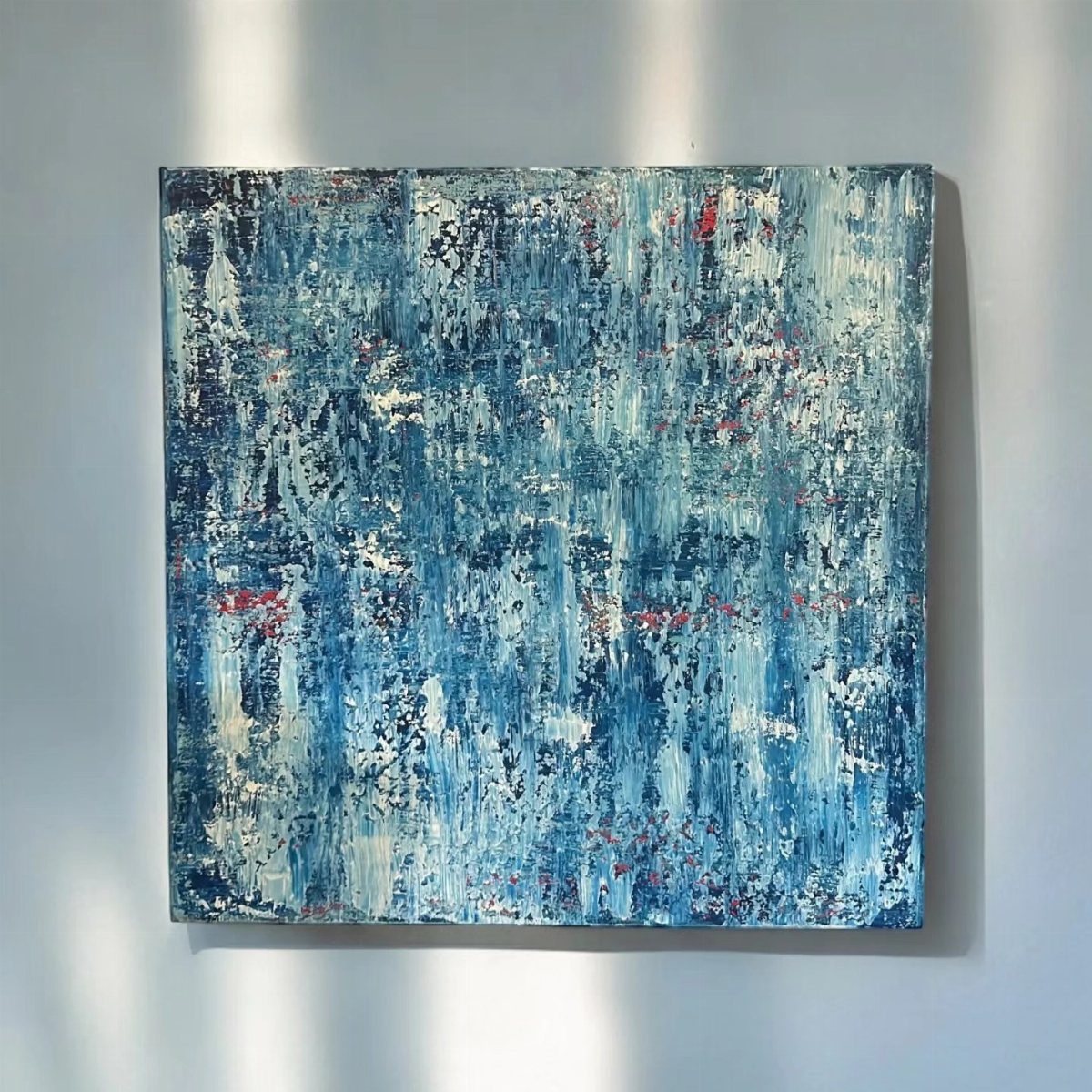
Blue reads as rest because of its tie to sky and water, not because it lacks presence. Powdery shades open a small room; navy or royal blue wraps a larger one in coziness.
Pair it with chalky white, sandy tones, or soft terracotta to keep the warmth in. Cool blue alone can feel like a hospital corridor; the adjacent colors make it a bedroom.
Pale blue sheers filter morning light without blocking it. This suits someone who wants calm without defaulting to beige, and who is willing to test a color that still surprises people in feminine spaces.
11. Floor-to-Ceiling Curtains
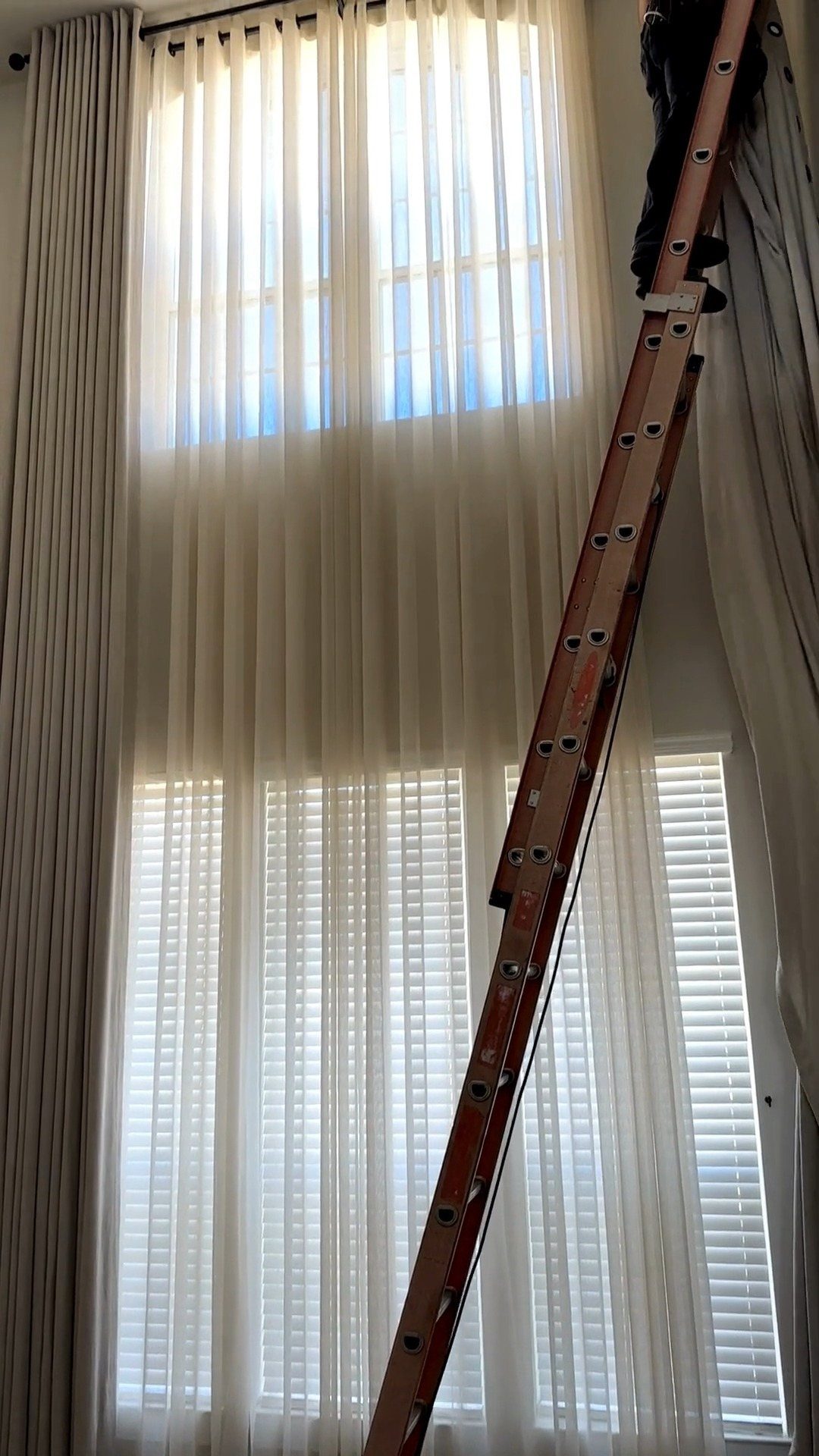
Hanging curtains from ceiling to floor tricks the eye into seeing taller windows and higher ceilings. Rich fabric, velvet or heavy linen, adds the luxury that thin panels only pretend at.
Mount the rod close to the ceiling, not the window frame. Layer sheer behind blackout so you can choose between filtered day light and complete night darkness.
This is the fastest way to make a rented room feel expensive without changing structure. Good panels cost more than the rod, and skimping on fabric weight shows immediately.
12. Use Curves to Soften the Look
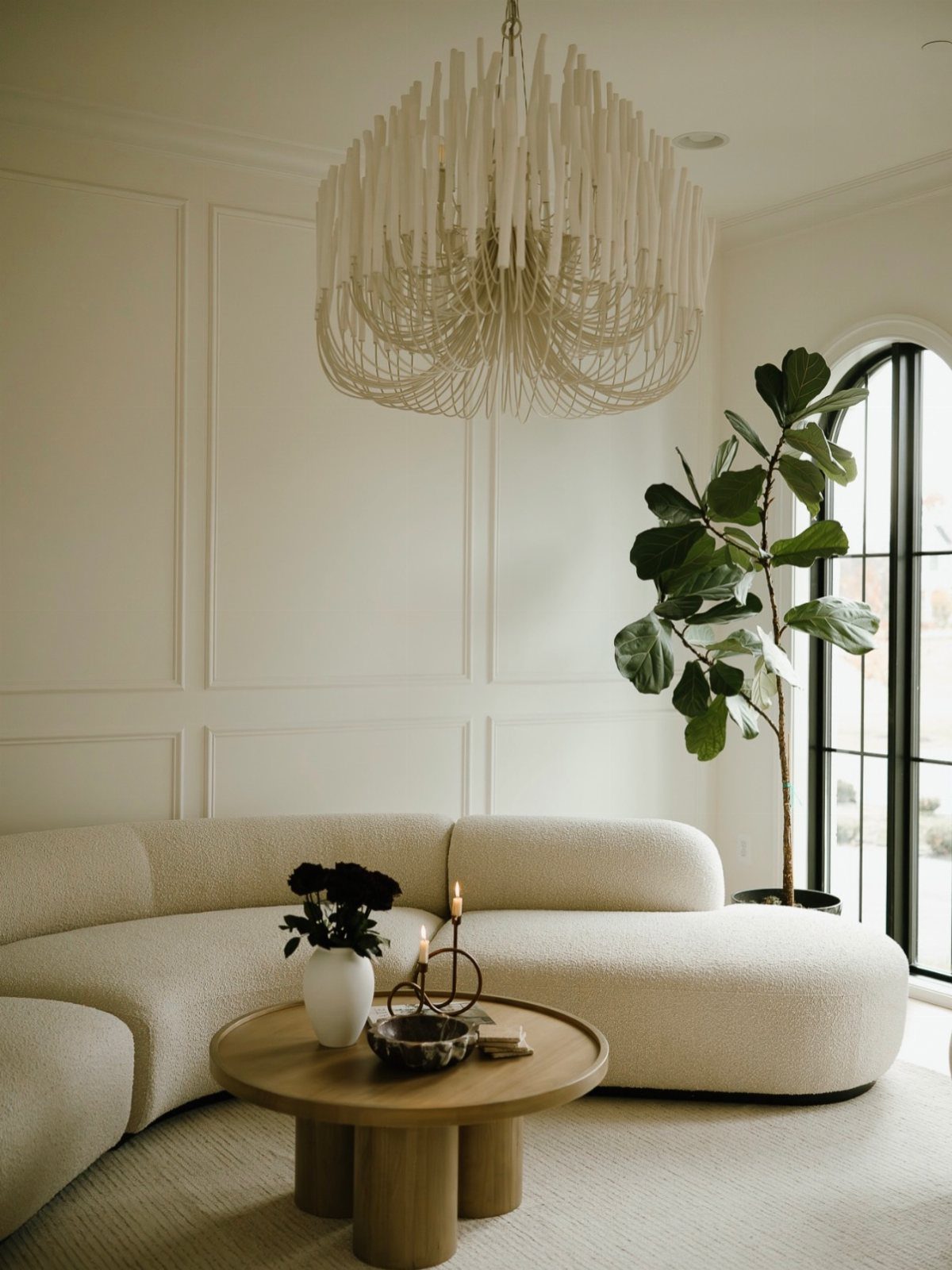
Curves interrupt the boxiness of most rooms without requiring renovation. A curved headboard, round side table, or oval mirror does the softening where walls stay stubbornly straight.
A single curved piece changes the energy of an entire space. Scalloped lampshades or rounded frames extend the idea without buying furniture.
This suits anyone working with hand-me-downs or rental basics: one curved piece updates the mix without matching sets or built-ins. It trades sharp modern lines for something more approachable, which in a bedroom is usually the right call.
13. Add Texture with Fabric and Flow
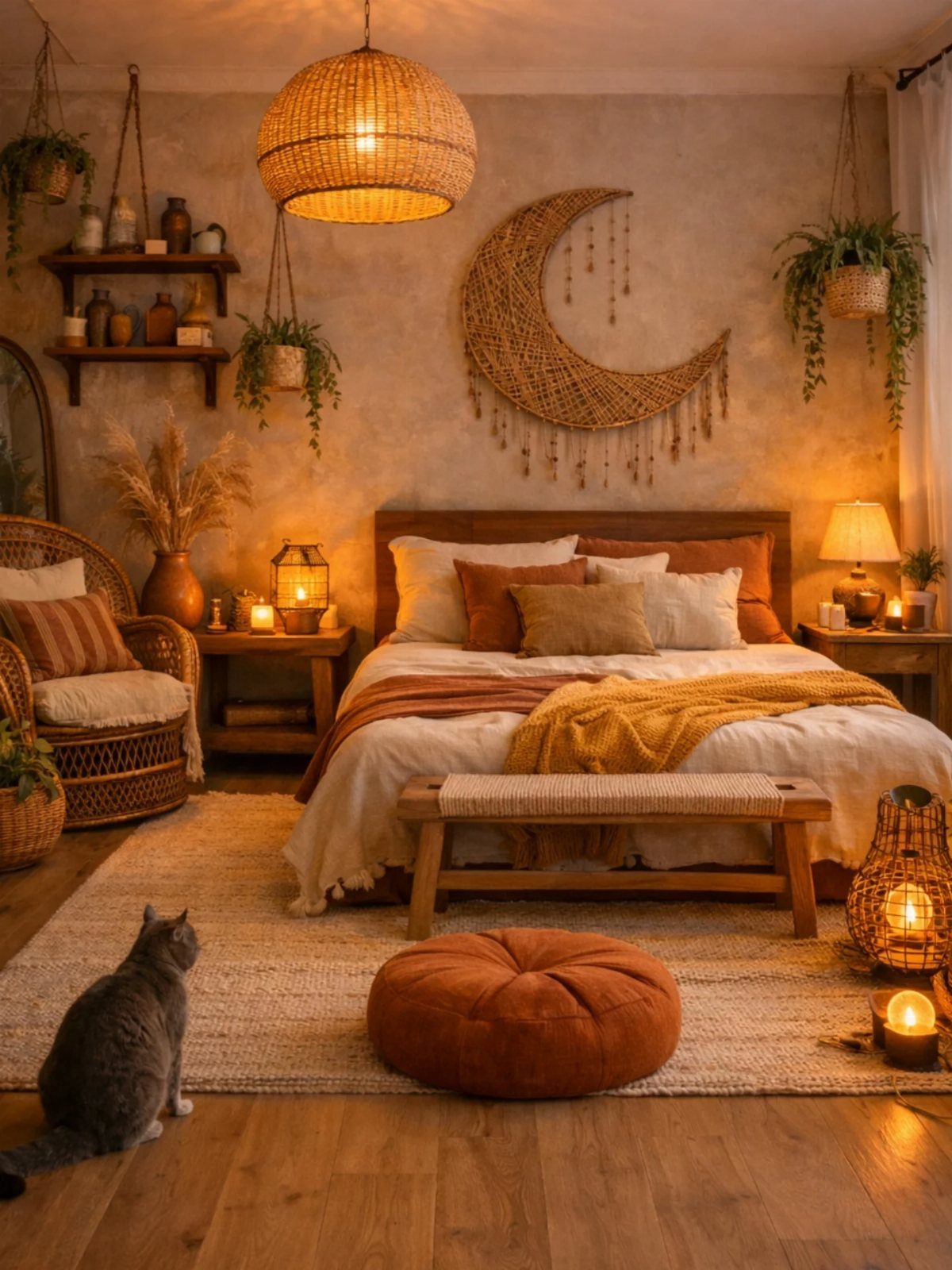
Sheer curtains over a window, a tufted headboard against the wall, and a stack of pillows in three textures turn a bedroom into something you actually want to sink into.
Velvet and sateen together make winter sleep noticeably warmer, and the weight of both fabrics against skin is hard to replicate with cotton alone. Velvet collects dust, and layered bedding means stripping the bed takes twice as long.
For anyone who wants the look without the laundry, start with one plush throw and a single set of high-thread-count cotton sheets.
14. Gallery Wall
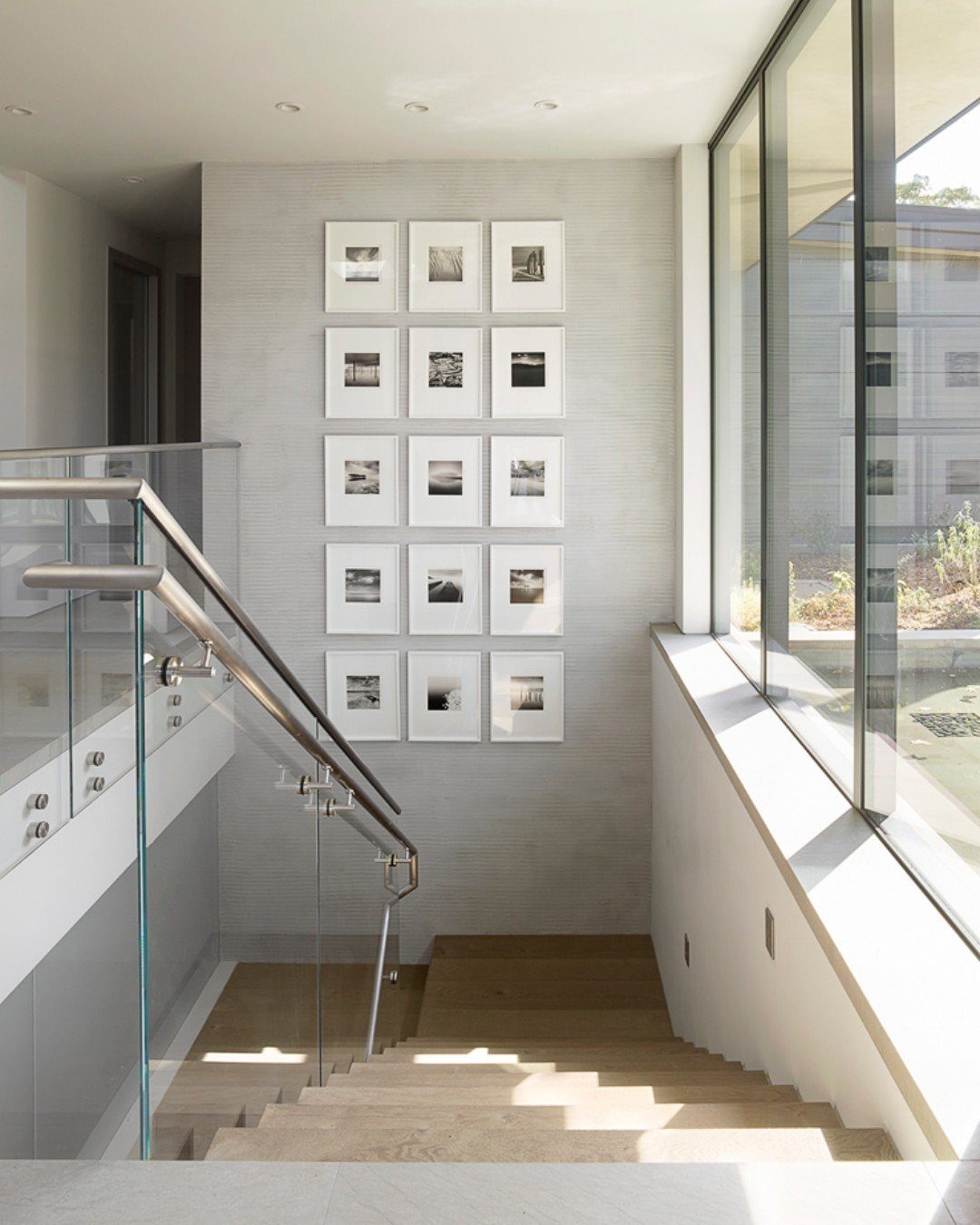
A grid of fifteen small frames turns a blank wall into something that reads as intentional rather than cluttered.
Mismatched frames from a flea market work when the spacing between them stays consistent; a ruler keeps the whole thing from looking accidental.
Mix prints with personal photographs, or keep it to one color palette if the rest of your room already has a lot going on.
This works best when you have at least ten pieces to work with; anything smaller and the grid starts to feel sparse.
15. Bohemian Scheme
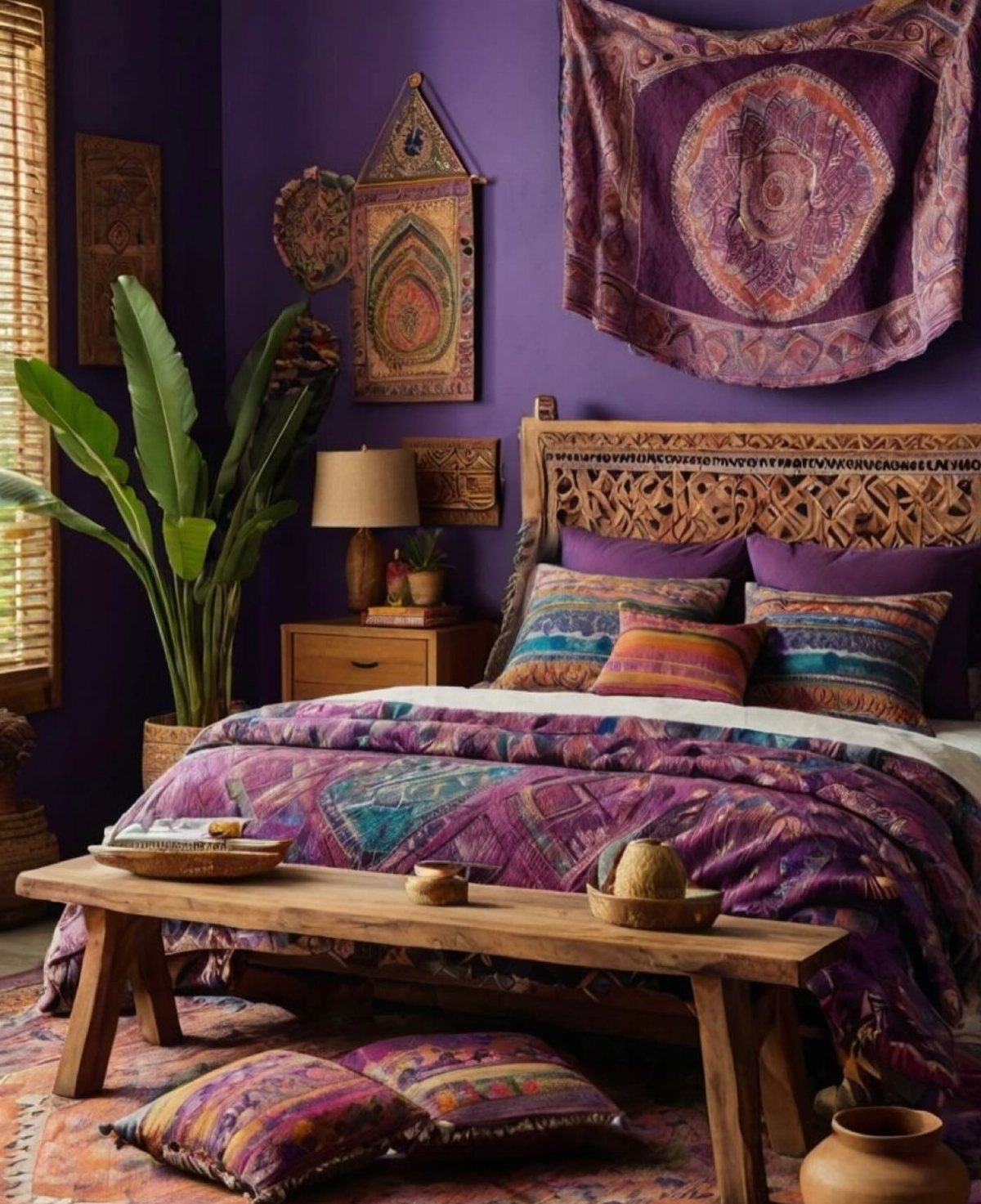
Macramé, a colorful rug, and a carved wooden headboard layered together give a bedroom the relaxed, lived-in feel that stricter styles trade away for neatness. The seventies originals were all about tactility, and the revival keeps that priority.
Banana leaf prints and cane furniture age well because they read as nature first, trend second.
16. Geometric Accessories
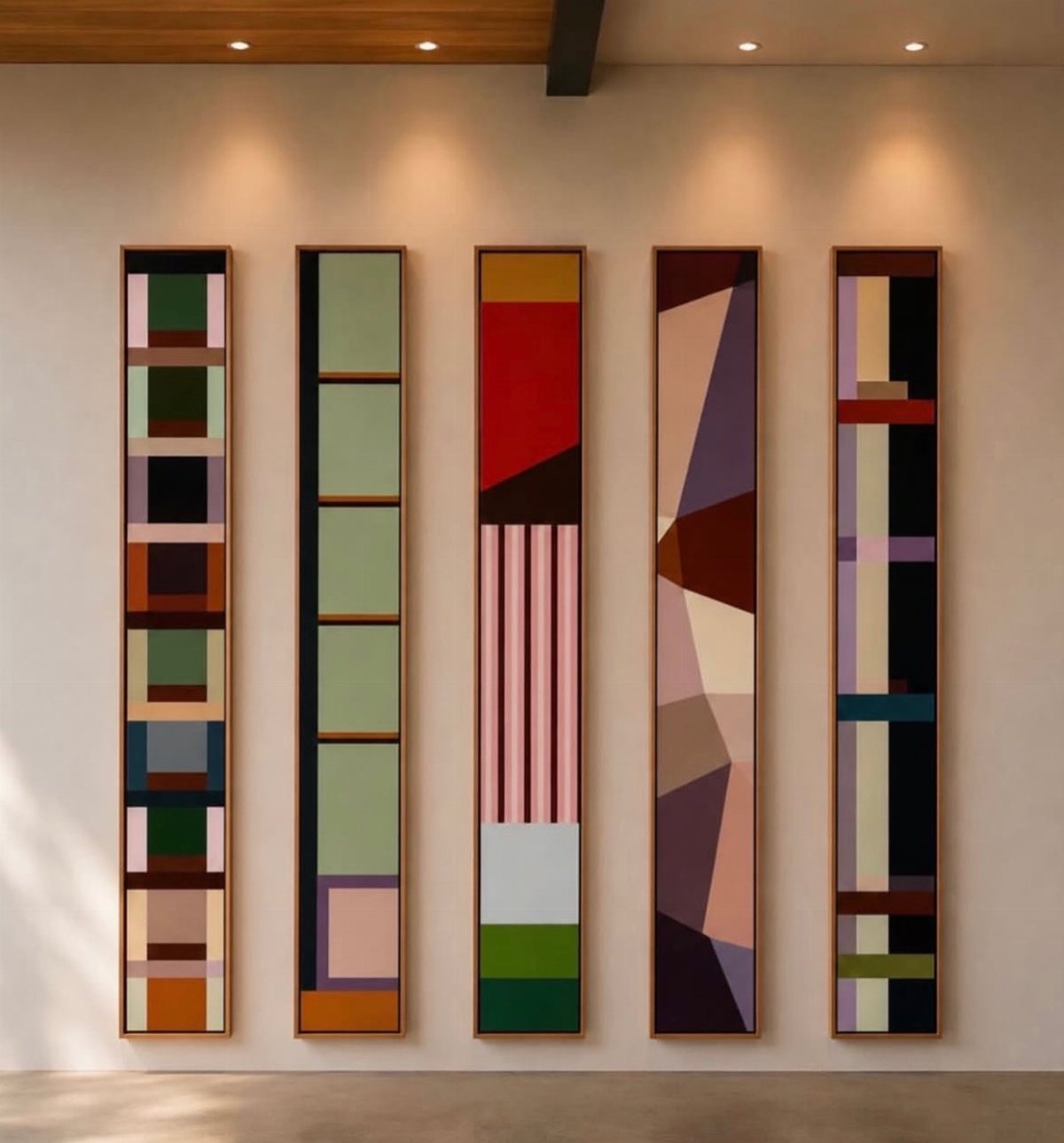
Geometric patterns in bedding or art bring a contemporary edge to a feminine space without drifting into overly soft territory.
The reversible duvet approach, one side with shapes and one with a quieter print, is practical for anyone who gets bored easily or wants to stretch one purchase across two moods.
A half-moon runner works best on a plain white bed, where it reads as graphic rather than busy.
This style suits someone who wants structure in the room; if your taste runs more romantic, the angles can feel cold unless you warm them up with wood or linen nearby.
17. Natural Elements
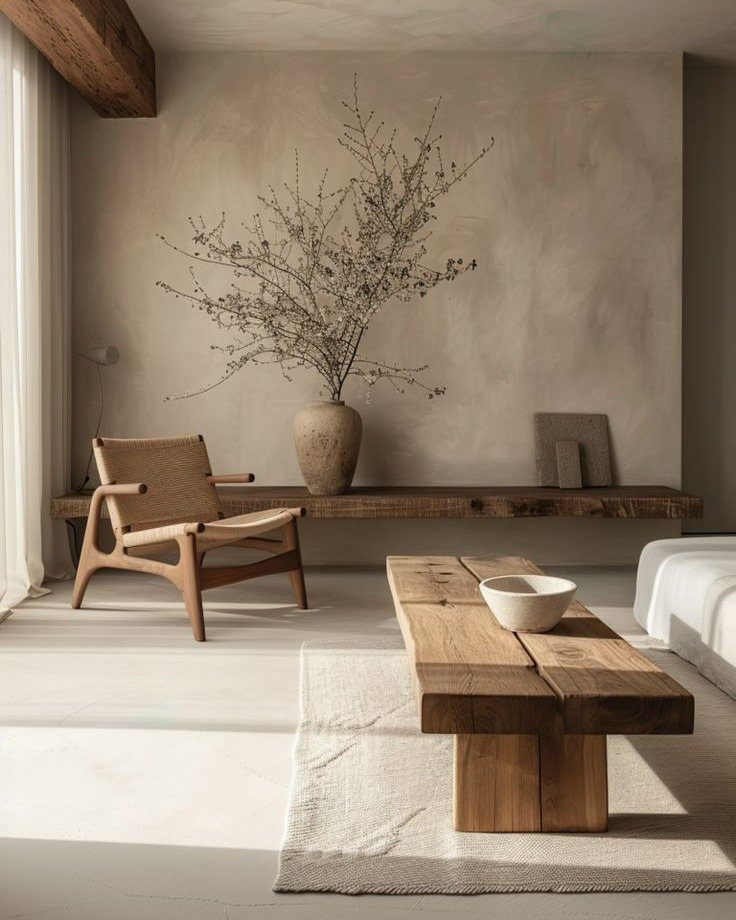
Plants are the obvious move, but dried arrangements last years with no maintenance, and that matters if you travel often or forget to water.
Warm wood keeps the palette from reading as sterile, which neutral rooms risk without something organic in the mix. Texture on the wall itself, like a plaster finish, matters more than adding another object.
Restraint matters; this idea fails when it becomes a collection.
Creating a Cozy Atmosphere
Soft textures do the heavy lifting in a bedroom meant to feel lived-in.
Layered bedding with a mix of weights, warm wood tones on a nightstand or dresser, and lighting that pools rather than blares all add up to a room that asks you to stay. Muted pastels work the same way.
A soft blue that reads more sky than sea lets the eye rest without going cold or flat. The goal is a space that feels steady, not staged.
Color Choices for Femininity
Feminine color choices split cleanly into two camps. Pastels and soft neutrals build that delicate, dreamy atmosphere, the kind of room that feels breezy and easy to sink into.
Dark tones do the same job with more weight. A sculptural bed frame in a muted palette, curved lines and plush cushions included, proves femininity does not have to mean light or bright.
Pink accents against clean white and warm wood hit a similar note with a sharper edge. Either direction works; the mood you want decides it.
Mixing Styles
A feminine bedroom gains character when old and new share space. A vintage mirror above a modern dresser, a thrifted ceramic lamp on a sleek nightstand, these pairings keep the room from feeling like a showroom.
The mix does not need to be loud. One or two found pieces against a quieter backdrop do more than a room crowded with statement items.
Let the contrast sit where you will notice it, at eye level or in the first light of morning.
McCowan Hill shares feminine-friendly tips on how to upgrade your bedroom style.
Importance of Personalization
Personal art and small keepsakes turn a styled room into one that holds meaning. A framed sketch from a trip, a ceramic dish that belonged to someone you love, these items do not need to match.
They need to matter. Place them where the light catches them or where your eyes land first thing.
The comfort comes from recognizing your own history in the objects around you, not from following a formula for arrangement.
Frequently Asked Questions
How to make a bedroom look feminine?
Soft textures, curved shapes, and layered lighting do the work better than any single color or pattern.
Brass table lamps on the nightstand and a warm LED strip tucked behind the headboard do more for the room than any ceiling fixture ever could; the light lands softer and you control where it goes.
A single vintage find mixed in with newer pieces keeps the room from looking like a showroom set, and a small vase of fresh flowers or a pothos trailing down the dresser adds something alive against all the hard surfaces.
What are some feminine colors to use in a bedroom?
Soft pastels and warm neutrals give the room that airy, dreamlike quality, but deep plum or charcoal can pull off the same feeling with a lot more presence.
A powdery blue bounces light around and opens up a tight space; navy or royal blue does the opposite on purpose, wrapping a bigger room in something that feels closer and quieter.