
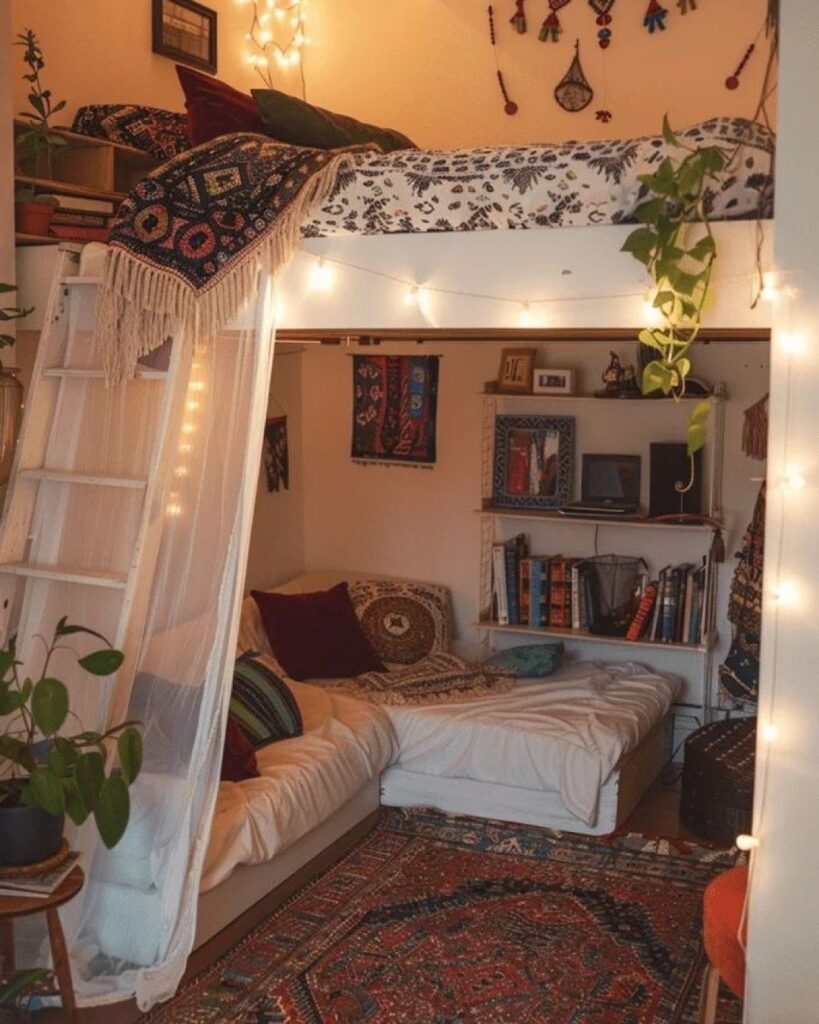
These ideas run from a tension rod and curtain to bespoke joinery that climbs with every foot of wall, so the deciding factor is how permanent your setup can be.
A renter with a free weekend lands on plug-in sconces and a floor cushion; someone ready to hire a carpenter gets the alcove bed and ridge-beam shelf.
The proof is in what you can actually measure: a board set to the height of your dresser, a few feet of width saved by tucking the bed into the slope, a dimmer that installs faster than you expect, and the single navy wall that keeps the eye moving instead of stopping at each angle.
1. Textured Materials
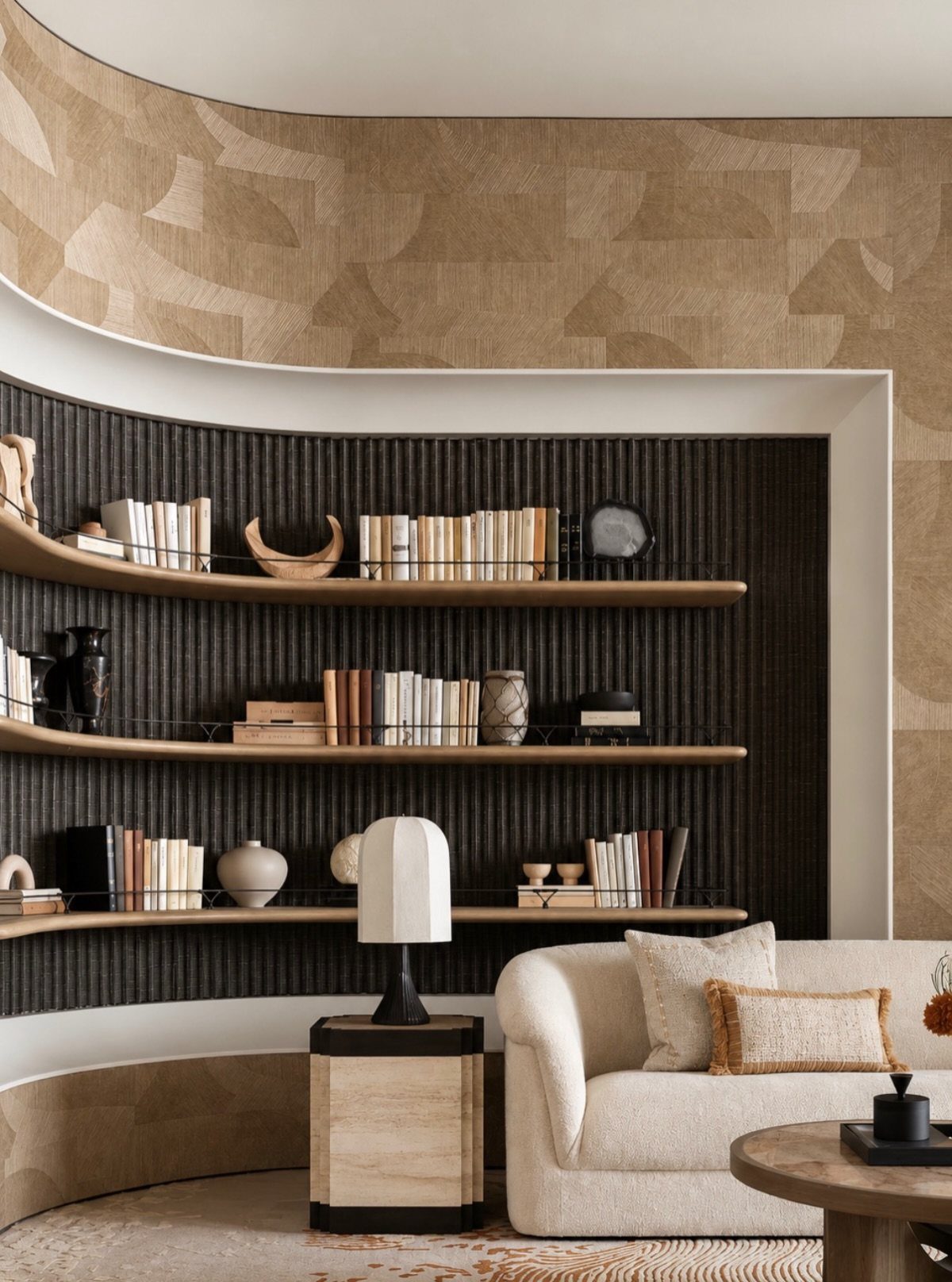
Ribbed wall panels, jute rugs, and chunky knit blankets turn an attic into a space you actually want to linger in.
The angled ceilings already make the room feel smaller than it is, so layering textures draws the eye around instead of up.
I start with a flatwoven rug on the floor, add a heavier throw at the foot of the bed, and keep the pillows to two textures max. Anything more starts to compete with the architecture.
If your beams are exposed, let the wood grain read as one texture and build from there. A sealed, sanded beam needs no paint; the natural variation does more work than a solid color ever would.
2. Use of Wallpaper
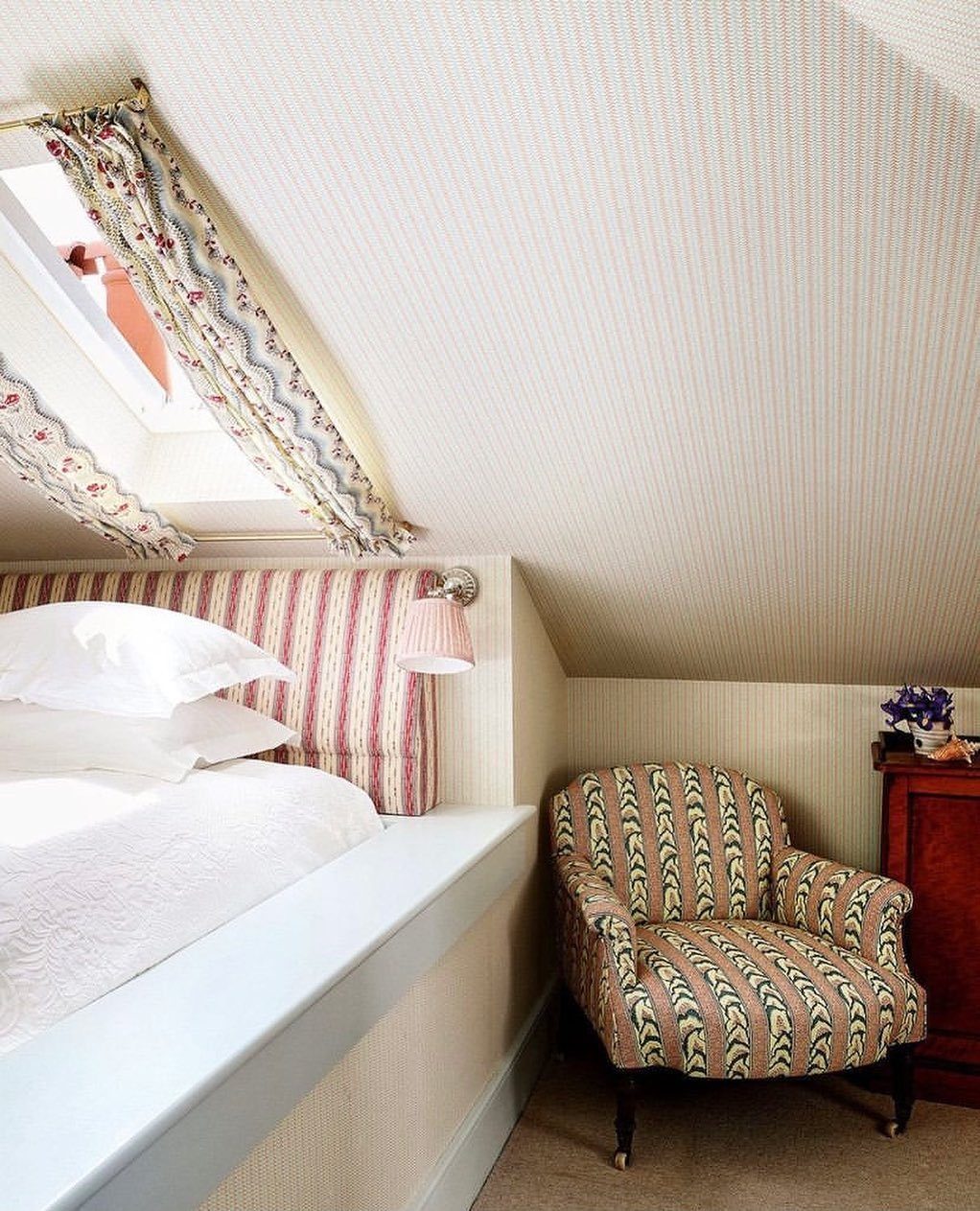
Wallpaper that climbs from the wall onto the sloped ceiling makes the angle feel intentional rather than awkward. Small-scale prints work best here; large florals or bold stripes can turn oppressive when they wrap overhead.
A delicate pattern on every surface turns an attic from converted storage into something that reads as a designed jewel box.
Light-colored furniture keeps the pattern from overwhelming the space. The bed, dresser, and any seating should stay simple and pale so the wallpaper remains the single focal point.
This approach suits guest rooms especially well, where a little extra personality feels welcome rather than risky.
3. Natural Wood Beams
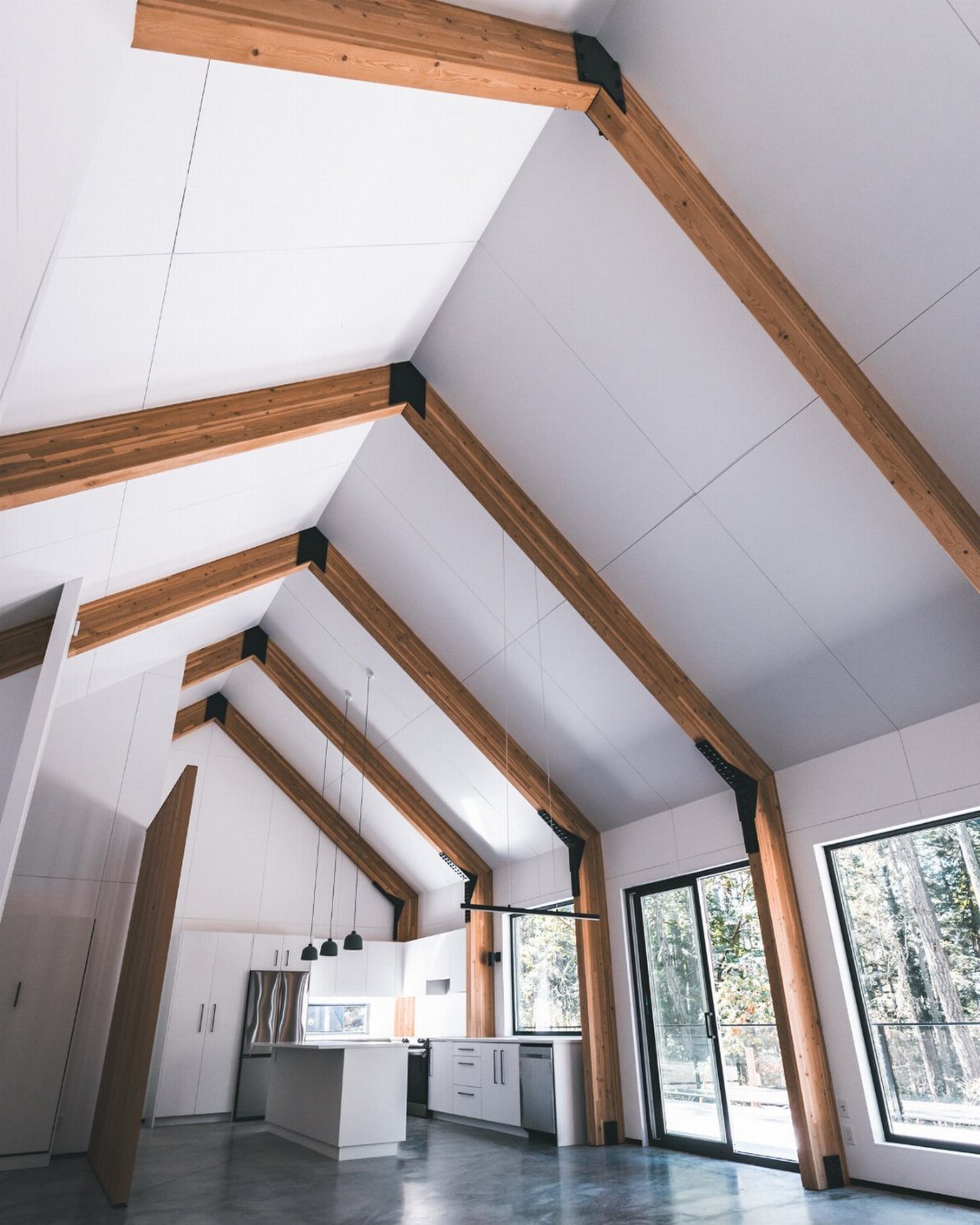
Original timber beams are the one detail an attic bedroom gets that a ground-floor room never will. Clean them, sand rough spots, seal the wood, and stop there.
Paint only if the condition genuinely demands it; the grain carries warmth and history that a solid color flattens out.
A pendant hung from the central beam turns structure into function.
4. Maximize Natural Light
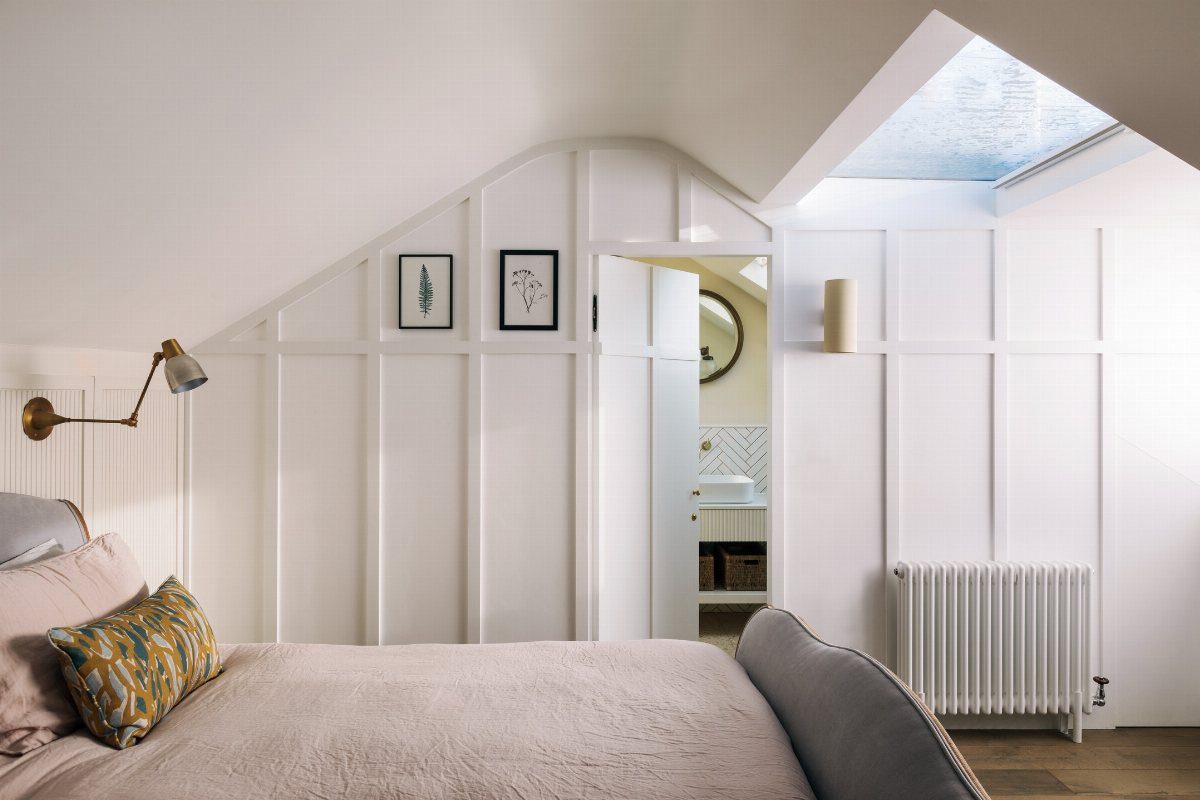
One skylight changes an attic; three or four along the roofline change it completely. The even, shadow-free daylight makes low ceilings feel taller because the eye travels upward.
At night, the same openings become a private view of the sky. Operable models add ventilation, which matters more than you might expect in a space that traps heat.
5. Built-in Storage Solutions
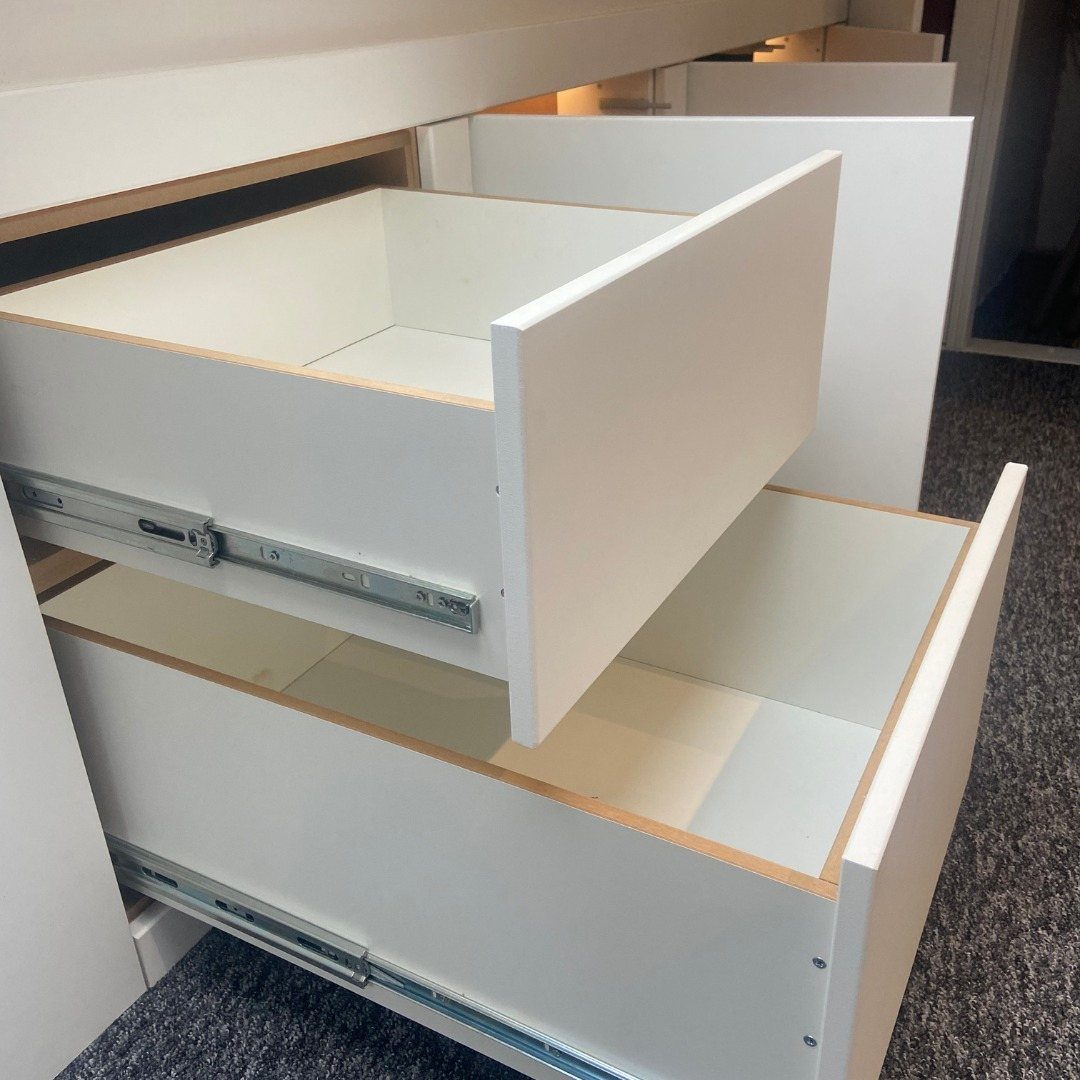
Custom units fitted to the exact angle reclaim every inch without cluttering the floor.
Staggered shelving that echoes a nearby dormer or skylight shape ties storage to the room’s architecture. Style it simply: books, one small plant, one or two objects.
In an attic, restraint keeps the walls from feeling heavy. Beds with drawers underneath and storage ottomans handle what the knee walls cannot reach.
6. Low-profile Furniture
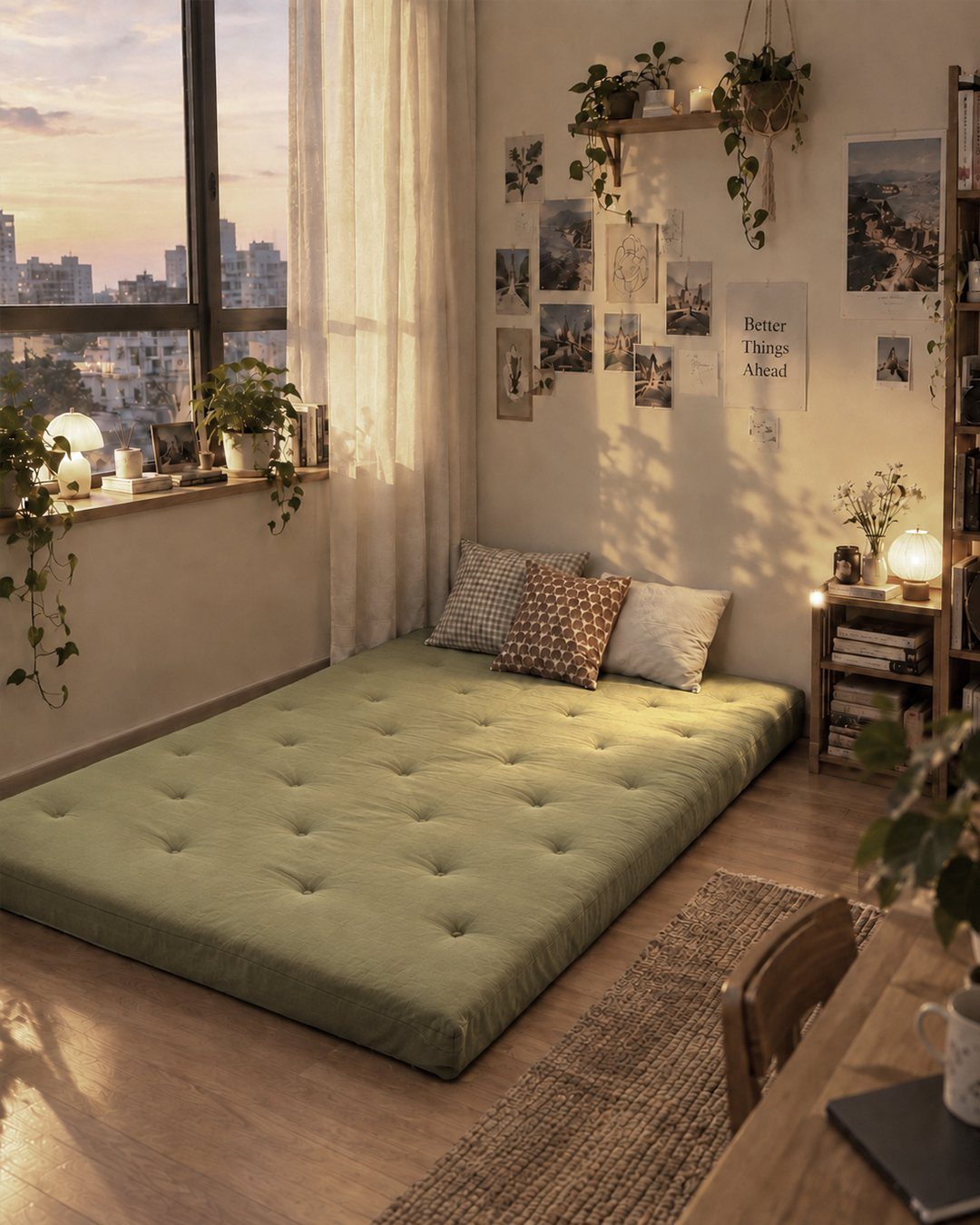
A platform bed sitting low to the floor buys you headroom you do not actually have. The distance between mattress and sloped ceiling feels greater with a frame that hugs the boards, especially where the roofline drops toward the walls.
A tall frame in that same spot would feel cramped immediately.
Light wood tones extend the effect; dark, heavy frames cancel it out. I pair low beds with slim nightstands or skip them for wall-mounted lights and a single narrow shelf.
A mattress nearly at floor level, with plants and small storage kept equally low, lets the ceiling slope do what it wants. Storage ottomans and slim shelves finish the job without crowding the open center.
7. Functional Furniture
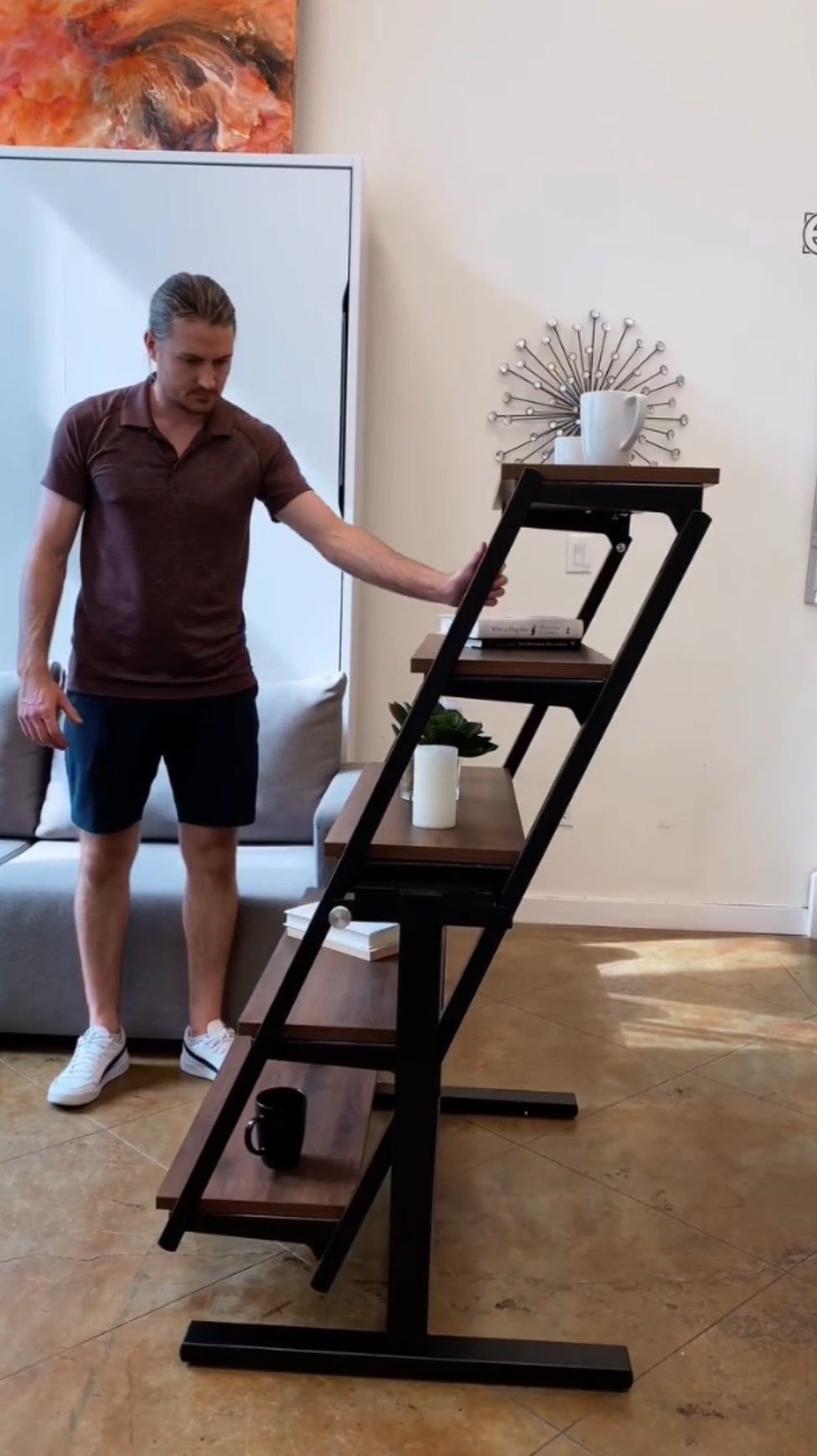
A leaning ladder shelf that doubles as a desk turns one piece of furniture into two functions, which matters when floor space is measured in inches, not feet.
I like ottomans with hidden storage for extra linens, or bed frames with drawers built in so the dresser becomes optional. Wall-mounted shelves keep the floor visually open, and floating nightstands do the same beside the bed.
In a tight attic, skip the reading bench and try a single floor cushion near the dormer instead; it stores flat and moves where you need it.
Multi-functional pieces rarely look as streamlined as single-purpose ones, so pick the one task you do daily and solve that first.
8. Embrace the Slope
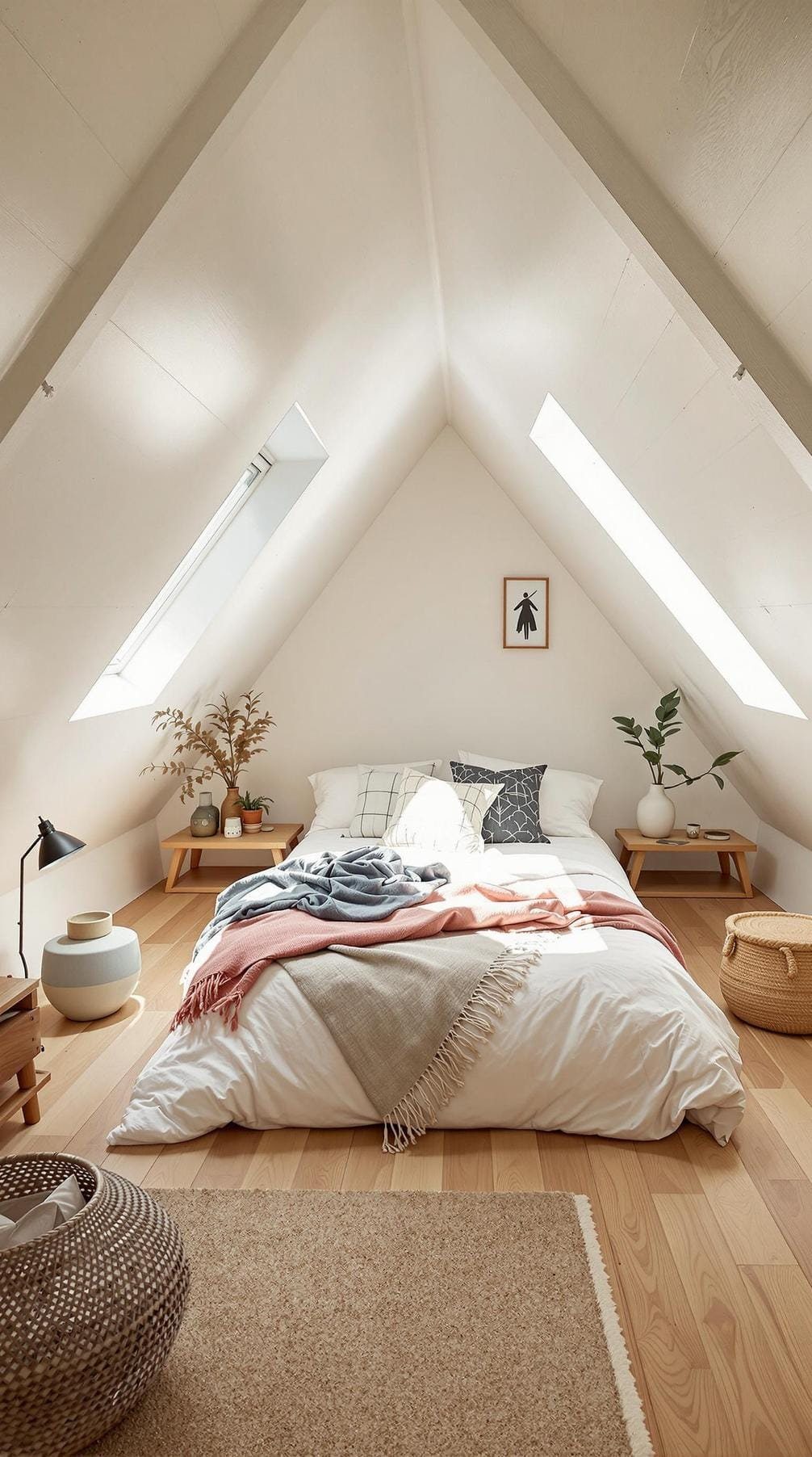
Tucking the bed under the lowest part of the slope turns the ceiling’s awkward angle into a kind of canopy. I keep decor minimal directly under those low points and save larger pieces for the center where headroom allows.
Repeating one or two wood tones throughout, beams to furniture to flooring, keeps the space from feeling pieced together. Light, low-profile furniture under the slope helps too.
The cave-like feeling isn’t for everyone; if you sit up in bed to read, you’ll want to position a lamp on the nightstand side where the ceiling lifts.
9. Layered Lighting
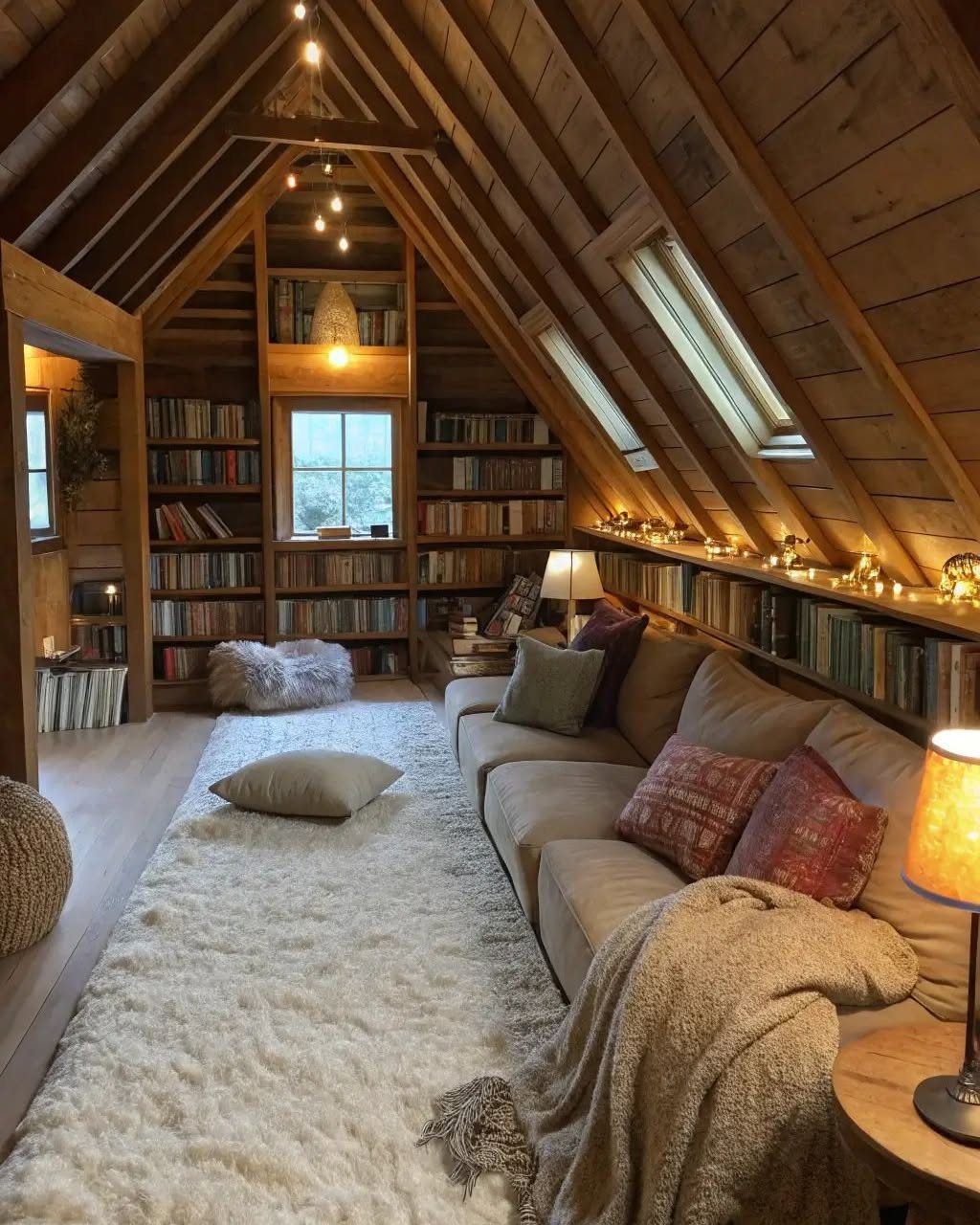
String lights along a sloped wood ceiling, plus a low lamp on the shelf unit, give this attic living space its glow without a single overhead bulb hitting the angles wrong.
I combine recessed spotlights along the slope for morning tasks, wall sconces for symmetry, and a bedside lamp for warm light after dark.
The layered approach lets you shift the room’s mood through the day instead of living with one flat wash of brightness. This matters most in attics where windows are small or few and the lighting plan carries more weight.
Start with the layer you’ll use most; for me that’s the bedside lamp, since evening is when I’m actually up there.
10. Focal Point Lighting
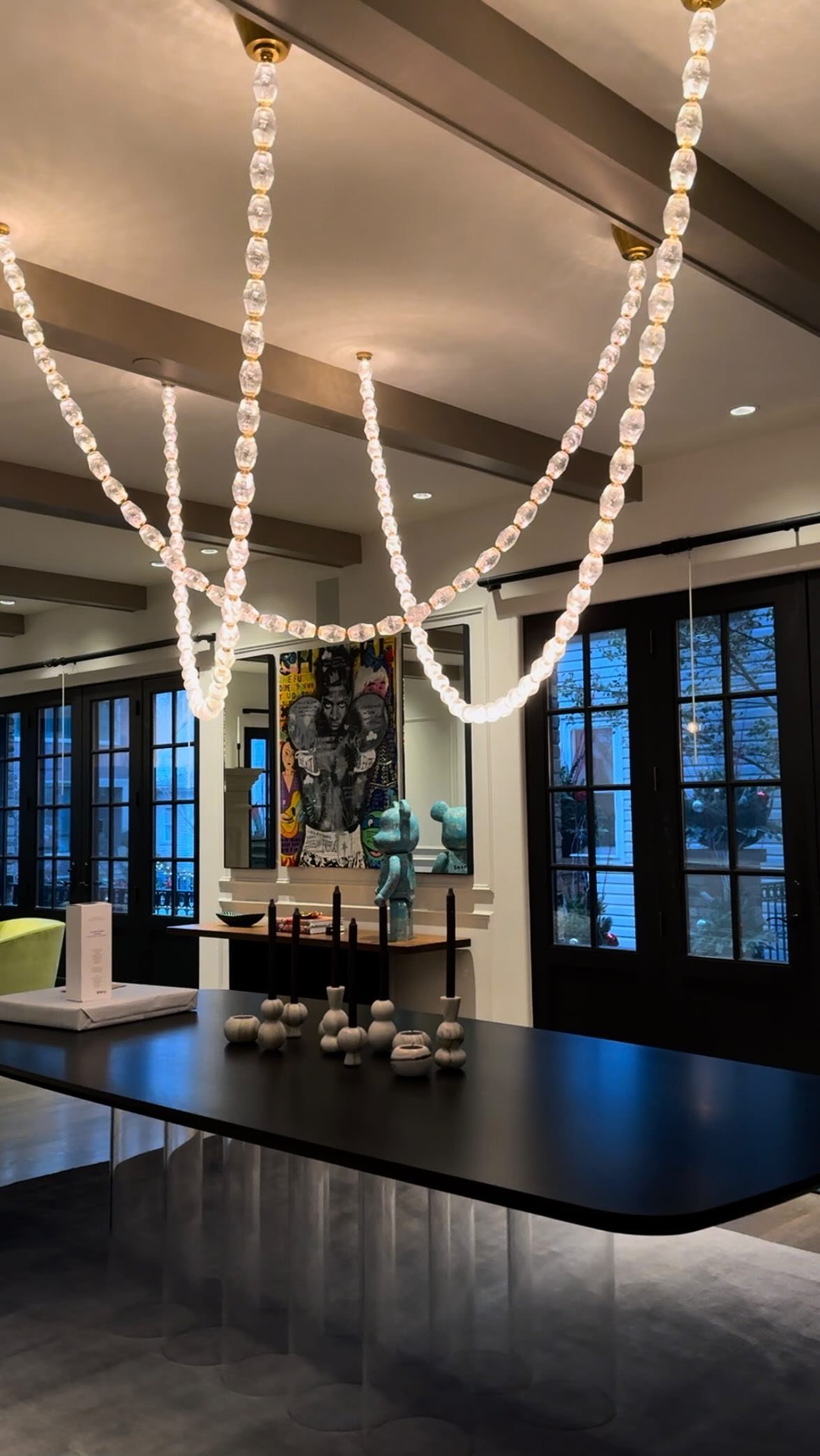
A chandelier of glowing oval links hung at the room’s tallest point draws the eye upward and makes the height the story.
In an attic, that tallest point is usually the center or near a dormer, and a hanging fixture there turns a structural necessity into the room’s main visual interest.
Wall sconces work better than floor lamps where ceiling drops make tall pieces impossible, and flush-mount or semi-flush lights suit the lower slopes without crowding headroom.
A statement piece often needs an electrician and proper ceiling support, so budget for both before you buy.
If the ceiling won’t take the weight, a bold table lamp on a painted nightstand can carry some of the same presence for less.
11. Vintage Decor Elements

A gallery wall of mismatched ornate frames, gold and silver and dark wood together, gives an attic bedroom the collected-over-time feeling that new construction lacks.
I look for old trunks at estate sales to use as coffee tables or storage benches, and vintage suitcases stack into side tables with built-in compartments.
Exposed beams or brick, if your attic has them, are worth highlighting rather than hiding; a coat of paint matching the beam color can make them read as intentional architecture.
Too many vintage pieces and the room becomes a shop display; restraint matters more than abundance. One or two finds, surrounded by plainer pieces, carry more weight than a room full of them.
12. Cozy Textiles
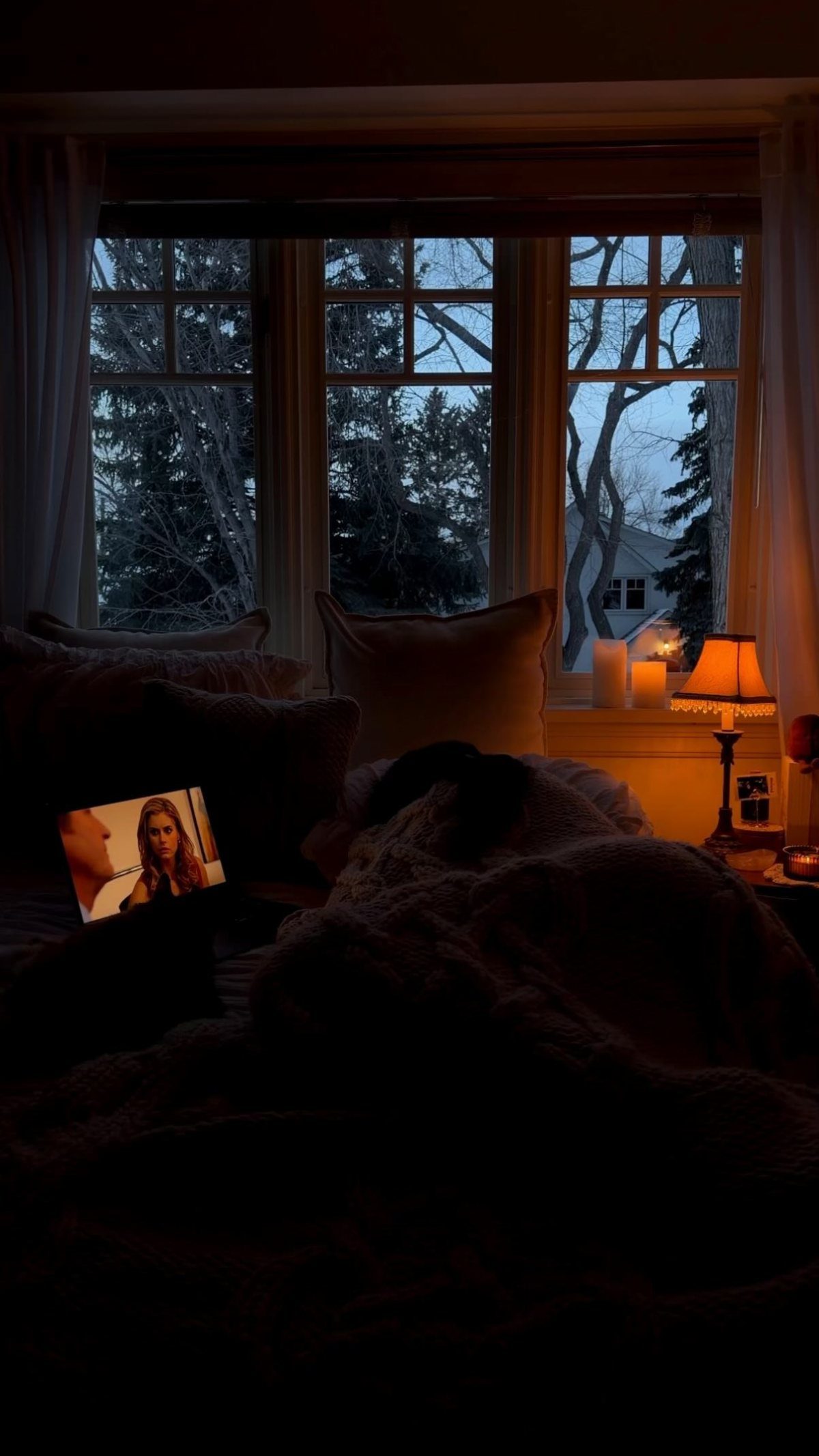
A thick, shaggy throw and plush pillows against darkening windows make this bed the place you want to be when the room cools down.
I layer a wool area rug over attic floors, which are often bare and cold, and choose throws in soft yellows or dusty pinks that add warmth without closing in a small space.
White or light bedding keeps the ceiling feeling high, while the texture does the cozy work that color otherwise would.
The limit is laundry; bulky faux fur and thick wool need different care than standard bedding, so check tags before you buy.
For a simpler version, one good cotton quilt in a warm tone does most of the same job with less maintenance.
13. Wall-mounted Lighting

Wall sconces solve the floor-space problem that every attic bedroom faces once a bed and dresser are in place.
Mount them beside the bed at sitting height so the light falls where you actually read. Hardwired sconces look cleaner but require an electrician; plug-in versions with a cord cover suit renters and weekend projects.
For the ceiling itself, hang a pendant only where the roof peaks high enough to walk under. Lower slopes need flush-mount or semi-flush fixtures that do not fight the angle.
14. Layered Decor

Layered decor builds slowly in an attic bedroom, and that slowness is what makes it work. A single statement piece on a slanted wall looks accidental; three or four overlapping textures look intentional.
Start with a base of neutral bedding or a simple rug, then add a vintage mirror with aged glass, a small wooden stool with visible wear, and one plant in a ceramic pot that does not match the others.
Patterns work best when they share a color rather than a style. Stripes beside florals, both in dusty greens or warm ochres, read as collected rather than chaotic.
15. Use of Plants
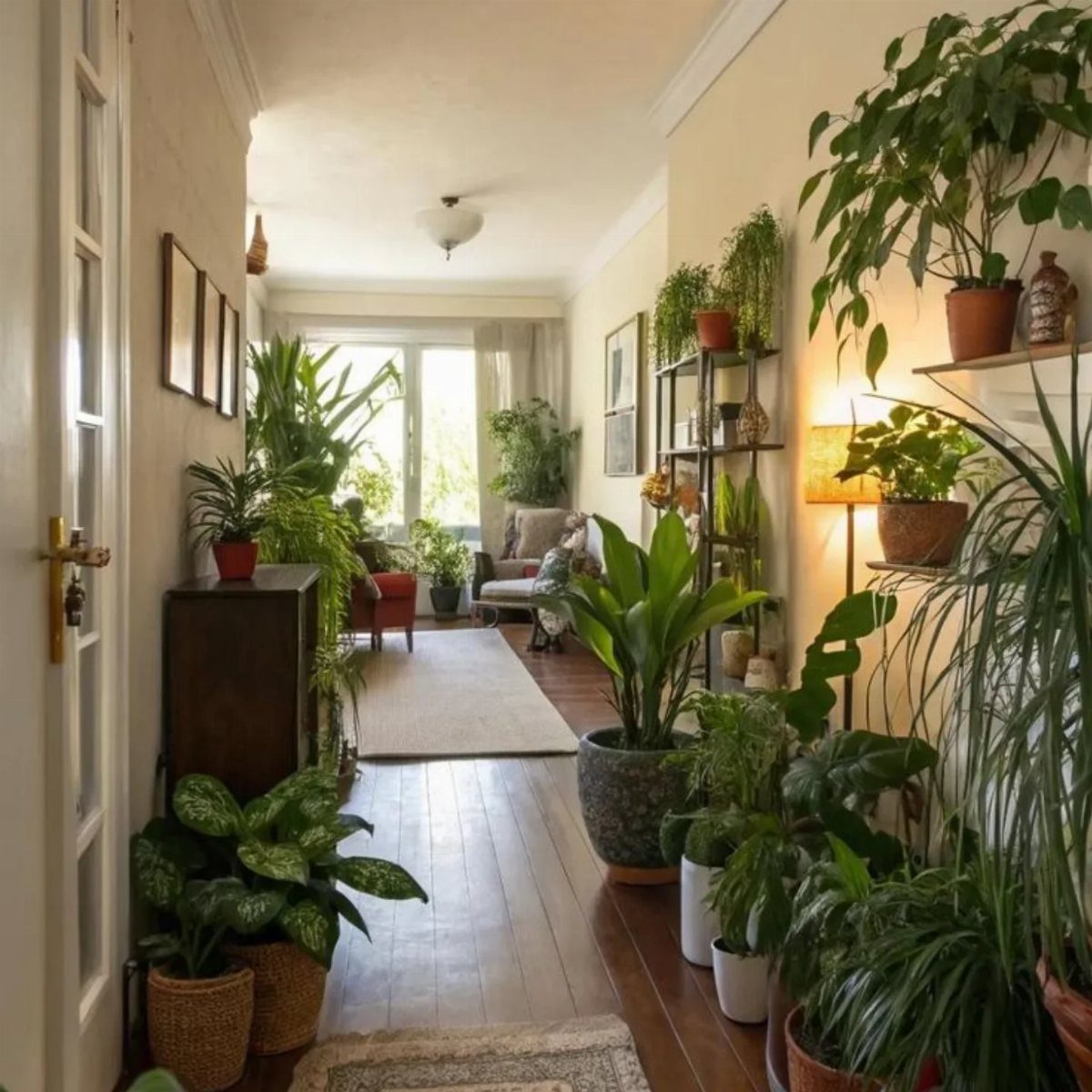
Plants survive in attics when you match the species to the light you actually have, not the light you wish for.
A bright, south-facing skylight supports ferns and trailing pothos; a north-facing dormer needs snake plants or ZZ plants that tolerate gloom.
Small pots on windowsills or a single larger plant on the floor keeps the arrangement from overwhelming tight quarters.
Succulents die fast in a humid, poorly ventilated attic; let the soil dry between waterings, and use a saucer to protect finished floors.
If the space lacks natural light entirely, a grow bulb in a desk lamp directed at one statement plant beats a roomful of struggling greenery.
16. Personal Artwork

A single large piece of your own art, or a framed photograph you took, carries more weight in an attic bedroom than a gallery wall of purchased prints.
The angles of the room already draw the eye upward; give that eye something personal to land on.
Hang the work where the ceiling height allows you to step back and see it whole, usually on the tallest wall or above the headboard.
A vertical canvas suits the narrow gable ends common in attics better than a horizontal one.
If you do not paint, consider a digital photograph printed large through any online service for a price that still leaves room for a frame. The scale matters more than the medium.
17. Ambient Lighting
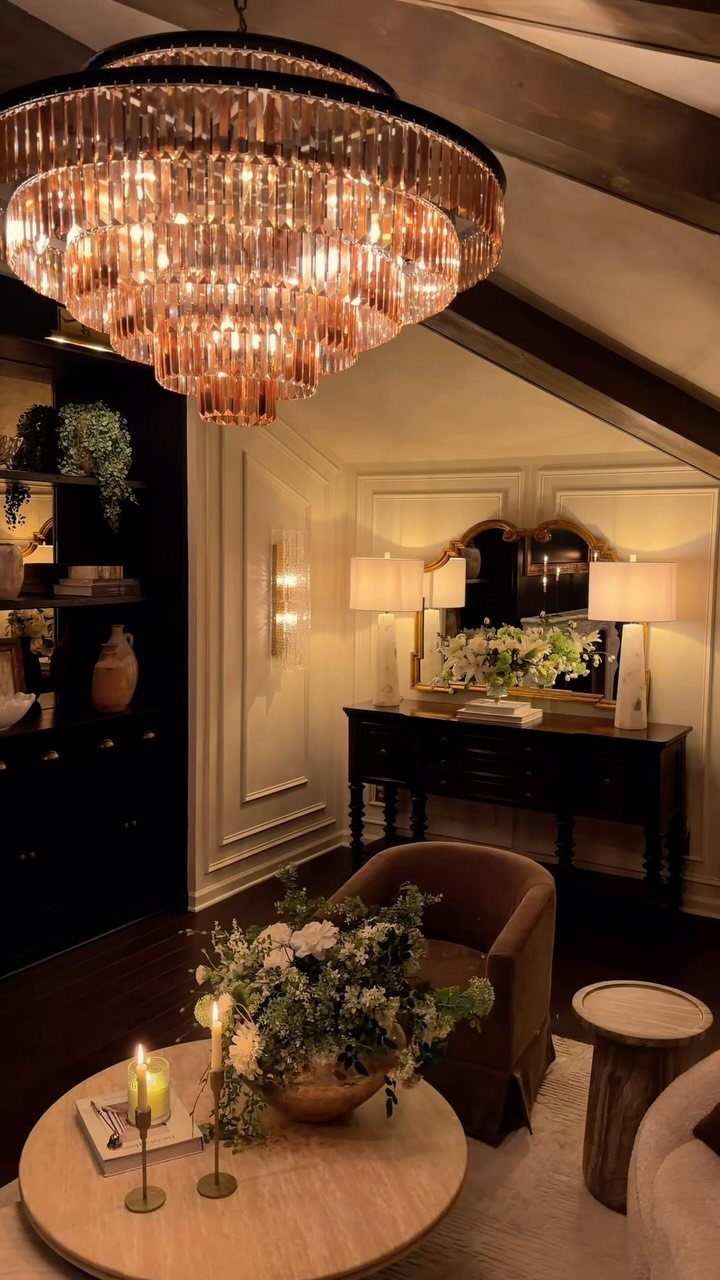
Ambient lighting in an attic bedroom needs dimming control more than any other feature.
A single overhead fixture at full brightness flattens the angles that make the room interesting; the same fixture dimmed low turns those angles into shadow and depth.
Install dimmer switches on whatever overhead light you have, whether a pendant, flush mount, or semi-flush fixture. The hardware is cheap and takes an afternoon if you are comfortable with basic wiring; otherwise, an electrician charges roughly an hour’s labor.
For a simpler fix, smart bulbs in your existing fixtures give you the same control from your phone, no wall switch needed. Layer in one bedside lamp for close tasks, and the room works morning to night.
18. Make Good Use of Space
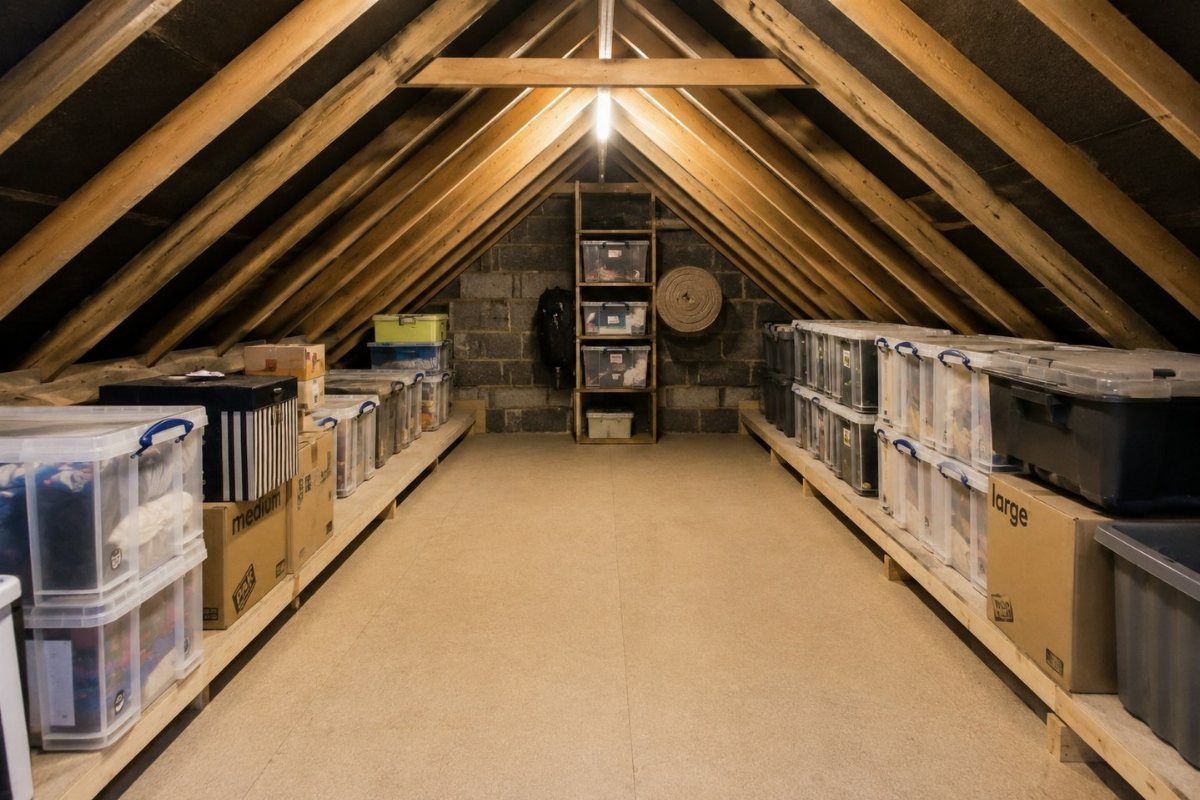
Eaves storage is the attic’s built-in gift, but only if you finish it rather than fill it with plastic bins.
Tongue-and-groove paneling across the angled wall, with a door cut flush to the surface, turns awkward knee-wall space into a closet that looks original to the house.
Bespoke joinery costs more than off-the-shelf wardrobes, yet standard furniture rarely fits a slanted ceiling without leaving dead gaps above.
A local carpenter can build to your exact pitch in a day or two; painted wood costs less, hardwood more, and either way the price climbs with every foot of wall.
For a quicker project, mount simple wooden shelves inside the eaves opening and hang a curtain on a tension rod to hide the contents.
19. Cozy Reading Nook
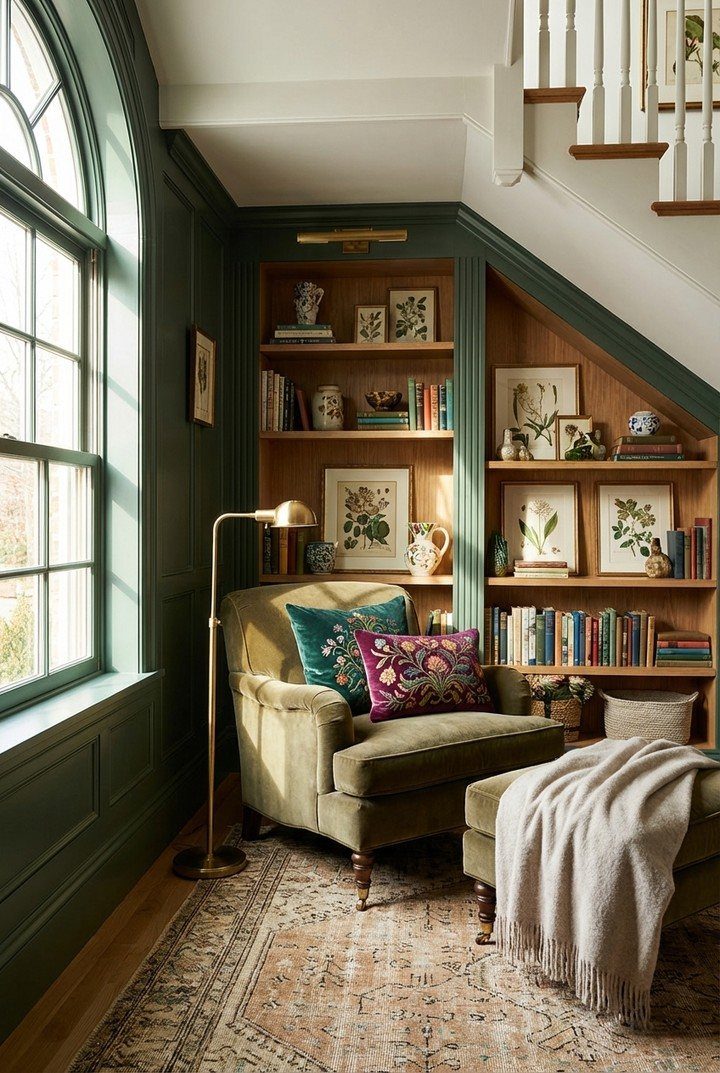
A dormer window or the low spot under a slope is dead space until you give it a job.
I turned one into a reading corner with a secondhand armchair, a floor lamp with a warm, movable head, and a small shelf for the stack of books I was already tripping over.
The lamp matters more than the chair; without focused light, your eyes work harder against the shadows that sloped ceilings cast. Cushions help, but a real task light makes the nook usable past sunset.
Mine gets used most in winter, when the early dark turns it into the warmest spot in the house.
20. Color Drenching
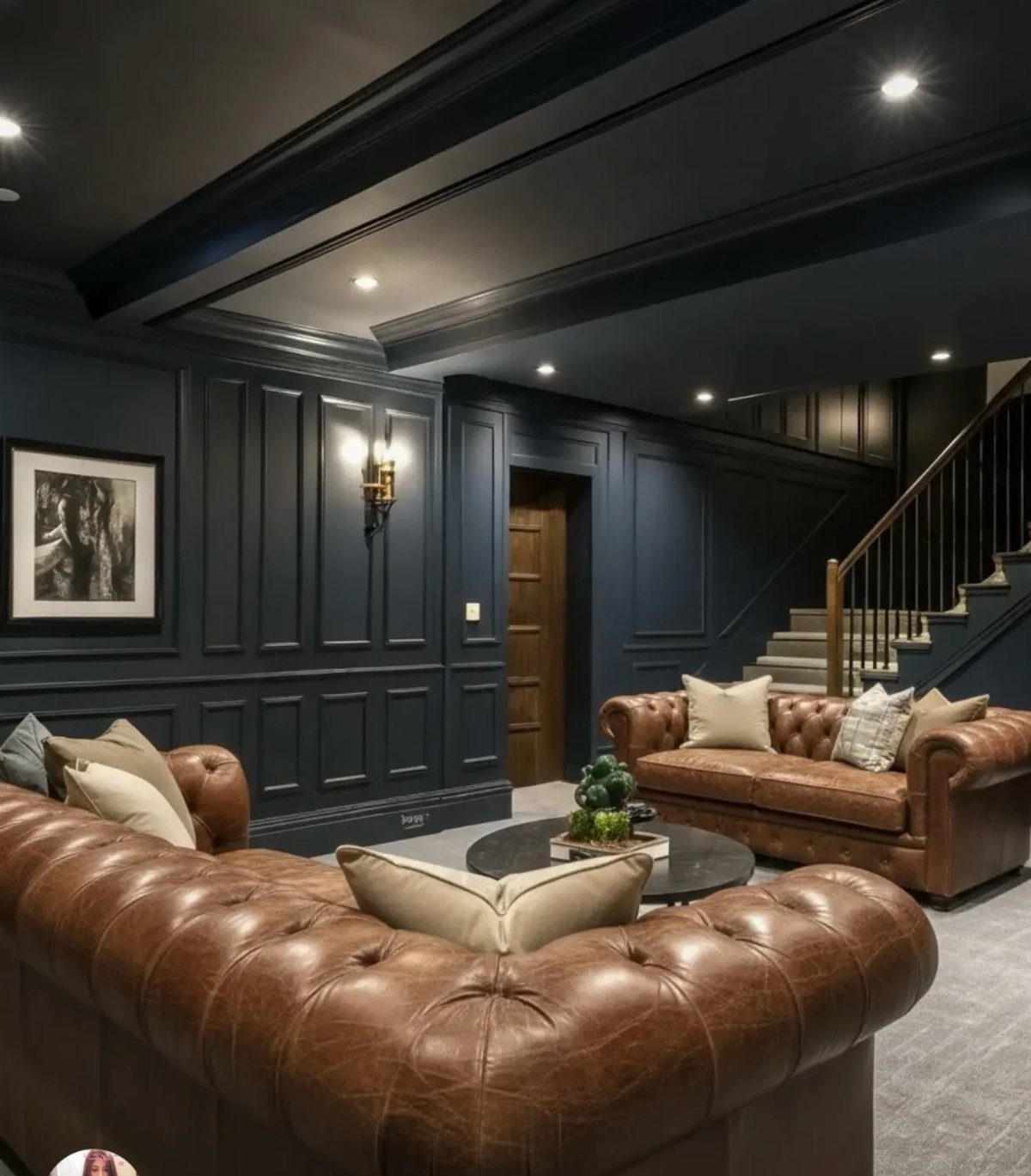
Painting the walls, ceiling, and even the trim in one color erases the hard line where the wall meets the slope.
That line is usually the most awkward visual moment in an attic room, and breaking it up with contrast only makes the ceiling feel lower.
Soft blues and warm neutrals keep the room restful; navy or berry give it weight if you want something bolder.
Navy across every surface, with chairs in the same shade, keeps the eye moving through the room instead of stopping at each edge. One continuous color reads as one continuous shape, and the room feels larger than its measurements.
21. Alcove Beds
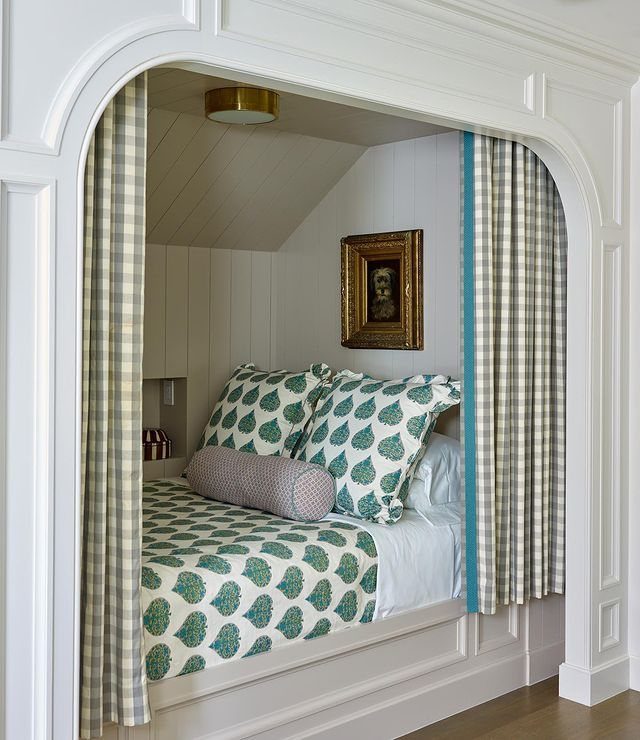
A bed built into an alcove turns the architecture into a feature instead of a problem.
The cutout does half the work of creating a private space; you add a wall light, a small shelf for books, and either a curtain or a well-fitted blind to close it off.
Storage can tuck into the sides or under the platform if you build it that way. Checkered curtains soften the arch, and a bolster against the back wall turns the nook into something that feels finished.
It suits anyone who wants the bed to disappear in daylight, or who sleeps better in a space that feels held.
22. Accent Walls
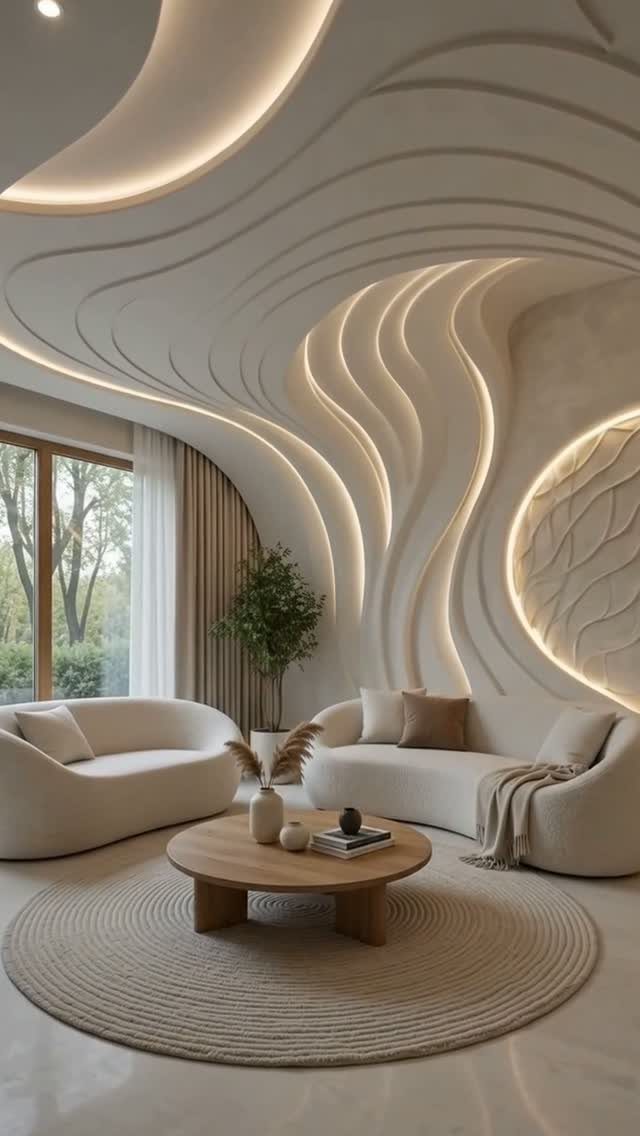
One wall with texture or color keeps a small attic room from feeling busy everywhere. Pick the wall that already earns attention: the one with the chimney breast, the dormer, or the beam you cannot hide.
A wall with an exposed beam carries the feature best; paint the beam to match the wall so it does not fight for attention. Smart lighting aimed at texture does more than general brightness ever could.
This trades away the safety of all-neutral, but it gives the room a reason to be remembered.
23. Use of Mirrors
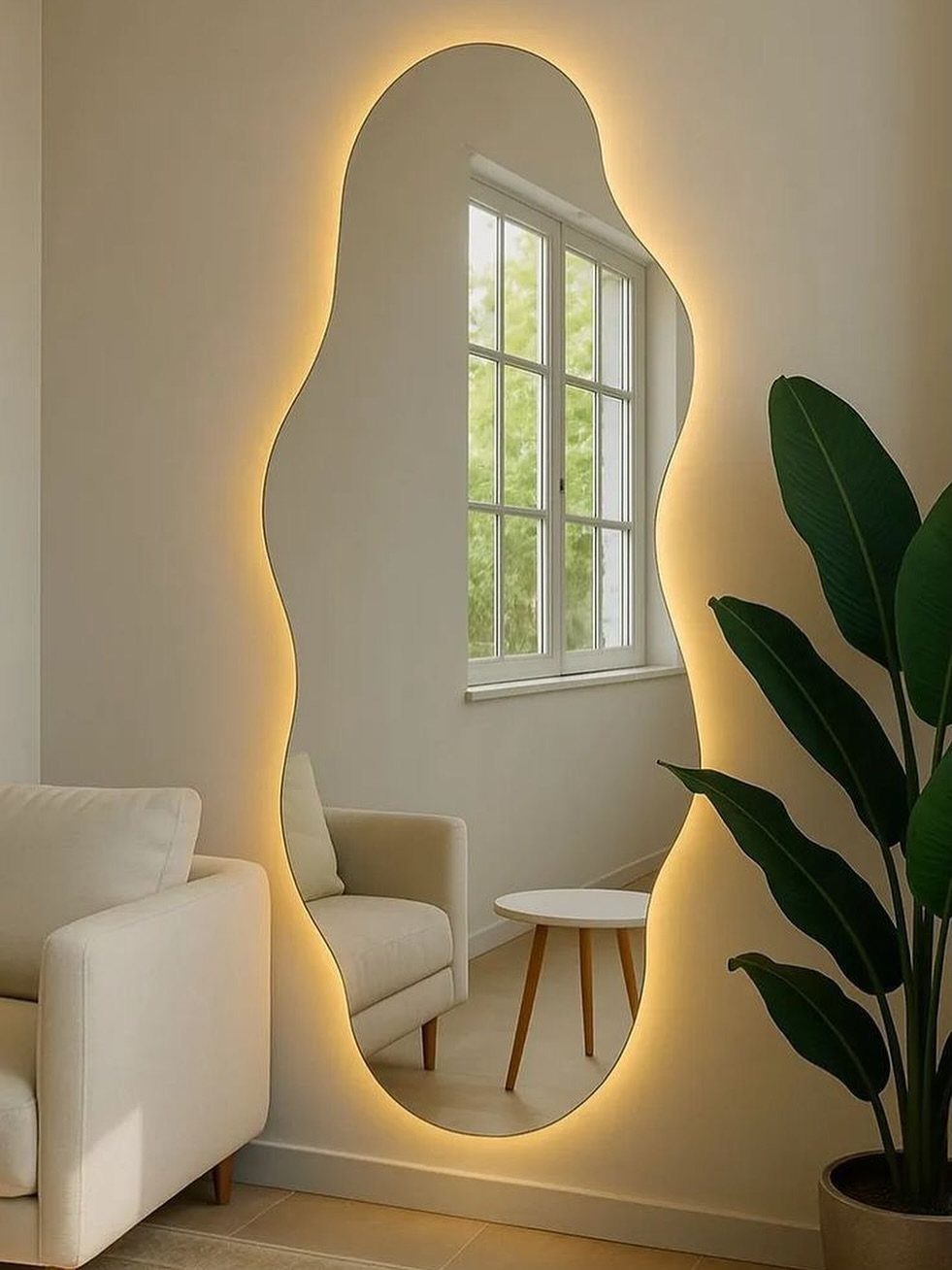
A mirror placed opposite a window doubles the light you already have, and in an attic, you need every bounce you can get.
The wavy, backlit shape above catches the eye first, but a plain framed mirror does the same work for less.
A mirror hung on the wall facing the dormer sends light back into the room; the space feels deeper, and the shadows in the corners soften.
Green plants near the reflection help too, since the mirror doubles their presence as well as the light. Placement matters more than the mirror itself: opposite a window or dormer, where it catches and returns the best light.
Maximizing Space
Built-ins do the heavy lifting in an attic where every inch counts. A knee-wall cabinet tucked into a slope turns dead space into shoe storage or a linen closet without stealing floor area from the bed.
Furniture placement matters more up here than in a standard room. Floating a bed away from the short wall keeps the center open for walking height; the perimeter, where the ceiling drops, handles dressers and desks you use sitting down.
A continuous shelf along the entire ridge beam, high enough to stand under but low enough to reach from a step stool, turns that upper dead zone into storage for books or display pieces.
It held books and baskets for years and cost less than a single standing bookcase that would have eaten 2 feet of width.
Creating Warmth
Layered lighting does more than brighten; it warms. The mix keeps the room from feeling like a single bulb in a shoebox.
Textiles soften what architecture hands you. A wool rug underfoot breaks up hard flooring and gives the room a sense of ground.
I add throws and pillows in soft yellows, dusty pinks, or gentle greens against a light, airy base; the color pops without closing the space in.
White or off-white walls keep an attic from feeling boxed. Warm accents through fabric do the cozy work that dark paint would attempt and fail at under a low slope.





