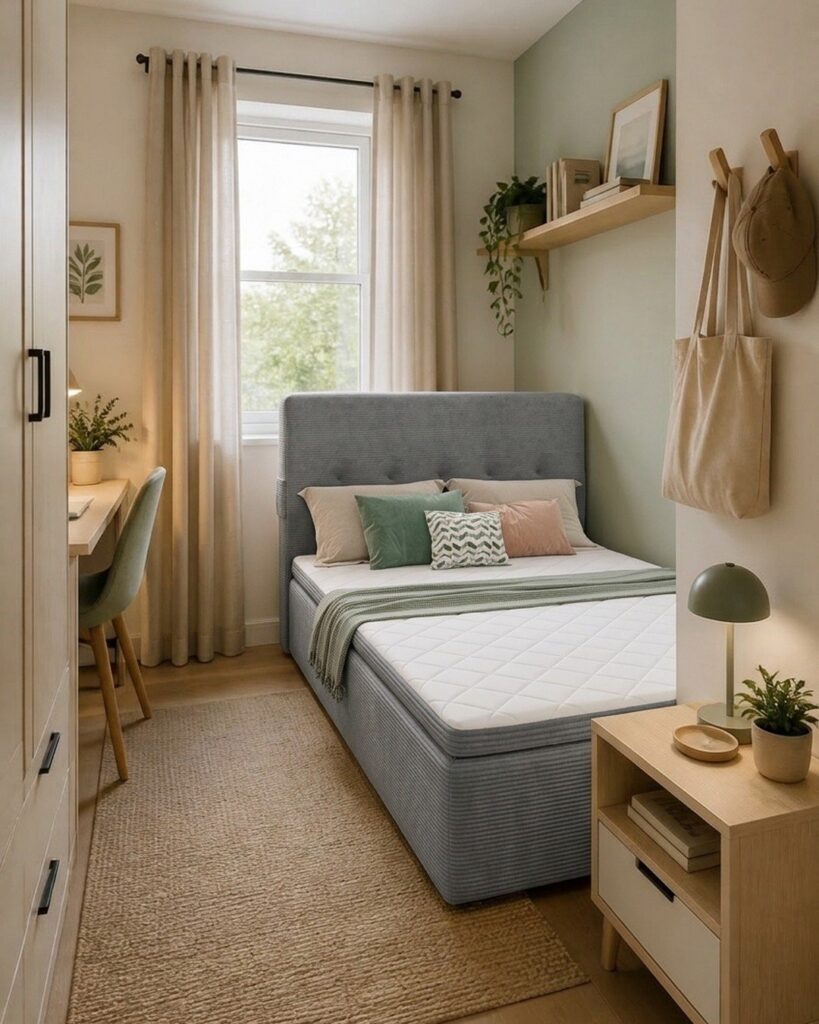
The ideas below run from a weekend layout plan with painter’s tape to a Murphy bed that costs enough to save for, not impulse-buy.
Which one fits depends on whether you rent or own, how many hours you have this weekend, and whether the room needs to work as something else by daylight.
The 18-inch seat height for a window seat came from measuring what actually makes standing up comfortable, not from guessing.
1. Plan Your Layout
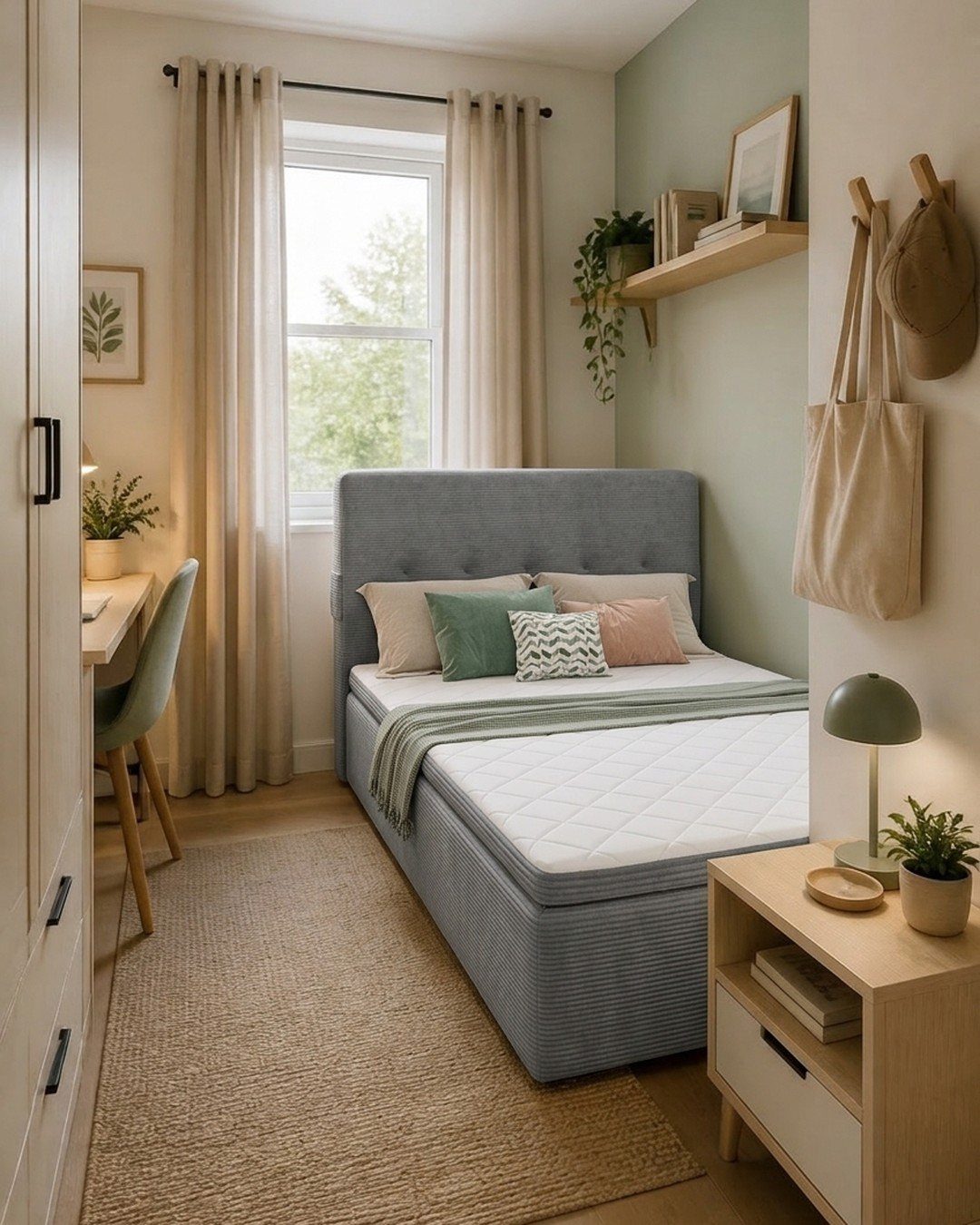
The first thing to do is figure out where the bed actually fits. In a small bedroom, shoving it against the longest wall usually opens up the middle of the room for walking around without squeezing.
Painter’s tape on the floor in the shape of the bed and dresser is the fastest way to test a layout before you commit. That small step saved me from buying a nightstand that would have blocked the closet door.
A corner placement works if you only need access from one side. Skip the second nightstand and use a windowsill for your lamp and phone.
2. Use Vertical Space
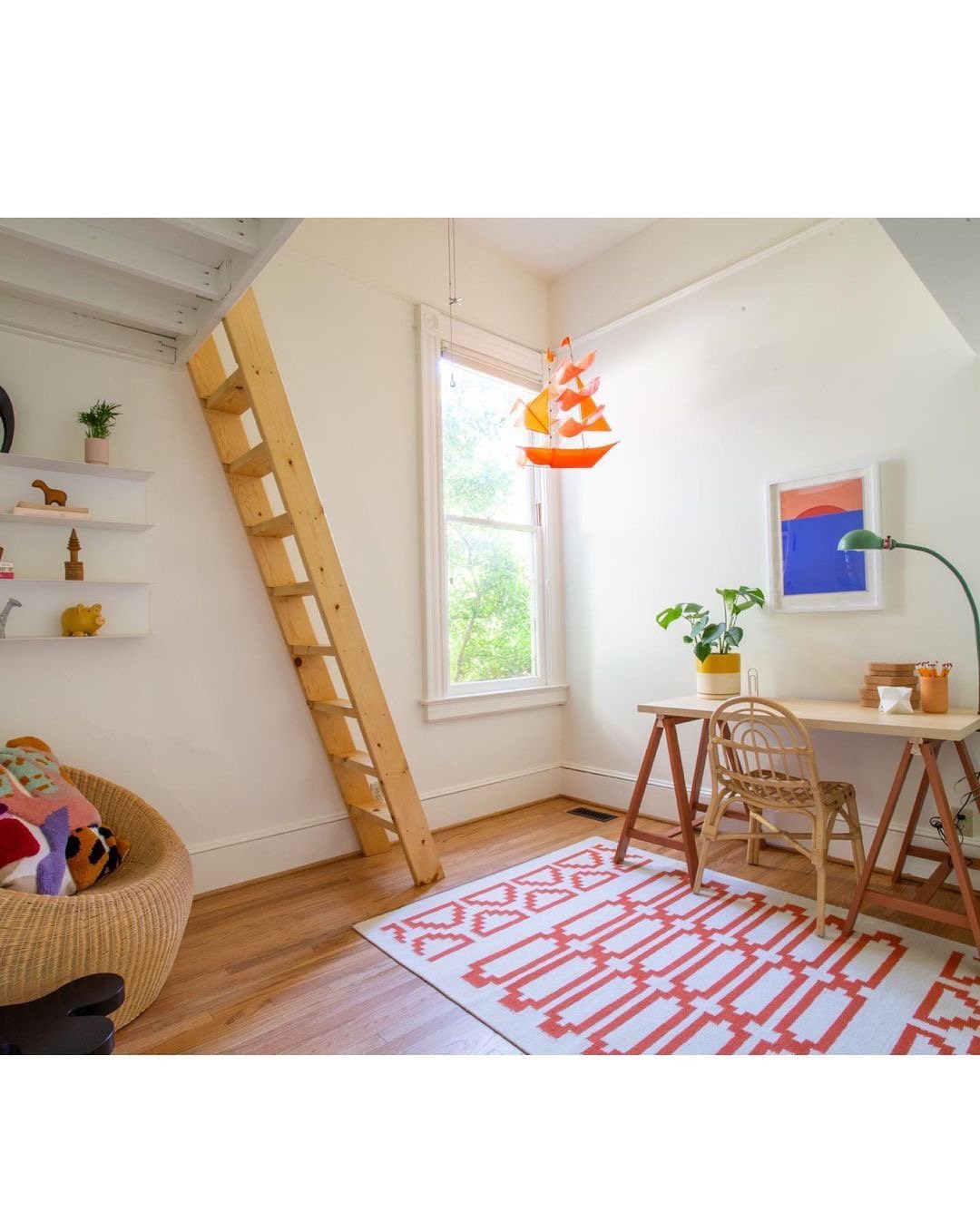
A ladder leaning against a loft is one way to do it, but most renters can get the same effect with tall bookcases or wall-mounted shelves.
Floating shelves above a desk beat a hutch for keeping the workspace open and the wall useful. The whole job takes about an hour with a stud finder and leaves the desk surface clear.
Floor-to-ceiling storage draws the eye up, which matters in rooms with low ceilings. A hanging rail mounted high, above a dresser, gives you closet space without the closet footprint.
Just measure your ceiling height first; shelves too high get hard to reach daily.
3. Light Colors and Mirrors
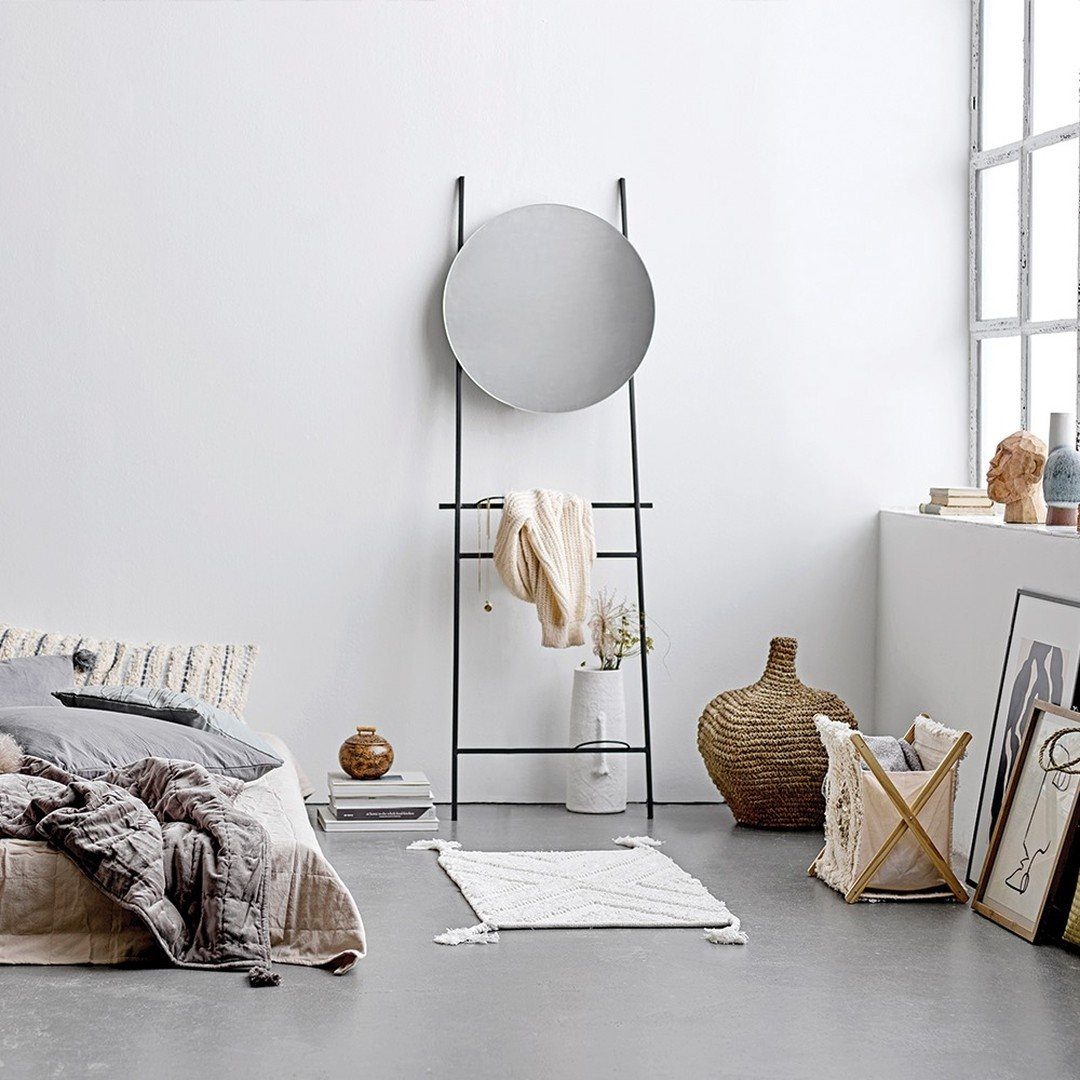
White walls bounce what light you’ve got, and a mirror placed opposite the window doubles it.
A round mirror hung across from the only window bounces light in a way that is immediate, not subtle. The wall read as another opening instead of a dead end.
Stick to whites, beiges, or muted pastels for the big surfaces. Keep the mirror frame thin; thick frames eat the illusion you’re after.
4. Built-In Storage
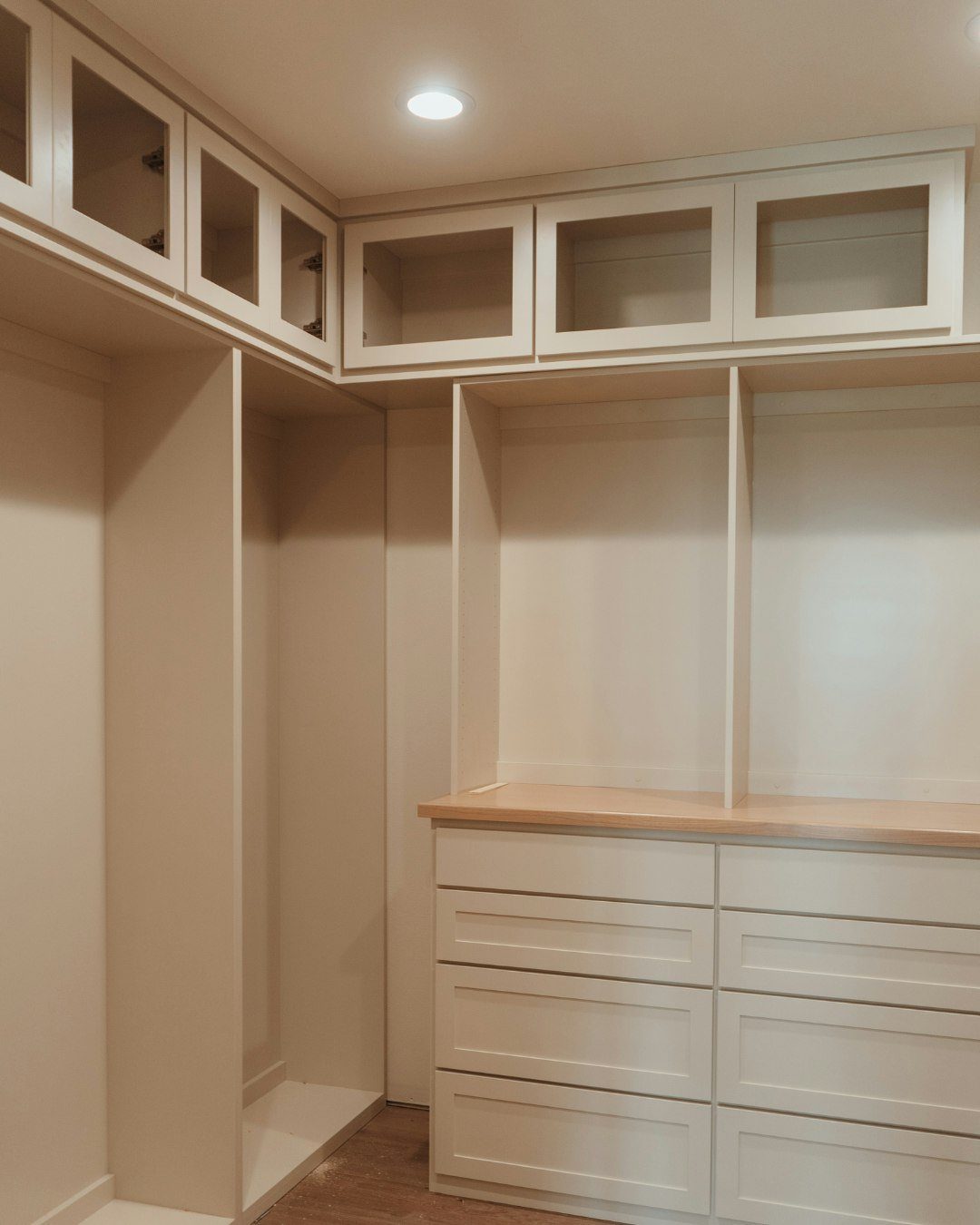
Built-ins look expensive because they are, but the idea behind them is replicable on a Saturday.
Two IKEA BILLY bookcases on their sides, with a pine board across the top, become a window seat with storage below. Upper cabinets, open shelving, and deep drawers swallow everything if you build them in around the bed.
If you rent, look for standalone units that fit wall-to-wall. Measure twice, buy once.
The clean face of built-in storage works because nothing sticks out to catch your hip or your eye.
5. Floating Furniture
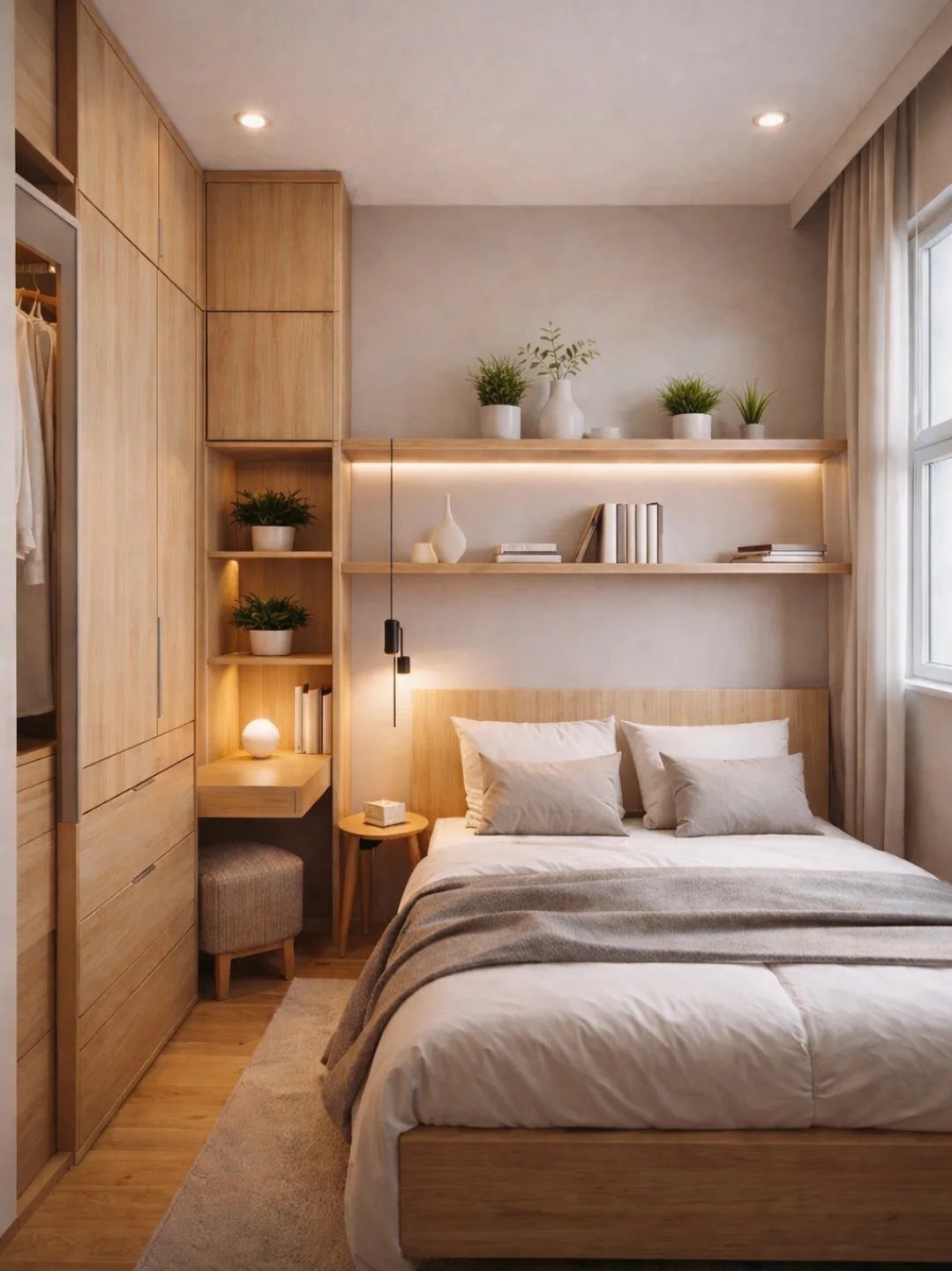
A nightstand that mounts to the wall leaves the floor visible, and visible floor reads as more room.
Long shelves running the full wall, plants instead of clutter, keep the look cleaner than a traditional nightstand. For a desk, a wall-mounted drop-leaf or a simple shelf at 30 inches high gives you a workspace without the four legs.
Vacuuming underneath takes seconds. Check wall anchors; a floating nightstand with a lamp and a full water glass needs real support.
6. Use Under-Bed Storage
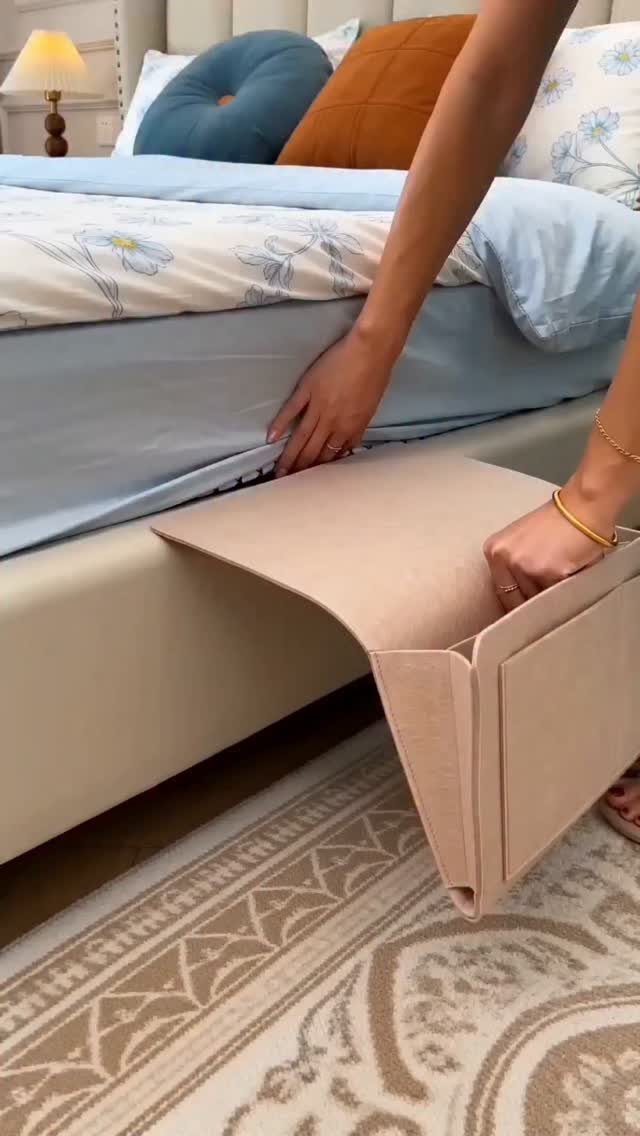
The space under a bed is usually wasted real estate until you put it to work.
I use fabric bins on wheels, the kind with handles on both ends, because pulling one out without crawling is the difference between using it and ignoring it.
Bins sliding under the frame work the same way as rolling carts; either beats letting the space sit empty. If you’re buying a new bed, built-in drawers cost more upfront but look tidier.
With a metal frame, the openness is the point, so choose bins in a color you do not mind seeing.
7. Add a Pop of Color
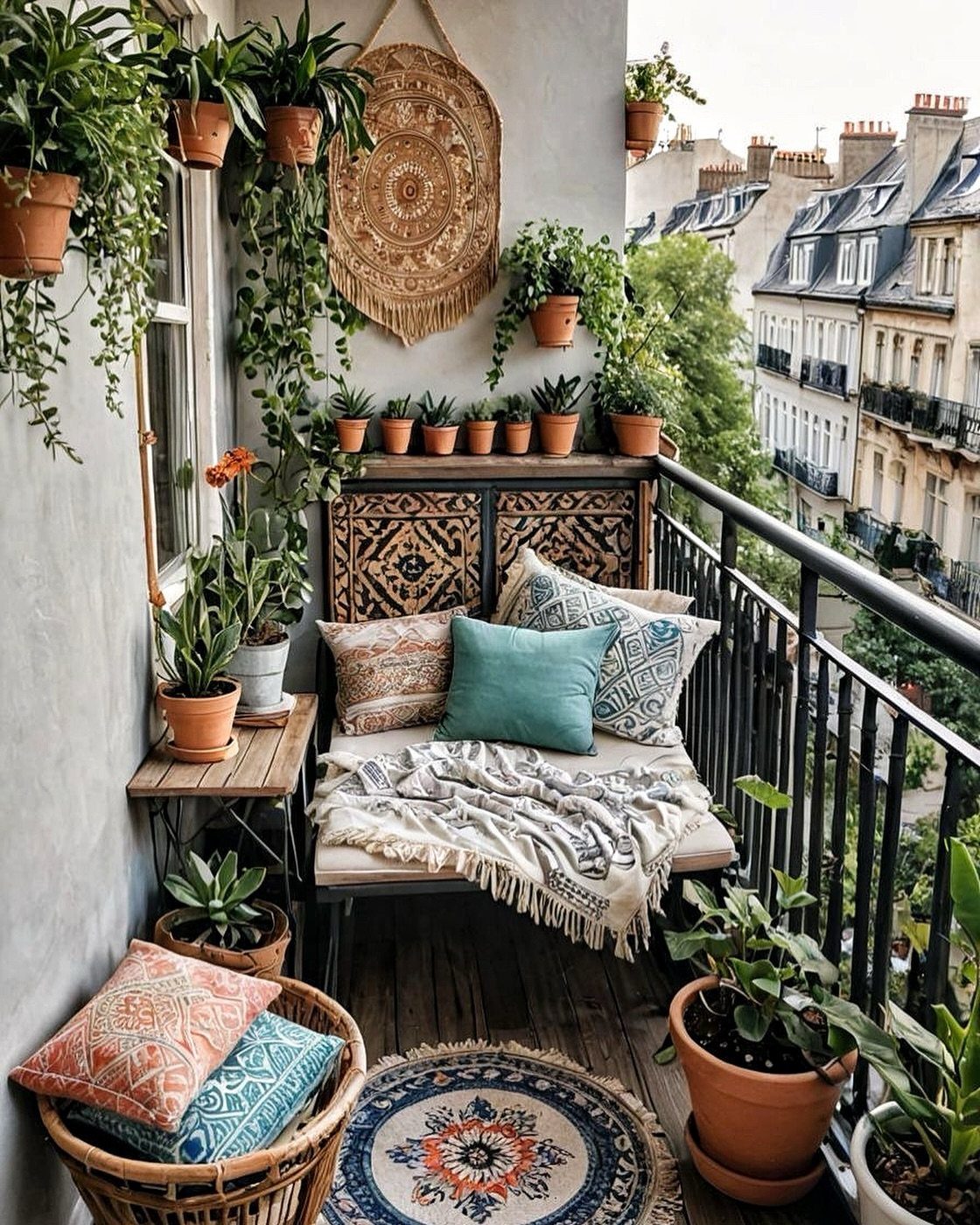
A single saturated pillow or a folded throw in teal can wake up a whole room without touching a paint can. A light base palette lets the accent piece change when the mood does.
A patterned bedspread works the same way, though it costs more and stores bulkier.
This suits renters who can’t paint and anyone whose taste shifts with the season. Color stays in soft goods this way, not structure; for permanence, see the next entry.
8. Add Small Artworks
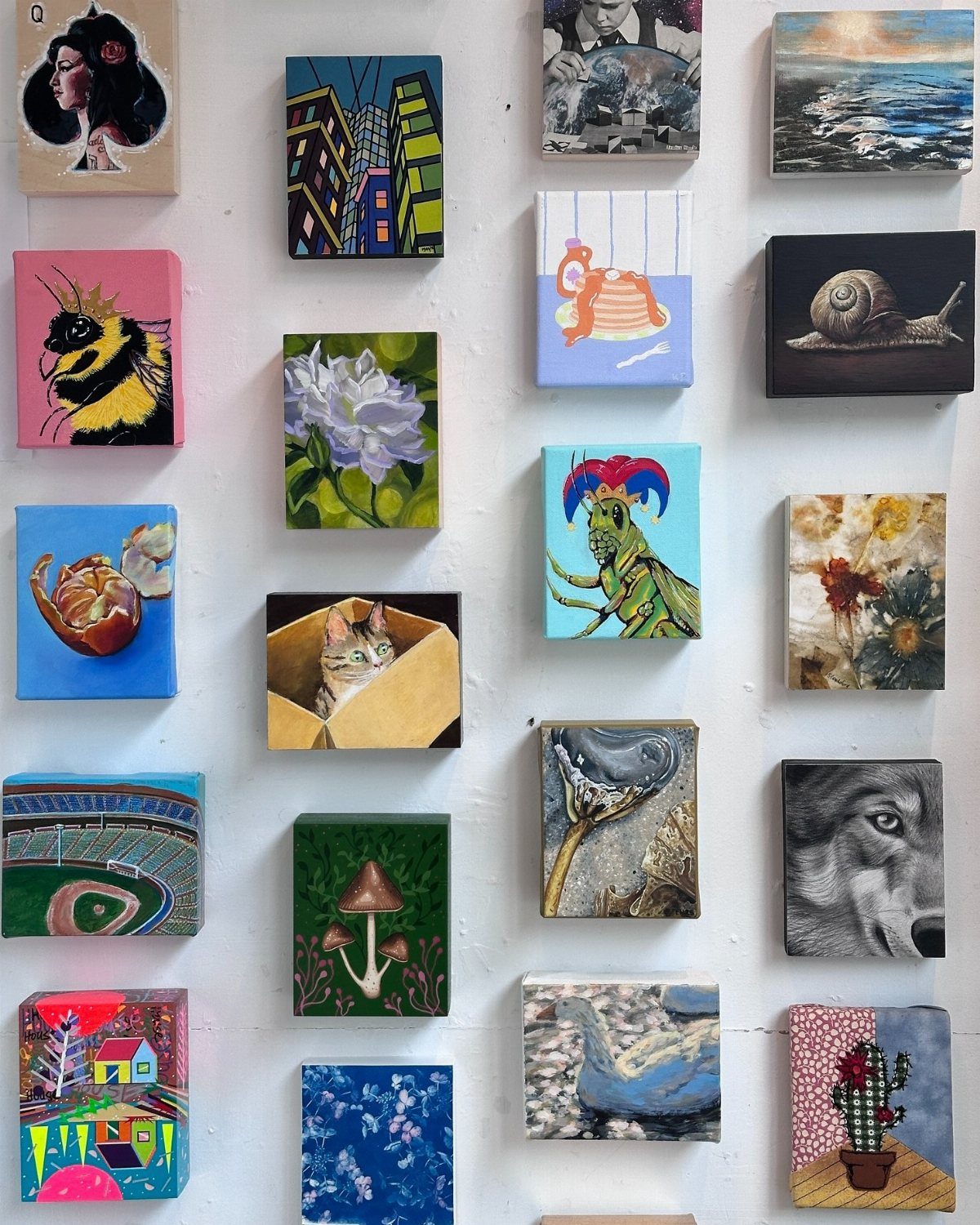
Small pieces pull the eye inward and make a shallow room feel deeper than it is.
I cluster them in an informal grid with a finger’s width between frames, or I line a narrow vertical stack where wall space is tight.
The individual images matter less than the collective rhythm; a mix of subjects, animals beside abstracts, keeps the gaze moving.
This works best when you already own a few pieces you love and the budget is for finishing touches, not a gallery overhaul. One large canvas would dominate the same wall and kill the effect.
9. Color Drenching
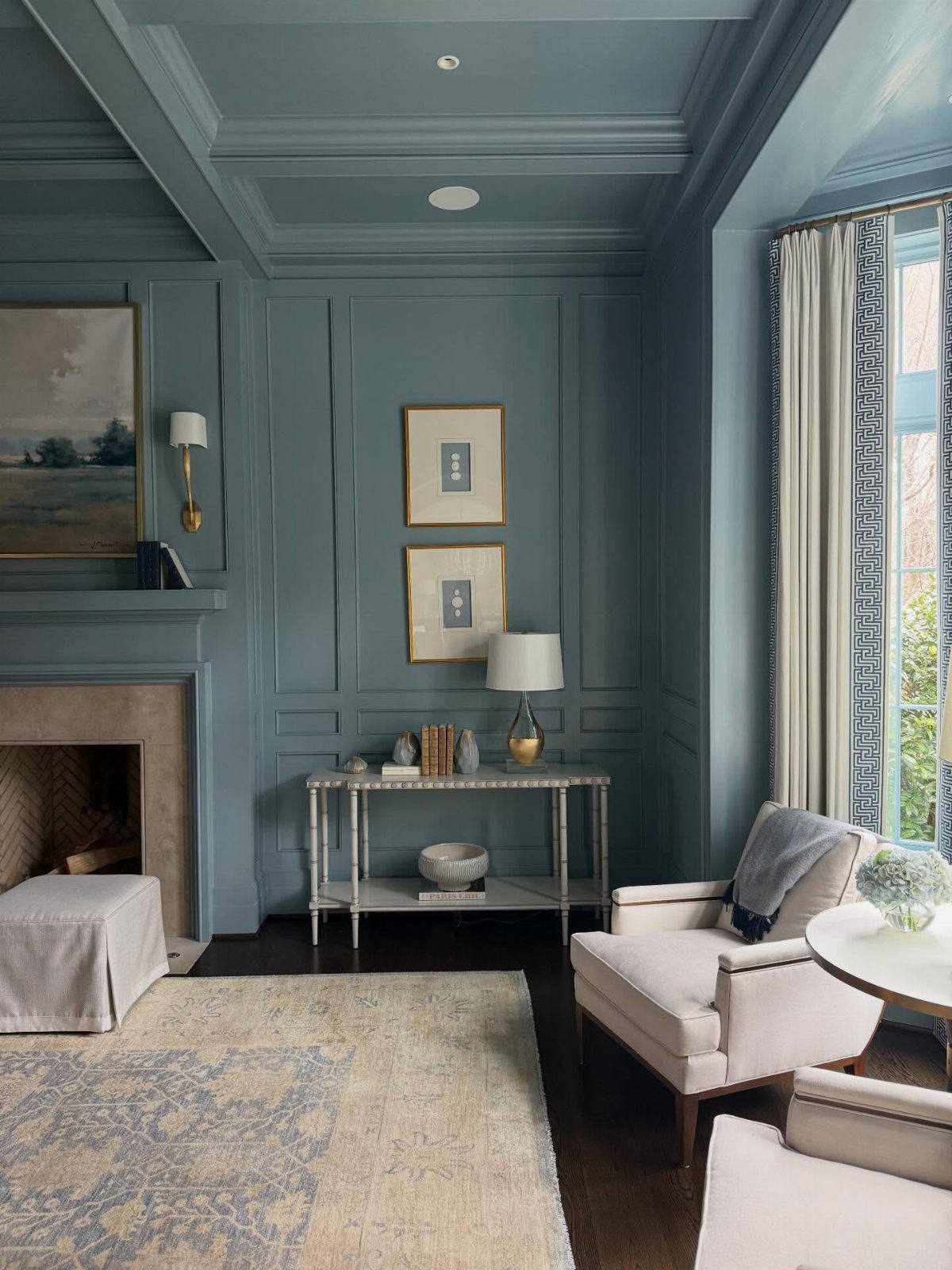
Coating walls, ceiling, and trim in one hazy shade, the way Meg McSherry used her mauve, turns a tight room into something that wraps around you.
I would pick a color with some gray in it, nothing saturated, so the light doesn’t bounce uncomfortably. The bed, in a contrasting tone, becomes the clear focal point without any extra effort.
Painting the ceiling takes longer and uses more gallons than stopping at the crown, but skipping it breaks the cocoon. This one is for people who want intimacy, not airiness, and who can live with the commitment.
10. Get Creative with Your Headboard
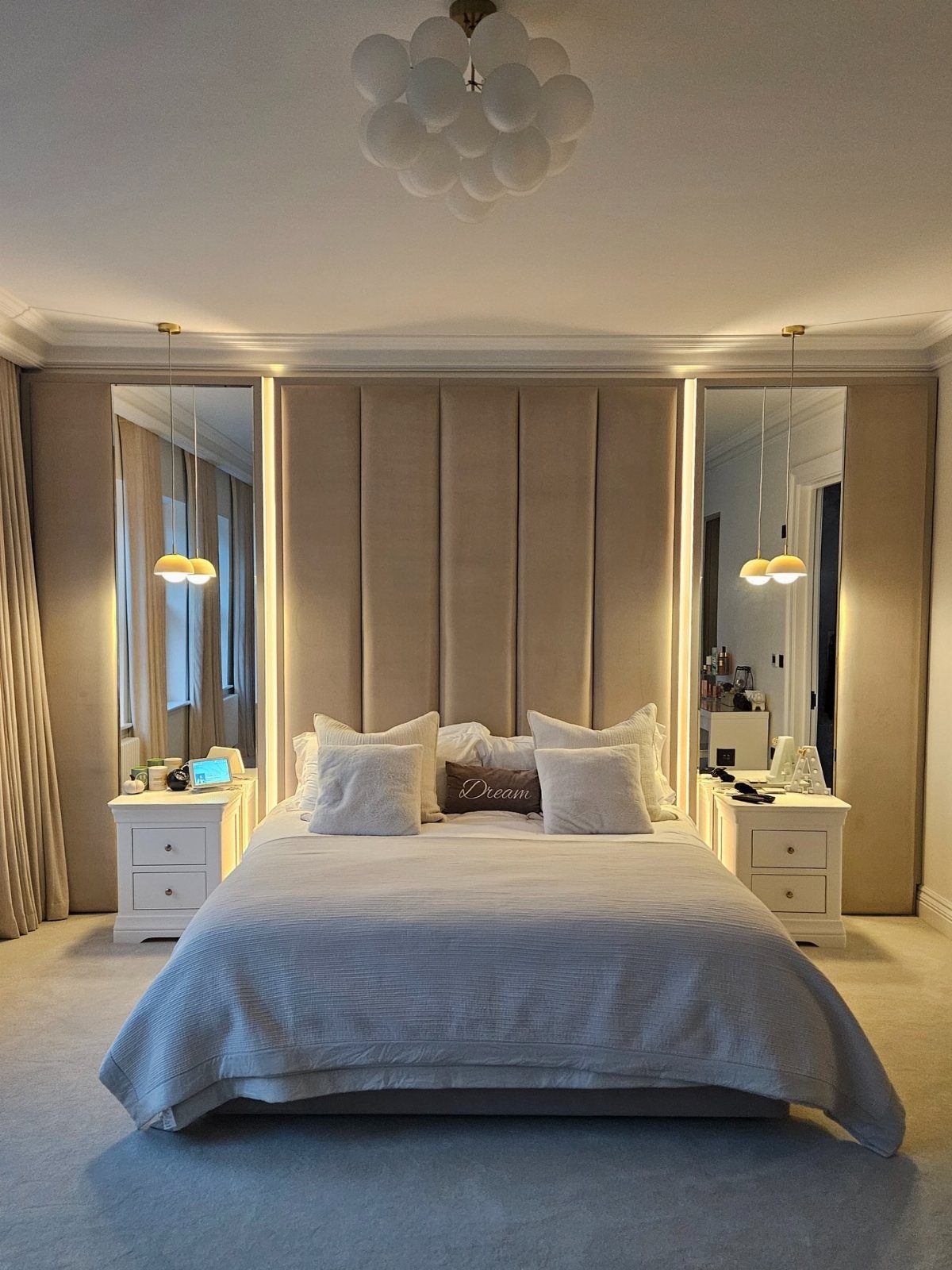
A tall upholstered panel behind the bed, or even a mounted area rug, gives you the presence of a headboard without the depth that steals floor space.
Room dividers with shelving can do the same job, storing books and blocking the wall behind. Stripes or pattern that reach toward the ceiling help, drawing the eye up to whatever vertical space exists.
The slim upholstered option is easiest to source; the wall-mounted rug takes more planning to hang level and secure. Either beats a traditional headboard in a room where every inch of circulation path counts.
11. Minimalist Decor
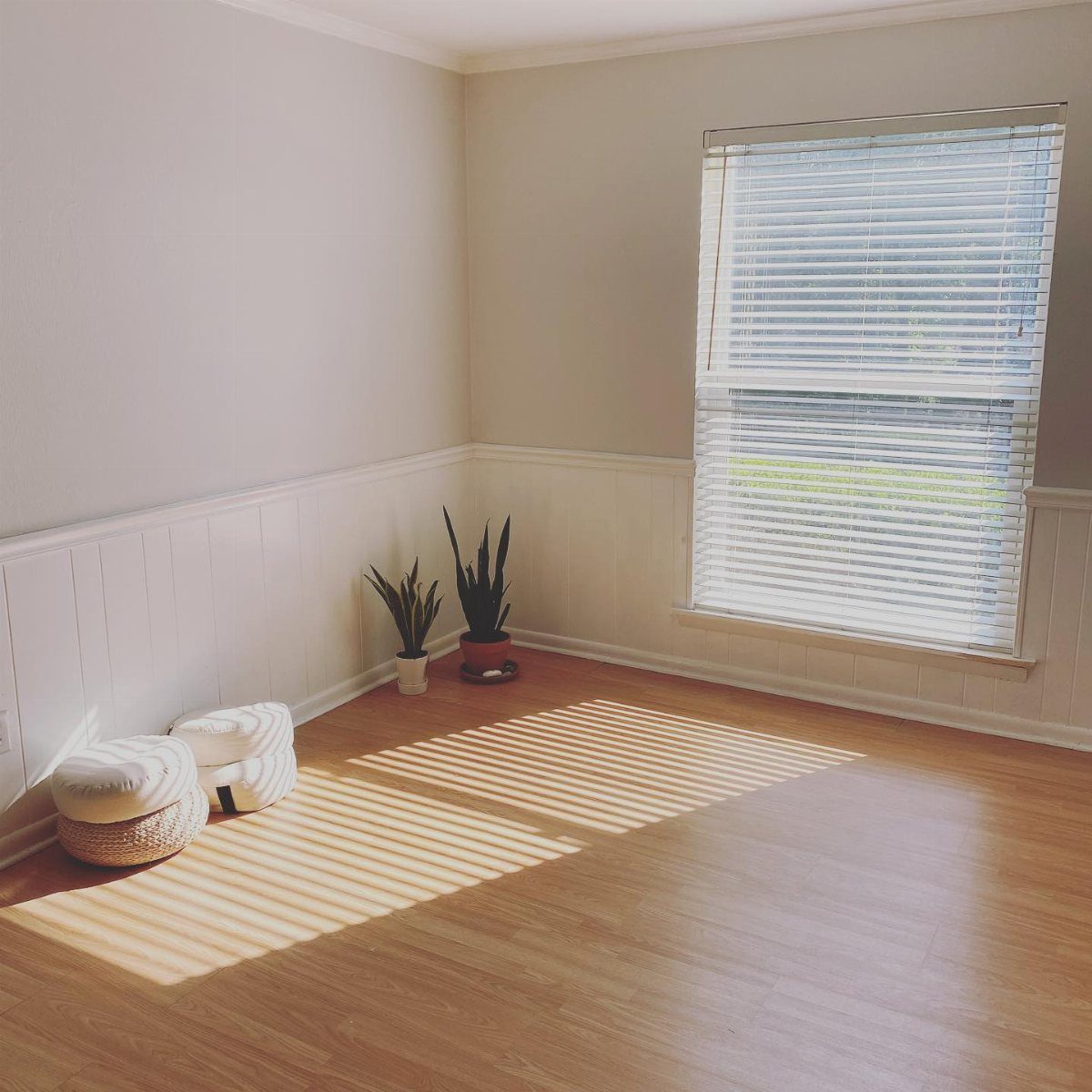
Two small poufs and a pair of potted plants can be enough. I choose pieces that earn their place by doing something, seating that moves where guests need it, a lamp that actually gets used.
Each addition gets a full look before the next one comes in.
This is the antidote to overloading walls and surfaces. The risk is sterility; I avoid it by letting one object have real texture, a woven seat or an unglazed pot, rather than filling the gap with more white.
Annie Downing sees many people try to fit too much furniture into a small bedroom layout. “Instead, focus on functionality: Fewer, high-quality, multifunctional pieces make the space work harder and feel less crowded,” she advises.
12. Use Soft Textiles
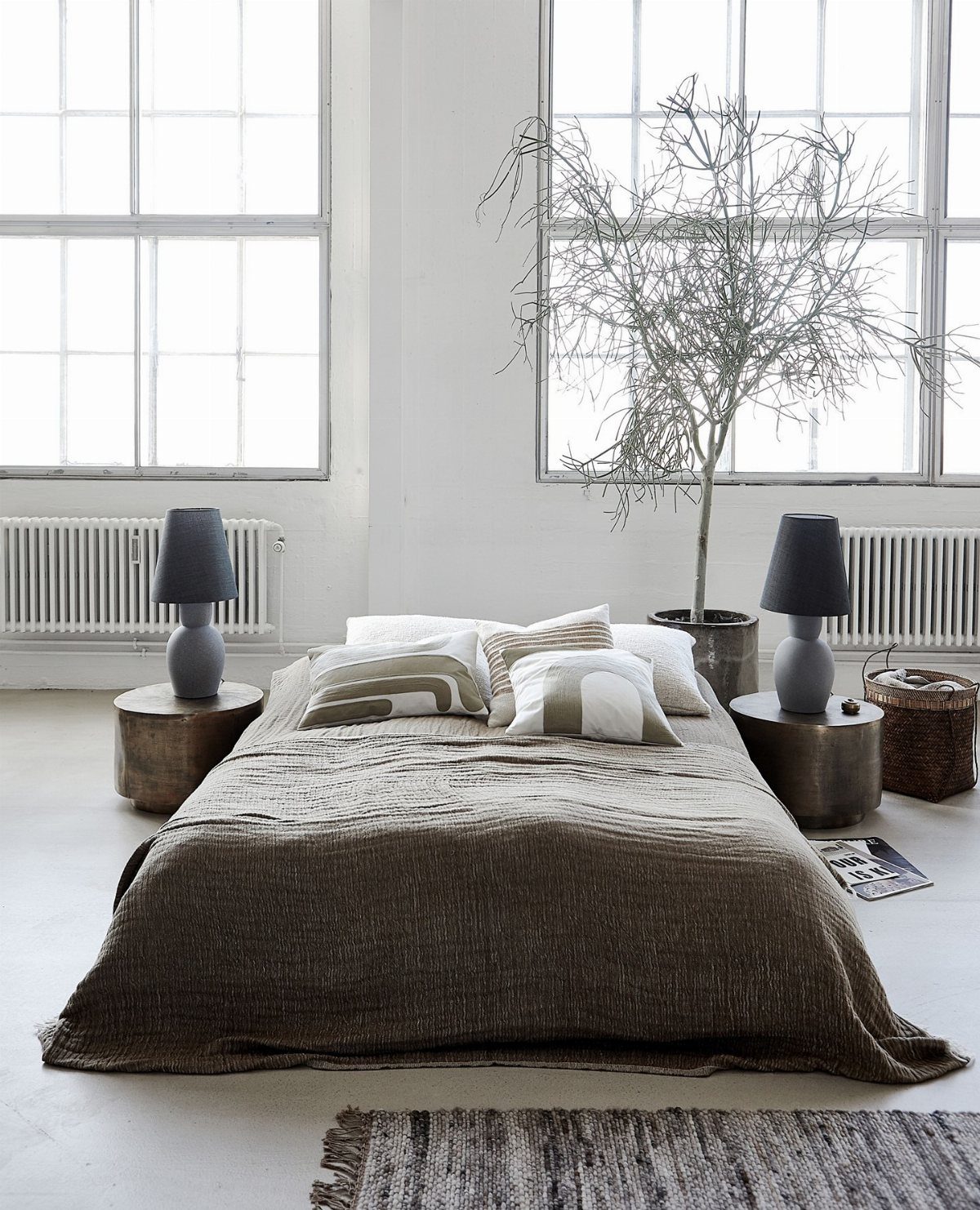
A textured coverlet and mixed throw pillows in warm neutrals add depth without demanding attention the way pattern would. I layer a low-pile rug underfoot if the floor is bare, but I stop before the bed looks piled on.
Light, breathable fabrics keep the room from feeling heavy even with all the softness.
This is the fastest way to make a rental bedroom feel finished, and the most reversible. The cost piles up if you buy all at once; I would start with the coverlet and add pillows over a season or two.
13. Try a Murphy Bed
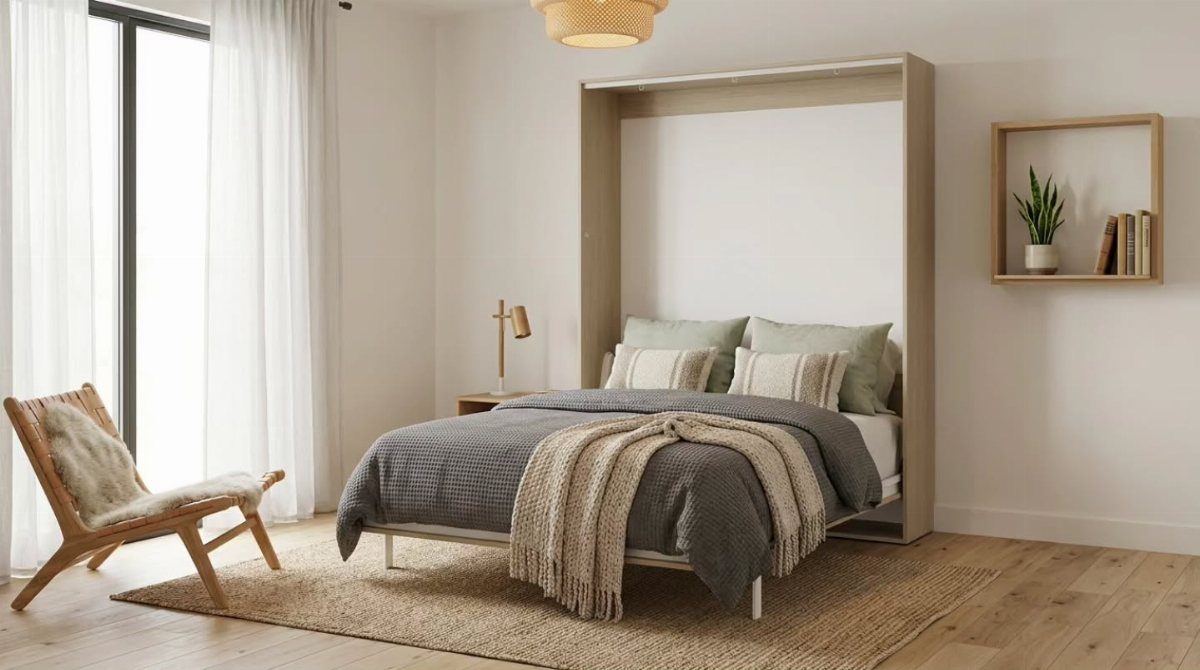
A Murphy bed folds up into the wall or a cabinet, freeing the floor for a desk, a sofa, or a yoga mat until bedtime rolls around again.
A Murphy bed in light wood with neutral bedding folds down into something that looks built for the room, not bolted onto it.
A wall bed from a company like Clei costs enough that you will want to plan for it, not impulse-buy it on a Saturday.
Custom shelving painted to match the surrounding wall helps it read as built-in furniture rather than a contraption. I’d only go this route if the room genuinely serves two purposes daily, not just once a year when relatives visit.
The comfort trade-off is real: even the better ones never feel quite like a standard mattress on a real frame.
If you host guests quarterly or less, a good air mattress stores flatter and costs far less.
14. Add a Window Seat
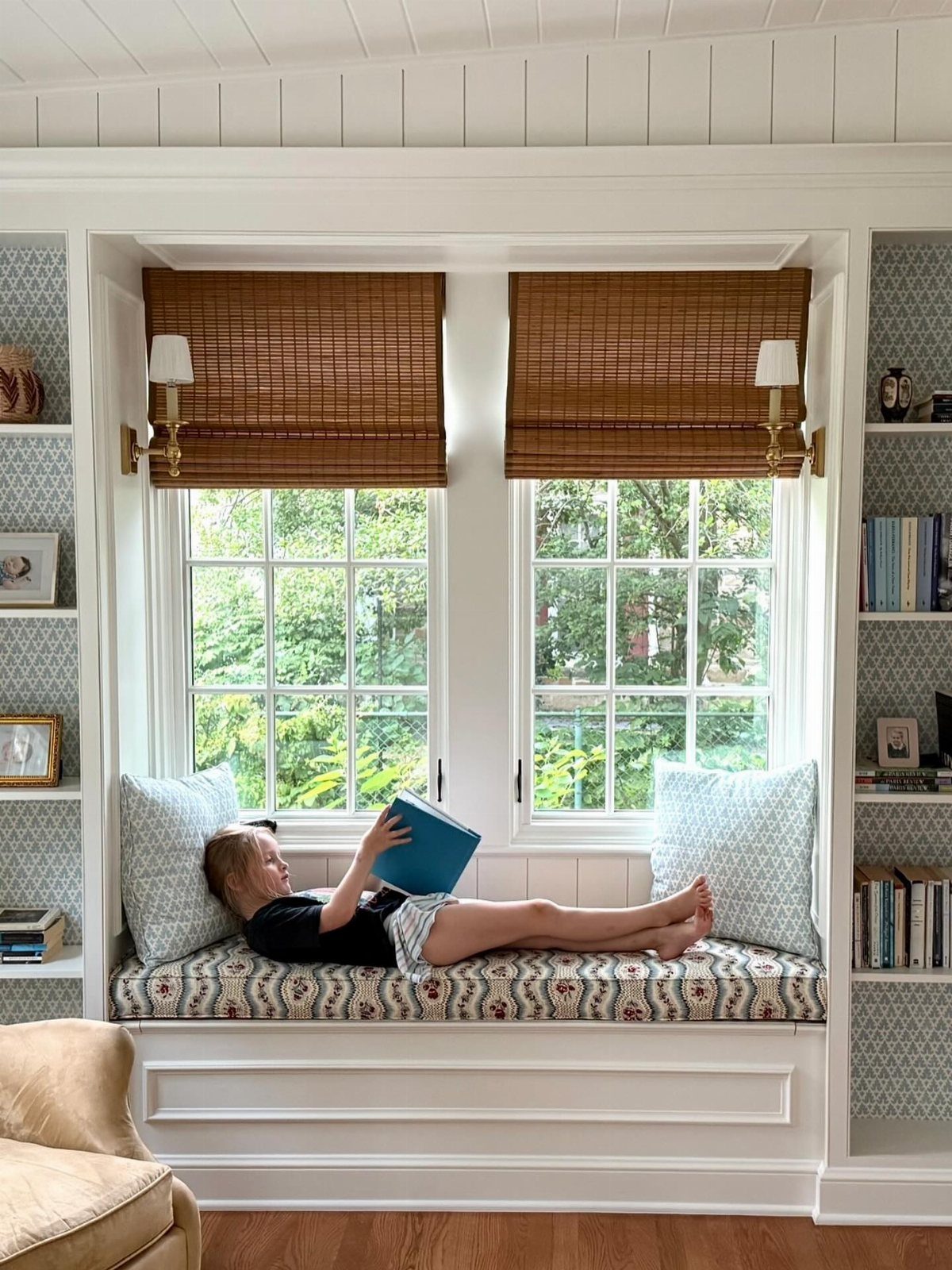
A built-in window seat turns the one spot in a small bedroom that usually goes unused, the space under the window, into a reading nook that also swallows clutter.
Flank a window seat with bookshelves or cabinets and the space starts earning its keep.
Natural woven shades with drapery panels on top, like the bamboo and fabric combo here, frame the seat without crowding it. The seat height should hit about 18 inches for comfort; anything lower and standing up gets awkward.
Lauren Morgan, who designed a similar setup, said getting clear on how the space would actually be used made the difference between a pretty corner and a functional one.
If your window sits above a radiator or lacks the depth for bookshelves on both sides, a simple bench with a hinged lid still gets you the storage without the carpentry.
Maximize Natural Light
Sheer curtains filter light instead of blocking it, and that difference matters in a small room.
I hang them as close to the ceiling as the window frame allows, which pushes the eye upward and lets more daylight reach the floor.
A mirror placed opposite the window catches what comes through and sends it back across the room.
A mirror hung across from a window sends daylight into corners a lamp would never reach, and the bigger the glass, the farther the light travels.
Natural tones keep the calm going. Oak floors with warm undertones pair well with whites and beiges that have a little cream in them.
A single mustard pillow is enough to pick up the gold from the wood without breaking the quiet mood.
Keep It Organized
Built-in storage costs more upfront than freestanding furniture, but it earns the space back. A wardrobe recessed into the wall eats no floor area; drawers under the bed replace the frame and box spring.
I would rather have one good built-in than three pieces I have to walk around.
Every item needs a home before it enters the room. That rule sounds strict, but it keeps surfaces clear, and clear surfaces read as square footage.
Tall shelving keeps daily clutter off the floor and leaves the center of the room clear for walking through.
Multifunctional pieces are the backup plan. A desk that works as a vanity saves the second piece.
Low-profile legs on whatever remains leave more wall visible, which tricks the eye toward higher ceilings.
Use Color Wisely
Light walls are the safe base, and in a small bedroom I treat them as necessary, not boring. Pale walls, whether warm white or soft gray, bounce daylight around instead of soaking it up.
The airy feel is the goal; the color itself is almost incidental.
One accent is enough. A single throw pillow in cobalt, a bedspread with a small geometric print, or one painting above the headboard adds personality without crowding the room.
I stop at one or two pieces. More than that, and the room shrinks back down.
Bassett’s 2026 color direction runs toward warmer neutrals with subtle depth. If I were choosing paint this year, I would look at their mid-tones for that single accent wall and keep the rest in the pale range.
Create a Cozy Atmosphere
Soft textiles do the work of making a small room feel finished.
A woven throw across the foot of the bed, a low-pile rug under bare feet in the morning, linen curtains that move slightly when the heat kicks on: these details add warmth without adding bulk.
Layered lighting matters more than wattage. A bedside lamp for reading, a small sconce for ambient glow, and the natural light from the window give three levels to choose from.
I avoid a single overhead fixture; it flattens everything and leaves corners in shadow.
Plants or natural wood add texture that reads as calm. A small oak shelf, a stone coaster on the nightstand, one trailing pothos on a high shelf: these ground the room without cluttering it.
The goal is a space that feels held together, not decorated within an inch of its life.
Frequently Asked Questions
What is the best way to layout a small bedroom?
The longest wall usually wins for the bed because it leaves the center clear for moving around. Painter’s tape cut to your furniture dimensions lets you map traffic flow before you commit.
Tucking the bed into a corner means one side stays against the wall, and a windowsill lamp beats a second nightstand for floor space.
What are some trendy ideas for small bedrooms in 2026?
Warmer neutrals with subtle depth, natural wood tones, and color used sparingly in soft goods. Bassett’s 2026 direction points to mid-tones for a single accent wall while the rest stays pale.
A mustard pillow against oak floors, a single geometric print on the bed, or a wall-mounted rug as headboard keeps personality high and clutter low.