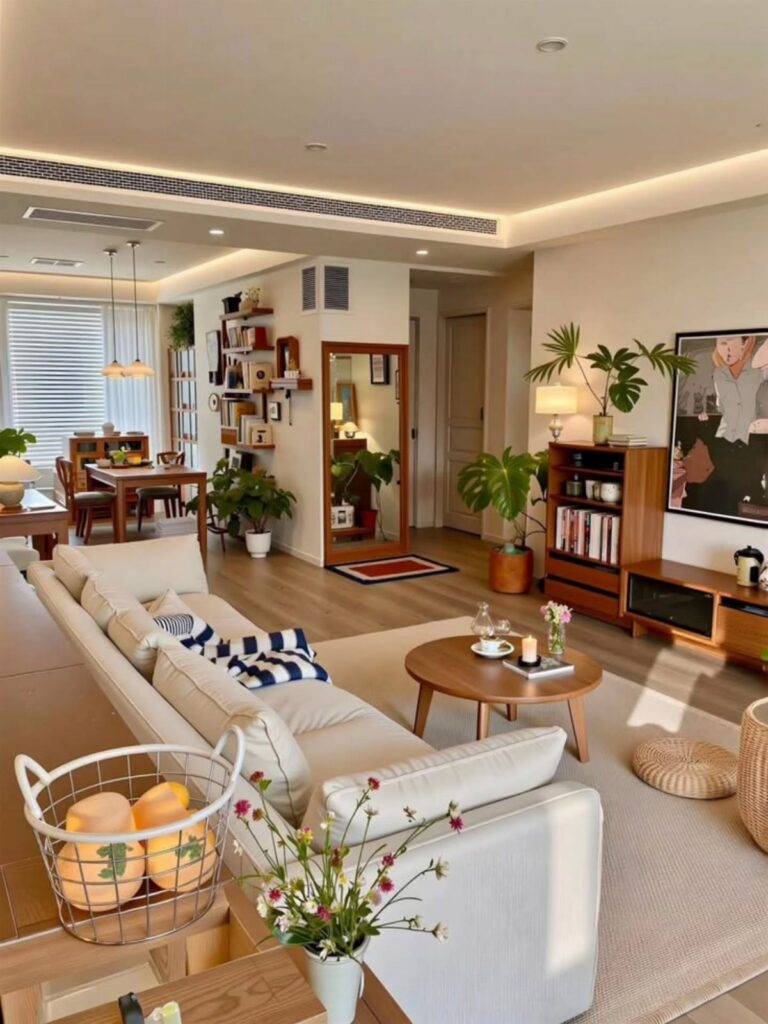
These ideas run from swapping in a warmer bulb to layering two rugs under a secondhand find, and the right one depends on whether you are fixing a room you just moved into or one you have stared at for years.
1. Warm Lighting
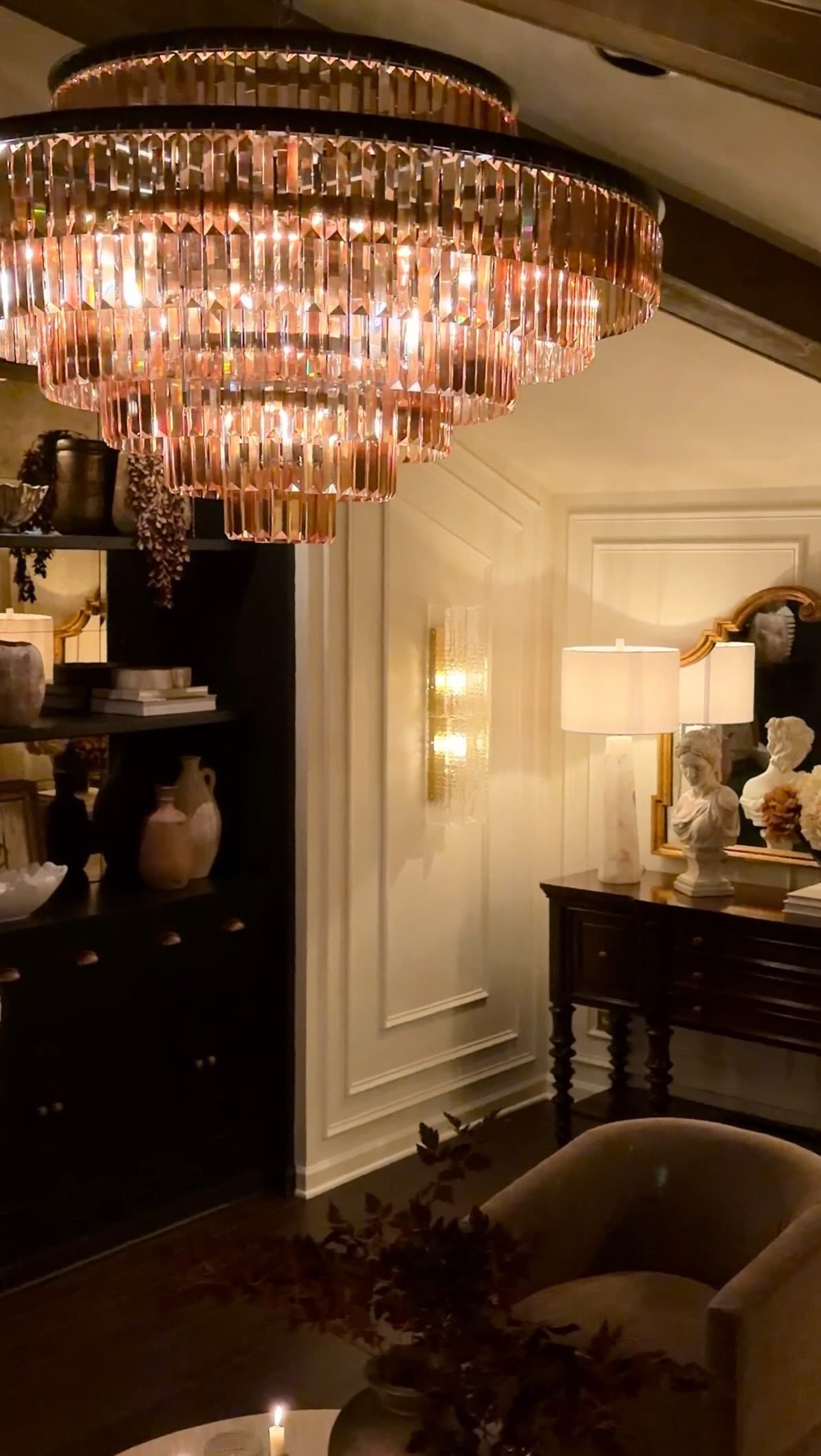
A single overhead fixture flattens everything; three or four light sources at different heights give a room its depth back.
I start with what I already have, then add a floor lamp in the corner the ceiling light never reaches, a table lamp on the side table, and a few candles where someone might actually sit.
Dimmable bulbs matter more than the fixture itself; swapping standard switches for dimmers is the first upgrade I would make on any lamp.
Metallic finishes reflect rather than absorb, so brass or bronze bases stretch the light further than matte black. Winter evenings are the test: if I can read comfortably without squinting at the page, the layering is right.
2. Comforting Colors
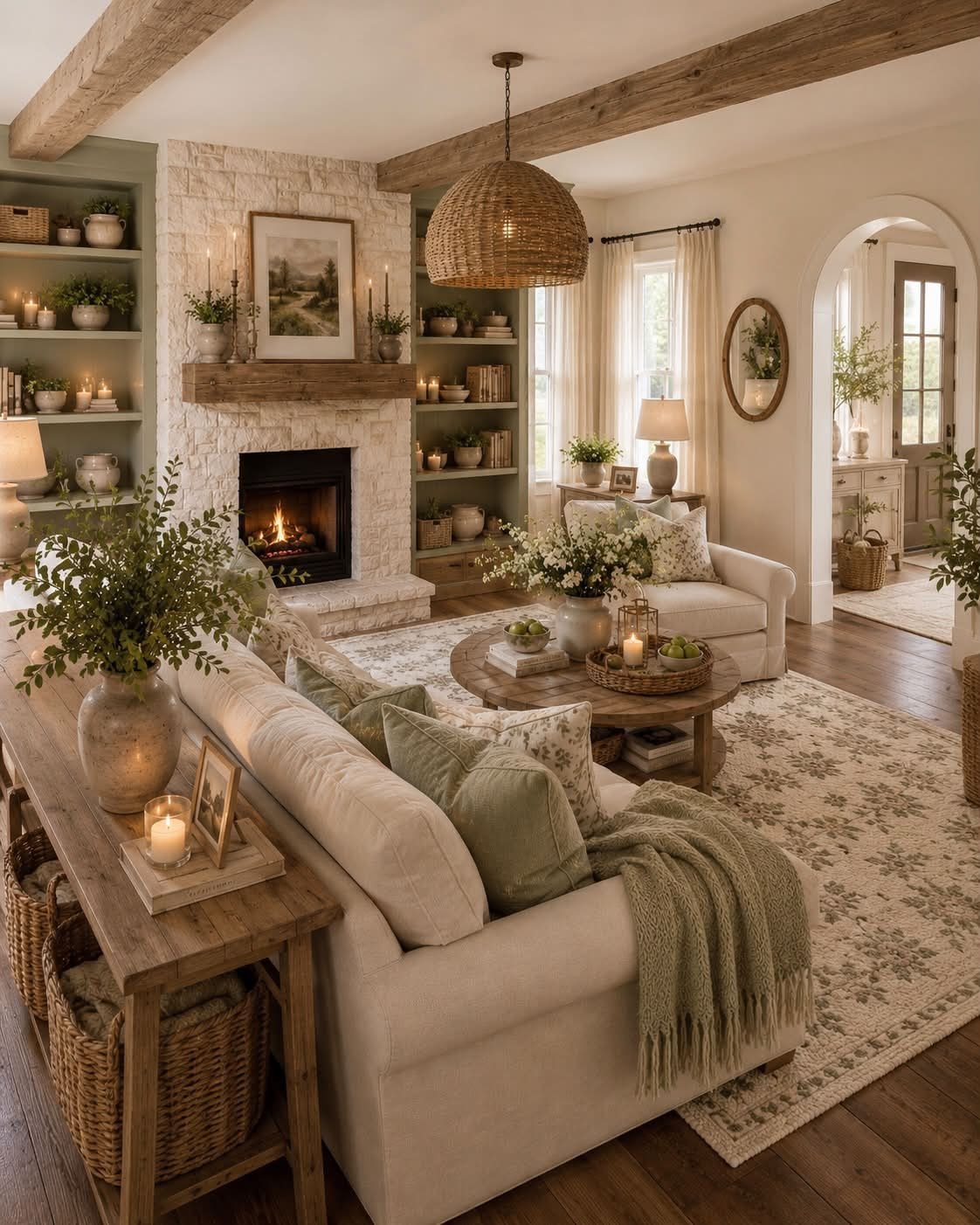
Warm walls do more than half the work of making a room feel lived-in. I lean toward terracotta, caramel, or the muted end of olive green, colors that look slightly different as the daylight shifts.
A cream sofa against warm gray walls, with a tan leather chair and one sage accent, gives enough variation without demanding a designer’s eye for coordination.
Small rooms actually reward going bigger on color; a single strong story reads as intentional rather than cramped. Green pillows and a knit throw pick up what stone and wood already suggest, so nothing fights.
3. Layer Textures
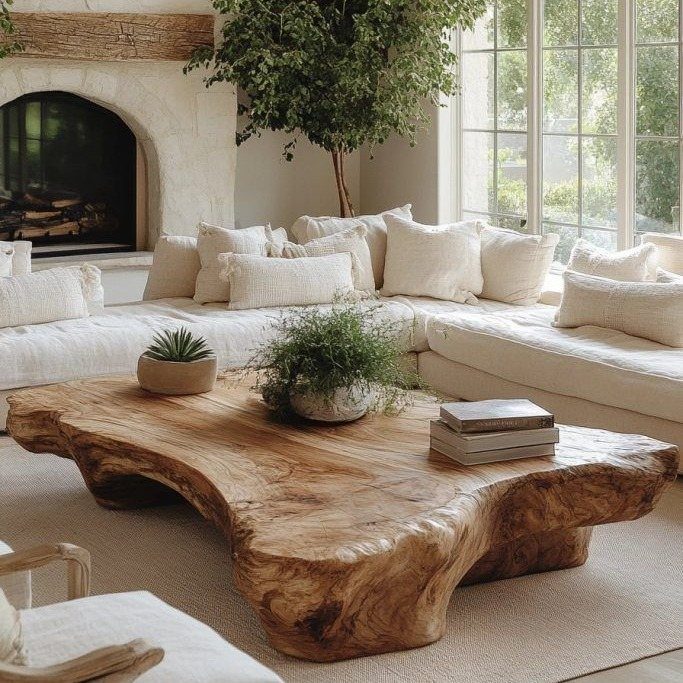
Texture is the difference between a room that photographs well and one you actually want to sink into.
A live-edge table anchors the space; around it, build with a chunky knit throw, linen curtains that move when the heat kicks on, and velvet cushions that catch light differently from every angle.
Starting with a neutral base and layering in natural materials keeps a textured mix from feeling staged.
Bouclé and nubby wool read as inviting from across the room; buttery leather and faux fur are the accents that make someone want to touch. I avoid matching sets.
Two pillows from the same store, same collection, same fabric, and the whole sofa looks like a display.
4. Comfortable Furniture
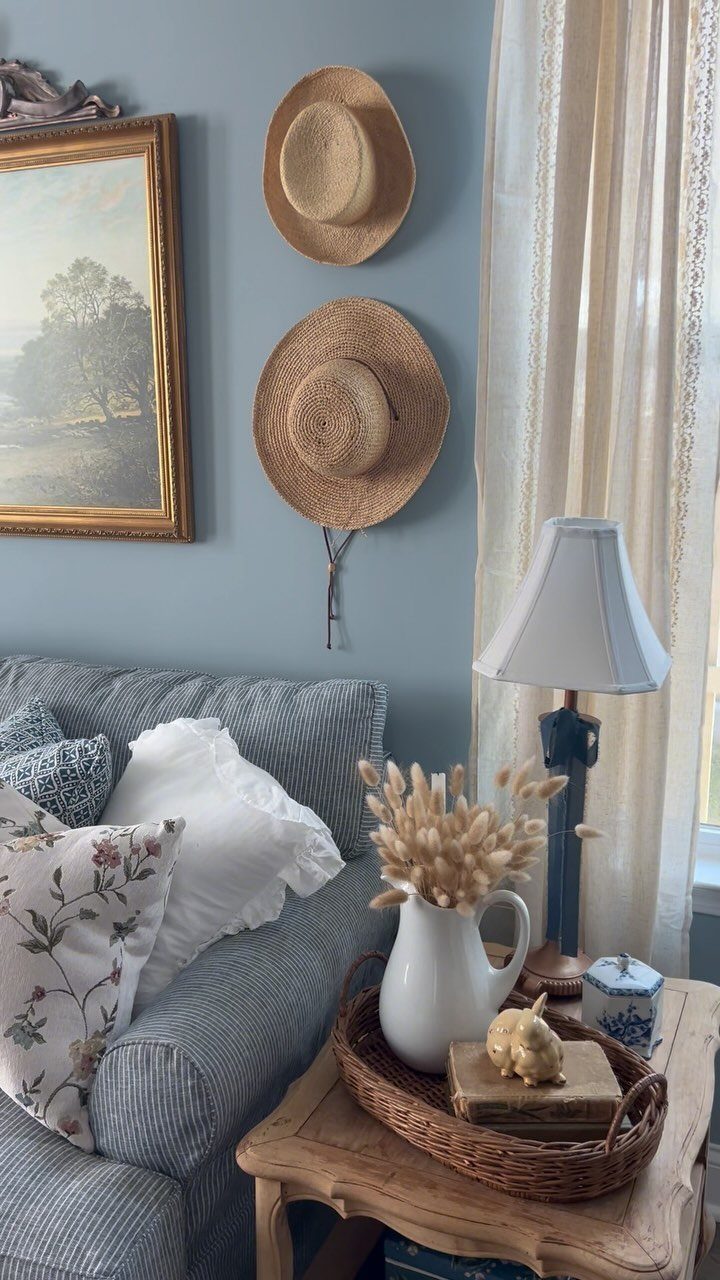
The right sofa invites slumping. I look for low-profile shapes with seat depths over 22 inches, which is the threshold where I can actually pull my legs up.
Oversized armchairs work the same way; a barrel chair across from the sofa, with a coffee table close enough to set down a mug without leaning, creates a pocket that feels separate from the rest of the room.
A showroom piece can look generous yet sit too shallow for real comfort; posture-grade depth and Sunday-afternoon depth are two different things.
The proportions on a good sofa run substantial enough to ground the wall, relaxed enough that floral pillows do not feel like dress-up.
5. Personalized Art
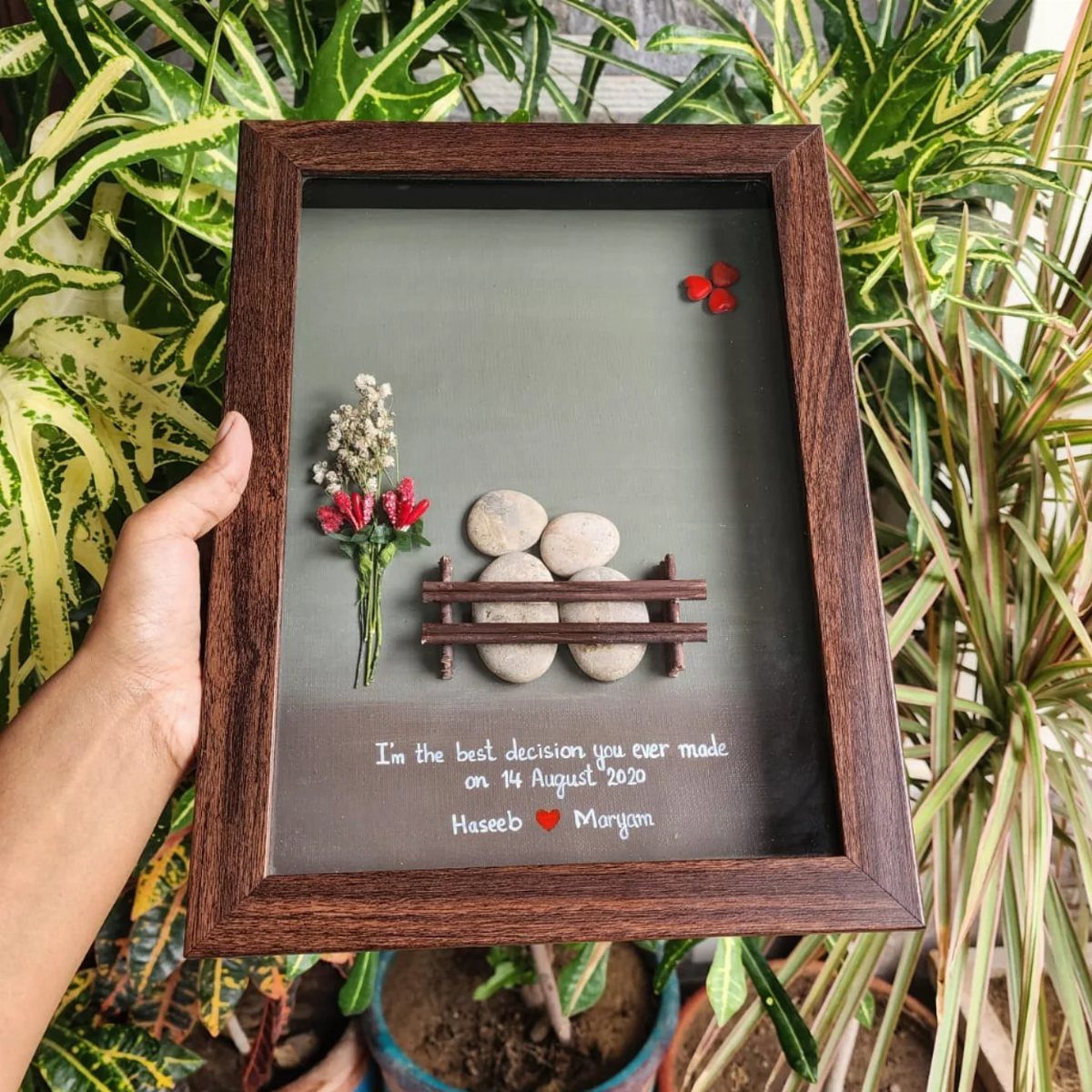
One large piece beats a wall of small frames for impact, and it costs less in total than a gallery’s worth of mats and glass.
A stone-and-flower arrangement carries a kind of personal weight no print from a big-box store manages; pressed pieces from your own yard, mounted simply and given breathing room, do the same.
Odd numbers group more naturally than even, so three items on a mantel or one dominant piece behind the sofa.
Mixing frame finishes reads casual, uniform reads deliberate; I choose based on whether the rest of the room needs loosening or tightening.
Small stools placed where they face the art, not the television, pull double duty for extra seating and signal that the piece matters.
6. Cozy Rugs
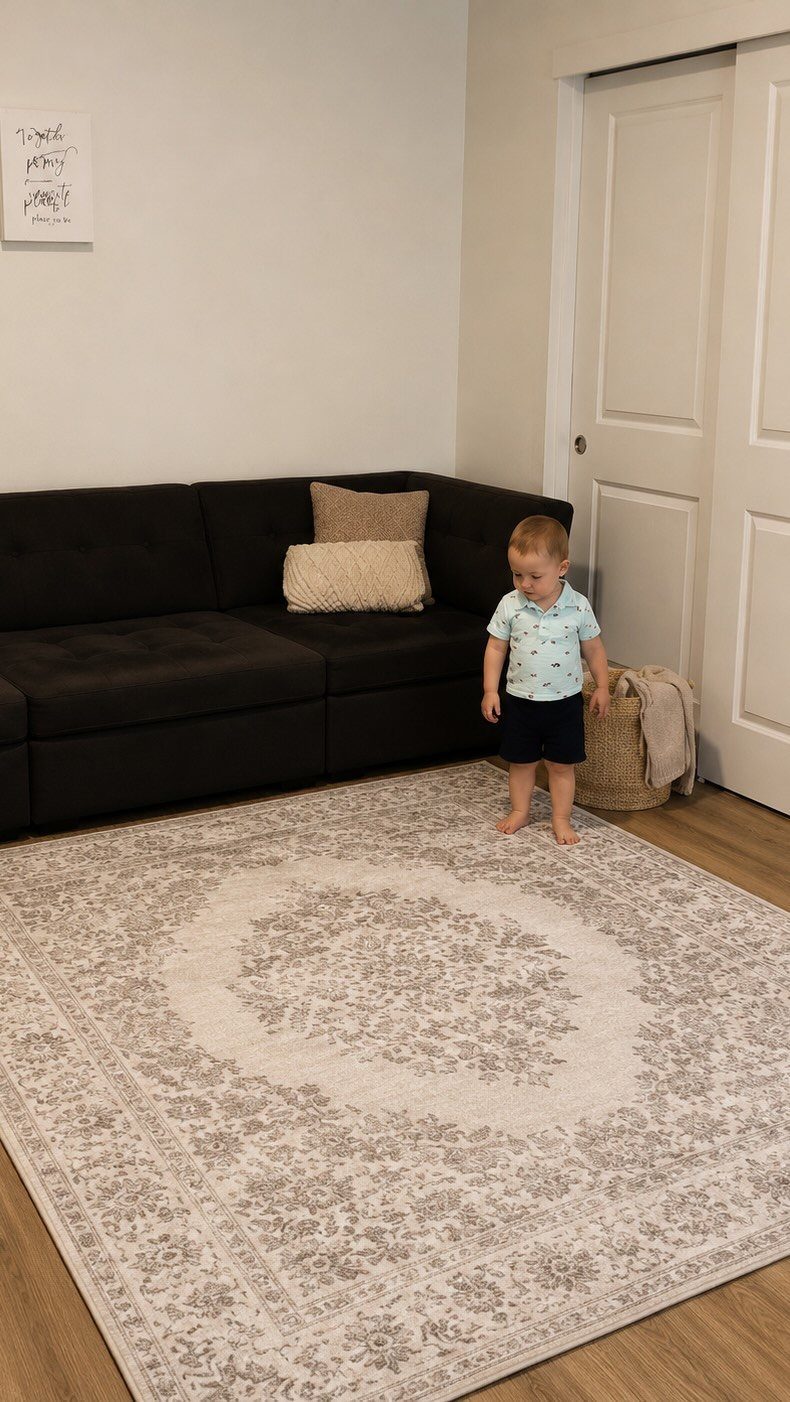
Hardwood without a rug is a stage, not a room. I place the sofa so its front legs rest on the rug, which sounds like a small thing until you try walking across the gap barefoot at midnight.
Shag or extra-long pile adds the most physically, though checking cleaning instructions before committing saves regret; some silklike fibers spot-wash poorly.
A thick, patterned rug passes the test you only think of when you need it: small feet stand stable on it.
For a conversation pit, the whole sofa sits inside the rug’s edges, and the size jumps accordingly; I budget for 8 by 10 feet minimum when I am covering that much ground.
7. Layered Rugs
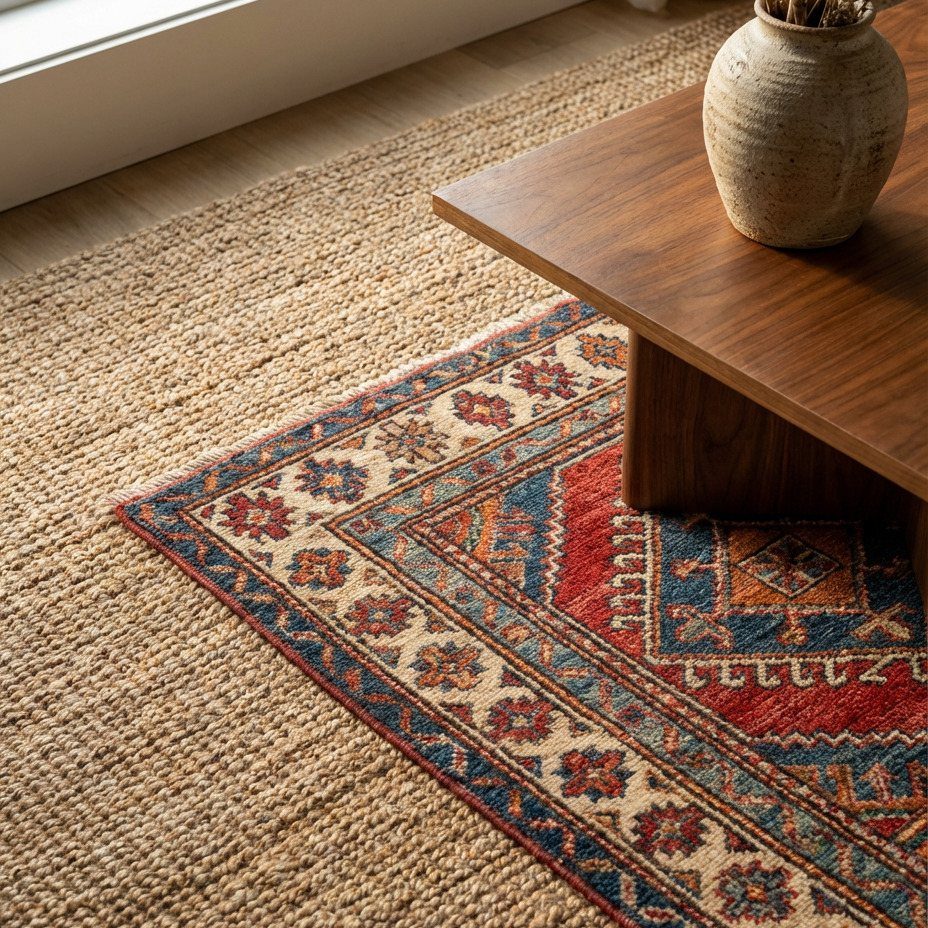
Layering a smaller patterned rug over a larger natural-fiber base gives you the comfort of a plush pile where your feet land most, without the cost of wall-to-wall wool.
A jute or sisal foundation runs 8×10 feet or larger, with a 5×7 or 6×9 vintage or shag piece centered where the coffee table and front sofa legs sit.
The bottom rug handles the traffic; the top one adds color, pattern, and that step-off-the-wood instant comfort.
Keep the top rug smaller on every side so both textures show. For a conversation pit feel, size the base large enough that all sofa legs rest on it.
8. Natural Elements
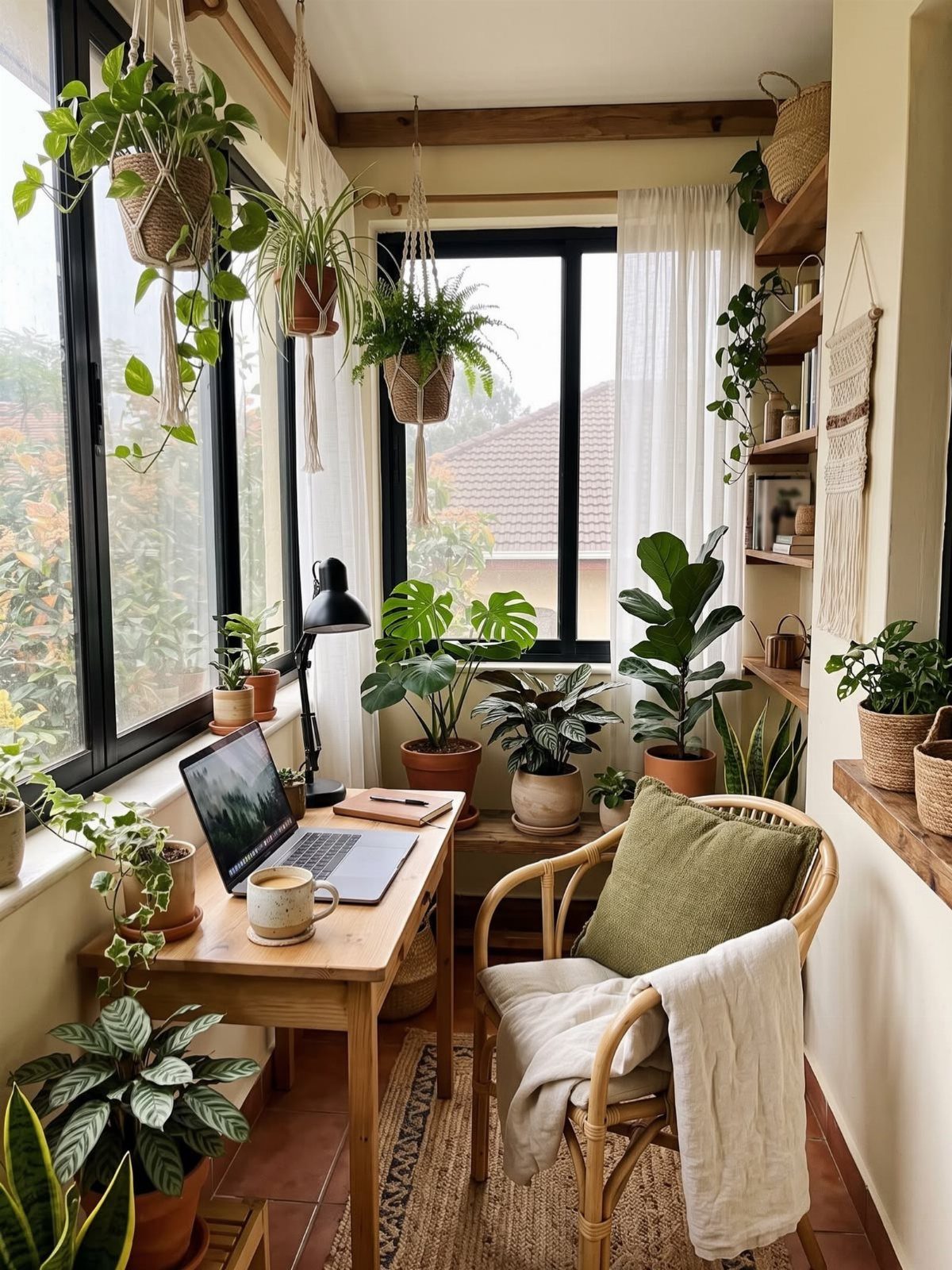
Wood, rattan, cotton, and living plants do what paint and pillows cannot: they make a room feel less built and more grown.
A tall fiddle-leaf fig or rubber tree in a terracotta planter fills a corner that furniture would crowd; small pothos or trailing ivy on shelves soften the edges of a workspace.
Earth tones, green especially, read as calm because they read as found, not chosen. A rattan chair with a cotton cushion, a wooden desk with a ceramic mug left sitting on it: these carry the same signal.
Faux plants work if the light is wrong for real ones, but the organic materials still matter.
9. Create Conversation Zones
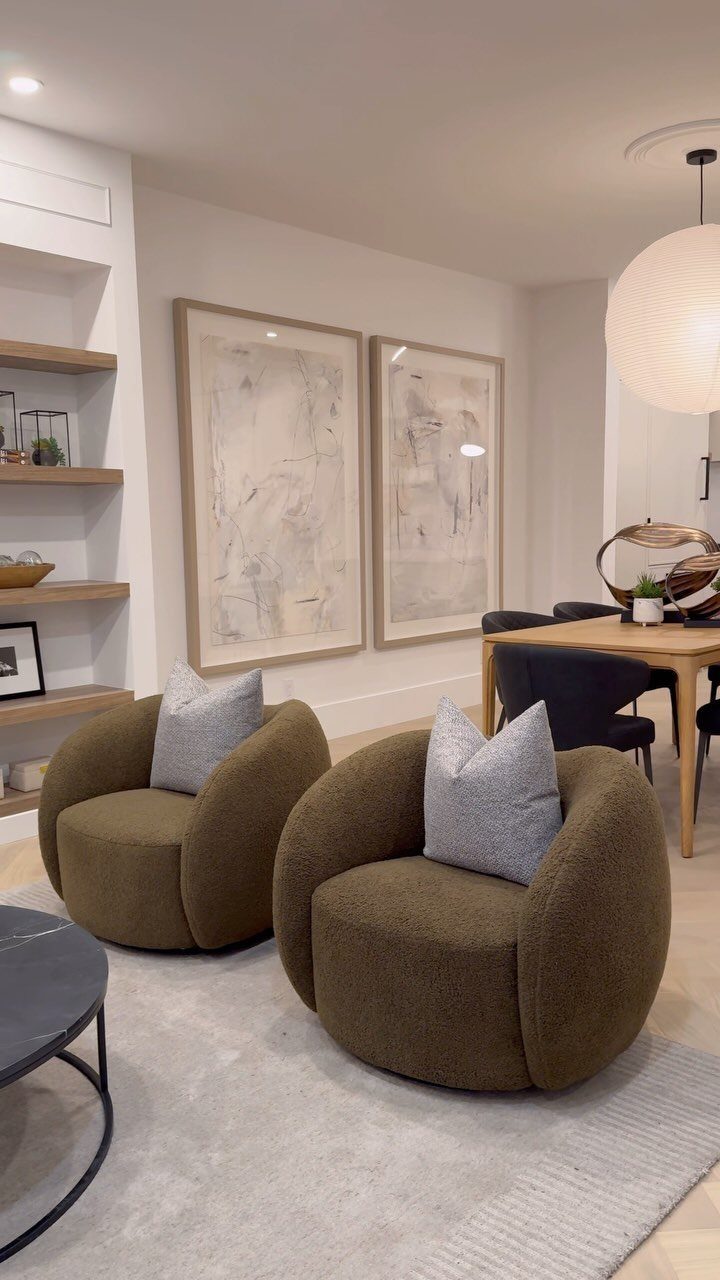
Two chairs angled toward each other across a coffee table, neither squared to the wall behind it, makes people face each other without thinking about it.
The swivel helps; so does a rug sized to contain the whole grouping, not just the table.
In a larger room, a bookcase or sofa back can split one space into two zones without building a wall. One area for TV, one for talking; each needs its own rug and its own light source.
Both zones will seat fewer people than one big arrangement would.
10. Vintage Finds
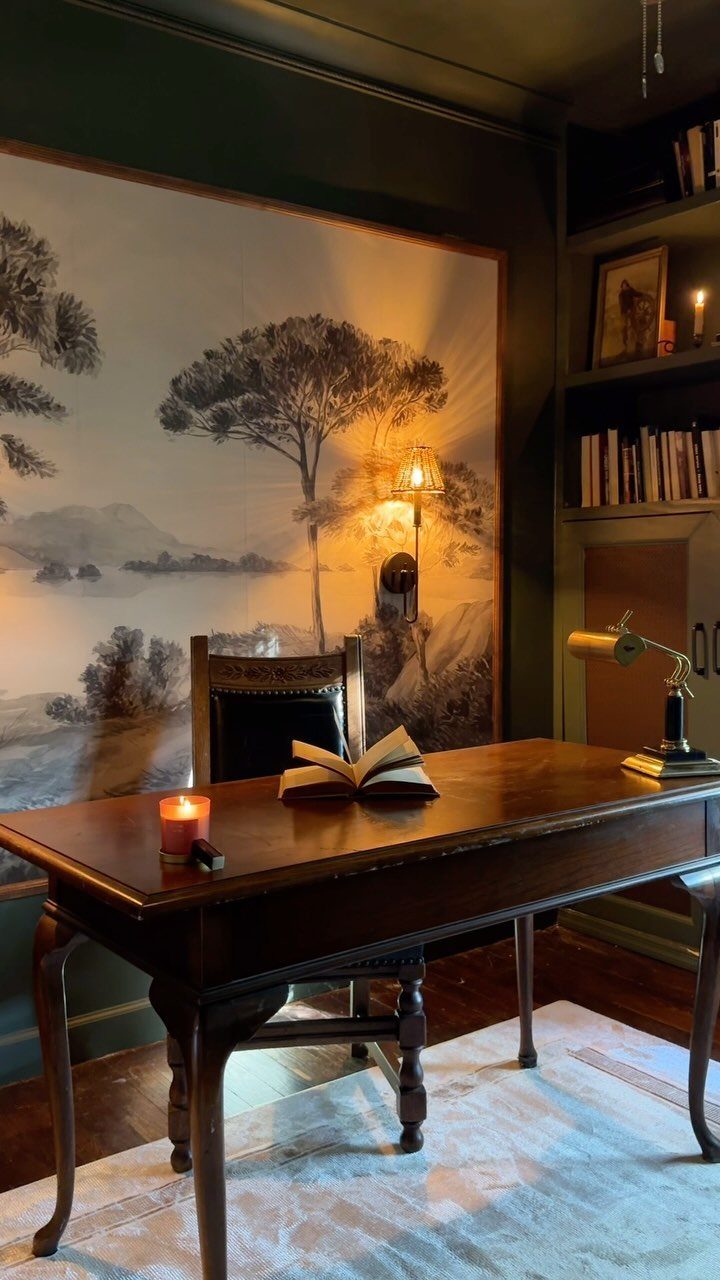
A dark wood desk with brass pulls, a landscape painting in a gilt frame, a ceramic lamp with a patinated finish: older pieces carry warmth that new reproductions rarely match.
The colors have softened over decades; the proportions are stranger, more interesting.
Vintage tends to cost less than new of comparable quality, though finding it takes time.
Estate sales and auction sites reward patience; a single good piece, even just a desk or a mirror, anchors a room and gives newer things around it somewhere to settle.
The risk is scale: measure your doorways and your staircase before you buy.
11. Portable Fireplace
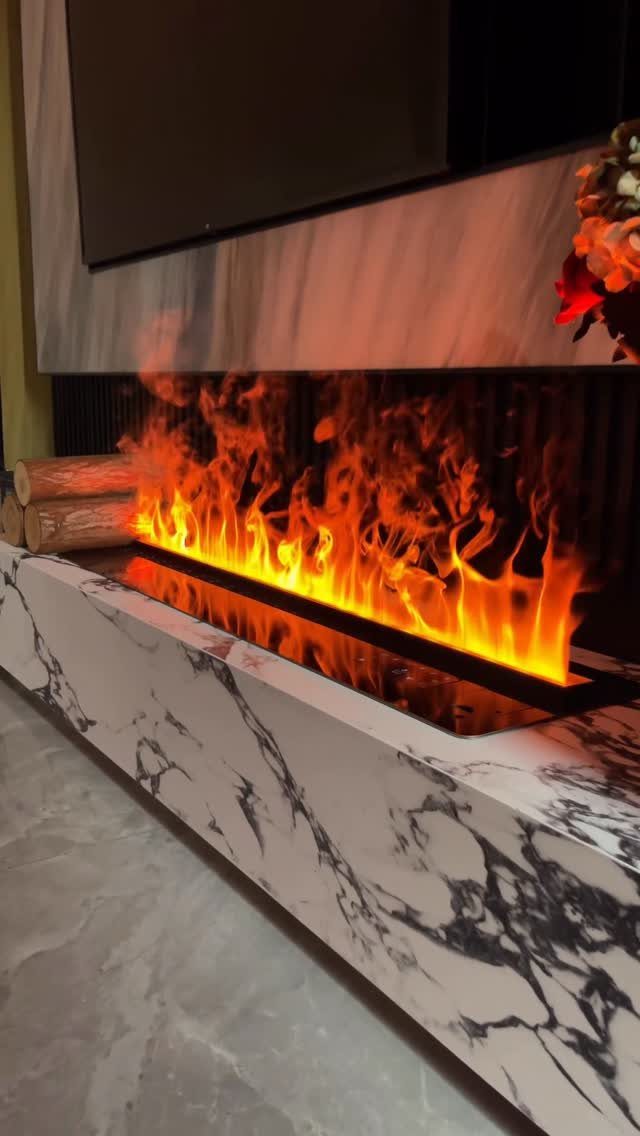
An electric fireplace with no vent, no gas line, and no permanent installation runs on a standard outlet and moves when you do.
The flame is LED, the heat is fan-forced, and the unit itself is a long narrow box that sits on a wall or slots into a media console.
The heat reaches about 400 square feet, enough for a living room but not a whole open plan. Models run the full price range from basic units to larger ones with mantel surrounds.
The logs are decorative; the glow is real enough to read by.
Importance of Lighting
Overhead lighting alone tends to flatten a room and kill the mood you are after. I would rather walk into a space lit by two or three lamps at different heights than one flooded from a single ceiling fixture.
The bulb’s warmth does more for mood than whatever shade holds it. Look for 2700K color temperature; anything cooler reads clinical once the sun goes down.
A dimmer switch on the overhead you already own buys you back those fixtures for evenings when the room needs to settle down.
Fabric shades on sconces or frosted glass on a pendant will spread the light around instead of bouncing it hard off every surface.
That diffusion is what turns a lit room into a room that actually feels comfortable to sit in.
Mixing Textures
Texture works because your hand notices it before your eye names it. A bouclé pillow, a nubby wool throw, and a leather ottoman in the same sightline give the eye something to travel across even when the colors stay quiet.
I would not pile every texture mentioned into one room. Two or three in real contact, like a velvet sofa with a single faux fur throw and a cowhide rug beneath, do more than five competing for attention.
The mix needs contrast: smooth against rough, matte against slight sheen.
Fabric-wrapped lampshades soften the light and add another layer at eye level, which is where people actually live in a room. Drapes in a heavier weave do the same at the perimeter.
The goal is variation you can touch, not a catalog spread of every trend at once.