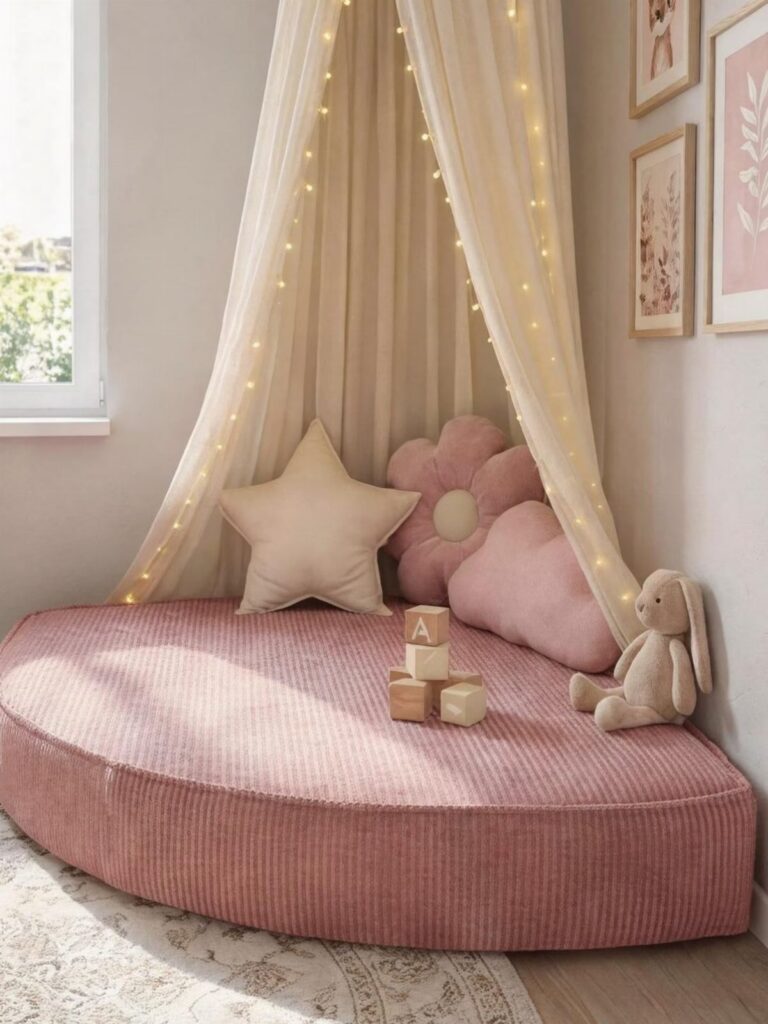
The ideas below start with a single throw blanket on a chair you already own and run up to full built-in millwork, so the real question is how much square footage you can actually give up.
A closet with the doors taken off gives you room for a built-in seat that a standard chair cannot match, and a rolling cart keeps books within arm’s reach without eating floor space.
1. Compact Chair Selection
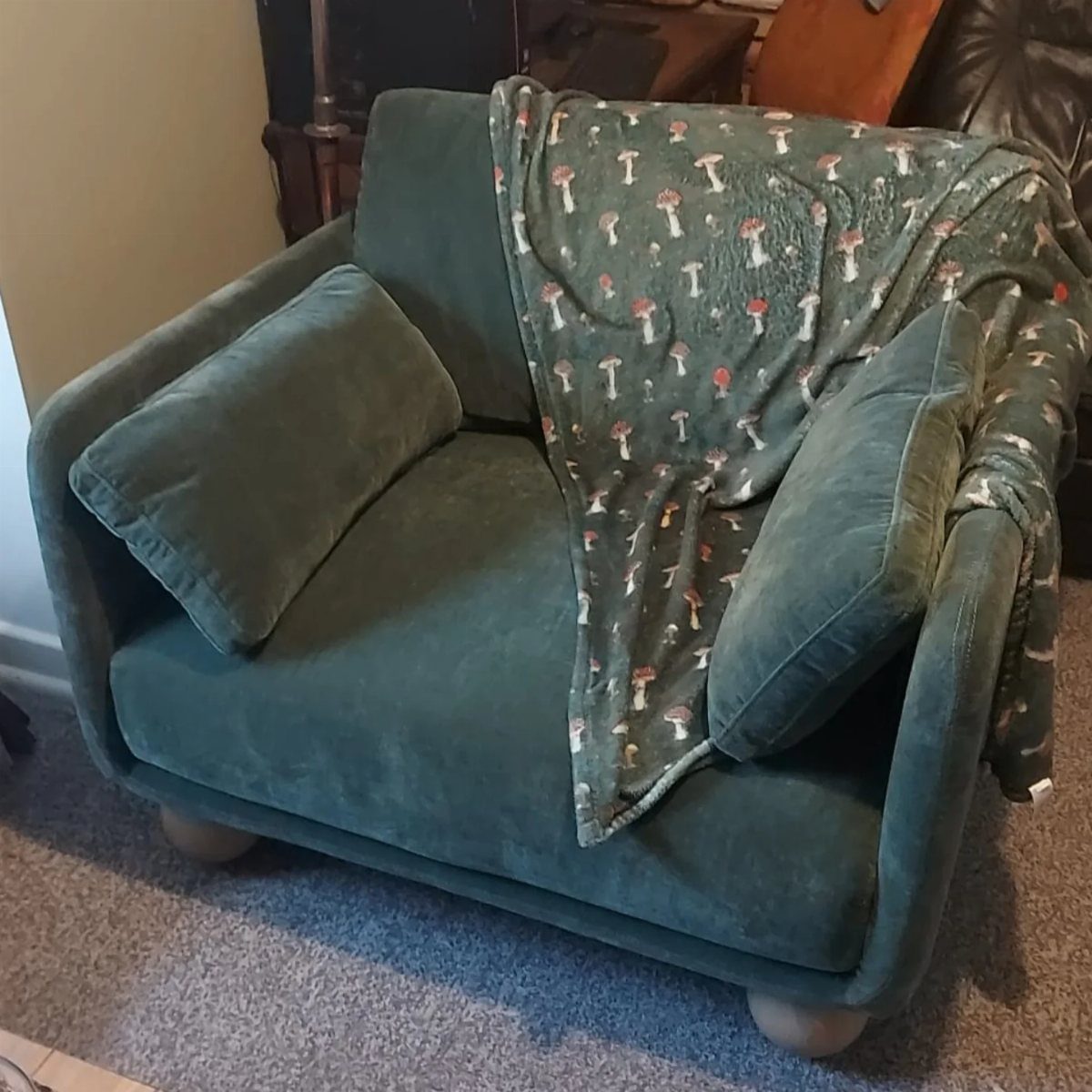
A compact armchair with real back support beats a wide lounger in a small reading nook every time. I look for something narrow enough to leave walking room on each side, with enough seat depth to tuck one leg up.
A low seat with an upright back matters more than it looks; slouching breaks the comfort fast.
West Elm’s Erik wing chair runs high if you want a reference point, though small-scale chairs turn up for far less if you check the actual width in the listing. Measure your path before you buy.
If you curl up small, a tighter seat works; if you drape your legs over the arm, add two inches to your width so you don’t hang off.
2. Layered Lighting
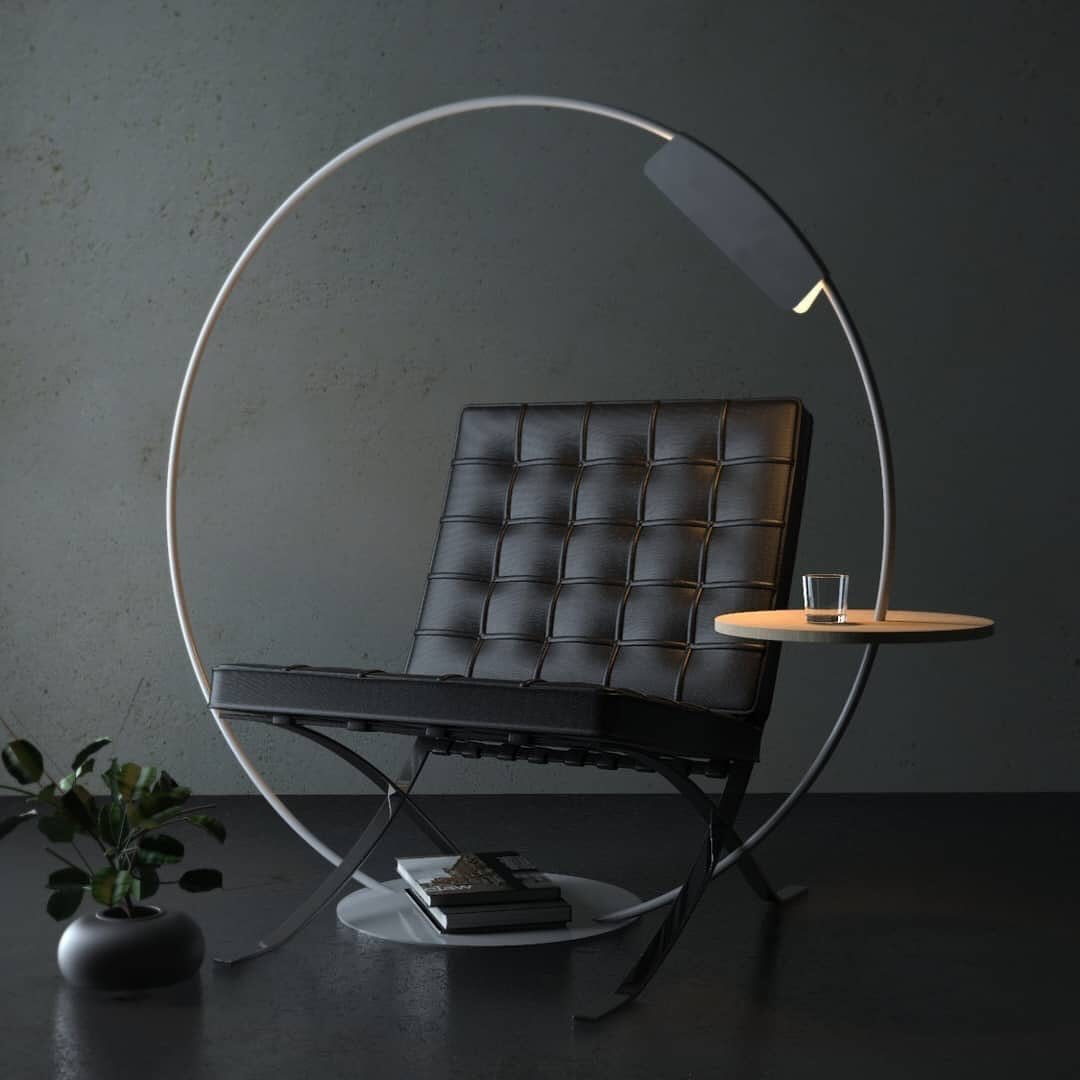
Natural light from a window handles daytime reading, but the evening needs its own plan.
I use a warm floor lamp with a soft white bulb beside the seat, and when space is tight, a plug-in wall sconce keeps the floor clear.
String lights work as accent only; you still need directed light on the page.
Layering means two sources minimum, never one bright overhead. A table lamp on a small surface plus that floor lamp lets you adjust for mood without squinting.
If the nook sits near a window, add curtains you can pull against harsh midday sun. A reading chair with no shade nearby makes afternoon pages uncomfortable; plan for that before you settle in.
3. Window Reading Nook
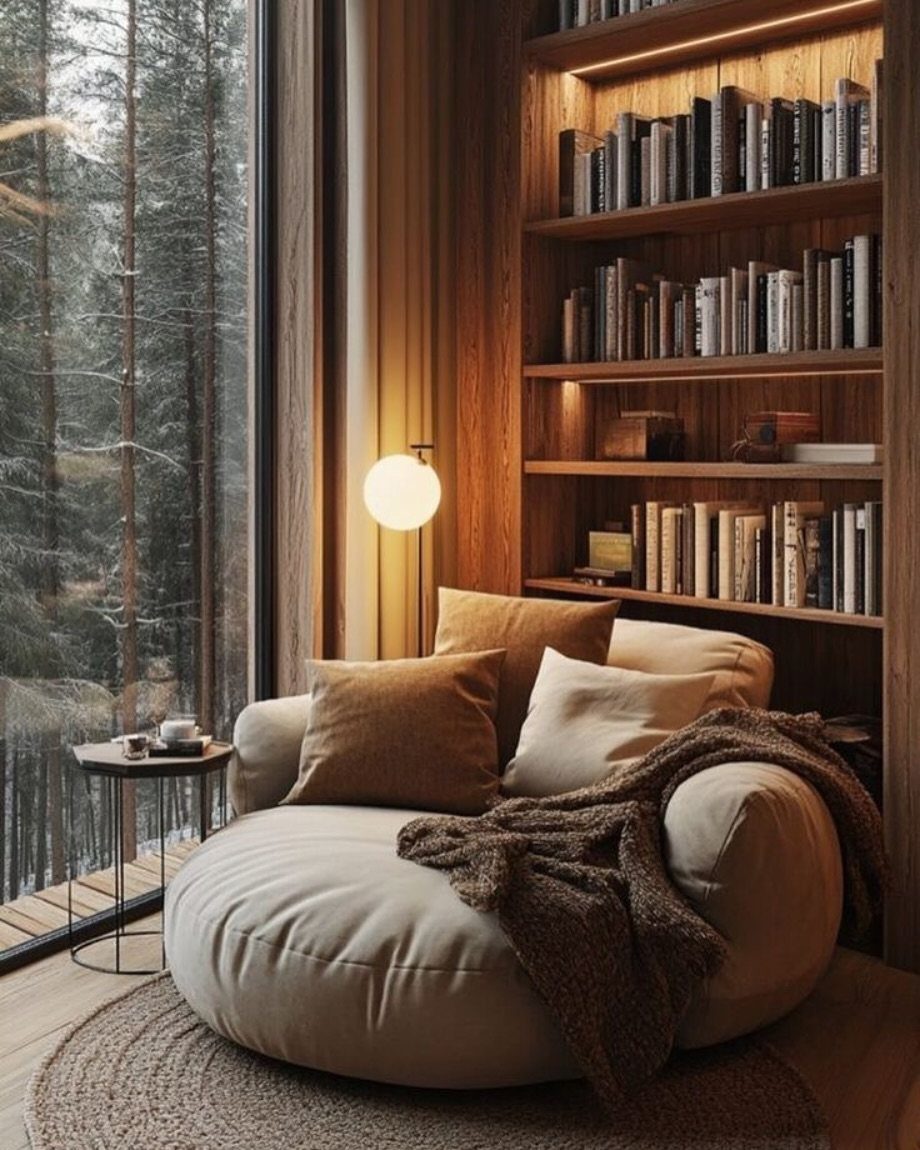
Placing the chair slightly beside the window rather than dead center keeps the view open and the light angled across your shoulder instead of in your eyes.
A small side table within arm’s reach holds the current book and a mug; the throw across your lap handles temperature swings when the glass gets cold.
A low seat works best with a tall bookshelf nearby for storage without crowding the seating. Facing a window straight on puts glare on the page; offset the chair to one side instead.
Trees, rooftops, or rain on glass all become part of the atmosphere if you leave the view visible instead of covering it with too much decor.
4. Small Side Table
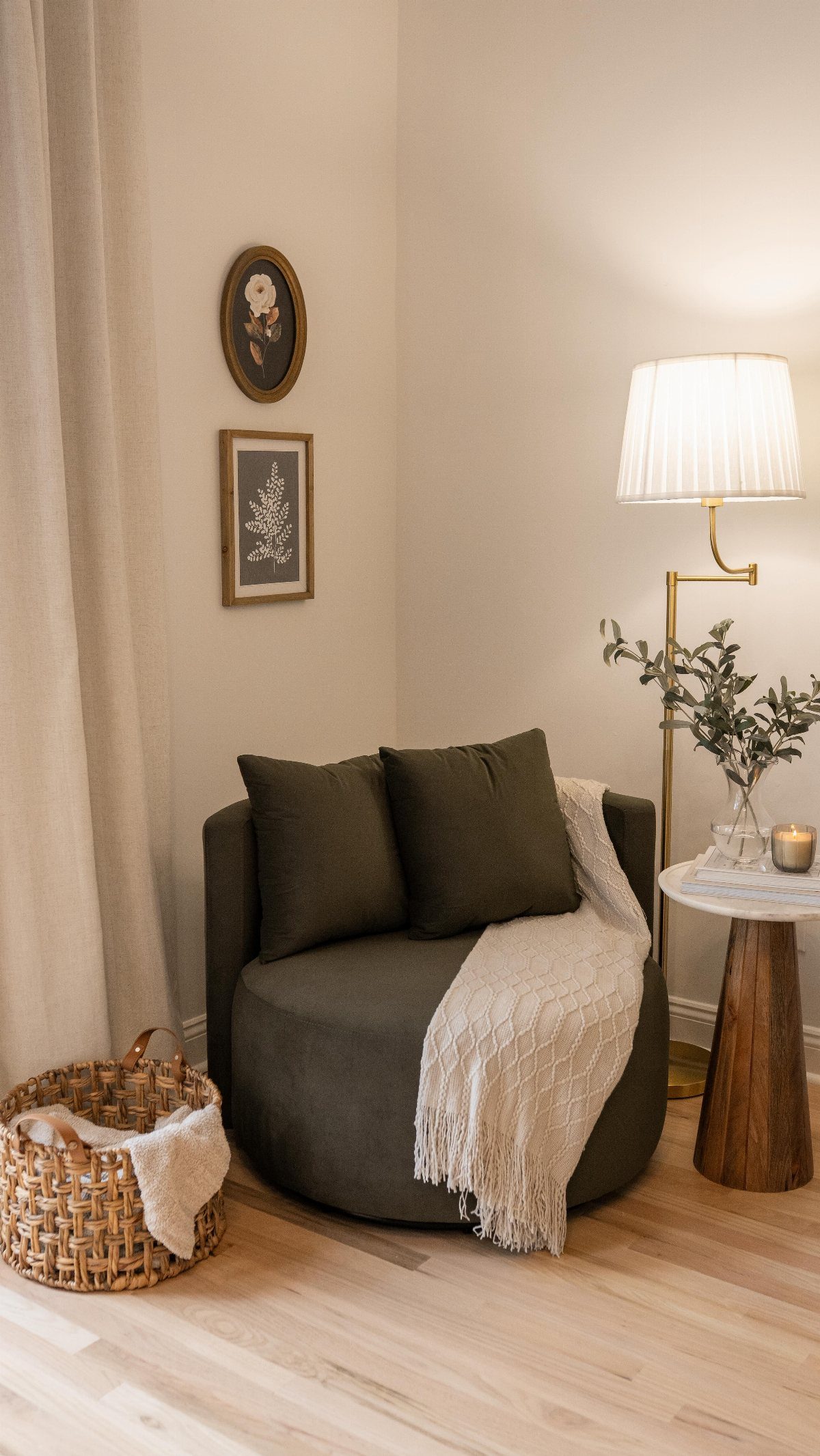
A surface you can reach without standing up changes how often you actually use the nook. A small table still holds what matters: a drink, the current book, maybe a candle.
I prefer a round top or a C-table that swings over the chair arm when floor space is under 18 inches.
Wooden stool, narrow pedestal, or compact C-table all work. The key dimension is reach, not size.
One crowded surface, piled with books and a lamp, leaves nowhere to set down a cup; keep the table clear for what you use while seated.
5. Incorporate Plants
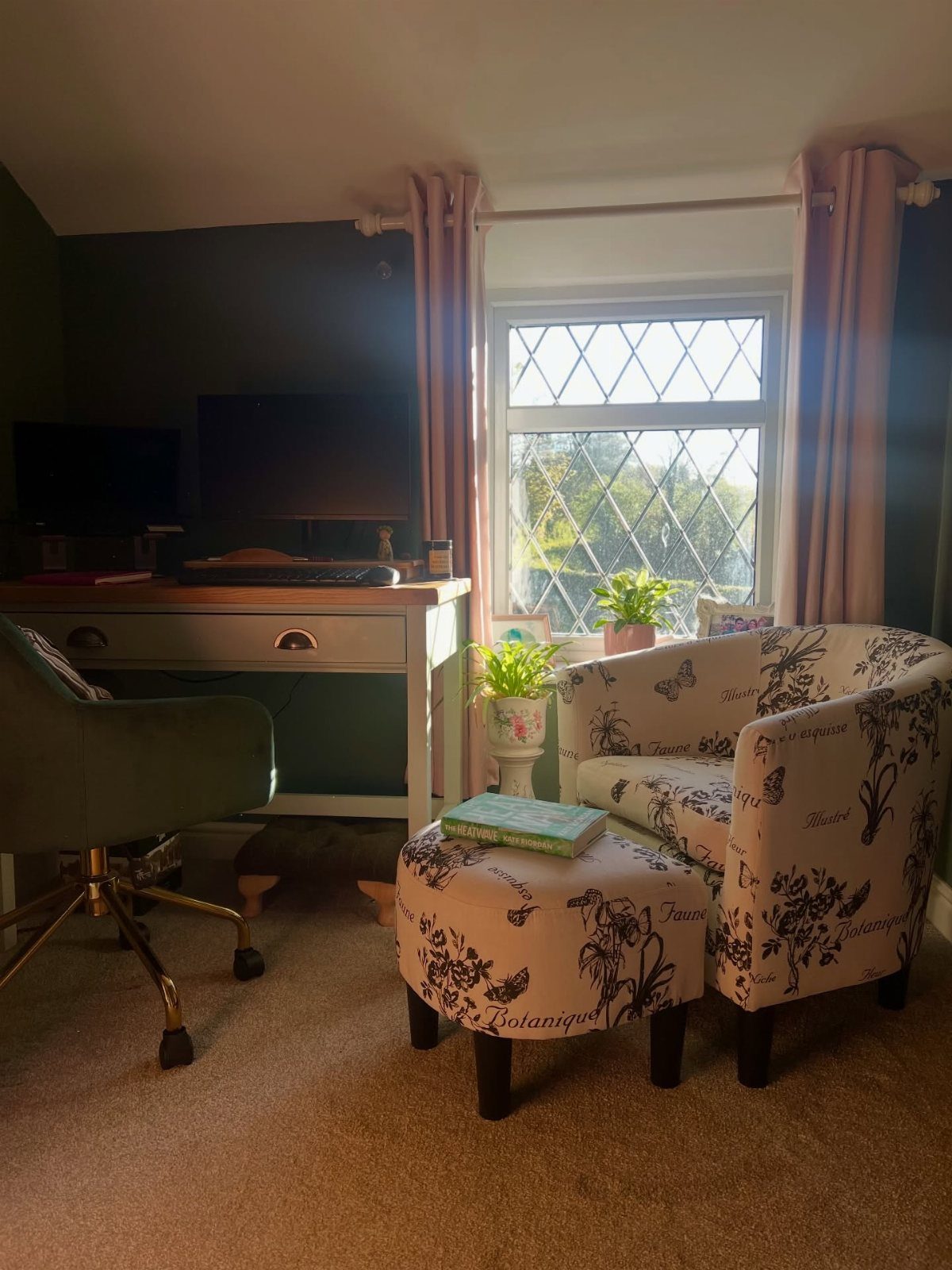
One tall plant and one small potted one on the windowsill or side table is enough to soften the edges of a reading corner without turning it into maintenance work.
Small plants belong where they get light without blocking the seat.
I choose low-demand varieties since the nook is for relaxing, not caretaking. The greenery improves how the space feels more than any measured air quality benefit matters to me.
A tall plant behind the chair frames the space; a small one on the table gives you something living to glance up at between chapters.
6. Decorate with Personal Items
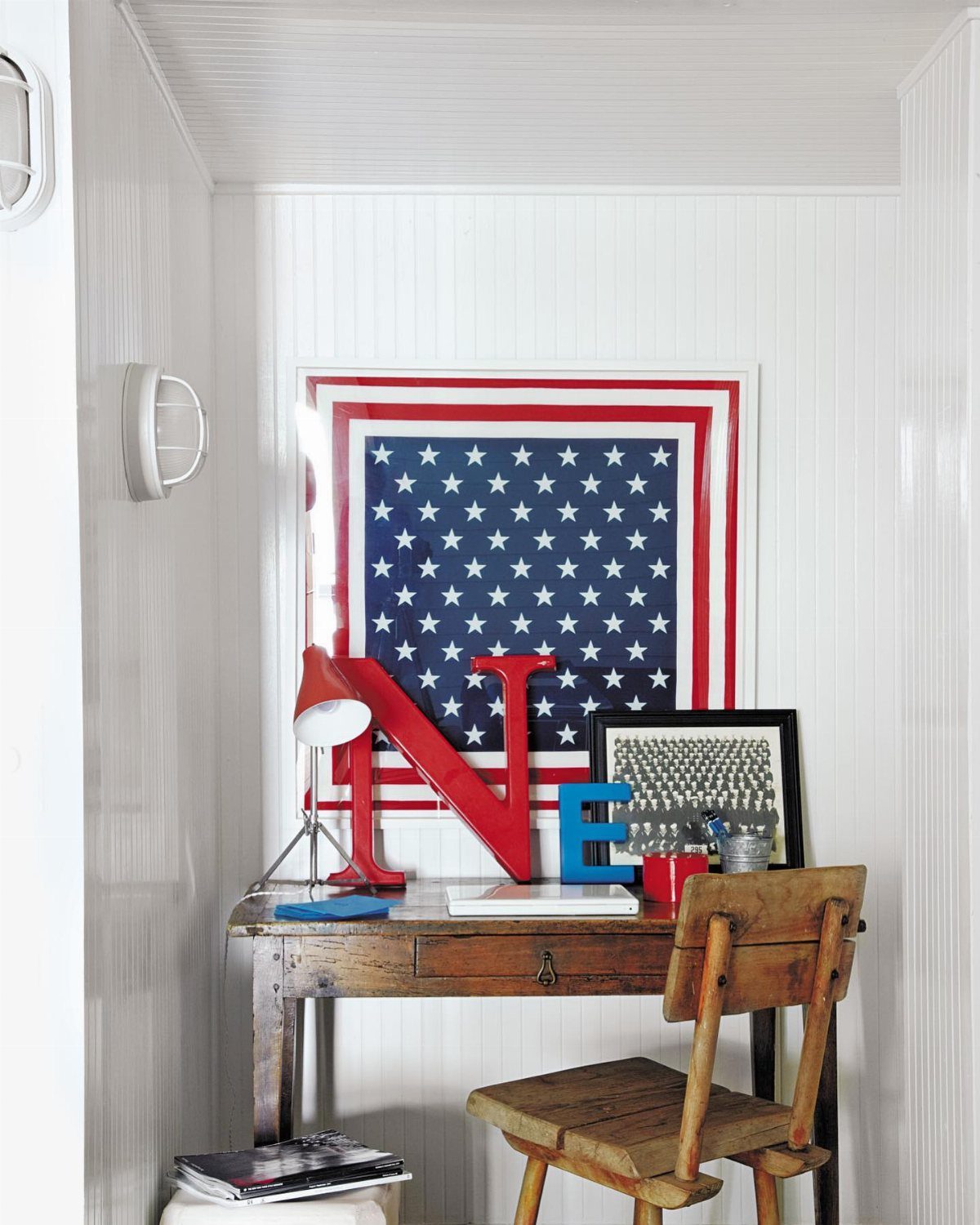
The objects you already own make a nook feel settled faster than anything bought for the spot. Collected pieces read better than a staged set; mix colors, frames, and finds that mean something to you.
I rotate in one or two items from elsewhere in my home when a corner feels too new.
Artwork, a small stack of favorite books with worn spines, or one decorative object with actual history behind it does more than a matching set.
The rule I use: everything in the nook should either be useful for reading or something I’d mention if a guest asked about it. If it fails both tests, it sits somewhere else.
7. Create a Cozy Corner
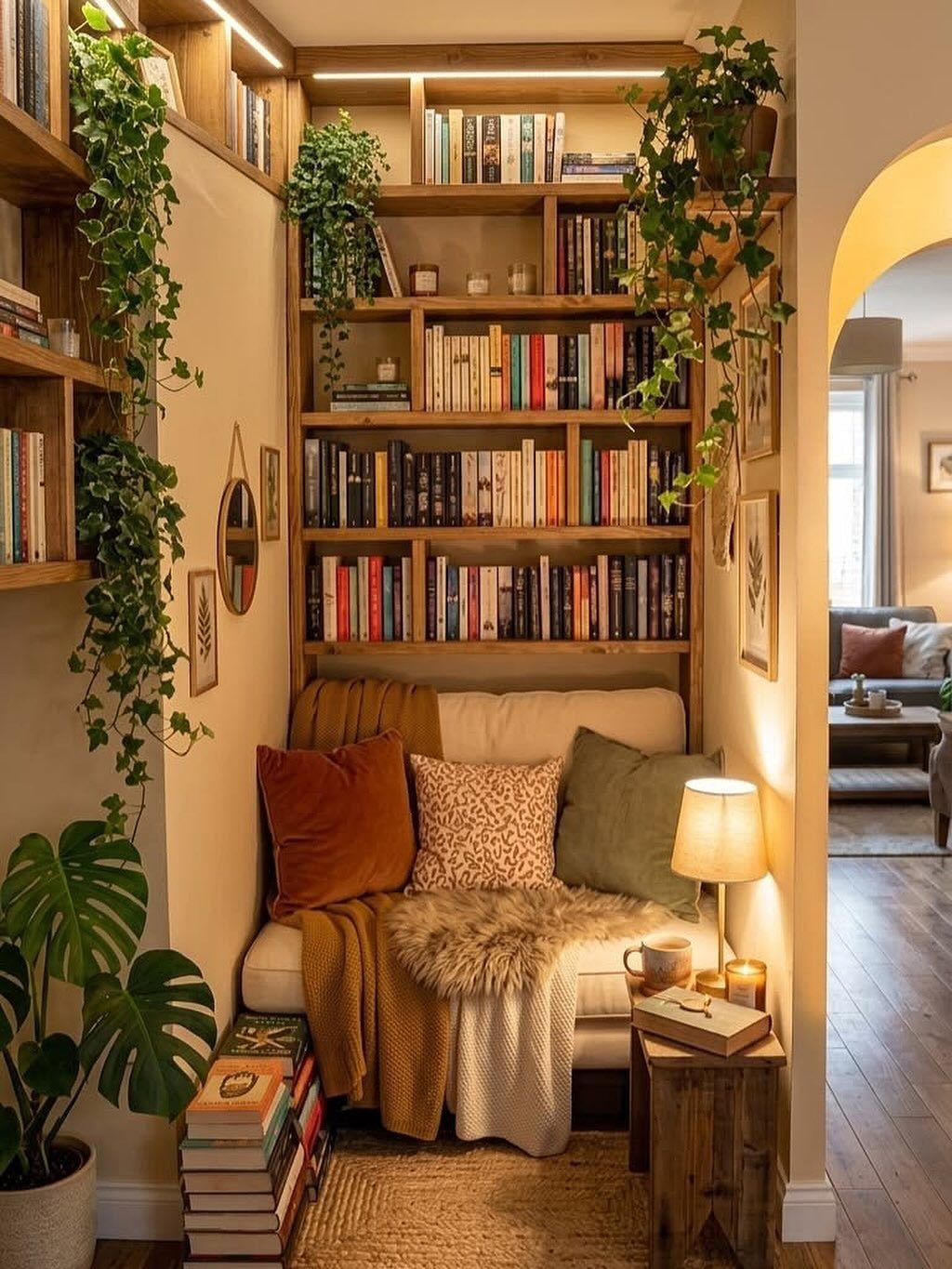
A corner takes less room than most people guess. I once set up a reading spot with just a chair, a lamp, and a stool for coffee; the whole arrangement fit inside a 4-foot square.
A spot people walk through constantly will never feel settled, so I look for a corner or the short wall beside a window. A hallway end, a bedroom corner, or the angle beside a bookshelf all work.
One small light source is usually enough, though mixing in a few tiny fixtures with artwork can give a more cluttered, lived-in feel. Keep the chair low-backed so the space stays open.
If the corner feels too exposed, angle the chair so your back faces the wall. That small turn makes the nook feel more tucked in without costing any extra floor space.
8. Incorporate a Bookcase Headboard
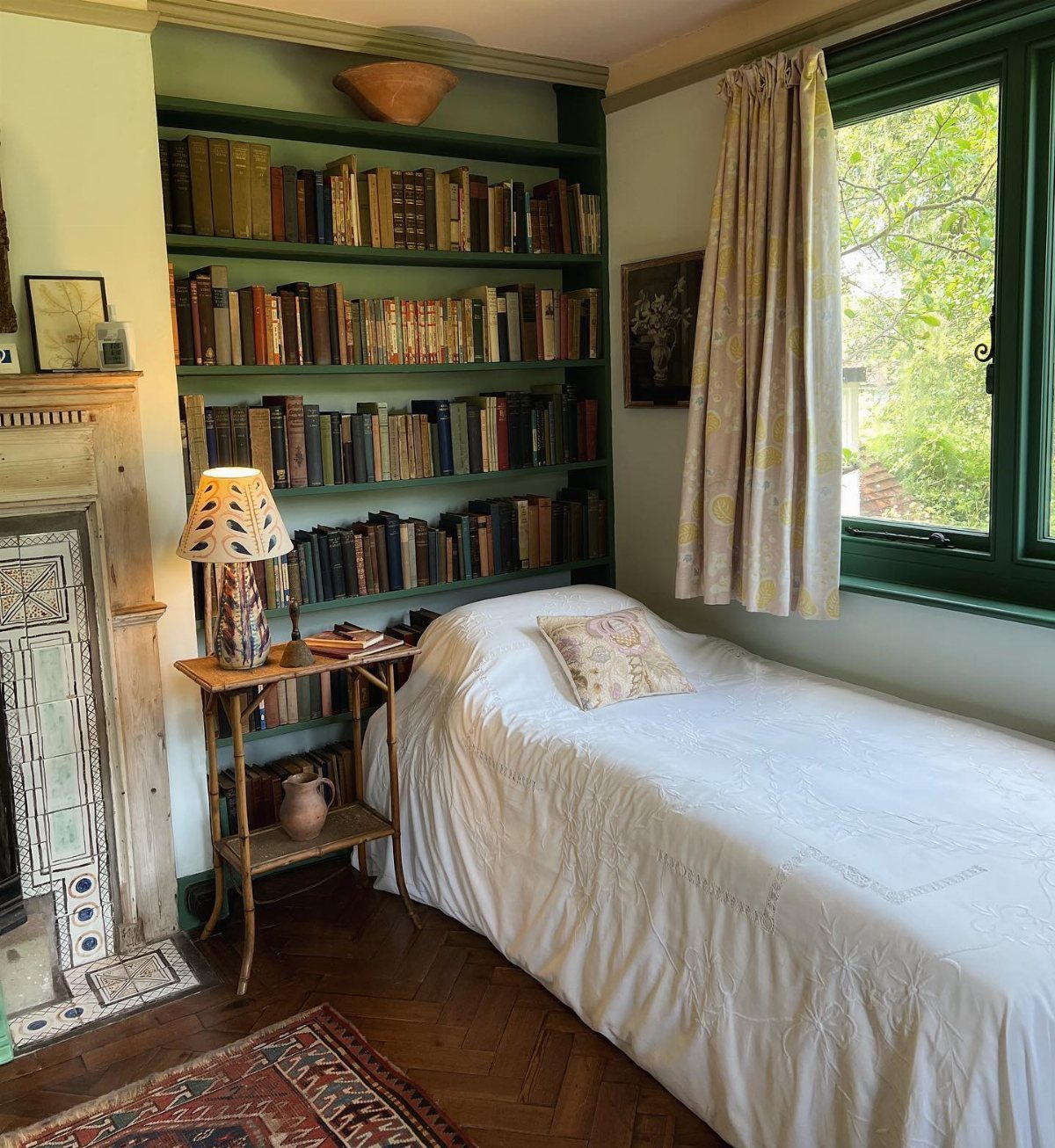
A bookcase headboard turns the wall behind your bed into storage you were already giving up. Short shelves stacked where a traditional headboard would sit keep books within arm’s reach and free the rest of the bedroom.
A desk-height bookshelf secured above a work surface uses the same logic. Built-in shelves painted the same color as the wall help the storage disappear visually, which matters in a small room.
The setup suits anyone who reads before sleep and wants to skip the trip across a cold floor to turn off a lamp.
9. Use Vertical Space
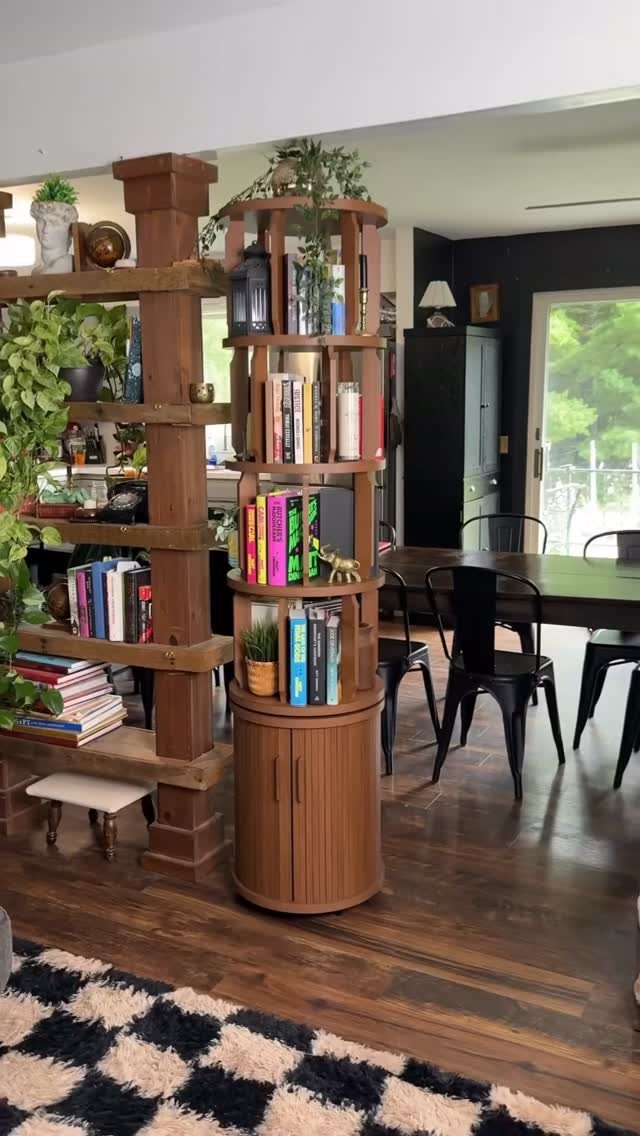
Floor space in a small apartment is usually spoken for. A rotating bookcase with an 18 by 18 inch footprint holds roughly 100 to 150 medium-sized books across six tiers, and the reader can spin it to reach any side.
Wall-mounted shelves or narrow floating shelves work too; place them beside the chair rather than behind it so the area keeps feeling open. One or two shelves above the reading spot is enough.
A tall narrow unit pushed against the wall stores plenty without blocking light or movement.
10. Cozy Textiles
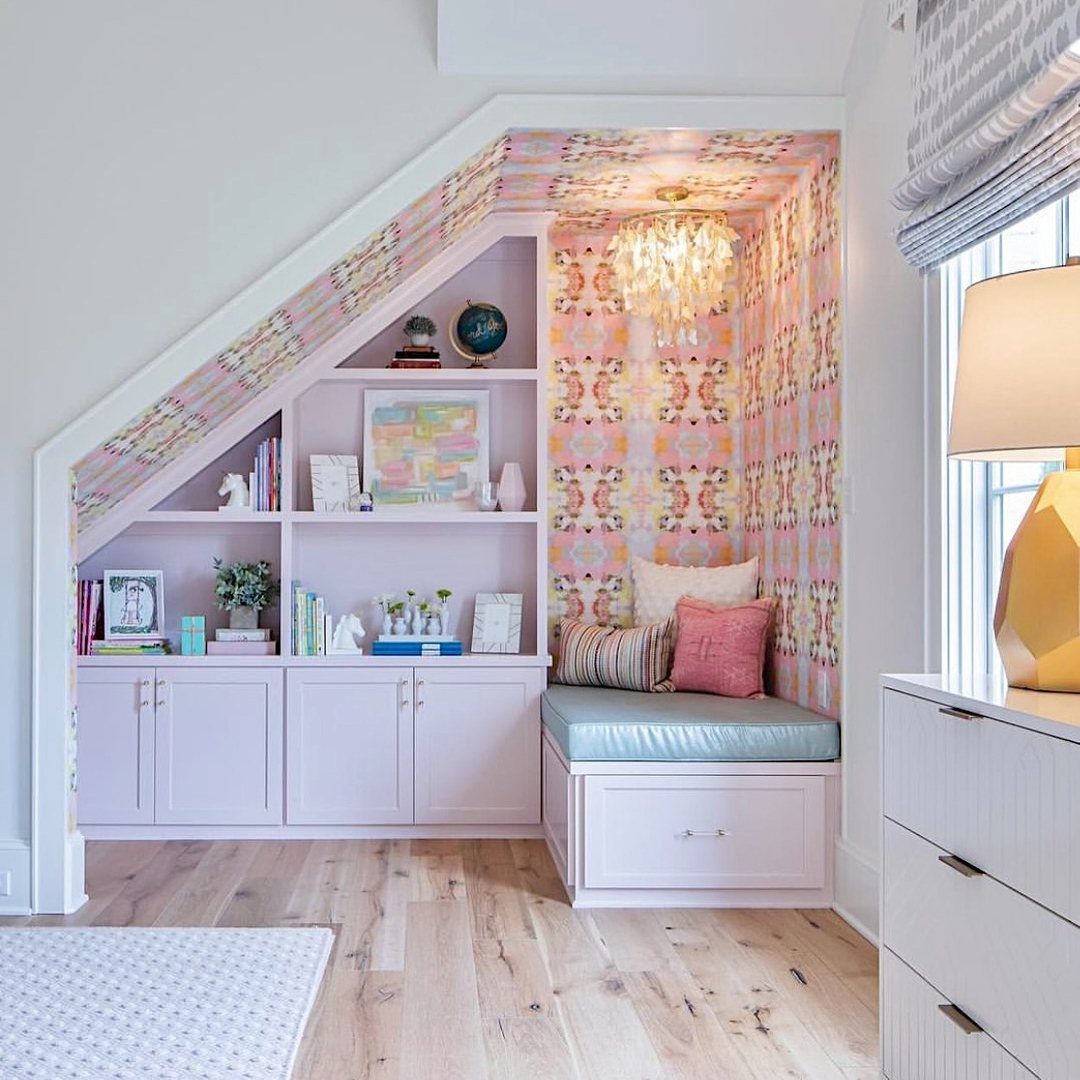
Soft layers matter more in a reading nook than anywhere else in the house. One blanket draped over the chair arm and one or two cushions behind your back turn a hard seat into somewhere you actually stay.
A throw and several pillows in mixed patterns turn even a plain bench into something inviting.
I would keep the colors close to what already lives in the room; a reading corner that matches its surroundings looks intentional, not like furniture that wandered in from elsewhere.
Bedrooms especially benefit from this, since a nook that echoes the bed linens feels like part of the same restful space.
11. Use a Closet
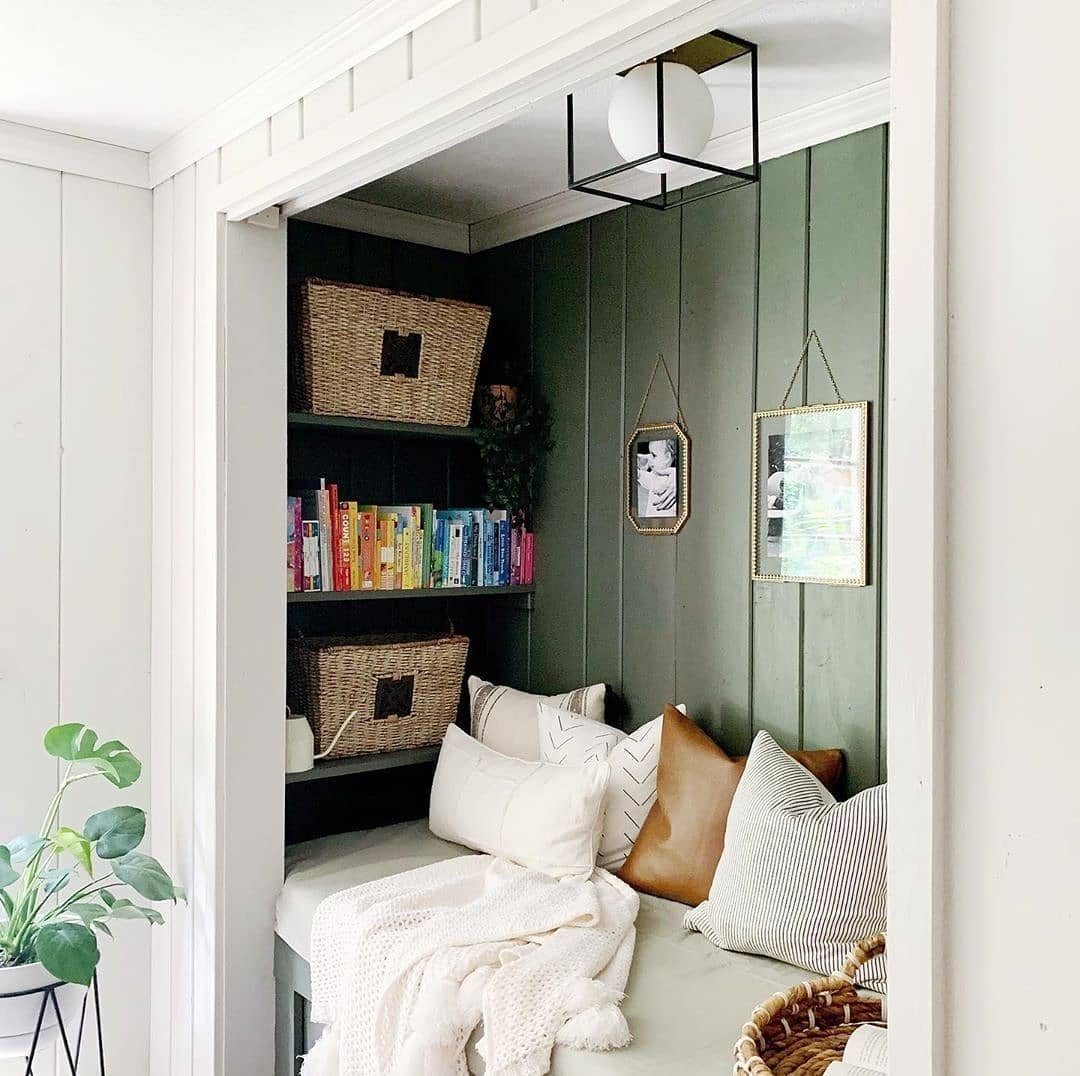
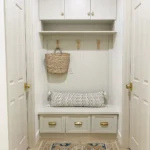
A shallow closet with the doors removed becomes a room inside a room.
Paneled walls in a soft color, a cushioned bench, and shelves above for books and baskets turn a closet into a room you actually want to sit in.
The enclosed shape does the quiet work for you; sound behaves differently in a small walled space, and the feeling of being tucked away is hard to replicate with a screen or a curtain.
Add a wall-mounted light rather than anything that sits on the bench, and leave ventilation in mind if the closet was originally designed to close up tight. This works best for readers who want separation without building anything permanent.
12. Use a Movable Book Cart
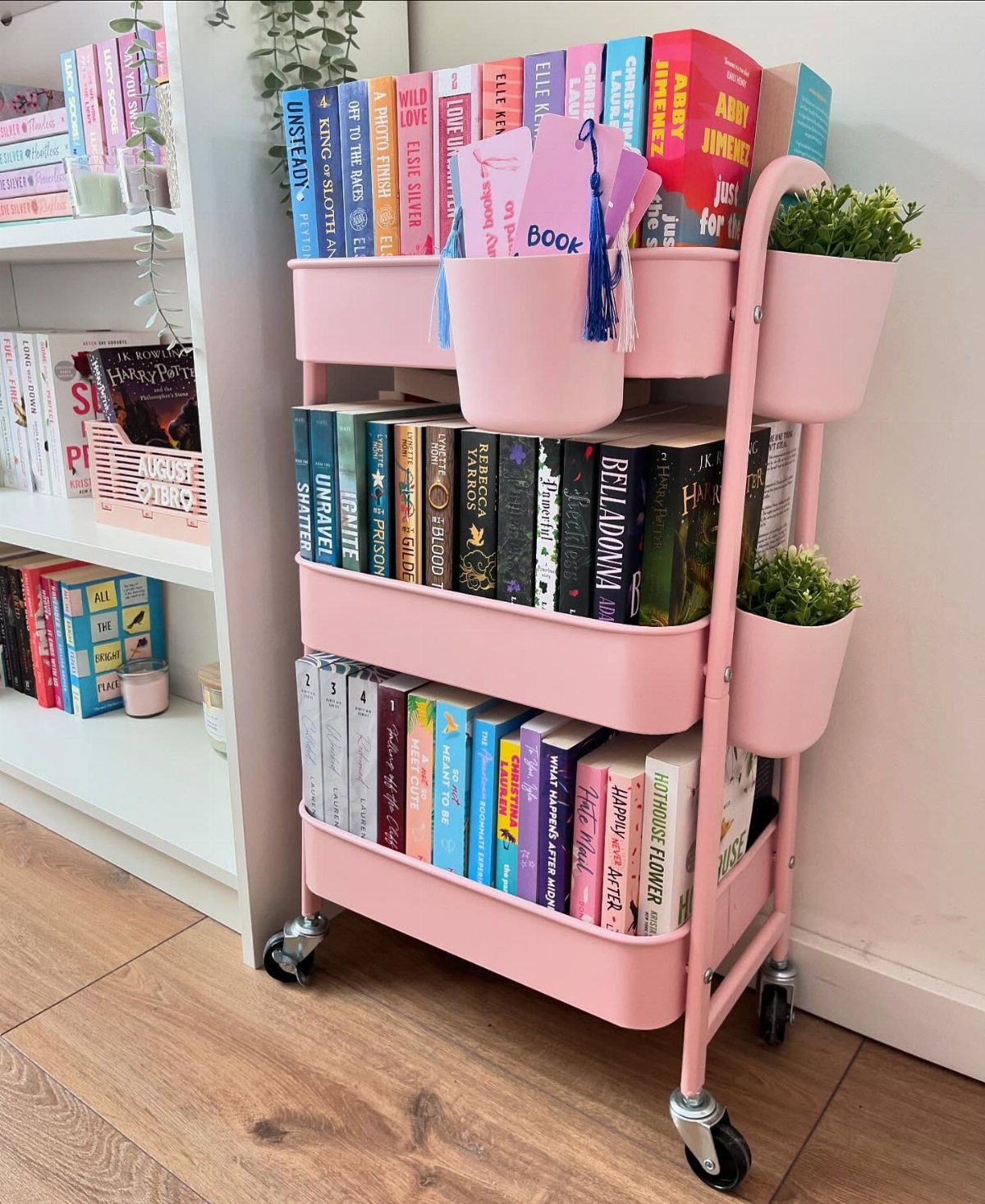
A rolling cart moves with you. A three-tier cart can carry books and small plants, park beside a chair, slide into a closet, or roll to the kitchen when company comes.
A rattan style costs less than most bookcases and takes up no fixed floor space. Your favorites stay at eye level instead of hiding among spines on a tall shelf.
For anyone in a studio or a room that serves multiple purposes, a cart keeps the collection portable without looking like storage you are ashamed of.
13. Add a Pouf or Ottoman
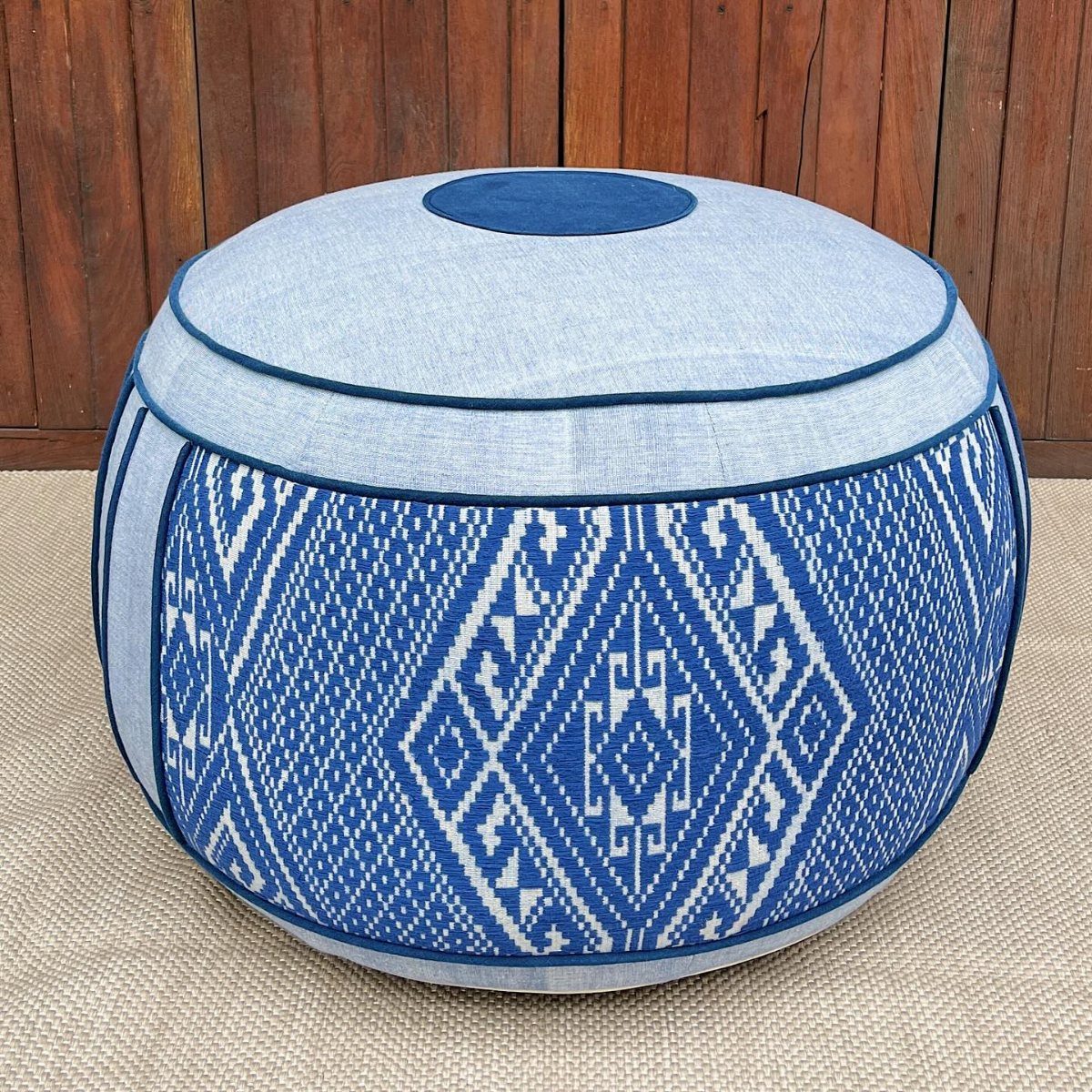
A pouf gives your feet somewhere to land without the bulk of a second chair. A round pouf or ottoman tucks against a wall or floats in the middle of a small space without blocking flow.
Look for one 18–20 inches high so your knees stay level when you stretch out. A fabric cover with some texture hides wear from shoes and pets better than smooth leather or vinyl.
If the budget is tight, a stiff floor cushion or even a folded wool blanket in a basket does the same job. The pouf just keeps everything looking intentional.
14. Create a Cozy Library Room
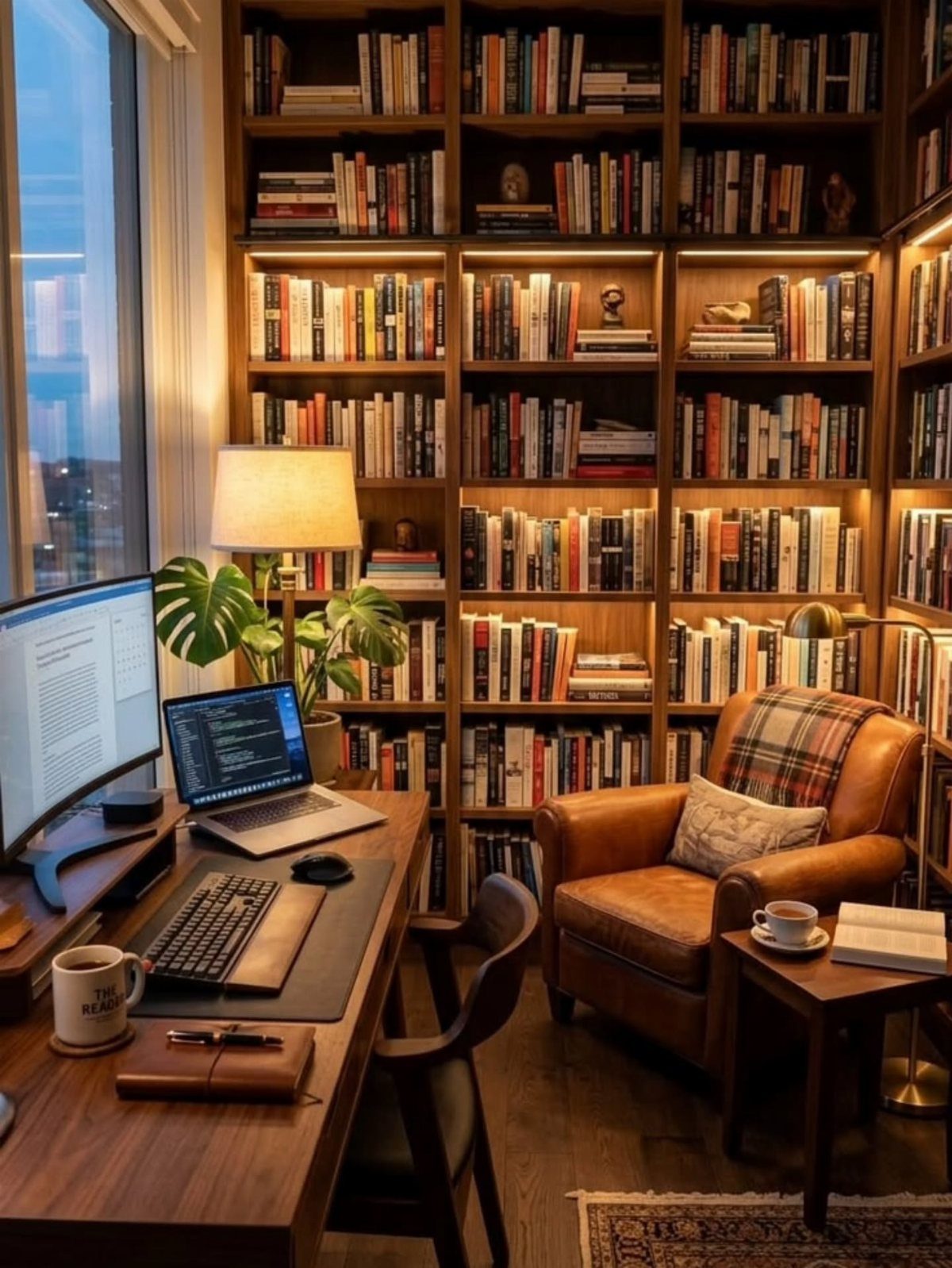
A whole room for books sounds like a luxury until you realize how many awkward small spaces sit unused: a former nursery, a den, the corner behind a stairwell.
Paint the shelves and walls the same color so the storage melts back and the room reads as furnished, not stuffed.
Wrap bookshelves around two or three walls and keep the seating compact. A leather armchair with a small side table works; two chairs back-to-back in the center eat floor space you do not have.
This suits someone with a serious collection and a door they can close. Without the door, the clutter shows.
15. Under the Stairs
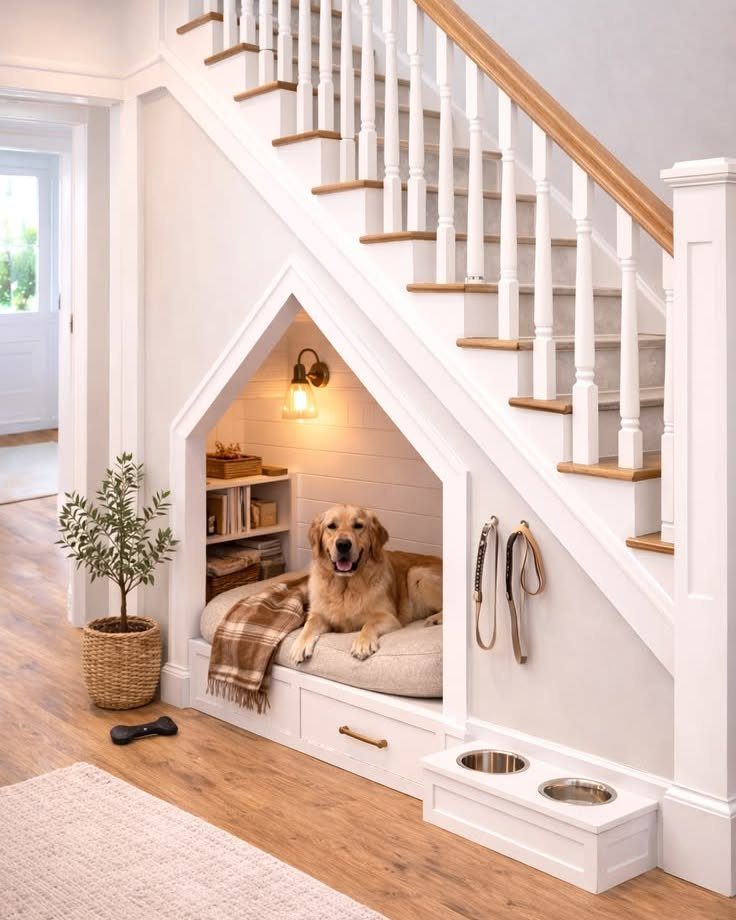
The triangle under a staircase is dead space in most houses. Framing it in and adding a bench turns it into a spot that feels hidden on purpose, not forgotten.
A wall-mounted lamp matters here because a floor lamp steals the narrow footprint. Built-in shelves along the sloped ceiling line use the odd angles instead of fighting them.
Check your local code before you enclose it; some stair voids need ventilation access. A removable panel at the back solves that without ruining the look.
16. Banquette Reading Nook
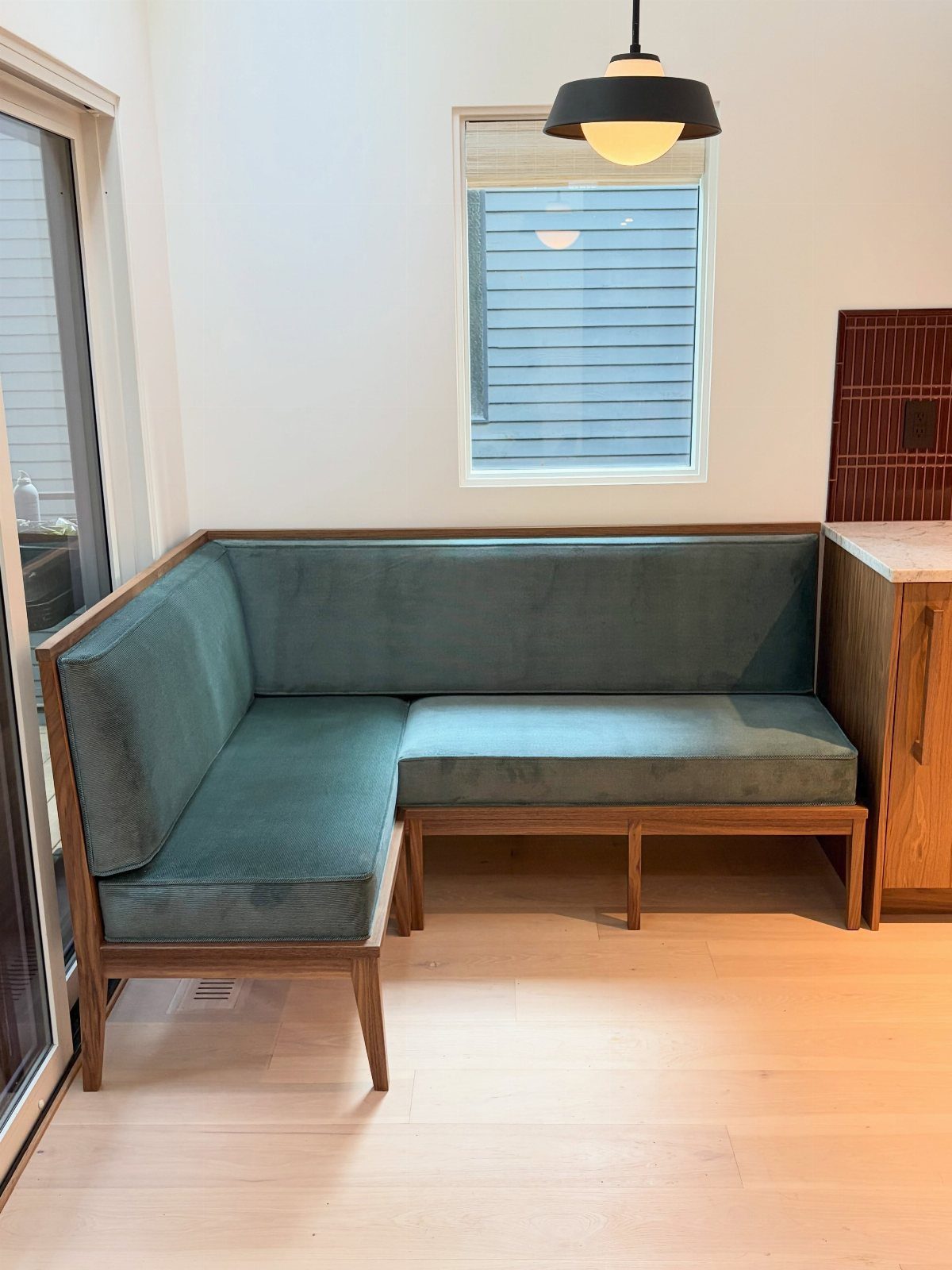
Banquette seating borrows from kitchens and breakfast nooks to solve a reading corner with no obvious chair placement. An L-shaped banquette uses a corner that would otherwise hold nothing but a floor lamp.
Cushions 3–4 inches thick keep the seat comfortable for an hour without going so deep you sink. Storage underneath the bench, accessed from the front or side, stows the books you rotate through.
The velvet here reads formal; a sturdy cotton canvas or leatherette wipes clean and lasts longer against daily use.
This works best when the nook shares a wall with a window or a fireplace you were already trying to face.
17. Pillow
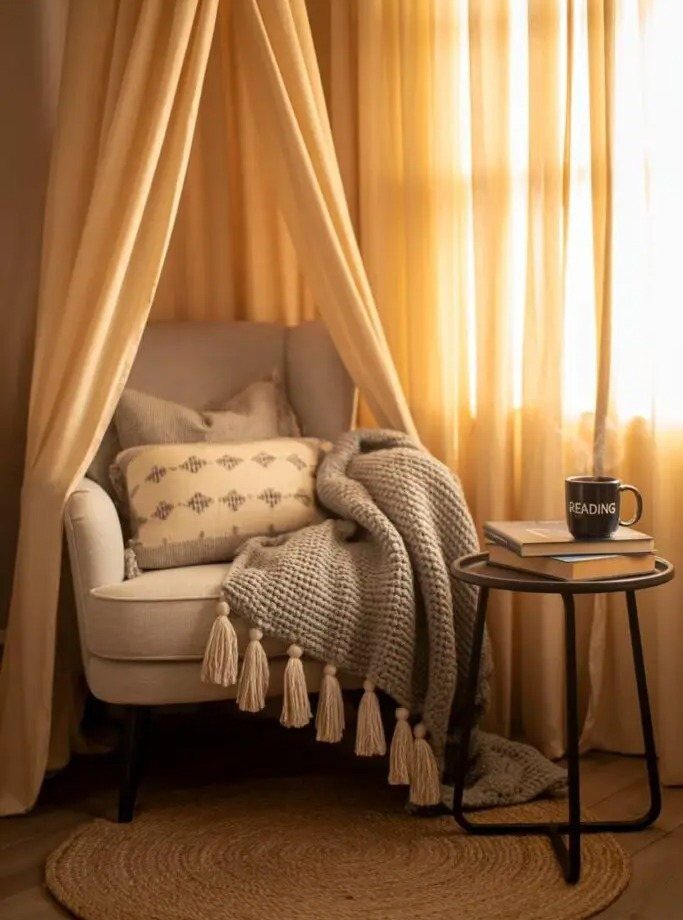
A pillow is the cheapest way to make an existing chair feel like it was chosen for reading.
One firm pillow at the small of your back and a softer one to hug or stack matters more than mixing sizes and patterns.
A washed texture square pillow holds its shape through machine washing. A pair of those, plus a lumbar roll, outfits most armchairs without much spend.
A throw blanket with tassels adds weight and texture; layer it even in summer, since air conditioning runs cold. Swap covers seasonally instead of buying new fills.
18. Built-in Reading Nook
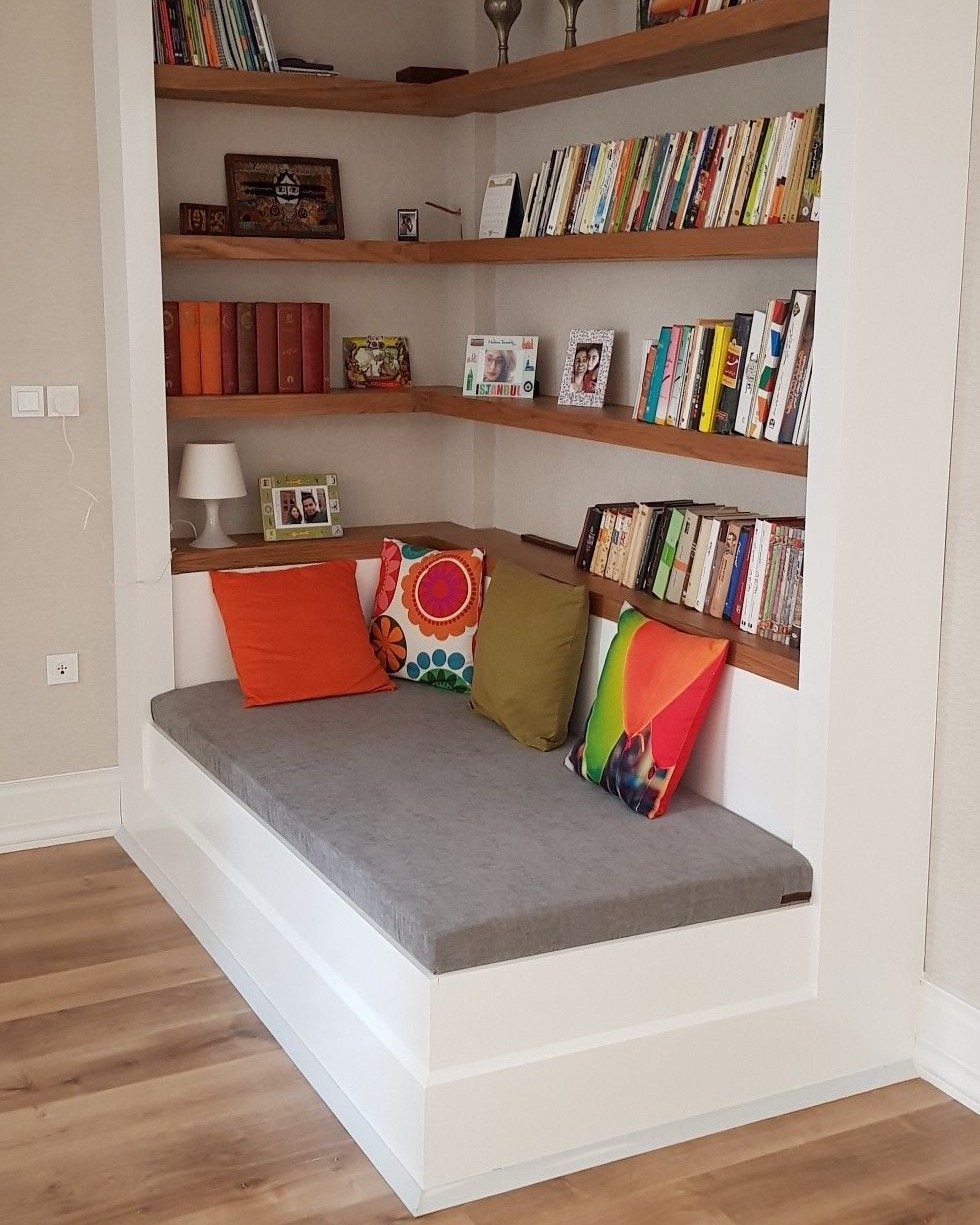
Built-in millwork turns a corner into a destination. A wall-to-wall bench with no legs to clean around keeps the floor clear, and shelves above keep current reads at arm’s reach.
Custom framing is the spend here. If you are handy, three 1×12 pine boards and a half-sheet of plywood build the box; paint it the wall color so the architecture, not the carpentry, stands out.
Bright pillows move in after the structure is neutral.
This pays off in houses you plan to stay in. Renters should stick to a low bench unit that looks built-in but bolts together and leaves with you.
19. Create an Autumn Reading Nook
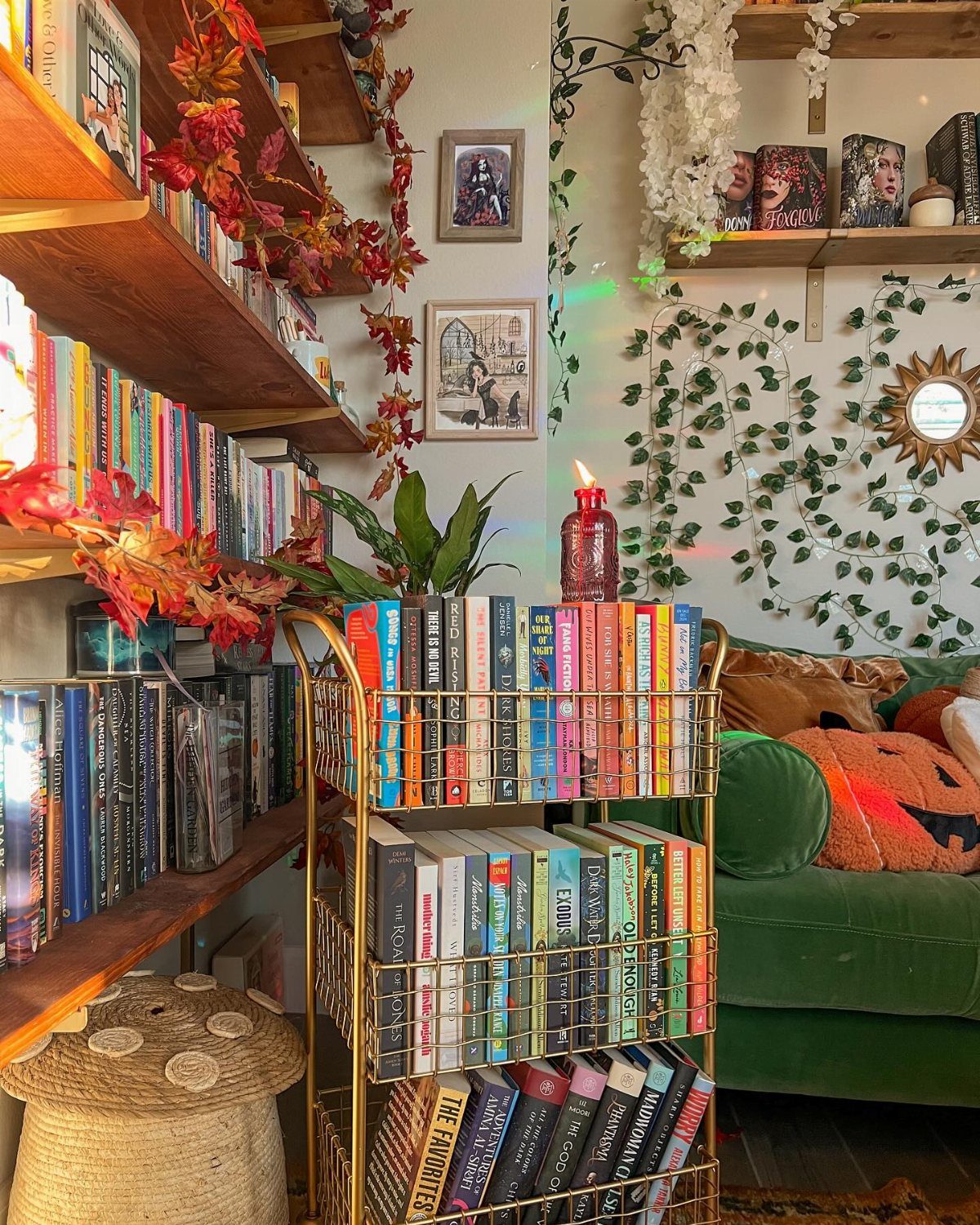
A rust cushion and a heavier throw do most of the work. The reader already sees the green velvet and the candle; what makes this seasonal is the swap, not the purchase.
I pull out a wool blanket once the weather turns, add one branch of dried oak leaves to a vase I already own, and call it done.
The lighting matters more than the decor: a lower-wattage bulb or a second lamp turned on around 4 p.m. keeps the nook usable as the evenings shrink. No pumpkins required.
September books beside autumn leaves and a lit candle keep the mood seasonal without overdoing it.
20. Use a Rug
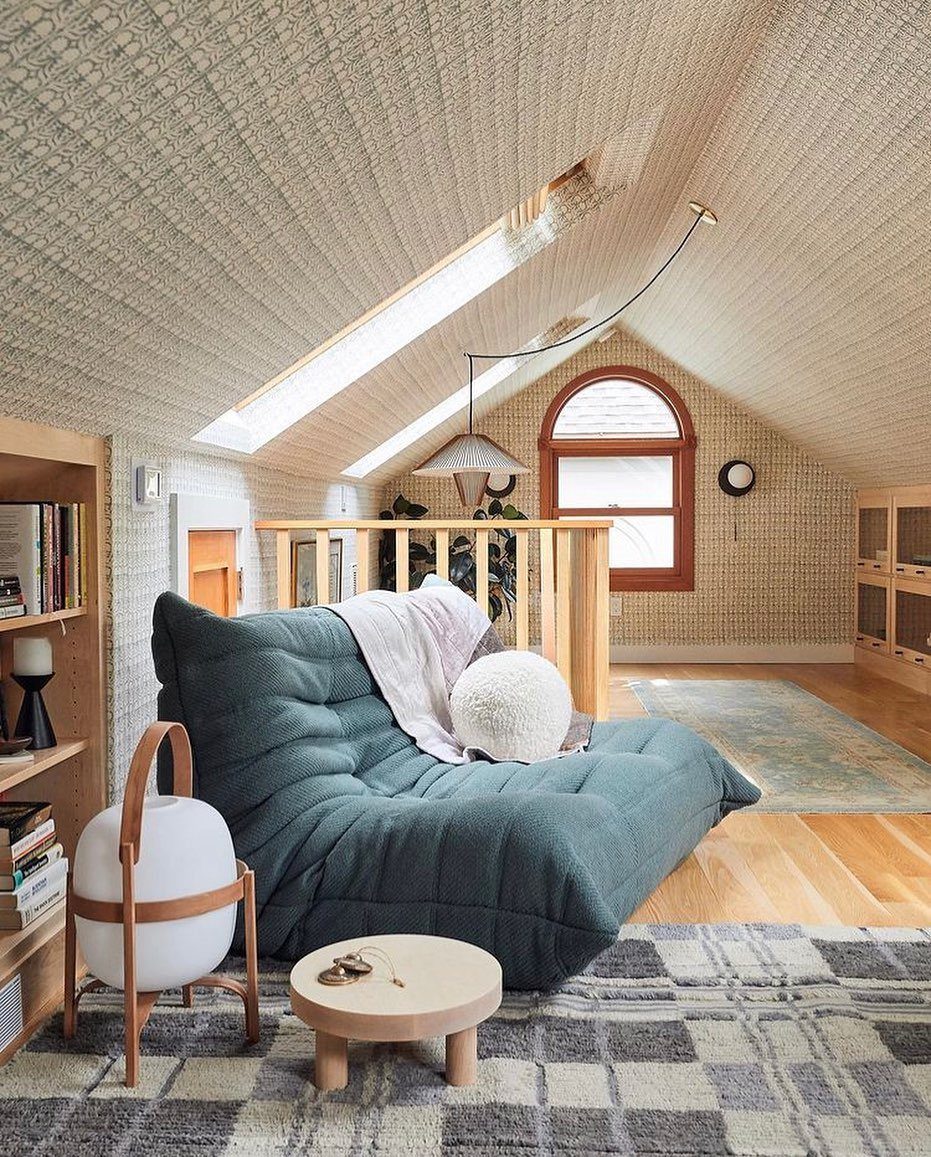
A plaid rug underfoot turns a corner of an attic or a slice of living room into a deliberate space. A rug with strong color and texture can do the dividing when walls do not.
I look for something low-pile and soft enough for bare feet, sized to extend a foot or two past the chair on every side that faces the room.
Earthy reds or deep greens warm the spot visually; a flat weave slips less on wood. Cotton flatweaves run cheap; wool costs more but lasts longer under foot traffic and chair legs.
21. Add a Scented Candle
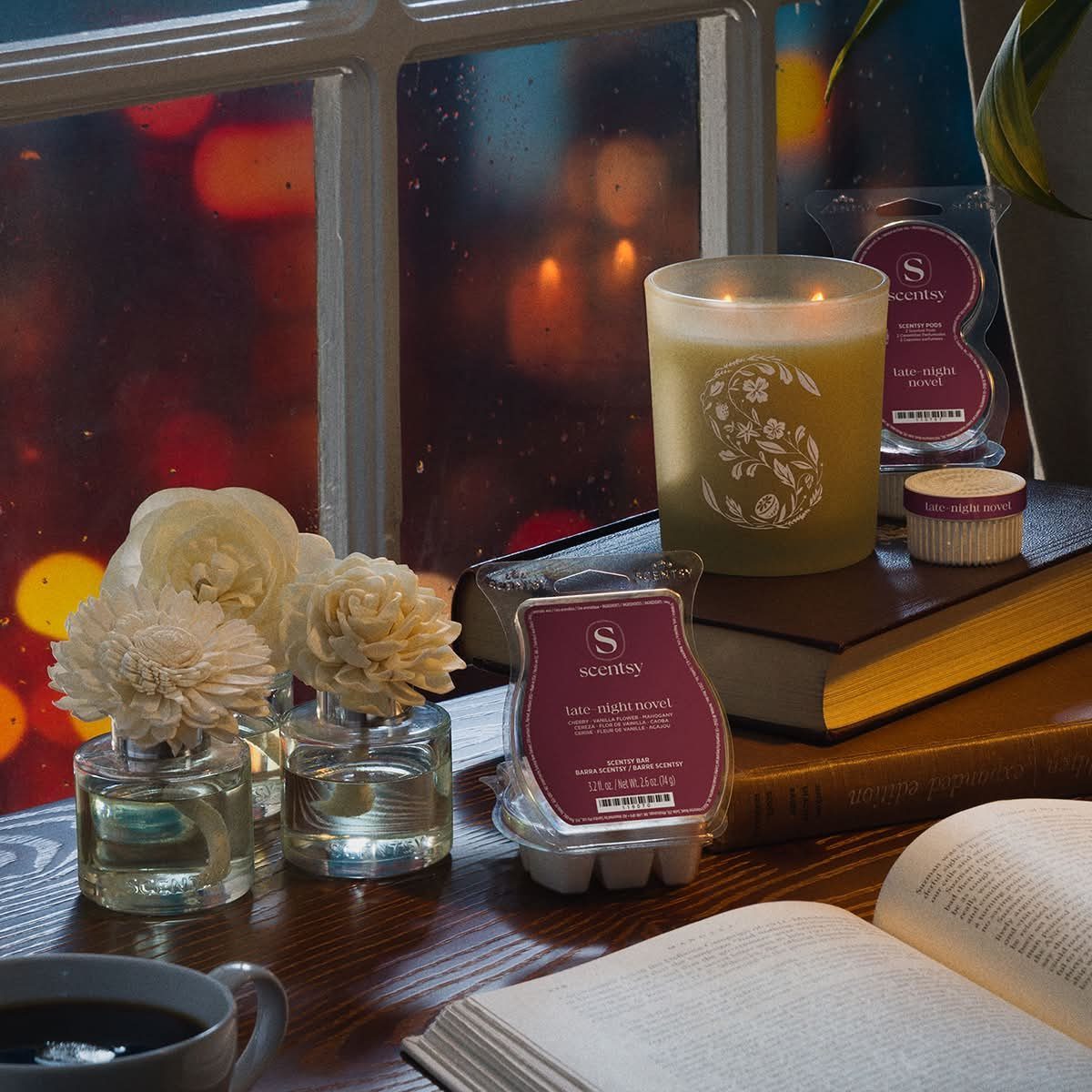
A candle beside the book and the mug turns reading into an evening ritual. The visible jar and the blurred window behind it suggest the light matters as much as the scent.
Unscented candles work best when wine or coffee is part of the ritual; sandalwood or cedar pair better with tea or plain water.
The safety limit is real: I never leave one burning past one inch of wax or within reach of a throw that trails. A soy jar candle lasts roughly 35 hours, enough for a month of short nights.
22. Incorporate a Daybed
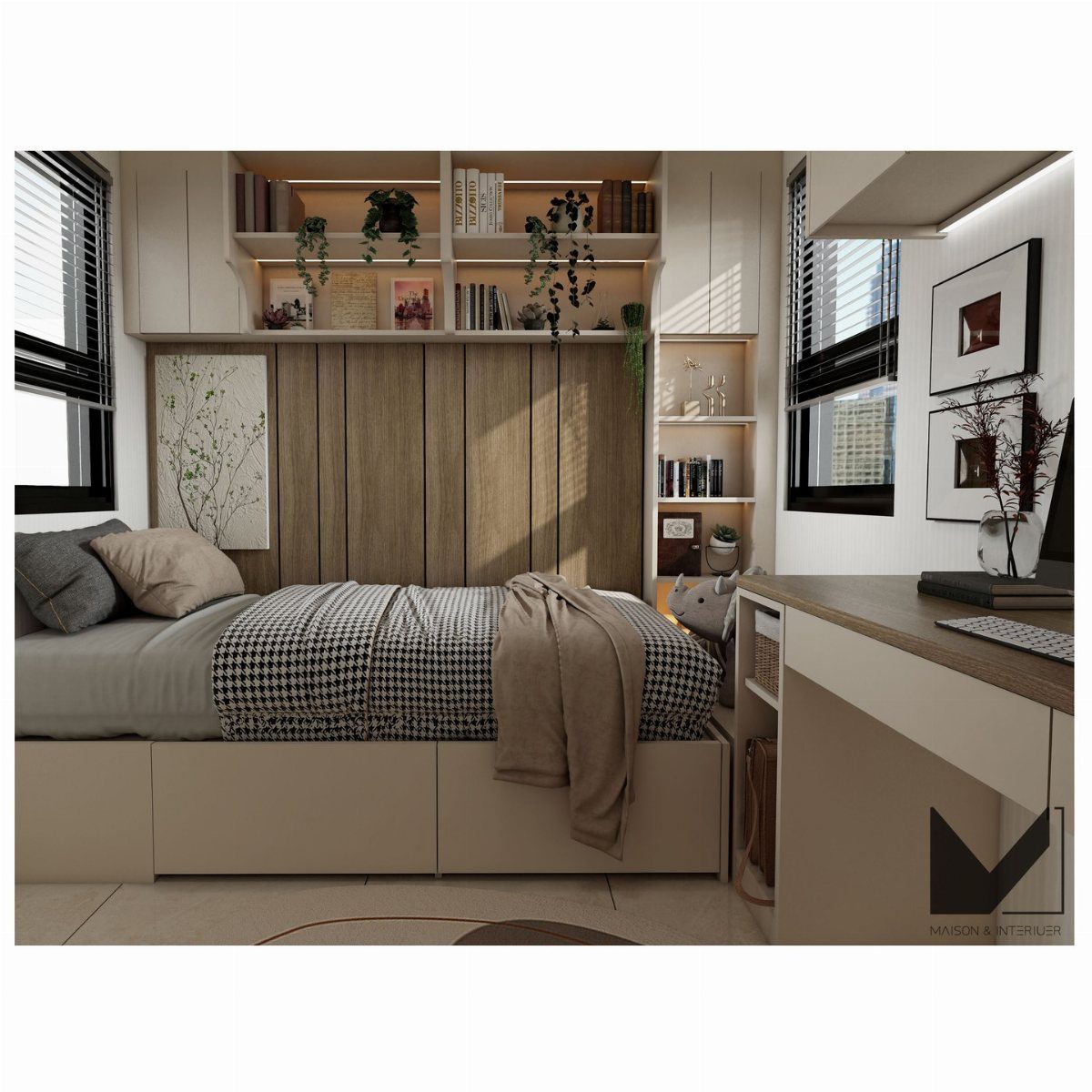
A daybed against a wood-paneled wall with built-in shelving reads as a reading nook that happens to sleep someone occasionally. Low height and neutral linens keep a daybed from feeling like a guest room that stores books.
I would style it with the back pillows stacked for sitting, a single throw folded at the foot for naps, and the shelving within arm’s reach so the book does not require standing.
This needs a full wall, not a corner. For a studio apartment, it replaces both sofa and bed.
23. Decorate with Artwork
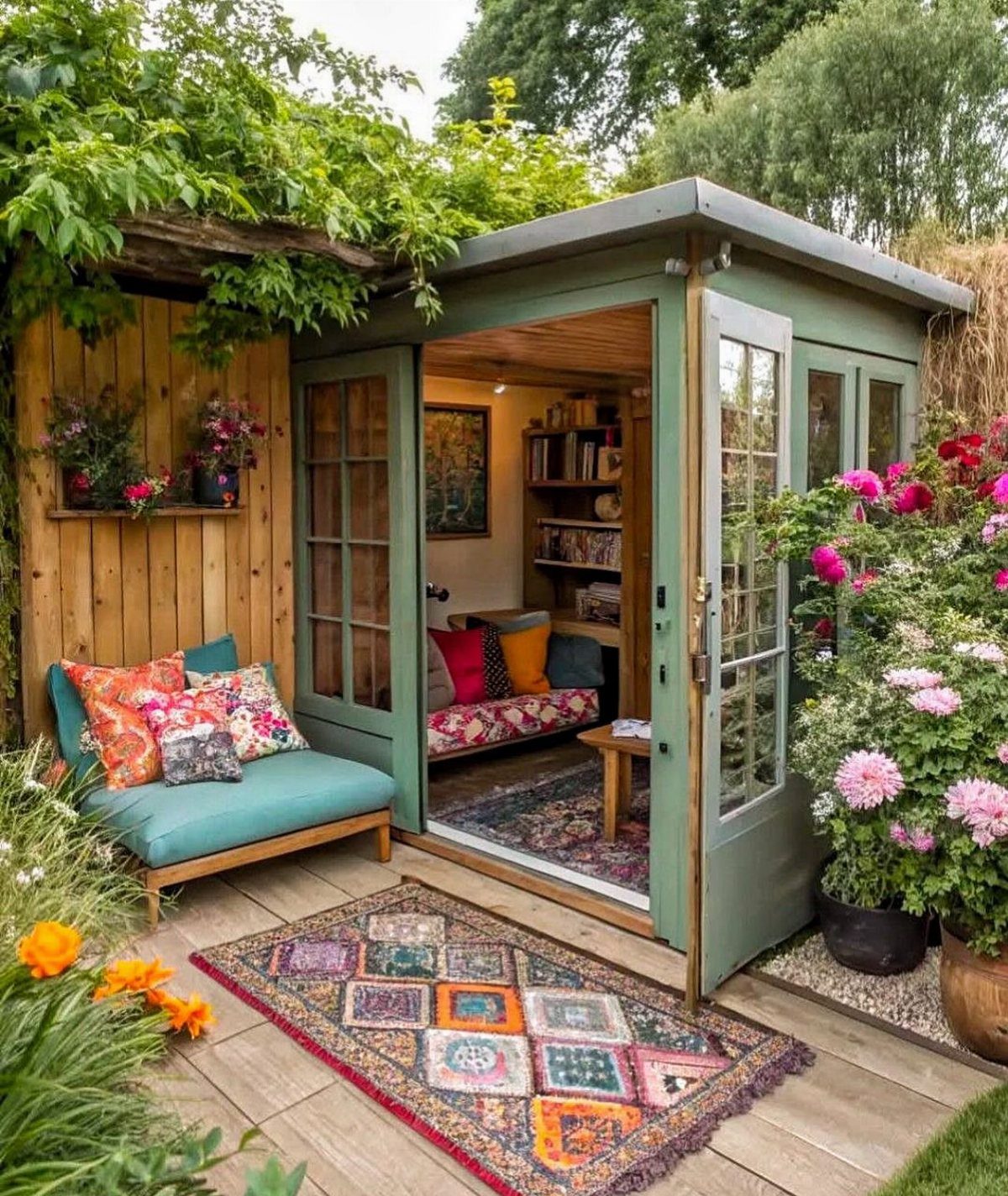
Framed pieces above the bench turn a garden studio into a room that happens to face the yard. Shelves, cushions, and plants set the stage; the art is the personal layer that makes the hideaway specific to whoever sits there.
Importance of Comfort
A reading nook only works if the chair fits how you actually sit to read. Some people curl up; others need upright support for a hardcover.
Before choosing a seat, I spend time in a bookstore or friend’s living room noticing which position my body takes naturally. That single observation eliminates half the options.
The best corners come from giving one ignored spot a clear job: the dead space beside a dresser, the wall at the foot of a bed, the landing of a staircase.
A chair, a lamp at eye level, and a surface for a cup or a stack of books turns it into a place you reach for.
Keeping the main pieces simple lets me swap throws or a small pillow when the season changes. A narrow shelf, tray, or basket finishes the corner without making it feel arranged for a photograph.
Lighting Considerations
Natural light helps during the day, but most reading happens after the sun drops.
A floor lamp, table lamp, or plug-in wall sconce with a warm white bulb belongs close enough to the chair that the light falls on the page without stretching.
Adjustable arms matter more than style; glare from an overhead fixture or a bulb too far away will send you back to the couch.
For tight corners, a plug-in sconce frees up the floor and the side table.
I add one softer light nearby, a small lamp on a shelf or a string of bulbs, so the nook does not feel like an interrogation room.
Enough brightness to read comfortably is the aim, not so much that the space loses its quiet.
Creating a Personal Space
A reading corner does not have to be about books alone. A place where you want to stay, whether you open a cover or not, is what matters.
One favorite art print, a plant that has survived your care, or a small object with some history attached does more to claim the space than a matched set ever could.
I stop at a few pieces. A blanket, good light, and seating that holds you up come first; personal items arrive after the corner already functions.
Too many objects and the nook becomes storage with a chair in it. The plant or the print should feel like a reason to sit down, not something to dust around.
Maximizing Small Areas
Corners and closets hold more square footage than floor plans suggest. A closet with the door removed gains depth a standard chair cannot offer; the back wall becomes a natural spot for a narrow shelf or a sconce.
Stair landings, the triangle under a basement step, the gap between a window and a wall: these spaces fail as storage but work as seats because they demand so little.
I look for vertical room before width. A tall, narrow bookcase beside a chair holds more than a wide one that blocks the path.
The same logic applies to lighting: a wall-mounted fixture uses air instead of floor.
The smallest nooks succeed when every element earns its place by doing at least two jobs, light that reads and warms, a seat that stores, a shelf that displays and holds a cup.
Frequently Asked Questions
What are some simple and cozy ideas for a reading nook?
A compact armchair with real back support, layered lighting with at least two sources, and a small side table within arm’s reach form the core.
One soft throw over the arm and a pillow at the small of your back does more than a pile of decorative cushions ever will.
Keep the chair slightly beside a window rather than dead center to avoid glare, and choose objects you already own to make the space feel settled.
What are some creative design ideas for a small library space?
When floor space is scarce, a rotating bookcase about the size of a milk crate spins six shelves of paperbacks into an 18-inch footprint, or run narrow ledges along the wall beside your shoulder instead of behind your head.
A cart on casters keeps current reads at hand, then glides into a closet or against a wall when you need the floor back.
What to put in a small nook?
A chair, a lamp at eye level, and a surface for a cup or a stack of books turns any ignored spot into a place you reach for.
Plain bones in the chair and table let you trade a wool throw for linen when July hits, or a dark pillow for something lighter, without buying new furniture.