
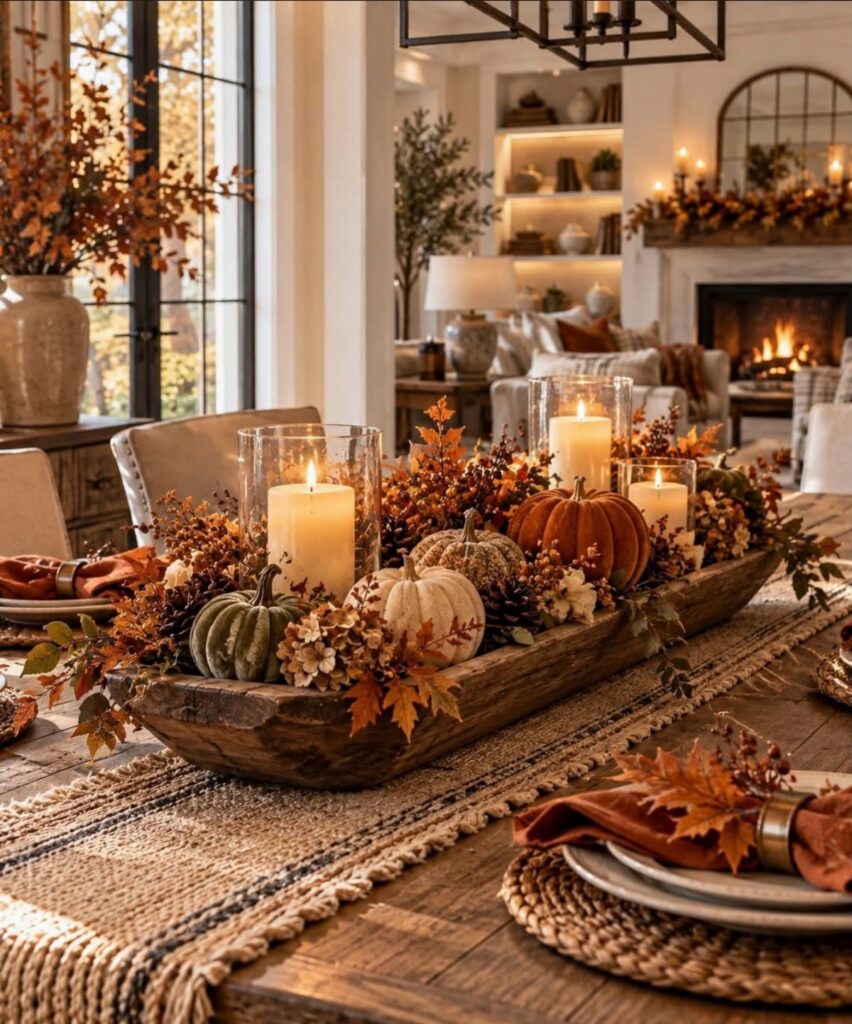
These ideas run from five dollars in cranberries to a dough bowl you may already own, and the right one depends on whether you need the table clear for passing dishes or you can leave the arrangement in place all season.
A ten-minute wheat sheaf lasts through Thanksgiving without water, while floating pumpkin candleholders belong on a side table where splashes do not matter.
1. Elegant Floral Centerpiece
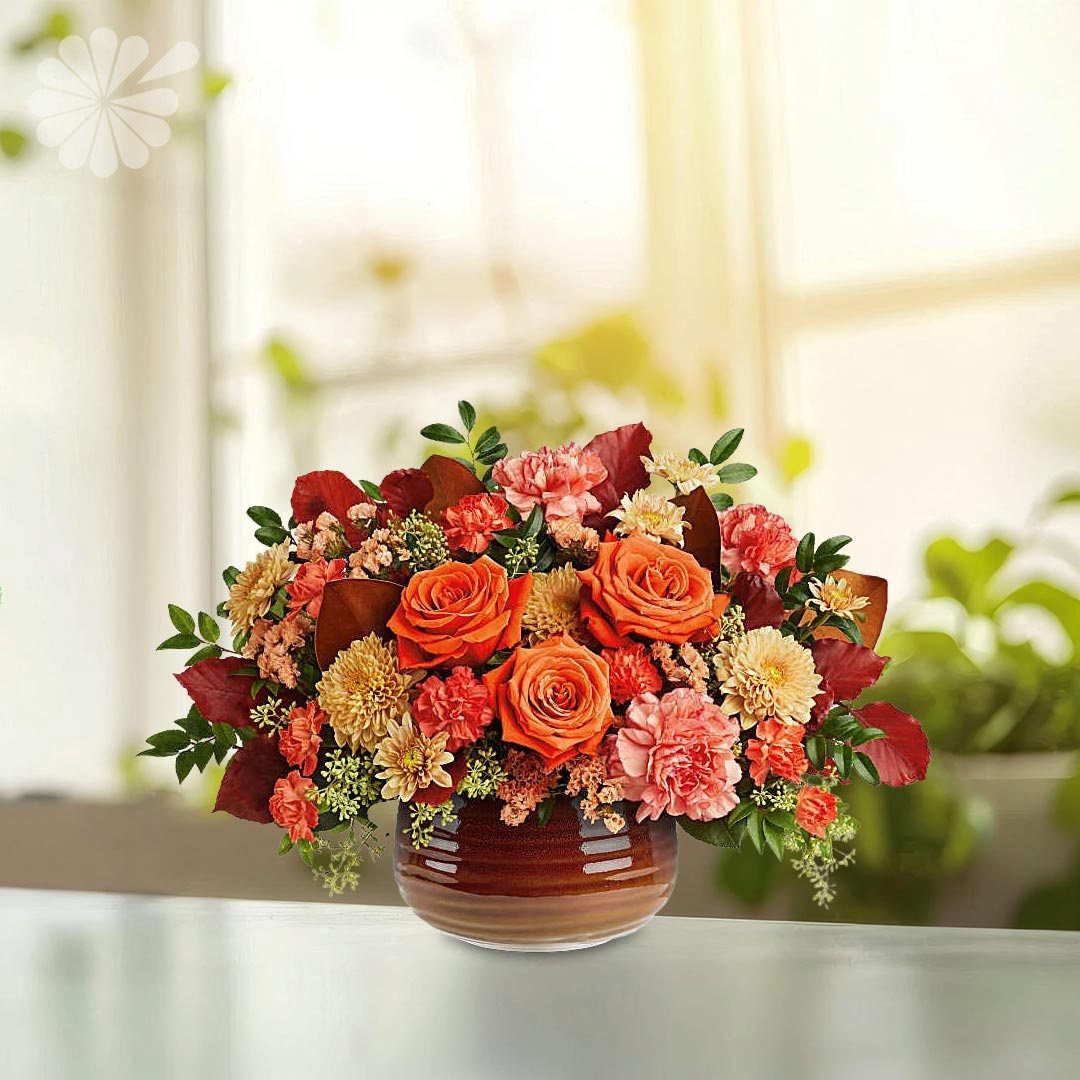
A low, round ceramic vase keeps the arrangement below eye level so guests can talk across the table without craning around it.
Orange roses, pink carnations, and yellow chrysanthemums mix with dark red leaves in a palette that reads autumn without defaulting to orange everything.
Grocery store flowers work fine for this. One branch or a few pinecones mixed in keeps the whole thing from feeling too stiff.
Someone who made a version like this used an antique pewter pitcher instead of ceramic and added Chinese lantern stems for their papery orange husks.
This suits a dinner where you want the flowers to feel considered, not thrown together, but still need the center of the table free for passing dishes.
2. Dough Bowl Centerpiece
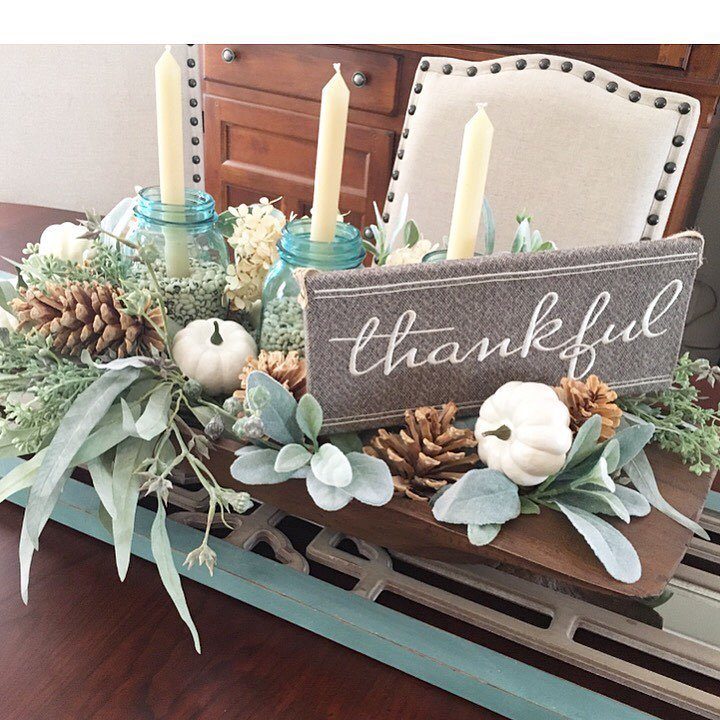
A long wooden bowl, the kind that used to hold bread dough, now carries the whole season across the table.
Total time: about 10 minutes. The bowl itself is the investment; the fillings cost next to nothing and change out for winter greens or spring bulbs.
This works on round tables and long ones both. The long, low shape already anchors the table, so the rest of the setting can stay spare.
3. Simple Fall Centerpiece on a Tray
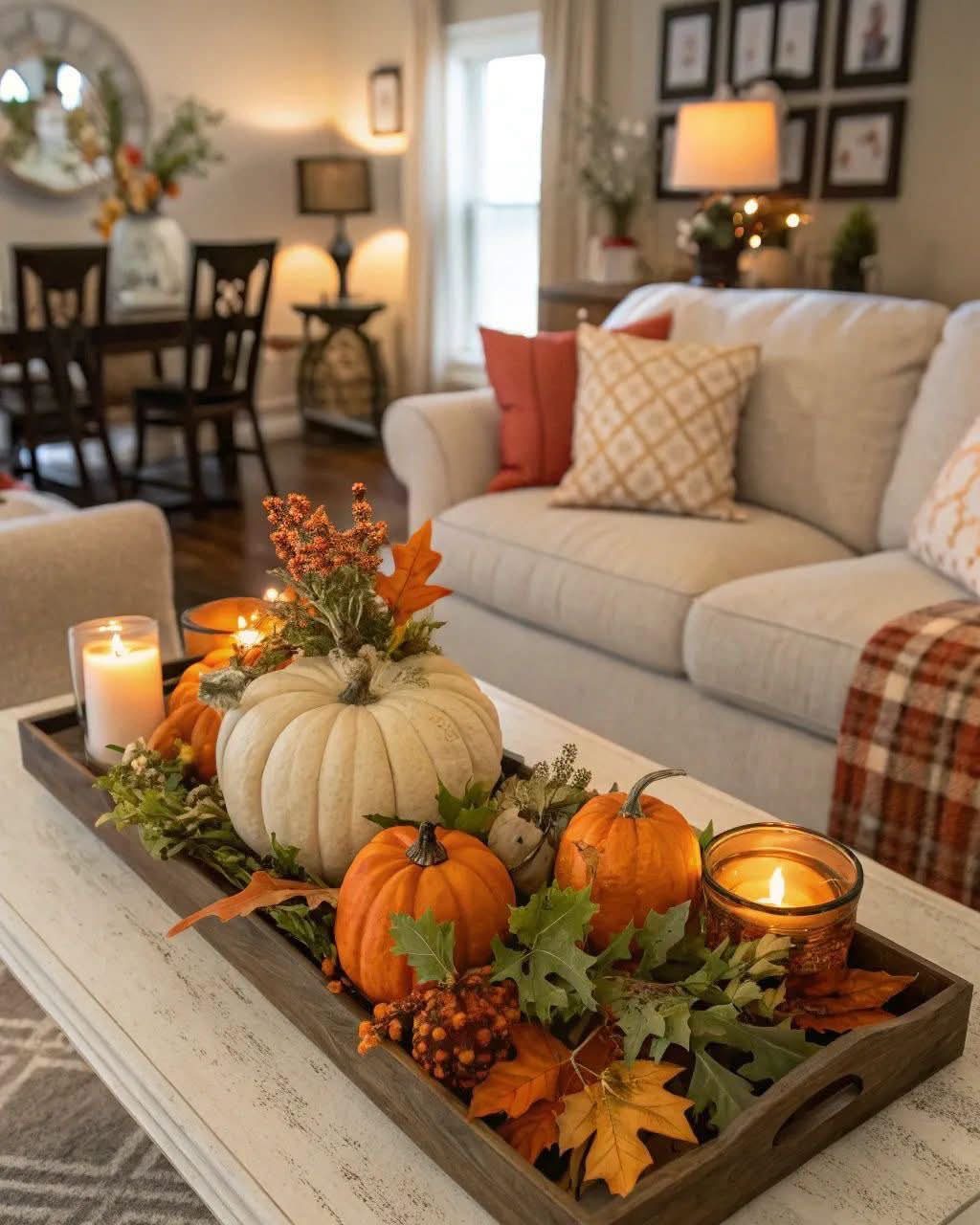
A wooden tray gives instant structure to whatever you pile on it. It corrals the objects, gives them a boundary, and lifts off in one move when dinner is ready to serve.
Start with what you already own: a white tureen, a couple of candles, maybe a stack of books. Add one fall-specific thing, like orange pip berries or a small pumpkin, and the whole arrangement shifts into autumn.
Layer a woven tray over a table runner if you want more texture underneath.
The maker of one version left hers untouched from September straight through to Christmas decorating. That is the real appeal: set it once, ignore it, still looks intentional.
4. Floating Pumpkin Candleholders
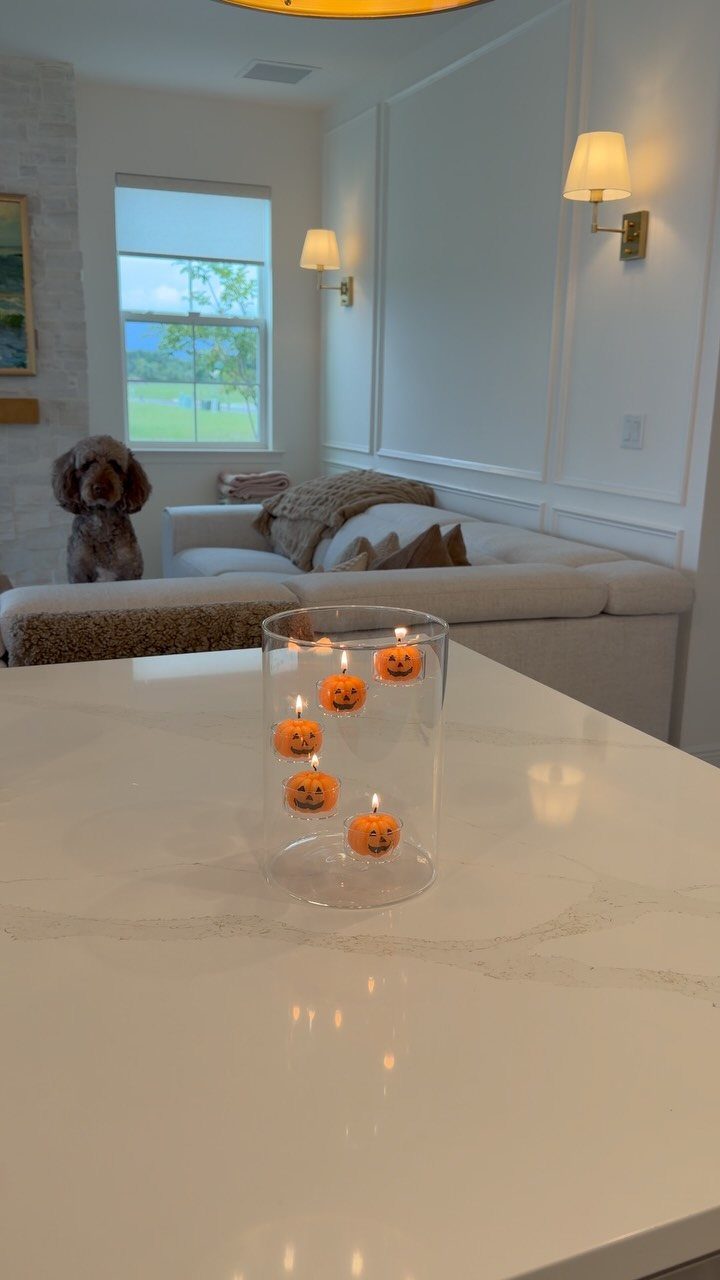
Small pumpkin candles drifting in water catch the light twice, off the wax and off the surface below. A clear glass cylinder shows the whole thing working.
You can use real mini pumpkins instead of shaped candles: carve a flat spot on top with pumpkin tools, then scoop space for a tea light.
A metal tin, mason jar, or ceramic bowl all work for the water; pick what fits your table. Fresh cranberries in the water glow red around the flame and cost about five dollars for the whole setup.
This one needs a table where splashes will not matter and where no one leans across to reach the potatoes. Best for a drinks station or a side table, not the main dinner line.
5. Bowl of Pumpkins
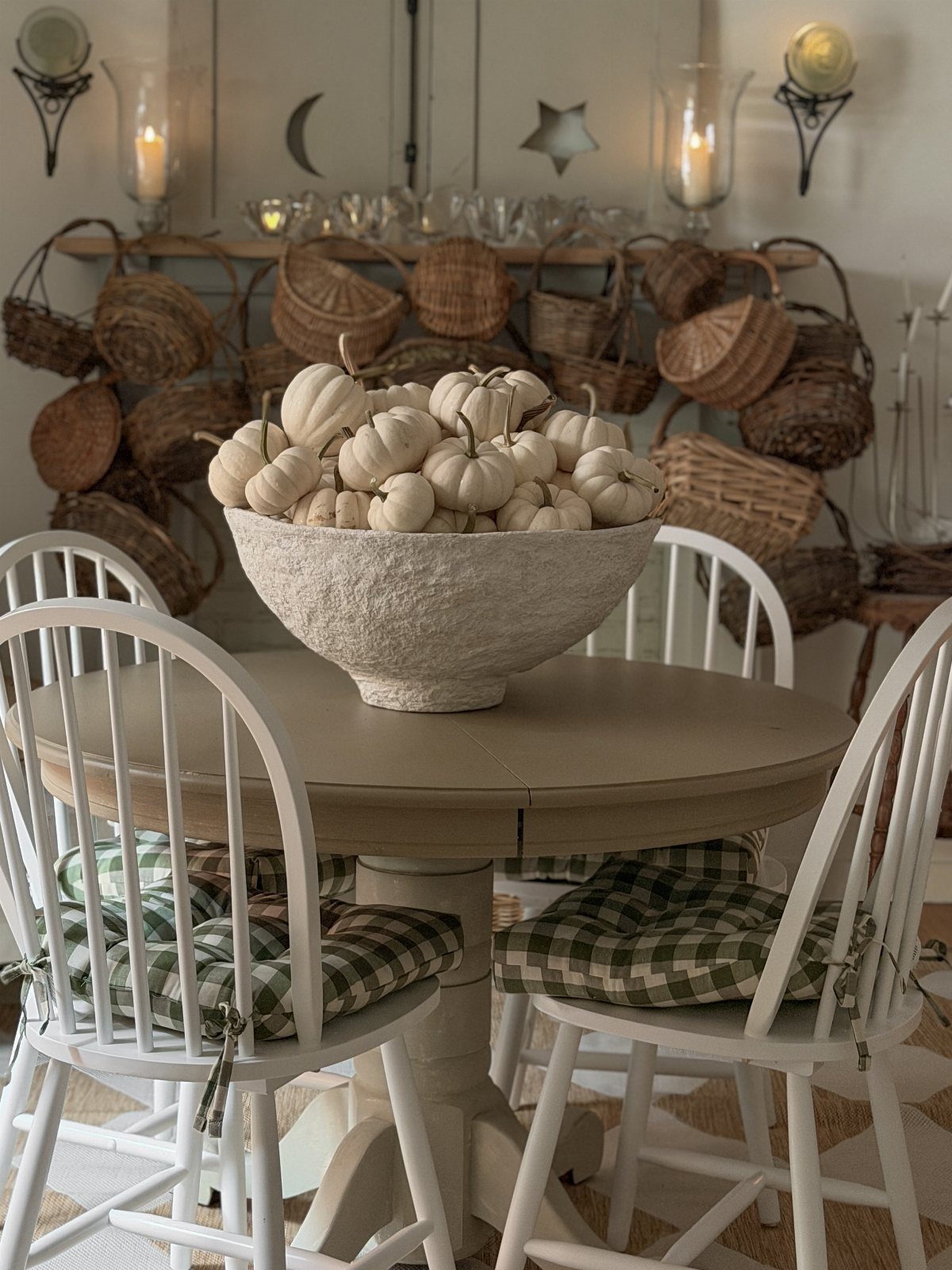
A single large bowl, filled to the brim with mini white pumpkins, sits heavy enough to anchor the whole table. No arranging skill required; you just pour them in.
The maker of one version used a punch bowl, which gives the same rounded abundance on a bigger scale. Add greenery or fall foliage if the bowl needs filling out, or keep it to pumpkins alone for a cleaner look.
Wood beads or faux berry sprays layer in more texture if you have them on hand.
This is the fastest option on the list. It also stores compactly: the bowl lives in your kitchen, the pumpkins in a bin, and next October you pull them out again.
6. Trio on a Tray Centerpiece
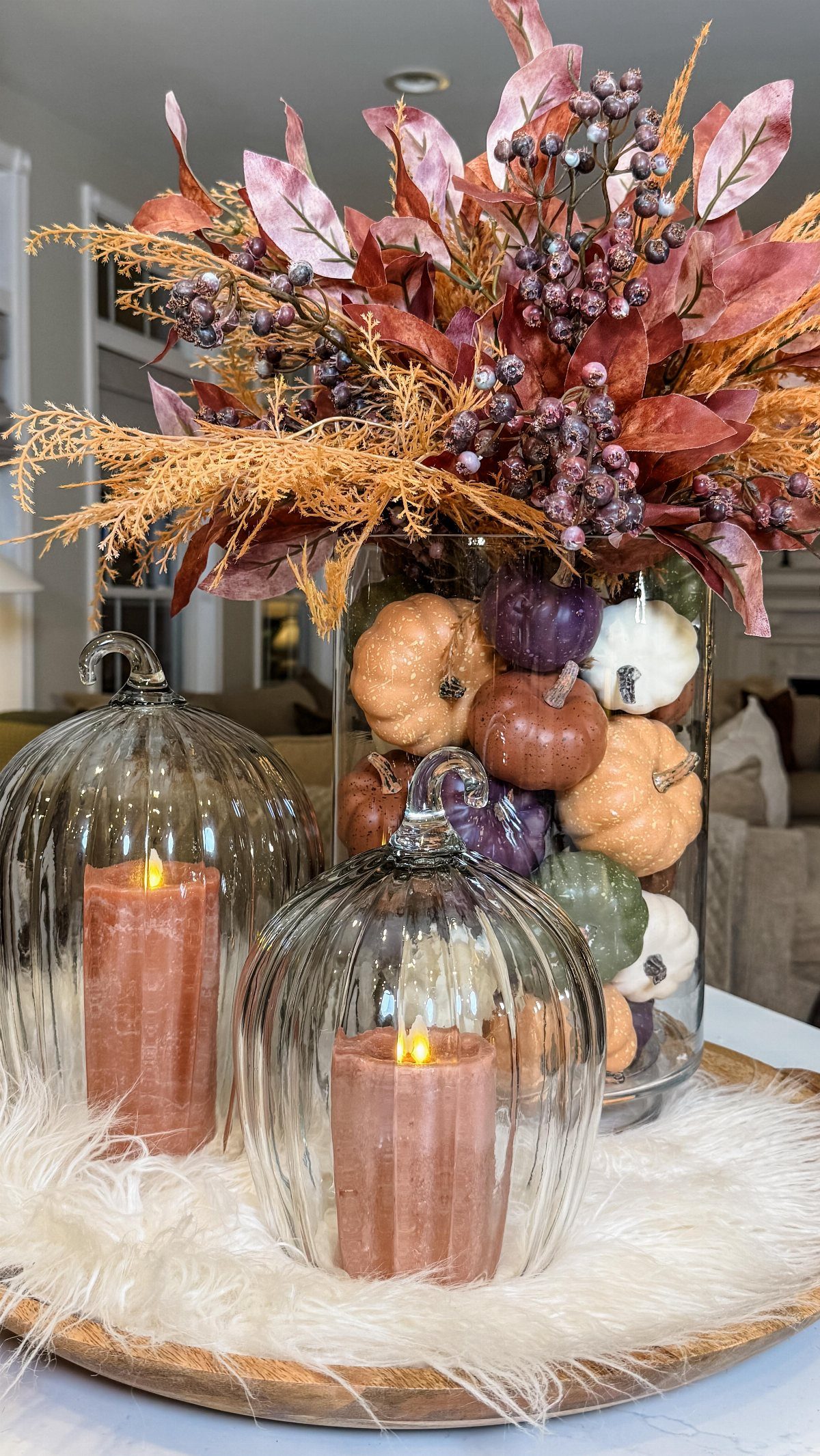
Three objects on a tray, grouped tight, read as one centerpiece instead of clutter. A glass vase of small pumpkins, two pumpkin-shaped candleholders with lit pillars, and a nest of autumn leaves and berries fill the space without spreading everywhere.
The rule is odd numbers and varied heights. The vase carries the height; the candles bring the glow; the leaves soften the edges.
Someone who styled a version like this used a stack of antique books under one side to raise a candle, and a woven tray over a table runner to add one more layer underneath.
This scales down to a coffee table or up to a long dining table: just adjust the tray size and the number of objects inside it.
7. Wheat and Dried Grass Arrangement
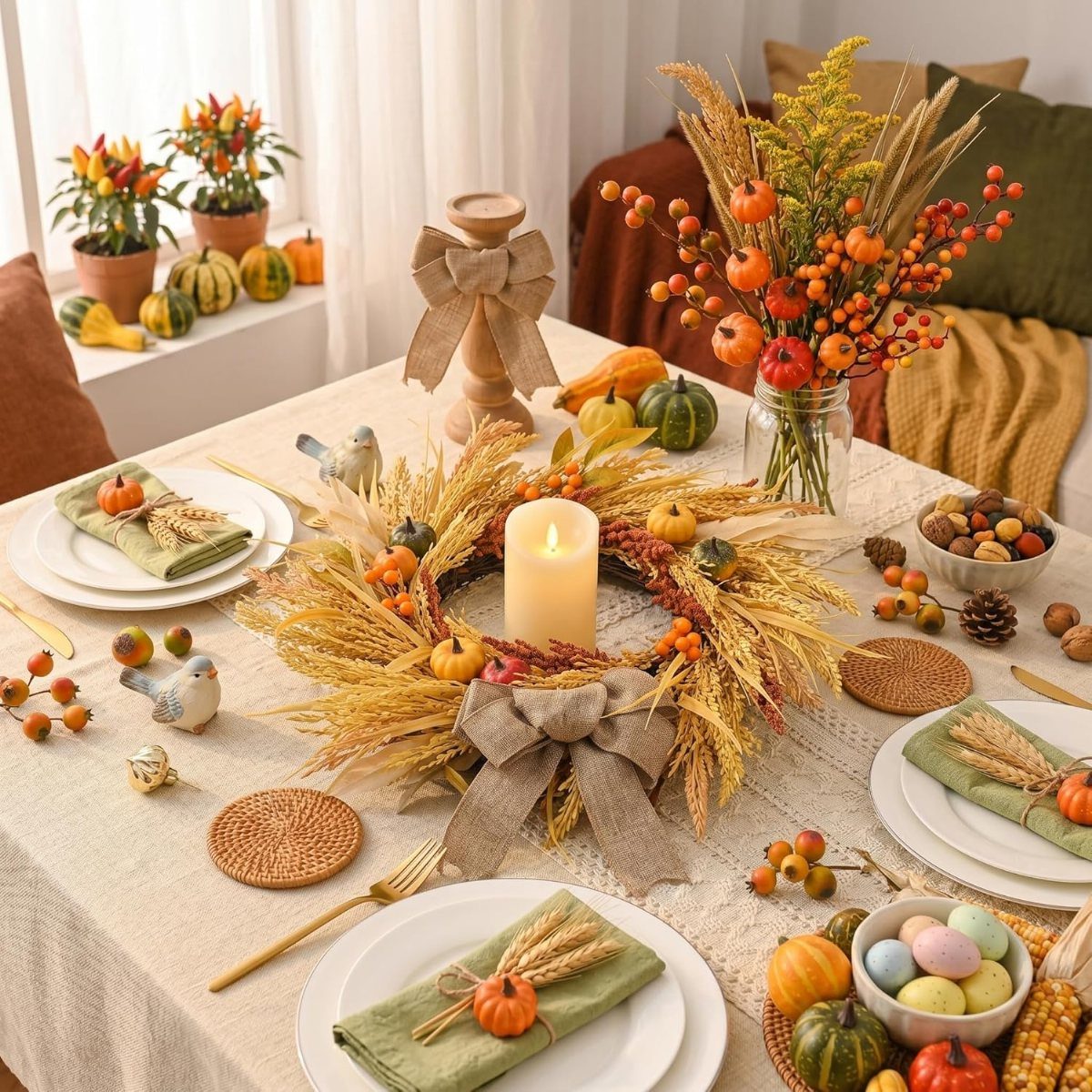
A wheat sheaf takes maybe five minutes to build and lasts the whole season without water or fuss. Dried wheat and grasses in a stoneware vase carry autumn without putting a pumpkin on the table.
Small candles beside the bundle finish the look. The dried texture works for anyone who wants something that still looks good come Thanksgiving, not just the first week of October.
8. Pumpkin and Eucalyptus Centerpiece
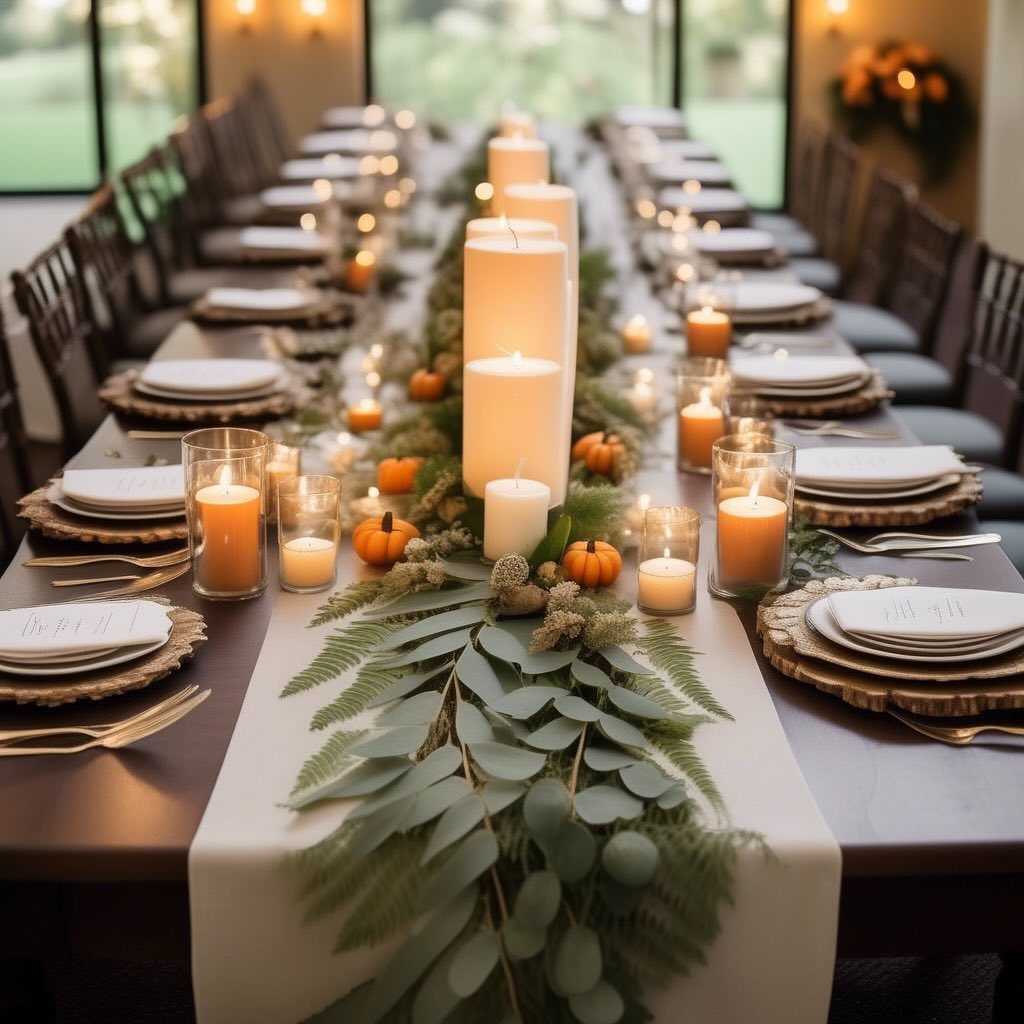
Eucalyptus, fresh or dried, circles a single pumpkin, real or faux, with candles on either side if the mood calls for them. The silvery leaves and their faint scent do more work than you’d expect for something this simple.
Copper accents are optional. The setup suits someone who wants a cooler palette than the usual orange and red, and it costs little if you clip eucalyptus from a yard or a friend’s tree.
9. Layering with a Table Runner
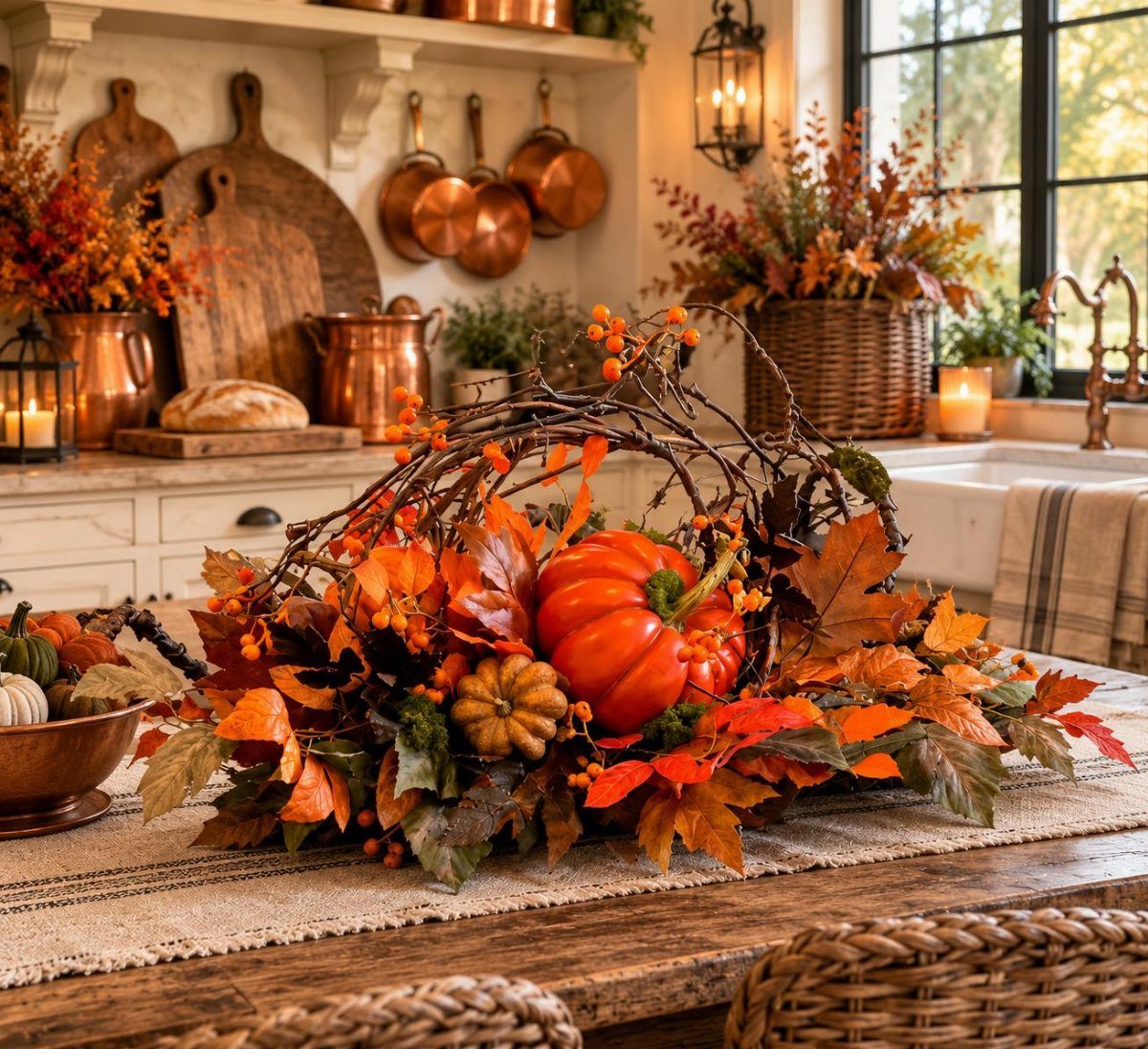
A table runner underneath gathers the pieces into one place. The runner holds the pieces together and draws the colors into a single look, even when the centerpiece is only candles and a handful of small pumpkins.
Burlap works for rustic kitchens; lace or linen shifts the same idea toward something more polished. The runner costs next to nothing, and it keeps the arrangement from looking like items that wandered onto the table by accident.
10. Lantern Centerpiece
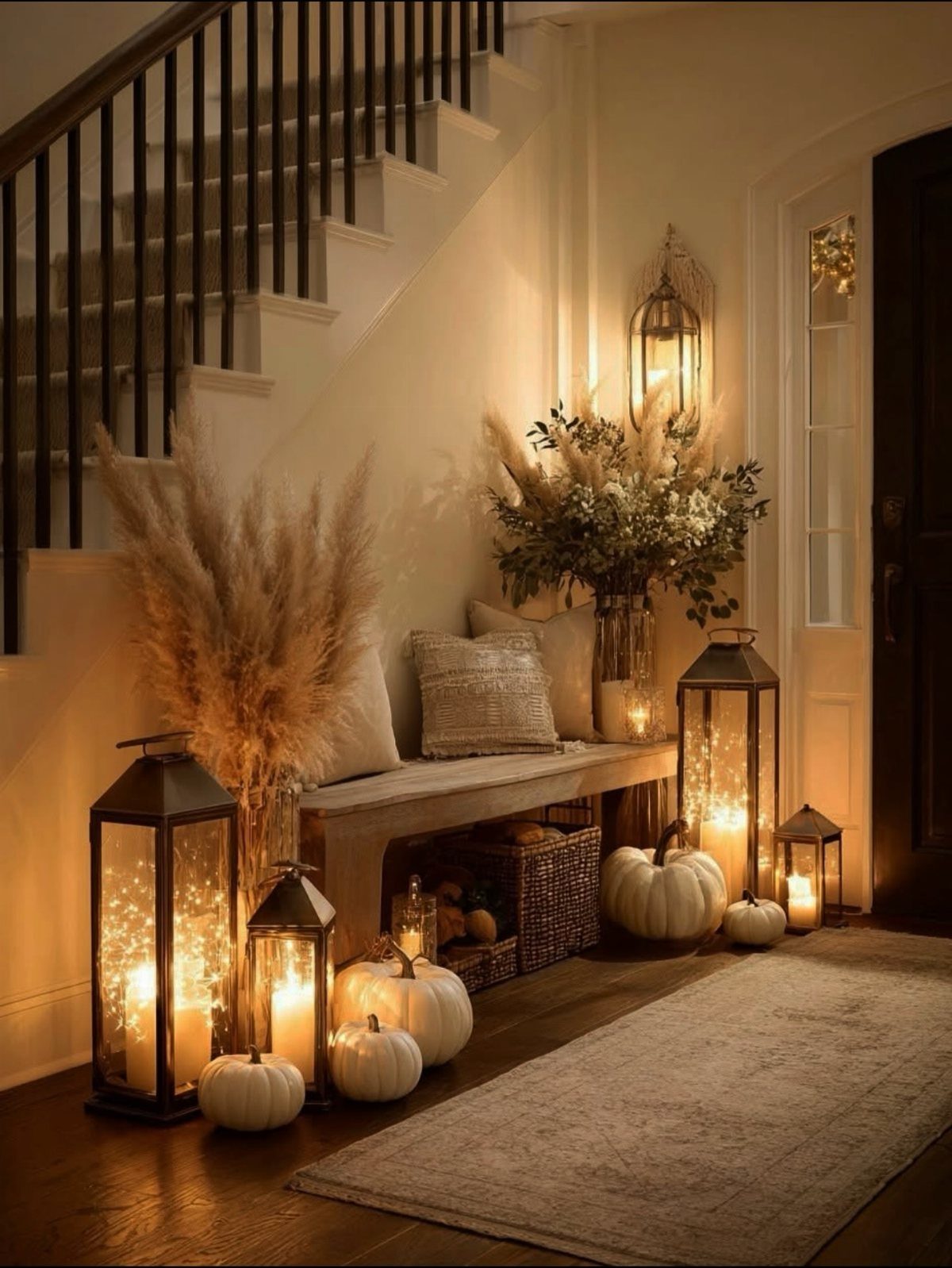
One lantern can carry a whole centerpiece, especially on a smaller table or a sideboard where space is tight. A black metal frame with a candle inside gives structure; yellow foliage tucked against the glass adds movement without clutter.
For a longer table, several lanterns in a row down the center keep the light low enough that guests still see each other across the food. Either way, the piece works alone or as the anchor for a larger scene.
11. Pumpkin and Candle Runner
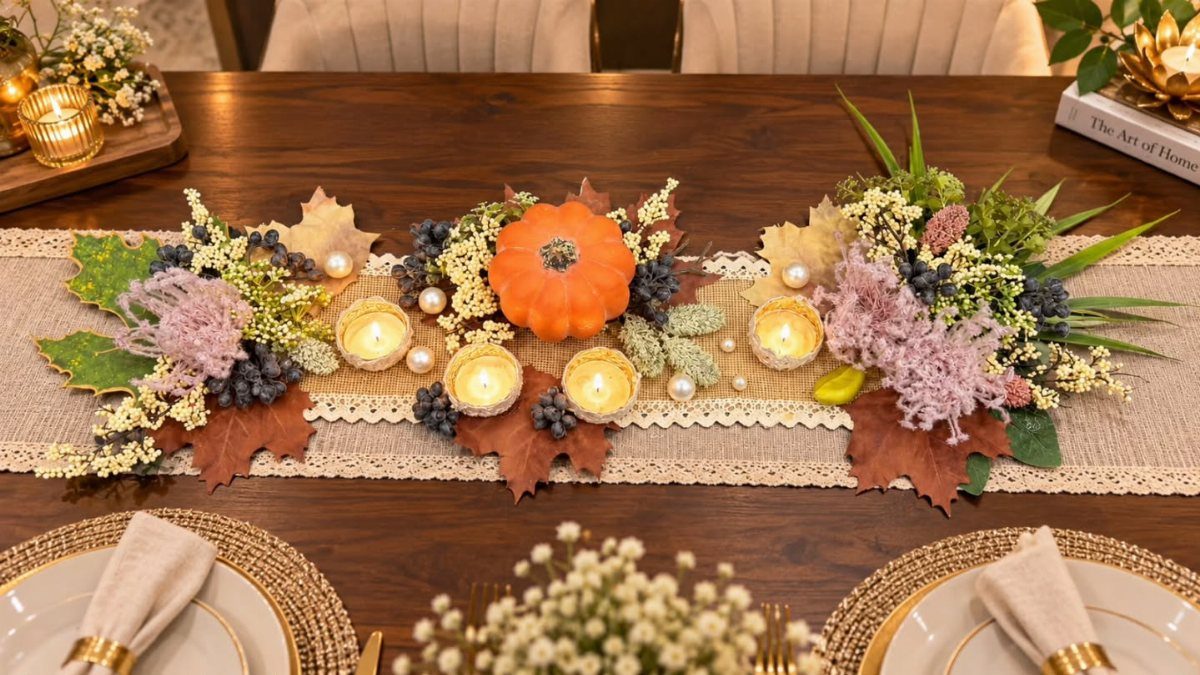
Cream, sage, and orange pumpkins mixed together keep the look autumn rather than Halloween.
The repeated shapes read as polished even when the setup takes only minutes. This is the choice for someone who wants elegance without a single flower to wilt or a stem to arrange.
12. Cluster Candles at Different Heights
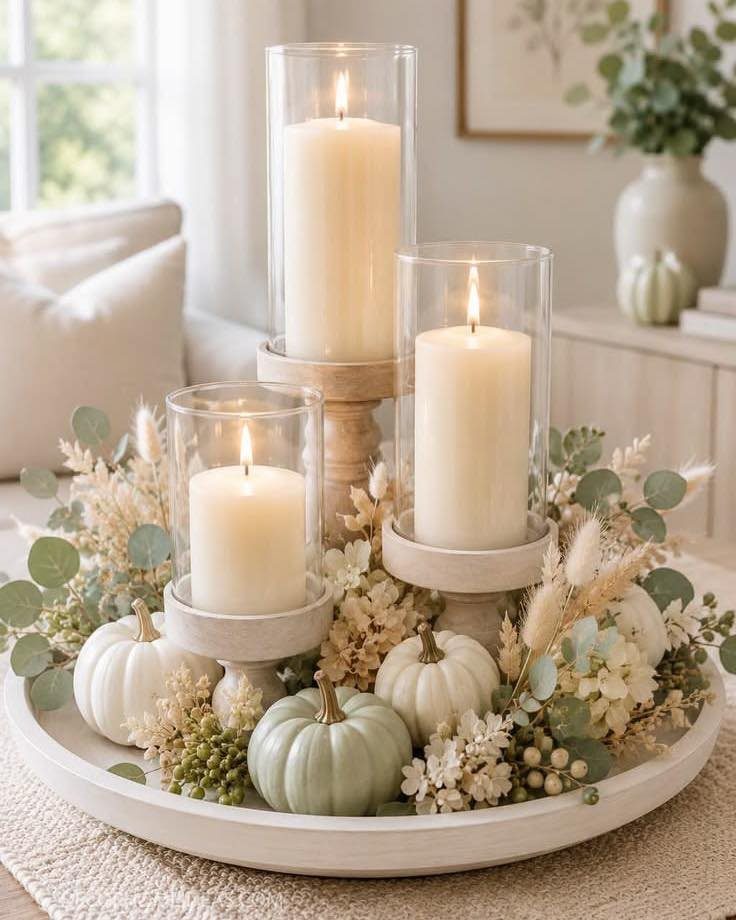
Three pillar candles at staggered heights, set on a tray or plate to catch drips: no pumpkins required, though small white and sage ones tucked around the base work if you want them.
A creator of one version started with a large round tray and arranged holders of different heights in the center, then scattered yard leaves on a scarf runner.
The tray is the key piece; everything else you likely own or find for a few dollars at thrift stores.
13. Pumpkin Planters
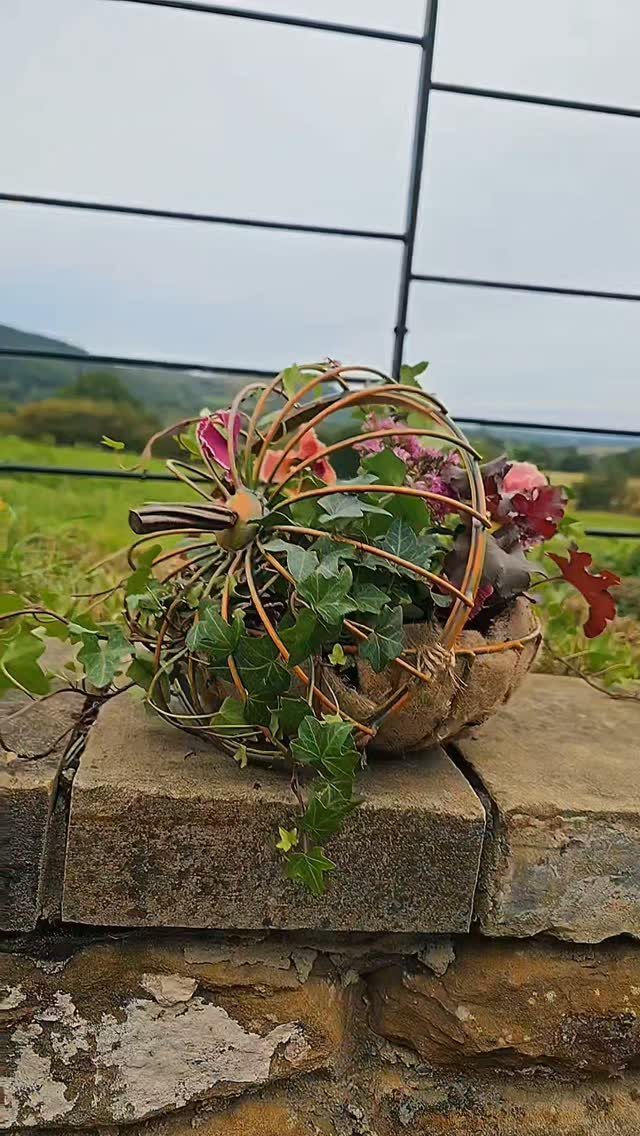
A hollowed-out pumpkin turns into a planter that lasts the season. Cut an opening wide enough for your potted plant to slip inside, scoop out the insides, and nestle the pot right in.
Moss tucked around the rim hides the gap and keeps it looking finished. Small pumpkins work down the center of a table; taller ones suit a sideboard.
The whole swap takes about ten minutes, and when the pumpkin softens, you toss it and keep the pot.
14. Charcuterie Board Centerpiece
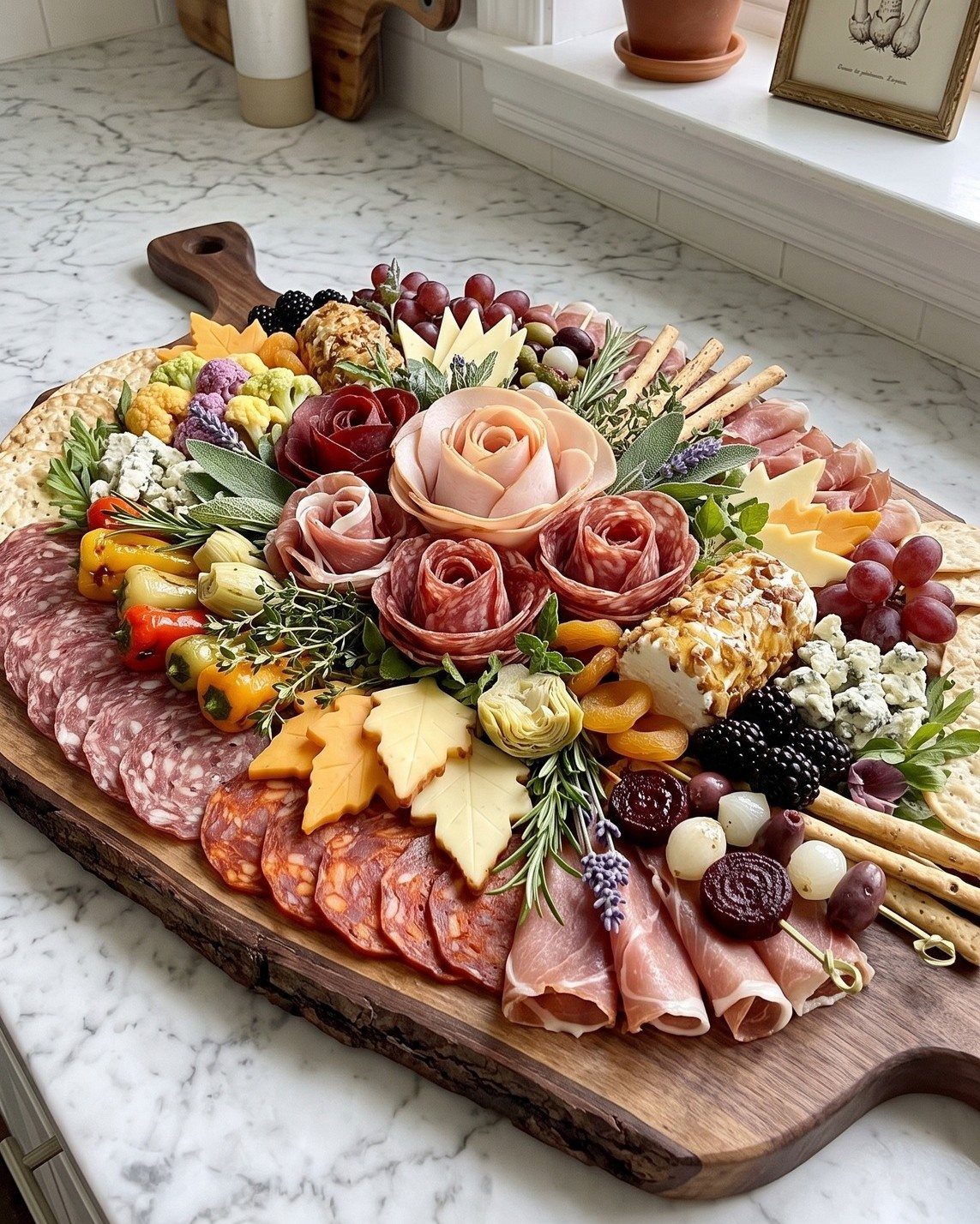
A charcuterie board does the work before dinner starts. A ten-minute setup is honest for this one.
Best for gatherings where guests arrive hungry and you would rather talk than keep running to the kitchen.
15. Milk Glass & Oak Centerpiece
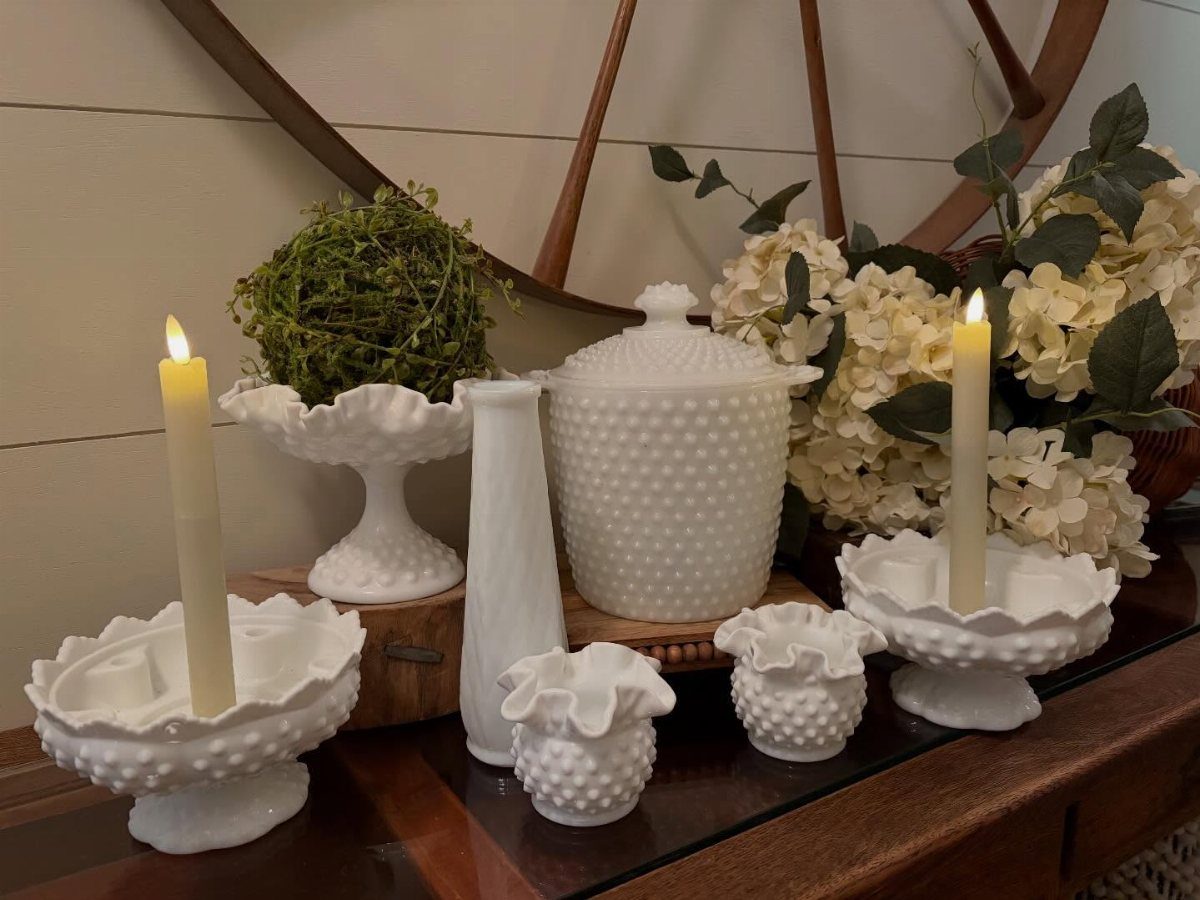
Milk glass catches light in a way that reads autumn without shouting it.
The hobnail and scalloped pieces turn up in thrift stores and antique shops for a few dollars each, and a cluster of three or five feels collected rather than bought.
Tuck yellow oak stems into the taller vase, set a squat bowl with a pillar candle beside it, and add a small pumpkin somewhere in the grouping.
White glass against oak and orange carries a kitchen nostalgia that works surprisingly well for fall.
16. Use Brass Candlesticks
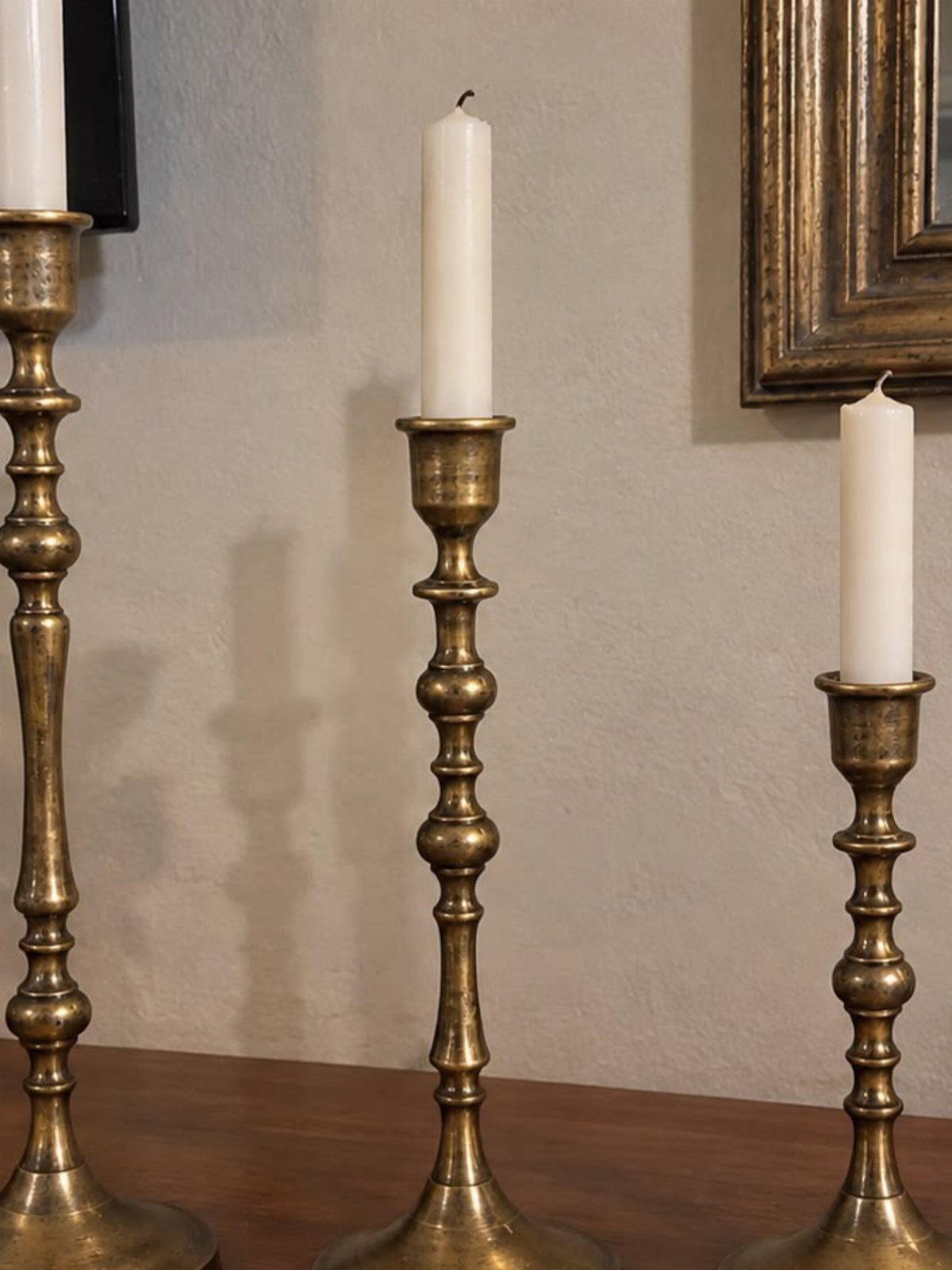
Brass candlesticks from the thrift store look better when they do not match. Three at different heights, each with a white taper, give the table instant vertical interest without blocking faces across from each other.
Three different heights sitting together is exactly what saves the look from feeling staged. Check that the base is steady before you light them; old brass can wobble.
17. Layering with Leaves and Acorns
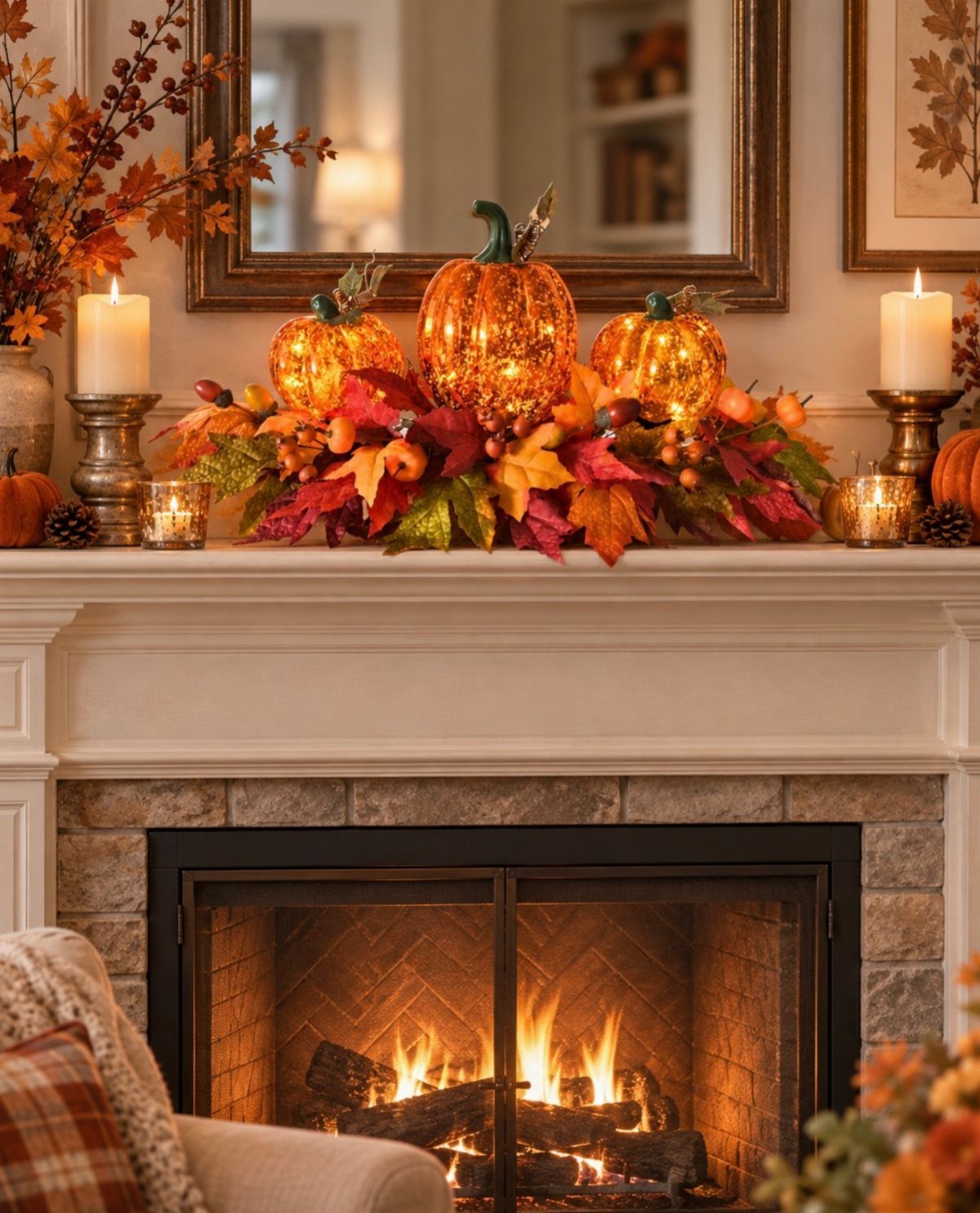
Keep it light and uneven, as if the wind dropped them there. Faux leaves hold up through a whole week of dinners without curling or crumbling, which matters more than it should.
This trick costs nothing if you collect from the yard, or a few dollars for a bag of realistic fakes. It suits anyone whose centerpiece looks too boxed-in or too new.
18. Use a Cake Stand for Height
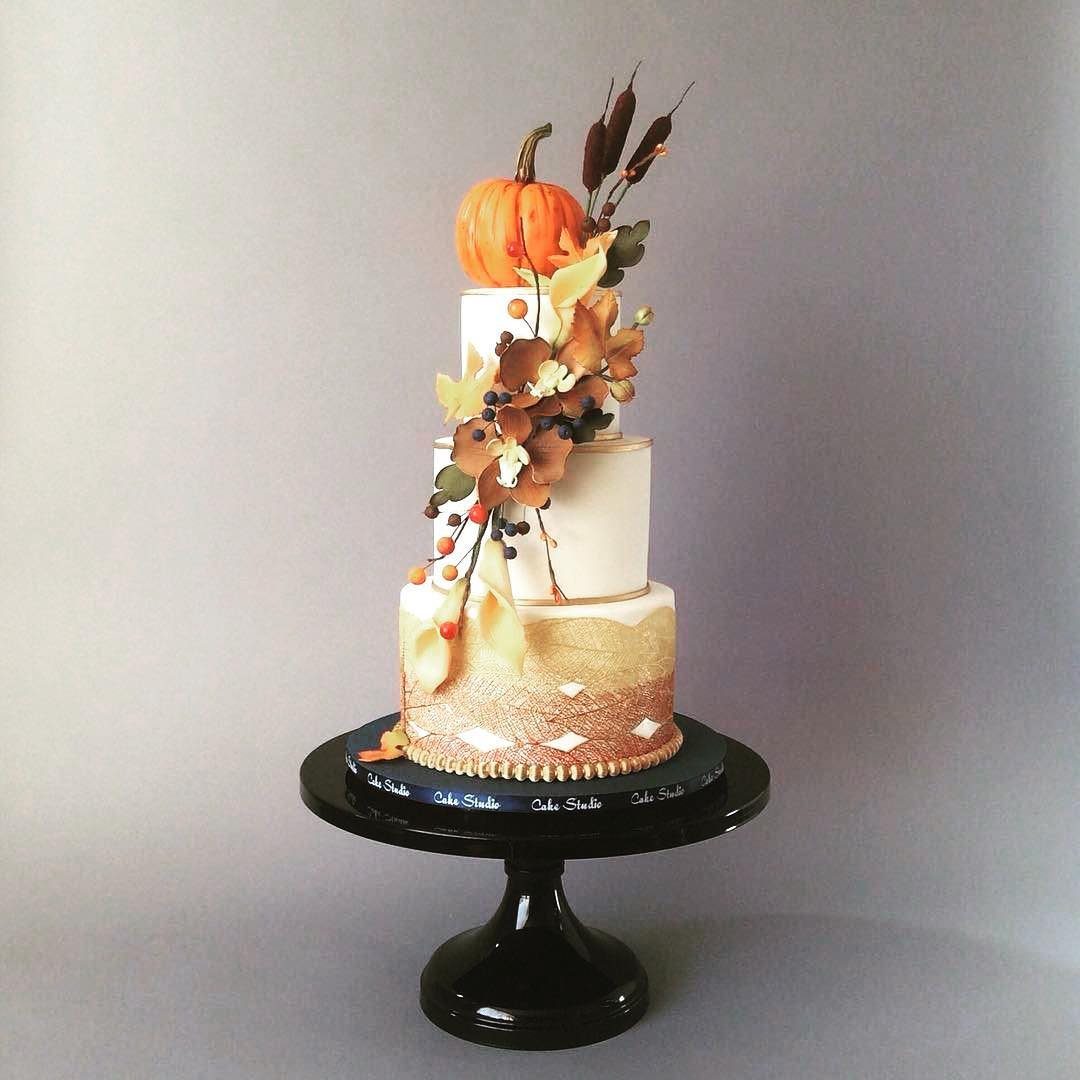
Wood, marble, or white ceramic all work; the material matters less than the lift. Two stands at different heights add even more interest, though one is often enough.
The height reads as styled without blocking anyone’s view across the table, which tall centerpieces always do. This is the fastest way to make a simple grouping look intentional, and most people already own the stand.
19. Fall Fruit Centerpiece
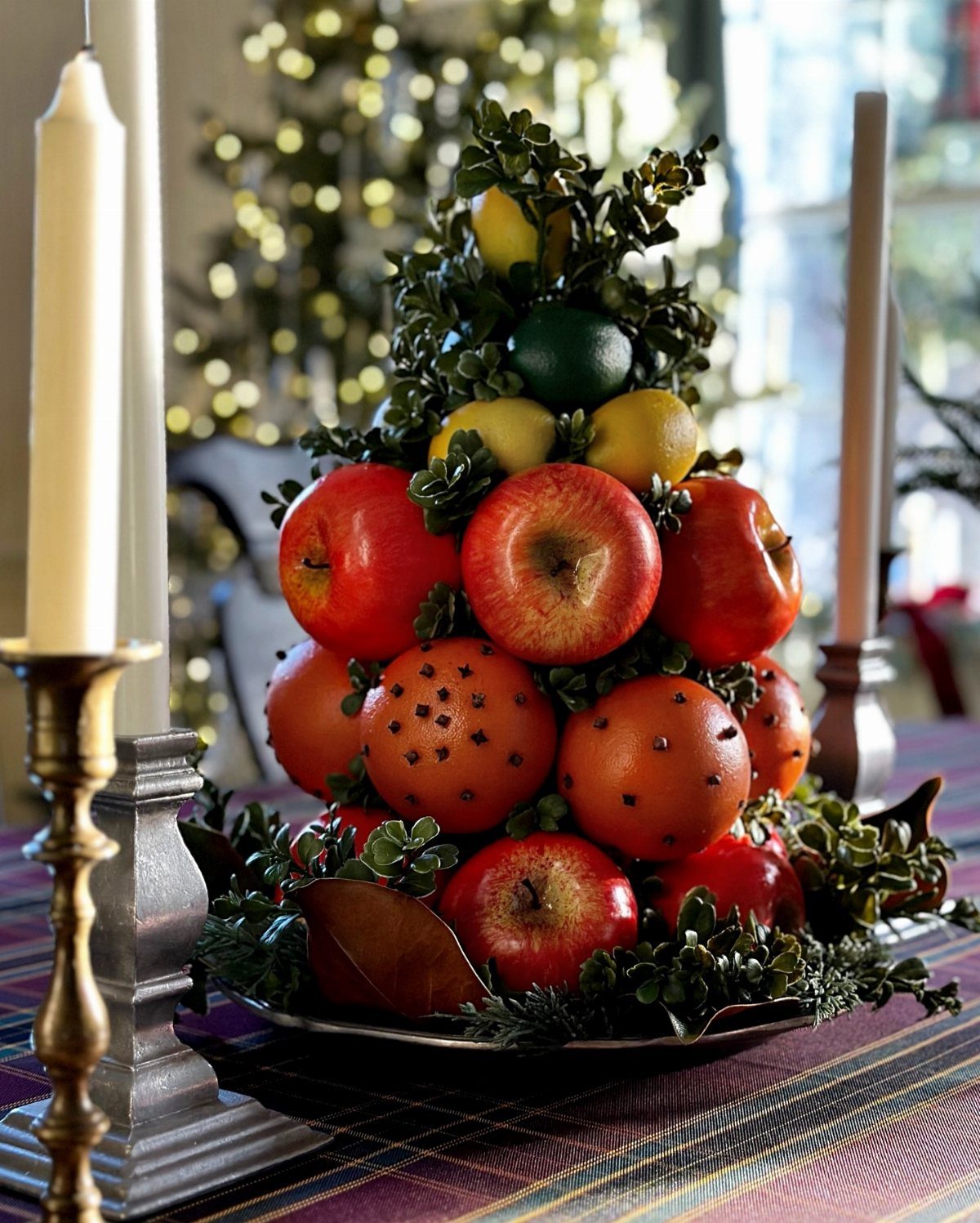
Fresh fruit in a bowl is the oldest centerpiece trick in the book, and it still works because the colors do the work for you.
Pomegranates, pears, and apples give you deep reds and warm golds against whatever bowl you already own. Tuck in a few sprigs of boxwood or magnolia leaves from the yard, and the whole thing reads like a still-life painting.
Whole cloves pressed into the fruit add scent that lasts through the weekend and costs next to nothing. Eat the fruit as the week goes on; nothing to store come November.
20. Sunflower Centerpiece
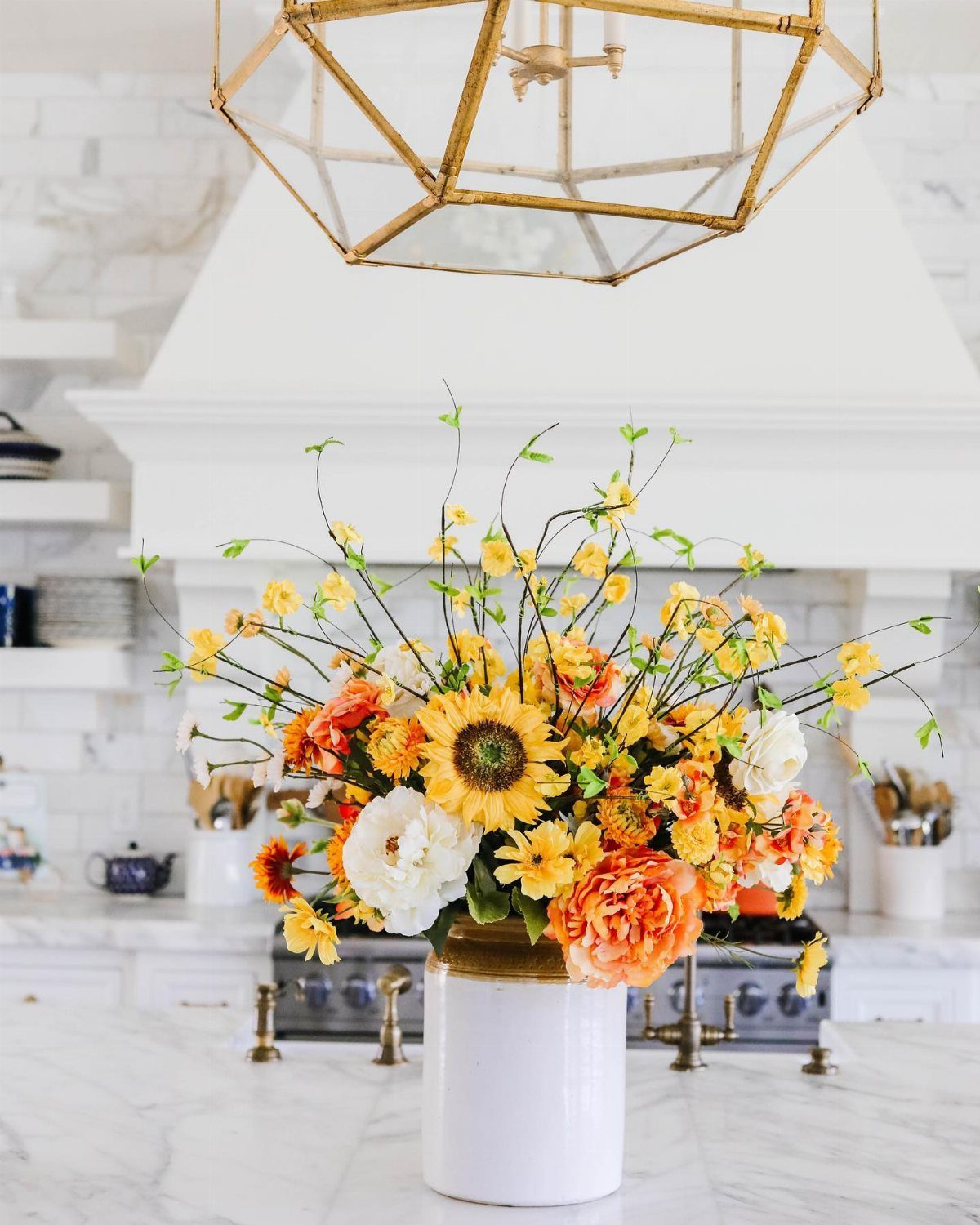
A single variety of flower in a large vase is the fastest way to look like you planned ahead. Sunflowers carry early fall on their own, no filler needed.
If fresh sunflowers are done at your market, the faux kind have gotten convincing enough to mix in without apology. One bunch, one container, a quick trim of the stems.
I’d pick this for a Sunday lunch where the food needs the attention, not the decor.
21. Velvet Pumpkin Centerpiece
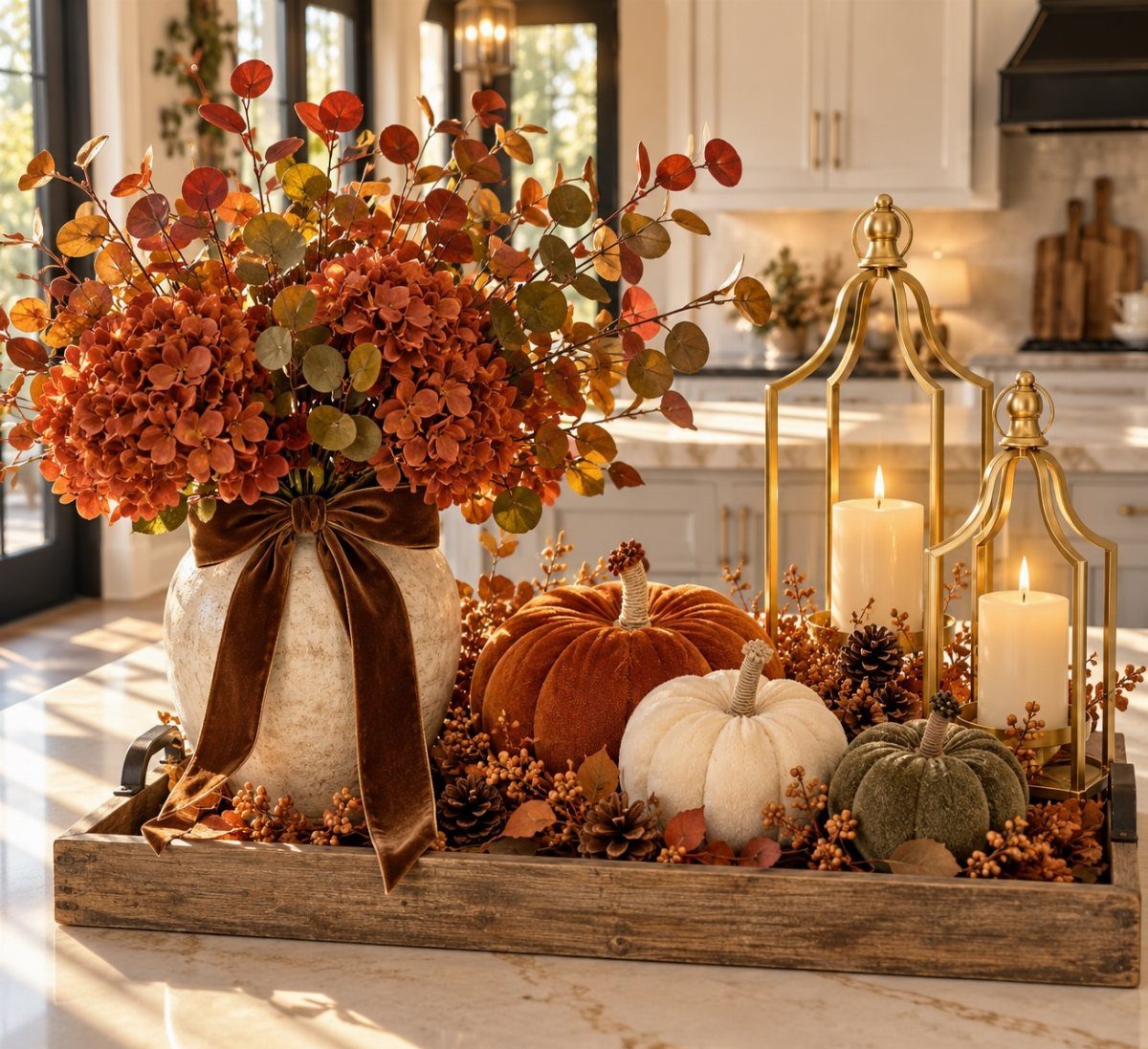
Velvet pumpkins read expensive even when they are not, and they last year after year.
Start with whatever runner or surface you have, add glass vases with faux stems so you are not swapping water every three days, then nestle in the pumpkins where they will not roll.
The maker of the original piece used blue velvet against a blue runner; orange or cream works the same way on a wood table or a white counter. Five minutes to set out, zero minutes to maintain through Thanksgiving.
Using Seasonal Elements
Deep reds and warm golds, no storage bin needed after Thanksgiving.
White ironstone works the other direction. Pitchers or bowls in that clean, neutral finish let the season’s colors do the talking instead of competing with them.
The vintage edge helps too, and the stuff is sturdy enough to survive actual use. Fill it with fresh or faux flowers, set it down, and the warm tones around it suddenly look intentional.
Mixing Heights and Textures
The height part matters more than the candle part. A low dough bowl next to a tall lantern, a cake stand lifting one element above the rest, brass candlesticks pulling the eye upward; the contrast does the work.
Texture follows the same rule. Smooth milk glass against rough oak, velvet pumpkins against dried wheat, ironstone against charcuterie boards.
The pairing is what keeps it from looking like a catalog spread.
Frequently Asked Questions
What are some good fall centerpieces?
A dough bowl filled with mini pumpkins and pinecones works on almost any table shape and takes about ten minutes to set up.
For something even faster, pour mini white pumpkins into a large bowl until it is full, no arranging needed.
What are the latest trends in centerpieces?
The height part matters more than the candle part right now. A dough bowl and a tall lantern together, or one piece lifted on a cake stand, lets the height difference do the styling work.





