These coastal modern living room ideas land in a weekend for most projects, with shiplap on the ceiling and pillow covers on the sofa both finding a place.
Peel-and-stick wallpaper inside a bookcase travels with you, while pine planks stay behind; both have their place depending on how long you plan to stay.
A wide stripe in classic blue and white is the detail that makes this list work for real budgets and actual walls, not showroom boards.
1. Add Texture & Warmth with Materials
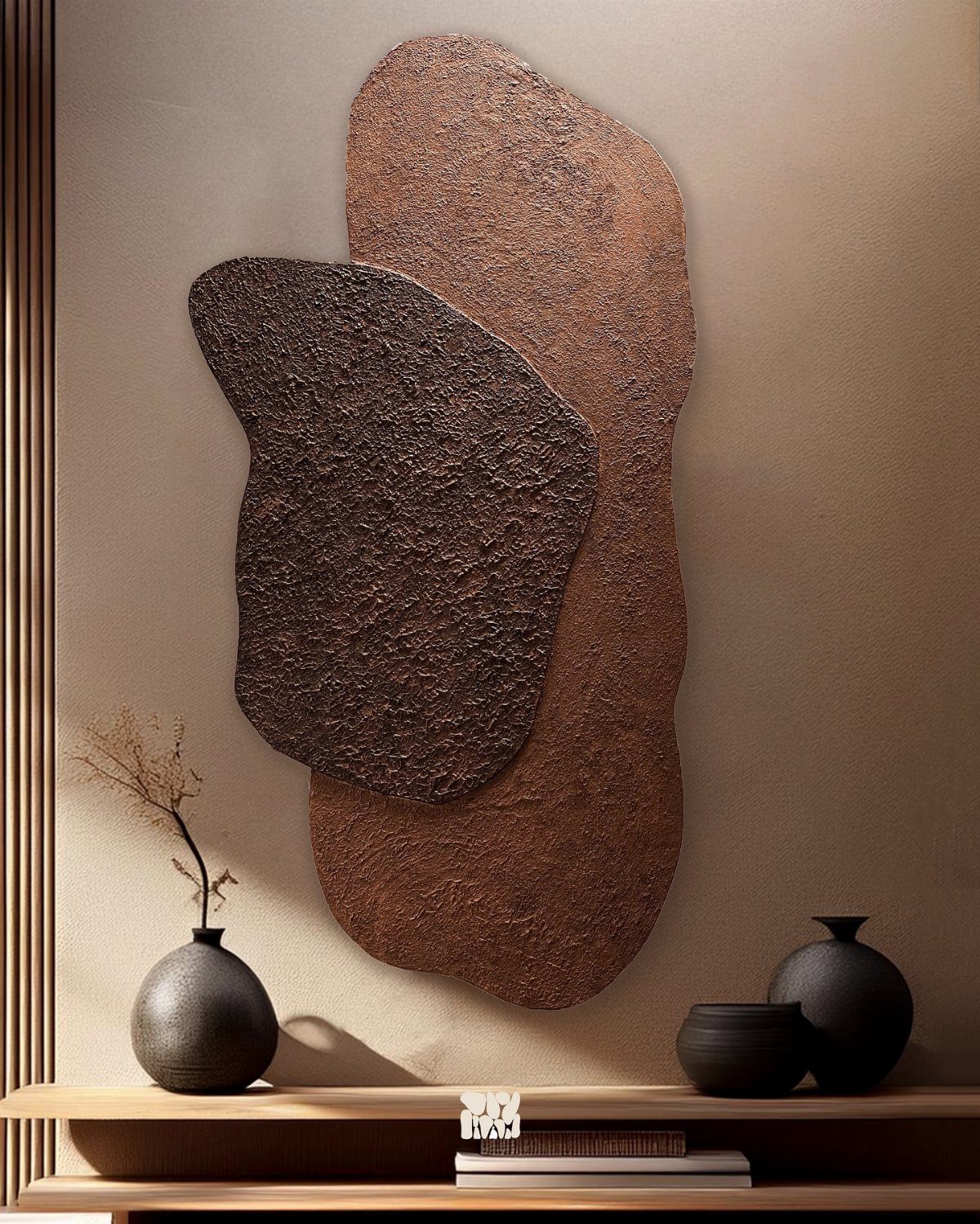
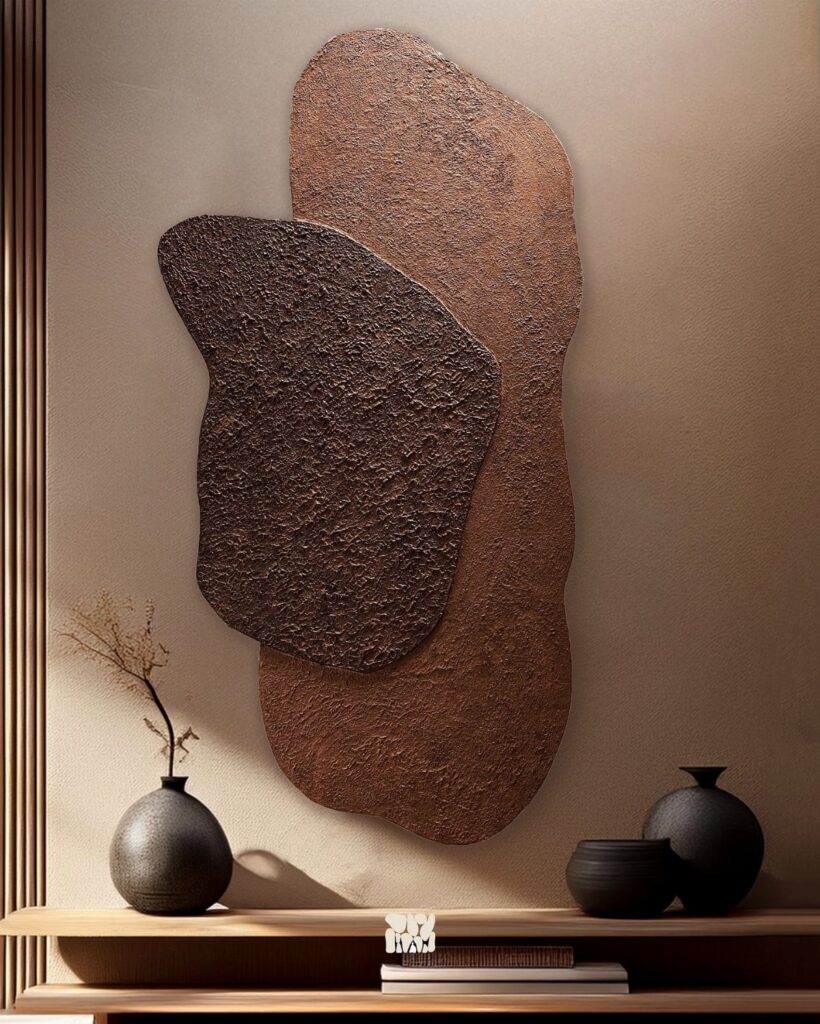
Layering jute underfoot, linen across the sofa, and wicker in a basket or pendant keeps a coastal room from going flat. Weightier textures like dark beams and russet leather read as coastal when the palette stays restrained.
I start with the rug, since it anchors everything else; jute or seagrass survives kids, sand, and weekend projects without the cost of sisal. Light oak shelves or a white oak table carry the same warmth without the beach-house cliché.
Skip the MDF backing if your walls are already smooth; the drywall itself becomes the quiet layer.
2. Mix Modernity and Comfort
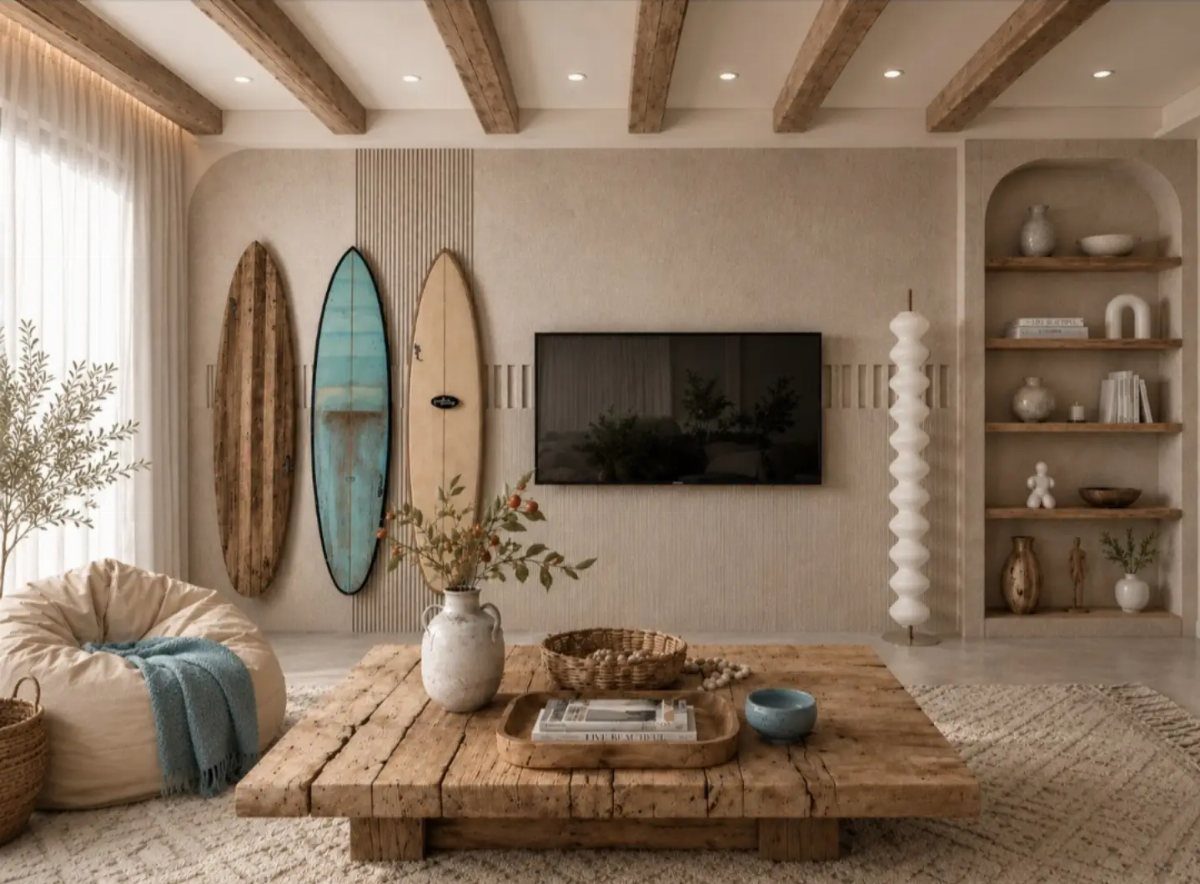
A relaxed piece like a bean bag works beside a raw wood coffee table when the room carries surfboard silhouettes or arched built-ins to keep the look intentional.
Let one piece stay relaxed while everything else keeps its shape: the bean bag gets the blue throw, but the table stays chunky and structural.
I would put the comfortable piece where people actually land, the modern one where the eye travels first.
Exposed beams do half the work by adding age to clean architecture; if you lack them, a single vintage surfboard or paddle mounted high draws the same line upward without the carpentry bill.
This suits renters who can swap textiles but not studs.
3. Modern Coastal Furniture
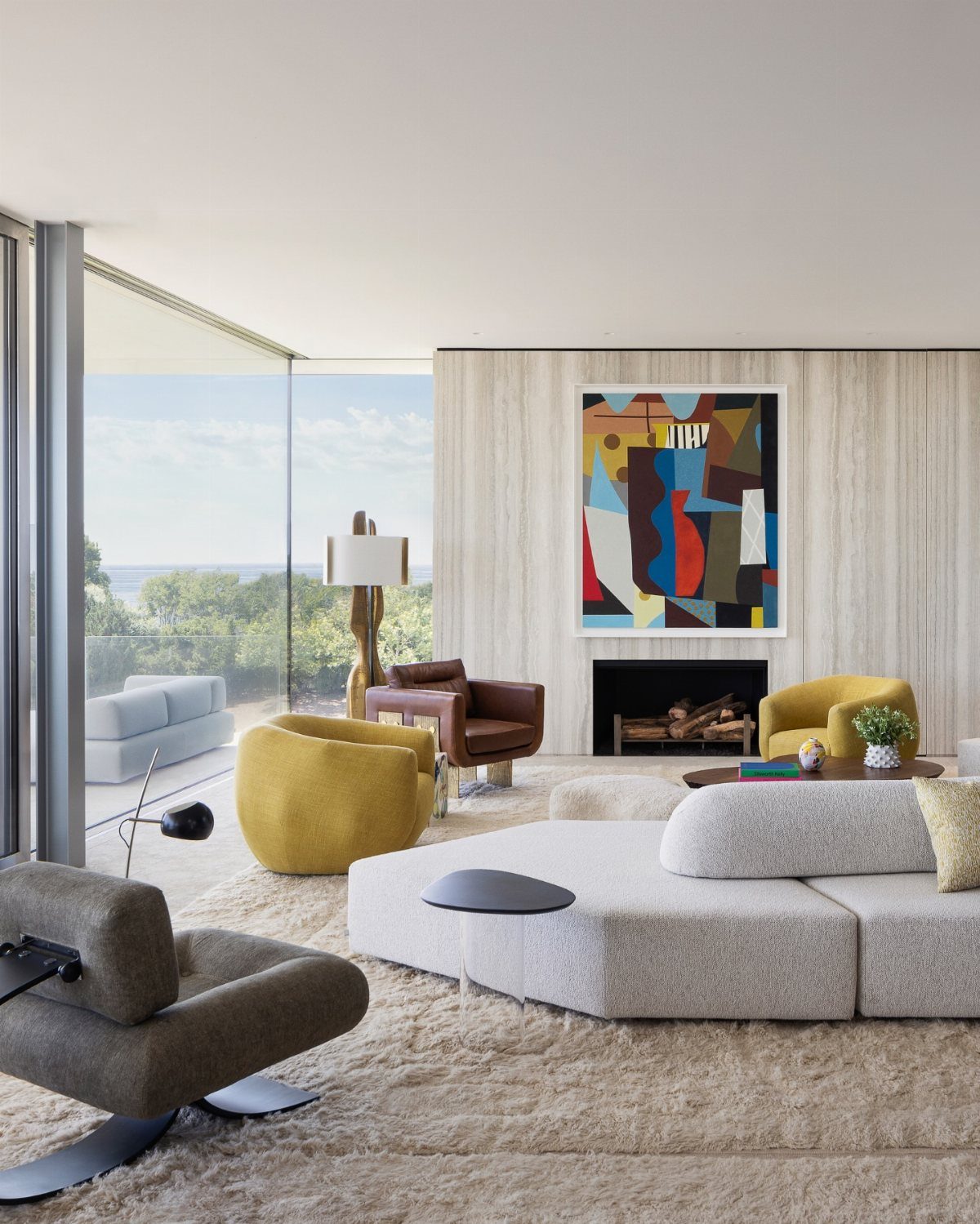
Clean lines matter more than coastal signifiers. A modular sofa reads modern because nothing on it curves for decoration; a leather chair and yellow armchair add interest through material and color, not ornament.
I look for consoles with woven cane doors or satin brass bases rather than skirted silhouettes or rolled arms, which tilt toward cottage instead.
A round marble-top accent table with an angular base hits the same note and turns up at HomeGoods often enough. Scale matters in smaller rooms; wicker chairs with a tighter silhouette breathe easier than bulky versions.
The palette can wander toward ochre or brown leather if the shapes stay disciplined.
4. Consider a Classic Stripe
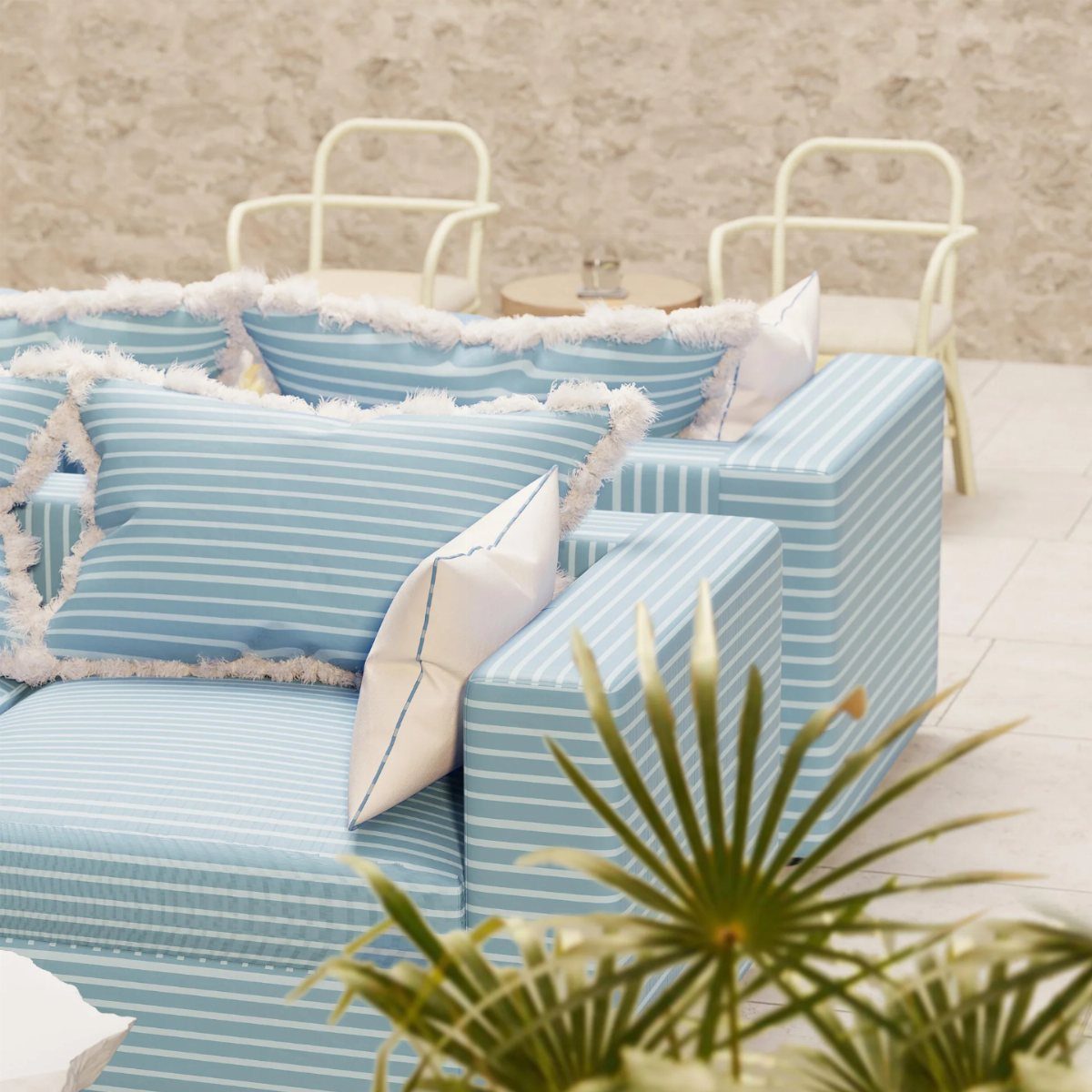
A stripe carries instant nautical memory without requiring a single anchor motif. A light blue sofa commits fully to the stripe, but the same wallpaper works backed with peel-and-stick for easy removal inside a closet, keeping the room itself neutral.
A 12-inch-wide stripe on a runner or pillow cover under $14 does the work without the statement.
I place stripes where they will get seen in repetition: a pair of pillows, a rug under a glass table, the back panel of open shelves.
Texture beside pattern keeps either one from dominating; a stone wall behind a striped sofa proves the point. Renters might try the wallpaper inside a bookcase or on a single cabinet face first.
5. Choose Coastal-Inspired Art
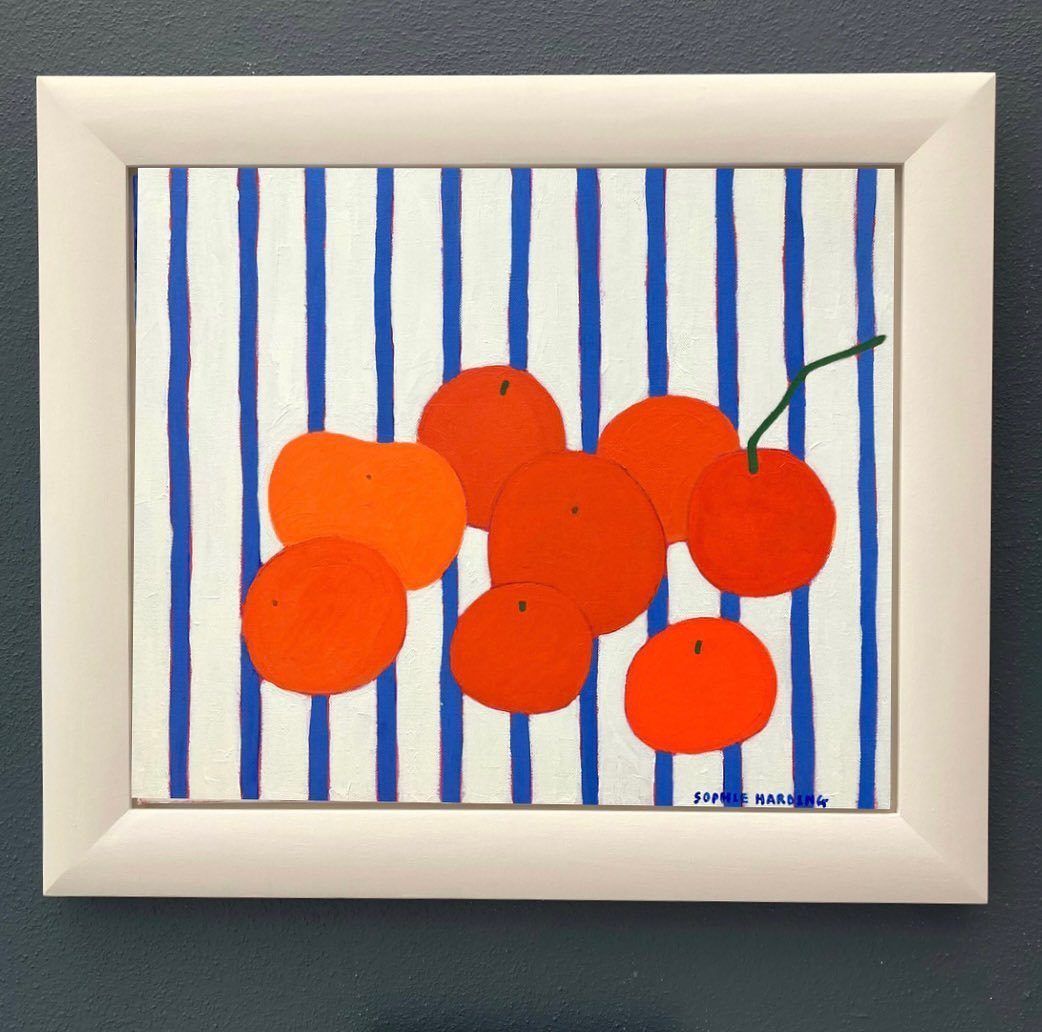
Citrus in a frame needs no beach scene to feel coastal; vertical blue stripes behind it borrow from sailing and sky without depicting either.
I look for artwork that uses coastal colors in abstract form: a single sailboat sketch, a moody horizon in soft green and grey, or large black-and-white photography of tide lines. Literal palm trees and sunsets age fast.
A framed print anchors a wall for less than a custom piece and rotates out seasonally if you tire of it. Local shoreline photography in subdued tones does the same work with more meaning if you live near water.
A thick white frame is half the decision; it keeps even bright color feeling contained.
6. Use Greenery for Fresh Energy
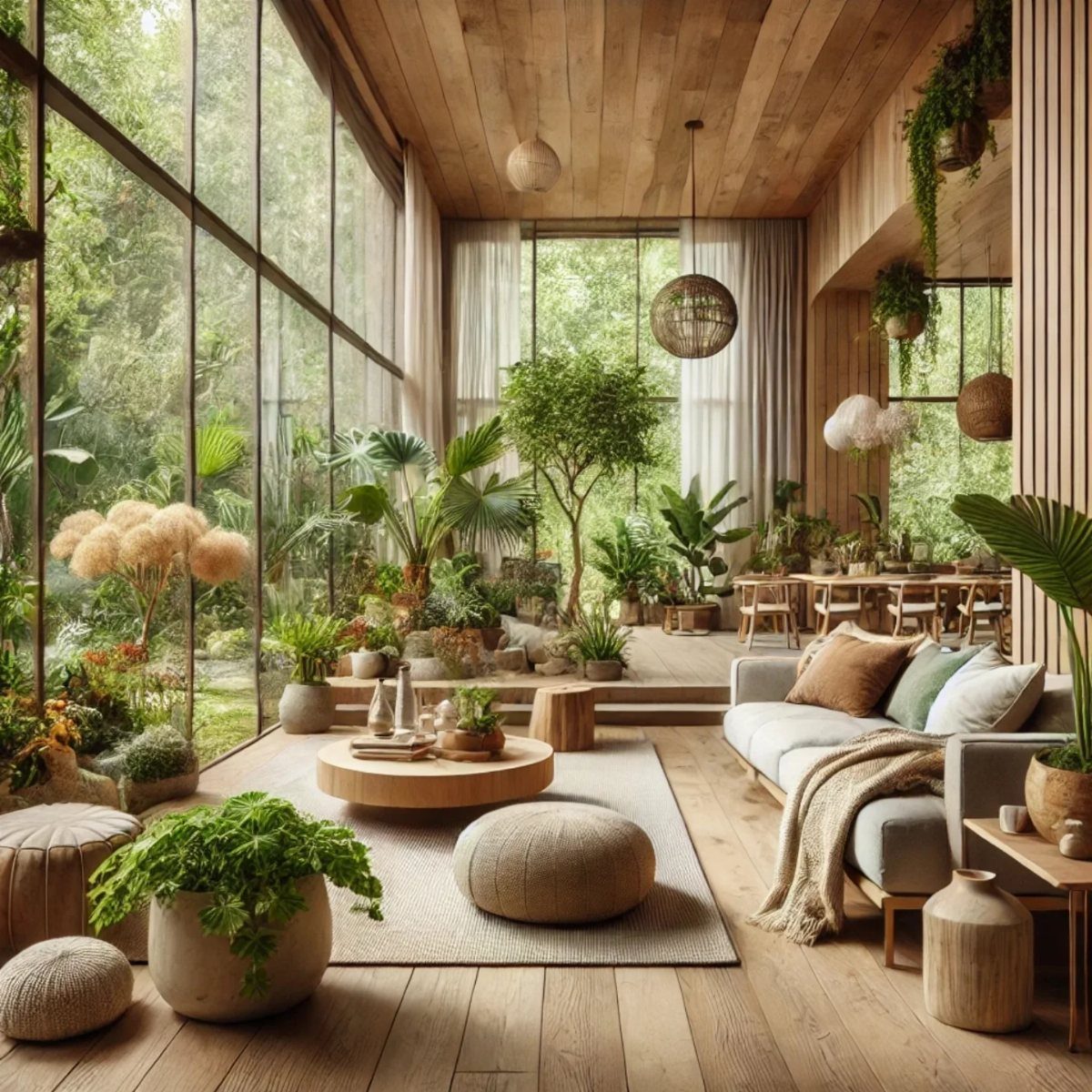
Plants bridge the gap between a room and whatever view it has, or replace one entirely.
Palms and woven poufs repeat each other in scale and texture; the same plants read as coastal in ceramic or basket planters even without a garden outside.
I use taller varieties near windows to draw the eye upward and fill vertical space that furniture cannot.
Faux olive trees or eucalyptus stems work in darker rentals where real palms would sulk; small potted herbs on a shelf cost less and smell like something.
A round wooden table surrounded by green reads warmer than the same table alone. Limit the count to three or four varieties so the room does not become a greenhouse.
7. Incorporate Thoughtful Coastal Coffee Table Decor
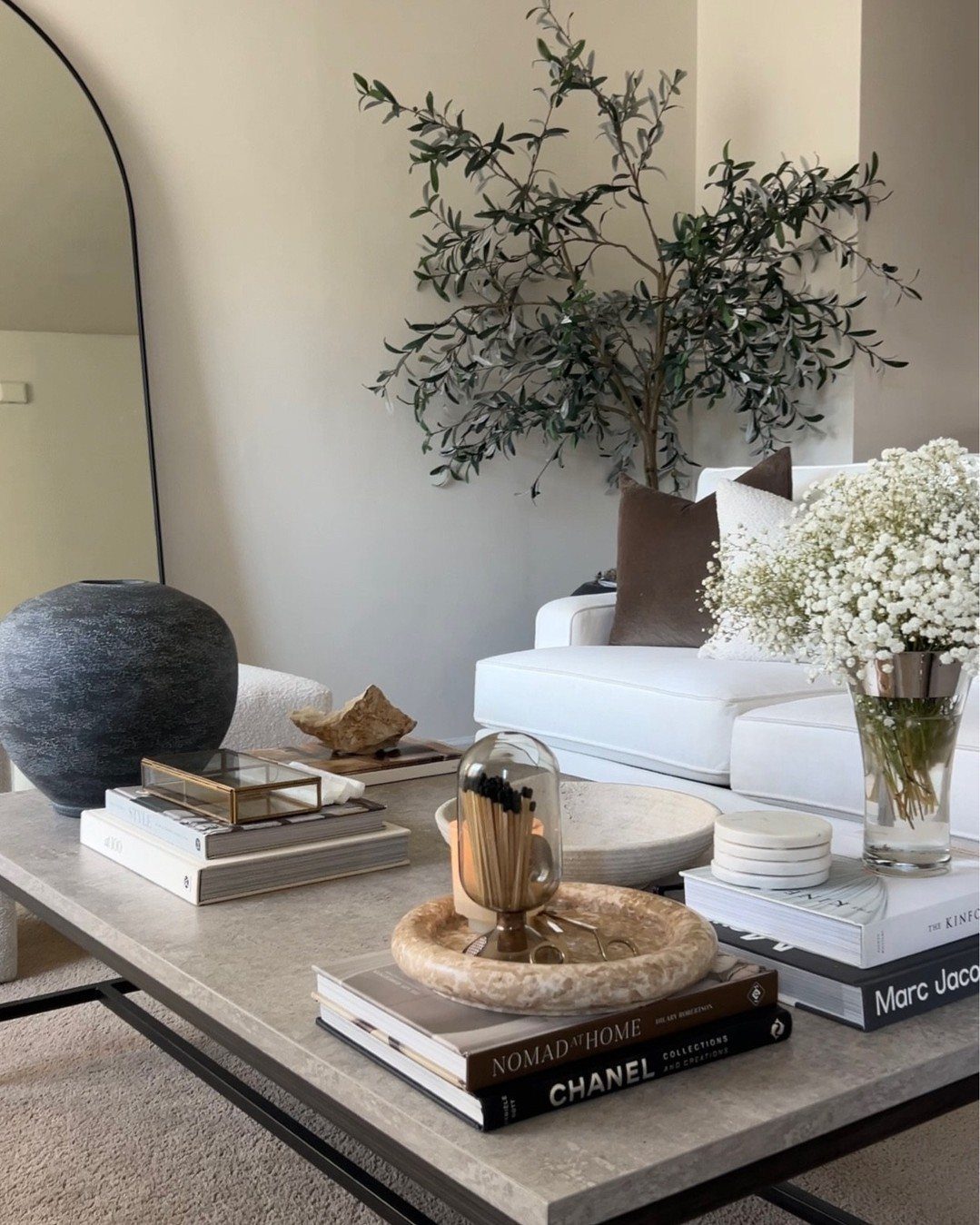
A coffee table in a coastal room works hardest when it carries a small, intentional arrangement rather than clutter.
I like to start with a low tray that corrals everything into one zone: inside it, a ceramic bowl for shells or a piece of faux coral, a short stack of vintage books, and one clear glass jar with white pebbles or sand.
The tray itself can be woven seagrass or light wood to keep the texture organic. Candles in sea-inspired scents add warmth at night without demanding daytime visual space.
One rule I follow: if it doesn’t fit on the tray, it doesn’t belong on the table. This approach suits anyone who uses their living room daily and wants the look to hold up past the first photo.
8. Use a Neutral Backdrop
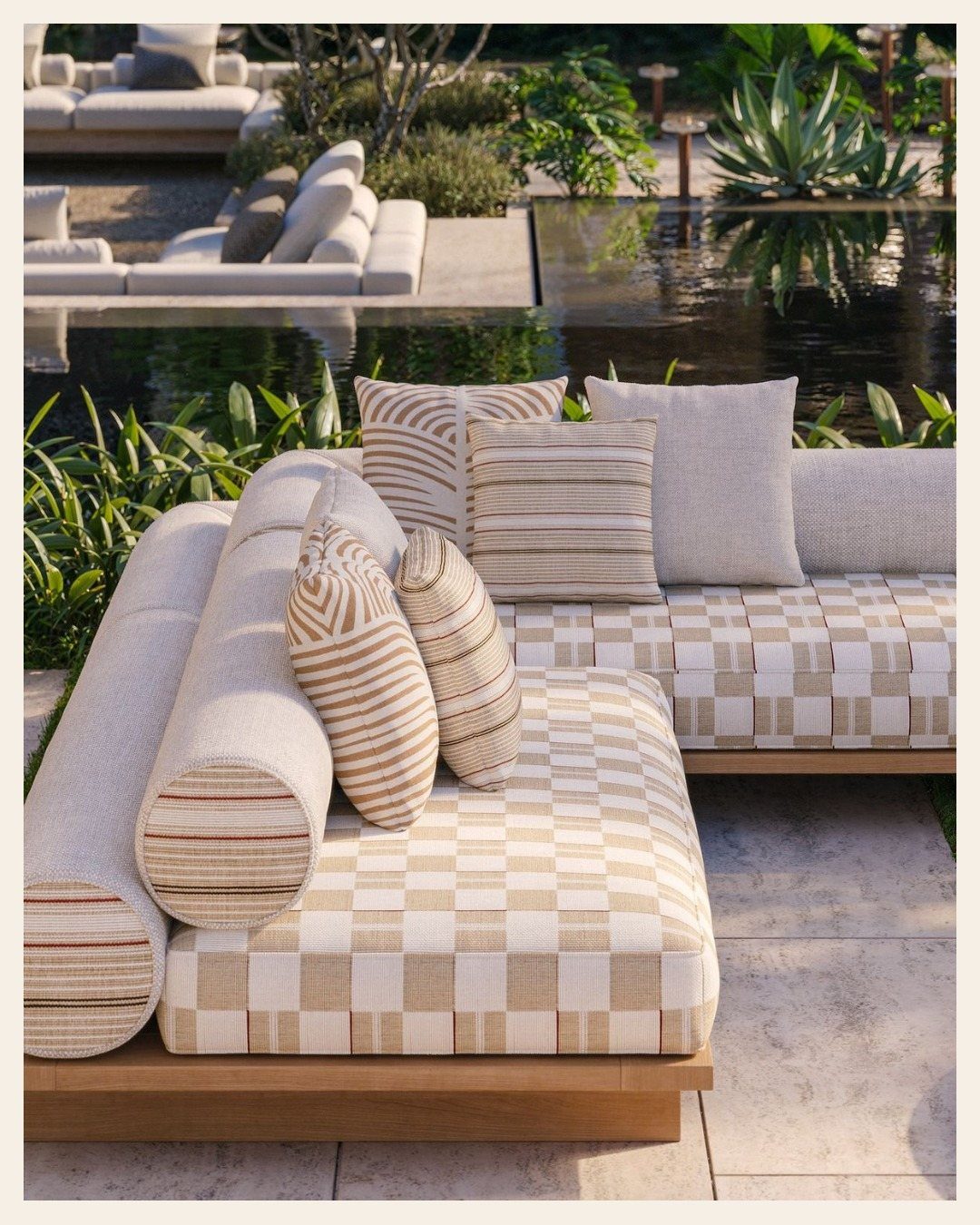
Light walls and sandy-toned furnishings give a coastal living room its breathing room. From this quiet base, a single blue pillow or a green plant reads as an event rather than noise.
The big pieces stay neutral: sofa, rug, curtains in soft white, beige, or the palest gray. Neutrals let you swap accents seasonally without replacing anything large.
Jute rugs or small jute accents layered in add texture without fighting the calm. This method costs less over time than chasing trendy colors on major furniture, and it forgives a mixed budget.
9. Let in the Light
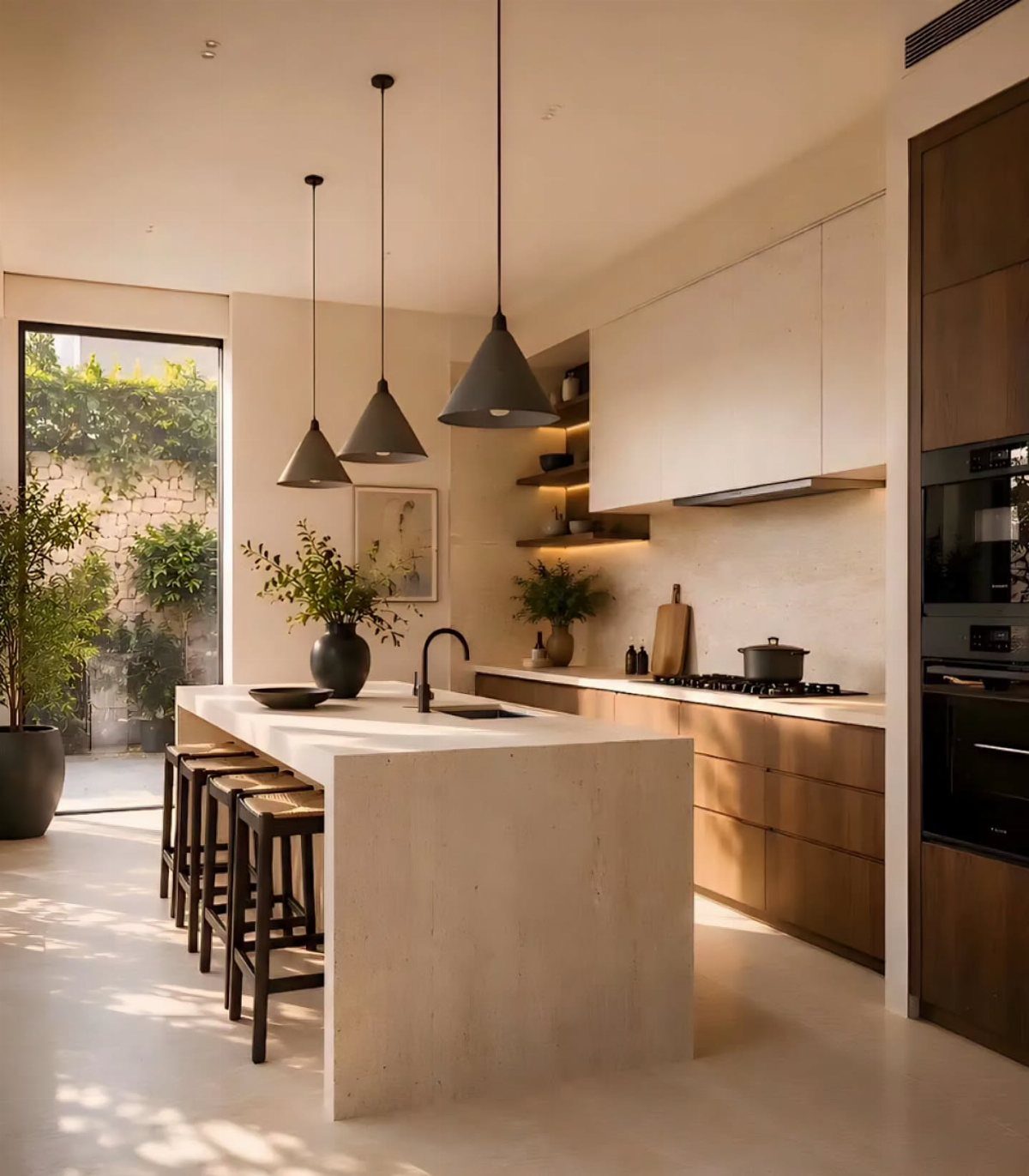
Sunlight is the cheapest coastal element you can add. Extending the curtain rod past the molding on each side costs little and buys back a lot of glass.
When the panels pull back, they clear almost all the glass. I use simple linen curtains on inexpensive rods with rings, and I skip heavy liners.
Sheer panels or woven shades work too if privacy matters, but nothing should block the light when you want it in. This matters most in rooms that face east or south and turn golden for a few morning hours.
10. Incorporate Vintage Coastal Elements
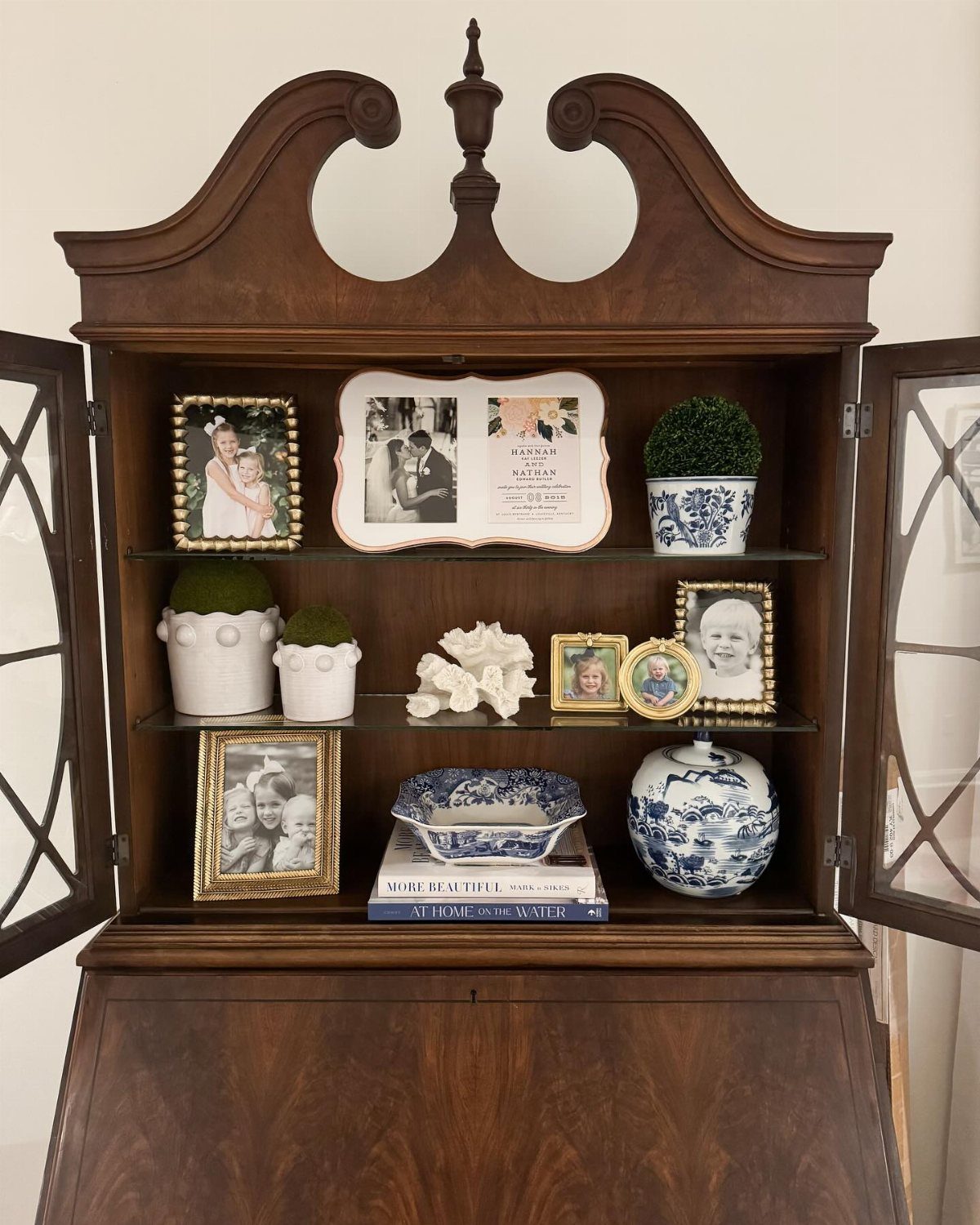
Vintage pieces give a coastal room its credibility, the sense that someone collected over time rather than bought a look.
A single coral sculpture, a piece of sea glass in a small dish, or a blue and white ginger jar on a shelf carries more weight than a matching set of new beach souvenirs.
I hunt for these at estate sales and thrift stores, where the patina comes built in. The trade is patience: one right find beats three quick purchases that read as staged.
This path suits renters and first-home owners who move slowly and want pieces that travel to the next place.
11. Showcase Your Walls or Ceiling with Shiplap
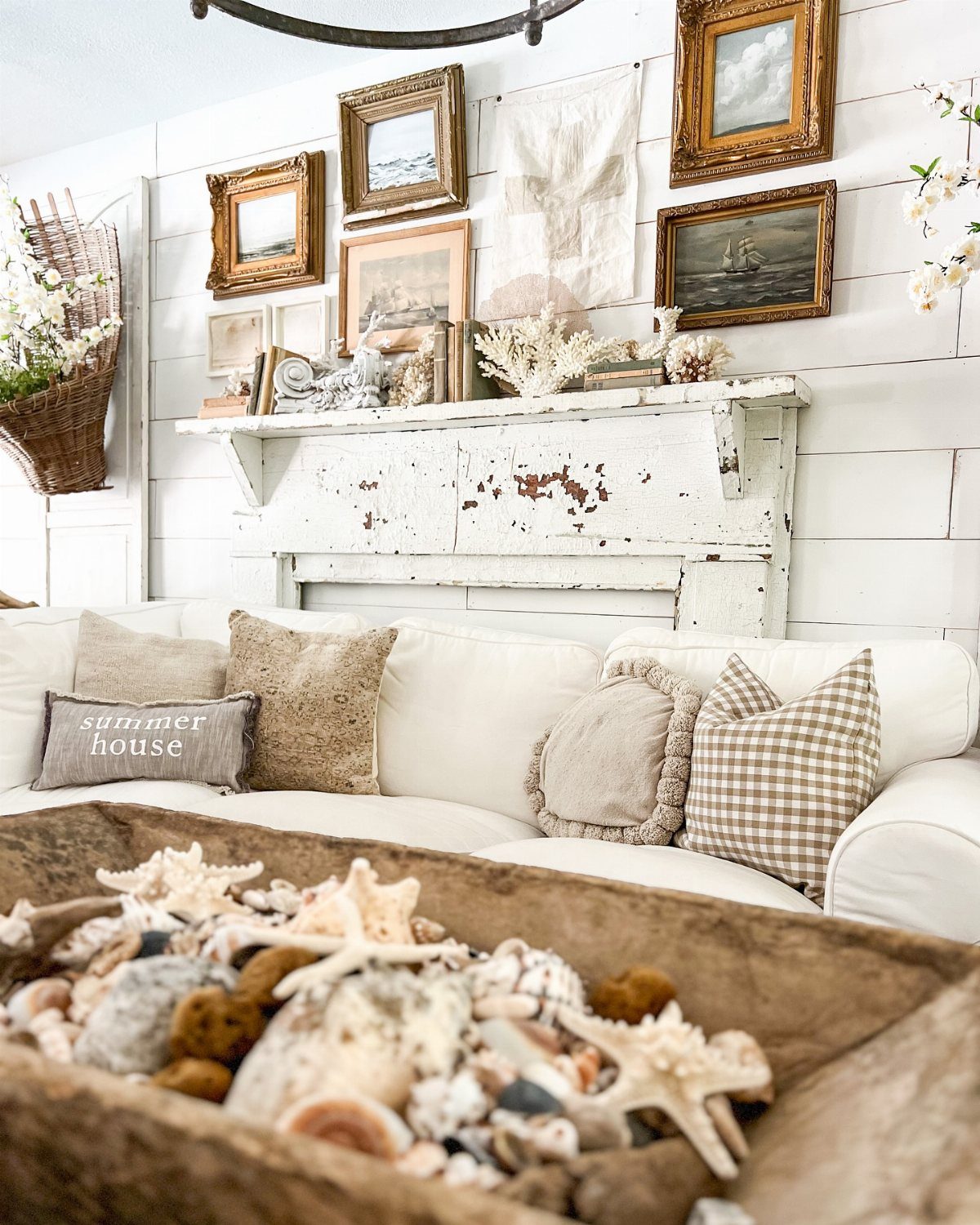
Shiplap still earns its place when it is used as a feature, not a default. Shiplap works best on one wall, the lower half of a bathroom, or run vertically to catch light in unexpected ways.
A ceiling treatment draws the eye up and adds architectural interest without swallowing floor space. The material itself is ordinary: pine planks or MDF paneling, painted soft white or left in a weathered finish.
The mistake is covering every surface; the strength is restraint. This idea fits someone handy with a nail gun and a weekend, or anyone hiring out one contained project.
12. Install Open Shelving for a Breezy Look
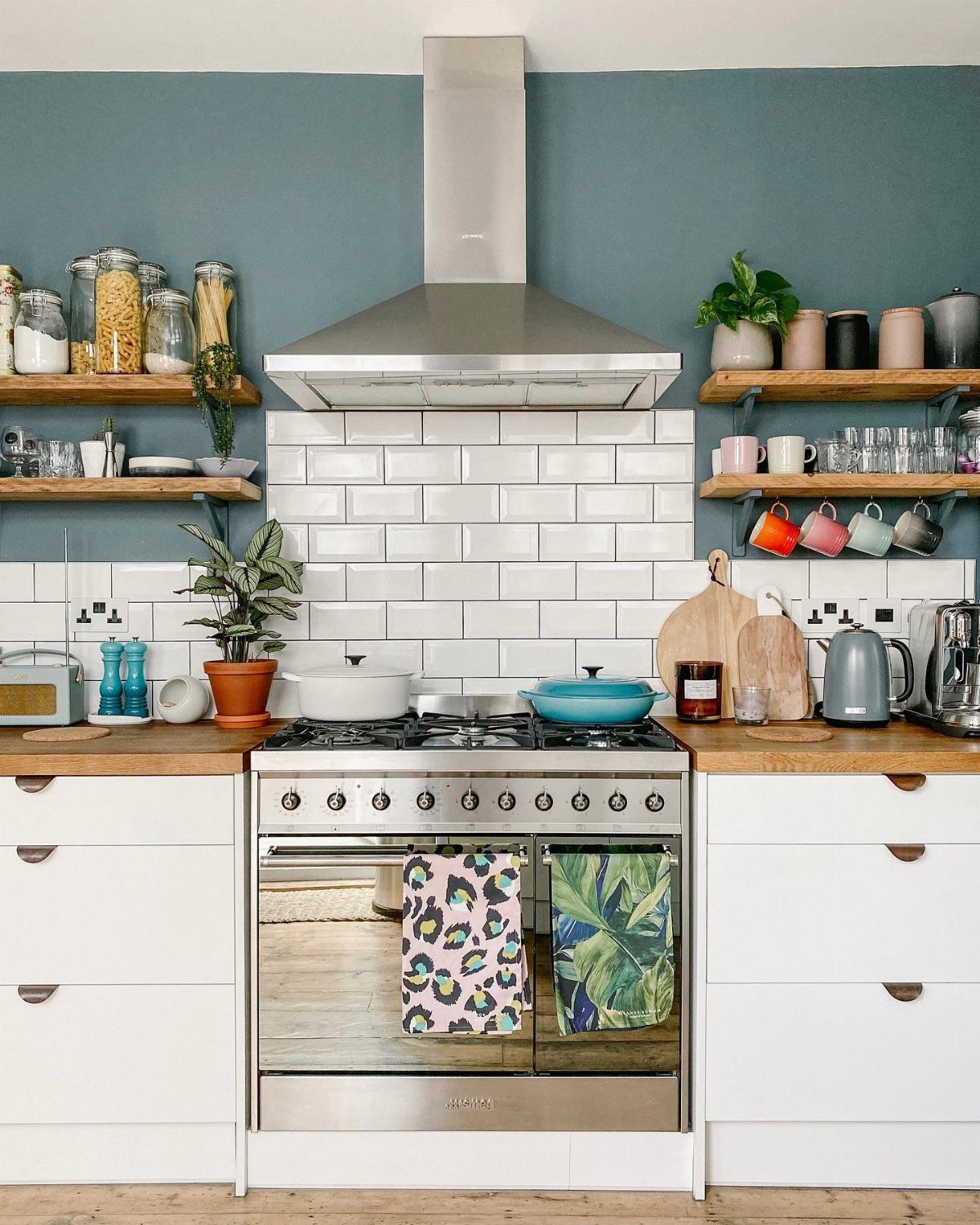
Open shelving replaces the weight of closed cabinets with air and access.
In a living room, I use floating shelves in light wood or white to hold a mix: sea glass in a jar, a neutral ceramic, one or two books, a small plant.
The spacing matters more than the objects; leave breathing room between items or the lightness collapses into clutter. I install at least 12 inches between shelves to let taller pieces stand without crowding.
The practical cost is dusting, and the trade is worth it if you use what you display rather than storing it behind doors.
13. Incorporate Functional Decor

A shell-shaped dish that actually holds your keys beats a knickknack that collects dust.
This idea works because most coastal modern rooms already lean spare, and every piece needs to earn its place. Baskets, lidded boxes, or a ceramic bowl for remotes keep the look clean without adding clutter.
I like woven seagrass bins under an open console for beach towels or throw blankets; the texture reads coastal and the storage is real.
A tray that groups candles, a small shell collection, and a drink coaster keeps the coffee table styled but still usable for actual coffee.
Purely sculptural pieces have to shrink or disappear when function takes priority. If you love a faux coral or slim abstract form, make it the one non-functional accent and keep everything else around it working.
Skip this if your room already stores everything behind closed doors; visible organization is the point.
Avoiding Kitschy Decor
A single anchor on the mantel is enough to push a room into theme-park territory.
I look for coastal elements that read as material first and story second: a bowl of beach-worn stones, a frame made from reclaimed dock wood, linen the color of dried sand.
A guest might not even name the coastal reference when it’s kept this quiet.
Skip the navy-and-white rope borders, the lighthouse prints, the "beach this way" signs. These collect dust and date themselves.
Instead, let a pale, weathered finish on a side table suggest driftwood without shouting it. A ceramic vase in sea-glass green holds its own without a single shell nearby.
If you are unsure whether a piece crosses the line, it probably does. Leave it out.
The best coastal rooms feel like someone who lives near the water chose them, not like someone who visited once and bought the gift shop.
Creating a Serene Atmosphere
Light colors do the heavy lifting in a coastal room. White oak floors, custom millwork, and a limestone fireplace reflect daylight deep into the space, which matters when any view, or any window, needs to become the focal point.
Brittany Hakimfar of Far Studio used reclaimed ceiling beams in a waterfront project to keep the warmth from going cold. The result feels layered even after sunset, when the curtains close and the room must stand on its own.
Her clients now send her photos of the sunsets from that same room.
I would add a shearling stool, something like the Journey Cream at $399, for a spot of texture that reads coastal without trying. Natural fibers in small doses keep a pale room from feeling sterile.
Keep the palette soft: no sharp whites, no saturated blues. Muted tones let the eye rest in a room like this.
Layering Textures
Jute, seagrass, and soft wool blends underfoot give a room its first layer of texture. Linen or cotton gauze throws in ocean hues, and curtains light enough to move when a window opens, add the next layer.
Studio Prineas layered leather, velvet, and voile in a converted fisherman’s cottage, setting dark beams against black and cream with russet and green accents. The historic materials stayed; the new pieces contrasted against them.
Wicker pendants or driftwood-based lamps carry the same principle upward.
I think of texture as bridging high design and the wear of actual living: a chunky knit pillow that flattens where someone leans, a seagrass rug that softens at the path to the sofa.
Without these layers, even expensive coastal rooms go flat.
Color Palette Inspiration
Paint sets the tone, so start with a calming base. Neutrals and muted blues read as secure and quiet: gray-blues, creams, blue-greens, earthy sandy tans.
Even accents stay low-saturation, never bright.
Kensington Furniture lays it out as base, furniture, accent, contrast. Walls in white, ivory, or light beige open the space.
Upholstery goes soft gray, taupe, gentle blue. Pops come from sea glass, navy, or weathered green.
Depth arrives through matte black, soft bronze, natural wood.
I follow this as a loose formula, not a rule. A room with ivory walls and a single navy pillow feels more coastal to me than one drowning in aqua.
The tropical photos in your head are full of color; your room will work better with the muted memory of that color. Grayed-down hues read as sophisticated where brighter ones read as costume.
Frequently Asked Questions
What colors look good in a coastal living room?
Soft whites, sandy beiges, muted blues, and driftwood grays work best. Low-saturation accent colors, grayed-down rather than bright, read as the memory of tropical color rather than the full saturated thing.
One navy pillow against ivory walls carries the coastal feeling further than walls drowning in aqua ever could.
What are the coastal interior design trends for 2026?
Natural materials, light colors, and minimal nautical themes are where the style is heading.
The trend moves away from literal beach references toward texture and quiet palette: jute and seagrass underfoot, linen that moves with the air, and furniture that earns its place through clean lines rather than coastal signifiers.
I see fewer anchors and more weathered wood left to speak softly.
Can you mix coastal with modern style?
Yes, and the blend works when modern pieces handle the structure while coastal elements provide the ease. A modular sofa with clean lines paired with raw wood and surfboard silhouettes keeps both styles legible without either dominating.
A relaxed sofa where people actually sit, paired with a modern piece that draws the eye first, bridges the two without a renovation budget; exposed beams or a mounted vintage paddle do the same.
What are the current trends in coastal home design?
Light, airy spaces with natural textures and subtle coastal references define where the style sits now. Newer work pairs dark beams with black and cream, adds russet and green accents, and layers leather, velvet, and voile for depth without heaviness.