
A wired wreath or dried corn stalks carry a box through October with almost no work, while a few pansies in the right climate stay readable from the street until the first real freeze.
Scale shifts fast with these materials: one sweet potato vine can overflow a small box on its own, but corn stalks need a false floor built from scrap wood just to stay upright in wind.
1. Little Pumpkins and Squash
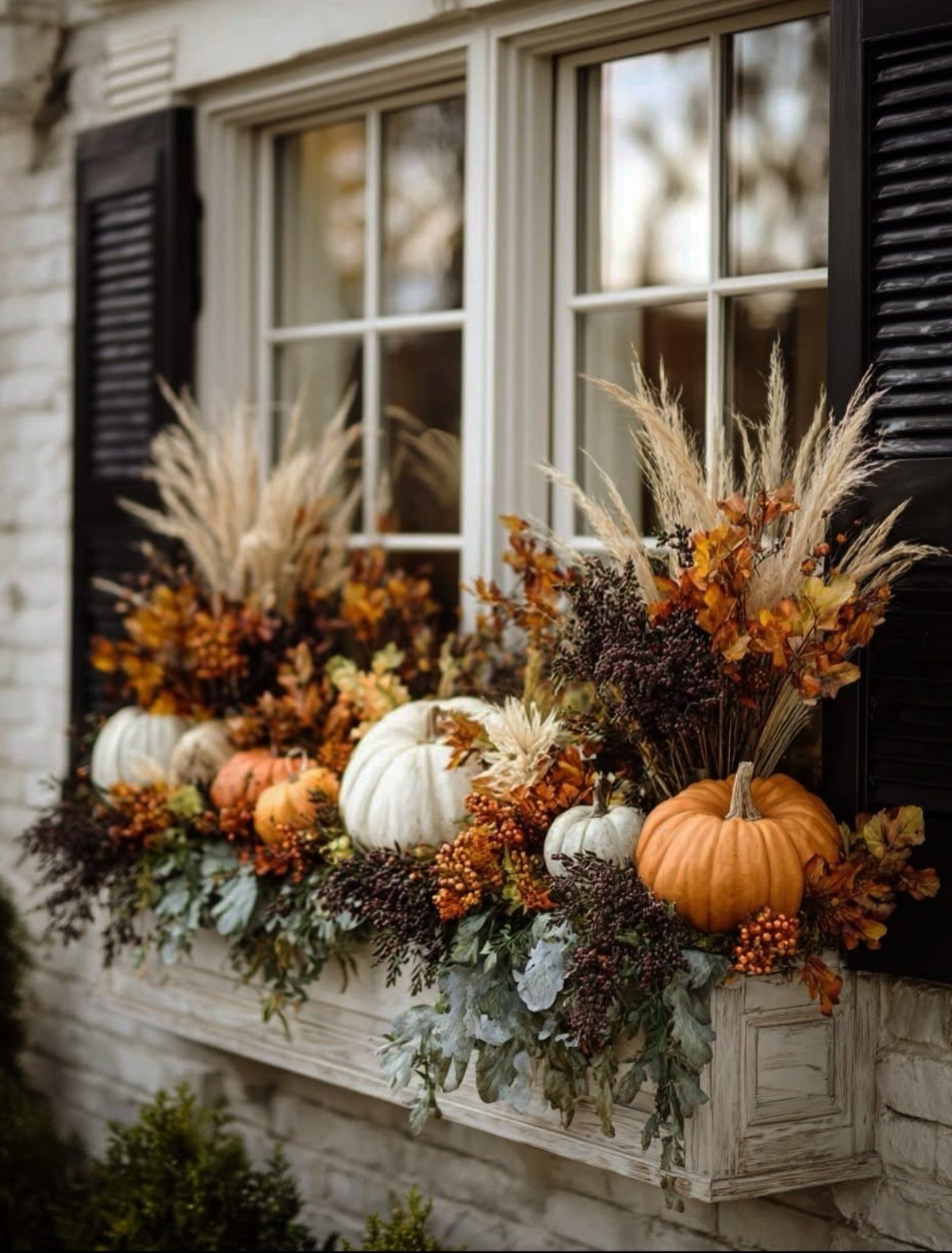
Little pumpkins and squash turn a window box into a seasonal scene without any soil or watering schedule.
I tuck them in among dried leaves or spare stems already in the box, and the whole thing reads as intentional straight through fall.
The smallest pie pumpkins, the kind that sit flat without rolling, work best for this. A handful fills a standard box without crowding.
Once November ends, they go straight to compost or the kitchen.
This one suits anyone who wants the look finished in an afternoon and forgotten until cleanup.
2. Corn Stalks
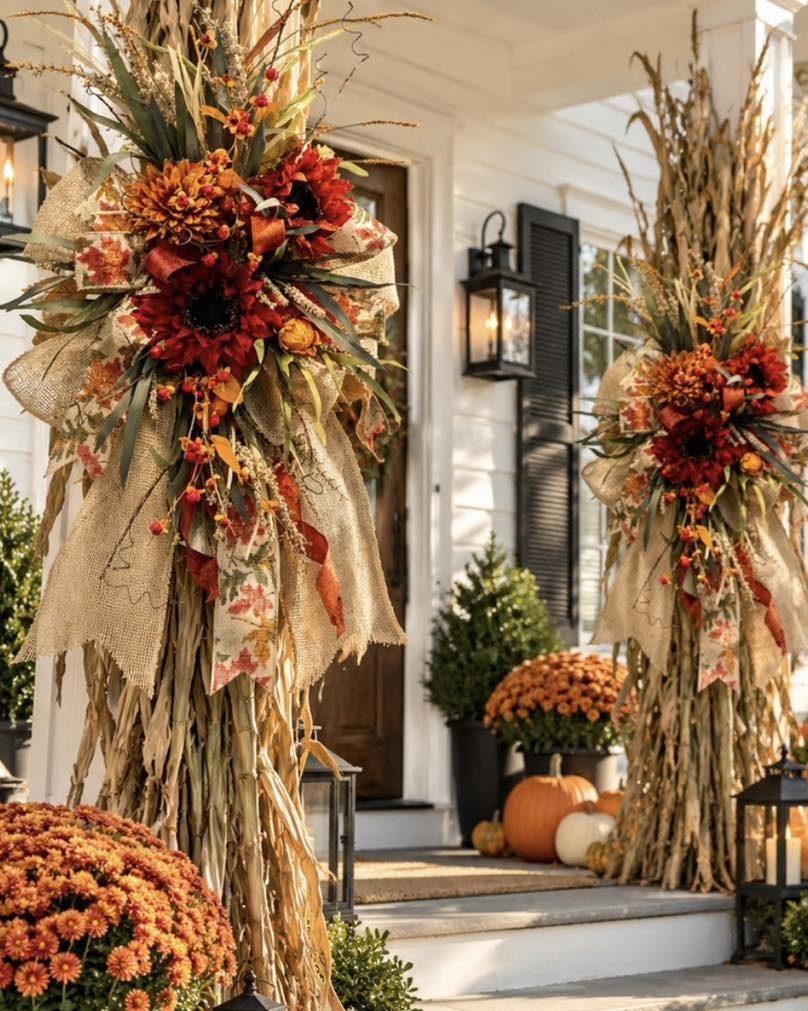
Dried corn stalks give a window box height that no living plant manages this late in the year.
I bundle three or four stalks at the back of the box and let the tassels rise above the sill line, then fill forward with shorter material so nothing competes.
The stalks need deeper anchoring than a standard box provides. A deeper box or a false floor built up with scrap wood keeps them from tipping in wind.
Burlap strips wired around the bundle hide the mechanics and add a rough texture against the dried leaves.
Height trades away some planting space, so this works best when the box is wide enough to layer front to back.
3. Pansies
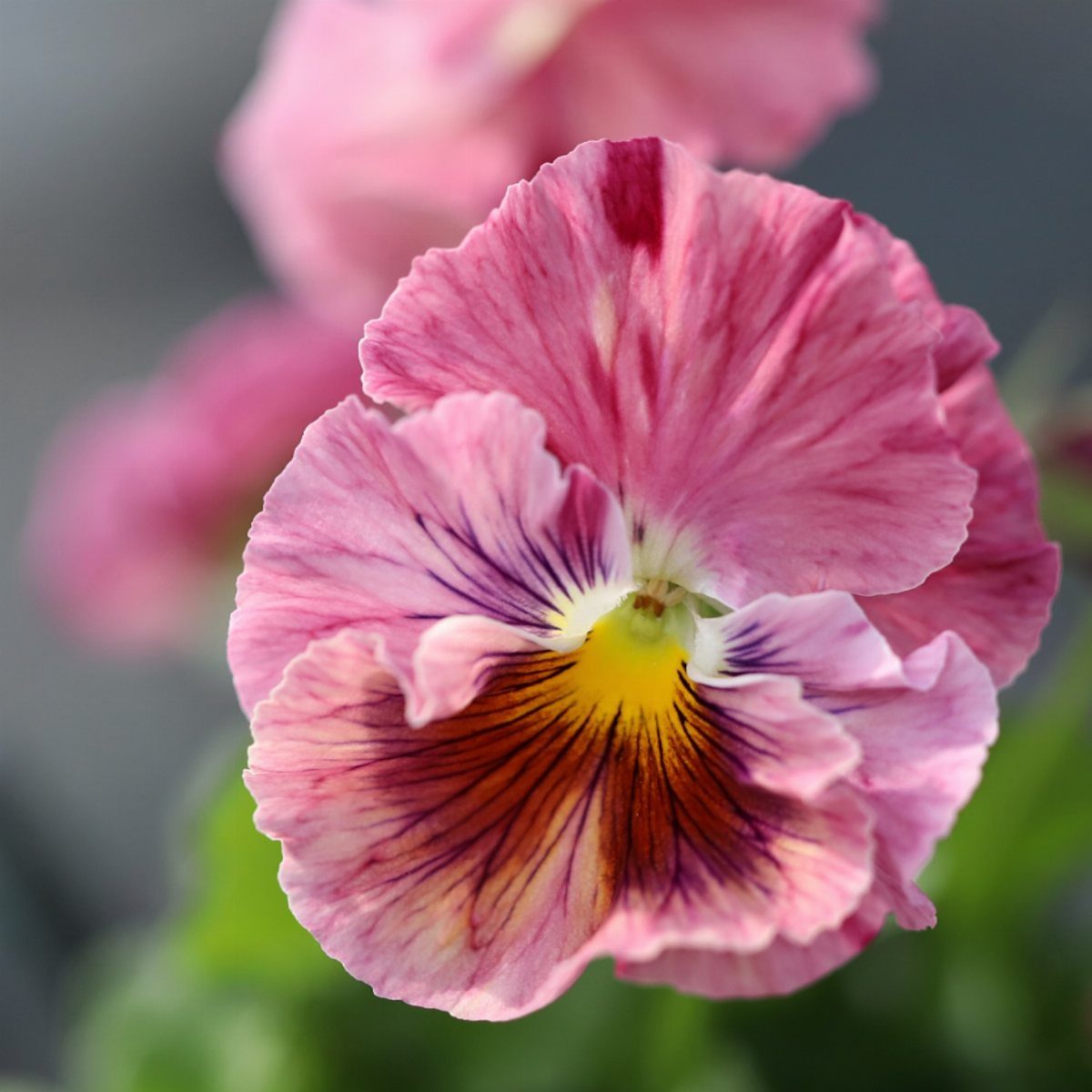
Pansies are the flower that refuses to quit when temperatures drop. I have had them survive light frost that turned neighboring annuals to mush, and they keep a window box readable from the street deep into November.
The grower who starts them from seed year-round gets fuller plants than most nursery flats offer, but a pack of established seedlings still outperforms almost any other bloom at this season. Purple and yellow read clearest against fall’s muted surroundings.
Water less often than in summer; cold roots rot faster than they dry out.
4. Sweet Potato Vine
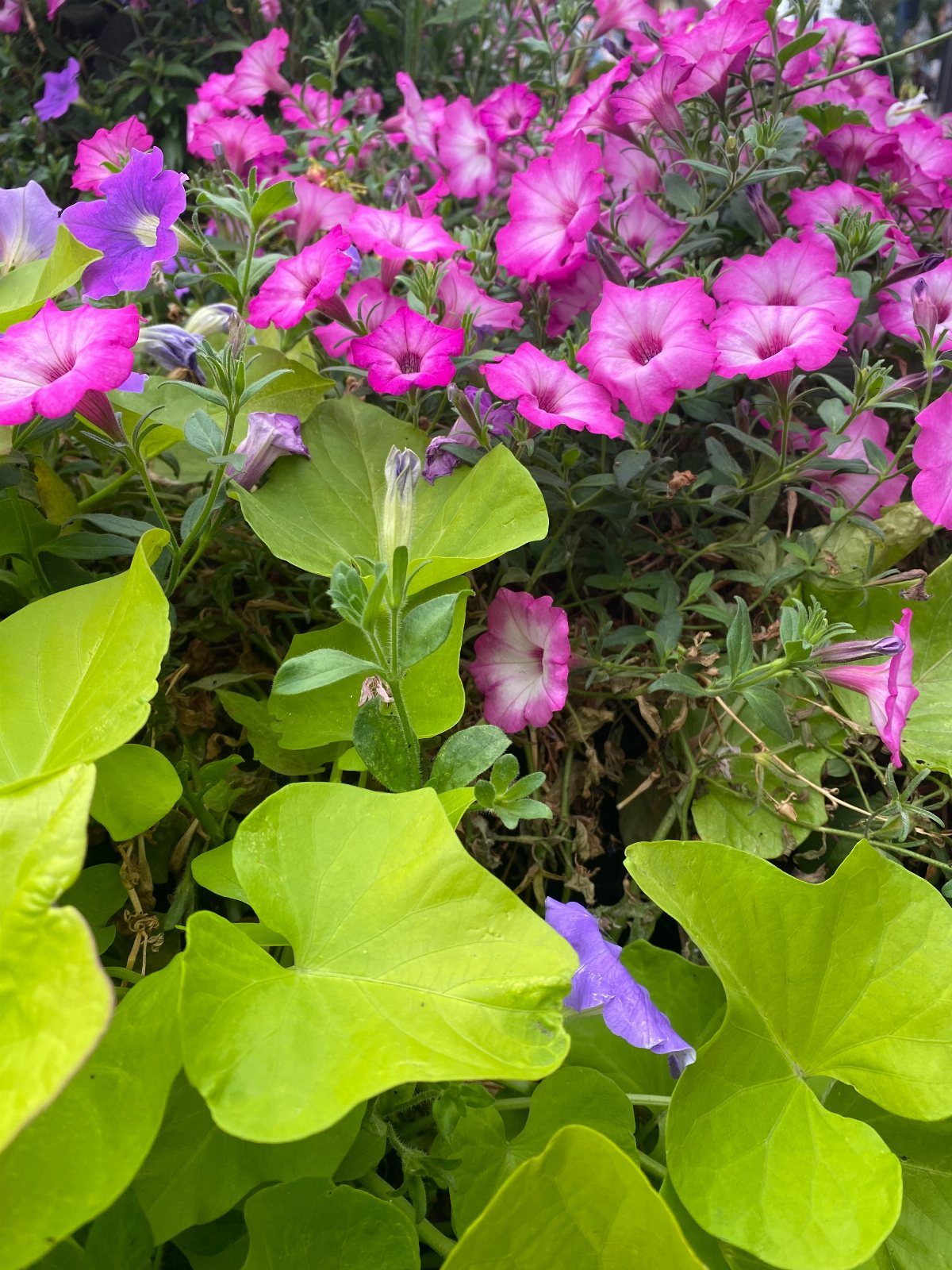
Sweet potato vine carries over from summer plantings with a patience that few trailers have.
I strip out the spent petunias or coleus around it, leave the vine where it has rooted, and drop in fresh pansies or ornamental kale between the gaps.
A single plant spreads fast in a season, so one is plenty for a smaller box.
The tuber sometimes survives a mild winter and returns on its own; more often, I treat it as a bridge and replace it come spring.
This suits the gardener who wants to reuse rather than restart.
5. Celosia
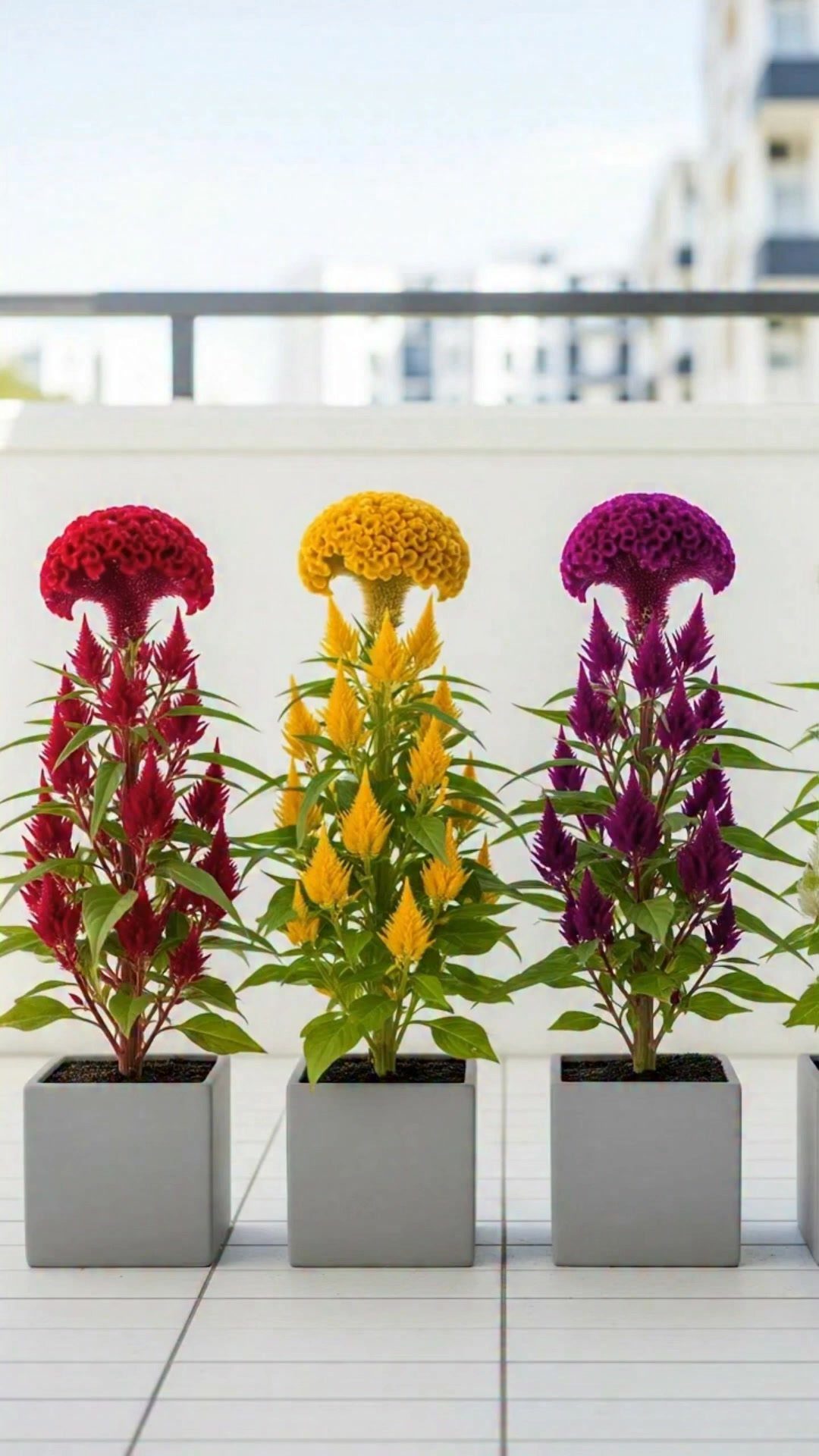
Celosia’s velvety plumes hold color that looks almost artificial in the best way, orange and scarlet and gold standing up to October’s grey skies.
I treat them as the star of a box and keep the surrounding material low and simple, maybe dark ivy or plain mulch, so the flower heads dominate.
The dense flower spikes hold up well after cutting, so a window box planting can supply indoor arrangements through Thanksgiving. Water at soil level; wet plumes mildew in trapped moisture.
This one demands more attention than dried material, but nothing else gives this saturation.
6. Ornamental Grass
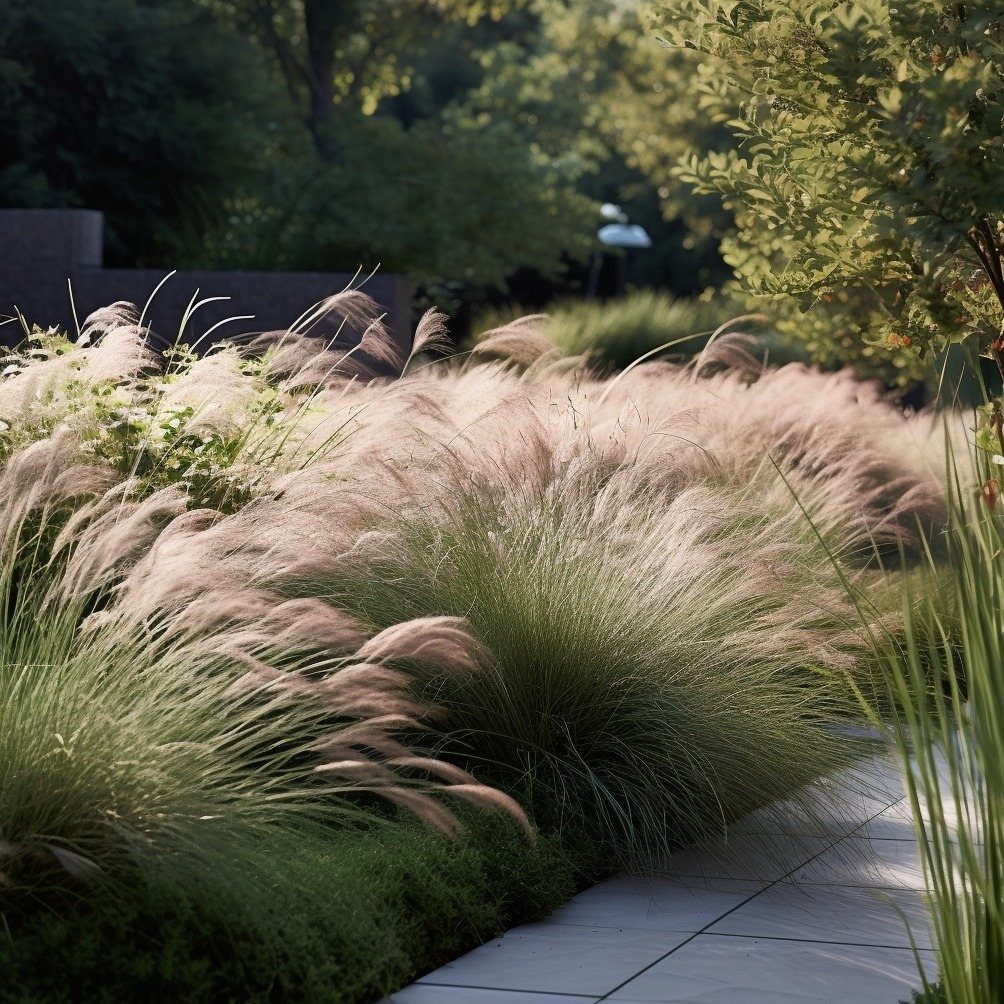
Ornamental grass earns its place in a fall box through change rather than constancy.
The pink and beige plumes that read as soft and airy in September shift to parchment and wheat as they age, and the browning is the point; the texture turns architectural against brick or painted siding.
I plant grass toward the back or center and let it move with wind, which brings a window box to life in a way static material cannot.
Feather reed grass or fountain grass both stay manageable in a container setting, so they will not overwhelm a standard box.
Cut back to a few inches in late winter before new growth starts.
7. Ornamental Wreaths
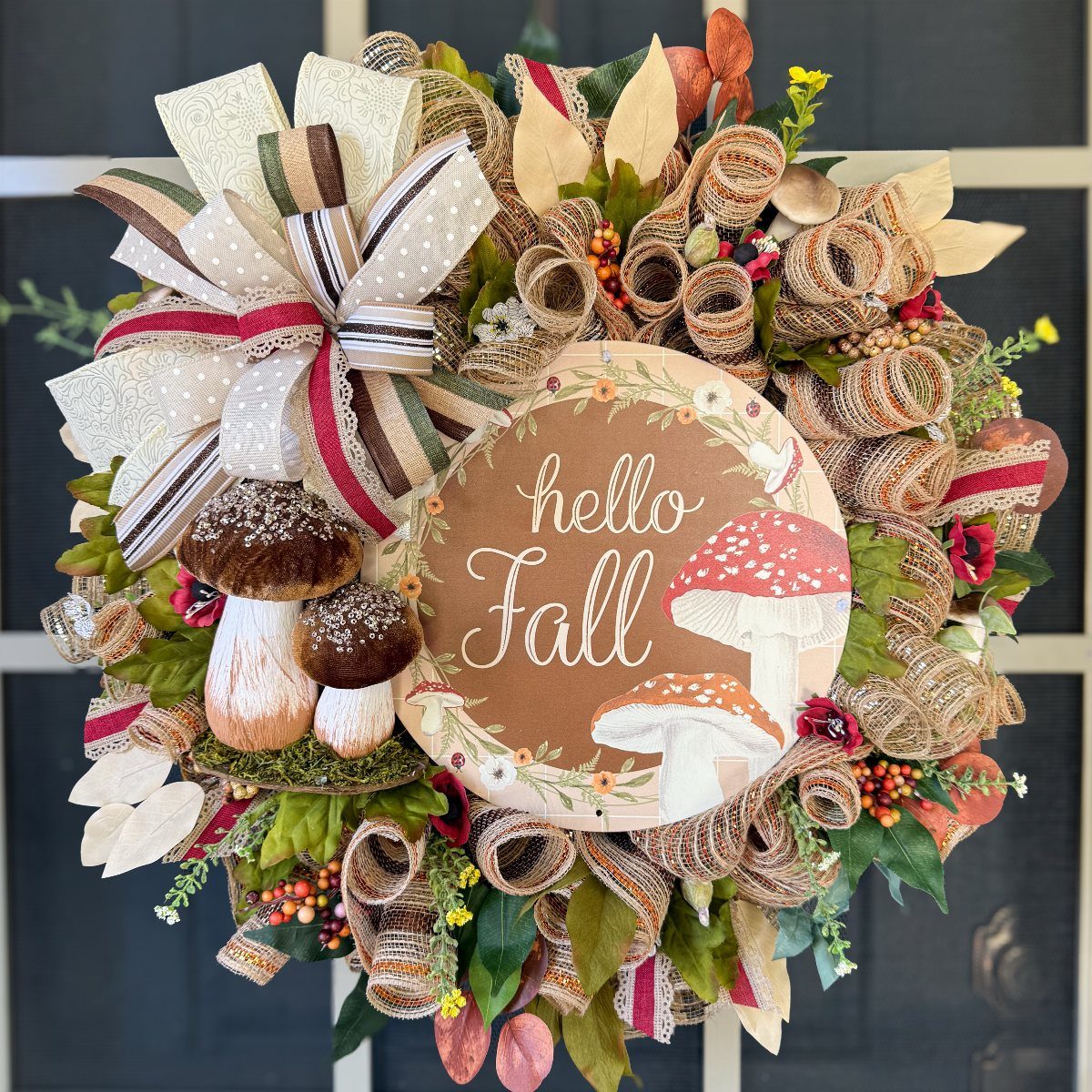
A wreath hung against the front rail of a window box reads like a door that forgot it belongs to a wall.
Tethering one there takes a few zip ties or floral wire threaded through the back frame, and the whole job is done before the coffee cools.
Burlap and dried botanicals hold up against October rain better than fresh-cut stems, so the look lasts most of the season without swapping anything out.
A wreath there blocks some light to whatever sits behind it; a low mound of ivy or trailing sedum still gets enough, but a tall celosia would sulk.
This suits renters who cannot drill into siding for a proper door wreath, or anyone whose box sits on a kitchen window where the view inside matters less.
8. Gourds and Indian Corn
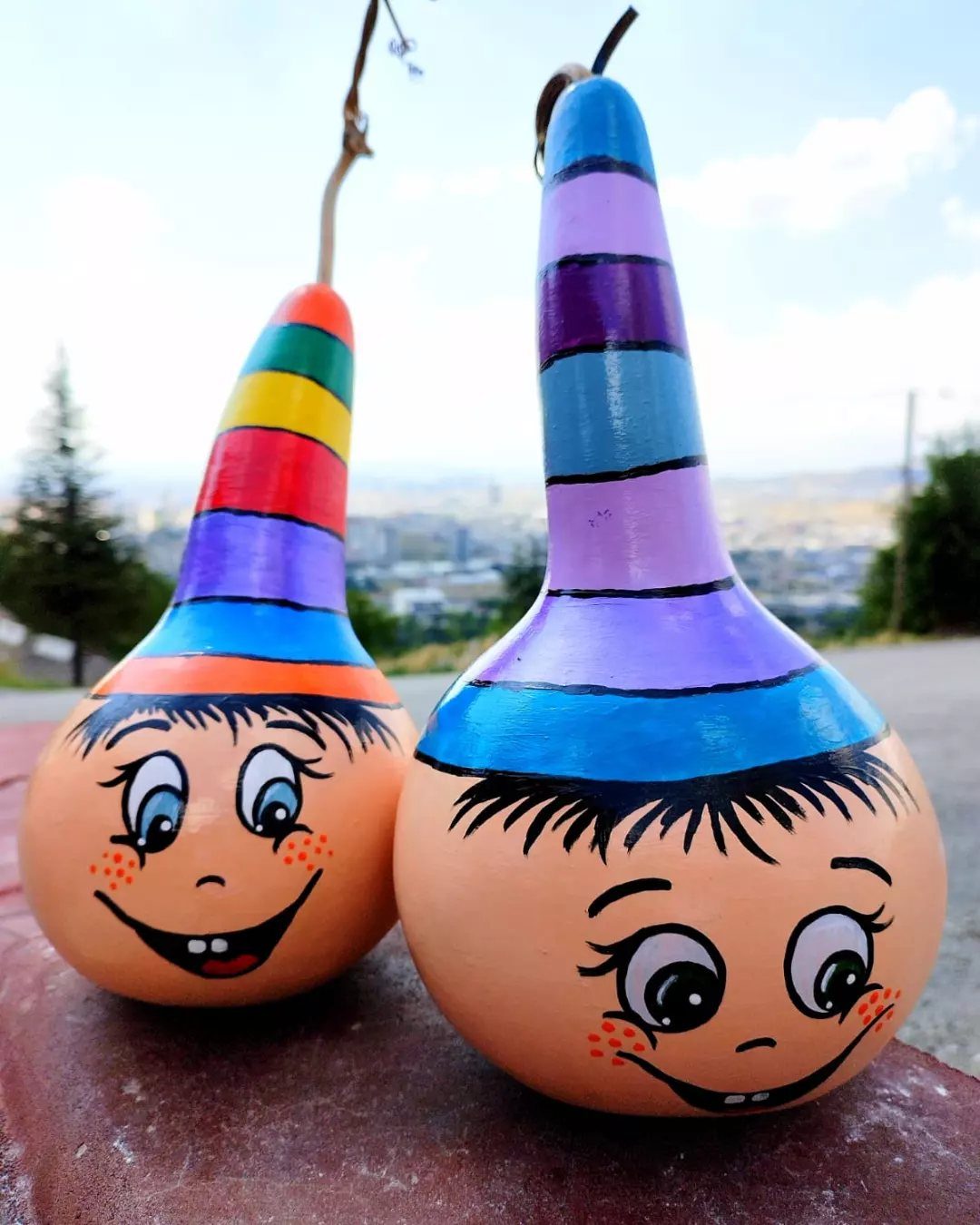
Pumpkins, squash, and dried corn set directly on top of soil read as harvest rather than garden, which is the whole mood once late October hits.
The painted gourds with faces and hats lean into the costume side of the season; plain natural gourds read more grown-up and carry through Thanksgiving without looking dated.
Nothing here needs planting, watering, or sun. Arrange them shallow so they do not compress roots below, and pull anything that starts to soften before it molds into the dirt.
A window box on a second-story sill keeps the display away from squirrels, who will gnaw through a decorative gourd in an afternoon if they can reach it.
Best for a weekend setup with zero ongoing care, or for the box that gets no winter planting until December.
Low-Maintenance Options
Artificial flowers and dried arrangements keep a window box looking full without the watering schedule.
A dried arrangement of wheat stalks, preserved eucalyptus, and seed heads holds its color through October and November, and a light spray of matte clear coat helps it shed light rain.
Good silk flowers have improved enough to fool the eye from sidewalk distance; look for stems with some browning and imperfect edges rather than saturated color.
Foam pumpkins from the craft store last years if you bring them in before hard frost, and they weigh almost nothing, so a wire cage or floral pins hold them in place without stressing the box brackets.
Upfront cost is the main downside. A basic dried arrangement runs about what three rounds of annuals would, but it pays back by January when the neighbors are looking at empty dirt.
Decorative Themes
Halloween props look right for a short window before the holiday; after that, the scarecrow starts to look like forgotten trash.
Small foam gravestones and plastic spiders nestle between plants without blocking light, and battery tealights in mason jars flicker after dusk without cords to manage.
Thanksgiving shifts the palette toward burnt orange, deep red, and cream. Miniature hay bales, real or foam, fill gaps between gourds and give height behind shorter plants.
A small wooden sign with a harvest phrase can lean against the back of the box; secure it with a deck screw through a pre-drilled hole so wind does not pitch it into the street.
Switching themes goes fast if you keep a bin of props sorted by holiday. I would not mix Halloween and Thanksgiving in the same box; the two moods fight each other, and neither reads clearly from the curb.
Frequently Asked Questions
What to put in window boxes in fall?
Pansies, celosia, ornamental grasses, and sweet potato vine are the living options that survive cold weather, while dried corn stalks, little pumpkins, gourds, and Indian corn give the harvest look without any watering.
Artificial stems and foam pumpkins work for zero-maintenance displays that carry through Thanksgiving. The choice depends on how much tending you want to do; pansies need less water than in summer, and dried material needs none at all.
What are some good ideas for a fall planter box?
A fall planter box works best with layers: tall material like corn stalks or ornamental grass at the back, mid-height flowers like celosia or pansies in the middle, and trailing sweet potato vine or low gourds at the front.
For a finished look in one afternoon, tuck small pie pumpkins and squash among dried leaves with no soil preparation.
A wreath wired to the front rail adds instant decoration without blocking much light if you keep what is behind it low.





