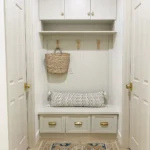
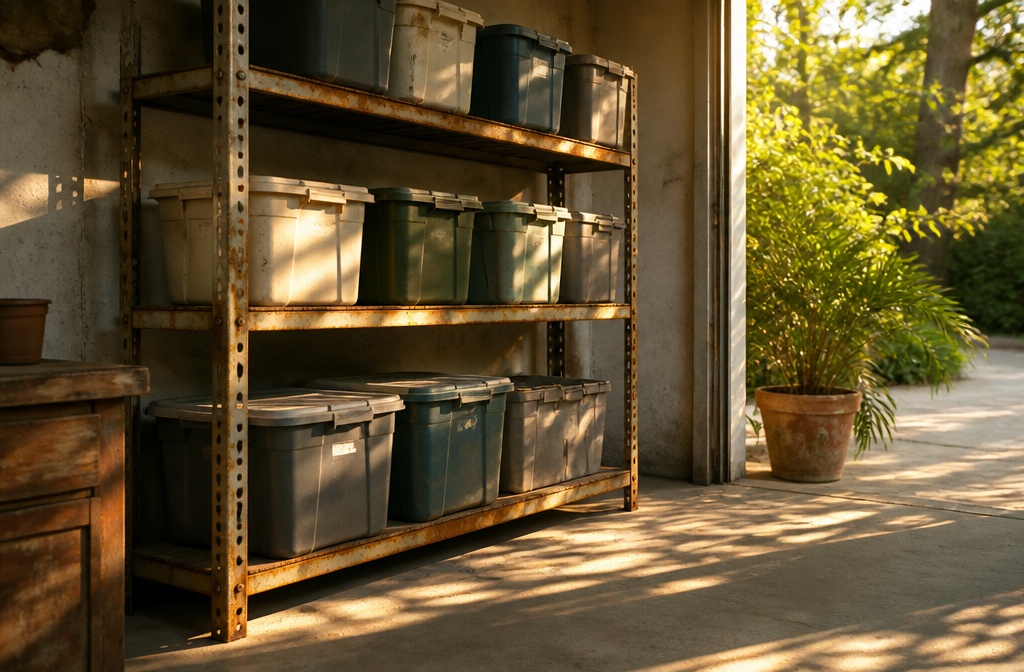
Racks for storage are steel or plastic frameworks built to hold weight off the floor, but the frame material matters more than the capacity printed on the box.
A 1,000-pound metal shelf survives nicks and moisture in a garage, while polypropylene starts to bow between 50 and 100 pounds per tier and cracks where the snap joints take stress.
Heavy-Duty Metal-Framed Shelves
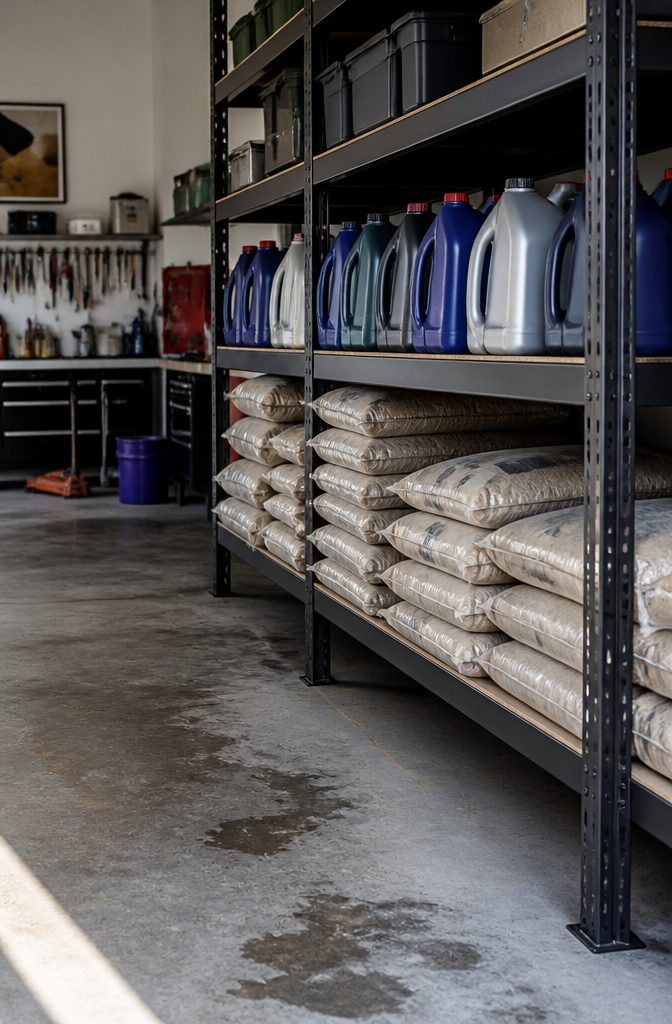
A 1,000-pound weight capacity sounds like overkill until you set a full five-gallon paint can on a particleboard shelf and watch it bow.
Metal-framed shelves with that rating use upright posts of rolled steel and cross beams that lock in with pins or bolts, not the snap-together plastic tabs you find on lighter units.
The frame itself is what survives: after three or four years in a garage, the powder coat chips at the corners where you nicked it moving a ladder, but the beams do not sag.
Rust shows first where the feet sit on concrete that gets wet, though it stays surface-level if the garage drains properly.
These shelves earn their floor space when you are stacking bags of concrete mix, cases of motor oil, or a bank of battery chargers.
For holiday bins and camping gear, the capacity is wasted and the depth is usually more than you need, which means the rack dominates a wall you might have used for something else.
I have seen renters buy them for basement storage and then struggle to get the uprights through a standard interior door if they ever need to disassemble and move.
If the heaviest thing you own is a plastic tote of winter clothes, a 300-pound shelf saves you money and inches.
The boltless designs go together with a rubber mallet and come apart the same way, which matters more than the weight rating if your lease ends in twelve months.
Adjustable Shelves
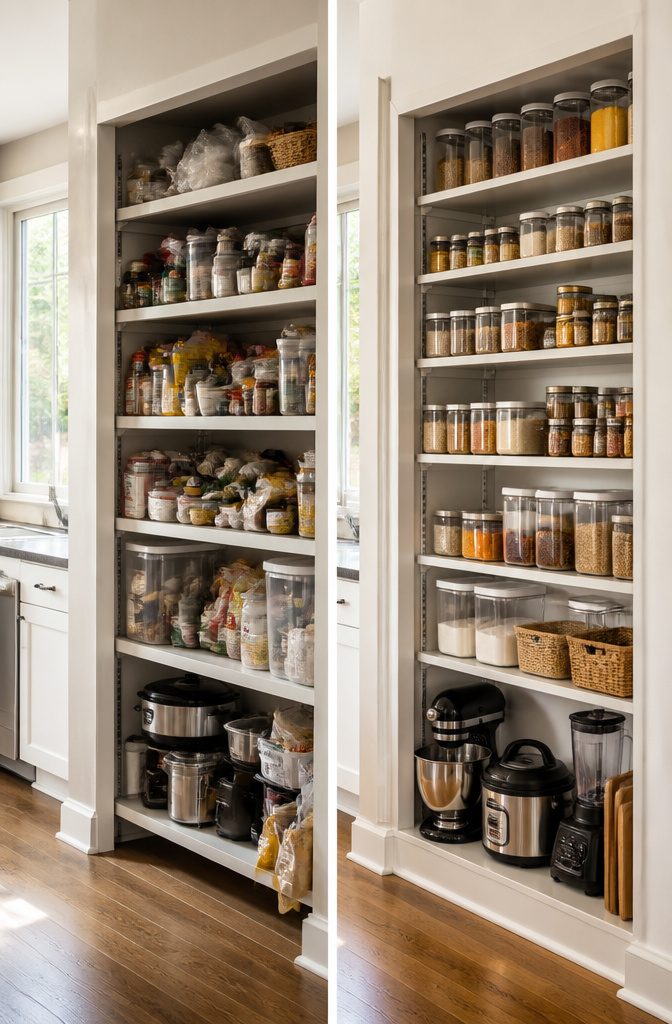
Mounted adjustable shelving and the free-standing kind solve different problems, and the adjustment mechanism works the same way on both: a series of slots or grooves that let you move the shelf up or down in one-inch or two-inch increments.
The difference is what holds the weight.
Wall-mounted tracks screw into studs, and the bracket arms lock into the track; the shelf itself just rests on top. Free-standing units use pin-and-hole sides or threaded collars, and the whole frame takes the load.
Spacing decisions matter more than people expect. I set my first wall-mounted pantry shelves at equal heights and ended up with three inches of wasted air above every cereal box.
Now I measure what actually sits there: leave 18 inches for appliances, 12 for standard boxes, 6 for cans and jars.
Free-standing units are harder to change once loaded, so I start with the bottom shelf high enough to sweep underneath, then work upward in uneven gaps based on what I own, not what I might buy.
Plastic Storage Shelves
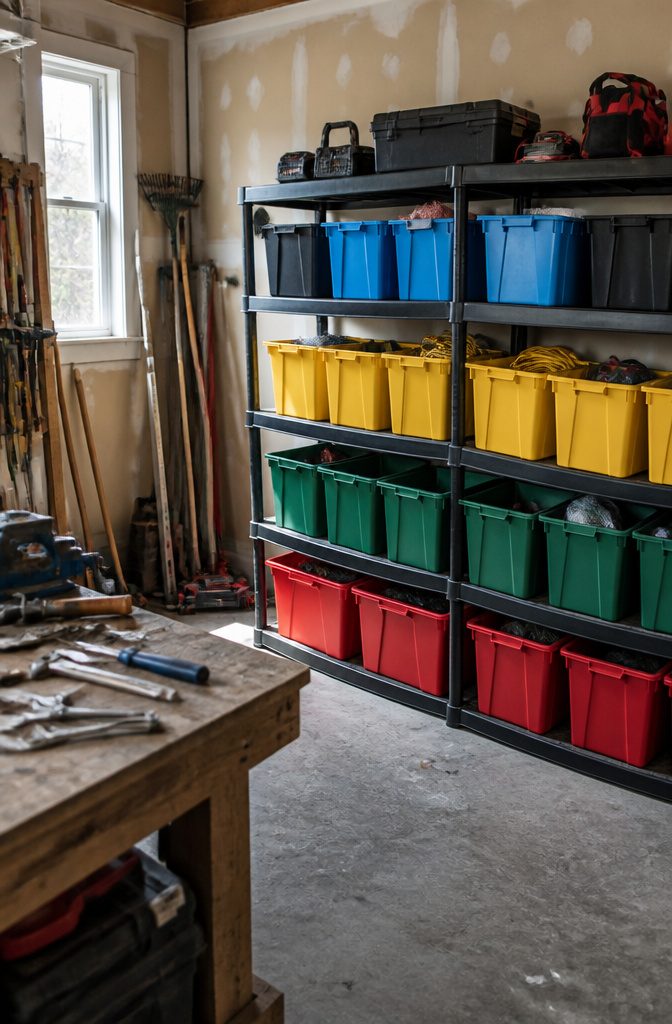
Plastic storage shelves run from narrow closet units around 12 inches deep to garage workhorses at 18 or 24 inches.
Widths cluster at 24, 36, and 48 inches; heights step from two-tier shoe racks up to six or seven shelves that brush standard ceiling lines. The material itself sets the real limits.
Polypropylene and resin shelves start to bow somewhere between 50 and 100 pounds per tier, with the wider spans failing sooner. Heat makes it worse: a garage in Phoenix summer will sag where the same load in an air-conditioned closet holds flat.
For closet duty, 12-inch depth keeps clothes from stacking too deep and hiding.
Garage or basement storage wants 18 inches minimum for bins, 24 if you stack them two-deep. The cheap five-tier units that sell for under forty dollars often list generous capacities that assume perfectly distributed, featherweight loads.
Reality is point loads: a battery charger here, a toolbox there, and the center drops. I have learned to read the fine print for "evenly distributed" and halve the number.
Where plastic outright fails is anything with feet, casters, or frequent moves. The snap-together joints loosen; the leveling feet crack off.
For a permanent corner in a dry basement, plastic is fine. For rolling under a workbench or holding engine parts, it is the wrong material entirely.
Storage Cabinets
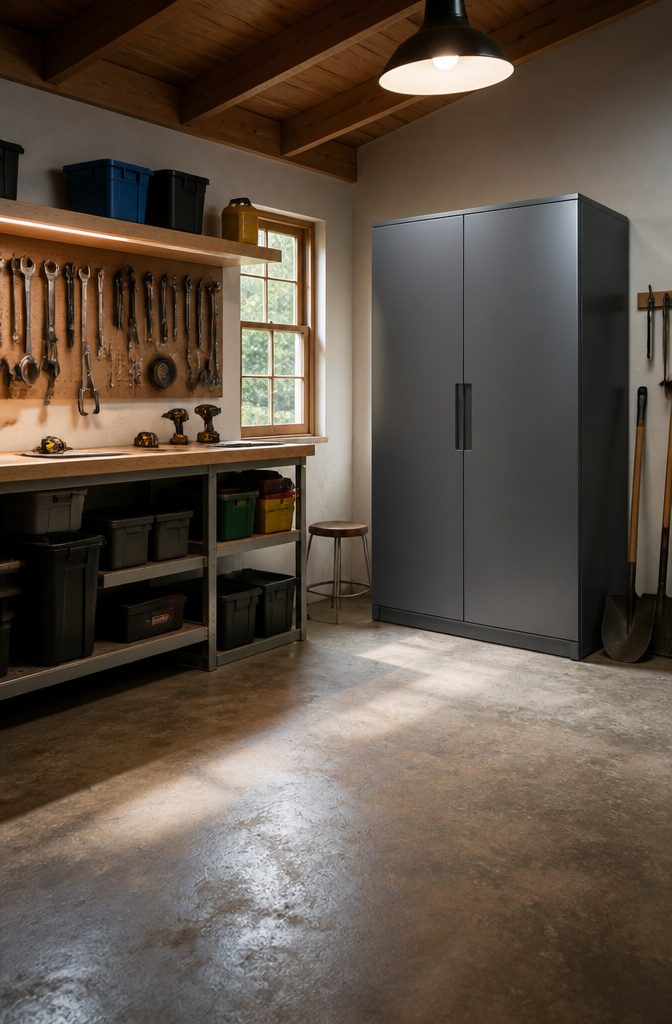
Enclosed cabinets keep the dust off and hide the visual noise of a work-in-progress garage or utility room.
A door turns a wall of clutter into a blank face, which matters when that wall faces a kitchen or a hallway you walk through every day.
The trade is floor space. A standard swing door needs roughly three feet of clear arc to open fully, and in a narrow garage that can block a car door or a walkway.
A cabinet needs about the same depth as open shelving plus that door swing, so the footprint grows even though the storage volume stays similar.
I would skip the cabinet for anything I reach for daily, like a drill or a tape measure.
The door becomes a chore you resent. For items that come out once a month, or for anything that rusts or fades in open air, the door pays for itself.
If the floor space is tight, a sliding door or a rolling tambour solves the swing problem, though the hardware costs more and the opening is smaller.
Footlockers
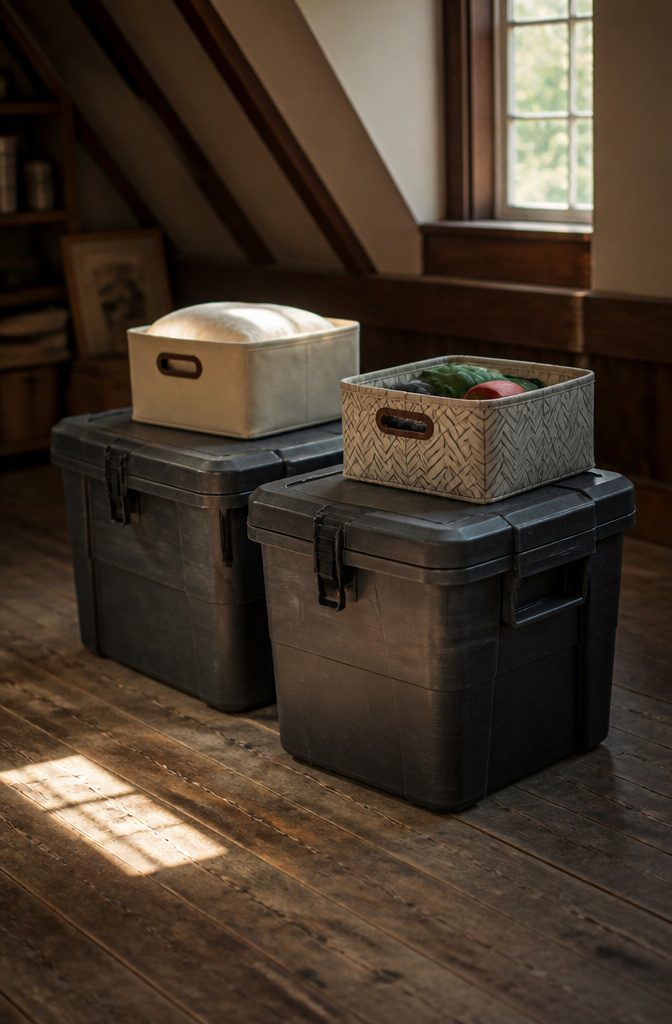
A footlocker fills the gap when shelves won’t fit or when what you store needs to travel with you.
The flat top slides under a bed frame, stacks two-high in a closet corner, or tucks against the short wall under a sloped attic ceiling where no rack stands upright.
I keep one for seasonal bedding and another for the camping kit; the difference is that one stays put and the other rides in the car trunk twice a summer.
Inside, the space is a single box, so compartments beat piles every time. A shallow tray that sits at half-height leaves room underneath for bulkier items and keeps small stuff from disappearing.
I tried loose bins once and spent ten minutes digging for a headlamp I knew was in there. Dividers or a fitted caddy turn the whole lid into usable real estate.
The mobility question is simple: casters or no casters.
A stationary footlocker gains rigidity and costs less. Add wheels only if you will actually roll it somewhere, because the hardware eats interior height and the frame flexes more over time.
For a renter who moves every couple years, the wheel version earns its keep. For a permanent closet fixture, skip them and let the box sit flat.
A footlocker is the right call when you need enclosed storage in a footprint measured in inches, not feet, or when the contents leave the house with you.
Matching the Rack to What You Store
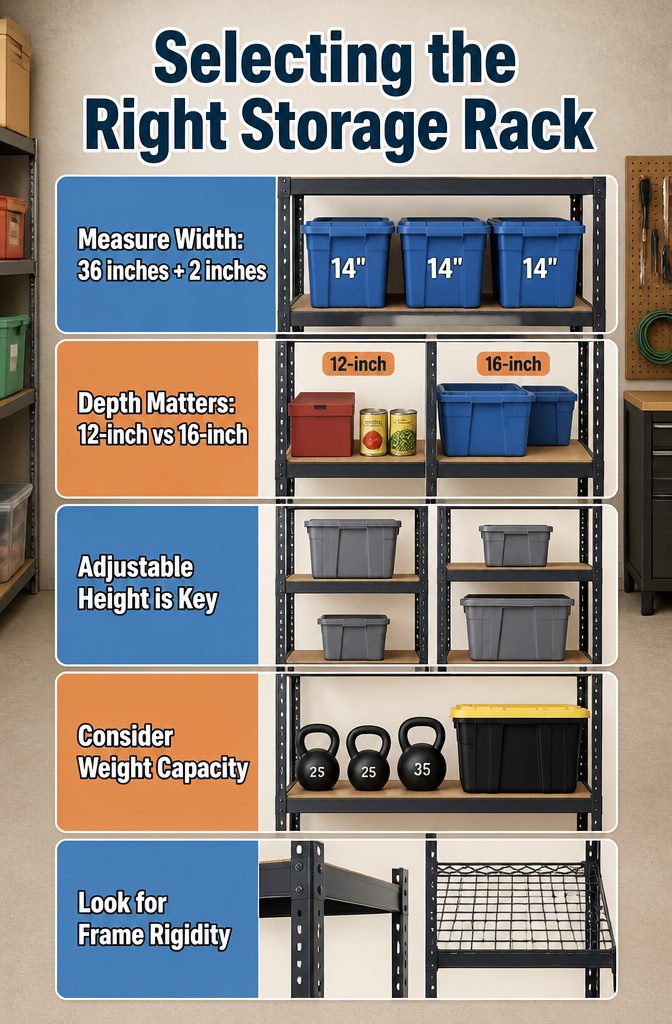
The width of the item you are storing matters more than the rack’s total footprint. A 36-inch unit looks generous until you try to slide three 14-inch bins side by side and hit the posts.
Measure the widest thing first, then add two inches for your hand to fit behind it. That gap is what lets you actually pull the bin out without toppling the stack.
Depth gets overlooked because it is harder to see in a photo.
A 12-inch shelf holds shoeboxes and canned goods fine. A 16-inch shelf swallows those same items with room for a row behind them, which usually becomes the row you forget exists.
I have re-bought racks twice because I guessed at depth and ended up with either wasted floor space or front-only access to a deep cave of stuff.
Height between shelves is the adjustment you pay for, whether the unit has it or not.
Fixed shelves spaced for tall items leave dead air above your small ones. Adjustable pins or bolt-together rails let you tighten the vertical layout as your storage changes, which it will.
The re-buy I see most is someone who saved twenty dollars on a fixed unit, then replaced it within the year when the holiday bins arrived.
Weight capacity printed on the box is for perfectly distributed, static load. Real storage means a bin dragged to the edge, dropped hard, or loaded heavier on one side.
Metal frames with particle-board shelves often fail at the corners first; all-metal shelving or wire decks cost more upfront but rarely need replacement. The mistake is treating capacity as the decision point instead of frame rigidity and shelf material.
Customizing What You Buy
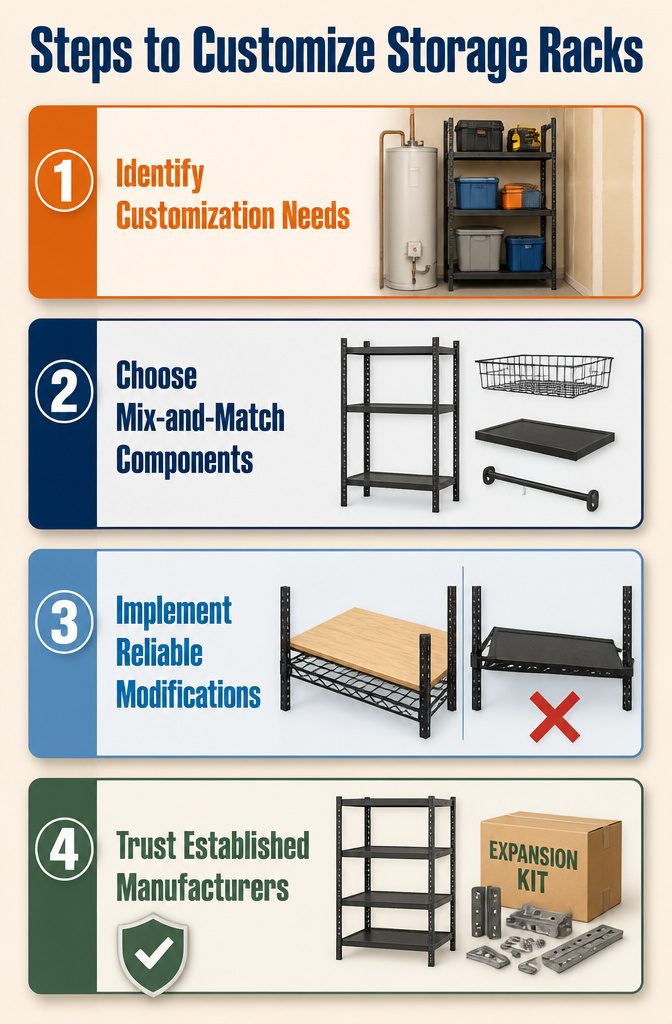
Adjustable shelves sound like a promise that the whole rack will bend to your needs, but most of the time only the shelf height changes.
The frame stays fixed, and the feet stay where they are. That gap between what the box calls customizable and what actually moves matters when you are fitting a rack between a water heater and a garage wall.
Mix-and-match systems let you bolt on extra parts later, which is where the real flexibility hides.
A basic metal frame might accept a wire basket, a solid shelf, or a hanging bar if the manufacturer planned for it. Without that shared hole pattern, you are drilling into powder-coated steel and hoping the threads hold.
Modifications that hold up are the boring ones. Adding a plywood deck across wire shelves works; swapping in deeper shelves on a frame never meant for the weight does not.
I have seen people shim a leaning rack with cardboard and watch it torque sideways inside a year. Shim the floor instead, or accept that the rack belongs somewhere else.
The manufacturers that publish expansion kits earn the trust, even if the kits cost more than a generic equivalent. The generic equivalent rarely lines up.
Why Organization Falls Apart
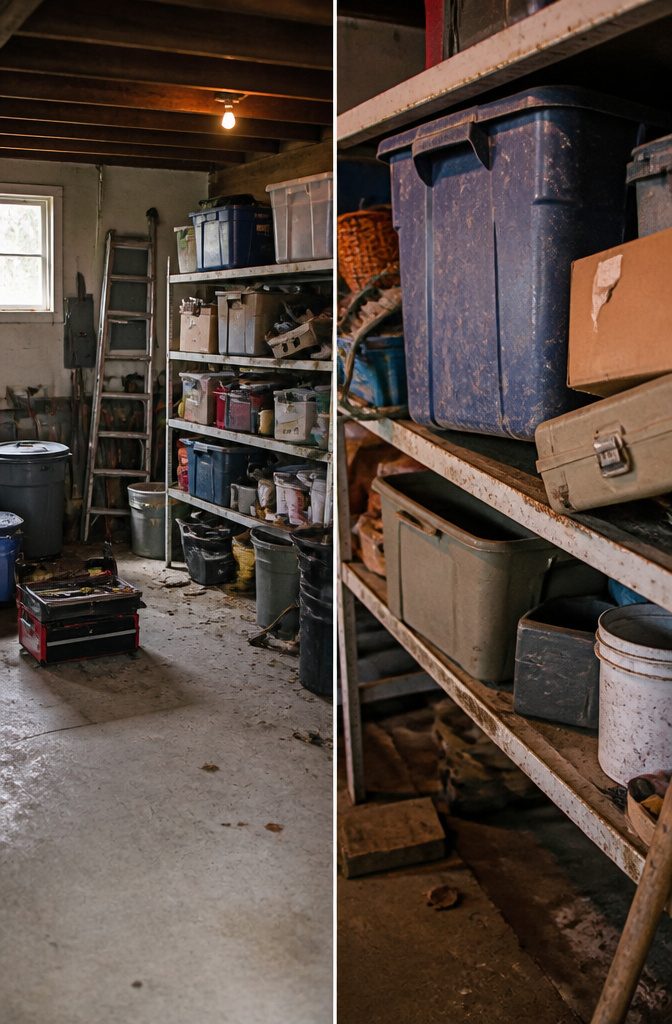
New racks for storage go in with a Saturday morning’s worth of hope. Six months later, the same garage corner holds a leaning tower of half-empty bins and one shelf bowed under a weight it was never meant to carry.
Clutter returns because accessibility degrades faster than people expect: a bin lid that needs two hands to open becomes a bin that never gets opened, and items migrate to any flat surface within arm’s reach.
The real failure is rarely the rack itself. Fixed shelves stay fixed while what you store changes; the holiday bins that fit in March do not fit once you add the camping gear by June.
Adjustable pins seize if they are never moved. Plastic shelving cracks when loaded in the center rather than distributed across the frame, and the damage spreads before anyone notices the sag.
Maintenance that actually works is boring and visible. Once a season, everything comes off, the shelf height gets reassessed against what is currently there, and the cracked bin or stripped bolt gets replaced then, not when it finally fails.
Ten minutes of redistribution beats an afternoon of rebuilding after collapse.
Frequently Asked Questions
What types of storage shelves are available?
Heavy-duty metal-framed shelves, adjustable wall-mounted or free-standing units, plastic storage shelves, enclosed storage cabinets, and footlockers. Metal frames handle up to 1,000 pounds, plastic works for lighter loads under 100 pounds per tier, and footlockers fit where upright racks cannot stand.