The ideas below run from a single afternoon with a stud finder to a full cabinet reface, and from a dish towel to the cost of a barn door and track.
What settles the choice is whether you rent or own: plaster walls and barn door hardware are for owners, while linen towels and a pot rack follow you to the next lease.
The 60-inch height I settled on for board and batten in my foyer is the same logic that guides whether you hang a rack into studs or patch the holes later.
1. Exposed Beams
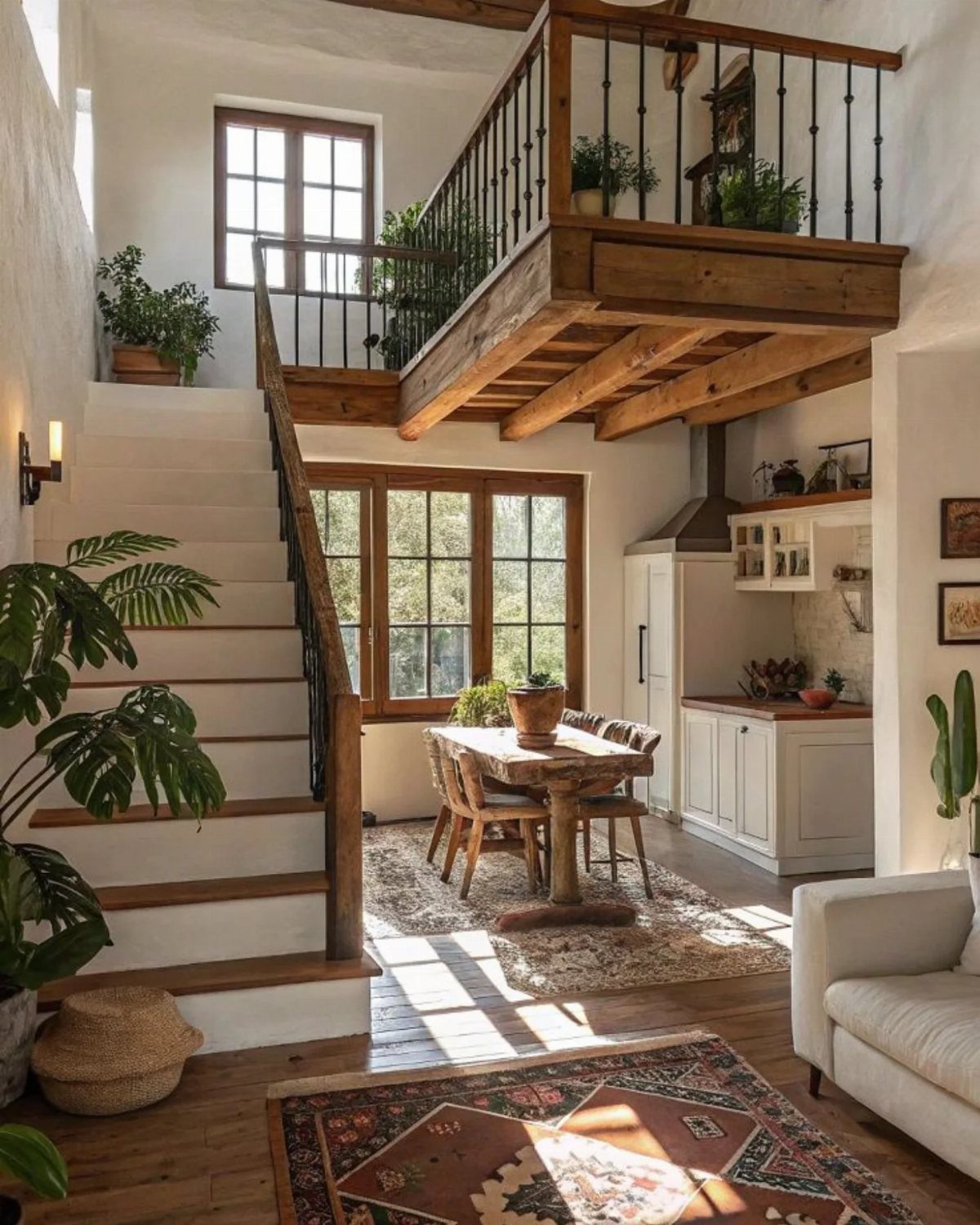
Exposed ceiling beams turn a plain drywall box into something that feels like it has history behind it.
Real reclaimed wood is ideal if you can source it, but lightweight decorative beams made from hollowed timber or even well-painted foam can give the same visual weight for less cost and no structural load.
Natural wood, a rich brown stain, or white paint to match the ceiling each read differently; white especially helps a low ceiling feel higher while keeping the detail.
They also hide a lot: duct runs, speaker wire, junction boxes that would otherwise need soffits or bulkheads. If your kitchen has an open plan into living space, this is the single change that carries furthest.
2. Warm Wood Cabinets
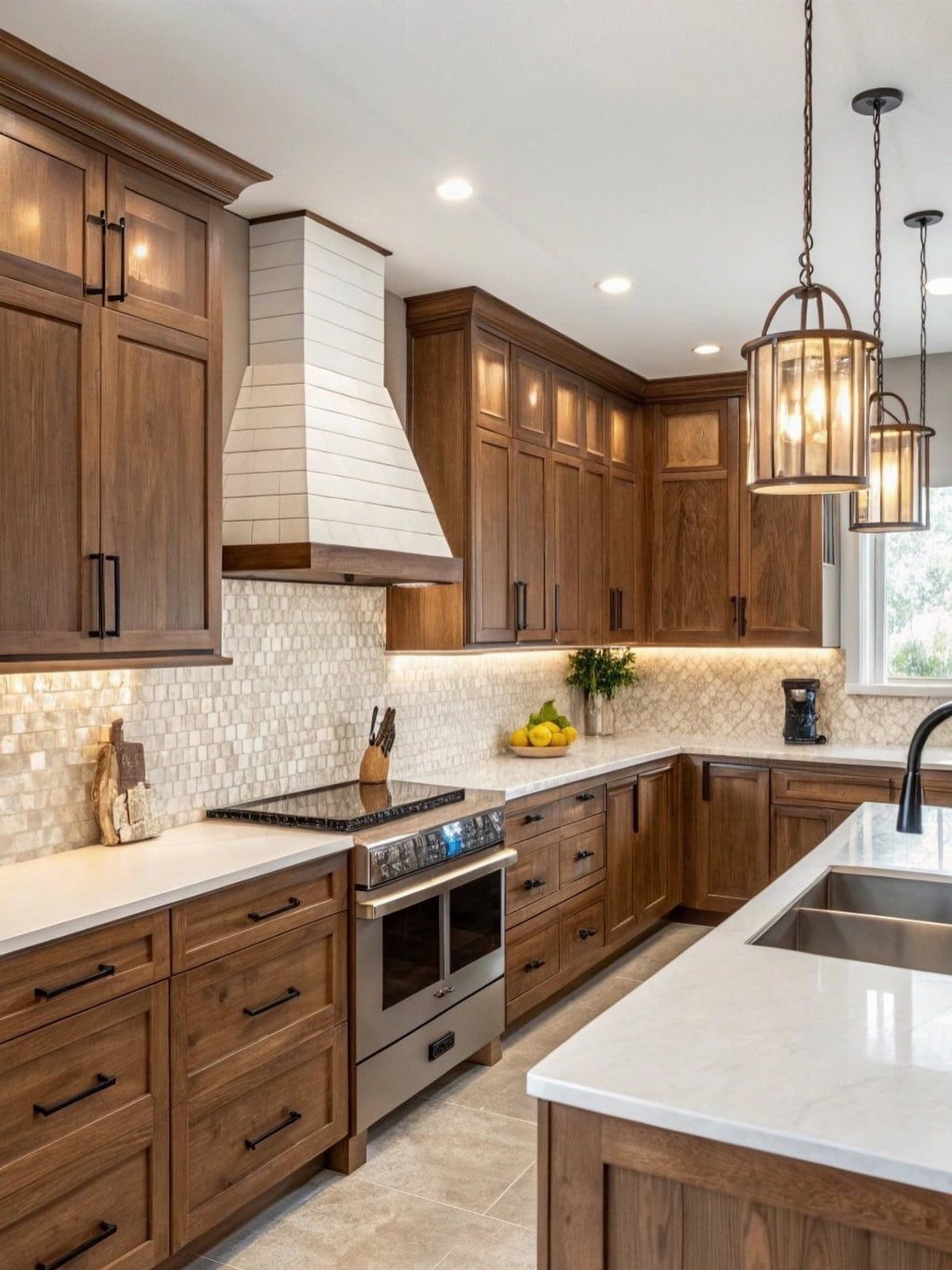
Oak, walnut, or knotty pine cabinets bring in warmth that paint struggles to fake. The grain catches light differently through the day, and the slight variation board to board stops a kitchen from feeling like a showroom.
Black hardware against that wood sharpens the whole thing without going industrial. I would pick knotty pine for a cabin-adjacent feel and quarter-sawn oak if the rest of the house runs more traditional.
A full kitchen of wood cabinets runs higher than painted MDF, but refacing existing boxes in wood veneer cuts the cost by half and keeps the layout you already live with.
3. Furniture-Style Island
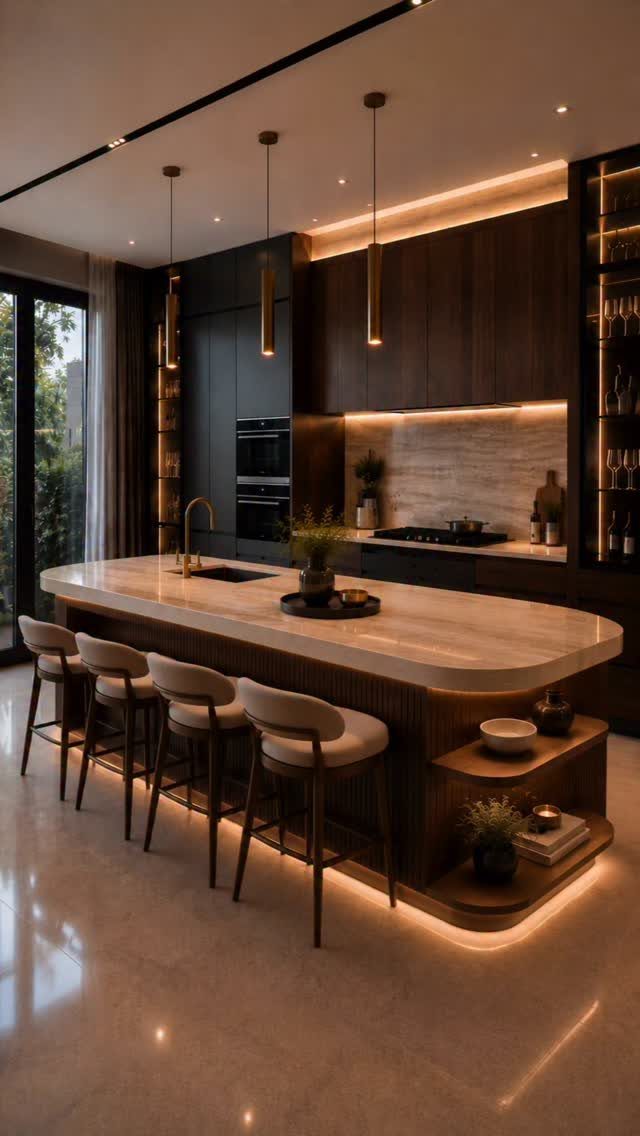
A furniture-style island breaks up the built-in look that makes so many kitchens feel like a cabinet catalog. Turned legs, a slab-style apron, or a thick butcher-block top signals "found piece" rather than "installed by the builder."
A marble top is one route; maple or walnut butcher block makes a more casual, use-welcoming surface that you can sand down when it scars.
An old worktable or a salvaged counter from a closed bakery can become the base if you build out storage and a shelf underneath.
You lose some concealed storage against a standard cabinet island, and wood tops near the sink need sealing.
4. Beadboard Paneling
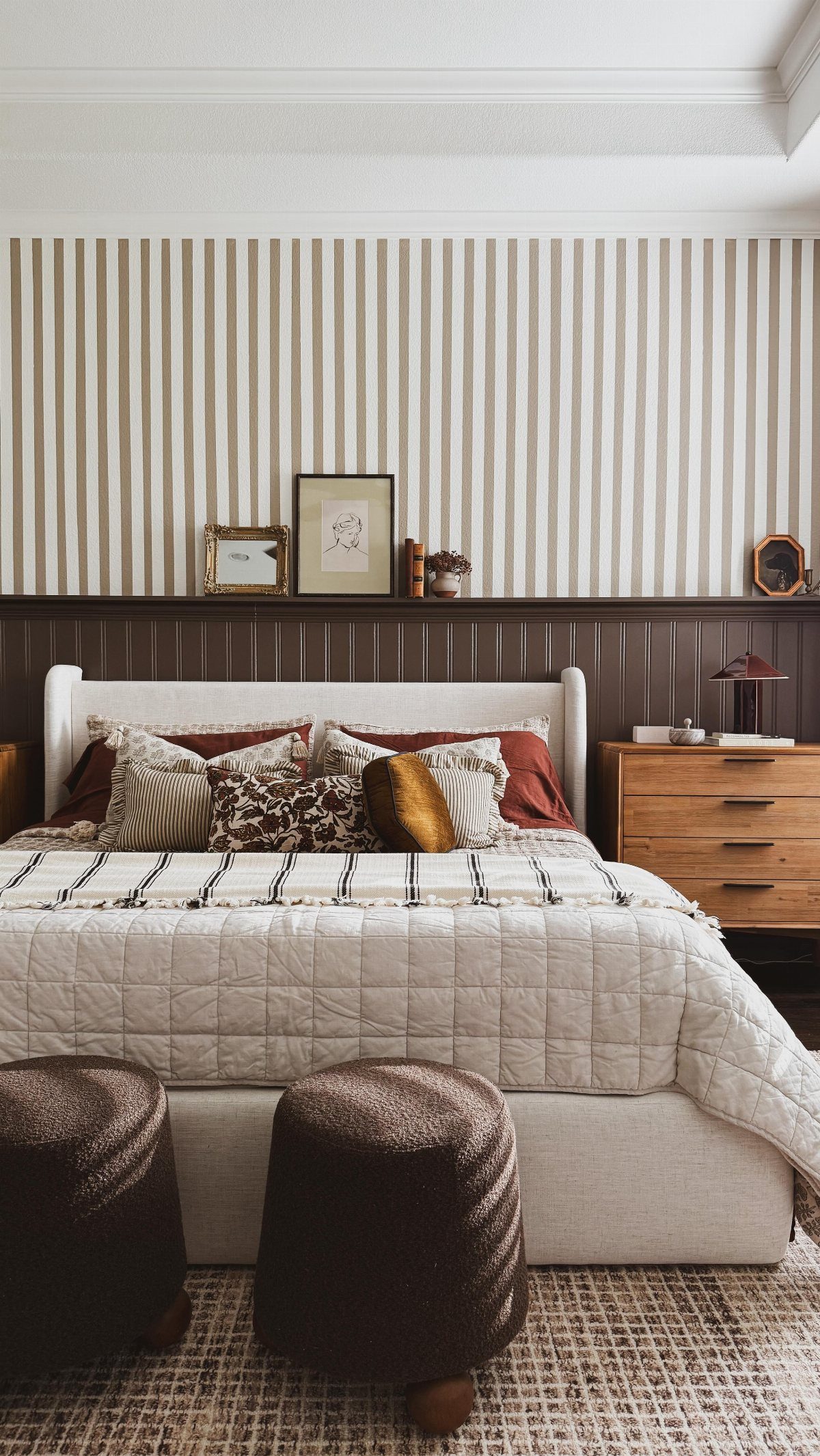
Beadboard gives a wall texture without the statement that shiplap makes. Used as a backsplash, a wainscot, or to face the side of an island, it reads as cottage rather than barn.
The vertical lines draw the eye up, which helps in a kitchen with standard-height ceilings. Paint it in a color, keep it white, or use a translucent wash that lets the grain show; each changes the mood.
Facing it onto a counter edge works too, though that takes more upkeep than laminate. One wall or one run is enough; cover every surface and the room turns theme-park.
5. Plaster Walls
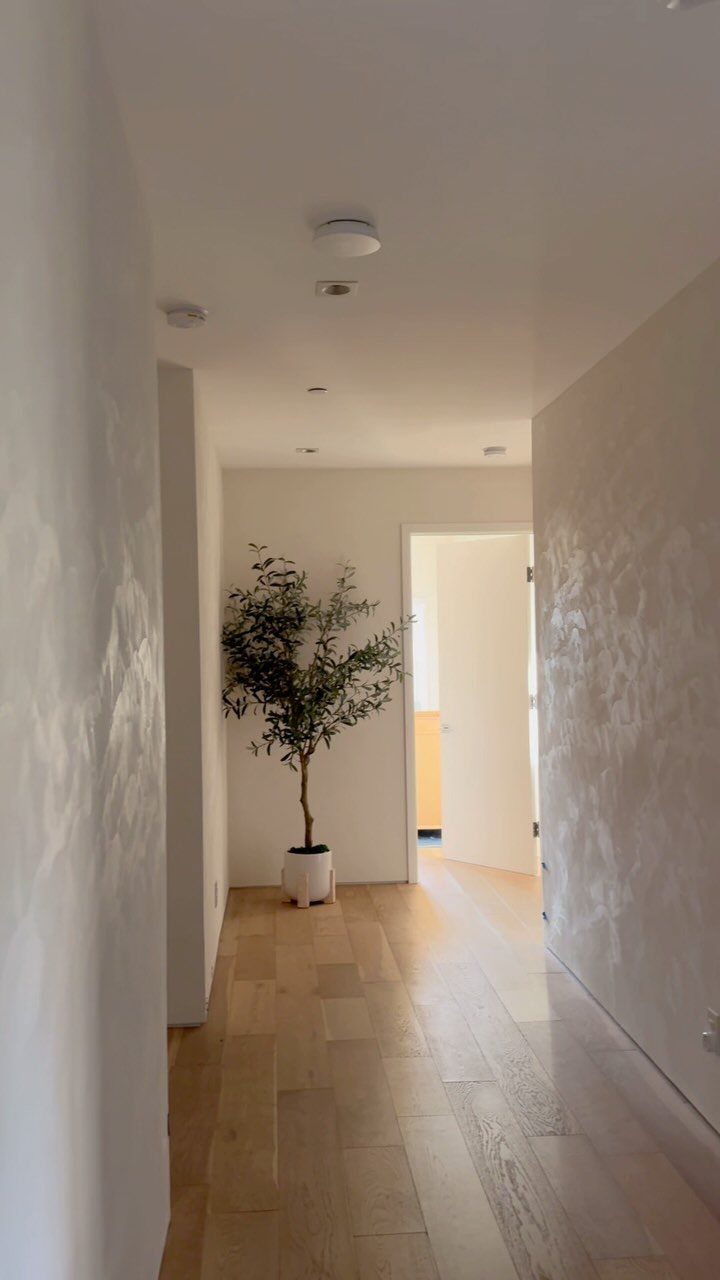
Rough plaster walls carry the kind of imperfection that reads as intention. The surface catches light in soft patches, pairs naturally with wood grain and raw metal, and ages better than perfect drywall ever will.
Real plaster takes skill and layers of time; a lime-based paint or a textured roller finish gets most of the way there in a weekend for the cost of materials alone.
I would use it on one wall, the one behind open shelves or a pot rack, where the shadows do the most work.
In a rental, this is a hard pass; the texture is not coming off when the lease ends.
6. Open Shelves
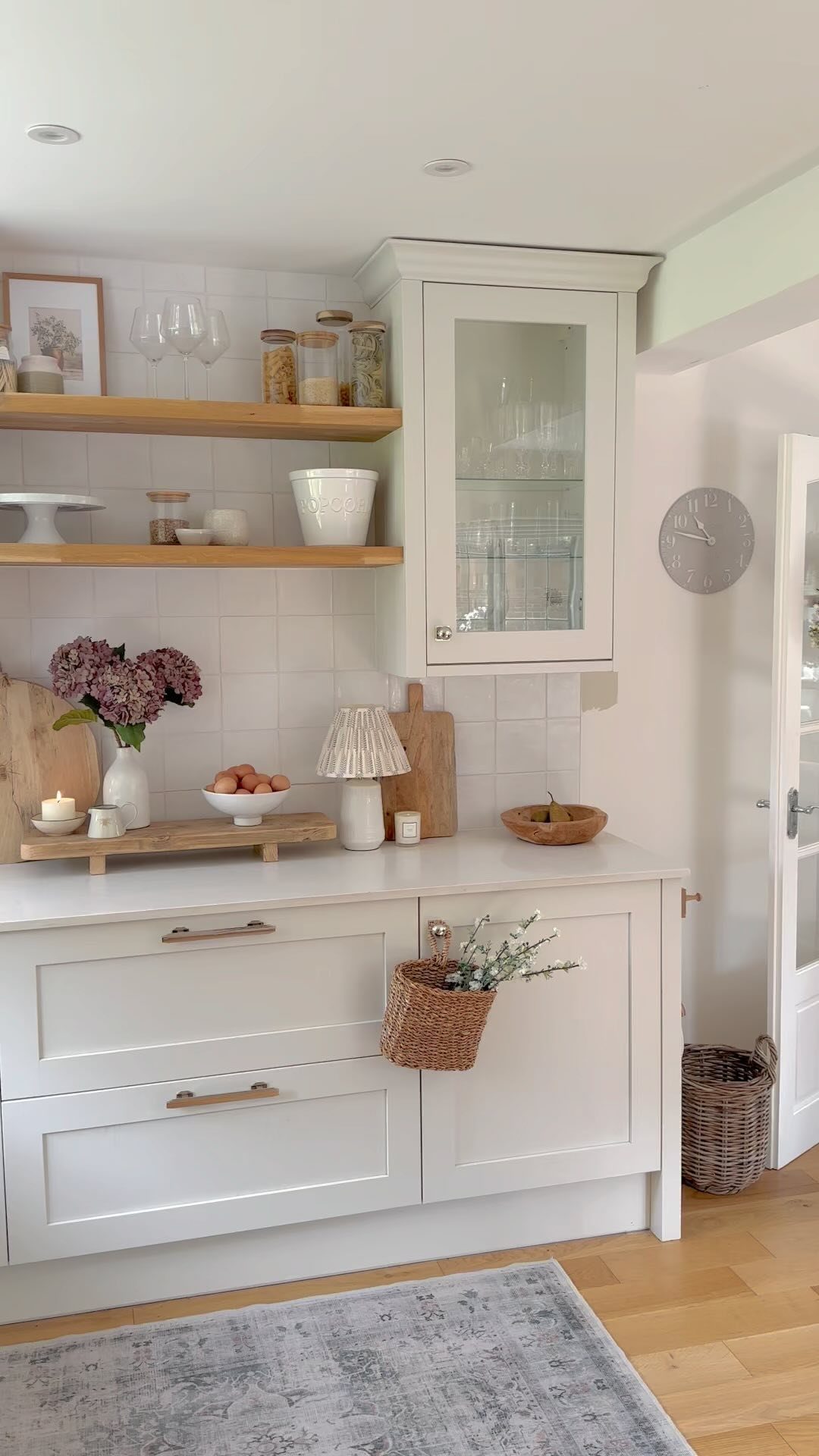
Open shelving puts your everyday dishes on display, which forces a discipline that closed cabinets do not. The right density is a few glass canisters, stacked white bowls, nothing crowded.
Plates, cutting boards, and jars in a single tone keep the look calm; color comes from whatever fruit is in the bowl that week.
Install brackets into studs or use a floating hardware kit rated for the load you actually need. The risk is dust and grease near a cooktop, so place open shelves away from the range if you can.
Pine boards and basic brackets cost less than a cabinet run and go up in an afternoon.
7. Vintage Lighting
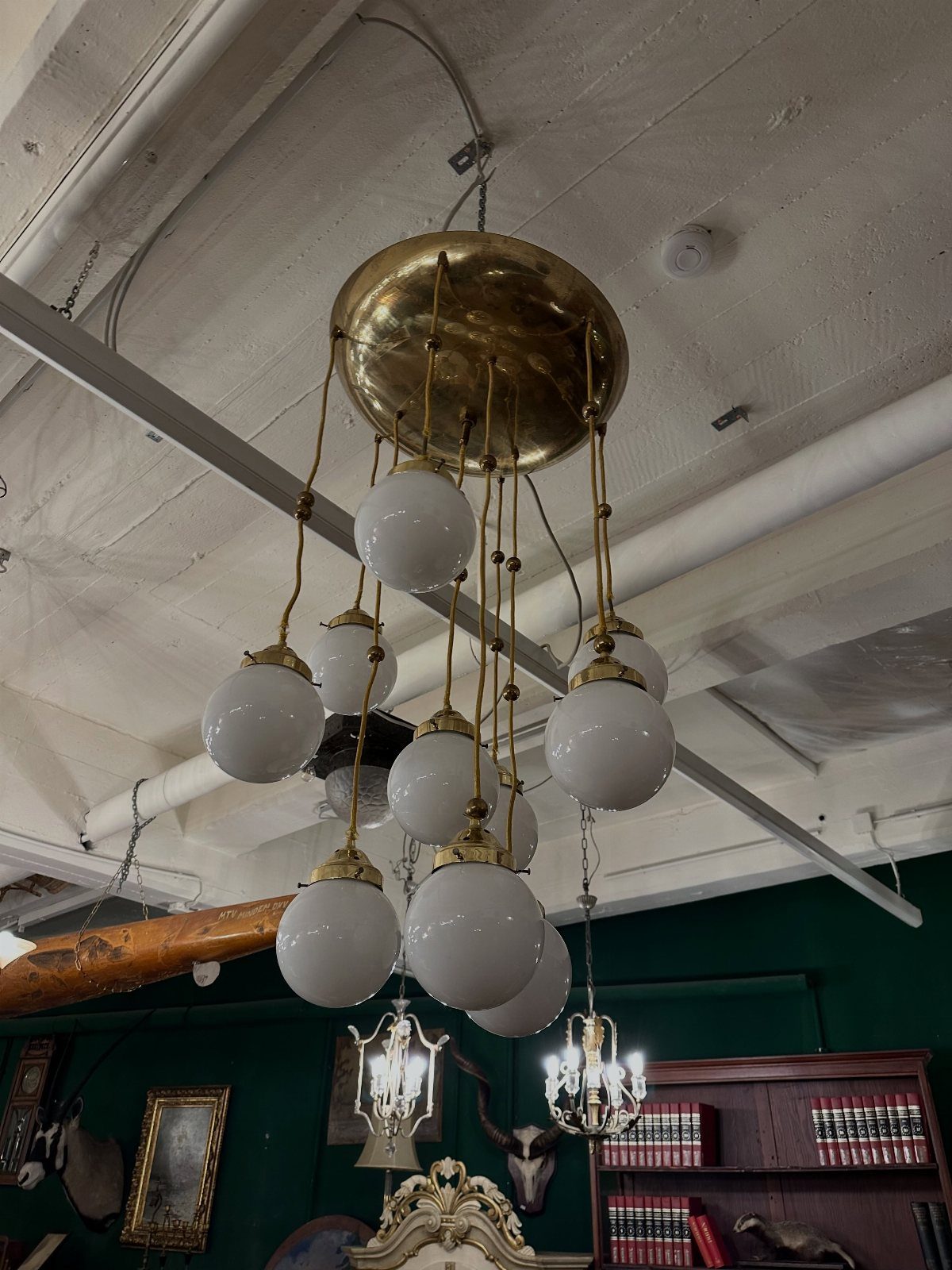
A brass chandelier with frosted globes throws the kind of light that makes a kitchen feel lived-in rather than staged. Pendant lights or lantern-style fixtures in aged brass do the same work at lower cost and with less ceiling commitment.
A single iron pendant over the sink changes a room faster than almost anything else you can swap.
The shadows are softer, the metal catches grease and age rather than showing every fingerprint, and a dimmer bulb is enough for most evenings.
Skip anything with a chrome finish or a perfect globe. The slight tarnish on aged brass is what gives rustic kitchens their warmth.
8. Farmhouse Sink
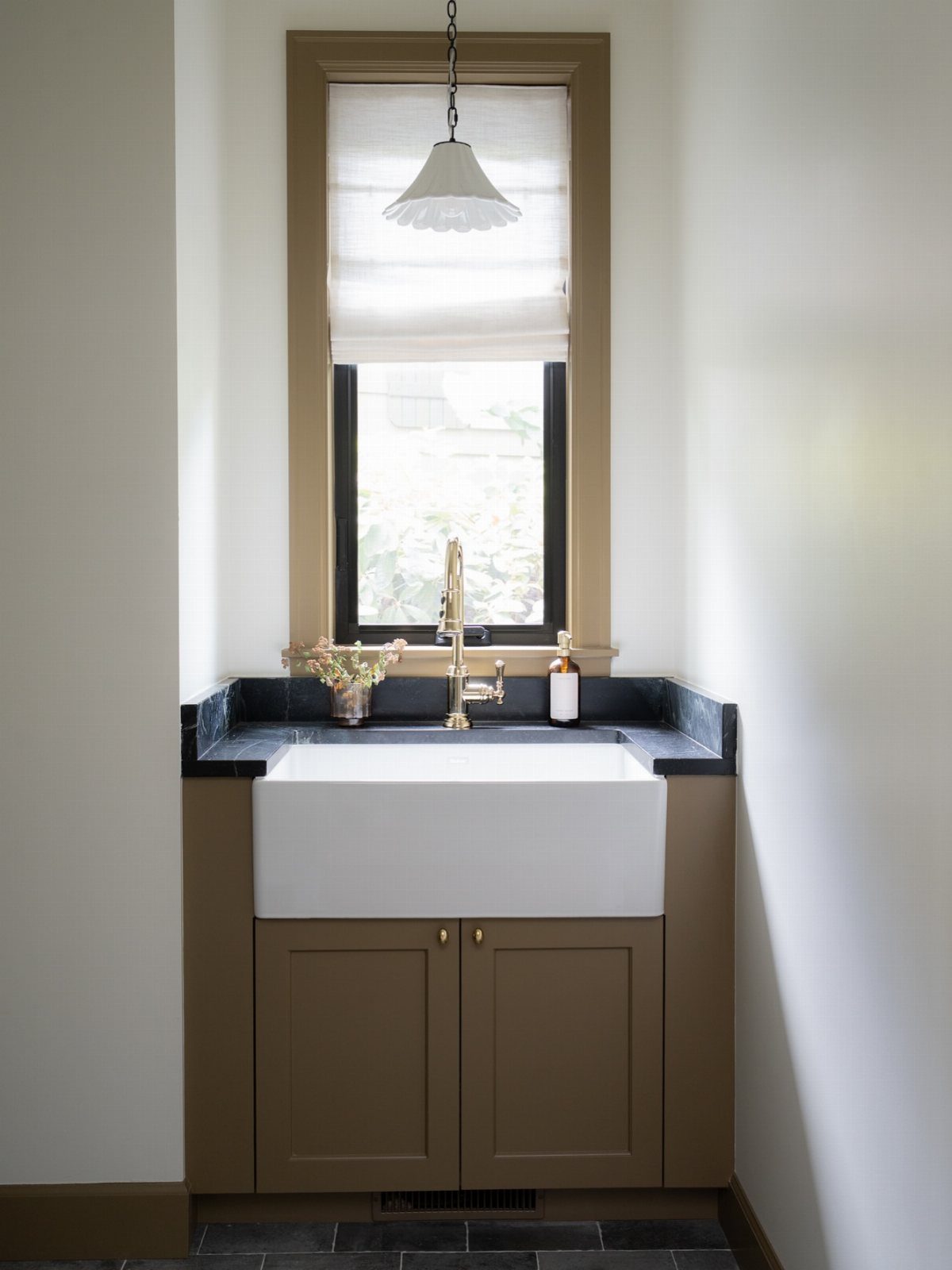
The deep basin of a farmhouse sink catches more than water; it catches the eye and holds it. White ceramic against dark counters is the classic pairing, though hammered copper or enameled cast iron suit the same look.
The apron front gives the silhouette, but the depth is what you end up using: stacking pots during a dinner party, rinsing a whole cutting board without splashing the window.
A gooseneck faucet that sits high enough to clear a bucket matters more than it sounds.
A single basin in fireclay costs less than most people guess and outlasts the trends. Double basins divide the space and defeat the purpose.
9. Rustic Stools
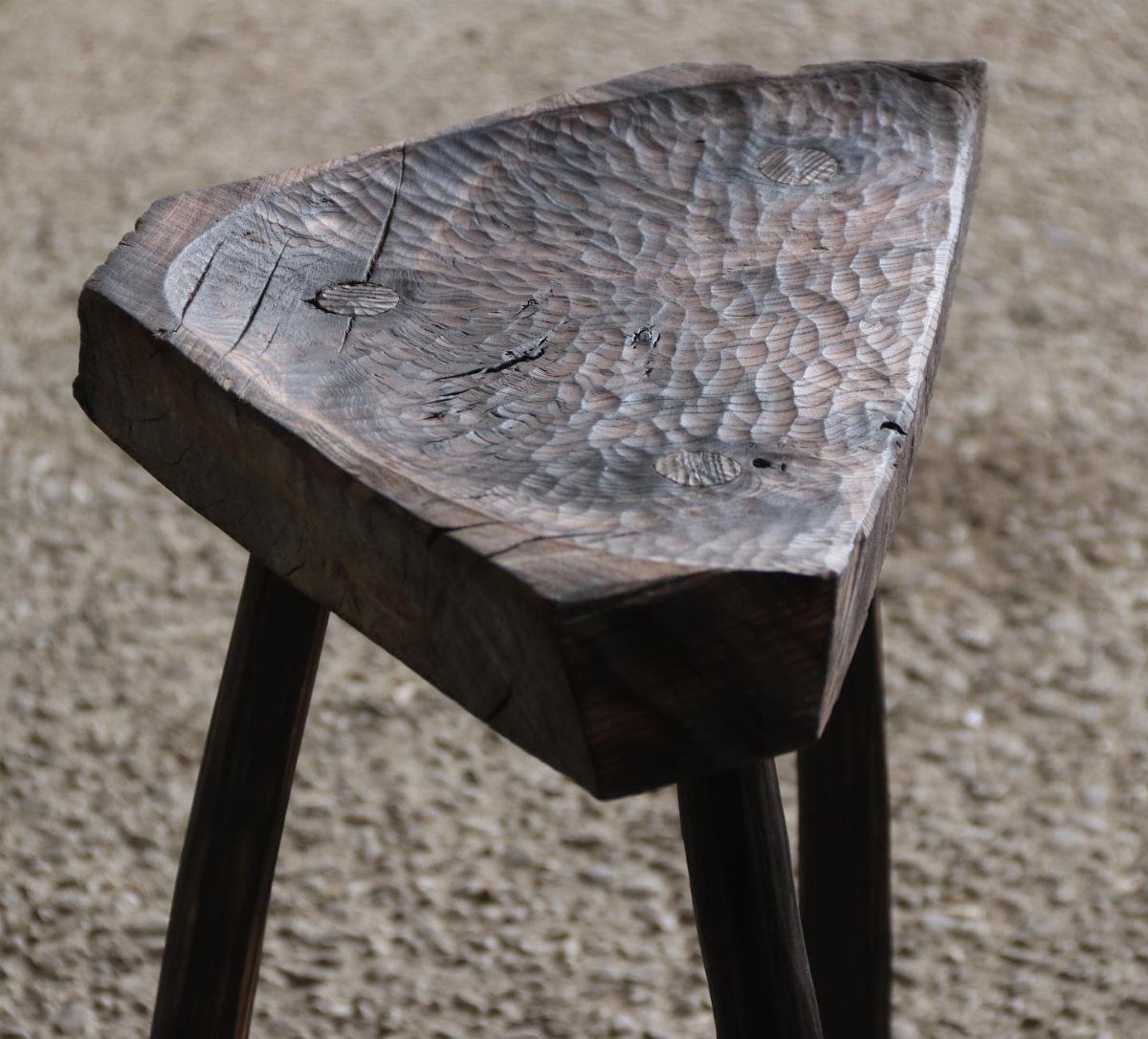
A hand-carved seat with chisel marks and visible grain does what polished bar stools cannot; it admits that someone shaped it. Dark tapered legs and a low back let these tuck under an overhang without cluttering the sight line.
Flea market wood stools with the right proportions turn up often enough, but new ones with similar lines run more if you add leather upholstery.
The adjustable swivel kind is fun until it loosens; fixed legs last longer in a kitchen that sees daily use.
Three stools fit most islands. Four crowds the walking space unless your counter runs 8 feet or more.
10. Vintage Accessories
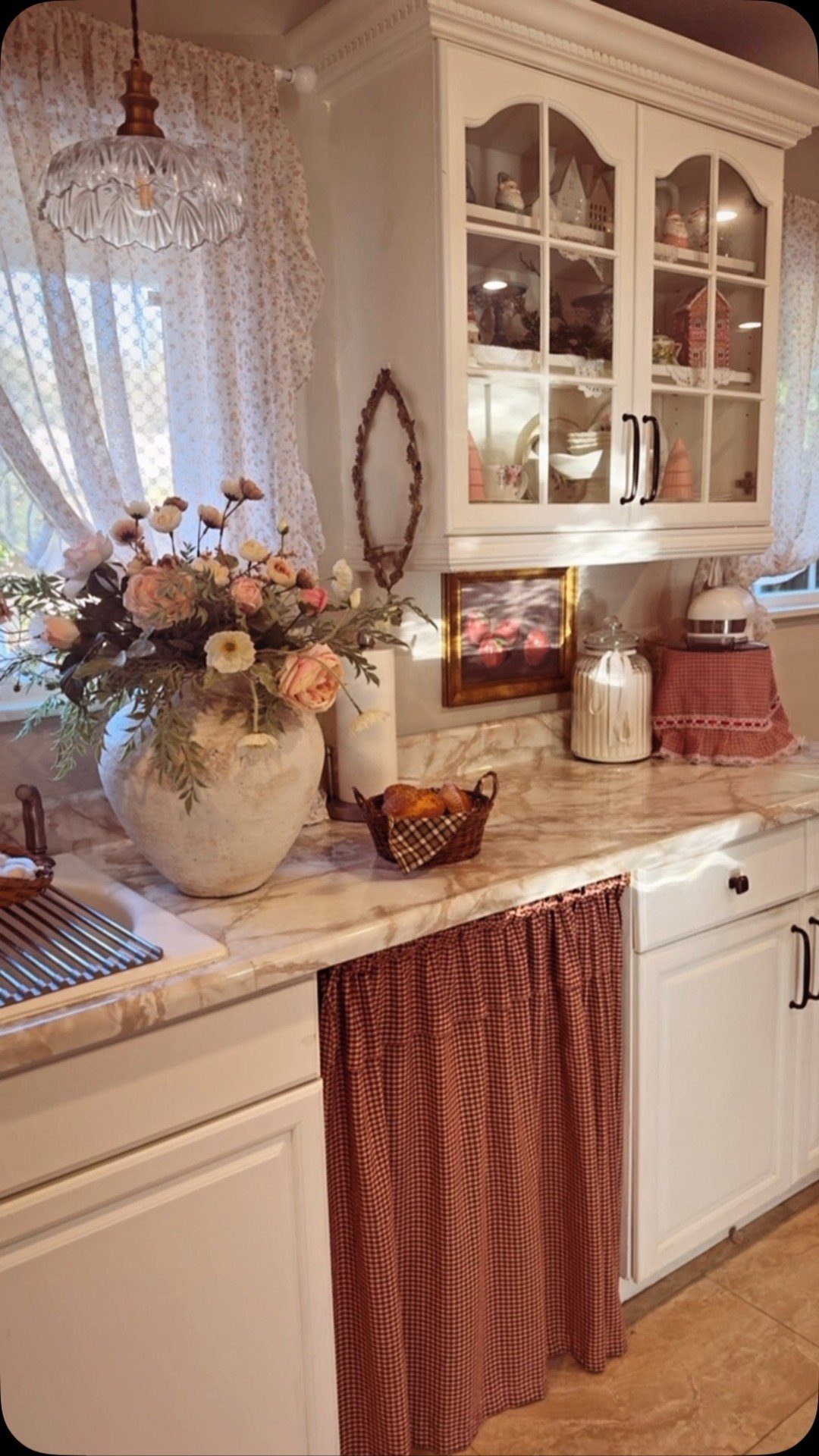
Stone, woven textures, and glass behind something sheer: the mix is what reads as collected rather than bought. Mason jars, wooden bowls, and an antique scale carry the same weight without requiring a matching set.
A wooden bowl on the counter for onions and garlic keeps the room from feeling too finished. The best ones show knife marks from whoever owned them first and look better for the damage.
The glass canisters in the photo display their contents; mine hold flour and coffee where I see them.
One rule I follow: nothing plastic, nothing with a barcode still attached.
11. Large Glass Canisters
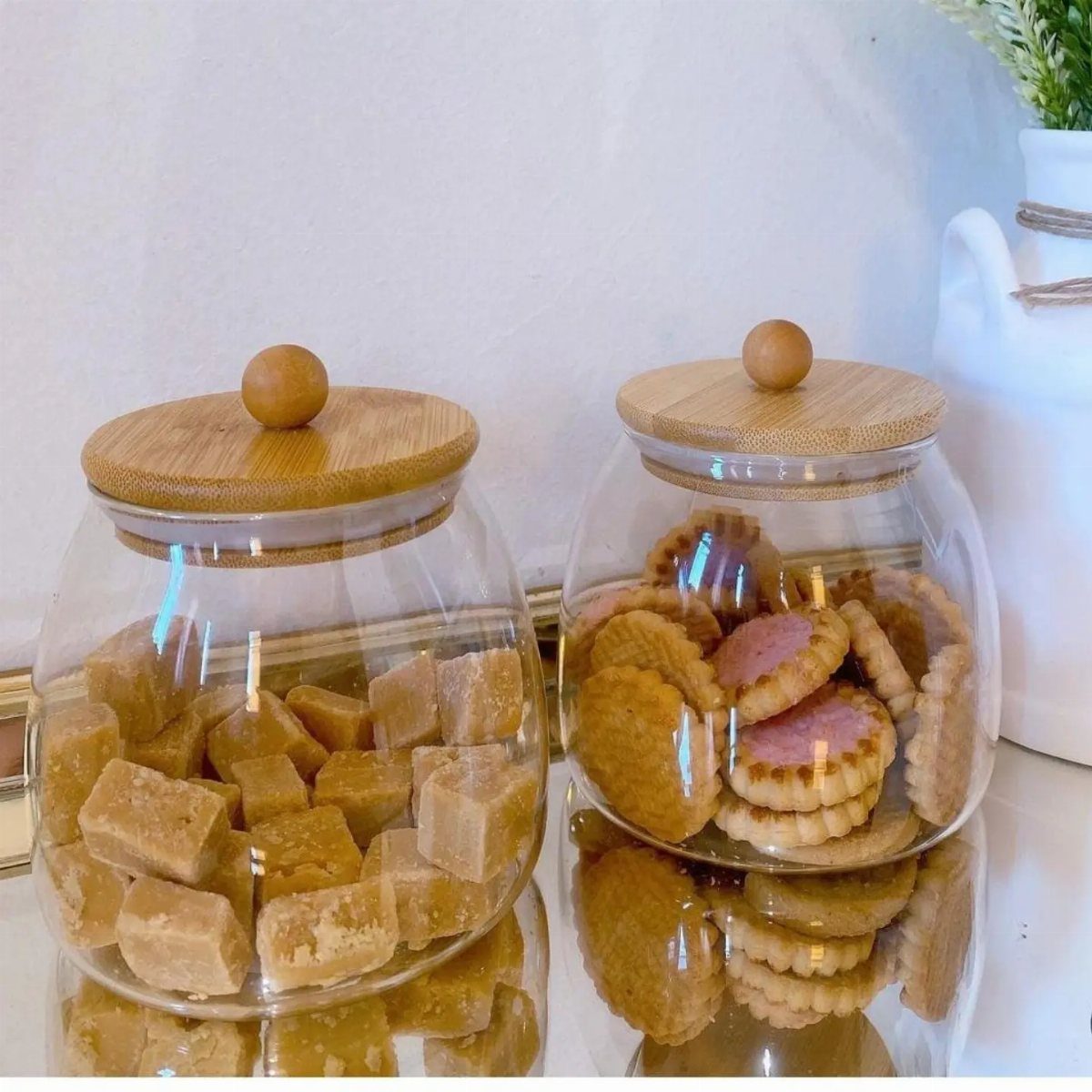
Round glass canisters with light wood lids turn dry goods into something worth looking at. Oats, pasta, or coffee beans look nearly as good in daily light as anything staged.
Two large sizes retire the cardboard boxes and keep the counter from looking like storage. The wood lid seals tight enough for flour; the wide mouth fits a measuring cup.
Fudge and cookies stay fresher in a tin, so I use mine for staples I reach for twice a day.
Place them where morning light hits. The glow through the glass does more work than any label.
12. Linen and Cotton Dish Towels

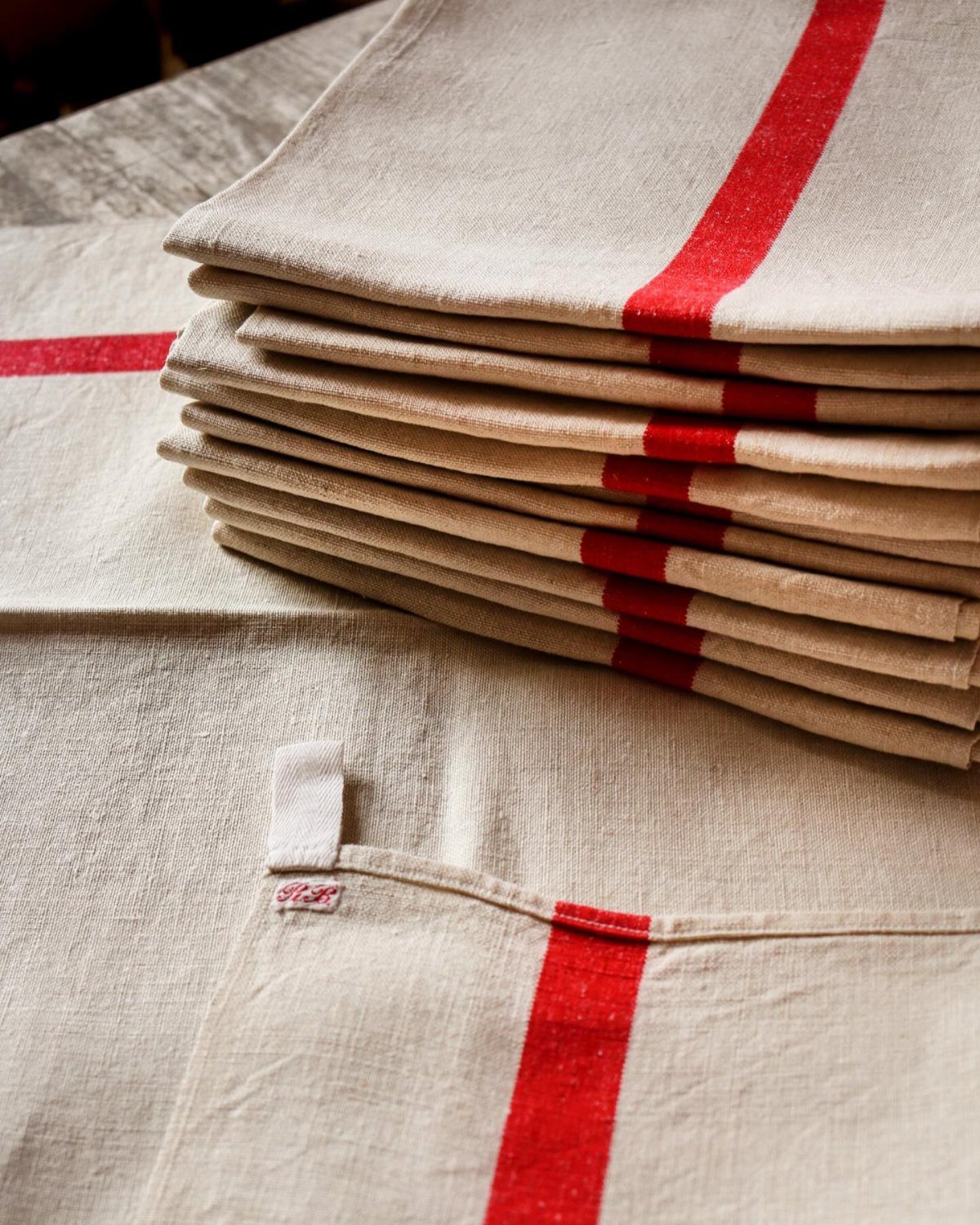
Three dish towels with cartoon cats on olive fabric: the humor is personal, but the material is the point. Linen softens with washing, and plant-based dyes fade in ways that look intentional rather than worn out.
Neutral linen towels dry fast, soften with washing, and never quite match the kitchen, which is the point. They dry faster than terry cloth, take up less drawer space, and the slight roughness actually scrubs better.
Printed illustrations cost about the same as plain but show stains harder.
Buy enough to rotate. A kitchen towel that stays damp overnight starts to smell, and no rustic charm survives that.
13. Textiles and Decor
A single runner across a narrow galley floor, or café curtains hung low enough to brush the sill, changes how the whole kitchen feels under your hand.
Linen towels in a stack by the sink dry fast and look better crumpled than pressed. Two tones work better than one; the used towels have somewhere to land without mixing in.
Woven baskets for onions, a small pottery bowl for clips and twine: these fill the gaps without cluttering counters. Build the set slowly and nothing here needs a drill.
14. Pot Rack
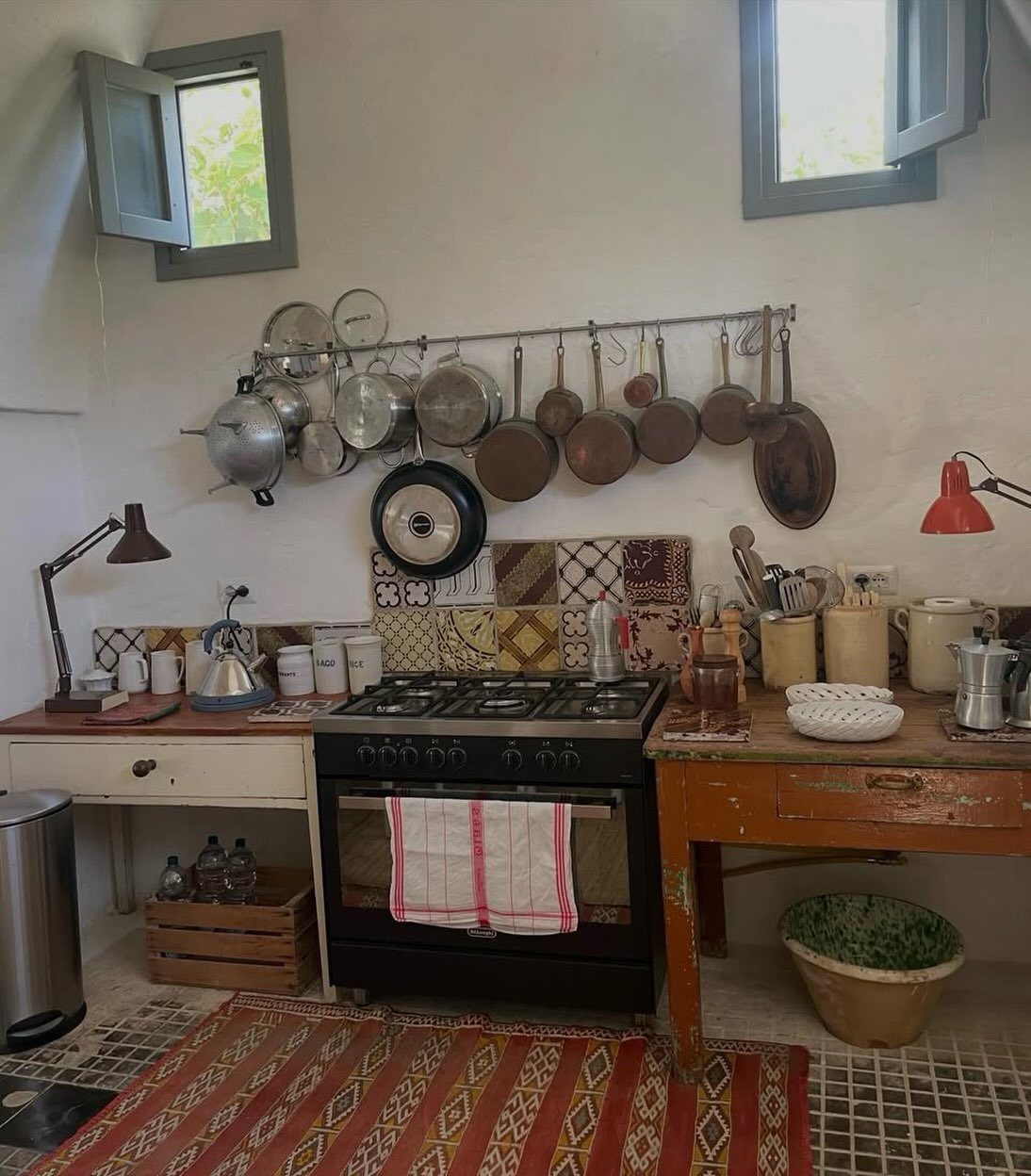
Copper against white plaster turns storage into something you want to look up at. A ceiling rack keeps the pans you actually use within arm’s reach of the stove; a wall-mounted one works when the joists won’t take the load.
A stud finder saves the wall, especially with the weight a full rack carries.
Metal carries weight visually, so mix copper with steel or keep to one finish. Black iron reads softer against patterned tile than raw chrome would.
15. Wooden Cutting Boards
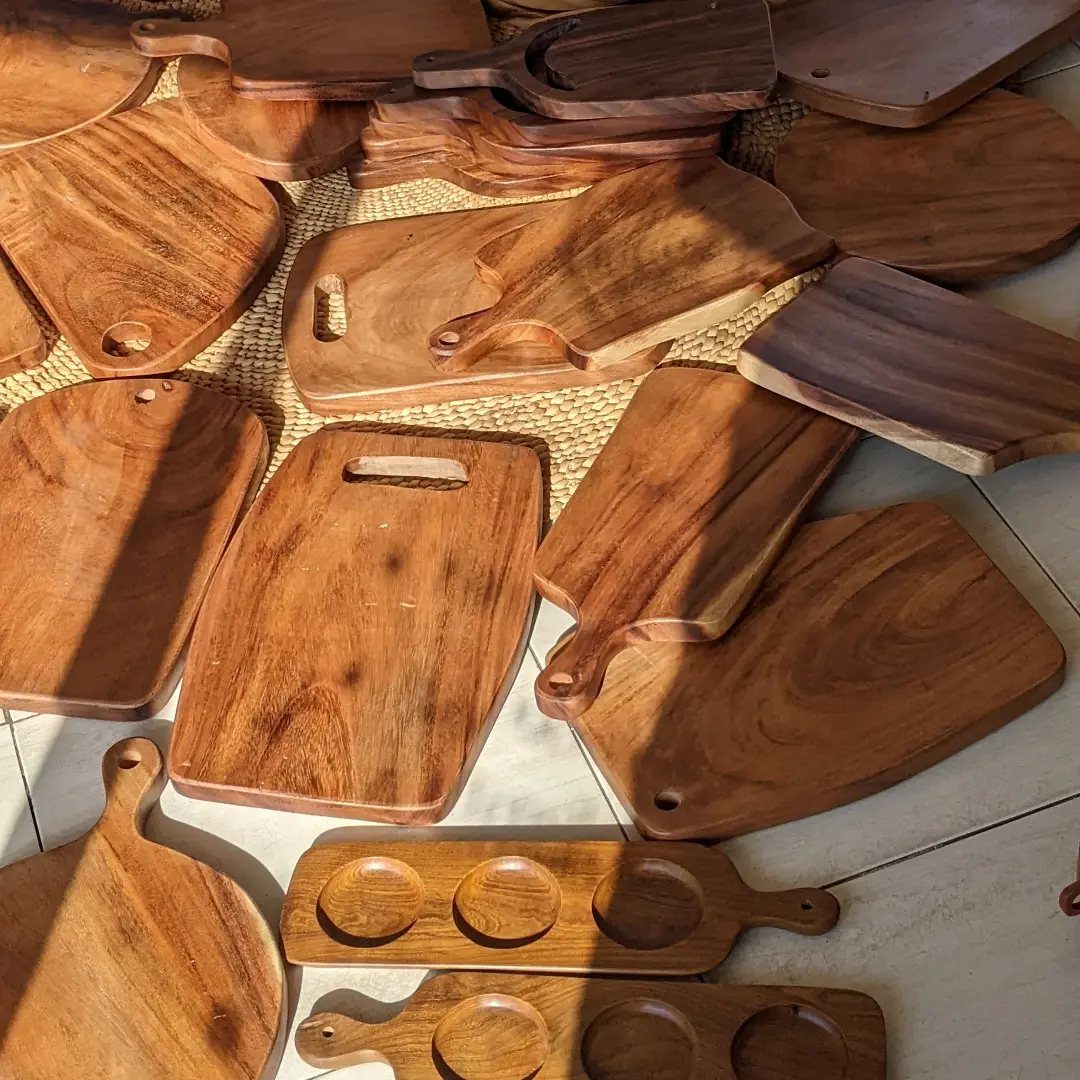
A cutting board leaning against the backsplash does more than a framed print ever could.
A thick slab handles meat, a handled rectangle takes vegetables, and a small round board with a juice groove earns its keep at a cheese spread.
The grain runs different directions, so the stack looks collected rather than bought as a set.
Hang one from a leather loop if wall space is tight, or stand them in a ceramic crock by the prep area. Estate sales and farm stands turn up good boards for less than retail.
16. Barn Doors
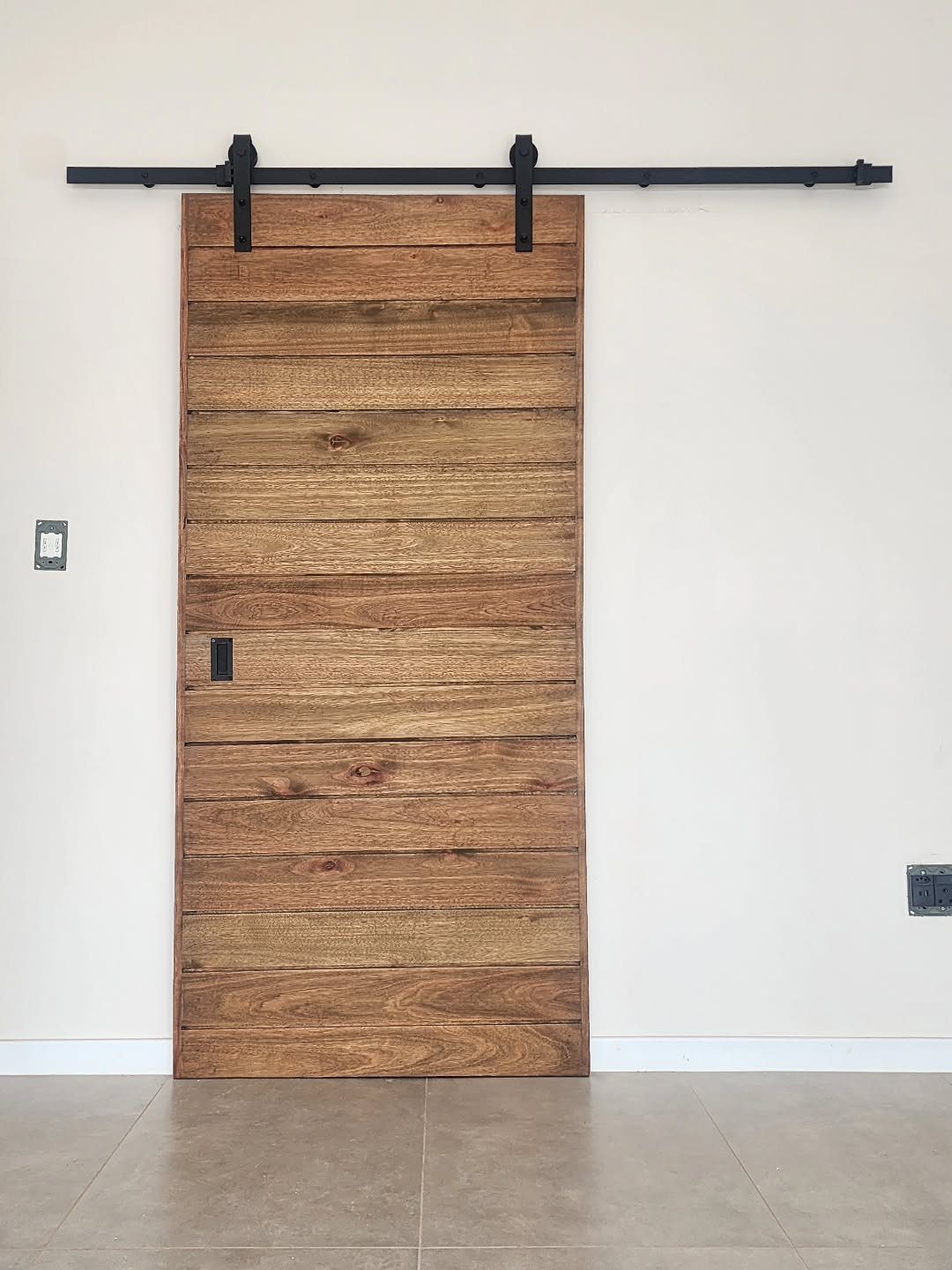
A sliding door on exposed iron track turns a plain doorway into the room’s best detail. Saligna carries grain bold enough to read from across the room; paired with a black track, it brings warmth against modern walls.
A barn door on a laundry closet draws more notice than most wall art.
The track needs a header board solid enough to carry the weight; budget for the door and the mounting both. A soft-close mechanism pays off if the door sits near bedrooms.
17. Textured Rugs
Kitchen floors are hard, cold, and usually ugly where the eye falls.
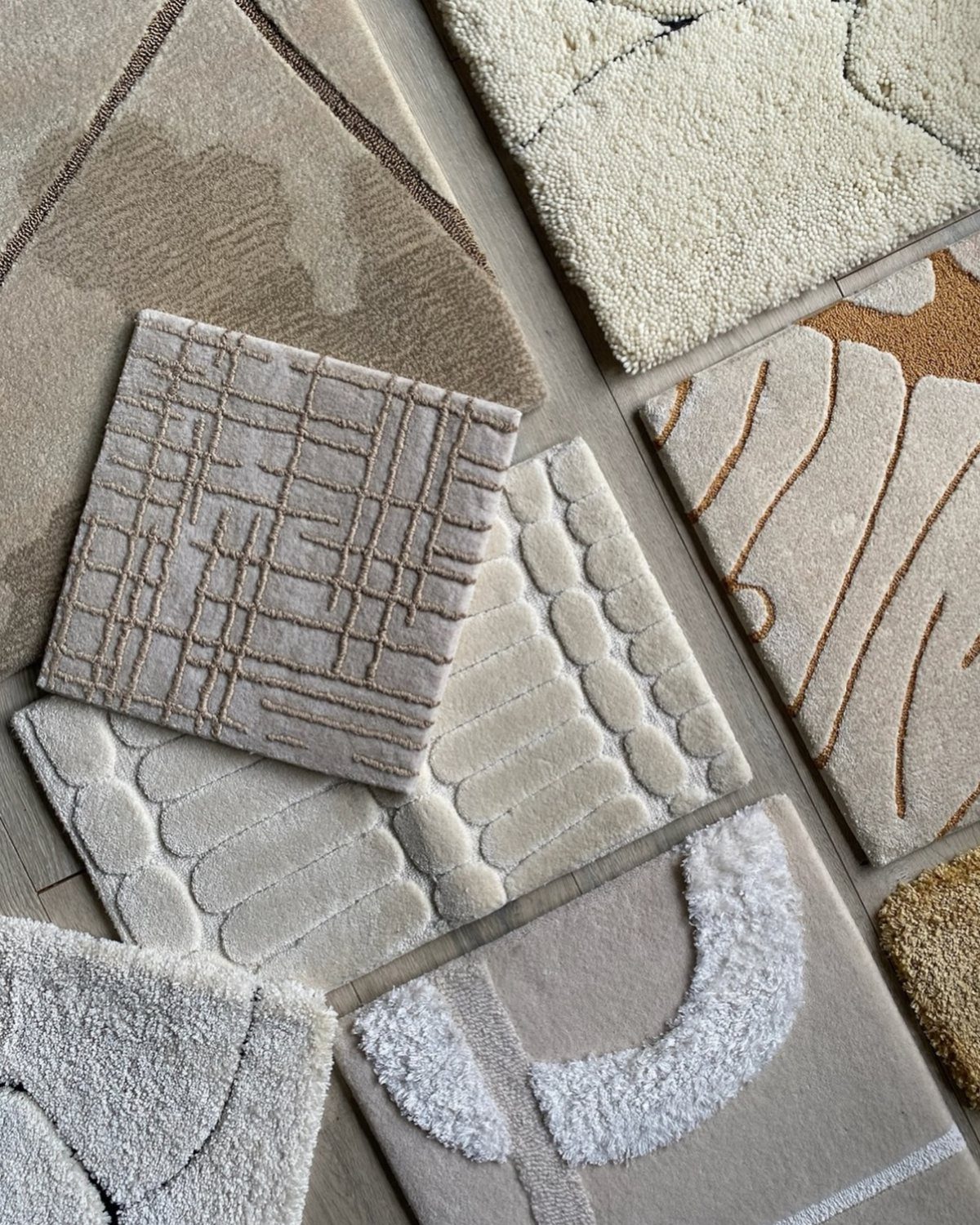
A low-pile rug in a tone that already exists in your room, beige or cream with a subtle line pattern, hides the wear path by the sink and feels better at 6 a.m. than vinyl ever will.
I swap mine seasonally and keep the summer one rolled in a closet.
Outdoor-rated fibers clean easier than wool; look for a color variation or small print that disguises the coffee drips. Run a textured rug the width of the galley counter; it catches drips and quiets the step.
18. Hanging Utensil Rack
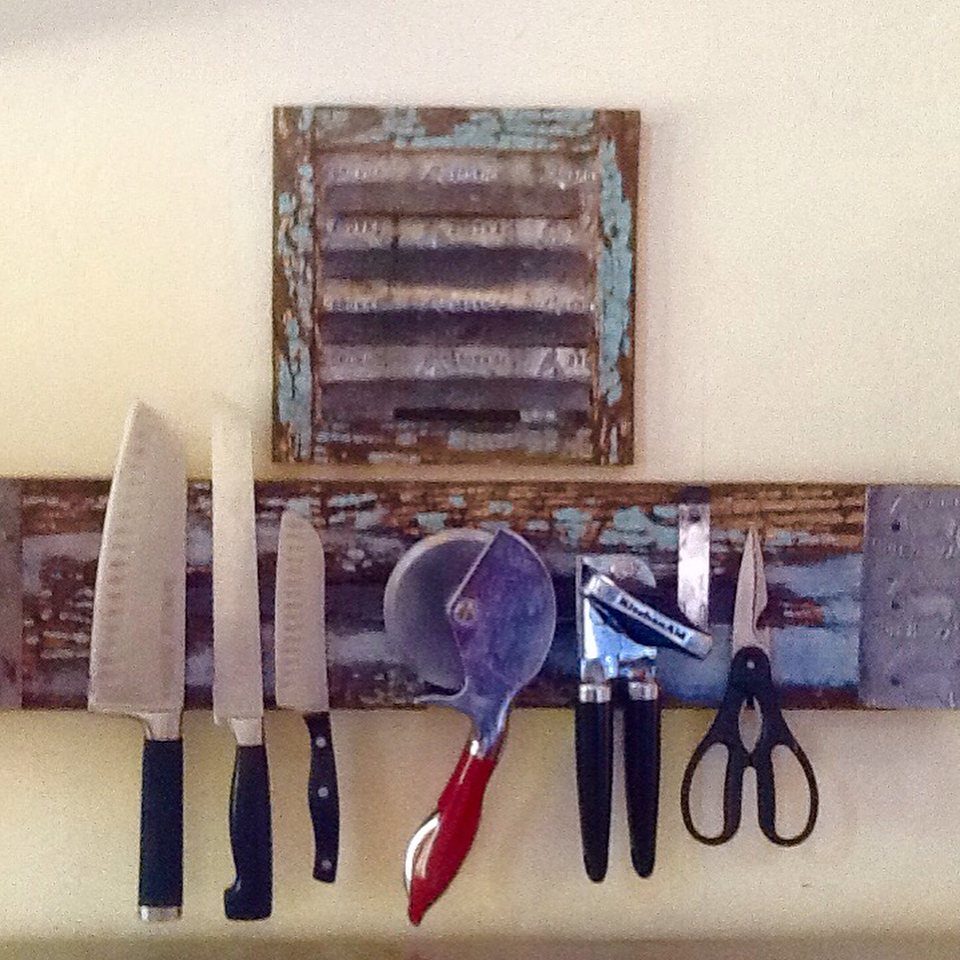
A magnetic strip in reclaimed wood, or a bar of wrought iron with S-hooks, clears drawer clutter and keeps the right knife findable without looking.
The strip holds six tools with room to breathe; mount it where your hand naturally rests, then adjust an inch or two lower.
A wooden branch with drilled holes for pegs works if you’re after something rougher. Factor the wall type: tile needs a diamond bit, plaster wants a pilot hole and patience.
Either way, the counter space you reclaim pays for the afternoon.
Choosing a Color Palette
Warm white, creamy beige, mushroom, soft taupe, muted green, and earthy brown all feel at home in a rustic kitchen. Cold gray usually fights the natural mood you’re after.
Baby blue works as a single accent against all that warmth if you want to step away from the all-white farmhouse look without going dark.
I’d keep it to one element: a painted island, a set of stools, or a row of canisters.
The palette stays cohesive because every tone carries some yellow or red undertone. Nothing here reads crisp or synthetic.
Paint samples look different under kitchen bulbs than they do on a hardware-store chip, so test a foot square and live with it through morning coffee and evening cleanup before you commit.
Avoiding Clutter
Clear countertops matter more in a rustic kitchen than in most styles because the materials themselves carry so much visual weight. Wood grain, rough plaster, and aged metal do the decorating; extra objects compete rather than add.
Functional pieces can still show personality. A wooden cutting board against the backsplash, one big canister for utensils, or a pot rack holding copper you reach for daily, each piece has to pull its weight.
Decorative-only items need stricter editing.
I’d rather see one ironstone bowl with fruit than three bowls staged for effect. The lived-in look comes from real use, not from collecting enough stuff to suggest it.
Incorporating Vintage Elements
Vintage pieces bring history, but the balance matters. One or two old items against newer surroundings read intentional; too many read like a set.
Lighting offers the easiest entry point. Pendant lights, lantern-style fixtures, iron details, or aged brass finishes fit the mood better than sleek modern shapes.
The fixture over a sink or island can carry most of the vintage weight for the whole room.
Garden pieces work too if you have the light. An old fountain, weathered planters, or repurposed tools as wall hooks connect the kitchen to outdoor life.
I’d mix eras deliberately: an old factory pendant above cabinets from this decade keeps the kitchen from feeling like a stage set.
Creating a Cozy Atmosphere
Textiles do the quiet work here. Cotton and linen dish towels, overstuffed cushions on a bench, and durable fabrics that can handle actual cooking all invite people to settle in.
Natural materials carry the unrefined texture that reads as warmth. Exposed wooden beams, wide-plank flooring, stone accents, and galvanized metal all connect the room to something outside itself.
The imperfections aren’t flaws to hide; patina and wear tell a story you can’t buy new.
Handcrafted or reclaimed furniture fits better than factory-perfect pieces. A table with uneven joints, a cabinet with mismatched pulls, or a stool with visible repair marks all add to the welcoming quality.
The color scheme stays neutral, either light or dark, but always grounded in earth tones. Nothing here should feel like it came from a screen.
Frequently Asked Questions
What colors are good for a rustic kitchen?
A rustic palette lives in the warm range: off-white that leans cream, beige with body, mushroom gray, taupe that has gone soft, sage or olive that has been sun-faded, and brown that still smells like dirt.
Each color needs a little yellow or red in its base so the eye never lands on anything that looks factory-fresh.
A single dusty blue accent, something closer to robin’s egg than navy, breaks up all that warmth when you want out of the all-white farmhouse formula without turning the room cave-dark.
What are some rustic farmhouse kitchen decor ideas?
Warm wood cabinets, vintage lighting, open shelving, a farmhouse sink, and a furniture-style island each bring in the rustic feel without turning the room into a theme park.
Leave beams bare and plaster uneven; the roughness signals choice, not a project half-finished. Let wood, stone, and worn metal do the visual work instead of crowding surfaces with objects.
What makes a kitchen look cheap?
Overly polished finishes and a lack of character make a kitchen feel cheap. Gray with a cold cast works against the natural warmth you want, and chrome or flawless globe fixtures collect every fingerprint instead of wearing in.
Imperfection carries this look; grainy wood, uneven plaster, and tarnished metal handle the decoration so added objects just fight for attention.
What is the new kitchen trend for 2026?
Farmhouse style remains the dominant rustic direction, built around simple, warm, comfortable materials that have stayed popular for years.
The trend favors real use over staging: open shelves with everyday dishes, cutting boards that show knife marks, and copper that tarnishes naturally. Nothing should feel like it arrived through an algorithm.