
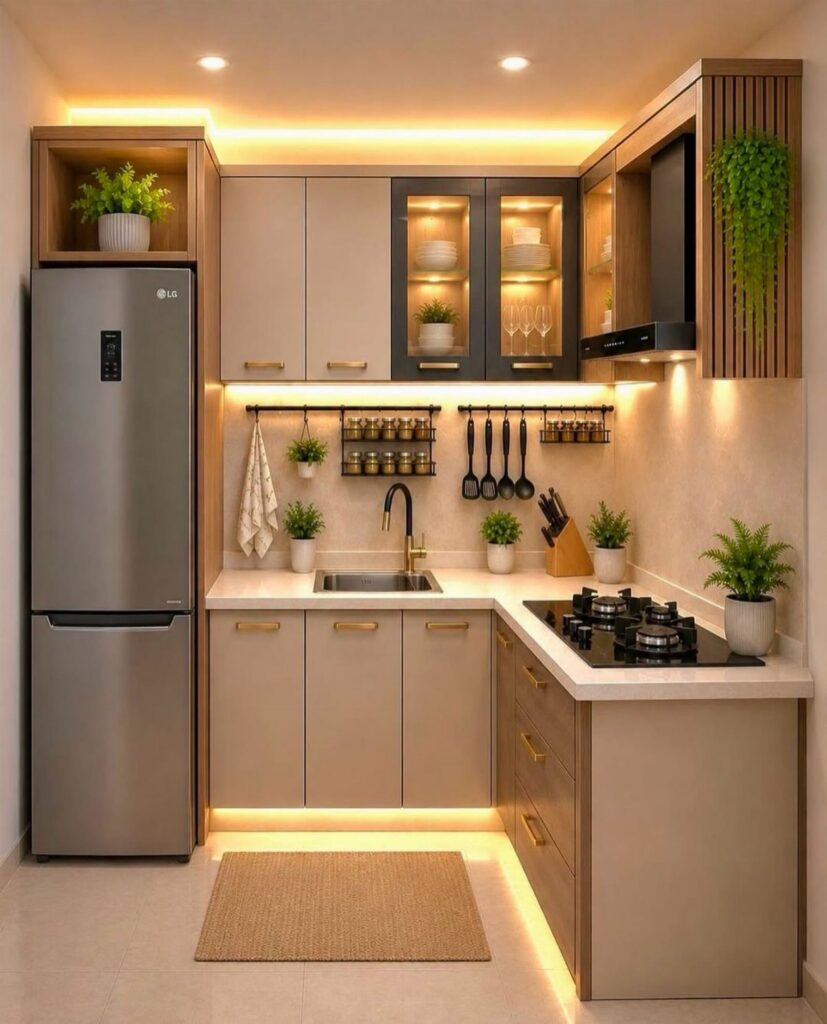
These ideas run from a brass rail and hooks that cost less than takeout to live-edge slabs that carry farmhouse character at a higher price, and the right one depends on whether you are renting or own, how many holes your walls allow, and how much daily upkeep you will actually do.
A single metal shelf above the sink, set to survive daily steam, can change how the whole room works without touching a cabinet.
1. Layering Textures
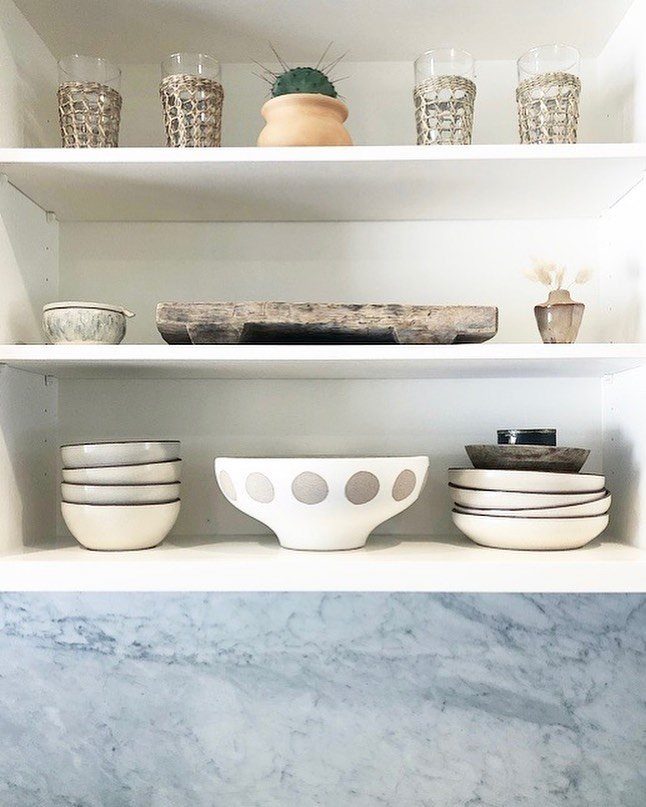
Layering textures turns ordinary shelves into something worth pausing at. Mixed materials do what same-finish displays cannot: they keep the eye moving.
Wood against ceramic, metal against woven fiber, each piece reads more clearly when something unlike it sits nearby.
Start with what you already own. A wooden cutting board propped behind a matte stoneware bowl, a brass candleholder in front of seagrass.
A little contrast goes a long way; two or three pieces are usually enough. One rough texture for every smooth one keeps the balance from tipping busy.
This suits renters especially. You are not installing anything, just rearranging what is already on the shelf.
2. Use of Greenery
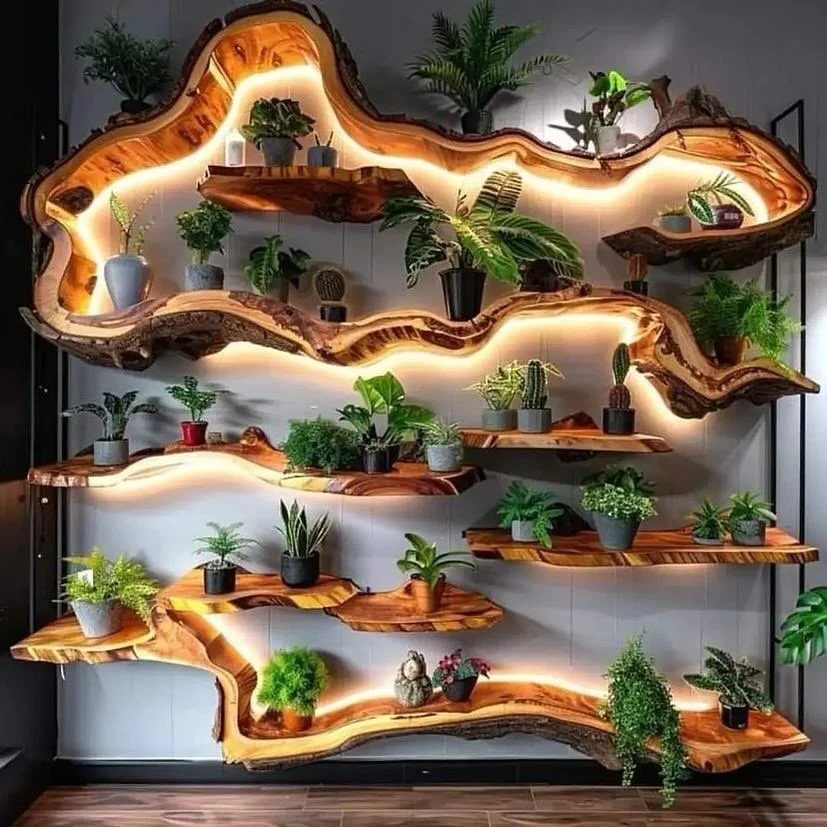
A shelf of greenery does what paint cannot. A small potted herb on a windowsill shelf outlasts most purely decorative objects there.
For kitchen conditions, succulents tolerate the dry air near stoves, while trailing pothos handle the humidity near sinks. Small pots, under four inches, fit standard shelf depths without overhang.
If light is scarce, rotate plants weekly or swap in dried stems for a similar effect without the maintenance.
Water damage is the one risk worth watching for. A glazed saucer under every pot protects wood shelves from the warping that ruined my first finish.
3. Decorative Items
Decorative items on kitchen shelves walk a narrow line between personal and cluttered. A ceramic vase that holds nothing, a small framed print, and a wooden flea-market find sit together on mine.
Three pieces, none of them matching, none of them necessary.
The rule I follow now: only display what you would pack if you moved tomorrow. Everything else hides behind cabinet doors.
This keeps the shelf honest. A single unusual bowl or a piece of art you actually look at outperforms a dozen coordinated trinkets.
Accessible shelves get daily items; higher ones get the objects that earn their spot by sight alone.
4. Wooden Shelves
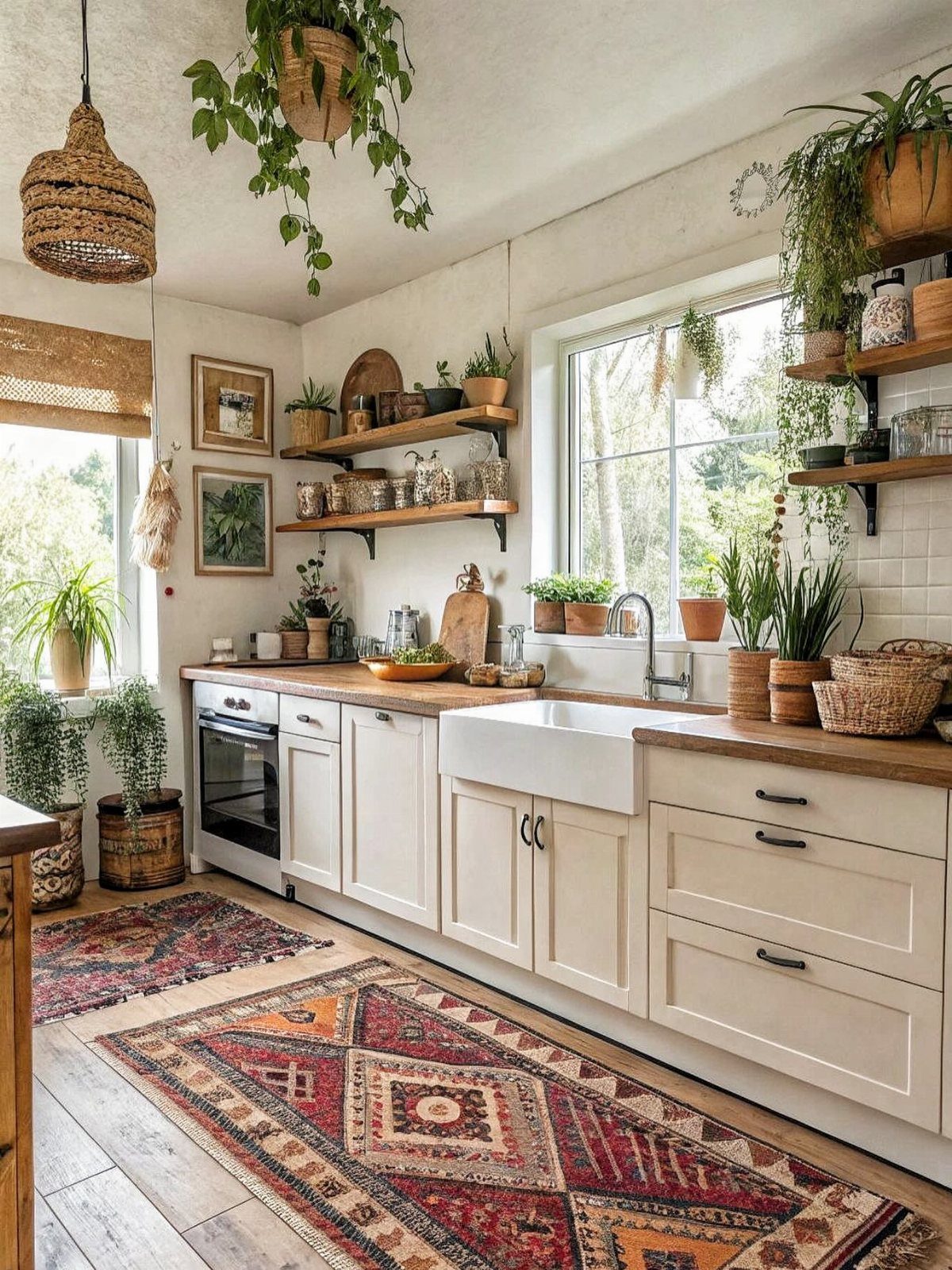
Wooden shelves warm a kitchen faster than almost any other single change. The grain catches afternoon light in a way painted surfaces never quite manage.
Reclaimed wood works for a rustic look; live-edge slabs, bark still visible, cost more but carry that farmhouse character without additional styling.
For strength, hardwoods like oak or maple handle the weight of plates and small appliances better than pine, which dents and bows over time. A floating bracket system hides hardware and keeps the lines clean.
I would choose sealed wood for anywhere near a sink. Unfinished boards look beautiful until the first splash of tomato sauce.
5. Open Shelving
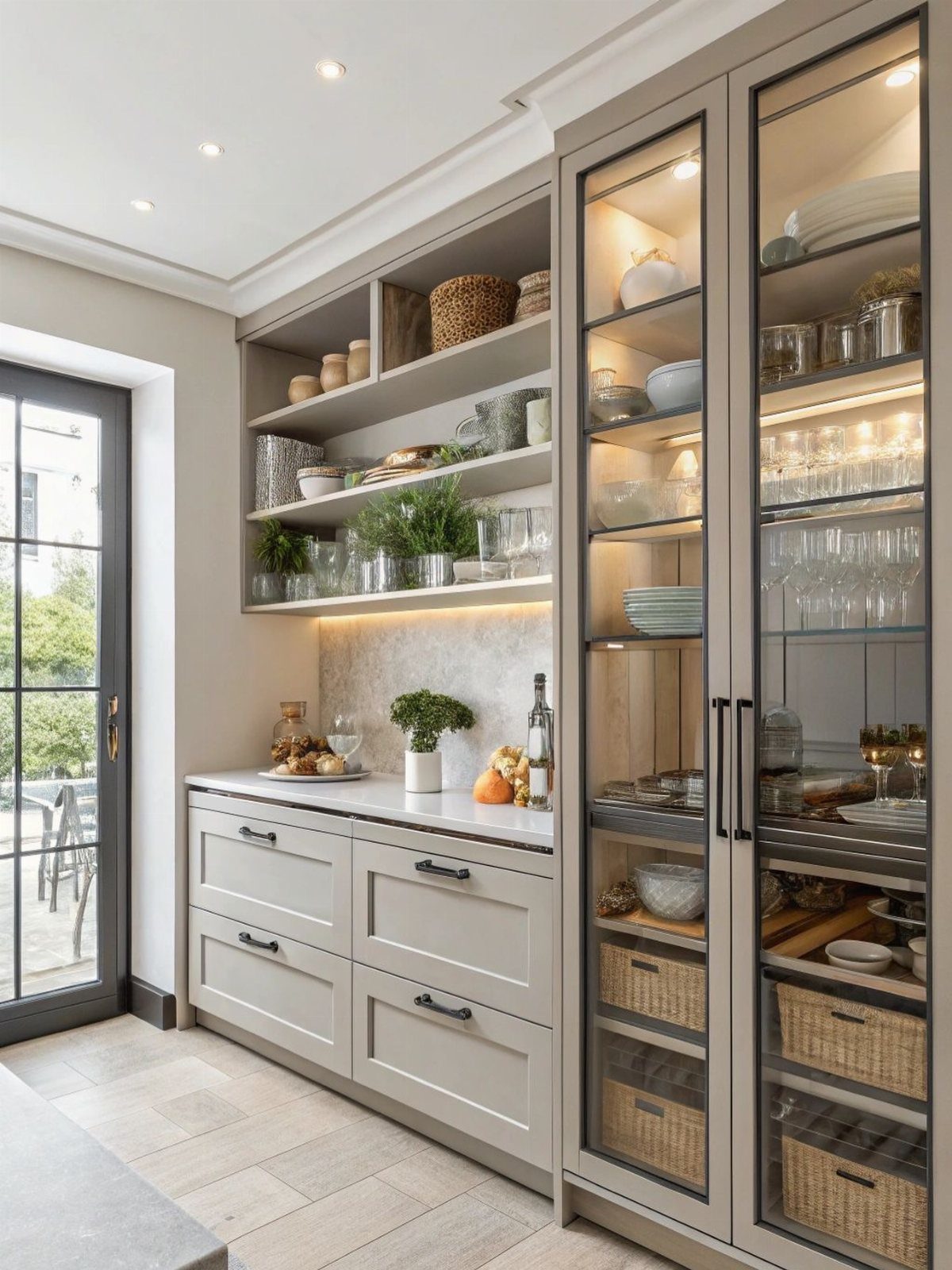
Open shelving trades cabinet doors for immediate access. Removing the upper doors on one wall made the kitchen feel larger by half, though it required stricter editing of what stayed.
The real work is editing. Everything visible must earn its place, either through daily use or genuine beauty.
I stack white bowls and line up glass jars, but the mismatched mug collection had to go into a drawer. Without that discipline, open shelving looks like storage that gave up.
Installation is straightforward: brackets into studs, shelves level, done in an afternoon. The harder part is the morning-after decision of what deserves to be seen.
6. Corner Shelving
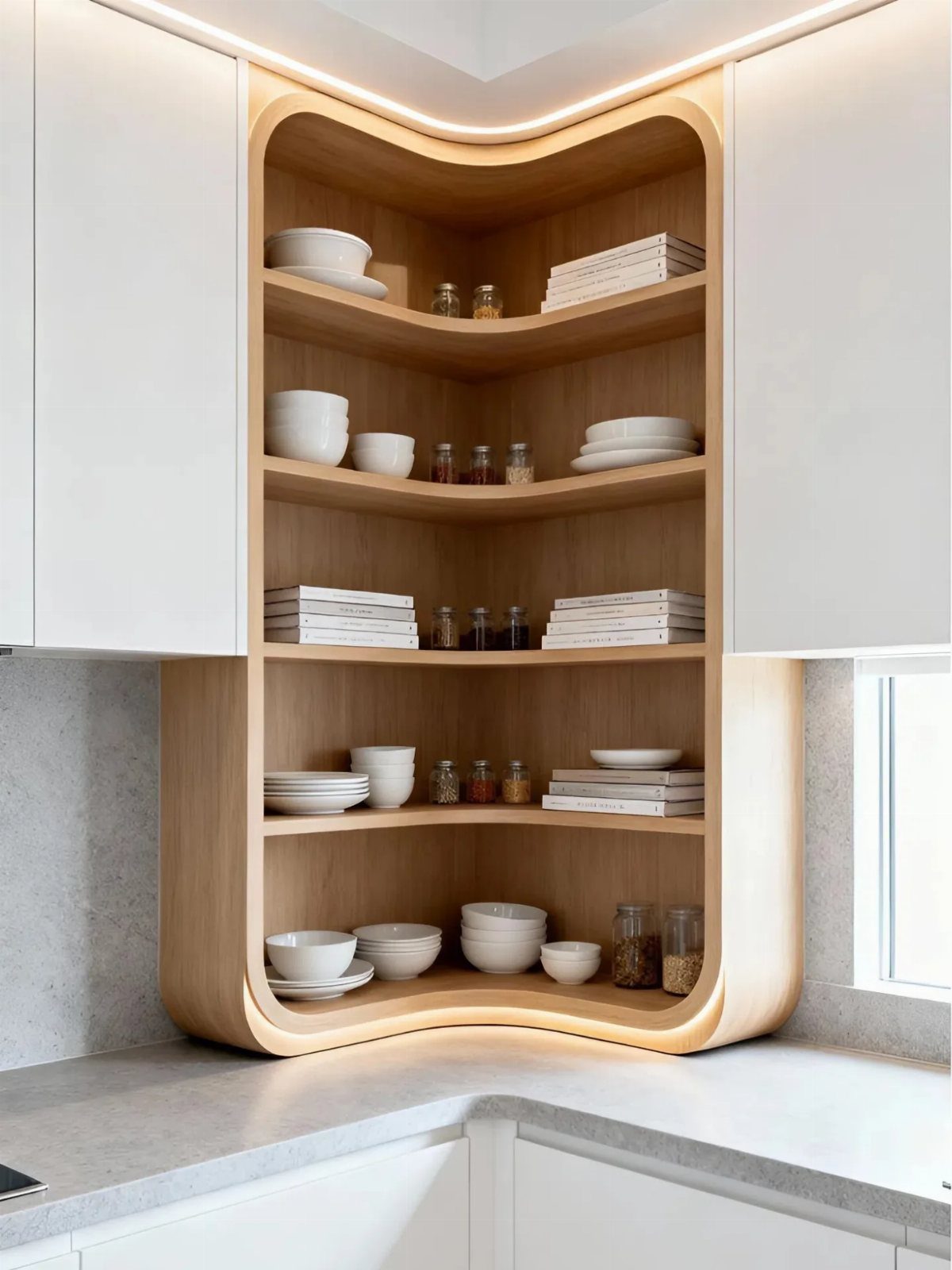
Corner shelving solves a problem most kitchens have and few owners notice until it is fixed. That awkward angle where two cabinets met was dead space, now it holds plates I reach for daily.
A right-angle unit built into the corner creates continuity with existing cabinets rather than floating alone. Rounded edges matter here; sharp corners in a tight corner collect hip bruises and dust alike.
Warm LED strips underneath turn the shelf into a feature after dark.
This works best when the corner is near your main prep area. Tucked too far from the stove or sink, it becomes pretty storage you forget to use.
7. Wall Shelves
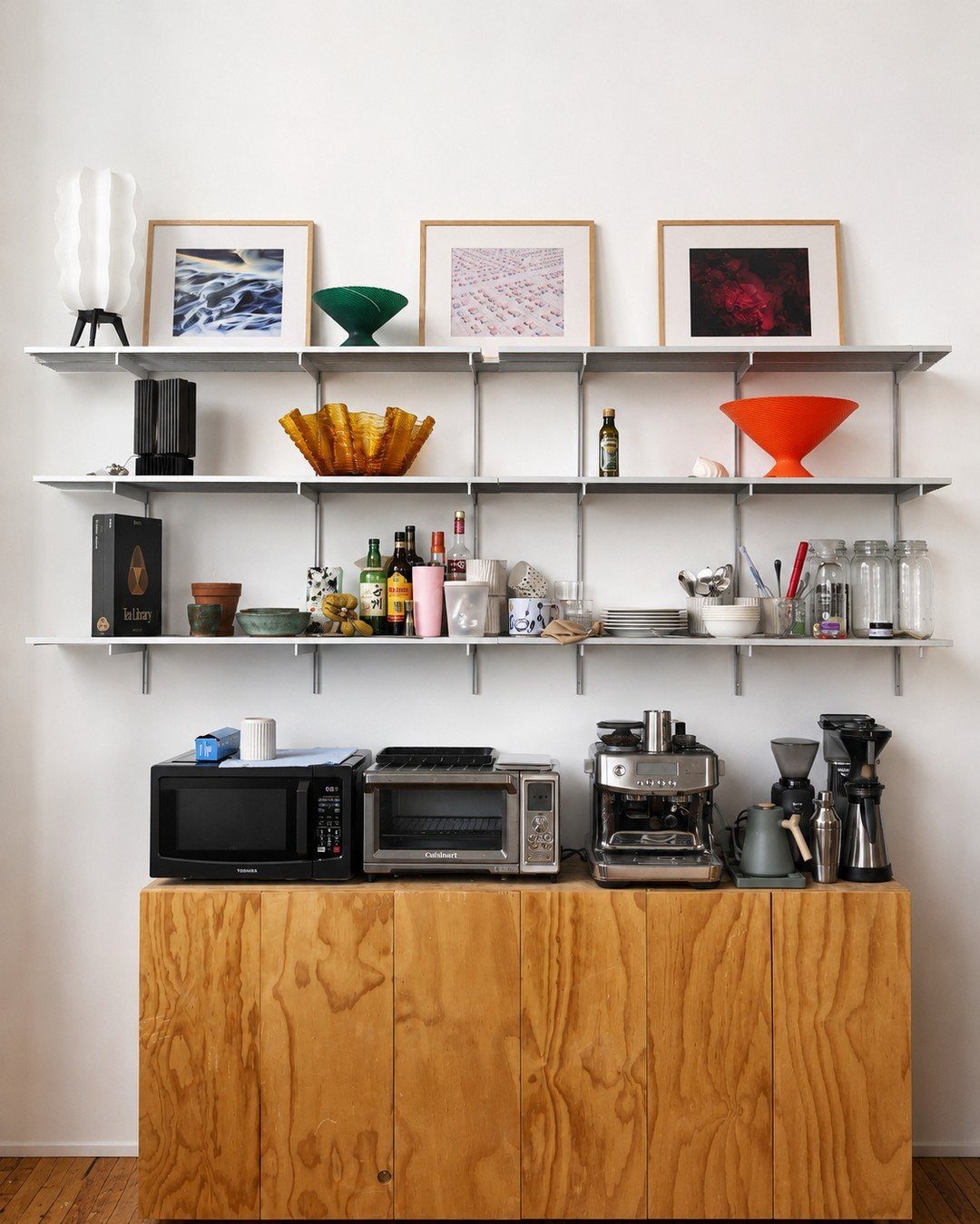
Wall shelves turn the gap above your counters or sideboard into reachable storage without the cost of full cabinetry.
White metal rails mounted about 60 inches above the floor keep everyday bowls and jars at eye level and free drawer space below for the bulky stuff. Brackets run cheap, and installation needs only a stud finder and a level.
A narrow ledge in front catches small tools that roll.
If your walls are smooth drywall, you can skip backing boards and screw straight through. Paint the brackets to match the wall and they nearly disappear, letting the dishes read as the color.
8. Above Sink Shelving
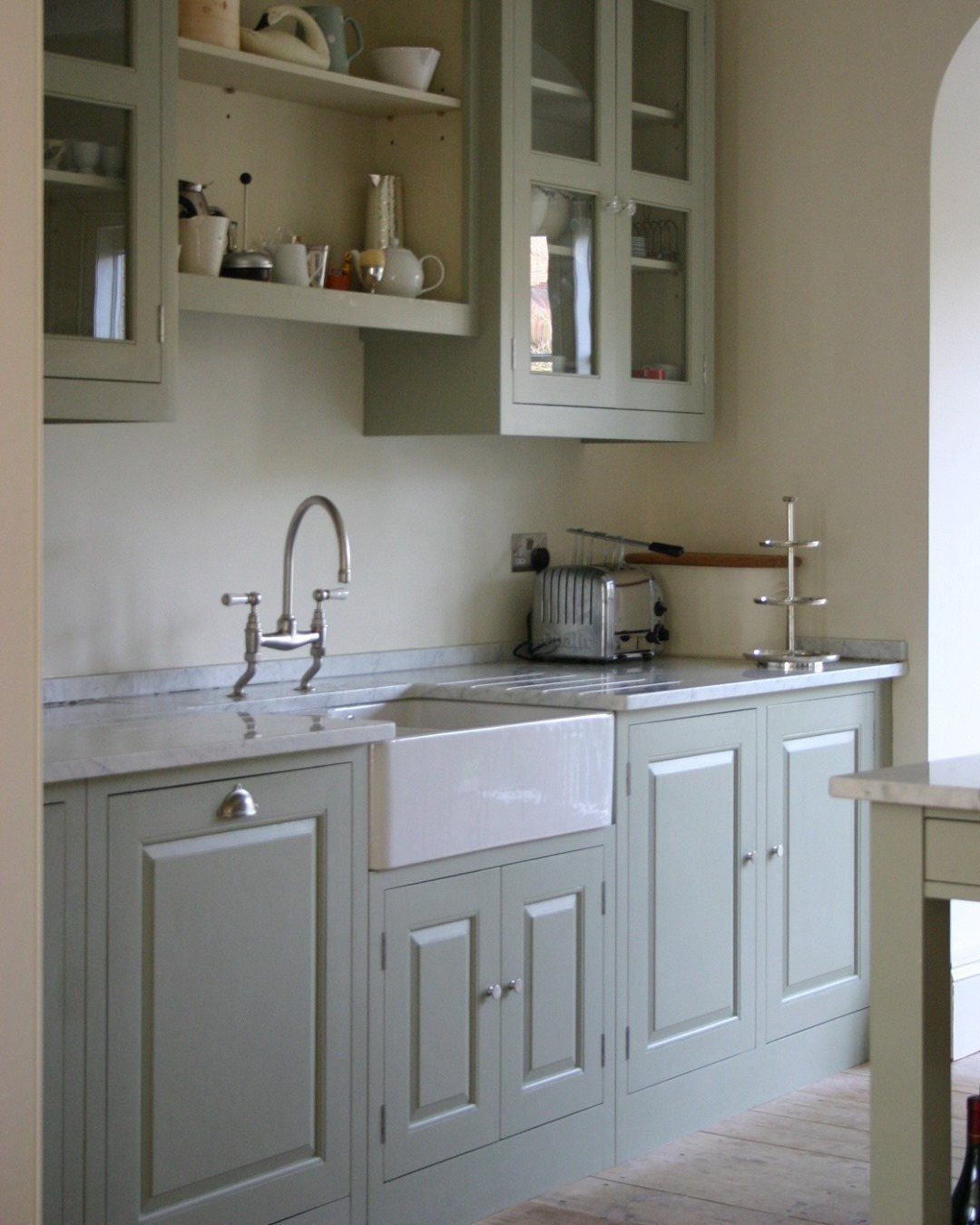
A single shelf stretched across the window line above a farmhouse sink gives you a place for the ceramics you use daily: teapots, soap dispensers, a trailing pothos that likes the humidity.
In a rental with a small cabinet I’d never liked, removing it left a cleaner line. Metal holds up better than raw wood here, since steam from the basin rises straight into whatever sits there.
A pre-finished bracket shelf runs more than you’d expect for the length.
Keep only what survives damp air. Houseplants do well; unsealed cookbooks do not.
9. Metal Shelving
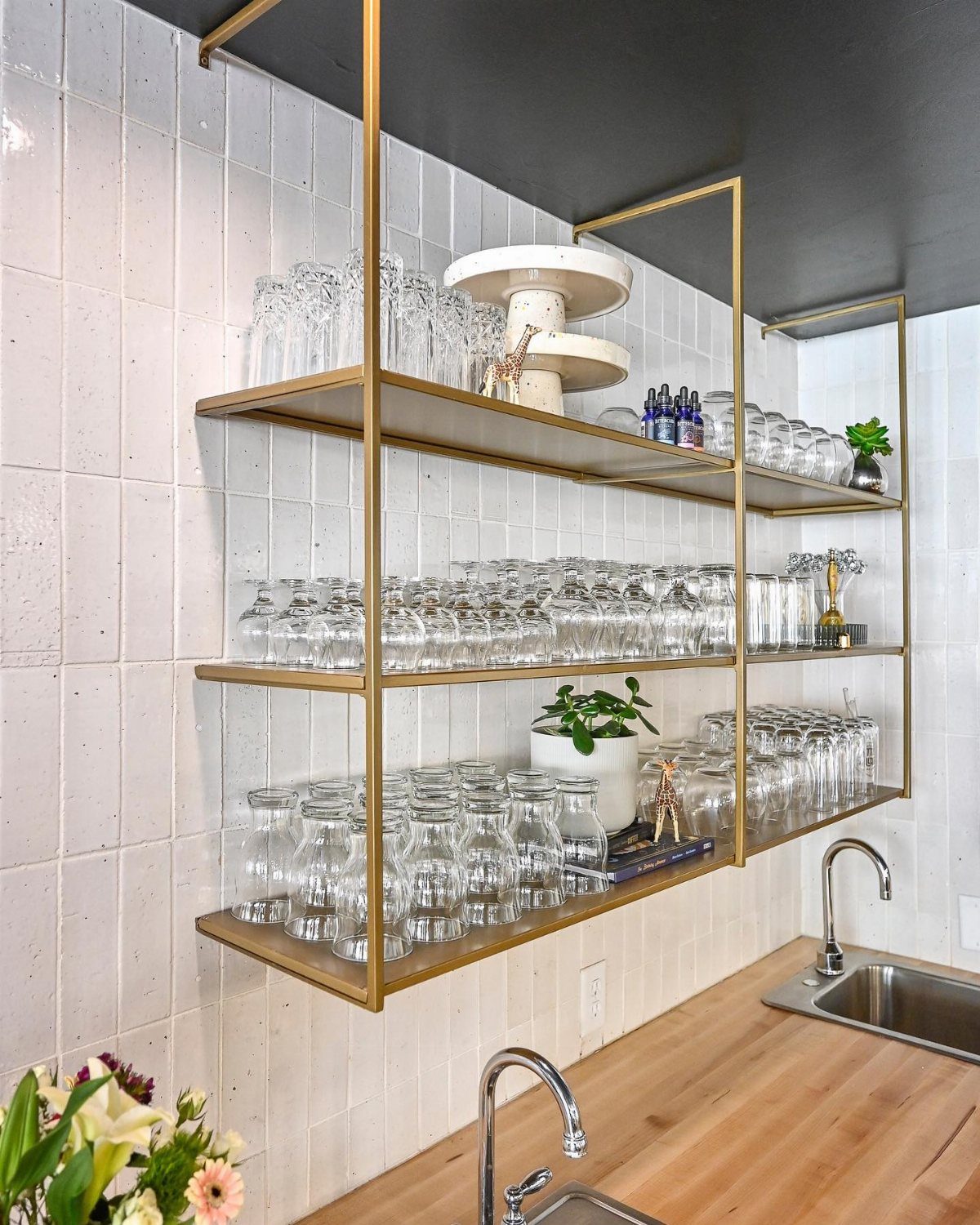
Metal shelving reads industrial, but the real draw is load. A gold-toned unit against white tile can carry stacks of glassware, heavy serving pieces, or a small microwave without the sway you get from thinner materials.
The rails I looked at were rated for 75 pounds per bracket, and assembly needed only a drill and wall anchors. A two-tier metal unit costs less than most wood of comparable strength.
Pair the metal with marble laminate if you want to soften the factory look. Wipe the shelves down monthly; grease collects on the finish more than you’d expect.
10. Use of Hooks
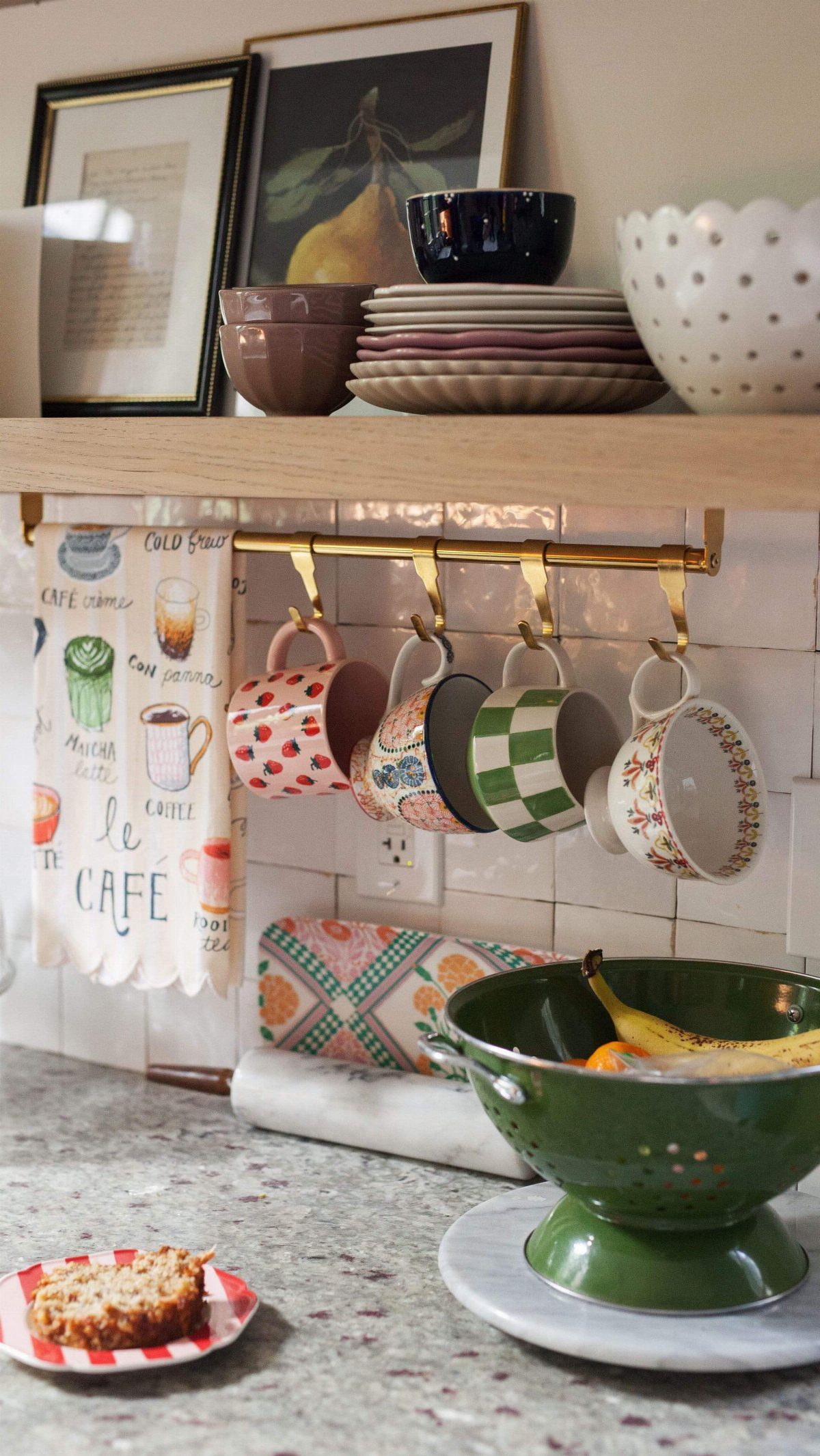
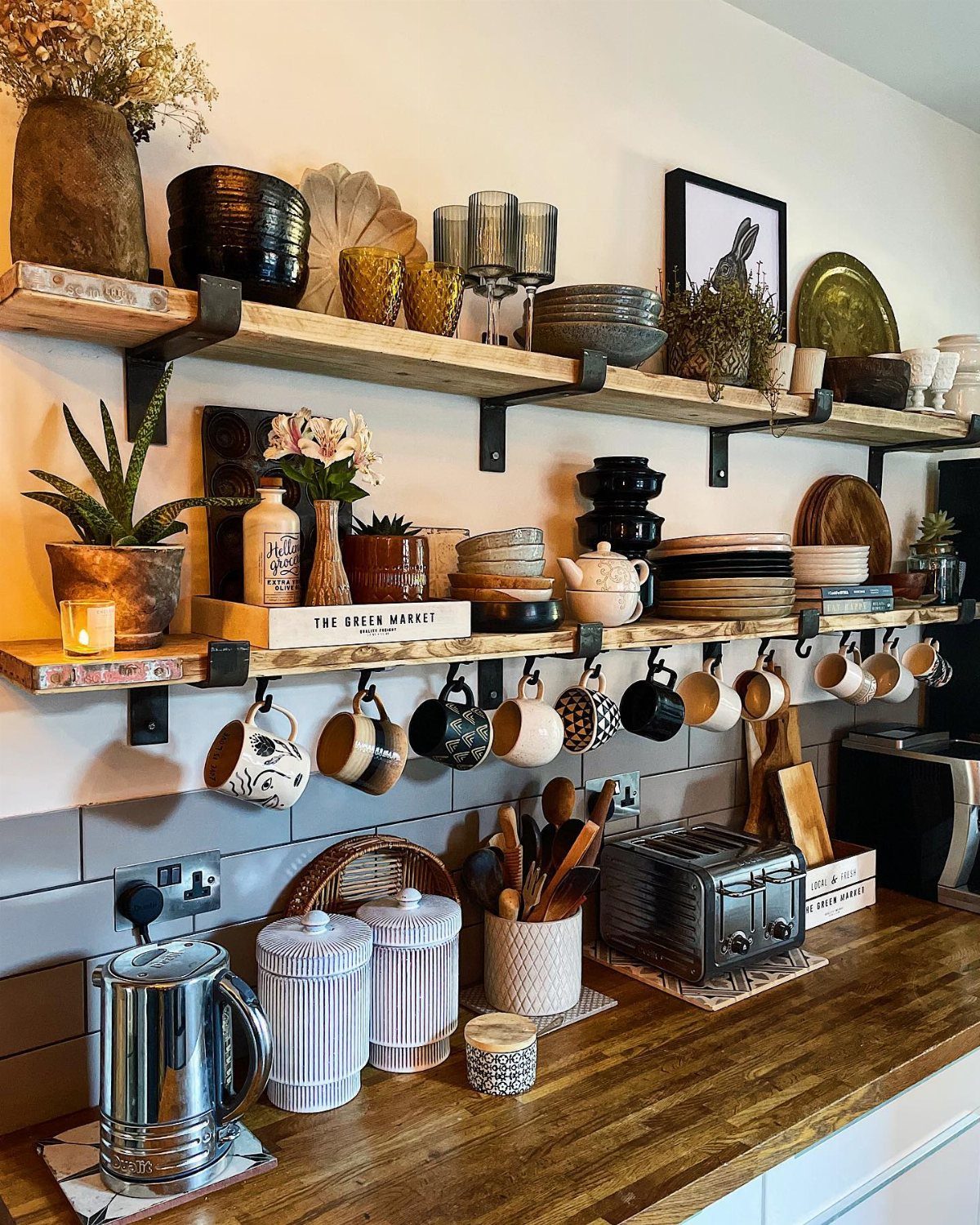
A brass rail mounted under an existing shelf doubles your storage in four inches of vertical space. A rail below a pine board with mugs on S-hooks clears an entire cabinet for bulk goods.
The rail and hooks together cost less than a takeout lunch. Installation means two screws into studs or solid blocking; drywall alone will pull free with ceramic weight.
Colorful mugs against wood read as decoration when you’re not using them. Reserve the rail for pieces you grab daily, since anything hung collects cooking film faster than shelvedware.
11. Layering Books
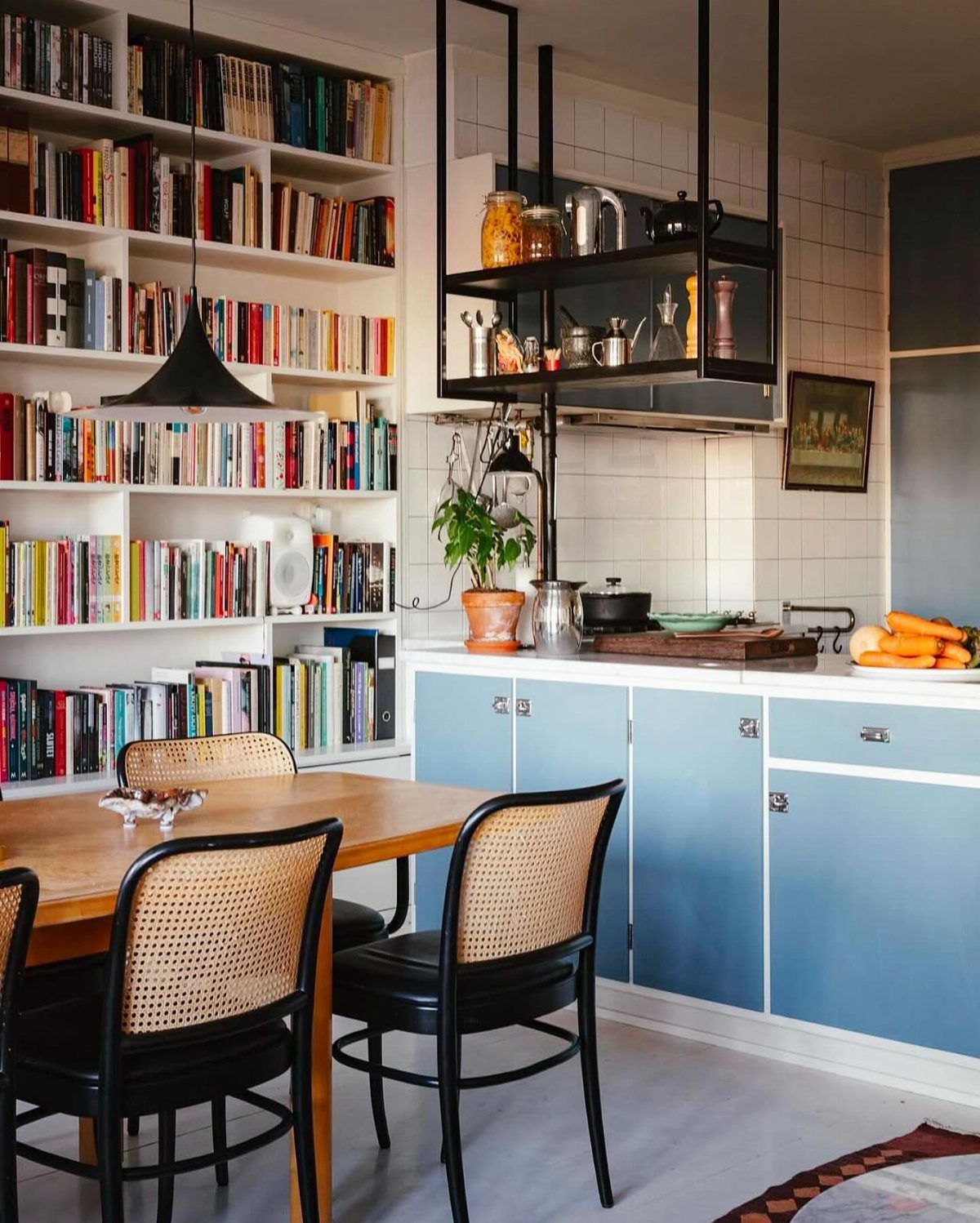
Cookbooks stacked both ways, vertical and flat, break the grid of a long shelf and give you natural risers for smaller objects.
In a built-in unit with blue lower cabinets nearby, laying books spine-down lifts a bowl to the same height as the row behind it. The horizontal stack itself becomes a color block.
No extra purchase needed; use what you own.
Flat-stacked books work best at the ends of a run, where they act as bookends for the vertical titles. Leave a finger-width gap so you can lift the bottom one without toppling the pile.
12. Use of Colorful Dishes
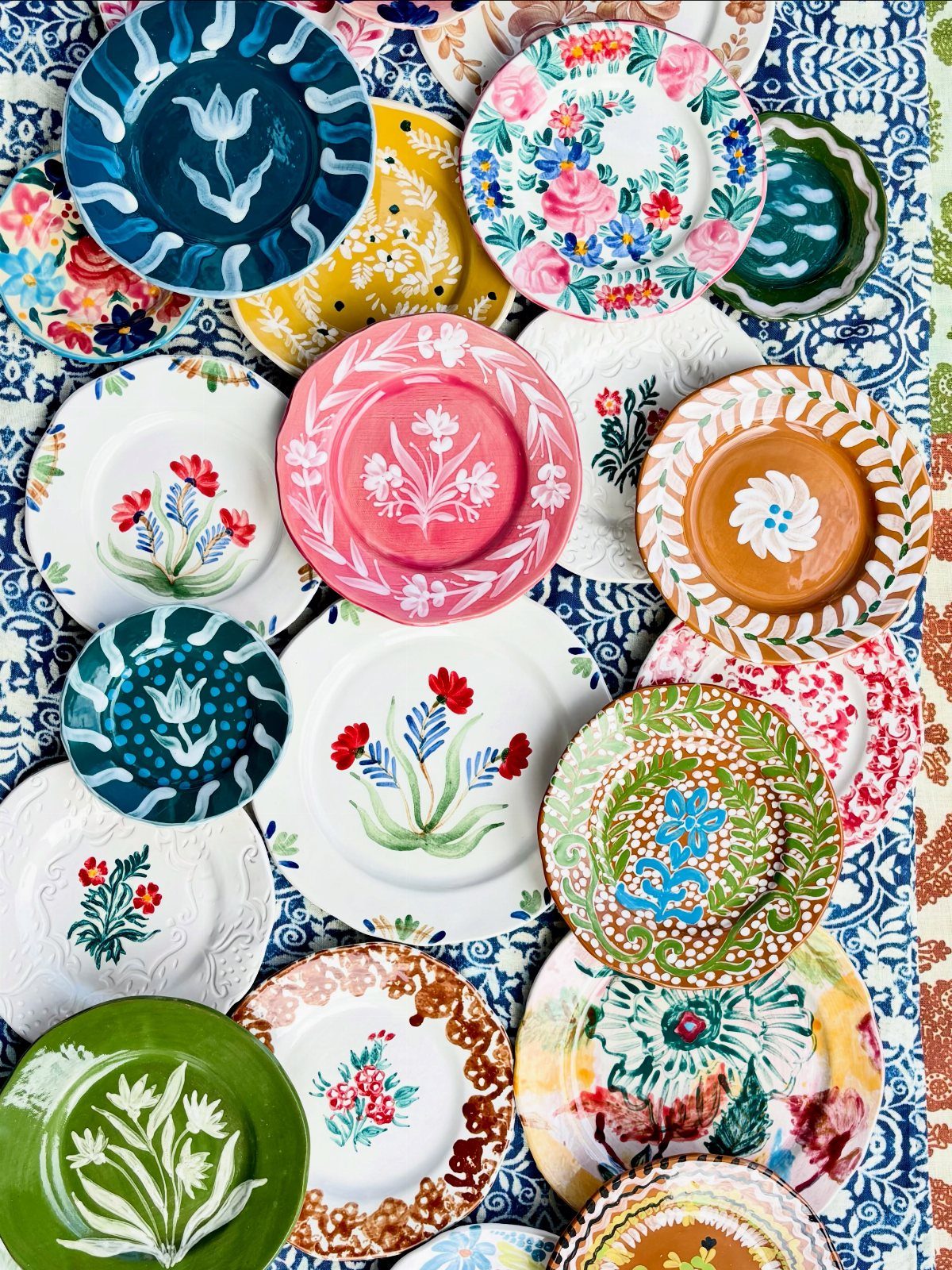
Dishes you already own can supply the color a neutral kitchen lacks. A shelf of mixed floral plates, pink and yellow against blue and white, reads as intentional collection rather than clutter if you group by palette or rim shape.
I rotate mine seasonally from a box in the basement; zero cost, but the wall reads new. Thrift stores yield single statement pieces for pocket change.
The risk is visual noise. Limit the background to white or pale gray tile, and stop at one shelf of color so the rest of the room can breathe.
13. Layering Heights
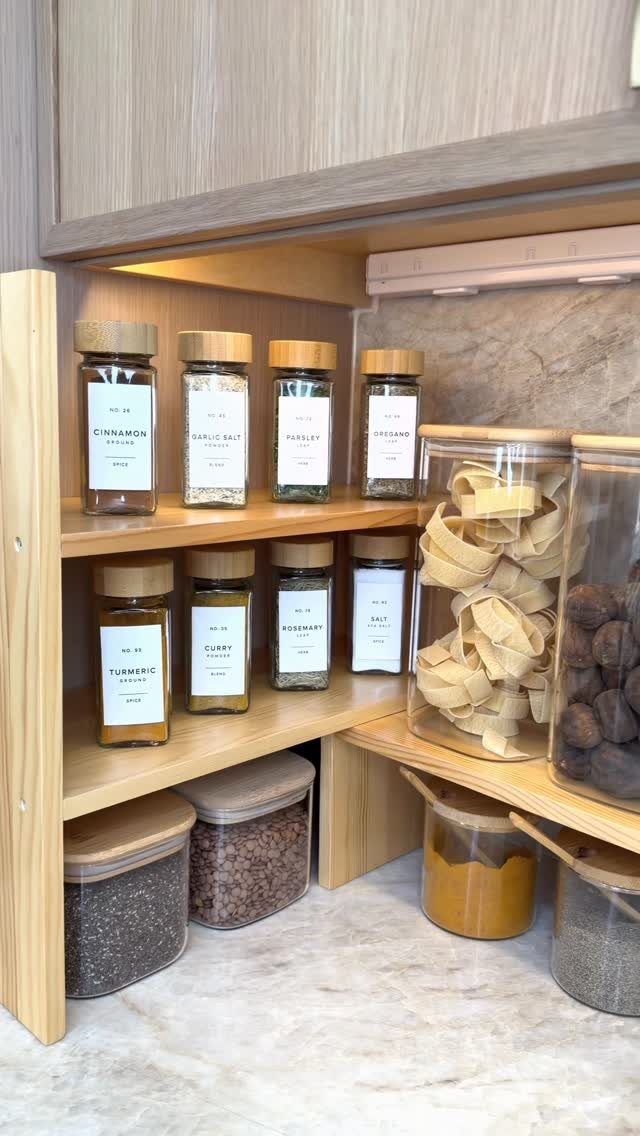
A shelf where every jar and canister sits at the same level goes flat fast, even when the contents are beautiful. Layering heights means standing some pieces tall, setting others low, and letting a few rest in between.
Start with the tallest item off-center, not dead middle, then step down in both directions. Keep everyday items at eye level where you can read labels at a glance; fill lower gaps with wider, heavier pieces that anchor the arrangement.
If your shelves are fixed, a small riser or even a flipped bowl can lift a short jar without buying anything new.
14. Use of Candles
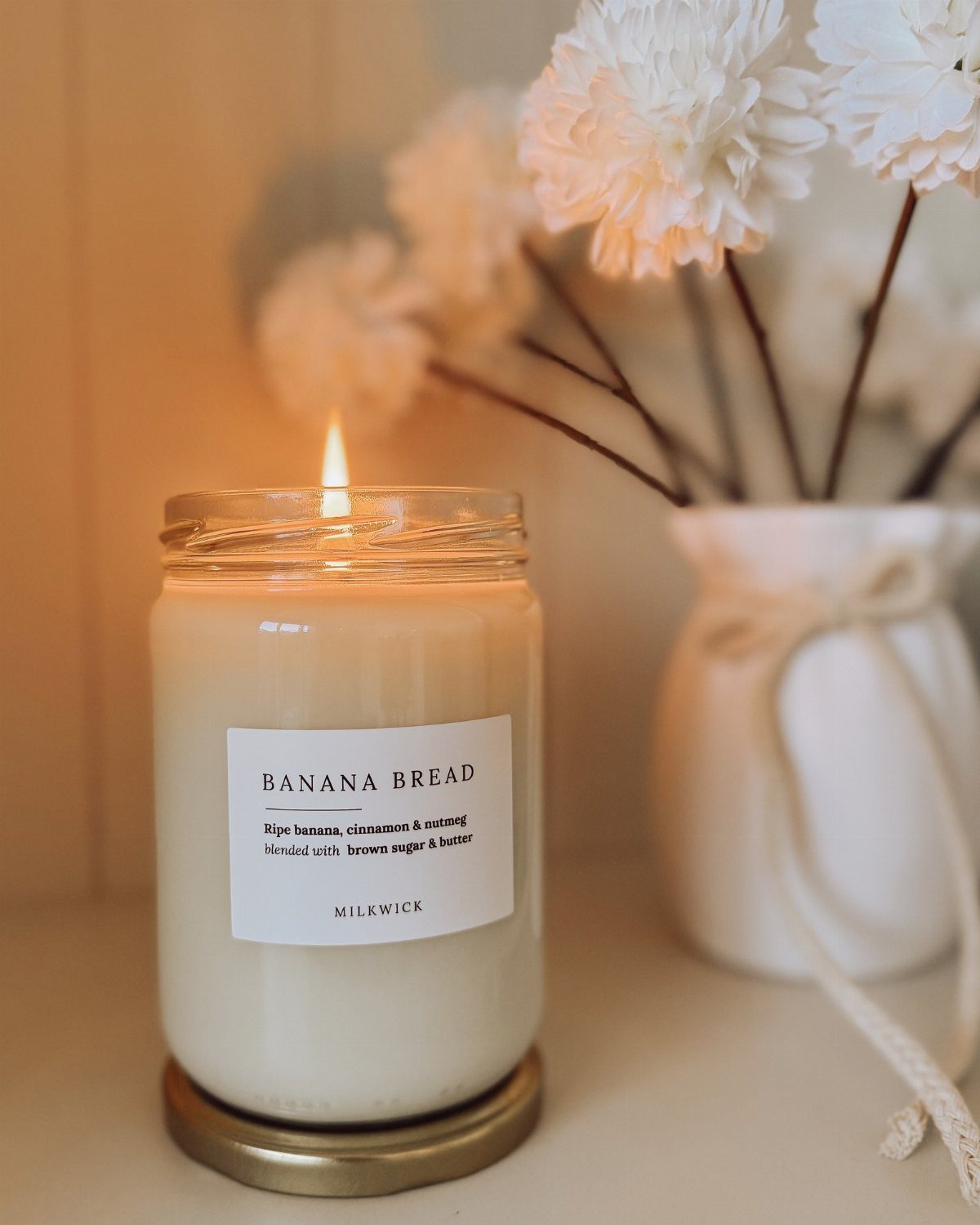
A single lit candle on a kitchen shelf does more than smell like banana bread; it breaks up the hard surfaces that dominate most cooking spaces. Glass, tile, and stainless steel bounce light around, but they do not soften it.
Keep candles away from the stove and any shelf above eye level where you might reach past the flame.
A low shelf near the sink, or the end of a counter where you pause anyway, works better than a display spot you never visit.
A labeled jar helps you remember what you bought, but an unmarked votive in a small dish works the same way.
Blow it out before you start cooking; the warmth matters more when you are not generating your own heat.
15. Use of Baskets
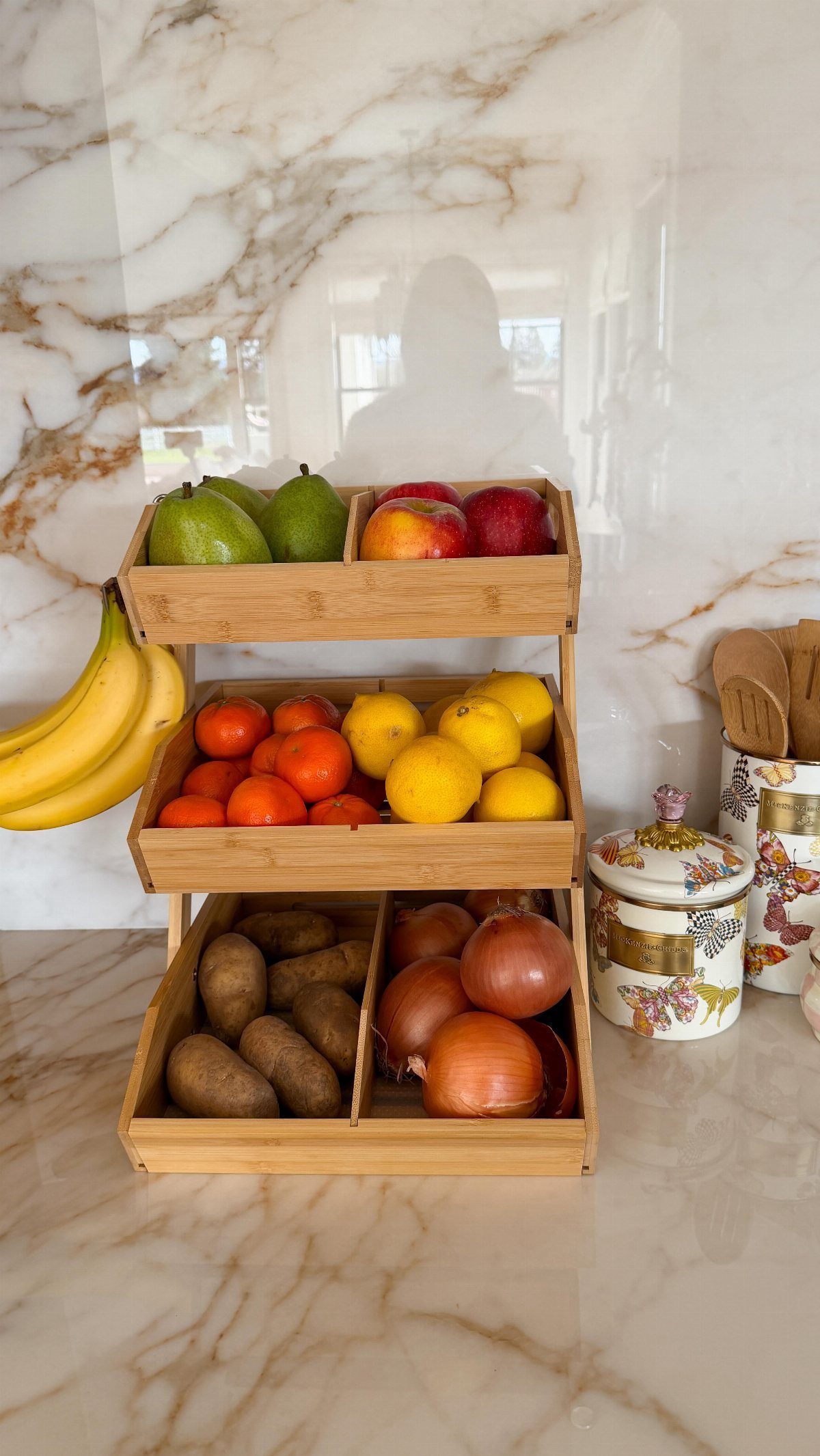
Baskets on shelves hide what you do not want to look at and add a weave that wood or metal alone cannot match.
A tiered basket holds produce, but the same principle applies to a single woven bin tucked among jars or plates.
I use them for the messy stuff: packets of gravy mix, spare dish towels, the garlic that sheds papery skin.
A basket with a tight weave keeps small items from slipping through; looser rattan works better for larger pieces you grab often.
Natural color sits well against marble or stone, but a painted version can hold its own on darker shelves.
Leave one shelf partly open. A row of baskets across every tier starts to look like a pantry wall, not a kitchen.
16. Floating Shelves
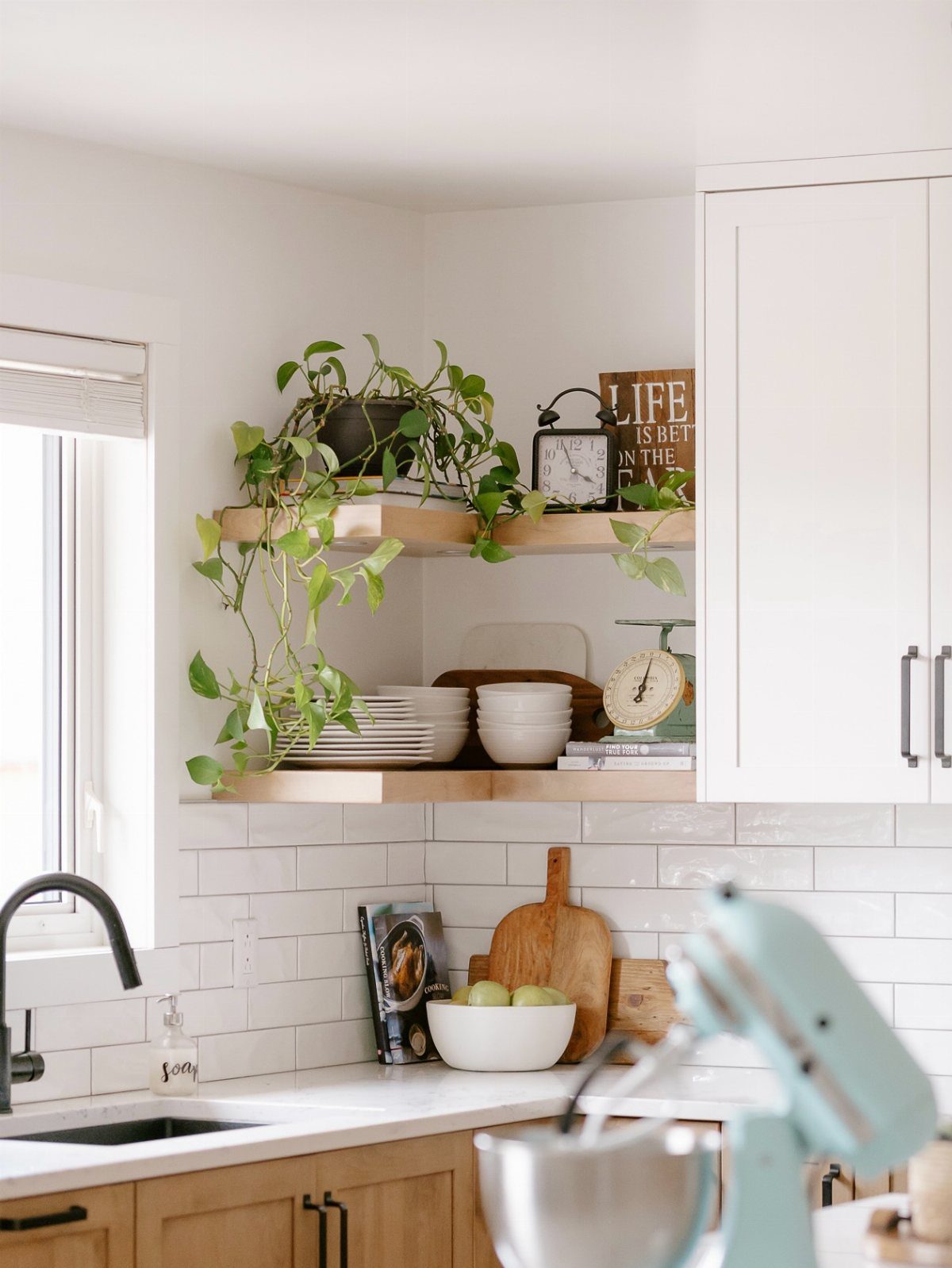
Floating shelves lose the brackets and the bulk, which matters in a small kitchen where every inch of wall does double duty. A light wood pair turns a corner that cabinets would have swallowed.
Wood is the forgiving choice for a first install; you can drill, patch, and repaint if the stud does not land where you expected.
Metal or glass reads more modern but needs anchors rated for the weight, and glass shows every fingerprint.
I have hung floating shelves in an afternoon with a level, a stud finder, and a drill, though I always budget an extra hour for the one bracket that refuses to sit flush.
These suit renters only if your lease allows holes; otherwise, a single ledge on a cleat system comes down cleaner when you move.
Styling Open Shelves
Balance works best when color, texture, and theme all pull in the same direction. I group similar items, plates with plates, vases with vases, then stagger them diagonally across the shelf rather than lining them straight up.
The eye travels better that way. Open shelves do open up a kitchen, but they also expose everything, so the arrangement has to hold together from across the room.
A single off-color mug can throw the whole thing.
Choosing Materials
Wood, metal, and glass each set a different mood for kitchen shelves, and mixing them matters more than most people expect. My own preference runs toward contrast: smooth wood against raw metal, or cold glass warmed by something woven.
Ceramic, stone, and natural fibers layer in well too, and mixing those finishes keeps a shelf from going flat.
A shelf that reads as one material top to bottom tends to look like a display case rather than a lived-in kitchen.
Maintaining Open Shelves
Open shelves collect grease and dust faster than anything behind a door. I wipe mine down weekly with a damp cloth, more often if they sit near the stove.
Without regular attention, the neat rows slide into clutter fast, because every item is on display and there is nowhere to hide a mistake. Open shelves only make sense if you do not mind the upkeep.
Functional Vs. Decorative
The lowest shelf should hold what you reach for daily: plates, bowls, the coffee cups you use every morning. Higher shelves can carry the pieces that just need to look good.
I decide shelf by shelf based on how easy it is to get there, not on what looks best in a photograph.
A beautiful bowl you never reach for becomes visual noise once you have walked past it a hundred times.
Frequently Asked Questions
What looks good on kitchen shelves?
A mix of functional and decorative items arranged with contrast in mind. Two or three rough textures for every smooth one keeps the balance from tipping busy.
What are the latest shelving trends?
Open shelving, floating shelves, and mixed materials are what I see most. Floating shelves in light wood turn corners that cabinets would swallow, and pairing metal with marble laminate softens the factory look.
What can I use instead of a shelf?
Hooks, rails, and racks reclaim space that shelves cannot reach. Wall-mounted metal rails about 60 inches above the floor keep bowls and jars at eye level without the cost of full cabinetry.
What is the best kitchen shelving option?
The best choice depends on your space, what you store, and how much upkeep you will tolerate. Wood warms a room fastest, metal carries the heaviest loads, and sealed wood near a sink survives splashes that unfinished boards cannot.





