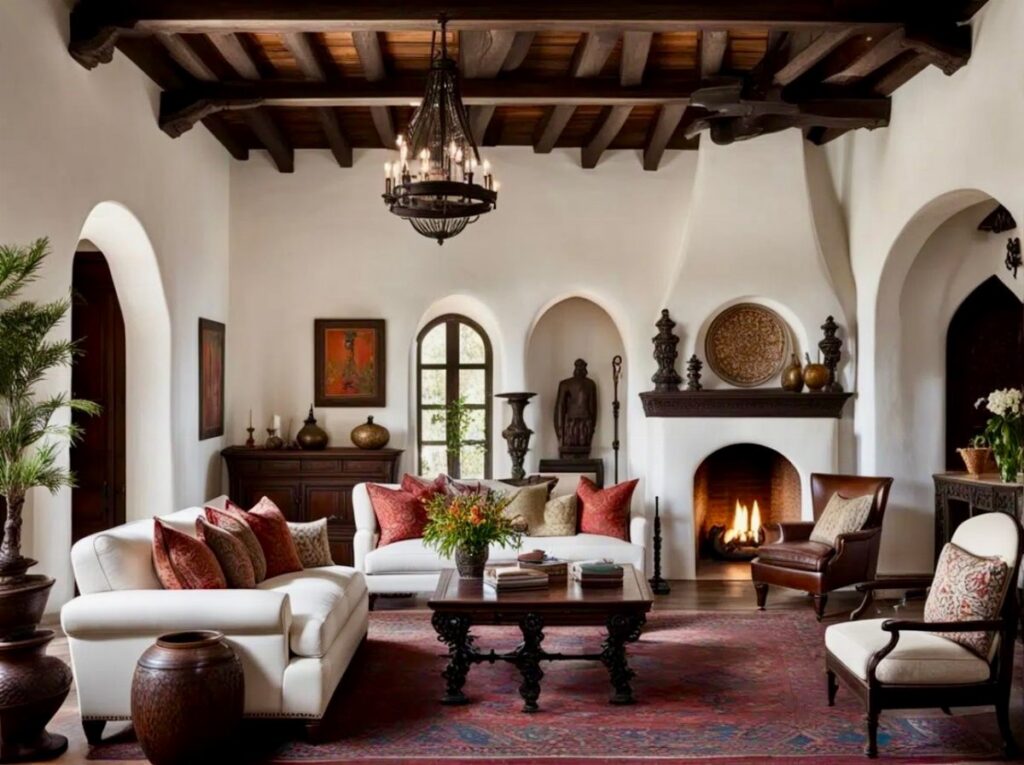
Spanish style living rooms can lean as small as a clay pot on a shelf or as big as exposing the beams you already have, and most of what follows works whether you own the walls or just the furniture inside them.
Renters here will find clay planters and peel-and-stick ceiling tests; homeowners get exposed timber posts and drywall arches built with corner bead.
Most of the rooms ahead were built for 8-foot ceilings and standard door frames, so the lighting and layout numbers come from real measurements that fit where Americans actually live.
1. Use Natural Materials
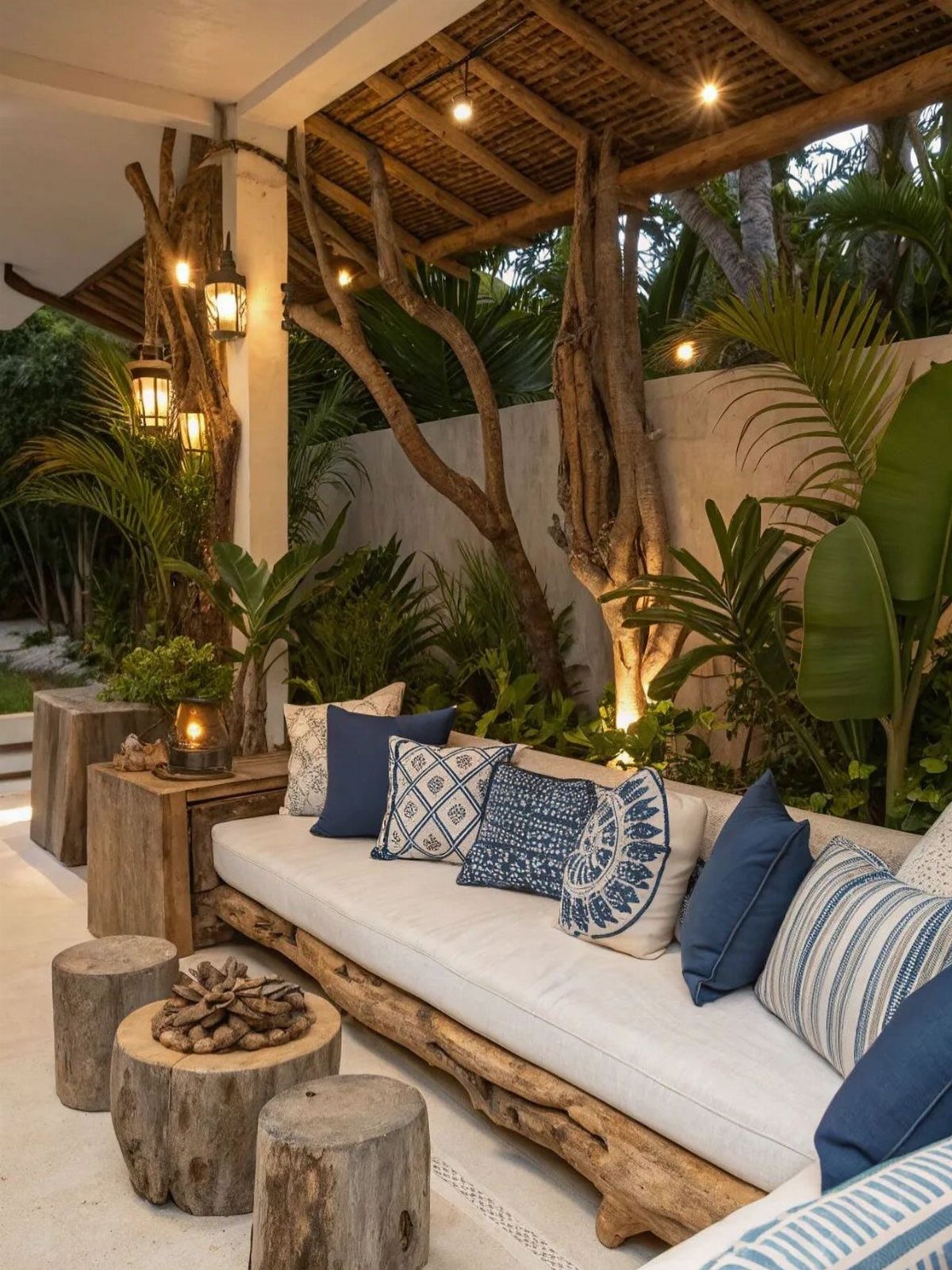
Natural materials ground a Spanish-style room in something you can actually feel under your fingertips. Wood, leather, and clay each carry warmth that paint alone cannot fake.
A driftwood-style sofa base or rough-hewn log stool brings the outside in without requiring a tropical location.
For renters, clay planters and a leather pouf move when you do; homeowners might commit to exposed timber posts or a terracotta tile hearth.
Unfinished wood asks for occasional oiling, and clay chips if you treat it like plastic, so the maintenance is real.
Start with one piece you touch daily. A leather ottoman or hand-thrown bowl on the coffee table shifts the whole room toward honesty without asking for a big spend.
2. Use White Properly
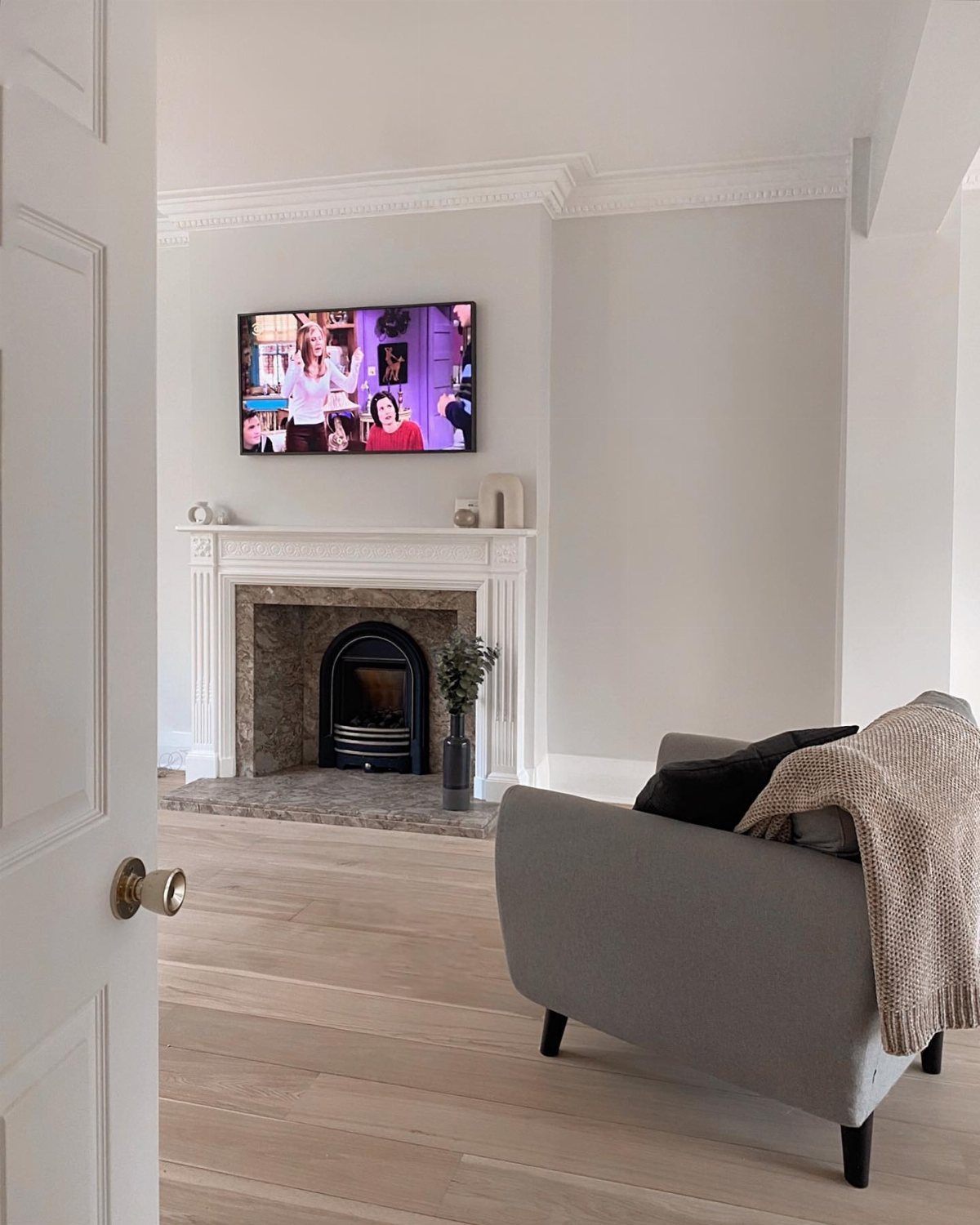
White in a Spanish-style room works hardest when it is not doing everything alone. Soft ivory or aged plaster white balances darker beams, wrought iron, or a heavy carved mantel without turning clinical.
Choosing the undertone makes or breaks the white. A white with a trace of yellow or grey reads warmer and hides dust better than pure bright white, which can feel like a correction rather than a choice.
Pair it with charcoal, deep terracotta, or oak so the eye has somewhere to rest.
If your room faces north or lacks big windows, softer white bounces what light you have instead of reflecting gloom back at you. Test a patch at floor level, where walls read darkest, before committing to gallons.
3. Incorporate Artwork
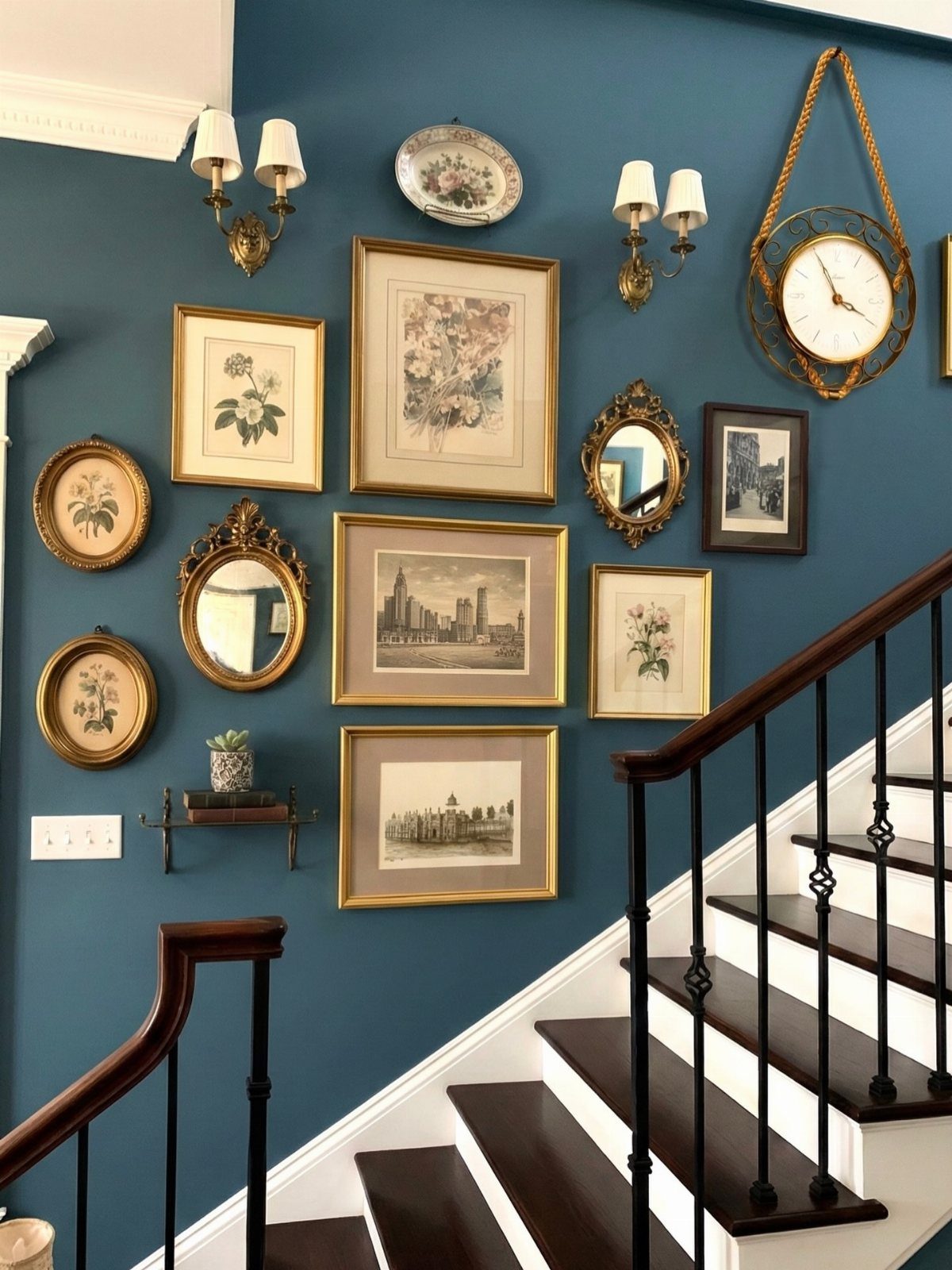
Artwork carries a Spanish-style room when architecture falls short. A single large piece with saturated color or historical reference does more than a wall of small frames competing for attention.
Gold frames against deep teal or ochre walls echo the contrast you see in older Spanish interiors, but the subject matters less than scale and confidence.
A too-small piece above a sofa looks apologetic; aim for two-thirds the furniture width or go floor-to-ceiling with a grouping.
A vintage oil from an estate sale or a quality print in a secondhand frame lands well below gallery prices. The risk is buying for the frame alone and tolerating a scene you do not want to live with.
Hold out for something that slows you down.
4. Incorporate Arched Doorways
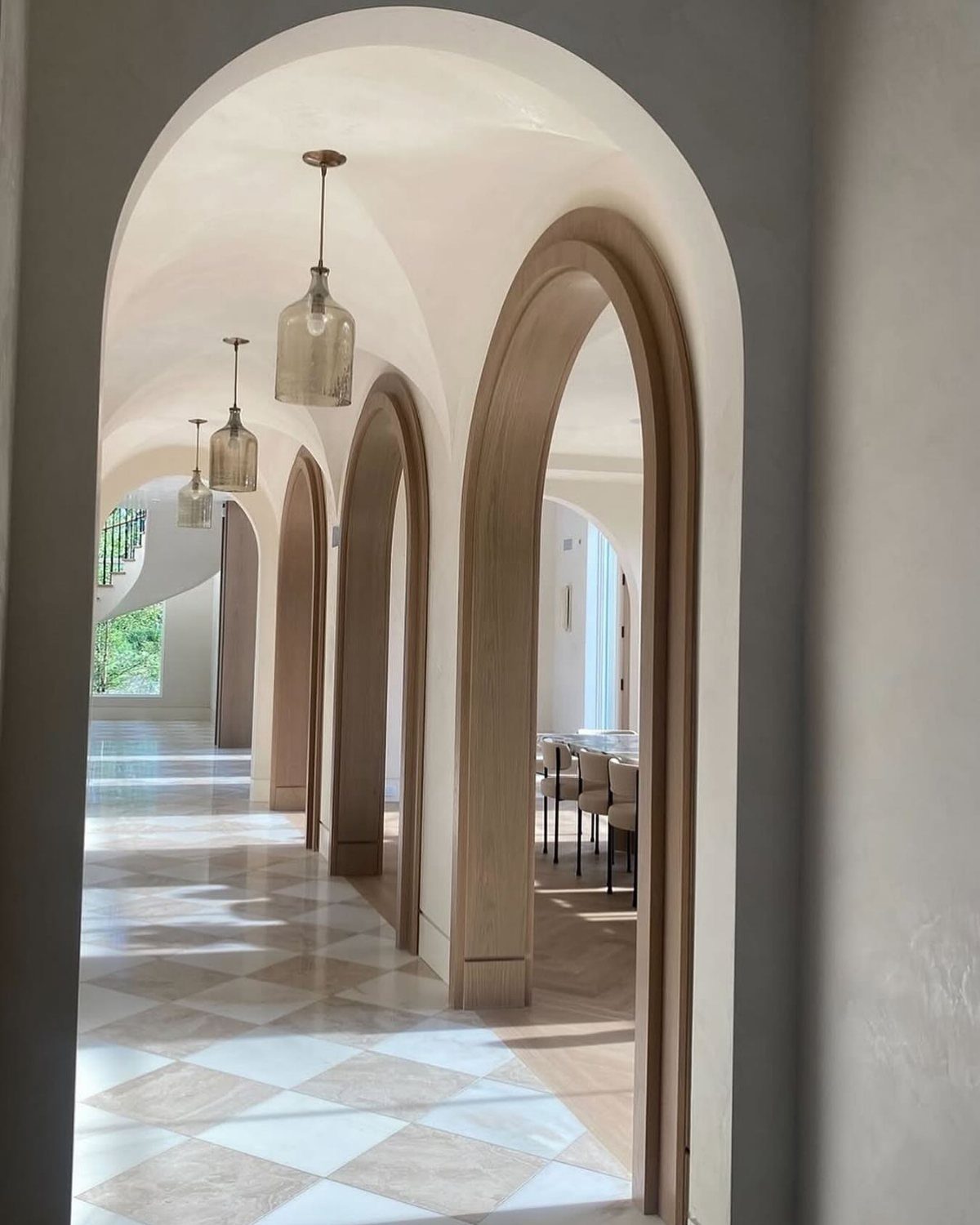
An arched doorway shapes movement through a room the way a paragraph break shapes reading: you notice the pause, not the punctuation.
In a living room, even a single arch between seating and dining areas creates two intimate spaces where one might have felt exposed.
Existing square openings can be converted with drywall and corner bead in a weekend, though load-bearing walls need a pro. A true arch needs a height-to-width ratio near 1:2 to look right; anything taller reads Gothic, anything flatter reads apologetic.
Paint the arch interior a shade deeper than the walls and it becomes a frame for whatever sits beyond. The cost runs lower if you are handy with structure and finish, or climbs fast once a contractor gets involved.
5. Exposed Wooden Beams
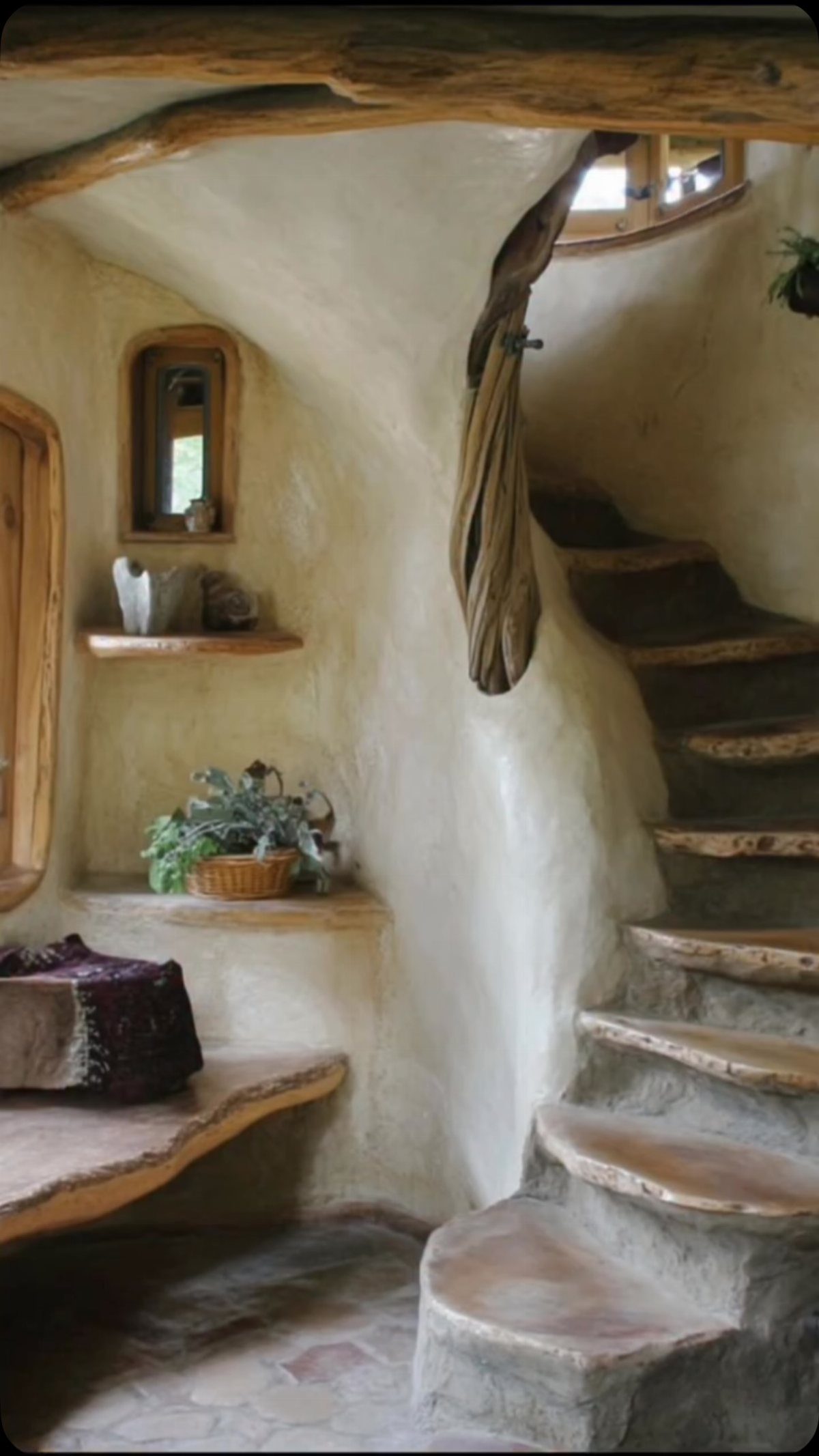
Exposed wooden beams add weight to a ceiling that drywall leaves floating. In a Spanish-style room, they also carry history: hand-hewn or rough-sawn timber suggests a building that predates the suburbs.
Stained dark, beams recede visually and let lighter walls expand the room; left raw or limed, they become the feature and ask for quieter furniture below. The practical limit is ceiling height.
Below 8 feet, bulky beams swallow headroom and feel like a hazard; a shallow false beam in pine or lightweight polyurethane gives the look without the structural load or the splinters.
For a weekend project, box beams built from 1×6 lumber and stained to match existing trim are mostly a materials spend.
6. Focus on Ceilings
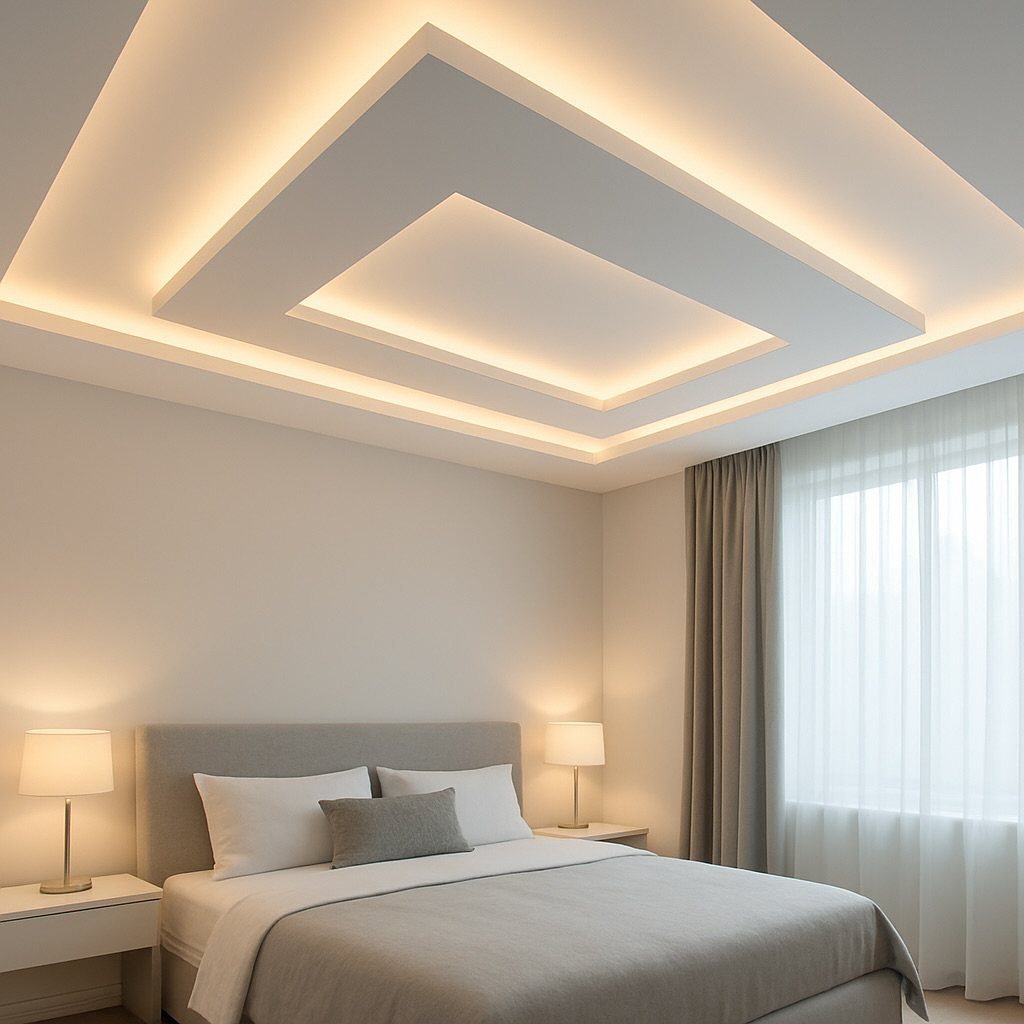
A ceiling earns its keep when it stops being merely the absence of roof. Painted tile, warm plaster, or planked wood draws the eye up and makes a room feel finished from every angle.
In Spanish-style spaces, a painted or planked ceiling in terracotta, deep blue, or warm cream turns the fifth wall into an anchor. The color can echo the floor or the fireplace, tying vertical space together.
A tray ceiling with cove lighting adds depth without ornament, though wiring for recessed fixtures needs an electrician and permits in most jurisdictions.
For renters, a peel-and-stick wallpaper applied to a smooth ceiling tests the look and removes when you leave. Overhead application needs a sturdy ladder, an extra set of hands, and patience with seams.
7. Create Cozy Conversation Areas
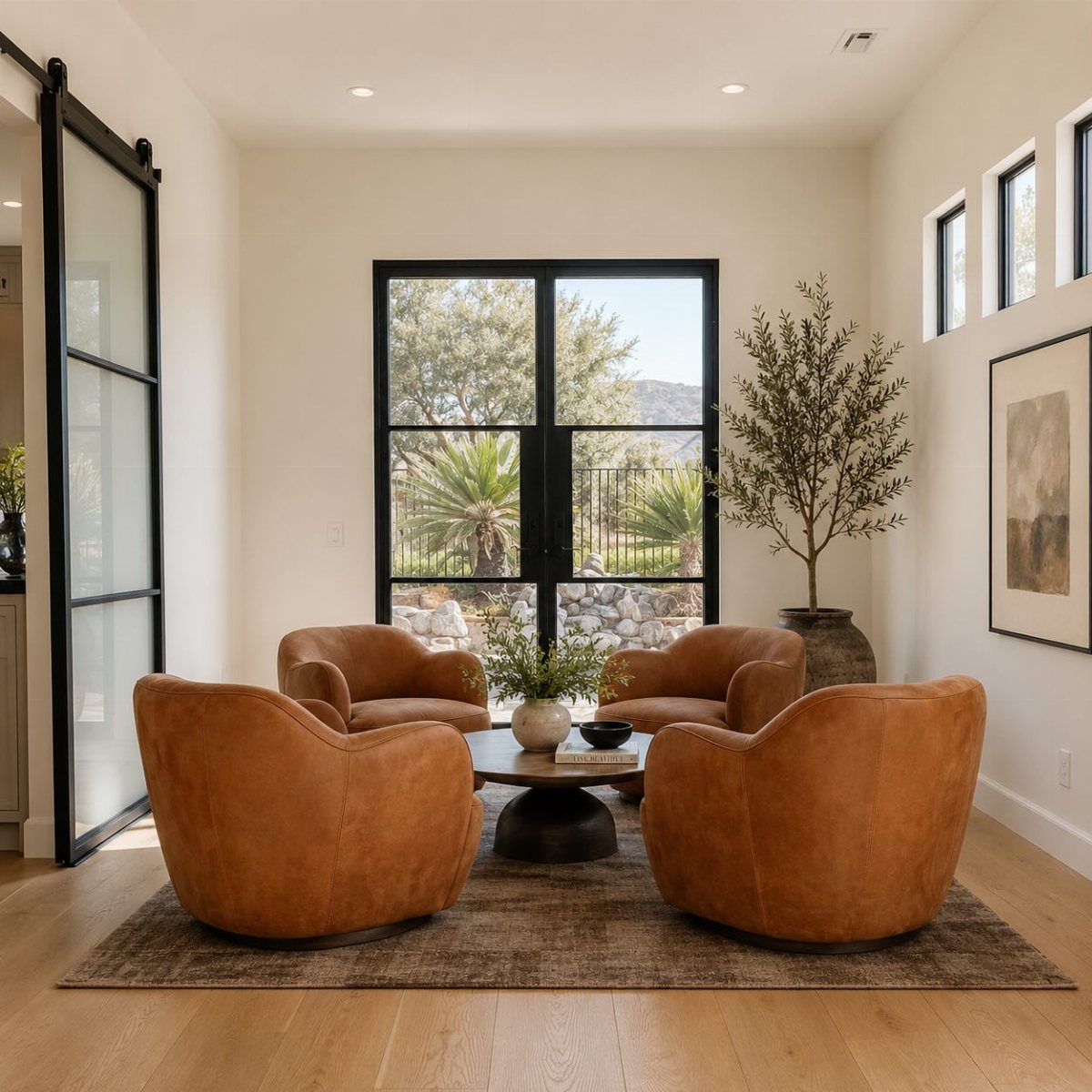
A circle of four matching chairs around a single table forces everyone to face each other. No one gets stuck staring at a blank wall or a TV, and the swivel lets people turn toward whoever is talking.
A pair of armchairs facing each other across a small table keeps sight lines open in a narrow room where a sofa would block the windows.
Chairs take up less visual space than a sofa and move easily when extra people show up. Sculptural chairs with warm, layered materials make people want to stay.
If your room is small, skip the sofa entirely. Four armchairs around a small table fit in a space about the size of a parking spot.
Sleeping guests is the weakness; there is nowhere to stretch out.
8. Use Statement Lighting
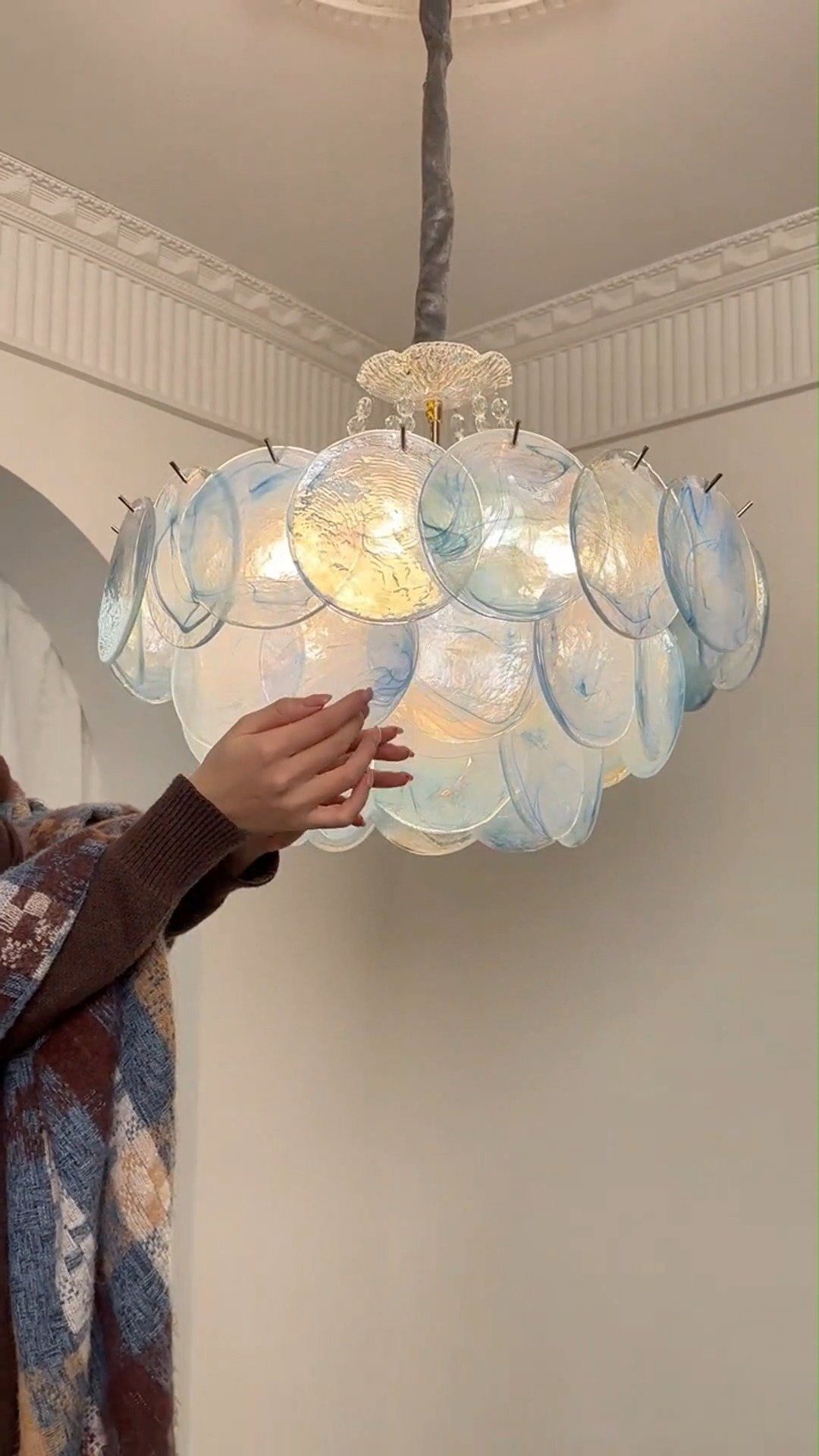
A chandelier with real presence gets noticed before the walls do. In Spanish-style rooms, where walls often stay quiet and white, a single bold light fixture does the work of color.
A too-small fixture gets lost overhead; ceiling height should guide the size you shop for. For an 8-foot ceiling, look for something 20 to 24 inches tall maximum.
Higher ceilings can take 30 inches or more. Iridescent glass catches daylight even when the bulb is off.
Choose something with weight and texture; thin metal or plain glass disappears against white plaster. Bronze or black iron hardware ties it to other Spanish details in the room.
9. Use Warm Neutrals
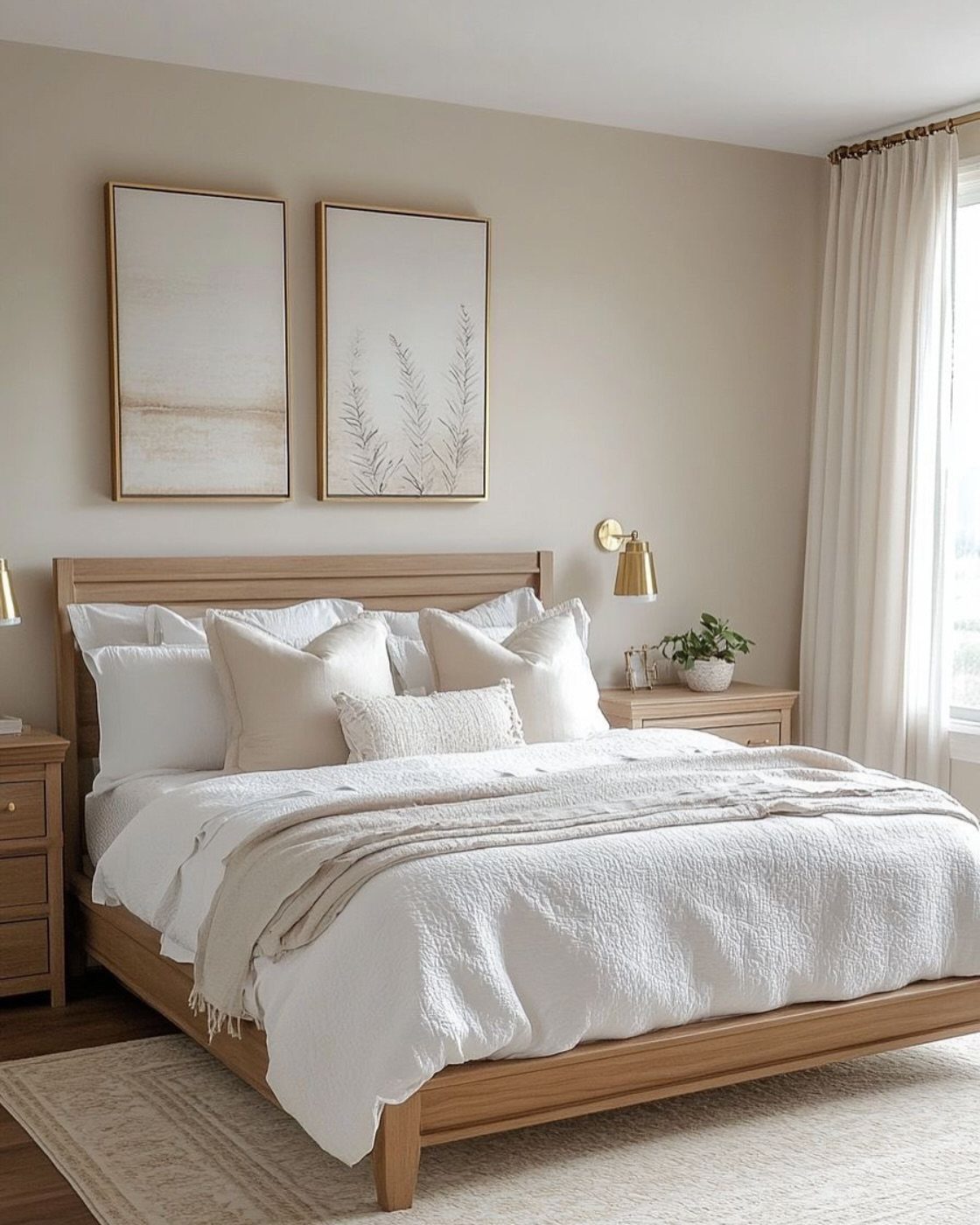
Beige and cream do not have to read as boring. Quiet walls gain warmth from a wood bed frame, botanical prints in aged frames, and a small plant catching window light.
Warm greige shifts with the light, from gray at noon to honey by late afternoon. That changing quality is what makes warm neutrals worth using in Spanish-style spaces.
Layering builds the warmth: cream walls, oatmeal drapes, then caramel or terracotta in pillows or a throw.
If your room faces north and feels cold, push toward the warmer end with peach undertones. South-facing rooms can handle a cooler cream without going sterile.
10. Incorporate Rustic Elements
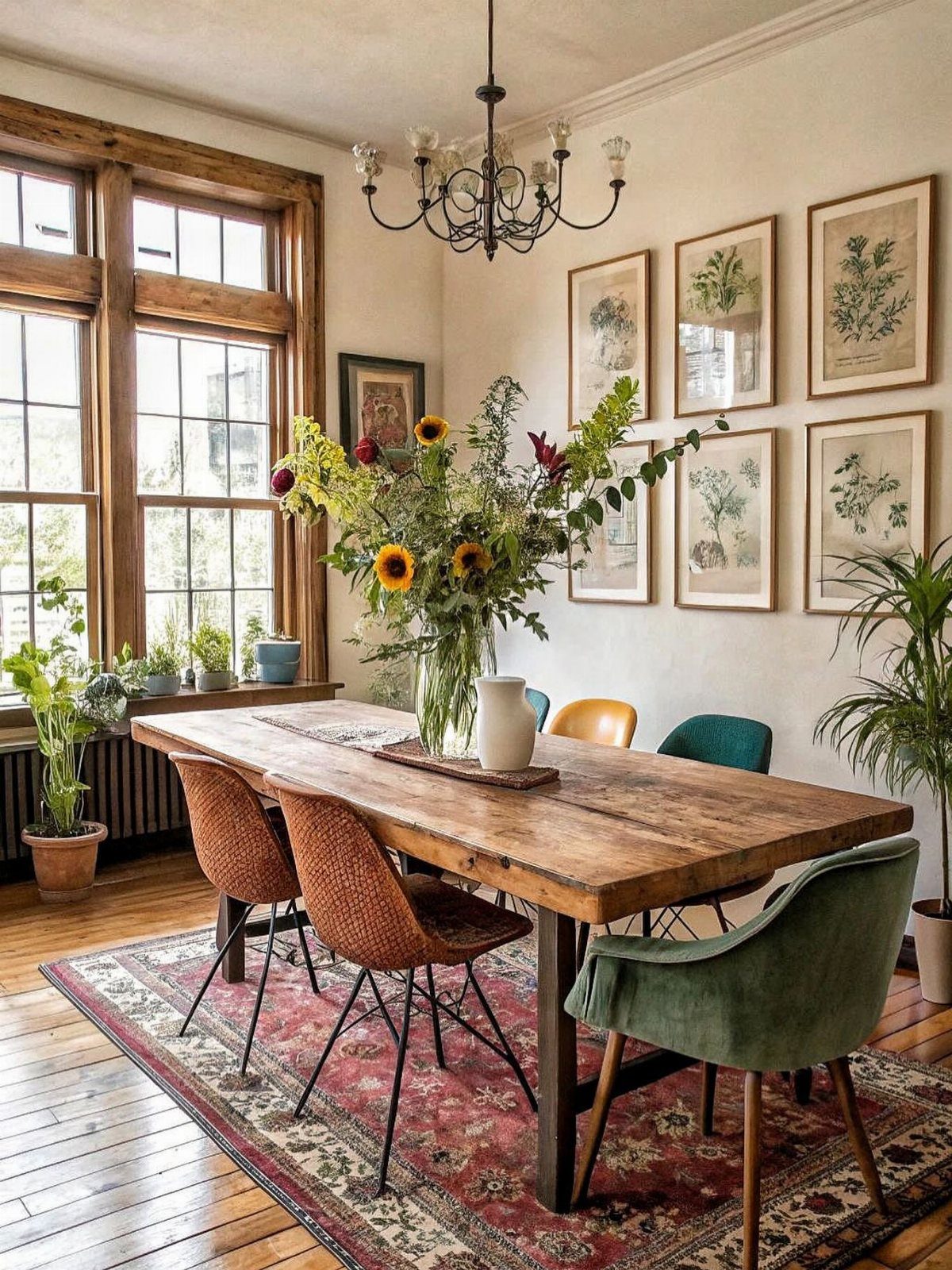
Salvage yards carry reclaimed wood tables for about what a new mid-range table costs. An uneven surface gets solved with a glass top cut to sit on it; that fix takes care of the wobble and the spilled-wine problem both.
Distressed wood, vintage frames, and handmade items add age that new Spanish-style rooms often lack.
Do not overdo it. One or two rustic pieces per room keeps the look intentional.
More than that, and you are living in a theme restaurant.
11. Use Clay Ceramics
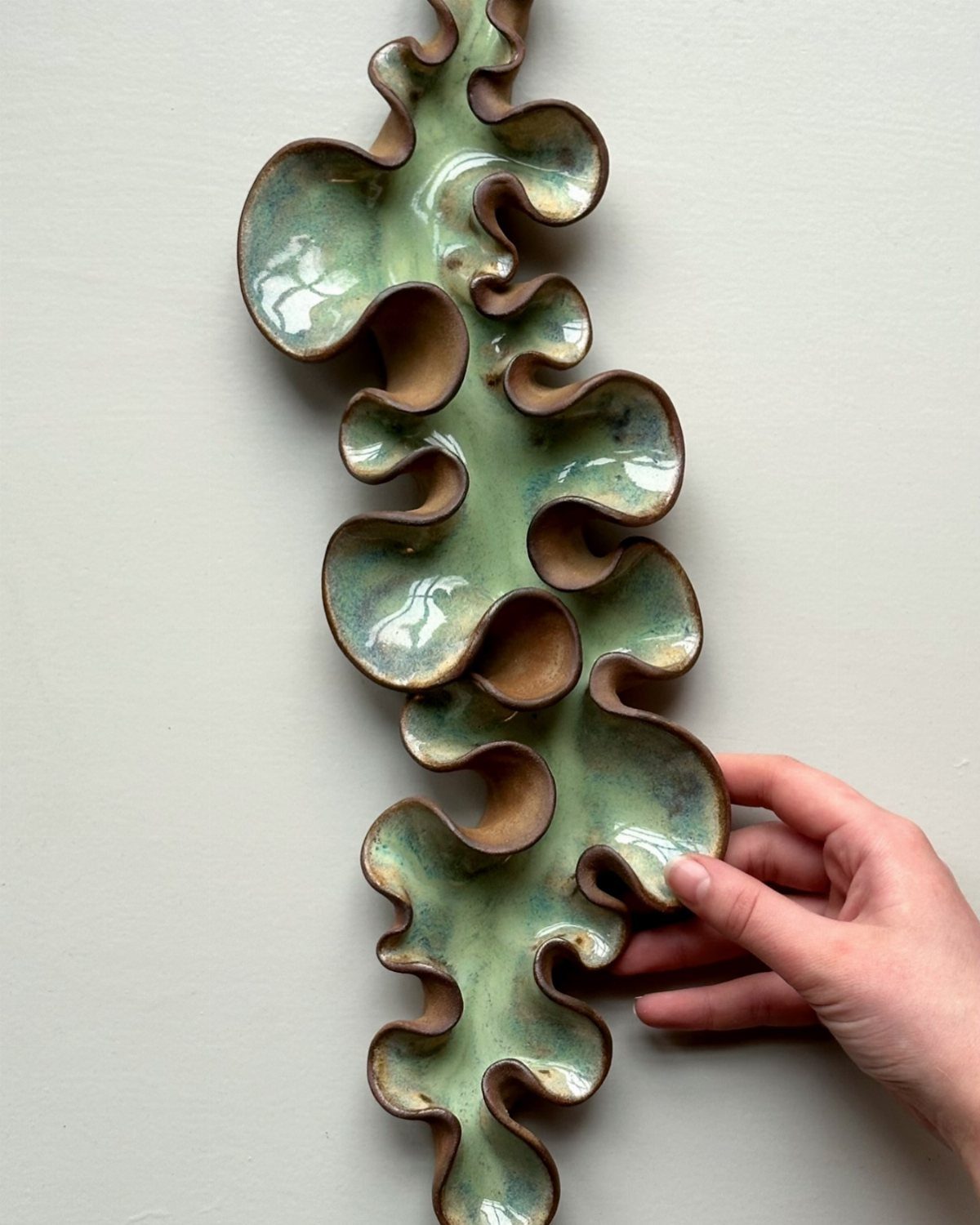
Clay ceramics bring the material of Spanish roof tiles inside without the commitment of a full terracotta floor.
A single large pot on a mantel is enough to start with. Garden centers carry unglazed terracotta for far less than design shops charge for the same shape.
Clay absorbs moisture, so it works well near fireplaces or in dry climates. In humid rooms, sealed or glazed pieces hold up better.
Group three pieces of different heights rather than spreading them around. The maker of the wall sculpture used an organic, wavy shape to catch light and shadow through the day.
12. Incorporate Vintage Finds
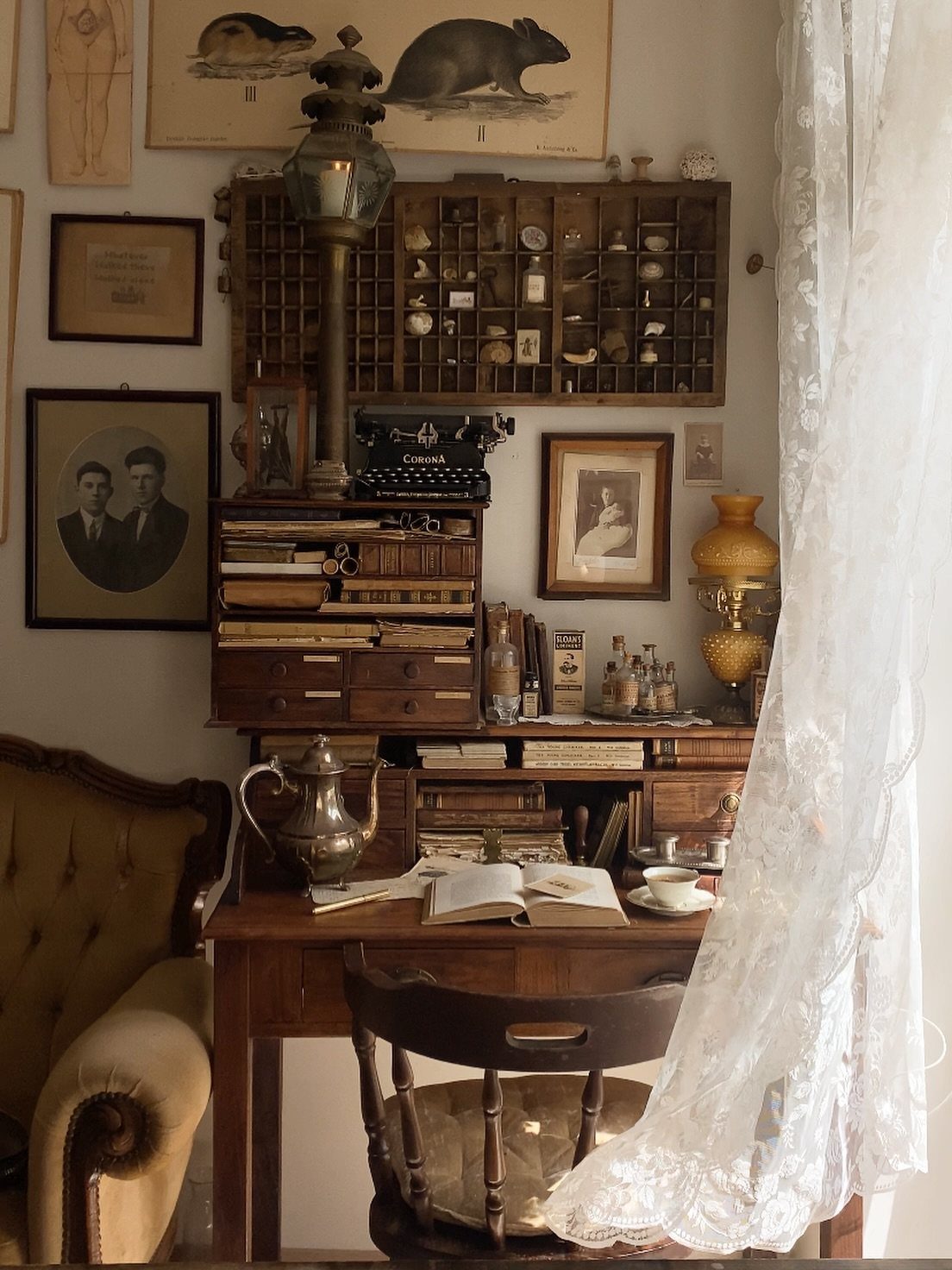
An antique typewriter, framed portraits with age in their faces, and a wooden cubby that probably sorted mail in another life turn a desk into a story. These are not props; they are tools that happened to survive.
I mix vintage with modern by keeping the bones contemporary. A clean white sofa, simple curtains, then one 19th-century portrait above it.
The eye goes to the thing with history. Spanish revival style, with its own age, handles this better than minimalism.
Traditional silhouettes in leather, linen, or shaker wood bridge old and new without fighting.
Do not buy vintage for every surface. One significant piece per seating area is enough.
The hunt takes time; I have spent six months looking for the right desk lamp. Start with what you already own from family or thrift stores past.
13. Incorporate Wrought Iron
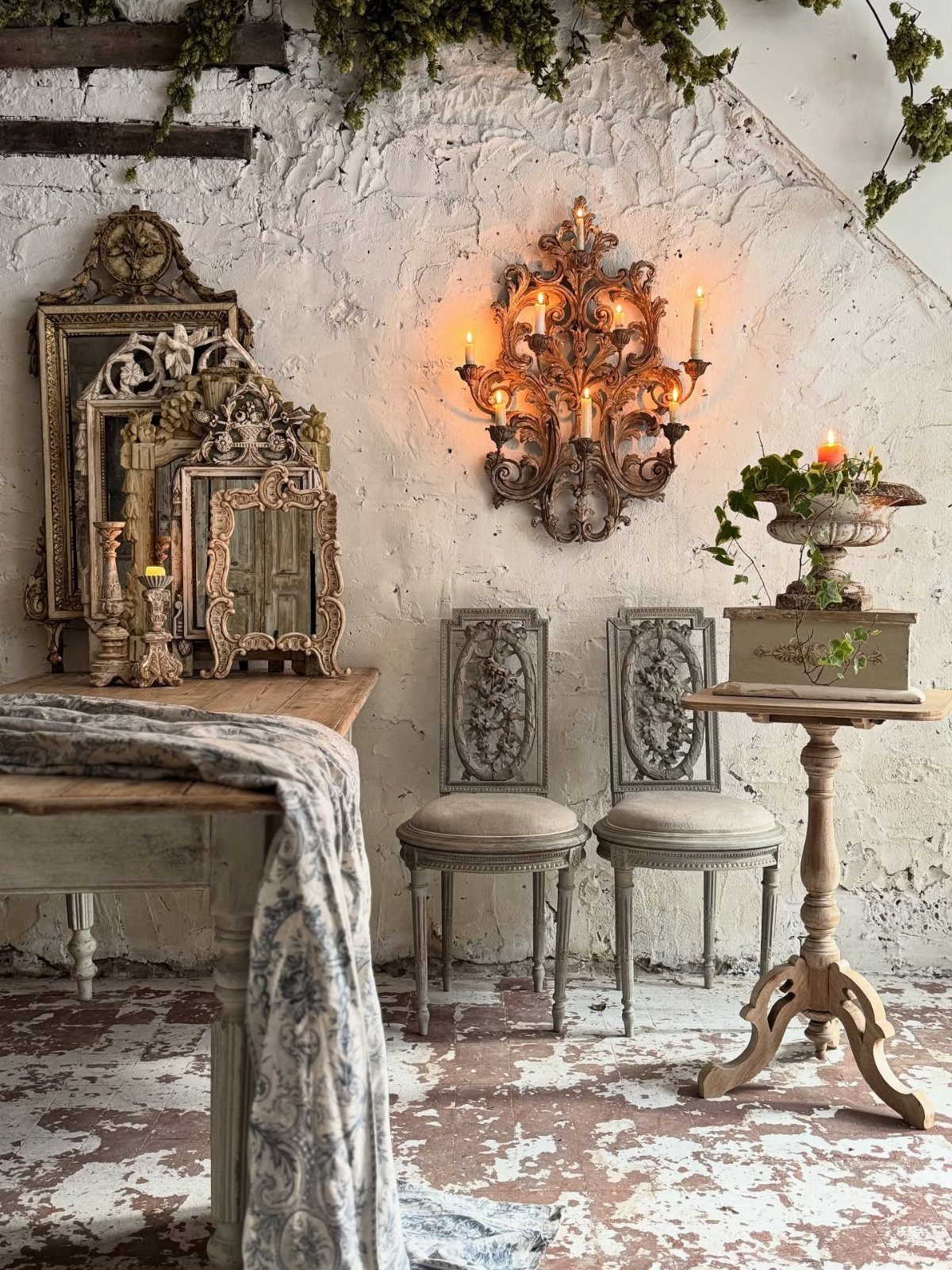
Wrought iron reads Spanish instantly because the material itself carries history. A single candelabra on a wall, a railing between rooms, or mirror frames with hand-forged curves gives weight without clutter.
I look for pieces with obvious hammer marks or slight irregularities; machine-perfect scrollwork misses the point.
A small wall sconce at salvage shops costs less than a new fixture from a big-box store, and a floor lamp with a blackened finish still lands under what most people spend on a single accent chair.
The patina matters more than the age.
If your space is small, one iron piece against white plaster does the work of three. Too many dark metals in a dim room just swallow light.
14. Create a Focal Point
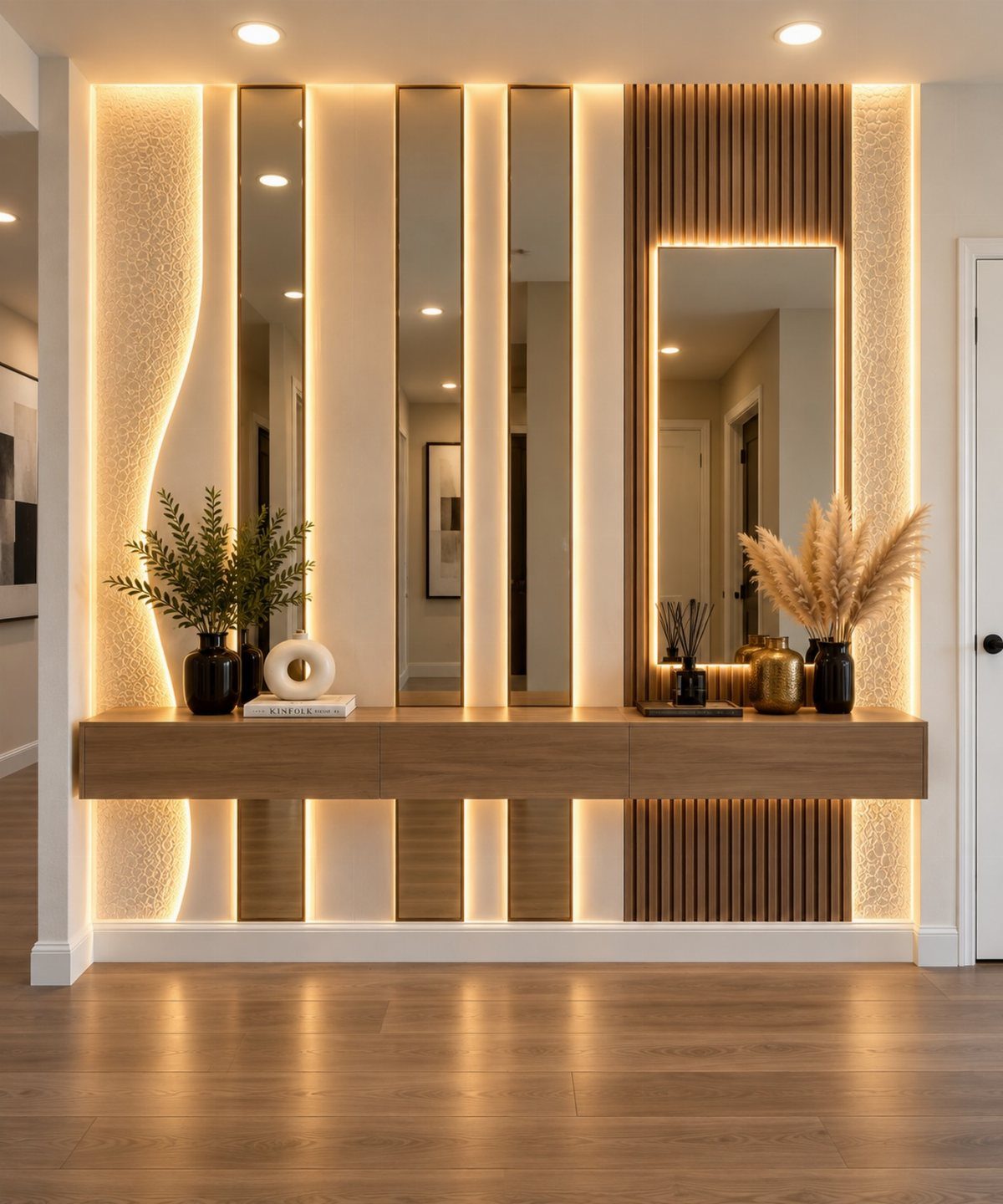
Every Spanish room needs somewhere for the eye to land first. A fireplace with hand-painted tile works, or a single oversize mirror above a low console.
Three narrow mirrors grouped above a console stretch the eye across the wall and make the whole grouping read as one intentional piece.
A heavy gilded frame around a thrift oil painting does more work than the painting itself; the weight and finish carry the focal wall. The frame did more than the canvas.
Brass pot fillers and arched hood niches in kitchens follow the same logic: draw the eye to one thing, let everything else support it.
The trade is commitment. A weak center reads as accident, not design.
15. Sculptural Simplicity
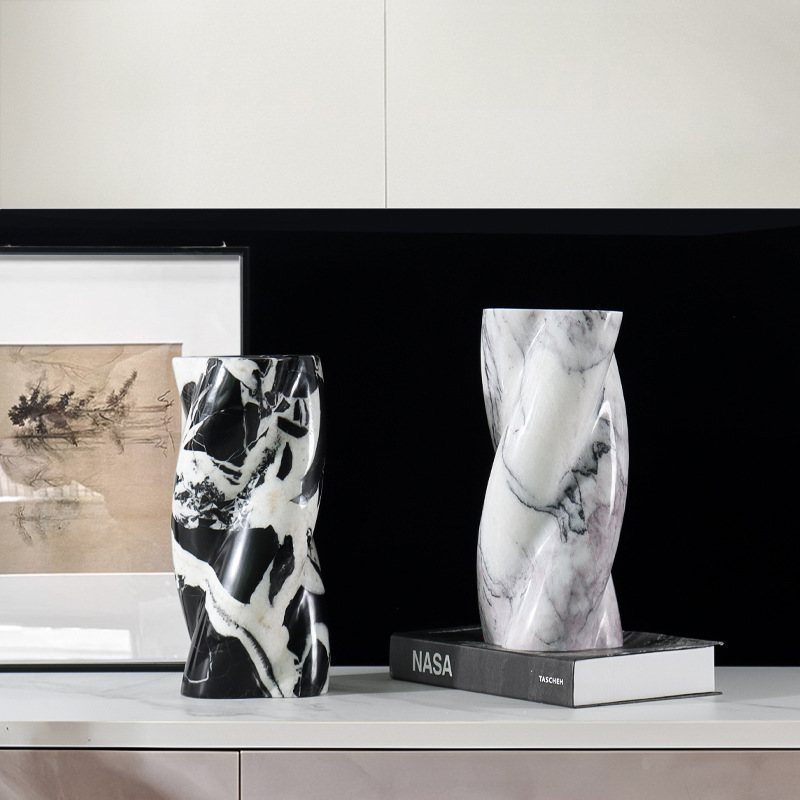
Arched niches carved into plaster do what crown molding tries to do, but quieter.
Arched cutouts between rooms add the kind of architecture that reads Spanish without any applied trim, though they take more planning than a standard cased opening.
The drywall curve took a morning and a roll of flexible bead, which costs less than the wood trim it replaced. The result changed how light moved through the whole house.
Solid marble with natural veining, carved as a single piece, grounds a shelf without competing. Low seating and neutral linen let the architecture be the event instead of competing with it.
This suits renters only if they own the plaster.
16. Textured Fabrics and Rugs
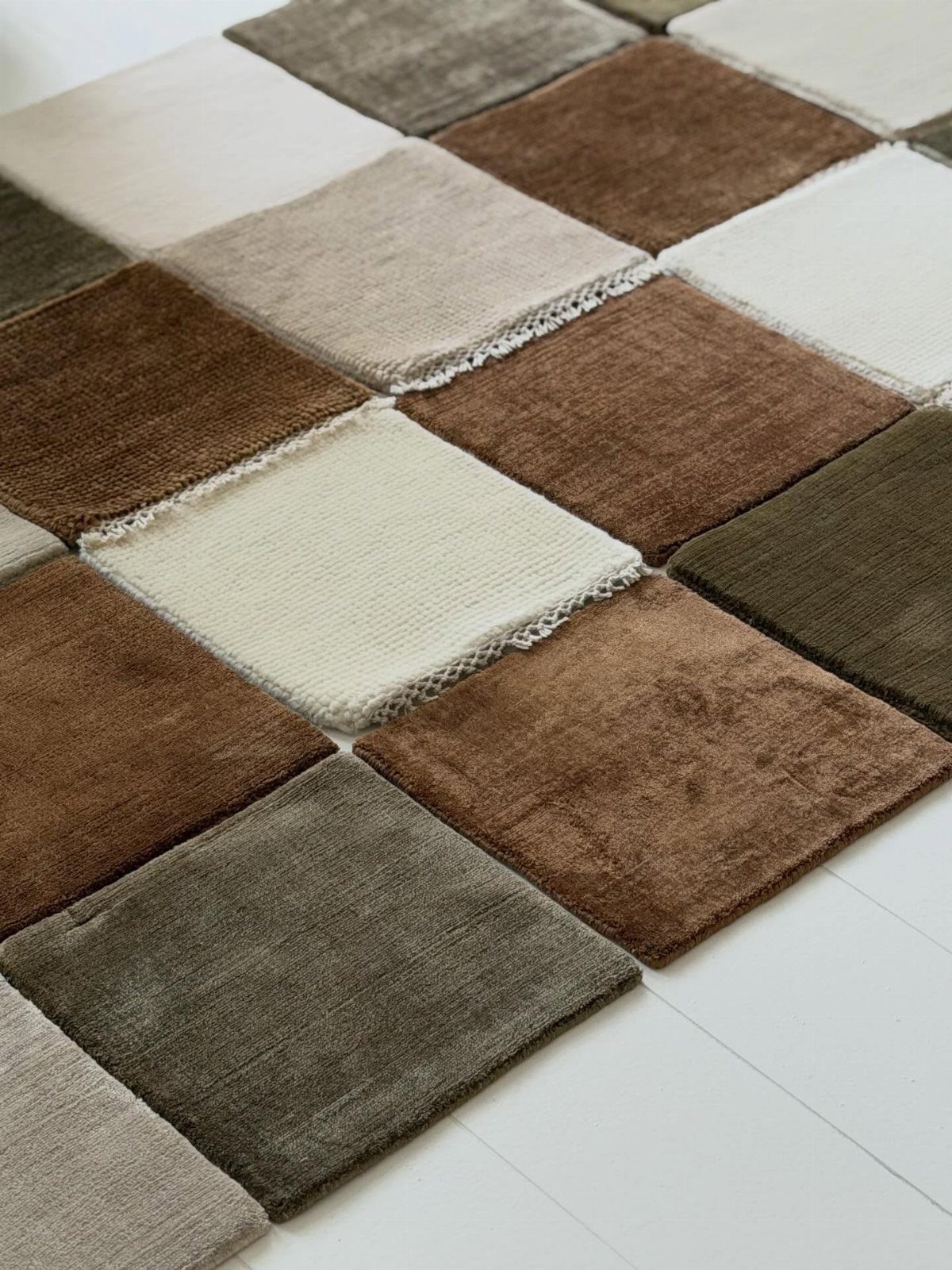
A rug with visible weave underfoot makes Spanish rooms feel finished rather than decorated.
Vintage kilims online run cheaper than new reproductions, and layering a smaller natural-fiber mat where traffic hits saves the good piece from the door. The wear goes into the cheap layer, not the keeper.
Dark ceiling beams and gray cabinets pair well with this softness; the contrast does the styling for you.
The limit is pattern density. Two busy rugs in sight of each other fight.
One textured ground and one quiet upholstery is enough.
17. Incorporate Tile Accents
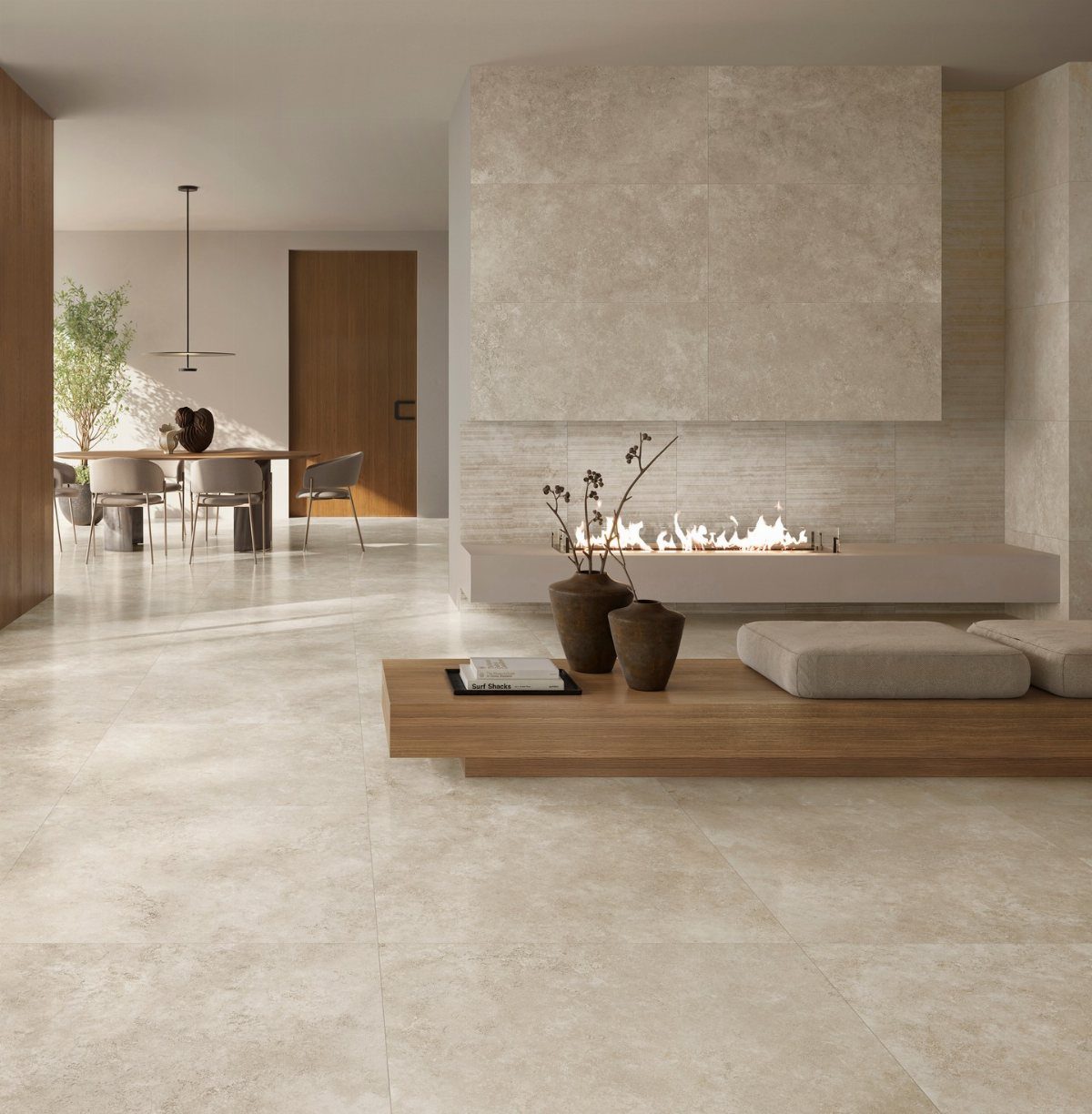
Tile belongs where the eye rests. A fireplace surround, a kitchen backsplash, or a single inset panel beside a door.
Large stone tiles on the floor against a textured wall above the fire work because the scale difference keeps both from shouting.
Hand-painted Spanish tile costs more than machine-made, which is why most people use it as punctuation rather than wallpaper.
Factory seconds with slight color variation, set in a running pattern, read as intentional rather than flawed; the irregularity becomes the point. Limiting the area matters more than the tile itself; a full room of pattern tires fast.
Tile needs something quiet nearby to ground it; raw wood or plaster does that job without competing. Smooth beside rough, every time.
18. Mix Old and New
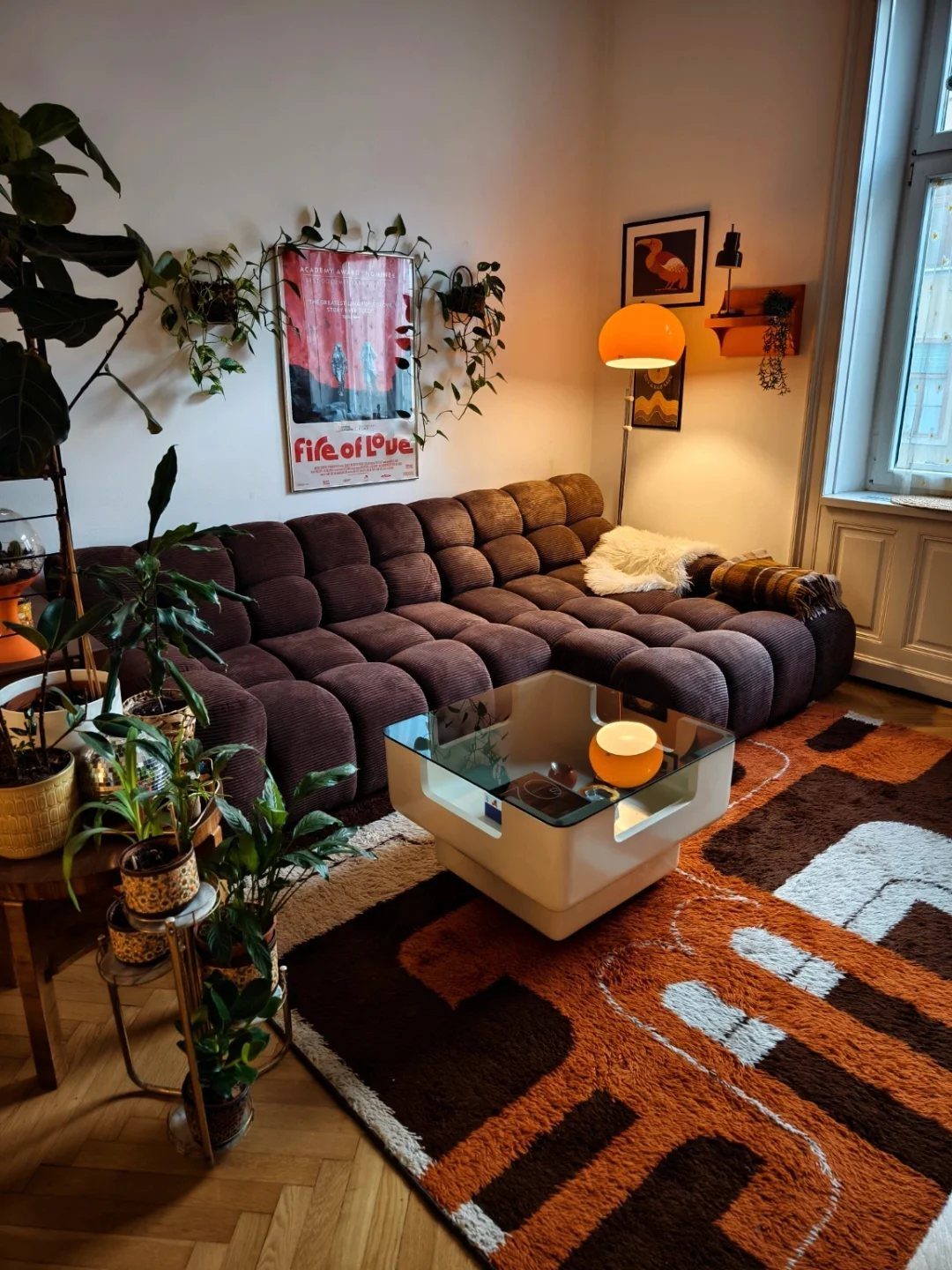
A brown tufted sofa with some age beside a glass coffee table with clean edges; that is the tension that keeps Spanish revival from museum dust.
A new poster in an old frame gets the same effect as a real antique print for a fraction of the hunt.
I shop estate sales for oak and iron, then pair with IKEA or Target for the pieces I touch daily.
A modular sofa in a modern shape holds up to daily use; a ceramic lamp with crackle glaze carries the history without the fragility.
Drew Michael Scott’s collection of distressed pots and oil paintings works because the modern furniture lets each piece breathe.
The risk is preciousness. One wrong antique too many and the room curates itself out of living.
19. Incorporate Greenery
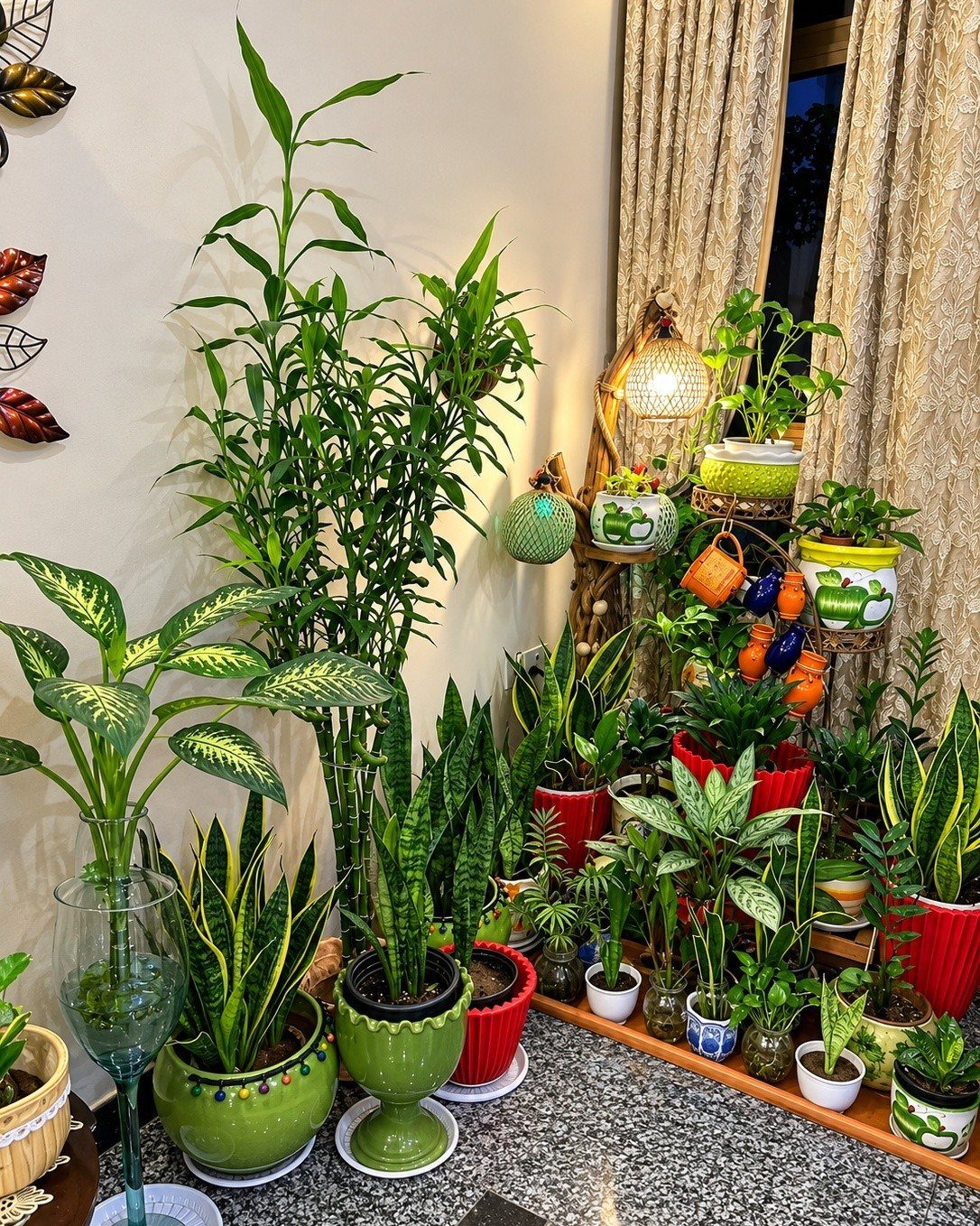
A snake plant in a blue ceramic pot does more than fill a corner.
It carries the same spirit as the black French doors that open onto garden views in older Spanish homes, where the line between inside and out was never meant to hold firm.
Start with two or three potted plants in glazed ceramic, not plastic. Set them where they catch morning light through a window, or group them on a side table where textured curtains hang nearby.
Water weekly, less in winter.
This suits renters who cannot paint walls or mount heavy pieces. A small snake plant fills out slowly, so patience matters.
For faster impact, a trailing pothos across a shelf reaches the same mood in half the time.
20. Create Flow with Open Layouts
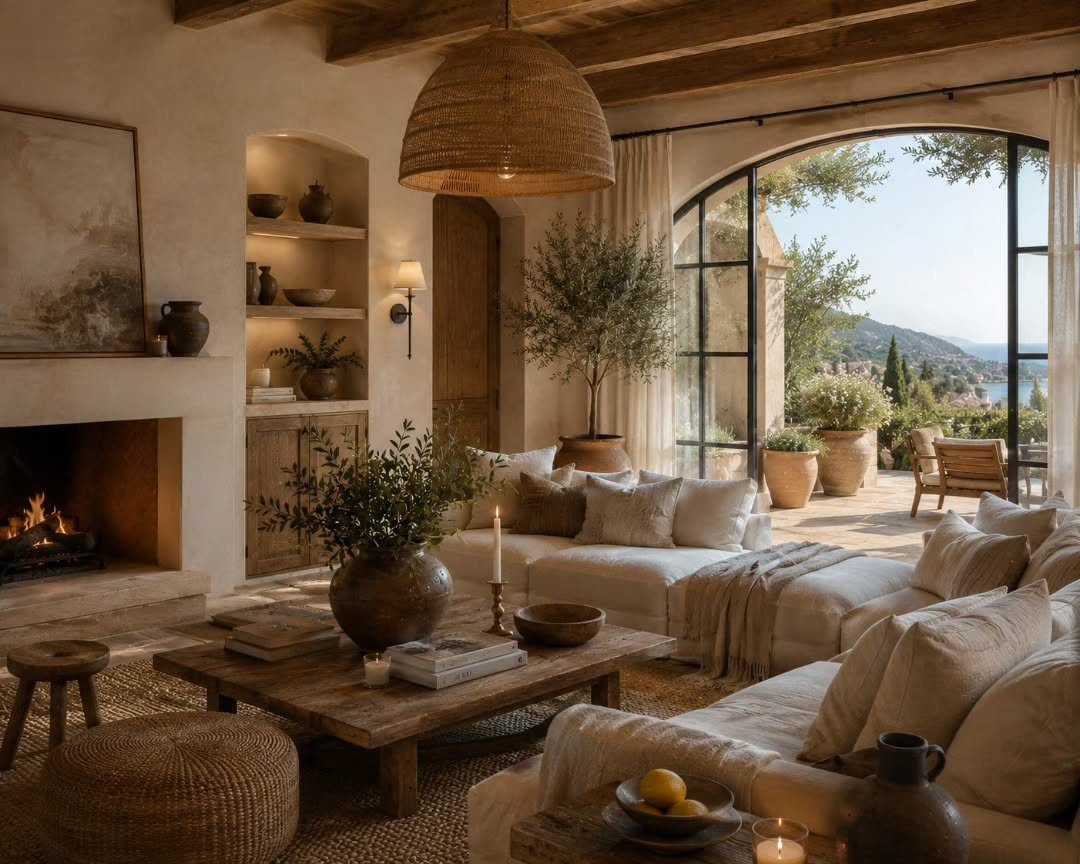
The arched window in this room frames the terrace like a painting, and that is the move. Spanish living rooms borrowed their flow from courtyards, where one space breathed into the next without doors to stop it.
If your layout allows, widen a doorway into an arch or remove a non-load-bearing partition between living and dining areas. Where walls must stay, use low furniture in pale tones to keep sightlines open.
A white sectional and a rustic wood coffee table sit at conversation height without blocking the room.
This needs square footage you may not have. In a smaller home, the same feeling comes from repeating materials across rooms: the same terracotta tile, the same wood tone, so the eye travels uninterrupted.
21. Highlight Architectural Features
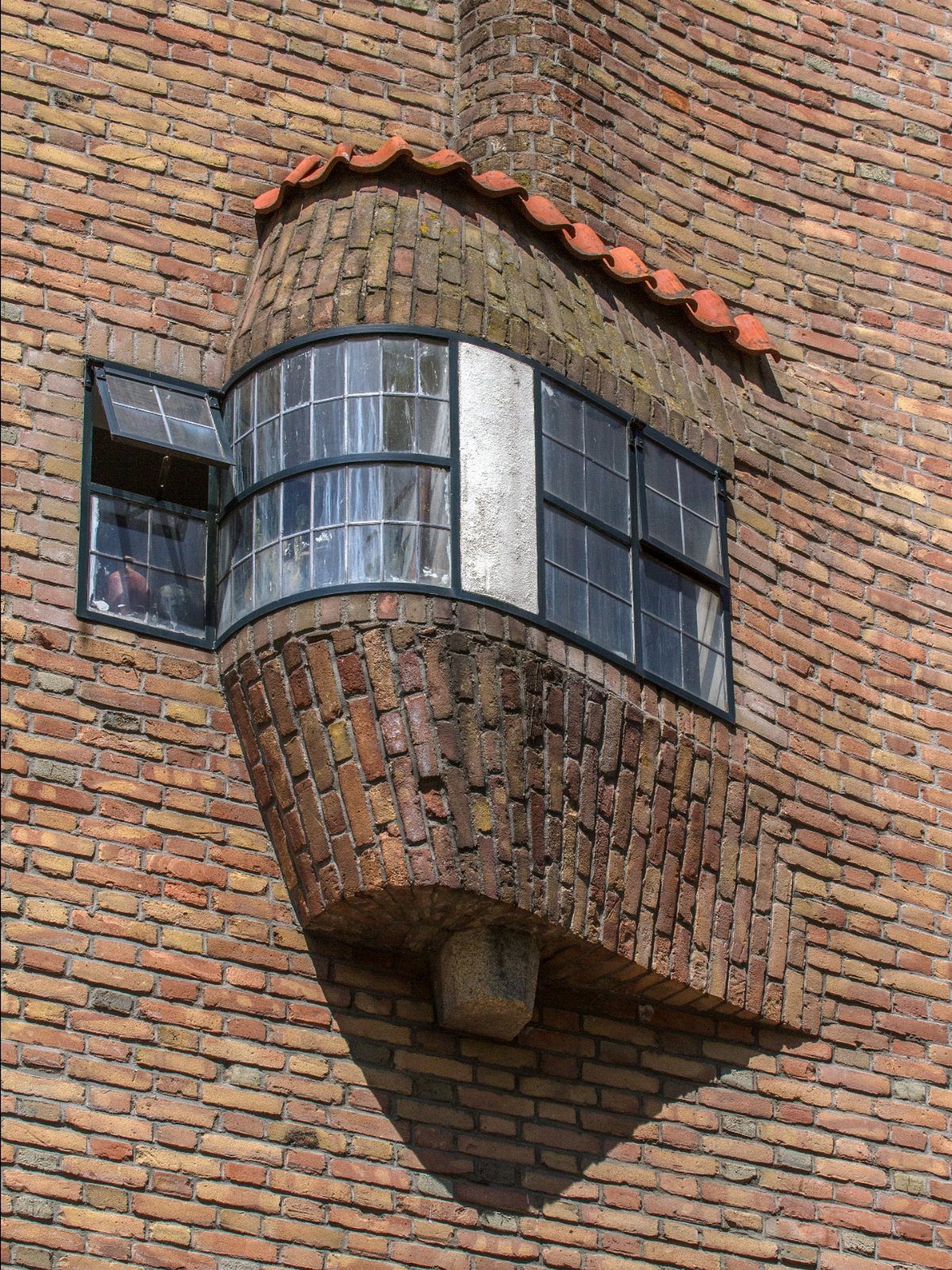
Curved brick bays with small terracotta rooflets turn structure into ornament, which Spanish revival does best. Arches, niches, and curved lines were never afterthoughts; they were the bones of the house left visible.
Work with what exists. If you have an arched doorway or a coved ceiling, paint it in a shade that catches light differently at each hour of day rather than flattening it out.
A terracotta roof tile inside, used as a trivet or mounted in a grouping, nods to the style without building a fake arch that fights your home’s actual bones.
This works best when your home already carries some of these gestures. A ranch with low flat ceilings will never read as Spanish revival, no matter how many arched mirrors you hang.
22. Use Statement Furniture
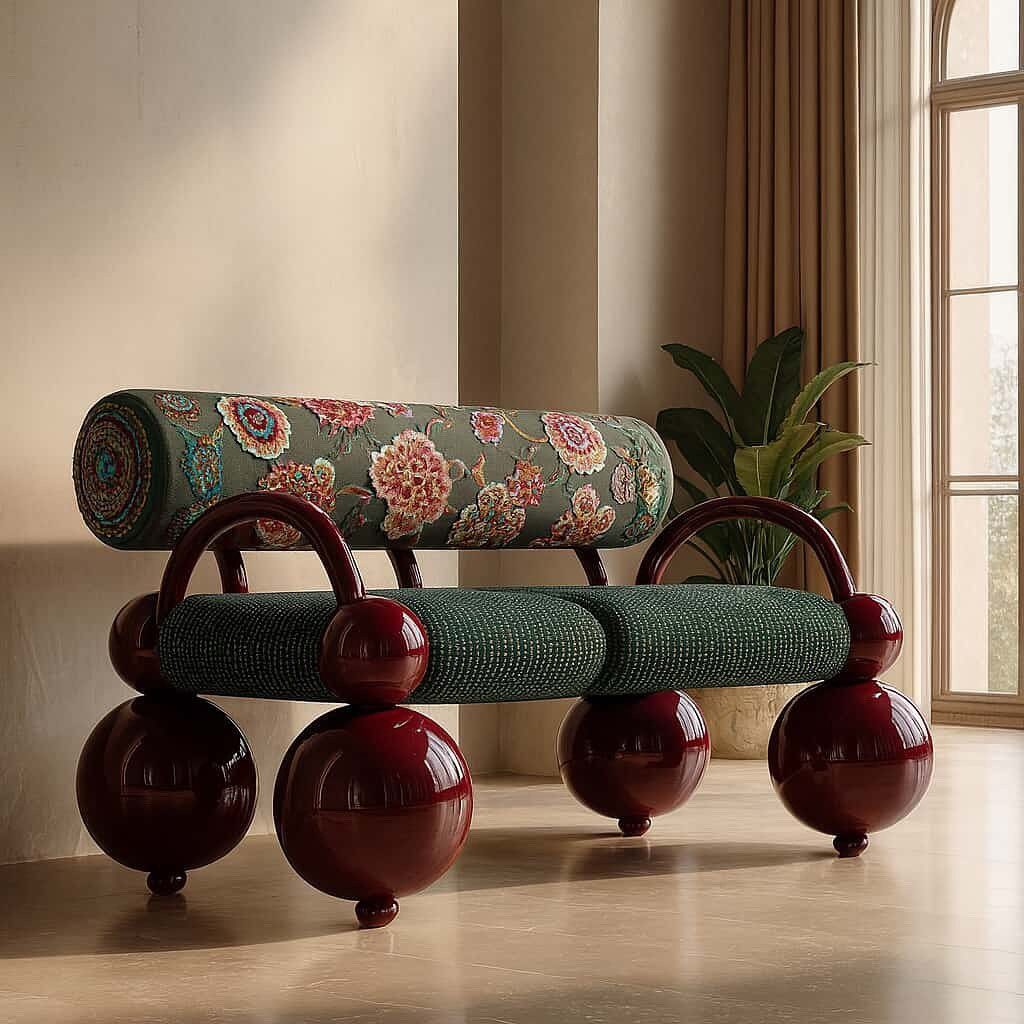
A sofa with dark red spherical legs holds the room’s personality so nothing else has to shout. Spanish style does not mean every piece must be antique or rustic; it means each piece earns its place.
Look for one item with weight, either in color or in form. An earthy green sofa against textured neutral walls carries the same principle as the red-legged piece here, and it is easier to live with long-term.
Amber drapes or antique wood furniture nearby build the warmth without competing.
This asks for restraint everywhere else. A bold sofa in a room already full of pattern and color becomes chaos.
If your walls hold busy artwork or tile, choose a simpler shape in a quiet tone and let the architecture speak instead.
23. Incorporate Soft Curves
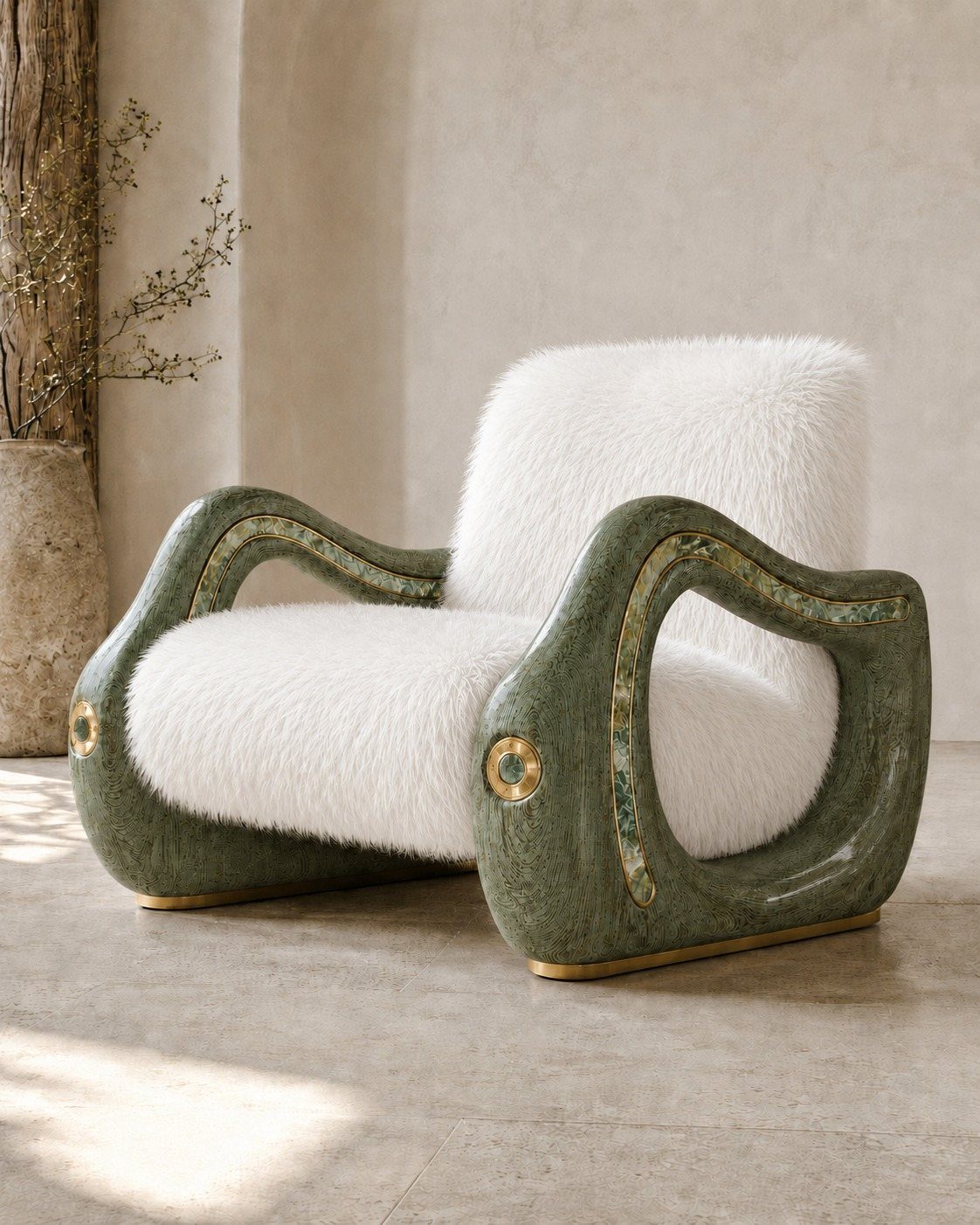
Soft curves matter in a Spanish-style room, where a sculptural chair with thick stone arms carries all the warmth without a single hard edge.
The style runs on plaster and timber, materials that can feel heavy without something rounded to balance them.
Seek out a curved sofa or an armchair with a cylindrical backrest. Boucle texture in pale tones keeps it light against darker wood beams or a tiled fireplace.
If new sculptural pieces sit outside budget, a round jute rug or a circular coffee table brings the same counterweight for less.
The risk is going too far into novelty. One curved piece anchors the room; three read as a set from a showroom.
Place it where it faces the room’s main gathering point, not pushed against a wall where its shape goes unseen.
Emphasize Architectural Features
Arches and beams are the backbone of a Spanish living room, but only if they belong there. Adding a fake arch to a ranch will read as costume, not character.
I look at what the walls and ceiling already offer before deciding what to emphasize.
Where the structure supports it, a lime wash paint brings out the irregularity in old plaster rather than hiding it. In a kitchen or entry, patterned tile laid on a wall nods to Spanish revival without demanding period architecture.
For homes with smooth drywall and standard ceilings, I’d skip the faux beam route and put the money toward hardwood floors or a single authentic vintage door surround.
Let the real bones speak, then build around them.
Focus on Comfort
A Spanish living room lives or dies by whether people want to stay in it. Vaulted ceilings with exposed beams add height, but they also risk making a space feel hollow.
The fix is layering: a green sofa anchored under the peak, a leather armchair pulled in close, a rustic coffee table between them at a distance you can reach for your drink.
Deep alcoves and arched niches are built for this. I fill them with seating sized to the recess, not miniature furniture that looks apologetic.
Textiles matter here. A single heavy throw or a woven pillow in wool or linen does more for comfort than three thin decorative cushions.
If the ceiling is flat, I still create a lower pocket of warmth with a substantial area rug and furniture grouped tightly enough for actual conversation.
Balance Old and New
The Spanish revival look turns stale fast if every piece came from the same era. I mix periods, but I do it with intention.
A rustic wood side table holding a contemporary ceramic lamp works because both share weight and warmth. An antique oil painting above a clean-lined sofa reads as collected, not staged.
Drew Michael Scott’s approach makes sense to me: keep the architecture honest, then let the furniture argue a little. A distressed leather chair next to a powder-coated metal bookshelf.
An antique rug under a low-profile sectional. The tension keeps the room from feeling like a set.
I avoid matching sets entirely. Two identical vintage nightstands flanking a modern platform bed is fine; two identical vintage everything is a museum.
The Spanish revival style has been surging in popularity, and for good reason. An interior design style that blends old and new and embraces a mix of warm neutrals and bolder hues, it’s an aesthetic that works for all manner of tastes.
Incorporate Natural Light
Light is the cheapest material in the room, and Spanish style uses it deliberately. Large French doors or arched windows with dark frames do the heavy lifting.
Minimal window treatments work best: warm-toned drapes that pull back fully, or nothing at all if privacy allows.
The quality of light matters as much as the quantity. South-facing rooms get the warm afternoon glow that turns terracotta and buttery leather into something alive.
North-facing rooms need that warmth introduced through materials instead. I add a stone side table or natural leather chairs to compensate for cooler light.
Where the layout allows, I place seating to face the light source rather than the wall. A reading chair angled toward an arched window feels like a deliberate choice, not an afterthought.
Frequently Asked Questions
How to make your house look Spanish?
Arched doorways, exposed wooden beams, and natural materials like clay and leather carry the look without requiring a full renovation.
White plaster walls with warm undertones balance darker architectural elements, while wrought iron in mirror frames or lighting adds instant history.
What are some good examples of Spanish style living room decor?
Hand-painted tile framing the fireplace, ceiling beams left in plain sight, and a rug you can actually feel under your socks are the details that signal this style.
Four armchairs pulled into a tight circle around a small table copies the courtyard seating you see in older Spanish houses, where conversation matters more than the television.
Vintage oil paintings in heavy gilded frames and clay ceramics in grouped heights finish the room without cluttering it.
What is the Spanish style of interior design?
Spanish interior design blends old-world architectural bones with lived-in comfort, drawing from Mediterranean climates where inside and outside flow together.
It favors natural materials that age, hand-forged metal with visible hammer marks, and white walls that bounce light rather than reflect it coldly.
The style handles mixing periods better than minimalism, pairing traditional silhouettes in leather and linen with simpler modern pieces.
What are some good interior colors for Spanish-style homes?
Terracotta, greige with real warmth in it, and ivory that looks like it has aged on the wall for a decade are the colors that belong here.
White cut with a little yellow or grey stays warmer and forgives dust in a way pure bright white refuses to. Peach undertones rescue a north-facing room from gloom; a south-facing one can take cooler cream without going flat.