
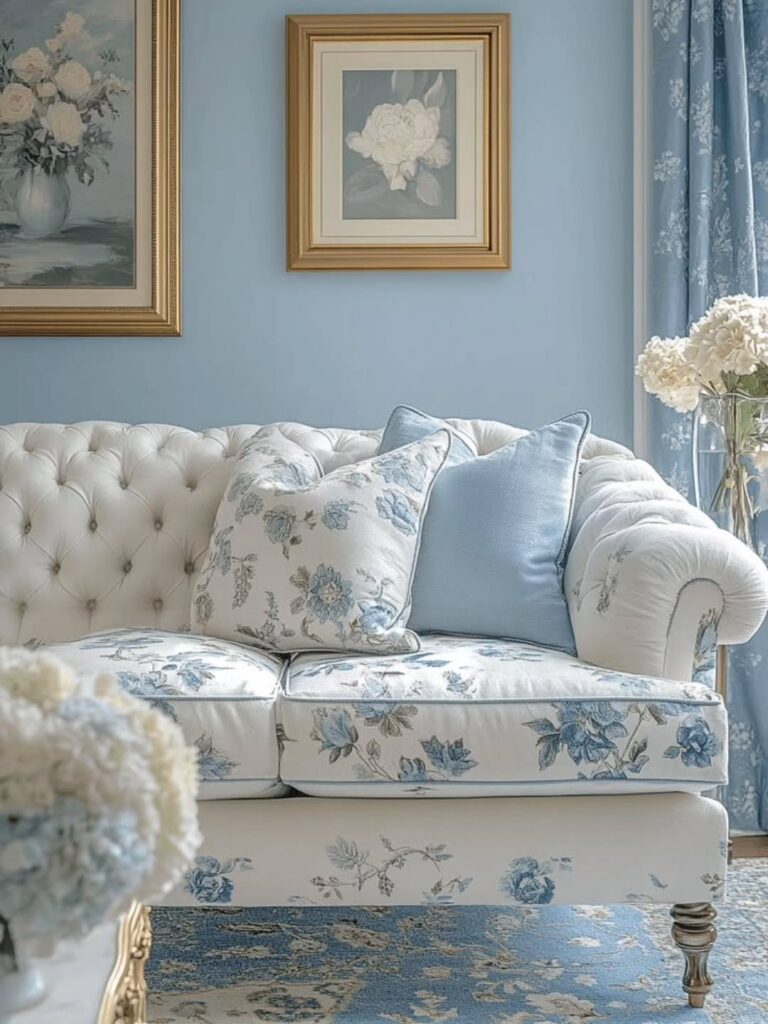
The ideas below range from a single afternoon with a gallon of paint to a weekend rewiring a chandelier, and the right pick depends on whether your room needs warmth, storage, or architecture it never had.
1. Neutral Color Palette
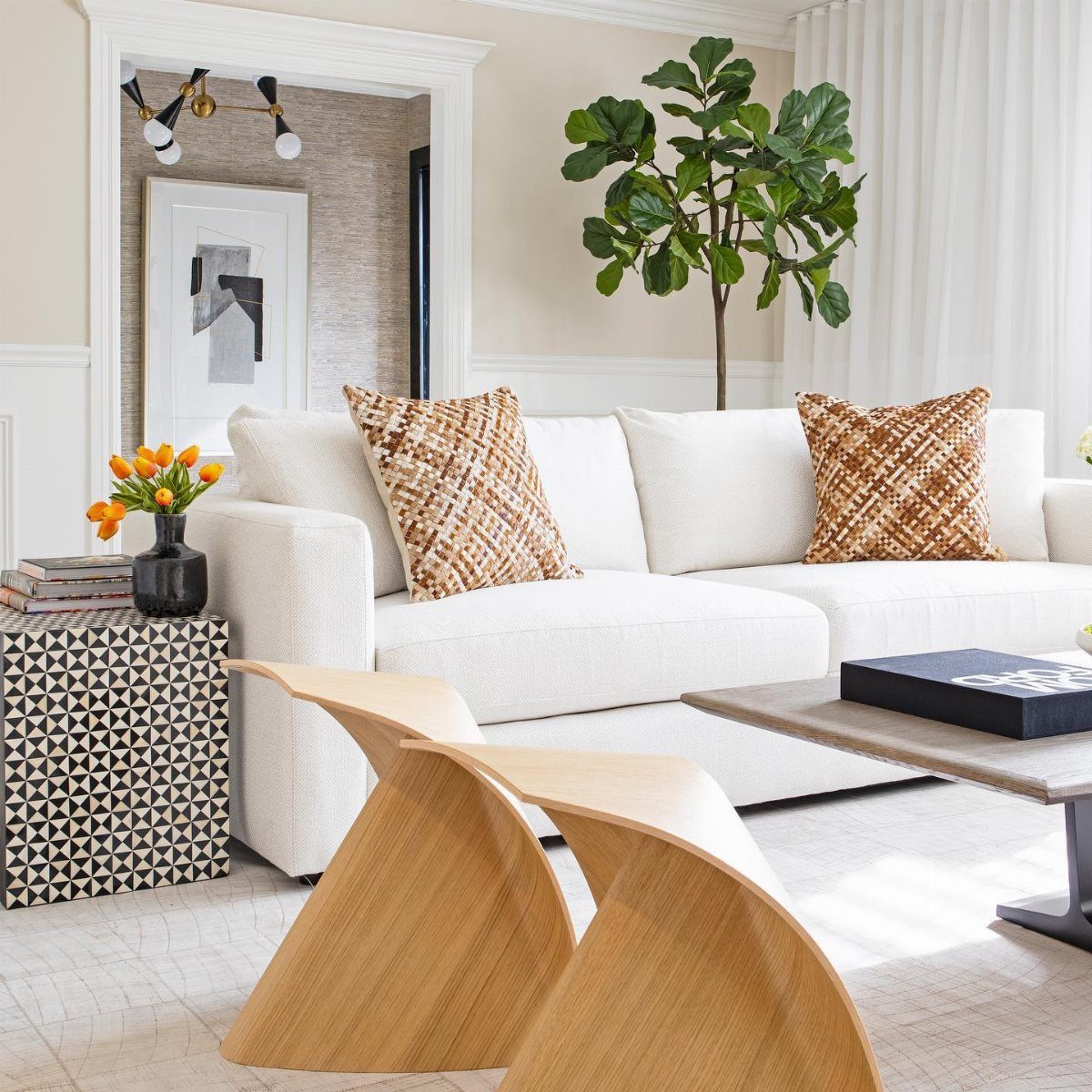
Walls in a French living room carry the chalky softness of aged plaster, with depth that reads as lived-in rather than freshly coated.
I stick to warm whites, cream, beige, taupe, and light gray, avoiding anything stark or cool that turns the room cold. The neutral base lets furniture and decor take the spotlight without fighting for attention.
Paint with a matte or eggshell finish to catch light the right way. If your walls are already a flat modern white, warming them up takes a single can of paint and an afternoon with a roller.
This suits renters who can paint and anyone working with hand-me-down furniture that needs a quiet backdrop.
2. Layered Textures
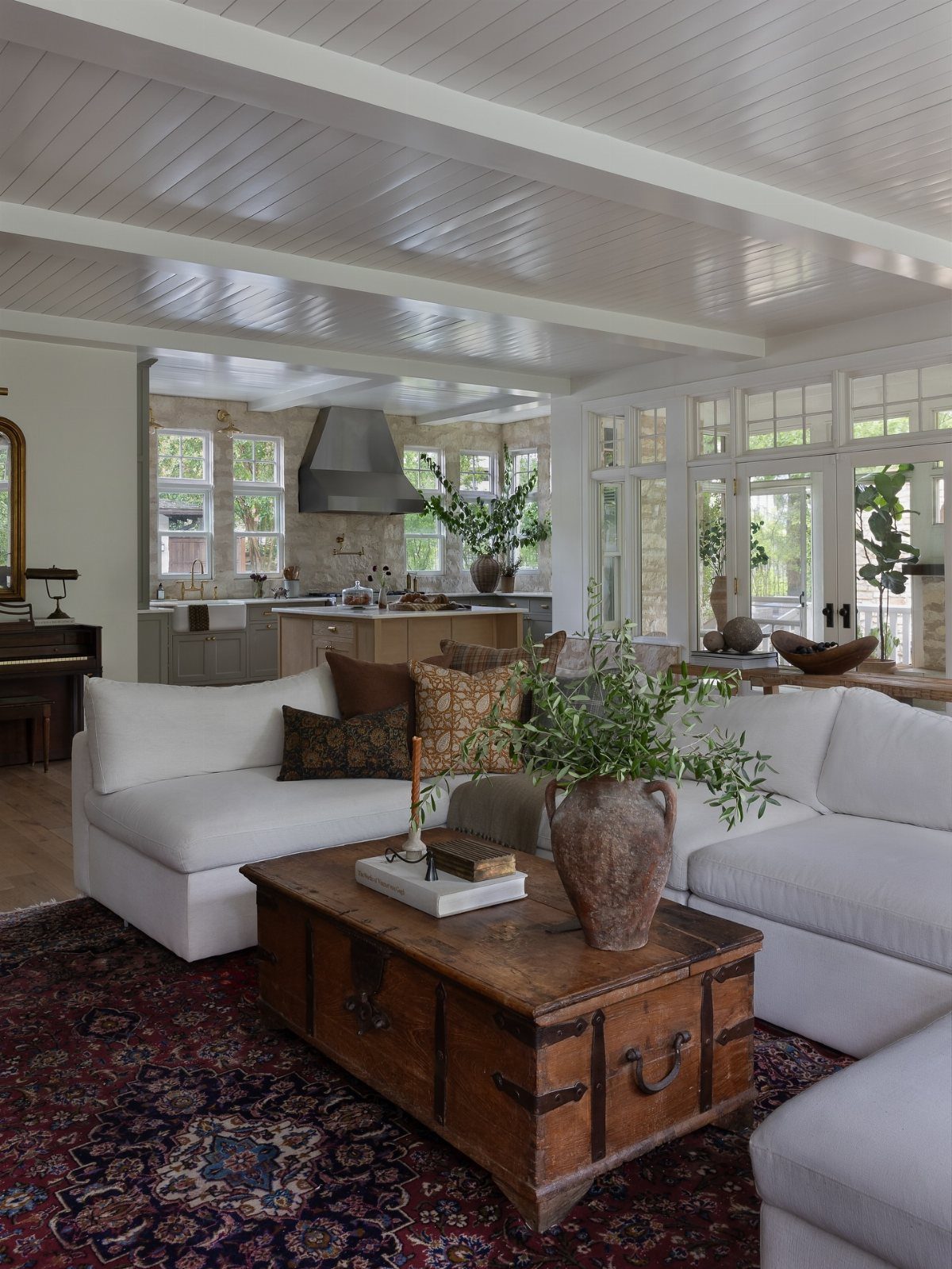
Velvet pillows against a linen sofa, wicker baskets beside a wool throw: the mix is what makes a French room feel collected rather than bought in one day.
I layer three textures minimum, usually velvet, linen, and something woven or weathered.
Start with what you own. One new texture per season keeps the room moving forward without draining the budget; a linen pillow cover or a thrifted wicker tray does the job.
Keep colors muted and faded, like they’ve been sun-washed for years.
Best for anyone whose room feels flat despite good pieces. Rushing the hunt for textures makes the room look staged, so I let pieces turn up over months rather than forcing the collection in one weekend.
3. Layered Rugs
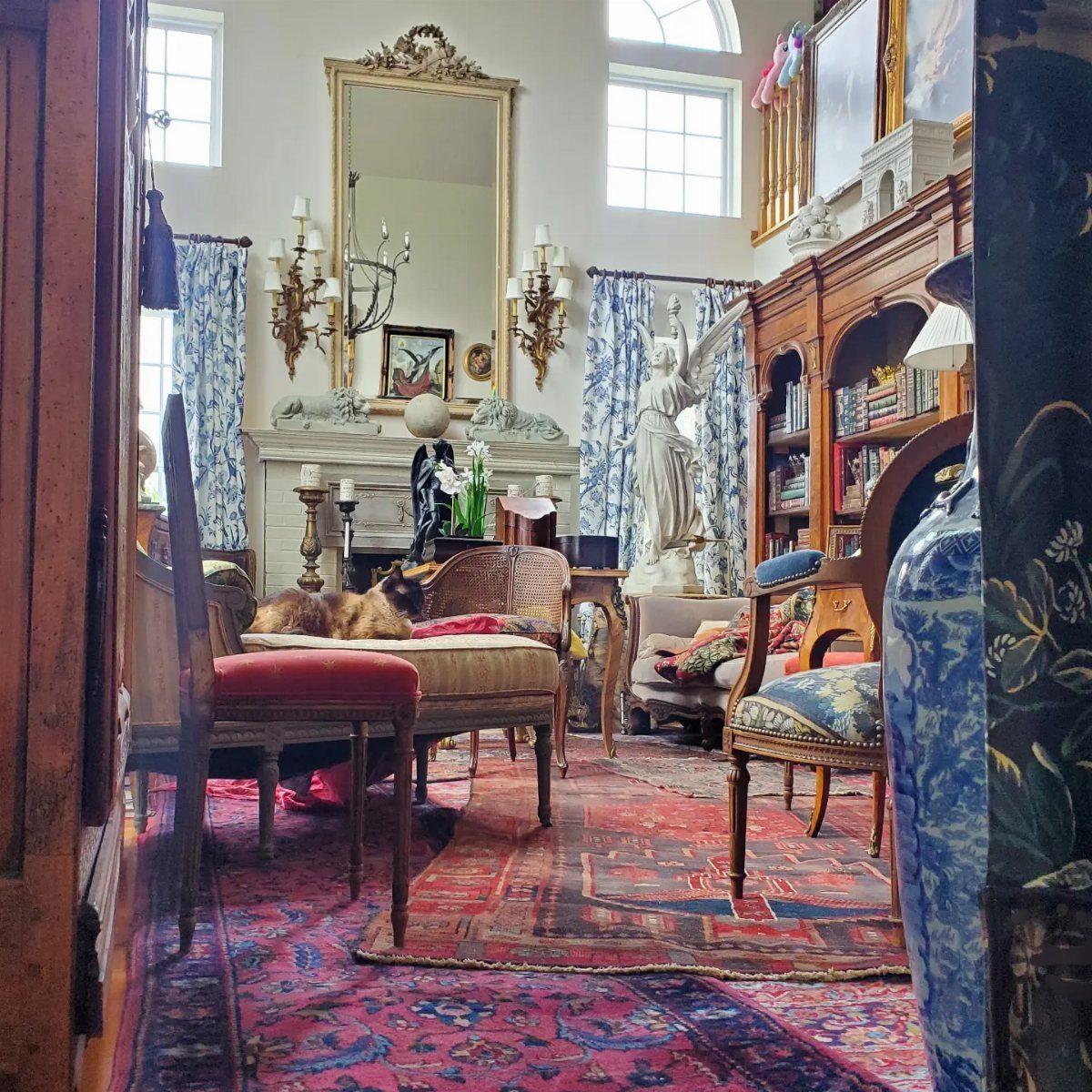
One rug anchors; two rugs create the looseness that reads as French. I lay a natural jute or sisal base, then angle a smaller vintage Persian or Turkish piece on top, faded and worn enough to look inherited.
Layered rugs build warmth underfoot without demanding a single large investment; two smaller pieces often cost less than one room-sized weave and give more flexibility when seasons change.
Hunt estate sales, Facebook Marketplace, or rug pads flipped pattern-side-up as a temporary base. Patterns should share a color family but not match; stripes over florals, geometrics over medallions.
Works in rented spaces where wall changes are off the table. Skip if your room is already busy with patterned upholstery.
4. Timeless Finishes
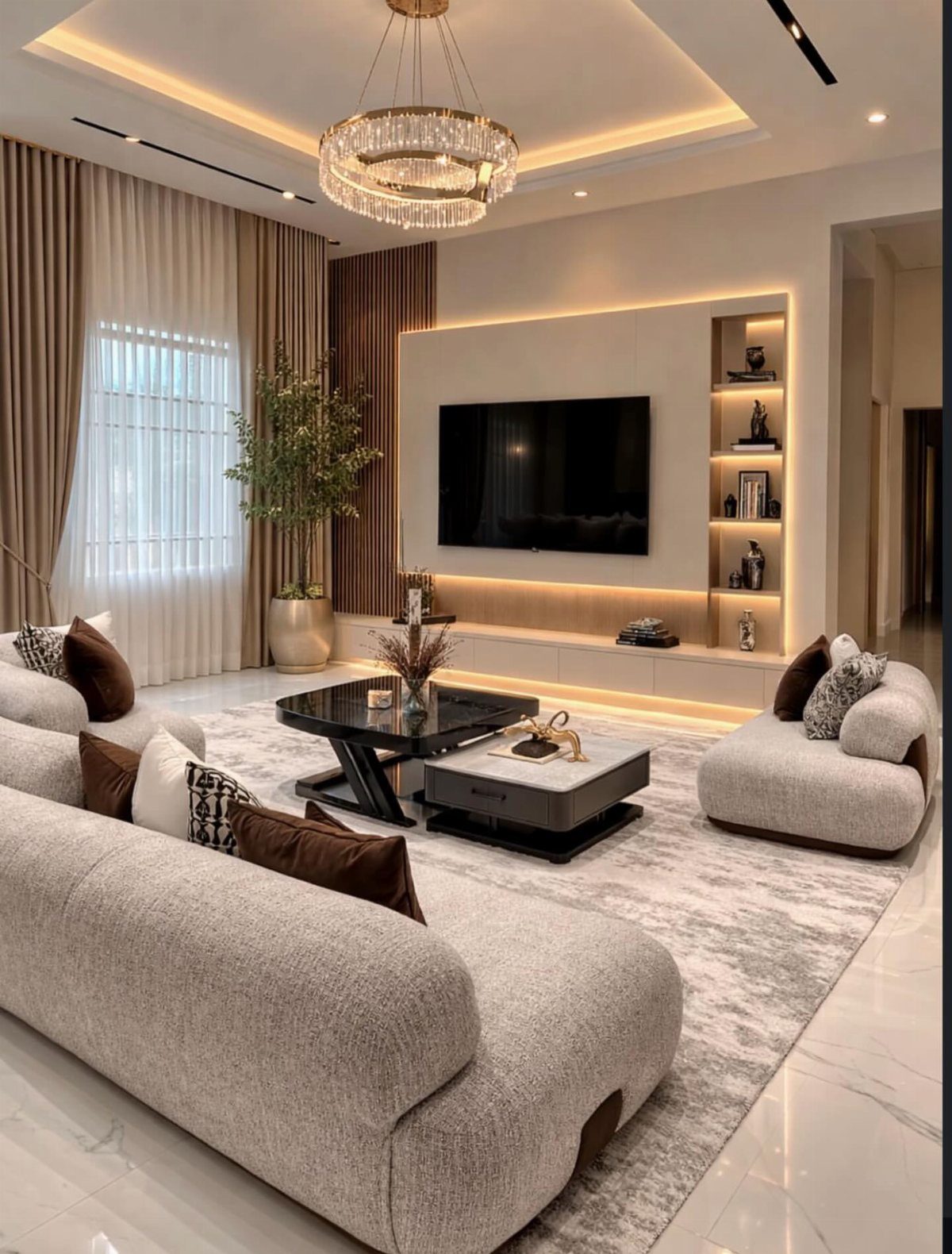
A chandelier in a French room does not need crystal or grandeur. Wrought iron, aged brass, or wood paired with metal all read correctly; the material matters more than the size.
I look for pieces that will patina further, not stay pristine.
Center it over the coffee table, the room’s middle, or the mantel if you have one.
Hanging a lighter fixture yourself takes a ceiling hook, a friend to steady the ladder, and an afternoon; heavier pieces call for an electrician and a bigger budget.
This is the fastest way to shift a builder-grade room toward something personal. Skip if your overhead box is off-center and moving it is not in the budget.
5. Natural Materials
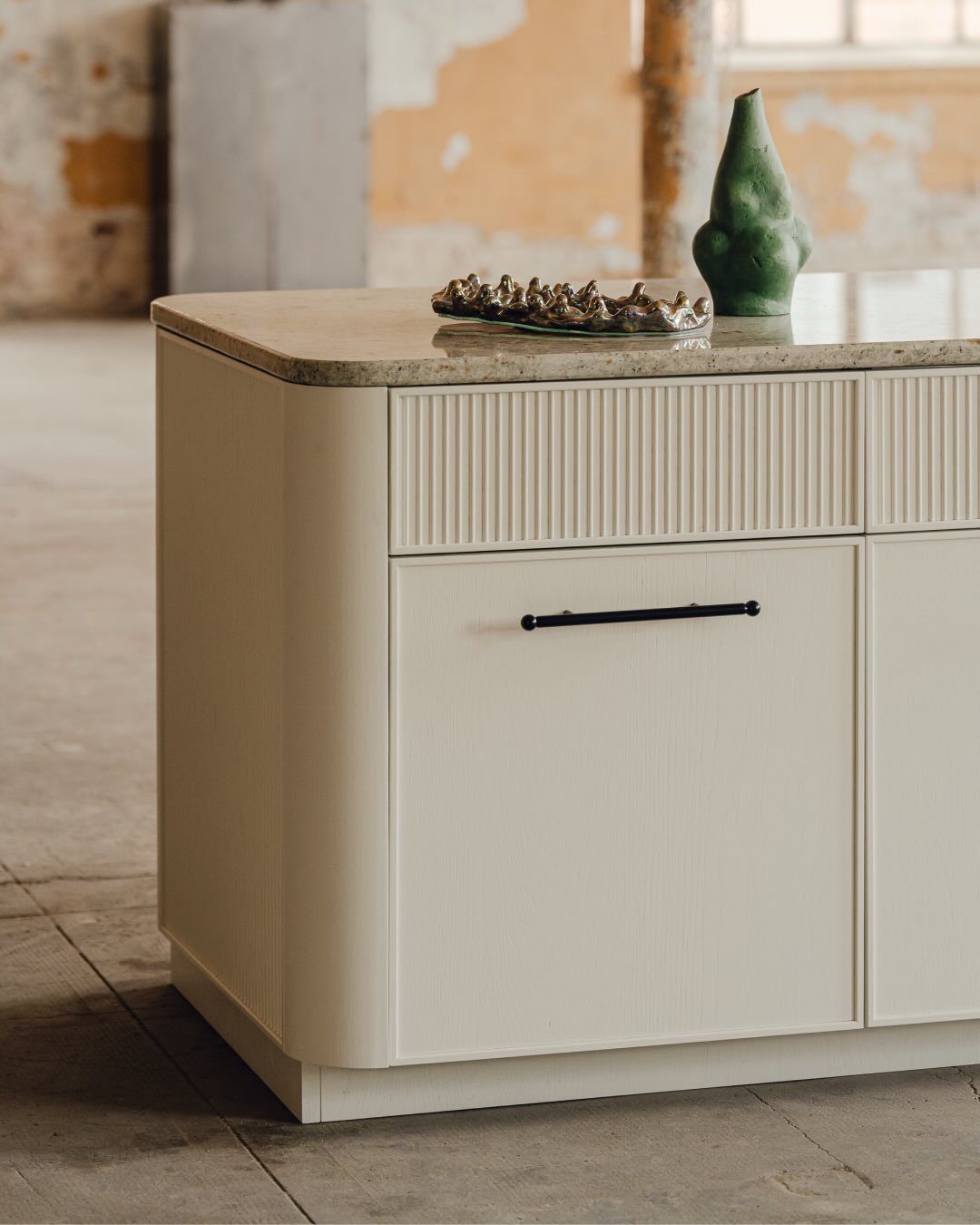
Wood should look like it has a history, whether that means raw, lightly distressed, or simply not glossy.
I pair aged wood with linen curtains that filter light instead of blocking it, and stone or brick wherever the room allows: a fireplace surround, a single accent wall, even a heavy stone tray on the coffee table.
Linen and cotton for upholstery and curtains soften the harder materials. Wrought iron or antique brass in a lamp base or mirror frame adds the refined edge that keeps rustic from reading as purely farmhouse.
Most accessible move: swap one glossy piece for matte wood or metal. Costs nothing if you shop what you own.
6. Vintage Accents
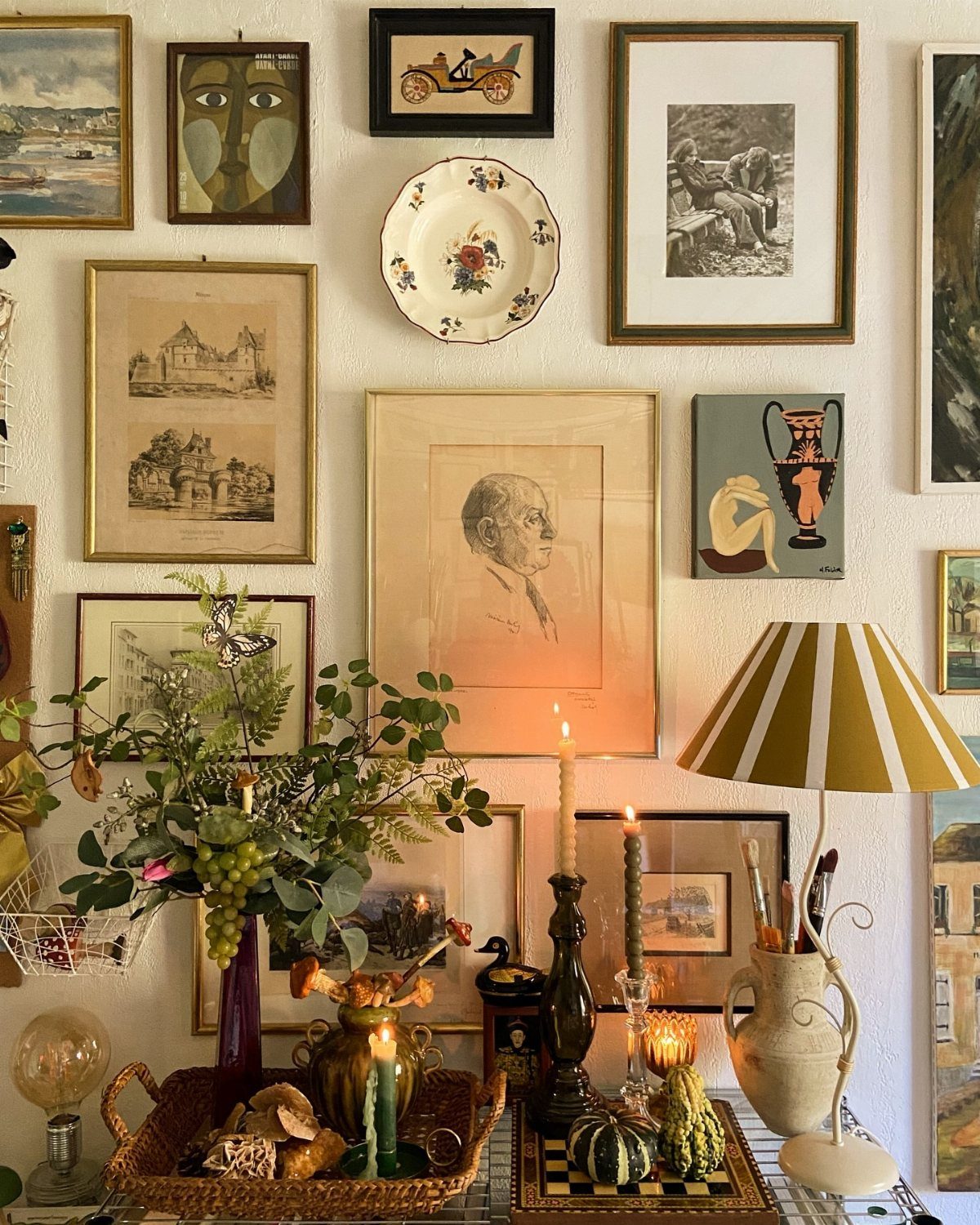
A vintage piece carries the wear that new furniture spends years trying to fake.
I look for old mirrors with gilded or distressed wood frames, furniture with dings that read as story rather than damage, and small objects that feel found rather than ordered.
The mirror above a fireplace or console, or leaned against a wall, reflects light and stretches the room’s sense of space.
If authentic antiques are scarce in your area, a well-made reproduction works; test the frame for a patina that looks naturally aged, not applied in a factory.
Best for the patient shopper. The risk is over-collecting: one strong piece beats five small ones competing for attention.
7. Mix of Furniture Styles
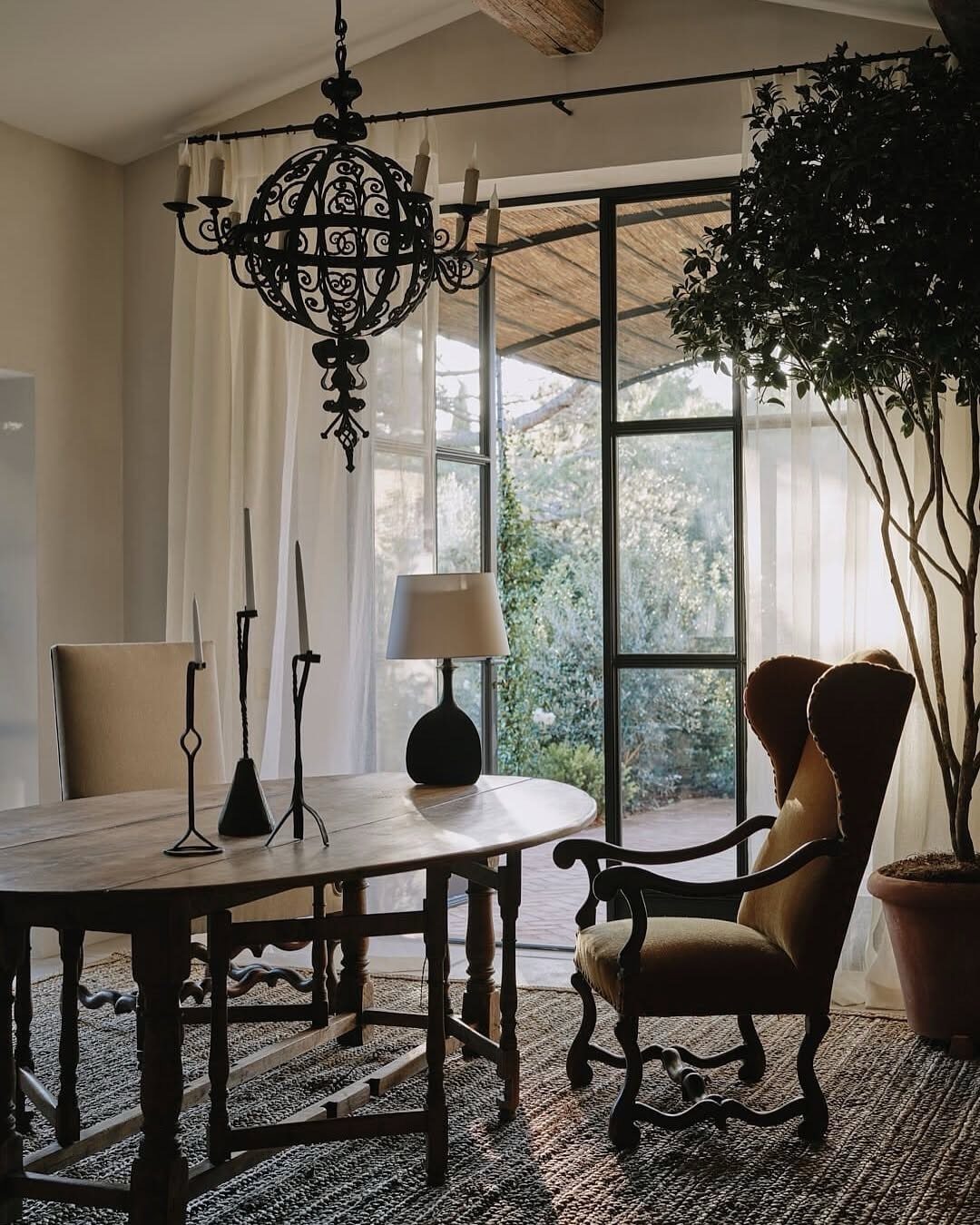
A French country room never matches its furniture too carefully. A French living room holds two different centuries together best when one piece clearly belongs to each era, no apology needed.
I start with one anchor piece, usually the largest, then let everything else argue or agree with it.
A modern linen sofa can sit across from a carved walnut chair if both share a tone, a scale, or a level of wear. Stop adding pieces before the room starts looking like a showroom.
Two or three styles is enough; four starts to feel like a collection rather than a home.
This suits renters who inherit a landlord’s basic pieces and one good find from a flea market. The mismatch becomes the point.
8. Woven Baskets
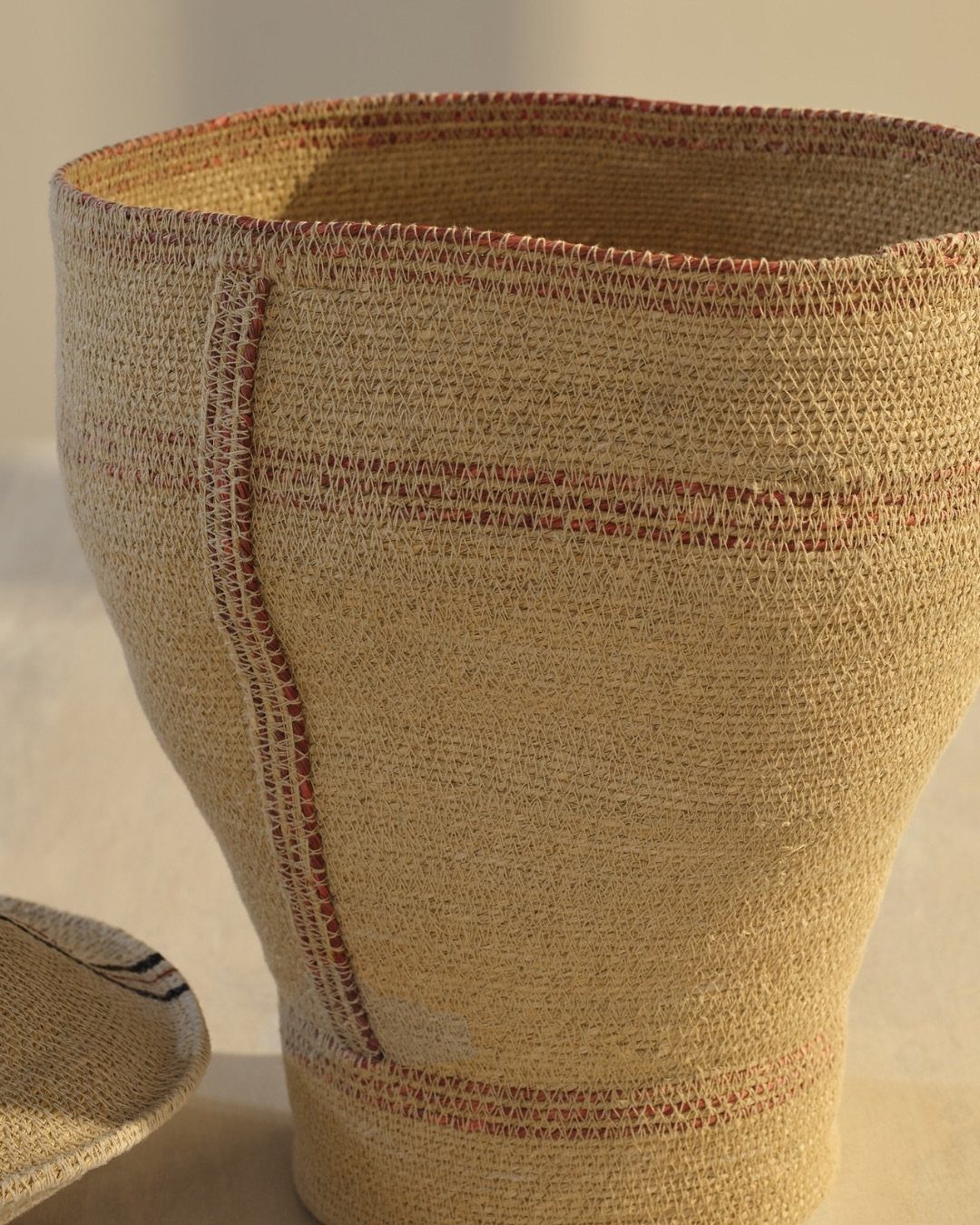
The basket above the text has a lid, which matters more than it seems. A lidded basket hides what open storage displays, and French country rooms need both kinds.
I use small lidded baskets for the clutter that kills a room: remotes, charging cables, the dog’s leash. Open baskets hold firewood, rolled throws, or the current stack of magazines.
The weave itself does the decorative work; the stripes or plain finish should pick up a color already in the room, not introduce a new one.
Seagrass and rattan cost less than painted or metal options and age better. A set of woven baskets in graduated sizes covers most of what a living room needs to tuck away.
9. Comfortable Seating
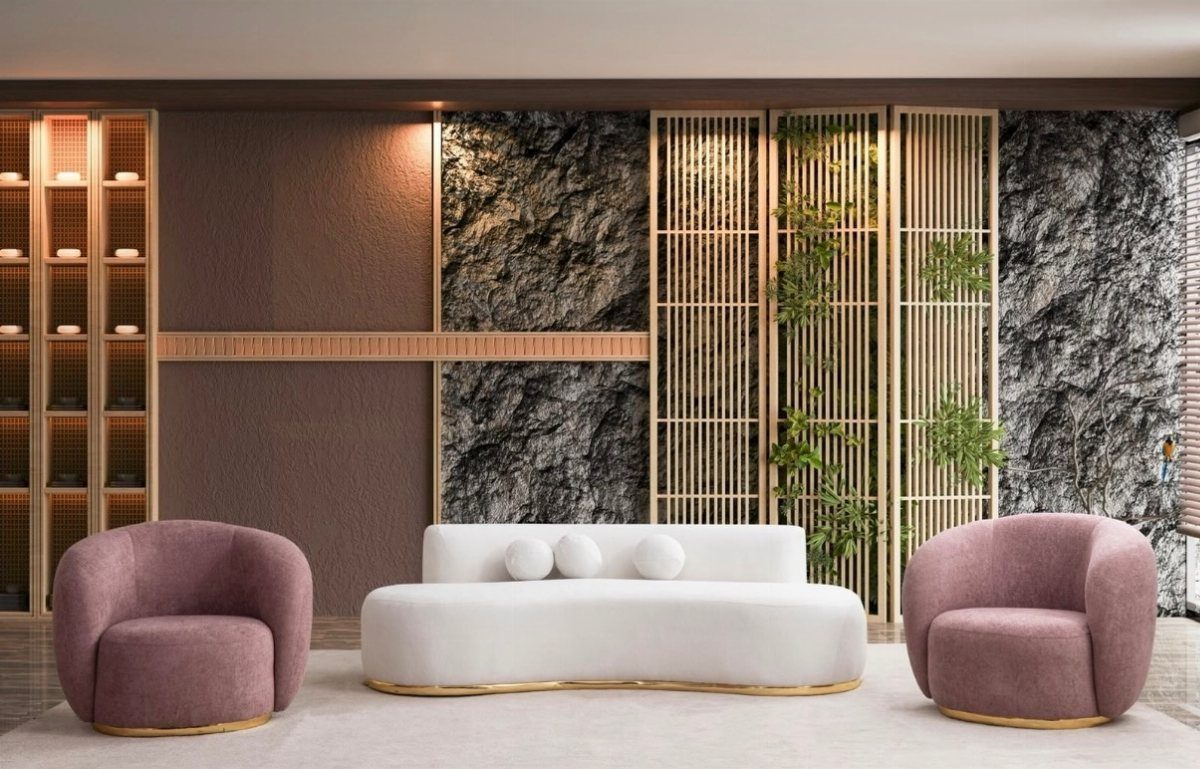
A curved sofa with barrel chairs does something old French rooms managed without planning: it invites you to sit down and stay.
I look for seats with arms you can actually rest on and cushions that do not fight back. Velvet, worn linen, or a soft cotton twill all work; the give when you sink in is what counts.
A seat too firm reads as waiting room, too soft as college apartment. Gold bases on chairs add the note of finish that lifts everyday comfort into something styled.
New upholstery on a found frame costs less than a mid-range new sofa and gives a more interesting result for a weekend project. The frame must be solid; the fabric you choose.
10. Fireplace as Focal Point
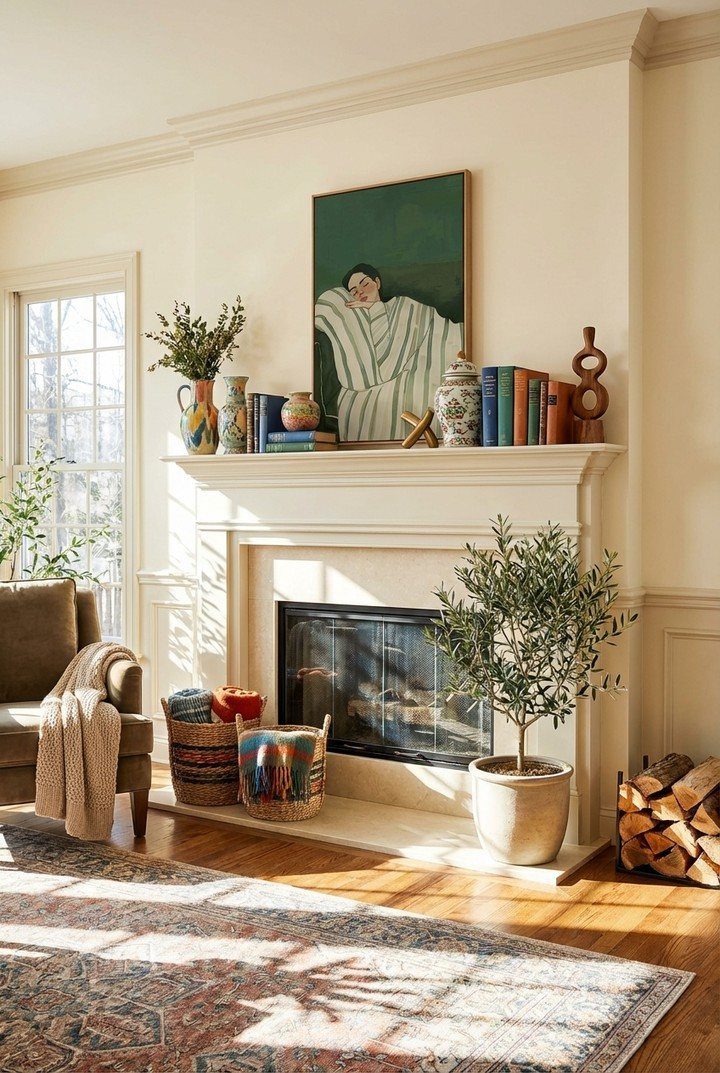
A working fireplace is ideal, but the mantel does most of the visual work even when the firebox is empty or the flue long closed.
I treat the mantel as the room’s shelf of record: one large piece centered, usually art or a mirror, then books and small objects that move with the season.
A fireplace arrangement works best with tall at one end, low and growing at the other. Nothing should block the shape of the surround itself; that architecture is what you paid for, or what the house came with.
If there is no fireplace, a console table against a wall with a large mirror above it borrows the same logic for a small spend.
11. Rustic Lighting Fixtures

A wood fixture instead of metal changes the room’s whole temperature. A wooden chandelier or pendant reads farmhouse; wrought iron reads chateau.
Both are French country, but the wood version is easier to live with in a small space or low ceiling.
Hang a single slab fixture over a dining table and two smaller lanterns in a living room with beams.
The Edison bulbs matter; standard bulbs look like a mistake in open fixtures. Dimmable is essential.
The glow should drop to candle-level after dinner.
Installation is a two-person, two-hour job if the box is already there.
12. Paint
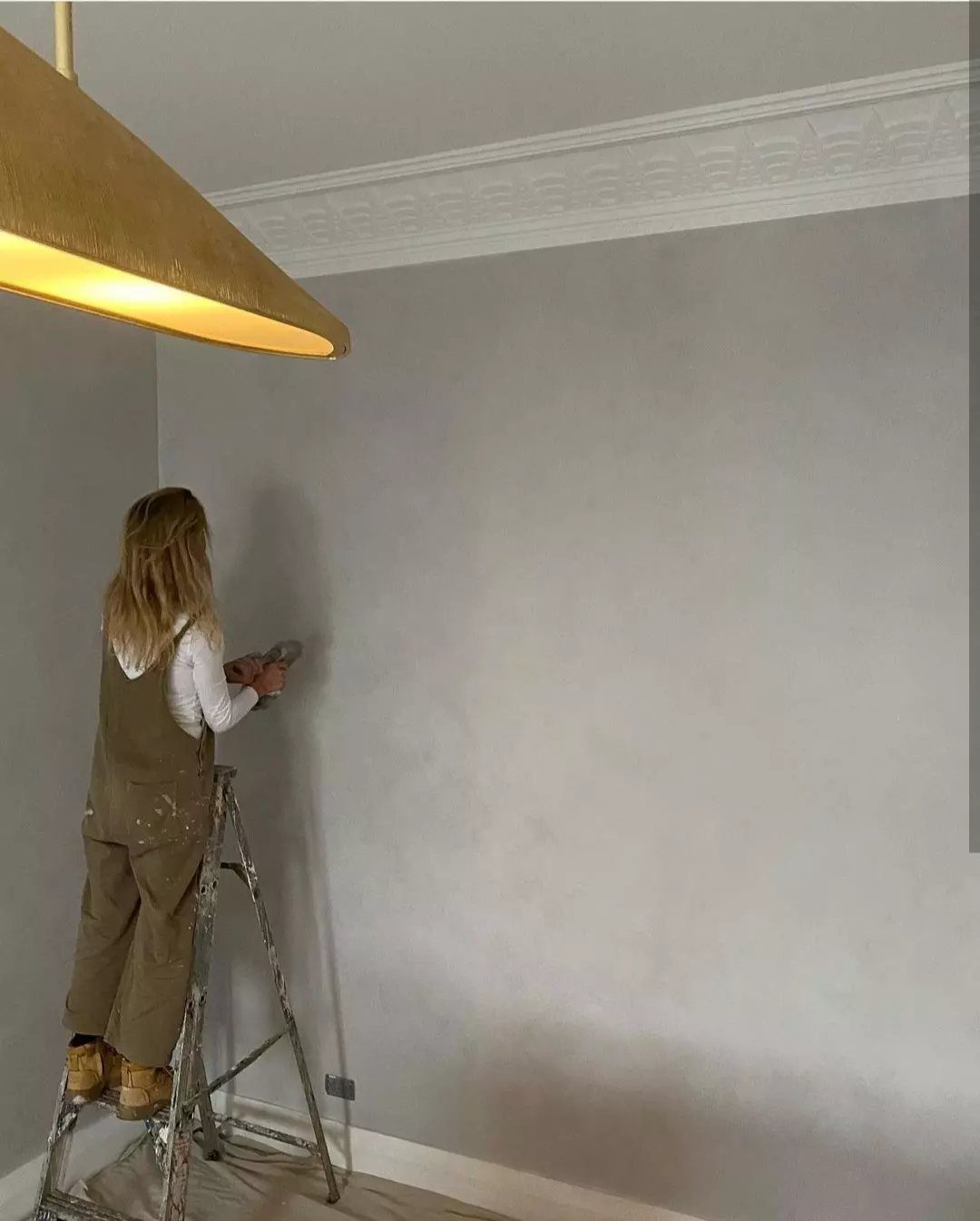
A warm neutral after years of stronger color changes a room immediately. The room felt larger, calmer, and the furniture I already owned looked intentional against it.
Yellow walls date fastest; cream or beige buys time.
One gallon covers 350 square feet with two coats. A Saturday for taping and cutting in, Sunday for rolling.
Paint is the single change that makes every other decision easier.
13. Cream Tufted Ottoman
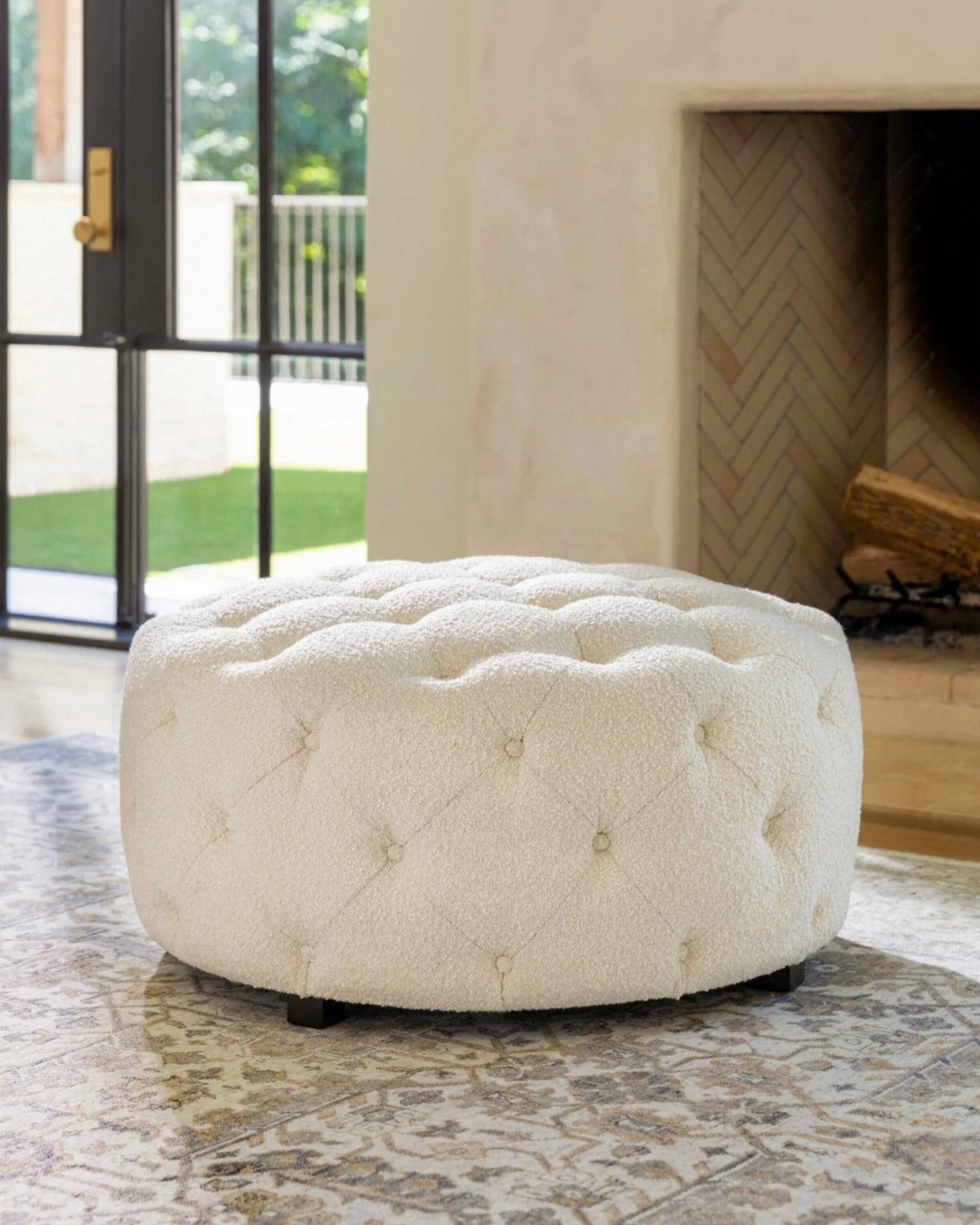
A cream tufted ottoman anchors a living room with none of the sharp corners that make coffee tables a shin-level hazard. The round shape and soft fabric invite feet up, trays over, or extra seating when someone pulls it closer.
Bouclé or a similar nubby weave hides wear better than smooth velvet, which matters in a house that actually gets lived in.
One maker moved hers from a home office into the main space and found the cream-on-cream palette read as modern while keeping the French bones intact.
I’d pick this for anyone who needs the room to do more than one job.
It trades away sharp corners and hidden storage; what you get back is a piece that shifts from footrest to table to seat without looking like it tried.
14. Feminine Artwork
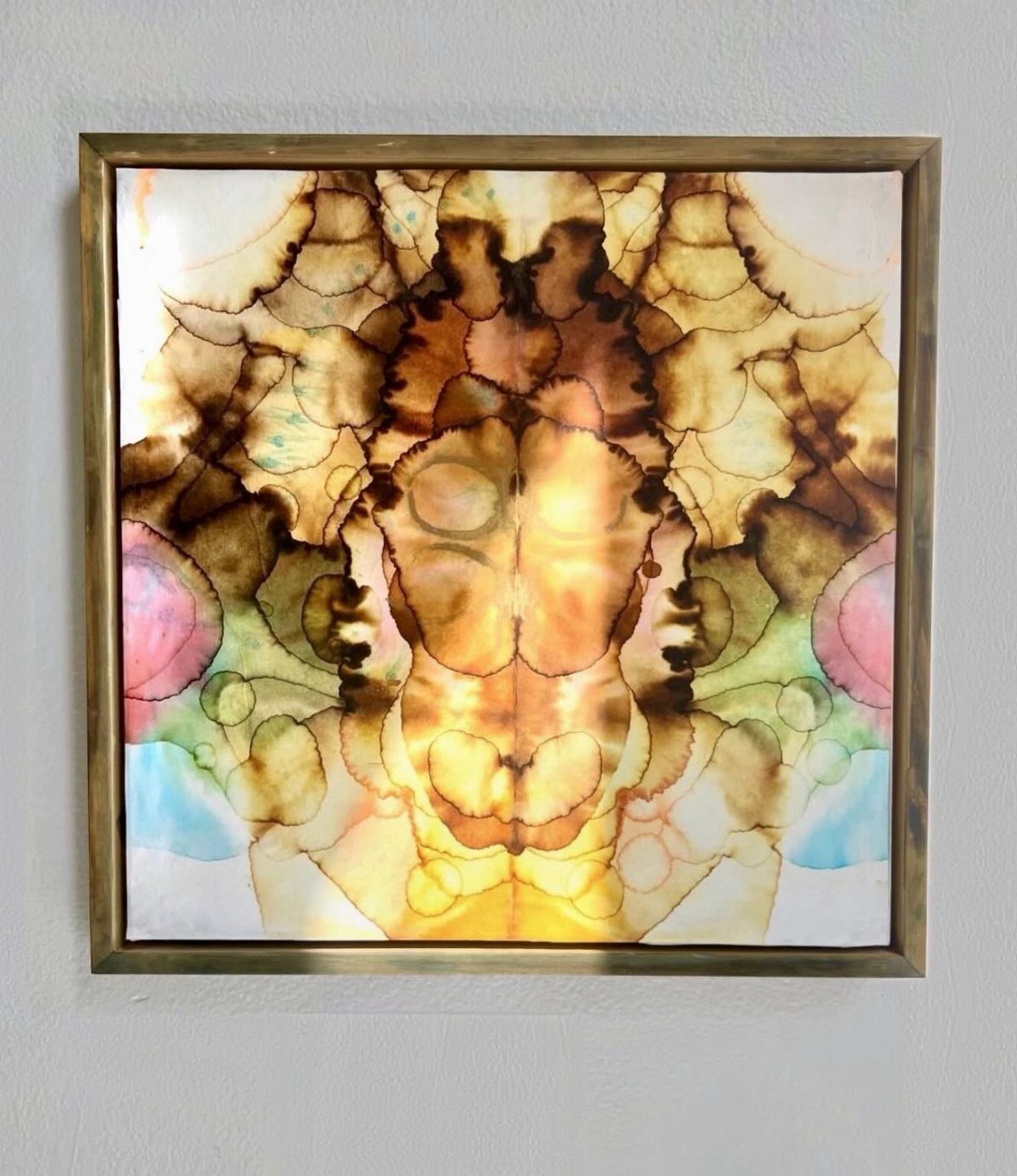
Soft, feminine artwork tilts a French room toward warmth without leaning on color alone. Thin gold frames suit soft, abstract shapes in amber and pink; the body-leaning forms read almost figurative without becoming literal enough to date themselves.
The maker saw a torso in it, or a pelvis, with the upper rings like closed eyes. That kind of ambiguity lets the painting keep giving, which matters when it dominates a wall you face daily.
Watercolor or print, the subject matters more than the medium. Painted dresses, soft botanicals, or rounded abstract forms all do the same work: they bring in the feminine note that keeps French style from turning too severe.
I’d look for pinks and beiges over yellows if the room already runs warm.
15. Soft Floral Patterns

Soft floral patterns belong in a French living room, though restraint keeps them from taking over.
Fabric is where most people add florals, and the same rule applies. A stripe with scattered blooms leaves more rest for the eye than an all-over pattern.
One designer used pale florals on curved furniture to balance a soaring ceiling and heavy chandelier; the room felt dressed, not stuffed.
I’d use floral fabric on one thing only, curtains or a single cushion set, and let the rest of the room breathe. Restraint pays off: the pattern stays welcome instead of tiring.
16. Open Shelving
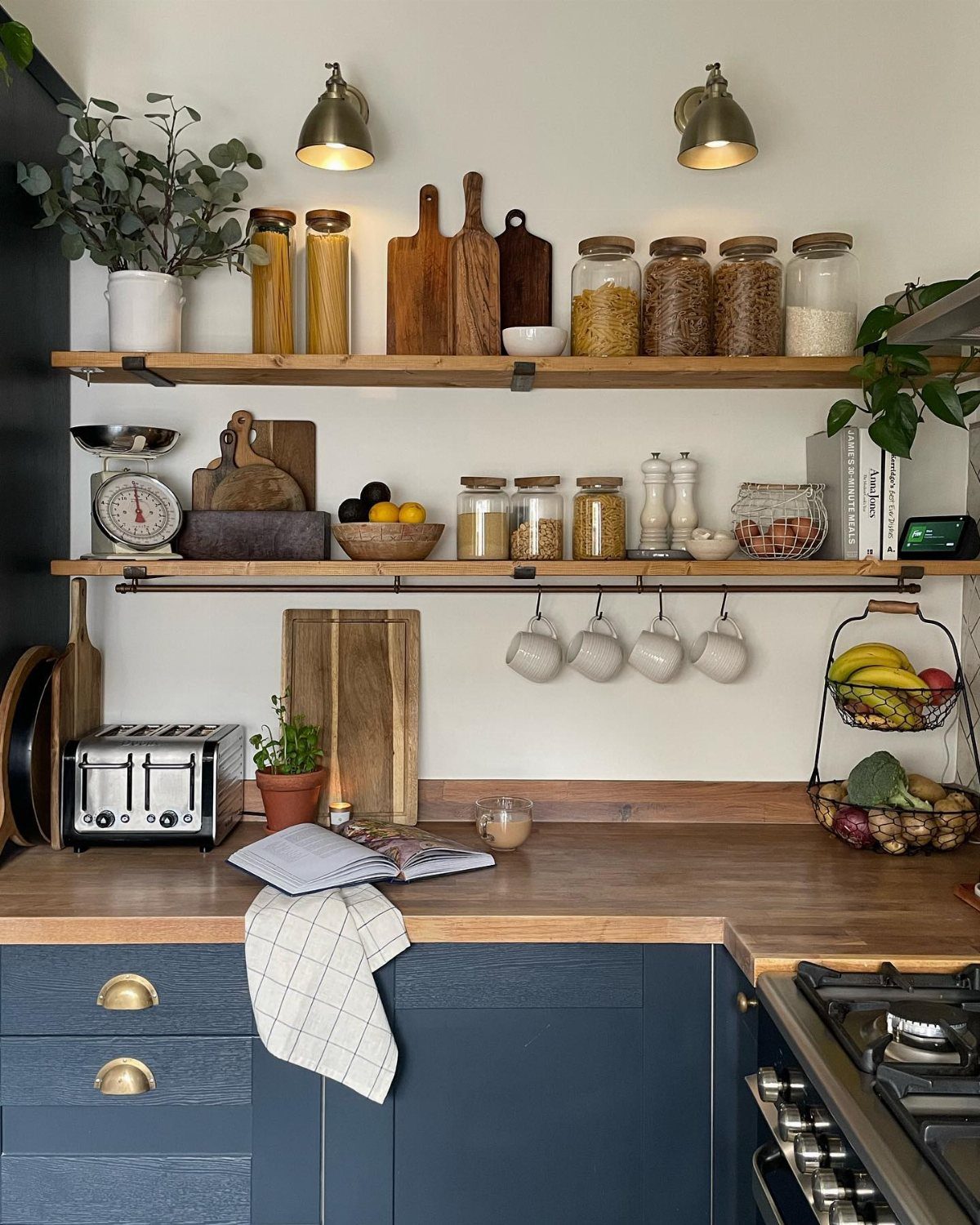
Open shelving turns storage into display, which suits a French room because nothing looks staged when the objects are actually used.
Wood against white keeps it warm. In a living room, the same approach means books stacked with a small lamp, a basket dropped in, the shelf shaped by what you already own rather than a buying trip.
French interiors rarely hang something just to look at; every piece earns its wall space with a job to do. I’d add that open shelving only works if you are willing to edit.
The trade for that honesty is a room that looks inhabited the day you finish.
17. Elegant Lighting
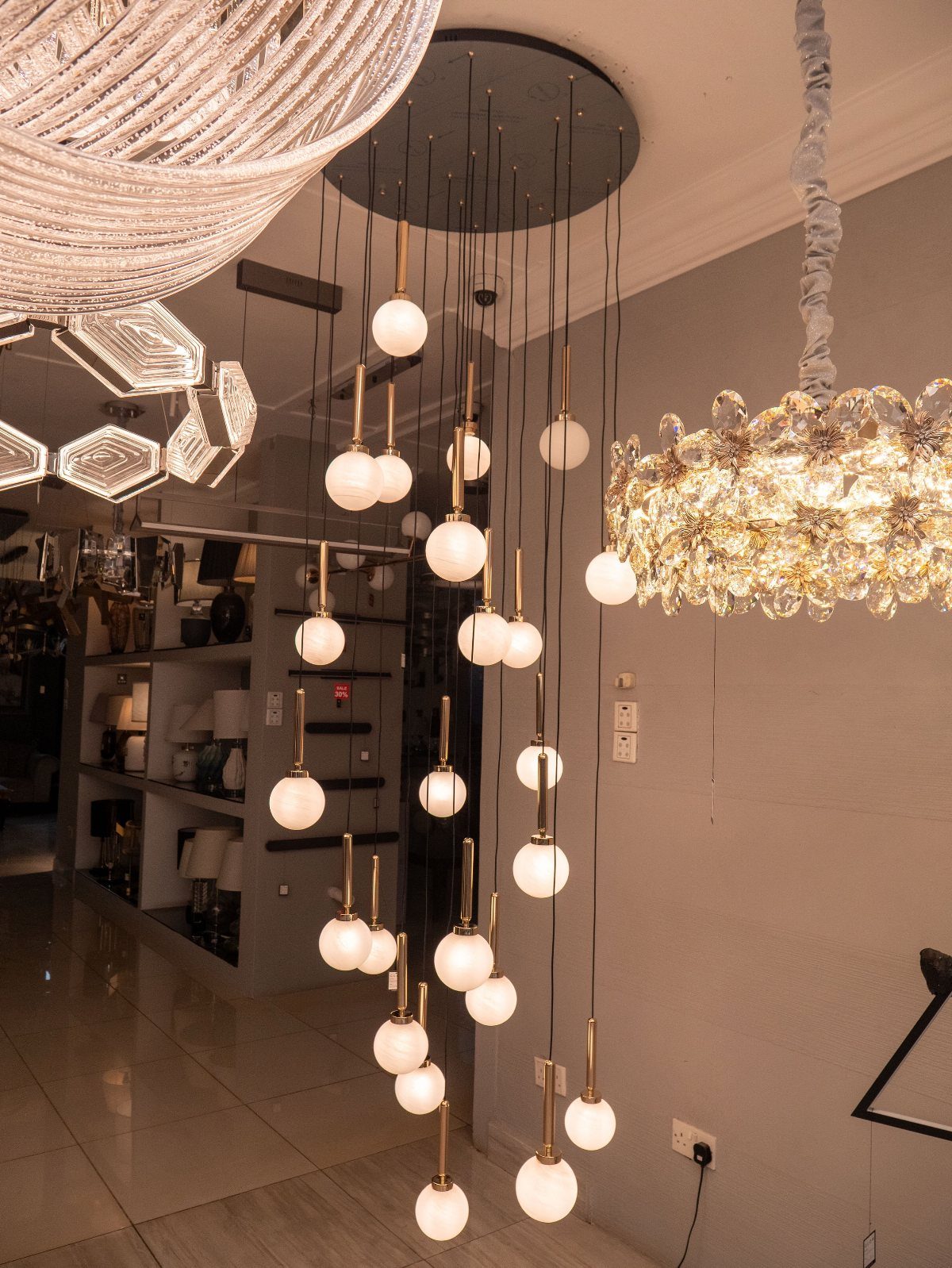
Elegant lighting in a French living room means layers, not a single overhead blast. Modern globe pendants on gold stems carry part of the look, but a partial chandelier at the frame’s edge supplies the vintage layer.
A chandelier or sconce with some age to its lines, brass gone soft rather than high polish, gives the room its evening character.
One guide emphasizes the golden glow over brightness; I’d add that dimmable bulbs matter more than the fixture price.
Sconces at the corners, a floor lamp where you read, and the central piece dialed down low: that combination lets the room shift from morning coffee to evening wine without anyone touching a wall switch.
More wiring or more plugs pays for a space that feels welcoming with the switch flipped.
18. Antique Mirrors
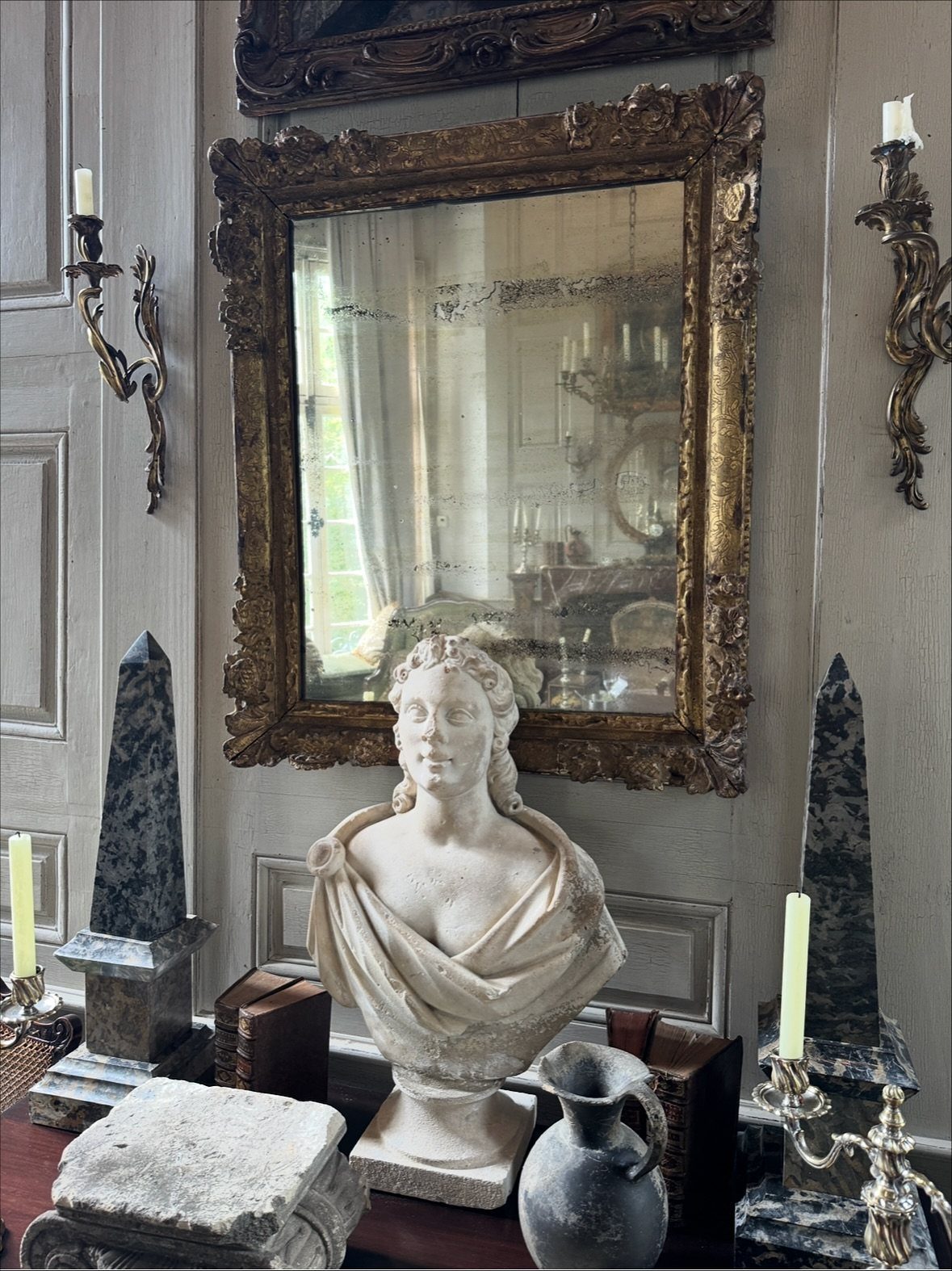
An antique mirror brings in light, depth, and the kind of frame detail that new glass cannot fake.
A gilt, ornate mirror hung on paneling bounces sconce light and the objects below back into the room as part of the composition.
A mirror above the fireplace is traditional; leaning one against a wall is more casual and easier to change. Either way, the frame should show wear, a patina that reads as time rather than damage.
Reproductions work if the aging is honest; high gloss or clean lines read wrong in this style.
A gilded or distressed frame is essential. I’d add that size matters more than provenance.
A mirror too small for its wall looks apologetic; one that holds its own makes the room feel larger without trying. Weight and cost buy you architecture you did not have to build.
19. Seasonal Decor
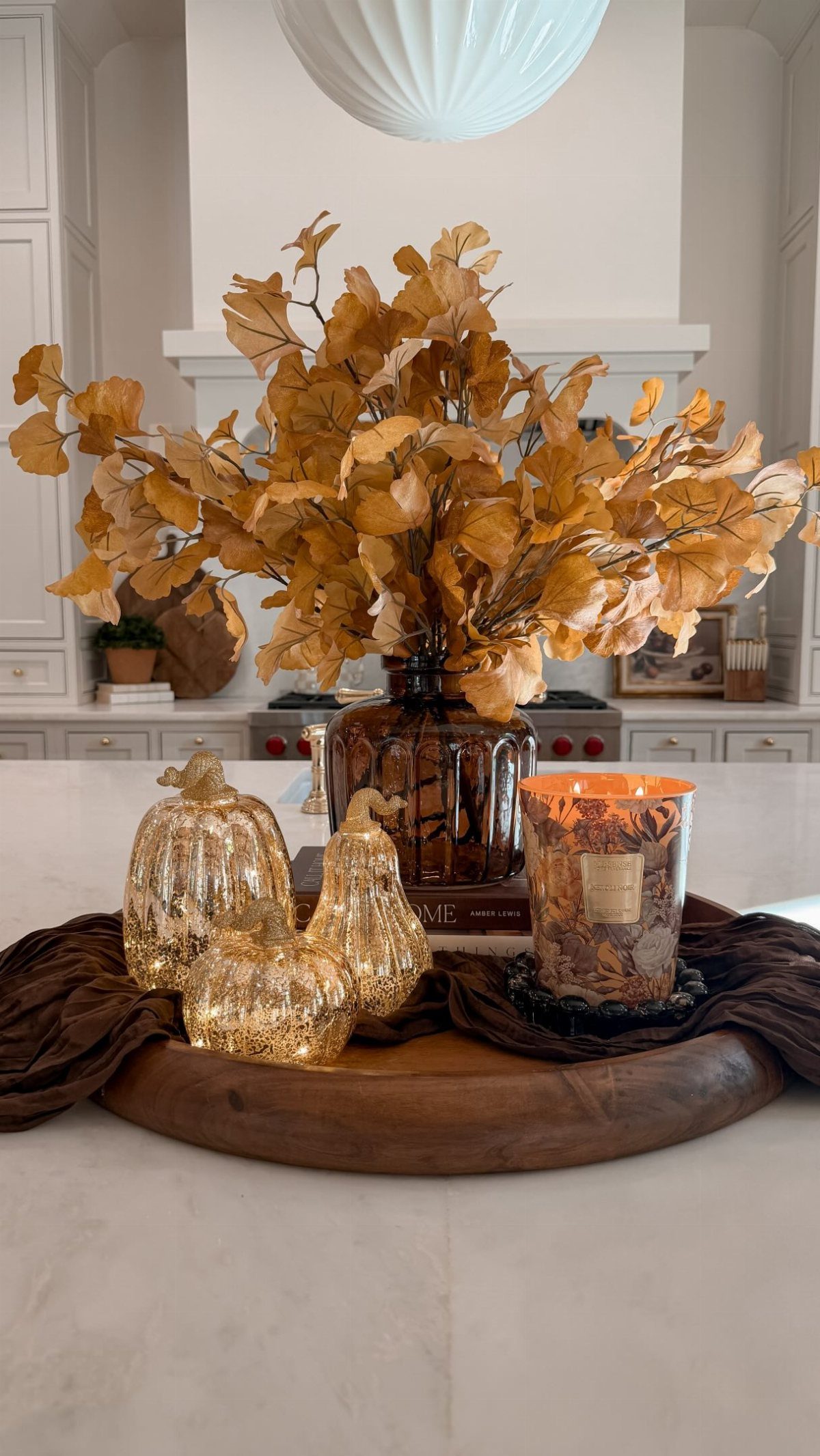
French style lives in these small rotations. I swap a glass jar of dried lavender for the leaves come January, then hyacinth bulbs in March.
Nothing stored; nothing precious. Keep the same container, a clear glass jar or a shallow wooden tray, and swap what goes inside; the change takes no time and no new hunting.
If you rent and cannot paint, this is your color. If you own and the sofa is neutral, this is your pattern.
One tray swapped out and the room never goes stale.
20. French Doors
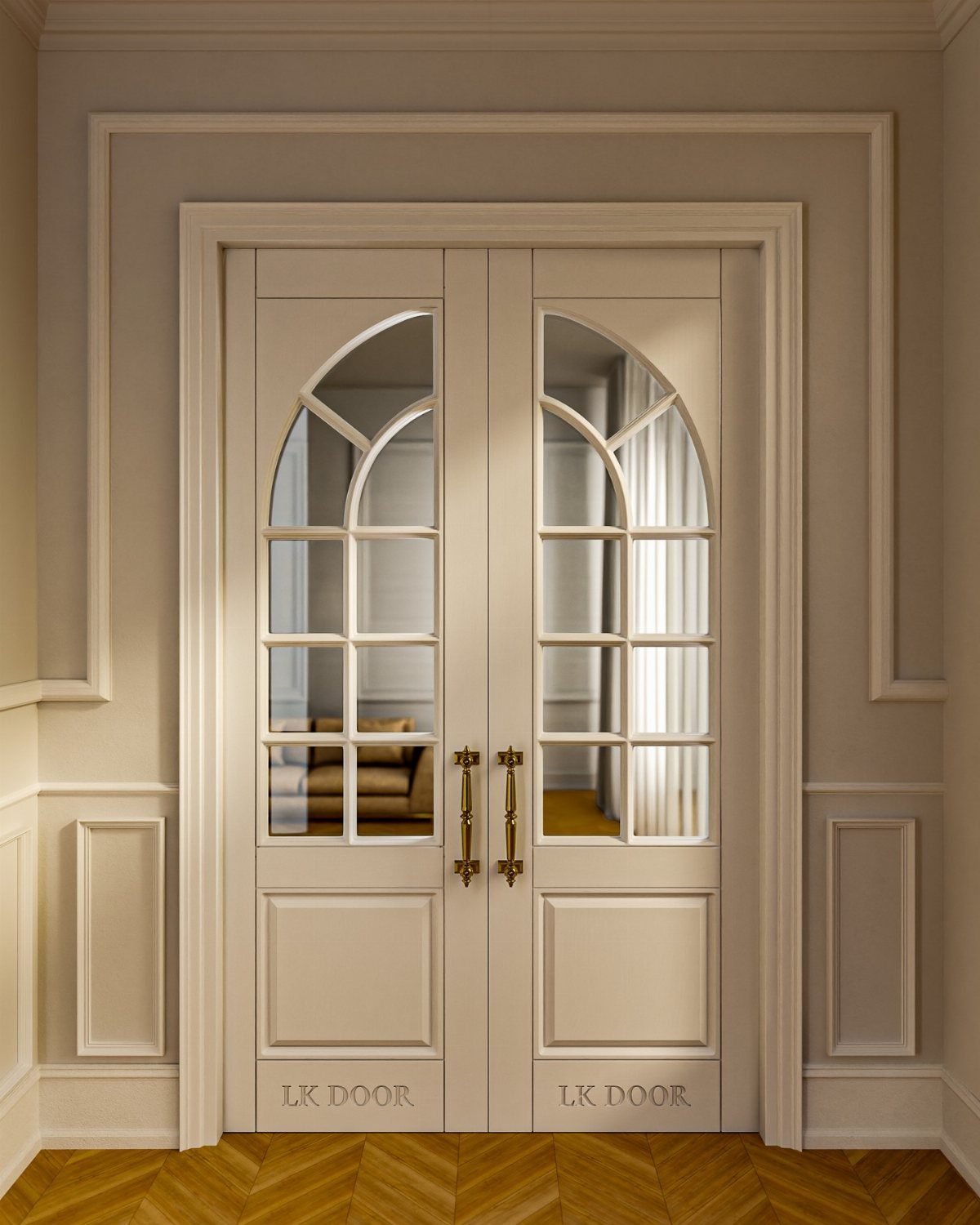
French doors with arched glass panes and brass hardware turn a plain wall into architecture you did not build.
Interior French doors need an opening that already exists; without one, the project stops being practical fast. An interior pair between living room and dining room runs a wide range depending on whether you find salvage or buy new.
Salvage yards in older cities carry them stripped from demolitions; the arched top is the detail to hunt for, more than the glass pattern.
Where a full door makes no sense, a fixed faux frame with divided glass reads the same for lumber and molding alone. You lose the swing, keep the light, and the French country nod survives.
21. Decorative Cloche
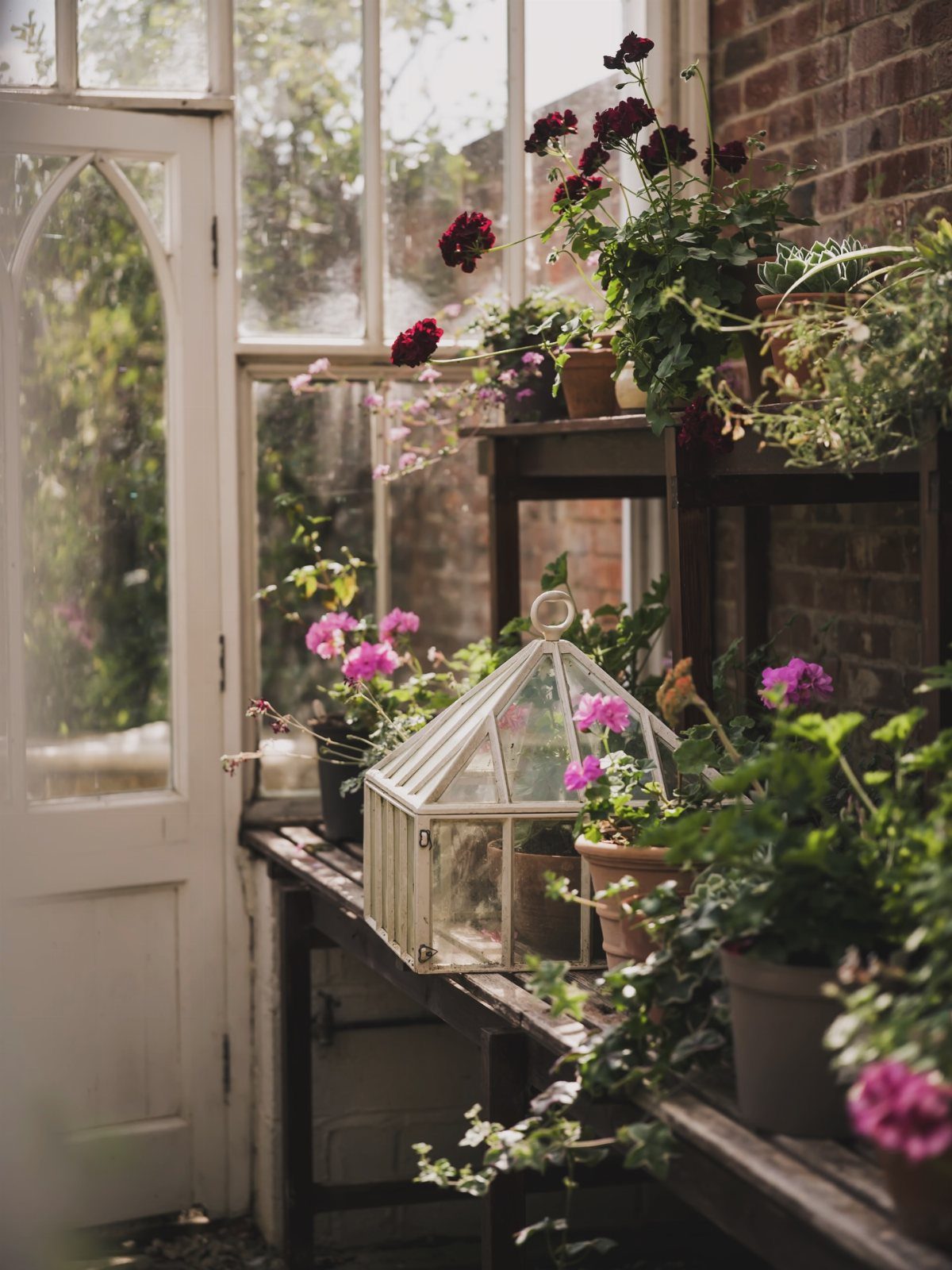
A glass cloche turns whatever sits under it into something worth stopping for: a pinecone, a single forced bulb, a worn brass key that does nothing anymore.
A chip at the rim of a flea-market cloche is the kind of imperfection that makes it better. The glass should be thin enough to ring when tapped; thick greenhouse glass weighs too much and fogs.
Size matters less than proportion. A 9-inch dome over a single object is the right size for a tabletop; anything larger starts to look like a museum case.
A 14-inch dome wants a small landscape inside: moss, a figurine, a sprig of dried lavender.
The base can be wood, metal, or nothing if the rim is flat. I set mine directly on a shelf, no pedestal, so it does not read like a museum case.
Dust the inside monthly; the glass makes you notice.
22. Ginger Jars
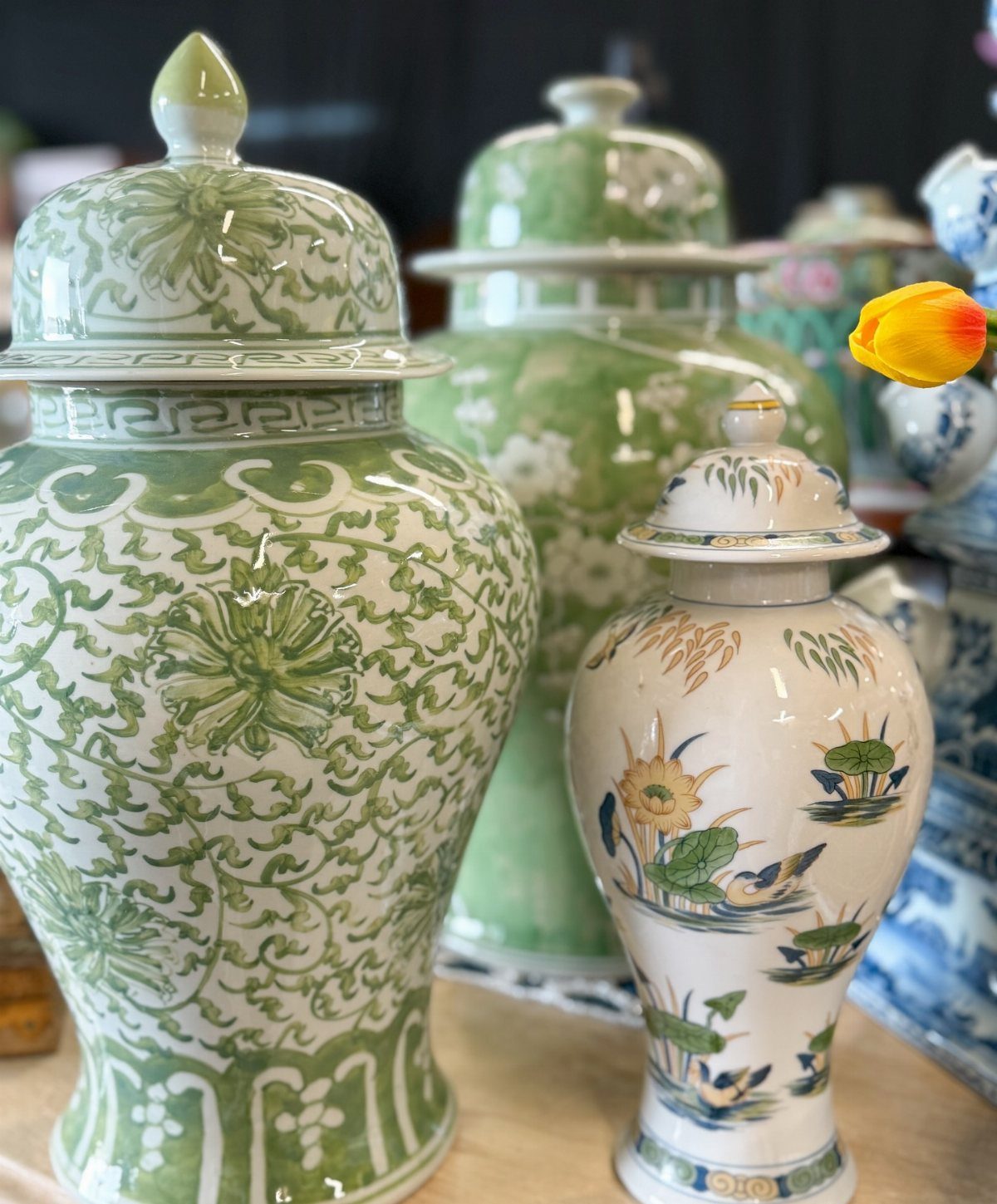
Ginger jars carry the blue and white pattern that slips into a French room without fighting the neutrals.
I group three on my mantel, none matching, all found at estate sales for cheap. The shape is the constant: high shoulder, narrow neck, domed lid.
The pattern can be floral, geometric, or almost abstract. Green and white reads softer than blue if your room runs cream and linen.
Chinoiserie pairs with French country because both traditions borrow from each other across centuries; the jar does not need to pretend it came from Provence.
A single large jar, 12 inches or taller, holds dried branches in summer and bare twigs in winter. The lid sits behind it as a separate object, or stores somewhere you will remember.
23. Textured Pillows
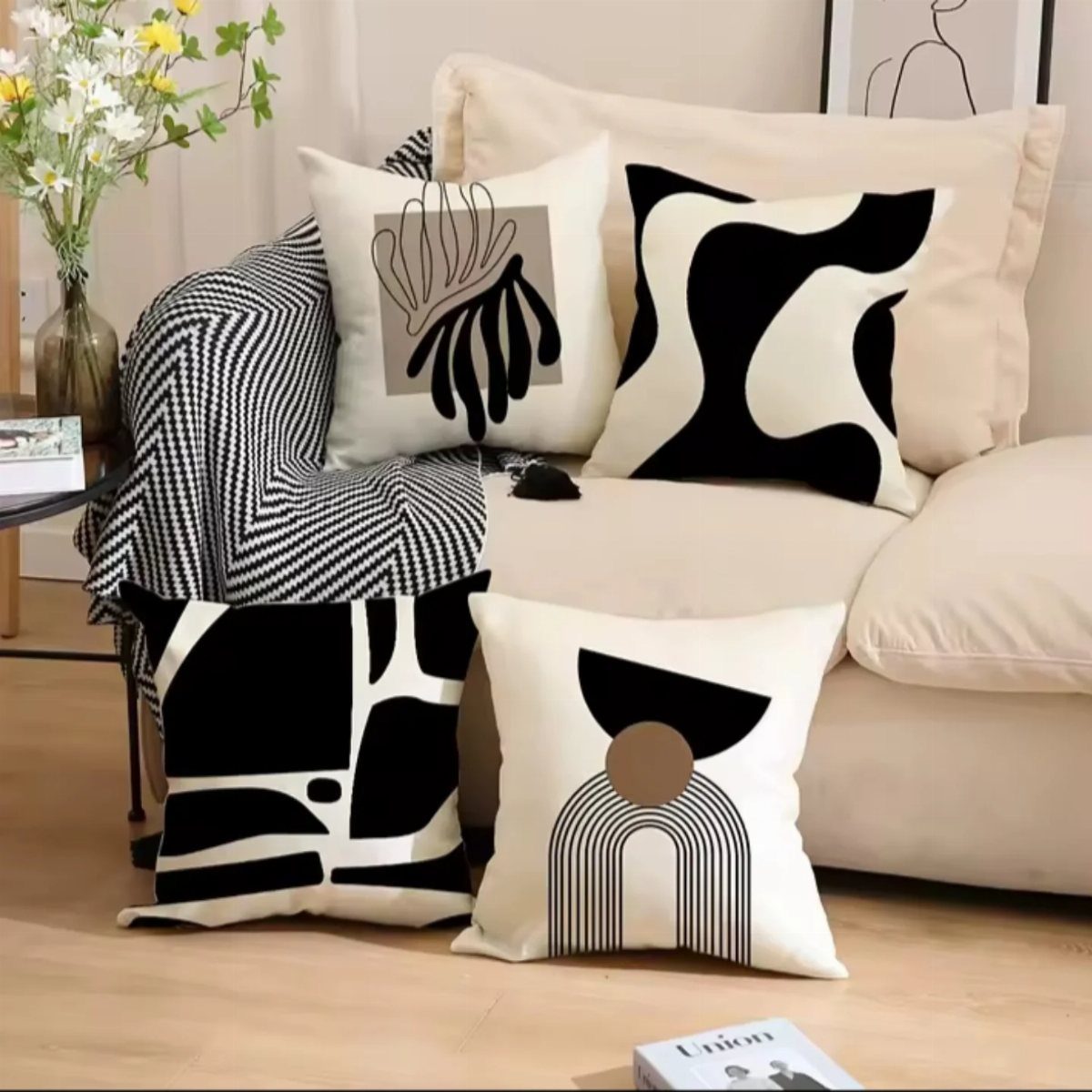
A sofa in solid linen wants pillows that break the flatness without breaking the calm.
I buy 20-inch covers in three textures: one nubby linen, one worn velvet, one something rougher, jute or a loose weave. The pattern stays quiet, stripes or a faded floral, so the eye reads the surface first.
Black and cream works against white or cream upholstery; tobacco and oatmeal suit a gray sofa better. The inserts should be 22-inch, overstuffed, so the corners stand rather than slump.
Two pillows look spare, four look considered, six looks like you are hiding the couch. I stop at four and vary the arrangement weekly, which is free and keeps the room from going invisible.
24. Candle Holders
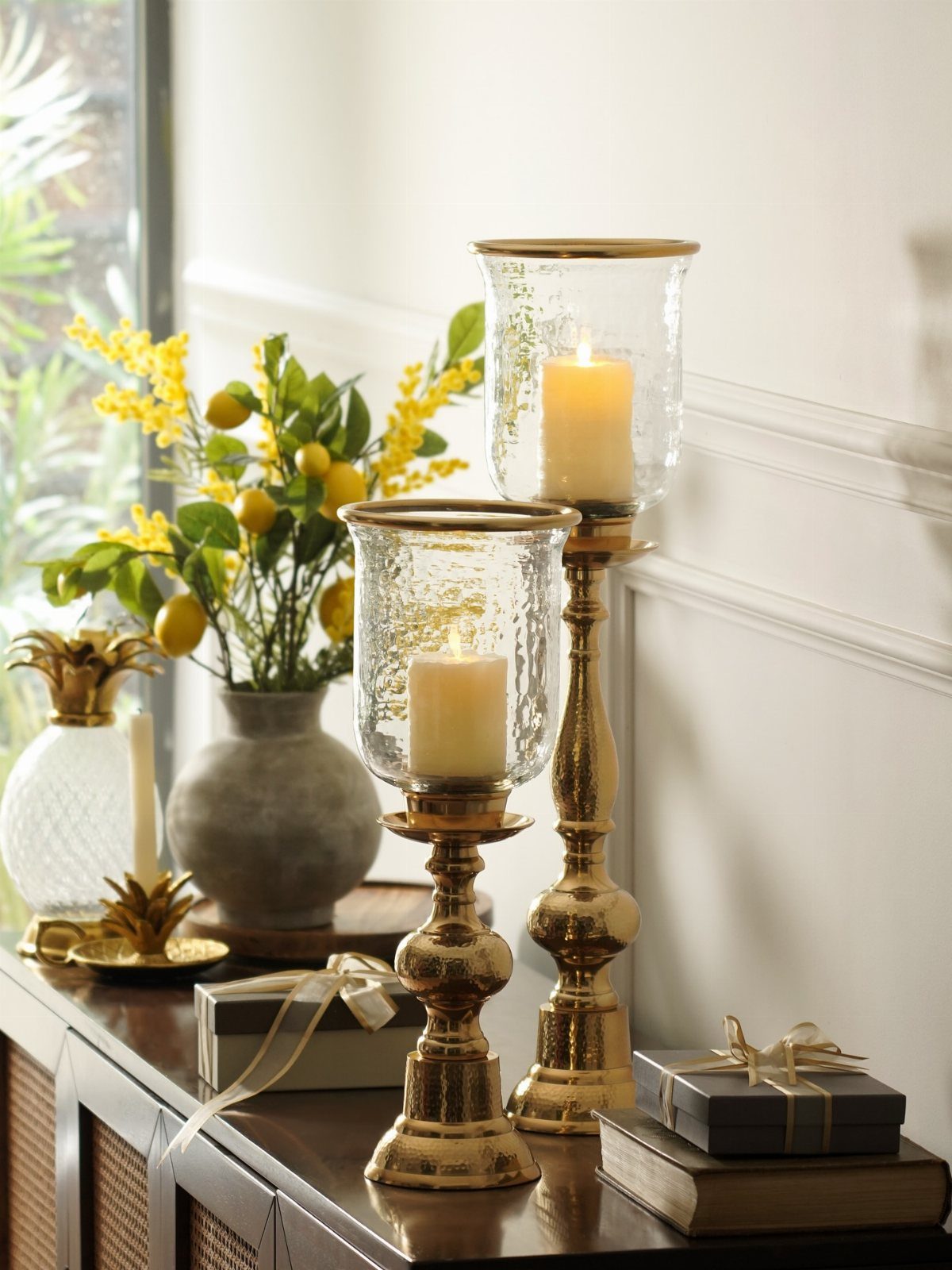
Pitting and darkness on old brass candlesticks is the point; polish them and you lose what time did. Tall holders belong on a mantel or sideboard where the flame rises above eye level when you are seated.
Short, wide ones, 4 to 6 inches, work on a coffee table where no one reaches across fire. Glass hurricanes over brass bases give you both; the glass catches the wax drip and the brass gives the mass.
Pillar candles last long enough and cost little enough at a grocery store that burning one down is not a decision. Tapers look taller and more formal, but they drip and they tilt in a draft.
I keep both and choose per evening, not per room.
25. Decorative Plates
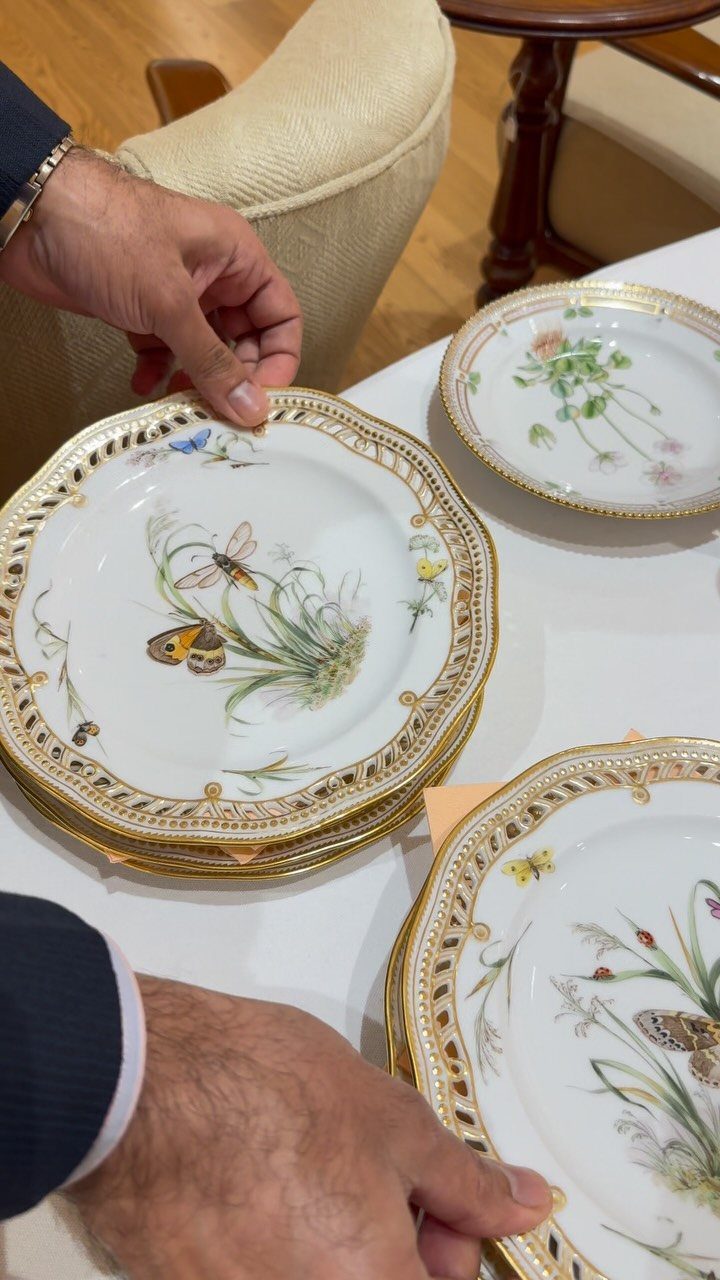
I like them stacked in threes on a mantel or propped on a narrow ledge where the light catches the rim.
Insect and floral prints read as collected over time, not bought as a set, when you mix frames and sizes. Mixing one found piece with two that share a palette keeps the arrangement from looking like a catalog spread.
Thrift stores and estate sales are where these turn up for pocket change.
If your walls are already busy with art, a stack on a side table or inside a glass-front cabinet gives the same effect without adding another hole to patch later.
Embrace Imperfection
A French country living room lives in the wear.
The mirror with a chip at the edge, the armchair fabric faded from afternoon sun, the wooden table scored from years of use: these carry the warmth that new paint cannot buy.
Patina on light fixtures, stone with age marks, wood beams that have settled slightly out of true. The French let this happen rather than fight it.
Gentle curves on one piece, straighter lines on another; stained wood beside painted; something found beside something bought. A green calm enough to live with, and not just cream or gray.
The room gains character when the finishes are allowed to age, and the furniture carries the marks of being handled, moved, lived around.
Less Is More
Overcrowding kills the mood. Too many pieces, too many colors, too many objects competing for attention: the room collapses under the weight.
The struggle is real when you love the hunt for decor, but a French-inspired space needs to breathe. Pull out a chair that just fills space.
Lose the vase you bought because it was cheap, not because it meant anything. What stays should be what you actually love.
Collected, not decorated; that is the difference. Let the furniture have room around it.
The eye needs somewhere to rest, and the floor needs to show.
Seasonal Updates
Four small changes can shift the whole feeling of a French style living room without touching the budget hard. Swap pillows for a different season.
Move the ginger jars to a new shelf. Trade the cloche’s contents.
Shift the floral arrangement from spring bulbs to dried grasses. These are not full redos; they are refreshes that keep the room from going stale.
The bones stay, the character stays, but the eye reads something current. Some pieces carry the seasonal load and others stay permanent; knowing which is which saves both money and storage space.
Balance Traditional and Modern
Traditional French country and modern can share a room without fighting. A soaring ceiling with a sparkling chandelier gains balance from pale florals and soft curves below.
The architecture makes the statement; the furniture does not compete. Golden accents catch light without demanding attention.
Classic bones keep a room from feeling overdressed; a lighter touch on top lets the architecture breathe. Wood beams and marble still belong, but the tailoring is cleaner.
The contradiction between old structure and newer ease is what makes it interesting. A painted finish beside a patina one, a linear table near a curved sofa.
Your own mix matters more than following a period rule.
Frequently Asked Questions
How to style a French living room?
Start with warm neutral walls in matte or eggshell, then layer at least three textures like velvet, linen, and something woven.
Mix furniture from different eras rather than matching sets, and anchor the space with a natural jute rug topped by a smaller vintage piece.
Aged wood, antique mirrors, and lighting that can dim to candle-level finish the room without looking staged.
Is French country out of style in 2026?
French country style stays relevant because it keeps evolving rather than freezing in one era. Modern versions mix cleaner lines with the same warm neutrals, natural materials, and collected feel.
The core idea, a room that looks lived-in rather than bought in a day, outlasts trend cycles.
What is the 3-5-7 rule in decorating?
This rule means grouping objects in odd numbers, three of one thing, five of another, seven of a third, to keep a display from looking too symmetrical or flat.
On a French mantel, that might translate to one large mirror, a pair of candle holders, and a few small vases or books layered at varying heights.
The odd count forces the eye to move, which keeps the arrangement from feeling staged.
How do I make my house look more French?
Bring in vintage pieces with real wear, soften the palette to warm whites and faded neutrals, and swap glossy finishes for matte wood, linen, or aged metal.
One strong antique mirror or a solid wood piece with dings that read as history does more than five small new things. A French-looking room comes together slowly.
I pick up a bentwood chair at a flea market one month, find a linen slipcover the next, and let the layers settle in between.





