These ideas run from a coat of paint you roll on Saturday morning to built-in millwork that needs a carpenter, and the one that fits depends on whether you can paint walls or patch holes when you leave.
A single climbing pothos costs next to nothing and still outperforms dead plants; a full room in glossy green takes patience, extra gallons, and a landlord who said yes.
1. Use Textured Wall Finishes
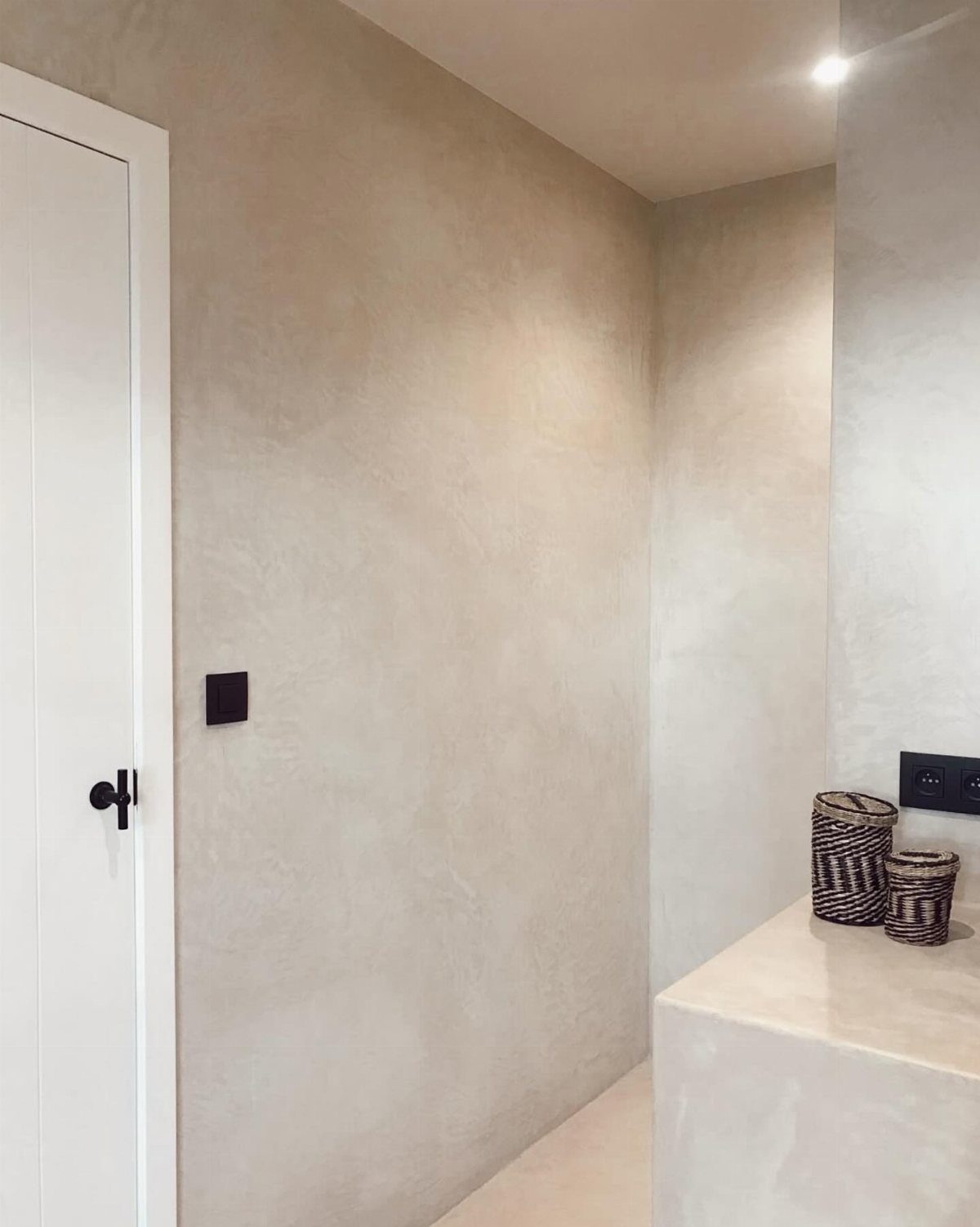
A grasscloth wall covering in sand or mossy green turns a flat bedroom corner into something you want to touch. Limewash paint works the same way for less, and either one hides the small dings that come with renting.
Grasscloth seams need careful matching, so order extra for pattern repeat. Smooth drywall underneath saves a step, but textured walls need skim coating first.
This suits renters who can patch one accent wall at move-out, not whole-room commitments.
2. Canopy Bed

A frame that glows from within matters more than the fabric. A modern version keeps the posts thin and the drapery minimal; sheer panels that pool on the floor read romantic, but a tailored valance alone reads cleaner.
Metal frames with corner posts run high, but DIY pipe versions look intentional in a loft. The trick is height: ceilings under 8 feet need a low-profile frame or the room shrinks.
Skip this if you thrash in your sleep; the posts are shin killers on midnight bathroom trips.
3. Create a Gallery Wall
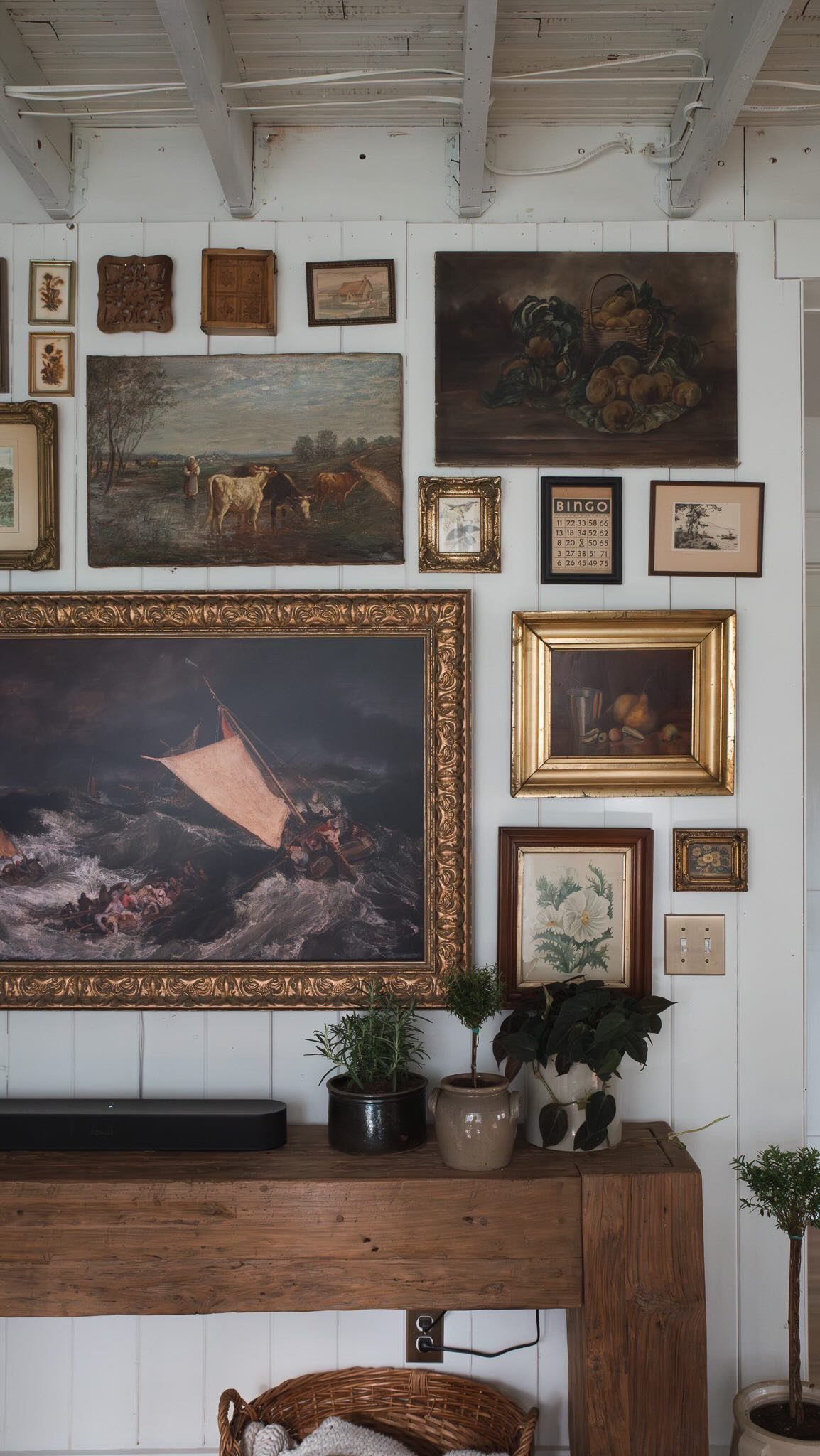
Gold frames in varying sizes against white paneling give this gallery wall its rhythm, not the art inside them.
That matters because you can build the layout with thrift store frames and filler prints while you collect pieces that mean something.
Start with the largest frame slightly off-center, then work outward in a loose grid rather than a strict line.
I use paper templates taped to the wall for a full day before driving any nails; the arrangement always shifts once I live with it.
Leave 2–3 inches between frames for breathing room, tighter and it looks accidental.
4. Use a Feature Wall
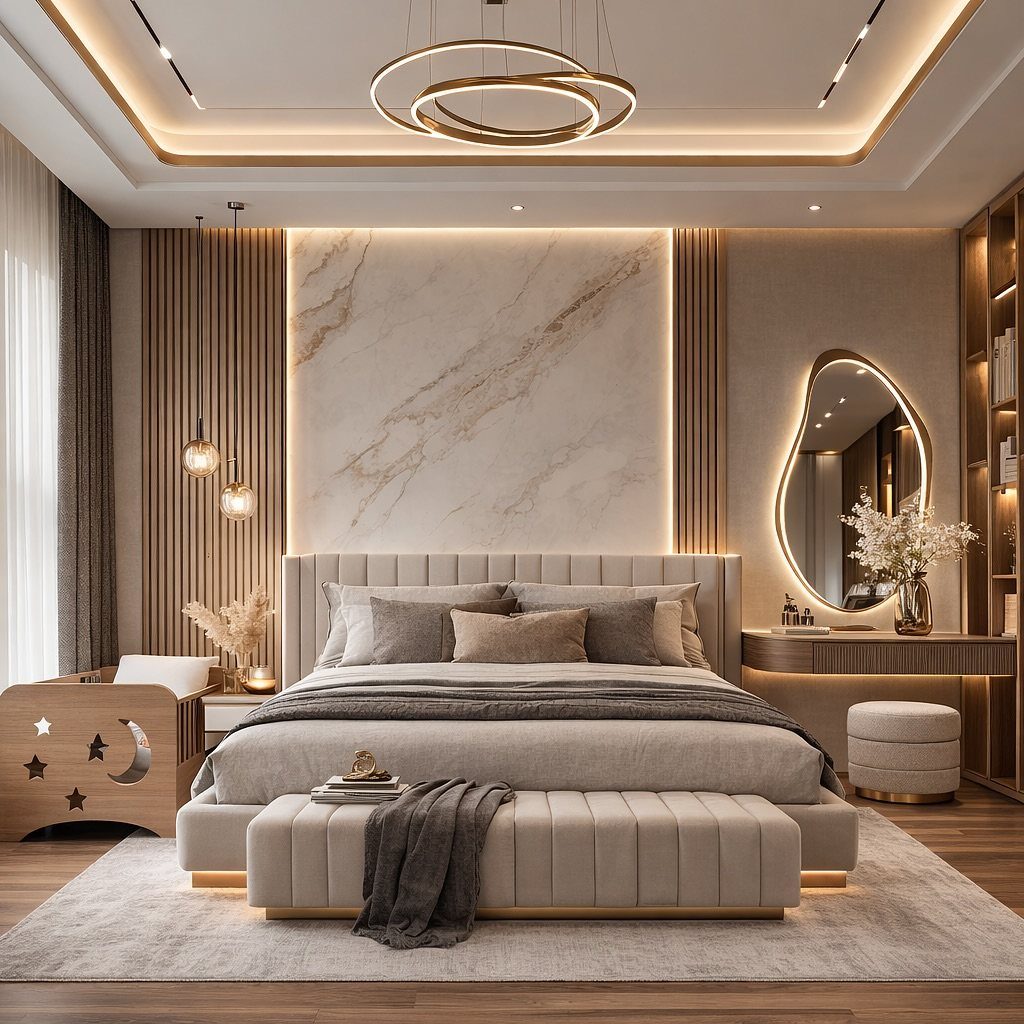
Marble-patterned wallpaper behind the headboard turns one wall into the whole room’s statement. The visible version runs floor to ceiling with no chair rail to break it, which is the modern move; traditional wainscoting would fight the veining.
Peel-and-stick vinyl in this pattern costs enough that a queen wall stays budget-friendly. Smooth application takes more than one person and a plastic smoother; bubbles show in high-gloss prints.
Dark or busy papers work best in bedrooms because you want enveloping at night, not energizing.
5. Paint Your Ceiling
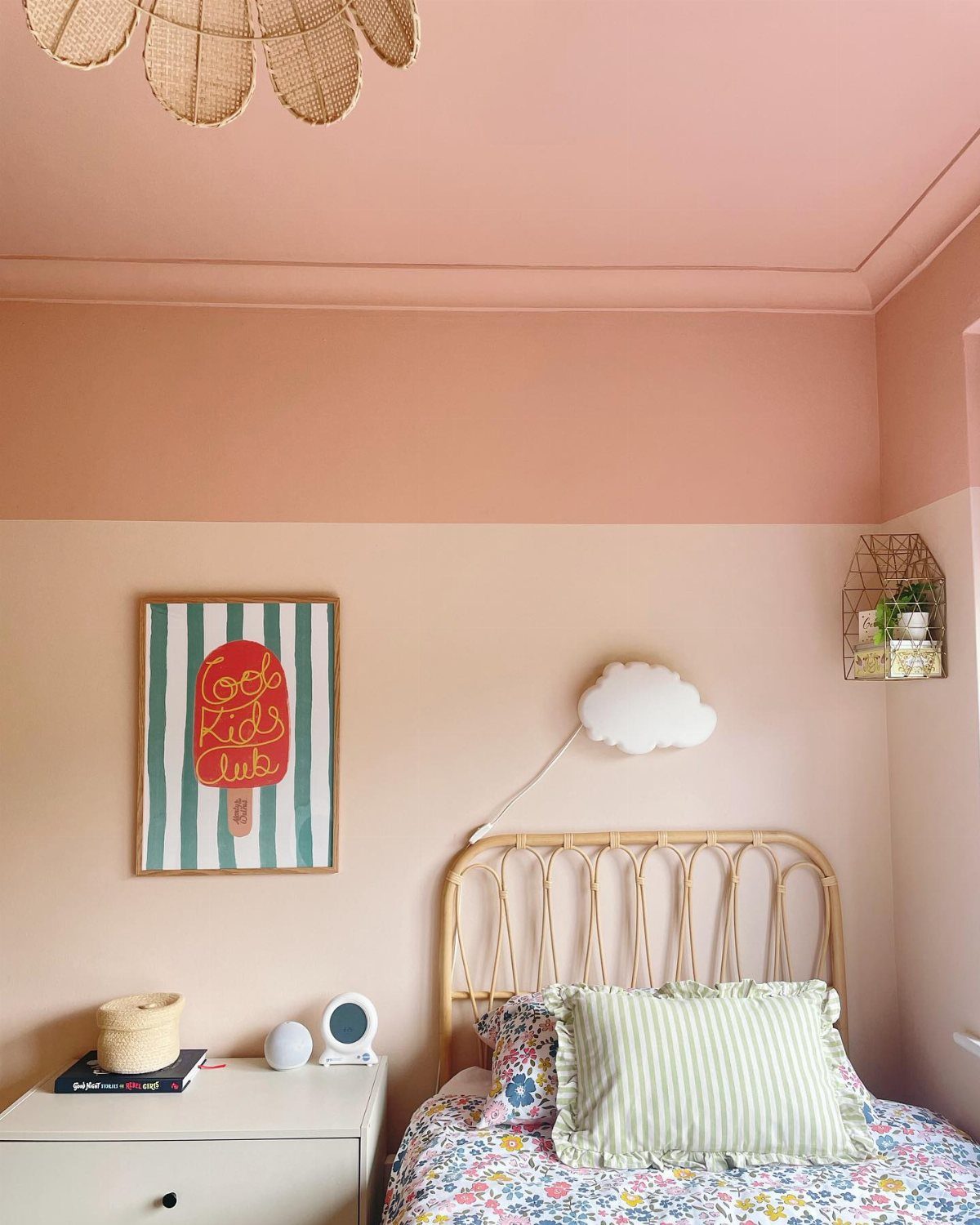
Pink on the walls and the same pink overhead removes the line that usually traps your eye at 8 feet. The ceiling becomes a continuation instead of a lid, which helps low rooms feel intentional rather than cramped.
Flat or matte paint hides lap marks on the ceiling; eggshell catches light unevenly and reads patchy.
I cut in with a 2-inch angled brush, then roll while the edge stays wet; the second coat goes on the same day to avoid tide lines.
Cloud or textured wallpaper overhead costs more but solves the perfection problem entirely.
6. Multipurpose Furniture
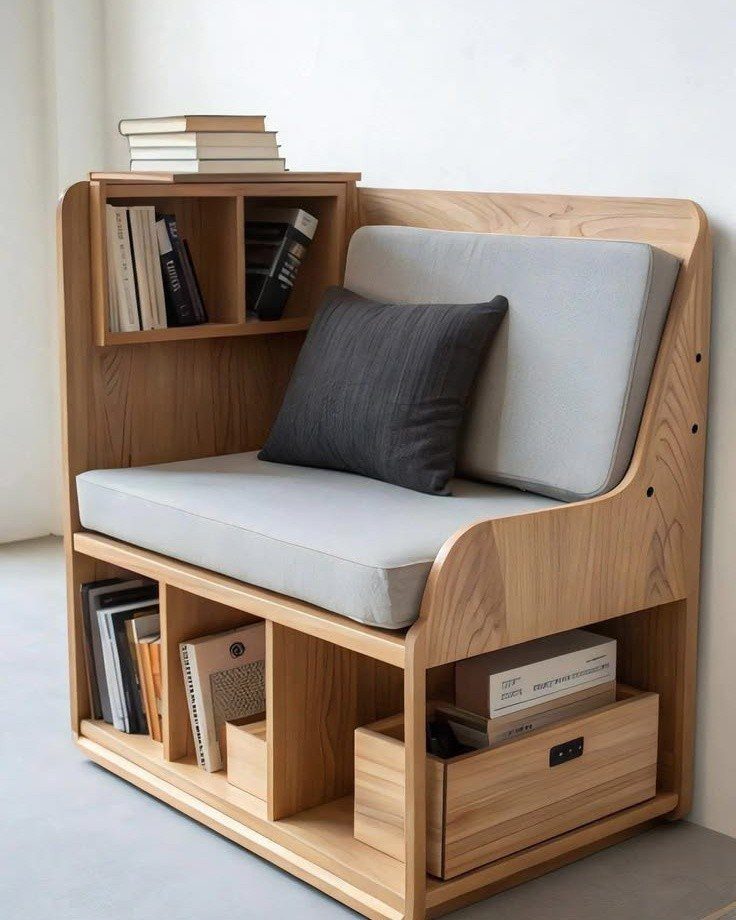
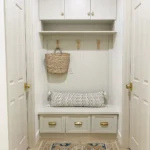
Built-in shelving that wraps the bed frame turns the whole wall into storage without extra furniture footprint. The visible version uses light wood with open compartments above and below the cushion, which keeps books and chargers within arm’s reach.
A custom built-in runs expensive, but lack shelves from IKEA and a plywood bed frame can approximate the look for less.
The critical measurement is seat height: standard chair height matches most setups, but dressing-area benches work better a couple inches taller.
This trades away flexibility; you cannot rearrange the room on a whim, which matters in a rental.
7. Layered Bedding

Layered bedding builds a hotel bed at home by mixing textures rather than colors. I start with crisp cotton sheets in the 300-thread-count range, add a lightweight duvet, then fold a textured throw at the foot.
Keeping everything in the same tonal family does the work: cream, off-white, and sand play together without shouting.
A 2026 study of over 3,000 purchases found 56% of buyers chose neutral bedding, with warm browns gaining ground while grays and blues fade. Finished rooms usually look calmer when the tones stay related.
This suits renters who want luxury without commitment. Swap the duvet cover seasonally and the whole room shifts.
8. Use Natural Light
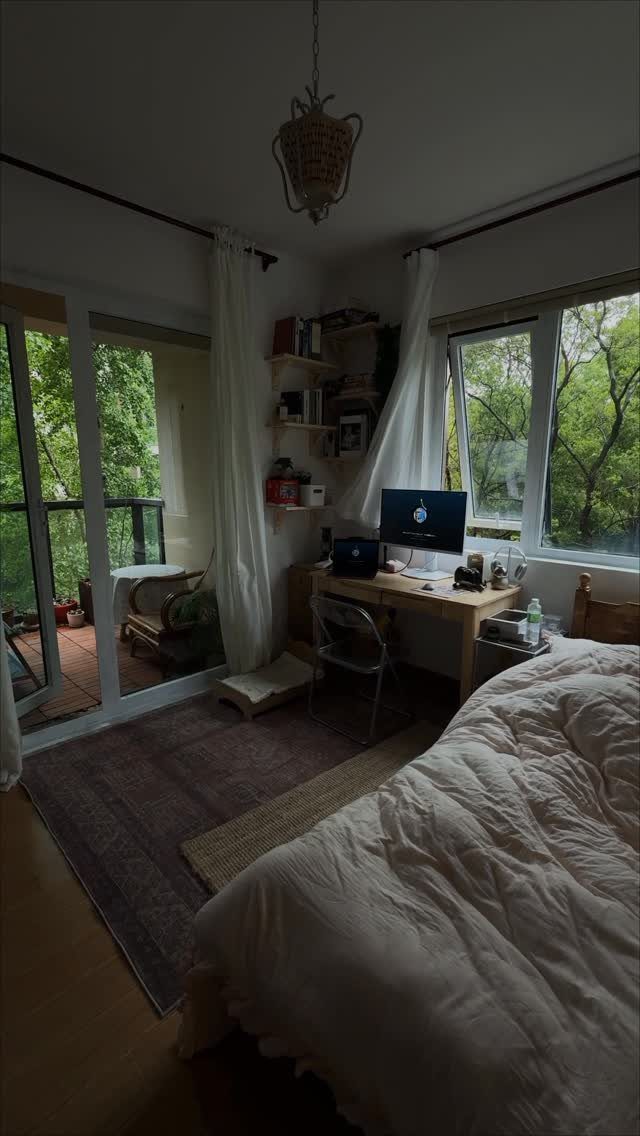
Natural light does the heavy lifting in a modern bedroom when you let it. Sheer white curtains filter morning sun without blocking the view, and pale walls bounce what comes through.
Bright white on a bedroom ceiling bounces light around and makes the walls feel farther apart.
For control, blackout blinds behind the shears let you sleep in without giving up the daytime effect. Curtains soften the edges while blinds handle the blocking; both together cover most needs.
The green visible through the window becomes part of the decor, free of charge.
South- and west-facing rooms get the most dramatic light; north-facing spaces need the paler palette more. Either way, the cost is minimal and the change is same-day.
9. Incorporate Organic Shapes

Organic shapes soften a bedroom without adding clutter. The curved bouclé chair and mushroom lamp above break up the straight lines that dominate most rooms.
Cane and rattan do similar work: a headboard or nightstand in either material adds warmth that reads as modern, not rustic.
A round pouf starts the idea small, though a single sculptural lamp can carry it alone. I have found curved mirrors and arched floor lamps achieve the same effect for less.
This approach works especially well in apartments where walls and windows already dictate rigid geometry. One or two flowing shapes create movement without demanding a full redesign.
10. Focus on Seamless Storage
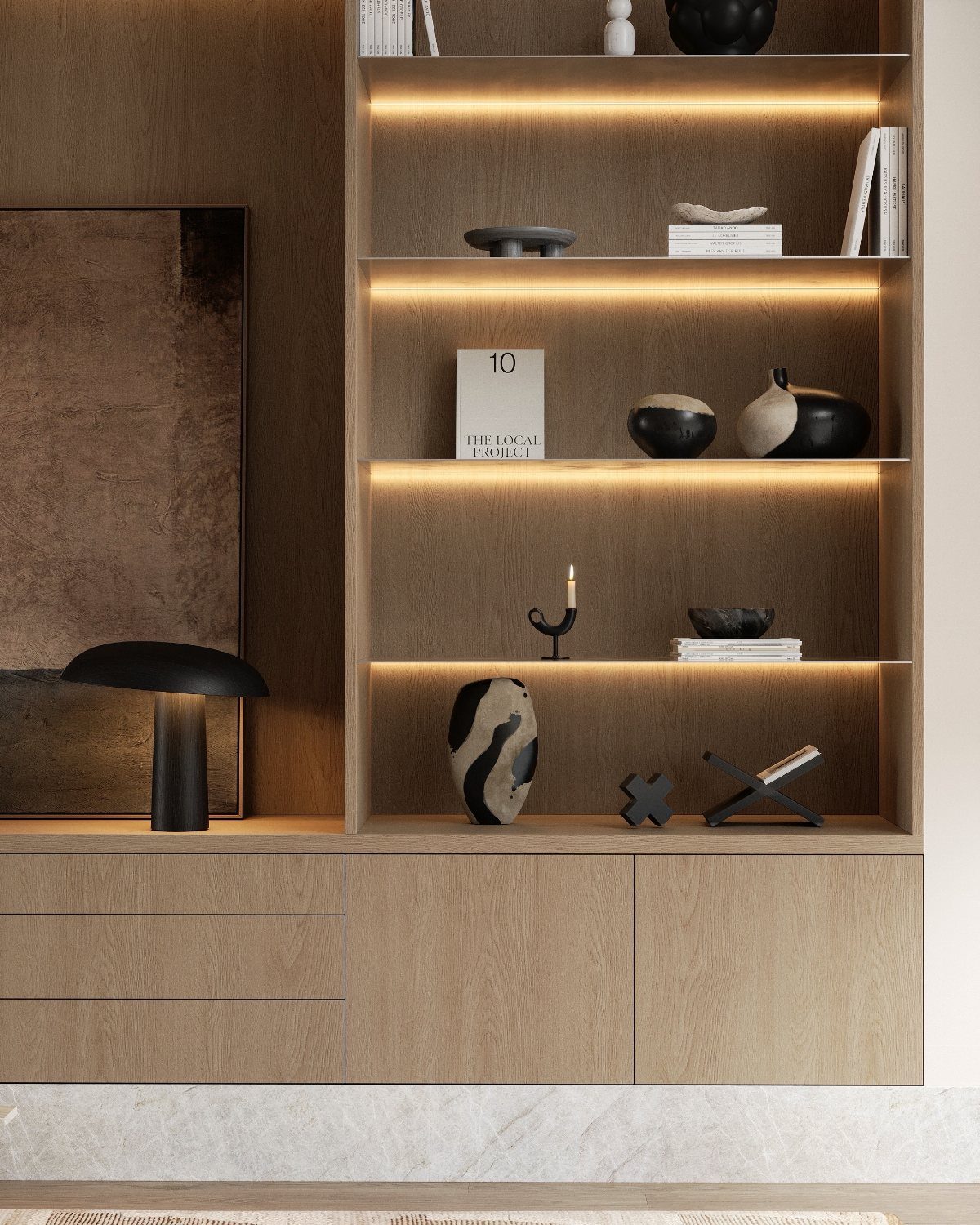
Built-in storage erases visual noise by eliminating the gap between furniture and architecture. Larch millwork that wraps shelving, cabinets, and lighting into one continuous surface reads as wall, not stuff.
Floating drawers beneath a bed or window seat achieve a similar streamlining on a smaller scale. I would prioritize the bed wall first: that is where the eye lands, and that is where clutter shows most.
Built-in storage stays where you put it. A renter might choose modular pieces that read as built-in instead, like two matching cabinets flanking a bed frame.
The calm of hidden storage, though, is hard to match once you have lived with it.
11. Incorporate Plants
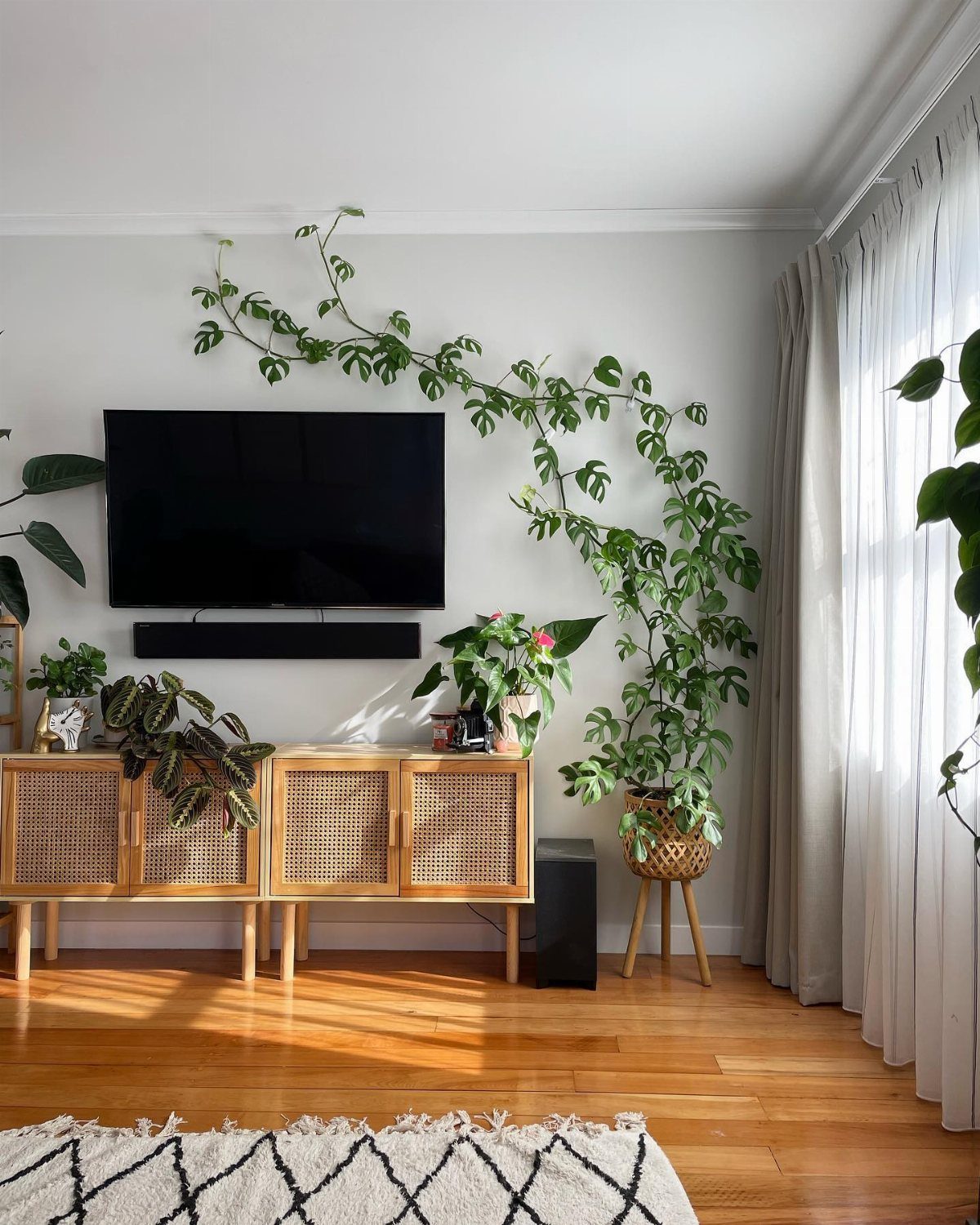
A single climbing plant turns a blank wall into something alive. Pothos needs only indirect light and occasional water, which explains why it survives in bedrooms where other plants brown and drop leaves.
Small succulents on a nightstand ask even less.
Plants do improve air quality, but slowly; the change you notice first is visual. Green against white or wood reads as intentional, designed, even when the placement was accidental.
A trailing plant on a bookshelf becomes the room’s best feature once it has time to spill.
Start with one specimen you can keep alive. Dead plants undo the calm faster than no plants at all.
12. Embrace Earthy Tones
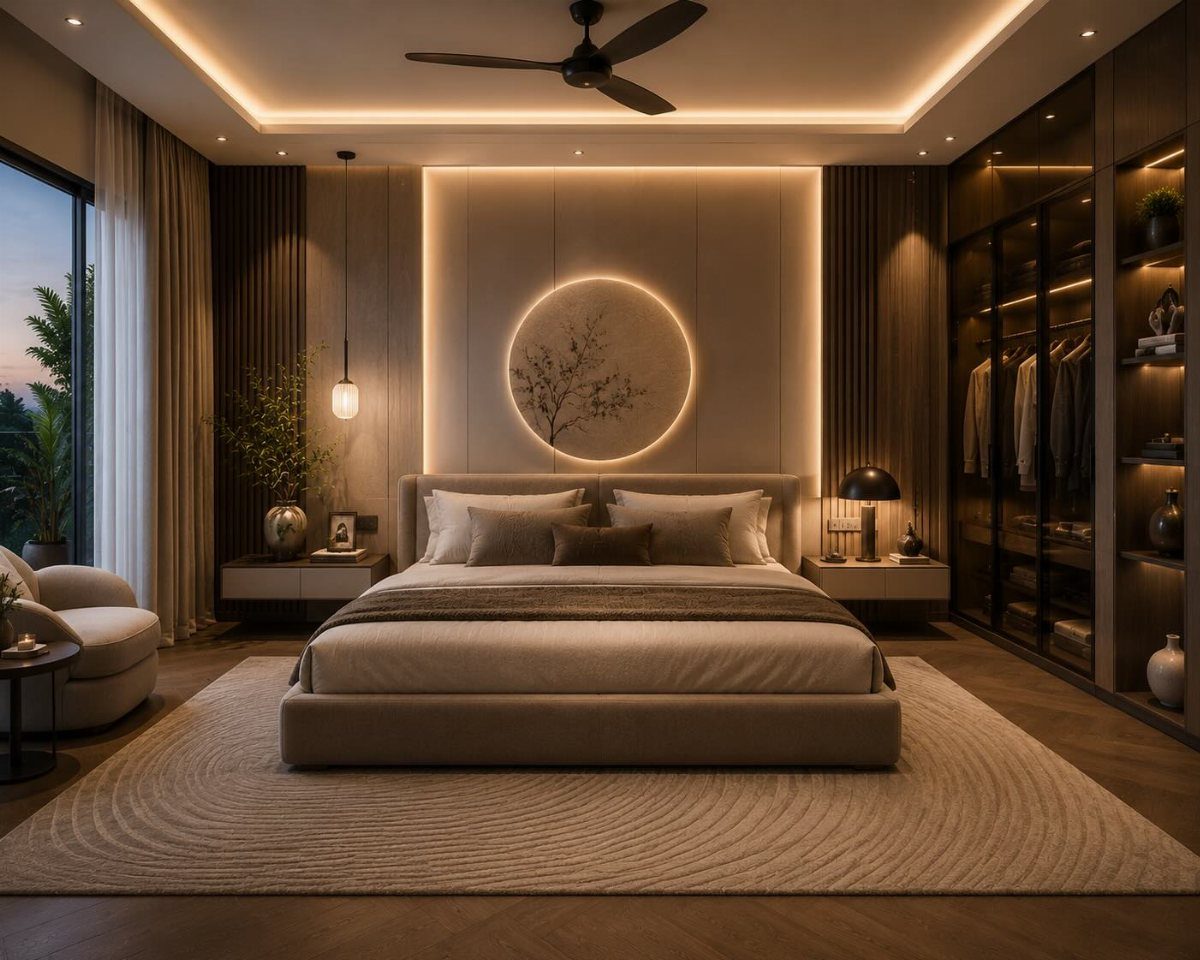
Earthy tones slow a bedroom down without darkening it. Beige, taupe, and soft green recede rather than advance, which makes small rooms feel settled rather than cramped.
The Santa Monica bedroom commits fully: bed frame, lamps, textiles, and wall all stay within one warm family.
Texture carries more weight than hue when the colors stay this close. A linen duvet, wool throw, and ceramic lamp in matching tones create depth that a single material would flatten.
Light blue walls work the same way when grounded with mustard or burnt orange accents, though that takes more confidence than most weekend projects allow.
This palette forgives budget constraints. Thrifted wood, discounted bedding, and hand-me-down art all sit comfortably within earth tones.
13. Layer Textures
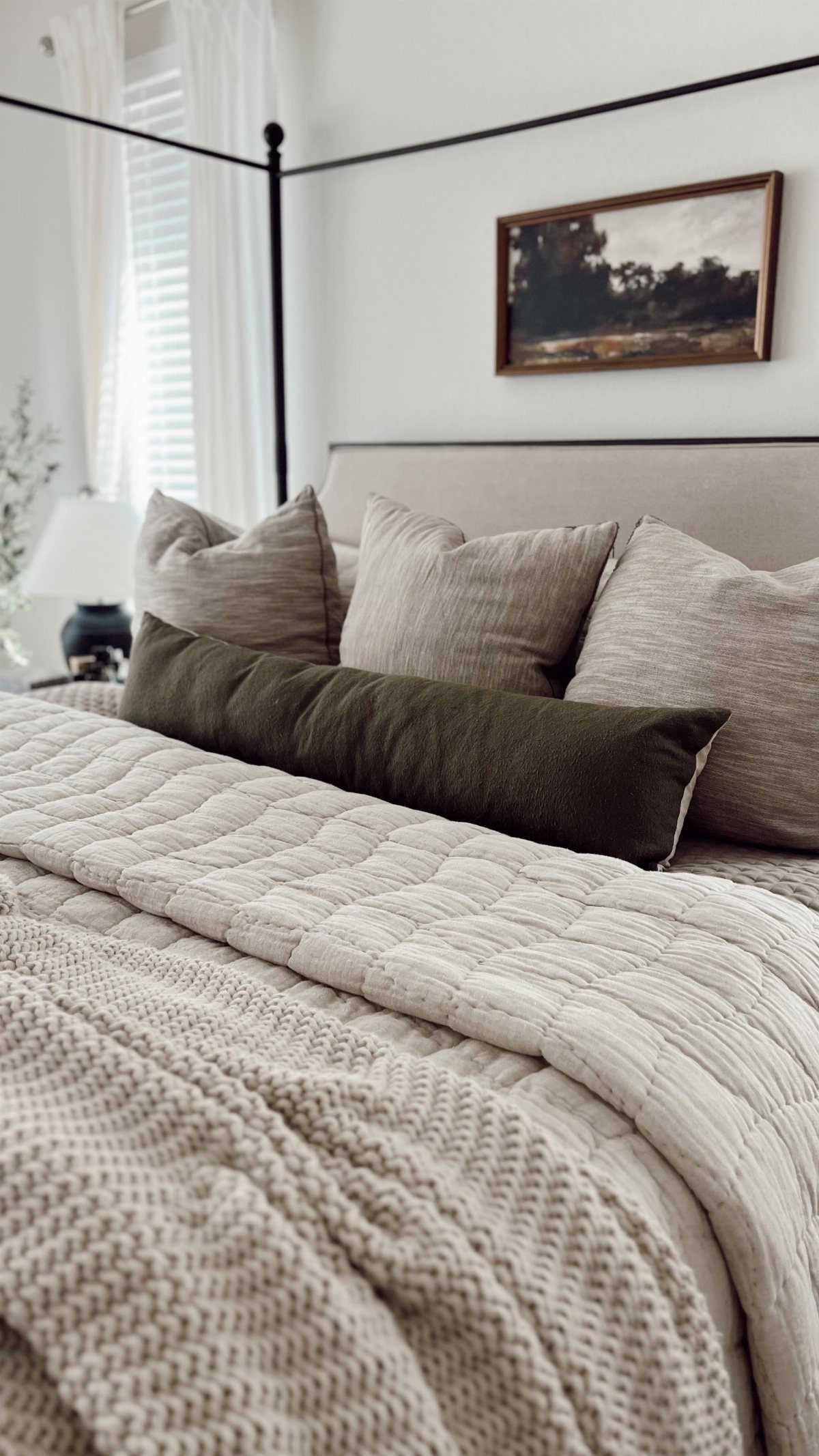
A bed that mixes linen, velvet, and bouclé reads as intentional rather than messy.
A quiet palette lets the materials do the talking: a quilted coverlet as base, a chunky knit thrown at the foot, and pillows in varying weaves but matching tones.
One maker held out two years for the right comforter before her refresh, which says something about waiting for the piece that pulls everything together.
This works on any budget because you can build it over seasons. Start with good sheets, add one textured layer each swap.
14. Create a Focal Point
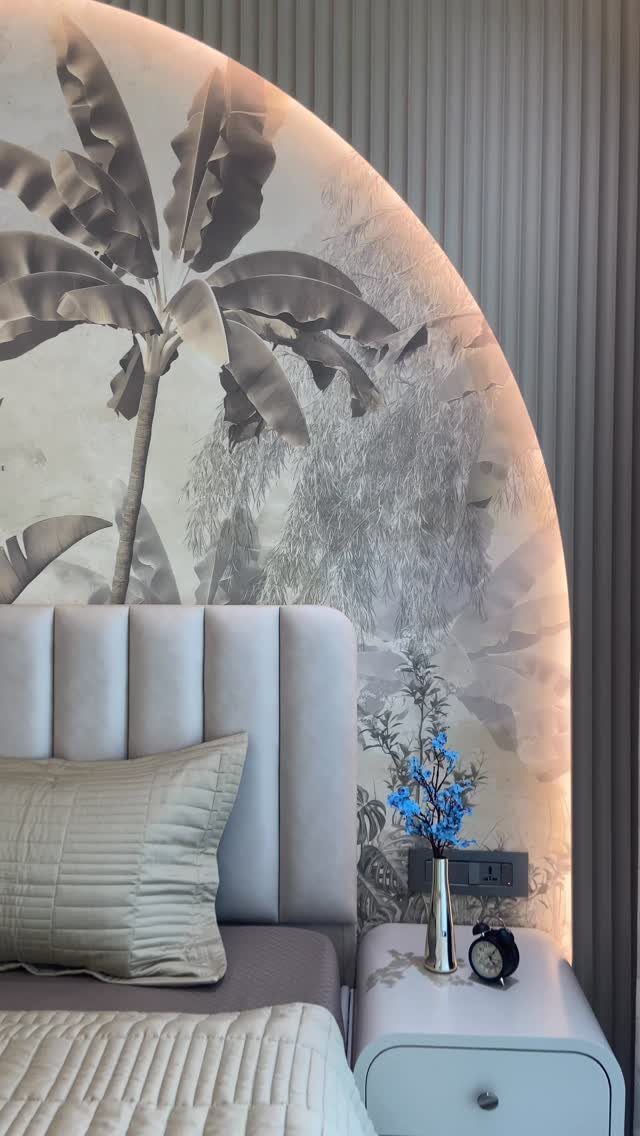
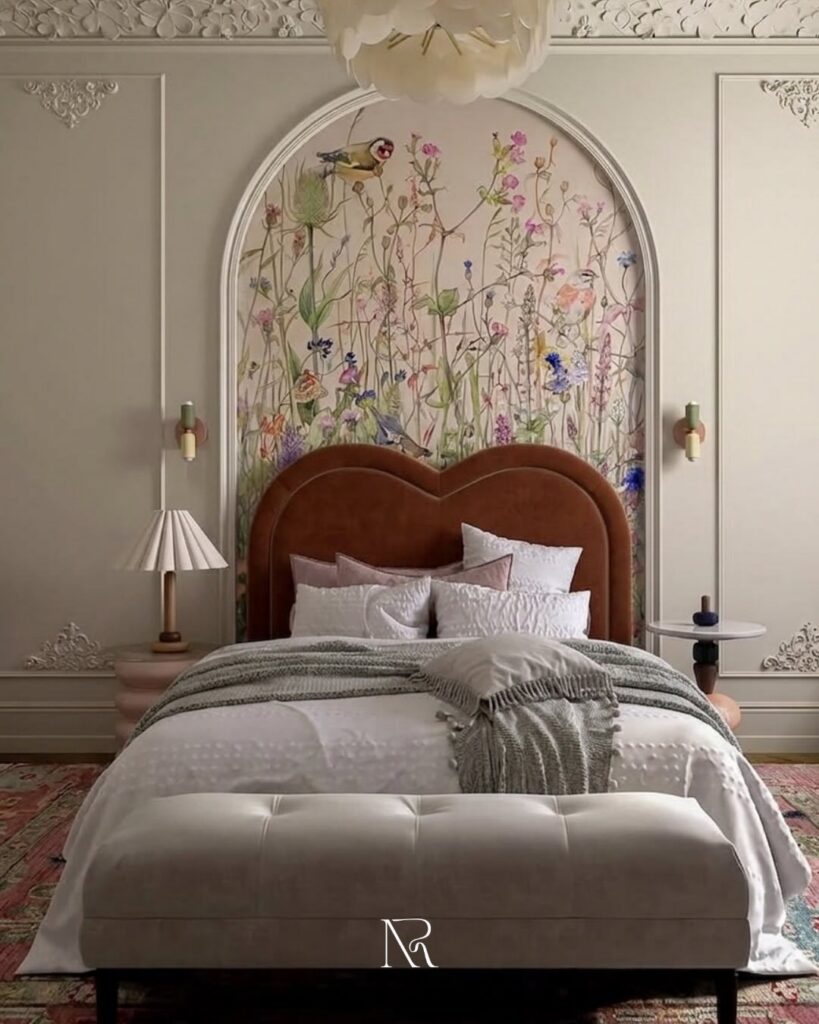
A palm pattern muted enough to live with, bold enough to anchor the room. Wallpaper works the same way: patterned floor-length panels can even correct an off-center window by drawing the eye to the whole wall, not the frame’s placement.
If you’re renting, peel-and-stick murals come down without damage. For owners, hand-painted or printed wall coverings turn the bed wall into something closer to art.
Either way, arrange the furniture to face it; the bed becomes the frame, not the feature itself.
15. Use Wall-mounted Lighting
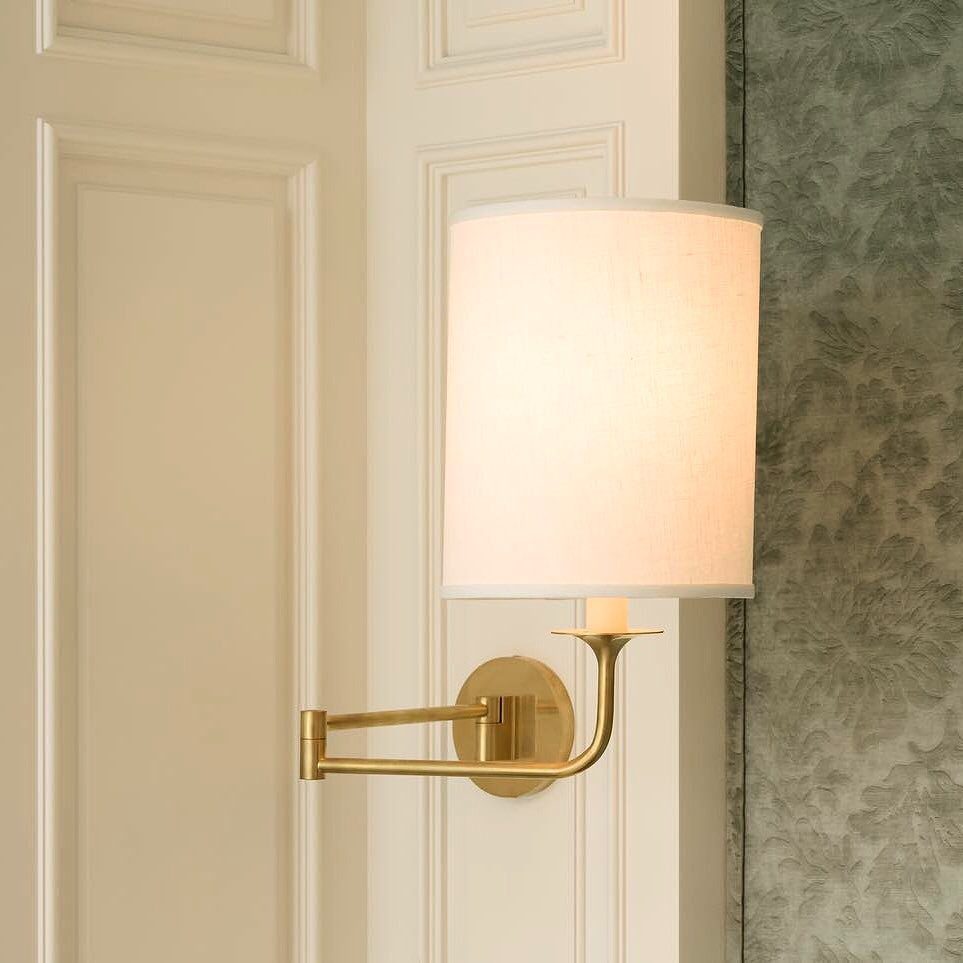
A swing-arm sconce bolted to the wall buys back the floor space a table lamp would eat.
For small bedrooms, this is often the move that lets you ditch the nightstand entirely or swap to something narrow. Hardwired sconces need an electrician, but plug-in versions with a cord cover install fast with a screwdriver.
A wall-mounted shade diffuses enough to read by without the glare of exposed bulbs, and frees up bedside square footage.
16. Incorporate Metals
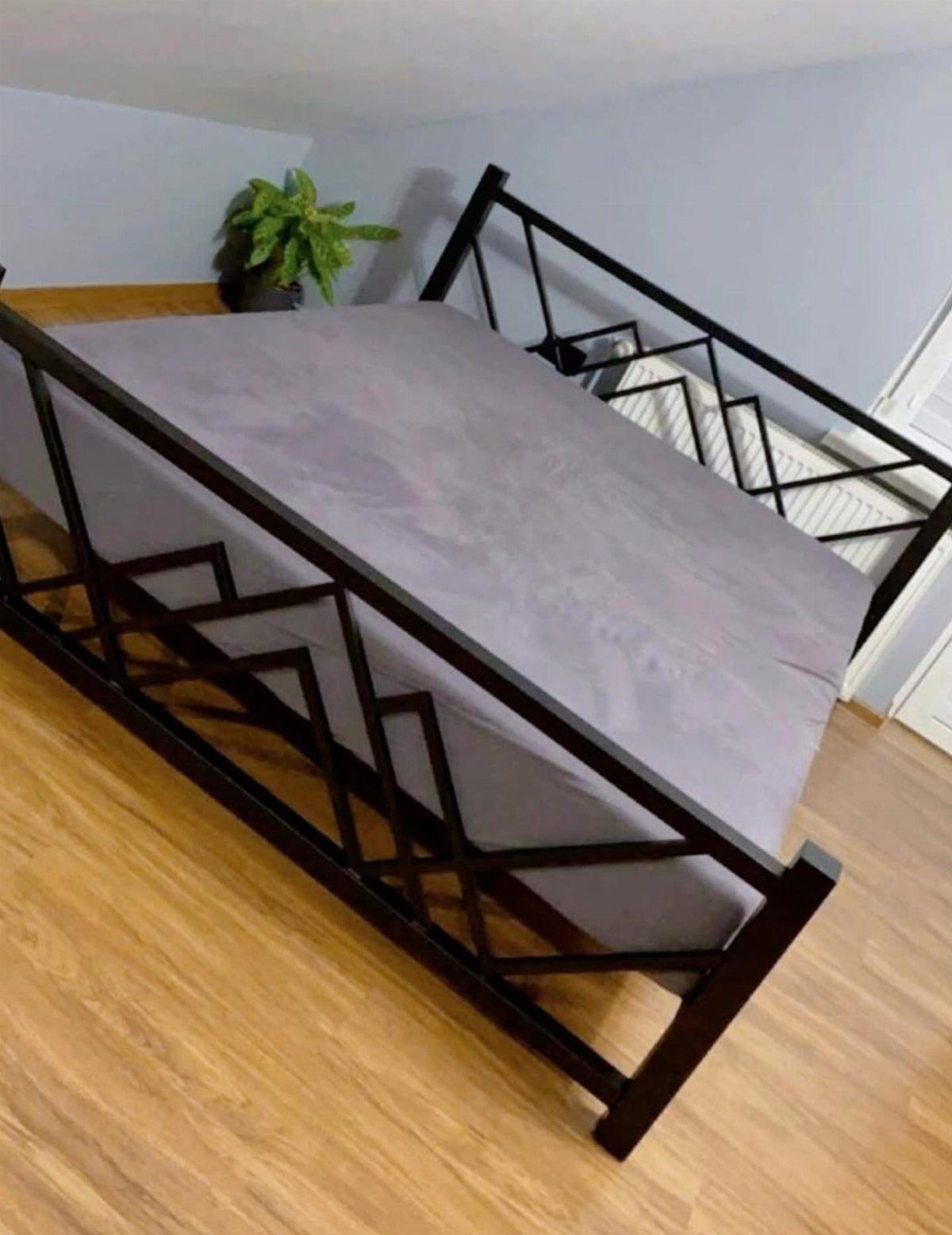
Black metal geometry against pale blue and raw wood gives this bed its tension. Gold would read warmer, silver cooler; the black here keeps it graphic.
A little goes far: the frame, one pot, maybe a mirror edge, and the room feels considered rather than decorated.
If your bedroom is already quiet, metallic accents in hardware, lighting, or a single furniture piece add the layer that keeps neutral from going flat.
The San Francisco penthouse that inspired this approach used gold sparingly against aubergine and handmade wall covering; the city view remained the star. For most of us, that means one metallic moment per wall, not four.
17. Embrace Eclectic Style
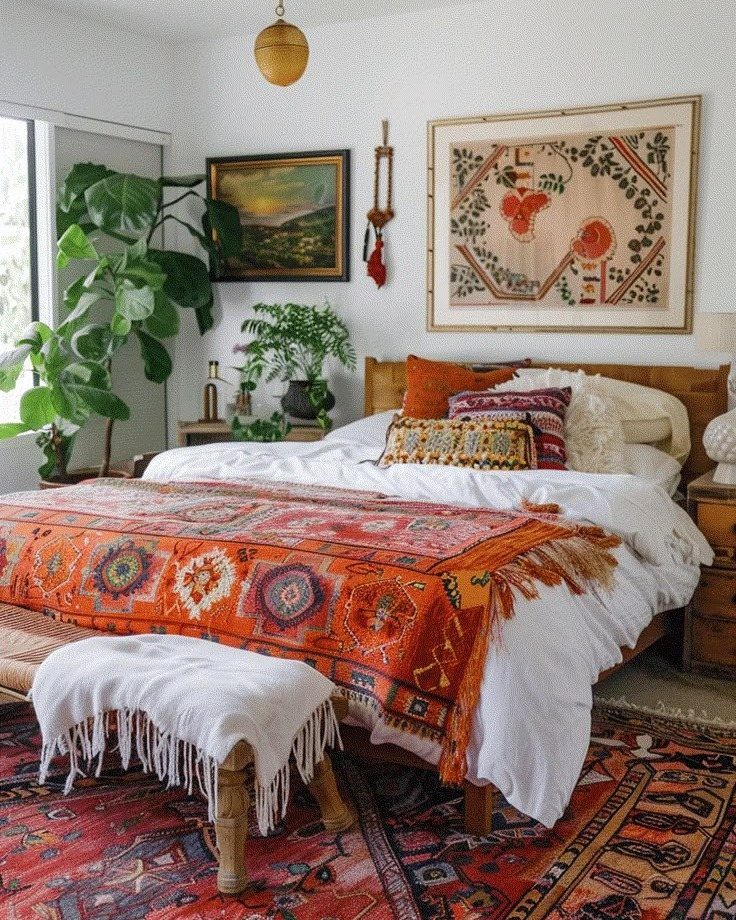
The bed frame is wood, the art above it mixes scales and frames, and the throw is orange against white bedding. Nothing matches, everything talks.
One designer’s rule holds here: if you love it, it works.
The metal nightstand against the wooden dresser, the fiddle leaf fig in the corner, the landscape and abstract hanging side by side; the eye moves because nothing settles into a set.
This is the style for people collecting over time, not buying a room in one weekend. Start with the bed you have, add one piece from a different era or material, and let the contrast stand.
Swapping hardware on an old dresser gives it enough personality to hold its own against newer pieces.
18. Choose Drapery Over Blinds
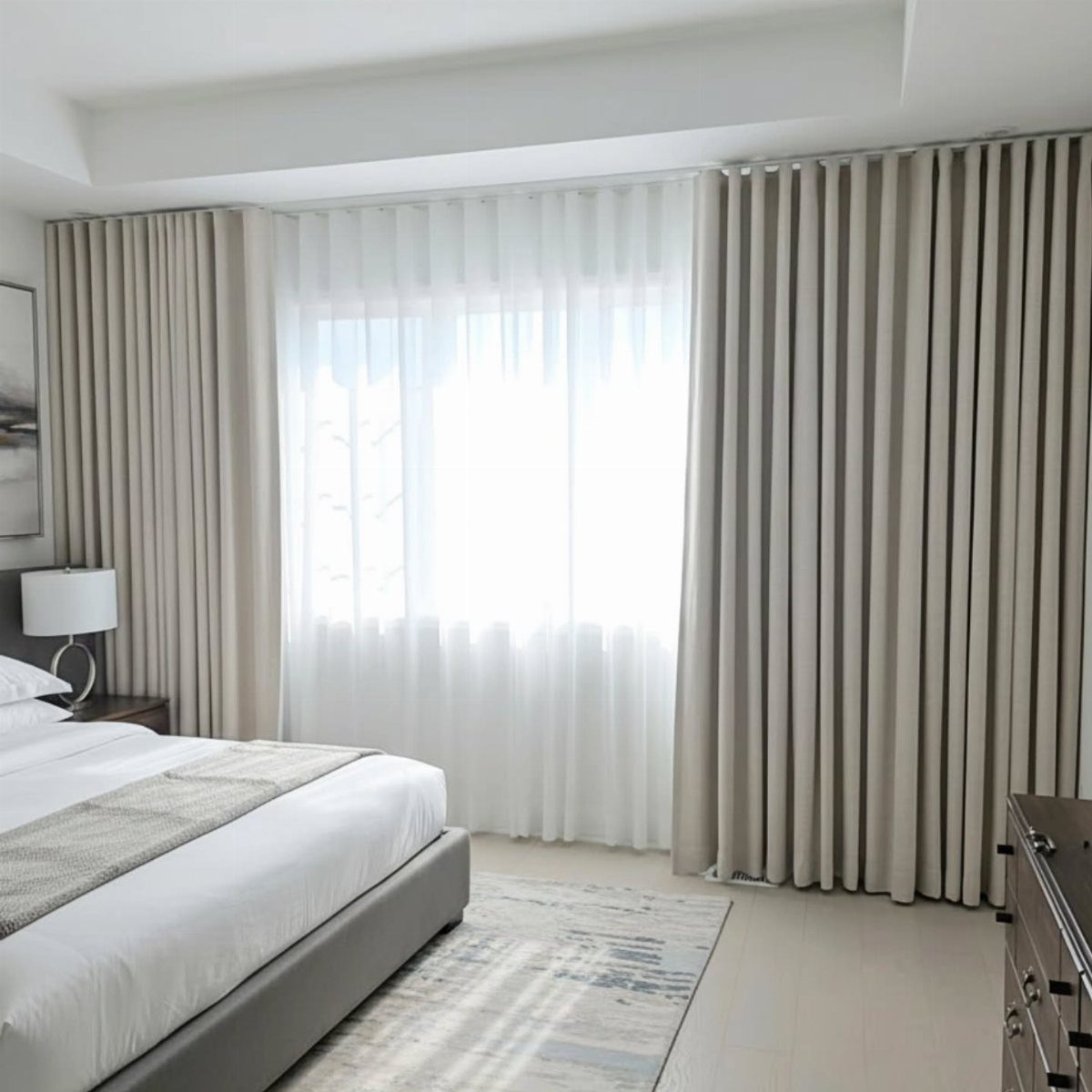
Floor-to-ceiling drapery in beige with a sheer layer behind it does what blinds cannot: it softens the light, the walls, and the whole mood of waking up. A low white bed against fabric reads as backdrop rather than window treatment.
Sheer plus opaque panels let you tune the room through the day: full sun through gauze in the morning, privacy with the heavier layer drawn at night.
For renters, a tension rod held by the ceiling gives the same height without holes; for owners, mounting 12 inches above the frame elongates the wall. Either way, the fabric should kiss the floor or break by an inch, never hover.
19. Incorporate Personal Touches
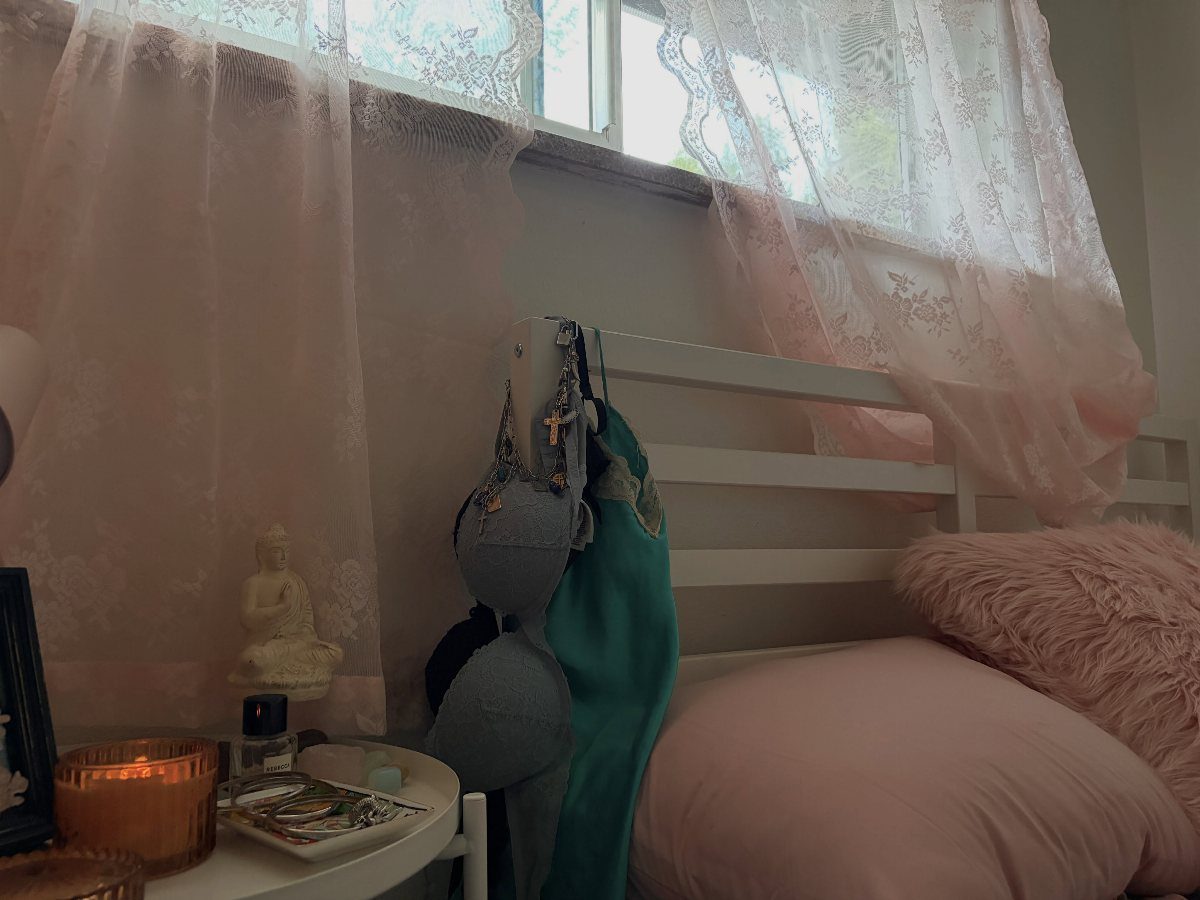
A bedroom that actually feels like yours needs more than a matching set from one store.
A candle, a small figure, a stack of books on a white side table all do what a showroom cannot: they mark the room as lived in.
Meaningful objects stay strongest when they are kept to a single surface or two so the space does not drift into clutter.
Choose one small statue, a few books you have actually read, and a candle you light rather than display.
The rule I follow is that every item has to earn its spot by being something I would notice if it went missing.
This approach costs almost nothing and takes an afternoon to arrange. It suits renters especially, since nothing is fixed to the wall.
20. Layer Lighting Thoughtfully
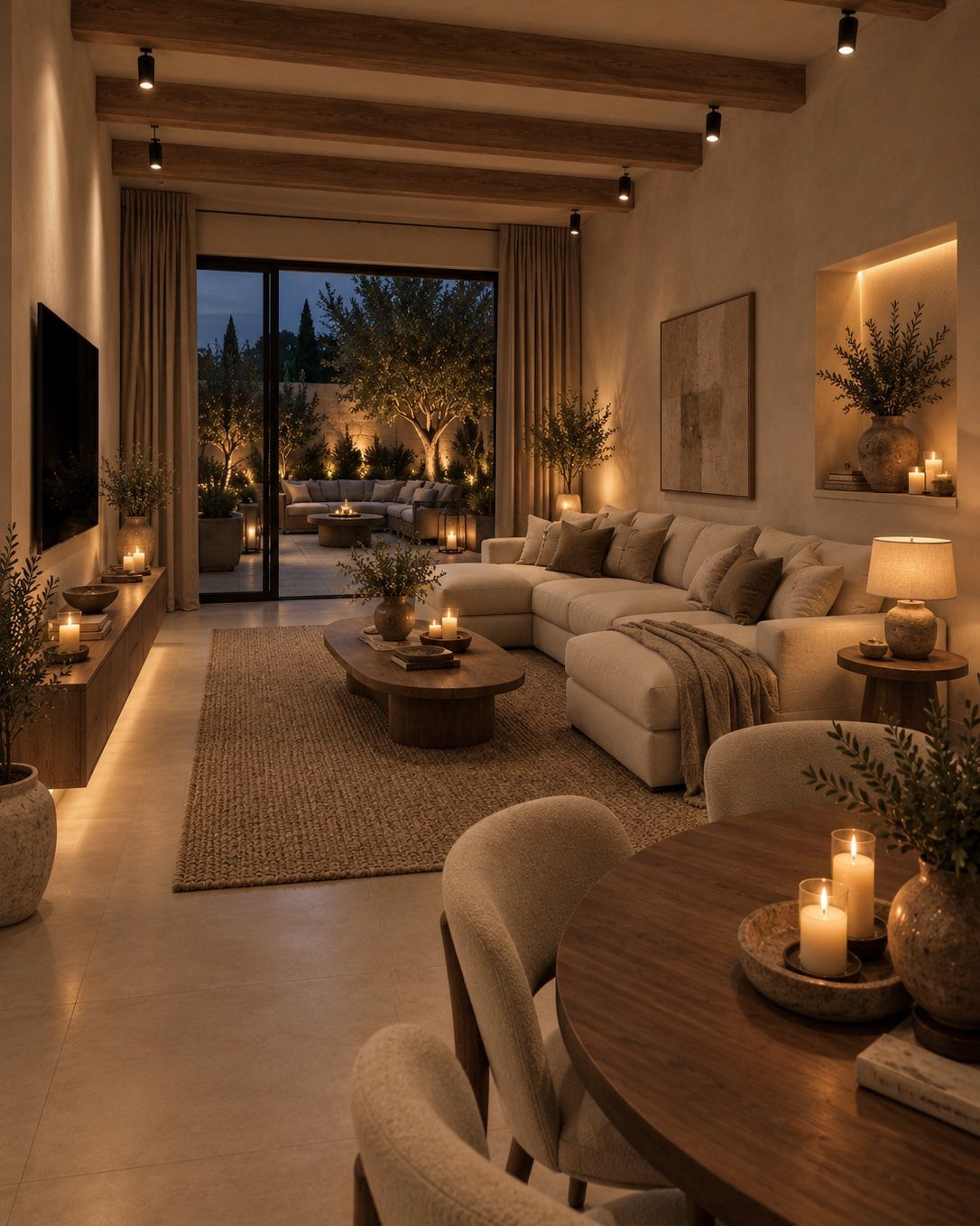
Each layer does a different job, and the overlap is what makes a bedroom feel finished rather than merely lit.
Ambient light from ceiling fixtures gives you enough to move around safely. Task lighting, a reading lamp or a focused arm, keeps you from squinting at a book.
Accent light, the candle or a small uplight, adds depth at eye level and softens shadows that harsher sources leave behind.
I start with the dimmest layer and add rather than subtract; it is easier to brighten a corner that feels too dark than to soften one that feels like an interrogation room.
A basic three-layer setup is the kind of project that rewards starting with what you already own and adding one piece at a time.
21. Use Dark Woods and Shimmery Finishes
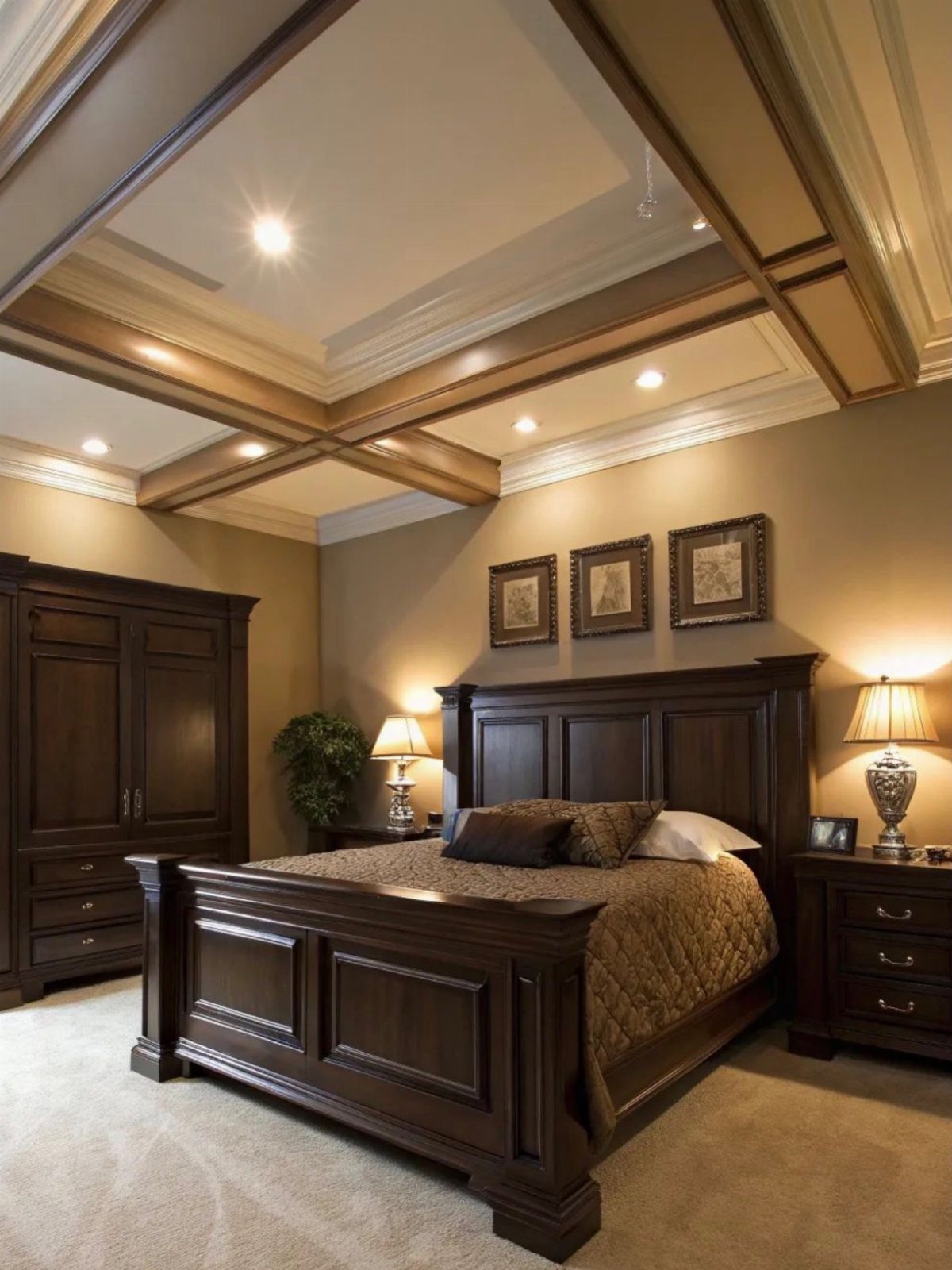
Dark wood reads as modern when the lines stay clean and the hardware stays quiet.
Brushed silver, oil rubbed nickel, or pewter hardware keeps the look current. Shiny polished brass or chrome would fight against the seriousness of the wood rather than complement it.
I would avoid Queen Anne legs or any curved detail that belongs to an earlier decade; a rectangular nightstand with a straight edge keeps the vocabulary consistent.
This is not a cheap look, but it does not require a full suite either. One dark wood piece, the bed or a single dresser, sets the tone in a room of lighter or painted pieces.
Dark finishes show dust and fingerprints more readily than lighter ones, so the style suits someone who wipes surfaces down weekly without resentment.
22. Use a Statement Rug
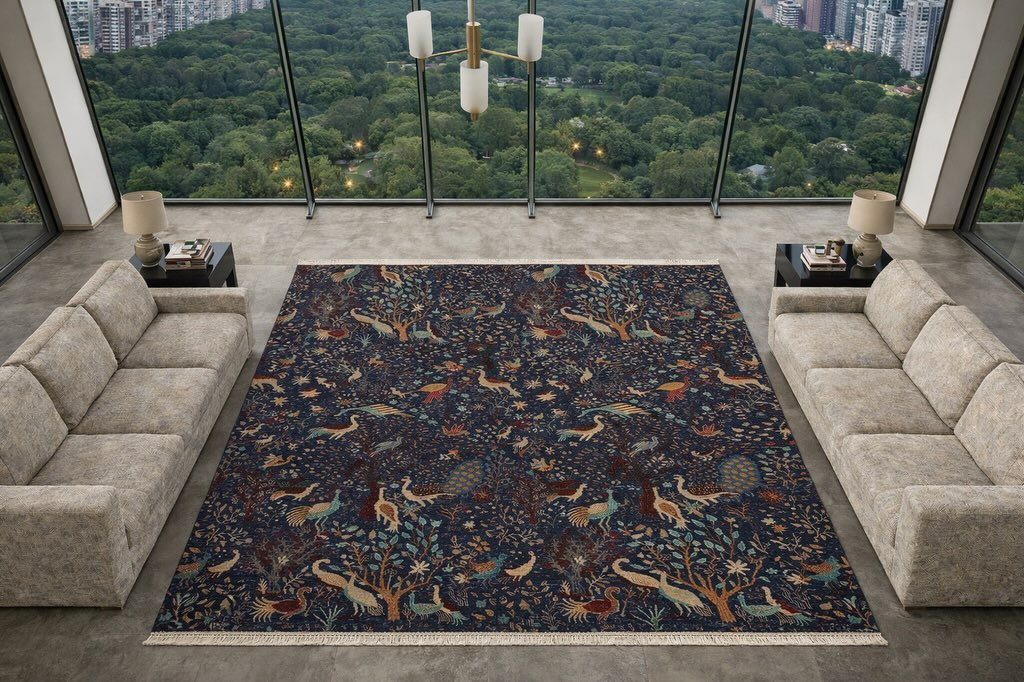
A rug that stops at the edges of the bed looks like a bath mat that lost its way. The rug extends well past the frame, which is what makes the room feel grounded rather than furnished by accident.
For a queen bed, I would look for an 8 by 10 foot rug at minimum; a king needs 9 by 12. The extra border gives you a soft landing on all sides and visually contains the sleeping area even in an open room.
Lower foot traffic in a bedroom means you can risk lighter tones than you might in a hallway, though a busy pattern still hides the occasional coffee spill.
A good synthetic or low-pile wool rug in this size is the kind of purchase that rewards waiting for a sale or checking warehouse outlets.
The investment is in the anchor it provides; everything else in the room can shift, and the rug still holds the layout together.
23. Choose a Glossy Paint Finish

Glossy paint catches light the way matte cannot, and in a bedroom that quality turns a single color into an event.
The surface is resin or polished stone, but the principle carries over: high shine adds depth to a monochrome scheme.
A full room in Benjamin Moore’s Narragansett Green or another deep shade, ceiling included, creates a continuous envelope that flat paint would render flat in a different sense.
The gloss bounces available light around, which matters in a room that might only have one window.
I would not attempt this on walls with obvious imperfections; gloss highlights every bump and patch.
Preparation takes twice the time of the painting itself, and the paint runs higher per gallon than flat finish, so budget for the extra cost. This suits someone patient with prep work and willing to live inside a bold choice.
24. Add a Touch of Dark Contrast
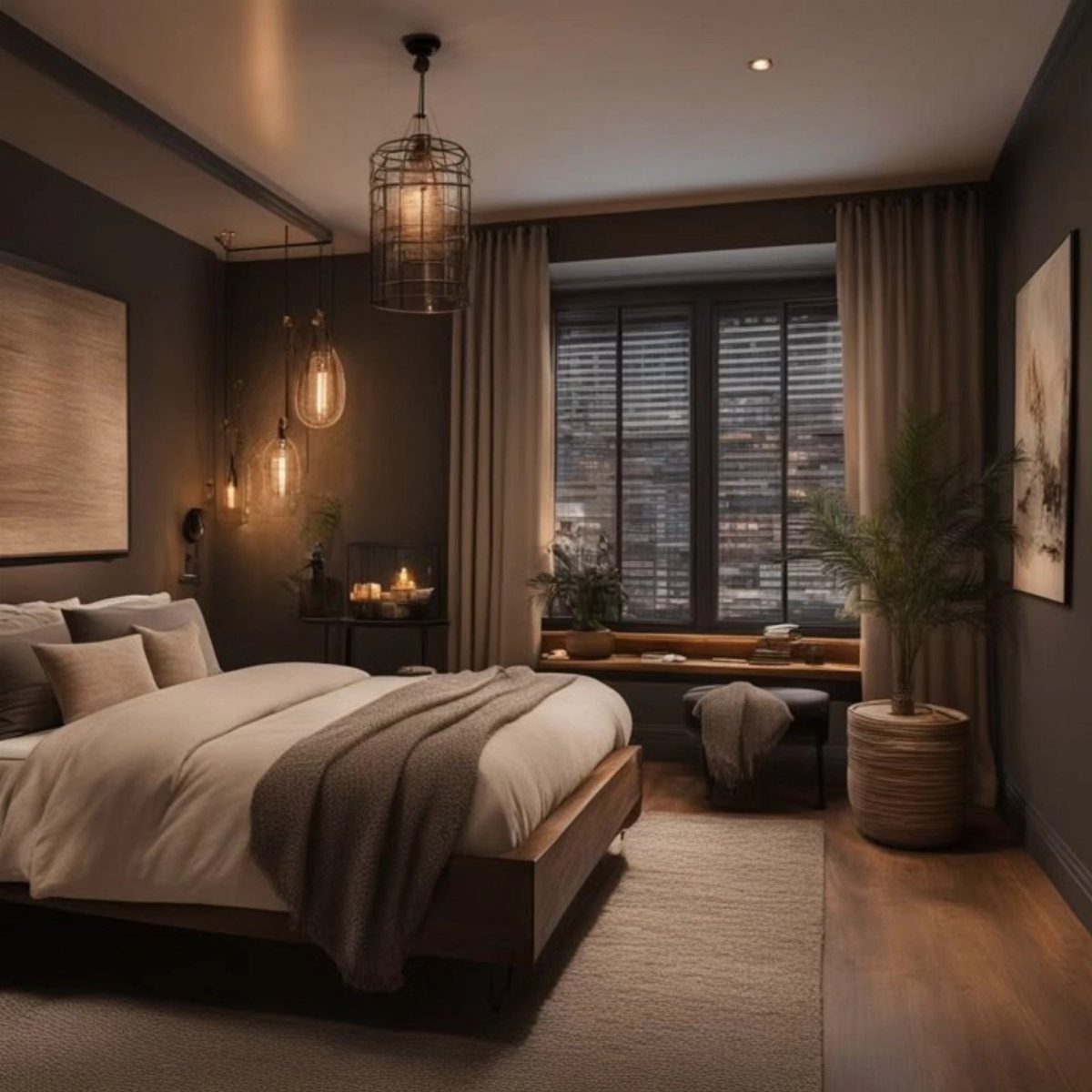
The dark does not dominate; it frames what is lighter and draws attention to the window, the pendant, the city view beyond.
I would use dark contrast as furniture or paint, not both in the same room. A black bedside table against pale walls achieves the same depth without the commitment of repainting.
One or two dark pieces, deliberately positioned, do more than a scattering that reads as accident.
This approach works in rental rooms where painting is forbidden; a dark headboard, a navy rug, or even charcoal bedding against white walls creates the same effect.
Dark surfaces absorb light, so the room needs adequate fixtures or generous natural light to avoid feeling cavelike.
25. Choose Tonal Bedding
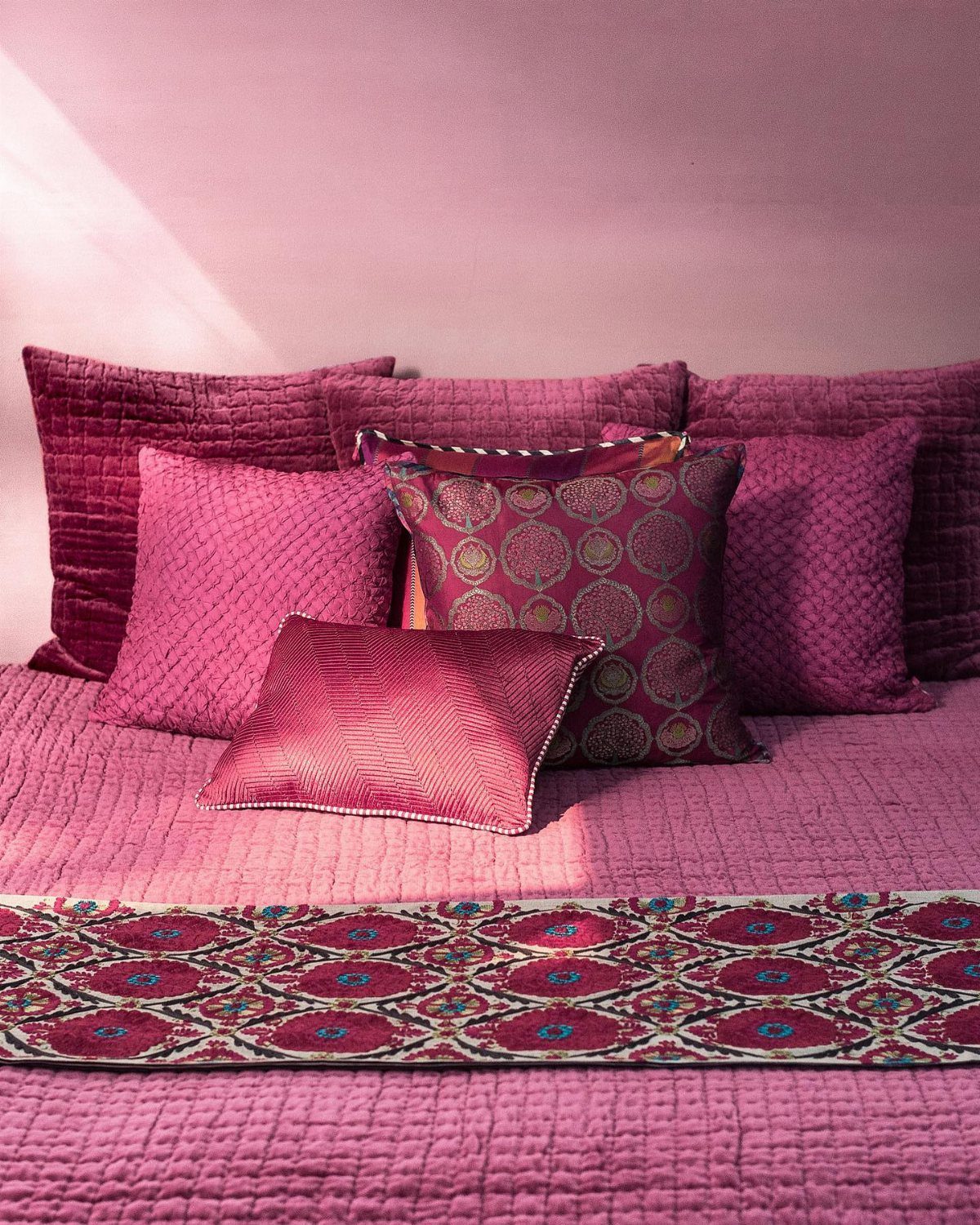
Pink on pink only works if the tones share the same undertone. A quilted spread and matching pillows pulled from the same color family read as one calm layer rather than competing prints.
If you want this look, start with your base layer and add one shade lighter or darker, nothing more.
This suits anyone who wants pattern but finds busy prints overwhelming after a week. The tradeoff: you will need to commit to a single palette, which makes future piecemeal updates harder.
26. Floating Shelves
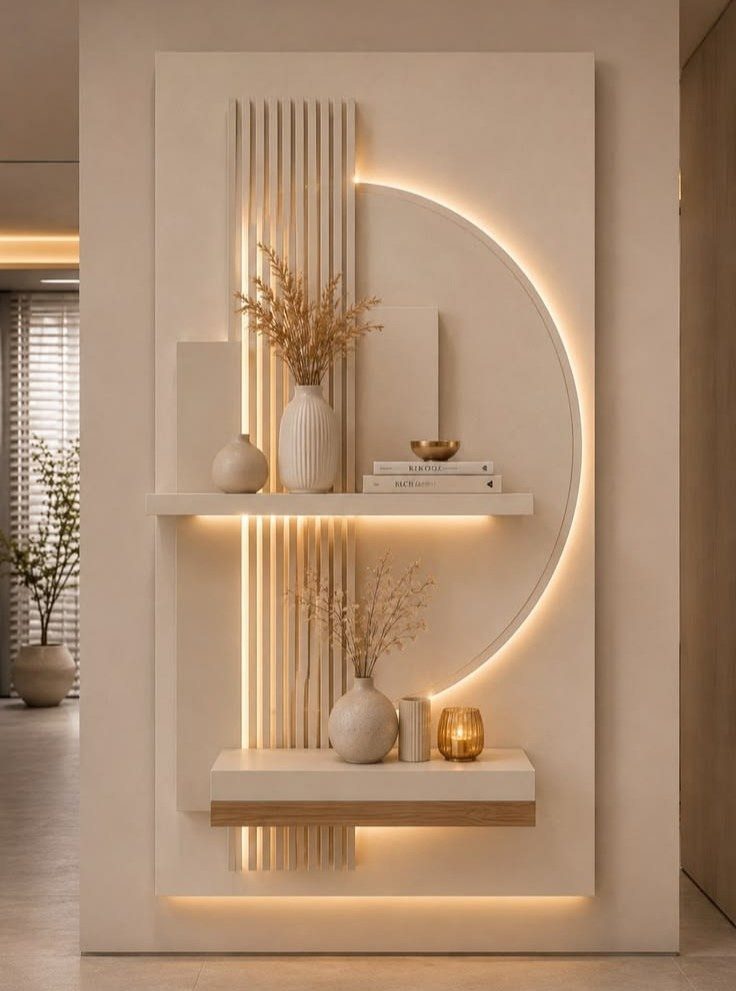
The restraint is the point.
Floating shelves need installation into studs or toggle bolts rated for at least twice the expected weight; sagging shelves ruin the whole effect. In a small bedroom, this is floor space you never had to give up.
A backlit panel behind shelving adds depth, but even without it, a shelf at eye level when standing draws the eye up and makes the ceiling feel higher.
Best for rooms where nightstand space is tight or nonexistent. Skip it if you tend toward clutter; open storage demands editing.
27. Use Oversized Mirrors
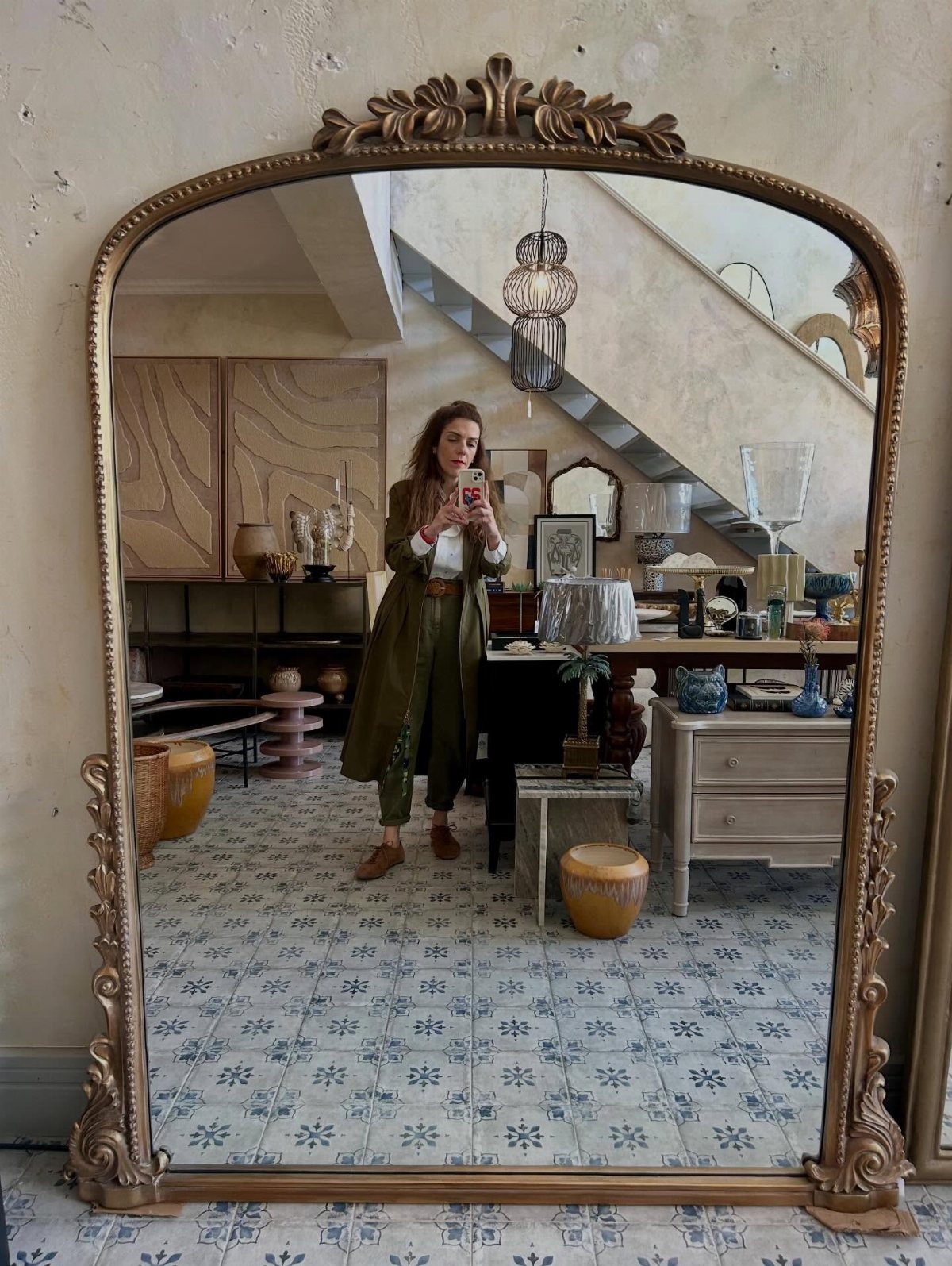
An ornate gold frame against textured plaster does more than reflect the room; it doubles whatever light arrives through windows you cannot control.
Placement matters more than size: opposite or adjacent to your best natural light source, never on the same wall.
A mirror this large needs anchoring hardware rated for its weight, not just a picture hook. An oversized mirror leaned against a wall works when renting, but a stand or secure mount prevents the 3 AM crash.
This works in rooms that feel boxed in or north-facing. The risk is making the bedroom feel like a dressing room; one large mirror reads intentional, a cluster reads retail.
28. Create Zones Within the Bedroom
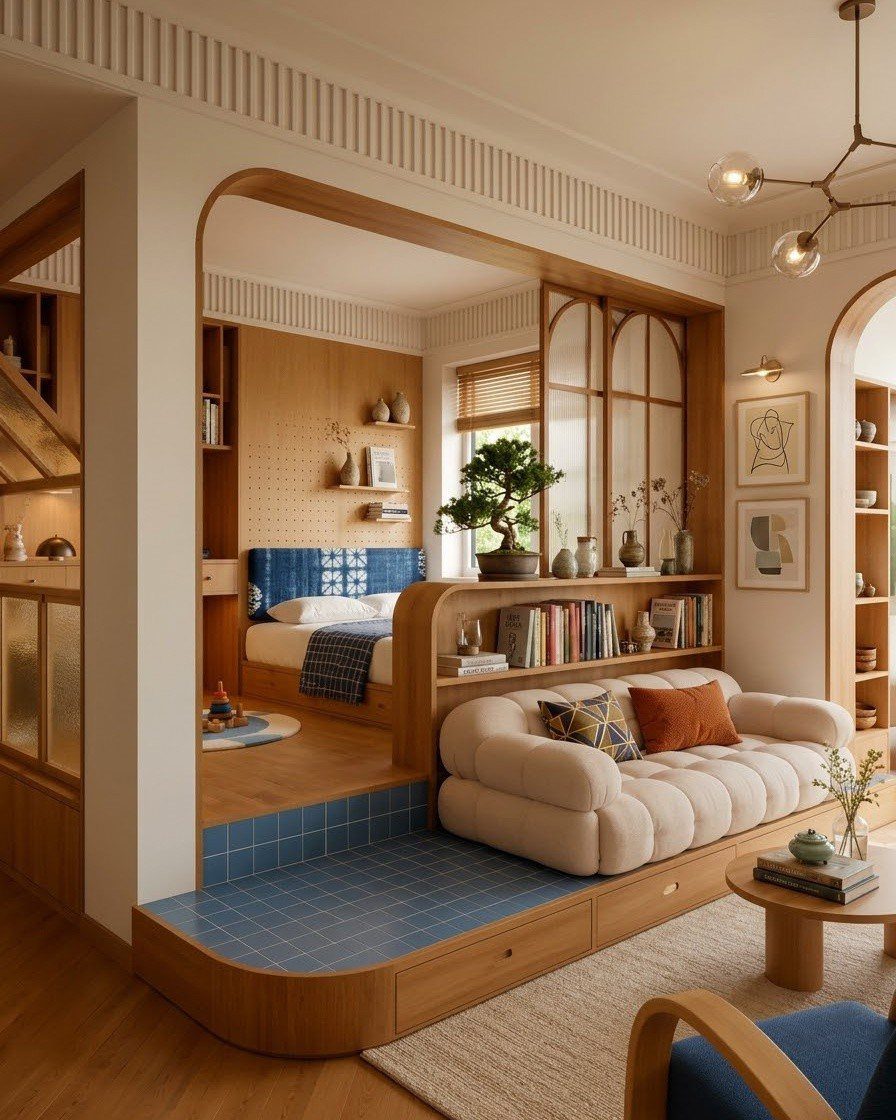
A raised platform with a cream sofa and built-in shelving separates lounge from sleep without a wall. Furniture placement and a change in level or rug create zones in a rental without touching the architecture.
A modular sofa against a wall facing a TV console turns the far end of a large bedroom into a genuine living area.
For smaller rooms, even a single lounge chair angled away from the bed with a small side table marks a transition.
This suits anyone whose bedroom doubles as the only quiet space in a shared home. The cost is square footage dedicated to non-sleep; in a studio, the same principle applies tighter.
29. Incorporate Hidden Technology
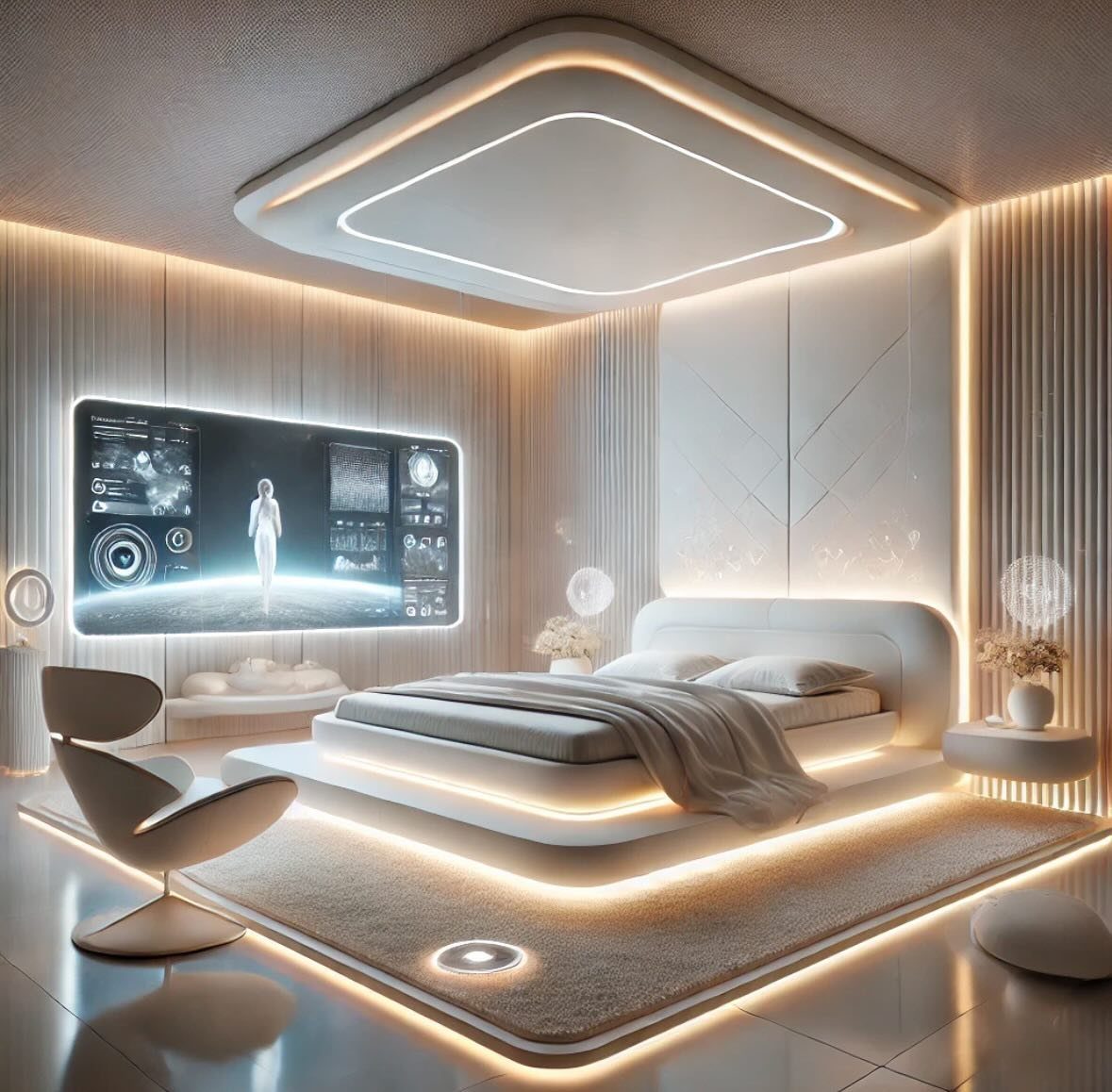
A screen that glows from within wood paneling stays visible only when wanted.
Hidden technology means planning before the first cabinet goes up: measuring depth for the TV and its hardware, routing cables through walls, choosing cabinet doors that open fully or slide aside.
Motorized lifts exist for beds and walls, but a simple cabinet with pocket doors achieves most of the calm for a fraction of the cost.
Screens mounted on pull-out arms inside shallow wardrobes save space, though viewing angle becomes your constraint.
Best for those who sleep better when the room signals rest, not entertainment. Reaching for a remote beats opening cabinetry when you just want noise.
Balance Aesthetics and Functionality
A bedroom that looks great but fights you every morning is a room that needs rethinking. Start by mapping what actually happens in the space beyond sleeping: reading, dressing, maybe a corner for answering emails.
Each activity needs real estate, and the measurements matter. Windows, doors, and anything built-in subtract from what you have to work with, so account for them before choosing a single piece.
The mattress and bedding are where comfort lives or dies. Pick for how you sleep, not how the display looks.
Storage keeps the visual calm intact: low baskets under the bed, floating drawers, or a slim console behind the headboard if the layout allows.
Some beds now come with concealed shelving and internal compartments built in, which keeps the floor plan open without adding furniture.
Group accessories in threes or fives if you display them at all, and only keep what means something or does something. Everything else is clutter wearing a nice finish.
Create a Cohesive Theme
A unified color palette does more than look intentional; it lets your eyes rest. Pick the range before the first paint can opens, and let it carry from wall to textile to whatever sits on the nightstand.
The style should pull toward relaxation, whatever that means for you, not toward the mood of a showroom you walked through once.
Vertical shiplap installed three-quarters up a wall draws the eye upward and can settle a busy pattern nearby. The proportion matters more than the material.
Feng shui keeps surfacing in the rooms I save, though not as a checklist.
The idea that open space lets a room breathe still holds, and the 2026 versions look like cleared nightstands and one path you can walk without turning sideways. That does not mean empty.
It means every object earns its place through use, memory, or connection to somewhere you have been. The result reads as collected over time, not assembled in a single afternoon.
Frequently Asked Questions
What are the latest trends in bedroom decor?
Earthy tones, patterned wallpapers, and eclectic styles lead current modern bedroom design. Warm browns and soft greens are replacing grays and blues in bedding choices, while bold wallpapers and mixed-era furnishings let rooms feel collected rather than staged.
Comfort and personal expression matter more than matching sets from a single store.
What are the 2026 bedroom trends?
Comfort comes first in 2026 bedrooms: hidden storage that keeps surfaces clear, wood and linen that age instead of tiring, and nothing that fights the room for attention.
Layered textures in neutral palettes continue to dominate, with 56% of bedding buyers choosing warm, earthy neutrals over cooler tones.
What are the 7 golden rules for bedroom design?
Start with layout and function: measure carefully, account for windows and doors, and allocate space for sleeping, reading, and dressing. Prioritize comfort with the right mattress and bedding, then balance aesthetics against practicality.
A bedroom needs one color story, not a crowd; light that dims down to a reading glow and brightens for morning; a single shelf or wall for the personal stuff; and the bed wall given the weight, since every glance starts there.