
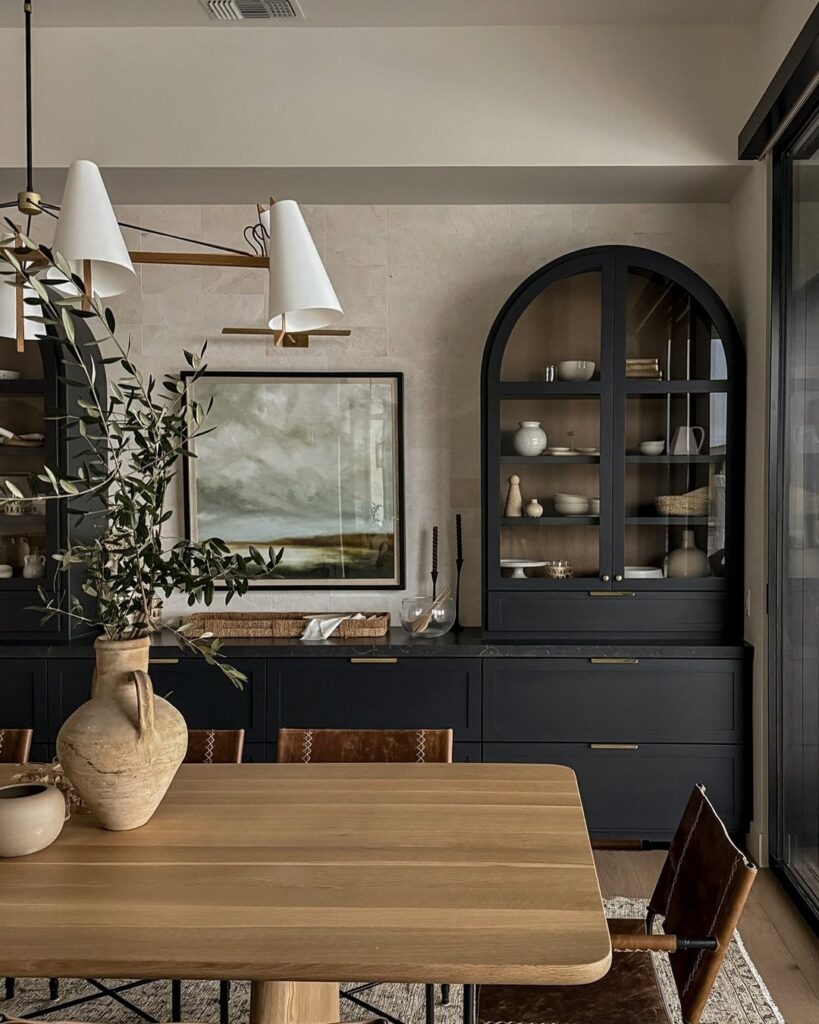
A moody dining room can start at a single gallon of navy paint and a weekend, or run to floor-to-ceiling velvet panels and a marble pedestal table that takes a crew to wrestle through the door.
The right idea depends on whether you are dressing a rental you can patch later, or a first home you plan to grow into.
Every option below keeps the darkness deliberate rather than dim, with 48-inch mirrors to push walls back and taper candles that tell you when to serve dessert without a glance at a phone.
1. Bold Light Fixtures
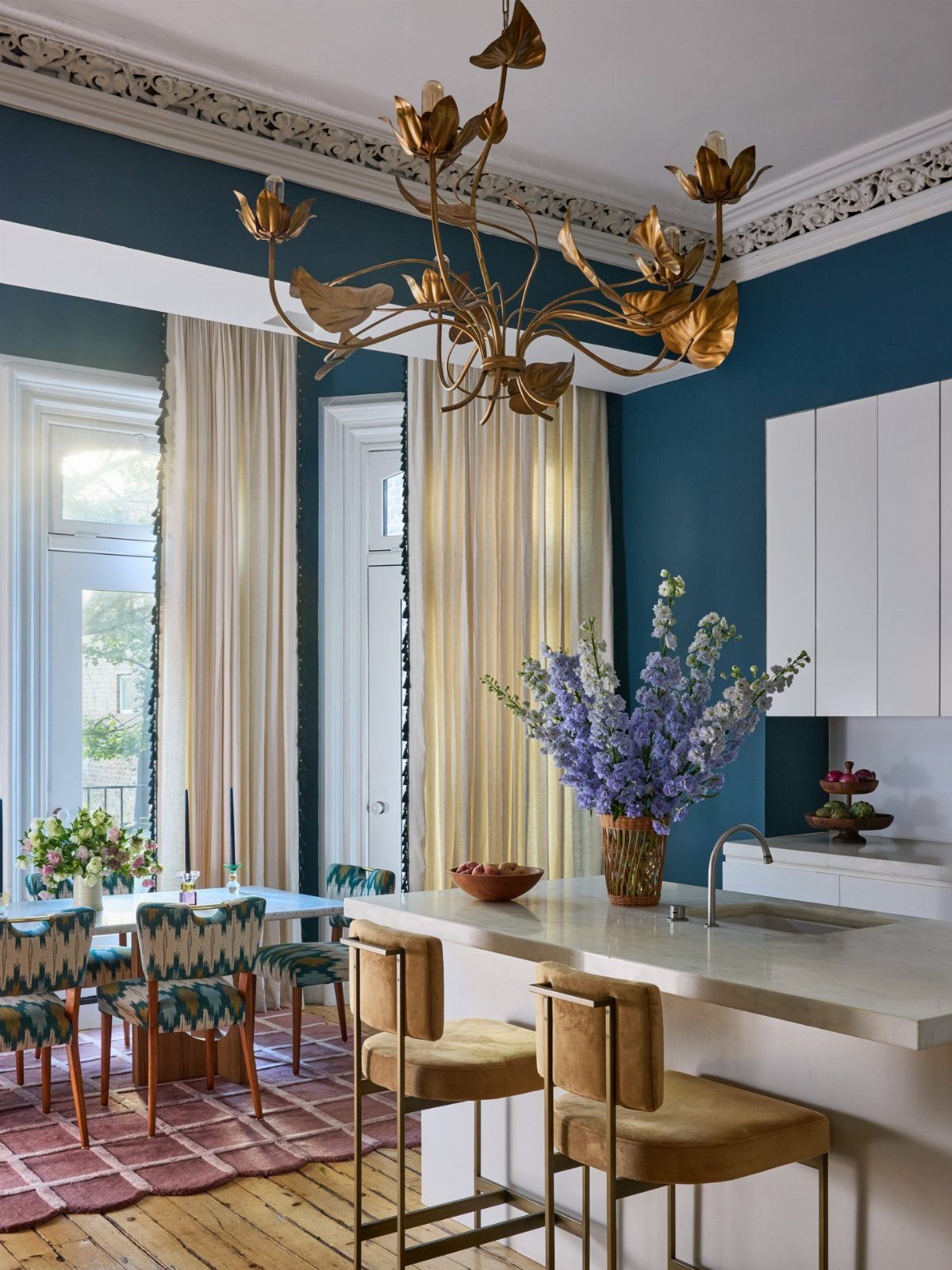
A single sculptural chandelier changes the whole ceiling plane. Brass leaves against teal make the point, but iron, glass, or woven rattan works just as well if the shape is strong enough.
Layer the light so it does not flatten the room. A dimmer on the overhead fixture plus buffet lamps or sconces at about eye level when seated gives you layers to work with.
Swapping a stock white shade for black or textured linen deepens the shadows exactly where you want them.
If the budget allows one splurge here, make it the chandelier. Everything else can follow.
2. Deep, Rich Wall Colors
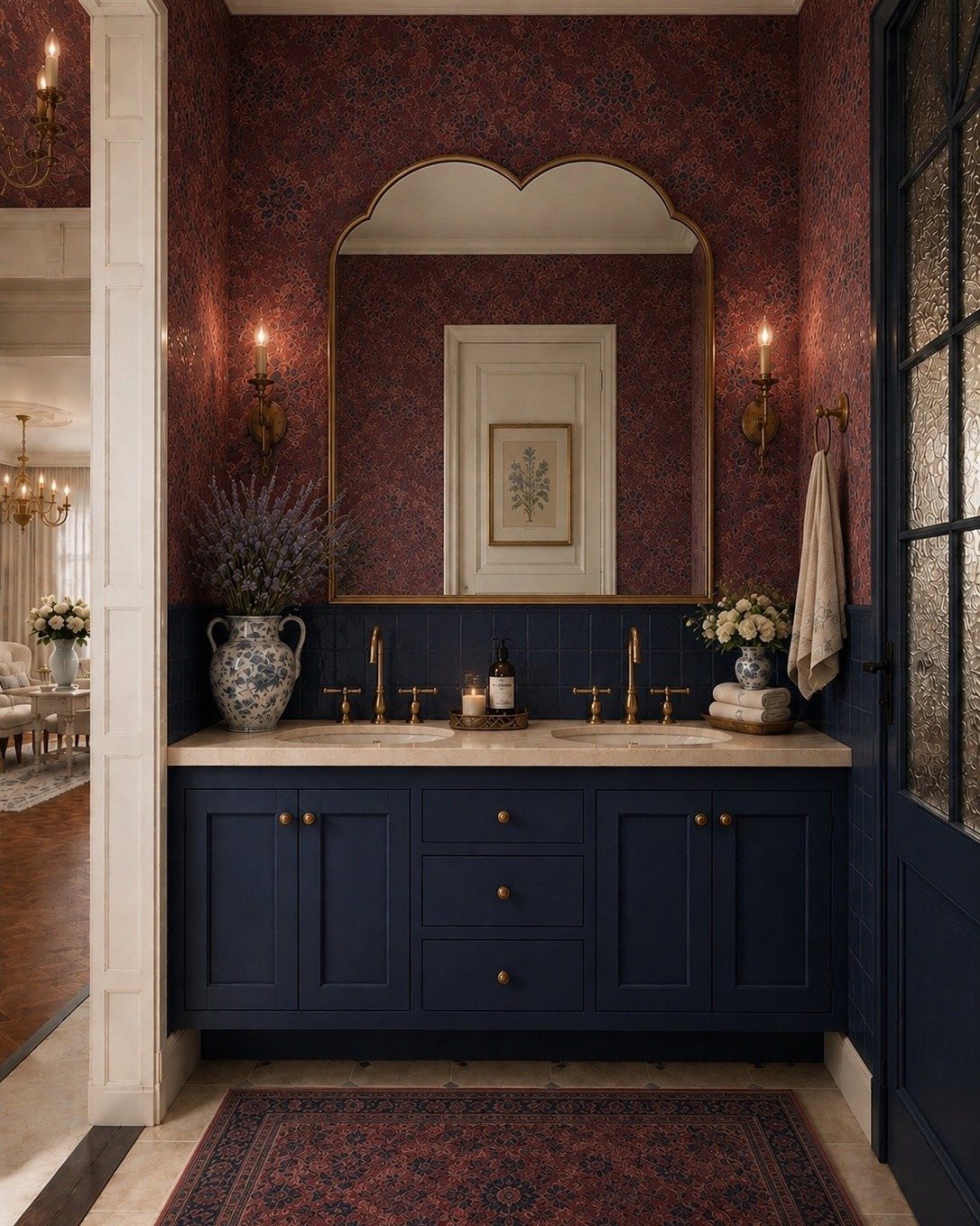
Paint is the fastest way to drop a room into a darker register. Navy, charcoal, forest green, even deep burgundy: one coat and the walls start holding light instead of bouncing it everywhere.
Charcoal in a north-facing dining room turns a pass-through room into somewhere people settle in. Dark colors compress square footage visually, so smaller rooms need more deliberate lighting.
White trim, a light ceiling, or one reflected wall keeps it from closing in entirely.
Quality paint and a weekend of work covers most dining rooms this size. Start there before buying anything else.
3. Eclectic Art Pieces
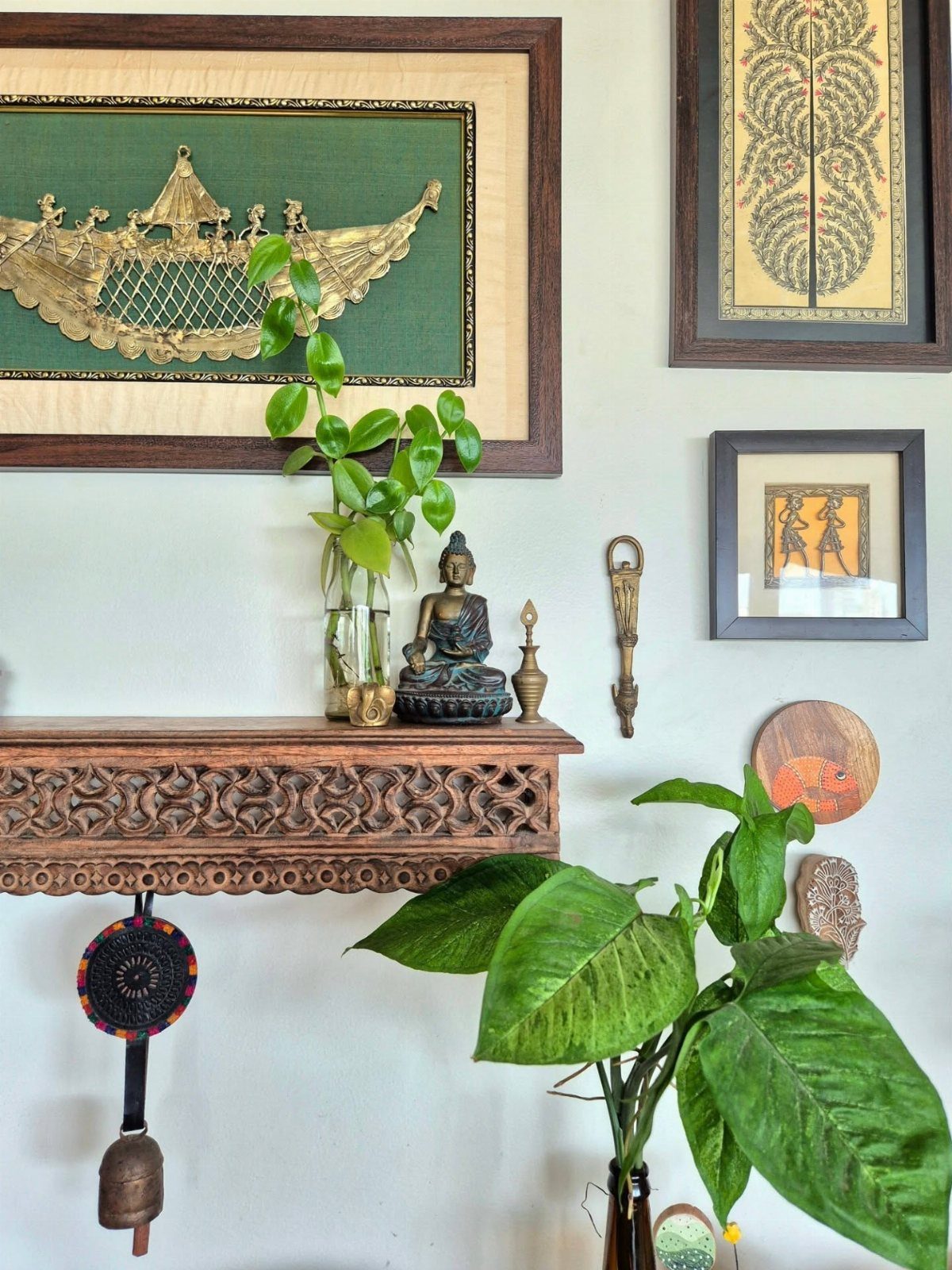
Art does not decorate a moody room; it finishes the argument the walls started.
Dark-hued paintings, vintage bird prints in black frames with ivory mats, or a stacked pair of sketches leaned on a sideboard all pull the eye down and keep the atmosphere from floating away.
I look for abstracts or landscapes with deep tones, but the rule is simpler than genre: choose pieces that hold their own against dark paint or wallpaper.
A single large canvas above a credenza often works harder than a scattered gallery in these rooms.
Mismatched frames are fine if the palette holds together. The cohesion is in the ink or paint, not the wood around it.
4. Moody Wallpaper
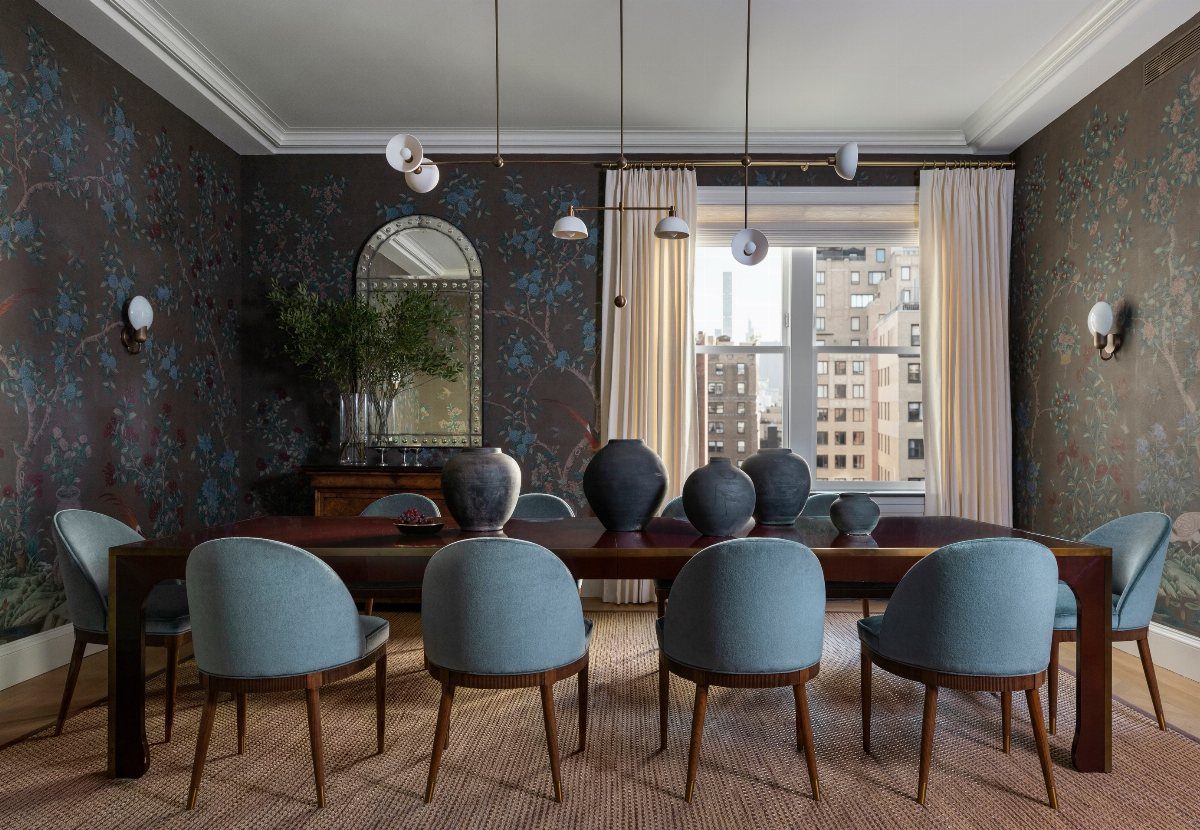
Wallpaper gives you pattern and depth at once, and in a moody dining room it can carry the whole tone. Blue botanicals with modern furniture keeps the room from reading as period costume.
One wall is usually enough unless the space is large and broken up by windows or doors.
Dark grounds with floral or geometric prints work best when the furniture stays relatively clean-lined; the contrast keeps the room layered rather than cluttered.
Village Design Studio, whose work is shown, notes that botanical walls against a neutral palette and contemporary pieces feel unexpected in exactly the right way.
A wallpaper calculator from your supplier prevents the classic over-order or short-run disaster. Measure twice, and buy a single extra roll for patching.
5. Mirrors for Light Reflection
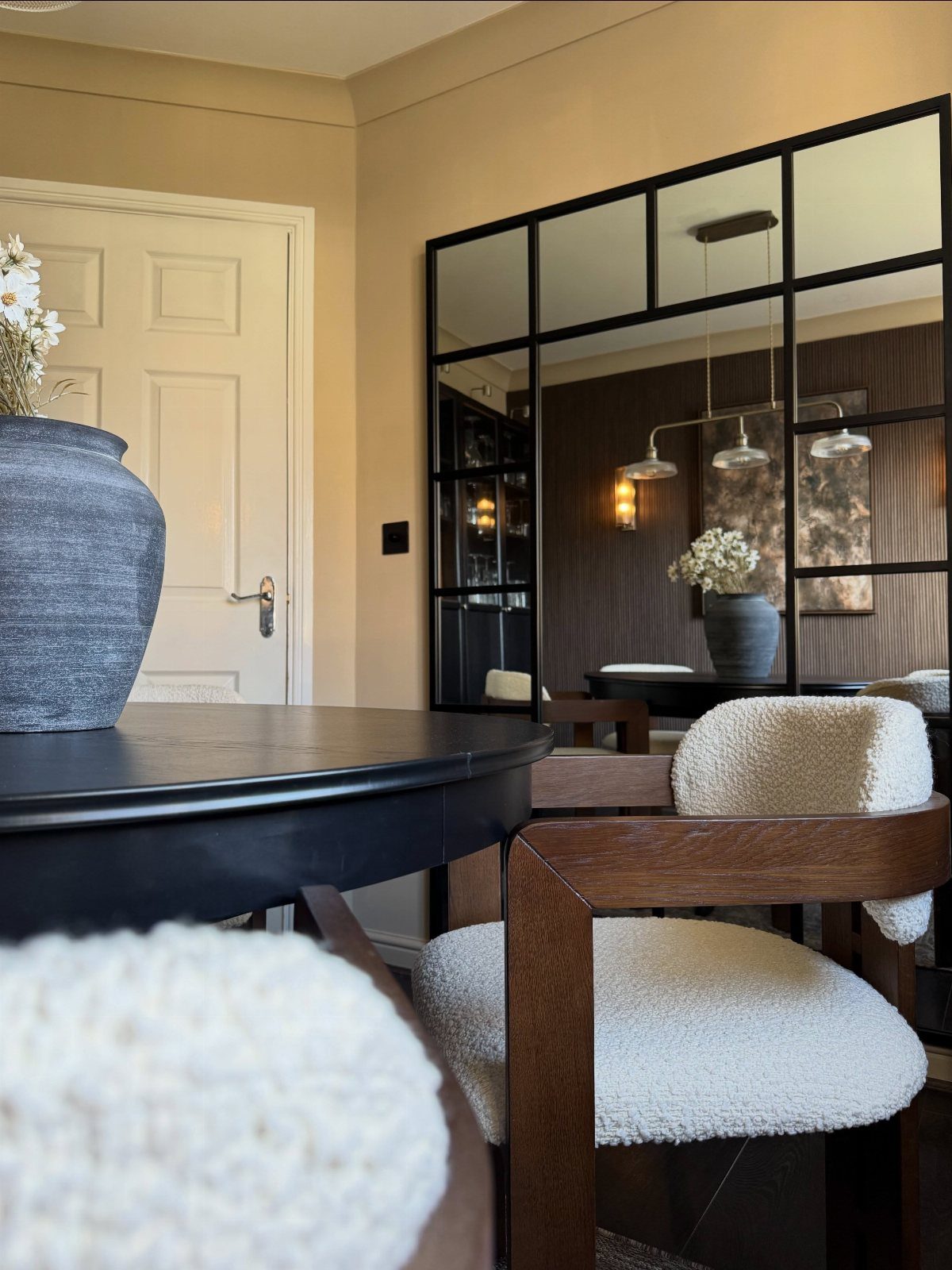
A mirror in a dining room acts like a second light source without adding watts. A black window-pane frame reflects pendant lamps from the opposite side, effectively doubling the visible glow and pushing the walls back.
I hang them where they catch something worth seeing: a chandelier, a candlelit table, a piece of art on the facing wall. A brass frame warms a green room; black metal keeps the palette cool and architectural.
Either way, the scale should be substantial. A mirror smaller than 30 inches across disappears; one at 48 inches or wider starts doing real work.
Position it to reflect light, not the kitchen sink or a hallway. The angle matters more than the frame price.
6. Moody Color Combinations
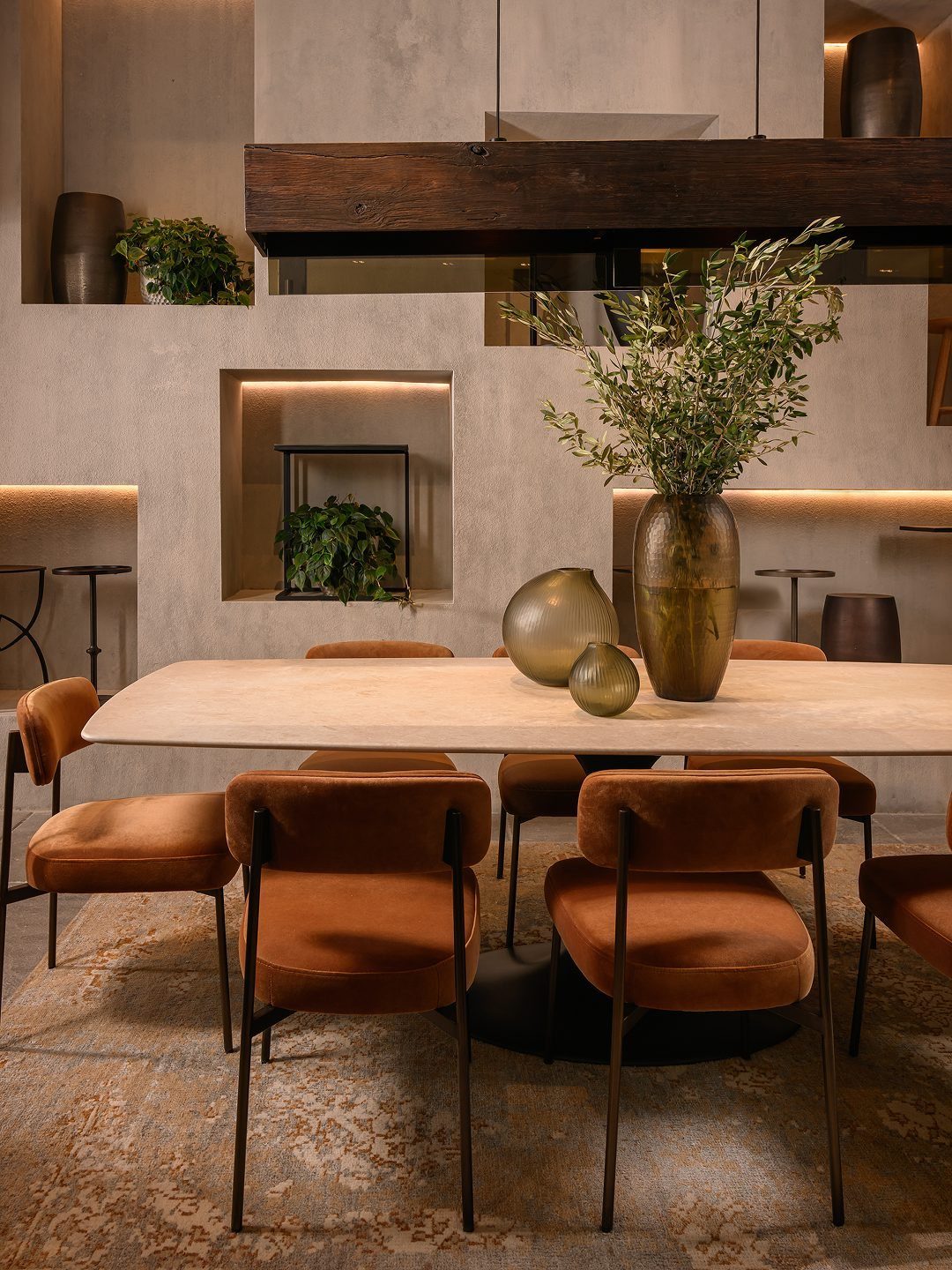
Color in a moody room lives in combination, not isolation. Charcoal walls with burnt orange chairs, navy with brass, deep green with cream and black: the pairing creates the tension that makes dark feel deliberate rather than merely dim.
A single warm accent against cool walls, like orange velvet, keeps the eye moving. Grounding the palette with something natural—wood, linen, stone—keeps jewel tones from turning theatrical.
Metallic touches at the light fixture or table base add a third register without introducing a new color.
Test the combination in the actual room, at the actual hour you dine. A burgundy that reads rich at noon can vanish into brown by lamplight.
7. Statement Dining Table
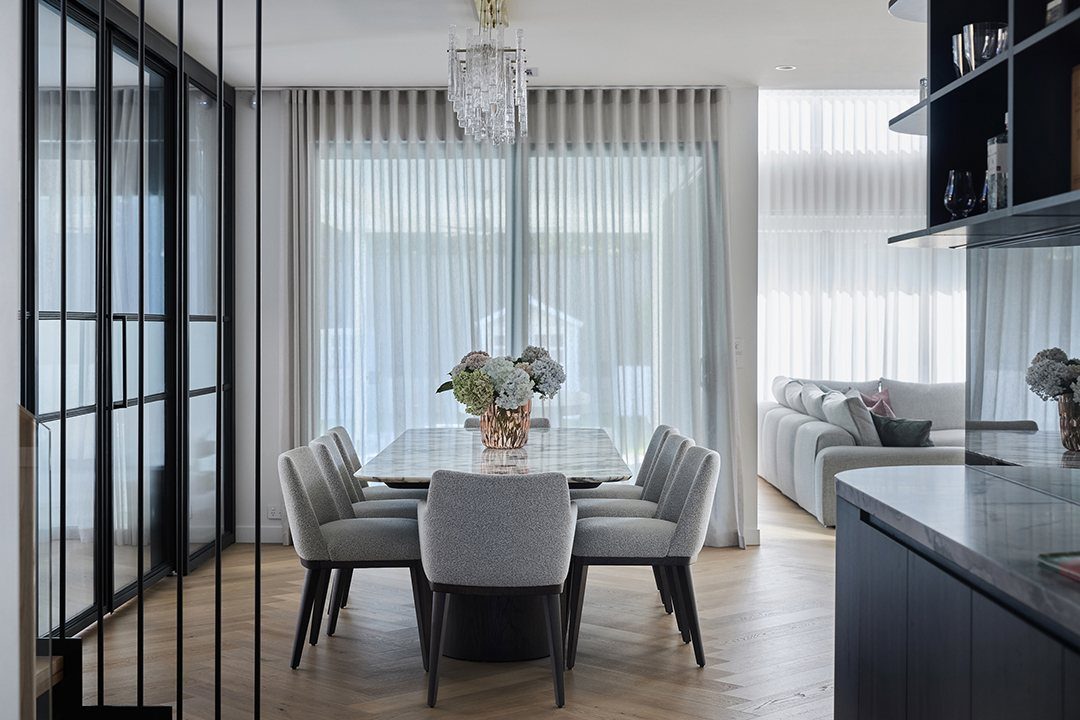
A marble pedestal table with a single central support leaves sight lines open and floor space feeling larger than a four-legged base would.
That weighty stone surface catches light differently across the day, shifting from cool to warm, which keeps a moody room from going flat.
Reclaimed wood works the same way if stone feels too cold or too dear.
I once helped wrestle a reclaimed oak slab through a narrow doorway; the table took four of us and left knuckle bruises, but it became the room’s anchor the moment it sat level.
Hexagonal or oval shapes break the usual rectangle routine without fighting most chair placements. A pedestal base also means no corner legs to dodge when squeezing in an extra seat.
8. Natural Elements and Accents
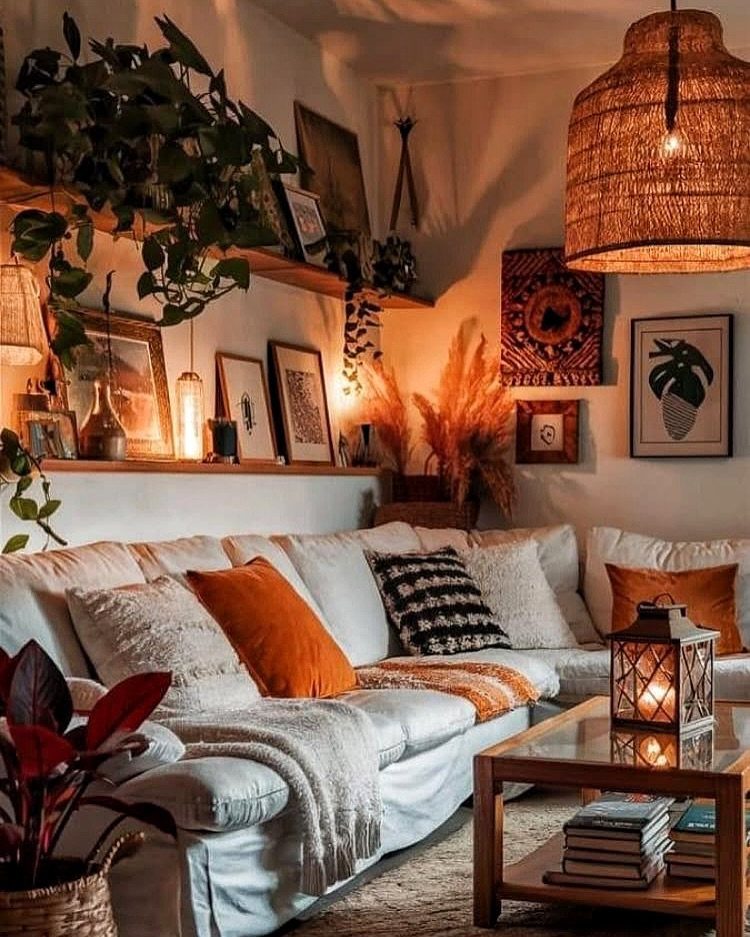
Woven seagrass, raw wood, and dried branches soften the severity that dark walls and dim light can drift toward. A single rattan pendant interrupts a room’s heaviness without brightening it; the texture reads warm even in low light.
A mango wood bowl or a cluster of wooden mushrooms on the table does the same job at sitting height. A seagrass basket tucked against one wall hides clutter while adding surface variation that paint alone can’t give.
Stone also belongs here. A slate or basalt accent wall behind the table grounds the room in something older than the house.
Pair that with a live-edge wood top and the contrast handles itself.
9. Unique Table Shapes
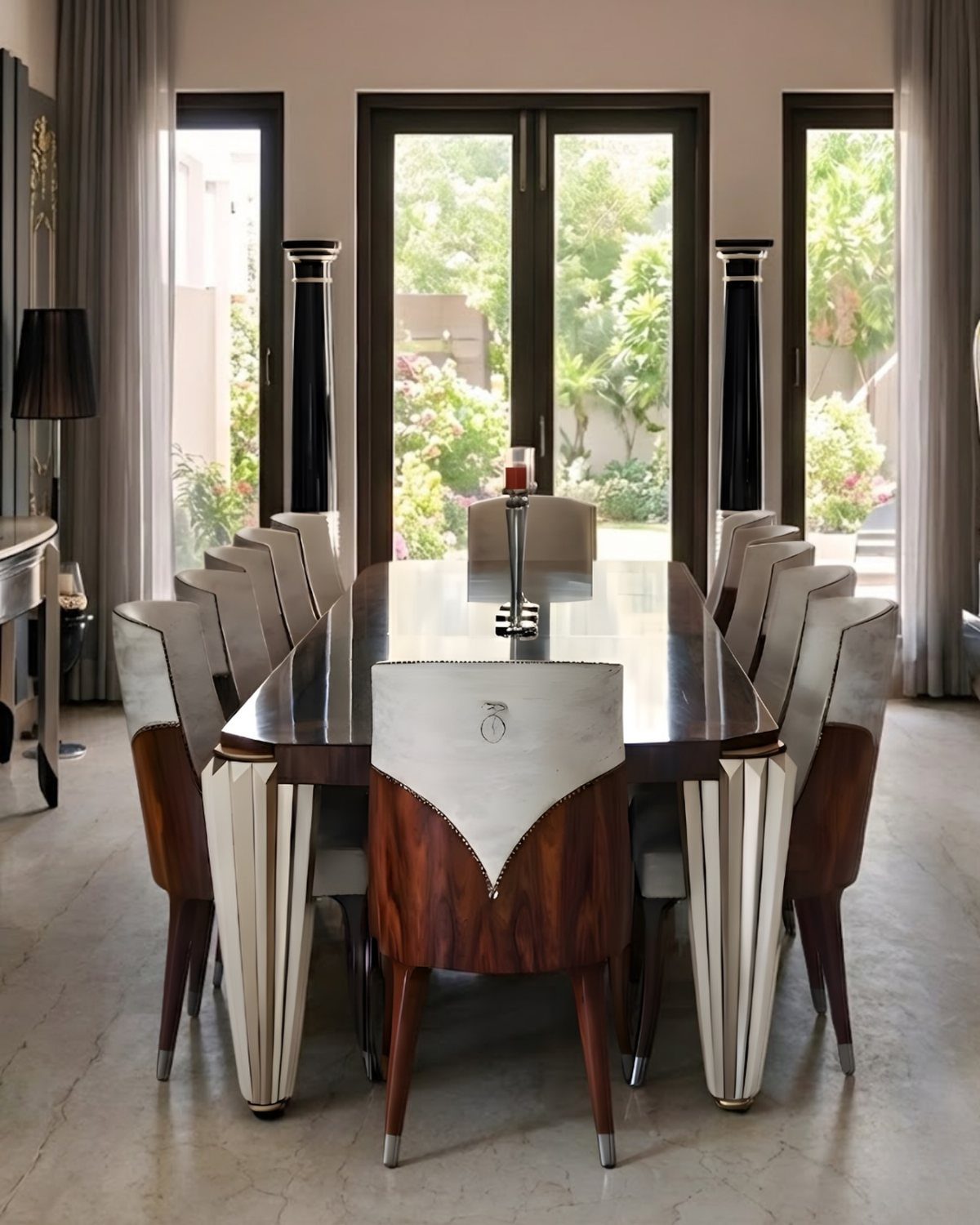
A hexagonal table seats six without the awkward reach across a wide circle or the elbow wars of a long rectangle. Those six sides also mean no head-of-table hierarchy, which suits the way most of us actually eat now.
A chunky marble hexagon with chrome chairs reads midcentury; the same shape in reclaimed wood with mismatched vintage seats goes somewhere else entirely. The geometry does the work either way.
Oval tables split the difference between rectangle and round, giving flexible seating without the corner problem. A well-proportioned table can fit a full holiday crowd and still feel right for a weeknight dinner, no leaves needed.
Whatever shape you choose, walk the room with a cardboard cutout first; a table that looks right on paper can block traffic flow once chairs slide out.
10. Accent Wall
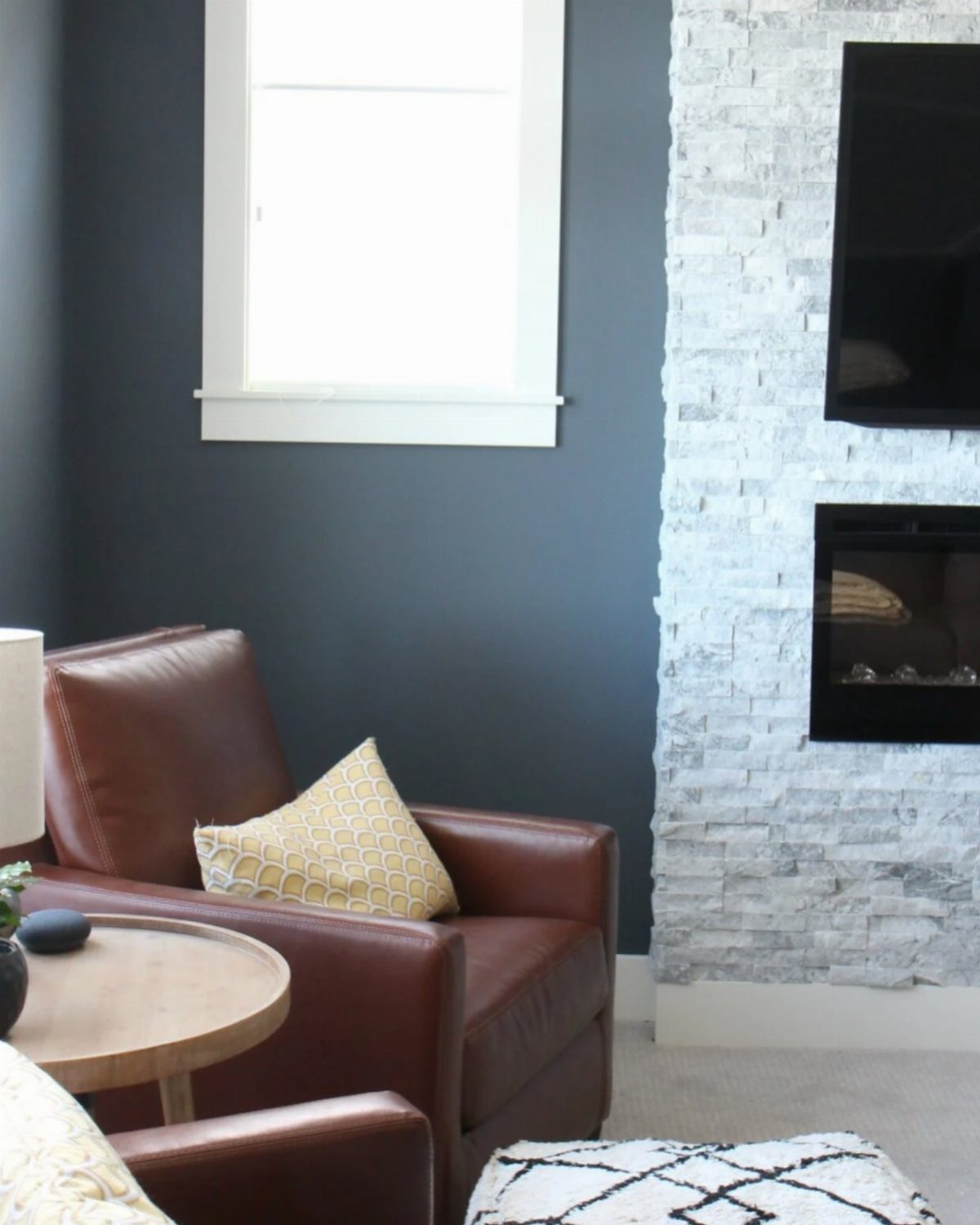
One dark wall behind the table concentrates the mood without closing the room in. Deep blue against stone works because the textured surface catches enough light to keep the blue from reading as black.
Black paint behind a natural wood table gives even more punch, though it asks for soft neighbors: off-white, dove gray, or pale taupe on the remaining walls keep the space from turning cavernous.
Greenery and warm metals then step in as the living elements that prevent a showroom feel.
Textured walls in a dining space collect dust faster than flat paint; keep a soft brush or vacuum attachment within reach. Black matte shows every fingerprint; eggshell or satin forgives more, and a quick wipe-down after cooking keeps touch-ups rare.
A stone or slate accent wall skips that maintenance entirely if your budget stretches to it.
11. Dramatic Floral Arrangements
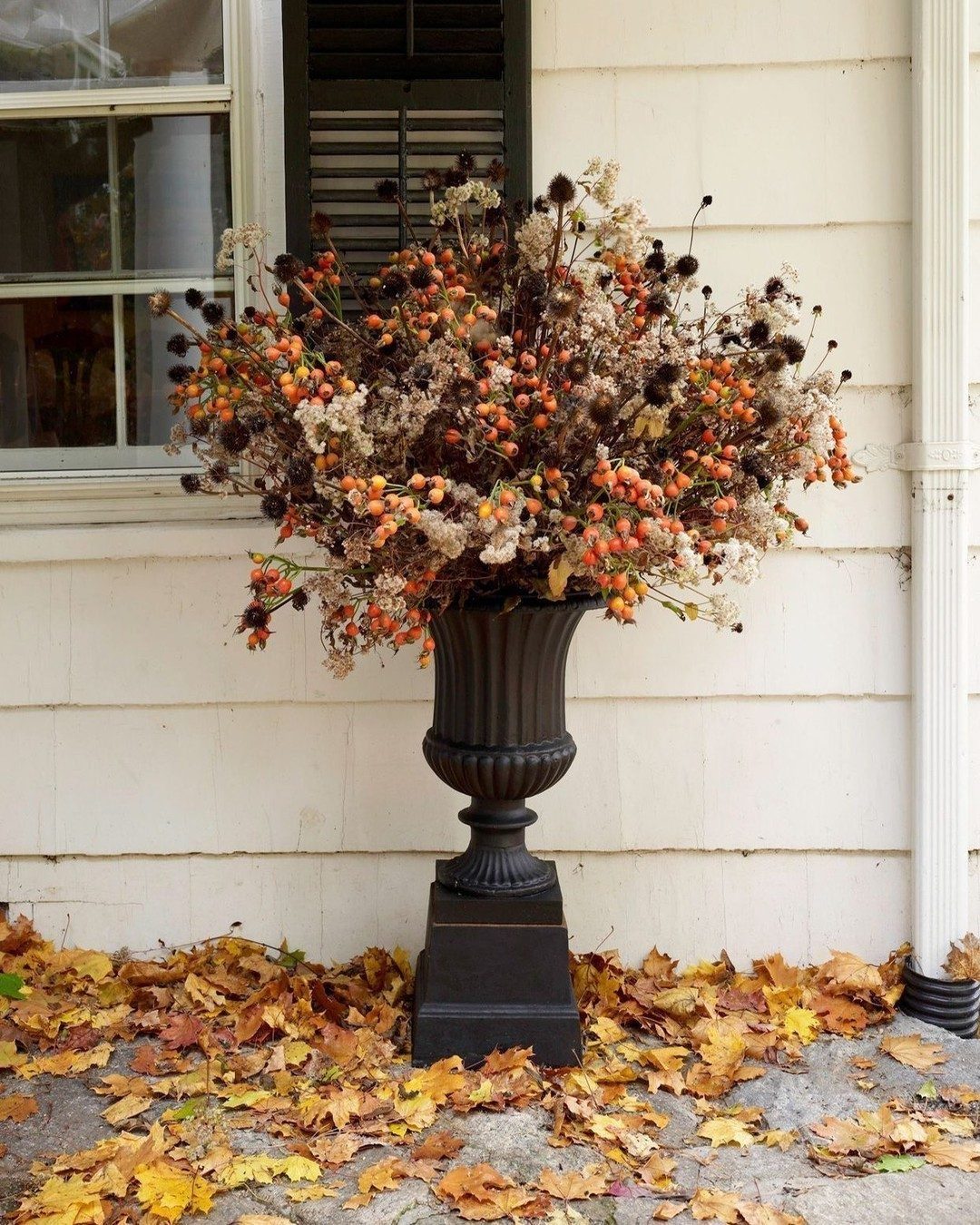
Deep burgundy dahlias or dark red roses against dim light read as color without brightness, which is the exact balance a moody room needs. A dried arrangement carries the idea through autumn and winter without replacement.
Fresh flowers enliven darker tones for a week or two; silk versions drop the maintenance to zero and cost less across a year if you buy good ones once.
I rotate between both, using fresh when I’m hosting and a dried or silk base the rest of the time.
A dark vase or urn matters as much as what goes in it. A heavy, low vessel keeps tall stems from tipping or looking fussy.
Candlelight behind or beside the arrangement, not directly overhead, is what brings out the depth those dark petals hold.
12. Antique and Vintage Touches
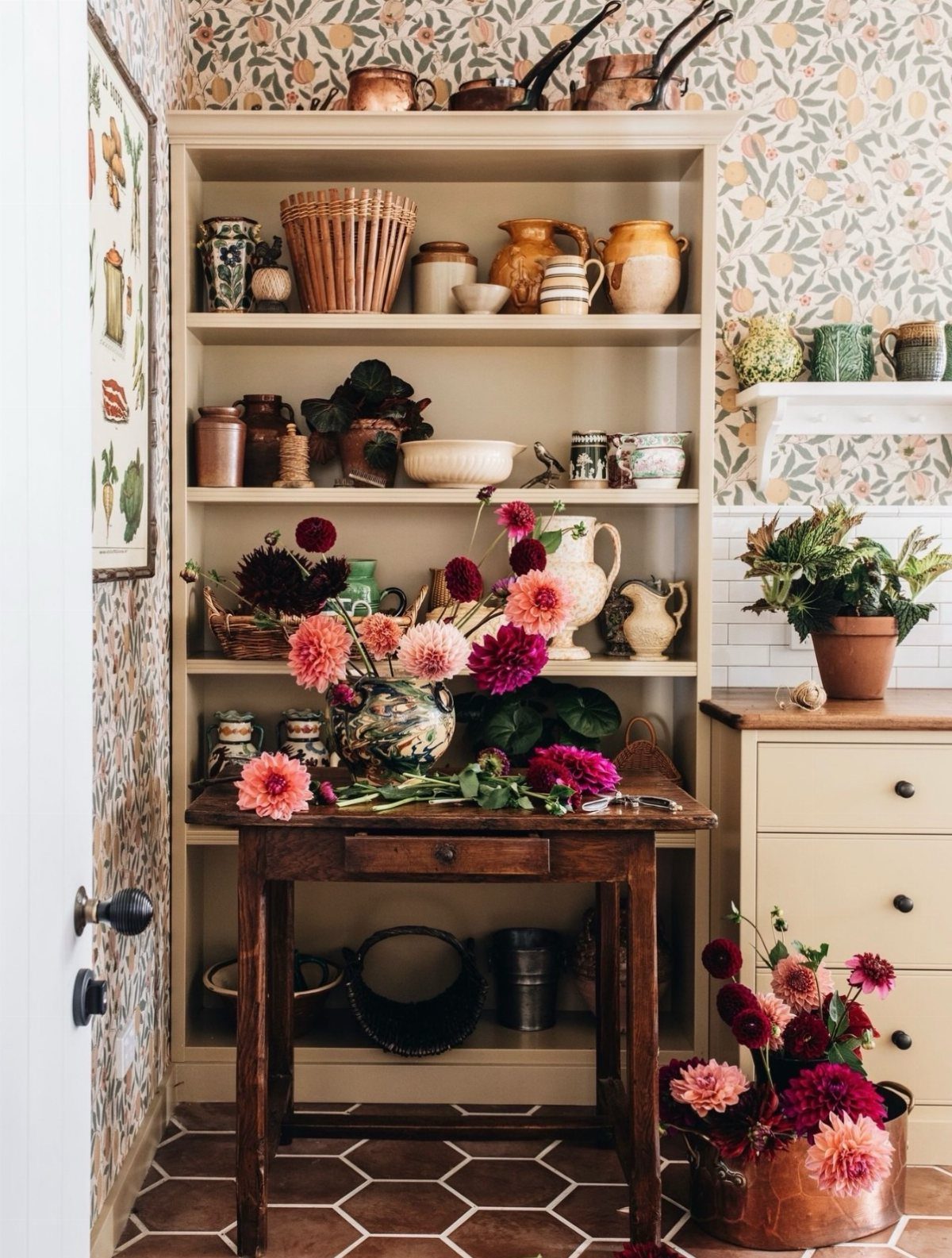
Tarnished silverware, an aged mirror, or a worn candelabra carries time that new pieces borrow at best.
A hutch that mixes ceramic and basketry without matching era or origin reads as collected; the feel is what matters, not any single provenance.
A brass candelabra from a flea market casts light in flickers no LED replicates. The wax drips and thumb-smoothed patina tell their own story at the table, and guests lean in to look closer.
Small antique items work better here than large ones, which can tip a room toward period costume.
One tarnished piece among newer settings, or a vintage mirror above a modern console, keeps the room anchored in now while borrowing depth from then. The trade is maintenance: old silver needs occasional polishing, and aged glass may spot.
I count that as part of the character, though on rushed mornings it can feel like a chore.
13. Mix of Old and New
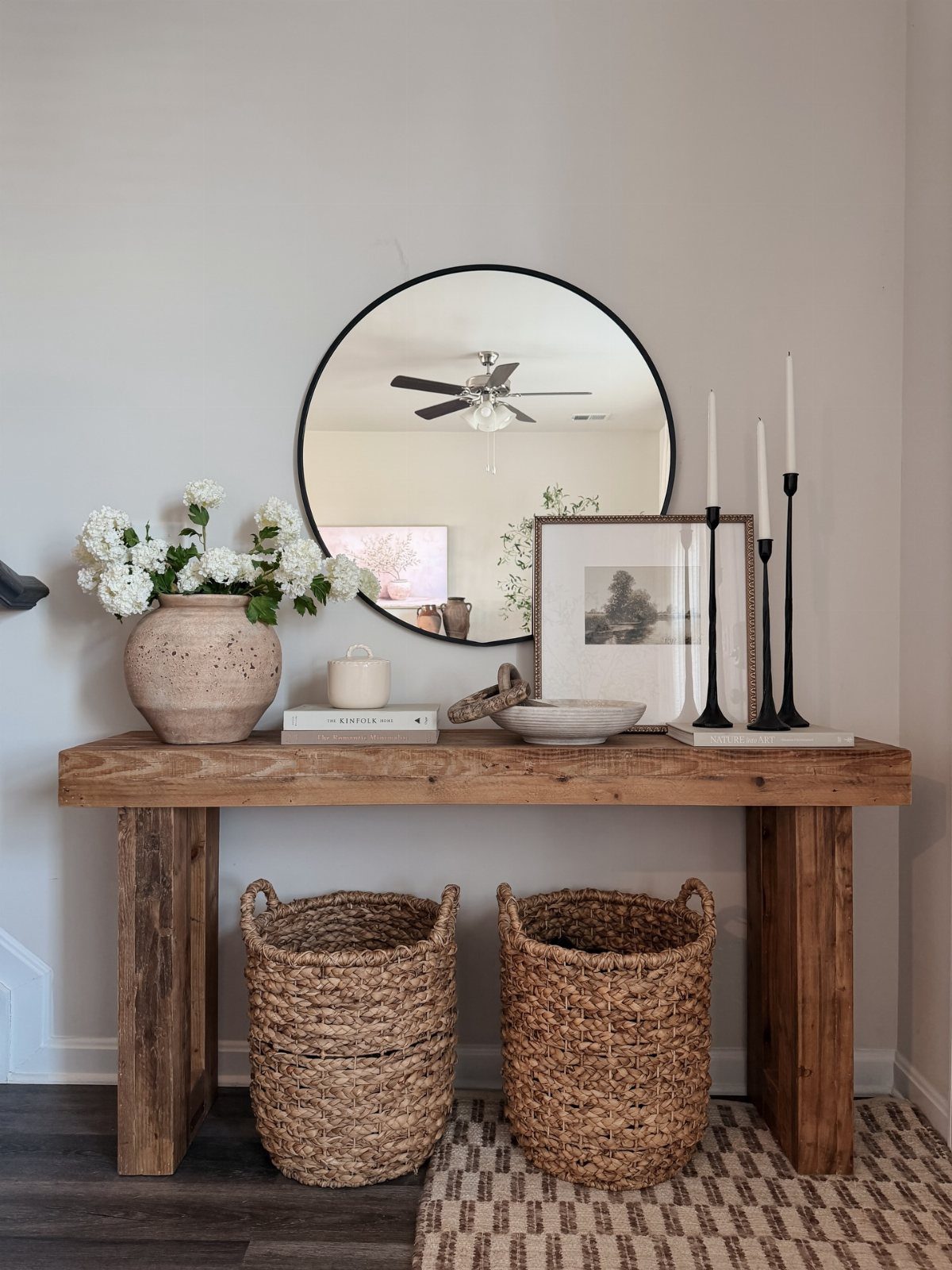
A rustic console table with woven baskets underneath lets mixed eras share one wall without fighting. Give each piece a job: the table holds flowers and candles, the mirror bounces light back, and the baskets swallow clutter.
I like starting with one modern anchor, maybe a clean-lined table, then layering in one vintage find at a time until the room feels collected rather than decorated.
If the budget only stretches to one antique, make it seating. Old chairs reupholstered in fresh linen sit comfortably against new construction and get better with use.
The mismatch becomes the point.
14. Dark Dining Room Furniture
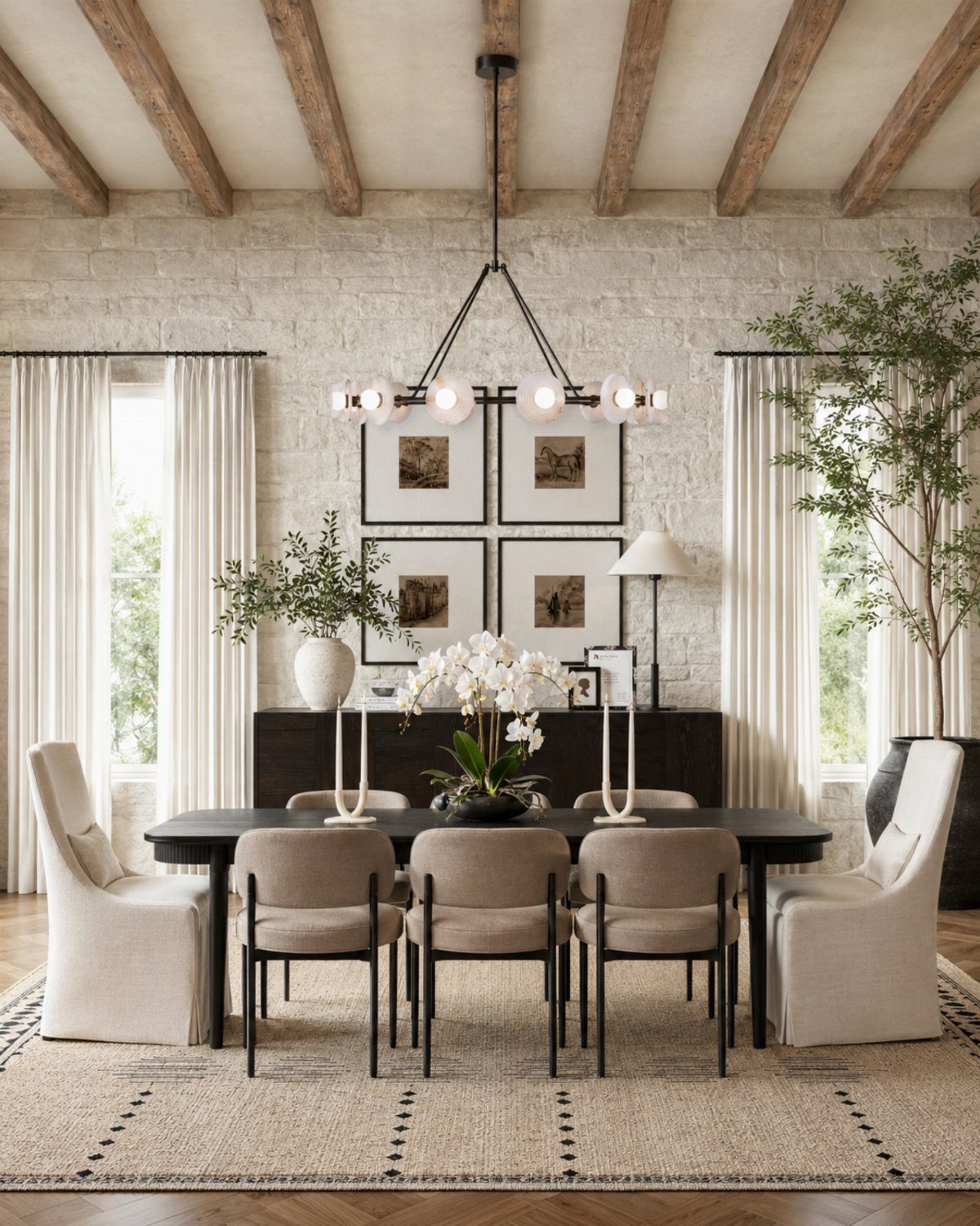
Dark wood or black paint on a dining table grounds the room immediately; not every piece has to match.
One substantial table, maybe worn ebony or a deep stain with visible grain, sets the tone; lighter upholstery on the chairs keeps you from feeling like you are eating in a cave.
For a smaller space, I’d skip the sideboard and let the table carry all the darkness. Add one tarnished piece, an old candelabra or aged mirror, and the room picks up history without turning into a set.
15. Dark Metallic Accents
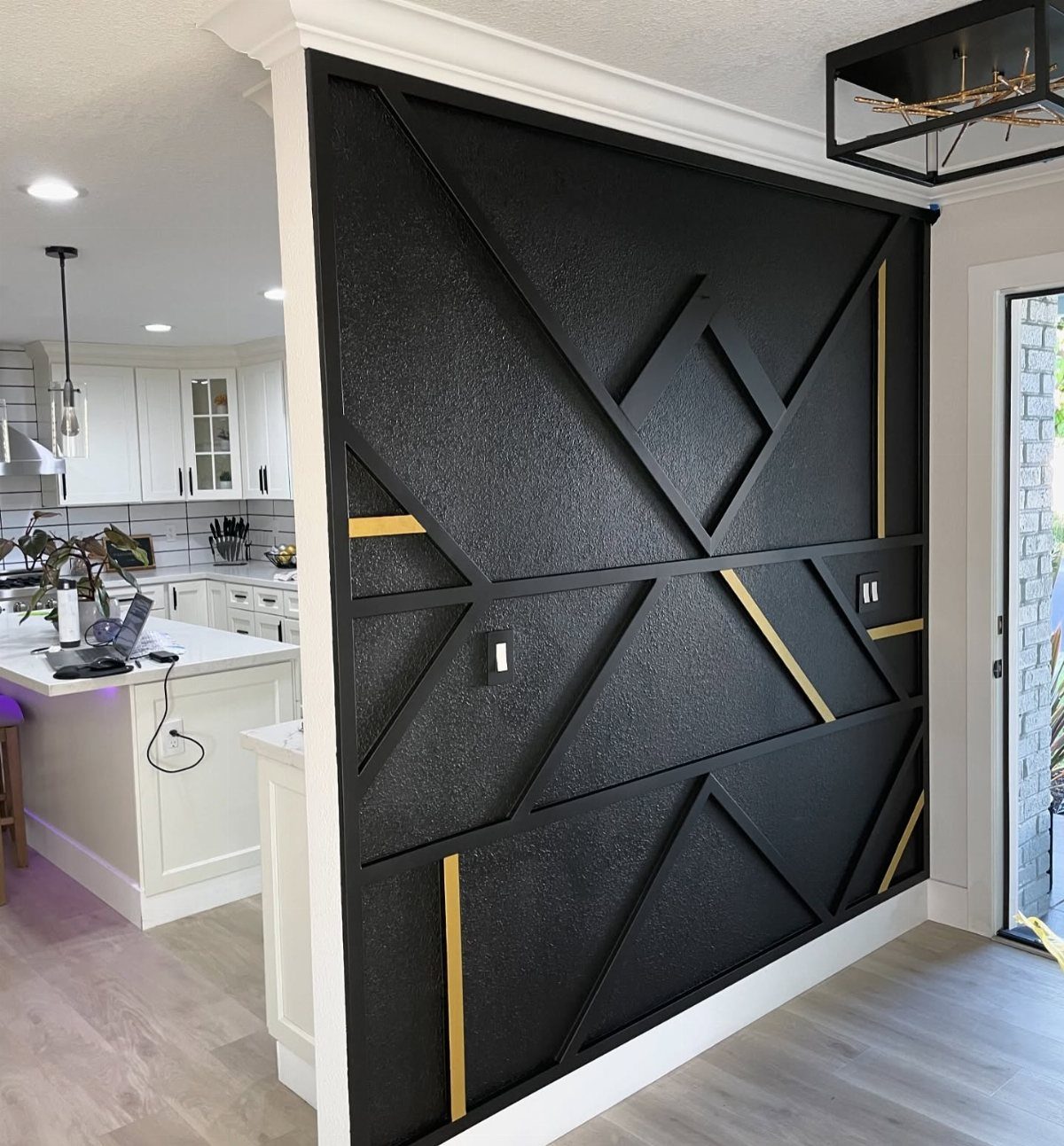
Thin gold strips laid into a black textured wall catch light differently than a painted stripe ever could.
Dark metallics, bronze or pewter especially, do the same work on a table: chargers under plates, a vase with branches, candle holders that throw back the flame. The finish should read almost black until the light hits it.
A pair of gold sconces flanking a sideboard or artwork brings the same glint upward, where a chandelier might feel expected. Start with one metallic element at table height and add only if the room still feels flat.
Too much reads as jewelry on an already dressed-up space.
16. Gallery Wall
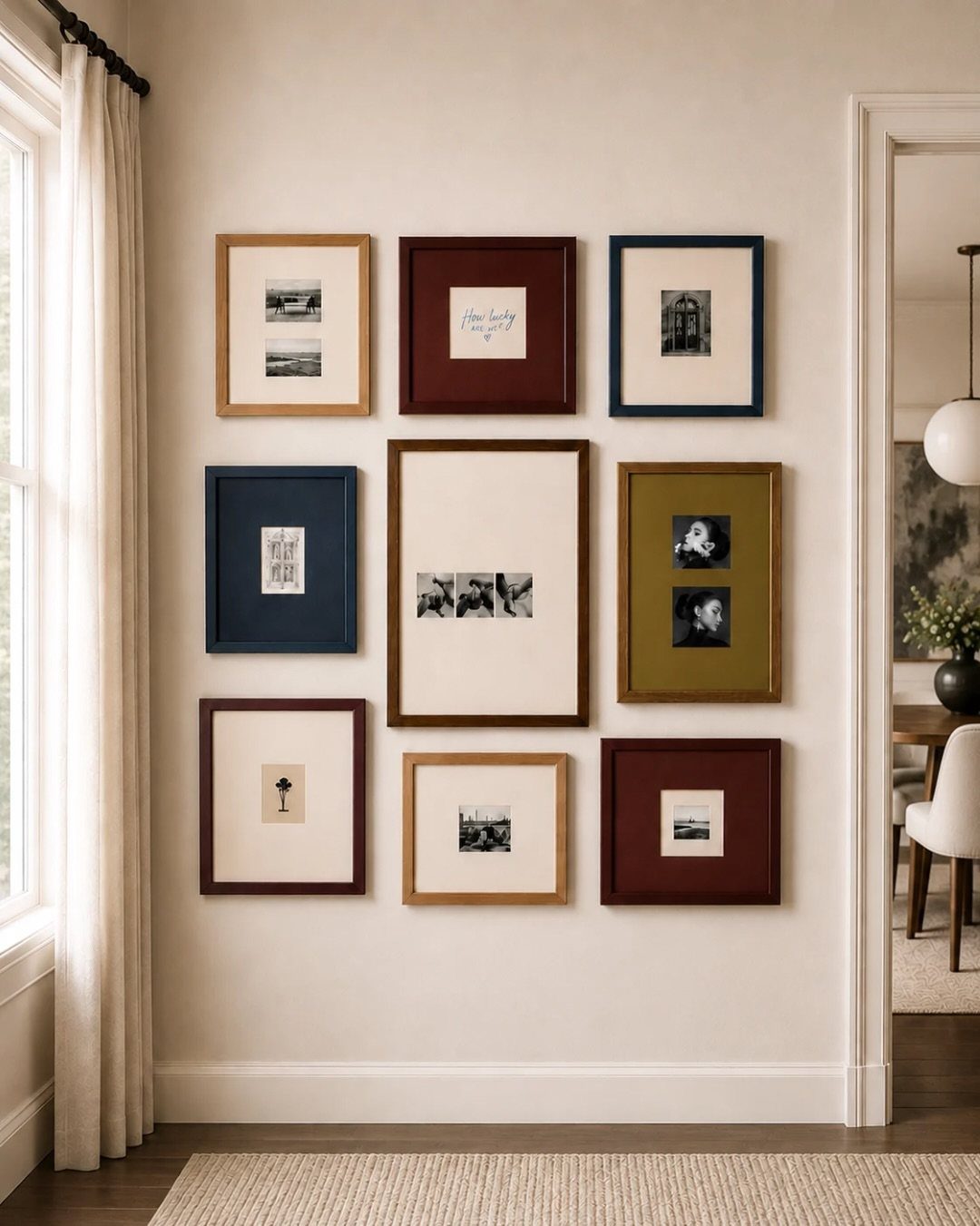
Building a gallery wall for a dining room means choosing pieces that survive close inspection during long meals; personal photos mixed with found art give guests something to orbit toward when conversation pauses.
I keep the frames within two finishes, three at most, and let the art inside supply the range. Hang the center at eye level for someone seated, not standing, and the wall meets people where they actually are.
A mirror tucked in, as one designer suggests, stretches the space without adding another blank frame.
17. Textured Rugs
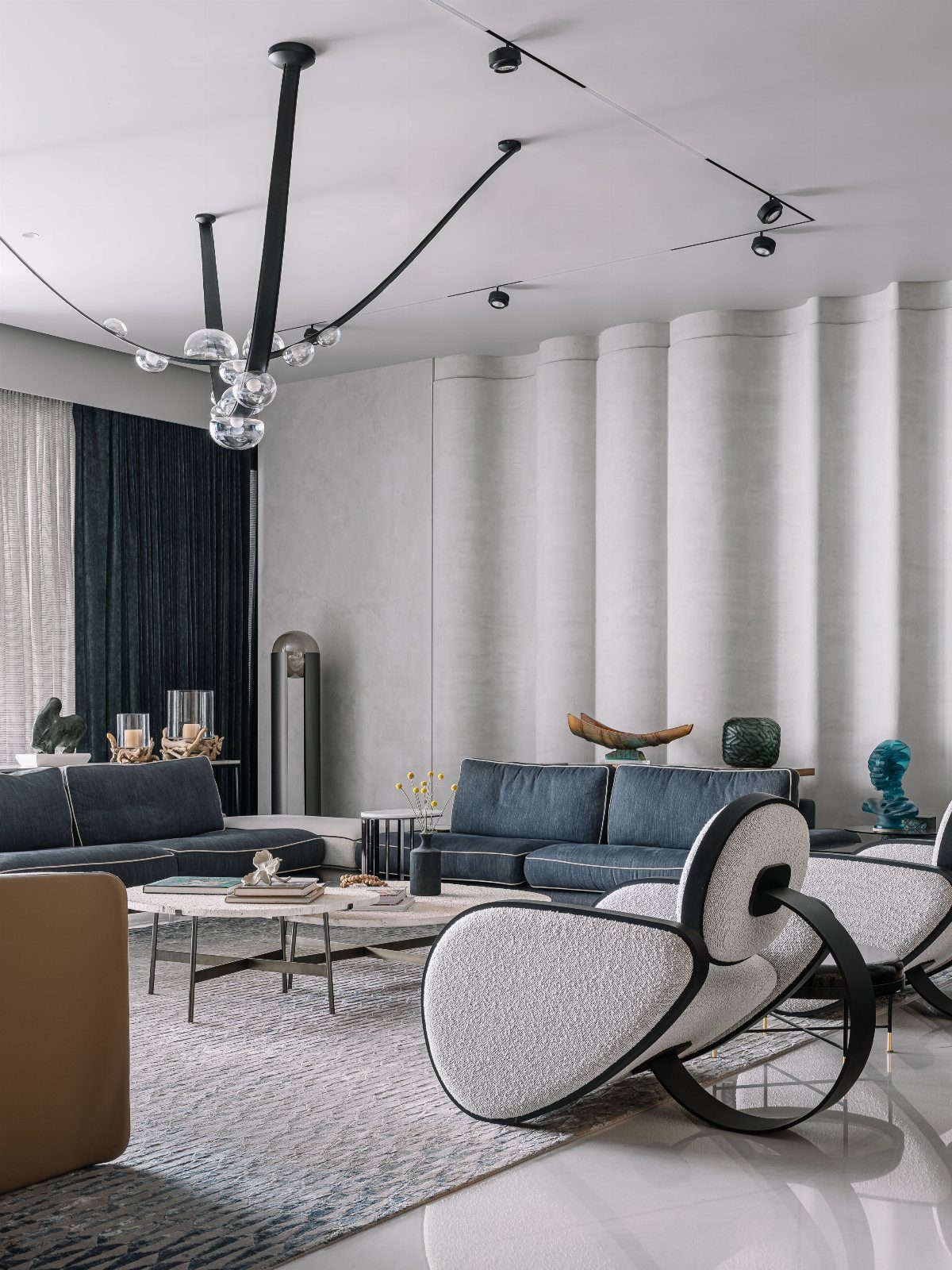
A patterned wool rug underfoot does what paint cannot: it softens sound, catches chair scrapes, and gives the eye somewhere to rest below table height.
Checkered or diamond patterns bridge traditional and modern without committing fully to either, and wool holds up against red wine and weekend projects better than most fibers expect.
Vintage orientals bring instant history but check the pile height; too plush traps crumbs and fights sliding chairs.
For a first rug, I’d go with something flat-woven or a low-pile wool in a dark base, sized so all chair legs stay on it even when someone pushes back from the table.
18. Candlelit Ambiance
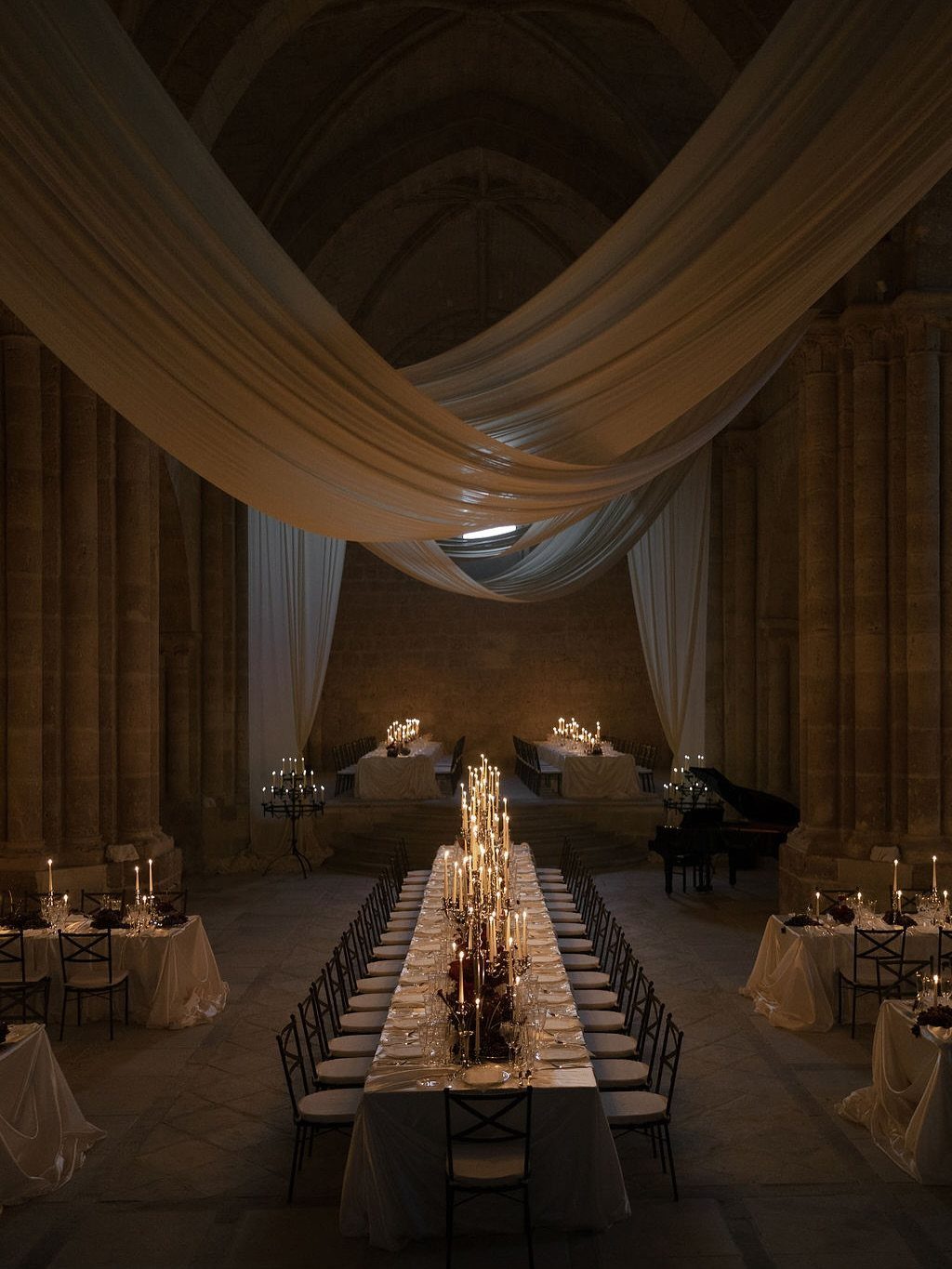
Taper candles in varying heights across a long table turn a stone hall into somewhere you want to linger.
The same arrangement works on a standard six-top: group three to five candles, none matching, and let wax drip where it will. Unscented tapers keep the food from competing, and brass or iron holders beat glass for moody rooms.
Battery-powered options have improved, but real flame still moves in a way nothing else does. Start with fresh candles for a dinner that runs late; the gradual dimming tells you when to call for dessert without anyone checking a phone.
19. Dramatic Drapery
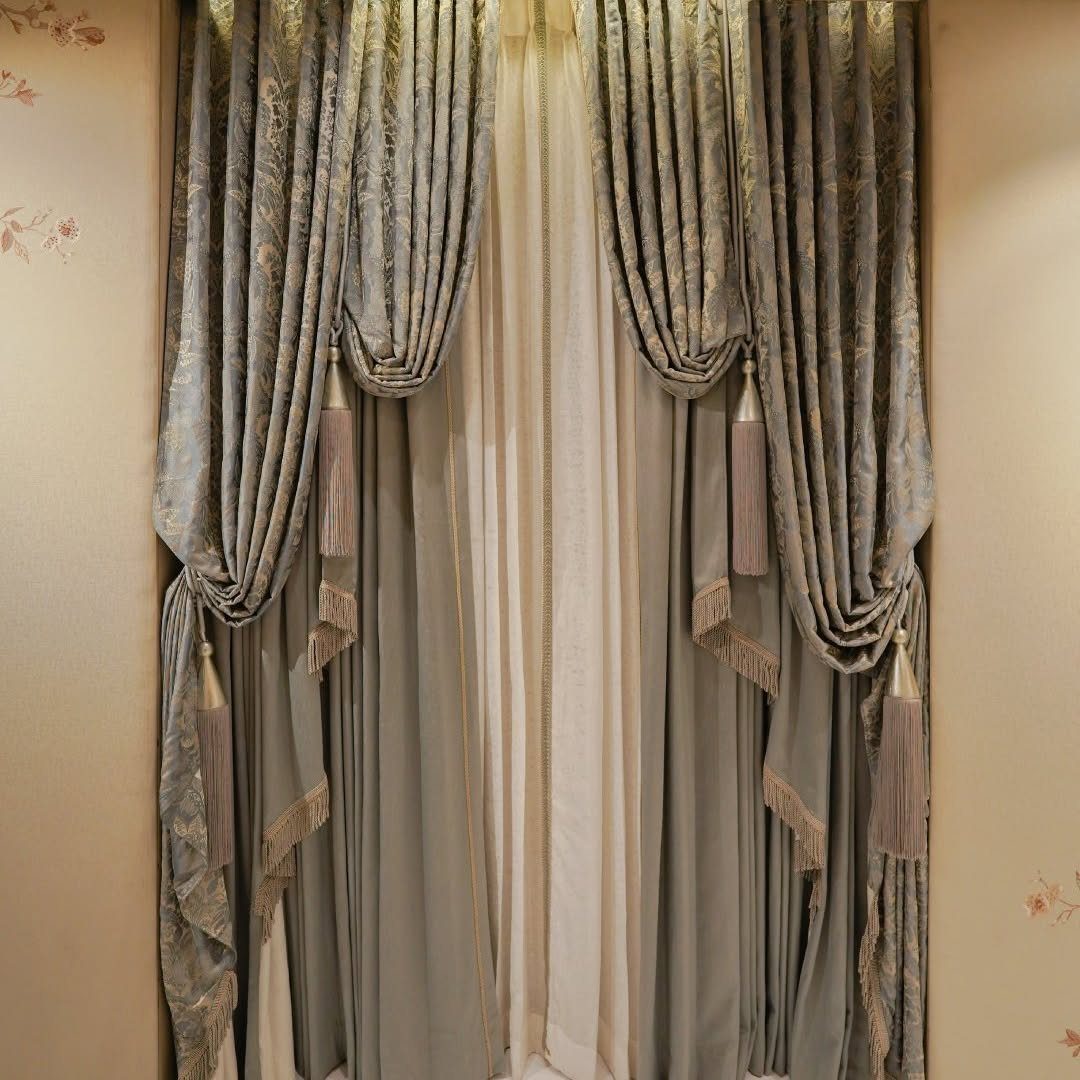
Heavy drapery does more than cover a window. It frames the room the way a stage curtain frames a set, and in a moody dining room that framing matters.
Floor-to-ceiling panels in velvet or a thick woven fabric are not cheap, but the weight is what changes the light.
I would hang the rod well above the frame and let the fabric pool slightly at the floor; the extra length reads as intentional, not sloppy.
Sheer panels underneath let you layer for daytime. Without them, the room goes dark as a theater at noon.
This suits renters who can patch a few screw holes later, and owners who want one dramatic move without touching the walls.
Creating a Cozy Atmosphere
Dark leather seating adds weight and warmth that fabric cannot match. Leather seats in dark brown or black around a wood table pull the room together fast, and lighter cushions keep the weight from sinking the whole look.
The leather ages in place, picking up marks that read as character rather than wear.
Built-in bookcases in dark wood push the same feeling further, especially when they hold actual books rather than staged objects.
A vintage brass chandelier overhead keeps the light warm and low; nothing kills a moody room faster than cool white bulbs.
If a full wall of shelving is not an option, even a single tall bookcase in a corner does some of the same work.
Choosing the Right Colors
Emerald green, navy, and charcoal gray are the colors that come up again and again for this look, and for good reason.
They recede in low light instead of fighting it, which makes a dining room feel contained and quiet rather than boxed in.
Blue chairs against a darker wall prove that the palette does not have to stay somber. A designer used exactly that combination, pairing the seating with artwork that carried some of the same brightness.
The chairs become the accent instead of a pillow or a vase, and the room still reads as moody because the walls hold the depth.
Charcoal against slate blue, or deep green with a lighter band above the picture rail, does the same job of keeping the dark from flattening everything.
The dark color does the heavy lifting; the lighter one keeps it from going flat.
Now, clients are embracing the idea of the dining room as a destination again. They’re taking more risks with wallpaper, statement lighting, and bold fabrics, creating rooms that feel layered, intentional, and worthy of gathering.
Importance of Lighting
One fixture is never enough in a room painted dark. A glass bubble chandelier over the table draws the eye upward and casts interesting shadows, but it needs company.
Wall sconces, a low side lamp, or even candles on a shelf add layers that stop the space from feeling like a stage set.
Dimmable switches are worth the small extra cost. A dinner party wants lower light than a Tuesday lunch, and the ability to shift between them means the room works for both without changing a bulb.
Light needs to come from several places at several heights, so it moves around the room instead of collecting in one puddle. A single overhead fixture, however beautiful, leaves the corners dead.
Balancing Dark Colors
A round black table with green velvet chairs and gold accents shows how dark furniture avoids gloom. The green reads as color, the gold catches what light there is, and the round shape keeps the eye moving.
Without those lighter or brighter notes, the same room would sink under its own weight.
Mirrors matter more in a dark room than anywhere else. They do not have to be large; a medium mirror opposite a window or a lamp doubles the light source.
Textured rugs, varied wood tones, and the occasional metallic object do similar work by giving the eye places to rest that are not more of the same deep color.
Vertical stripes in a lighter tone on one wall, or a dark paper with a subtle pattern, add movement without breaking the mood.
Frequently Asked Questions
What color is best for a moody dining room?
Emerald green, navy, and charcoal gray are the colors that come up again and again, and for good reason.
They let the light settle instead of throwing it back, so the walls feel close in the right way, like a booth at a good restaurant.
How to make a room look moody?
Start with navy, charcoal, or forest green on the walls, then build the lighting so it grazes instead of floods. Woven seagrass, raw wood, or stone keeps the dark from turning too slick or too severe.
Are moody living rooms in style?
Yes, moody designs are trending for their dramatic and inviting atmosphere. The same principles apply across rooms: deep colors, layered lighting, and rich textures create spaces that feel intentional rather than merely dim.
Dining rooms have become the place where people actually try the bold ideas they only pin for the rest of the house.





