
Bedroom decor ideas for couples run from a string light set you grab at checkout to a full built-in wall unit that eats a weekend, with most of the list landing in the few-hours, few-dollars middle where two people can finish before Sunday dinner.
The idea that belongs to you depends on whether your bigger problem is mismatched sleep schedules or mismatched taste, because the post splits between lighting and layout fixes on one side and color and texture on the other.
One maker’s hexagonal shelves, stacked like honeycomb with two cells deliberately left empty, show up as proof that the whole list was chosen for actual shared rooms rather than staged shoots.
1. Dimmed Lighting
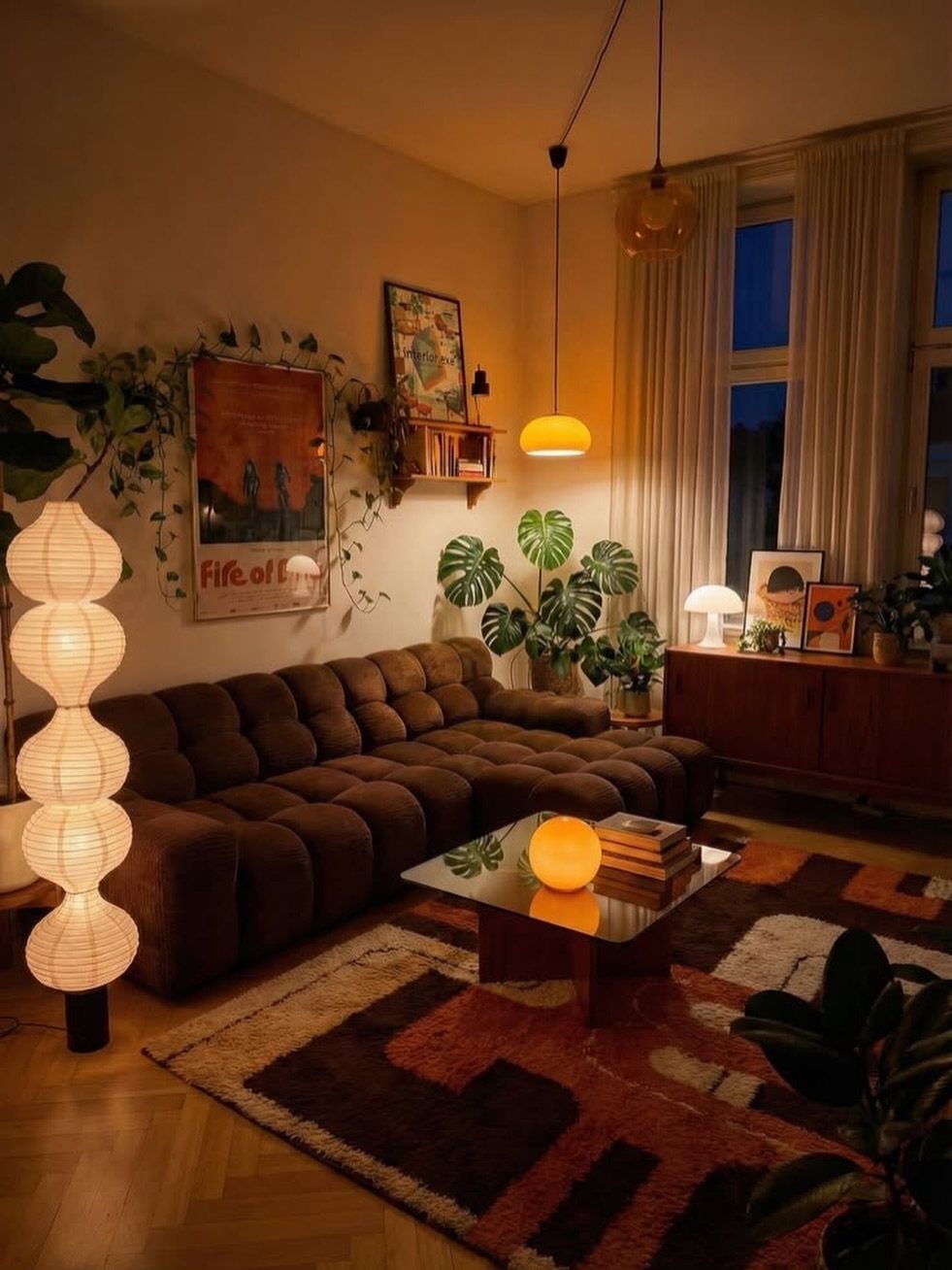
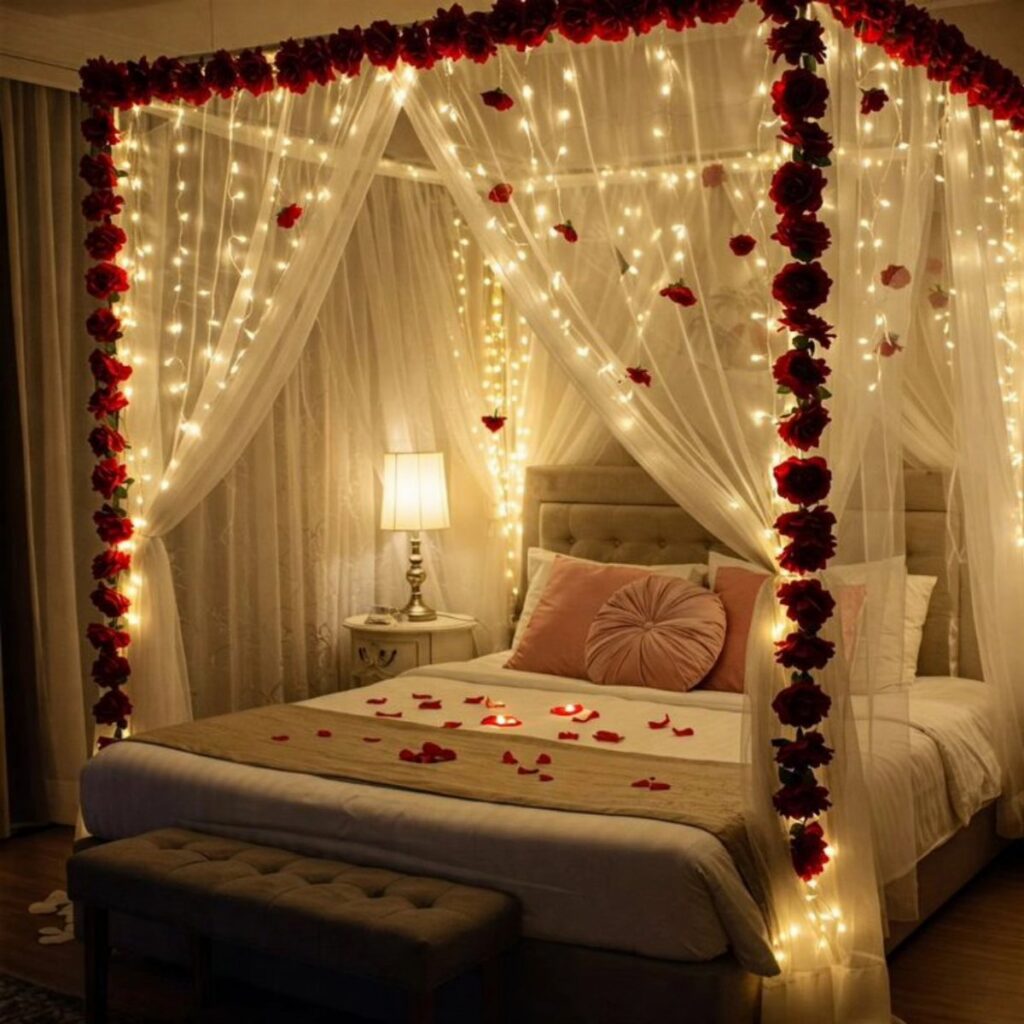
Bedside lamps with dimmable bulbs install in minutes; string lights tucked behind a headboard skip the nightstand entirely. A battery-powered LED strip under the bed frame gives off a glow that stays cool enough to leave on all evening.
For couples with mismatched sleep schedules, this matters more than romance: one person reads while the other dozes, and neither needs to negotiate overhead switches.
Start with sheer curtains for morning light if you also want that gentle sunrise wake-up; the alarm phone stays in the drawer.
2. Personalized Decor

A neon sign spelling out something only the two of you get turns a wall into a story without framed clutter.
Initials stitched into throw pillows or wedding dates woven into small rugs survive washing better than printed photos; mall kiosks handle the embroidery for a small fee.
The scrapbook route works if you already print pictures, but most of us do not. One framed travel photo or a single love note under glass does the same job with less dusting.
Pick the item that already means something; buying new sentiment usually reads as hollow in a shared bedroom.
3. Canopy Bed
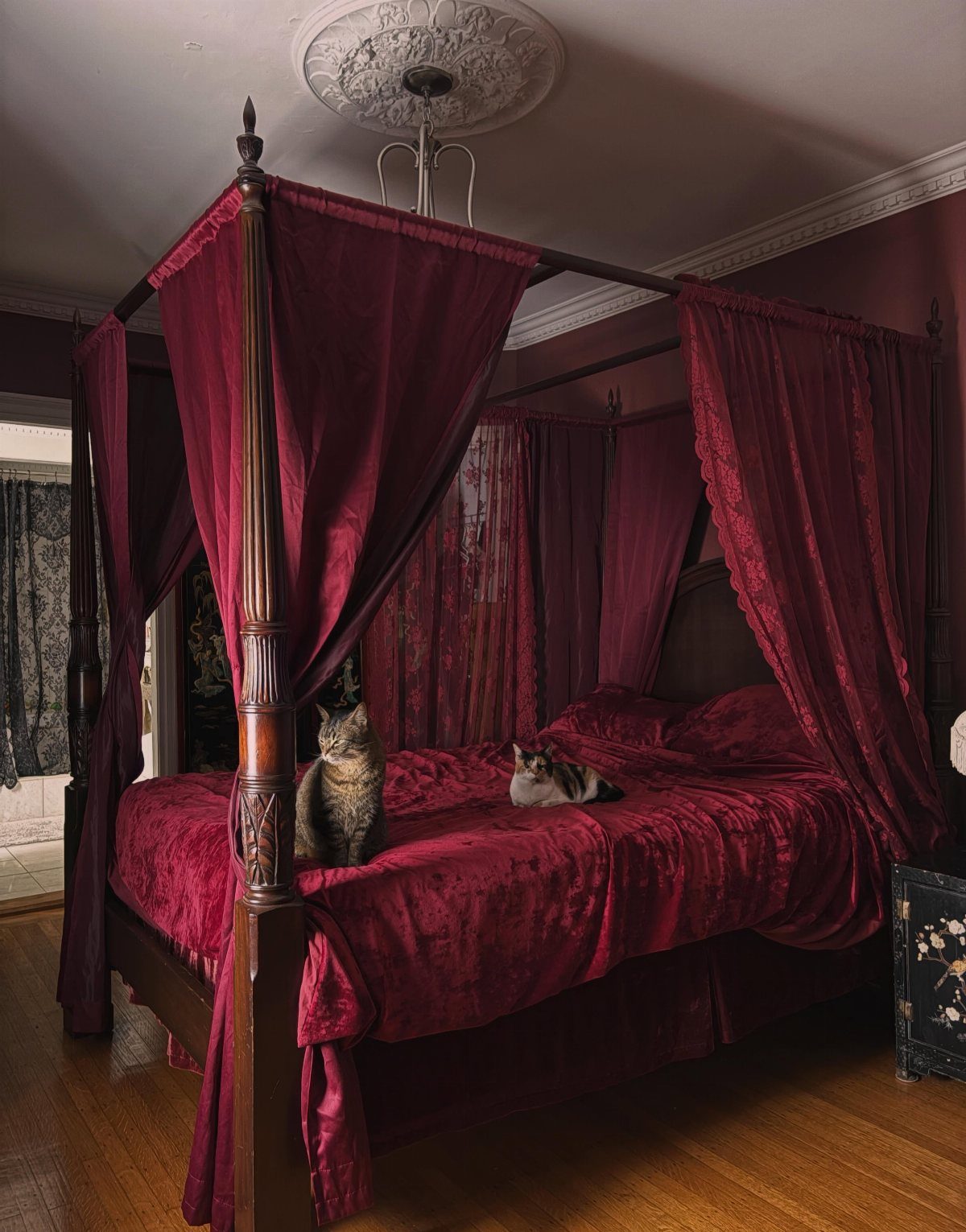
Deep red velvet curtains on a four-poster frame turn an ordinary mattress into a room-sized tent. Chiffon or tulle runs light and cheap, and gathers well on a simple ceiling hook if you lack posts.
A sheer panel drapes from a swag hook in about an hour, with most of the budget going to the fabric itself.
Silk looks richer but dry-cleans only; machine-washable polyester chiffon survives pet ownership and morning coffee spills with less regret.
4. Accent Wall

A geometric raised pattern on one wall gives the eye somewhere to land without repainting the whole room. Ready-made slat panels mount with construction adhesive if you rent; peel them off later with a putty knife and a hairdryer.
The same set of slat panels can follow you from one apartment to the next.
Midnight blue or emerald green paint works instead, but textured wallpaper hides drywall sins that flat color exposes. Vertical slats specifically stretch ceiling height, which matters in the 8-foot boxes most couples rent.
One wall is enough; two reads like a restaurant booth.
5. Comfortable Seating Area
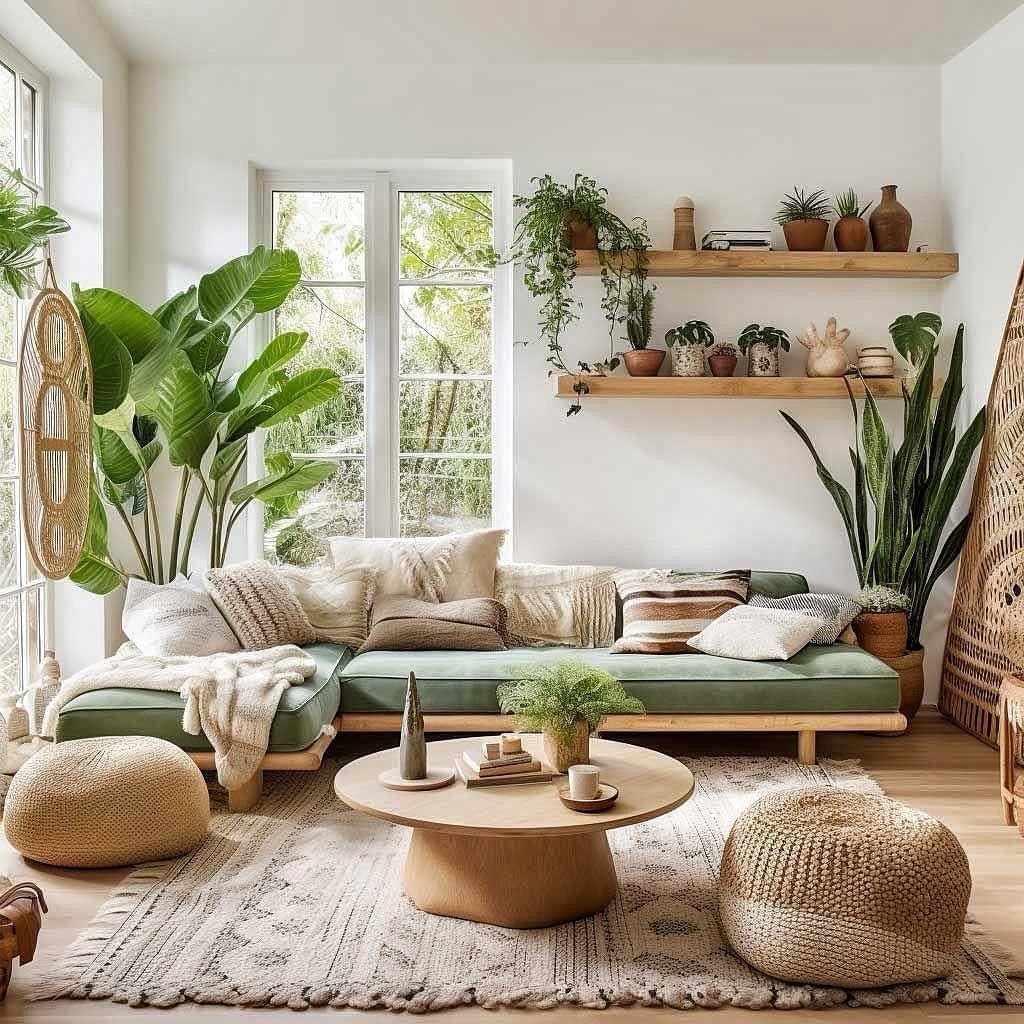
A loveseat at the foot of the bed or tucked into a window bay turns the bedroom into somewhere you actually sit together.
Upholstered armchairs work in tighter spaces; hotel liquidations and estate sales turn up small-scale pairs for less than retail. Add a round table for coffee cups or card games, something 18–24 inches across so it does not dominate.
The real tradeoff is square footage. In a 10-by-12 room, this corner eats walking space you need for dresser drawers.
A single slipper chair and a wall-mounted ledge for mugs solves the same problem in half the footprint.
6. Wall Art
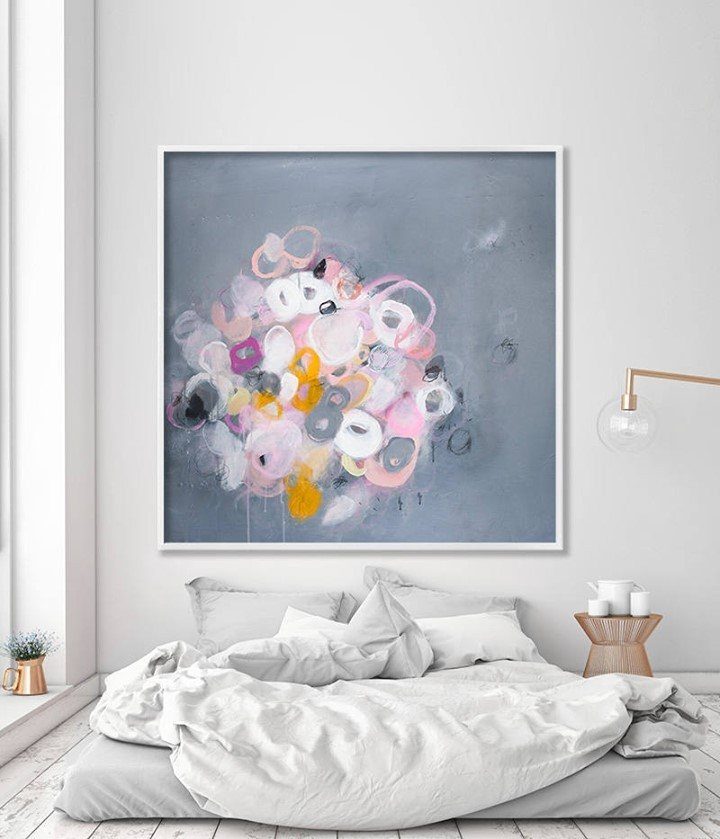
Abstract circles in pink and yellow read as cheerful rather than romantic, which suits couples who share a bedroom but do not want hearts everywhere.
Framed poetry or a printed quote fits a standard poster frame; original art runs higher but supports someone you might actually meet.
I hang my own pieces at eye level from the bed, not centered on the wall. Lying down is the viewing position here, and art placed for standing visitors might as well be on the ceiling.
One large piece beats a gallery cluster in small rooms; fewer holes in the drywall too.
7. Floating Shelves
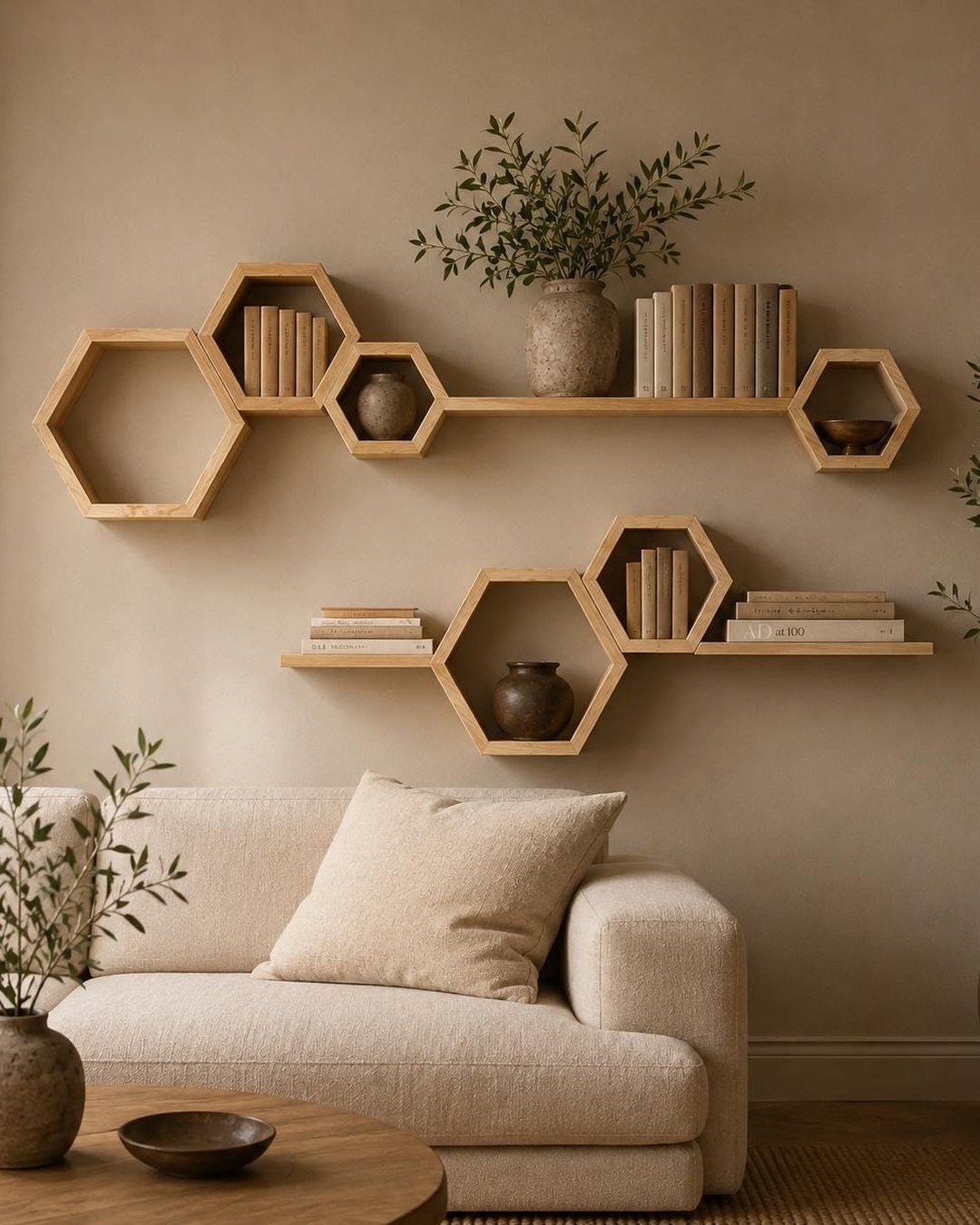
Hexagonal shelves stack together like honeycomb, each cell holding a single object so the whole wall stays readable. One maker leaves two cells empty on purpose; the gaps let the eye rest and keep dusting simple.
I like these for couples because each person gets their own zone without a second piece of furniture. Mount them at bedside height and the floor stays clear for vacuuming.
The maker suggests a trailing plant, one book on its side, and a small ceramic per occupied cell.
If you need hidden storage, add a drawer below instead of a lower shelf. The wall still breathes; your phone charger just disappears.
8. Wall Mirrors
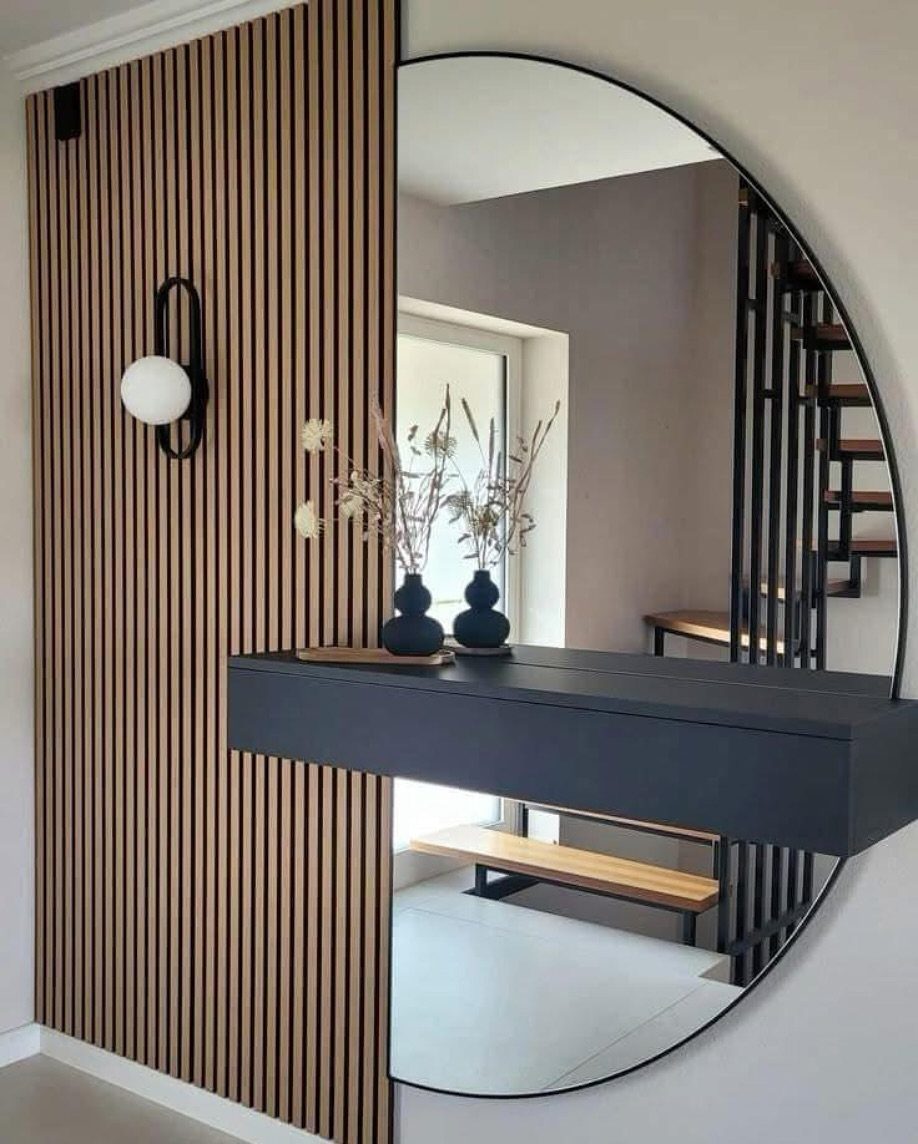
A round mirror with a thin frame does the same work as a window you didn’t have to cut.
Hang it perpendicular to your light source, not opposite a door, and it bounces daylight deep into a room that otherwise goes dark by mid-afternoon.
Leaning works too, if your baseboard allows the clearance. A tall mirror set low on the wall doubles the floor line and stretches the room.
In a narrow bedroom where both people need to check their clothes before leaving, this is the one trick that actually helps.
For couples sharing a small space, one large mirror costs less than reworking the lighting and moves with you when you leave. Check that the frame color speaks to something else in the room, or it floats like an afterthought.
9. Layered Curtains
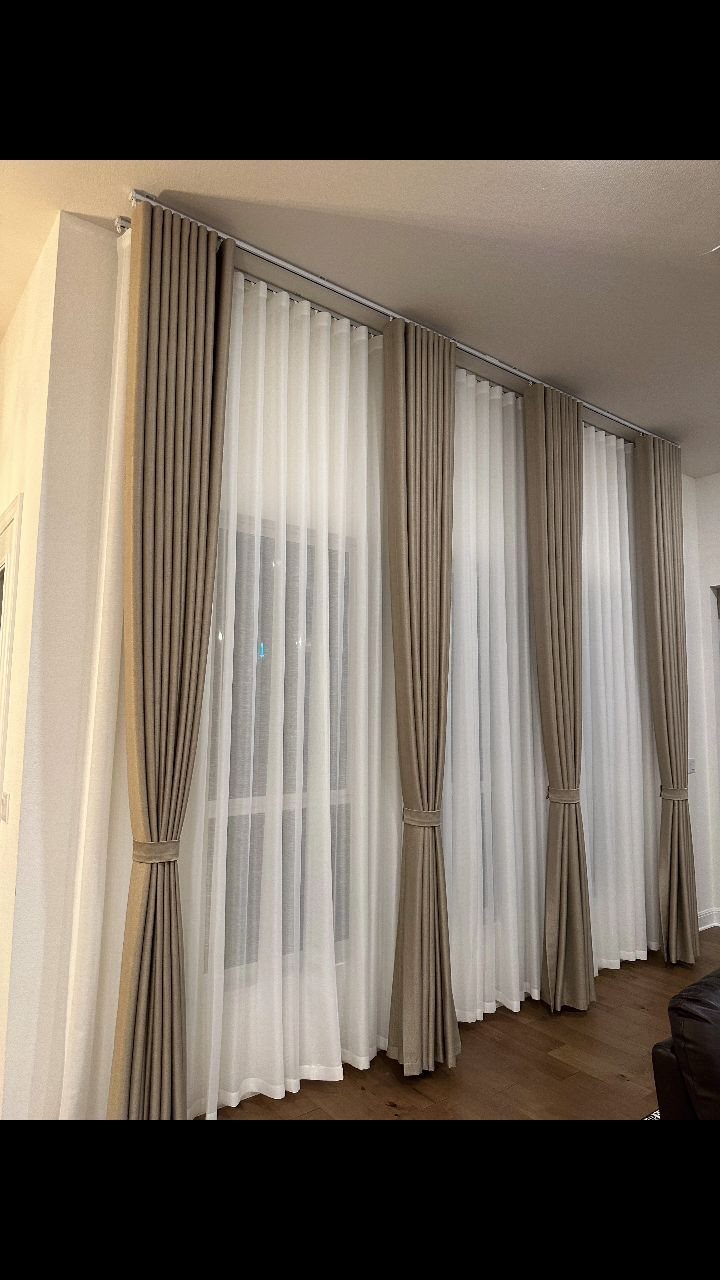
Sheer panels underneath and heavier drapes on top give you four modes instead of one. Draw both layers back for morning light.
Close the sheers alone for filtered afternoon sun that doesn’t fade the bedding. Pull the opaque drapes for sleeping in on Sunday, or for both when winter drafts find the gap.
The rod needs to sit wide enough that the open drapes clear the window glass entirely; otherwise you lose the daylight you paid for.
Silver or brass, the hardware should disappear against the wall so the fabric reads as the detail.
Taupe over white stays neutral enough that one person’s taste doesn’t dominate. Wash the sheers more often than the outer layer; they show grime first.
10. Soft Plus Cozy Rugs

A patterned rug under the bed gives your feet something soft at 6 AM and frames the whole sleeping area as one zone. The damask motif in grey and cream hides the dust that shows instantly on solid pale colors.
Wool or a high-pile synthetic in a neutral tone pairs with bedding you already own. Vacuum twice weekly; steam clean every six to twelve months if you keep windows open or have a pet.
The maintenance rhythm matters more than the fiber choice.
For renters, the rug travels with you and forgives floors you didn’t pick. Size it so at least 18 inches of pattern show on three sides of the bed; less looks like a bath mat that lost its way.
11. Scented Candles
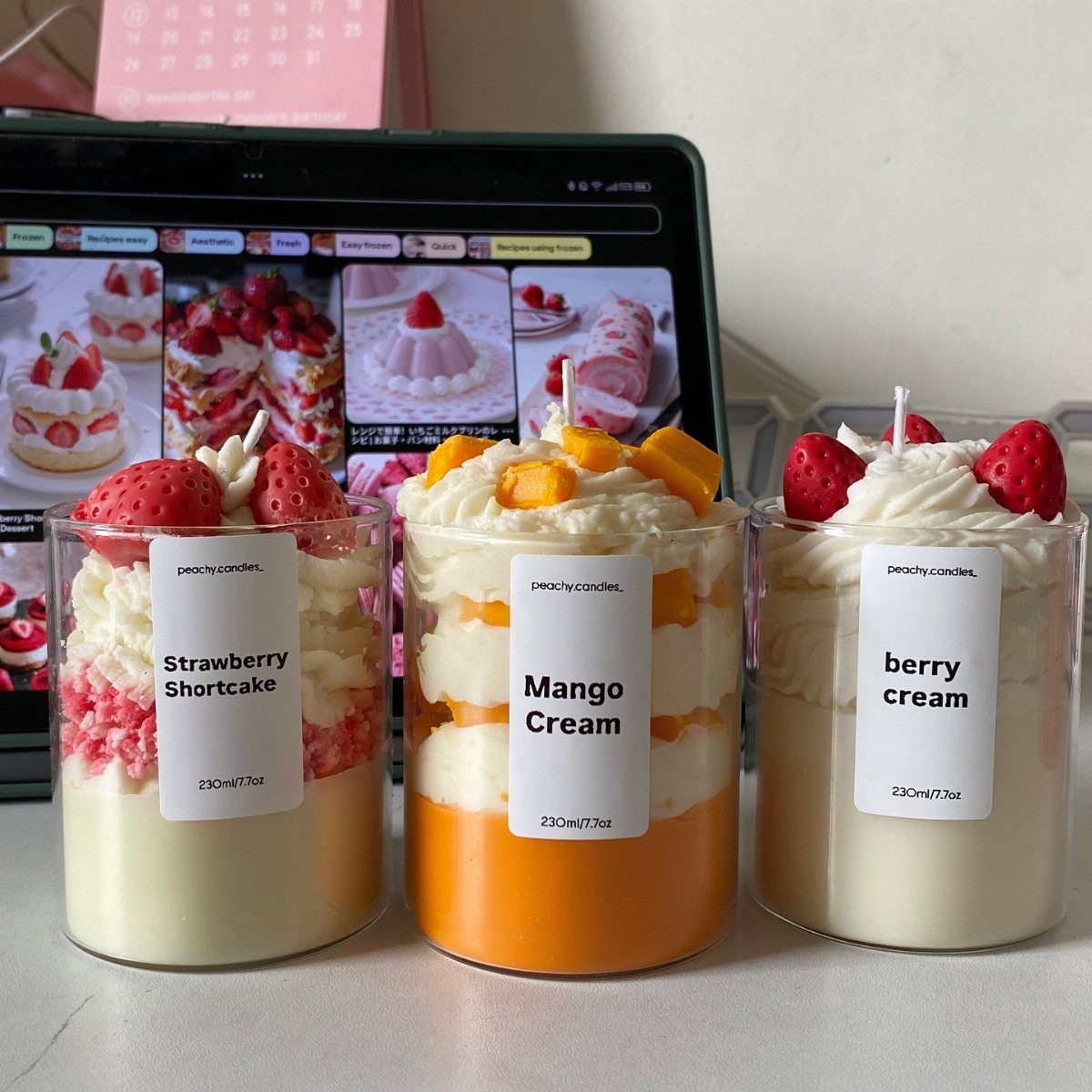
Three dessert-style candles in glass jars sit where a lamp would crowd the nightstand. The whipped texture reads as playful rather than precious, which helps if one of you finds standard romantic decor slightly embarrassing.
Lavender and vanilla do the actual work of lowering shoulders after a long day. Sandalwood lasts longer but can read as cologne-heavy in a small room.
One maker uses metal or glass holders for safety; the jar itself already solves this.
Light them only right before bed, not all evening; the scent lasts longer than the flame. The nose adjusts and stops noticing, but the flicker still registers.
Blow them out before sleep; the glow was the point, not the risk.
12. Layered Bedding
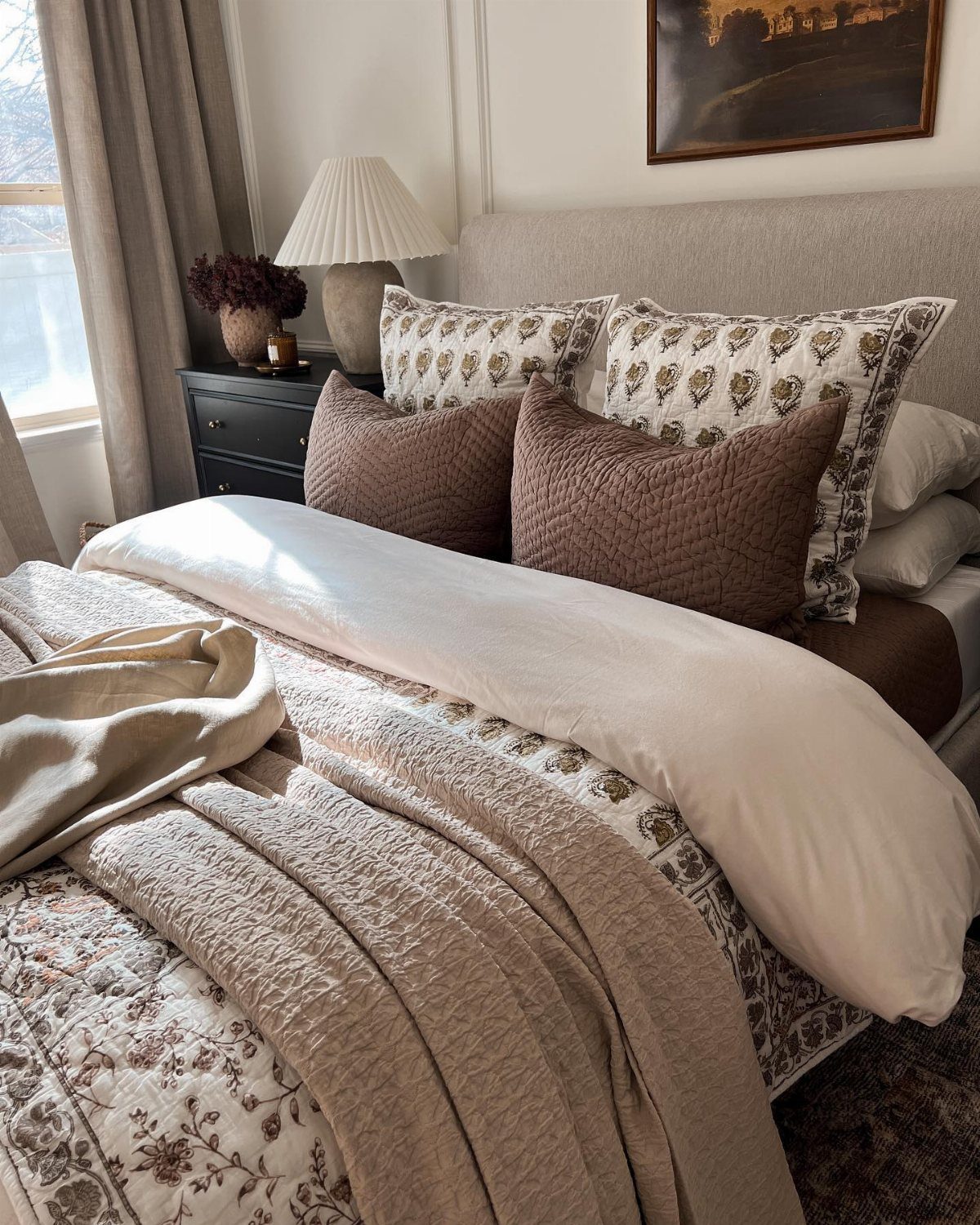
A bed that looks inviting starts with weight, not color. Linen on top, a cotton blanket folded at the foot, and a coverlet in between give the eye three textures before the pillows even arrive.
The maker mixes blush, ivory, or mint; I have seen cream, tan, and off-white work as well in rooms where brighter colors fight the wall paint.
Linen wrinkles and looks better for it. Cotton stays smooth.
The contrast between the two finishes is what reads as intentional, not the perfection of either one.
For couples, buy a size up from what the mattress label suggests. The extra width ends the nightly tug-of-war and lets you tuck properly on both sides.
13. Built-In Storage
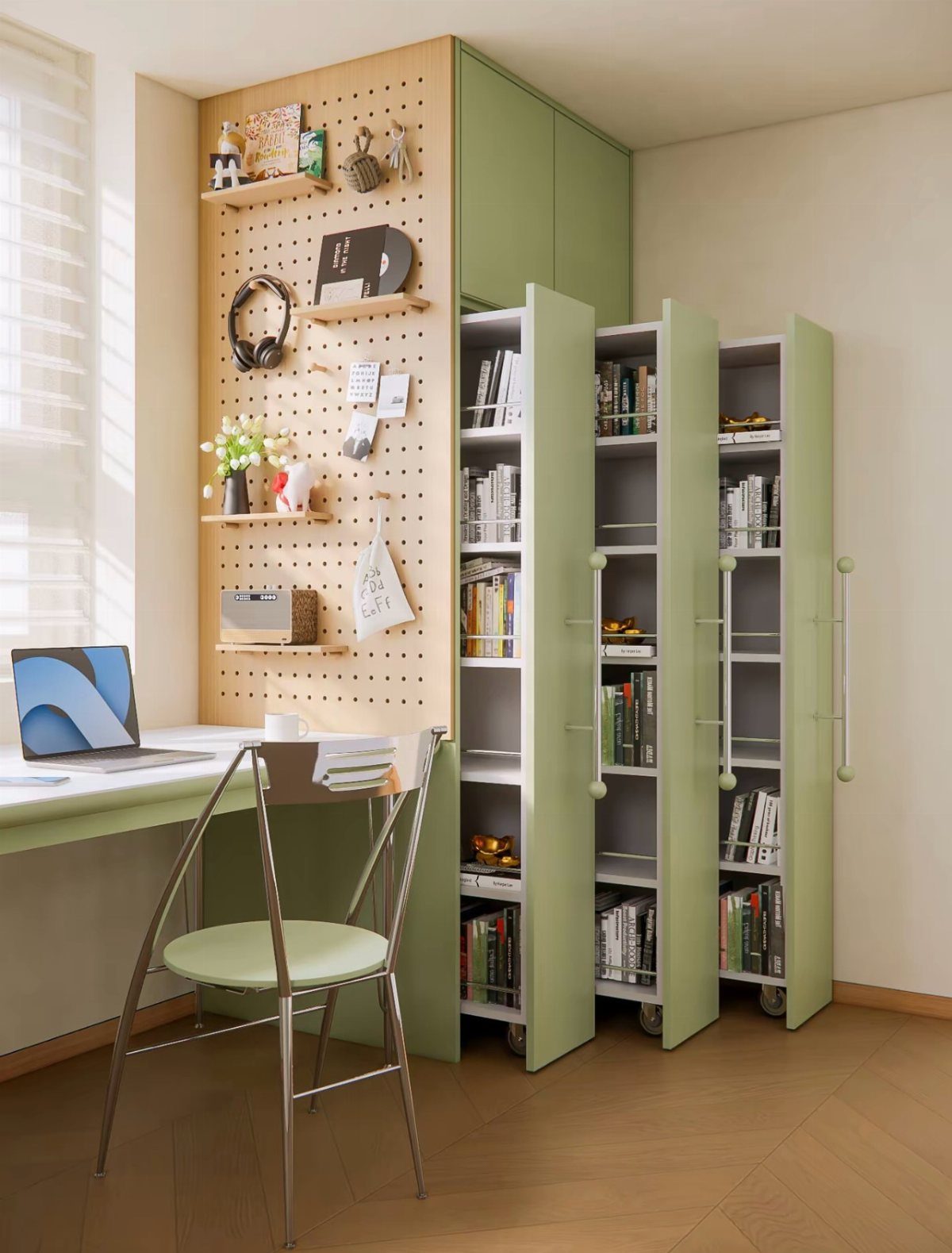
A built-in unit turns the wall itself into storage, which matters when floor space is tight and two people’s belongings need to fit.
Built-in storage painted in one color, with a pegboard section, can handle books, desk work, and small items that usually end up scattered.
This works best when one of you needs a workspace and the other needs the room to still look like a bedroom.
Measure twice before building, because a built-in that misses your storage bins by half an inch wastes the whole idea.
14. Textured Fabrics
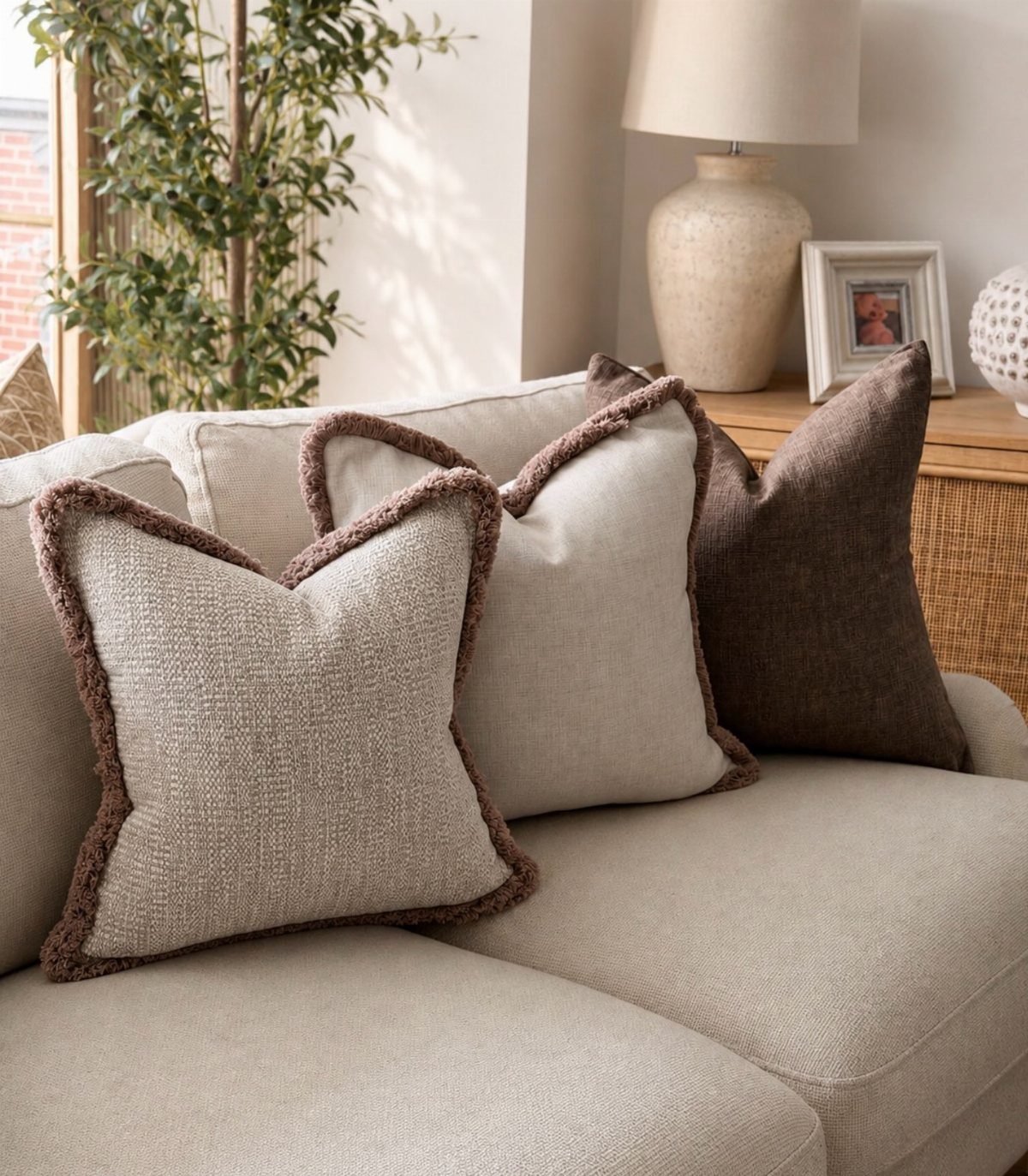
Texture does more than color for making a room feel finished, especially when two people are trying to merge different ideas of comfortable.
Pillows that mix braid, weave, and smooth edges in the same neutral range add depth without loud color.
Silk catches light, velvet absorbs it, cotton holds shape; combining them means the room shifts slightly through the day instead of sitting flat. I have found that two sets of curtains, sheer and blackout, do the same for walls.
This approach suits couples who disagree on bold color but agree on wanting to touch things. The cost stays low because neutrals layer without fighting; the risk is a room that reads as beige.
A single dark brown accent pillow usually fixes a neutral scheme that feels too flat.
15. Hang Fairy Lighting Strip
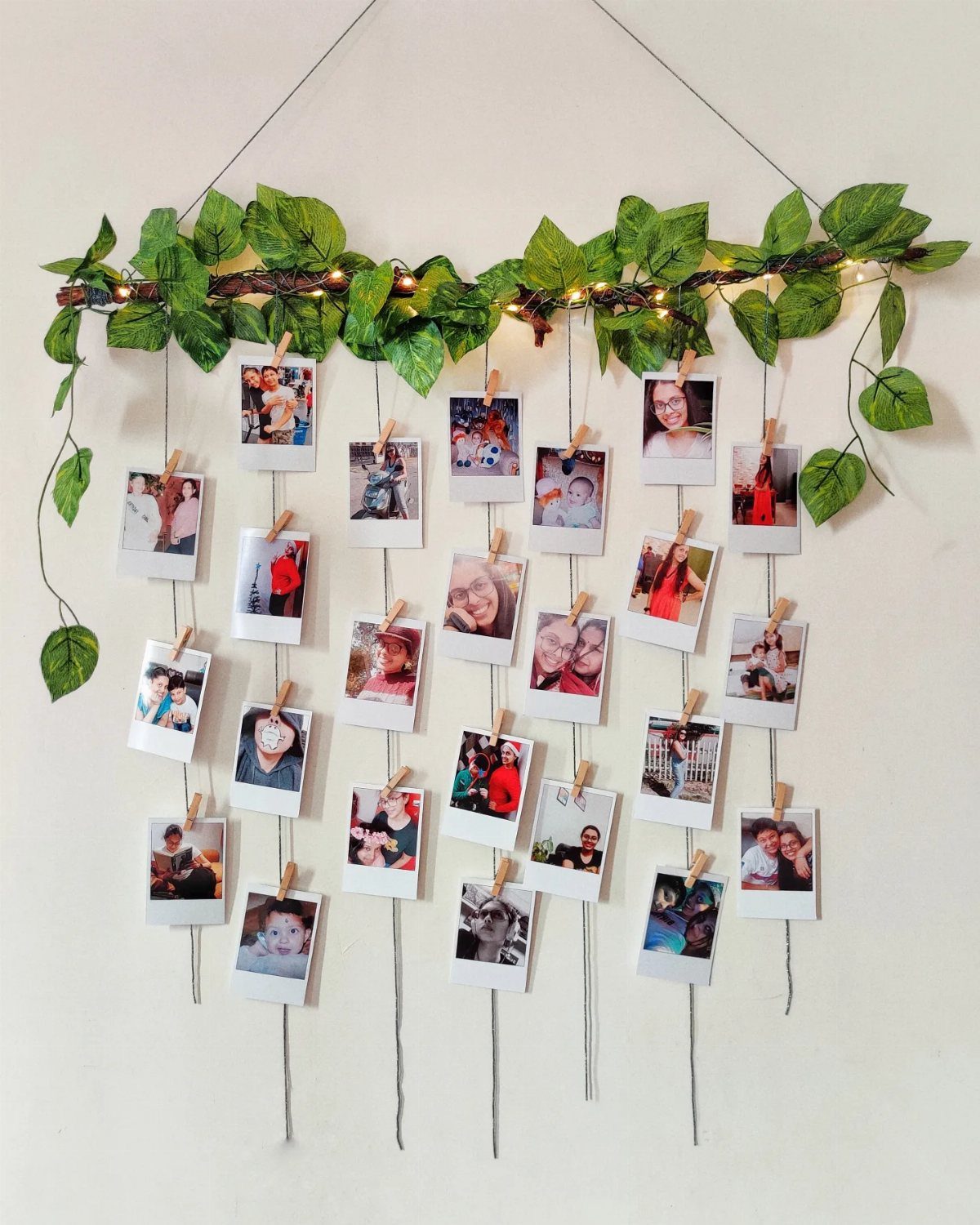
Fairy lights strung through a vine of leaves, with small photos clipped on, turn a plain wall into something that holds actual memory instead of just decoration.
The soft twinkle is easier on the eyes than overhead lighting, which matters for winding down together. This kind of lighting makes a room feel more intimate in almost any setup.
Clothespins and thin string are one way to hang them; the lights themselves are the cheap part of the project.
A four-poster bed is not required. Sheer fabric hung from the ceiling over the bed creates the same private nook.
The thing to avoid is too much color in the lights themselves: warm white reads grown-up, multicolor reads dorm room.
16. Elegant Nightstands
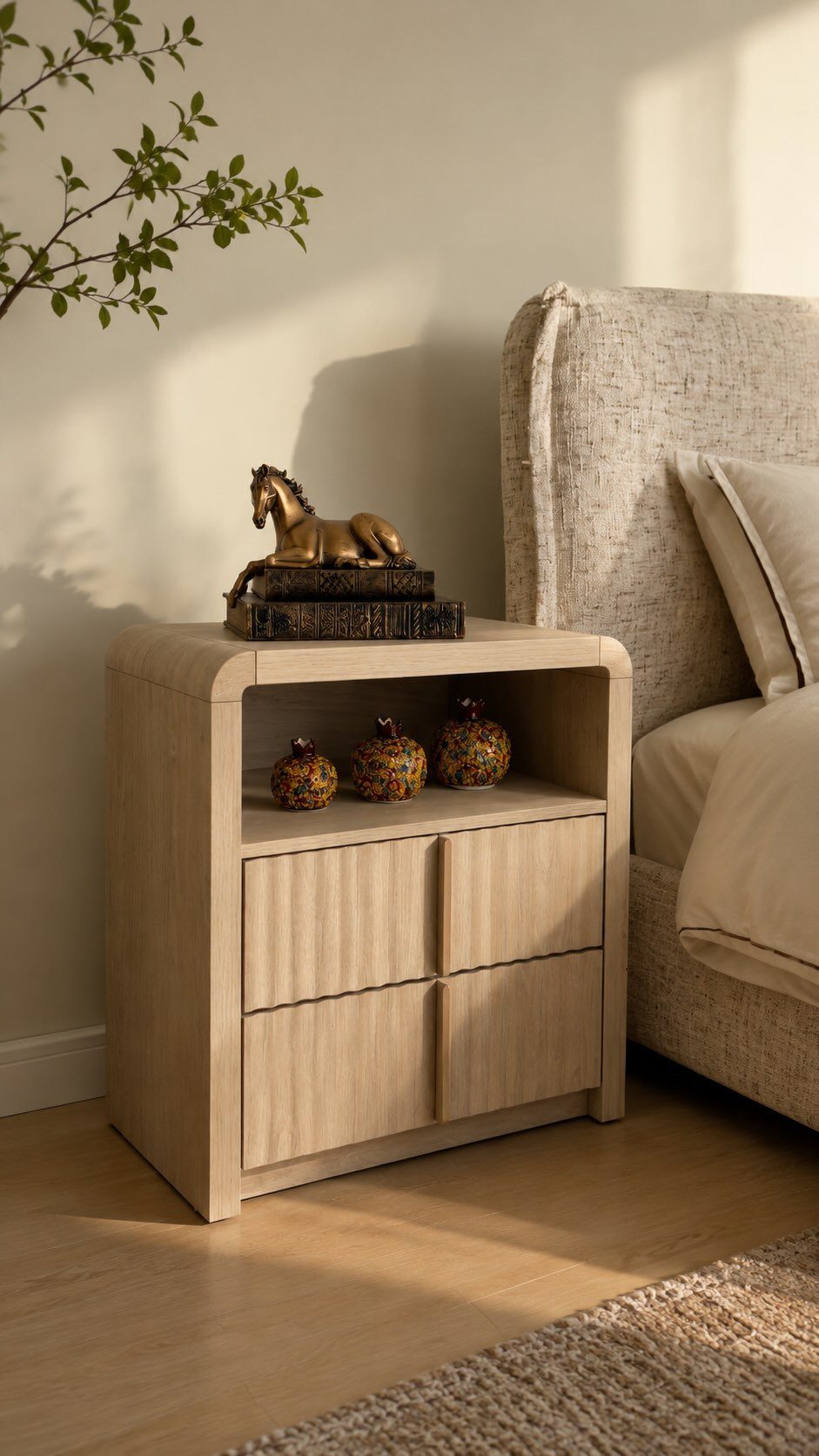
A nightstand has to hold glasses, phones, books, and whatever else lands there at 11 PM, so an open shelf and small surface are doing real work.
I would look for a lower shelf or drawer; the photo’s open compartment works for display, but hidden storage hides clutter when one of you is neater than the other.
This suits couples who want the room to look intentional without matching everything. Elegant lines often mean less drawer space.
If you need more, a similar finish on a boxier piece keeps the look.
17. Indoor Plants
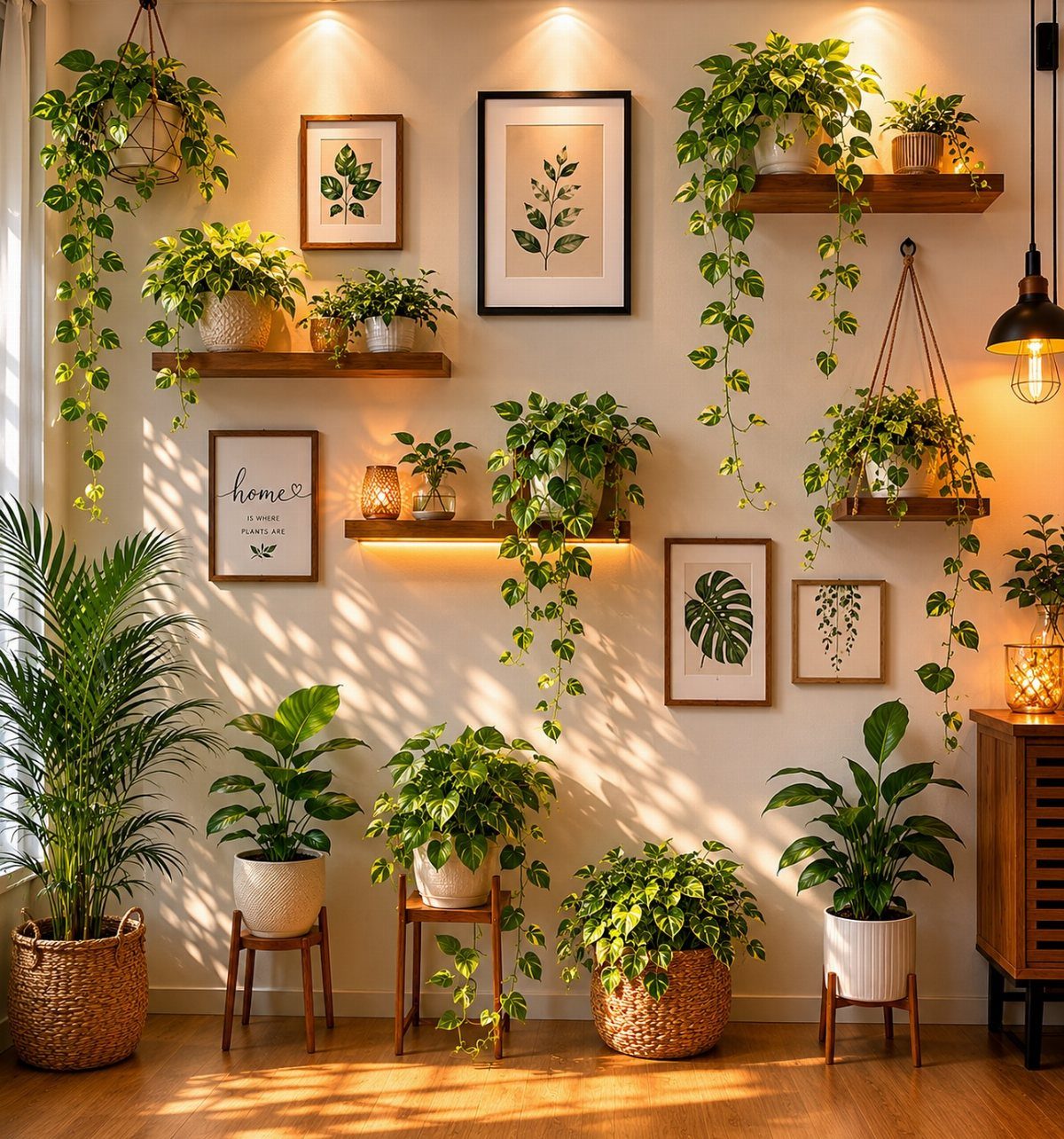
Plants soften a room in a way paint and fabric cannot, and an olive tree or similar leafy variety needs only a spot near the window and regular watering to stay alive.
Monstera or Ficus do the same if you want larger leaves and have the floor space.
This is for couples where one person wants life in the room and the other worries about mess. A single substantial plant in a simple pot costs less than a piece of art and changes with the seasons.
The limit is light: a north-facing bedroom will need lower-maintenance varieties or a grow bulb.
18. Custom Pillows
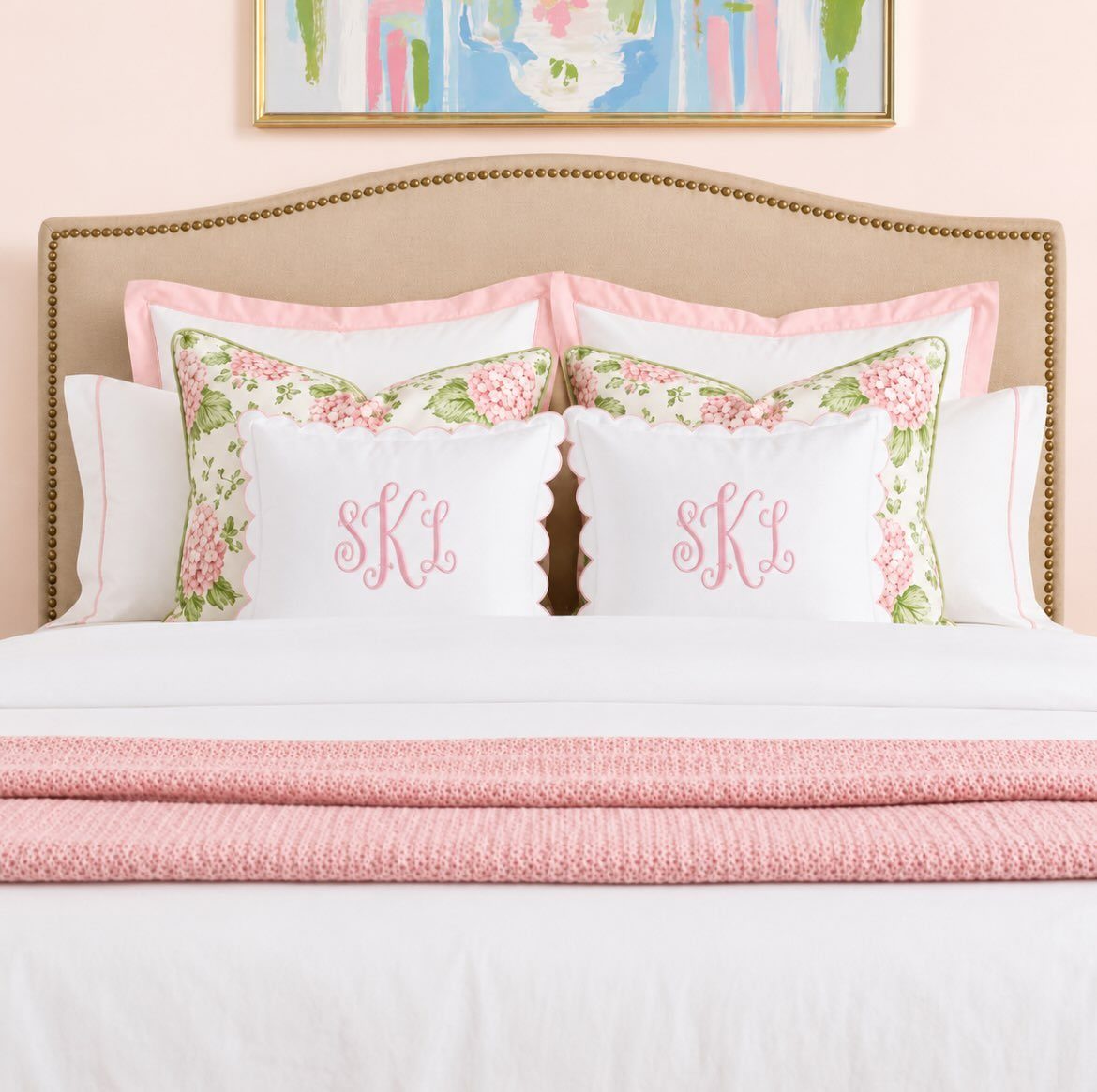
Monogrammed initials on scalloped pillows are a small detail that turns store-bought bedding into something specific to the two people sleeping there.
Printing names, anniversary dates, or a short phrase costs only a few dollars more than plain covers and takes the room away from catalog styling.
I would keep the custom piece in a neutral like white, so it mixes with patterned pillows instead of fighting them.
This idea works best when one of you loves personal touches and the other finds most couple decor too sentimental. Custom printing usually means waiting longer than an off-the-shelf order.
Order early, or use the delay as the excuse to finalize the rest of the room first.
Importance of Bedroom Design
A bedroom built around both partners sleeps better than one built around one.
The layout matters more than the furniture grade: enough clearance on both sides of the bed, matching nightstands at equal height, and light switches within reach from either pillow. These details keep small frictions from stacking up into real irritation.
Color temperature shapes how the room feels after dark. Warm bulbs, dimmable fixtures, and layered sources let one partner read while the other winds down.
Blackout layers handle the rest, especially when sleep schedules don’t line up.
The emotional piece runs through the whole thing. A shared space that holds something from each person, a shelf for their book and a hook for their robe, reads as belonging to two people rather than a compromise between them.
That sense of joint ownership is what turns a room into a retreat.
Choosing a Color Palette
Warm neutrals and soft pastels settle a room without picking sides. Cream, taupe, dusty rose, or sage green carry enough warmth to feel lived-in without demanding attention.
A bedroom color needs to feel calm to both people, not exciting to just one.
Dark palettes work too, when both people want them. A black textured wallpaper with gray headboard, dark bench, and black nightstands builds a cocoon that blackout curtains complete.
Rosy pink bedding against that depth adds the warmth that keeps the room from feeling like a cave.
Test the choice at night, not just under store lighting. Paint a poster board and move it from the window to the shadowed corner where the bed sits.
Colors shift after sunset, and the one that held steady at noon may turn muddy by lamplight. The right palette looks calm at every hour.
Frequently Asked Questions
What are some good ideas for decorating a couple’s bedroom?
Start with dimmable bedside lamps or string lights behind the headboard for lighting that respects mismatched sleep schedules.
Add one piece of personalized decor, like a neon sign with private meaning or a single framed travel photo, instead of cluttering walls with matching sets.
A patterned rug under the bed and layered bedding in textures you both like completes the room without picking sides on color.
What’s a good color for a couple’s bedroom?
Warm neutrals and soft pastels settle the room without picking sides: cream, taupe, dusty rose, or sage green carry enough warmth to feel lived-in.
Dark palettes work too when both people want them, like black textured wallpaper with gray and rosy pink bedding for warmth.
Move a painted poster board from window to shadowed corner before deciding; the right palette stays calm at every hour.





